




News and views


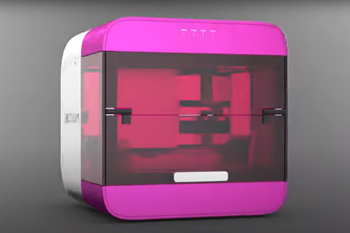
Team responsible for cancer research breakthrough wins Eureka Award
A breakthrough bioprinting system that can rapidly produce 3D cell structures is set to be a game-changer for cancer research and therapeutic development.
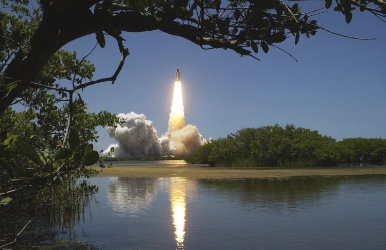
Interstellar impact
Humanity’s move into space is gathering momentum. It’s widely predicted we could feasibly see lunar settlements as soon as the 2030s and crewed missions to Mars just a decade later. But significant hurdles remain—not least, how to ensure a sustainable supply of many survival essentials: food, water, medicines and minerals. University of Adelaide research is meeting the challenge.

Facial recognition to identify victims
Defence science and innovation is not only critical to maintaining Australia’s military capability but its multi-disciplinary applications are increasingly becoming crucial to the safety and security of the broader community.
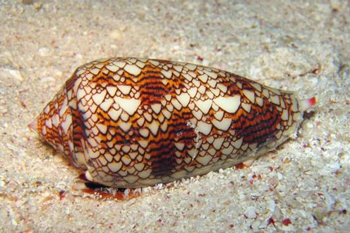
Chronic pain relief from the unlikeliest of places
Sufferers of chronic pain know the debilitating consequences of the illness. Existing treatments for chronic pain tend to activate a wide range of receptors in the brain instead of just the few specific ones being targeted. Each receptor subtype has a different role, and off-target effects on the wrong receptor subtype can cause serious problems.
Regional research set to get digital boost
The Australian Academy of Science along with the Department of Industry, Science, Energy and Resources (DISER), today congratulates the 26 recipients of the Regional Collaborations Programme COVID-19 Digital Grants.
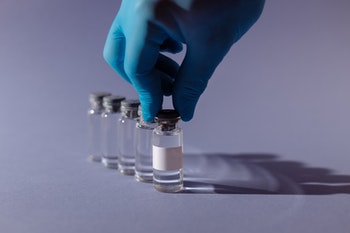
Australian Government urged to invest in updated vaccine manufacturing capability
Australia’s leading scientists have urged the Australian Government to develop additional vaccine manufacturing capability within the next 12 months. They say without the ability to produce mRNA vaccines onshore, Australia and the region remain vulnerable to supply limitations.