


Science of immunisation header

The science of immunisation

‘The science of immunisation: questions and answers’ is freely available below or as a printed booklet from the Academy. It was prepared by an expert working group of 12 members chaired by Professor Carola Vinuesa FAA FAHMS, and was reviewed by an expert panel.

CONTENT UNDER REVIEW

As the science of immunisation progresses, we are currently reviewing the information on this page. Although much is still correct, you should not consider it final or rely on it as your only source of information to make decisions related to health. As always, we recommend you consult a qualified health professional for guidance, and check back here for updates once we have completed our review.

The science of immunisation: questions and answers booklet, developed in partnership with the Australian Government Department of Health, answers common questions about immunisation.

Dots decorative image
Science of immunisation header

Summary

Immunisation is the most successful form of disease prevention available today and will continue to be an essential tool for controlling infections and their complications. The science behind immunisation and vaccine development is well established after decades of research. However, it can be challenging for many people to understand how immunisation works or find answers to questions and concerns about vaccination.
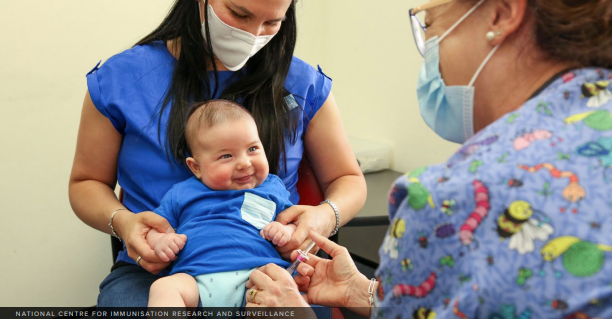
Immunisation baby

1 What is immunisation?

The purpose of immunisation, achieved by using vaccines, is to prevent people from developing infectious diseases and to protect them against short- and longer-term complications.
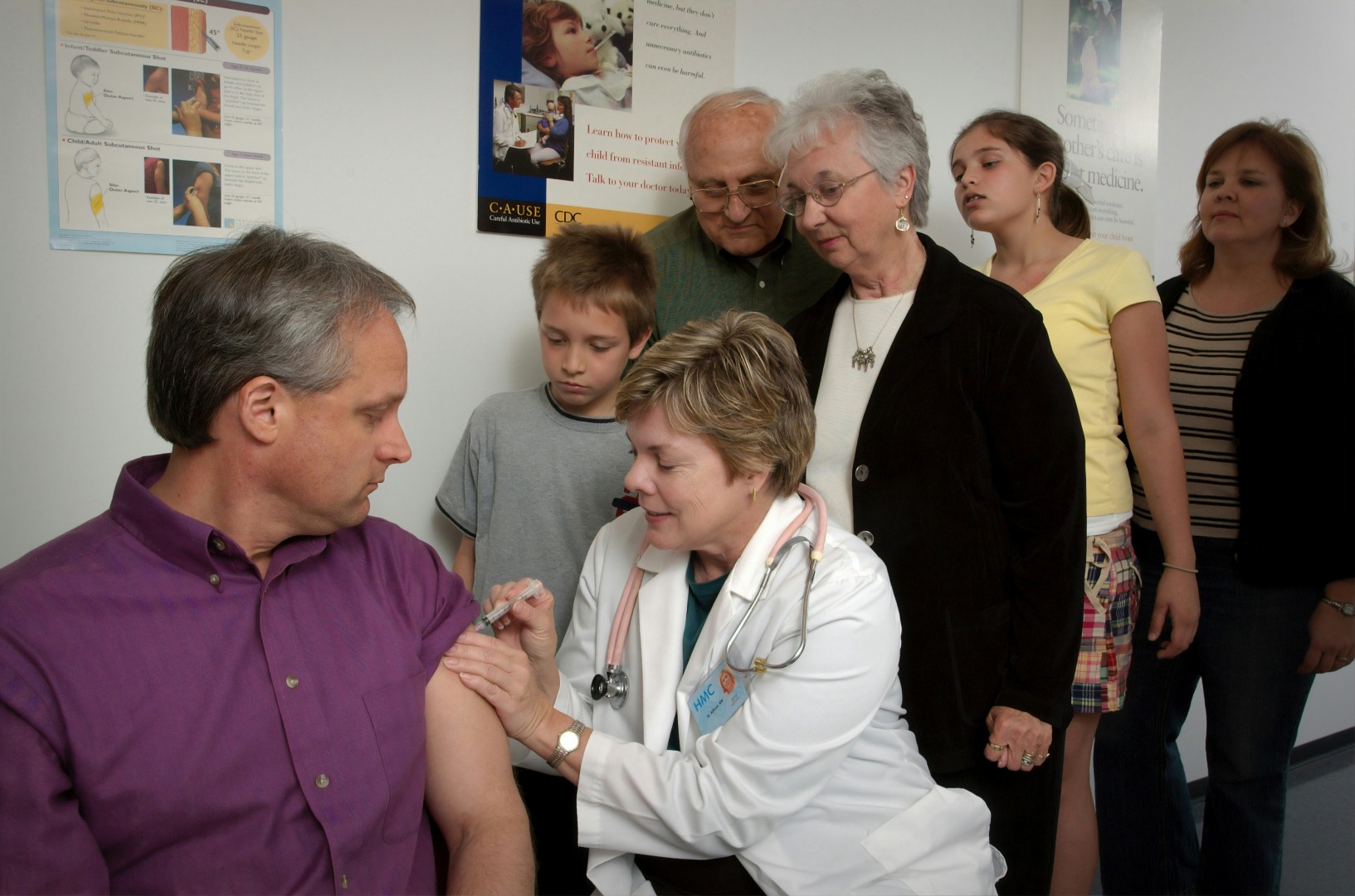
Vaccine image

2 What is in a vaccine?

Vaccines generally contain two main types of active ingredients: antigens, which usually consist of parts of the pathogen and are designed to cause the immune system to produce a specific immune response; they may also contain adjuvants, which amplify the body’s immune response.
Immunisation dad kids

3 Who benefits from vaccines?

Individuals benefit from personal protection, and the wider community benefits from most vaccines because of herd immunity. The benefits of immunisation can sometimes include others, such as the babies of women vaccinated in pregnancy. Most importantly, vaccines prevent long-term serious complications that can arise from an infection.
Vaccine image

4 Are vaccines safe?

The vaccines currently in use in Australia provide benefits that greatly outweigh the risks of associated adverse events or side effects. Safety research and testing is an essential part of vaccine development and manufacture. Before vaccines are made available to the public, clinical trials must confirm safety and how well the vaccine works. Safety monitoring continues after vaccines have been introduced into the community.
Image Description
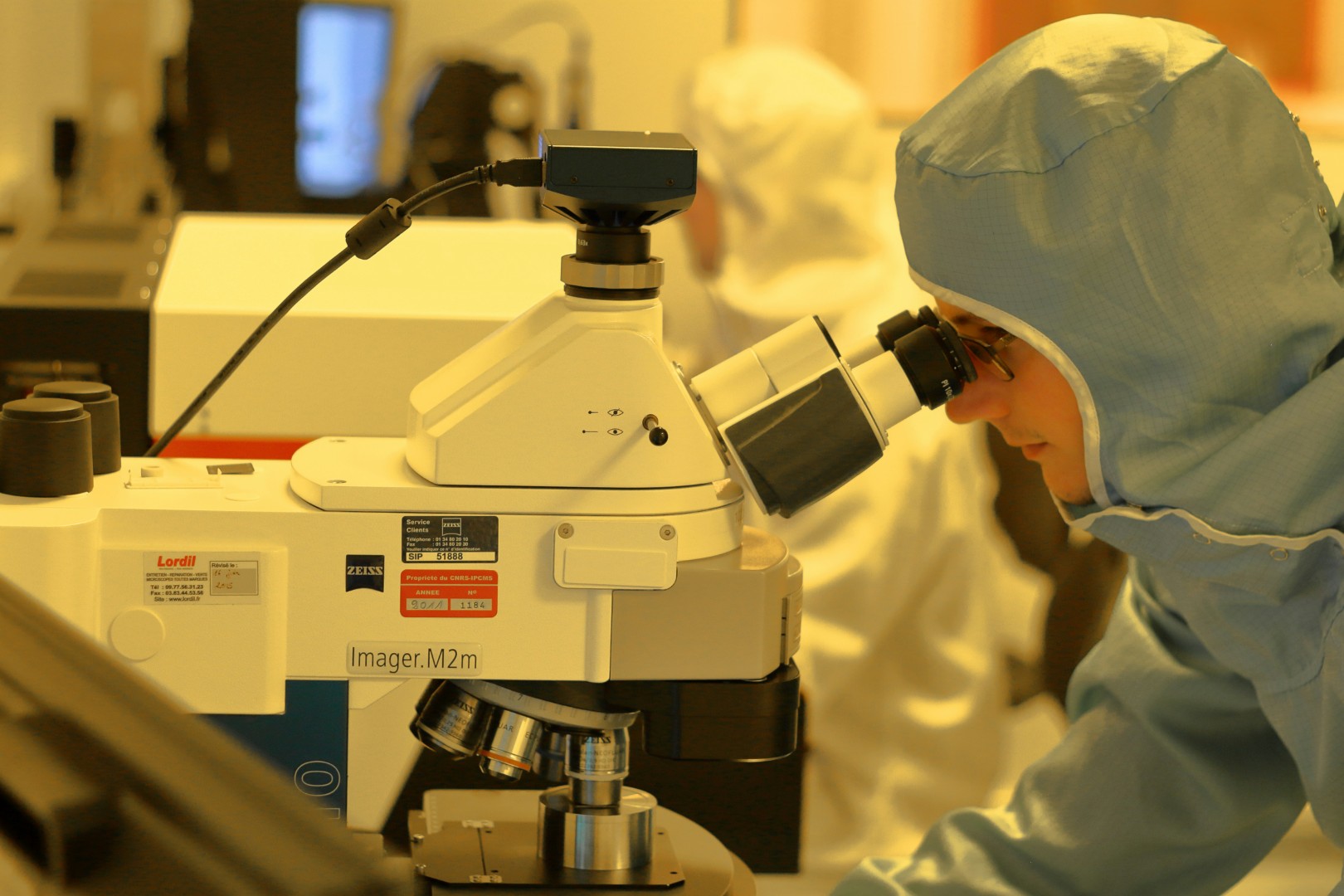
Vaccine research

5 What does the future hold for vaccination?

Vaccine technology continues to develop, with an increasing number of vaccines against many infectious diseases now available. The future of vaccination includes developing new technologies to deliver vaccines and generating new vaccines for both infectious and non-infectious diseases like cancer. In some cases, the effectiveness of existing vaccines is being improved.
Dots decorative image
The science of immunisation: questions and answers

Read the booklet

‘The science of immunisation: questions and answers’ was prepared by an expert working group of 12 members chaired by Professor Carola Vinuesa FAA FAHMS, and was reviewed by an expert panel.