




Conversations with Australian scientists
In these interviews, outstanding Australian scientists talk about their early life, development of interest in science, mentors, research work and other aspects of their careers.

Dr Robin Warren, pathologist
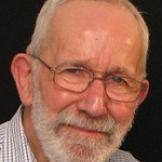
John Robin Warren was born in Adelaide in 1937. Despite an equal love for photography Warren entered medical school at the University of Adelaide, graduating with an MB and BS in 1961. A chance turn of fate led Warren to pathology and after training at the Royal Melbourne Hospital in 1967 he was admitted to the Royal College of Pathologists of Australasia.
Dr Rohan Baker, molecular geneticist
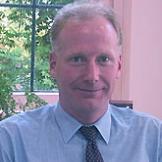
Rohan’s early curiosity, fostered by his scientist father, led him from studying organic chemistry to a passion for molecular biology during his university years. A leading researcher at the John Curtin School, he continued to focus on the protein ubiquitin’s role in protein regulation, cancer and integrating advanced molecular techniques to understand cell function and disease. Interviewed by Mr David Salt in 2002.
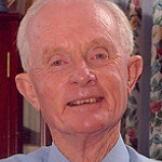
Dr Roy Woodall, earth scientist
Roy Woodall was born in Perth, W.A. in 1930 and spent his childhood in the midst of the Great Depression. At age 16 Woodall began work as a junior clerk in the Hydraulics Division of the Public Works Department, while continuing his studies at night school. Woodall then enrolled in a science degree at the University of Western Australia which he completed with honours in 1953.
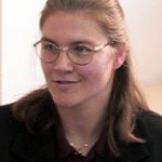
Dr Sabine Piller, medical research scientist
Dr Sabine Piller interviewed by Ms Marian Heard in 2001. Sabine Piller was born in 1970 in Vienna, Austria. In 1991 she completed a degree at the University of Vienna, majoring in zoology, botany, chemistry and physics. She moved to the USA for further studies and in 1993 received an MSc from the University of Alabama at Birmingham (UAB) where she researched the gill physiology of marine crabs.
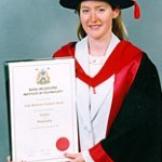
Dr Sally Stewart-Wade, plant pathologist
Dr Sally Stewart-Wade interviewed by Dr Cecily Oakley in 2010. Sally Stewart-Wade was born in 1969 in Melbourne. She completed a Bachelor of Applied Science in Applied Biology (Hons) from the Royal Melbourne Institute of Technology (RMIT) in 1991, for which she studied a fungal disease of the genus Grevillea.
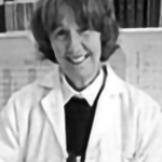
Dr Shirley Jeffrey, marine biologist
Shirley Jeffrey received a BSc from the University of Sydney in 1952 and an MSc in 1954. For her PhD, she went to King's College Hospital Medical School in London and worked on the effect of aspirin on carbohydrate metabolism. She returned to Sydney in 1951 to work with Dr George Humphrey at CSIRO Division of Fisheries and Oceanography. This was the beginning of her lifelong career in marine science. From 1962 to 1964, Jeffrey was at the University of California, Berkeley, as a research fellow funded by the Kaiser Foundation. In 1965 she was invited to join the maiden voyage of the Alpha Helix, the research vessel of the Scripps Institution of Oceanography at the University of California, which was coming to Australia to study the ecology of the Great Barrier Reef. Jeffrey was a principal research scientist at CSIRO's marine biochemistry unit between 1971 and 1977. From 1977 to 1981 she was a senior principal research scientist at CSIRO Division of Fisheries and Oceanography and then acting chief of CSIRO Division of Fisheries Research (1981–84). In 1991 she became a chief research scientist. From 1978 to 1995 Jeffrey was in charge of developing the CSIRO Collection of Living Microalgae (also known as the Algal Culture Collection). In 1996 UNESCO published Phytoplankton Pigments in Oceanography which Jeffrey co-edited.
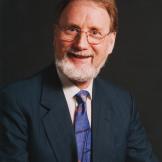
Dr TJ Higgins in conversation with Professor Hans-Albert Bachor
Dr TJ Higgins interviewed by Professor Hans Bachor in 2021. Dr TJ Higgins is a plant biotechnologist with background training in agricultural science. He strongly advocates for effective science communication and regularly discusses gene technology in public forums.
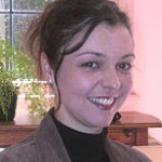
Dr Tracy Dawes-Gromadzki, ecologist
Dr Tracy Dawes-Gromadzki interviewed by David Salt in 2002. Dr Tracy Dawes-Gromadzki completed an honours degree in ecology at the Flinders University of South Australia. In 1999 she received a PhD for her research into the role of predation and nutrients in the distribution and structuring of terrestrial arthropod communities.
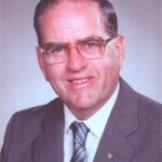
Dr William Blevin, applied physicist
Dr William Blevin interviewed by Professor Neville Fletcher 30 March 2010. William Roderick (Bill) Blevin was born in Inverell, NSW in 1929. He completed his secondary schooling at Tamworth High School (1945) before deciding, in a circular fashion, to study at New England University College (NEUC) to become a science teacher.
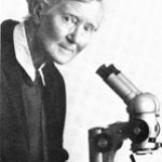
Dr Yvonne Aitken, agricultural scientist
Dr Yvonne Aitken received a doctorate in agricultural science from the University of Melbourne, and continued to work there throughout her career. Her research centred on how plant species adapt to climate through the differing flowering responses of early and late varieties and how this in turn affects the growing period (ie, days from sowing to flower initiation, to first flower and to ripe seed).
Interviewed by Ms Nessy Allen in 2001.