


News and views

Moran awardees to research attitudes to GM science and Australia’s historical weather records
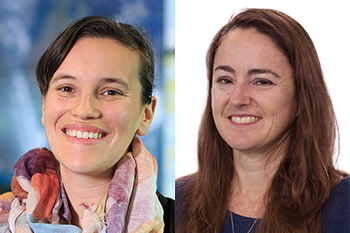
Melbourne climatologist Dr Linden Ashcroft and Adelaide PhD student Ms Kelly McKinley are joint winners of the Australian Academy of Science's 2018 Moran Award for History of Science Research

Roadmap to accelerate Australian minerals exploration and unlock a trillion dollar prize
Australia needs new geoscience, technology and infrastructure to reverse the decline in the rate of discoveries for base and precious metals and deliver Australia’s major new mines of the future, according to a report released today.
Academy releases expert review of Australia’s climate science capability
Australia can improve coordination of national climate science programs to deliver better climate information to farmers and infrastructure planners, and to guide national efforts to mitigate the future impacts of climate change, according to a review by leading scientists.
Review of Australia’s climate science capability reveals a mixed picture
Australia can improve coordination of national climate science programs to deliver better climate information to farmers and infrastructure planners, and to guide national efforts to mitigate the future impacts of climate change, according to a review by leading scientists.
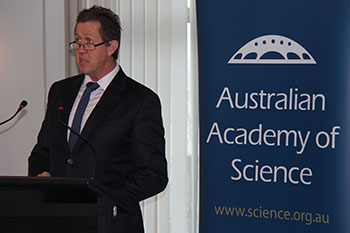
Scientists lay out plan to future proof Australia’s agricultural sector
Australia’s leading agricultural scientists are calling on industry and government to establish a $100 million agricultural translation fund to help boost productivity and profitability, future-proofing Australian farmers against looming shocks like climate variability or major disease outbreaks.
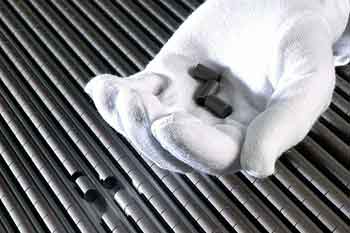
Experts issue communique on nuclear fuel cycle
A symposium of energy experts has called for a national discussion on nuclear options, including mining, power generation and waste storage, to help address Australia's energy security and climate change challenges.
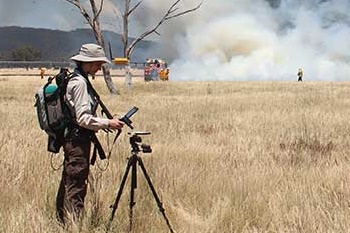
Max Day Award supports parrot conservation and bushfire research
Mr Nicholas Leseberg from the University of Queensland and Dr Marta Yebra from the Australian National University are the first two recipients of the Academy’s Max Day Environmental Science Fellowship Award.