




News and views

Geoffrey Frew and Selby fellowships to bring distinguished scientists to Australia
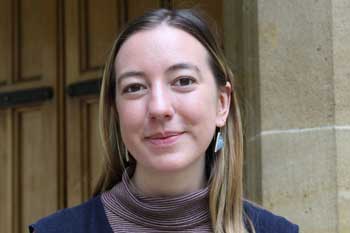
Experimental physicist Professor Ania Bleszynski Jayich of the University of California Santa Barbara is the 2021 recipient of the Geoffrey Frew Fellowship. The fellowship is awarded to distinguished overseas scientists to participate in Australian spectroscopy conferences and visit scientific centres in Australia.
Research on the intergenerational impacts of Maralinga nuclear tests supported by Moran Award
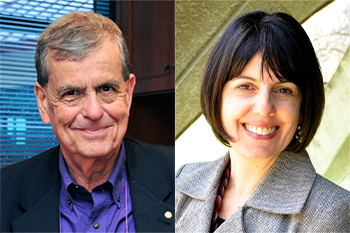
Henrietta Byrne from the University of Adelaide is the recipient of the Academy’s 2021 Moran Award for History of Science Research.
Academy hosts conversation with Israeli Nobel Laureate
There’s no way to rush a COVID-19 vaccine, according to Nobel Laureate Professor Aaron Ciechanover. “In the end we shall develop [a vaccine]. There is no doubt about it, but the way, it’s very long and we have to test every step and make sure before we move to the next one, because lives of people are at stake.”
Review finds investment in Australian astronomy is paying dividends
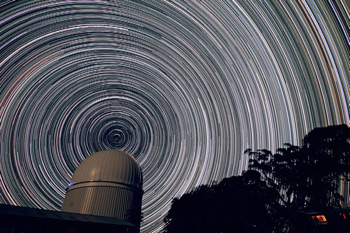
Australia’s investment in astronomy and our hosting of two of the world’s most powerful telescopes means we are well placed to contribute to more big international breakthroughs in our understanding of the universe, according to a new review.

Global Science TV launches 1st episode—Can the world tackle climate change with COVID-19 urgency?
The coronavirus pandemic has proven the world is capable of a global response to address a crisis. But why haven’t we seen the same type of swift action on climate change? And can we expect our leaders to pay as much attention to scientific advice for other challenges as we emerge from the pandemic?
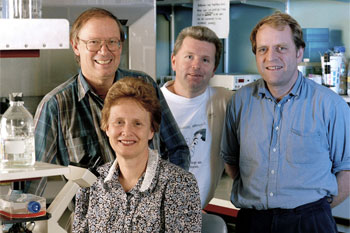
Academy Fellows awarded 2019 CSL Florey Medal
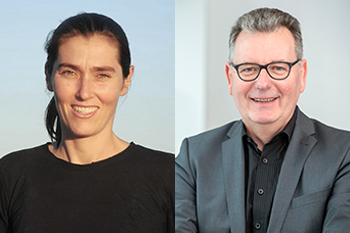
Academy Fellows Professor David Vaux and Professor Andreas Strasser have been awarded the 2019 CSL Florey Medal for their research toward understanding the role of programmed cell death, knows as apoptosis, in cancer and autoimmune disease.

Fellowship recipients for 2020 Australia–India research collaborations announced
The Academy has announced the successful recipients of the Australia–India Strategic Research Fund Early- and Mid-Career Researcher 2020 Fellowships.