



Fellows' biographical memoirs
Each biographical memoir of deceased Fellows of the Academy is carefully researched, resulting in a unique biographical collection of celebrated lives and important achievements.


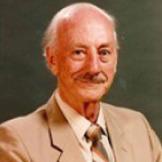
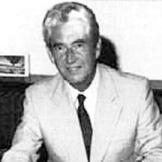
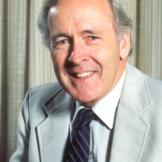
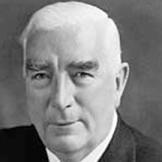
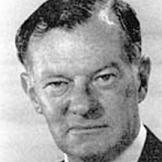
Robert Gordon Menzies 1894-1978
Robert Gordon Menzies was born on 20 December 1894 in the country town of Jeparit in the State of Victoria, Australia. By the brilliance of his intellect he won the scholarships that enabled him to qualify with distinction as a barrister, and to be called to the Victorian Bar. He abandoned the successful professional practice of the law to devote the greater part of his life to a political career, first in his own State, but later in the Parliament of the Commonwealth of Australia.
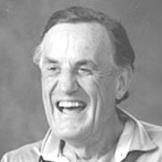
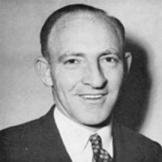
Robert Hanbury Brown 1916-2002
Robert Hanbury Brown was born on 31 August 1916 in Aruvankadu, Nilgiri Hills, South India; son of an Officer in the Indian Army, Col. Basil Hanbury Brown, and of Joyce Blaker. From the age of three Hanbury was educated in England, initially at a School in Bexhill and then from the age of eight to fourteen at the Cottesmore Preparatory School in Hove, Sussex. In 1930 he entered Tonbridge School as a Judde scholar in classics.
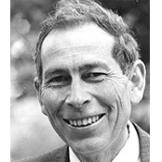
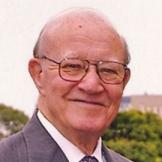
Robert Henry Symons 1934–2006
Bob Symons died in Adelaide on 4 October 2006 after a long illness. He was distinguished through his contributions to our knowledge of the structure, function and replication of plant viruses, viroids and virusoids. His research culminated in the discovery of the hammerhead folding of the RNA chain and its role as a ribozyme in self-cleavage of the RNA in some of these plant pathogens. He was a leader in his field and was responsible for commercial applications of his research and the establishment in Adelaide of the first Australian company to produce and market molecular biologicals for research.