



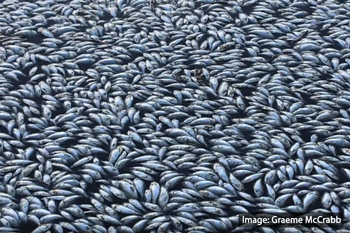
Investigation of the causes of mass fish kills in the Menindee Region NSW over the summer of 2018–2019

This report investigates the causes of three major fish kills in the Darling River near Menindee in December 2018 and January 2019. It was produced at the request of the Hon Bill Shorten MP, Leader of the Federal Opposition and was made public by the Academy at the same time it was provided to Mr Shorten.
Executive summary
On 15 December 2018 tens of thousands of dead fish were reported along a 30 km stretch of the Darling River near the town of Menindee in New South Wales. High numbers of dead fish were seen in the vicinity of the Old Menindee Weir and Menindee Pump Station. A second, larger fish kill event involving hundreds of thousands of fish was reported on 6 January 2019 on the same stretch of river. A third event followed on 28 January, killing millions of fish. Members of the panel witnessed the beginnings of a fourth event on 4 February 2019.
Many different sectors of Australian society, and of the Menindee region itself, are distressed knowing that fish have been dying en masse, and are concerned about the implications for the health of the river. In addition, these fish are of high cultural significance to Indigenous communities in the region, including those holding Native Title rights.
In response to the first two kills, the Academy was requested by the Leader of the Opposition, the Hon Bill Shorten MP to provide advice on the immediate causes, as well as exacerbating circumstances from water diversions, agricultural runoff or climate change, and to provide recommendations.
Summary findings
The Academy panel made the following findings, illustrated in Figure 1:
- The three fish kills that occurred in rapid succession over December 2018 and January 2019 were unusual in the combination of their severity, impact on large, 20-year-old and older Murray cod, and association with low flows.
- The immediate cause of the fish deaths was stratification and then mixing of a large volume of oxygen-depleted bottom water with the smaller oxygenated surface layer. Conditions such as low- and no-flows and hot temperatures favoured growth of large blue-green algae blooms as well as separation of water layers. As the blooms died and sank they fed bottom layer microorganisms, which used up all available oxygen. Sudden drops in temperature then triggered mixing between the surface and bottom layers, lowering the overall concentration of oxygen in the water beyond the ability to support respiration of the fish. The extreme maximum temperatures, among the hottest on record, are as expected under anthropogenic warming.
- The conditions leading to this event are an interaction between a severe (but not unprecedented) drought and, more significantly, excess upstream diversion of water for irrigation. Prior releases of water from Menindee Lakes contributed to lack of local reserves.
- The root cause of the fish kills is that there is not enough water in the Darling system to avoid catastrophic decline of condition through dry periods. This is despite a substantial body of scientific research that points to the need for appropriate flow regimes. Similarly, engagement with local residents, Indigenous and non-Indigenous, has been cursory at best, resulting in insufficient use of their knowledge and engagement around how the system is best managed.
- The panel strongly supports the objectives of the Water Act 2007 and the framework of the Murray–Darling Basin Plan (2012), which were developed with bipartisan political support and intended to increase water for the environment. However, the findings summarised above and detailed in the following sections point to serious deficiencies in governance and management, which collectively have eroded the intent of the Water Act 2007 and implementation of the Murray–Darling Basin Plan (2012) framework.
The freshwater systems of the Darling are already listed as endangered (NSW, 2007) and include multiple fish species listed as threatened by the Commonwealth. Failure to act resolutely and quickly on the fundamental cause – insufficient flows – threatens the viability of the Darling, the fish, and the communities that depend on it for their livelihoods and wellbeing including the traditional owners, who have recognised rights and responsibilities.
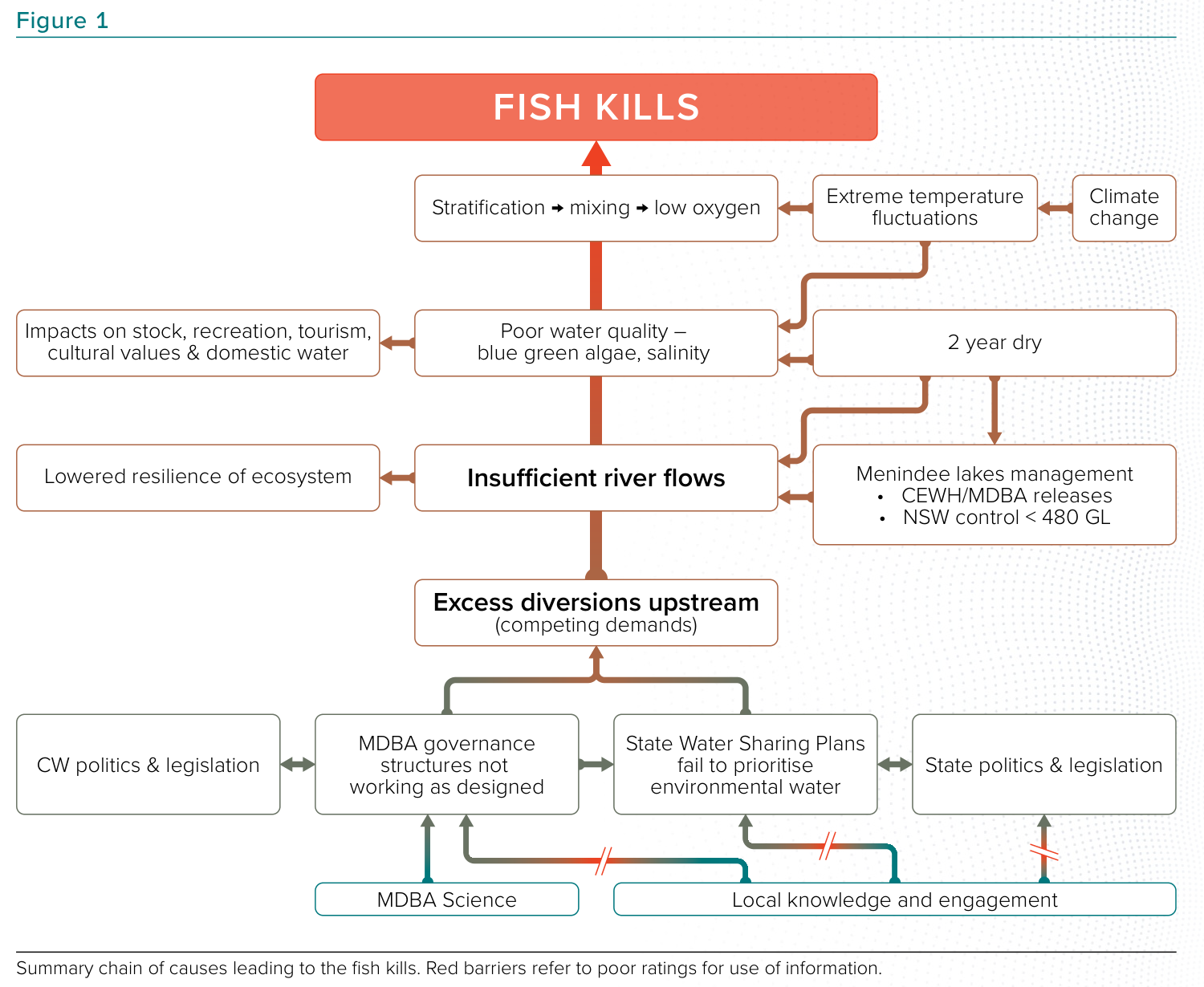
Figure 1: Summary chain of causes leading to the fish kills. Red barriers refer to poor ratings for use of information. MDBA – Murray–Darling Basin Authority; CW – Commonwealth; CEWH – Commonwealth Environmental Water Holder.
Summary recommendations
The Academy expert panel recommends that responsible authorities:
- Within six months, take urgent steps to ensure that there is sufficient flow – considering both quality and quantity of water – in the Darling River to prevent stratification and blue-green algal blooms.
- Within six months, establish a Menindee Lakes restoration project, to determine sustainable management and operation of the lakes system and the Lower Darling and Darling Anabranch.
- Initiate a community planning process in the Lower Darling to restore river health and sustain local livelihoods
- Improve meaningful engagement with river-based communities, including Indigenous peoples.
- Improve the health of the Darling River, through adequate and effective planning, which is scientifically informed.
- Return to the intent of the 2012 Murray–Darling Basin Plan to avoid increasing risks of more fish kills and other environmental problems for the Darling River.
- Invest to fill high priority knowledge gaps as the Murray–Darling Basin Plan continues to be implemented, and then reviewed in 2026.
- Commission within 12 months an independent scientific panel to review progress in implementing the above recommendations.
Expert panel – Terms of reference
The expert panel was asked to provide advice on:
- how the fish kills took place and what caused the magnitude of the event.
- whether water diversions and/or water management practices in the Murray–Darling system have caused or exacerbated the scale of this disaster.
- whether chemical and fertiliser use may have contributed to the event
- what immediate steps can be taken to improve the river system’s health and management within the Basin Plan framework
- whether there has been a step change in inflows due to climate.
Decadal plan for Australian geoscience: Our planet, Australia's future
Earth provides humanity with a vast array of services on which our survival and prosperity are critically linked. From the water we drink, to fertile soils, energy and minerals deposits, to the stable crust on which we live. Nowhere is this more evident than in Australia where so much of our historical prosperity has been linked to primary industries including mining and energy production. Australian scientists have been instrumental in scientific discovery in these and other fields of Earth sciences.
The National Committee for Earth Sciences (NCES) has developed a wide-ranging decadal plan. The previous decadal plan was released in 2003 and brought about a period of significant scientific advance in our sector built on well-funded research programs and underpinned by significant investment in research infrastructure through the Nationa Collaborative Research Infrastructure Strategy and EIF schemes. The new (2018) decadal plan looks towards the challenges and opportunities likely to present themselves over the next 10 years.
NCES has developed the new decadal plan to ensure Australian geoscience research continues to be world leading through sustained support for this innovative and integrated field of endeavour. The plan is intended to drive future research to impact positively on Australian life: improving the safety, security and well-being of Australians while contributing positively to the nation's prosperity and management of environmental challenges.
Download the companion report
Background information and extended commentary underpinning the Decadal plan for Australian geoscience 2018–2027.
Committee
The Decadal plan for Australian geoscience was developed by the Academy of Science’s National Committee for Earth Sciences with input from the wider Earth sciences community.
Professor Suzanne O'Reilly AM FAA – Chair
Professor Suzanne O'Reilly is Professor of Geology and a Macquarie University Distinguished Professor. She is Director of the ARC Centre of Excellence for Core to Crust Fluid Systems (CCFS) and the associated GEMOC National Key Centre. She is concurrently Professor of Earth Sciences at Nanjing University, Guest Professor at China University of Geoscience (Wuhan) and Docteur Honoris Causa from Lyon University, and was Copernicus Visiting Professor at the University of Ferrara in 2013. She is a Fellow of the Australian Academy of Science, the Norwegian Academy of Science and Letters, the Mineralogical Society of America and the Australian Geological Society. Professor O'Reilly has served on a variety of national science and geoscience Research committees including a variety of ARC and ERA (Excellence in Research for Australia) panels and Evaluation Committees, National Priority Committees, Australian Academy of Sciences National Committee for Earth Sciences (NCES) and is a member of the UNCOVER Executive Committee.
Professor O’Reilly’s fields of research include: the integration of geophysical, geochemical, petrological, petrophysical and tectonic data to construct realistic lithospheric structure and evolution models (4-D Lithosphere Mapping) and understand whole-mantle dynamics through time; the geochemistry and evolution of the mantle and deep crust; the geochemistry and origin of basaltic magmas and their geodynamic significance; trace element dispersions, residence sites and mineral partitioning in the mantle; realistic geological interpretations of geophysical datasets; relationships between mantle geochemistry and structure, volcanic activity, tectonic environment and lithosphere-scale controls for the distribution of economic deposits to enhance resource exploration targeting success. She has over 350 peer-reviewed publications with over 21,000 citations (June 2014), and supervised >40 PhD students to graduation.
Dr Andy Barnicoat – Member
Andy Barnicoat is currently Chief of the Community Safety and Earth Monitoring Division with responsibility for GA’s programmes in, geodesy, seismic monitoring, community safety (including the Australian Tsunami Warning Centre) and observatories and laboratories. Prior to assuming this role, Andy was Chief of both the Minerals and natural Hazards Division. Andy joined GA in 2003 leading the Science programme of the Predictive Mineral Discovery CRC after a career in academia and consultancy in the UK. He has research experience in mineral systems, metamorphic petrology, geochemistry and tectonics.
Dr Steve Beresford – Member
Steve Beresford is a global technical specialist in nickel, copper, zinc exploration. He has field experience in 64 countries and has held senior roles in WMC, BHPB, MMG, First Quantum, and as University Professor at the University of Western Australia. Steve also sits on the Geoscience committee for UNCOVER and believes that exploration undercover needs so much more than technology, it requires a different workflow and very different psychology to our past.
Professor Allan Chivas FAA – Member
Professor Allan Chivas is the Foundation Professor of Geosciences at the University of Wollongong School of Earth Sciences. Allan’s main field of research is in quantifying Earth-surface processes using geological, geochemical and biological methods and proxies. This includes terrestrial and marine environments, and utilises deep weathering profiles, evaporites, lake deposits, fluvial and shallow marine sedimentary deposits.
Associate Professor Chris Clark – Member (EMCR)
Whilst primarily a metamorphic geologist, Associate Professor Chris Clarke’s research interests impinge on and use techniques and data from the fields of geochemistry, geochronology, structural geology and tectonics. Chris’s principal research interests are high-T and ultrahigh-T metamorphism; fluid flow in mid-crustal rocks; the P–T–t–d evolution and tectonics of metamorphic belts, and the application of petrology to understanding orogenic evolution; and, secular change and styles of tectonics and metamorphism. Chris is a member of Geological Society of Australia, the American Geophysical Union and the Geological Society of America. He is on the editorial board of Journal of the Geological Society London as the metamorphic subject editor.
Professor Richard Coleman – Member
Dr Richard Coleman is a Professor of Marine Science at the Institute for Marine and Antarctic Studies and Pro-Vice Chancellor (Research Collaborations and Infrastructure) in the Office of the Deputy Vice Chancellor (Research) at the University of Tasmania. His research covers the areas of geodesy, physical oceanography and glaciology, focusing on understanding the role of the oceans and cryosphere in the global climate system using observations, theory and modelling.
Professor Kliti Grice FAA – Member
Professor Kliti Grice Grice is an internationally renowned organic geochemist. Kliti’s research over the years has integrated molecular and isotopic information on plant and algal physiology, microbial ecology, food-webs, organic chemistry, petroleum geochemistry and geology with our planet's history. In particular, she has shown how some of the major biological extinction events of the geological past can be traced to factors intrinsic to the Earth system, as opposed to external factors such as asteroid impacts. Analyses of the natural variation in stable isotopes of lipids present in controlled growth experiments from extant plants, algae and grazing organisms carried out by Grice have provided new insights into how these systems function across paleoecological to modern timescales and across a wide range of spatial scales.
Professor Janet Hergt – Member
Professor Janet Hergt is the Deputy Dean of Science at the University of Melbourne. The main focus of her research has been in the application of radiogenic isotope analysis, in combination with other geochemical data, to explore the record of Earth processes preserved in geological materials. Much of this has involved the investigation of igneous rocks and minerals (e.g., continental flood basalts, arc and back-arc magmas, granites, kimberlites, greenstones), but similar techniques have been successfully applied to studies of the regolith, ore deposits and interdisciplinary projects in archaeometry and the biological sciences. Professor Hergt has served or currently serves on a number of Editorial Boards, she was the Head of Earth Sciences at the University of Melbourne from 2005 to 2013 and served a 7 month term as Dean of the Faculty of Science.
Dr Phil McFadden FAA – Observer
Dr Phil McFadden FAA is an Independent Research Professional. Previously Phil was Chief Scientist at Geoscience Australia. He is a geophysicist with special interests in Paleomagnetism, Geomagnetism and Numerical Analysis. Over the years Phil's research interests have spanned paleomagnetism, electronics, geomagnetism, mathematical statistics (mainly of vector data and of interlinked sequences), deep Earth processes, Earth conductivity, airborne magnetics and radiometrics data analysis, and earthquakes. He has published a large number of papers and has co-authored two books.
Associate Professor Craig O'Neill – Member
Associate Professor Craig O'Neill is the Director of the Planetary Research Centre at Macquarie University, and an Associate Professor in geodynamics and planetary science, in the Department of Earth and Planetary Science at Macquarie University. He is a Chief Investigator and board member of the Core to Crust Fluid Systems (CCFS) ARC Centre of Excellence. Craig’s research interests include computational geodynamics, planetary evolution, satellite geophysics, and archeological geophysics.
Dr Tim Rawling – Member
Dr Tim Rawling is the Acting CEO and Managing Director of AuScope Ltd, an NCRIS Capability providing national research infrastructure to support earth and geospatial research in Australia. His recent research has involved the development of regional/crustal-scale 3D and 4D geological models as well as new exploration methodologies involving 3D modeling and finite element simulation. Tim's background is in structural geology and IT and he has previously worked as a consultant exploration geologist, as the manager of the 3D modelling and simulation programs at GeoScience Victoria (DPI), as the MCA funded lecturer at the University of Melbourne, a commercial programmer and as a researcher at Monash University and the University of Arizona.
Associate Professor Anya Reading – Member
Associate Professor Anya Reading is a senior lecturer in geophysics at both the School of Earth Sciences and the Centre of Excellence in Ore Deposits (CODES) at the University of Tasmania. Dr Reading spent five years in marine and land-based geophysics with the British Antarctic Survey before she joined the University of Edinburgh as a lecturer in 1998. In 1999 she received a Diploma of Music from the Open University. In 2000 she moved to Australia and was a research fellow at ANU before she joined University of Tasmania as an academic staff member in 2007.
Dr Reading's research interests include computational methods for analysing data from the natural world, seismological techniques, using ambient seismic energy, the tectonic evolution of Australasia and Antarctica, archaeological and other near-surface geophysics.
Dr Jessica Reeves – Member (EMCR)
Dr Jessica Reeves is a lecturer in environmental management at Federation University Australia where she teaches into the areas of sustainability, environmental and climate change and water resource management. Her research involves long-term environmental change and climate variability and more recent human impact on lakes, wetlands and estuaries.
Professor Chris Rizos – Observer
Professor Chris Rizos is Professor of Geodesy and Navigation, School of Civil & Environmental Engineering, the University of New South Wales (UNSW), Sydney, Australia. Chris is president of the International Association of Geodesy (IAG), a member of the Executive and Governing Board of the International GNSS Service (IGS), and co-chair of the Multi-GNSS Asia Steering Committee. Chris is a Fellow of the IAG, a Fellow of the Australian Institute of Navigation, a Fellow of the U.S. Institute of Navigation, and an honorary professor of Wuhan University, China. In the early 1990s Chris established the Satellite Navigation & Positioning (SNAP) Group at UNSW, Australia’s premier academic navigation research centre. Chris has been researching the technology and applications of GPS and other navigation/positioning systems since 1985, and is an author/co-author of over 600 journal and conference papers.
Dr Bill Shaw – Member
Dr Bill Shaw is the President of the Australian Geoscience Council (AGC). The AGC is the Peak Council of geoscientists in Australia. It represents eight major Australian geoscientific societies with a total membership of over 7000 individuals comprising industry, government and academic professionals in the fields of geology, geophysics, geochemistry, mineral and petroleum exploration, environmental geoscience, hydrogeology and geological hazards.

Empowering EMCRs to lead the future of the science of nutrition: Summary report
The 2023 Theo Murphy-funded symposium, ‘Empowering EMCRs to lead the future of the science of nutrition’, was held in Melbourne on 26 July.
Attendees reviewed the progress of Nourishing Australia, the National Committee for Nutrition’s decadal plan, with the aim of setting new objectives and developing implementation strategies for key recommendations and priority areas, including:
- establishing a ‘trusted voice’ for nutrition science in Australia
- developing a national capability for nutrition data
- enhancing nutrition education and research training
- analysing nutrition mechanisms to identify the relationships between diet and health.
Following the event, participants continued to collaborate in working groups to develop a series of program logic models that set strategies for each priority area.
The summary report presents the collective efforts undertaken by the working groups and informs the direction of an implementation plan, scheduled for publication in early 2024.
The risks to Australia of a 3°C warmer world
This report synthesises the observed impacts of climate change on Australia and the risk to our future of the current global trajectory of greenhouse gas emissions. It focuses on the consequences of 3°C of global warming in the absence of greater mitigation strategies for four areas of importance to Australia’s future: our ecosystems, food production, cities and towns, and health and wellbeing. The impacts of those changes on the lives and wellbeing of Australians are discussed in detail.
Note: Minor corrections were made to the online PDF text on 24 June 2021.
See our climate change hub: a trusted source of climate science and solutions
Explore the Academy's Climate change hub: science and solutions—a single point of climate resources for policymakers, researchers and the public.
Accessible science videos, including one explaining the consequences for Australia of a 3°C warmer world, are hosted alongside more detailed scientific reports and evidence briefs, such as explaining the impact of bushfires on soil condition.
The hub also features a selection of Academy Fellows who are experts in the fields of renewable energy technologies and sea level change, as well as climate science.
Executive summary
As the driest inhabited continent, Australia is highly vulnerable to the impacts of global warming. The summer bushfires of 2019–20 in a tinder-dry country, or the three severe coral bleaching events within five years that caused a loss of over 50% of hard coral cover in the shallow waters of the Great Barrier Reef, demonstrate some of the consequences of a warming planet for Australia’s people, economy and environment.
Multiple lines of evidence show that the incidence of extreme weather events will increase as the planet warms. Such events are a natural feature of the climate system, but there is strong evidence that many of them, such as heatwaves, bushfires, storms and coastal flooding, have become more frequent and intense in recent times. These extremes and their risks are likely to escalate as global temperatures continue to rise and our capacity to respond becomes compromised as the frequency increases.
The only way to reduce the risk of these unpredictable and dangerous outcomes is for a substantial reduction in the emissions of greenhouse gases into the atmosphere. Our planet’s living systems have evolved over thousands of years in a temperature range that includes relatively minor fluctuations around the long-term average. However, most cannot evolve quickly enough to accommodate the rapid increases in average temperatures we now observe and feel.
The total emission reductions currently pledged by the Australian and international governments through the United Nations Framework Convention on Climate Change Paris Agreement (UNFCCC), even if implemented on time, will translate as average global surface temperatures of 3°C or more above the pre-industrial period by 2100.
Given this situation, we must consider the vulnerability, risks and costs of Australia’s policies and strategies for responding to climate change. In particular, we need to understand the comparative risks and costs of not improving our current commitment to reducing greenhouse gas emissions.
The planet is well on the path to devastating climate change. In 2019, Australia’s warmest year on record, average surface temperatures were 1.1°C above the pre-industrial period. Australia has warmed on average by 1.4°C since national records began in 1910. Current global and Australian policies to reverse this trend are inadequate. We must plan to do better and prepare for the worst.
Predicting how Australia will change at or beyond 3°C of global warming is challenging. However, by using multiple lines of evidence, such as computer modelling of the climate system, observed changes, and historical paleoclimate studies, we can develop an understanding of future temperatures as well as where we may reach irreversible ‘tipping points’ – passing thresholds that trigger sudden and accelerating changes in larger climate systems – and how to mitigate those risks.
The report synthesises the observed impacts of climate change on Australia and the risk to our future of the current global trajectory of greenhouse gas emissions. It focuses on the consequences of 3°C of global warming in the absence of greater mitigation strategies for four areas of importance to Australia’s future: our ecosystems, food production, cities and towns, and health and wellbeing. The impacts of those changes on the lives and wellbeing of Australians are discussed in detail.
The precautionary principle
This report is a risk assessment based on peer-reviewed scientific literature. Our approach is to include those risks where there is evidence for a link to climate change, even if there is currently some debate about the probability of the impact occurring or the strength of the climate change response. We adopted the precautionary principle: if a potentially damaging effect cannot be ruled out, it needs to be taken seriously.
The global context
There is no scientific doubt about the source, reality and consequences associated with the current level of unmitigated climate change. Human activities, such as the burning of fossil fuels and the destruction of forests, are rapidly changing Earth’s climate. The rate of these changes in atmospheric greenhouse gases such as carbon dioxide (CO₂) and methane are unprecedented in millions of years, driving growing impacts on natural and human systems across the world.
If the international community fails to meet the emission reduction targets under the UNFCCC Paris Agreement, this will result in a global mean surface temperature increase of approximately 3°C or more by mid to late century. This level of warming is well above the targets considered manageable under that agreement.
This increase in global average surface temperature lies between the Intergovernmental Panel on Climate Change projections for the ‘medium-high’ and ‘high’ greenhouse gas emissions scenarios. The 3°C temperature rise also corresponds with the average of the projected temperature rise by 2100 (2.7–3.1°C) if current climate policies around the world continue.
Limiting climate change to 1.5°C is now virtually impossible. A rapid transition to net zero greenhouse gas emissions is required if the international community is to limit warming to “well below 2°C” in line with the Paris Agreement. As with the COVID-19 pandemic, acting early and urgently reduces the scale of the impacts and can save many lives and livelihoods. This also has significant potential benefits in terms of health and regional development and embracing the new economic opportunities associated with a move to net zero greenhouse gas emissions.
Australia's ecosystems in a changing climate
Australia’s natural resources are directly linked to our wellbeing, culture and economic prosperity. Yet our ecosystems have already been transformed due to a global increase of 1.1°C in average temperature since the late 19th century, with severe consequences for thousands of species.
Heat stress has impacted marine and coastal ecosystems, destroying habitats and reducing biodiversity. Land-based environments have been affected by drought, fire, extreme heatwaves, invasive species and disease, leading to large-scale mortality of trees, birds and tree-dwelling mammals. Many species are shifting where they live, but cannot keep up with the rate of change, especially given the geography of Australia. Rising sea levels are amplifying storm impacts, damaging coastal ecosystems such as coral reefs and mangrove forests, and causing increasing issues for human health and wellbeing in coastal areas.
The conservation of Australia’s unique ecosystems has ramifications for Australian industries such as tourism and recreation. For example, the Australian tourism industry contributed $54.7 billion to the economy in 2016–17, with the top five attractions for international visitors being nature-based: beaches, wildlife, the Great Barrier Reef, wilderness areas and national parks. All of these are at risk from climate change, along with ecosystems that support forestry, agriculture (particularly bee-pollinated crops) and fishing industries.
Critical thresholds in many natural systems are likely to be exceeded as global warming of 1.5°C above pre-industrial levels continues. These impacts will increase as global warming reaches 2°C and beyond, with iconic ecosystems such as the Great Barrier Reef and the World Heritage-listed Kakadu National Park being severely affected.
At 3°C of global warming, many of Australia’s ecological systems would be unrecognisable. The decline of Australia’s natural resources would accelerate through changing distributions or loss of thousands of species and disrupted ecological processes such as habitat maintenance.
Australian agriculture, forestry, fisheries and food security
Australian agriculture and food security are already exposed to increased risk from drought, heatwaves, fires, floods and invasive species.
Impacts from declining rainfall and more frequent droughts for areas such as south-eastern and south-western Australia would intensify under 2°C or more of global warming. Declining river flows would reduce water availability for irrigated agriculture and increase water prices. Future water resource availability would be affected by the combined changes in rainfall and global surface temperature increases.
Heat stress is a significant issue for livestock systems due to impacts on animal welfare, reproduction and production. Projected temperature and humidity changes suggest an increased number of heat stress days per year. At the same time, more frequent storms and heavy rainfall would likely lead to worsening erosion of grazing land or loss of livestock from flooding.
Impacts for primary producers and rural communities include lost profitability for Australian farms, reduced water availability and elevated heat stress affecting land use for crops. For example, broadacre crops such as wheat and barley have seen reductions in profitability by up to 22% since 2000. Decreasing farm profitability is leaving many Australians in rural and regional communities at risk of declining health and economic wellbeing.
Forestry faces growing pressures from a warming and drying climate. Increased fire risks, changes in rainfall patterns and species-specific pest impacts are likely to threaten forests in the hotter, drier regions of Australia such as south-western Australia, although cooler regions such as Tasmania and Gippsland may see increased production. Existing plantations would change substantially with 3°C of warming.
Fisheries and aquaculture industries are impacted by ocean acidification and warming, which affects species distribution, reproduction and overall health of stock. Decreasing stock levels would cause a decline in profitability, and many aquaculture fisheries enterprises may cease to exist, change fundamentally, or move to other locations if these impacts become worse.
Changes to supply chains and ongoing vulnerabilities to extreme weather events may cause higher rates of unemployment, mental health issues, suicides and heat-related health conditions in some regions of Australia. Strategic planning to create new business opportunities in these regions has the potential to reduce some of these risks.
Australian cities and towns
Close to 90% of Australians live in cities and towns and will experience climate change impacts from the perspective of an urban environment. The risks of extreme events such as heatwaves, severe storms, major floods, bushfires and coastal inundation from sea level rise continue to increase and will be more intense and frequent as temperatures exceed 2°C of warming.
Global sea level continues to rise, posing severe risks to properties, infrastructure and ecosystems. An estimated 160,000 to 250,000 Australian properties are at risk of coastal flooding with a sea level rise of 1 m by the end of the century.
Strategies for managing the impacts of sea level rise involve reducing or ceasing building in high-risk areas, adjusting infrastructure planning and maintenance, protecting coastal land with structures such as sea walls and ecosystems such as sand dunes and mangroves, or abandoning assets at risk.
The energy security of many Australian cities and towns is at risk from climate change-driven impacts. Extreme heat conditions, bushfires and storms put strain on power stations and infrastructure while simultaneously increasing demand for energy supply as reliance on air conditioning increases. Much of Australia’s electricity generation relies on ageing and increasingly unreliable coal-fired power stations. Oil and gas industries are also vulnerable to delays in operations or damaged infrastructure from extreme weather events. Exploring options for diversifying energy sources and improving existing energy infrastructure will be important to ensure a reliable energy supply into the future.
Changing perceptions of climate risk and exposure are also capturing the attention of the insurance and financial sector. Insurance firms face increased claims due to climate-related disasters, including floods, cyclones and mega-fires. Under some scenarios, one in every 19 property owners face the prospect of insurance premiums that would be effectively unaffordable by 2030. A 3°C world would render many more properties and businesses uninsurable.
Cities and towns, however, can also be part of the climate solution. High-density urban living translates to a lower per capita greenhouse gas emission ‘footprint’, and innovative solutions are easier to implement in urban environments. Urban planners can utilise designs that consider passive cooling techniques to reduce city temperatures, such as incorporating more plants and street trees during planning; however, these strategies may require changes to stormwater management and can take time to be effective.
Health and wellbeing of Australians
More frequent and intense weather events such as heatwaves, droughts, cyclones, bushfires and floods have direct and indirect impacts on human health, livelihoods and communities. The elderly, young, unwell, and those from lower socio-economic backgrounds are at increased risk.
Heatwaves on land and sea are increasing in length, frequency and intensity. These changes affect human health through physiological heat stress and by worsening existing medical conditions. Bushfire-related health impacts are increasing, causing direct loss of life and exacerbating pre-existing conditions such as heart and lung disease. Fire conditions in the spring and summer of 2019–20 were classified as ‘Catastrophic’ for the first time in many parts of Australia. These extreme conditions will increase at 2°C and further at 3°C, and would have direct and indirect health impacts such as economic hardship and ongoing mental health challenges.
The availability of water is also linked directly and indirectly to human health and wellbeing. As climate change increases to 2°C above the pre-industrial period, many communities in eastern and south-western Australian regions will need to consider alternative water supply options if declining rainfall trends continue. This would likely impact local economies and lead to displacement for many people living in rural communities. Climate-sensitive infectious diseases, such as Ross River virus and other vector-borne diseases, will shift in their geographical distribution and intensity of transmission as weather patterns change. Diseases normally considered to be a concern in tropical climates may spread to more temperate areas across Australia, including major population centres.
Strategies such as improving early warning systems for extreme weather events, assessing the climate resilience of healthcare services, implementing nature-based solutions (such as increasing green spaces in urban areas) and reducing energy use in healthcare facilities would help Australia adapt to the impacts of climate change on the health of its citizens.
The way forward: staying well below 2°C and avoiding 3°C
Policy actions for a positive future
Reaching net zero emissions by mid-century is an absolute minimum if we are to avoid the worst impacts of climate change. Australia is well positioned to meet this challenge, with a skilled workforce, industrial base and renewable energy resources facilitating easier emission reductions compared to many other countries. States and territories such as the Australian Capital Territory, South Australia and Tasmania are leading the way in the renewables race, and Victoria, New South Wales and Queensland are showing promise with recent announcements on renewable energy projects. Australia has enormous potential to be a clean industrial powerhouse.
However, Australia should develop a more substantial interim emissions reduction goal than its current Nationally Determined Contribution under the Paris Agreement—and we need to act quickly. Given the threats we face, Australia must revisit its emission reduction commitments and provide the leadership and collaboration required to place the world and Australia on a safer climate trajectory. To achieve net zero, Australia will need to:
- remove greenhouse gas (GHG) emissions from electricity generation and distribution
- electrify the transport sector
- increase energy efficiency and reduce emissions from industrial activities and buildings
- reduce non-energy related GHG emissions from industrial processes and agriculture
- implement negative emissions options through biosequestration and technological means
- stop deforestation and land degradation, and accelerate revegetation of cleared and degraded land
- shift energy export industries to zero emissions as a matter of urgency.
Australia can become a clean energy exporter and potentially a global renewable energy superpower. We have a relative advantage with our abundant natural resources for solar and other renewable energy generation, as well as significant deposits of new economy minerals critical for developing batteries and other low-emission technologies.
Transitioning to net zero
Acting early to transition to net zero emissions would reduce the scale of climate change impacts and have significant potential benefits for human health and regional development, as well as creating new industrial opportunities.
Sector-by-sector transition policies and support for regional economies will need to be designed to support vulnerable groups, including to ease the change for communities, workers and businesses that currently depend on high emissions of GHGs.
The most immediate requirement is a phase-out of coal-fired energy generation in favour of cheaper and cleaner renewable generation and storage technologies, a process that has already started and needs to accelerate. Similarly, any expansion of the gas industry is incompatible with achieving the Paris Agreement targets. Phasing out fossil fuels should be accompanied by electrification of transport, heating and industrial energy use. Significant opportunities also exist in making our homes and buildings more energy efficient.
The emission reduction commitments of the Paris Agreement cannot be met without also managing emissions from the agricultural and land sectors, including stopping deforestation and increasing investment in restoration and carbon sequestration in soils. Many of these actions will have significant co-benefits in addition to reducing GHG emissions, such as better air quality, biodiversity, employment and health outcomes.
Accelerated investment in clean energy, zero-GHG emission industrial installations, electric transport and more energy efficient housing and public buildings can enhance productivity and improve living standards. Public investment during and after the COVID-19 pandemic offers a chance for economic recovery that is consistent with long-term low-emissions outcomes.
Report recommendations
Current international commitments to greenhouse gas (GHG) emission reduction, if unchanged, would result in average global surface temperatures that are 3°C or more above the pre-industrial period. The evidence presented in this report indicates that this would have serious consequences for Australia and the world.
To rectify this situation, we recommend the following 10 actions for Australia:
- Join global leaders in increasing actions for tackling and solving climate change as a matter of urgency. Australia lags far behind the best practice demonstrated by many countries. Given how much Australia stands to lose if GHG emissions are not reduced, we also recommend that Australia accelerates its transition to net zero GHG emissions over the next 10 to 20 years.
- Develop strategies to meet the challenges of extreme events that are increasing in intensity, frequency and scale. Extreme events at 1.1°C of global warming are placing Australian lives and livelihoods at increasing risk, with concern that 3°C of global warming would not be sustainable. We also recommend a broad-ranging investigation of Australia’s readiness for meeting the growing number of climate-related disasters, such as droughts, fires, floods, storm surges, heat stress and ecological damage, that would occur with global temperature increases of 3°C or more.
- Improve our understanding of climate impacts, including tipping points, as well as the compounding effects of multiple stressors at global warming of 2°C or more. The current understanding of abrupt and compounding changes and their consequences for Australian human and natural systems is at an early stage. We also recommend further investigation into effective adaptive responses in preparation for rapid and complex changes.
- Systematically explore how our food production and supply systems should prepare for the challenges of climate change. Australian agriculture and food security are exposed to increasing risk from droughts, extreme high temperatures, coastal inundation, floods, invasive species and fires. We also recommend that Australia prepares for potential interruptions to its food import and export systems driven by global environmental, social and economic changes.
- Expand our understanding of the impacts and risks of climate change for the health of Australians. Climate change already seriously affects the health of Australians and improved strategies need to be developed to reduce these growing risks. We also recommend an in-depth study on the potential impacts of 3°C global warming on health and wellbeing, particularly how impacts can be reduced.
- Introduce a suite of policies that would deliver deep and rapid cuts in emissions across the economy. In the current absence of an economy-wide carbon price, there will need to be comprehensive sector-by-sector approaches. We also recommend that policies are developed to support the economic and social transition to a low GHG emission outcome, especially in regions where fossil fuel-based industries are currently prominent. This includes the development of strategies to halt further deforestation and land degradation while facilitating carbon storage.
- Scale up the development and implementation of next-generation low to zero greenhouse gas technologies. If Australia is to argue for increasing international action, greater commitment is required to implement zero to low emissions technologies and the rapid phase-out of fossil fuels by mid-century. We also recommend the development of a strategic plan that maps out the markets and investment opportunities for Australian industries in areas such as offshore renewable energy, green hydrogen fuels, minerals for low GHG emission technologies, mass-scale storage, embedded renewable energy, and more efficient and low GHG emission transport systems for aviation, shipping, road and rail transport.
- Review Australia’s capacity and flexibility to take up innovations and technology breakthroughs for transitioning to a low GHG emission future. We also recommend greater support for innovation and technology breakthroughs by way of a dedicated facility for supporting broad-based applied research on the removal of GHG emissions from the economy, which is consistent with meeting and exceeding current commitments to emission reduction under international agreements.
- Develop a better understanding of climate solutions through dialogue with Aboriginal and Torres Strait Islander peoples, particularly strategies that have helped people manage Australian ecosystems for tens of thousands of years. We also recommend a meaningful dialogue between all Australians regarding the steps needed to avoid global warming of 3°C by 2100.
- Continue to build adaptation strategies and greater commitment for meeting the challenges of change already in the climate system. While the major theme of this report is about the urgency of action needed to mitigate GHG emissions, we also recommend increasing efforts to build and implement adaptation strategies and actions to meet the challenges of climate that will continue to change until mid-century and beyond.
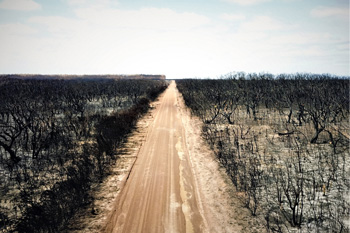
Review of four methods for generating Australian carbon credit units
The Academy was commissioned by the Australian Government's Department of Climate Change, Energy, Environment and Water (DCCEEW) to provide an independent review of four methods of generating Australian carbon credit units for the independent review panel members.
This report provides a review of carbon abatement approaches via:
- avoided deforestation
- human-induced regeneration
- landfill gas management
- carbon capture and storage.
It seeks to:
- describe the underlying scientific evidence base of each method
- identify strengths and limitations of each method’s use in an offsets scheme.
Input was sought from the Australian research community, enabled by the convening capability of the Academy and other Australian Learned Academies. Details of individuals who have contributed are available in the report.
On 24 November 2022, the Academy wrote to the independent panel regarding commentary about our review.
Research Integrity – Needs and provision of training in Australian institutions
Between December 2020 and November 2021, the Australian Academy of Science and publisher Springer Nature aimed to investigate perceptions of research integrity and good research practices and training at Australian research institutions.
Questions were addressed to both institutional management and researchers/faculty members to deliver a baseline review of perceived levels of training in research integrity and good research practices at research institutions, including training in statistics, data management, data sharing and mentorship. Almost 1,000 responses, including from 35 universities, representing 85% of universities in Australia, were received and analysed.

Reef futures roundtables report
The Australian Academy of Science convened groups of experts during March to May 2023 to assess the likely outcomes for the Great Barrier Reef in three climate scenarios to provide advice to the Independent Expert Panel for the Reef 2050 long-term sustainability plan (Reef 2050 plan).
This report presents the outcomes of the three roundtable discussions:
- climate impacts on functions of the Great Barrier Reef
- interventions
- the future of the Great Barrier Reef.
There were 84 participants including scientists, engineers, Traditional Owners, lawyers, policy experts and social scientists. Discussions were supplemented by surveys and written contributions by participants on the day.
The report finds that if current greenhouse gas emissions trajectories are not reduced, and the planet therefore continues to warm, the species, habitats and ecosystems that make up the Great Barrier Reef will fundamentally change.
Efforts and resources have been put into the research and management of the Great Barrier Reef, but as we accept our national responsibility to care for this global icon, there is more that can be done, and needs to be done.
Existing interventions are important. They aim to buy time for reef ecosystems to adapt.
Currently, there is no single known intervention, operating holistically and at-scale, for a sustainable and resilient Great Barrier Reef. There are, however, opportunities to align research and management efforts to create a whole that is greater than the sum of its parts.
Roundtable terms of reference
Mapping Australia’s international climate science engagement
Australia plays a key role in the international effort to understand climate variability and change.
This report identifies a number of risks and opportunities for Australia’s engagement in international climate science, across the immediate (near), medium and longer terms, all of which are readily actionable by public policymakers.
A report to the National Climate Science Advisory Committee.
International scientific collaborations in a contested world: discussion paper
The Australian Academy of Science’s 2023 national symposium facilitated a dialogue on the role of international scientific collaboration in providing benefits to the nation and the globe in our fragmented, contested and uncertain world.
Australia and our science system benefit from the values of the research enterprise – openness, accountability, objectivity and integrity – in our collaborations regionally and globally.
Emerging technologies – such as generative artificial intelligence (AI) – offer new ways to generate economic value and solve social problems. However, new knowledge also brings new risks. Dealing with these risks can inadvertently act as a barrier to the way Australian scientists collaborate globally.
Australian science has a crucial part to play in securing the prosperity of the nation and the Indo-Pacific region. This discussion paper provides relevant background, data, and questions to stimulate thinking around scientific collaborations in a contested world.
Greenhouse gas removal in Australia: A report on the novel negative emissions approaches for Australia roundtable
To limit global warming, humanity must dramatically reduce greenhouse gas emissions and expand our toolkit to remove greenhouse gases from the atmosphere.
The Australian Academy of Science convened a roundtable of experts in 2022 to discuss the scientific capability, research and collaboration needed to support new breakthroughs in greenhouse gas removal.
Australia, with its resources and research capabilities, has the potential for the development of greenhouse gas removal.
This report provides a high-level summary of the roundtable discussions and presentations, and provides some guidance on opportunities and actions to support the development of greenhouse gas removal in Australia.
Summary
Download a four-page summary of the report.
Report launch and expert panel discussion
This report was launched on 1 March 2023, when Australian Academy of Science President, Professor Chennupati Jagadish AC, led a panel of experts in discussing the themes in the report and the opportunities and implications of greenhouse gas removal for Australia.
Watch: The scientific effort to remove greenhouse gases
This short video provides an introduction to greenhouse gas removal from the atmosphere.