Global Talent Attraction Program – Candidate Merit Pool
Program highlights
- Academy is operates a Candidate Merit Pool for high-calibre candidates who wish to formally register their interest in relocating to Australia for matching with funded positions in Australian research institutes and organisations.
The Global Talent Attraction Program (GTAP) aims to fill critical capability gaps, strengthen Australia’s sovereign research capacity, and accelerate science-led innovation across sectors of national importance. To support that initiative, the Academy is opening a Candidate Merit Pool (CMP) call for applications to identify high-calibre candidates who wish to formally register their interest in relocating to Australia for matching with funded positions in Australian research institutes and organisations. The candidate merit pool is institution- and discipline-agnostic, with an initial focus on candidates relocating from the United States to Australia.
The CMP welcomes applications from both Australian and non-Australian citizens whose work is internationally recognised as exceptional and outstanding. To be eligible for consideration, applications to join the CMP must be sponsored by a Fellow of the Australian Academy of Science.
Inclusion in the merit pool does not guarantee nomination for an employment opportunity or impact visa application outcomes in any way.
GUIDELINES
The following guidelines provide important information about eligibility, submission requirements, and assessment processes. Please review them carefully before submitting an application.
Applicants to the CMP are expected to be of high calibre and have global standing as a scientific or technological leader in their field. They should hold positions such as research group leader, institute director, senior principal scientist, chief technologist, or equivalent roles in academia, government or industry.
Applicants should be able to present a record of breakthrough research, innovation or thought leadership with enduring impacts. They should demonstrate capacity to contribute to and elevate Australia’s global research reputation through their placement in a long-term, funded position. Applicants with demonstrated expertise in innovation and technology commercialisation, particularly in bridging R&D with business outcomes, are also encouraged.
As well as a willingness to relocate or return to Australia and establish a long-term professional presence, applicants should also show potential to embed deeply within Australian research institutions or industry and build enduring collaborations.
Applicants should speak to any experience leading interdisciplinary or large-scale initiatives, particularly in high-performing or internationally competitive environments. Applicants should also present a strong track record in mentoring early- and mid-career researchers, and a commitment to fostering the next generation of scientific talent and creating inclusive, high-performing teams.
To be considered for the CMP, applicants must:
- be an established career research scientist and have an internationally recognised record of exceptional and outstanding achievement in their field of research, consistent with the Department of Home Affairs indicators for the National Innovation Visa
- be sponsored by a Fellow of the Australian Academy of Science as part of the application submission
- be willing to relocate from the United States to Australia for the purpose of undertaking a new research or innovation-based employment, collaboration or leadership role.
If the applicant is not an Australian citizen or Australian permanent visa holder already, they must be suitable for consideration under the National Innovation Visa program (subclass 858) expression of interest pathway.
Note that applicants residing in Australia are ineligible, regardless of citizenship or visa status.
Australian Academy of Science Fellow sponsorship requirement
- The applicant for the Candidate Merit Pool must be sponsored by a current Academy Fellow.
- The endorsement must be included as an attachment at the time of application submission.
- No alternative sponsors are accepted for this round.
Applications must be submitted via the Good Grants online portal, and include the following material and supporting documentation:
- Comprehensive CV: Outlining academic, professional, and leadership roles, including current and past institutional affiliations.
- List of top five career contributions: Significant publications or outputs (not exhaustive), with an emphasis on high-impact, peer-reviewed publications that reflect international standing and influence.
- Awards, honours, fellowships, citation metrics: A summary of competitive research funding received and major academic or innovation-related honours or fellowships. This may include funding from bodies such as ARC, NIH, NSF, ERC, or equivalent.
- Letter of sponsorship: A signed letter from an Australian Academy of Science Fellow sponsoring the application to the GTAP Candidate Merit Pool. Please see the downloadable guide below for information for Academy Fellow sponsors.
- Letters of support: Two letters of support must be provided at the time of application, including at least one from an independent referee based at an institution that is international both to the applicant and to Australia. Please see the downloadable guide below for information for referees.
- Statement of intent or summary of future engagement in Australia: A short statement (up to 1500 words max) describing the candidate’s interest in relocating to Australia, potential areas of contribution and intended engagement with Australian institutions or sectors.
Applications must be complete at the time of submission to be considered. Incomplete applications, including those missing any required supporting material, will be deemed ineligible and will not proceed to merit assessment.
Applications will be screened for eligibility and then a merit assessment will be undertaken by a Scientific Assessment Committee comprised of Academy Fellows with relevant expertise and experience. Applications are assessed across three equally weighted dimensions:
- Global standing and recognition
- Judged using professional expertise within the norms of the candidate’s field
- Must reflect ‘top of field’ level standing, recognising variation in metrics and opportunity across disciplines
- Examples of global standing include internationally prestigious awards, high-impact publications, keynote invitations, and major national or international research funding
- Strategic contribution and leadership
- Consider both institutional leadership and individual excellence
- Includes entrepreneurial contributions, capacity building, mentoring, and systems impact
- Should demonstrate ability to generate sustained impact in research, innovation or strategic development
- National and international engagement
- Evidence of influence, partnerships or collaboration at national and international levels
- May include global networks, consortia leadership, strategic alignment with Australian research priorities
- Includes vision for future engagement with Australia, even where no past engagement exists
Following the merit review, a recommended shortlist will be provided to the Academy Council for their consideration and final decision-making.
Applicants will be informed of the outcome of their application in writing. The recommendations of the review panel are based on the assessed competitiveness of the proposal. The application outcome decisions made by the Academy’s Council are final.
We recognise and appreciate the time and effort involved in preparing an application. However, the Academy is not in a position to provide individual feedback, and no further information or explanation will be given regarding outcomes. Unsuccessful applicants may reapply in future calls for applications.
Detailed information about next steps will be provided individually to successful applicants as required. No applicant or candidate information will be shared with any stakeholders external to the Academy without the advanced and explicit consent of the successful applicant.
Applications are to be completed through an online form found by clicking on the Apply button on the top right of this web page when the round is open.
Am I eligible to apply if I already hold Australian citizenship or permanent residency?
Yes, Australian citizens and permanent residents are welcome to apply for the candidate merit pool, should they meet all other application requirements.
Can I submit the application myself, or must I be nominated?
Applicants are to submit their own application and include a support letter from an Australian Academy of Science Fellow sponsoring the application.
What does the Candidate Merit Pool application assessment process involve?
All complete applications are screened for eligibility and then merit assessed by a panel of Scientific Expert Assessors against the published assessment criteria outlined on the GTAP Candidate Merit Pool web page.
Will I receive feedback if I am not selected for the merit pool?
No. The Academy does not provide individual feedback on outcomes.
Can I update my application or supporting documents after submission?
No. Applications must be complete at time of submission. Incomplete applications are ineligible and will not progress for consideration.
Do I need to secure a role or engagement in Australia before applying?
No. The Candidate Merit Pool will identify high-calibre candidates who wish to formally register their interest in relocating to Australia. Being accepted into the pool does not guarantee a funded position or impact visa application processing.
Do I need supporting referee reports as part of my application?
Yes. Two support letters are required, and at least one must be from an independent referee at an international institution outside both Australia and your home institution.
What kind of achievements are considered ‘exceptional’ or ‘outstanding’?
Examples include international top-of-field awards, recent publications in top-ranked journals, such as Nature, Lancet or Acta Numerica, or sector-defining innovation with measurable impact.
How is my application judged for career stage or sustained trajectory?
Assessors will review your responses to the application form questions, your track record, leadership roles, and research outputs for evidence of an established and sustained trajectory, and assess your application against the criteria outlined on the GTAP Candidate Merit Pool web page.
What happens once I am accepted into the candidate merit pool?
You will be notified of your acceptance and asked to approve a candidate profile for use in discussions with relevant stakeholders or prospective partner institutions.
Does being selected guarantee that I will receive a funded role or offer?
No. Acceptance into the merit pool does not guarantee a funded position or engagement. It confirms your eligibility and suitability under the defined criteria.
Can I withdraw from the merit pool at any time?
Yes. You can withdraw your consent or request your profile be removed at any time by contacting the Academy.
Is there a time limit on how long I can remain in the candidate merit pool?
Candidates typically remain in the pool for a set period (e.g. 12 months), after which a review may be conducted. Specific details will be outlined at the time of acceptance.
Who will contact me if a suitable opportunity arises?
The Academy is the contact point for all candidate enquiries and will engage with candidates if an opportunity aligns with your expertise and interests.
Geoffrey Frew Fellowship
Award highlights
- Fellowships are awarded to distinguished overseas scientists to participate in the Australian Spectroscopy Conferences and to visit scientific centres in Australia.
- The Fellowship was initiated in 1970 through a personal donation from Mr G S V Frew, Chair of Varian Techtron Pty Ltd.
The Geoffrey Frew Fellowship was initiated in 1970 through a personal donation from Mr G S V Frew, Chair of Varian Techtron Pty Ltd. Fellowships are awarded to distinguished overseas scientists to participate in the Australian Spectroscopy Conferences and to visit scientific centres in Australia. Conferences are held biennially. Since 2015 the Australian and New Zealand Optical Society (formerly the Australian Optical Society) has generously matched the Academy's funding support to this Fellowship.
Fellowships are normally expected to have been undertaken within two years from the date of award. Awardees may apply for extensions due to extenuating circumstances or to apply for variations to remove or adapt to barriers encountered to their planned travel.
The Geoffrey Frew Fellowship is not open for public nomination. The relevant National Committees recommend the Frew Fellows to the Council of the Academy.
Past awardees
2024—Naomi Halas
2023—Jelena Vukovic
2021—Ania Bleszynski Jayich
2019—Donna Strickland
2017—Albert Polman
2015—Ursula Keller
2013—R Blatt
2011—J Ye
2009—R Grimm
2005—D J Wineland
2003—W E Moerner
2001—M Kasevich
1998—C E Wieman
1996—J C Polanyi
1993—C Cohen-Tannoudji
1991—M Kasha
1989—R N Zare
1987—J L Hall
1985—J H van der Waals
1982—G Herzberg
1980—B P Stoicheff
1976—G Porter
1973—A L Schawlow
1971—G R Harrison
David Vaux Research Integrity Fellowship Award
Award highlights
- The purpose of this award is to recognise individuals who have led efforts in their or other institution(s) to foster and promote integrity in science.
- The David Vaux Research Integrity Fellowship Award has been established to honour Professor David Vaux AO FAA FAHMS, who has championed scientific research integrity in Australia.
- Awardees receive up to $10,000 to present workshops and lectures around Australia.
The David Vaux Research Integrity Fellowship Award has been established to honour Professor David Vaux AO FAA FAHMS, who has championed scientific research integrity in Australia.
The purpose of this award is to recognise individuals who have led efforts in their or other institution(s) to foster and promote integrity in science. They will have promoted fairness, honesty, and consideration of others in the practice of scientific research. This may involve activities like educating scientists (especially ECRs or students) in these areas or promoting the development of formal guidelines around research misconduct as well as a culture of research integrity; advocating to government, journals, etc. for more vigorous processes to oversee research misconduct, or shown leadership in appropriately and vigorously investigating and resolving cases of alleged research misconduct. Preference will be given to mid- and early-career researchers, with the aim of recognising emerging leaders in research integrity.
The Walter and Eliza Hall Institute of Medical Research (WEHI) has kindly funded this award thanks to a generous donation from WEHI alumnus Dr Glenn Begley and Mrs Merrin Begley. Their donation reflects their long-term commitment to research integrity and robust scientific methods. They are proud to be associated with a high-profile award that promotes research ethics and integrity.
Established in 2023 and funded until 2033, the inaugural awardee received their award in 2023. The award will be offered biennially from 2025-2033.
Key dates
Below are the key dates for the nomination process. While we aim to keep to this schedule, some dates may change depending on circumstances.
GUIDELINES
The following guidelines provide important information about eligibility, submission requirements, and assessment processes. Please review them carefully before submitting an application.
This award is open to researchers at any career stage. Preference will be given to mid- and early-career researchers, with the aim of recognising emerging leaders in research integrity. The fellowship is restricted to candidates who are normally resident in Australia and who will deliver workshops and/or lectures in Australia.
Self-nominations are not accepted. Candidates must be nominated by someone else.
Candidates and nominators are not required to be Fellows of the Academy.
The Council of the Academy will award the fellowships on the recommendations of the David Vaux Research Integrity Fellowship Award Committee. Awardees will present workshops and lectures in Australia, with the aim of instilling the importance of integrity in science and its outcomes and demonstrating the critical responsibility of every scientist.
Visits to as many states and territories in Australia as possible, including Western Australia, the Northern Territory and northern Queensland, are strongly encouraged, along with a spread of lectures in different institutes and locations. The production of quality online material and online delivery of lectures are also encouraged.
In the interest of supporting researchers to expand on their existing knowledge of research integrity issues and best practices, the award may also be used to fund overseas travel to research integrity conferences and other expertise-sharing opportunities.
Up to A$10,000 is available to cover economy class airfares and local transportation, lecture venue fees (when applicable) and a daily allowance. Daily allowance rates are based on the ATO Taxation Determination in effect at the date of travel.
Nominations must include the following:
- Nominee's curriculum vitae. Include a full publications list and any evidence of international standing, major awards, fellowships and invited, keynote or plenary talks, where appropriate to the award.
- Summary of the nominee's contributions to research integrity (max. 1,000 words). Outline how the candidate has led efforts in their or other institution(s) to foster and promote integrity in science. Describe how they have promoted fairness, honesty, and consideration of others in the practice of scientific research.
- Evidence of the nominee's lecturing capabilities (max. 100 words). Provide a summary of lecturing capabilities, including the ability to communicate with scientific and lay-audiences.
- Aims and benefits of the nominee's tour and an outline of the planned itinerary.
- Itemised budget with brief justification for each item. Up to $A10,000 is available to cover travel and living expenses. Daily allowance rates followed for this scheme are based on the Daily Travel Allowance set by the Australian Tax Office (see the ATO Tax determination ruling). They can also be found through contacting the awards team at awards@science.org.au.
- Contact details of two referees.
- It is the responsibility of the candidate and nominator to nominate and contact hosts for the arrangement of both public and scientific lectures in the various centres to be visited.
- This grant does not provide funds for bench fees, managerial, visa, insurance, infrastructure costs, or salaries.
- Candidates can only receive funding from the same research or travelling research award once in a three calendar year period.
- Candidates may apply for more than one award but can only receive one Academy travelling or research award per calendar year.
- Supporting institutes and awardees are required to ensure that any research they undertake that is funded by the Australian Academy of Science adheres to the Australian Code for the Responsible Conduct of Research. Severe breach of these codes may result in the withdrawal of current and refusal of future funding support. Research involving Indigenous Australians must comply with the Guidelines for Ethical Research in Australian Indigenous Studies.
A report is due after the completion of travel. The report should include the purpose and outcomes of the tour, along with details of venues, approximate attendee numbers (with specifics on EMCR attendee numbers), and expected vs. actual expenditure.
Nominations are to be completed through an online form found by clicking on the Nominate button on the top right of this web page when the round is open.
Previous awardees
2025—Jennifer Byrne
2023— David L Vaux
Australia-Scotland Fund
Program highlights
- Delivered in partnership by the Australian Academy of Science and the Royal Society of Edinburgh
- Supports Australian and Scottish early and mid-career researchers (EMCRs) to undertake targeted bilateral research visits
- Provides grant funding to help cover travel and living costs, enabling new and enduring Australia - Scotland research linkages
The Australian Academy of Science (the Academy) and the Royal Society of Edinburgh (the RSE) are working in partnership to deliver the Australia-Scotland Fund (the fund). The fund will provide two grants annually to support bilateral visits between researchers in Australia and Scotland.
The program aims to support Australian and Scottish early- and mid-career researchers (EMCRs) by providing funding support for joint research projects, providing access to unique infrastructure and knowledge, and creating ongoing collaborative relationships between Australian and Scottish EMCRs.
The country overseeing the call for applications will alternate each year. The Academy will administer the pilot round, selecting two Australian researchers as inaugural grantees who will be offered up to A$9,500 to cover travel expenses for a visit to Scotland, or to host a Scottish researcher at their Australian organisation, for a period of between four and six weeks.
Key dates
Below are the key dates for the application process. While we aim to keep to this schedule, some dates may change depending on circumstances.
GUIDELINES
The following guidelines provide important information about eligibility, submission requirements, and assessment processes. Please review them carefully before submitting an application.
At the time of submission, the Australian applicant must:
- be an Australian citizen or hold a valid Australian visa
- be living in Australia at both the time of application and time of travel or hosting
- be employed as a scientist/faculty member at an Australian research organisation located in Australia
- have a PhD awarded no more than 15 years* prior to the application deadline.
At the time of submission, the collaborating Scottish project partner must:
- be working at a research organisation located in Scotland at both the time of application and time of travel or hosting
- be employed as a scientist/faculty member at a research organisation located in Scotland
- have a PhD awarded no more than 15 years* prior to the application deadline.
Eligible projects proposals must:
- directly address one of the eligible fields of research
- be a collaborative research project between an Australian EMCR researcher based in Australia and a Scottish EMCR researcher based in Scotland
- demonstrate the visit’s value to the project activities and clearly articulate why the visit should occur in the requested location.
Applicants may only submit one application per round and grant funding can only support one travelling researcher.
* An extension to this limit may be approved in the case of significant career interruptions.
Fields of research
Applications are invited in areas of biological (terrestrial and marine) and chemical/biochemical sciences exploring aspects of natural ecosystems. Eligible areas of research include, but are not limited to:
- ecological studies: from broad ecosystem studies to specific interspecies interactions
- systematic studies: systematic revisions; ecosystem exploration leading to an improved understanding of that ecosystem and/or the discovery of new species
- chemistry/biochemistry: limited to exploring the role of naturally occurring chemicals in mitigating influencing outcomes observed in any of the areas of biological sciences listed above.
- Successful applicants will be offered a grant from the Academy of up to A$9,500 (GST exclusive) towards the cost of:
- an international return economy class airfare from the traveller’s location to the airport closest to the hosting organisation, including internal domestic travel (up to a maximum of $3,500)
- a living allowance (for accommodation and living expenses) of $200 per day, capped at a maximum of $6,000 per grant.
- The grant funds will only be paid directly to the awardee’s Australian organisation on receipt of a valid tax invoice and the finalised flight itinerary, showing all associated airfare and taxes.
- Living allowance must be paid to the traveller at the commencement of their travel, and the payment must be facilitated by the awardee’s Australian organisation.
- Awardees are responsible for managing all grant funds and organising the travel and accommodation arrangements in consultation with the host organisation or visitor, depending on the direction of travel.
- The approved visit must commence after 1 July 2026 and be completed by 30 June 2027. Travel should be for a visit of between four and six weeks in duration.
- Dependants of the visitor may accompany them on the travel at their own cost. The grant does not provide funds for bench fees, managerial, visa or insurance costs.
Applications must be submitted via the Good Grants online portal, and must include the following attachments as PDF files:
- short CVs for the Australian and Scottish EMCR project leads. Including publication lists, CVs should be no more than six pages
- a copy of the Australian and Scottish EMCRs’ PhD degrees
- letters of support for the proposed visit and project activities from both Australian and Scottish organisations named in the application
- a referee report from a current or previous supervisor for the Australian and Scottish EMCR project leads. Read information for referees in the PDF attachment below.
Applications must be complete at the time of submission to be considered. Incomplete applications, including those missing any required supporting material, will be deemed ineligible and will not proceed to merit assessment.
Applications are considered carefully against the assessment criteria by a panel of scientists with diverse expertise. The decisions of the panel are based on the assessed competitiveness of each proposal.
Proposals will be assessed on the below criteria, without any weighting:
- The scientific merit of the proposed research project and the value of its expected outcomes to Australian science.
- Examples of how this could be demonstrated:
- A clear hypothesis and methodology.
- Potential for significant scientific discoveries or advancements.
- Contributions to Australia's national science and research priorities.
- Examples of how this could be demonstrated:
- The proposed visit’s value to both the project activities and the collaborative relationship between the Australian and Scottish EMCRs involved in the project.
- Examples of how this could be demonstrated:
- How the visit will facilitate unique collaborations not possible otherwise.
- Specific collaborative activities planned during the visit.
- Long-term benefits of the collaboration for both researchers.
- Examples of how this could be demonstrated:
- Demonstrated capacity of the proposed host organisation to undertake the project activities with a clearly articulated justification for the requested direction of travel.
- Examples of how this could be demonstrated:
- Evidence of the host organisation’s facilities and resources.
- Previous successful projects or collaborations of the host organisation.
- Justification for why the visit should be to Australia or Scotland and how that contributes to the proposed outcomes.
- Examples of how this could be demonstrated:
- The potential for the Australian EMCR to become a leader in the research community.
- Examples of how this could be demonstrated:
- Career achievements (including winning awards, accolades, or competitions).
- Supervision of research students.
- Active participation in mentorship programs, professional organisations or committees.
- Examples of how this could be demonstrated:
- How the project will incorporate and make space for contributions from individuals of varied backgrounds, particularly those who are underrepresented in science, to ensure diverse perspectives are included and valued, enhancing the overall quality and impact of the research.
- Examples of how this could be demonstrated:
- Strategies for including underrepresented groups in research activities.
- Specific roles or contributions from diverse team members.
- Efforts to create an inclusive research environment and promote diverse perspectives.
- Examples of how this could be demonstrated:
The Academy is not able to enter into discussion or correspondence regarding the reasons an application is successful or unsuccessful.
Awardees are required to submit a report within three months of travel completion. The report template will be provided to awardees prior to the commencement of travel.
Any publication resulting from the project funded by this program must mention the support granted to the project by the Australia-Scotland Fund, an initiative of the Australian Academy of Science.
Applications are to be completed through an online form found by clicking on the Apply button on the top right of this web page when the round is open.
Australia–India Strategic Research Fund (AISRF) Early- and Mid-Career Fellowships
Program highlights
- The AISRF EMCR Fellowships support Australian early and mid-career researchers to undertake a one to three month collaborative research visit with leading Indian institutions, strengthening Australia–India science partnerships.
- Fellows receive flexible support towards travel and living costs, including airfare, visa and insurance, and in-country travel, noting the fellowship does not cover bench fees, project costs or institutional overheads.
- The fellowship is designed for deep engagement, enabling cultural immersion in India’s research environment while building collaborations and networks that continue beyond the visit.
- Established in 2006, the AISRF marks its 20th anniversary in 2026, recognising two decades of Australia–India scientific collaboration and the partnerships these fellowships continue to grow.
The Australian Academy of Science invites applications for round 5 of the Australia–India Strategic Research Fund (AISRF) Early- and Mid-Career Researcher (EMCR) Fellowships. The EMCR Fellowships are one component of the broader AISRF, Australia’s largest bilateral science collaboration initiative with India, jointly managed and funded by the governments of Australia and India.
These fellowships enable Australian researchers to undertake collaborative research with prominent Indian institutions, strengthening enduring partnerships in science, technology and innovation between the two countries. Each fellowship provides funding of up to A$17,500 to support travel and collaboration for a period of between one and three months.
The program is designed to foster meaningful, long-term connections by supporting researchers to expand their international networks, enhance their understanding of India’s research systems and culture, and develop as future leaders and science ambassadors. Fellows are expected to establish substantial research links that will extend beyond the initial visit and contribute to ongoing collaboration and knowledge exchange.
Applicants are required to propose a well-defined research project or targeted activity, developed in close consultation with their confirmed host organisation(s) in India. Proposals must demonstrate clear scientific merit and show how the proposed work will contribute to the broader aims of the program.
These fellowships are not intended to supplement or extend study or sabbatical leave, nor to support visits where the primary purpose is to attend a conference. The focus remains on supporting substantive, collaborative research activities that align with the objectives of the AISRF.
Key dates
Below are the key dates for the application process. While we aim to keep to this schedule, some dates may change depending on circumstances.
GUIDELINES
The following guidelines provide important information about eligibility, submission requirements, and assessment processes. Please review them carefully before submitting an application.
Applicant eligibility
To be eligible for consideration, an applicant must:
- be an Australian citizen or permanent resident based in Australia (including the Special Category Visa, Subclass 444) at the time of application
- be living in Australia at both the time of application and time of travel
- be employed as a scientist/faculty member of an eligible Australian research organisation as defined below
- have a PhD awarded no more than 15 years prior to the grant application deadline. An extension to this limit may be approved in the case of significant career interruptions.
Project eligibility
To be eligible for consideration, projects must:
- be a genuine collaboration between an Australian EMCR and an Indian research partner, employed at a research organisation located in India
- focus on substantial research activity; the primary purpose cannot be attendance at a conference or short-term networking only.
Fields of research
Researchers working in any field of natural science (basic or applied), engineering, mathematics, statistics or health are eligible to apply. Multidisciplinary projects are encouraged, provided they include a significant research component in an eligible field.
In addition to these broad fields, applicants are strongly encouraged to consider how their proposed project may align with Australia’s National Science and Research Priorities, particularly in areas such as:
- Transitioning to a net zero future, including research supporting innovative emissions reduction and clean energy technologies.
- Supporting healthy and thriving communities, such as research that contributes to improved preventive health, mental wellbeing, or equitable health outcomes.
- Elevating Aboriginal and Torres Strait Islander knowledge systems, through respectful collaboration and research that recognises and preserves traditional knowledge and cultural heritage.
- Protecting and restoring Australia’s environment, including research into biodiversity conservation, ecosystem restoration, and sustainable management of land and water resources.
- Building a secure and resilient nation, for example, research that strengthens biosecurity, critical infrastructure resilience, or sustainable food and water systems.
Projects solely in the humanities, social sciences or behavioural sciences are not eligible for this fellowship.
Eligible Australian research organisations (EROs)
Applicants must be employed by an eligible research organisation, including:
- Australian tertiary education institutions (as defined in the Higher Education Support Act 2003)
- Australian cooperative research centres
- publicly funded research agencies
- state- or territory-funded research organisations
- Australian public or private research companies
- Australian not-for-profit research organisations
- other incorporated Australian entities.
An ERO must be registered for GST, and if a university, must be exempt from income tax. Non-corporate Commonwealth entities (as defined under the Public Governance, Performance and Accountability Act 2013) are not eligible.
Each successful fellow may receive up to A$17,500, comprising:
- an international economy airfare to India (up to A$3,500)
- a one-off allowance for visa, travel, and medical insurance costs (up to A$1,000)
- a one-off allowance for in-country research-related travel within India (up to A$1,000)
- a living allowance of A$4,000 per month (up to a maximum of A$12,000 for a 12-week visit).
Fellows are responsible for arranging their own travel, accommodation, insurance, and visas, in consultation with their host organisation as appropriate. Dependants may accompany fellows at their own cost. The fellowships do not provide additional funding for bench fees, project costs or institutional overheads.
Visits must be for a minimum of four weeks and a maximum of 12 weeks. Travel should commence from 1 January 2026 and be completed by 31 December 2026.
Applications must be submitted via the Good Grants online portal, and include the following material and supporting documentation:
- short CV (maximum of three pages)
- copy of PhD degree
- letter of support from the relevant delegate at the applicant’s home institution
- letter of invitation from the relevant delegate at the host researcher’s institution
- referee report. See the referees’ information sheet (PDF download below) for details on what to provide the referee, and what the referee should include in the written report.
Applications must be complete at the time of submission to be considered. Incomplete applications, including those missing any required supporting material, will be deemed ineligible and will not proceed to merit assessment.
Proposals will be assessed on the:
- scientific merit of the proposed research project
- demonstrated achievements of the applicant in the context of their career to date
- leading-edge research capacity of the proposed host researcher and institution
- value of the expected outcomes to Australian science and the broader Australia–India research relationship
- potential for the application to positively impact the participation of women in scientific research and technology projects
- potential for the project to foster long-term collaborative relationships with Indian research partners and build international engagement capacity of the applicant
- alignment with Australia’s National Science and Research Priorities.
The Academy is committed to ensuring that all eligible researchers are assessed equitably. Applications are considered carefully against the selection criteria by a committee of scientists with diverse expertise. Applications will be considered relative to each applicant’s career stage and opportunities available to them. Achievements and research outcomes will be assessed in the context of the time since the applicant’s PhD (or equivalent) was awarded, recognising that comparable excellence may look different for researchers five years post-PhD compared to those with fifteen years of postdoctoral experience.
The decisions of the assessment committee are based on the assessed competitiveness of the proposal. The Academy does not enter into discussion or correspondence regarding the reasons why an application is successful or not.
Applicants can only be awarded a single AISRF Fellowship grant, as decided by the Academy.
Fellowship recipients must submit a final report within three months of returning to Australia, outlining the collaboration’s progress, outcomes, and a full financial acquittal. Fellows may also be asked to provide updates during or after the fellowship period.
Applications are to be completed through an online form found by clicking on the Apply button on the top right of this web page when the round is open.
Past programs
This program is supported by the Australian Government through the Department of Industry, Science and Resources.
AI in science: the promise, perils and path forward
Artwork credit - Base image: Tackey, Adobe Stock. Custom AI editing: Leah Albert
Curious about how artificial intelligence is changing the world around us?
Join the Australian Academy of Science in 2025 for ‘AI in science: the promise, perils and path forward’ to explore the current and future implications of AI.
Discover how AI is helping scientists make breakthroughs in health and medicine, climate research, agriculture and food production, space exploration and more. The series will also delve into potential risks, limitations and ethical issues as AI becomes increasingly prominent in science and our society.
The six events held across 2025 will be a mix of panel discussions and presentations, and will feature a range of speakers from science, technology, social science, industry and government. Audiences, both in person and online, will have the opportunity to engage with speakers in the Q&A sessions at each event.
Our public speaker series is for everyone! Students, professionals, academics, lifelong learners, those interested in science and technology, and those simply curious about the future—this series will give a glimpse into how AI is shaping science, and our world more broadly.
2025 series details
Event dates
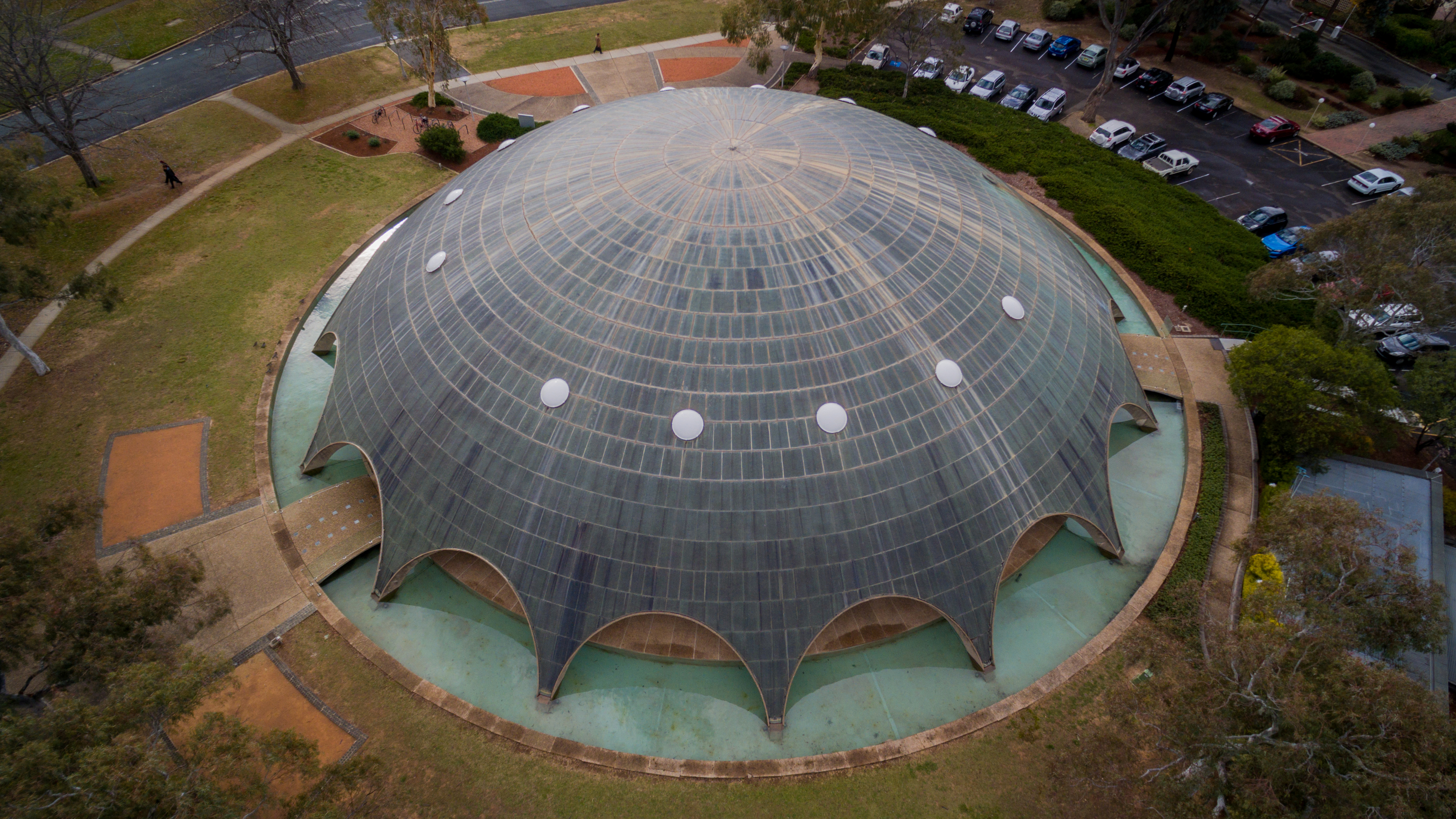
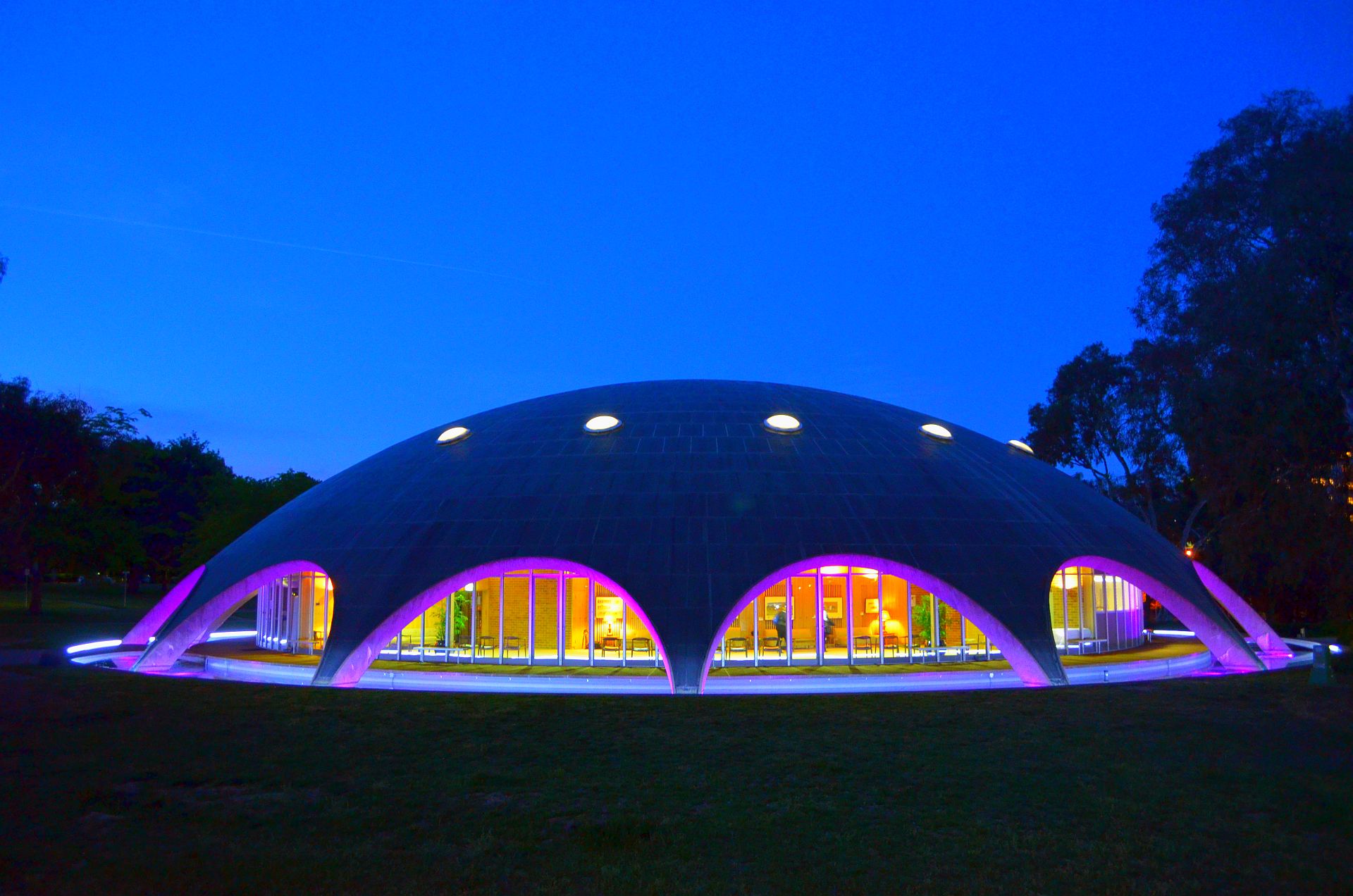
The events are held at the Shine Dome in Canberra on the second Tuesday of every second month. Recordings of events are available on past event pages:
Tuesday 11 February - What is AI?
Tuesday 8 April - AI and our health
Tuesday 10 June - AI and our environment
Tuesday 12 August - AI and our food
Tuesday 14 October - AI and our safety
Tuesday 9 December - AI in science and research
Event tickets
Single event tickets: $20.00 / $15.00 (students)
Includes:
- attendance at one event at the Shine Dome
- canapes and drinks before the event
- priority opportunity to engage with speakers during audience Q&A
- access to event recording.
Online single event ticket: Free
Includes:
- access to livestream of one event
- opportunity to engage with speakers during audience Q&A via the online form
- access to event recording.
Series host
The Academy is pleased to welcome ABC's Lish Fejer as the host for all the events across this series. As a seasoned radio broadcaster and passionate science communicator, Lish will deliver illuminating sessions with her engaging style and thought-provoking questions.
Series convenors
Thank you to the convenors supporting the series in 2025:
- Professor Bob Graham AO FAA FAHMS, Vice President and Secretary for Biological Sciences, Australian Academy of Science
- Professor Ian Chubb AC FAA FTSE, Fellow, Australian Academy of Science
Series partners and supporters
Academy events
The Australian Academy of Science’s public speaker series is a long-standing initiative that informs, educates and inspires.
To hear more about Academy events and activities, subscribe to the range of newsletters delivered to inboxes around the world.
Support the Academy
The Australian Academy of Science is an independent organisation of distinguished Australian scientists, championing science for the benefit of all. Our mission is to advance Australia as a nation that embraces scientific knowledge and whose people enjoy the benefits of science.
Donations to the Academy play an important role in bringing science to the service of our nation, and for all Australians. Your support helps us to contribute to the overall progress of science in our country and across the globe.
AI in science: the promise, perils and path forward – AI in science and research
From predicting protein structures to analysing complex data, AI is profoundly changing the way scientists work and generate new knowledge.
In this panel discussion, experts from diverse corners of the research ecosystem discussed how AI is accelerating innovation, the opportunities and challenges it presents, and what this means for trust in science.
- Dr Stefan Harrer (Data61, CSIRO) connects safe and trustworthy AI systems with human decision-makers in health, biotech and pharma.
- Professor Karin Verspoor (RMIT University) researches AI methods for biological discovery and clinical decision support, using machine learning to extract insights from the academic literature.
- Associate Professor Michelle Riedlinger (Queensland University of Technology) is an expert in public engagement and research communication.
The above illustration was created by graphic scribe, Indigo Strudwicke, who joined us live to capture the event summary.
Event details
Date: Tuesday 9 December 2025
Time: Canapes and drinks are served from 5.30pm, with the talks (and the livestream) starting at 6.00pm AEDT
Venue: The Shine Dome, 15 Gordon Street, Acton ACT (and online livestream)
Cost: $20pp ($15pp for students)
Panel members
Dr Stefan Harrer, CSIRO’s Data61
Stefan is a scientist, incubator, strategic advisor and executive manager. He builds and works with interdisciplinary, diverse technical and commercial teams at the intersection of digital health, neurotech, the life sciences and AI. Integrating safe and trustworthy AI systems into cloud and edge platforms to bring assistive data analytics and scalable data management tools to human decision makers in health, biotech, medtech and pharma is his core skill. He is an expert in producing and commercialising innovations in AI and science across complex, highly regulated environments spanning industry, academia and government.
Professor Karin Verspoor, RMIT University
Karin is Dean of the School of Computing Technologies at RMIT University. Her research primarily focuses on the use of artificial intelligence methods to enable biological discovery and clinical decision support, through extraction of information from clinical texts and the biomedical literature and machine learning-based modelling. She is also the Victorian Node lead and co-founder of the Australian Alliance for Artificial Intelligence in Health.
Associate Professor Michelle Riedlinger, QUT
Michelle is based at QUT’s School of Communication. Her research interests include the emerging environmental, agricultural and health research communication practices, roles for ‘alternative’ science communicators, online fact checking and public engagement with science. Her research is informed by theories of media, cultural approaches to science, social identity, and pragmatic linguistics. As a communication consultant, she has worked on projects focused on climate variability, dryland salinity, ecology, catchment management and river health. She has facilitated over two hundred communication training workshops for researchers.
Series details
Series dates
The events are held at the Shine Dome in Canberra on the second Tuesday of every second month:
Tuesday 11 February: What is AI?
Tuesday 8 April: AI and our health
Tuesday 10 June: AI and our environment
Tuesday 12 August: AI and our food
Tuesday 14 October: AI and our safety
Tuesday 9 December: AI in science and research
Series host
The Academy is pleased to welcome ABC's Lish Fejer as the host for all the events across this series. As a seasoned radio broadcaster and passionate science communicator, Lish will deliver illuminating sessions with her engaging style and thought-provoking questions.
Series convenors
Thank you to the convenors supporting the series in 2025:
- Professor Bob Graham AO FAA FAHMS, Vice President and Secretary for Biological Sciences, Australian Academy of Science
- Professor Ian Chubb AC FAA FTSE, Fellow, Australian Academy of Science
Series supporters
Location
For more information about the series and the other events, please visit the series webpage. For all enquiries, please email events@science.org.au.
AI in science: the promise, perils and path forward – AI and our safety
The AI revolution is transforming how we stay safe, combat crime, and protect our national security – both online and in the real world. From cyber warfare to surveillance to deepfakes, this brave new AI world has the potential to cause seismic shifts in global power structures.
Our two expert speakers will explore the emerging tech reshaping our world.
Professor Dali Kaafar is Executive Director of the Macquarie University Cyber Security Hub. He is also Founder and CEO of Apate.AI, a fraud prevention and intelligence platform which uses cutting-edge AI-powered bots to lure scammers into extended, unproductive exchanges. Intelligence from these calls is then fed back into Australia’s broader anti-scam ecosystem.
Suneel Randhawa is the Chief of Information Sciences in the Defence Science and Technology Group at the Department of Defence. His expertise is in cyber security, cyber warfare and AI, and he works to harness Australia’s innovation ecosystem to enhance our defence, intelligence and national security.
Come along to discover the power of AI, and how we can ensure its use is ethical and transparent while keeping communities safe.
Event details
Date: Tuesday 14 October 2025
Time: Canapes and drinks are served from 5.30pm, with the talks (and the livestream) starting at 6.00pm AEDT.
Venue: The Shine Dome, 15 Gordon Street, Acton ACT (and online livestream)
Cost: $20pp ($15pp for students)
Speakers
Series details
Series dates
The events are held at the Shine Dome in Canberra on the second Tuesday of every second month:
Tuesday 11 February: What is AI?
Tuesday 8 April: AI and our health
Tuesday 10 June: AI and our environment
Tuesday 12 August: AI and our food
Tuesday 14 October: AI and our safety
Tuesday 9 December: AI in science and research
Series host
The Academy is pleased to welcome ABC's Lish Fejer as the host for all the events across this series. As a seasoned radio broadcaster and passionate science communicator, Lish will deliver illuminating sessions with her engaging style and thought-provoking questions.
Series convenors
Thank you to the convenors supporting the series in 2025:
- Professor Bob Graham AO FAA FAHMS, Vice President and Secretary for Biological Sciences, Australian Academy of Science
- Professor Ian Chubb AC FAA FTSE, Fellow, Australian Academy of Science
Series supporters
Location
For more information about the series and the other events, please visit the series webpage. For all enquiries, please email events@science.org.au.
AI in science: the promise, perils and path forward – AI and our food
Seed-planting farmbots, pest-detecting drones, and robotic noses for evaluating wine and beer: the future of food production and farming is high-tech.
AI has the potential to boost the sustainability and efficiency of Australian agriculture. It can selectively control weeds, saving on herbicide use. It can figure out the perfect time to water a crop, and identify grapes damaged by bushfire smoke.
Join us to hear from two expert speakers at the cutting edge:
- Associate Professor Sigfredo Fuentes develops high-tech digital instruments for agriculture, food and wine at the University of Melbourne. He’s also an investigator at the Plants for Space ARC Centre of Excellence, creating a stellar menu for the astronauts of the future.
- A postdoctoral fellow at CSIRO, Dr Sarah Hartman is using deep learning to develop an AI agronomist. She’s working with farmers and other stakeholders to design a model that works for and with the people who produce our food.
Come along and get a taste of the future of food.
Event details
Date: Tuesday 12 August 2025
Time: Canapes and drinks are served from 5.30pm, with the talks (and the livestream) starting at 6.00pm AEST.
Venue: The Shine Dome, 15 Gordon Street, Acton ACT (and online livestream)
Cost: $20pp ($15pp for students)
Speakers
Associate Professor Sigfredo Fuentes, University of Melbourne
Sigfredo’s primary research interests revolve around the utilisation of cutting-edge instrumentation for plant physiology research. His expertise lies in the application of various advanced techniques, including short-range, airborne and satellite remote sensing; near-infrared spectroscopy; infrared thermography; and sap flow sensors. He has contributed to the development of computer programs for agricultural research and practical applications, the establishment of novel methodologies to assess plant physiology and growth through image analysis and innovative instrumentation, and the implementation of artificial intelligence in agriculture, food, wine and animal sciences.
Dr Sarah Hartman, CSIRO
Sarah is a CSIRO Early Research Career (CERC) Postdoctoral Fellow with a focus on ‘Developing a trusted AI agronomist’. The project couples deep learning with the Agricultural Production Systems Simulator (APSIM), a biophysical agricultural model. It also involves stakeholder engagement to identify key considerations for a trustworthy and successful agronomist.
Sarah has spent her career working in environmental engineering and science, where she designs and executes low- and high-technology projects focusing on water, agriculture and community-led growth in collaboration with public and private sector stakeholders. Sarah is passionate about making science and technology accessible to the public via thoughtful translation. She also has a strong commitment to improving technical issues through a cultural and policy lens.
Series details
Series dates
The events are held at the Shine Dome in Canberra on the second Tuesday of every second month:
Tuesday 11 February: What is AI?
Tuesday 8 April: AI and our health
Tuesday 10 June: AI and our environment
Tuesday 12 August: AI and our food
Tuesday 14 October: AI and our safety
Tuesday 9 December: AI in science and research
Series host
The Academy is pleased to welcome ABC's Lish Fejer as the host for all the events across this series. As a seasoned radio broadcaster and passionate science communicator, Lish will deliver illuminating sessions with her engaging style and thought-provoking questions.
Series convenors
Thank you to the convenors supporting the series in 2025:
- Professor Bob Graham AO FAA FAHMS, Vice President and Secretary for Biological Sciences, Australian Academy of Science
- Professor Ian Chubb AC FAA FTSE, Fellow, Australian Academy of Science
Series supporters
Location
For more information about the series and the other events, please visit the series webpage. For all enquiries, please email events@science.org.au.
AI in science: the promise, perils and path forward – AI and our environment
Did you know that asking ChatGPT a question uses ten times more energy than a simple Google search?
AI can have a big environmental footprint – but it can also be a powerful tool to help us protect and restore the natural world.
Join us to explore these two sides of AI’s impact on our environment with two experts working at the cutting edge:
- As co-founder and CEO at Xylo Systems, Camille Goldstone-Henry’s groundbreaking intelligence platform is demystifying biodiversity data to turbocharge threatened species management, and to help businesses make nature-positive decisions.
- Associate Professor Chang Xu is harnessing ‘green AI’ to build next-generation AI systems that are more efficient and environmentally friendly.
Come along to learn more about the promise and perils of AI for the environment and get inspired by innovators making a difference for nature with technology.
Event details
Date: Tuesday 10 June 2025
Time: Canapes and drinks are served from 5.30pm, with the talks (and the livestream) from 6 to 7pm AEST.
Venue: The Shine Dome, 15 Gordon Street, Acton ACT (and online livestream)
Cost: $20pp ($15pp for students), livestream free
Speakers
Series details
Series dates
The events are held at the Shine Dome in Canberra on the second Tuesday of every second month:
Tuesday 11 February: What is AI? (recording available)
Tuesday 8 April: AI and our health (recording available)
Tuesday 10 June: AI and our environment
Tuesday 12 August: AI and our food
Tuesday 14 October: AI and our safety
Tuesday 9 December: AI in science and research
Series host
The Academy is pleased to welcome ABC’s Lish Fejer as the host for all the events across this series. As a seasoned radio broadcaster and passionate science communicator, Lish will deliver illuminating sessions with her engaging style and thought-provoking questions.
Series convenors
Thank you to the convenors supporting the series in 2025:
- Professor Bob Graham AO FAA FAHMS, Vice President and Secretary for Biological Sciences, Australian Academy of Science
- Professor Ian Chubb AC FAA FTSE, Fellow, Australian Academy of Science
Series supporters
Location
For more information about the series and the other events, please visit the series webpage. For all enquiries, please email events@science.org.au.