This publication from the Australian Academy of Science answers key questions about climate science, including where there is consensus in the scientific community and where uncertainties exist.
This publication from the Australian Academy of Science aims to address confusion created by contradictory information in the public domain. It sets out to explain the current situation* in climate science, including where there is consensus in the scientific community and where uncertainties exist.
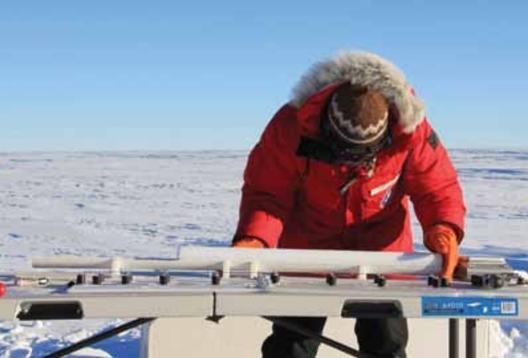
Earth’s climate has changed over the past century. The atmosphere and oceans have warmed, sea levels have risen, and glaciers and ice sheets have decreased in size. The best available evidence indicates that greenhouse gas emissions from human activities are the main cause. Continuing increases in greenhouse gases will produce further warming and other changes in Earth’s physical environment and ecosystems.
The term ‘climate’, in its broadest sense, refers to a statistical description of weather and of the related conditions of oceans, land surfaces and ice sheets. This includes consideration of averages, variability and extremes. Climate change is an alteration in the pattern of climate over a long period of time, and may be due to a combination of natural and human induced causes.
Global climate has varied greatly throughout Earth’s history. In the final decades of the 20th century, the world experienced a rate of warming that is unprecedented for thousands of years, as far as we can tell from the available evidence. Global average temperature rise has been accompanied by ongoing rises in ocean temperatures, ocean heat storage, sea levels and atmospheric water vapour. There has also been shrinkage in the size of ice sheets and most glaciers. The recent slowdown in the rate of surface warming is mainly due to climate variability that has redistributed heat in the ocean, causing warming at depth and cooling of surface waters. Australia’s climate has warmed along with the global average warming.
Human activities are increasing greenhouse gas concentrations in the atmosphere. This increase is extremely likely to have caused most of the recent observed global warming, with CO2 being the largest contributor. Some observed changes in Australia’s climate, including warming throughout the continent and drying trends in the southwest, have been linked to rising greenhouse gas concentrations.
4 How do we expect climate to evolve in the future?
If greenhouse gas emissions continue to grow rapidly, it is expected that, by 2100, the global average air temperature over the Earth’s surface will warm by around 4°C above mid-19th century temperatures. There are many likely ramifications of this warming. However, if emissions are reduced sufficiently rapidly, there is a chance that global average warming will not exceed 2°C and other impacts will be limited.
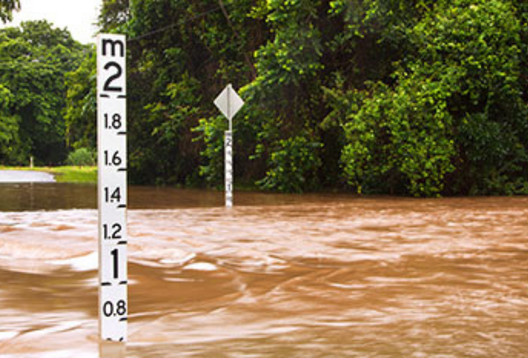
Since the mid-20th century, climate change has resulted in increases in the frequency and intensity of very hot days and decreases in very cold days. These trends will continue with further global warming. Heavy rainfall events have intensified over most land areas and will likely continue to do so, but changes are expected to vary by region.
Sea levels have risen during the 20th century. The two major contributing factors are the expansion of sea water as it warms, and the loss of ice from glaciers. Sea levels are very likely to rise more quickly during the 21st century than the 20th century, and will continue to rise for many centuries.
Climate change has impacts on ecosystems, coastal systems, fire regimes, food and water security, health, infrastructure and human security. Impacts on ecosystems and societies are already occurring around the world, including in Australia. The impacts will vary from one region to another and, in the short term, can be both positive and negative. In the future, the impacts of climate change will intensify and interact with other stresses. If greenhouse gas emissions continue to be high, it is likely that the human-induced component of climate change will exceed the capacity of some countries to adapt.
8 What are the uncertainties and their implications?
There is near-unanimous agreement among climate scientists that human-caused global warming is real. However, future climate change and its effects are hard to predict accurately or in detail, especially at regional and local levels. Many factors prevent more accurate predictions, and some uncertainty is likely to remain for considerable time. Uncertainty in climate science is no greater than in other areas where policy decisions are routinely taken to minimise risk. Also, the uncertainty means that the magnitude of future climate change could be either greater or less than present-day best estimates.
9 What does science say about options to address climate change?
Societies, including Australia, face choices about how to respond to the consequences of future climate change. Available strategies include reducing emissions, capturing CO2, adaptation and ‘geoengineering’. These strategies, which can be combined to some extent, carry different levels of environmental risk and different societal consequences. The role of climate science is to inform decisions by providing the best possible knowledge of climate outcomes and the consequences of alternative courses of action.
‘The science of climate change: Questions and answers’ was prepared by a working group of nine members co-chaired by Dr Ian Allison FAA and Professor Mike Raupach FAA FTSE. The document was also reviewed by an oversight committee of eight members chaired by Professor John Zillman AO FAA FTSE. This publication is an update of the Academy’s 2010 booklet of the same name.
This report synthesises the observed impacts of climate change on Australia and the risk to our future of the current global trajectory of greenhouse gas emissions. It focuses on the consequences of 3°C of global warming in the absence of greater mitigation strategies for four areas of importance to Australia’s future: our ecosystems, food production, cities and towns, and health and wellbeing. The impacts of those changes on the lives and wellbeing of Australians are discussed in detail.
The Australian Academy of Science is spearheading Australia’s invitation to world-class United States researchers and technologists to relocate to this welcoming country and establish a long-term professional presence here.
Current
For global leaders in science and technology, this invitation to be ‘where science lives’ represents an extraordinary opportunity.
Australia offers unique professional and personal benefits for scientists considering a new future in which their research is valued, respected and impactful.
The Where Science Lives: Global Talent Attraction Program is a strategic and exciting opportunity for high-calibre scientists and technologists of global standing to redirect their careers, talents and contributions to Australia.
The Global Talent Attraction Program is a future-focused opportunity for businesses, industry bodies, governments and philanthropists to advance Australia’s scientific profile on the global stage.
The Global Talent Attraction Program brings together the Academy’s profile and leadership, the researchers’ world-leading expertise, the resources and commitment of host institutions, the support of governments and the vision of philanthropic partners in a uniquely collaborative program.
Successful candidates will be matched with funded positions in Australian research institutes and organisations, located in various centres around the country. The Academy will work with relevant government departments to facilitate smooth and efficient visa processing, clearing the way for global leaders in science to enter and work in Australia.
The Where Science Lives: Global Talent Attraction Program is a strategic and exciting opportunity for high-calibre scientists and technologists of global standing to redirect their careers, talents and contributions to Australia.
The program aims to complement our existing scientific expertise and achievements to strengthen our sovereign research capacity, fill critical capability gaps, and accelerate science-led innovation across sectors of national importance.
Leading this bold and urgent initiative, the Australian Academy of Science – a self-governing Fellowship of many of Australia’s distinguished scientists – has opened a Candidate Merit Pool (CMP) for top-tier candidates interested in relocating to Australia from the United States to be matched with influential funded research positions.
Targeted talent
Where Science Lives seeks outstanding scientists and technologists with an international reputation for excellence, leadership, impact and vision who are willing and able to relocate to Australia and make a sustained, long-term contribution to the research ecosystem here. Applications must be sponsored by an Australian Academy of Science Fellow. Candidates living in the United States – holding any citizenship – are encouraged to apply.
The program is discipline-agnostic and open to all fields in science and technology (including, but not limited to, life sciences, physical sciences, engineering, medical research, computing, earth and environmental sciences, and advanced manufacturing). Candidate selection will focus on priority areas that align with Australia’s future-facing needs.
Suitable candidates will be able to provide in their applications data to substantiate their profile and achievements. Their comprehensive CV will outline academic, professional and leadership roles, including current and past institutional affiliations. Details of awards, honours, fellowships, citation metrics and competitive research funding should be accompanied by two letters of support from referees. All applicants must be sponsored by a Fellow of the Australian Academy of Science.
Global standing and leadership roles
Applicants are expected to be of high calibre and internationally recognised as scientific or technological leaders in their fields, holding positions such as research group leader, institute director, senior principal scientist or chief technologist in academia, government or industry. Evidence will include high-impact publications, prestigious awards and past leadership positions at internationally respected institutions. Applications must be supported by a letter of sponsorship from a Fellow of the Australian Academy of Science.
Their leadership profile should encompass not only personal research excellence and team leadership but also a sustained record of mentoring early- and mid-career researchers and a commitment to fostering the next generation of scientific talent and creating inclusive, high-performing teams.
Research or technological impact
Suitable applicants must be able to demonstrate a strong track record of significant research contributions that have advanced their field of study or driven meaningful change or innovation. Their achievements should show real-world impact through the translation of discoveries into tangible outcomes – such as widely adopted technologies, products, or methodologies – or successful commercialisation efforts that have delivered clear benefits to academia, industry, or society.
Appropriate examples of impact include peer-recognised high-impact publications, patents, leadership of interdisciplinary or large-scale initiatives, partnerships resulting in start-ups or licensed technologies, and influence on policy or clinical practice.
Long-term contribution to Australia
To strengthen Australia’s scientific and technological capability, the Global Talent Attraction Program aims to recruit leading researchers who will make long-term contributions, not only through research outputs but also through mentorship and collaboration. Suitable applicants will demonstrate a willingness to relocate or return to Australia and the potential to embed deeply within Australian research institutions or industry and build enduring collaborations.
Successful candidates will be expected to commit to employment contracts of 8 to 10 years to facilitate deep research programs and meaningful integration into the Australian research culture. Their mentorship investment should advance and sustain an energetic, motivated science research ecosystem over the long term to enhance Australia’s position and influence.
Potential candidates for the Global Talent Attraction Program are asked to apply for admission to the CMP to formally register their interest in relocating to Australia and being matched with funded positions in Australian research institutes and organisations. The CMP, initially focused on US candidates, is institution- and discipline-agnostic. Applications are welcomed from Australian and non-Australian citizens living overseas who meet all eligibility requirements and whose work is internationally recognised as exceptional and outstanding.
Eligibility
To be considered for the CMP, applicants must:
·be an established career research scientist and have an internationally recognised record of exceptional and outstanding achievement in their field of research, consistent with the Department of Home Affairs indicators for the National Innovation Visa
·be sponsored by a Fellow of the Australian Academy of Science and include the endorsement in their application submission
·be willing to relocate from the United States to Australia for the purpose of undertaking a new research or innovation-based employment, collaboration or leadership role.
If the applicant is not an Australian citizen or Australian permanent visa holder already, they must be suitable for consideration under the National Innovation Visa program (subclass 858) expression of interest pathway.
Application process
Applications must be submitted via the Academy’s online portal, and include the following material and supporting documentation:
Comprehensive CV: Outlining academic, professional, and leadership roles, including current and past institutional affiliations.
List of top five career contributions: Significant publications or outputs (not exhaustive), with an emphasis on high-impact, peer-reviewed publications that reflect international standing and influence.
Awards, honours, fellowships, citation metrics: A summary of competitive research funding received and major academic or innovation-related honours or fellowships. This may include funding from bodies such as ARC, NIH, NSF, ERC, or equivalent.
Fellow letter of sponsorship: A signed letter from an Australian Academy of Science Fellow sponsoring the application to the CMP. Information for Academy Fellow sponsors
Letters of support: Two letters of support must be provided at the time of application, including at least one from an independent referee based at an institution that is international both to the applicant and to Australia. Information for referees
Statement of intent or summary of future engagement in Australia: A short statement (up to 1,500 words max) describing the candidate’s interest in relocating to Australia, potential areas of contribution and intended engagement with Australian institutions or sectors.
Applications must be complete at the time of submission to be considered. Incomplete applications, including those missing any required supporting material, will be deemed ineligible and will not proceed to merit assessment.
Assessment process and selection criteria
Applications will be screened for eligibility before undergoing a merit assessment by the Scientific Assessment Committee, comprising Academy Fellows with relevant expertise and experience. After the merit review, a recommended shortlist will be provided to the Academy Council for their consideration and final decision-making.
Applications are merit-assessed across three equally weighted dimensions:
1. Global standing and recognition
Judged using professional expertise within the norms of the candidate’s field
Must reflect ‘top of field’ level standing, recognising variation in metrics and opportunity across disciplines
Demonstrated by examples such as internationally prestigious awards, high-impact publications, keynote invitations and major national or international research funding
2. Strategic contribution and leadership
Considers both institutional leadership and individual excellence
Includes entrepreneurial contributions, capacity building, mentoring and systems impact
Demonstrates ability to generate sustained impact in research, innovation or strategic development
3. National and international engagement
Demonstrates evidence of influence, partnerships or collaboration at national and international levels
May include global networks, consortia leadership, strategic alignment with Australian research priorities
Includes vision for future engagement with Australia, even where no past engagement exists
Outcome and next steps
Applicants will be informed of the outcome in writing. Successful applicants will individually receive detailed information about next steps as required.
The recommendations of the review panel are based on the assessed competitiveness of the proposal, and the Academy’s Council decisions are final. Unsuccessful applicants may reapply in future calls for applications.
The Academy recognises and appreciates the time and effort involved in preparing an application. However, we are unable to provide individual feedback, and no further information or explanation will be given regarding outcomes.
No applicant or candidate information will be shared with any stakeholders external to the Academy without the advanced and explicit consent of the successful applicant.
Contact
For further information, contact: Program Delivery Unit Australian Academy of Science GPO Box 783 Canberra ACT 2601 Phone: 02 6201 9412 Email: gtap@science.org.au
The Global Talent Attraction Program is a future-focused opportunity for businesses, industry bodies, governments and philanthropists to advance Australia’s scientific profile on the global stage.
Our scientists and technologists are already regarded as leaders in many disciplines, and the program will boost and complement our existing expertise and research reputation by attracting highly skilled US scientists to Australia. Enabled by partnership, this bold, strategic initiative will fill critical capability gaps, strengthen the country’s sovereign research capacity and accelerate innovation across sectors of national importance. With top-tier US scientists and technologists now entering the recruitment market and open to relocating internationally, this window of opportunity is both exciting and urgent.
Because every organisation is different, partners will enjoy tailored engagement with the Academy’s program team to recruit ideal candidates aligned to their vision and goals and enable them to establish meaningful and impactful careers here. In return for their commitment, partners will gain increased visibility and access to world-class talent while contributing to a national effort to increase Australia’s science research and development capability.
Host organisations are central partners in the Global Talent Attraction Program, playing a key role in strengthening Australia’s science capability by offering opportunities for top-tier US researchers to join their teams. Partnering with the Academy connects hosts to the best US science talent, opening up strategic avenues for complementing Australia’s already world-class sector expertise to accelerate research in priority areas. Successful candidates will be strategically matched to host organisations based on alignment, with hosts supporting their candidates’ relocation needs.
The organisation engagement process is flexible and allows for tailored, individual enquiries and discussions. Potential hosts are welcome to submit a formal Expression of Interest (EOI) at any time.
Access top-tier science researchers
Gain access to priority research progress opportunities
Find researchers aligned to your strategic goals
We encourage organisations to meet with us to explore potential options. These conversations can help clarify the program’s details and the support available to prospective partners.
You’re welcome to submit a formal Expression of Interest (EOI) at any time. The EOI process helps us understand your organisation’s needs, strategic priorities and capacity, and helps us to identify options for partnership.
Following the EOI review, your organisation will be invited to join the host organisation register. An organisation does not need to have identified a specific candidate placement to join the register.
The Global Talent Attraction Program is an exciting opportunity for businesses and industry bodies to contribute to Australia’s research and innovation capacity and reap shared economic benefits. By partnering with the Australian Academy of Science, businesses will gain access to leading US scientists, who can work alongside expert Australian researchers to drive product development and solve complex challenges of national priority. The program will align the additional scientific expertise with sector needs and goals to ensure every placement delivers value and competitive advantage.
Businesses interested in joining the program can activate an initial consultation and EOI to clarify their needs and priorities. The flexible partnership model can accommodate a variety of industry sectors and operational structures.
Gain access to top-tier US science expertise
Progress business goals and priorities
Contribute to strengthening Australia’s science and innovation capability
Where Science Lives aligns with government priorities for a robust and resilient science and technology sector that will drive economic growth and grow Australia’s international competitiveness. To attract leading global experts in the full range of science disciplines, government partners are critical. The program works closely with Commonwealth, state and territory governments to identify strategic national priorities, ensure aligned placements and facilitate National Innovation Visa pathways for selected candidates. The Australian Academy of Science acts as a national coordination hub to efficiently fill gaps in the country’s scientific research and innovation ecosystem to deliver against national objectives.
Government departments and agencies interested in partnering under the Global Talent Attraction Program can reach out to the partnerships team to discuss tailored models that will maximise program impact in their jurisdiction.
Engage with US science leaders
Address national, state and territory priorities and challenges
Recruit intentionally aligned expertise through coordinated processes
Donor models and benefits
Philanthropy is essential for Where Science Lives to attract, relocate and retain world-leading US scientists and technologists to Australia. Donor investment will seed transformative national outcomes by recruiting top-tier science talent to our research institutions and industries according to identified strategic need. The program will establish mentorship and leadership for emerging Australian scientists, enable economic growth and elevate the nation’s position and reputation as a global leader in science.
Donor philanthropy yields multi-faceted benefits for donors and for Australia. In joining governments, industry and researchers to enhance the country’s well-established science profile and deliver long-term economic gains, donors will help to transform Australia’s future. Contributions will ensure innovation is fostered, emerging talent is mentored and measurable research progress is delivered.
Three donorship models offer maximum flexibility:
Co-investment partnerships will see donors contributing financial support alongside government and organisational commitments in a 3-way funding model, leveraging resources efficiently to maximise impact.
Tailored funding agreements allow donors to develop, in consultation with program contacts, individual partnership arrangements that support their philanthropic goals. Donors will be able to channel their influence into their most meaningful areas.
Donor-led initiatives enable donors to sponsor named fellowships or targeted programs that align with their philanthropic priorities while contributing to Australia’s broader science and innovation agenda.
Join the collaborative network
Your support multiplied through collective giving
We invite donors at all levels to contribute to the Program and join our collaborative network of donors who are dedicated to bringing world-leading researchers and their families to Australia.
This shared fund of collective contributions will be used to support research positions, fund relocation, and provide essential wraparound support to help researchers and their families settle and thrive.
Every gift plays a vital role. Your contributions can achieve more together.
Australia offers unique professional and personal benefits for scientists considering a new future in which their research is valued, respected and impactful.
The Australian research environment is energetic, stable and collaborative, with opportunities and state-of-the-art facilities across universities, research institutes and industry partners. The Global Talent Attraction Program will provide new career opportunities through access to international networks, partnerships with industry and government, and funding to support research initiatives. Long-term contracts allow scientists to embed themselves in their host organisations and embark on deep projects with far-reaching impacts.
Successful candidates will find exceptional lifestyle benefits for themselves and their families in Australia’s multicultural, safe and tolerant communities. Locations ranging from vibrant cities to peaceful regional areas offer natural beauty, comfortable housing and world-class educational systems, while our famous climate translates to relaxed outdoor living.
The Australian balance between career and quality of life is fulfilling and rewarding. The Global Talent Attraction Program puts it all within your reach.
Stable and supportive
The Global Talent Attraction Program is a strategically coordinated, national program connecting exceptional scientists and technologists with organisations and research institutions to create long-term, impactful partnerships. Scientists relocating to Australia will find a welcoming, stable and supportive research environment, comprising well-established institutions with robust governance structures. Selection and support for research in Australia is based on demonstrated excellence, leadership and impact and backed by policies committed to diversity, equity and inclusion. The program’s long-term contracts and placement processes will provide successful candidates with professional and personal stability and assurance.
Nationally coordinated program steered by the leading science entity in Australia
Well-established, robust and stable research institutions
Long-term contract stability
International launch pad
The program will provide successful candidates with unprecedented opportunities to launch or extend their careers internationally. The Academy’s extensive global network of connections and partnerships will offer direct access to leading research initiatives and actors around the world, while the multicultural nature of the Australian science sector facilitates cross-border interaction. The long-term contracts afforded by the program will enable selected scientists to settle into far-reaching global projects without disruption.
Top-tier access to global network in science
Uniquely multicultural collaborative environment
Stability of tenure enabling international interaction
Facilities
The state-of-the-art research ecosystem in Australia spans universities, medical research institutes, government agencies and private sector laboratories, some offering specialised facilities for advanced manufacturing, food and agriculture, space and digital technologies. Investment in research infrastructure is steady and committed, and opportunities to work alongside industry and government ensure research outcomes are translatable to practical and commercial impact. The Global Talent Attraction Program will provide successful candidates with funding for engaging research staff and accessing Australian research infrastructure.
Broad, diverse and well-established research environment
Committed investment
Real-world, practical and commercial impact
Funding for resources
Political stability
Australians enjoy relative peace, safety and stability in a liberal democracy with extremely low levels of unrest and disruption. Political power is shared across national, state and local governments, with high degrees of transparency and accountability, and our judiciary is independent. Government policies promoting multiculturalism, inclusion and anti-discrimination help to ensure Australian residents and visitors can thrive.
Liberal democracy with very little unrest
Stable, transparent and accountable government
Independent judiciary
Inclusive and progressive social policies
Secular nation
Australia is a secular nation that embraces religious freedom and diversity, with no official state religion. While many people are nominally or actively Christian, all major faiths are practiced here alongside a spectrum of other secular and spiritual beliefs, while many other people report no religious affiliation at all. Australian society and government is based on principles of inclusion and respect for all faith beliefs. Same-sex marriage was legalised in 2017, and women are free to work, study, travel and move around.
Increasingly diverse religious affiliations
No state-sanctioned religion
Secular freedom
Multiculturalism
Australia is a diverse, vibrant and inclusive place to live and work, with more than 200 different cultural communities enriching national life. With more than 50% of the population born overseas or having a parent born overseas, Australians embrace and enjoy multiculturalism and its social and cultural contributions. Cultural festivals and events are popular, and languages other than English feature in school curricula. Laws and policies promote anti-discrimination, equal opportunity, inclusion and human rights protections.
Rich cultural diversity
Inclusion and anti-discrimination enshrined in law
Community cultural festivals and events
Widespread tolerance, respect and acceptance
Success stories
Since moving to Australia from the UK, Professor Michelle Simmons has been pivotal in advancing the field of quantum technologies and positioning Australia as a global leader. Her work laid the foundations for breakthroughs in quantum computing, a field that has far-reaching implications across industries such as health care, cybersecurity and advanced manufacturing. Thanks to Professor Simmons’ pioneering efforts, Australia is now a hub for cutting-edge quantum research, attracting further investment, collaboration and talent.
After Professor Lidia Morawska brought her expertise in airborne transmission to Australia from Poland, she went on to reshape the world’s response to COVID-19. Her research into air quality has had global impacts, from improving public health policies to changing approaches to indoor air quality and disease transmission. As a leading Australian scientist, Professor Morawska’s work has sparked ongoing research collaborations and influenced industries from health care to environmental science.
Astrophysicist Professor Brian Schmidt was involved in forming the High-Z Supernova Search Team shortly after moving to Australia from the US. His work earned him a joint Nobel Prize in Physics in 2011 for the discovery of the accelerating expansion of the universe through observations of distant supernovae.
Indigenous scientific heritage
Science has always lived in Australia, with Aboriginal and Torres Strait Islander cultures dating back at least 65,000 years. Their traditional knowledge and practices reflect holistic and complex scientific systems that integrate ecology, astronomy, land and sea management, medicine, botany and sustainability. Increasingly, collaborative social and scientific projects combine traditional ecological knowledge with western scientific methods to tackle issues such as biodiversity conservation, climate change and land rehabilitation.
Increasing collaboration with some of the world’s oldest continuous cultures
Opportunities for involvement in unique research projects
Pivotal new approaches to scientific progress
Climate and natural beauty
With a total area of around 7.7 million square kilometres (about 2.9 million square miles) spanning multiple geographical zones, Australia experiences varied climates and extraordinary natural beauty. Our spectacular landscapes – from red deserts to snowy mountains, tropical rainforests to golden beaches – provide rich natural environments for exploration, inspiration and rejuvenation. The envied Australian climate, with its abundance of sunshine, allows a relaxed, outdoors lifestyle much of the year.
Geographical diversity with unique ecosystems
Spectacular, inspiring landscapes
Temperate climate for outdoor living
Great cities and schools
Our cities – comfortably small in comparison to many of the world’s larger centres – are generally well planned, clean, safe and attractive, with plentiful natural spaces, popular recreational facilities and efficient transport systems. Australians enjoy excellent health care and education systems, quality housing options and an enviable lifestyle in which families can thrive. Safe, well-resourced schools follow an academically rigorous national curriculum taught by highly qualified teachers and complemented by equity access programs that support all students to achieve their best.
Clean, safe, attractive cities
Excellent health care systems
Quality housing options and transportation systems
For global leaders in science and technology, this invitation to be ‘where science lives’ represents an extraordinary opportunity.
Competitive advantage
A successful application to the Global Talent Attraction Program will be career-changing. Selected candidates will be positioned to accelerate science-led innovation across sectors of national importance, gaining opportunities to drive Australia’s advancements in key areas of science, industry and academia.
The Academy’s extensive network and established donor and research community will offer successful candidates unparalleled advantages through access to resources, professional opportunities and wide-ranging support.
Collaborative program model
The Global Talent Attraction Program brings together the Academy’s profile and leadership, the researchers’ world-leading expertise, the resources and commitment of host institutions, the support of governments and the vision of philanthropic partners in a uniquely collaborative program.
Successful candidates will be matched with funded positions in Australian research institutes and organisations, located in various centres around the country. The Academy will work with relevant government departments to facilitate smooth and efficient visa processing, clearing the way for global leaders in science to enter and work in Australia.
Flexible funding structures
The program’s flexible financial model means wider provision than traditional research funding. Contributions from donors and partners are pooled to help bring world-class scientists to Australia, where they can drive innovation, strengthen research capability and deliver long-lasting impact on industry, policy and knowledge.
The funding can potentially cover research salaries and expenses, relocation costs and essential services to help the researchers and their families settle and thrive. Distribution of funds is not tied to particular institutions or disciplines, to allow talent to be placed wherever excellence meets need.
Address critical capability gaps
The Global Talent Attraction Program is a coordinated strategy for filling key capability gaps in science in Australia. Being institution- and discipline-agnostic, the program can recruit and place world-leading researchers where national research and innovation needs are greatest. Allocation of talent and resources is flexible, allowing for case-by-case assessment of need.
Strengthen sovereign research capacity
Recruitment of top-tier scientists and technologists will not only add immediate expertise and knowledge to the Australian pool but also boost the nation’s ability to independently generate and apply vital scientific knowledge and skills in the future. The presence of world-class research talent will have a multiplier effect, expanding research and development capability, offering additional mentorship for local researchers, and reinforcing Australia’s competitiveness and innovation resilience.
Accelerate science-led innovation
Successful candidates for the Global Talent Attraction Program will empower Australian scientific innovation with new knowledge, techniques and research cultures. Such top-tier expertise will seed new research areas and outputs, with long-term contracts assuring resilience and scalability. The Academy’s national and international networks will fast-track additional collaborations, partnerships and industry links. Australian innovation in science and technology has never held so much potential.
Institution and discipline-agnostic
In selecting candidates, the program focuses on excellence, national need and impact potential rather than predetermined quotas or institutional preferences. Exceptional applicants from the entire spectrum of STEM sectors may be considered. Host institutions can seek candidates that align closely with their own research priorities and growth strategies instead of choosing from a narrow pool. Cross-disciplinary and cross-sectoral collaboration for tackling complex issues can be easily facilitated.
Placing the best minds where they can flourish and deliver the greatest national benefit is key for Australia’s scientific advancement and excellence.
Focus on US relocation
The Global Talent Attraction Program is initially focused on US-based scientists and technologists, offering them a unique opportunity to access stable and well-supported research positions where they can continue to lead their fields and deliver national impact.
The US pool of scientific excellence, concentrated in many of the world’s top research institutes and universities, is rich and diverse, and as these researchers increasingly consider international mobility, Australia has an urgent and unparalleled opportunity to attract their top-tier capability and talent.
Fellowship sponsorship requirement
Candidates for the Global Talent Attraction Program must be sponsored by a current Australian Academy of Science Fellow, whose endorsement must be included in the application submission. This requirement ensures sound validation of applicants, upholds the program’s integrity and assists with alignment of talent to need.
Open to Australian and non-Australian citizens
The program is open to Australian and non-Australian citizens who are internationally recognised for exceptional achievement in their fields. US-based candidates of any nationality, including Australians currently living in the US, are welcome to apply. Candidates who are not Australian citizens or Australian permanent visa holders must be eligible for consideration under the National Innovation Visa program (subclass 858) expression of interest pathway.
Applicants residing in Australia are ineligible, regardless of citizenship or visa status.
The Australian Academy of Science is spearheading Australia’s invitation to world-class United States researchers and technologists to relocate to this welcoming country and establish a long-term professional presence here.
The Academy, a self-governing fellowship of distinguished scientists, works to strengthen Australia’s research capability and scientific leadership and to champion the benefits of science for all.
For global leaders in science and technology, this invitation to be ‘where science lives’ represents an extraordinary opportunity.
The Basser Library and Fenner Archives of the Australian Academy of Science hold a rich and varied collection of published and primary source material documenting the history of science in Australia.
Over its 60-year history, the collection has evolved into a nationally significant resource that provides a valuable window into the history of Australian scientific discovery in the nineteenth and twentieth centuries.
For research requests to access materials from the Fenner Archives, please email library@science.org.au outlining your request, full name, and contact number. Our team will be in touch with you.
About the Basser Library and Fenner Archives
The Academy holds a rich and varied collection of published works and primary source materials documenting the history of scientific discovery in Australia
The Academy's archives hold a sprawling collection of stories from some of the country’s most renowned scientists, which are now available online thanks to our digitisation project.
The research of Australian scientists forms the foundation on which we build our future. It's vitally important that we capture their stories and preserve and digitise their research - but we need your help.
Disclaimer: Aboriginal and Torres Strait Islander people should be aware that this website may contain images, voices and names of people who have passed away.
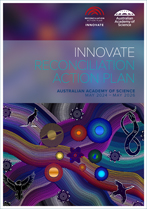
The cover artwork for our Innovate Reconciliation Action Plan was created by Richard Allan, Director, Traditional Core. See page 3 of the plan for the story of the artwork.
Disclaimer: Aboriginal and Torres Strait Islander people should be aware that this website may contain images, voices and names of people who have passed away.
Acknowledgement of Country
The Australian Academy of Science acknowledges and pays respects to the Traditional Owners of all the lands on which the Academy operates, and where its Fellows and employees live and work. The Academy recognises Australia’s Aboriginal and Torres Strait Islander peoples as the first innovators and scientists of this land and honour their enduring connection to Country, from which we are committed to learn. We pay our respects to, and recognise the cultural authority of, their Elders past and present.
Our vision for reconciliation is that the contributions to scientific knowledge from Australia’s First Nations peoples are respected and celebrated, and that we draw on diverse knowledges, including Traditional Knowledges, to build a stronger, more innovative, and sustainable nation and world. The Academy seeks to make systemic, strategic and sustainable contributions across the STEM sector to support reconciliation between Aboriginal and Torres Strait Islander and non-Indigenous peoples, ensuring that Aboriginal and Torres Strait Islander peoples are empowered to engage in science and enjoy the benefits of science.
It is crucial that the Academy creates opportunities to work respectfully with Aboriginal and Torres Strait Islander peoples to address issues that impact on them and to support their contribution to scientific, policy, international and communication activities enabled by the Academy. Our Reconciliation Action Plan outlines the practical steps we are taking to support positive change and facilitate reconciliation. Responsibility for implementing the plan lies with all Fellows and staff of the Academy.
Our Reconciliation Action Plan sets out specific actions under four broad goals.
Relationships
Goal: The Academy will seek out and strengthen relationships with Aboriginal and Torres Strait Islander peoples based on mutual respect, with the intention of building our capacity to empower the next generation of scientists, aligned with the Academy’s strategic objectives of excellence and diversity. We will seek to do this through connecting people with opportunities, listening to others’ experiences and building mutually beneficial partnerships.
> Progress
Publicly supporting the Voice referendum
Formally endorsing the Uluru Statement from the Heart in 2021
Hosting and promoting attendance at National Reconciliation Week (NRW) events for employees and Fellows, and circulating Reconciliation Australia’s NRW resources
Collating a database of relationships across the Academy with Aboriginal and Torres Strait Islander organisations and individuals
Respect
Goal: The Academy will develop a deeper understanding of, and celebrate, Aboriginal and Torres Strait Islander cultures, history and achievements to support a culturally safe environment for Aboriginal and Torres Strait Islander peoples in the Academy Fellowship and Secretariat. We will respect, understand and celebrate First Nations peoples’ Knowledge, history and truth-telling to enable the Academy to be deeply influential and trusted as an independent advisor on scientific matters.
> Progress
Making Cultural Competency training available to Academy Fellows and employees
Participating in a guided cultural education experience on country
Focusing the Academy’s annual Public Speaker Series in 2023 on First Nations peoples’ Knowledges.
Organising two online events in 2021, including a COVID-19 webinar series on how COVID-19 is impacting Indigenous populations around the world
Facilitating an Indigenous Knowledges workshop at the Academy’s flagship event Science at the Shine Dome in 2022
Producing an Acknowledgement of Country guide for Fellows, employees, and others to use at events and meetings
Organising annual NAIDOC Week events, including an interview with Aboriginal scientist Associate Professor Bradley Moggridge and a webinar with four Aboriginal and Torres Strait Islander STEM professionals, ‘Embracing Indigenous Knowledges in STEM’
Facilitating employees attending NAIDOC and NRW events through paid time off and financial support
Organising a joint event to explore Indigenous Engagement in partnership with Royal Society Canada and Royal Society Te Aparangi
Opportunities
Goal: The Academy will identify opportunities for direct action, be a catalyst for broader change and support the actions of others to make real change for Aboriginal and Torres Strait Islander peoples. We will demonstrate excellence and diversity through building a Fellowship and Secretariat representative of the community.
> Progress
Partnering with Career Trackers to establish an Aboriginal and Torres Strait Islander internship
Electing of Professor Tom Calma, the first Aboriginal and Torres Strait Islander person elected to the Academy Fellowship
Providing material support for the establishment of the National Indigenous STEM Professional Network
Continuing to offer and promote the Academy’s Aboriginal and Torres Strait Islander Scientist Award and the Douglas and Lola Douglas Scholarship in Medical Science, building an alumni of early- and mid-career Aboriginal and Torres Strait Islander STEM professionals
Governance and tracking progress
Goal: Establish and maintain an effective RAP Working Group (RWG) to drive governance of the RAP.
> Progress
Refreshing our Reconciliation Action Plan Working group, maintaining Aboriginal and Torres Strait Islander participation
Participating in the 2024 Reconciliation Australia, Workplace RAP barometer
Participating in the RAP Impact Measurement Questionnaire
Future actions and opportunities outlined in the plan include:
working with Academy Fellows and the science community to promote and facilitate evidence-informed conversations on Traditional Knowledges. Our work will recognise Traditional Knowledges in Australia’s scientific and technological knowledge systems
building on existing engagements and opportunities for Aboriginal and Torres Strait Islander science and scientists, and deepening those relationships forged over the past decade
creating opportunities for Aboriginal and Torres Strait Islander peoples within the Fellowship and Secretariat, as well as building on outreach programs to strengthen science, technology, engineering and mathematics (STEM) education and career paths in Aboriginal and Torres Strait Islander communities
developing commercial relationships with, and creating opportunities and pathways for procurement from, Aboriginal and Torres Strait Islander businesses.
We encourage involvement by Fellows, staff and all Academy friends in local, regional or national events, in particular days of significance for Aboriginal and Torres Strait Islander peoples. These include:
National Sorry Day—26 May; a key recommendation in the Bringing them home report produced from the National Inquiry into the Separation of Aboriginal and Torres Strait Islander children from their families
The Academy’s flagship event, Science at the Shine Dome: 23 November 2022—A highlight of the gala dinner was a conversation on stage between Karlie Alinta Noon, a Gamilaroi yinarr woman and astronomy PhD candidate and lecturer from the Australian National University, and the Minister for Industry and Science the Hon Ed Husic MP.
Aboriginal and Torres Strait Islander Scientist Award
This award recognises research in the physical and biological sciences, allowing interdisciplinary and sociocultural research that could straddle the social sciences and humanities, by outstanding Aboriginal and Torres Strait Islander PhD students and early- and mid-career scientists. It aims to support their research and/or the expansion and growth of their research networks and international knowledge exchange through visits to relevant international centres of research. Awards will be for up to $20,000, with additional support provided to attend the Academy's annual Science at the Shine Dome event.
Ms Stephanie Beaupark – to study the colour chemistry of natural dyes from Australian native trees and using an Indigenist methodology involving yarning with other Indigenous natural dye artists and weavers.
Ms Michelle Hobbs – to provide new insights into the management of Australian freshwater ecosystems and freshwater mussels.
2022 awardees
Dr Jordan Pitt—to study the interaction between sea ice and ocean waves, in order to improve future climate models.
Ms Tamara Riley—a project called ‘Walu-win mayiny balugan mawang’ (Well people and animals all together) to understand how the human–animal–environment relationship impacts on Aboriginal communities’ health, and then to develop ‘One Health’ models for use in Aboriginal communities.
Ms Vanessa Sewell—to address the problem of vaccinating against drench-resistant sheep parasites, such as brown stomach worms and black scour worms.
Dr Keane Wheeler—a project that involves a co-design process with the Yarrabah Aboriginal and Torres Strait Islander community to create a ‘Move2Smile with Culture’ program, which will combine fundamental movement skills and socio-emotional learning through embedding Aboriginal and Torres Strait Islander ways of knowing, being and doing.
Mr Luke Williams—to develop evidence-based risk assessments of traditional food products in a manner that considers the stories, knowledge and interests of Aboriginal communities, while also meeting the safety data requirements set out by regulatory bodies around the world.
2020 awardees
Mr Frank Loban—to visit New Zealand to discuss and learn from fisheries management organisations how they are managing their fisheries, governance framework and Indigenous interests.
Dr Michael-Shawn Fletcher—to visit Udayana University in Bali to establish a research collaboration and to collect paleoclimatic data that will act as pilot data for another larger research grant proposal in 2020.
Inaugural awardees, 2019
Mr Tui Nolan, University of Technology Sydney—to visit the Alan Turing Institute in London to study computational methods that have applications in public health and education.
Ms Amy Searle, Baker IDI Heart and Diabetes Institute—to attend the Science at the Shine Dome event in 2019, the annual signature event of the Australian Academy of Science.
Mr Bradley Moggridge, University of Canberra—to visit New Zealand to learn how Māori culture has incorporated Indigenous knowledge and values into their water management practice.
Douglas and Lola Douglas Scholarship in Medical Science
The Douglas and Lola Douglas Scholarship in Medical Science was made possible through a generous bequest made by Lola Rachel Maude Douglas, a philanthropist with a keen interest in medical research. One of her great wishes was to support young researchers and this bequest enables the Academy to help to fulfil this wish. The scholarship is offered as a ‘top up’ scholarship to PhD candidates awarded a National Health and Medical Research Council (NHMRC) Postgraduate Scholarship in one of the areas of Indigenous or primary health care, with preference given by the Academy to the area of Indigenous health research.
Ian Potter House accommodates the Australian Academy of Science secretariat and is one of the two culturally significant buildings owned by the Academy.
Built as part of the Federal Capital Commission’s building program for the transfer of public servants to Canberra in 1927, the building now known as Ian Potter House represents an early phase in Canberra’s developing social and cultural history. It was the winning design by Melbourne architects, Anketell and Kingsley Henderson, in a competition held by the Federal Capital Commission to produce ideas for four hostels needed for the growing population of the new Federal Capital. These hostels include Hotel Wellington, the Hotel Ainslie and Brassey House.
The building was originally known as Acton Private Hotel. It was renamed Beauchamp House in recognition of William Lygon, seventh Earl of Beauchamp, Governor of NSW from 1899–1901. The Australian Academy of Science took possession of the site in 1985 and, following refurbishment during 1986–87, gave the building its current name in recognition of philanthropist and Academy Fellow, Sir Ian Potter.
The exterior of the building is a significant example of the Inter-War Georgian Revival style of architecture used in the 1920s. Ian Potter House was entered in the ACT Heritage Register in 1998. The building, including Fellows and Boden Court, the wisteria (Wisteria sinensis) and the grounds are to be conserved and maintained in a manner consistent with its heritage significance. Significant renovations of the building were completed in 2022, following extensive damage during a hailstorm in 2020.
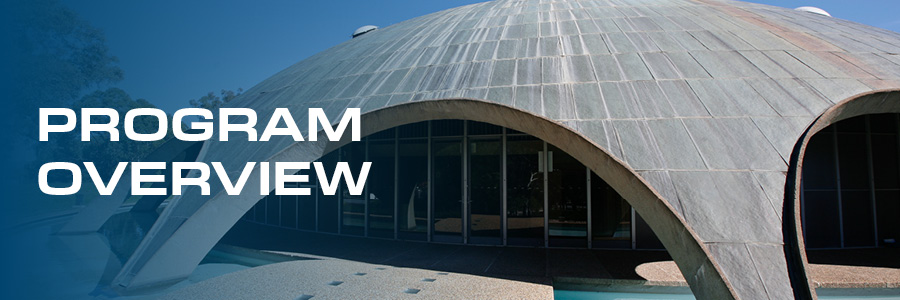
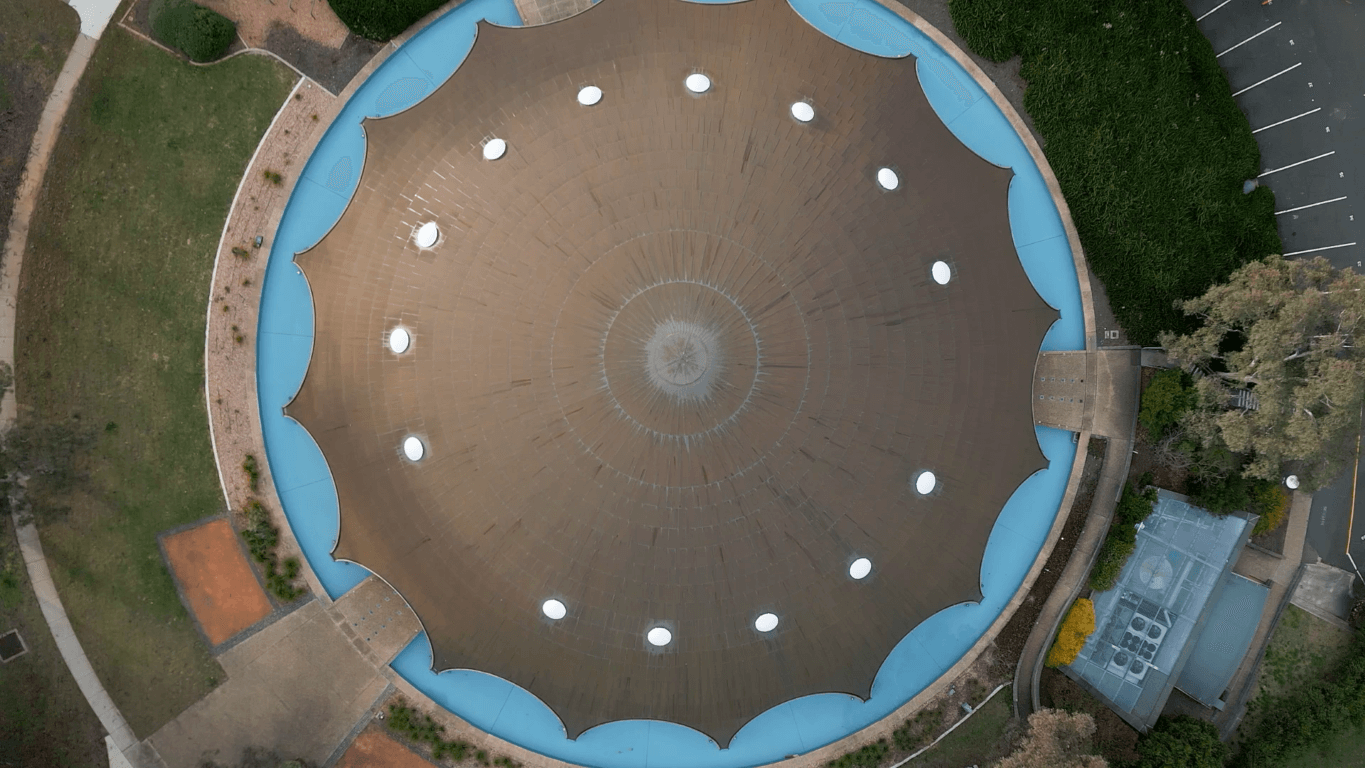
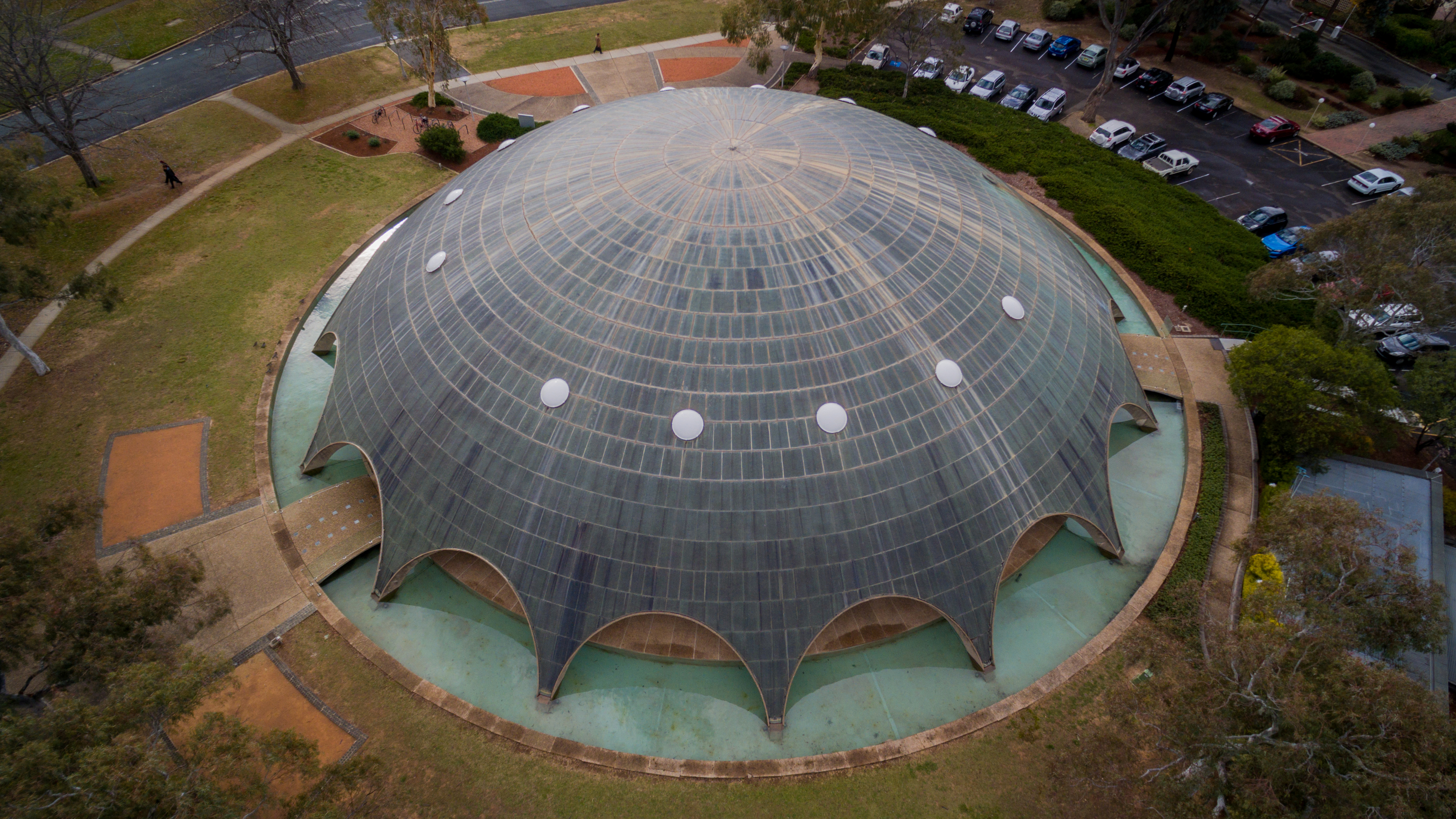
Ian Potter House accommodates the Australian Academy of Science secretariat and is one of the two culturally significant buildings owned by the Academy. The other building, the Shine Dome was purpose-built during 1958–59 for the Academy.