




Shine Dome architecture

The Sulman Award from the New South Wales Chapter of the Royal Australian Institute of Architects, 1959
Although the original citation is not available, the following information is taken from Andrew Metcalf's book, Architecture in transition – The Sulman Award 1932-1966, with permission of the author.
Roy Grounds’ light shone early, burnt brightly and always laid down a different beam. By 1928 he had finished an indentureship training, won a housing competition with Geoffrey Mewton and been awarded an Institute of Architects travelling scholarship. Unencumbered by the classical architectural education that would have been normal for the time, he sat down to plan a trip and came up with the USA – not just the USA but tinsel town: he spent the next two-and-a-half years working as a set designer for RKO and MGM studios. Although we have little idea of what he did specifically, if ever there is an industry where anything is possible and dreams come true, it is the film industry. With this background and a well-known fascination with circular and triangular geometry, Roy Grounds eventually matured into one of Australia’s more noticeable architectural individualists. On the way his partnership with Mewton revived and then closed between the wars and he eventually teamed up with Frederic Romberg and Robin Boyd in the early 1950s.
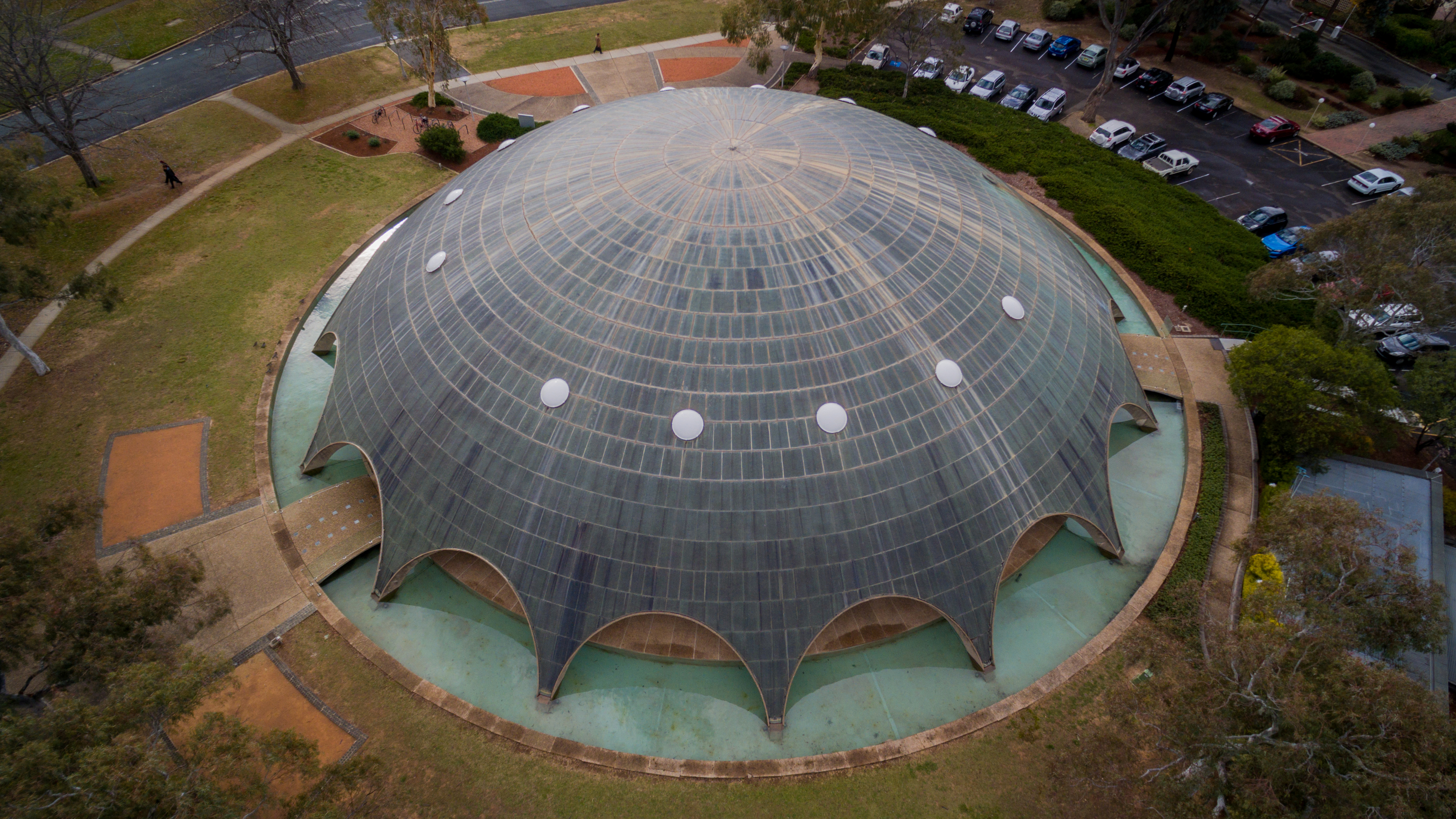
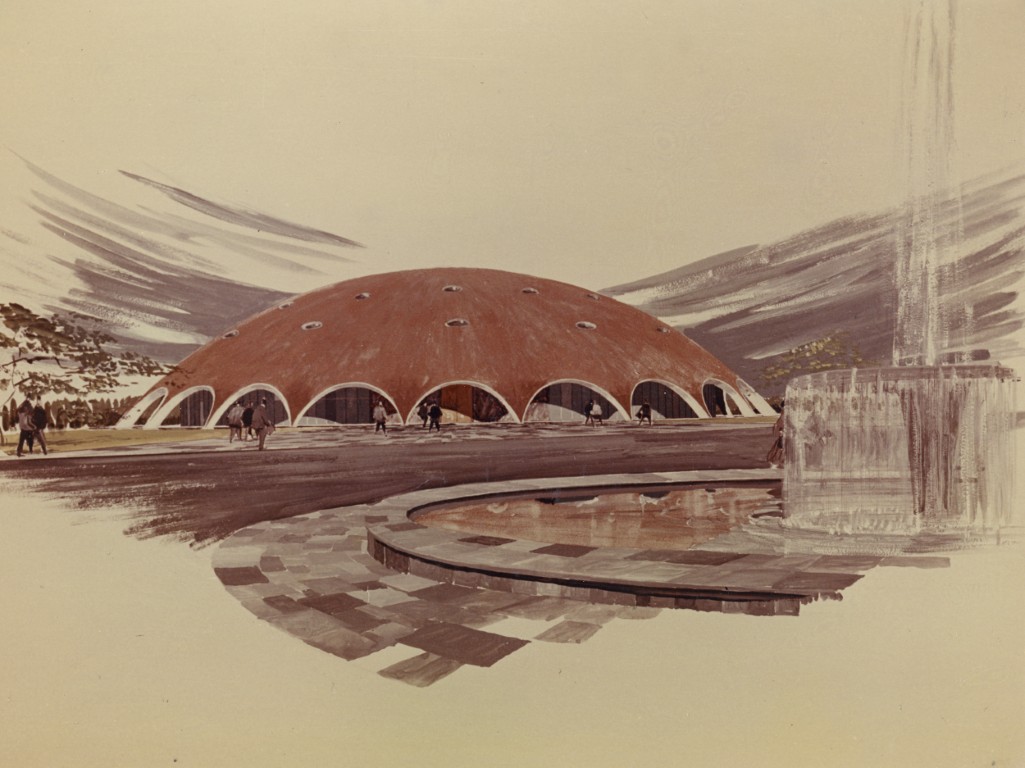
The Academy of Science project was Grounds’ first large building: its brief called for a large conference hall with raked seating, council room, offices and a fellows’ room being the second-largest space. Grounds rather deftly moulded all of this into a simple circular plan with circumferential circulation inside and out, and housed it all in a concrete, copper-clad dome. To contain the dome’s lateral spreading he devised a massive concrete ring beam (built as a moat) that straps everything together like the hoop on a wine barrel.
This building is part of a rash of domes built internationally in the 1950s and 1960s like Saarinen’s Kresge Auditorium at MIT and later, Nveri’s large stadiums in Italy. In historical terms Grounds’ dome was one of the early ones and today it functions precisely as designed. All of the interior details and materials have somehow managed to stand the test of time and yes it still works.
Register of Significant Twentieth Century Architecture, compiled by the Royal Australian Institute of Architects (RSTCA NO: R27)
Name of building: Becker Building [Shine Dome]
Address:Gordon Street, Canberra City, ACT, 2601
Date of listing: May 1984 Listing status: Registed
Block: 25 Section 75 Division: City
Category: Institutional (Scientific)
Style: Structuralist
Date of citation: May 1985
Revision no: 7
Designer: Roy Grounds of Grounds, Romberg & Boyd, Architects; W E Bassett & Assoc. (Mechanical); Bolt, Beranek & Newman (USA) (Acoustics); Rider, Hunt & Partners (Quantity Surveyors); W L Irwin & Assoc, Design Department (ANU); Department of Engineering, University of Melbourne
Date of design: pre-1956
Client/owner/lessee: Australian Academy of Science
Builder: Civil & Civic Contractors Pty Ltd
Level of significance: National
Date of completion: 1958
Statement of significance: Displays, in a most innovative manner, an exemplary understanding of the time, place and requirements for Canberra. A significant example of Australian architectural achievement which has become a symbol of Canberra. A finely conceived and executed synthesis on an uncompromising envelope and a specific function. The careful detailing is of a very high quality, internal details are designed specifically for the function contained, and the carefully detailed furnishings and fittings contribute to the good acoustics. The design complements its setting and reflects its Canberra environment of rounded hills. Won the 1959 Sir John Sulman Award, RAIA NSW Chapter, and the 1961 Canberra Medallion, RAIA ACT Chapter (the only ACT building to win two awards).
Description: A shallow arcaded concrete dome, sheeted in copper. Peripheral arches in the dome spring from a moat which serves as a ring beam. Integral, formed plywood seating reflects the circular interior. Auditorium (Becker Hall) [renamed the Wark Theatre] seats approximately 156. The Adolph Basser Library is situated in the top of the dome. The copper-sheathed concrete dome, 46 meters in diameter, weighs 710 tonnes and rests on 16 arches. When opened, the building was described as being of "unconventional, futuristic design". The Academy of Science was established by Royal Charter in 1954. Its Fellows are eminent scientists in physical or biological sciences. An original notice described the building as 'Conference Chamber and Offices'.
Condition: Building; sound. Some staining showing, Interior; reasonable. [Renovated in 2000-2001]
Documentation:
Photographs: Yes
References: AIA, CG, GCB Nominator: RSTCA committee Name: P J Corkery Address: 24 Ambalindum Street, Hawker, ACT Firm: CCAE. SED Phone no.: (06) 252 2580
The Shine Dome is one of seven projects which the Royal Australian Institute of Architects has nominated to the World Register of Significant Twentieth Century Architecture, 2000.
Significant buildings of 20th Century
The Shine Dome is one of seven projects which the Royal Australian Institute of Architects has nominated to the World Register of Significant Twentieth Century Architecture, 2000.
Royal Australian Institute of Architects, ACT Chapter, Twenty-five Year Awards, 2000
The distinctive Dome structure was designed by Sir Roy Grounds, and after its completion, became a major Canberra landmark. The quality of the design was recognised by its award of the 1959 Sulman Medal by the RAIA, and the Meritorious Architecture award for the Canberra area in the same year. The design addresses the objectives of the design of the National Capital, with a form and colour that blends into the tree canopy and topography. The dome is an innovative structure, reflecting the bold modernism of the era, but sensitively complementing the surrounding landscape. A circular moat surrounds the building, providing an emphasis with the natural setting. The circular form continues into the interior, with curved walls and spaces emphasising the geometry of the roof. Interiors reflect the muted, natural tones of an emerging new fashion.
The dome continues to be a striking contribution to the architectural character of the City. It continues its original use, successfully serving the needs of the Academy, and stimulating the visiting public.
The prime architectural purpose for this award is to reinforce to the profession and inform the public that what we build makes a significant contribution to the built environment and creates the cultural heritage of this city.
The 25 Year Award is made in the present, so it goes to buildings which serve their user and society well in their present form. Inherent in the award is a recognition of changes both in society and in architectural response. All things date, and the award codifies not only changes in fashion and taste but also changes in the expectations of client and society.
There are three areas in which the contribution of the building is to be measured:
- Form/function context
Was it (and is it) a good response to its program? Did such things as the planning, external form and internal spaces meet the expectations of the promoter and society at the time and does it continue to do this? Did it (and does it) sit well in its environment? - Construction/materials/finishes/craftsmanship
Is it well built, using materials appropriately? Innovation versus traditional techniques and materials are commented on, but the real test is whether it was well put together. Does its construction and finish indicate care and skill, and how has it fared as an object of use? - Architectural integrity
If it meets criteria 1 and 2, does it have an added value as a cultural symbol? Does it have an intrinsic worth through form or style, or as an example of architectural development in theory or construction? Does it merit special note because it adds to Canberra heritage in its form or setting or by its contribution to a particular building type – is it a good example of its type
The President
Current President
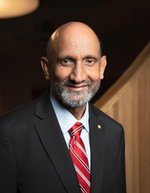
Professor Chennupati Jagadish AC PresAA FRS FREng FTSE (1957– )
Professor Chennupati Jagadish AC is an Emeritus Professor of Physics and Electronic Materials Engineering in the Research School of Physics at the Australian National University. He has published more than 790 journal papers in semiconductor physics, materials science, optoelectronics and nanotechnology. Professor Jagadish is the Editor-in-Chief of Applied Physics Reviews, editor of 2 book series, and serves on editorial boards of 20 other journals. He is a fellow/foreign fellow of 16 science and/or engineering academies in Australia, the US, the UK, Europe, China and India. He has received many Australian and international awards, including a UNESCO medal for his contributions to the development of nanoscience and nanotechnologies, IUMRS Somiya Award, IEEE Nanotechnology Pioneer Award, Lyle Medal, Boas Medal, Beattie Steel Medal and Pravasi Bharatiya Samman award from the President of India in 2023. He has been an Australian Research Council (ARC) Federation Fellow and an Australian Laureate Fellow. Professor Jagadish is a Fellow of the Royal Society, and has received honorary doctorates from Surrey and Nottingham Trent universities. He was elected a Fellow of the Australian Academy of Science in 2005 and became President of the Academy in 2022.
Past presidents
There have been 19 past presidents of the Academy since the Academy was founded in 1954.
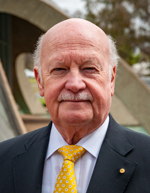
2018–2022
Professor John Shine AC FAA FAHMS(Hon) FRS (1946– )
Professor John Shine was Executive Director of the Garvan Institute of Medical Research from 1990 to 2011. He is Professor of Molecular Biology and Professor of Medicine at UNSW Sydney. The ‘father of gene cloning’, Professor Shine was the first to clone human hormone genes and the first to sequence the replication of a cancer-causing virus. These and other pioneering discoveries by Professor Shine helped to launch the biotechnology revolution that has transformed medicine and agriculture. Professor Shine was appointed to the board of the biopharmaceutical company CSL Ltd in 2006 and then as Chairman from 2011 to 2018. He has a longstanding commitment to the translation of research discoveries into advances in health care for the social and economic benefit of the community. He received the Prime Minister’s Prize for Science in 2010 for his scientific discoveries and research leadership. In 2020, Professor Shine was elected a Fellow of the Royal Society.
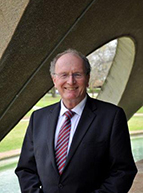
2014–2018
Professor Andrew Holmes AC FAA FTSE FRS (1943– )
Organic and Polymer Chemist
Professor Andrew Holmes is Melbourne Laureate Professor Emeritus at the University of Melbourne, and Emeritus Professor at Imperial College, London. In October 2004 he was appointed ARC Federation Fellow and inaugural veski fellow at the Bio21 Institute at the University of Melbourne and at CSIRO Molecular and Health Technologies. Professor Holmes has been recognised for his groundbreaking work on light-emitting polymers. He has also been the recipient of many awards including the Royal Society’s Royal Medal and the Descartes Prize. He was elected to the Academy in 2006 and served as Foreign Secretary from 2010 to 2014.

2010–2014
Professor Suzanne Cory AC FAA FRS (1942– )
Molecular Biologist
Professor Suzanne Cory is one of Australia's most distinguished molecular biologists. She was Director of the Walter and Eliza Hall Institute from 1996 to 2009 and is Professor of Medical Biology and Vice-Chancellor’s Fellow at the University of Melbourne. Cory is also Honorary Professorial Fellow at The Walter and Eliza Hall Institute. Her research has had a major impact in the fields of immunology and cancer and her scientific achievements have attracted numerous honours and awards.
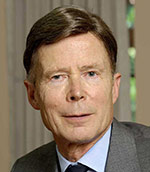
2006–2010
Professor Kurt Lambeck AO FAA FRS (1941– )
Geophysicist
Professor Kurt Lambeck has been professor of geophysics at the Research School of Earth Sciences, Australian National University since 1977 and Head of the School since 1984. His work is on ‘glacial rebound’, which studies how the sea responds to changing levels, its impact on civilisations and the future.
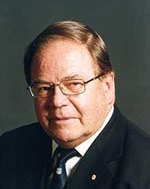
2002–2006
Dr William James (Jim) Peacock AC FAA FTSE FRS (1937–2025)
Molecular Biologist and Geneticist
Dr Jim Peacock was Chief of the Division of Plant Industry, CSIRO, Canberra, 1977–2003 and Australia’s Chief Scientist 2006–2008. He is interested in molecular plant science, genomics and gene technology. He established the CSIRO Discovery Centre in Canberra and founded a number of agribusiness companies including the Gene Shears Company.
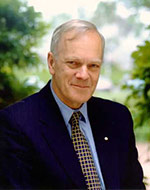
1998–2002
Professor Brian David Outram Anderson AO FAA FTSE FRS (1941– )
Engineer
Professor Brian Anderson was Professor of Systems Engineering 1981–94 and Director, Research School of Information Sciences and Engineering, Australian National University 1994–2002. He then moved to the newly formed National ICT Australia as inaugural CEO and later Chief Scientist. His areas of expertise are control systems, signal processing and telecommunications.
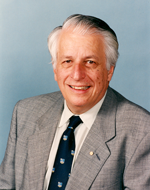
1994–98
Professor Sir Gustav Joseph Victor (Gus) Nossal AC CBE FAA FTSE FAHMS FRS (1931– )
Medical Scientist and Immunologist
Sir Gus Nossal was Director of the Walter and Eliza Hall Institute of Medical Research 1965–96 and Professor of Medical Biology at the University of Melbourne. He is distinguished for his contributions to the fields of antibody formation and immunological tolerance. In 1996 he was one of the founders of Foursight, a company providing advice on R&D and science to companies, investment institutions, academics and government.
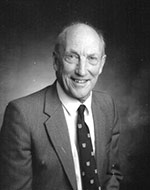
1990–94
Professor David Parker Craig AO FAA FRS (1919–2015)
Chemist
Professor David Craig was Professor of Physical and Theoretical Chemistry at the Australian National University 1967–84, having previously held professorships at the University of Sydney and University College, London. He has published in the fields of quantum chemistry, and the chemistry of liquid and molecular crystals.
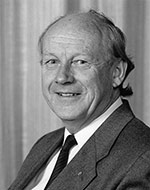
1986–90
Professor David Roderick Curtis AC FAA FRS (1927–2017)
Pharmacologist and Neurobiologist
Professor David Curtis was Professor of Pharmacology, Australian National University 1966–88 and Director and Howard Florey Professor of Medical Research, John Curtin School of Medical Research 1989–92. He is interested in the identification and pharmacology of central transmitters in the mammal.
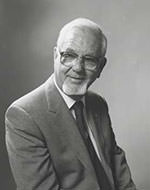
1982–86
Professor Arthur John Birch AC CMG FAA FRS (1915–1995)
Organic Chemist
Professor Arthur Birch, known as the grandfather of the contraceptive pill, was Professor of Organic Chemistry, Australian National University from 1967. Earlier he was at Oxford 1938–48, at Cambridge 1948–52, and Professor of Organic Chemistry, University of Sydney 1952–55 and Manchester University, England 1955–67.
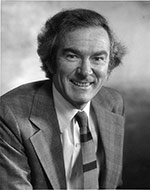
1978–82
Dr Lloyd Thomas Evans AO FAA FRS (1927–2015)
Agricultural Scientist and Plant Physiologist
Dr Lloyd Evans worked for the Division of Plant Industry, CSIRO, where he was at one stage the biologist in charge of the establishment of CERES, the controlled environment research facility known as the phytotron. He was Chief of the Division from 1971 to 1978.
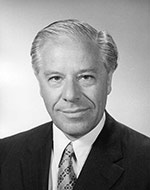
1974–78
Professor Sir Geoffrey Malcolm Badger AO FAA FTSE (1916–2002)
Organic Chemist and Science Administrator
Sir Geoffrey Badger spent most of his career at the University of Adelaide, where he was Professor of Organic Chemistry, 1955–64, then Deputy Vice-Chancellor and Vice-Chancellor, 1966–77. He was the first Chairman of ASTEC (Australian Science and Technology Council) 1977–82. He studied cancer-producing compounds and examined chemicals from plants for their biological activity.
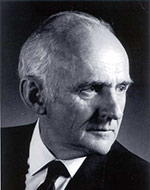
1970–74
Professor Sir Rutherford Ness (Bob) Robertson AC CMG FAA FRS (1913–2001)
Botanist and Biologist
Sir Bob Robertson was Director of the Research School of Biological Sciences, Australian National University 1973–78. Earlier he was Professor of Botany, University of Adelaide 1960–69 and Master of University House, ANU 1969–73. He studied respiration and the energy cycle in plants.
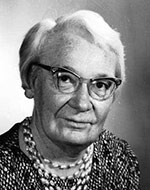
1970
Professor Dorothy Hill AC CBE FAA FRS (1907–1997)
Geologist and Palaeontologist
Professor Dorothy Hill, the first woman elected to the Academy, spent most of her career at the University of Queensland, where she was Research Professor of Geology 1959–72. She also served as a Second Officer in the Women’s Royal Australian Naval Service (WRANS) during World War II. She was known for her work on palaeozoic coral.
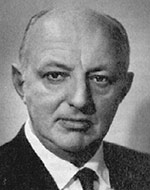
1969–70
Dr David Forbes Martyn FAA FRS (1906–1970)
Physicist
The Academy’s first Secretary physical sciences, Dr David Martyn was one of four research officers selected to join the Australian Radio Research Board, established under the Council for Scientific and Industrial Research (now CSIRO) in mid 1929, Martyn moved to Australia where it became obvious that his real strength was in the theoretical side of science. Transferring to Stromlo in 1944, he was appointed officer-in-charge of the RRB station in Camden, NSW.
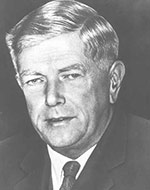
1965–69
Professor Sir Frank Macfarlane Burnet OM AK KBE FAA FRS Nobel Laureate (1899–1985)
Medical Scientist and Biologist
Sir Frank Burnet was Director of the Walter and Eliza Hall Institute of Medical Research, Melbourne 1944–66 and in 1960 was awarded the Nobel Prize for physiology or medicine with Peter Medawar for demonstrating acquired immune tolerance.
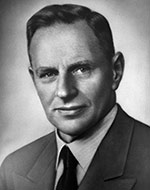
1961–65
Professor Sir Thomas Cherry FAA FRS (1898–1966)
Mathematician
Returning from a very successful time in Trinity College, Cambridge, where he was elected a Fellow, Sir Thomas Cherry took on the role of Professor of Mathematics at Melbourne University, where he stayed from 1929 to 1952. Interested in science education, during this time, Cherry was Chairman of the mathematics standing committee of the University’s Schools Board (1929–1963) and was responsible for two major reforms of the mathematics syllabi of Victorian schools.
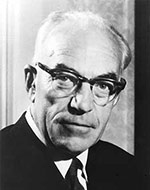
1957–61
Professor Sir John Carew Eccles AC FAA FRS Nobel Laureate (1903–1997)
Physiologist
Sir John Eccles was Professor of Physiology and Biophysics at the State University of New York, Buffalo 1968–75. Earlier he was Professor of Physiology at the Australian National University 1951–66 and was awarded the Nobel Prize for medicine in 1963 (jointly) for his work on the synapse of the peripheral nervous system.
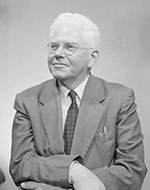
1954–57
Professor Sir Marcus Laurence Elwin (Mark) Oliphant AC KBE FAA FTSE FRS (1901–2000)
Physicist
Sir Mark Oliphant was Director of the Research School of Physical Sciences, Australian National University 1950–63 and continued as professor at the Australian National University 1964–67. There he initiated the design and construction of the world's largest (500MJ) homopolar generator. He later served as Governor of South Australia 1971–76.
Secretariat
Chief Executive, Anna-Maria Arabia OAM
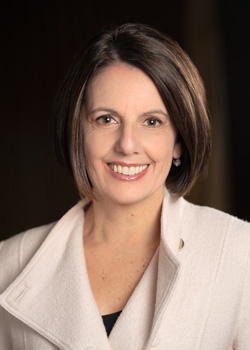
Anna-Maria is Chief Executive at the Australian Academy of Science, an independent organisation of distinguished Australian scientists, championing science for the benefit of all. Starting her career as a neuroscientist, Anna-Maria has worked nationally and globally in scientific research, policy development, politics and advocacy.
Her leadership has led to significant reform at the science–policy interface. She has established novel mechanisms to facilitate evidence-informed decision making in parliaments and the justice system; spearheaded new approaches to science communication; and implemented global initiatives to make visible underrepresented scientists.
She provides policy advice to the highest levels of government in Australia and contributes to global policy fora, most recently leading the establishment of the International Science Council Regional Focal Point for Asia and the Pacific. In 2025, Anna-Maria was awarded a Medal of the Order of Australia for her services to science, particularly through organisational leadership roles. She has also earnt the Knight of the Order of the Star of Italy for her constant commitment to promoting the role of science in society and her determination in enabling young and diverse people to access science. Anna-Maria is routinely called upon to serve as an agent of change.
Senior Management Team
| NAME | JOB TITLE |
|---|---|
| Anna-Maria Arabia | Chief Executive |
| Melissa Abberton | Chief Operating Officer |
| Kate Groves | Head, Philanthropy |
| Andrew Hood | Head, Information and Communications Technology |
| Allison Hornery | Head, Programs |
| Ronit Prawer | co-Head, International Affairs |
| Nancy Pritchard | co-Head, International Affairs |
| Dr Hayley Teasdale | Head, Science Policy and Advice |
| Dan Wheelahan | Head, Media and Communications |
Council
The Council is led by an Executive Committee (EXCOM) of seven Fellows who each take responsibility for different areas of the Academy’s operations and activities. EXCOM comprises the President, Secretary Biological Sciences, Secretary Physical Sciences, Treasurer, Foreign Secretary, Secretary Education and Public Awareness, and Secretary Science Policy.
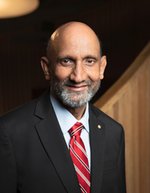
Chennupati Jagadish
- AC PresAA FRS FREng FTSE
- President (2022-2026)
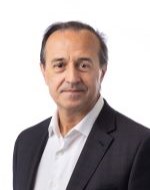
Ivan Marusic
- FAA FTSE FRS
- Secretary Physical Sciences (2024-2028)
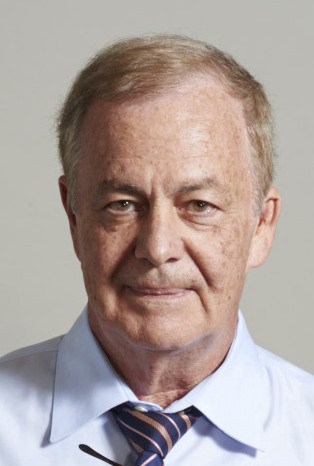
Bob Graham
- AO FAA FAHMS
- Secretary Biological Sciences (2023-2027)
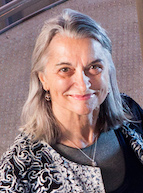
Frances Separovic
- AO FAA
- Foreign Secretary (2022-2026)

Margaret Sheil
- AO FAA FTSE
- Secretary Science Policy (2025-2029)

Lyn Beazley
- AO FAA FTSE
- Secretary Education and Public Awareness (2022-2026)
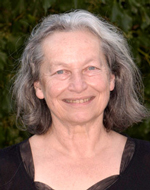
Barbara Nowak
- FAA
- Treasurer (2025-2029)
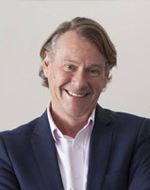
Stephen Simpson
- AC FAA FRS
- Spokesperson for Engagement (2023-2028)
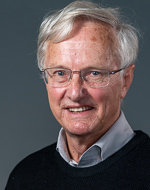
Jim Williams
- AO FAA FTSE
- Spokesperson for Integrity (2023-2026)
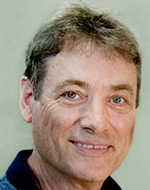
Alan Andersen
- FAA
- Member (2023-2026)
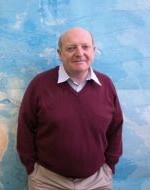
Patrick De Deckker
- AM FAA
- Member (2024-2027)

Glenda Halliday
- AC FAA FAHMS
- Member (2024-2027)

Svetha Venkatesh
- FAA FTSE
- Member (2024-2027)
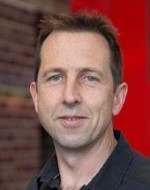
Ian Wright
- FAA
- Member (2024-2027)

Joanne Etheridge
- FAA
- Member (2025-2028)

Jennifer Martin
- AC FAA
- Member (2025-2028)
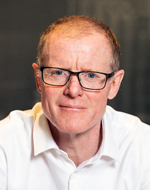
Jamie Rossjohn
- FAA FAHMS FRS
- Member (2025-2028)
Finance, Risk Management and Audit Committee



EMCR Committee of Council
The EMCR Committee of Council oversees the Academy’s activities in support of early- and mid-career researchers (EMCRs), including the Theo Murphy Initiative in association with the Royal Society (Australia) Board, and to provide support to the Academy’s EMCR Forum.
Terms of reference
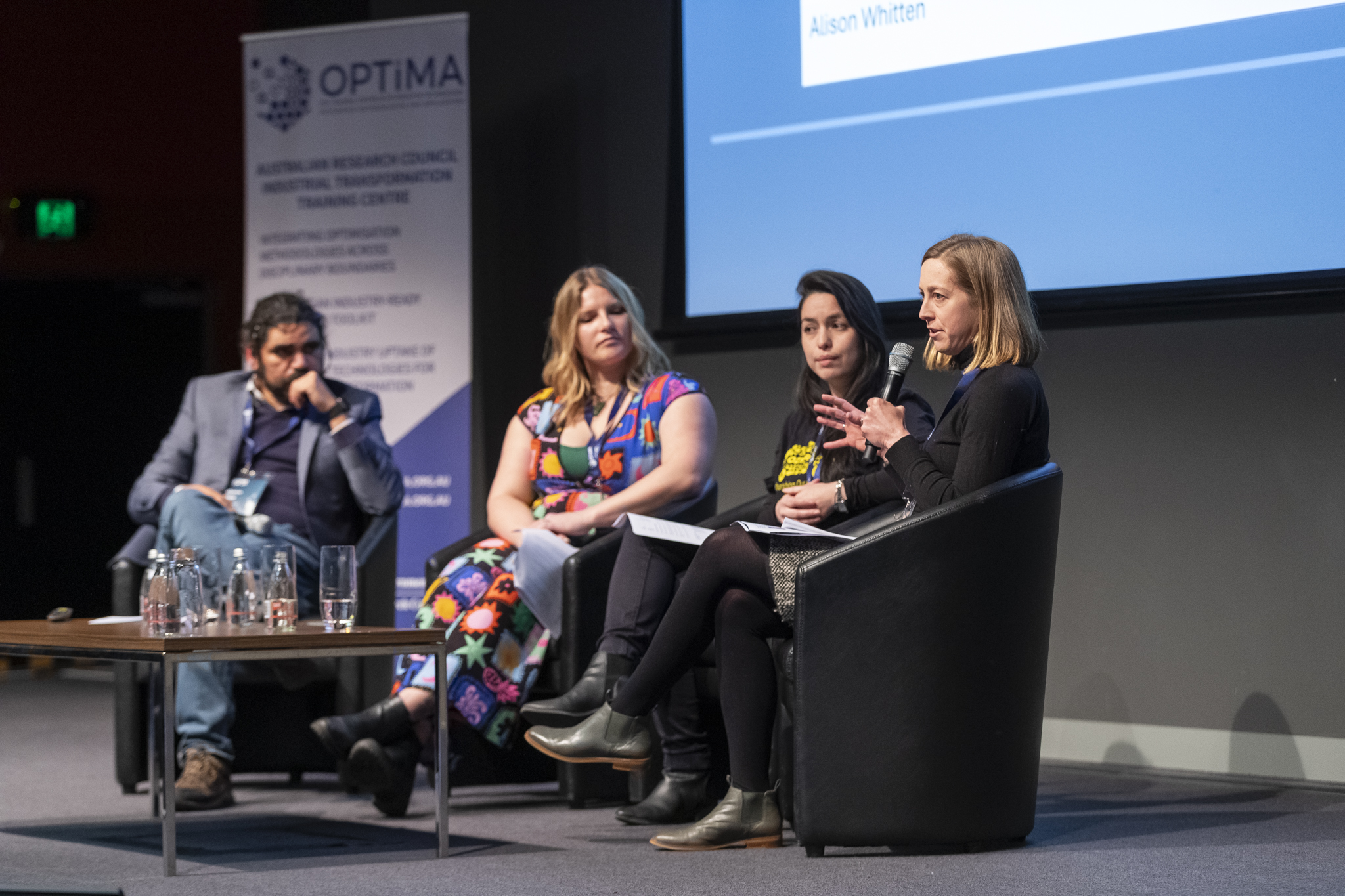
Advisory Committee on Policy Matters
The purpose of the ACPM is to:
- Advise the Academy’s Secretary Science Policy on opportunities and priorities for Academy initiated policy activities, including development of policy inputs and policy advocacy
- Review and provide feedback on significant policy inputs including policy position papers, evidence briefs or campaign documents, prior to consideration by the Academy’s Council or Executive Committee
- Liaise with the Foreign Secretary on matters of international science policy
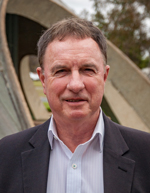
David Day
- FAA
- Chair
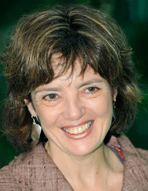
Louise Ryan
- FAA
- Member
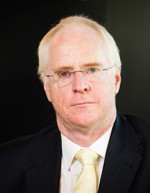
Keith Nugent
- FAA
- Member
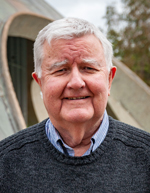
Ian Chubb
- AC FAA FTSE
- Member
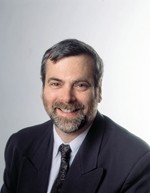
Steven Prawer
- FAA
- Member
Jennifer Martin
- AC FAA
- Member
Advisory Committee on International Matters
The purpose of the ACIM is to:
- Provide advice to the Academy regarding the International Council for Science (ICSU), IAP: the global network of science academies, the InterAcademy Council (IAC), the InterAcademy Medical Panel (IAMP) and the Associations of Academies and Societies of Sciences in Asia (AASSA) and any other international relations of the Academy referred to it;
- Facilitate interactions between National Committees and international scientific organisations.
Frances Separovic
- AO FAA
- Foreign Secretary (2022-2026)
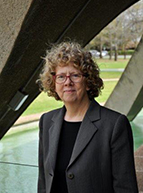
Elaine Sadler
- FAA
- Member
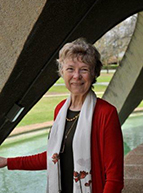
Cheryl Praeger
- AM FAA
- Member
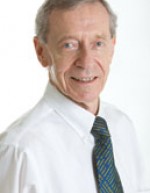
David Black
- AO FAA
- Member
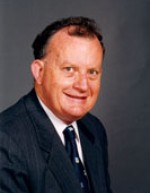
Bruce McKellar
- AC FAA
- Member
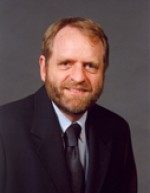
David Vaux
- AO FAA
- Member
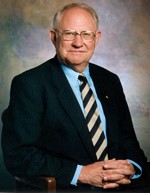
John Zillman
- AO FAA FTSE
- Member
Terms of reference
Previous National Committees
The previous National Committees for Science were:
- Antarctic Research
- Astronomy
- Biomedical Sciences
- Brain and Mind
- Chemistry
- Crystallography
- Data in Science
- Earth Sciences
- Earth System Science
- Geography
- History and Philosophy of Science
- International Council for Science
- Mathematical Sciences
- Mechanical Sciences
- Medicine
- Nutrition
- Physics
- Plant and Animal Sciences
- Quaternary Research
- Radio Science
- Space Science
- Spectroscopy
National Committee for Space Science
The committee focusses on studying planets, small bodies, extraterrestrial materials, space weather, Solar System exploration, Earth observation, space situational awareness (SSA), and life sciences in space.
The National Committee for Space Science aims to:
- provide strategic evidence-based advice on space science to the Academy and other bodies as required
- support scientific literacy and excellence in space science by engaging with researchers, professionals and relevant national organisations
- liaise with relevant international bodies, ensuring Australian involvement in international activities
- promote interdisciplinary collaboration and take a multi-disciplinary approach in providing advice to the Academy
- support the implementation of Australia in space: A decadal plan for Australian space science 2021-2030
Australia in Space: a decadal plan for Australian space science 2021–2030
Australia in Space presents a ten-year plan for Australian space science, with recommendations and strategies to advance national interests and priorities in space; grow the innovation economy, develop sovereign capability and improve the lives of all Australians. Download the plan at www.science.org.au/AustraliaInSpace
Sign up for Space Science News and Opportunities
The National Committee for Space Science provides regular electronic updates from international scientific unions and committees, in addition to news from the local scientific community, relevant funding opportunities, conferences and awards.
Subscribe to receive the newsletter
To make a submission to be included in the next update, please email nc@science.org.au.
Reports
- Australia’s Future in Space: a strategic plan for space science, published 2022
- Radio Science: an Australian perspective by Professor Ross McPhedran FAA, published 2021
- A vision for space science and technology in Australia, published 2017
- Decadal Plan for Australian Space Science 2010-2019: Building a National Presence in Space, published 2010
Submissions to government
- Submission - 2021 National Research Infrastructure Roadmap Exposure Draft, December 2021
- Submission-Inquiry into Developing Australia’s Space Industry, February and October 2021
- Submission—Australian Space Agency: Moon to Mars program design, March 2020
- Submission—Australian and New Zealand Standard Research Council (ANZSRC) Review consultation updated draft, November 2019
- Submission—Australian Space Agency: Mission Control Centre grant opportunity guidelines, September 2019
- Submission—Space Infrastructure Fund (SIF): Mission Control Centre Consultation Paper, September 2019
- Submission – Australian Space Agency International Space Investment (ISI) initiative, July 2019
- Submission—Australian and New Zealand Standard Research Council (ANZSRC) Review consultation draft, June 2019
Related groups and organisations
- Committee on Space Research
- International Union of Geodesy and Geophysics, especially the constituent bodies International Association of Geodesy, International Association of Geomagnetism and Aeronomy, and the Union Commission on Planetary sciences
- International Astronomical Union Divisions E and F
- ISC Scientific Committee on Solar-Terrestrial Physics
And the following organisation recognised by the UN:
Members
Chair
- Associate Professor Francis Bennet, 2025–2029
Deputy Chair
- To be filled
Ordinary Members
- Associate Professor Brett Carter, 2025–2027
- Dr Kimberley Clayfield, 2017–2027
- Penny King, 2025–2027
- Dr Amy Parker, 2026–2028
- Associate Professor Kate Poole, 2026–2028
- Dr Lily Qiao, 2025–2027
- Dr Hannah Schunker, 2023–2026
Observers
- Emeritus Professor Fred Menk, Observer (past chair), 2023–2026
Ex-officio Members
- Dr Elyse Allender, ex-officio representing Australian Space Agency, 2025–
- Emeritus Professor Chris Rizos, ex-officio representing International Union of Geodesy and Geophysics (IUGG), 2021–