




Conversations with Australian scientists
In these interviews, outstanding Australian scientists talk about their early life, development of interest in science, mentors, research work and other aspects of their careers.

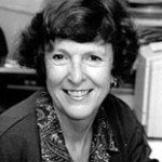
Professor Elspeth McLachlan, physiologist
Professor Elspeth McLachlan interviewed by Professor David Hirst in 2000. Elspeth McLachlan received a BSc Hons from the University of Sydney in 1963, then went to London where she worked as a test pharmacologist for Roche Products, screening anti-hypertensive drugs, before moving to the library of the British Museum. She began teaching at the University of Sydney in 1970. The University of Sydney awarded her a PhD in 1973. From 1974 to 1982, McLachlan worked at Monash University in the physiology department.
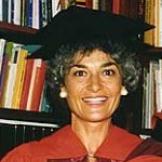
Professor Fiona Stanley, epidemiologist
Fiona Stanley, born in Sydney in 1946, earned her medical degree from the University of Western Australia and later specialized in epidemiology and public health through advanced studies in London. She became a leading figure in child health research, serving as director of the Telethon Institute for Child Health Research and professor of paediatrics at UWA from 1990 onward. Interviewed by Dr Norman Swan in 2000.
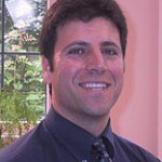
Professor Frank Caruso, physical chemist and materials scientist
Professor Frank Caruso completed an honours degree in physical chemistry at the University of Melbourne. In 1994 he received a PhD for his research into the dynamics of molecules. He then took up a postdoctoral fellowship at the CSIRO Division of Chemicals and Polymers to study how to modify surfaces to enable the detection of specific molecules.
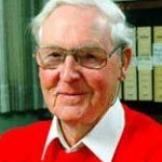
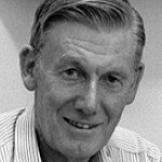
Professor Frank Gibson (1923-2008), biochemist
Professor Frank Gibson interviewed by Dr Max Blythe in 1993. Professor Frank Gibson was born in 1923 in Melbourne, Victoria. In 1937 he started work in the Bacteriology Department at the University of Melbourne. In 1939 he moved to the newly created Bacteriology Department at the University of Queensland as a technical officer.
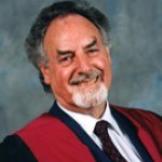
Professor Geoffrey Burnstock, neurobiologist
Geoffrey Burnstock interviewed by Professor Robyn Williams in July 2008. Geoffrey Burnstock was born in London, England, in 1929. He finished his secondary education at Greenford County Grammar School in 1946 and then spent 1947 doing National Service with the Air Force.
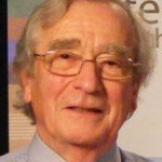
Professor George Rogers, biochemist
George Ernest Rogers was born in Melbourne, Victoria in 1927. He was educated at the University of Melbourne graduating with a BSc (1949) and MSc (1951). Rogers then went to the University of Cambridge in the UK on a CSIRO scholarship, graduating with a PhD in 1956. He returned to Australia and the Division of Protein Chemistry at CSIRO as a senior research officer (1957–62). He joined the Department of Biochemistry at the University of Adelaide in 1963 where he began as a reader (1963–77), before being promoted to professor (1978–92). Rogers also served as department head from 1988 to 1992. In 1992 Rogers became an emeritus professor at the University of Adelaide and in 1995 he was asked to be the program manager of Premium Quality Wool CRC (1995–2000). During his career Rogers made key findings in the field of hair research. In particular, he looked at the molecular structure of hair keratins and investigated how to manipulate their properties through gene expression and regulation.
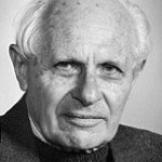
Professor George Szekeres (1911-2005), mathematician
George Szekeres was born in Budapest, Hungary, in 1911. Although showing an early interest in and talent for mathematics, he studied chemical engineering at the Technological University of Budapest and then worked in a leather factory. In 1939 he fled Europe with his wife, Esther, and spent the war years in Shanghai.
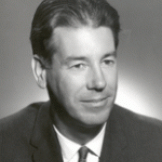
Professor Gordon Ada, microbiologist
Professor Gordon Ada was a pioneering Australian scientist who advanced virology and immunology through groundbreaking research on influenza, cholera enzymes, and immune responses. He earnt international recognition working for the Walter and Eliza Hall Institute and then the John Curtin School at ANU. His contributions to vaccine development, and advisory roles with WHO and Johns Hopkins shaped global health strategies, culminating in a distinguished career that influenced HIV research and immunological theory. Interviewed by Professor Frank Fenner in 1993.
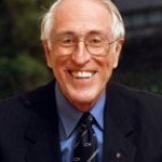
Professor Graeme Clark, otolaryngologist
Graeme Clark, born in Camden, NSW in 1935, trained as a medical doctor and specialist in otolaryngology, earning an MBBS, MS, and PhD from the University of Sydney before holding senior surgical roles in Australia and England. He later became professor of otolaryngology at the University of Melbourne, founded the Cochlear Implant Clinic and Bionic Ear Institute, and was recognized with multiple distinguished academic titles for his pioneering work in hearing restoration. Interviewed by Professor Stephen O’Leary in 2011