




2013 awardees

Career awards
2013 Matthew Flinders Medal and Lecture for scientific research of the highest standing in the physical sciences
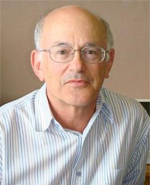
Professor Kenneth Freeman FAA FRS
Duffield Professor
Research School of Astronomy and Astrophysics
Australian National University
Professor Ken Freeman is widely acknowledged as the world’s most eminent galactic astronomer. The first to identify the necessity for dark matter in galaxies, he has shaped our current understanding of the dynamics and structure of galaxies. Over the past decade, Professor Freeman has co-established the field of galactic archaeology, where fossil records of stars are used to trace the formation of the Milky Way. His ideas have helped launch the one billion dollar European satellite, GAIA (Global Astrometric Interferometer for Astrophysics). GAIA will work with a purpose-built instrument on the Anglo–Australian Telescope to fossick for stars that will chronicle the history of the galaxy since its birth more than 13 billion years ago. Professor Freeman has supervised more than fifty PhD theses, and he truly is a father of Australian astronomy.
2013 David Craig Medal for research in chemistry
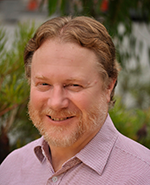
Professor Peter Andrew Lay FAA
ARC Professorial Fellow and Professor of Inorganic Chemistry
School of Chemistry
The University of Sydney
Professor Lay uses various chemical, spectroscopic, biochemical and cell biology techniques to understand the mode of action and toxicities of metal-containing anti-cancer, anti-inflammatory, and anti-diabetic drugs and supplements; and to provide fundamental insights into understanding the biochemistry of cardiovascular diseases, cerebral malaria, and meningitis.
2013 Hannan Medal for research in statistical science
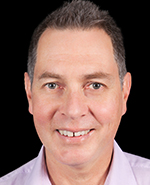
Professor Matthew Paul Wand FAA
School of Mathematical Sciences
University of Technology Sydney
Matt Wand’s main research focus is non-linear statistical models and methodology for high-dimensional and complex data, in the face of rapid technological change. Much of this research incorporates ongoing developments in Machine Learning. His contributions are multifaceted and involve applications, theory, methodology and publicly available software. Whilst most of Wand’s research is generic, areas of application that have driven some his research include public health, computational biology and the natural environment.
2013 Thomas Ranken Lyle Medal for research in mathematics or physics
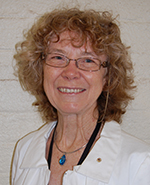
Professor Cheryl Elisabeth Praeger AM FAA
School of Mathematics and Statistics
The University of Western Australia
Professor Cheryl Praeger has transformed our understanding of groups acting on large systems, producing new theories, algorithms and designs that have advanced every field that exploits the symmetry of large systems. Her research has led to significant new directions taken up by mathematicians internationally. Her algorithms have enhanced powerful computer algebra systems which have transformed research and teaching of algebra.
2013 Jaeger Medal for research in Earth Sciences
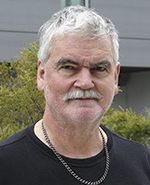
Professor Roger Powell FAA
School of Earth Sciences
University of Melbourne
The continental crust is a patchwork of metamorphic rocks transformed deep beneath the Earth’s surface. Understanding the physical conditions in which such metamorphic rocks form is the main focus of Professor Roger Powell’s research. Through the application of the principles of equilibrium thermodynamics to mineral systems he has provided both the methodological framework and the computer software that allows metamorphic geologists to recover the formation conditions of metamorphic rocks. using equilibrium thermodynamics, mathematics and statistics
Early- and mid- career awards
2013 Fenner Medal for research in biology (excluding the biomedical sciences)
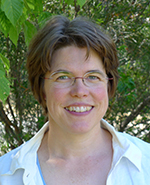
Dr Ulrike Mathesius
ARC Future Fellow
Research School of Biology,
Australian National University
Ulrike Mathesius is investigating how soil microbes shape the plant. She developed and applied techniques at a molecular, cellular and whole plant level to define mechanisms that symbiotic and pathogenic organisms use to manipulate plant development. A central idea of her work is that microbes have ‘hijacked’ plant signalling pathways for their own purposes. This has implications for utilising microbes to alter crop plant performance and for trying to develop nitrogen-fixing symbioses in non-legumes.
2013 Gottschalk Medal for research in the medical sciences
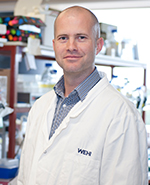
Dr Benjamin Kile
Cancer and Hematology Division
The Walter and Eliza Hall Institute of Medical Research
Dr Benjamin Kile is a molecular geneticist workingon blood cell formation and function, particularly as it relates to haematopoietic stem cell development, leukaemogenesis and inflammation. His group has shed new light on the mechanism by which blood platelets are produced, how their life cycle is regulated, and the impact cancer chemotherapy has on these processes. They have also elucidated the critical role of the potent human oncogene ERG in stem cell function and the development of leukaemia. This work has paved the way to an understanding of how ERG promotes cancer growth, and ultimately, to the identification of new entry points for cancer therapies.
2013 Ruth Stephens Gani Medal for research in human genetics
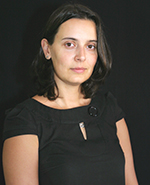
Professor Aleksandra Filipovska
ARC Future Fellow and Associate Professor
Western Australian Institute for Medical Research
Professor Filipovska has made significant contributions to the field of human mitochondrial gene expression. She has developed new technologies to investigate mitochondrial nucleic acids and the roles of proteins that regulate the expression of genes encoded on the mitochondrial DNA. Furthermore she has discovered several mitochondrial proteins that are important for energy production and consequently cell health. She has developed new tools to modulate mitochondrial gene expression and is using them currently as potential therapeutics for the treatment of diseases caused by mutations in the mitochondrial genome.
2013 Dorothy Hill Award for female researchers in the Earth sciences including reef science, ocean drilling, marine science and taxonomy in marine systems
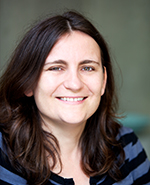
Dr Lisa Alexander
Senior Lecturer
Climate Change Research Centre
The University of New South Wales
Dr Lisa Alexander's research has focused on our understanding of how climate extremes are changing globally and over Australia. Her key contributions, with marked policy relevance, include providing convincing evidence that future changes in the frequency and intensity of heatwaves in Australia will be strongly dependent on the amount of anthropogenic greenhouse gas emissions.
2013 Anton Hales Medal for research in earth sciences
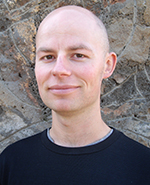
Associate Professor Wouter Schellart
Australian Research Council Future Fellow
School of Geosciences
Monash University
Associate Professor Wouter Schellart has provided fundamental understanding on the evolution and dynamics of the solid Earth. His research breakthroughs have resulted in the development of a new global theory of Earth Dynamics, describing how the size of subduction zones affects the Earth's evolution and geodynamics. The theory explains several fundamental geological observations including the variety in velocity of the tectonic plates and their boundaries, the curvature of deep-sea trenches and volcanic island chains, and the formation of backarc basins and Cordilleran mountains.
His work has quantified energy dissipation and flow patterns in the mantle, has identified a Global Terrestrial Reference frame for plate tectonics and provides new understanding for the geological evolution of the Southwest Pacific, Western North America and East Asia.
2013 Moran Medal for research in statistics
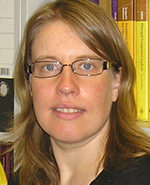
Dr Aurore Delaigle
ARC Queen Elizabeth II Fellow
Department of Mathematics and Statistics
University of Melbourne
Dr Delaigle's has made influential contributions to contemporary statistical problems, including deconvolution, regression with measurement errors, functional data analysis, analysis of high dimensional data, group testing, and a wide variety of contributions to function estimation. She is remarkably adept at transforming complex and highly abstract methods into easy to understand concepts, and at developing fully applicable techniques that work in a wide variety of settings. An advantage of her approach to developing methodology is that her techniques apply at once to many practical problems, in both the biological and physical sciences.
2013 Pawsey Medal for research in physics
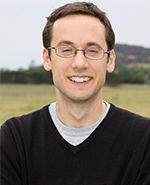
Associate Professor Christopher Adam Blake
Centre for Astrophysics & Supercomputing
Swinburne University of Technology
Observations by astronomers over the last fifteen years have produced one of the most startling discoveries in physical science: that the expansion of the Universe, originally triggered by the Big Bang, has begun to speed up. A new map of galaxies, created using Australian telescopes under the leadership of Chris Blake, has produced new evidence that this accelerating expansion is driven by a smooth, diffuse "dark energy" that fills the Universe and overwhelms the normal attractive force of gravity. Associate Professor Chris Blake has helped to develop techniques to measure the properties of dark energy using the acoustic oscillations in the galaxy power spectrum as a standard ruler. These techniques are now commonly applied by cosmologists worldwide.
2013 Le Fèvre Memorial Prize for research in basic chemistry
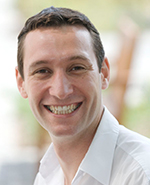
Professor Sébastien Perrier
Key Centre for Polymers & Colloids
School of Chemistry
The University of Sydney
Professor Perrier is at the forefront of the design of a wide range of state-of-the-art functional polymeric materials by careful manipulation of their molecular structure. These materials have a wealth of applications, from commercial products in the personal-care industry to health and medicine. His research considers the environmental and social impacts of both the materials and the chemical processes by which they are prepared, including sustainable processes for the synthesis of polymers and 'green' materials with a low impact on the environment.
2012 awardees
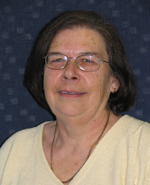
Professor Ruth Hall FAA
School of Molecular and Microbial Biosciences
The University of Sydney
Ruth Hall has made a substantial and highly influential contribution to our understanding of how antibiotic resistance genes are acquired by gram negative bacteria. This is important because antibiotic resistance develops by resistance genes coming into a pathogen from elsewhere. She discovered and characterised experimentally one of the central mechanisms of gene movement found in bacteria and is continuing to work on novel antibiotic transfer systems. More broadly, her work has made a seminal contribution to our understanding of how genes of all types are mobilised by bacteria and hence how bacterial genomes evolve.
2012 David Craig Medal for outstanding contributions to chemical research
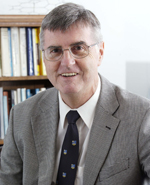
Professor Maxwell J Crossley FAA
Professor of Chemistry (Organic Chemistry) and University Professorial Fellow
University of Sydney
Professor Maxwell Crossley is a world leader in research on porphyrins, a class of compounds of great importance to life and for which many new uses are emerging in nanosciences. Haem, the red coloured oxygen carrier in blood, and chlorophylls, green pigments responsible for photosynthesis in plants, are important porphyrins. Professor Crossley designs and constructs new functional porphyrin systems for use in solar energy devices, in mimicry of photosynthesis and also in the burgeoning field of molecular-scale electronics. He has been responsible for many seminal advances in the field.
2012 Mawson Medal and Lecture for outstanding contributions to earth sciences
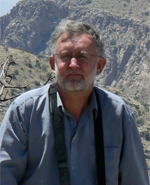
Professor Gordon Lister
Research School of Earth Sciences
Australian National University
Professor Gordon Lister examines tectonic processes that lead to the building and destruction of mountain belts. His PhD involved modelling and simulation using the primitive computers of the day, and led to the first of many software packages that have stemmed from his research. He taught for a decade in Leiden and Utrecht in the Netherlands, where he developed an ongoing fascination for the evolution of the Alpine-Himalayan orogen. This mountain belt once stretched from Spain to New Zealand, but has now been largely destroyed by the processes of lithospheric extension. His return to Australia enabled a renewed interest in ancient mountain belts, and comparison with modern orogens. Professor Lister was one of the first to demonstrate the importance of extensional tectonics in orgenic processes. His research has greatly influenced this field.
2012 Haddon Forrester King Medal and Lecture
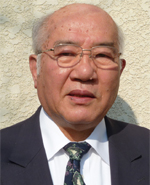
Dr Shunso Ishihara
Scientific Advisor (Formerly Director)
Geological Survey of Japan
Shunso Ishihara is famous for his recognition in 1971 of the magnetite- and ilmenite-series of granitic rocks, which he first recognised in Japan and has since applied to many granites elsewhere. He was the first to recognise that the degree of oxidation of a granite magma may be related to geographic location, with important implications for the type of associated mineralisation that may be found. His recognition of "oxidised" and "reduced" granites has been fundamental to developing an understanding of the relationship between the oxygen fugacity of both magmas and the magmatic volatile phase, and mineralisation. The recognition of the association of Sn, W, Mo and Cu mineralisation with granites of different oxidation states by Ishihara predated experimental studies that have demonstrated the dependence of the behaviour of those elements on oxygen fugacity. The magnetite-ilmentite scheme remains the basic scheme for the metallogenic classification of granites to this day.
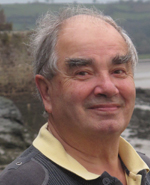
Professor Anthony Naldrett
Honorary Professor
School of Geosciences
The University of the Witwatersrand
Professor Anthony Naldrett was nominated for the Haddon King award because of his major life-time contribution to the understanding of orthomagmatic Ni-Cu-PGE sulfide deposits of all types. Tony Naldretts book on the geology of these deposits (now in second edition) is the primary reference for all who study and explore for this type of deposit. He has played a key role in the elucidation of almost all the fundamental geological processes associated with this type of deposit and his work is the primary reason that this type of deposit is relatively well understood. He has published on all major examples of this deposit type. Notably, he was the first western researcher to obtain access to the giant Noril'sk and Jinchuan deposits in Russia and China.
2012 Ian Wark Medal and Lecture
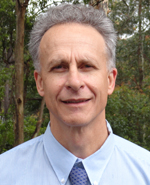
Professor Kevin Galvin
Director, Centre for Advanced Particle Processing and Transport
University of Newcastle
Professor Galvin is the inventor of a new technology, the Reflux Classifier, which is having very significant industrial impact in gravity separation, beneficiating fine coal and dense minerals. The Reflux Classifier consists of a novel fluidized bed incorporating a system of parallel inclined channels. With closely spaced inclined channels, shear induced inertial lift conveys the relatively low density particles with the fluid flow, while the denser particles sediment, sliding down the inclined surfaces.
Professor Galvin developed a major R&D collaboration with Ludowici Australia over a 10 year period, producing a definitive description of the complex physical processes involved in the separations, and basis for applying the technology in the design of a broad range of applications. He is the Director of the Centre for Advanced Particle Processing and Transport and is well known in both the academic and industrial worlds for his outstanding contributions to his field, gravity separation.
Early- and mid- career awards
2012 Fenner Medal for distinguished research in biology (excluding the biomedical sciences)
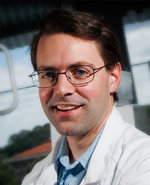
Professor A Harvey Millar
ARC Australian Professorial Fellow and Winthrop Professor
ARC Centre of Excellence in Plant Energy Biology
School of Biomedical, Biomolecular and Chemical Science
University of Western Australia
Professor Harvey Millar’s research focuses on energy production in plants and how the process of respiration is affected by harsh climates. His work has shown how respiration can be protected in plant cells during environmental stress, how production of the antioxidant vitamin C is controlled in plants, and how the complex links between respiration and plant growth can alter plant yields. His discoveries underpin our understanding of respiratory damage in cell ageing and disease, relevant to both plants and animals.
2012 Ruth Stephens Gani Medal for distinguished research in human genetics
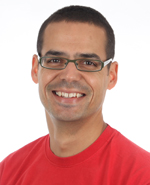
Dr Manuel Ferreira
Genetic Epidemiology
Queensland Institute of Medical Research
Dr Manuel Ferreira established the Australian Asthma Genetics Consortium, which recently carried out the largest asthma genetics study in Australia. This study, published in The Lancet, identified a gene – the interleukin-6 receptor – that has a more active version and a less active version. The more active version is more commonly found in asthmatics and contributes to inflammation. These findings suggest that a drug that reduces the activity of this gene – currently used to treat rheumatoid arthritis – may be effective in asthma.
2012 Gottschalk Medal for outstanding research in the medical sciences
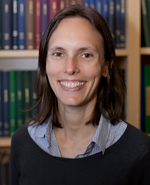
Professor Katharina Gaus
Centre for Vascular Research
University of New South Wales
Associate Professor Katharina Gaus is a leader in the field of cellular immunology and molecular microscopy. The main aim of her research has been to gain a mechanistic understanding of the organisation of the plasma membrane within cells. She has pioneered fluorescence microscopy approaches to examine and quantify T-cell signalling on a single molecule level (super-resolution microscopy) in living cells. Her research has provided the first evidence for lipids being linked to T-cell activation on a molecular and functional level, and may explain why immune function is compromised in obese people.
2012 Anton Hales Medal for distinguished research in the earth sciences
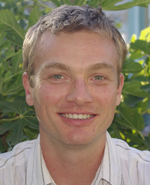
Dr Todd Lane
School of Earth Sciences
University of Melbourne
Dr Todd Lane is an atmospheric scientist at the University of Melbourne. Using state-of-the-art computer models he examines processes such as thunderstorms, airflow over mountains, heavy precipitation events, and bushfire weather. He has also conducted extensive research on turbulence near thunderstorms and the hazards they pose to commercial aircraft, and is currently working on improving methods for turbulence avoidance. He is currently supported by an Australian Research Council Future Fellowship.
2012 Christopher Heyde Medal for distinguished research in the field of applied, computational and financial mathematics
Dr Josef Dick
ARC Queen Elizabeth II Fellow
School of Mathematics and Statistics
University of New South Wales
Dr Josef Dick is an outstanding young researcher who has undertaken pioneering research in the area of numerical analysis. His main research achievements relate to numerical integration and, in particular, quasi‐Monte Carlo rules. The importance of Dr Dick’s research derives from his ability to obtain practical constructions of well distributed point sets for use in applications from finance, statistics, physics, geoscience and other areas, as well as through rigorous mathematical convergence bounds using advanced mathematical tools.
2012 Dorothy Hill Award for female researchers in the earth sciences
Dr Karen Black
Australian Research Council Postdoctoral Fellow
School of Biological, Earth and Environmental Sciences
University of New South Wales
Dr Karen Black is a vertebrate palaeontologist and author of many new fossil species including koalas, possums, marsupial moles, wombat-like diprotodontids and trunked palorchestids. Her internationally acclaimed study of cranial development in a bizarre sun bear like diprotodontid is the first for a fossil marsupial. She spearheads continent-wide research focused on the evolution of Australia’s extraordinary mammals, correlating changes over time with global palaeoclimatic events to provide new evidence-based understanding about current and probable future climate-driven changes in Australian biodiversity.
2012 Le Fèvre Memorial Prize for outstanding basic research in chemistry
Dr Pall Thordarson
Senior Lecturer
School of Chemistry
University of New South Wales
Dr Pall Thordarson has made outstanding contributions to molecular devices and materials using supramolecular and bioconjugate chemistry. He uses nanotechnology inspired by or ‘mimicking’ biological systems to create smart gels and bio-devices driven by sunlight. His smart gels, formed by self-assembly, are designed to help anti-cancer drugs kill tumorous cells, reducing the side effects of chemotherapy. His light-driven bio-devices are targeted to the creation of better biosensors for medical applications, as well as combining waste treatment with renewable energy production.
2012 Pawsey Medal for outstanding research in physics
Professor Tanya Monro FAA FTSE
ARC Federation Fellow
Director – Institute for Photonics and Advanced Sensing
Director – Centre of Expertise in Photonics
School of Chemistry and Physics
University of Adelaide
Professor Tanya Monro is a dynamic, creative and productive physicist who has made numerous internationally significant contributions and world firsts in emerging areas of optical physics, most notably in sensing and nonlinear optics. She and her team have discovered new ways of generating, controlling and manipulating light and its interactions with molecules and developing advanced technology for structuring materials on the nanoscale. This research has spanned the development of new theoretical models, the identification of new regimes and fabrication and experimental breakthroughs, and has led to the development of new forms of optical fibres for use in telecommunications, biology, health, food and wine, environmental monitoring and defence.
2012 Frederick White Prize for physical, terrestrial and planetary sciences work which contributes to the understanding of natural phenomena
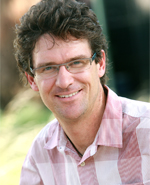
Dr Andrew Hogg
Fellow
Geophysical Fluid Dynamics
Research School of Earth Sciences
Australian National University
Dr Andrew Hogg uses models of ocean circulation to understand the role of oceans in climate. He has discovered new ways in which the ocean can generate low frequency climate variability, and has applied this knowledge to the prediction of the ocean’s response to climate change. He has demonstrated the importance of resolving small-scale circulation features, particularly in the Southern Ocean region, pointing the way forward for the next generation of climate models.
2011 awardees
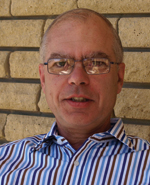
Professor Brian Kennett FAA FRS
Professor of Seismology, Research School of Earth Sciences
Australian National University
Brian Kennett has made major contributions to the understanding of the Earth using seismological methods, adding geodynamic insight to an unusual combination of theoretical, numerical and observational skills. He has made seminal advances in understanding the Earth’s internal processes, ranging from studies of reflection seismology to the free oscillations of the Earth. In addition, he has pioneered the development of influential new methods for understanding in physical terms the propagation of seismic waves in complex media and made significant innovations in inversion methods for geophysical problems.
2011 David Craig Medal for research in chemistry
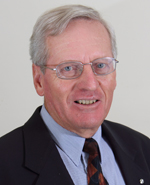
Professor Ian Dance FAA
Professor of Chemistry, School of Chemistry
The University of New South Wales
Ian Dance has led international research in four areas of fundamental chemistry. He pioneered the preparation and understanding of compounds containing metals and sulphur, he revealed the existence of a large number of basic inorganic compounds in gaseous form, he developed an understanding of the ways in which many molecules recognise and organise their surroundings, and he developed a chemical understanding of the long-elusive mechanism by which plants chemically convert unreactive nitrogen in the atmosphere to the forms required for life.
2011 Hannan Medal for research in applied mathematics and computational mathematics
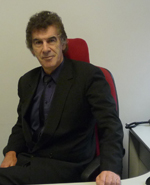
Professor Colin Rogers FAA
Emeritus Professor & Visiting Professorial Fellow
The University of New South Wales
Colin Rogers has made major contributions in the detection of hidden invariance and symmetry properties in nonlinear mathematical systems descriptive of complex physical processes. He is recognised as a leading world authority on Bäcklund and reciprocal type transformations and has demonstrated their extensive application in nonlinear continuum mechanics in such diverse areas as elasticity, magnetogasdynamics liquid crystal and soliton theory.
2011 Jaeger Medal for research into earth sciences
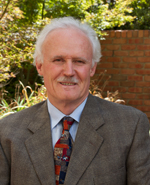
Professor Ian Jackson
Research School of Earth Sciences
Australian National University
Ian Jackson’s research has centred on laboratory study of the physical properties of geological and analogue materials under conditions simulating those of the Earth's deep interior. This has involved the intensive development of novel methods for the measurement and analysis of elastic and near-elastic behaviour related to the speeds and attenuation of earthquake waves. Such laboratory-based insights find application in the interpretation of seismological models for the Earth’s internal structure in terms of temperature and chemical composition.
2011 Thomas Ranken Lyle Medal for research in mathematics or physics
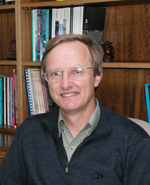
Professor James Stanislaus Williams FAA
Research School of Physics and Engineering
Australian National University
James Williams developed ion implantation processes which are widely used in the microelectronics industry for manufacturing computer chips. He has developed phase change memory technology based on silicon which is expected to play an important role in next generation of high density memory devices. His work on compound semiconductors has made an impact in optoelectronic device technology. He has provided exceptional leadership in materials science in Australia and is highly regarded internationally for his contributions in electronic materials.
Early- and mid-career awards
2011 Fenner Medal for research in biology (excluding the biomedical sciences)
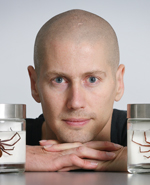
Dr Bryan Fry
ARC Queen Elizabeth II Fellow, Department of Biochemistry & Molecular Biology, Bio21 Institute
University of Melbourne
Bryan Fry's multidisciplinary research examines the molecular evolution of protein toxins across the full geographical and taxonomical range of venomous animals, from the baking heat of the desert habitat of Australia's inland taipan (the world's most venomous snake) to the deep-sea giant octopus from Antarctica. His research has enabled formulation of a general theory of venom evolution and it has the potential to contribute substantially towards the area of drug development based on peptides from venomous animals.
2011 Ruth Stephens Gani Medal for research in human genetics
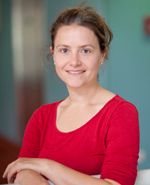
Dr Alicia Oshlack
Senor Research Officer, Bioinformatics Division
The Walter and Eliza Hall Institute of Medical Research
Alicia Oshlack studies gene regulation using high throughput genomic technologies where expression from tens of thousands of genes can be detected simultaneously. She has made major advances in understanding human evolution and the biology of human genomes by comparing changes in gene expression levels between humans and apes. She has developed methodology specifically for gene expression analysis that can be applied to many aspects of human biology and medical genetics. She is pioneering analysis of new DNA sequencing technology for studying gene expression.
2011 Gottschalk Medal for research in the medical sciences
Dr Stuart Tangye
NHMRC Senior Research Fellow, Group Leader, Principal Research Fellow, Immunology Program
Garvan Institute of Medical Research
The primary goal of Stuart Tangye’s research is to investigate the development of different classes of human immune cells, and determine how these processes are compromised in individuals with diseases such as immunodeficiencies that are caused by errors in single genes, and to understand how these gene errors result in catastrophic conditions. His findings have identified important roles of key genes in normal immune responses, and revealed pathways that could be targeted to modulate responses in immunodeficiency or autoimmunity.
2011 Anton Hales Medal for research in earth sciences
Professor Craig Simmons
Professor of Hydrogeology, Director, National Centre for Groundwater Research and Training
Flinders University
Craig Simmons is an international expert in hydrogeology recognised for his contributions to variable density groundwater flow phenomena. He has greatly advanced our understanding of computer modelling used to solve variable density flow problems, was involved in pioneering work which first detected density driven convection in a field based groundwater system, has developed innovative laboratory equipment for the visualisation of dense plume migration, and has contributed major theoretical advances on how geologic heterogeneity controls dense plume migration. His work continues to transform the discipline of hydrogeology.
Inaugural Christopher Heyde Medal for research in pure mathematics
Dr Anthony Henderson
Senior Lecturer, School of Mathematics and Statistics
The University of Sydney
Anthony Henderson has made fundamental contributions in representation theory, an area which concerns the algebraic patterns underlying collections of geometric transformations. He has invented geometric spaces which give new information about common symmetry types, and has introduced new methods for performing calculations in existing geometric spaces which take their symmetry into account. His work combines ideas from different areas of mathematics, and provides explicit formulas for use in a wide range of problems which involve observations on spaces with symmetry.
2011 Dorothy Hill Award for female researchers in the Earth sciences including reef science, ocean drilling, marine science and taxonomy in marine systems
Dr Kirsten Benkendorff
Lecturer, School of Environmental Science and Management
Southern Cross University
Kirsten Benkendorff is an acclaimed Australian malacologist whose research contributions span from the molecular to the ecosystem scales of marine biology and ecology. Her research approach involves applying sound experimental design, along with the tools of immunology and natural products chemistry to investigate molluscan evolutionary adaptations, thus providing new leads for the development of novel bioresources. Through this approach, she has made significant advances across a range of research disciplines that can be grouped under the themes of environmental, aquaculture and human health.
2011 Le Fèvre Memorial Prize for research in basic chemistry
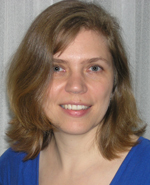
Associate Professor Martina Stenzel
Australian Research Council Future Fellow, Centre for Advanced Macromolecular Design
The University of New South Wales
Martina Stenzel designs and fabricates nanoparticles based on specialised polymers in order to deliver drugs to their targets. Using innovative combinations of polymer synthesis techniques, she creates new nanoparticle architectures with attributes which avoid the pitfalls of targeted drug delivery, thereby enhancing chemotherapeutic effectiveness. These achievements in developing the materials of nanomedicine have been widely recognised internationally.
2011 Moran Medal for research in statistics
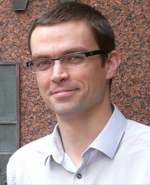
Dr Scott Sisson
ARC Queen Elizabeth II Research Fellow, School of Mathematics and Statistics
The University of New South Wales
Scott Sisson has made highly significant contributions to computational statistics and extreme value modelling. His research in approximate Bayesian computation has enabled researchers at the leading-edge of many scientific disciplines to examine realistic models and hypotheses, rather than be forced to use simpler, less credible alternatives. His research on extreme value modelling has enabled improved inferential procedures and highlighted the dangers of poor statistical modelling. In applying these techniques to challenging problems in other disciplines, Scott has had a very positive impact on furthering scientific research in a wide range of applications.
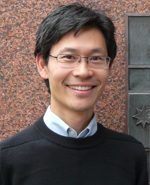
Dr Mark Tanaka
Senior Lecturer & ARC Queen Elizabeth II Fellow, School of Biotechnology & Biomolecular Sciences
The University of New South Wales
Mark Tanaka’s research concerns the evolution and population biology of microorganisms. He uses mathematical and statistical methods to study the dynamics of bacteria and viruses. A particular focus of his research is the transmission patterns of infectious diseases. He has investigated key parameters in the epidemiology of tuberculosis in published research which has led to conclusions with public health policy implications that were hitherto unavailable. Tanaka’s research is highly original and excellent, judged by the highest international standards.
2011 Pawsey Medal for research in physics
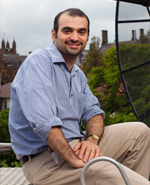
Professor Bryan Gaensler
ARC Federation Fellow and Professor of Physics, School of Physics
The University of Sydney
Bryan Gaensler's pioneering studies of cosmic magnetism have opened a new window on the Universe. Bryan has derived detailed three-dimensional maps of large-scale magnetic fields throughout the cosmos, and is now using these results to understand what has created and sustained cosmic magnets over billions of years of the Universe's evolution. As a by-product of studying astrophysical magnetism, he has also made the stunning discovery that the Milky Way is twice as thick as was previously thought, a result that fundamentally changes our understanding of our home Galaxy.
2010 awardees
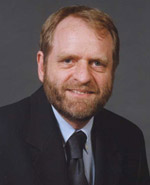
Professor David Vaux FAA
NHMRC Australia Fellow, Department of Biochemistry
La Trobe University.
David Vaux is best known for identifying the proto-oncogene bcl-2 as an inhibitor of cell death, thus launching the field of molecular biology of apoptosis (programmed cell death). His subsequent work on the 'Inhibitor of Apoptosis' family of proteins has underpinned the development of a novel group of compounds currently undergoing clinical trials in humans for the treatment of cancer, placing him at the forefront of biomedical science.
2010 David Craig Medal for research in chemistry
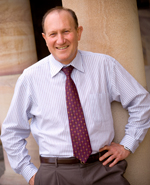
Professor Robert Gilbert FAA
Research Professor, Centre for Nutrition and Food Sciences
University of Queensland
Robert Gilbert’s research covers three fields not normally considered to be related: the dynamics of chemical reactions, mechanisms of polymerisation, and the relationship between structure and property of biopolymers. This has led to new types of experiments on complex chemical systems, such as emulsions and paints. His work on starch polymer provides the basis of research to develop plants with improved nutritional characteristics, which is important for people with diabetes and obesity.
2010 Haddon Forrester King Medal for research in mineral exploration
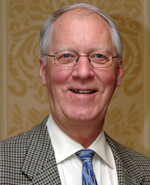
Professor Emeritus Steven Scott
Dr Norman Keevil Professor Emeritus of Ore Genesis Geology, McRae-Quantec Chair Emeritus in Geosciences, Director Sciotiabank Marine Geology Research Laboratory
University of Toronto, Canada
Steven Scott has pioneered the use of deep diving submersibles to observe volcanic massive sulphide ore deposits on the seafloor due to hydrothermal activity. He has been one of the most active scientists in the world in exploring for and facilitating economic mining of deposits on the modern seafloor. One site in the waters of Papua New Guinea may become the first underwater base metal and precious metal mine.
His theoretical work ranges over a very large field of mineral chemistry, the nature and chemistry of fluid inclusions and vent solutions, isotope chemistry and the lithogeochemistry of volcanic massive sulphide environments.
2010 Mawson Medal and Lecture for research in the Earth sciences
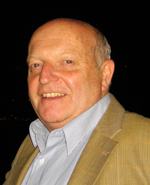
Professor Patrick De Deckker
Associate Director, Earth Environment Group Leader, Research School of Earth Sciences
Australian National University
Patrick de Decker’s work is multidisciplinary in nature, with the aim being to reconstruct past marine and continental environments to understand global and regional climatic variability. His pioneering work on the trace elements within the shells of small crustaceans has provided quantitative and accurate estimates of past changes in water temperature and salinity on land and in the oceans. He is currently analysing the origin and composition of Australian dust, which has implications for the environment, the oceans and human health.
2010 Ian Wark Medal and Lecture for applied research
Professor Aibing Yu
ARC Federation Fellow, Scientia Professor, School of Materials Science and Engineering
University of New South Wales
Aibing Yu is an authority in the areas of particle packing, particulate and multiphase processing, as well as simulation and modelling. His research in the field of particle or powder technology, and the modelling of particulate systems, has greatly expanded the scientific knowledge base and has been extensively applied. His work has led to significant economic benefits in mineral, metallurgical, chemical and material industries, most notably steel and coal.
Early- and mid-career awards
2010 Le Fèvre Memorial Prize for research in basic chemistry
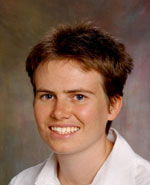
Associate Professor Michelle Coote
Australian National University
Michelle Coote has played a leading role in adapting computational quantum chemistry as a research tool for the field of free-radical polymerisation, and has developed a robust and accurate methodology for this purpose. The predictive capacities of these techniques seem particularly powerful and are already having a major impact on the field. She has exploited this methodology in her own research to explain the mechanism of several important polymerisation processes, to develop better kinetic models, provide user-friendly guidelines for catalyst selection, and design new control agents and new types of polymerisation reactions. In just a few years, she has established herself at the forefront of this new and rapidly developing field of chemistry, helping to transform computational polymer chemistry from a qualitative tool into a respected and reliable technique that is capable of generating accurate results. Along the way she has advanced our knowledge of fundamental radical chemistry, with implications well beyond the polymer field, and helped to make practical improvements to polymer synthesis and design.
2010 Fenner Medal for research in biology (excluding the biomedical sciences)
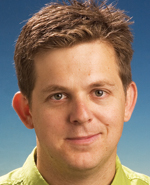
Professor Robert Brooks
Director, Evolution & Ecology Research Centre, ARC Queen Elizabeth II Fellow, Professor of Evolution,
University of New South Wales
Robert Brooks has combined insights from the fields of evolution, genetics, ecology and behaviour to understand the evolution of sex differences. He has achieved insights into the evolution of sex chromosomes, the biology of ageing and longevity, risks of extinction and the genetic benefits of mate choice. He has fundamentally changed the way scientists and the public think about the relationships between sex, death and diet.
2010 Ruth Stephens Gani Medal for research in human genetics
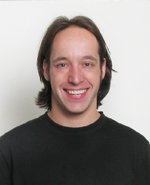
Dr Stuart Macgregor
Queensland Statistical Genetics Laboratory,
Queensland Institute of Medical Research
Stuart Macgregor is a statistical geneticist who has developed new methods and tools to analyse a wide range of diseases, ranging from schizophrenia to cancer and glaucoma. He is known for his work in relation to gene mapping, having developed ways to analyse pooled DNA for large-scale genetic association studies. This has led to the discovery of a new genetic risk variant in melanoma.
2010 Gottschalk Medal for research in the medical sciences
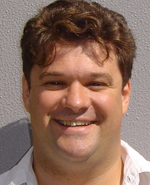
Professor James Whisstock
ARC Federation Fellow, Department of Biochemistry and Molecular Biology,
Monash University
James Whisstock studies how our bodies combat infection by bacteria and viruses. He has shown that an important family of human immunity proteins that eliminate cells infected with virus or pre-cancerous cells are related to toxins known to be used by bacteria to destroy human tissue. James’s work may one day help develop new ways to control the unwanted activity of immune proteins in transplant rejection and diabetes.
2010 Anton Hales Medal for research in the earth sciences
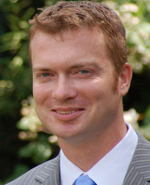
Professor David White
Centre for Offshore Foundation Systems,
University of Western Australia
David White has developed models for the behaviour of the weak and mobile seabed sediments on which the pipelines and infrastructure required to develop Australia’s oil and gas resources must be built. He has led the design and deployment of new instruments to characterise the shifting sands and liquefiable muds found offshore Australia, and his design methods for pipelines and foundations have been rapidly adopted by industry.
2010 Dorothy Hill Award for female researchers in the Earth sciences including reef science, ocean drilling, marine science and taxonomy in marine systems
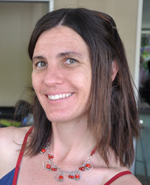
Dr Nicole Webster
Research Scientist,Marine Microbial Ecology,
Australian Institute of Marine Science
Nicole Webster has researched many aspects of reef bacterial symbioses, including the specificity of symbiotic relationships and the impact of environmental stressors on these sensitive partnerships. Recent work describes the highest bacterial diversity ever reported for an invertebrate host – over 3000 different bacteria living in one type of sponge. Her discovery of a response of spawning corals to bacterial biofilms could help us to understand and predict how coral communities will recover from disturbance.
2010 Pawsey Medal for research in physics
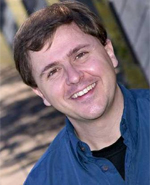
Professor Andrew White
ARC Federation Fellow, School of Mathematics and Physics,
University of Queensland
Quantum optics – the study of the quantum nature of light – provides a technological platform for quantum computing in which the individual quantum bits of information are carried by single photons. Andrew White is a pioneer in the experimental development of the quantum optical approach to quantum computing. He performed the first unambiguous experimental demonstration of an entangling quantum-logic gate with photons in 2003.
2010 Frederick White Prize for research in the physical, terrestrial and planetary sciences
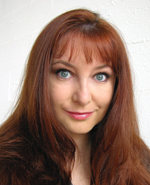
Dr Amanda Barnard
ARC Queen Elizabeth II Fellow & Leader of Virtual Nanoscience Laboratory,
CSIRO Materials Science and Engineering
Using Australia’s largest supercomputer, Amanda Barnard studies the possible toxicology and environmental impact of nanoparticles, only millionths of a millimetre in size, by predicting how nanoscale materials could react in different environments. This enables the selection of nanomaterials from the large number currently being produced that are likely to be safest, both for people and the environment, and mitigating the risk of harmful combinations.
2009 awardees
Career awards
2009 Matthew Flinders Medal and Lecture
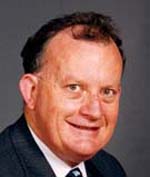
Professor Bruce McKellar
Professor of Theoretical Physics, University of Melbourne
Bruce McKellar has consistently provided leading edge research in physics, influencing a number of fields of particle physics. This has included important work on weak interactions in the nucleus, which led to the development of the 'Tucson-Melbourne Potential' with his collaborators. He devotes much of his energy to the scientific community in general, through teaching, training of students and post-doctoral fellows, and through his service to the University of Melbourne and key scientific institutions.
2009 David Craig Medal for research in chemistry
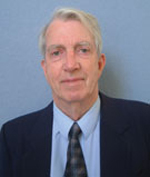
Emeritus Professor Leonard Lindoy FAA
Emeritus Professor of Inorganic Chemistry, Centre for Heavy Metals Research, School of Chemistry, The University of Sydney.
Leonard Lindoy has made significant contributions to the area of macrocyclic chemistry, molecular and ionic recognition, and metallo-supramolecular chemistry. He has had a long and successful interaction with industry, especially with the design of ligands for the selective extraction of metal ions from mixtures. His work has been acknowledged by many national and international awards, and by invitations to lecture at major conferences. Lindoy has also been an exceptional educator and promoter of science in general, and chemistry in particular.
2009 Hannan Medal for research in pure mathematics
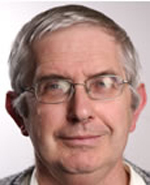
Professor (Edward) Norman Dancer FAA
Professor of Pure Mathematics, School of Mathematics and Statistics, The University of Sydney.
Norman Dancer is an expert in nonlinear analysis and nonlinear differential equations. He has made important contributions to bifurcation theory, to degree theory in cones and to nonlinear elliptic partial differential equations and their applications. He has introduced many new techniques and used them to solve old classical problems, including problems in water waves and combustion theory. His ideas have had a major effect on nonlinear analysis internationally.
2009 Jaeger Medal for research in Earth sciences
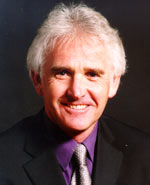
Professor Malcolm McCulloch FAA
Environmental Geochemistry and Geochronology, Research School of Earth Sciences, Australian National University.
Malcolm McCulloch is a geochemist who has made major contributions to both the study of the solid Earth and environmental issues. He has had a major impact on studies of the evolution of the Earth’s crust. Recently he has studied sea-level changes and past ocean temperatures, the impacts of environmental change on coral reefs through nutrient fluxes into the ocean, and the effects of increasing ocean acidity associated with higher atmospheric carbon-dioxide. His work on material incorporated into the skeletons of corals on the Great Barrier Reef has demonstrated the way in which the progress of human settlement in Queensland has affected the nature of the waters reaching the reef and has already begun to influence water-catchment management.
2009 Haddon Forrester King Medal, sponsored by Rio Tinto, for research in mineral exploration
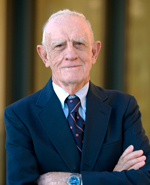
Dr J David Lowell
Lowell Mineral Exploration LLC, Arizona, USA
David Lowell has achieved world-wide fame as a practicing exploration geologist and lecturer. His initial field of speciality was porphyry copper deposits and his ground breaking research and study with Professor John Guilbert in 1967 set the scene for his future discoveries and became a benchmark for the global exploration industry in the search and discovery of these ore deposits. He has an outstanding record spread over nearly 50 years of many discoveries of important copper and gold deposits, including finding the La Escondida porphyry copper deposits.
2009 Thomas Ranken Lyle Medal for research in mathematics or physics
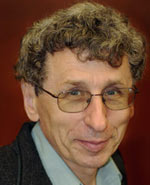
Professor Victor Flambaum FAA
Scientia Professor and Chair of Theoretical Physcis, School of Physics, The University of New South Wales.
Victor Flambaum has performed pioneering research in the area of the violation of fundamental symmetries and tests of unification theories of elementary particles. With collaborators he developed a new method to perform the most accurate atomic calculations of parity violation. These calculations allowed the standard model of elementary particles to be tested. Recently he proposed new ideas which have led to fresh directions in the search for variations of the fundamental constants of nature, including astrophysics (Big Bang nucleosynthesis, quasar spectra), nuclear physics (nuclear clock), and atomic and molecular spectroscopy (atomic clocks).
Early-career researcher award recipients
2009 Fenner Medal for research in biology (excluding the biomedical sciences)
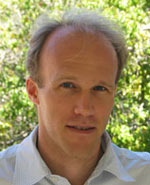
Associate Professor Sean Connolly
ARC Australian Professorial Fellow, ARC Centre of Excellence for Coral Reef Studies, and School of Marine and Tropical Biology, James Cook University.
Sean Connolly’s research pioneers new approaches to understanding the generation and maintenance of biodiversity. He incorporates physiological and biomechanical processes that influence population dynamics, ecological interactions and their effects on the maintenance of biodiversity, and the global dynamics of biodiversity in the fossil record. He produced a modelling framework that has led to the identification of an important aspect of the future effects of ocean acidification – storm-induced dislodgement of coral colonies.
2009 Ruth Stephens Gani Medal for research in human genetics
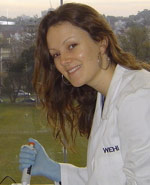
Dr Marnie Blewitt
NHMRC Peter Doherty Fellow, Division of Molecular Medicine, The Walter and Eliza Hall Institute of Medical Research.
Marnie Blewitt has made major advances in our understanding of epigenetics – how we silence or activate particular regions of DNA to orchestrate normal development and prevent disease. She has identified new epigenetic mechanisms that influence how geneticists interpret the inheritance of phenotypic traits. She identified a new gene that regulates X-inactivation, the process by which expression of genes on the X-chromosome is equalised between male and female mammals, including humans.
She is also making major contributions to the epigenetic control of stem cell function and the possible therapeutic benefits arising from it.
2009 Gottschalk Medal for research in the medical sciences
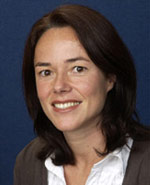
Dr Carola Vinuesa
Viertel Senior Medical Research Fellow, Leader, Humoral Immunity and Autoimmunity Group, Division of Immunology and Genetics, John Curtin School of Medical Research, Australian National University.
Carola Vinuesa’s research in the field of immunology has seen the discovery of key mechanisms controlling antibody formation and quality in germinal centres, revealing a previously unknown immune regulatory mechanism. This is a major conceptual advance in understanding the cause of autoimmune diseases, such as lupus and diabetes, and opens up new possibilities for treatments.
The inaugural Anton Hales Medal for research in earth sciences
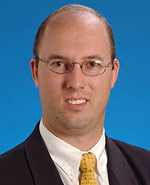
Associate Professor Jeffrey Walker
Reader in Environmental Engineering, Department of Civil and Environmental Engineering, University of Melbourne.
Jeffrey Walker is an expert on remote sensing of soil moisture and data assimilation. He did the first study for guidelines on the key requirements for remote sensing of soil moisture by satellite – accuracy, repeat time and spatial resolution. Jeffrey has developed airborne passive microwave remote sensing capability in Australia, and is developing the only imaging active–passive simulator world-wide for use in a satellite scheduled for launch in 2012.
2009 Dorothy Hill Award for female researchers in the Earth sciences including reef science, ocean drilling, marine science and taxonomy in marine systems
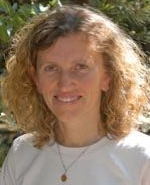
Dr Daniela Rubatto
ARC QEll Fellow, Research School of Earth Sciences, Australian National University.
Daniela Rubatto works in the field of high-grade metamorphic petrology and implications for crustal growth and mountain building. Daniela discovered a key relationship that exists in high grade metamorphic rocks between the timing of mineral growth, and the geochemical signature in Ubearing accessory minerals. This geochemical link allows a full characterisation of the pressure–temperature–time path that the rocks have experienced and thus the depth to which the rock
suite has travelled.
2009 Le Fèvre Memorial Prize for research in basic chemistry
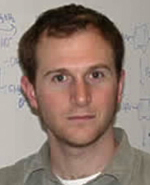
Dr Stephen Blanksby
Senior Lecturer, School of Chemistry, University of Wollongong.
Stephen Blanksby has made significant contributions to the field of gas phase ion chemistry and mass spectrometry. He demonstrated the stability of previously uncharacterised molecules and elucidated the fundamental thermochemistry and reactivity of transient neutral and ionic species in the absence of solvent and counter-ion effects. Stephen has applied discoveries in gas phase ion chemistry to develop new tools for analysis, particularly in the rapidly emerging field of lipidomics.
2009 Moran Medal for research in statistics
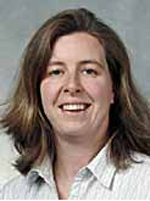
Dr Melanie Bahlo
Laboratory Head, Bioinformatics Division, The Walter and Eliza Hall Institute for Medical Research.
Melanie Bahlo is an applied statistician working in genetics and bioinformatics. She is highly regarded for her work in theoretical population genetics, in genetic epidemiology, and in gene mapping. She began her career with some very strong work in theoretical population genetics. Subsequently she moved into epidemiological applications and has grown into an outstanding statistical geneticist and biometrician.
2009 Pawsey Medal for research in physics
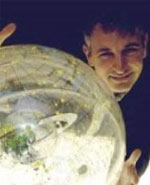
Dr Stuart Wyithe
Senior Lecturer and Australian Research Council Queen Elizabeth II Fellow , Astrophysics Group, School of Physics, University of Melbourne.
Stuart Wyithe has made outstanding contributions to cosmology, and to our understanding of the likely structure of the universe as the first stars formed, with work on the birth of black holes, stars and galaxies. Together with collaborators, he has developed clear predictions of the expected observational signatures of these processes. Searches for these signatures are now being undertaken using new instrumentation on existing international observatories, such as the Gemini Telescopes and the Hubble Space Telescope, and on new long wavelength radio telescopes being constructed around the world.
2008 awardees
Career awards
2008 Macfarlane Burnet Medal and Lecture
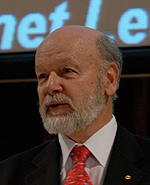
Professor Richard Shine
ARC Federation Fellow and Professor in Evolutionary Biology, School of Biological Sciences, University of Sydney
Richard Shine has an outstanding and influential research history in ecology, evolution and conservation spanning over 30 years. He has a very high international profile with over 500 papers published in international scientific publications. He is an accomplished communicator producing books for general audiences and speaking frequently at international conferences. Professor Shine's influence on Australian vertebrate biology is unparalleled and has transformed the fields in which he works.
David Craig Medal
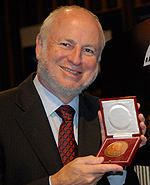
Professor Leo Radom
ARC Centre of Excellence in Free Radical Chemistry and Biotechnology and the School of Chemistry, University of Sydney.
Leo Radom has made major contributions to the use of theory in areas of chemistry. His research covers the application of computational quantum chemistry to the study of chemical structures and reactions. He has contributed to areas such as gas-phase ion chemistry, substituent effects in cations, radicals and anions, free radical chemistry, 'designer chemistry', and transition-metal-free hydrogenation. His early papers provided a template for benchmarking and applying theoretical methods to chemistry.
Ian Wark Medal and Lecture
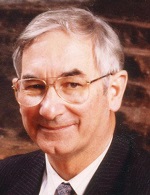
Dr Alan Reid
Former Director of CSIRO Institute of Energy and Earth Resources
Alan Reid has achieved international recognition in the areas of complex chemistry relating to mineral processing, the solid state chemistry for solar collector systems and in the statistics and stereology of mineral particle systems. His research has contributed significantly to Australia's prosperity through the creation of a solar energy absorber surface, AMCRO, which is widely used in Australia's solar panel industry, and also in the development of an automated mineral analysis system, QEMSCAN, which has had major financial benefits for mining companies internationally.
Mawson Medal and Lecture
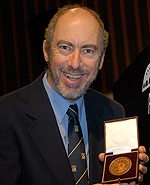
Professor Peter Cawood
Professor of Geology, Tectonics Special Research Centre, School of Earth and Environmental Sciences, University of Western Australia
Peter Cawood is an international leader in the application of structural geology, tectonic processes and geochronology, and has contributed greatly to our understanding of the development of the continental lithosphere throughout geological time. His research is concerned with the integration of field-based studies of mountain belts and their bounding cratons with the development and application of tectonic models.
Early-career award recipients
Dorothy Hill Award
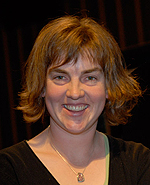
Dr Sandra McLaren
Centenary Research Fellow, School of Earth Sciences, The University of Melbourne
Sandra McLaren has made contributions to our understanding of diverse areas of Earth sciences, including continental tectonics, thermochronology, microstructural and basin analysis. She has tackled inter-disciplinary many-scale research problems reflecting her broad interests and motivation. Her early research affected a significant paradigm shift in understanding thermal and tectonic processes in the Proterozoic period, including high-temperature, low-pressure metamorphism, crustal anatexis and mineralisation.
Fenner Medal
Dr Michael McCarthy
Principal Research Fellow, School of Botany, The University of Melbourne
Michael McCarthy is an international leader in theoretical ecology having substantially contributed to risk models for threatened species, disturbance ecology, environmental decision-making and Bayesian methods in ecology. He has developed risk measures, approaches to model testing and validation, and numerical techniques to solve some long standing problems in ecology. He recently produced a book on Bayesian methods in ecology and has been researching decision-making models examining the mathematical structure of decisions.
Frederick White Prize
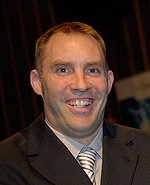
Dr Ronald Smernik
Australian Research Council QEII Fellow, School of Earth and Environmental Sciences, The University of Adelaide
Ronald Smernik has made a significant impact on the chemistry of organic materials in soils and sediments. His work focuses on the development and application of innovative and sophisticated nuclear magnetic resonance (NMR) techniques to characterise soil properties. His research has increased understanding of soil processes and their significance in global carbon cycling, and has important applications in soil management for sustainable agriculture.
Ruth Stephens Gani Medal
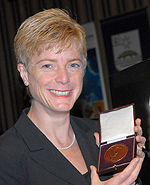
Dr Vanessa Hayes
Group Leader Cancer Genetics, Garvan Institute of Medical Research
Vanessa Hayes is an outstanding researcher with an enviable record in human genetics research. Following her early studies in identifying genetic risk factors for cervical and colorectal cancer, she demonstrated the importance of genetic polymorphisms in progression of HIV disease in the African population. Her recent work on genetic variations and prostate cancer risk is providing a major stimulus to the effective use of human genetics in prevention and treatment of this disorder. She has identified genetic markers associated with an increased risk of prostate cancer and the prediction of prostate cancer outcome.
Gottschalk Medal
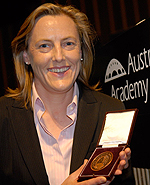
Dr Gabrielle Belz
Howard Hughes Medical Institute Scholar, Wellcome Trust Overseas Fellow,
Immunology Division, The Walter and Eliza Hall Institute of Medical Research
Gabrielle Belz has made a series of ground-breaking discoveries on the response of the immune system to viruses. These include identifying subsets of dendritic cells that initiate the T-cell response, tracking T-cell proliferation and differentiation during an immune response, and delineating the requirements for T-cell reactivation upon secondary infection. Through this work she and her colleagues have altered the understanding of the role of dendritic cell subsets in ways that will assist the design of vaccines against viruses.
Le Fèvre Memorial Prize
Dr Stuart Batten
Senior Lecturer, School of Chemistry, Monash University
Stuart Batten has made significant and original contributions in the area of crystal engineering. He was a member of the group that pioneered the design of coordination polymers, focusing on the use of trigonal three-connecting ligands. He helped to discover a new class of magnetic materials based on the dicyanamide ligand. He has also developed a naming system to describe the ways networks interpenetrate, which has been adopted by researchers worldwide. His latest research includes the design of 'nanoballs' that have magnetic and photomagnetic features.
Pawsey Medal
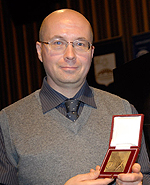
Dr Kostya (Ken) Ostrikov
Associate Research Professor, Australian Research Council QEII Fellow, School of Physics, The University of Sydney
Ken Ostrikov has achieved international repute through his contributions to diverse multidisciplinary fields, particularly in plasma nanoscience, where he is widely recognised as a pioneer and world leading authority. He has used innovative approaches to the creation and manipulation of atomic and nanoscale building blocks, the organisation of nanomatter by plasma, and describing the interactions between plasma and solids. His research has created new ways to generate self-assembled nanomaterials, nanoelectronic and photonic structures, and devices for future computer chips, solar cells, communications systems and biosensors.
2007 awardees
Career awards
Matthew Flinders Medal and Lecture
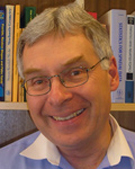
Professor Peter Hall
Department of Mathematics and Statistics, University of Melbourne
Peter Hall is a leading international researcher in theoretical and applied statistics and probability theory. He has made substantial contributions to nonparametric statistics over a 25-year period. Peter has had a massive influence on the development and assessment of the bootstrap method. He has made very important contributions to smoothing methods in statistics, and has introduced practical smoothing parameter-selection methods in a variety of settings. He also developed novel theoretical arguments to explain why some approaches are more variable, or more biased, than others. Peter’s research on fractal-based statistical methods for quantifying surface roughness has also been groundbreaking.
Craig Medal
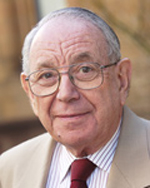
Professor Hans Freeman
Professor Emeritus, School of Molecular and Microbial Biosciences and School of Chemistry, University of Sydney
Hans Freeman has made distinguished contributions to science through the study of the crystal structures of biological coordination compounds including metal-peptide complexes and metalloproteins. He introduced the use of computers for crystallographic calculations to Australia, and his laboratory was the first in the southern hemisphere to determine the crystal structure of a protein, plastocyanin. He has been a selfless advocate for macromolecular crystallography; a recent example is his membership of the Policy and Review Board of the Australian Synchrotron Research Program. He was the Foundation President of the Society of Crystallographers in Australia.
Hannan Medal in Statistical Science
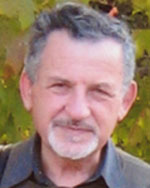
Emeritus Professor Eugene Seneta
Professor Emeritus, School of Mathematics and Statistics, University of Sydney
Eugene Seneta has done much seminal work in probability and statistics in connection with branching processes, the history of probability and statistics, and in such diverse areas as slowly varying functions, Bonferroni type bounds on probabilities of unions of sets, on modelling of the price of a risky asset, and in the scaling of Higher School Certificate marks. The implications of some of his research are considerable. The algorithm which Eugene produced for scaling Higher School Certificate marks in the early 1980 was later used to determine the New South Wales Tertiary Entrance Rank.
Jaeger Medal
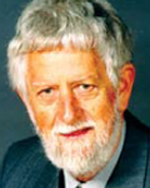
Professor Ian McDougall
Professor Emeritus, Research School of Earth Sciences, Australian National University
Ian McDougall has an extraordinary record of scientific achievement in the fields of plate tectonics, geochronology, planetary noble gas evolution, and the origin and evolution of humans. In addition to making fundamental contributions to plate tectonics by precise dating of the large-scale movement of oceanic plates, his work provides the benchmark for our understanding of hominid evolution in East Africa. This is exemplified by his recent dating of the new species Australopithecus anamensis, a finding that provides new insights into our understanding of the genesis of our own species.
Lyle Medal
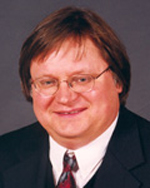
Professor Yuri Kivshar
Head, Nonlinear Physics Centre, Research School of Physical Sciences and Engineering, Australian National University
Yuri Kivshar is a world leader in nonlinear physics and optics, widely recognised for his contributions to our understanding of self-trapping and energy localisation, pioneering results in the theory of optical solitons and vortices, and the world-first predictions of many important effects in nonlinear physics of periodic photonic structures. Most of his theoretical predictions have been verified and demonstrated experimentally. Yuri is a leading figure in the interchange of ideas between nonlinear optics and atom optics. His research is multidisciplinary in background and focus.
Early-career researchers award recipients
Dorothy Hill Award
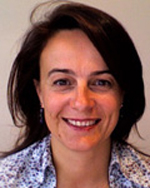
Dr Léanne Armand
Marseille Oceanography Centre, Laboratory of Oceanography and Marine Biogeochemistry, Marseille
Léanne Armand is the recipient of the 2005–07 European Union Marie Curie Fellowship for her comprehensive taxonomic treatment of Southern Ocean diatoms. She has added rigour to the study of diatoms by applying statistical analysis, increasing the degree of confidence in the reconstruction of sea water temperatures of the past. This has particularly enhanced the value in reconstructing environments during the late Quaternary. The relevance of this type of work is increasing as questions of evolution of our modern environment become more important.
Fenner Medal
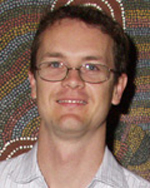
Dr Peter Dodds
CSIRO Plant Industry, Canberra
Peter Dodds is an exceptional and highly creative young researcher in the area of the molecular biology of host-pathogen interactions, specifically the interaction between the flax plant and its flax rust pathogen. He has isolated several genes from flax related to resistance to rust, providing insights into the evolution of these genes and the molecular basis for the specificity of plant-pathogen interaction. He has also isolated the first rust pathogen avirulence genes and developed a general method for isolating and recognising these genes. These discoveries have provided a route towards engineering new rust resistance genes for use in agriculture.
Gottschalk Medal
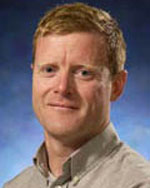
Professor Jamie Rossjohn
Australian Research Council Federation Fellow, The Department of Biochemistry & Molecular Biology, School of Biomedical Sciences, Monash University, Melbourne
Jamie Rossjohn’s primary contribution is to provide a structural basis for events central to infection and cellular immunity. He has provided insight into the mechanism of action of the cholesterol-dependent pore-forming toxins and a toxin that inactivates an essential chaperone protein. Jamie has provided an understanding of receptor-recognition events at the immunological synapse. This includes providing insights into the basis of MHCrestricted antigen recognition, T-cell immunodominance, allorecognition and signalling, and also MHC polymorphism in the context of antigen presentation and viral evasion.
Le Fèvre Memorial Prize
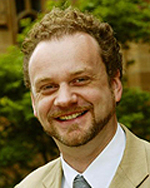
Professor Thomas Maschmeyer
Federation Fellow and Professor of Chemistry, University of Sydney
Thomas Maschmeyer is renowned for his ground-breaking research in materials and catalysis which led to his meteoric rise in stature within the international chemical community. His guiding principle of ‘selectivity tuning by active site design’ underlies his discoveries from pharmaceutical synthesis to process intensification and biofuels. Thomas’ leading role in the establishment of the combinatorial catalysis company Avantium was instrumental in the listing of the Australian Biodiesel Group on the Australian Stock Exchange.
Moran Medal
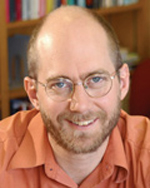
Professor Robin Hyndman
Professor of Statistics, Department of Econometrics and Business Statistics, Monash University, Melbourne
Rob Hyndman has made major contributions to a wide range of fields, especially to forecasting, time-series, graphical methods and computational statistics. His research in forecasting challenged the appropriateness of the most fundamental of Bayesian forecasting models for exponential-family time series and on state-space models for exponential smoothing. Rob has recently proposed a new methodology for forecasting age-specific mortality curves and all official Australian cancer forecasts now use this method. His research on graphical methods has produced an ingenious method for visualising conditional probability densities, and a remarkably useful tool for data analysis – the ‘highest density region’ box plot.
Pawsey Medal
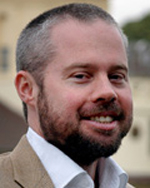
Professor Ben Eggleton
Professor of Physics, ARC Federation Fellow, Research Director, CUDOS – ARC Centre of Excellence, School of Physics, University of Sydney
Ben Eggleton has pioneered research in optical device physics and photonics that underpin the development of the next generation of communication technologies and has made seminal contributions leading to the development of the photonic chip. His research achievements include the first experimental observation of nonlinear pulse propagation in photonic crystals, ground-breaking work on geometries for photonic crystal fibres, and the demonstration of highly original and significant nonlinear waveguide.
2006 awardees
Career awards
Macfarlane Burnet Medal
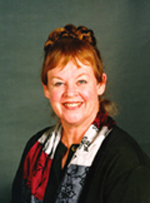
Professor Jenny Marshall Graves
Professorial Fellow, Research School of Biological Sciences, Australian National University, Canberra.
Jenny Graves has a highly acclaimed international reputation for her work in mammalian genetics and comparative genomics on Australian marsupials and monotremes. Her research has raised profound questions about human biology and mammalian evolution. She has made extensive ground-breaking discoveries relating to the cell cycle, control of DNA replication, evolution of the mammalian genome and the function and evolution of sex chromosomes. She graduated from Adelaide University and received a Fulbright award to undertake a PhD in Molecular Biology at the University of California, Berkeley, USA. Jenny was selected as the 2006 laureate for the Asia-Pacific region L’Oréal-UNESCO Awards for women in science. She is a Research Director at the Australian Research Council Centre for Kangaroo Genomics.
Craig Medal
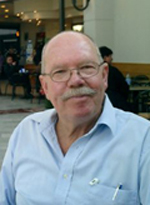
Professor Barry Ninham
Visiting Fellow, Applied Mathematics Department, Research School of Physical Sciences and Engineering, Australian National University, Canberra.
Barry Ninham is a talented theoretical physical chemist and one of the world’s leading theoreticians in colloid science. He has specific expertise in molecular self-assembly and non-electrostatic interactions between atoms and molecules. He has pioneered the measurement of surface forces and introduced the ground-breaking concept of well-defined microstructures in substances such as emulsions. He completed his undergraduate and Masters at the University of Western Australia and a PhD at the University of Maryland. He is Founder and Head of the Applied Mathematics Department.
Ian Wark Medal
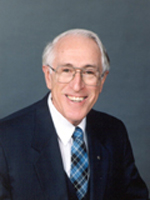
Professor Graeme Clark AC
Director, The Bionic Ear Institute and Laureate Professorial Fellow, The University of Melbourne.
Graeme Clark is internationally recognised for inventing the Bionic Ear, the first multiple channel cochlear Implant. His pioneering research on electrical stimulation of the auditory pathways led to the development of the prototype multiple-channel cochlear implant which was implanted in a research volunteer in 1978. Since then, the implant has brought hearing to more than 50,000 deaf people, including 20,000 children, in over 120 countries. He founded The Bionic Ear Institute in 1983 and continues to refine the implant so that patients now understand significantly more speech, and severely and profoundly deaf children can develop near-normal speech.
Mawson Medal
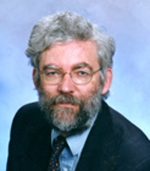
Professor Kenneth McNamara
Senior Curator of Invertebrate Palaeontology, Department of Earth and Planetary Sciences, Western Australian Museum. Adjunct Professor Palaeontology, Department of Applied Geology, Curtin University of Technology, Perth.
Kenneth McNamara is internationally renowned for outstanding academic contributions in palaeontology and biology relating to studies of developmental change, rates of growth and phylogeny. He is a well-recognised expert on trilobites and their evolutionary patterns. He graduated from the University of Aberdeen, and obtained his PhD from the University of Cambridge. His taxonomic research has resulted in the description of at least 69 new species and 13 new genera of invertebrates.
Early- and mid-career awards
Dorothy Hill Award
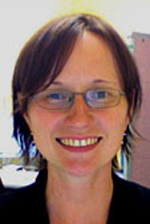
Dr Adriana Dutkiewicz
QEII Research Fellow (Australian Research Council), School of Geosciences, University of Sydney, Sydney.
Adriana Dutkiewicz has made exceptional contributions in the field of early Precambrian petroleum geology. She was the first to discover oil inclusions preserved in Archaean and early Precambrian rocks and to demonstrate that primordial biomass was sufficiently abundant to generate hydrocarbons. She has shown that eukaryotes survived extreme climatic events including higher temperatures than previously accepted. Adriana has contributed valuable insights relating to the early evolution of life and petroleum exploration.
Fenner Medal
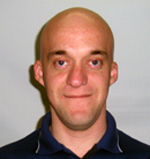
Dr Barry Brook
Senior Research Fellow, School for Environmental Research, Charles Darwin University, Darwin.
Barry Brook is internationally recognised for excellence and innovation in conservation biology. His work has raised awareness of the relevance of past extinctions for present biodiversity loss. His research using analytical and computer simulation modelling has contributed to the modern understanding of species extinction dynamics. He gained his PhD from Macquarie University, Sydney on the subject of population viability analysis.
Frederick White Prize
Dr James Tickner
Research Scientist, CSIRO Minerals, Lucas Heights Science and Technology Centre, Lucas Heights.
James Tickner has made impressive scientific contributions in innovation and has secured six patents. He developed nuclear instrumentation for the mineral industry and invented a new type of camera for finding buried landmines. He co-invented the concept of fast-neutron/gamma ray radiography for rapidly screening bulk cargo. He has made important advances in the fields of nuclear simulation and solving challenging measurement or imaging problems.
Gottschalk Medal
Dr Joel Mackay
Senior Research Fellow (National Health and Medical Research Council), School of Molecular and Microbial Biosciences, University of Sydney, Sydney.
Joel Mackay has a distinguished career in human physiology and health research that is focused at the molecular level. He discovered the mechanisms behind the vancomycin group of antibiotics, leading to improved derivatives. He has made valuable contributions to understanding the transcriptional regulation involved with forming red blood cells, tracing point mutations, and protein structures, advancing knowledge of inherited blood disorders such as thalassemia.
Le Fèvre Memorial Prize
Associate Professor Michael Sherburn
Senior Fellow and Group Leader, Research School of Chemistry, Australian National University
Michael Sherburn is a talented synthetic chemist, developing powerful new methods to achieve efficient chemical synthesis. These new methods have been applied to the synthesis of natural products and designed structures, that are potentially important in medical treatments. His research group has created superbowl container molecules to capture and release drugs and chemicals. These molecules have potential in drug delivery, for removing environmental toxins, catalysing chemical reactions and allowing new chemical purification. His group has developed ingenious methods to synthesise polycyclic natural products, including the anti-cancer agent, podophyllotoxin.
Pawsey Medal
Dr Mahananda Dasgupta
Senior Fellow, Department of Nuclear Physics, Research School of Physical Sciences
and Engineering, Australian National University, Canberra.
Mahananda Dasgupta is a leading international researcher in the field of nuclear fusion physics. Her cutting-edge contributions include precision measurements of unprecedented accuracy. She has developed theoretical models to describe quantum tunnelling of composite objects and designed efficient experimental particle detection equipment. Mahananda completed her PhD at the Tata Institute of Fundamental Research in Bombay.
Athlete data in professional sport – Expert working group
The report Getting ahead of the game: Athlete data in professional sport was prepared, written and overseen by an expert working group established collaboratively by the Chairs, the Australian Academy of Science, and The University of Western Australia’s Minderoo Tech & Policy Lab.
The expert working group includes domain experts in sports science and sports medicine, artificial intelligence, law, policy, social science and governance. It also includes sports practitioners and former representative athletes in professional and high performance/Olympic sport, as well as experts in athlete rights and representation.
Julia Powles
- Co-Chair
Toby Walsh
- FAA FTSE
- Co-Chair

Jacqueline Alderson
Jason Weber
Lyria Bennett Moses
- FASSA
Anthony Elliott
- AM FASSA
Mike Innes
- FASSA
David Hughes
- AM
Rachel Harris

Kate Starre
- OAM
Kathryn Henne
Matthew Graham
Payment error
Unfortunately there has been error with the payment; you have not been charged. Please return to the previous page and try again, otherwise, please contact us. We have listed some common reasons for payment errors below.
Payment information was input incorrectly.
It’s possible that the credit card information was entered incorrectly. Please double-check that the name, expiration date, and CVV number entered in our system match what’s on your card.
Card was declined by financial institution (bank or credit card company).
Some financial institutions may impose spending limits, or caps on the number of transactions that can take place during a certain period of time. You may wish to try again later, or contact your financial institution to authorise the payment.