


John Oswald Newton 1924–2016

John Oswald Newton (1924–2016) was internationally distinguished for his work in nuclear structure and heavy-ion reactions, and played an instrumental role in enhancing Australia’s nuclear science capability.
Throughout his work in England, the United States, and Australia, Newton drove pivotal advancements in the study of Coulomb excitation, angular correlation methods, and the alpha decay of odd nuclei, and was a pioneer in the study of high spin states using heavy-ion reactions.
Major achievements at the Australian National University under his leadership were the installation of a new tandem accelerator, the introduction of a collaborative research ethos to the Department of Nuclear Physics, and a new research initiative into nuclear fusion and fission in heavy-ion collisions.
Newton’s prior experience at top international laboratories inspired his vision to transform the Department into a world-recognised facility for nuclear physics research.
Download the memoir
Supplementary material
About this memoir
This memoir was originally published in Historical Records of Australian Science, vol. 36, 2025. It was written by Katja Curtin, Mahananda Dasgupta and David Hinde.


Statement—Academy endorsement of statement on Improving the reproducibility of biomedical research by IAP for Health
In September 2016, the Australian Academy of Science endorsed the InterAcademy Partnership for Health (IAP for Health) statement on improving the reproducibility of biomedical research.
There is growing discussion within the biomedical research community about the need to improve the reproducibility of research studies so as to drive scientific progress, accelerate translation into clinical applications, and maximise returns on funding. Many improvements in national and global health are rooted in the findings of biomedical research and it is crucial that research practices are as effective as possible.
The Australian Academy of Science has joined with academies of forty five countries around the world to endorse a statement issued by the IAP for Health on improving the reproducibility of biomedical research.
In signing this statement, IAP for Health member academies recognise that:
- It is critically important for the progress of science that the reproducibility of research is optimal. Where policies to improve national and global health are concerned, they must be based on the best available evidence – the value of research and the efficient use of resources can only be maximised through the most robust science.
- There is no single cause of irreproducibility and a number of measures are required to address it. These measures will rely on multiple actions from many stakeholders.
The full text of the IAP for Health statement on improving the reproducibility of biomedical research, along with the names of national science academies that have endorsed it, is available on the IAP for Health website.
It should be noted that Professor David Vaux FAA, from the Walter and Eliza Hall Institute of Medical Research, Melbourne, was a member of the working group who put together this statement.
Notes for news editors
The InterAcademy Partnership for Health is a component network of the InterAcademy Partnership. Its membership comprises 78 academies of medicine or academies of science and engineering with medical sections. IAP for Health is committed to improving health world-wide, including through the release of consensus statements on matters of importance to global health. IAP for Health Statements such as this one are prepared by a working group comprising experts nominated by member academies, and are released once they have been endorsed by more than half the member academies of the network.
Statement—Conviction of Italian earthquake scientists
October 2012
The Australian Academy of Science, a fellowship of Australia’s most eminent scientists, wishes to express its concern about the liability apportioned in the case involving six scientists who gave advice prior to the earthquake in L’Aquila, Italy, in 2009.
Dealing with scientific uncertainty and risk communication is a difficult task. In the case of earthquake prediction, understanding has grown considerably in recent years. Seismologists can forecast regions that are more susceptible to large earthquakes based on broad patterns, but cannot predict the time and precise location of events. The inherent unpredictability of earthquakes makes assessment of short-term risk very difficult and nuances of language in conveying risk can lead to differing interpretations.
The Academy does not have access to information about the Italian case. While the written report of the Court is not expected for some time, it appears clear that it was not the science of earthquake prediction that was on trial. Rather, it was the care taken in delivering the advice that was provided.
The outcome of the trial must be considered in the context of Italian law, and the Academy understands that this outcome is subject to appeal, and that the defendants are free until the appeals process is completed.
The Academy considers the case to be a reminder that while formulating advice based on the best available evidence, scientists must apply due diligence and ensure proper procedures are followed. It also highlights the importance of effective processes to translate scientific evidence and knowledge into public policy and advice.
Endorsement—Biosecurity
November 2005
The Academy has endorsed the 2005 Inter Academy Panel (IAP) statement on biosecurity. The statement recognises that scientists have an obligation to do no harm, and to take into consideration the reasonably foreseeable consequences of their own activities. As part of the statement, the IAP has developed a set of fundamental principles that scientists can use to formulate new codes of conduct to help avoid the potential misuse of science and technology. The principles address five fundamental issues facing scientists working in the biosciences: awareness, safety and security, education and information, accountability, and oversight.
A full copy of the statement is available from the IAP website.
Ruth Stephens Gani 1927-1997
Written by J.M. Gani.
Ruth Gani (nee Stephens) was born in York, England on 22 February 1927, the only child of Henry and Maggie (Harry and Mimi) Stephens. After attending the Altrincham County High School for Girls, she passed her School Certificate in 1943. She began her working career as a Laboratory Assistant at the Imperial Chemical (Pharmaceuticals) Veterinary Research Laboratories in Wilmslow, while continuing her studies at the Salford Technical College Evening School, where she obtained her Higher School Certificate in 1946.
At this stage, she faced a difficult choice between two scholarships, one at the Royal Academy of Music in London to study piano, and the other at the University of Liverpool to study Botany. She chose the latter and graduated with a Bachelor of Science (Hons) degree in Botany in 1949. She continued to play the piano throughout her life, and was particularly fond of the Mozart sonatas.
She was now appointed a Research Assistant in the Bracken Research Unit of the West of Scotland Agricultural College, Glasgow (1949-52), and was also a part time Demonstrator in Botany at the University of Glasgow. In 1953, she was promoted to Assistant Lecturer, and attended a course in Plant Cytogenetics at the John Innes Horticultural Institute, Hertford, in 1954.
At the end of that year, she emigrated to Australia to become Research Assistant to Sir Otto Frankel in the Cytogenetics Section of the CSIRO Division of Plant Industry, where she helped to investigate the genetics of wheat. Early in 1955, she met Joseph Gani, a Commonwealth Postgraduate Scholar in Statistics at the Australian National University (ANU).They were married on 3 September 1955, and had four children: Jonathan in Perth, W.A. in1957, Miriam in New York in 1959, Matthew in Canberra in 1962, and Sarah in East Lansing, Michigan in 1964.
After the award of his PhD in 1955, Joseph took up various positions in Perth, New York, Canberra (ANU), Michigan, Sheffield, Canberra (CSIRO), Kentucky and California, finally retiring in Canberra in 1994. Ruth always joined him with the children, and managed to make a comfortable home for the family in each new environment.
While in Perth, Ruth worked as a part time Demonstrator in the Botany Department of the University of WA in 1957-58 and 1960, and was also a Lecturer for an evening course on Genetics at the WEA. In New York in 1959, she took a course in Developmental Genetics at Columbia University.
On the family's return to Canberra in the early 1960s, she worked as a part time Research Assistant in the Genetics Section of the CSIRO Division of Plant Industry. In 1965, when the family moved to Sheffield, England, Ruth worked part time in the Centre for Human Genetics of the United Sheffield Hospitals from 1969 to 1974.
On returning to Australia with the family, she worked in 1977 as an Honorary Research Associate in the ANU Department of Population Biology, Research School of Biological Sciences. Between 1978 and 1981, she was the Officer in Charge of the Cytogenetics Section in the Cytology Department of the Woden Valley Hospital (now the Canberra Hospital).
Later. in 1988, she established the Cytogenetics Section of the Haematology Department at this Hospital. While in Lexington, Kentucky in the early 1980s, she enrolled for a Master's degree in Cell Biology at the University of Kentucky, and was awarded her MSc in 1987. Her last job from1994 until 1996 was with the ANU's Human Genetics Department, in the John Curtin School of Medical Research under Professor Sue Serjeantson.
In 1992, Ruth was diagnosed with breast cancer, and underwent a mastectomy. She appeared to be in remission but by 1995, the cancer had spread and she underwent chemotherapy. She faced the decline of her health with stoicism and was able to celebrate Christmas 1996 with her family. In 1997, she was moved to the Hospice on the Acton Peninsula and died there on 28 January 1997. Her ashes are buried at the Norwood Park Cemetery, Canberra.
Ruth managed to combine her personal life as a wife and mother with an intense dedication to Genetics. She was a foundation member of the Human Genetics Society of Australasia, and a member of the American Society of Human Genetics. She was the author of several papers including:
- "The nucleoli of cultured human lymphocytes I. Nucleolar morphology in relation to transformation and the DNA cycle". Exp.Cell Res. 50 (1976) 249-258.
- "Nucleoli of cultured human lymphocytes II. Nucleolar fusion and its relation to acrocentric association". Hum.Genet. 42 (1978) 271-282.
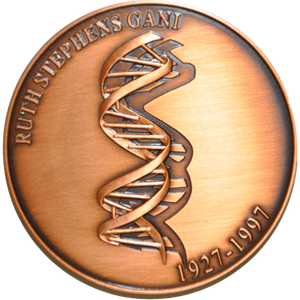
- Her scientific achievements are commemorated by the Australian Academy of Science's annual Ruth Stephens Gani Medal for Human Genetics, first awarded in 2008.
Her scientific achievements are commemorated by the Australian Academy of Science's annual Ruth Stephens Gani Medal for Human Genetics, first awarded in 2008.
Fenner conferences on the environment
Award highlights
- With the generous support of the late Professor Frank Fenner FAA FRS and the late Mrs Bobbie Fenner, the Academy established a series of environmental conferences on the environment and conservation issues in Australia and its environs.
- The purpose of these conferences was to bring together those with relevant scientific, administrative and policy expertise to consider current environmental and conservation problems in Australia, thereby contributing to the formation of policies that can alleviate some of these problems.
This award will not take applications after 2025. Please see the Workshop Series for the Academy's new program to support scientific workshops.
Fenner conferences on the environment are conferences on the environment and conservation issues in Australia and its environs. Their aim is to bring together those with relevant scientific, administrative and policy expertise to consider current environmental and conservation problems in Australia, thereby contributing to the formation of policies that can alleviate some of these problems. If you are interested in holding a conference, please see the Workshop Series for the Academy's new program to support scientific workshops.
Past conferences
- 2026/27: Transdisciplinary strategies to improve accountability for biodiversity conservation in cities
- 2025/26: Preparing nature and society for a hotter world
- 2024/25: Characteristics, causes, and prospects of Australian drought under a changing climate
- 2022/23: Compound events in Australia – strategic planning for multivariate risk
- 2021/22: Exceptional times, exceptional plants: Alternative ex situ conservation strategies for Australian plants
- 2020/21: Making Australian agriculture sustainable.
- 2019/20: Managing wild and weedy Australia across boundaries and disciplines
- 2018/19: The use of gene drive technology in conservation
- 2017/18: Urban Sustainability and Conservation
- 2016/17: International Forward Osmosis Summit (IFOS) 2016
- 2015/16: Maximising the capacity of citizen science for science and society: A Fenner Conference on the Environment, Shine Dome, Canberra
- 2014/15: Addicted to Growth?: How to move to a Steady State Economy in Australia, Shine Dome, Canberra
- 2013/14: Coral Reefs on the edge - new challenges for high latitude coral reef communities, Houtman Abrolhos Island Research Station (PDF, 83 KB)
- 2012/13: Population, Resources and Climate Change - Implications for Australia's near future, Shine Dome, Canberra
- 2009/10: Healthy climate, planet and people: co-benefits for health of action on climate change, Shine Dome, Canberra (PDF, 210 KB)
- 2008/9: The art and science of good environmental decision making. Shine Dome, Canberra (PDF, 210 KB)
- Wildlife Population Dynamics and Management, Fenner Conference on the Environment, The Shine Dome, Canberra, 2–5 December 2007
- Water, population and Australia's urban future, 2007 Fenner Conference on the Environment, The Shine Dome, Canberra, 15–16 March 2007
- Integrating agricultural and environmental imperatives for a profitable and sustainable future, Fenner Conference on the Environment, The Shine Dome, Canberra, 8–9 November 2006
- Urbanism, environment and health, Fenner Conference on the Environment, The Shine Dome, Canberra, 25–26 May 2006
- Understanding the population–environment debate: Bridging disciplinary divides, 2004 Fenner Conference on the Environment, 24–25 May 2004
- Redesigning agriculture for the Australian environment, 2002
- Biodiversity conservation in freshwaters, 2001
- Nature tourism and the Australian environment, 2000
- Future Australian landscapes - visions of harmonious environment, 1998/1999
- Ethics of manipulative research and management in world heritage areas, 1997
- Tracking progress: linking environment and economy through indicators and accounting Systems, Fenner Conference on the environment, The University of New South Wales, Sydney, 30 September to 3 October 1996
- Developing strategies for sustainable habitation of Australia’s rangelands, 1996
- Environmentally responsible defence, 1995
- Risk and uncertainty in environmental management, 1995
- Environmental principles to practice, 1994
- International trade and the environment, 1993
- Biological diversity – its future conservation in Australia, 1992
- Protection of marine and estuarine areas, 1991
- Ultraviolet B radiation impacts, 1990
- The Constitution and the environment, 1990
- Chemicals in agriculture, 1989
- Conservation in management of the River Murray System-making conservation count, 1989
- Australian Alps National Parks-World Heritage Area?, 1988
One conference is funded annually. Conferences are usually of about two days duration with a membership of 20-30. A sum of up to $10,000 is provided. The supplementation of this sum is encouraged.
Organisers are asked to make an undertaking on acceptance of an offer of funding from the Academy to call their conference a Fenner Conference on the Environment and to advertise it as such.
Research conference applications are in two stages.
Organisers are invited to submit an online Expression of intent (EOI), which should include:
- proposal (1 page)
- the aims, value and timelines of the conference, including an indication of support from the local scientific community and the importance for Australian science
- a tentative program, including expected number of attendee and any known or invited speakers
- a brief outline of anticipated budget
- provisional dates and venue
- names of the organisers
- how the diversity and inclusion of speakers and attendees will be actively considered and where possible, achieved.
Note that conferences that are one of a continuing series are less likely to gain support unless they specifically address a newly emerging theme or topic within the broader area of the series.
Expressions of Intent are short-listed by the awards committee Chairs in June, and the organisers of short-listed proposals are asked to provide a detailed application by 1 August. Full applications should include:
- expanded explanation of the aims and value of the conference (up to 1,000 words)
- a list of projected active participants
- a detailed program budget, including other sources of income
- at least one letter of support from the supporting organisation/society.
The final decision is announced in early November.
Venue hire of the Shine Dome is complimentary for up to two days where requested. Please note that AV equipment and technician, catering and caretaking are not included in the complimentary Shine Dome venue hire. Shortlisted applicants are requested to contact the Shine Dome Venue Coordinator for a quote as part of their application budgeting. At this stage, applicants should also check availability of proposed dates, and a tentative hold will be placed on these dates. Please note that this is not secured until the award is granted, but will increase the likelihood that the dates will still be available if/when awarded.

Boden research conferences
Award highlights
- With the generous support of the late Dr Alex Boden AO FAA, the Academy established a series of small specialist conferences in the biological sciences to enable active research workers in rapidly advancing fields to discuss current advances and problems.
This award will not take applications after 2025. Please see the Workshop Series for the Academy's new program to support scientific workshops.
Boden research conferences were small specialist conferences in the biological sciences. They allow active research in rapidly advancing fields to discuss current advances and problems. If you are interested in holding a conference, please see the Workshop Series for the Academy's new program to support scientific workshops.
Past conferences
- 2026/27: Cell Cryobanking and the Role of Museums
- 2024/25: Using big data to build and test a model reef ecosystem; Protein folding: Mechanisms, health, and machine learning
- 2023/24: Advancing the science of precision and personalised nutrition: A pillar of the Decadal Plan for the Science of Nutrition
- 2020/21: Towards a representation of Eucalypt ecology & physiology in vegetation models: What makes Eucalypts distinct? (Cancelled)
- 2019/20: Evolutionary transformations in vertebrate history
- 2018/19: Ecological Surprises and Rapid Collapse of Ecosystems in a Changing World
- 2017/18: Origins and function of the animal metaorganism
- 2016/17: Emergence and function of complex shapes in self-assembly and biological cells.
- 2015/16 Boden research conference on comparative animal genomics, University of Adelaide
- 2014/15: Heme oxygenases 8th International Conference on Heme Oxygenases, BioIron and Oxidative Stress, Sydney, Australia.
- The 6th Asia and Oceania Conference on Photobiology, Citygate Central, Sydney. A 2013/14 Boden Research Conference.
- Bacterial biology: New insights on host-pathogen interactions University of Wollongong. A 2012/13 Boden Research Conference.
- 2011/12 Boden Conference. Cellular Microbiology—new aspects of host-pathogen interactions, the Shine Dome, Canberra. (PDF, 102 KB)
- 2010/11 Boden Research Conference. Genome biology of corals and their relatives, Magnetic Island.
- Metals in Biological Systems. 2009/10 Boden Research Conference, Shine Dome.
- Beyond the platypus genome, Boden Research Conference, Victor Harbor, South Australia, 23–26 November 2008
- Plant energy and water productivity, Boden Research Conference, Australian National University, Canberra, 18–20 September 2008 (PDF, 210 KB)
- Disulfide bonds and their role in protein folding and function, Boden Research Conference, Heron Island, Queensland, 29 July–2 August 2007
- Gene delivery and control (5th Australasian Gene Therapy Society Meeting), Boden Research Conference, The Shine Dome, Canberra, 18–20 April 2007
- 22 - 25 September 2006: Epithelial Stem Cells and Cutaneous Regeneration - Australasian Society for Dermatological Research
- 6 - 8 November 2005: Cellular Signalling and Human Disease - Australian Society for Biochemistry and Molecular Biology
- 8 - 13 September 2004: NKTOZ–the 3rd International NKT cell and CDI workshop - Australasian Society for Immunology
- 26 - 27 January 2004: Visual cortex: a variety of viewpoints - The Australian Neuroscience Society
- 5 - 8 October 2003: Epithelial-mesenchymal transitions - Australia & New Zealand Society for Cell & Developmental Biology
- 9–11 January 2003: Artificial photosynthesis - The Australian Society for Biophysics, the Australian Society of Plant Physiologists, the Australian Society for Biochemistry & Molecular Biology
- 8 - 12 April 2002: Developmental cutaneous biology - Australian and New Zealand Society for Developmental Biology and Society of Investigative Dermatology, USA
- 12 - 15 February 2002: Applied functional genomics of insect pests and insect vectors of disease - Australian Entomological Society and the Australian Society for Biochemistry and Molecular Biology
- 19 - 21 February 2001: Immune deviation and reproductive function - The Australian Society for Reproductive Biology and the Fertility Society of Australia
- 2–3 November 2000: Estrogens and male health - Endocrine Society of Australia
- 16–19 February 2000: The human skeleton - The Australian and New Zealand Orthopaedic Research Society
- 9–12 February 1999: Statistical methods for human genome analysis: application in the discovery of genes involved in complex human disease - Human Genetics Society of Australasia
- 24–28 January 1998: The epididymis: cellular and molecular aspects - Australian Society for Reproductive Biology
- 24–27 January 1998: Synaptic transmission - Australian Neuroscience Society
- 4–7 February 1997: Gene therapy - Australian Society for Biochemistry and Molecular Biology
- 30 January–2 February 1997: Retinal biology and retinal diseases - Australian Neuroscience Society
- 7–9 February 1996: Nitric oxide in the nervous system - Australasian Society of Clinical and Experimental Pharmacologists and Toxicologists
- 5 – 7 February 1996: The molecular and cellular biology of the extracellular matrix - Australia and New Zealand Society for Cell Biology
- 1 – 4 February 1995: Marsupial gametes and embryos - Australian Mammal Society and Australian and New Zealand Society for Cell Biology
- 10 – 12 February 1994: The role of DNA methylation in biological processes - Australian Society for Biochemistry and Molecular Biology
- 8 – 10 February 1994: Immunological control of fertility - Australian Society for Reproductive Biology and the Australian Society for Immunology
- 8 – 10 February 1993: Muscle afferents and motor control in health and disease - Australian Neuroscience Society
- 1 – 3 February 1993: Molecular systematics of gene families - Genetics Society of Australia
- 3 – 5 February 1992: Mammalian sex chromosomes and sex determining genes: their differentiation, autonomy and interactions in testis differentiation and function - Genetics Society of Australia and the Australian Society for Reproductive Biology
- 5 – 6 February 1991: The molecular analysis of bacterial pathogenesis - Australian Society for Microbiology
- 4 – 5 February 1991: Smooth muscle – recent advances - Australian Physiological and Pharmacological Society
- 7 – 9 February 1990: Neuropeptides - School of Physiology and Pharmacology, University of New South Wales and the Flinders Medical Centre
- 5 – 7 February 1990: Marine larval ecology: dispersal and recruitment processes - Australian Institute of Marine Science
- 15 – 17 February 1989: Expression of foreign genes integrated into animal plants and genes - Genetics Society of Australia
- 3 – 5 February 1989: Processing of information in mammalian auditory and tactile systems - Australian Physiological and Pharmacological Society
- 3 – 5 February 1988: Marsupial and monotreme genome organisation and evolution - Genetics Society of Australia
- 1 – 3 February 1988: Biomolecular design and development - Royal Australian Chemical Institute, Division of Medical and Agricultural Chemistry
- 11- 13 February 1987: Recent developments in muscle activation, contractility, and organization - Australian Physiological and Pharmacological Society
- 9 – 11 February 1986: Membrane: Fundamentals and Applications - Australian Society for Biophysics
- 5 – 7 February 1986: The systematic status of large flowering plant genera - Australian Systemic Botany Society
- 3 – 5 February 1986: Lactation and the physiological development of young mammals - Australian Society for Reproductive Biology
- 8 – 10 February 1985: Stream ecology in Australia - Australian Society for Limnology
- 6 - 8 February 1985: Limitations and potential for biological nitrogen fixation - Australian Society for Nitrogen Fixation
- 8 – 10 February 1984: Gene Transfers into plant & animal cells - Australian Biochemical Society Inc
- 5 – 7 February 1984: Chemical transmitters in the nervous system - Australian Neuroscience Society]
- 21 – 23 February 1983: Adaptive strategies of colonizing animal species - Genetics Society of Australia
- 19 – 21 February 1983: Evolution of hormone-receptor systems - Endocrine Society of Australia
- 3 – 5 February 1982: Pancreatic islet transplantation: potential for clinical treatment in insulin dependent diabetes - Australian Society for Immunology
- 1 – 3 February 1982: Salinity & plant production processes - Australian Physiological and Pharmacological Society
- 4 – 6 February 1981: Molecular genetics & plant improvement - Genetics Society of Australia
- 2 – 4 February 1981: Mammalian Vision - Australian Physiological and Pharmacological Society
One conference is funded annually. Conferences are usually of about two days duration with a membership of 20-30. A sum of up to $10,000 is provided. The supplementation of this sum is encouraged.
Organisers are asked to make an undertaking on acceptance of an offer of funding from the Academy to call their conference a Boden Research Conference and to advertise it as such.
Research conference applications are in two stages.
Organisers are invited to submit an online Expression of Intent (EOI), which should include:
- brief proposal (1 page)
- the aims, value and timelines of the conference, including an indication of support from the local scientific community and the importance for Australian science
- a tentative program, including expected number of attendee and any known or invited speakers
- a brief outline of anticipated budget
- provisional dates and venue
- names of the organisers
- how the diversity and inclusion of speakers and attendees will be actively considered and where possible, achieved.
Note that conferences that are one of a continuing series are less likely to gain support unless they specifically address a newly emerging theme or topic within the broader area of the series.
Expressions of Intent are short-listed by the awards committee Chairs in June, and the organisers of short-listed proposals are asked to provide a detailed application by 1 August. Full applications should include:
- expanded explanation of the aims and value of the conference (up to 1,000 words)
- a list of projected active participants
- a detailed program budget, including other sources of income
- at least one letter of support from the supporting organisation/society.
The final decision is announced in early November.
Venue hire of the Shine Dome is complimentary for up to two days where requested. Please note that AV equipment and technician, catering and caretaking are not included in the complimentary Shine Dome venue hire. Shortlisted applicants are requested to contact the Shine Dome Venue Coordinator for a quote as part of their application budgeting. At this stage, applicants should also check availability of proposed dates, and a tentative hold will be placed on these dates. Please note that this is not secured until the award is granted, but will increase the likelihood that the dates will still be available if/when awarded..
The organisers of approved conferences are responsible for the organisation of the conference, and the sponsoring scientific society/ies are responsible for the funding allocated to the conference.
The Endowment
Independent
Evidence-based
Non-partisan
Reliable
Respectful of knowledge sources
… it’s the Academy way
In times of uncertainty, we need sound decisions and to rise to the challenge we require philanthropy’s help. We can lead and shape the nation with evidence at the scale our times demand with your support.
Australia’s champion of science
The more volatile, uncertain and polarised the world becomes, the more we need robust evidence-based institutions to inform our decisions. Amidst the rise of fake news and misinformation, reliable and independent sources of knowledge are increasingly rare.
When governments, business leaders and the Australian public ask where they can turn for reliable, evidence-based advice, the answers are fewer and farther between.
Facts always matter, and now more than ever.
For 70 years, the Australian Academy of Science has championed science for the benefit of all and delivered sought-after scientific advice that informs Australia’s domestic policy and contributes to global science.
We have the brightest minds – more than 600 Fellows – and capacity to convene leading experts from all scientific fields to provide advice that informs government policy, aids decision making across industry and guides parliamentary and public debate – yet our ability to perform at the scale Australia needs is being held back. In times of uncertainty, we need sound decisions and to rise to the challenge we require philanthropy’s help.
A partnership for Australia’s future
In these times of uncertainty, there is a critical role for philanthropy in building on the Academy’s enviable record in shaping Australian science and bringing science to the service of Australia and its people.
Philanthropic investment is crucial to enhancing the Academy's capabilities and maintaining our independence.
We are seeking a significant partnership with philanthropy to join Australia’s leading scientists, science-policy experts and science communicators in a project of national importance.
Our plan is ambitious in both scale and investment, because of its nation building significance and its impact.
Investment in the Academy’s future will require visionaries who are committed to a legacy-defining gift for science in Australia.
An investment in the Academy allows us to do what we do best, at the scale needed to deliver science for the benefit of Australia and its people.
Contact us
For more information please contact:
Kate Groves, Head of Philanthropy
(02) 6201 9460
philanthropy@science.org.au
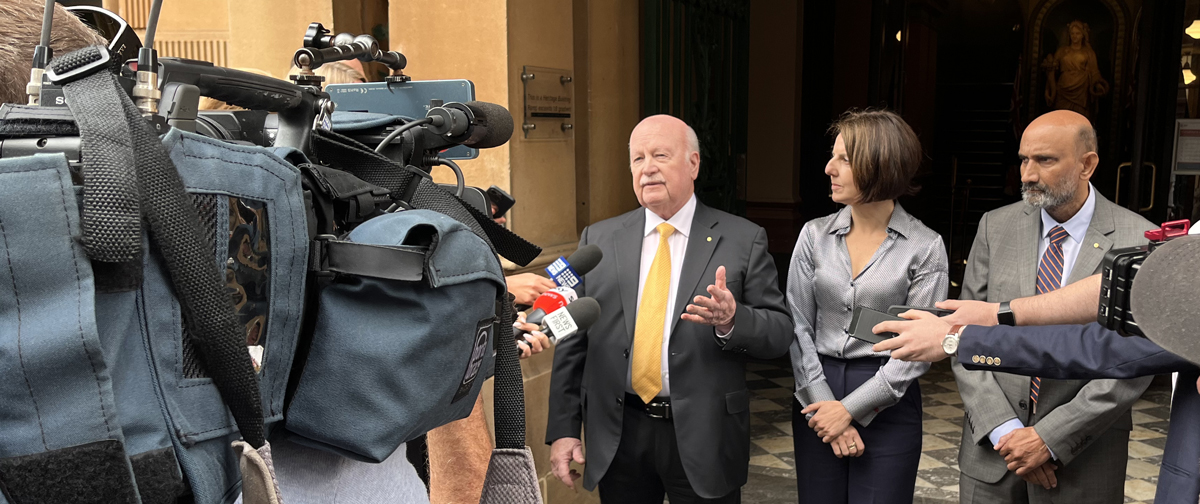
From left: Academy Fellow Professor John Shine, Chief Executive Anna-Maria Arabia and President Professor Chennupati Jagadish spoke to media following a submission by Counsel Assisting the Second Inquiry into Kathleen Folbigg’s convictions in 2023. In that submission, the assisting lawyers said that it was open for the Inquirer, Tom Bathurst, to find reasonable doubt about Ms Folbigg’s convictions.
Elizabeth and Frederick White research conferences

Award highlights
- With the generous support of the late Lady White MBBS and the late Sir Frederick White FAA FRS, the Academy established a series of research conferences in the physical and mathematical sciences related to the solid Earth, the terrestrial oceans, Earth's atmosphere, solar-terrestrial science, space sciences and astronomy.
- The purpose of the conferences was to advance at the most fundamental level of the understanding of the subject, to introduce to Australian research new aspects or directions, and to encourage participation of overseas scientists.
- This award is now part of the Workshop Series award to support researchers in Australia to run small specialist workshops to enable active researchers to discuss current problems, and thereby contribute to the advancement of Australian science and society.
This award will not take applications after 2025. Please see the Workshop Series for the Academy's new program to support scientific workshops.
The Elizabeth and Frederick White research conferences covered topics in the physical and mathematical sciences related to the solid Earth, the terrestrial oceans, the Earth's atmosphere, solar-terrestrial science, space sciences and astronomy. Their aim is to advance at the most fundamental level of the understanding of their subject, introduce to Australian research new aspects or directions, and encourage participation of overseas scientists. If you are interested in holding a conference, please see the Workshop Series for the Academy's new program to support scientific workshops.
Past conferences
- 2025/26: Exploring the first billion years of the universe
- 2024/25: Workshop on the role of atmospheric dynamics in climate
- 2023/24: Integrated Earth: linking our planet’s processes from the core to the atmosphere
- 2022/23: Crafting a science agenda for Critical Zone Research in Australia
- 2021/22: Multiscale Dynamics of the Southern Ocean
- 2020/21: Mathematics Sol Terrae
- 2019/20: Linking galaxies from the epoch of initial star-formation to today
- 2018/19: Gas–Solid Reactions in Earth Sciences and Astronomy
- 2017/18: The sensitivity of the Antarctic Ice Sheet to marine climate change perspectives from the past
- 2016/17 Galactic Archaeology and Stellar Physics: Understanding the origins of the Galaxy and its stellar content
- 2015/16 Elizabeth and Frederick White Conference on Mining Data for Detection & Prediction of Failure in Geomaterials, Shine Dome, Canberra
- 2014/15 Elizabeth and Frederick White Research Conference. Quantum astronomy and stellar interferometry: celebrating the 5th anniversary of the Narrabri Stellar Intensity Interferometer. Darlington Centre, Sydney.
- 2013/14 Elizabeth and Frederick White Research Conference, Mathematics of Planet Earth 2013, Melbourne.
- 2012/13 Exploring the Radio Continuum Universe with SKA Pathfinders, an Australian Academy of Science Elizabeth and Frederick White Conference, CASS, Sydney
- 2011/12 Elizabeth and Frederick White Research Conference, The evolution of photosynthesis and oxygenation of the Earth, University of New South Wales, Sydney
- 2010/11 Minerals at extreme conditions – integrating theory and experiment, Shine Dome, Canberra
- Nuclear Astrophysics in Australia, 2009 Elizabeth and Frederick White Research Conference, The Shine Dome, Canberra, 24–25 August
- The Magellanic System—2007 Elizabeth and Frederick White Research Conference, CSIRO Australia Telescope National Facility, Epping, 16–17 July 2007
- Mastering the data explosion in the Earth and environmental sciences—Elizabeth and Frederick White Conference, The Shine Dome, Canberra, 19–21 April 2006
- Planetary Timescales: Stardust to Continents—Elizabeth and Frederick White Conference, Australian National University, Canberra, 16-19 February 2004
One conference is funded annually. Conferences are usually of about two days duration with a membership of 20-30. A sum of up to $10,000 is provided. The supplementation of this sum is encouraged.
Organisers are asked to make an undertaking on acceptance of an offer of funding from the Academy to call their conference an Elizabeth and Frederick White Conference and to advertise it as such.
Research conference applications are in two stages.
Organisers are invited to submit an online Expression of intent (EOI), which should include:
- proposal (1 page)
- the aims, value and timelines of the conference, including an indication of support from the local scientific community and the importance for Australian science
- a tentative program, including expected number of attendee and any known or invited speakers
- a brief outline of anticipated budget
- provisional dates and venue
- names of the organisers
- how the diversity and inclusion of speakers and attendees will be actively considered and where possible, achieved.
Note that conferences that are one of a continuing series are less likely to gain support unless they specifically address a newly emerging theme or topic within the broader area of the series.
Expressions of Intent are short-listed by the awards committee Chairs in June, and the organisers of short-listed proposals are asked to provide a detailed application by 1 August. Full applications should include:
- expanded explanation of the aims and value of the conference (up to 1,000 words)
- a list of projected active participants
- a detailed program budget, including other sources of income
- at least one letter of support from the supporting organisation/society.
The final decision is announced in early November.
Venue hire of the Shine Dome is complimentary for up to two days where requested. Please note that AV equipment and technician, catering and caretaking are not included in the complimentary Shine Dome venue hire. Shortlisted applicants are requested to contact the Shine Dome Venue Coordinator for a quote as part of their application budgeting. At this stage, applicants should also check availability of proposed dates, and a tentative hold will be placed on these dates. Please note that this is not secured until the award is granted, but will increase the likelihood that the dates will still be available if/when awarded.
John Booker Medal

Award highlights
- The award recognises outstanding research in engineering mechanics that addresses problems in the static and dynamic response of physical systems within engineering and applied mathematics disciplines.
- This award honours the memory of Professor John Robert Booker AO, FAA, DEng, FIEAust who worked in the area of theoretical geomechanics.
The John Booker Medal in Engineering Science recognises outstanding research in engineering mechanics that addresses problems in the static and dynamic response of physical systems within engineering and applied mathematics disciplines. It honours the memory of Professor John Robert Booker AO, FAA, DEng, FIEAust who worked in the area of theoretical geomechanics and was Professor in the Department of Civil and Mining Engineering at The University of Sydney 1970‒98, and held a personal chair in engineering mechanics at The University of Sydney.
The prize of up to $3,000 is awarded annually to researchers up to 10 years post-PhD in the calendar year of nomination, except in the case of significant interruptions to a research career. The award is restricted to candidates who are normally resident in Australia. Relevant research undertaken outside Australia may be considered, provided the researcher has conducted the majority of their research career—defined as periods of employment or study primarily involving research activities or research training—in Australia, and has been resident in Australia for at least the past two years.
The Academy acknowledges the financial support of the Group of Eight (Go8) Deans of Engineering and Associates.
This award is open to nominations for candidates from all genders. The Australian Academy of Science encourages nominations of female candidates and of candidates from a broad geographical distribution.
Candidates may be put forward for more than one award. If a proposed candidate is already the recipient of an Academy early-career honorific award, they will not be eligible for nomination for another early-career or mid-career honorific award. A mid-career honorific award recipient will also not be eligible for nomination for another mid-career honorific award. Fellows of the Academy are ineligible to be nominated for early and mid-career awards.
Key dates
Below are the key dates for the nomination process. While we aim to keep to this schedule, some dates may change depending on circumstances.
GUIDELINES
The following guidelines and FAQs provide important information about eligibility, submission requirements, and assessment processes. Please review them carefully before submitting a nomination.
How to nominate a scientist for the Academy’s honorific awards
The following guidelines contain detailed information for nominators.
These guidelines contain information for honorific award nominators.
The following guidelines contain information for honorific award referees.
These guidelines contain information for honorific award referees.
See below for specific relevant conferral dates for the current award round.
This document contains specific PhD conferral dates for early and mid-career honorific awards in the current award round.
Please submit your nominations using the Nominate button found on the top right of this webpage when nominations are open.
Please note the Academy uses a nomination platform that is external to the main Academy site. Nominators will be required to create an account on the platform. Even if you are familiar with the nomination process, please allow extra time to familiarise yourself with the platform.
Early-career, mid-career and career medals
Can I nominate myself?
- No – you must be nominated by someone else. Self-nominations are not accepted.
Can I submit a nomination on behalf of someone else?
- Yes – you can submit a nomination on behalf of someone else if you are not the nominator. An example would be a university grants office or personal/executive assistant completing the online nomination form on behalf of a nominator. Once the form is submitted, the nominator will be sent an email confirming that the nomination has been completed. If a nominee submits a nomination for themselves on behalf of a nominator it will not be considered a self-nomination.
Residency requirements
- Winners of all awards except the Haddon Forrester King Medal should be mainly resident in Australia and/or have a substantive position in Australia at the time of the nomination deadline. Unless explicitly stated in the awarding conditions, the research being put forward for the award should have been undertaken mainly in Australia. Some awards have more specific conditions that the relevant selection committee must apply and nominators are advised to read the conditions associated with each award very carefully.
Honorific career eligibility (more specific details found in the honorific awards nominator guidelines and the honorific award post PhD eligibility guidelines)
- Career eligibility is calculated by calendar year.
- Early career awards are open to researchers up to 10 years post-PhD.*
- Mid-career awards are open to researchers between eight and 15 years post-PhD.*
- Please note that the Awards Committee may consider nominees with post PhD dates outside of these ranges if a career exemption request is being submitted with the nomination, further guidelines on career exemption requests can be found in the nomination guidelines.
- See the post-PhD eligibility guidelines document for relevant conferral dates.
- *Or equivalent first higher degree e.g. D.Phil., D.Psych., D.Sc.
Academy fellowship requirements in award nominations
- Fellows and non-Fellows of the Academy can provide nominations for either Fellows or non-Fellows for all awards.
Women only awards
- The Dorothy Hill, Nancy Millis and Ruby Payne-Scott Medals are for women only. These medals are open to nominees who self-identify as a woman in the award nomination form. The Academy does not require any statement beyond a nominee’s self-identification in the nomination form.
- This practice is consistent with the Sex Discrimination Act 1984, which has recognised the non-binary nature of gender identity since 2013, and gives effect to Australia’s international human rights obligations. The Academy remains committed to the fundamental human rights principles of equality, freedom from discrimination and harassment, and privacy, as well as the prevention of discrimination on the basis of sex and gender identity.
PREVIOUS AWARDEES
Associate Professor Jianguang Fang, University of Technology Sydney
Associate Professor Jianguang Fang is a globally recognised research leader for his studies on computational algorithms that aim to design safer, lighter, and more sustainable materials and structures. His work helps engineers better understand how and when materials such as concrete or 3D-printed structures may crack or fail under extreme conditions, including high-speed impacts. By modelling these failure processes in detail, his research contributes to improving the safety and resilience of critical engineering structures – from buildings and bridges to vehicles and aerospace components.
Dr Fang also develops optimisation methods to guide the design of structures that use less material while remaining strong and crashworthy, supporting both human safety and potential reductions in carbon emissions. His research is shaping the next generation of resilient infrastructure and high-performance structures, with broad impact across automotive, transportation, civil, and mechanical engineering.
Associate Professor Qianbing Zhang, Monash University
Assessing lifecycle performance is essential for the sustainability and resilience of infrastructure. It facilitates identification and mitigation of risks throughout all project stages, thereby ensuring infrastructure durability against various hazards. Associate Professor Qianbing Zhang has pioneered a systematic modelling platform for assessing infrastructure risks due to environmental changes, enhancing sustainability and resilience. His innovative framework integrates digitalisation, carbon assessment standards, numerical modelling and optimisation techniques to evaluate carbon emissions and establish benchmarks for construction practices. Additionally, he has developed technologies that improve safety and energy efficiency in mining operations. This platform utilises advanced data inputs and digital technologies to monitor infrastructure throughout its lifecycle. This allows managers to access real-time data for informed decision-making, ensuring safety and preventing failures. His platform is employed in significant projects such as Snowy 2.0 and Victoria’s North East Link, demonstrating its effectiveness in practical applications. His contributions are pivotal in advancing infrastructure safety and environmental management standards.
Associate Professor Lining Arnold Ju, University of Sydney
Associate Professor Lining (Arnold) Ju’s revolutionary research in biomechanics and mechanobiology has led to crucial discoveries, including how cells use single receptors to ‘sense’, ‘read’ and ‘respond’ to mechanical cues by converting them into biological messages. This process helps us understand the mechanical way cells interact with their environment and communicate with each other. As the first engineer and first University of Sydney recipient of the prestigious Snow Fellowship, he has demonstrated his unwavering commitment to advancing biomechanical engineering. His vision involves creating a tiny device that predicts blood clotting tendency and warns people at risk of heart attacks or strokes, potentially saving numerous lives in Australia and around the world. Associate Professor Ju’s innovative contributions to biomechanical engineering have the potential to revolutionise diagnostics and surgical tools, ultimately improving countless lives by applying state-of-the-art engineering principles to critical healthcare challenges.
Dr Amelia Liu, Monash University
Humans have had glass technology since ancient Egyptian times, yet understanding the nature and structure of glass remains a grand scientific challenge. Glasses are materials that retain the disordered structure of liquid when they solidify during fast quenching from the melt. Fundamentally, it is not known why glasses are solid. When crystals solidify from the melt, their rigidity is linked to the symmetry of their atomic arrangements. In contrast, for a glass, the transition to a solid phase is not signalled by any obvious new order. Dr Amelia Liu’s research addresses the central conundrum of the ‘glass problem’ with the development of new experimental tools to measure the structure of glass. In her most recent work, she demonstrated that even in globally disordered glass structures, there is a strong link between local structural symmetry and rigidity. This work illuminates the atomic-scale causes of ageing and brittle failure in glasses. Dr Liu’s new characterisation methods are a step towards engineering the properties of glasses from the atomic level.
Associate Professor Annan Zhou, RMIT University
Associate Professor Annan Zhou has made seminal contributions to the understanding and modelling of the fundamental hydromechanical behaviour of unsaturated soils. Any soil can be unsaturated with water due to either evaporation or engineering processes like excavation. Unsaturated soils have been widely blamed for many geotechnical problems like slope failures, dam collapses, pavement cracking and foundation failures since they may produce large deformation and even suddenly lose their strength in wetting events. Associate Professor Zhou has established a new modelling framework to tackle the most fundamental issues in unsaturated soil mechanics. Within this framework, many unanswered questions and seemingly conflicting behaviours related to strength, deformation, soil-water interaction of unsaturated soils can be reasonably explained and effectively modelled. Based on the novel constitutive modelling framework and robust numerical techniques, he has developed advanced numerical tools for better design and assessment of infrastructure involving unsaturated soils in Australia and worldwide.
Dr Bishakhdatta Gayen, University of Melbourne
Dr Gayen is highly recognised internationally for his cross-disciplinary research across fluid dynamics, environmental engineering and climate processes by addressing the basic physical mechanisms. His ground-breaking computer simulations of turbulent flow over ocean bottom topography have improved knowledge of the energy cascade from tidal motion to internal gravity waves and subsequent dissipation. He has provided the first turbulence-resolving simulations of the complex ice-ocean boundary layer and ablation of icesheets, leading to a new understanding of the mechanism controlling the submarine melting rates and accurate predictions for the dependence of melting rates on ocean conditions. His research also includes development of the first-ever ocean models with fully resolved turbulent convection and boundary layer processes, which provides important new insights to the role played in global ocean circulation by convection below the sea surface in polar seas.
Associate Professor Britta Bienen, University of Western Australia
Associate Professor Britta Bienen’s world-leading research delivers innovative foundation solutions for the complex challenges associated with offshore oil and gas and renewable energy infrastructure. Through the development of practical predictive methods for soil-structure interaction problems, grounded in sound geotechnical science, her internationally recognised expertise translates scientific findings to significant impact in industry. Her major achievements include developing models that encapsulate foundation response in a way that is compatible with structural engineering and can be integrated into analysis software used by the majority of offshore engineers. This is critical for robust, reliable and cost-effective design of infrastructure one which the global energy supply depends. Her award-winning research on jack-up footing extraction has had marked impact in industry, enhancing safety of personnel and assets. Her contributions to this field are of major significance, have been incorporated in international industry guidelines and are of direct benefit to geotechnical practice in Australia and worldwide.
Associate Professor Anna Giacomini, University of Newcastle
Associate Professor Anna Giacomini has pioneered research in rock mechanics and rockfall analysis as applied to civil and mining engineering. She is committed to innovating, promoting and improving the safety in mining environments, and along our major transport corridors, by reducing rockfall hazards. Her nationally and internationally renowned work has significantly improved safety within the Australian mining industry, where rockfalls threaten human lives, the portal structures for underground entry, and damage to machinery. Her research is also essential for the safety and stability of Australia’s major highways and railways, and in stabilising cliff faces along our highly populated coastline. Based on excellent scientific engineering methodologies, Associate Professor Giacomini has translated her findings into innovative workplace interventions to provide safer working environments in Australian mining operations, across our coastline and in major civil transport infrastructure projects.
Professor Changbin Yu, Curtin University
Professor Yu is the leader of a new generation of Australian researchers in applied/engineering mathematics whose research has yielded remarkable applications in networked autonomous systems and sensors. Theories and algorithms he developed for Defence Science and Technology (DST) have enabled unmanned aerial vehicles (UAVs, or drones) to fly in formations to better safeguard our borders. His co-invention with DST scientists has led to development of a direction finder that improves multiple radio signal localisation and rejection of spurious signals within a complex electromagnetic environment, which have been cited as improving the effectiveness of the ADF’s direction finding systems. His Australia-originated research now enjoys a global impact. For example in China, his UAV allows a regulatory authority to monitor pollution levels associated with factory chimneys by hovering over a chimney to sample the exhaust; this means that falsification of data from chimney-mounted sensors can be detected.
Associate Professor Shanyong Wang, University of Newcastle
Associate Professor Shanyong Wang’s research focuses on the development of novel computer codes and advanced engineering testing, and his expertise actively bridges the gap between academia and industrial practice. His major achievements include developing an innovative, flexible, cost-effective and environmentally friendly technique of dynamic compaction grouting (DCG), and an efficient soil nailing system for enhancing its pull-out resistance for soil improvement. He also developed a new 3D finite element code which features advanced methods to model the failure mechanism of geomaterials. These achievements have been used to tackle numerous coupled multi-physics problems in untreated fill slopes, tunnels, retaining walls and other civil infrastructure. His contributions to his field are of major significance and of direct benefit to geotechnical practice in Australia and worldwide.
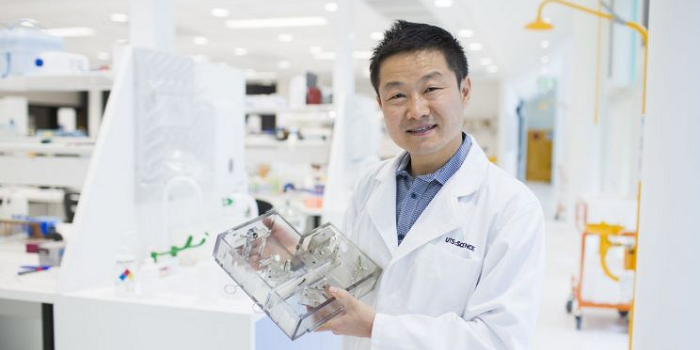
Distinguished Professor Dayong Jin, University of Technology Sydney
Professor Jin is a world leader in engineering time-resolved photonics devices, and luminescent nanoprobes which can up-convert low-energy infrared photons into more useful visible light for high-contrast detection. While his research opens up many opportunities in biomedical devices, early diagnosis, and light triggered nanomedicine, his nanodots can also be made into an ‘invisible ink’ to protect pharmaceuticals, medical courier supplies, passports, banknotes and more.
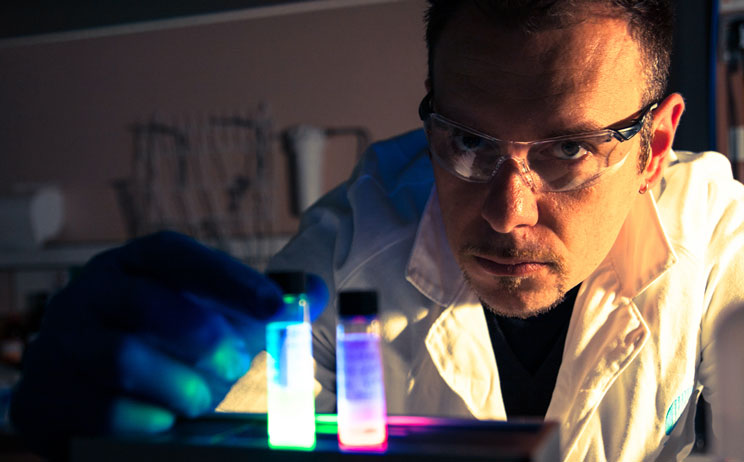
Professor Paolo Falcaro, Graz University of Technology
Professor Paolo Falcaro engineers nano-materials to bring materials with exceptional functional properties to our everyday life. He makes nano-particles and ultra-porous crystals for medicine and the environment, targeting applications where other materials fail. His research team engineer these materials down to the molecular level, which allows for fine-tuned control over the functional properties. By tailoring the characteristics of these materials, specific applications can be met. For example, Professor Falcaro has developed magnetic materials for the decontamination of water from carcinogens and heavy metals. He has pioneered new carriers for the encapsulation, preservation and release of pharmaceuticals, addressing a major problem facing biotechnology, especially for treatment in developing countries. He is also developing miniaturized portable chips for the detection of deadly pathogens, useful for preventing viral outbreaks.
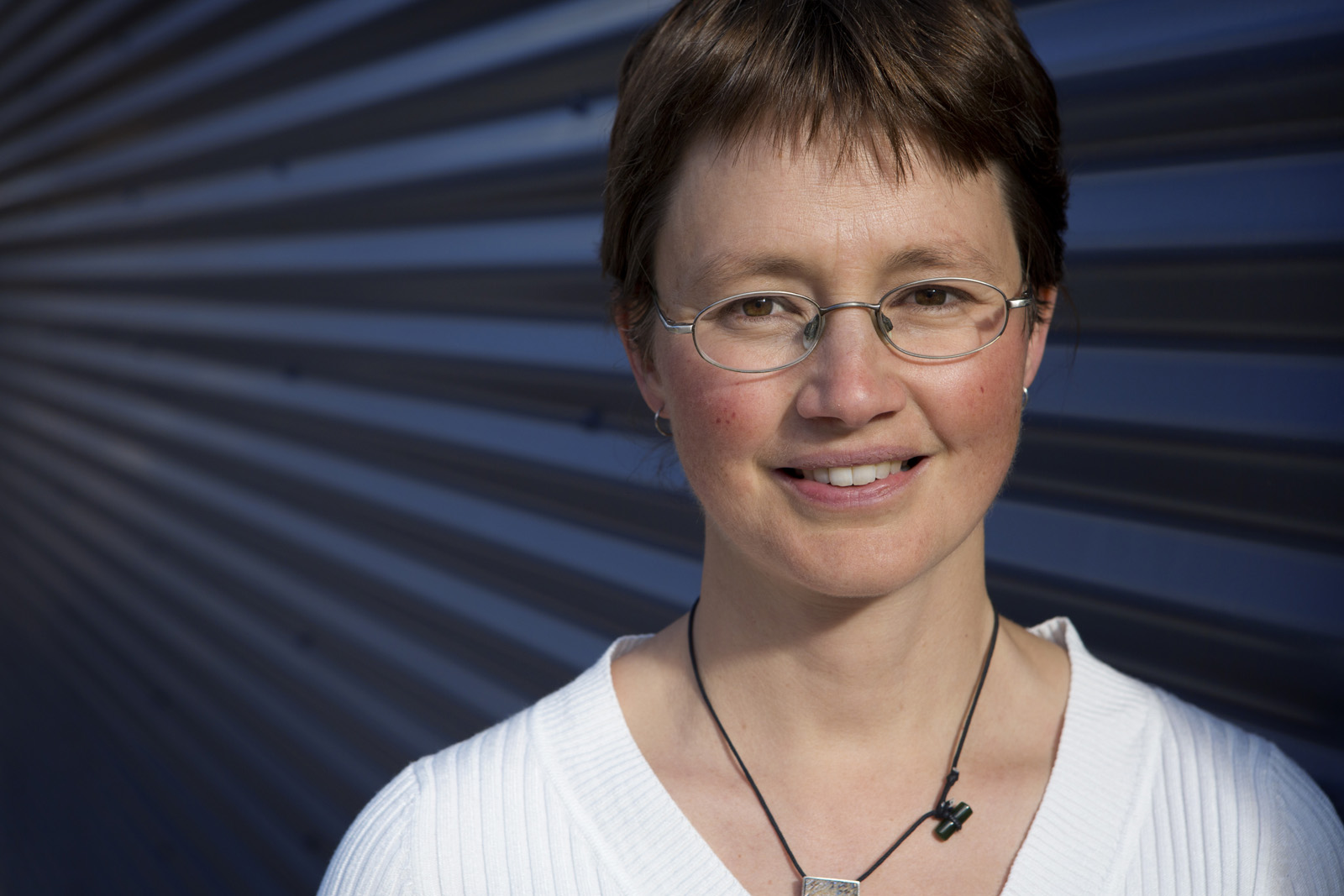
Associate Professor Kylie R Catchpole, The Australian National University
Associate Professor Catchpole's research focuses on using nanotechnology to make solar cells cheaper and more efficient. Associate Professor Catchpole’s major achievements include showing that the efficiency of thin solar cells can be improved using tiny metal particles, which act like antennas to direct light into the solar cell. This has opened up a range of new possibilities for reducing the cost of solar electricity.
Sponsors
This award has been made available through generous contributions from the following university faculties.