
Australian science key to a future made in Australia

The Australian Academy of Science welcomes the Prime Minister’s announcement of his government’s intention to legislate a Future Made in Australia Act.
Image Description

The Australian Academy of Science welcomes the Prime Minister’s announcement of his government’s intention to legislate a Future Made in Australia Act.

President of the Australian Academy of Science Professor Chennupati Jagadish said, “A future made in Australia is heavily dependent on the breadth and depth of Australian science.”

Science underpins innovation and industry, but over the past two decades, we have seen incoherence in research and development (R&D) policy and investment in Australia, he added.

Today, we still have not identified our science capability gaps, let alone planned to address them to meet our national ambitions.

“There is a fundamental link between science and economic development, but this cannot be realised with a science system that is not fit for purpose and relies on decades-old settings,” Professor Jagadish said.

Internationally, Australia is well behind the pack in utilising science to secure sovereign capability and make our economy more resilient to shocks.

In contrast, the US is boosting science investment through the Inflation Reduction Act and the CHIPS Act.

China is trying to achieve scientific self-sufficiency. Similarly, Japan, countries in the EU, and the Republic of Korea are boosting their investment in science and diversifying their economies.

“We cannot have successful industrial policy without a productive, innovative and sustainable science system,” Professor Jagadish said.

“We need a strategic roadmap and a decade of commitment to boost government investment in R&D and stimulate expenditure by other sectors, which is critical for Australian productivity and industrial capability.”

Remarkable achievements in research recognised with Academy awards

Today, 22 researchers from around Australia who have made outstanding contributions to the advancement of science are recognised for their achievements with Australian Academy of Science honorific awards.
Image Description
Remarkable achievements in research recognised with Academy awards
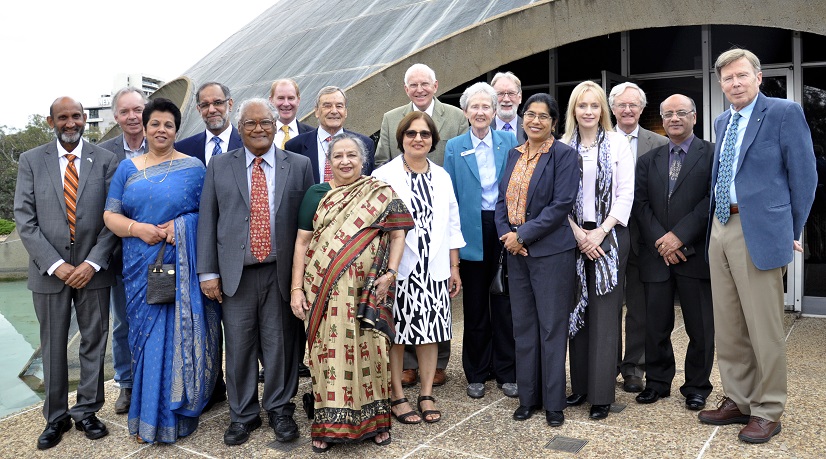
The Academy's 2024 honorific recipients.

Today, 22 researchers from around Australia who have made outstanding contributions to the advancement of science are recognised for their achievements with Australian Academy of Science honorific awards.

The Academy’s annual honorific awards celebrate the achievements of the country’s leading minds, from researchers who are early in their careers to those who have spent a lifetime contributing to science.

Academy President Professor Chennupati Jagadish said the awards recognise the diverse contributions of researchers across Australia and the power of long-term commitment to science.

“From climate change to public health, Australian researchers are addressing the challenges our communities face every day.

“Their dedication to the pursuit of knowledge enriches our understanding of the world around us and sets a great example for generations to come.

“It is a tremendous privilege to be given the opportunity to honour their contributions to science.”

The awardees this year include:

Professor Kerrie Mengersen FAA, Queensland University of Technology

Ruby Payne-Scott Medal and Lecture

Professor Kerrie Mengersen is this year’s recipient of the Ruby Payne-Scott Medal and Lecture, one of the Academy’s most prestigious awards.

Professor Mengersen’s research focuses on the development of new statistical methodology. She is driven by challenging real-world applications in a career spanning 35 years.

From helping to save the declining population of jaguars in the Amazon to creating Australia’s first interactive cancer atlas, Professor Mengersen’s statistical models have helped us better understand the world around us.

Recently, she led a citizen science project aimed at improving monitoring efforts for the Great Barrier Reef. The online tool, Virtual Reef Diver, allows divers to upload photos they’ve taken of the reef which anyone in the world can then annotate with features such as coral, algae and sand. This project engages everyday people in reef conservation.  

Professor Mengersen said the opportunity to work with different challenges using skills in data analysis is what keeps her passionate from day to day.

“It’s what gets me up in the morning wondering, ‘What will today bring?’” 

Dr Adriana Dutkiewicz, University of Sydney

Mawson Medal and Lecture

This year’s recipient of the Mawson Medal and Lecture, Dr Adriana Dutkiewicz has spent the past decade advancing our understanding of deep-sea sedimentation and the long-term carbon cycle, which is the movement of carbon between the solid Earth, atmosphere and oceans. While carbon is the backbone of life, changes to the environment that put carbon dioxide into the atmosphere result in warmer temperatures on Earth.

Dr Dutkiewicz used 50 years of data to develop a digital map of global deep-sea sediments—the first of its kind. She has also led research into the movement of sediments across the seafloor.

Dr Dutkiewicz said her team discovered a huge pile of sediment along an 8,000 km segment of the South-East Indian Ridge of the Southern Ocean, which had not been known before.

“That area potentially contains a very high-resolution record of Earth’s past climate, but it still remains to be drilled and properly mapped using ships.”

Professor Andrew Steer, Murdoch Children’s Research Institute (MCRI)

Gustav Nossal Medal

Professor Andrew Steer is a paediatric infectious diseases physician and Director of the Infection and Immunity Theme at MCRI. He is this year’s recipient of the Gustav Nossal Medal, recognising his research as among the highest standing in the field of global health.

As an international authority on tropical infectious diseases, Professor Steer has established global community-based treatment programs for tropical skin infections such as scabies, influenced vaccine development for Strep A diseases, and introduced diagnostic technologies and control programs for rheumatic heart disease.

“Up to one child in every classroom might be affected by rheumatic heart disease in the Pacific. And usually, up to one in two children are affected by scabies,” Professor Steer said.

His team has led efforts in controlling the spread of scabies in the Pacific, supporting local researchers and medical professionals so they are empowered in disease control programs.

Professor Steer said that Sir Gustav Nossal was involved in some of his scabies work as an advisor.

“I feel a particular personal connection, and so being awarded the medal is extra special and meaningful to me.”

Professor Eric Chow, Monash University

Gottschalk Medal

Professor Eric Chow is one of two recipients of the Gottschalk Medal, for his contributions to our understanding of how sexually transmissible infections (STIs) spread, and how we can reduce their transmission.

Gonorrhoea is a preventable and curable STI, with over 82 million cases world-wide annually. Professor Chow’s research was the first in the world to identify kissing as the major means of transmission of gonorrhoea, rewriting 100-year-old paradigms on our understanding of the disease.

Originally from Hong Kong, Professor Chow lived through the 2003 SARS epidemic, which is what drove him to pursue a career in public health research.

“I really love this area—that we can actually do research to help people, to help the community, to protect the community,” Professor Chow said.

Professor Chow’s research aims to educate people about the best ways to prevent STIs, and drive changes in future sexual health education programs.

All 2024 award recipients

Read more about all the awardees and their research. Individual links below take you to the video and award citation for each recipient.

Premier honorific awards

Career honorific awards (for lifelong achievement)

Mid-career honorific awards (8—15 years post-PhD)

Early-career honorific awards (up to 10 years post-PhD)

Nominate for our 2025 awards

Nominations are now open for the Academy’s 2025 honorific awards. Nominations close 1 May 2024. 

Science protected in Defence exports law passed by parliament

Australia’s scientists say the passage of the Defence Trade Control Amendment Bill 2023 today improves the balance between protecting Australia’s national security and enabling the benefits that open scientific collaboration offer Australia and the globe.
Image Description

Australia’s scientists say the passage of the Defence Trade Control Amendment Bill 2023 today improves the balance between protecting Australia’s national security and enabling the benefits that open scientific collaboration offer Australia and the globe.

The passing of the legislation comes four months after the Australian Academy of Science first raised concerns about implications of Australia raising the fence for scientific and technological collaboration with any countries other than the UK and the US.

Academy President Professor Chennupati Jagadish said the Academy’s sustained advocacy in this area has minimised the unintended consequences for the Australian research sector.

“Enshrining the fundamental research exemption in legislation provides scientists with more confidence that the definition can’t be changed on a whim and that they won’t be at risk of breaking the law by undertaking discovery research, simply speaking at a conference, teaching a PhD student, or collaborating with a colleague.”  

The Academy said the amendments to grandfather current research for a year and to review the legislation after three years were also appropriate.

“Now, as the rubber hits the road, Australia’s researchers must be adequately supported to understand their obligations to enable compliance and to access sufficient resources to establish secure research environments when required,” Professor Jagadish said.

“We look forward to continuing work with the Government and Department of Defence as it implements the forthcoming reforms and revises the Defence Strategic Goods List to ensure researchers understand how the new legislation works, to reduce compliance burden, and to monitor unintended consequences for Australia’s researchers.”

Read more about how Australia benefits from international scientific collaboration in a contested world.

The Academy’s President, Professor Jagadish, is just one of thousands of Australian researchers collaborating with international partners. His research in nanotechnology and semiconductors is made possible because of some 30 collaborations he maintains across the world, spanning countries including the UK, US, India, China, Germany, France, Sweden, Finland, Norway, Italy, the Netherlands, Japan, South Korea, Russia, Lithuania, Poland, Brazil, South Africa and others.

Academy's national symposium on food futures yields fruitful discussion

Image Description

How is the food on our plates changing? And how are Australian scientific capabilities evolving to meet the future needs of the nation?

These were two broad themes explored on 22 March 2024 when the Academy hosted its national symposium, ‘Food Futures: Nourishing a Nation’ at the Brisbane Exhibition and Convention Centre as part of the 2024 World Science Festival Brisbane.

The Academy convened experts across the agriculture, nutrition, and food innovation sectors for this event.

Professor Lyn Beazley AO FAA FTSE, the Academy secretary for education and public awareness, hosted the symposium.

She opened the event with an acknowledgement of the Country on which the symposium was held (Meanjin) and paid respects to the Turrbal and Yuggera Peoples as the Traditional Custodians of the land. She underscored the importance of engaging in a truly national dialogue about the future of our food.

“Our farmers are producing one-fifth of their product for [Australians] and one-fourth is going overseas,” Professor Beazley said.

“This is our huge export industry, and one that represents Australia around the world.”

Queensland's Chief Scientist Professor Kerri Wilson congratulated the symposium convenors—Professors Christine Beveridge FAA and Stephen Simpson AC FAA FRS, and Dr John Kirkegaard FAA—for their guidance in bringing the symposium together. She also noted the collaboration between the Academy and the World Science Festival Brisbane in bringing the event to the public.

“Thirteen percent of our goods and services exports are agricultural products,” Professor Wilson said, emphasising the interdisciplinary nature of agriculture and food science.

Academy's national symposium on food futures yields fruitful discussion
(From left): Dr Rohan Nelson, Dr Di Mayberry, Professor Manfred Lenzen, Allison Kelly, Adam Fennessy PSM, and Professor Richard Eckard.

The opening keynote address by Professor David Raubenheimer, Professor of Nutritional Ecology at the Charles Perkins Centre and School of Life and Environmental Sciences at the University of Sydney, focused on the relationship between the natural world and our food systems.

His team invented a new approach to nutrition called ‘nutritional geometry’. By manipulating the diets of creatures ranging from cockroaches to primates, they found that after being in a state of imbalance, they found the right combination of foods to rebalance their nutrition.

“What this tells us is that ... animals don't have a single appetite, but they have an appetite that makes them hungry for specific nutrients depending on what they need at a given time,” Professor Raubenheimer concluded.

He discussed the effects of ultra-processed foods while highlighting the broader socio-economic effects that contribute to a low-protein diet in society, given the affordability of ultra-processed foods.

His presentation also considered the relationship between greenhouse gas emissions and our diets and concluded that diets rich in ultra-processed foods are associated with higher greenhouse gas emissions due to the energy use in their production.

“The key challenge we face is to manage those causal factors ... in such a way that we can produce diets in a food system where the benefits of what we eat in economic, health, and environmental terms are aligned,” Professor Raubenheimer concluded.

Prof David Raubenheimer, a leading expert in nutritional ecology, speaking on Appetites for Change: Rebalancing the Australian Food System. His research at the Charles Perkins Centre, University of Sydney, has been exploring how the rebalance needed will involve better aligning… pic.twitter.com/WaRx3ZAPva

— Australian Academy of Science (@Science_Academy) March 22, 2024

Academy Fellow Dr John Kirkegaard spoke about the future of Australia’s agriculture industry and highlighted that while it has shown flexibility and innovation to changing environments, challenges such as climate change, input costs and supply chains, policies, and changes to the environment and biodiversity are limiting yield.

Dr Kirkegaard said we must keep an open mind and use science to select the most effective systems in different places, when discussing the systems and theories underpinning farm practices.

“The importance of bringing the agriculture sector with you is that changes can be real and sustained,” he said.

“It’s critical that the policies we build around new farming systems actually align with what farmers can keep up with.”

Dr Kirkegaard also spoke of innovations that are leading to revolutionary agricultural practices, such as ‘green’ ammonia and Omega 3 Canola crop.

The discussion that followed was moderated by Professor Matthew Morell, Institute Director at the Queensland Alliance for Agriculture and Food Innovation (QAAFI).

Panellists included: Dr Greg Rebetzke, Chief Research Geneticist at CSIRO Agriculture and Food; Professor Wendy Umberger, Chief Executive Officer at the Australian Centre for International Agricultural Research; and Professor Neena Mitter, Director of the Centre for Horticultural Science at QAAFI.

Professor Morell emphasised the importance of learning from Traditional Knowledges to enhance the Australian agricultural sector.

He also spoke of the ambitious targets set for the growth of the sector through science and innovation, lamenting that research and development (R&D) investment in Australia as a percentage of GDP has reduced.

Dr Rebetzke spoke of his research into novel wheat varieties that facilitate deep sowing and are more resilient to changes in climate, while Professor Umberger spoke of global food insecurity and its effects on other areas, such as health.

“We don't just need agricultural scientists working on food; we need scientists working on food systems from every discipline,” Professor Umberger stressed.

Professor Mitter spoke about crop protection and the use of pesticides.

“Pesticides have been detected within 60kms of the Great Barrier Reef,” she said, highlighting the need for innovations—such as RNA-based biopesticides—to address the issue.

Next, a panel discussion featuring Prof Matthew Morell (@QAAFI) as moderator, Dr Greg Rebetzke (@CSIRO), Prof Wendy Umberger (@ACIARAustralia) and Prof Neena Mitter (@QAAFI).

Prof Umberger points out the leading weather-related issue affecting food systems across the globe is… pic.twitter.com/AyYSbZ9sEv

— Australian Academy of Science (@Science_Academy) March 22, 2024

Climate change resilience in agriculture and the impacts of science, technology and policy

Keynote presenter Adam Fennessy PSM, Secretary of the Australian Department of Agriculture, Fisheries and Forestry presented on science technology policy, and the macro-policy setting within Australia and globally.

“Australia is one of the most food secure countries in the world ... but we cannot take it for granted; we must continue to invest in it,” Mr Fennessy stressed.

“Climate change brings risk to the entire food production and supply chain ... Even with progress on mitigation, some climate impacts are already locked in, so adaptation efforts need to continue.”

Professor Richard Eckard FTSE, Director of the Primary Industries Climate Challenges Centre at the University of Melbourne, highlighted the COP21 Paris Agreement as being the driver for the agriculture industry to reduce emissions.

He stressed the importance of designing and implementing a sound policy framework for stakeholders to move towards carbon emissions reduction goals.

“Carbon credits ... were meant to be the last course of action, not the first course of action,” he warned.

As part of the Net Zero Australia Plan and the person responsible for reconciling the agricultural pathway to Net Zero, he stressed there is “no way to buy your way out of trouble—you actually have to reduce emissions.”

Dr Rohan Nelson, the Director of Food System Horizons at the University of Queensland and CSIRO, elaborated on the learnings of agriculture and climate change policy in Australia.

“We've built a world-class agriculture system ... it is the envy of many other countries around the world,” he said.

While mentioning the successes, including the increase in agricultural output and return on investment on agriculture R&D, Dr Nelson also highlighted social and environmental challenges facing the sector.

“Think about a pilot flying an airplane. You want the pilot to look at the compass, altimeter, and air speed. Imagine if they're only looking at one of those instruments? That's how we've been flying the agri-foods system in Australia,” Dr Nelson said.

He implored the audience to think about the futures we want and how to get there, and the importance of novel forms of public leadership to drive action on food systems innovation.

The discussion that followed included: Alison Kelly, Farm Emissions Specialist at Agriculture Victoria; Professor Manfred Lenzen, Professor of Sustainability Research at the University of Sydney; Dr Di Mayberry, Principal Research Scientist at CSIRO Agriculture and Food; and moderator Professor Richard Eckard.

Ms Kelly spoke about her role in engaging with the farming sector about their emissions targets and strategies.

Her research suggests there is a narrowing of expectations in the potential for reducing emissions without affecting profitability, while acknowledging they are still in their early days of the project.

Dr Di Mayberry covered the complexities and challenges faced by the livestock systems industry in Australia.

“We've come a long way since 2005 but that doesn't mean we can't or shouldn't try to continue to reduce emissions from the industry,” she said.

“There's no single solution that's perfect for everyone ... We need to balance adaptation and mitigation with societal expectations around how people want their food produced.”

Professor Lenzen presented a systemic view of food systems in Australia and globally.

“In my field, there's more and more evidence and consensus that technology-driven approaches to getting us to two degrees [or lower] won't save us, and that's simply because we've waited too long,” Professor Lenzen said.

He concluded that systemic social disruption will affect food systems and the international society should prepare for this.

Our second panel discussion features Alison Kelly, Farm Emissions Specialist, Agriculture Victoria (@VicGovAg), Prof Manfred Lenzen, Prof of Sustainability Research, @Sydney_Uni, and Dr Di Mayberry, Principal Research Scientist, @CSIRO Agriculture and Food.

"There's no single… pic.twitter.com/SHVQIaMBpb

— Australian Academy of Science (@Science_Academy) March 22, 2024

Rebalancing the Australian food environment with science and technology and improved nutrition literacy

Associate Professor Severine Navarro, Group Head of the Centre for Childhood Nutrition Research at the QIMR Berghofer Medical Research Institute spoke of her research on immune tolerance and how food is influencing this, particularly in the early period of human development.

“The microbiome-immune cross-talk is responsible for many chronic inflammatory conditions,” she said, concluding that immune tolerance is influenced by the food we eat and that food science should be included in the discussions at a policymaking level.

Professor Yasmina Sultanbawa, Director at the Centre for Nutrition and Food Sciences at the Queensland Alliance for Agriculture and Food Innovation, spoke about the diversification of diets and its impact.

“Two billion people in the world don't have access to a healthy diet, but developed countries like Australia are also not immune to this,” she said.

“Australia is blessed because we are a very biodiverse country ... and this is where the Traditional Knowledge and Indigenous connection comes in. They have so much information ... Indigenous populations know how to grow and how to care for their land and now it is desired by the mainstream consumer.”

The next panel discussed the linkages between diet and health. It included: Dr Gilly Hendrie, Research Scientist and Leader of the Public Health and Wellbeing Group at CSIRO; Associate Professor Andrew Holmes, Theme Leader (Education) Molecules, Cells and Organisms at Charles Perkins Centre, University of Sydney; and moderator Professor Stephen Simpson AC FAA FRS, Academic Director at the Charles Perkins Centre, University of Sydney.

Professor Simpson opened the discussion by noting, “It is projected that within a decade or two, the health budget may outstrip GDP for the country, and it all comes back to diet.”

He argued that Australians are having single-nutrient discussions in a diverse nutrition environment.

Dr Hendrie said that 67% of Australian adults are overweight or obese, and data suggests our diets are getting worse.

“People who prepare food together, eat together,” Dr Hendrie said, mentioning that multigenerational teachings are sacrificed in a modern society that prioritises convenience and speed.

“There’s a lot lost as we move towards this more convenient food environment,” she said.

Associate Professor Holmes described the day you’re born as your “inoculation day”, referencing the importance of our microbiome.

He noted that while the microbiome is a fairly stable structure within species, it is modifiable by diet.

“There isn't a human microbiome—each of us have a microbiome and it's unique and responds to various pressures in different ways,” he said.

Our nutritional biology has been hacked in the modern industrialised food environment and consumer demand is driving agriculture and food production practices to satisfy a market for unhealthy foods. How has this happened – and what can we do about it? Our final panel is… pic.twitter.com/xn3HUT1MgS

— Australian Academy of Science (@Science_Academy) March 22, 2024

Professor Beazley called the symposium to an end by thanking our event partners, the University of Sydney's Charles Perkins Centre and University of Adelaide, and program partner and host of the World Science Festival Brisbane, the Queensland Museum.

Parliament’s backing of ARC Bill a win for Australia’s research sector

Parliamentarians have backed a more robust and research-oriented system for the nation by passing reforms to the Australian Research Council (ARC) this week.
Image Description

Parliamentarians have backed a more robust and research-oriented system for the nation by passing reforms to the Australian Research Council (ARC) this week.

President of the Australian Academy of Science, Professor Chennupati Jagadish, said that limiting the use of the ministerial veto is a particularly significant reform supported by Australia’s scientists.

“It will ensure that properly assessed, high-quality research proposals proceed without an ideologically imposed filter, a change advocated by the Academy since at least 2018,” Professor Jagadish said.

“When the integrity of Australia’s research system is compromised by perceived or actual political interference, there are real costs for the research sector and the nation. It erodes trust and damages researchers’ relationships with industry, the Australian community and international partners.

“Establishing a board as the ARC’s accountable authority will strengthen and modernise the organisation’s governance. The Academy is of the view that appointees to this board must have extensive experience in the science and research system.”

The passage allows for reforms recommended to the government by a review chaired by Academy Fellow and Council member Professor Margaret Shiel to come into operation on 1 July.

Professor Jagadish said the Academy looks forward to working with the ARC and the broader science community on this journey to reform and modernise this part of the science system.

Ten Australian scientists to attend the 73rd Lindau Nobel Laureate Meeting

Ten early-career researchers from Australia will be heading to Lindau, Germany this year to attend the prestigious Lindau Nobel Laureate Meeting.
Image Description
Ten Australian scientists to attend the 73rd Lindau Nobel Laureate Meeting
From top left: Mr Mark Watson, Dr W Y Sarah Lau, Mr Simon Weng, Dr Barnali Das, Dr Duy Nguyen, Ms Grace Tabi, Mr Jake Horder, Ms Claire Yung, Ms Emily Kerrison, Dr Eugene Sachkou.

Ten early-career researchers from Australia will be heading to Lindau, Germany this year to attend the prestigious Lindau Nobel Laureate Meeting.

The annual event is expected to bring together 40 Nobel Laureates and 635 young scientists from more than 90 nations.

The 73rd Lindau Nobel Laureate Meeting is dedicated to physics and will be held from 30 June to 5 July 2024.

The Australian delegation’s participation in the Lindau Nobel Laureate Meetings is proudly supported through the Science and Industry Endowment Fund (SIEF) and administered by the Australian Academy of Science (AAS).

The Lindau SIEF–AAS Fellows will receive a grant to enable their attendance at the event and to take part in the SIEF Research Innovation Tour in Berlin, showcasing some of Germany’s finest research and development facilities related to medicine and physiology.

The delegation will be led by Professor Elaine Sadler AO FAA and supported by Professor Hans Bachor AM FAA.

The 10 PhD candidates and postdoctoral researchers selected in 2024 to attend this meeting are:

  • Dr Barnali Das of CSIRO, whose research focuses on understanding magnetic massive stars and their potential connection with much cooler magnetic stars and planets
  • Mr Jake Horder of the University of Technology Sydney, whose research focuses on cryogenic spectroscopy of solid state single photon sources for quantum technologies
  • Ms Emily Kerrison of the University of Sydney, who is a PhD student in radio astronomy, using telescopes in Western Australia and around the world to hunt down supermassive black holes at the centres of other galaxies and understand what makes them tick
  • Dr Duy Nguyen, who is an environmental fluid dynamicist at CSIRO, specialising in integrating physical-based and AI/ML modelling of water quality and quantity
  • Ms Grace Tabi, who is PhD student at the Australian National University, and whose research focuses on perovskite materials and their applications in photovoltaics
  • Mr Mark Watson of the University of Queensland, who is studying light-matter interactions on micron-scale systems establishing methodologies using Rotational Optical Tweezers to perform fast and precise microrheological measurements including studies of rotational inertia and the changing viscosity in the macropinocytosis pathway in macrophage immune cells
  • Mr Simon Weng of the University of Sydney, whose research focuses on the diffuse gas surrounding galaxies and its impact on how galaxies form and evolve
  • Ms Claire Yung, who is a PhD student at the Australian National University, studying how the ocean influences Antarctic ice shelf melt and vice versa, specifically trying to improve the accuracy of these processes in ocean and climate models for improved sea level rise projections.

Two SIEF–AAS Fellows, who attended the 70th meeting virtually, have also been invited to participate in-person and will travel with this year’s cohort to Lindau. They are:

  • Dr W. Y. Sarah Lau, who is a research scientist at CSIRO with a focus on quantum technologies enabled by optics and photonics
  • Dr Eugene Sachkou of La Trobe University, who is a postdoctoral researcher specialising in data science and sports data analytics.

The meeting will provide a unique opportunity for these exceptional early-career scientists to share their research, experiences and ideas, and gain inspiration from fellow emerging scientists and Nobel Laureates.

Proposed changes to Defence Bill strike a better balance

The amendments to the Defence Trade Controls Amendment Bill strike a better balance between protecting Australia’s national security and ensuring domestic and international scientific collaboration can continue to serve our national interest, says President of the Australian Academy of Science Professor Chennupati Jagadish.
Image Description

The amendments to the Defence Trade Controls Amendment Bill strike a better balance between protecting Australia’s national security and ensuring domestic and international scientific collaboration can continue to serve our national interest, says President of the Australian Academy of Science Professor Chennupati Jagadish. 

“I am pleased the Academy’s sustained advocacy in this area has been heard,” Professor Jagadish said. 

“The proposed definition of fundamental research in the draft Bill is appropriate and compatible with the US system and includes basic and applied research. This follows months of advocacy by the Academy. 

“Putting the fundamental research exemption in legislation will provide scientists with more confidence that the definition can’t be changed on a whim, and that they won’t be at risk of breaking the law by undertaking discovery research, simply speaking at a conference, teaching a PhD student, or collaborating with a colleague.”  

The Academy welcomed the amendments to grandfather current research for a year and to review the legislation after three years.  

“We look forward to continuing work with the Department of Defence to ensure that researchers understand how the new legislation works, to reduce compliance burden, and to monitor unintended consequences for Australia’s researchers,” Professor Jagadish said. 

“Australia’s researchers must be adequately supported to understand their obligations once this new legislation is passed, to enable compliance, and to access sufficient resources to establish secure research environments when required.”  

Coral reefs, protein folding and climate change: Research conferences win funding

The Australian Academy of Science is proud to support scientific research through sponsorship of research conferences that focus on rapidly developing fields of research.
Image Description
Coral reefs, protein folding and climate change: Research conferences win funding

The Australian Academy of Science is proud to support scientific research through sponsorship of research conferences that focus on rapidly developing fields of research.

The Academy is pleased to announce funding towards four conferences to be held across 2024 and 2025.

Elizabeth and Frederick White research conference: The role of atmospheric dynamics in climate

Untangling how atmospheric dynamics and climate change will influence future extreme weather in Australia will be the focus of a workshop for the Elizabeth and Frederick White research conference in 2024.

Atmospheric dynamics encompasses physical processes within atmospheres, including the motion of air and propagation of waves, providing insights for short-term weather forecasting and long-term climate change. It's the most important source of uncertainty when it comes to predicting future climate extremes, according to the Intergovernmental Panel on Climate Change (IPCC).

The workshop will convene national experts and world-leading scientists, aiming to better understand the impact of atmospheric dynamics on weather extremes, particularly in Australia.

Funding for the Elizabeth and Frederick White research conferences is offered for research conferences in the physical and mathematical sciences related to the solid Earth, the terrestrial oceans, Earth's atmosphere, solar-terrestrial science, space sciences and astronomy.

Fenner conference on the environment: Australian drought under a changing climate

Improving understanding of future drought in Australia will be the aim of the Fenner conference on the environment for 2024.

Australia has faced severe droughts with big impacts for drinking water supplies, agricultural production and the wellbeing of communities. But planning for future droughts remains challenging, as predicting frequency and intensity remains uncertain.

Scientists and stakeholders from diverse disciplines will gather to break down barriers in drought research and advance science relevant to Australia’s needs.

Funding for Fenner conferences on the environment is offered for conferences that bring together those with relevant scientific, administrative and policy expertise to consider current environmental and conservation problems in Australia, with the aim of contributing to the formation of policies that can alleviate some of these problems.

Boden research conferences: Protein folding and model reef ecosystems

Two proposals received funding for Boden research conferences in the 2023 round.

The first focuses on coral reef ecosystems, which are under threat from climate change. Researchers spanning diverse fields will meet in early 2025 to discuss how to use big data to build and test a model reef ecosystem, with the Great Barrier Reef and Ningaloo Reef as test cases.

Big data models aim to allow researchers to understand reef behaviour and function under different conditions, including those emerging as oceans heat up.

The second conference focuses on protein folding—a foundational process where long protein chains fold up into specific shapes that facilitate different functions in living cells. Recent acceleration in machine learning has shown huge potential for predicting protein folding.

Researchers will gather in 2024 to discuss this new horizon for protein folding research, with implications for discovering new drugs, diagnosing diseases and creating synthetic biological systems.

Funding for the Boden research conferences supports small specialist conferences in the biological sciences to facilitate discussion of current advances and problems.

Applications now open 

The 2025 award round for all three research conference awards will are now open, closing on 1 June 2024.

Find out more about the Academy’s awards and opportunities 

Thomas Davies 2024 grant to support nine marine, soil and plant researchers

From the genetics of bacteria that help legumes thrive, to the impact of microplastics in coastal wetlands and the path of sulphur through the sea and beyond—the 2024 Thomas Davies Research Grant for Marine, Soil and Plant Biology is supporting the wide-ranging work of nine early- and mid-career researchers.
Image Description

From the genetics of bacteria that help legumes thrive, to the impact of microplastics in coastal wetlands and the path of sulphur through the sea and beyond—the 2024 Thomas Davies Research Grant for Marine, Soil and Plant Biology is supporting the wide-ranging work of nine early- and mid-career researchers.

The grant of up to $20,000 is awarded annually and funded through a generous philanthropic bequest from the estate of the late Thomas Lewis Davies to the Australian Academy of Science.

Thomas Davies 2024 grant to support nine marine, soil and plant researchers
(From left, top) Dr Tanveer Adyel, Dr Laura Burchill, Associate Professor Nicole Carnt, (middle) Dr Elena Colombi, Dr Florence Danila, Dr Pranali Deore, (bottom) Dr Paige Maroni, Dr Ricky Milne and Dr Megan Outram.

Awardees and their projects

Dr Tanveer Adyel, of the University of South Australia: Fate and consequences of microplastics in Australian coastal wetlands

Microplastics (plastic particles less than five millimetres in diameter) are everywhere—and a growing threat to the planet. And while coastal wetlands are globally significant carbon sinks, they also have an exceptional ability to trap plastics and microplastics from both land and sea, Dr Adyel says.

The grant will support his research into how exposure to microplastics in coastal wetlands influences greenhouse gas emissions and wetland ecology, using techniques from advanced analytical chemistry, biogeochemistry and environmental microbiology.

Dr Adyel says he is “thrilled” to receive the grant.

“The award will allow me to extend my collaboration and examine the ecological consequences, particularly ecology and carbon dynamics, of coastal wetlands under microplastics exposure.” 

Dr Laura Burchill, of the University of Melbourne: Discovery of the missing pathway for cysteinolic acid degradation in marine bacteria

Sulphur: it’s a requirement for life, plays a role in cloud formation, and is even partly responsible for the smell of the sea.

In the ocean, it’s transferred between ‘producers’ such as phytoplankton and ‘consumers’ such as bacteria via a group of specialised molecules containing a carbon-sulphur bond.

The grant will support Dr Burchill’s research into the breakdown of these organosulfur molecules, a process with far-reaching impacts.

“This support will contribute to crucial research in the understanding of chemical metabolites in the ocean. It will facilitate the discovery of new biochemical pathways, shedding light on the interconnected web of life beneath the waves and investigating how these networks support marine ecosystems,” Dr Burchill says.

Associate Professor Nicole Carnt of the University of New South Wales: Harnessing Acanthamoeba to control cyanobacteria blooms

Cases of algal bloom—caused by warm temperatures and high nutrient levels—are becoming more frequent in Australian waterways due to bushfires and climate change.

Associate Professor Carnt is investigating eco-friendly solutions, including looking to species of Acanthamoeba, which have been shown to prey on cyanobacteria—otherwise known as blue-green algae.

Using water samples from NSW dams and lagoons, she will identify and quantify the cyanobacterial communities and Acanthamoeba species in macroalgal blooms, investigating whether chemical and physical components of the environment alter the incidence of each. 

“In the soil and water that Acanthamoeba inhabits, it is a predator for bacteria,” Associate Professor Carnt says.

“This could be harnessed to control the increasing incidences of cyanobacteria in our waterways.”

Dr Elena Colombi, of the University of Melbourne: Functional integration of nitrogen-fixation in Australian indigenous rhizobia to improve soil fertility

Rhizobia are soil bacteria able to establish a nitrogen-fixing symbiosis with legumes. Dr Colombi is investigating the genetics required for the functional integration of nitrogen-fixation in bacterial genomes—and hopes to translate her work to practical outcomes for Australian farmers.

Between 2017-2022, Australia produced on average 2.8 million tonnes per year of pulse crops, and there is interest in further promoting legume cultivation. Strategies to improve nitrogen fixation in rhizobia are critical to maximise the expansion and the benefits of legume cultivation.

“The use of chemical nitrogen fertilizers in agricultural and pasture systems causes pollution of soil, air and water, disturbs soil fertility, and affects human health. Rhizobial inoculants in legume cultivation are a sustainable alternative to the use of chemical nitrogen fertilizers,” Dr Colombi says.

Dr Florence Danila of the Australian National University: Targeted approach to map the genetic switches of plasmodesmata formation in C4 leaves to improve crops

Plasmodesmata are plant-unique nanochannels that facilitate regulated cell-to-cell transport essential for plant growth and development, as well as photosynthesis and plant defence. In grasses, more photosynthetically efficient C4 species like corn and sorghum have more plasmodesmata in their leaves than their C3 relatives rice, wheat, and barley.

Understanding the genetic mechanisms governing plasmodesmata formation in leaves of C4 species could lead to new opportunities to improve crop photosynthesis, Dr Danila says.

“This should benefit improved crop yield and plant performance in the face of climate change, contributing towards global food security and plant biosecurity.” 

Dr Pranali Deore of the University of Melbourne: The ‘accumulation body’: an understudied autofluorescent organelle of marine microalgae

Dr Deore is diving deep into the mutually beneficial relationship between the microalgae and bacteria that are crucial for healthy functioning of corals—in the hope of discovering more about what happens when that relationship breaks down under stressful conditions, such as warming ocean temperatures.

Using state-of-the-art advanced microscopy capable of correlative fluorescence lifetime imaging microscopy and coherent anti-Stokes Raman in collaboration with colleagues at Monash Institute of Pharmaceutical sciences at Monash University, Dr Deore will investigate a subcellular structure inside microalgae cells called the accumulation body.

“My research will explore if the accumulation body contributes to the capture of light energy, which will help us understand how microalgae may cope with climate change driven stress conditions,” Dr Deore says.

Dr Paige Maroni of the University of Western Australia: The deep sea and a deep phylogeny: reconstructing the backbone of deep-sea Amphipoda using phylogenomics

Little is known about deep-sea organisms—from the diversity and demography of species, their life-history traits, or the levels of connectivity within or between deep-sea features across groups.

But species that are only found in—and isolated by—the deepest trenches of the ocean offer an ideal opportunity to investigate evolution and speciation on unprecedented scales, Dr Maroni says.

By combining data from existing amphipod (a type of crustacean) specimens with amphipods collected using baited autonomous lander vehicles, she aims to resolve the phylogenetic ‘backbone’ of deep-sea Amphipoda.

“Robust phylogenies allow us to explore questions of evolution, connectivity, dispersal, and demography, however due to the challenges associated with sampling at depth, this part of our world remains understudied,” Dr Maroni says.

Dr Ricky Milne of CSIRO: Furthering understanding of crop multi-pathogen resistance

‘Rust’ diseases caused by fungal pathogens pose a major threat to wheat and other cereal crops globally. And while plant genes can be harnessed to help protect crops, they tend to confer either strong resistance to single pathogen species, or partial resistance to multiple species.

Dr Milne is researching how these defenses work—in particular, the mechanism behind a wheat gene that confers resistance to multiple crop diseases, and whether this type of multi-pathogen resistance remains effective under future predicted climate conditions.

“A better understanding of multi-pathogen resistance genes has the potential for improving future disease resistance across many crops,” Dr Milne says.

Dr Megan Outram of CSIRO: Engineering plant immunity receptors to combat rust phytopathogens

Dr Outram hopes to combat rust fungi that cause disease in crop plants by using data-driven structural biology to customise ‘resistance genes’ to evolving threats.

Combining deep learning and protein design approaches, she plans to design new immunity receptors that can directly target common surface properties of identified pathogen-produced effector proteins, so that multiple rust pathogens can be detected by a single resistance gene.

“This is an important proof-of-concept study to facilitate further engineering studies to improve disease resistance in crops,” Dr Outram says.

More information

Applications for the 2025 round are now open. 

Academy concerned by the removal of advanced mathematics prerequisites at University of Sydney

The Australian Academy of Science is concerned by the removal of advanced mathematics prerequisites for particular courses by the University of Sydney.
Image Description
Academy concerned by the removal of advanced mathematics prerequisites at University of Sydney

The Australian Academy of Science is concerned by the removal of advanced mathematics prerequisites for particular courses by the University of Sydney.

Mathematics is a foundational skill across the sciences. Removing the prerequisite to have studied advanced mathematics for certain degrees will leave students underprepared and ill-equipped to complete their courses.

The Academy acknowledges that there are systemic equity issues raised by the University of Sydney, with some Australian students not able to access advanced mathematics education at school. But we need both excellence and equity and students have the right to expect both.

Removing the advanced mathematics prerequisite does nothing to address the decline in mathematics enrolments at schools and sends the wrong signal to students. It is up to the Australian and state and territory governments to fix the systemic problems impacting mathematics education at schools.