




Science high flyers devise ecosystem plans for Murray-Darling, Surat Basin

Sixty high-achieving young physical, natural and social scientists from around Australia have put their heads together to come up with ideas to manage some of Australia’s most stressed ecosystems.
The Theo Murphy High Flyers Think Tank, held by the Australian Academy of Science in Brisbane, examined the Ningaloo Marine Park in Western Australia, the Murray-Darling River Basin, native grasslands on the outskirts of Melbourne, and Queensland’s Surat and Bowen Basins, which have been the subject of recent controversy over the extraction of coal seam gas.
The health of the artesian water in Queensland’s Bowen and Surat Basins must be urgently monitored, the scientists said. The water quality, the ecosystems it affects, and the health of the people who live in the area should not be allowed to worsen because of the mining.
“Very little data was collected before mining began so we have a limited baseline against which to compare the current state of the ecosystem. The horse has bolted,” the scientists said.
“The lack of freely available and well-communicated data for Australia’s ecosystems is a problem that impedes all aspects of natural resource management in Australia.”
Scientists should integrate environmental and social factors into a single model to create the most holistic picture of the impact of mining in the Bowen and Surat region, they said.
“Landholders and industry should participate in data collection and forecasting alternative futures,” they said.
“In addition, the regulatory frameworks for environmental protection and mining industry regulation must be kept completely separate to ensure the best possible outcome for all.”
Strategically placed cameras, online interactive models and smartphone applications could be used to encourage people who live in the Murray-Darling River Basin to work with scientists to monitor the health of the ecologically and politically sensitive ecosystem and plan for its management, the scientists said.
“There are a lot of opportunities for adaptive learning that includes scientists and the community,” the researchers said.
The Think Tank also examined ways to juggle the competing commercial fishing, tourism and ecological pressures of the Ningaloo Marine Park in Western Australia, and ways to protect the nationally threatened species being consumed by encroaching urban sprawl in Melbourne’s peri-urban grasslands.
Plans to model for and manage the four ecosystems – and stressed Australian ecosystems more generally – will be drawn up as a result of the Think Tank.
Statement—Election Policy 2013
On 3 July 2013, the Australian Academy of Science made the following statement regarding science priorities for Australia.
- Download statement (PDF, 20.5 MB)
Fellows celebrated in King’s Birthday Honours
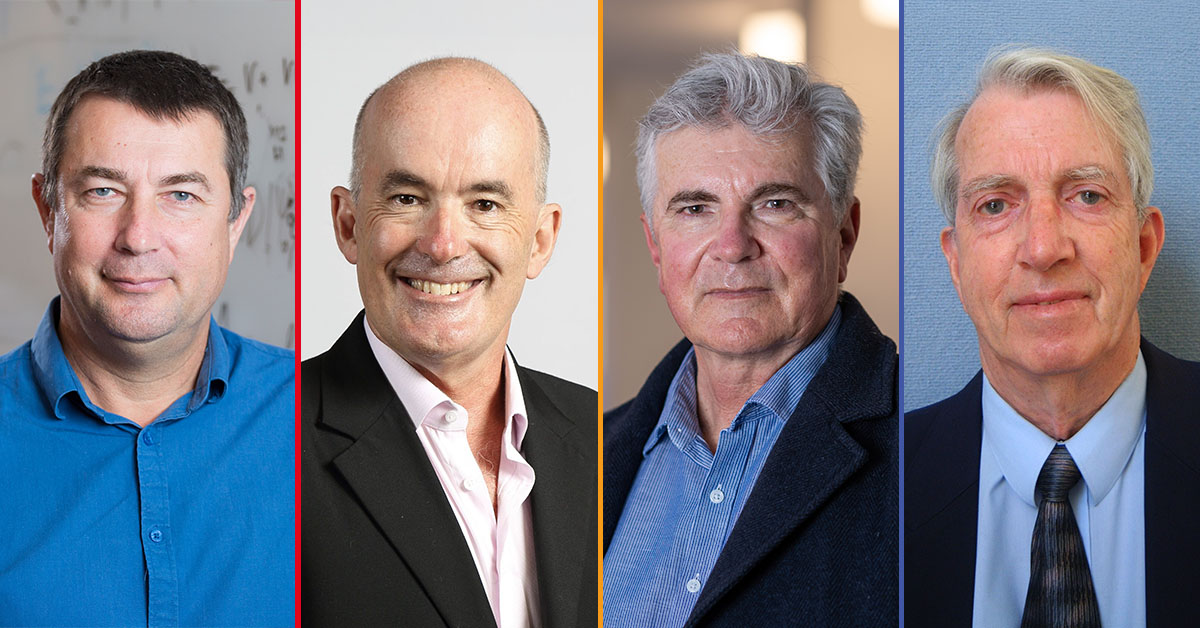
Four Academy Fellows have been recognised for their outstanding contributions to science, tertiary education and leadership by being named in the King’s Birthday 2025 Honours list.
Professor Ove Hoegh-Guldberg AC FAA – appointed a Companion of the Order of Australia (AC)
For eminent service to marine science, particularly the research, conservation and management of coral reef ecosystems, and to tertiary education.
Professor Ove Hoegh-Guldberg was elected to the Academy in 2013 after discovering the molecular mechanism behind coral bleaching. His research was also one of the first to demonstrate the extreme sensitivity of ecosystems to increases in the release of carbon into the atmosphere due to human activity.
Emeritus Professor Mark Howden AC FAA FTSE – appointed a Companion of the Order of Australia (AC)
For eminent service to environmental science, to the global response on climate change and adaptation, to agriculture, and to tertiary education.
Professor Mark Howden was elected to the Academy in 2025 for his work influencing global climate science, policy and public engagement over more than three decades. His research covers the science of climate change and variability, adaptation responses, sustainable emission-reduction options and more.
Emeritus Professor Len Lindoy AO FAA – appointed an Officer of the Order of Australia (AO)
For distinguished service to chemical sciences as a researcher, to tertiary education, and in leadership roles.
Professor Len Lindoy was elected to the Academy in 1993 for his work in discriminating between metal ions using ring-shaped molecules. His research has been applied to industrial processes to selectively recover or remove metal ions.
Professor Igor Bray AM FAA – appointed a Member of the Order of Australia (AM)
For significant service to physics, mathematics and astronomy education.
Professor Bray was elected to the Academy in 2017 for several major research breakthroughs in the field of atomic and molecular collision physics. He is particularly known for developing the convergent close-coupling (CCC) theory, which allows for precise calculations of atomic and molecular collisions.
Read more about how the Order of Australia recognises Australians who have demonstrated outstanding service or exceptional achievement.
Thank you, Science Minister Ed Husic
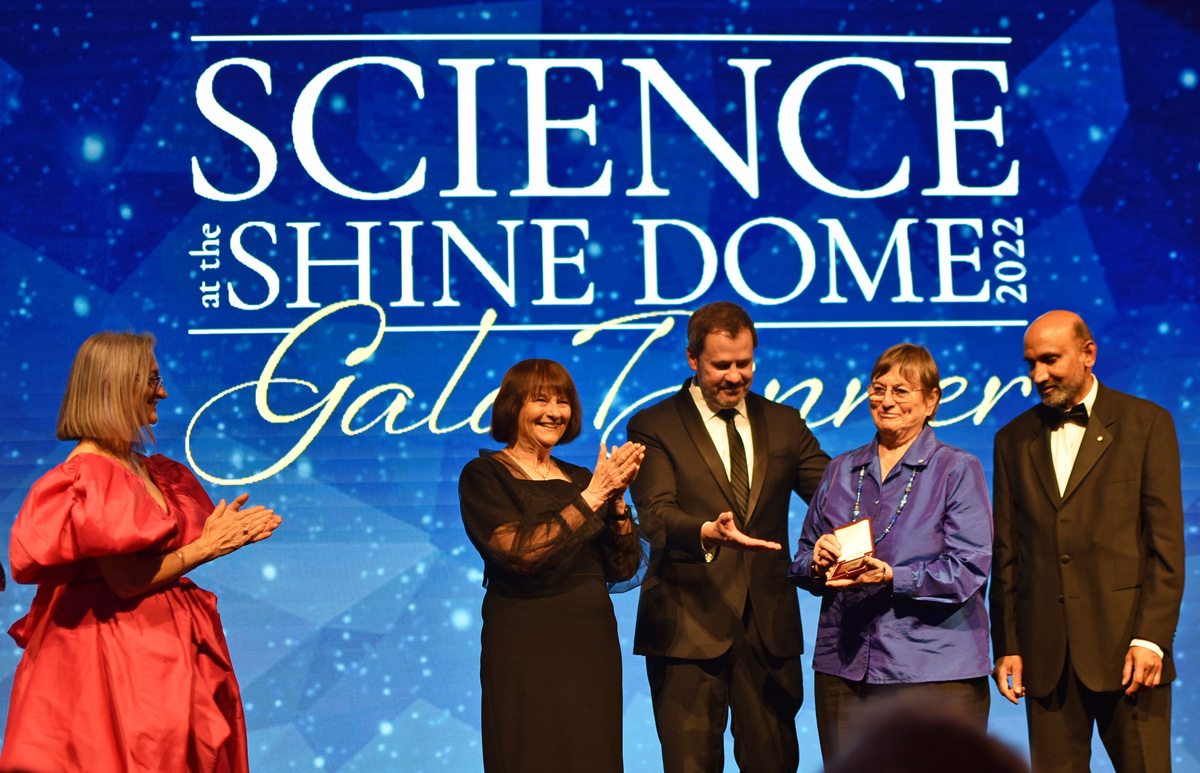
The Australian Academy of Science thanks Ed Husic for his service and for advancing science and industry in Australia.
“Minister Husic’s knowledge, commitment and enthusiasm for science and technology was rare. He understood its role in the re-invigoration of the Australian economy and in global diplomacy,” said Professor Chennupati Jagadish, President of the Academy.
“His commitment to the portfolio was clear and unwavering, achieving significant impact in three years.
“Minister Husic has laid the groundwork for the long-term reforms needed to structure and position R&D as a significant driver of the economy. He also introduced important measures to remove barriers to participation in science, especially among under-represented groups.
“Commissioning the Strategic Examination of R&D – the most comprehensive review of the R&D system in decades – was essential and will position R&D in Australia to be a key driver of productivity, economic diversity and international competitiveness.
“Australia can and must be positioned in the global technological race and the review lays the path to achieve this.”
Among Minister Husic’s many achievements, the Academy acknowledges his leadership in:
- establishing the National Reconstruction Fund
- backing Australia’s leading role in quantum technology
- enhancing Asia and Pacific scientific engagement through the establishment of the International Science Council’s Regional Focal Point for Asia and the Pacific
- delivering the Pathways to Diversity in STEM review
- boosting Australia’s AI capabilities
- delivering the National Battery Strategy
- revitalising the National Science and Research Priorities
- focusing and delivering regional collaboration via the Global Science and Technology Diplomacy Fund
- helping establish the Future Made in Australia framework
“The Academy wishes Minister Husic well and urges the next Minister for Science and Industry to harness the opportunities Australia has to compete in the global scientific and technological race, especially as we face a complex geopolitical environment,” said Professor Jagadish.
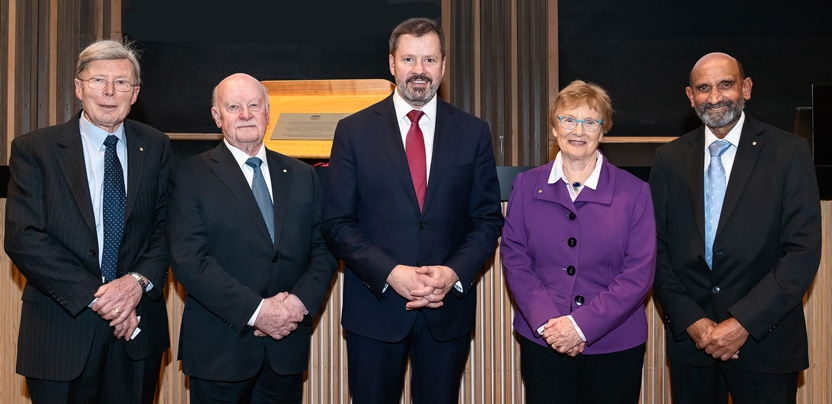
2024 in review: celebrations of science, and progress on many fronts
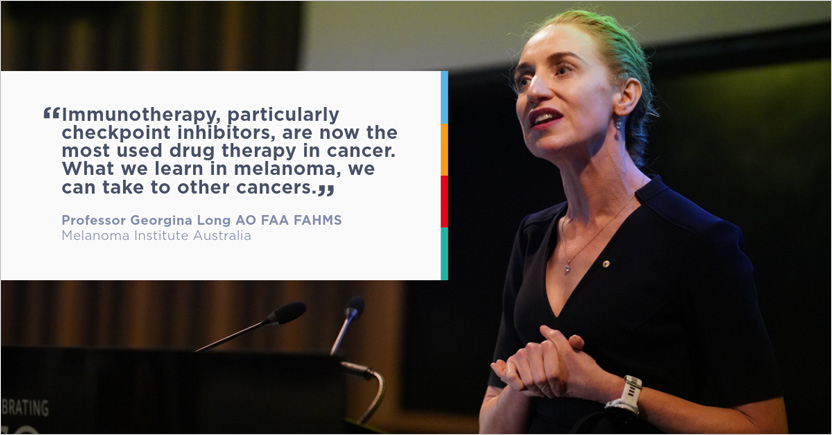
The Academy’s 70th anniversary year was a celebration of Australian science, where we honoured the Fellows elected to the Academy and recognised the outstanding contributions of Academy awardees.
Academy President Professor Chennupati Jagadish said the dedication and pioneering work of Australia’s high achievers continue to push the boundaries of knowledge, advance our nation and globe, and inspire future generations of scientists.
“The Academy was established to bring science to the service of the nation. This mission has not changed in 70 years – if anything, it has become more critical than ever.
“Our aim is to deliver sought-after scientific advice that influences Australians’ actions and contributes to global science,” Professor Jagadish said.
Advice and influence
An example of the Academy’s influence was the recently announced government review of Australia’s research and development system.
“Our persistent push for change successfully argued the case for a wholesale review of Australia’s outdated R&D system,” he said.
Proposed changes to Australia’s defence trade controls legislation to support the AUKUS agreement would likely have had unintended consequences for scientists and Australia’s capacity to engage in international research. The Academy’s leadership, strategic science policy advice and sustained advocacy led to an exemption for fundamental research being included in the updated legislation, striking a better balance between addressing national security concerns and maintaining vital research collaborations that are in Australia’s national interest.
The year also saw the release of the decadal plan for Earth system science, which calls for the urgent establishment of a national agency to coordinate the science required to transform Australia’s response to climate change. This would ensure that the management of emerging climate risks in Australia and across our region are based on scientific evidence.
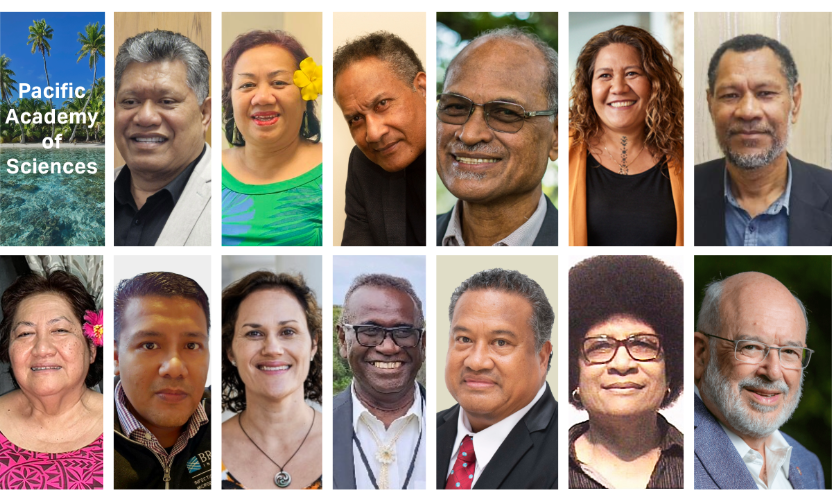
In the region, the Academy supported the establishment of the Pacific Academy of Sciences, which will give Pacific scholars agency and a voice in shaping their destiny. The Pacific Islands was the only region in the world that did not have its own learned academy and a local collective voice for science, despite the region experiencing profound impacts due to climate change.
We also partnered with the Australian Academy of Technological Sciences and Engineering, delivering $6 million in Australian Government grants to strengthen science and technology collaboration with our regional neighbours.
Closer to home, we convened experts across the agriculture, nutrition, and food innovation sectors for our annual symposium, Food Futures, held this year as part of the World Science Festival in Brisbane. And in December we released the mid-term review of our decadal plan for nutrition.
The Academy turned its attention to the development of Australian Science, Australia’s Future: Science 2035, a 10-year plan that will position science to support our national ambitions, due to be released in 2025.
“The Academy has a crucial role in making sure Australia’s approach to science is strategic, meets our national challenges and advances Australian interests locally and globally,” Professor Jagadish said.
And, importantly, we provided crucial input to the development or analysis of policy in Australia by making 30 submissions to government consultations and parliamentary inquiries.
Reconciliation and Traditional Knowledges
Progressing our journey to reconciliation, we published our Innovate Reconciliation Action Plan which contains practical steps to respect and celebrate Traditional Knowledges of Australia’s First Nations Peoples to build a stronger, more innovative, and sustainable nation and world.
“Securing our nation’s future economic and social prosperity will be driven by embracing skills, knowledges and experiences from a diverse range of people,” Professor Jagadish said.
“Our work will recognise Traditional Knowledges in Australia’s scientific and technological knowledge systems.”
In November, we joined with the Royal Society of Canada and the Royal Society of New Zealand Te Apārangi at the inaugural Tri-Academy Partnership on Indigenous Engagement. The summit focused on cultural heritage in an era of reconciliation, providing opportunities for deeper understanding, knowledge sharing and connections between Indigenous scholars from the three countries, as well as non-Indigenous allies and stakeholders.
Outstanding achievements in science
Over four days in September, Australia’s most influential scientists gathered for Science at the Shine Dome in Canberra to celebrate and honour outstanding achievements in science. New Fellows and award recipients from across 2023 and 2024 were recognised at the event, and researchers from all disciplines and career levels were able to present, share, network and collaborate.
The Academy’s annual public speaker series featured our iconic earliest Academy Fellows, as we traced our 70-year history from landmark discoveries to the present cutting edge of Australian science.
A joint symposium with the Academy of Law looked at whether the courts are keeping pace with scientific and technological discoveries, and in the ninth year of Falling Walls Lab Australia an eminent jury selected three early-career researchers to represent the nation at the international Falling Walls event in Berlin.
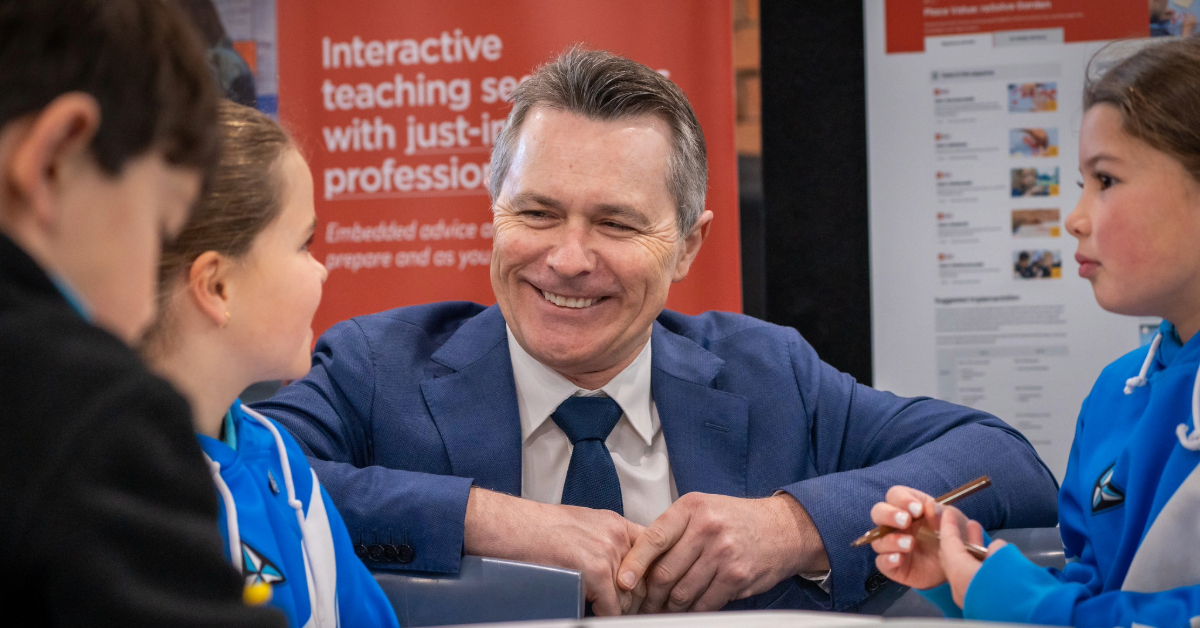
With the performance of Australian schools in science and maths recently in the spotlight, it’s timely that we released new education resources which will boost the confidence and capability of the nation’s primary school teachers to deliver Australia’s science and mathematics curriculum.
“The resources are full of research-based strategies to build teachers’ knowledge for teaching science and mathematics and can be adapted to meet the needs of the range of learners in the classroom,” Professor Jagadish said.
The Academy’s history of developing innovative education resources reaches back to 1967 with the Web of Life textbook, which was viewed as the most successful curriculum development project of its time in the world.
Fellows’ reading and listening recommendations for summer
Set the table for summer with our Fellows’ reading and listening recommendations.
About the Academy
The Australian Academy of Science is an independent organisation of distinguished Australian scientists, championing science for the benefit of all. Find out more about the Academy’s mission, values and priorities in our strategic plan.
Evolving challenges and opportunities for nutrition science revealed in review of decadal plan
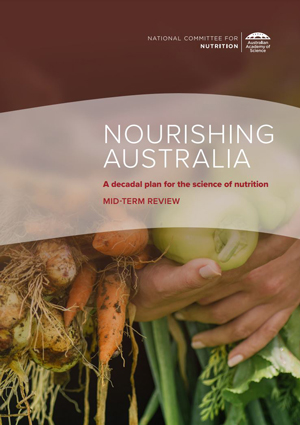
The mid-term review of the Australian Academy of Science’s National Committee for Nutrition's decadal plan has revealed critical insights into the evolving challenges and opportunities in nutrition science. From food security to sustainability and nutrition literacy, the review underscores the vital role of nutritional science in shaping Australia’s health, environmental resilience and economic future.
Nutrition science is essential for addressing some of Australia’s most pressing issues. As National Committee for Nutrition Chair Professor Margaret Allman-Farinell noted, “Nutrition science underpins areas of critical interest in securing future health, sustainability, food security and economic outcomes for Australians.”
The review highlights emerging issues such as the increasing prominence of food security and food processing, and the social determinants of nutrition literacy. These challenges are compounded by the lingering impacts of the COVID-19 pandemic, which disrupted food supply chains, increased cost-of-living pressures, and heightened inequalities in food access.
The review identifies food security and sustainability as priority areas requiring immediate attention. Communities across Australia, particularly Aboriginal and Torres Strait Islander peoples, face ongoing challenges in accessing affordable, nutritious food. This lack of access exacerbates health inequities, limiting opportunities for improved health outcomes.
Professor Allman-Farinell said there is a need to recognise the role Indigenous peoples and Indigenous foods can play in advancing nutrition science.
“We [also] needed to find any important omissions from the original plan. It was notable that while the plan was to realise health and environmental and economic opportunities to benefit all Australians, no voice had been given to Aboriginal and Torres Strait Island communities.”
National Committee for Nutrition member Dr Emma Beckett, who led the mid-term review steering committee, highlighted key areas for further research. Among them, the classification of processed foods remains an area of debate, requiring greater collaboration between public health experts and the food industry.
Dr Beckett acknowledged the complexities facing the field.
“As a field in constant flux with new technology, contexts and challenges, we must remain agile to maximise benefits to the Australian population,” she said.
The mid-term review steering committee found the plan’s original four pillars (societal determinants, nutrition mechanisms, precision and personalised nutrition, and education and research training) remain relevant.
The review envisions Australian nutrition science as a global leader in improving long-term health and wellbeing, delivering social, environmental and economic benefits. However, it warns that realising this vision will require coordinated efforts to address the resource and infrastructure challenges exposed during the COVID-19 pandemic.
“Nutrition science has the potential to shape the health and prosperity of future generations,” Dr Beckett said.
“To achieve this, the sector needs recognition of its crucial role in health, wellbeing and the economy, alongside the support required to drive impactful action.”
A call for action
The mid-term review is a rallying call for action. It highlights the need for government support, cross-sector collaboration, and a renewed focus on education and research to equip Australians with the knowledge and resources needed for a healthier, more sustainable future.
More information
A rare opportunity to shape the R&D system so it is working for Australians
Professor Chennupati Jagadish, President of the Australian Academy of Science, has welcomed the commencement of the Australian Government’s Strategic Examination of Research and Development (R&D) hailing it as an opportunity to position Australia in an era of intense global competition and build a system that is fit for purpose.
“If we get this right, the Strategic Examination of Research and Development will give us a roadmap to position and power our R&D system so it delivers maximum economic and social benefits,” Professor Jagadish said.
“My expectation is that the Strategic Examination will make recommendations to bring strategy and coherence to R&D measures and funding across government, industry and higher education that are essential for jobs creation, productivity, national security and competitiveness.
“If we get the R&D settings right, every single Australian is a winner,” he said.
Current Australian Government investments are spread across 14 portfolios and 151 programs – diluting their impact and effectiveness. R&D investment by government and business are no longer globally competitive.
“Australian R&D investment places us close to the bottom of OECD countries, which is no place to be for a nation that needs to accelerate decarbonisation, digitise, protect its borders and upskill its people.”
Since 2018, the Australian Academy of Science has been calling for a review of the nation’s research and development system because the complex web of policies, funding instruments, institutions and incentives currently in place are not serving our national interest.
The broad terms of reference and diverse membership of the independent panel appointed to oversee the Strategic Examination highlight the need for both the business and research sectors to work together.
The independent panel is made up of the Chair Robyn Denholm, and panel members Professor Ian Chubb AC FAA FTSE, Professor Fiona Wood AO and Dr Kate Cornick.
“The Academy is especially pleased to welcome the appointment of Professor Ian Chubb – a Fellow of the Academy and an experienced and knowledgeable adviser to governments who has a comprehensive understanding of R&D systems in Australia and abroad,” Professor Jagadish said.
The Academy will support the independent panel with data and insights from Australian Science, Australia’s Future: Science 2035. This initiative independently being conducted by the Academy is evaluating the capacity and capability of the Australian science system to meet our national ambitions.
Matthew Flinders Medal recipient witnesses explorer’s reinterment
The Academy’s Matthew Flinders Medal and Lecture recognises scientific research of the highest standing in the physical sciences and honours the contributions of Australia’s early scientific researchers.
Captain Matthew Flinders was the first person to circumnavigate Australia in 1803 and gave Australia its name.
More than 100 places and landmarks are now named after Flinders including the Flinders Ranges, Flinders Street Railway station, Flinders Island and Flinders River.
Earlier this year 2021 medal awardee and former Academy President Professor Andrew Holmes AC travelled to Donington village in Lincolnshire, England, with his wife Jenny.
There, they witnessed the reinterment of Matthew Flinders’ remains at his birthplace. The remains were discovered beneath London’s Euston train station in 2019, 205 years after Flinders’ death.
This is their account of the historic ceremony.
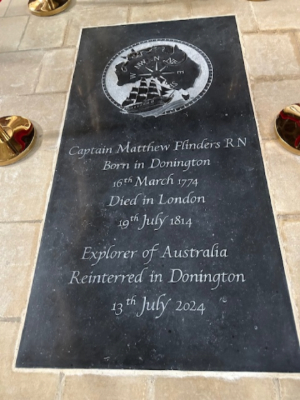
Photo credit: Professor Philip Ogden
It was a grey overcast day as we set off with our Cambridge friend on the approximately one-and-a-half-hour drive from Cambridge to the village of Donington in Lincolnshire.
The purpose of our visit was to attend the reinterment service of the mortal remains of Matthew Flinders in a crypt in the village Church of St Mary and the Holy Rood in Donington, near Spalding, where he was baptised, and where many members of his family are buried.
Flinders left the village to join the British Royal Navy when he was 15. His talent as a cartographer was spotted whilst he was sailing to Tahiti on the breadfruit expedition with William Bligh! Ten years after enlisting he was appointed Commander of the HMS Investigator and in July1801 sailed to what the Europeans called ‘Terra Australis’ to begin a careful and comprehensive survey of the coast.
On his second journey, he completed the circumnavigation of the continent, established that Tasmania was a separate island, named the country Australia (much to the chagrin of Joseph Banks, who perhaps for this reason abandoned support for him) and created maps of the coastline that are valued to this day for their accuracy.
There were adventures (one involving a shipwreck off the coast of Queensland and a long journey in an open rowing boat back to Port Jackson to secure help), but finally in December1803 he was returning to London when he put his small, unseaworthy ship (HMS Cumberland) into port at Ile de France (now Mauritius), being quite unaware that England was again at war with France.
The French Governor promptly imprisoned Flinders, and his incarceration ended only after six-and –a-half long years of negotiations on his behalf. He returned to London in poor health, surviving just long enough to have his bound journal, A Voyage to Terra Australis, placed on his deathbed in 1814.
His funeral service was held at the church St James’s Piccadilly, with a a burial ground in Camden, close to what became Euston Station. During an expansion of Euston station westward in the 1840s, the identities of up to 40,000 graves were lost in perpetuity.
His daughter, Anne Petrie recalled:
“Many years afterwards, my aunt Tyler went to look for his grave, but found the churchyard remodelled, and quantities of tombstones and graves with their contents had been carted away as rubbish, among them that of my unfortunate father, thus pursued by disaster after death as in life” [1]. It transpired that Flinders had in fact been buried in an area untouched by Euston’s expansion, but unfortunately there was no headstone marking the grave.
Some two hundred years later, in January 2019, an exciting discovery was made. During the construction of a new platform for the HS2 railway, in the vicinity of Euston Station, the excavations were closely monitored by archaeologists who wanted to take advantage of “an extraordinary opportunity to study contemporary life and death in London” from an earlier era.
Led by Robert Hartle, the archaeologists made use of the City of Westminster Archives to locate plot 2 J 70 (second ground, lot J, number 70) as the site of Flinders’ grave. They kept a very close watch on excavations in that area and their vigilance was rewarded when a breastplate was revealed bearing the name Captain Matthew Flinders RN.
As a captain in the Royal Navy, Flinders had been entitled to a lead breastplate that then stood the test of time for over 200 years. Hartle set about building a new coffin with his own hands for the reinterment ceremony in Donington, and the full story is recounted (with excellent photographs) in his article on the web [2].
As one of the archaeologists remarked, it was an honour to be following in the footsteps of Flinders’ grandson, the Egyptologist Sir William Matthew Flinders Petrie, credited as being the ‘father of modern archaeology’.
Donington was the birthplace of Matthew Flinders and following the discovery of his remains in London, the citizens of Donington rallied. A committee was formed headed by a redoubtable lady called Jane Pearson, and work began on the campaign to bring him home!
One of the unexpected consequences of the COVID-19 pandemic was that it gave the team time to raise significantly more funds to hold an even grander ceremony. On Saturday 13 July 2024 in the village church, that is exactly what happened. We went, expecting to find the proceedings interesting, but what we found went far deeper—it was a highly moving ceremony.
Although it was a grey day, the village of Donington was anything but grey!
Australian flags and Union flags were everywhere—bunting lined the streets, and a craft market sporting several kangaroos filled the market square, guarded as ever by a statue of Flinders and his little cat, Trim. If you’ve not read the story Flinders wrote about his cat Trim whilst a prisoner of the French, we recommend it wholeheartedly.
Every local man, woman and child seemed to be out, on car parking duty or nudging strangers from far afield towards the church, pointing out landmarks like his birthplace or selling postcards to support the event!
The air hummed with festivity and goodwill. The church was full. There were lots of Australians (South Australia was represented by their Governor, the Hon Frances Adamson) and all around were men in suits, women in hats, brass and braid glinting everywhere.
South Australia was fortunate to receive the gift of the original lead breastplate from the Flinders family.
Special music, a gun salute, the Bishop of Lincoln in all his finery and, unforgettably, young naval ensigns, solemn faced, marching slowly as they carried the coffin into the nave, then later lowered it into the prepared burial vault.
If you are interested in watching the service, you can do so on YouTube [3]. We suggest you fast forward to here which is just before the naval pallbearers enter the church. That moment took many of us by surprise; it was incredibly moving. But so was most of the service [4].
After the service we wandered around the church—like so many English village churches, it was filled with fascinating displays—before joining the great and the good outside for afternoon tea, South Australian wine, general mingling and a few speeches. Three great granddaughters of Flinders Petrie were present and a great grandson, John Flinders, read a poem that began, “I saw the name Flinders when I was in Australia/ It was a street in Melbourne …”
As Peter Fitzsimons noted in his article in the Sydney Morning Herald entitled, A Hero’s Welcome for Flinders, Two Centuries Too Late, it was strange that neither the Minister for Defence, the Hon Richard Marles, nor the Australian High Commissioner, the Hon Stephen Smith, both of whom were in the UK at the time, were present at the ceremony.
Finally, on Sunday 14 July, after viewing the Magna Carta in Lincoln Castle, we went next door to Lincoln Cathedral, for an evensong service specially dedicated to the guests from the previous day.
It too was a very special experience, followed by delicious home-baked treats and wine which we enjoyed in the cathedral cloisters. We had opportunities on both days to meet Flinders family members, local supporters of the ‘Bring Him Home’ campaign, learn from Robert Hartle about that thrilling moment of discovery, and reflect on the life of a most remarkable man.
References
- Ernest, S. (2011 (1914)) The Life Captain Matthew Flinders, Cambridge University Press, p.396.
- Robert Hartle – the Recreation of Flinders’ Coffin – matthewflinders.net
- MFBHH YOUTUBE
- Order of Service for the Re-interment of Matthew Flinders’s Mortal Remains.
Academy endorses S20 Communiqué 2024
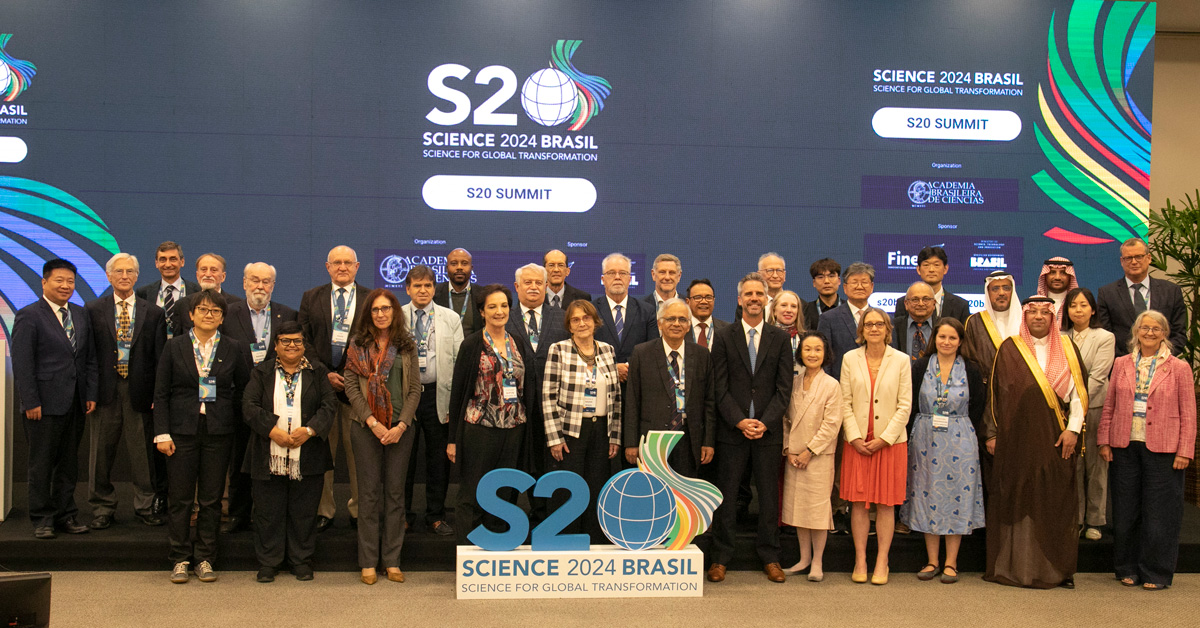
The Australian Academy of Science has over the past months contributed to discussions on urgent global challenges via the Science20, a working group comprising national learned academies of the Group of 20 (G20).
This year’s S20, coordinated by the Brazilian Academy of Sciences (ABC), focused on the theme ‘Science for Global Transformation’. The resulting S20 Communiqué, which will be delivered to the G20 in the coming months, set out specific recommendations and implementable actions on the topics of:
- Artificial intelligence: ethics, social impact, regulation and knowledge sharing
- Bioeconomy: shaping the world toward a sustainable planet
- Energy transition process: renewable energies, social and economic considerations
- Health challenges: quality, equity, access and preparedness for epidemics and climate change
- Social justice: promoting inclusion, ending poverty and reducing inequalities.
The Academy endorsed the Communiqué following discussions at the S20 Summit in Rio de Janeiro last month, attended by Academy Fellow Dr Surinder Singh.
Academy President, Professor Jagadish said, “This annual forum highlights the crucial role of science in furthering the G20’s agenda to achieve the economic growth required to pull millions of people out of poverty with inclusive – and I highlight the importance here of inclusive – and sustainable development.”
Science and international scientific collaboration serve as key mechanisms to reach the 17 Sustainable Development Goals within the United Nations’ 2030 Agenda. This year’s S20 Communiqué also draws attention to the need to grasp each nation’s social and demographic trends – essential for anticipating technological requirements and driving innovation.
Recommendations
Recommendations outlined in the Communiqué include:
- AI: Invest in data infrastructure, high-performance computing, and training to use AI effectively in fields of application.
- Bioeconomy: Build robust international and multilateral cooperation: The G20 nations should reach a consensus on the role of the bioeconomy as one of the strategies for tackling climate change, biodiversity loss, poverty, and human and non-human health. Formulate a joint policy framework that enables countries to implement bioeconomy programs, invest in social and technological innovations, share critical knowledge, improve the quality of life, and safeguard natural resources.
- Energy transition process: Social and economic considerations should include job creation, technological advancements, equitable access to energy, public engagement and environmental justice.
- Health challenges: Address climate and environmental changes impact on communicable and non-communicable diseases by research and environmental management and improved surveillance.
- Social justice: Enhance scientific literacy: Cultivate scientific literacy and awareness of science as a self-correcting process; equip societies to meet future technological challenges through better scientific understanding.
Read the full S20 Communiqué
The Academy congratulates the ABC for its vibrant coordination of this year’s meetings and for producing a valuable statement that will provide evidence-informed scientific advice to G20 Heads of State and Government.
Next year’s S20 meetings will be coordinated by the Academy of Science South Africa under South Africa’s G20 Presidency.
Young Australian scientists learn from Nobel Laureates at 73rd Lindau Meeting
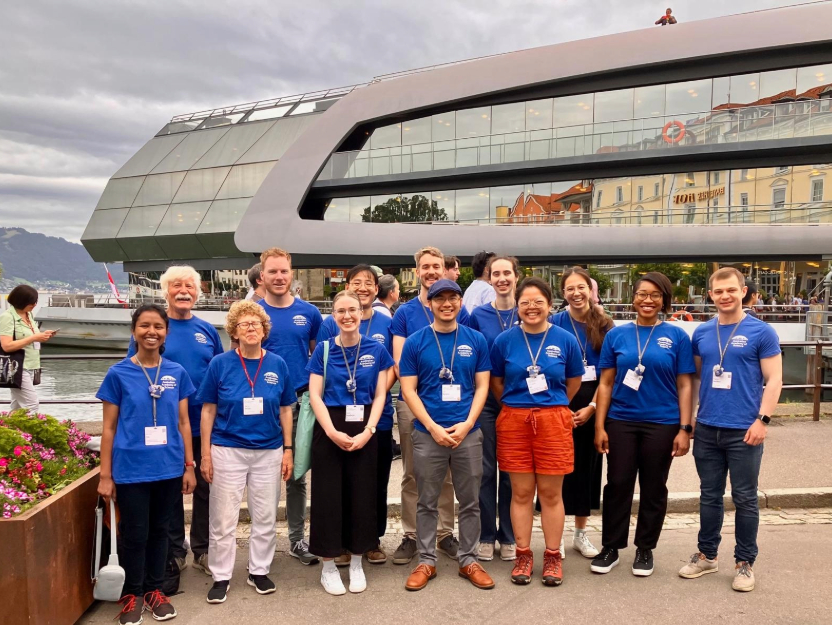
Eleven of Australia’s brightest early-career scientists have attended the 73rd Lindau Nobel Laureate Meeting, this year dedicated to physics.
The event, held from 30 June to 5 July in Germany, is a highly prestigious annual gathering of Nobel Laureates and approximately 600 young scientists from around the world.
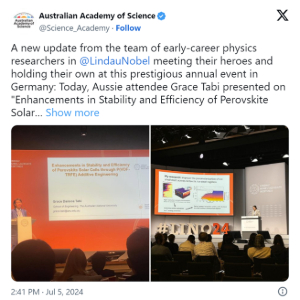
Read the full post on X.
It provides a unique opportunity for the young scientists to share their research, experiences and ideas, and gain inspiration from fellow emerging scientists and Nobel Laureates.
As well as meeting their heroes, the Australian delegates held their own at the event. Grace Tabi from the Australian National University (ANU) presented her research on perovskite solar cells, while Claire Yung, also from ANU, gave a presentation on turbulent fluid dynamics in Antarctic ice shelf melt predictions.
Posting about their experiences via Academy communication channels, the delegates shared in their final X (formerly Twitter) thread: “Reflecting on the experience, #LINO24 was truly enriching. We carry with us new ideas and perspectives, empowered by the shared knowledge of Nobel Laureates and fellow young scientists. Together, we will use these insights to shape a brighter future!”
Research innovation tour
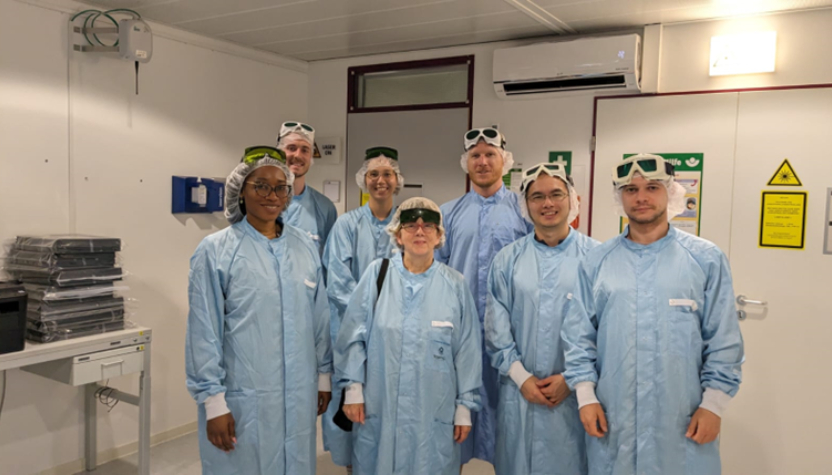
As part of the group’s travel, the Academy organised a research innovation tour in Berlin in the lead-up to the Lindau meeting.
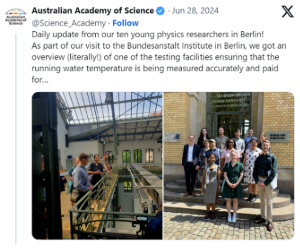
Learn more in the X thread.
The tour enabled the young scientists to visit a range of prestigious research institutes connected to their fields of studies, including:
- Humboldt University’s Fraunhofer Institut
- Ferdinand Braun Institut
- AIP Observatory
- Max Planck Institute for Gravitational Physics
- Physikalisch-Technische Bundesanstalt
- IGB Leibniz-Institute of Freshwater Ecology and Inland Fisheries.
They met the Australian Ambassador, Ms Natasha Smith, at the Australian Embassy in Berlin and learnt about the role of science in Australia and Germany’s bilateral relationship.
Dr Barnali Das of CSIRO said the Lindau meeting filled her with a new sense of responsibility to society and strengthened her love for physics.
“Overall, the whole trip, including the Berlin Innovation tour, has provided me with a positivity that, I hope, will stay with me forever."
About the Lindau Nobel Laureate Meeting
The Australian delegation was led by astrophysicist and Academy Fellow Professor Elaine Sadler and supported by optical physicist and Academy Fellow Professor Hans Bachor.
Participation in the Lindau Nobel Laureate Meetings is proudly supported by the Science and Industry Endowment Fund (SIEF) and administered by the Australian Academy of Science.
Next year’s 74th Lindau Nobel Laureate Meeting, which is dedicated to the discipline of chemistry, will be held from 29 June to 4 July 2025.
Applications for the 74th Lindau Nobel Laureate Meeting will open in August 2024.