




Academy Fellow among Australian scientists elected to Royal Society

Academy Fellow and polymer chemist Dr Graeme Moad is one of two Australian scientists elected this year to the Royal Society, the oldest scientific academy in continuous existence.
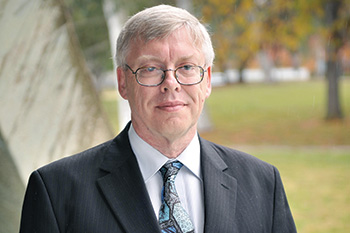
Dr Graeme Moad AC FAA FTSE FRS has co-authored more than 200 publications and is co-inventor on 38 patent families.
Dr Moad and Murdoch University’s Dr Rajeev Varshney are two of the 80 outstanding researchers, innovators and communicators from around the world who have been recognised in 2023 for their substantial contributions to the advancement of science.
Dr Moad, who is based at CSIRO, was elected to the Australian Academy of Science in 2012 and awarded the David Craig Medal and Lecture in 2020.
He is a world leader in polymer chemistry, where he has made pioneering contributions to the fields of polymer design and synthesis, polymerisation kinetics and mechanism, and polymer nanocomposites.
Dr Moad’s research on novel synthetic methods for the controlled synthesis of polymers has contributed to new materials for industrial uses, nanotechnology, organic electronics and bio-applications.
President of the Australian Academy of Science Professor Chennupati Jagadish said the honours were well deserved.
“We at the Australian Academy of Science are all delighted to hear the news of the election of two Australian scientists to the Royal Society,” Professor Jagadish said.
“Dr Moad made pioneering contributions to polymer chemistry, in particular polymerisation using reversible addition fragmentation chain transfer (RAFT), which is used in industry worldwide.”
We asked Dr Moad about his election to the Royal Society and career.
How did you feel when you were notified of your election to the Royal Society?
Professor Andrew Holmes, who submitted the nomination and is knowledgeable of the Royal Society, had told me he thought I had a worthy—and he thought deserving—application, Professor Dave Solomon also.
Nonetheless, that I have been elected came as a pleasant surprise.
With Dr Ezio Rizzardo being FRS, I was not at all confident that my application would get up in the same field for, in part, similar work.
What does it mean for your science to be recognised in this way?
It is important to have the chemistry we have been doing recognised as significant. RAFT chemistry, having been utilised in so many applications, is now recognised as a major breakthrough in polymer chemistry. And we continue to make breakthroughs. Maybe the recognition will convince those who fund research to continue to fund it.
Reef Futures Roundtables conclude
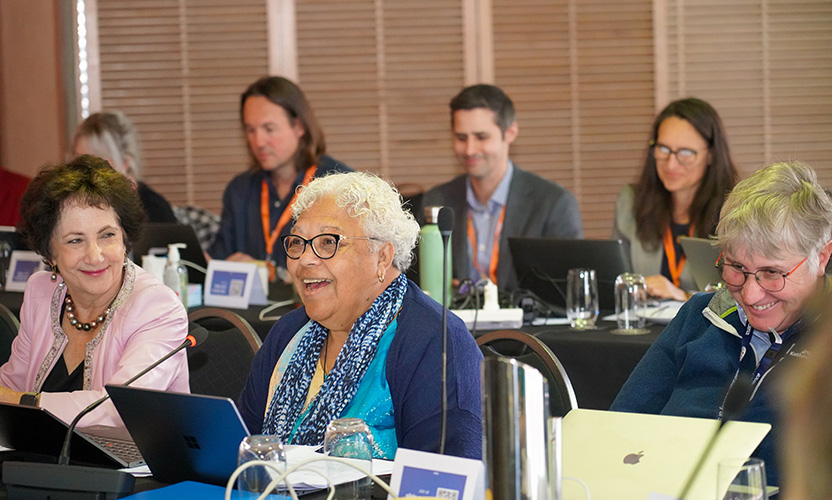
The Australian Academy of Science has hosted the final of three expert roundtables on the likely impacts of climate change on the Great Barrier Reef.
The Academy was engaged in January 2023 by the Department of Climate Change, Energy, the Environment and Water to convene experts for a series of roundtables and produce a synthesis report.
This report will be considered by the Reef 2050 Independent Expert Panel in their advice to government on the current and likely health and resilience of the Great Barrier Reef in the face of climate impacts and potential reef interventions.
The first roundtable focused on the health and functioning of the Great Barrier Reef in the face of current climate impacts and the climate impacts that may be anticipated in the medium-term future (2040 – 2060) under low and high emission scenarios.
The second roundtable explored the potential interactions, combined benefits and conflicts between reef intervention strategies and technologies, with focused discussion on understanding knowledge gaps and barriers to the deployment of technologies and interventions at scale.
The third roundtable challenged participants to consider whether we are doing all that we can for the Reef. Participants confirmed a need for integrity, honesty and leadership to communicate that the Reef is under real and imminent threat.
Participants also discussed where future research efforts may be required to explore what we do not know and how existing information could be better integrated and shared.
A final report to be delivered later this year will present the outcomes of the roundtable process to the Independent Expert Panel for its consideration. Following this, the report will be made publicly available as a resource for governments and the non-government sector.
Roundtable participants
Chairs
Ms Christine Grant
The Hon Dr Annabelle Bennett
Participants
Dr Ken Anthony
Dr Line Bay
Dr Roger Beeden
Dr Andrew Brooks
Dr Emma Camp
Ms Julia Chandler
Dr Anthea Coggan
Dr Allan Dale
Dr Jon Daly
Ms Samarla Deshong
Dr Leanne Fernandes
Ms Mibu Fischer
Ms Manuwuri Traceylee Forester
Associate Professor Alana Grech
Ms Nyssa Henry
Mr Scott Heron
Professor Ove Hoegh-Guldberg
Distinguished Professor Stewart Lockie
Mr Stan Lui
Professor Ian McLeod
Mr David Mead
Mr Gareth Phillips
Dr Cedric Robillot
Distinguished Professor Marcus Sheaves
Dr Jenny Skerratt
Mrs Wendy Slater
Ms Diane Tarte
Dr Bruce Taylor
Sir Mark Oliphant archival collection now available online
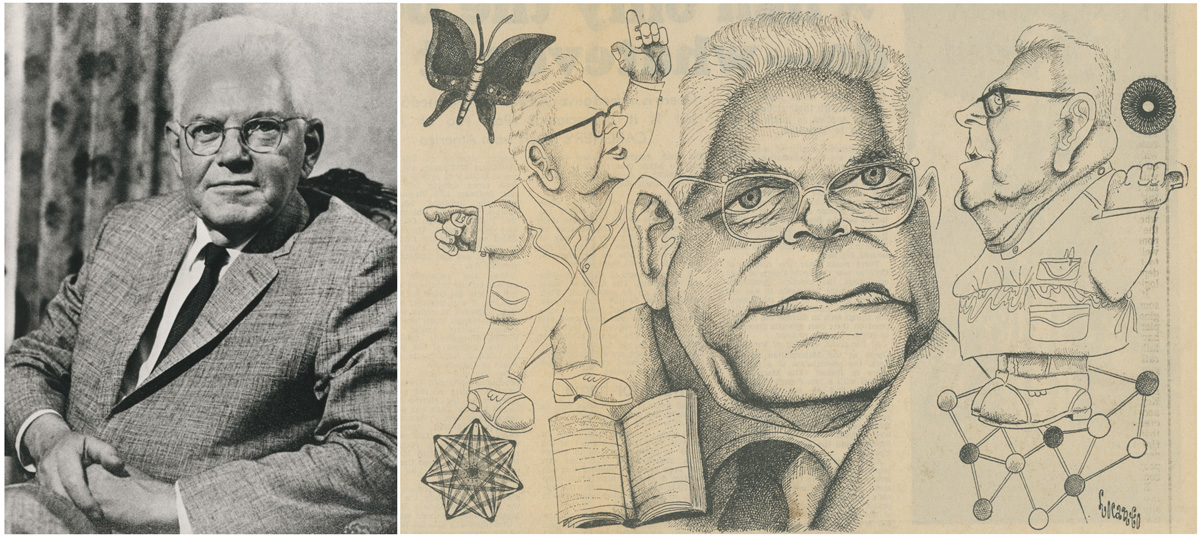
An Australian Academy of Science collection of papers belonging to one of the twentieth century’s most influential physicists has been digitised as part of an ongoing collaborative project with the National Library of Australia.
Professor Sir Mark Oliphant AC KBE FAA FTSE FRS (1901 – 2000) is perhaps best known for his pioneering research into nuclear physics at Cambridge in the 1930s, his role in the development of atomic weapons and his remarkable contribution to World War II-era radar research.
Professor Oliphant was one of several distinguished scientists who returned to Australia in the years following the war who collectively did much to establish a national scientific identity separate from the traditional research powerhouses in Europe and America. He was the only expatriate scholar to accept an invitation to establish a research school at the nascent Australian National University (ANU), where he became the foundation Director of the Research School of Physical Sciences and, along with physicist Dr David Forbes Martyn, was the instigator behind the formation of the Australian Academy of Science.
Founding the Academy
The Academy’s Sir Mark Oliphant collection provides a documentary record of its early years under Professor Oliphant’s inaugural presidency and is now freely accessible via Trove. It depicts a fascinating saga of Australian science and politics in the 1950s and 60s, critical decades in which the country’s key scientific characters worked together to create the learned Academy that represents Australian science today.
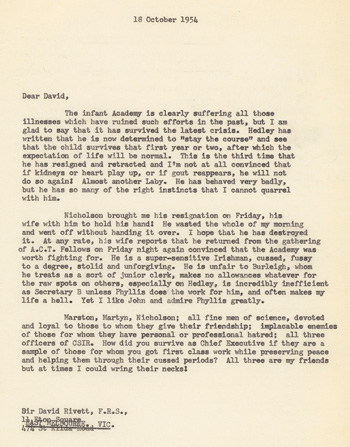
Oliphant writes that the six-month-old Academy ‘is clearly suffering all those illnesses which have ruined such efforts in the past’. Though it has survived its latest crisis he confirms Hedley [Marsten] has rescinded his third resignation, expands on the flaws of entomologist John Nicholson – fussy, stolid, unforgiving and also threatening to quit – refers to Nicholson and several other Council members as wonderful friends but implacable enemies, and states he would like to ‘wring their necks’. From the Sir Mark Oliphant Collection. (Click image to enlarge)
The collection shows Professor Oliphant’s efforts to bypass the regional and personal antagonisms that had sunk earlier efforts to create a national academy and points to influential personalities acting behind the scenes as the organisation emerged. It touches on the decision to ask Australians inducted into the Royal Society of London to be the first Fellows of the new Academy in an attempt to remove bias from the selection process. The theory was that if they had been honoured by such a prestigious foreign institution, they would surely be acceptable as founders of its Australian counterpart. This solution solved one problem but created others when it became apparent that while the Royal Society was indifferent to Australia-based squabbles, its local Fellows were not.
Professor Oliphant’s term as Academy President began in 1954, the year the Academy was formed, and his papers describe it as fraught. At any moment, he might be asked to deal with a member of the brand-new Academy Council threatening resignation, accusations that others were airing grievances in the press, arguments over who should be elected to the Fellowship and unfolding drama arising from the Academy’s relationship with CSIRO, the state universities and ANU, and their various areas of responsibility.
He found support in close collaborators like Dr David Martyn, biochemist Dr Hedley Marston and retired CSIRO chair Sir David Rivett. Their tireless work on behalf of the infant Academy kept it afloat despite records showing the three had wildly differing views and did not always like one another during the challenging early years of the organisation. Oliphant was often left to bridge the gap and play peacemaker, a role at which the gregarious but outspoken and blunt man proved adept but did not relish.
Enduring influence
The collection points to Oliphant’s ongoing influence over the Academy. His well-documented 1954 objection to electing Sydney-based Professor Harry Messel to the Fellowship – which can be traced to Oliphant's fear that Messel would hand over research into atomic energy to private industry – may have kept Messel from any recognition by the organisation until 2014, when he was awarded the Academy medal for his contribution to Australian science.
Indications of Oliphant’s place in the broader social and political landscape can be seen in copies of his correspondence with Prime Minister Robert Menzies and Federal Treasurer Arthur Fadden, which range from discussing government support for scientific research to encouraging the creation of an Australian National Museum, a full 25 years before one was established in 1980.
For more information on Sir Mark Oliphant’s scientific legacy and his second career as Governor of South Australia, see the biographical memoir first published in Historical Records of Australian Science in 2000, or explore the archive collection held by the Barr Smith Library of the University of Adelaide.
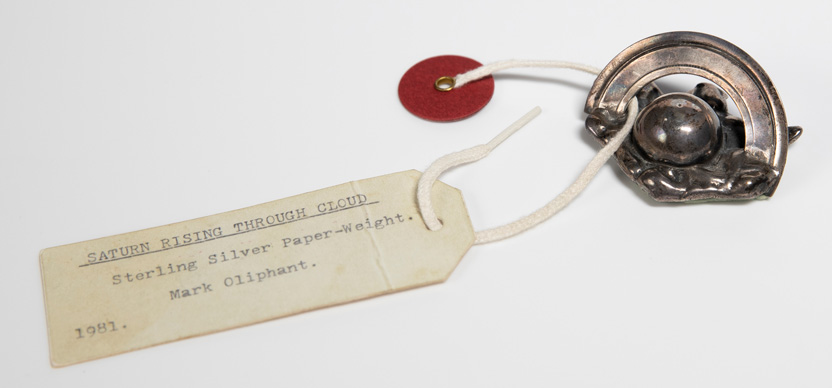
The Academy thanks philanthropist Mr David Anstice, whose support made digitisation of the Sir Mark Oliphant collection possible. If you would like more information about supporting the archive digitisation project, please contact our Philanthropy Manager at philanthropy@science.org.au.
Science has been heard at the Kathleen Folbigg Inquiry
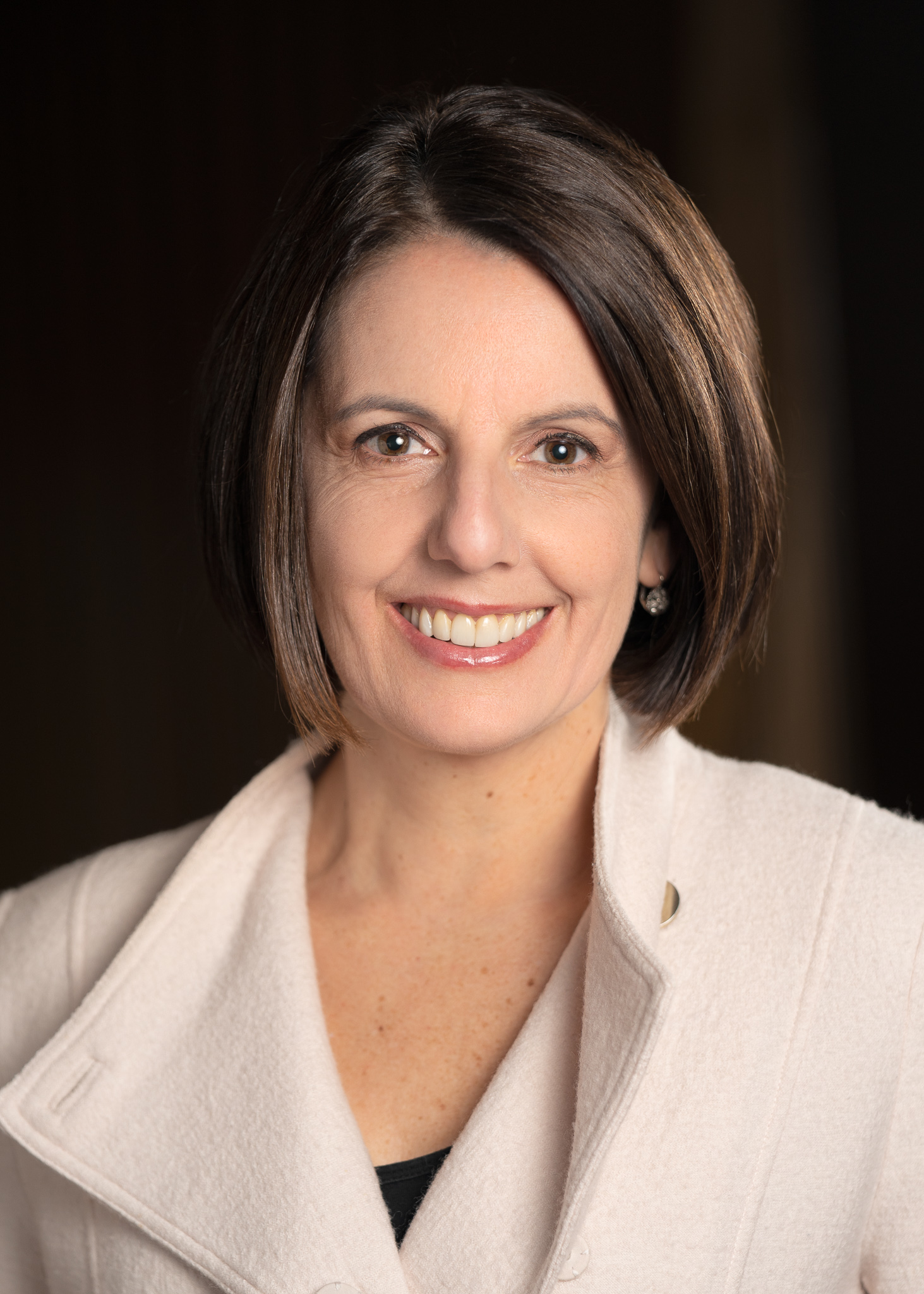
Australian Academy of Science Chief Executive, Anna-Maria Arabia
Australia’s scientists have welcomed a submission by the Inquiry’s assisting lawyers that it is open for the Inquirer, former Chief Justice of NSW Tom Bathurst AC KC, to find reasonable doubt about Kathleen Folbigg’s convictions.
Ms Folbigg was convicted in 2003 of the murder of three of her children, infliction of grievous bodily harm on one child and the manslaughter of her first born.
The submission was made today by the Counsel Assisting the Second Inquiry into Ms Folbigg’s convictions.
In that submission, Counsel Assisting said that reasonable doubt can be found based on the evidence received by the Inquiry and noted that the NSW Department of Public Prosecutions (DPP) has accepted Counsel Assisting’s submission.
The Australian Academy of Science’s Chief Executive Anna-Maria Arabia said while the Inquiry process must be allowed to fully take its course, she was relieved that science has been heard.
“The Academy is pleased to have had the opportunity to assist this Inquiry as an independent scientific advisor. It demonstrates a role for independent scientific advice in the justice system, particularly where there is complex and emerging science,” Ms Arabia said.
The Inquiry is believed to be one of the first times worldwide that a learned academy has acted as an independent scientific adviser during a public inquiry into an individual’s criminal convictions.
“The new genetic evidence in this case has now been peer reviewed by scientists and thoroughly tested during this Inquiry and has informed the submission made by Counsel Assisting that reasonable doubt can be found in relation to Ms Folbigg’s convictions,” Ms Arabia said.
“We hope this case opens the door to a more refined consideration of science in the nation’s judicial systems.
“Australia must now start looking ahead to reforms to ensure there are mechanisms for re-examination of cases after appeals have been exhausted, when new scientific evidence is forthcoming,” Ms Arabia said.
The Academy would like to acknowledge the contributions of many of the scientific experts called to give evidence at the Inquiry.
In particular, we would like to acknowledge Academy Fellow Professor Carola Vinuesa FAA FRS. Her research with 26 co-authors, in a leading international medical journal, led to the establishment of this second Inquiry.
The Academy would like to thank the legal team who has assisted the Academy pro bono throughout the Second Inquiry.
In particular, our barristers at Maurice Byers Chambers, Dr Duncan Graham SC, Anna Payten, and Dr Tamsin Waterhouse, and our lawyers at HWL Ebsworth Lawyers, Stacey King and Kylie Agland, with special thanks to Dr Waterhouse and Ms King.
The Academy also thanks David Wallace for his wise and ongoing counsel.
Peeking under Earth’s crust: Anton Hales Medal recipient talks giant volcanoes, mineral deposits and the impact of awards
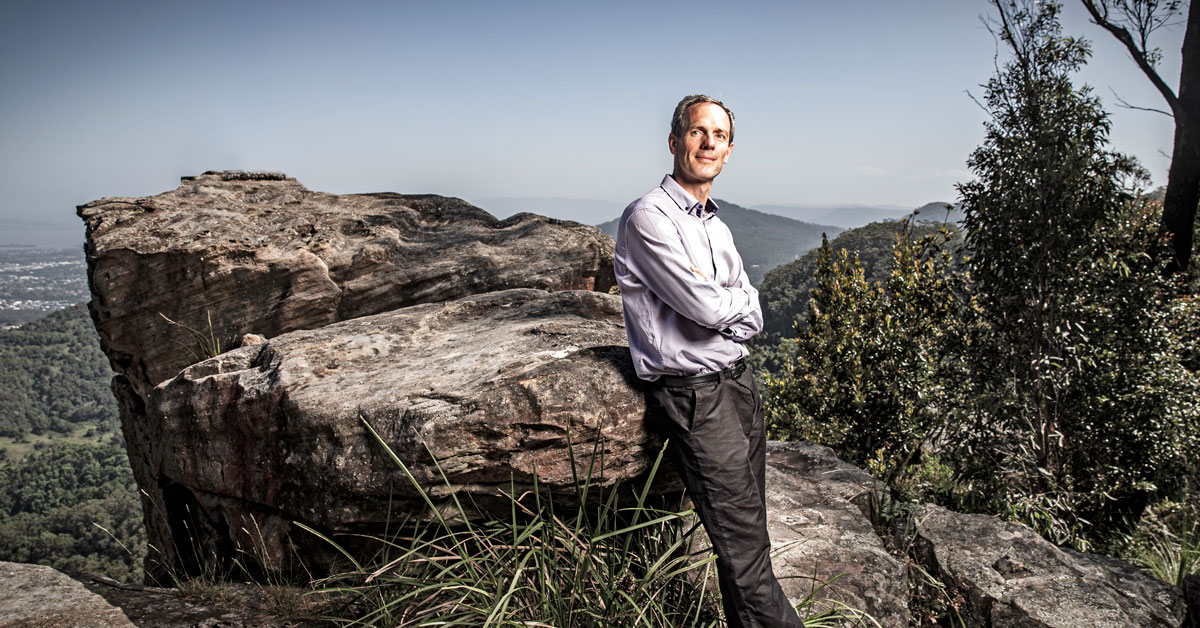
Dr Nicolas Flament’s research allows us to not only peer under Earth’s crust but to uncover what the planet’s interior looked like hundreds of millions of years ago.
Based at the University of Wollongong, Dr Flament was the recipient of the 2021 Anton Hales Medal from the Australian Academy of Science. He uses supercomputers at Australia’s National Computational Infrastructure to model the movement of tectonic plates and underlying mantle, connecting the evolution of the deep Earth with the evolution of its surface.
By identifying areas that may have been affected by mantle plumes, his models can predict where there may be deposits of important minerals and metals.
“I’ve been concentrating more on the deep Earth recently, specifically on how structures in the deep Earth move and create mantle plumes,” Dr Flament said.
Mantle plumes are hot rock columns that rise from Earth’s mantle to the surface, creating giant volcanoes and eruptions.
“These volcanoes are of interest to geologists because they can concentrate some metals and critical minerals—such as nickel, copper and rare-earth elements—that are essential now as the world is trying to transition to a low-carbon economy,” Dr Flament said.
For example, copper is crucial for most electrical technologies, and forecasts predict that to keep up with demand we will need to extract as much copper from the ground in the next 25 years as has been extracted to date.
Dr Flament’s work can help us find a more sustainable and efficient approach to finding these deposits, while also unlocking Earth’s history and its geological milestones.
“I’m fascinated and super excited about the processes and what we learn about the history of Earth … It’s not using my work that will help [mining companies] find a deposit, but it might help them understand processes that might help them find a deposit. What we’re doing together is learning about Earth, its processes, and Earth’s deep interior over time.”
Dr Flament won the Anton Hales Medal for early-career researchers in the Earth sciences in 2021.
“Receiving the Anton Hales Medal is a major recognition of one’s career achievements so far and can help secure grants and promotions and reflects positively on the institution where the scientist is based,” Dr Flament said.
He recommends that anyone eligible should nominate, to elevate the important work Earth scientists do.
If you are an early-career researcher with outstanding contributions to the Earth sciences, residing and conducting research mainly in Australia, consider nominating for the Anton Hales Medal. This prestigious award is named after the late Professor Anton Hales, who founded the Research School of Earth Sciences at the Australian National University.
Indigenous people’s knowledge, science research and an Academy grant help unlock the mystery of ‘fairy circles’
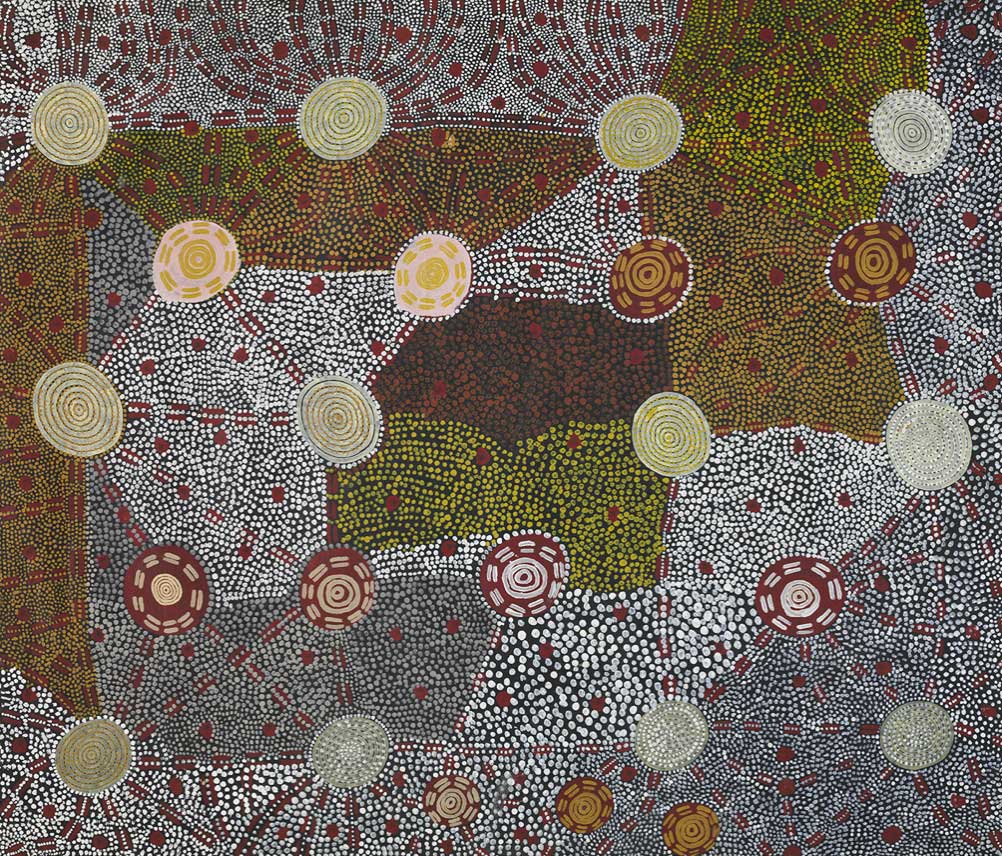
Fairy circles—barren patches which make polka-dot patterns in dry and desert areas—were first described by scientists in Namibia in the 1970s, sparking an international debate about their origins.
Now the scientific mystery about their formation has new evidence in Australia, thanks to collaborations between Indigenous people’s knowledge and scientists with a research grant from the Australian Academy of Science.
The new research has been published in Nature Ecology & Evolution, authored by a cross-cultural team of researchers and Aboriginal people from Australia’s Western Desert region.
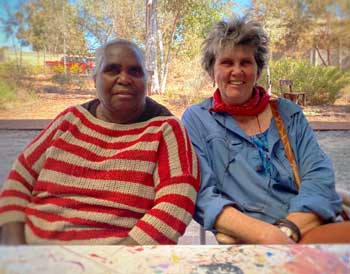
Gladys Karimarra Bidu and Dr Fiona Walsh, two of the authors of the new research. The authors say that principles that improve equity with Aboriginal people and their knowledge guide our work as exemplified in co-authorship. Each author contributed in ways other than or additional to writing. Co-authors include Martu and Warlpiri people who hold customary associations with the topics and have knowledge and lived experience of them. We credit the Nature Ecology and Evolution journal editor and reviewers for encouraging such initiatives. CC BY-NC-SA 2.0
The research publication is one of the few times Indigenous Australians have been co-authors on research published in the high-ranking journal.
The team is led by ethnoecologist Dr Fiona Walsh, based in Mparntwe/Alice Springs. She is an independent consultant and adjunct at the University of Western Australia, who was awarded an Academy Thomas Davies Research Grant for Marine, Soil and Plant Biology in 2020 to investigate ‘fairy circles’.
Fairy circles, called linyji in Manyjilyjarra language and mingkirri in Warlpiri language, are patches over the top of both active and old termite colonies and are widespread across spinifex grasslands. Research by an international team had concluded that fairy circles came about from plants competing for water and nutrients.
“However, when we worked with Aboriginal people to look at their practices and stories, art and designs, we arrived at different conclusions,” Dr Walsh said.
“Aboriginal people had told us that these hard bare ‘pavements’ are the homes of spinifex termites.
Deep and complex stories
“We saw similarities between the patterns in Aboriginal art and aerial views of the pavements and found paintings that have deep and complex stories about the activities of termites and termite ancestors.
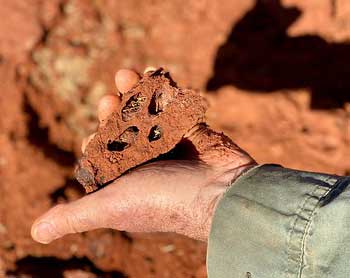
Dr Walsh says: As Aboriginal people foretold, in the pavements we find termite chambers and spinifex chaff within the consolidated soils of the termitaria. Remarkably, the termites rework soils to make these super-consolidated structures with galleries, tunnels and spinifex grass stores below ground. Like Coober Pedy, underground is a sensible place to be in hot arid environments. CC BY-NC-SA 2.0
“I remain surprised by what we have learnt about termites and pavements. It is as if something widely visible to Aboriginal people has been ‘hiding in plain sight’ to contemporary ecologists.
“Our learnings were led by Aboriginal people’s knowledge with clues in artworks and scattered sources.”
Dr Walsh said the Academy grant of $20,000 brought benefits far greater than anticipated.
“The funding was essential, but also the Academy’s validation of the research concept, and the recognition that goes with an Academy award, gave the project vital impetus too.”
In the journal paper the researchers concluded that through two-way learning, Aboriginal knowledge can lead, inform, contrast and intertwine with science.
“Aboriginal people refined their encyclopedia and authoritative knowledge when living continuously on this continent for at least 65,000 years and their knowledge is critical to improving ecosystem management and in understanding and caring for Australia’s deserts,” Dr Walsh said.
Applications for the 2024 Thomas Davies Research Grant for Marine, Soil and Plant Biology are now open and close on 1 June.
Nine young Australian scientists to attend the 72nd Lindau Nobel Laureate Meeting
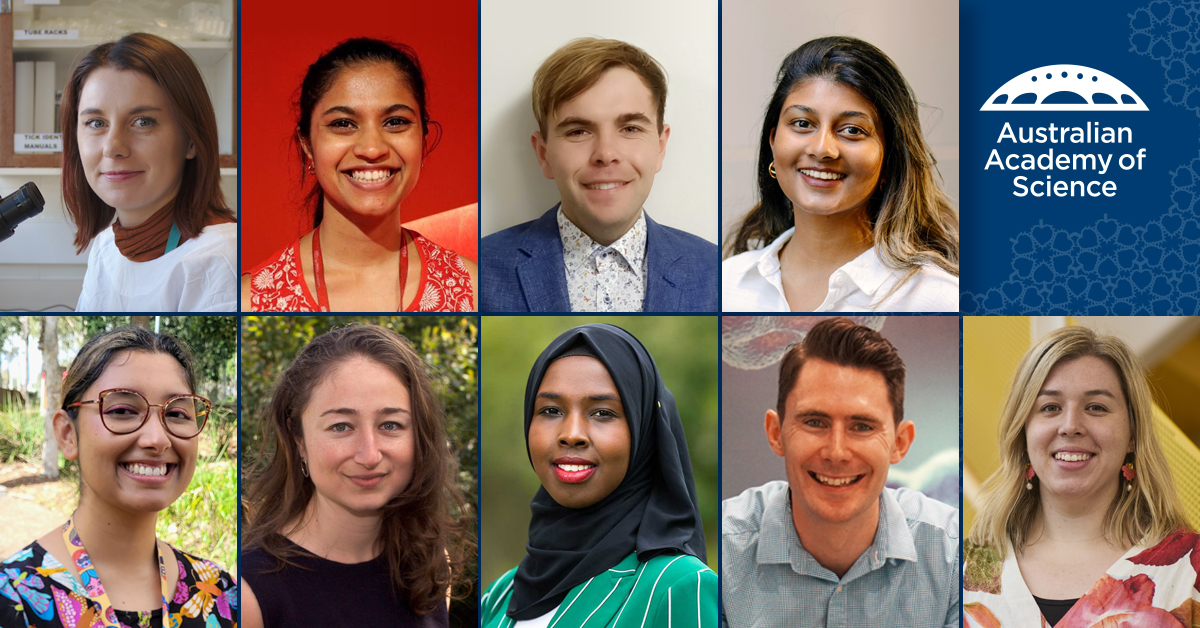
Nine early-career researchers from Australia will be heading to Lindau, Germany this year to attend the prestigious Lindau Nobel Laureate Meeting.
The annual event is expected to bring together 40 Nobel laureates and 635 young scientists from more than 90 nations.
The 72nd Lindau Nobel Laureate Meeting is dedicated to Medicine and Physiology and will be held from 25 to 30 June 2023.
Participation in the Lindau Nobel Laureate Meetings is proudly supported by the Science and Industry Endowment Fund (SIEF) and administered by the Australian Academy of Science (AAS).
The Lindau SIEF–AAS Fellows will receive a grant to enable their attendance at the event and to take part in the SIEF Research Innovation Tour in Berlin. Led by Academy Fellow Professor Jennie Brand-Miller, the tour will showcase some of Germany’s finest research and development facilities related to medicine and physiology.
The PhD candidates and postdoctoral researchers selected to attend this meeting in 2023 are:
- Dr Siobhon Egan of Murdoch University, who studies systems biology with an emphasis on microbiome and infectious disease
- Dr Lynn Nazareth of CSIRO, whose research focuses on generating ex-vivo (in a dish) models of the olfactory system to study viral infections from the nose to the brain
- Dr William Reay of the University of Newcastle, who is investigating clinically actionable components of genomic risk for complex disorders
- Dr Enakshi Sinniah of the University of Queensland, who researches stem cells and cardiovascular development
- Miss Cottrell Tamessar of the University of Newcastle, who researches reproduction, nanoparticles, andrology, gynecology and infertility
- Ms Rachel Visontay of the University of Sydney, who studies alcohol-health epidemiology.
Three of the SIEF–AAS Fellows from the field of medicine and physiology, who attended the 70th meeting virtually, have also been invited to participate in-person and will travel with the cohort selected this year to Lindau.
They are:
- Dr Ifrah Abdullahi of La Trobe University, who is investigating the health and developmental outcomes of children of immigrant backgrounds
- Dr David Klyne of the University of Queensland, who is researching why chronic pain develops, and how to prevent it
- Dr Kate Secombe of the University of Adelaide, who is working to understand the role of the gut microbiota in the development of disease, and potential therapeutic applications of altering the microbiota.
Spotlight on STEM Women Global pioneers for International Women’s Day

The Australian Academy of Science’s Gender Equity in STEM program is a suite of initiatives, underpinned and informed by the Women in STEM Decadal Plan, aimed at increasing female participation in STEM and aligning and supporting gender equity activities across organisations.
STEM Women Global is an online discovery platform that showcases the breadth and diversity of women working and engaging in STEM.
It enables a diverse range of women from across the globe to be discovered and contacted with opportunities to advance their careers and personal capabilities. It also allows for individuals to contact other women in their field, to collaborate, explore mentorship opportunities and network.
For International Women's Day, the Academy spoke with two inspirational women from the STEM Women Global network, asking them to share their experiences and examine the impact that initiatives such as STEM Women Global are likely to have on the STEM landscape.
When did you first know you wanted to pursue a career in science?
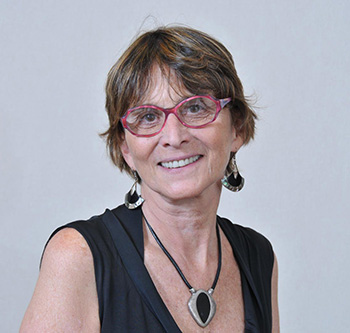
Professor Helena Nader is the first woman to become the president of the Brazilian Academy of Sciences.
Professor Helena Nader, President of the Brazilian Academy of Sciences
My first year at university. I always liked to study, and to work in the lab during my senior and junior years of middle school. But in my first year at university, I realised science and research could be what I wanted to do.
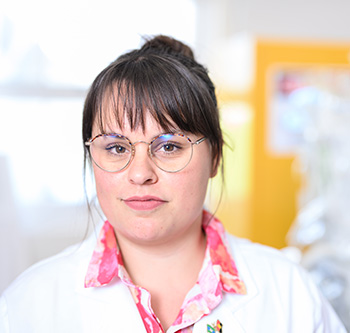
Katrina Wruck uses green chemistry to solve mining waste issues.
Katrina Wruck, Postdoctoral Research Fellow at QUT
I don't think I ever really knew in the sense of ‘normal knowing’; I just was interested in solving problems. I was drawn to chemistry because we had a really good chemistry teacher.
I really enjoyed applying the problem-solving skills to solve chemical equations. It all just seemed to make sense to me, so it became apparent that I should choose that as my university course. I never really gave it much thought; I just knew that I needed something that was going to be challenging.
Are you aware of areas where gender influences outcomes in your research environment?
Professor Helena Nader
I would say that gender is always an influence, and it can be of higher impact or a lower impact. For instance, when people are deciding if they're going to [hire] a professor in physics, they tend to believe that men will do it better.
The same is true for engineering and the so-called ‘hard sciences’, and I think this is still going on today. We were able to change in some aspects—health science, for instance. In medicine, there were some specialities that were thought to be dedicated to men. But nowadays, women have proven they can be as good or even sometimes better than men in some of the specialties.
Katrina Wruck
I think women, in a broad sense, have always had issues in this sector because of pay imbalance and [it] being a male-dominated workforce.
But for Indigenous people in Australia, science is used as a weapon to justify discrimination, so it doesn't have a great ‘bedside manner’.
Everyone accepts Darwinism—that's a well-known thing—but what is more interesting is this concept called social Darwinism. Social Darwinism gives a hierarchy to different races, and essentially, Indigenous Australians have ranked as ‘less human’ than the colonisers. That's how they could justify the segregation.
So, when you talk about why people aren't going into science, it's because there's so much history there. Where if you would tell your auntie, for example, they might not be supportive of that career choice because of the history, so it's a challenging one. At QUT, [I’m] the only Indigenous academic in the Faculty of Science. And I've just finished my PhD. There's just not a lot of other people here to provide solidarity.
But things are changing very rapidly this generation. Like I said, I'm the first person in my family to go to university, and now I'm a doctor.
What impact do you see the STEM Women Global platform having in the current landscape?
The platform is a very good initiative. It's good to have a platform where you can find data on women’s work in different areas of science. Even though it’s only dedicated to STEM, it would be nice to have in all scientific areas.
It would be of use for directors and editors of journals when they’re trying to find good names for reviewing papers or reviewing grants. It could summarise some achievements of women researchers in the STEM area.
That's why I believe that would be important to have in other areas. I would recommend including other areas because nowadays, we’re not only talking of STEM, we’re also talking about transdisciplinary research, and humanities need to be present.
I really like the fact we have these databases; I think they're amazing. I did a search the other day to see if there was anyone else in my area, and there was no one I knew.
I know there are other people; it just hasn't been adopted more widely. I'd love to connect with people I haven't met yet, who I don't know about, to see if we can collaborate. [These databases are] a powerful tool to connect people and moving forward, I think it's going to be needed in our society.
I hope people can use it, to not only connect with others, but also ask them to be featured in the media, to help write books, and things like that.
What advice would you give to young people who are considering a career in science?
If you think of going for a career in science, you're going to be a very happy person. If you like science, you're going to experience new challenges every day. You're going to experience how to solve problems.
Sometimes you're going to find the direction you were moving was not the proper one, that you need to change. And that's the beauty of science: you don't have the final answer. You will have a hypothesis that you try to prove or disprove, and if the hypothesis is proven wrong, you need to start over.
So by doing science, you're not going to be doing a routine, and you're going to be your own boss. Because the experiment you're performing is the one you plan, it is the one you decided would be important. It's a career. It's a profession that's unique.
If I had to do it all over again, I would. I really appreciate the life that I’ve had.
Find your allies, and use—and expand—your network.
NBN Co champions women in STEM with unique partnership
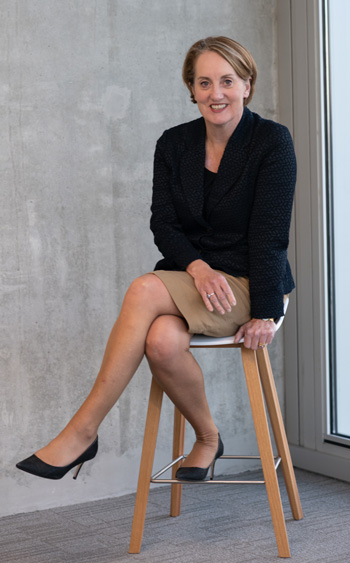
NBN Co Chief People and Culture Officer Sally Kincaid
NBN Co is committed to increasing female representation in the workforce under an initiative to raise female participation in science, technology, engineering and maths (STEM) roles.
The company has joined the Australian Academy of Science’s Women in STEM Decadal Plan Champions – the first Government Business Enterprise to champion the initiative.
The commitment aligns with nbn’s target of achieving 40 per cent female representation in management positions. A report into STEM gender equity in Australia found women filled just 23 per cent of senior management and eight per cent of CEOs in STEM industries.
Academy Chief Executive Anna-Maria Arabia welcomed nbn as a Decadal Plan Champion.
“nbn’s achievements towards gender equity show it’s committed to positive and sustainable change for women in STEM,” Ms Arabia said.
“We are excited to see one of Australia’s major corporations take the next step in its journey to achieve gender equity and greater diversity in the workforce.”
NBN Co Chief People and Culture Officer Sally Kincaid said nbn has lifted the percentage of women in management roles, with more than 34 per cent in December 2022.
“But we need to do more – and we’re working hard to reach our goal of 40 per cent,” Ms Kincaid said.
“As a major telco employer we have a responsibility to demonstrate the personal, professional and industry-wide benefits of recruiting and retaining top female talent.
“Joining the Women in STEM Decadal Plan formalises our commitment – ultimately, we accept we will be judged by our actions, not what we say.
“An inclusive culture drives innovation and enables the business to fulfil its purpose of lifting the digital capability of Australia.”
Read nbn’s Champion Response to the Women in STEM Decadal Plan.
The Women in STEM plan encourages organisations to work towards gender equity through leadership and cohesion, evaluation, workplace culture, visibility, education and industry action.
Adrien Loir, Louis Pasteur and the Australasian rabbit plague
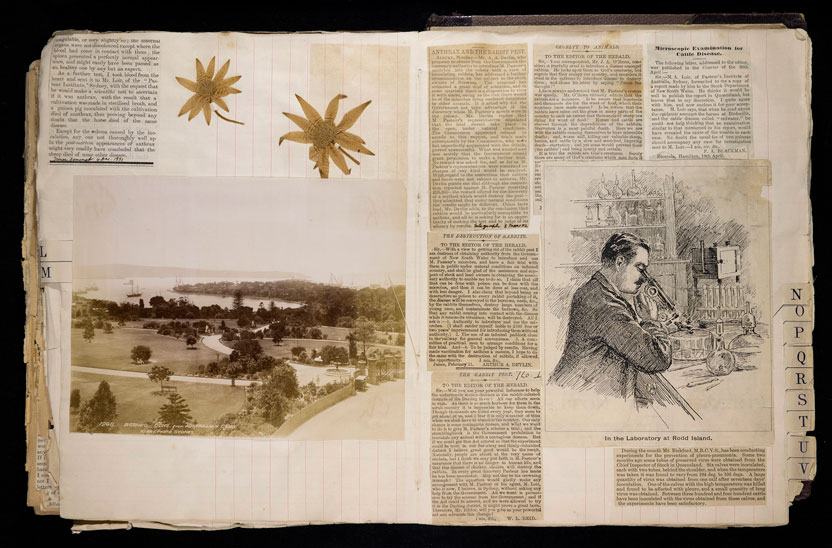
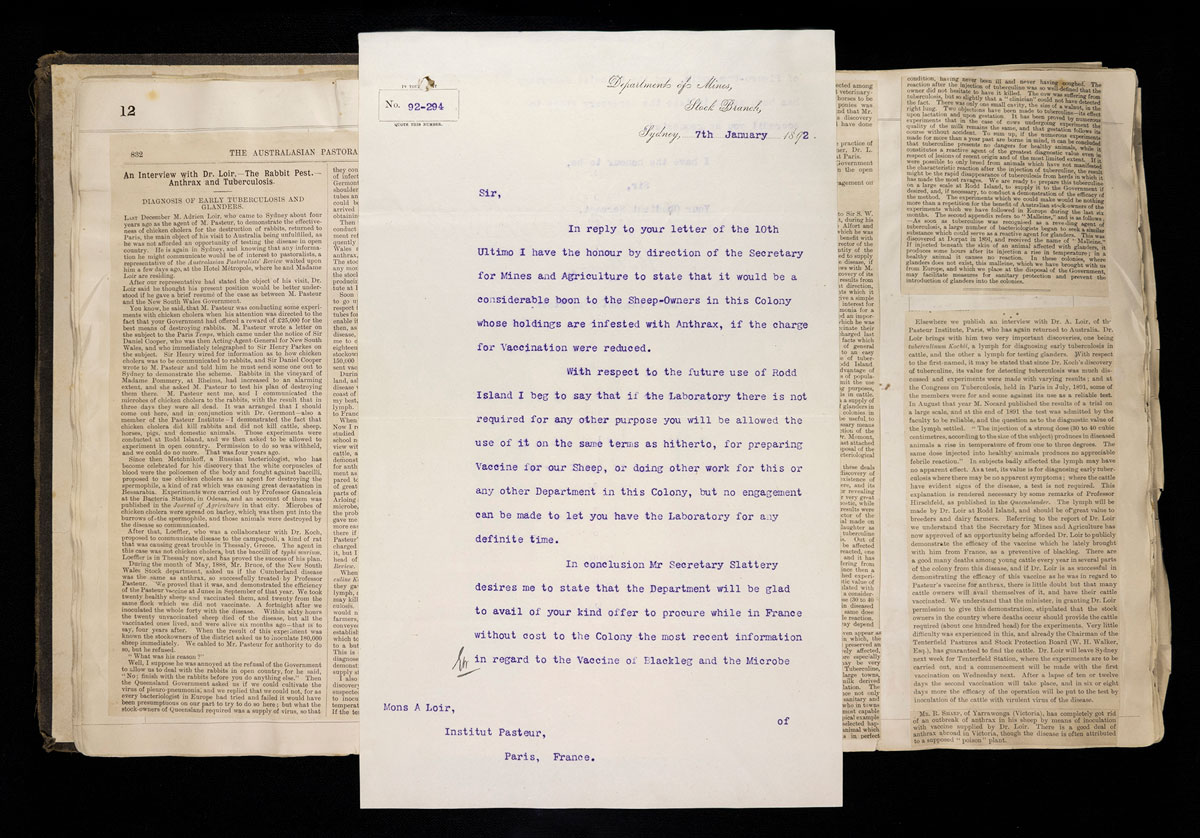
The Australian Academy of Science’s unique collection of manuscripts describes a strange chapter in scientific history, one that has to do with rabbits, livestock disease and a $10 million reward. To improve access to the collection, the Academy recently published a digital version of the fascinating scrapbooks belonging to a young Adrien Loir, nephew and protégé of famed microbiologist Louis Pasteur.
The rabbit plague
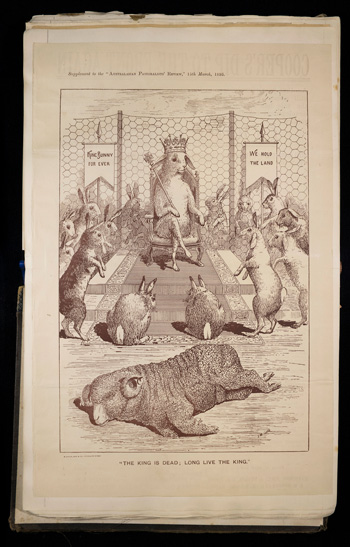
The spread of rabbits in mainland Australia began in 1859, when 24 wild-caught rabbits from England were released on the Winchelsea estate of Thomas Austin for a touch of home and a ‘spot of hunting.’ They multiplied at an astonishing speed and by 1880 had become a plague of almost one billion. The rabbits overran vast areas of the countryside, and the Australian pastoral industry was facing collapse.
By 1887 it was clear the rabbits would resist all attempts to control their numbers. The increasingly desperate New South Wales government of Sir Henry Parkes appointed an Intercolonial Rabbit Commission to find a biological solution to the problem. The commission sent out a global call for ideas and offered a massive reward – £25,000 or $10 million in today’s terms – for ‘any method or process not previously known in the colony for the effectual extermination of rabbits.’
The prize drew the attention of Dr Louis Pasteur, the renowned French scientist whose work showed that microorganisms cause disease at a time when the validity of germ theory was still being questioned. Pasteur pioneered the first vaccines for chicken cholera, anthrax, and the much-feared rabies. At the time of the Australasian Rabbit Competition, however, he was recovering from his second stroke and struggling for funds to open his Institut Pasteur in Paris.
Pasteur saw the prize as an opportunity. His past experiments had demonstrated that chicken cholera (now called fowl cholera) was fatal to rabbits and worked to control their numbers when trialled northeast of Paris. Pasteur was convinced he had the solution and dispatched his nephew Adrien Loir and two colleagues, Dr François Germont and Dr Frank Hinds, to Australia to prove it and claim the reward.
Adrien Loir in Australia
The Pasteur team – headed by Adrien Loir – arrived in Australia in 1888, expecting to prove their remedy and return home with the prize money. They encountered resistance almost immediately. No one was enthusiastic about importing a new disease into the country and many on the Rabbit Commission had agendas of their own. One delegate had secret orders from the Premier of Queensland to divert Pasteur’s focus from rabbits to cattle diseases, two others imported rabbit-proof fencing wire, one was the president of a poultry farmers association justifiably fearful of chicken cholera, and another two were former students of Pasteur’s great rival, German scientist Dr Robert Koch.
Loir was almost refused entry into New South Wales, but the Commission eventually relented and constructed a laboratory on tiny Rodd Island, at the edge of Sydney Harbour, for the team to conduct their experiments and prove their rabbit eradication method.
Months after the Pasteur team landed in Australia, they performed their six weeks of pre-planned experiments, and the Rabbit Commission began deliberating a decision. The terms of the competition insisted on a year’s worth of trials, and Loir remained in Australia to wait. He turned his attention to the mysterious Cumberland disease that was devastating Australia’s sheep and cattle industry.
Fatal to all birds
The Rabbit Commission eventually determined that while chicken cholera killed rabbits, it was not sufficiently transmissible to make a dent in their numbers. Equally troubling was that the disease appeared fatal to all birds. An annoyed Louis Pasteur would have noted that according to the very vague terms of the competition, he should still qualify for the reward. The NSW government had stated that a remedy to the rabbit problem could not be ‘noxious to horses, sheep, camels, goats, swine, or dogs’ but had neglected any mention of birds.
This argument did not sway the Australians. Nobody won the £25,000 prize, but by 1889 it hardly mattered. Adrien Loir’s diversion into livestock diseases paid off. He and François Germont determined that Cumberland disease was, in fact, anthrax. As Pasteur already had a working anthrax vaccine, they persuaded the Parkes government to support a public vaccine trial that was so successful it seemed miraculous to those gathered to observe. Loir also worked with a grateful Queensland government to develop vaccines for the bovine pleuropneumonia and blackleg diseases plaguing the cattle industry in the colony.
Loir made considerable profits manufacturing vaccines on Rodd Island over the next four years, more than the original prize for the rabbit competition. Pasteur combined these funds with donations raised by a French newspaper campaign and proceeded with his Paris Institute.
Political controversies
Adrien Loir was a collector. While in Australia he kept two massive scrapbooks containing pressed flowers and steamship tickets alongside obscure media coverage, cartoons, letters and journal articles in French and English. He travelled between cities and rural areas, took photographs, and hinted at ongoing political controversies, including an accusation that the NSW government was interfering with his mail – which, to be fair to Loir, was true. There are press clippings touching on his relationship with visiting French actress Sarah Bernhardt and famously turbulent personal life. These small details stand out among the vast collection of memorabilia about rabbits, livestock, and his eventual transition from Australia back to France followed by his next post in Tunisia. The scrapbooks cover the period 1888 to 1894.
The Adrien Loir scrapbooks are now freely accessible via the Academy online catalogue.
Australia had to wait another 60 years for an effective response to the rabbit problem. The myxoma virus was released in 1950 after years of pioneering research by Professor Frank Fenner, a foundation Fellow of the Academy, and his colleagues. The population dropped by half a billion in the first two years, and while rabbits remain a problem, they have never recovered their plague era numbers.

The Academy would like to thank philanthropist David Anstice whose support made digitisation of the Adrien Loir collection possible.
The research and experience of Australian scientists forms the foundation on which we build our future. It is vital that we capture and preserve their stories. Donations from organisations and individuals are welcome; if you would like more information about supporting the archive project, please contact our Philanthropy Manager at philanthropy@science.org.au