




Three emerging innovators to represent Australia at Falling Walls Lab in Germany

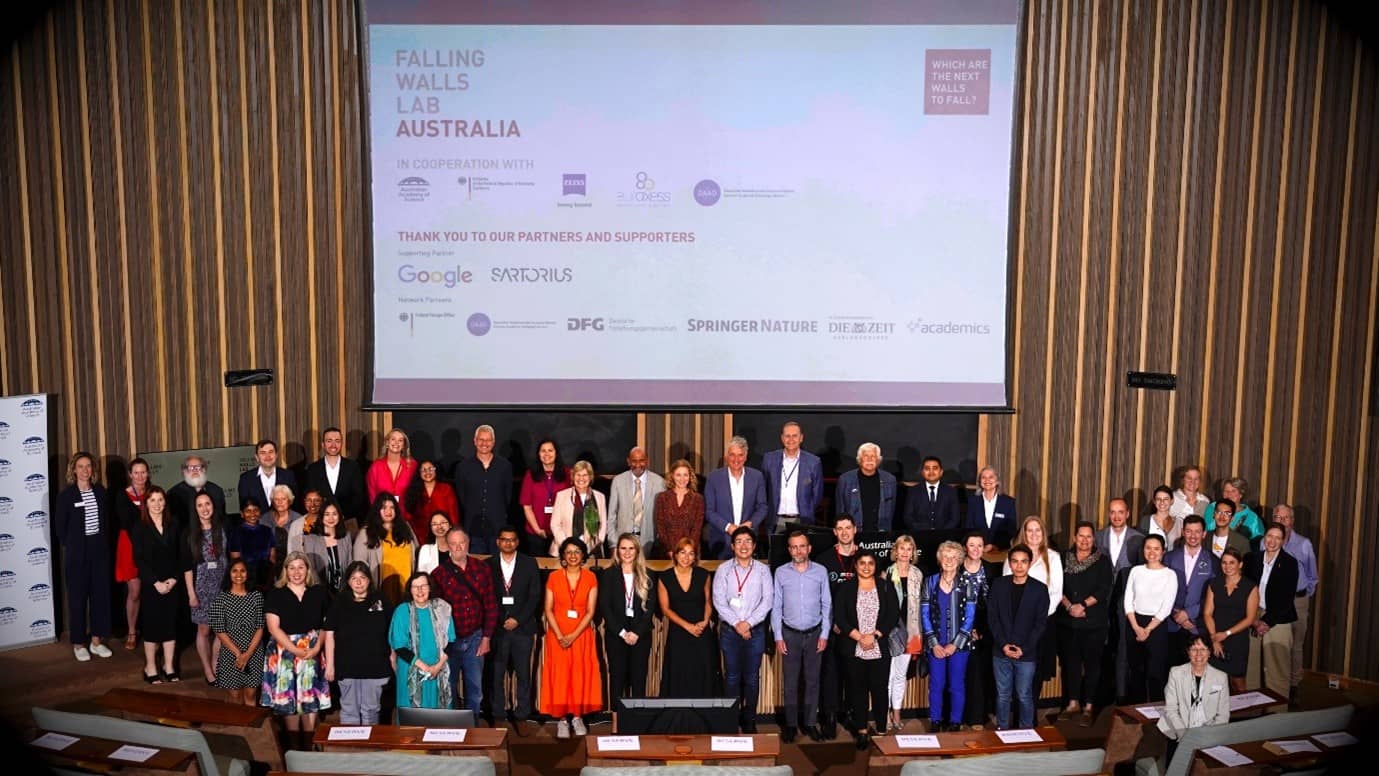
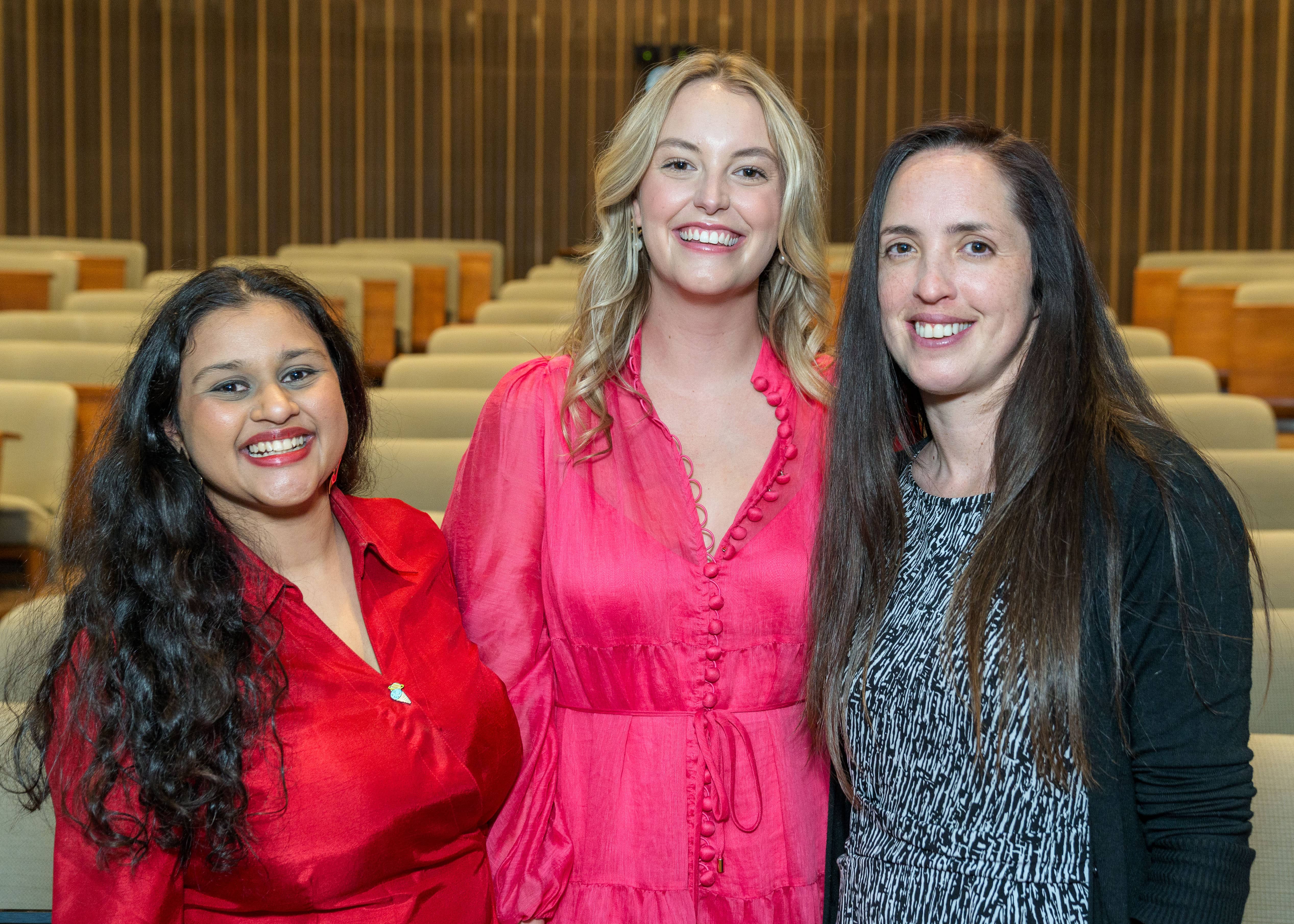
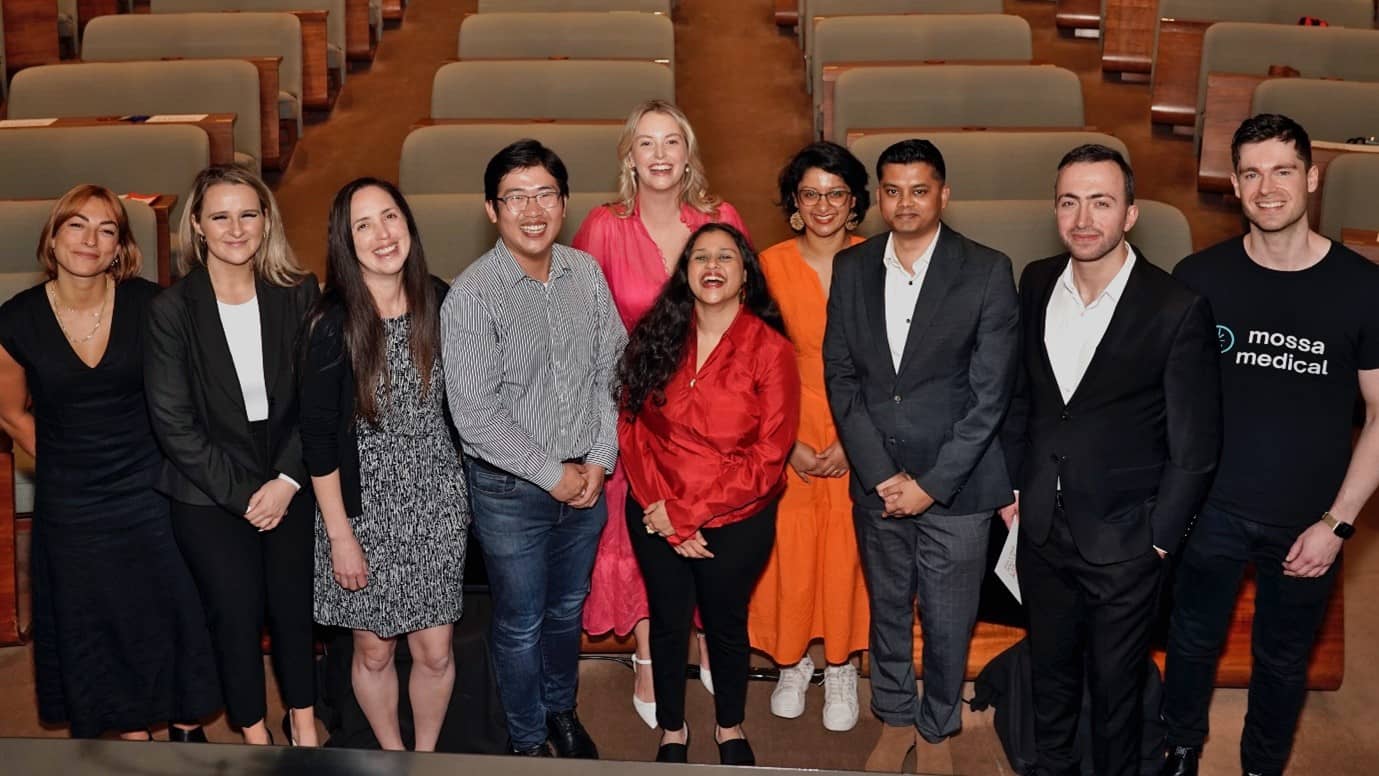
Dr Emma-Anne Karlsen is the winner of the eighth Falling Walls Lab Australia event, hosted by the Australian Academy of Science on 18 September.
Emma-Anne spoke about ‘breaking the wall’ of cancer therapy. As a PhD candidate at the University of Queensland’s Frazer Institute, she is investigating novel breast cancer biomarkers and therapeutic strategies. Also a General Surgery Registrar, Emma-Anne hopes to build a career as a surgeon-scientist to improve global health outcomes for women with breast cancer.
Second place was awarded to Alex Griffin, a postdoctoral research fellow at the Cerebral Palsy Alliance and The University of Sydney. Alex is a physiotherapist, early-career researcher and consumer of paediatric disability services. Her mission is to advance the development and application of new treatments for paediatric disability, in partnership with people with lived experience.
University of Queensland PhD candidate Hemanshi Galaiya came in third place. As a champion for youth and women empowerment, Hemanshi spoke about ‘breaking the wall’ of inequitable education by increasing the quality of STEM education—particularly in her home country, Kenya.
The three winners will travel to Berlin in November to represent Australia at the Falling Walls Lab Finale. They will present their 3-minute pitch alongside 100 other finalists selected from more than 79 Labs across the globe.
The top 3 were chosen from 10 emerging innovators, who gathered at the Shine Dome in Canberra to present their ideas, research and initiatives on the theme ‘Which walls will fall next?’. The 10 finalists were selected from earlier heats in Adelaide, Sydney and Brisbane.
Each participant had just 3 minutes to make their pitch in front of a jury of eminent academics and leaders from government, business and finance, chaired by President of the Australian Academy of Science, Professor Chennupati Jagadish AC PresAA FREng FTSE.
The Falling Walls Science Summit is an annual conference that fosters discussion on research and innovation and promotes the latest scientific findings among a broad audience from all parts of society. The Lab is an international forum for the next generation of outstanding innovators and creative thinkers.
Falling Walls Lab Australia is organised by the Australian Academy of Science in association with the Embassy of the Federal Republic of Germany in Australia, and with the support of event partners ZEISS, EURAXESS Australia and New Zealand, and the DAAD German Academic Exchange Service.
Fourteen 2023 France and Europe Mobility Grants awarded for outstanding research
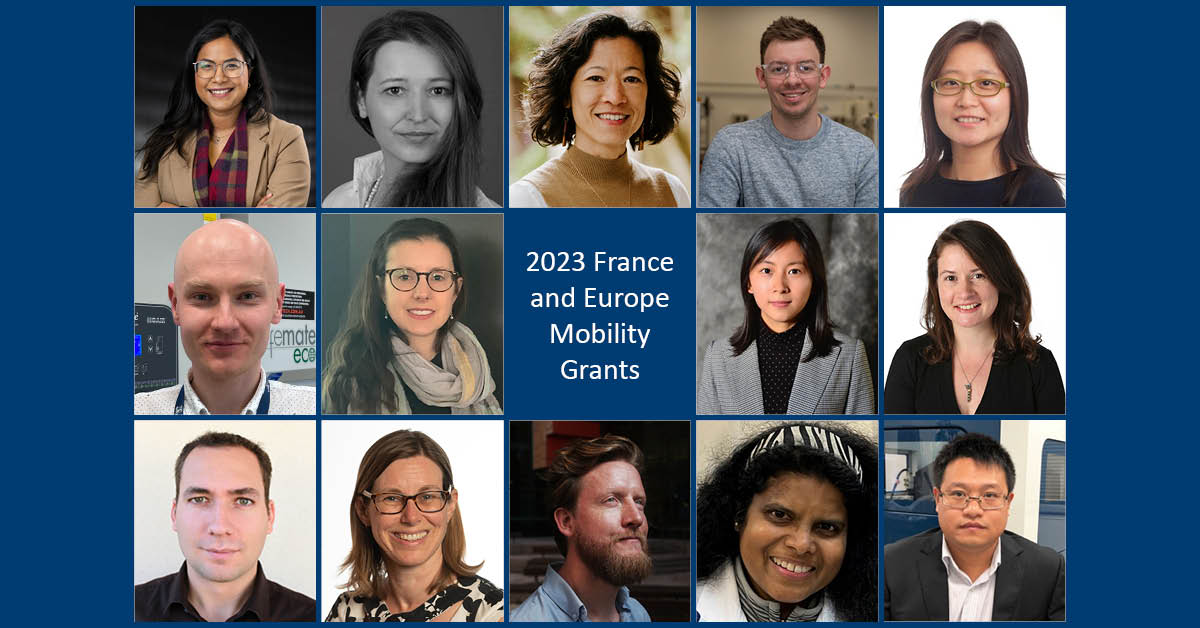
The Academy is pleased to announce the recipients of the France and Europe Mobility Grants for 2023.
A total of just under $100,000 has been awarded to 14 Australian early- and mid-career researchers (EMCRs) to collaborate with leading researchers at major science and technology organisations across Europe.
The grants, valued up to $7,500 each, are made possible by the generous support of the Rod Rickards Fellowships and the Bede Morris Memorial Fund.
Recipients’ research covers diverse topics, from how to manage a honeybee pest to developing next-generation materials.
Ten EMCRs have been awarded a 2023 France and Europe EMCR Mobility Grant, funded by the Rod Rickards Fellowships. Among the recipients is Dr Karen Alt from Monash University. Dr Alt’s research focuses on the development of a molecular imaging probe for early detection of various diseases, which could accelerate the development of novel drugs for their treatment.
“My visit under the support of the Rod Rickards Fellowship to two world-class laboratories and the World Molecular Imaging Conference will give me the opportunity to present my work and discuss my findings with leading researchers in the field,” Dr Alt said.
“This will provide invaluable feedback and open new research opportunities and collaborations, which will directly influence the future direction of my research efforts.”
The EMCRs who have received grants funded by the Rod Rickards Fellowships are:
- Dr Karen Alt, Monash University – Theranostics: Therapy and diagnostic in a single agent
- Dr Guanyu Deng, University of Queensland – Study on fatigue and wear service performances and associated failure mechanisms of an additive manufactured novel cost-effective high entropy alloy
- Dr Shashi Goonetilleke, University of Adelaide – SweetFlow: Study of the genetic architecture of phenology-related traits and heat/chill requirements in sweet cherry
- Dr Sara Kyne, University of New South Wales – Iron nanoparticles for sustainable synthetic transformations
- Dr Yang Liu, James Cook University – Field-deployable chemical sensors for water quality monitoring in the Great Barrier Reef
- Dr Chandnee Ramkissoon, University of Adelaide – Exploring the toxicity of amorphous silica in engineered stone dust: Implications for lung disease prevention
- Dr Emily Remnant, University of Sydney – Building an integrated Varroa management strategy for Australia's honeybee industry
- Dr Neil Robinson, University of Western Australia – Spins on the move: Magnetic resonance hyperpolarisation for next-generation materials development
- Dr David Skerrett-Byrne, University of Newcastle – Paternal stress signatures that shape offspring health
- Dr Jing Zhang, University of South Australia – MOF-polymer hybrid materials for functional 3D printing under visible light
The following EMCRs have been awarded a 2023 France and Europe EMCR Mobility Grant, supported by the Bede Morris Memorial Fund.
- Dr Maciej Daniszewski, University of Melbourne – Transplantation of organoid-derived retinal cells for vision restoration in animal models and assessment of cell function and integration
- Associate Professor Jenny Fisher, University of Wollongong – A view from the south: Exploring Southern Ocean mercury cycling and what it means for the UN Minamata Convention
- Professor Kim-Anh Lê Cao, University of Melbourne – New statistical methods to integrate microbiome studies
- Dr Ludovic Rapp, Australian National University – Restructuring matter with laser pulses at ultra-relativistic intensity: Search for new silicon phases
Professor Kim-Anh Lê Cao’s research focuses on the development of statistical methods for the analysis of microbiome data. Her expertise in multivariate statistics and her deep understanding of molecular biology put her at the forefront of cutting-edge biological research.
“Receiving the Bede Morris Memorial Fund is a great honour and a recognition of the importance of developing analytical methods for large biological data,” Professor Lê Cao said.
Professor Lê Cao is also an Academy honorific award recipient, receiving the Moran Medal in 2019.
Associate Professor Fisher also received the Academy’s Anton Hales Medal in 2022.
About the Rod Rickards Fellowships
The Rod Rickards Fellowships were established in 2009 by the family of Professor Rod Rickards FAA in honour of the important contributions he made to Australian science through outstanding achievements in chemistry and biology. Since 2010, Fellowships have been awarded to 40 outstanding Australian EMCRs to travel to Europe and undertake collaborative research projects in the fields of chemistry or biology at cutting-edge institutes.
About the Bede Morris Memorial Fund
The Bede Morris Memorial Fund was established to honour Professor Bede Morris FAA, one of Australia’s most distinguished medical scientists. The fund has supported Australian researchers to travel and undertake collaborative projects with researchers in France since the early 1990s. In recent years, the fund has focused support on Australian EMCRs, contributing to travel costs to France for research in any field of the natural sciences.
Undermining science undermines us all
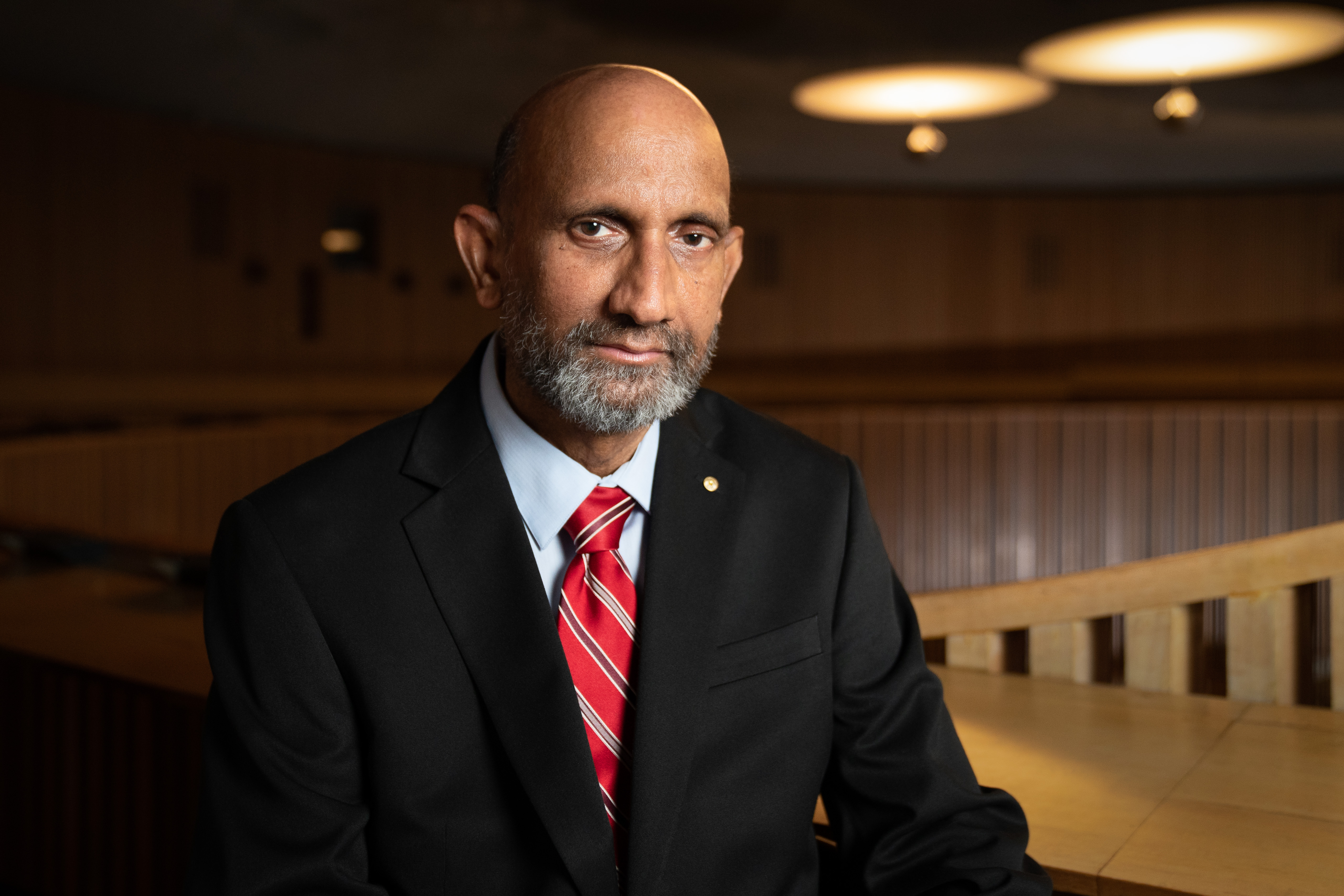
Academy President Professor Chennupati Jagadish.
Australian science enjoys the overwhelming confidence of the public, but this is at risk from those who seek to twist the truth to suit their agenda.
A 3M/Ipsos poll of more than 1,000 Australians published recently found 92% say that science can help us solve the problems of tomorrow and 88% see the connection between science and its role in improving their lives.
The Australian Academy of Science thanks the Australian public for their confidence and trust in science.
It is important for the Academy—whose fellowship is a rigorously selected group from amongst Australia’s top scientists—and all our Australian scientists, to know that the public has such confidence in what they do.
The Academy also acknowledges that confidence in science is earned and cannot be taken for granted.
Building science-based knowledge is one of the great achievements of humankind. What we know has evolved over millennia with each generation of scientists building on what has gone before.
Perhaps the 88% of Australians surveyed who see positive benefits to their lives can imagine what life would be like without science and its application—a life without vaccines, no sanitation, no refrigeration, no smart phones, no comfortable dentistry, and no weather forecasting.
In a world in which everybody can be a (public) sceptic but not everybody can be an expert, it is more important than ever that science is explained openly, in language that is accessible, and that the public can readily find sources of information that can be trusted—dispassionate, rational, expert.
It is easy to sow doubt—to take sentences from here and there in email streams and compare early thinking with later conclusions—and presume any change is due to some unspecified pressure rather than a change in the weight or direction of evidence, or even argument.
Such tactics are not new. We have witnessed the seeding and dissemination of uncertainty throughout the years—to postpone the regulation of tobacco consumption, to continue the use of lead in petrol, to obstruct vaccination during the ongoing pandemic, or to prevent action on climate change to list a few.
The current level of discourse around science, in Australia and the world, in relation to the origin of SARS-CoV-2 is another contemporary example. It reflects a worrying pattern of deliberate undermining of public trust in science at a time when policymakers need to inform their decisions with rigorously gathered evidence, rather than in response to conspiracy and fearmongering.
As a society we must hold scientists to the highest of standards.
Scientists and scientific organisations have a responsibility to conduct and communicate their research with integrity, respect, fairness, transparency, and trustworthiness and to consider the implications of new knowledge and its applications for society. Integrity and ethics in research are critical for maintaining excellence and public trust in science.
What every member of the public must be able to expect from our scientists is the application of a rigorous scientific process of inquiry so that the best available knowledge can inform our decisions. This means fostering better public understanding of how science works and how it allows us to build knowledge over time.
Science is a system of knowledge: knowledge about the physical and natural world, knowledge gained through observation and experimentation, and knowledge organised systematically. It is knowledge gained and repeatedly tested using the scientific method, commonly involving a hypothesis that can be tested and changed as evidence builds, or a question that can be answered.
Science-based knowledge is subject to discussion, debate, further examination, and it is reviewed time and time again, especially as new information becomes available.
This rigorous and documented process of testing, contesting, and reviewing can give us all confidence in the state of knowledge at a particular time.
This means that conclusions we draw can, will and must change as evidence builds; as will public policy responses.
That is why practising and upholding scientific principles and rigorous process is an important responsibility of all scientists.
The Australian Academy of Science’s support for science, underpinned by rigorous processes, is unequivocal.
Science relies on high-quality journalism to communicate discoveries that impacts our lives. And that is why we must be concerned when journalism and other sources seek to mislead, distort and obfuscate scientific evidence and in doing so undermine public trust in science.
It is a dangerous trend and must be called out. As a national academy whose remit is to uphold standards of excellence in science, we will call out behaviour that serves no good purpose and that harms the essential underpinnings of a stable, safe and civil society that relies on evidence-informed decision making.
It is up to all those who value the importance of knowledge as a public good to take a stand in the face of those who would assault it. Indeed, the public is aware: 93% of Australians surveyed believe positive outcomes can be achieved if people stand up for and defend science; 92% want business to take action to defend science.
We urge for a better comprehension of the scientific process, that not only serves us well in the every day, but is critical to assist us navigate global challenges and the increasingly complex geopolitical world we all live in.
Efforts to undermine science, undermine us all. And the survey of Australians shows they know that.
_____
Professor Chennupati Jagadish AC PresAA FREng FTSE
President
Australian Academy of Science
Young Australian scientists learn from Nobel Laureates at 72nd Lindau Meeting
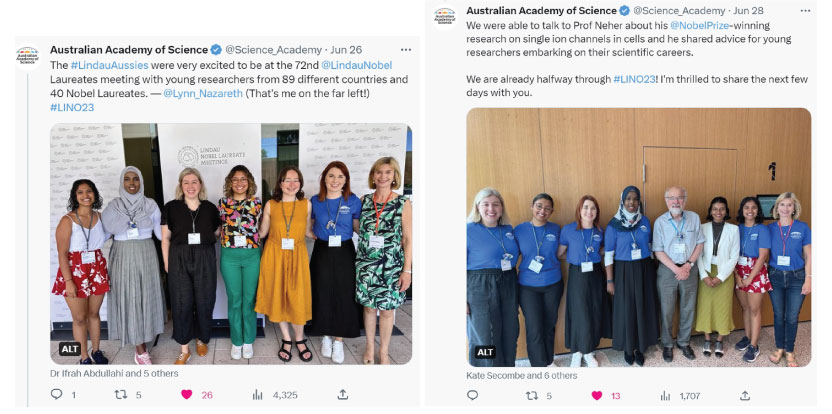
Seven of Australia's brightest young scientists attended the 72nd Lindau Nobel Laureate Meeting dedicated to physiology and medicine from 25 June to 1 July in Germany.
The Australian delegation was led by nutrition scientist and Academy Fellow Professor Jennie-Brand Miller AO.
Participation in the Lindau Nobel Laureate Meetings is proudly supported by the Science and Industry Endowment Fund (SIEF) and administered by the Australian Academy of Science.
This event is a highly prestigious annual gathering of Nobel Laureates and approximately 600 young scientists from around the world.
The meetings provided an opportunity for young Australian scientists to share their research, experiences and ideas, and gain inspiration from fellow emerging scientists and Nobel Laureates.
Through lectures, Agora talks, Laureate Lunches, Science Walks and open exchanges, the delegates learnt about both the professional and personal lives of the Laureates.
One of the delegates, Dr Kate Secombe from the University of Adelaide said, “Many of the Nobel Laureates were very generous with their time and their answers.
“I particularly enjoyed listening to the Open Exchanges between Young Scientists and Nobel Laureates Frances Arnold and Emmanuelle Charpentier.
“It was interesting to hear about how they have fit their careers into their life and how things have changed since winning a Nobel Prize. They were very candid about their decision making at critical points in their career and also the sacrifices they have made.”
Another delegate, Cottrell Tamessar from the University of Newcastle and the Hunter Medical Research Institute, described their most memorable experience at the meeting as, “Listening to Professor Shwetak N Patel’s lecture on ‘The emergence of mobile phones and wearables in health’.
“His talk was a fantastic implementation of AI in medical research and an inspiration for how researchers could be implementing cutting edge technology in STEM.
“I also learned vocabulary like ‘democratising healthcare,’ which is a notion I have been passionate about in my own research but now I have the common understanding/language to connect to the broader scientific landscape.”
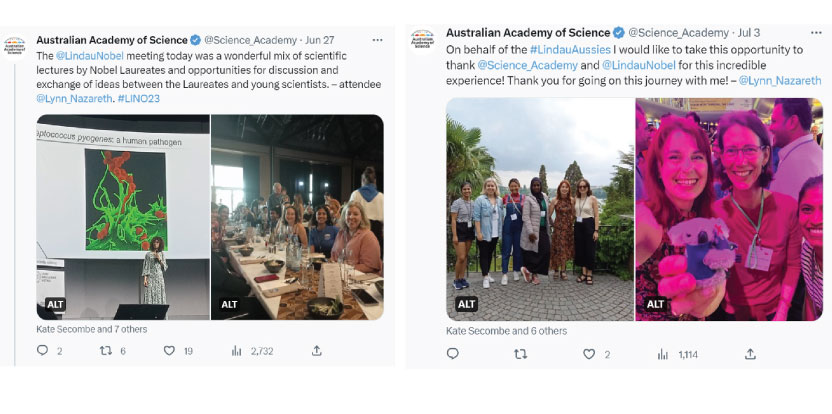
The Academy also organised a Research Innovation Tour in Berlin the week before the Lindau meeting.
The tour enabled the young scientists to visit a range of prestigious research institutes connected to their fields of studies, including the Charité University Berlin, the Humboldt University, the Max Planck Institute for Human Development and the German Centre for Rheumatic diseases (Rheumaforschungszentrum).
A highlight of their trip was meeting the Australian Ambassador, Phillip Green, at the Australian Embassy in Berlin and learning about the role of science in Australia and Germany’s bilateral relationship.
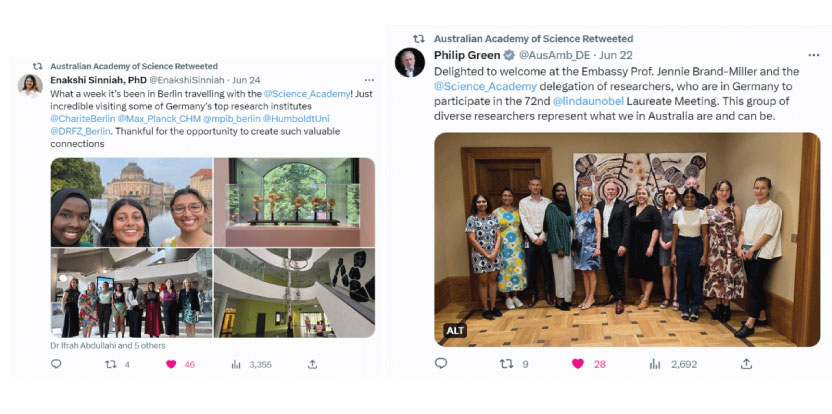
For our young scientists, this was an experience of a lifetime.
Rachel Visontay from the University of Sydney said, “I made such strong friendships with the Aussie group and loved exchanging experiences of being a young researcher in Australia.
“[I] got a great sense of the German research scene. Lindau was so intellectually stimulating, especially getting to meet brilliant young people from around the world!”
Next year’s 73rd Lindau Nobel Laureate Meeting, which is dedicated to the discipline of physics, will be held from 30 June – 5 July 2024.
Aussie chemistry expert a contender for international science prize
An Australian researcher developing technologies to address the world’s renewable energy challenges is Australia’s nominee for the annual APEC Science Prize for Innovation, Research and Education(ASPIRE).
Professor Tianyi Ma, from RMIT University, is one of up to 21 scientists under 40 years of age from Asia–Pacific Economic Cooperation (APEC) member economies in the running for the annual US$25,000 prize.
Professor Ma’s research focuses on chemical reactions and how to make them faster and cleaner.
One of his inventions is a 2D device that can float on the surface of seawater. The device directly converts solar energy into chemical energy to speed up the process of water splitting into hydrogen and oxygen gases.
It’s estimated that, without needing solar panels, batteries or water electrolysers, the device can generate green hydrogen at an approximate cost of A$3.70 per kilogram, which approaches the 2030 global production target of A$2.00 per kilogram.
While hydrogen has long been proposed as a clean fuel that could power households, industries, and cars of the future, much of it is still produced by fossil fuels. Professor Ma’s prototype device offers a greener alternative and is currently undergoing further trial testing.
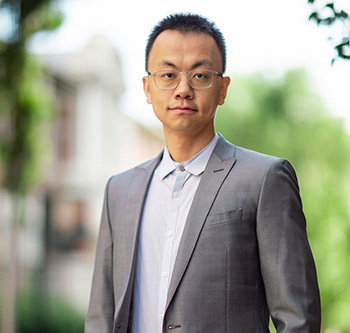
Professor Tianyi Ma was nominated by the Australian Academy of Science and the Department of Industry, Science, and Resources. Photo: RMIT
Professor Ma is also working on ways to tackle the world’s current carbon emissions. He’s now in the process of building a device that captures exhausted carbon dioxide and uses an electric current to ‘upgrade’ it to useful components such as methane and formic acid.
Professor Ma was selected as the Australian nominee for the award by the Australian Academy of Science and the Department of Industry, Science, and Resources.
Award nominees must exemplify a commitment to international science collaboration.
Professor Ma has co-authored more than 200 publications with researchers from APEC countries, showcasing the interdisciplinary nature of his work.
Professor Ma said he was honoured to be chosen as Australia’s nominee for the prize.
“I’m quite passionate about my research projects because they combine fundamental science breakthroughs with far-reaching industry impact,” he said.
The winner of the 2023 APEC ASPIRE Prize will be announced on 6 August at a ceremony in Seattle, United States.
The two Australian runners-up for the 2023 nomination are:
- Professor Sumeet Walia, RMIT University: for developing technologies to significantly reduce energy consumption and carbon emissions. This includes new technologies to reduce emissions from the computation industry and energy-saving coatings for window glass.
- Associate Professor Debbie Bower, University of New England: for research on the conservation of wetlands and their fauna including a focus on freshwater turtles and disease in frogs.
About the prize
The ASPIRE Prize is an annual award which recognises young scientists from APEC economies who have demonstrated a commitment to both excellence in scientific research, as evidenced by scholarly publication, and cooperation with scientists from other APEC member economies.
The three previous Australian winners of the prize are:
- CSIRO’s Dr Jessica Bogard (2021), for developing healthy and sustainable foods for vulnerable people in low- and middle-income countries
- RMIT University’s Associate Professor Madhu Bhaskaran (2018) for her work on electronic devices and sensors
- Associate Professor Carissa Klein (2013) for her work on sustainable ocean development.
Leading biologist and Academy Fellow appointed CSIRO Chief Executive
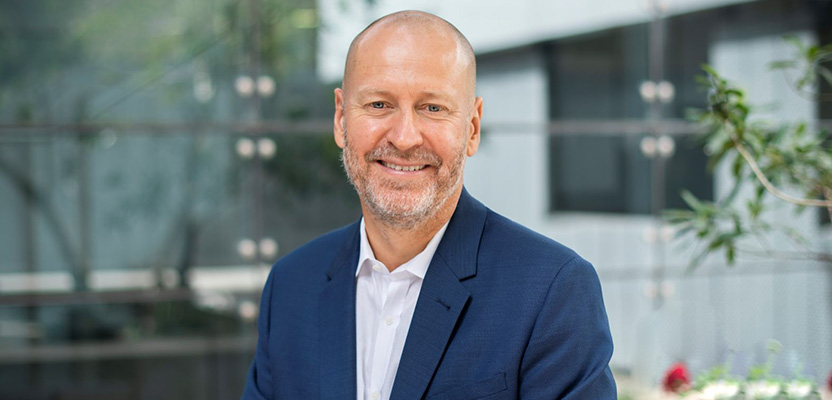
Fellow of the Australian Academy of Science Professor Doug Hilton AO has been named as the new chief executive of Australia’s national science agency.
Professor Hilton, a molecular and cellular biologist who was elected to the Academy in 2004, will begin the role at CSIRO on 29 September.
Academy President Professor Chennupati Jagadish AC welcomed the appointment of Professor Hilton by CSIRO’s board of directors.
“Doug is a widely respected scientist and leader whose 14 years as WEHI Director were characterised by innovation and progressive leadership, including a wholehearted commitment to gender equality and diversity,” Professor Jagadish said.
“Indeed, when Doug was elected a Fellow of the Academy for his outstanding contributions to science, his citation noted that he is a wonderful ambassador for the Australian research community.
“I’m sure that will continue to be the case as Doug takes on this leadership role at CSIRO,” Professor Jagadish said.
In a statement posted to CSIRO’s website, Professor Hilton said the intent of CSIRO to deliver science for the benefit of the community was completely aligned with his personal values.
“I am looking forward to leading CSIRO as we work to solve our nation’s greatest challenges,” Professor Hilton said.
“I will join CSIRO, after leading WEHI where our staff and students strive to help people live healthier for longer. At CSIRO I know that same sentiment will be there and that’s incredibly important to me.”
Professor Hilton has maintained an active research program at WEHI while Director.
His research has significantly advanced our understanding of how blood cells form.
As a PhD student in the 1980s, Professor Hilton continued the work of Professors Tony Burgess, Don Metcalf and Nick Nicola (his supervisor) purifying a class of cell signalling hormones, or cytokines, called colony stimulating factors.
He and colleagues purified and cloned a new cytokine, which, when applied to cultured leukaemia cells, changed them to a more mature state where they grew less rapidly.
They named it leukaemia inhibitory factor (LIF), and the discovery has gone on to play a key role in stem cell research.
Professor Jagadish also thanked outgoing chief executive Dr Larry Marshall for his eight years of service as CSIRO’s chief executive.
Fellows recognised with King’s Birthday Honours
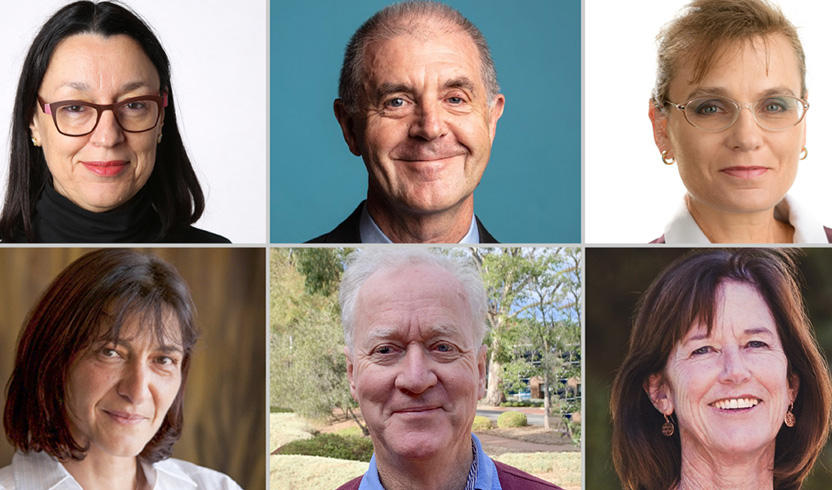
Six Fellows of the Australian Academy of Science have been recognised for their outstanding contributions to science by receiving an Order of Australia in the 2023 King's Birthday Honours List.
Professor Glenda Halliday AC FAA FAHMS was awarded a prestigious Companion of the Order of Australia (AC), for “eminent achievement and merit of the highest degree in service to Australia or to humanity at large”.
Professor Halliday—an Academy Fellow since 2021—is internationally acclaimed for her research on neurodegeneration, advancing our understanding of disease progression, and her promotion of neuroscience, mentorship and contributions to research evaluation.
She is Co-Chair and Scientific Lead of the Australian Parkinson's Mission and the Garvan Institute, and a Professor of Neuroscience at the University of Sydney. She has been the chief investigator on seven National Health and Medical Research Council grants since Scientific Program Committee of the National Institute for Dementia Research in 2018.
Her many accolades include the New South Wales Scientist of the Year award in 2022, the Robert A Pritzker Prize for Leadership in Parkinson's Research by the Michael J Fox Foundation in 2021, and the Nina Kondelos Prize by the Australian Neuroscience Society in 2011.
She received the AC “for eminent service to medical research in the field of neurodegenerative disorders, including the development of revised diagnostic criteria for Parkinson’s disease, and as a mentor”.
Professor David Craik AO FAA FRS was awarded an Officer of the Order (AO) for “distinguished service to science in the field of biological and medicinal chemistry, to tertiary education, and as a mentor”.
Elected to the Academy in 2013, Professor Craik is a biological chemist who has made important discoveries in structural biology, particularly in peptide toxins.
He discovered the cyclotide family of circular knotted proteins and, more generally, is a pioneer in the field of circular proteins.
In 2023, Professor Craik received the prestigious David Craig Medal and Lecture from the Australian Academy of Science for his research.
Additionally, four Academy Fellows were awarded the Member of the Order of Australia (AM), “for service in a particular locality or field of activity, or to a particular group”.
These Fellows include Professor Marcela Bilek AM FAA, Professor Maria Forsyth AM FAA FTSE, Emeritus Professor Peter Langridge AM FAA FTSE, and Emeritus Professor Robyn Owens AM FAA FTSE.
Professor Bilek has been recognised for “significant service to physics and biomedical engineering”.
Elected to the Academy in 2022, Professor Bilek is internationally known for contributions to the science and technology of plasma processes for surface engineering of materials.
Her work has enabled new capabilities in a range of settings, including magnetic storage devices; solid fuel plasma thrusters; implantable biomedical devices; in-vitro cell culture systems; diagnostics; stem cell and gene therapy; and nanomedicine.
In an interview with the Academy, Professor Bilek described discovery as a particularly exciting aspect of her career.
“The fact that we are doing work that we don’t necessarily know the answer to. It is never repetitive—well, except for the admin tasks, but we cope with that,” she said.
It is exciting to be working towards finding out the answers to how things work.
An Academy Fellow since 2015, Professor Forsyth has been recognised for “significant service to chemistry education, research and scholarship”.
Professor Forsyth is a world leader in developing advanced materials for a range of energy and infrastructure technologies.
Her group discovered a large new family of organic ionic ‘plastic’ materials that are being used in advanced energy storage technologies.
Professor Forsyth also developed significant understanding of charge transport at the interfaces between metals and electrolytes, and within other novel electrolyte materials. This has prompted the design of new materials for fuel cells, battery designs and technologies to prevent corrosion.
At the time of her election to the Academy, Professor Forsyth said she was looking forward to promoting women in science and science in schools through her Fellowship.
Academy Fellow Emeritus Professor Langridge is an eminent leader in the development and implementation of cereal breeding technologies, within Australia and internationally.
He initiated the application of molecular marker technology in large cereal and legume breeding programs in South Australia. These technologies were ultimately adopted by all major cereal breeding programs in Australia.
At the same time, he trained many postgraduate students in emerging breeding technologies.
Emeritus Professor Langridge also pioneered the introduction of plant functional genomics in Australia into crop improvement programs and was a member of a core group that initiated the international barley genome sequencing program.
He has received an AM for “significant service to science in the field of plant genomics and agriculture”.
Emeritus Professor Owens was recognised for “significant service to science in the fields of computer vision and mathematics”.
Elected to the Academy in 2020, Emeritus Professor Owens has an exceptional research track record in computational vision science, having developed fundamental theory in feature detection and object recognition, and applying these theories across many disciplines—from biomedical science through to facial recognition.
Her pioneering work has been acknowledged with the prestigious UK Rank Prize in 2010 in Nutrition and Optoelectronics.
Professor Owens has a sustained track record in research training and research policy development in the Australian higher education sector, including several national collaborative research infrastructure capabilities, and in promoting women in science and STEM education.
About the awards
The Order of Australia recognises Australians who have demonstrated outstanding service or exceptional achievement.
Anyone can nominate any Australian for an award in the Order of Australia. If you know someone worthy, nominate them now.
2022 annual report highlights Academy’s wide range of achievements
The announcement that the Academy will lead the International Science Council Asia Pacific Regional Focal Point was one of the many achievements highlighted in the Academy’s 2022 annual report, released today.
Other international highlights were the launch of the STEM Women Global web platform to enable women working in STEM fields around the world to raise their profile, and the announcement of $800,000 assistance for Ukrainian scientists in partnership with the Breakthrough Prize Foundation.
Closer to home, achievements included the publication of a 10-year strategic plant for Australian space science, the development of independent scientific advice to assist decision-makers, and the creation of a new award to foster integrity in science.
The Academy’s focus on climate change continued, with the launch of a National Strategy for Just Adaptation, hosting a national roundtable to explore how we can remove greenhouse gas emissions from the atmosphere at scale, and publishing a report on what could be done to support the world’s most precious heritage assets, like the Great Barrier Reef, in the face of climate change.
To champion scientific excellence, the Academy welcomed 22 new Fellows, for the first time electing the same number of women and men and the first Fellow identifying as an Aboriginal person. The Academy also:
- recognised 20 leading scientists with honorific awards, and announced support for scientists with grants, fellowships and conference funding
- helped early-career researchers take part in international events
- participated in NAIDOC Week, and supported the research of five scientists through its Aboriginal and Torres Strait Islander Scientist Award.
Engaging with a broad audience remained a high priority, with science celebrated at the Academy’s flagship event, Science at the Shine Dome, and through many other events and public outreach activities across the year. The Academy’s widely used education programs continued to provide support for teachers of science and mathematics.
“Emerging from lockdowns … the Academy’s activity and influence grew with a renewed sense of purpose. Attention shifted to the many continuing challenges for which science can provide solutions and on which the Academy can have impact,” Academy President Professor Chennupati Jagadish said in his introduction to the report.
Chief Executive Anna-Maria Arabia said the annual report demonstrates how the Academy “continued in our mission to have science heard wherever decisions are made. This year saw significant advances in terms of science informing decisions in the parliament, the justice system, the classroom, and across the Asia-Pacific region.
The Academy continued in our mission to have science heard wherever decisions are made.
“We welcome the constructive relationship we have with the government, enabling many Fellows to share their expertise directly with decision-makers,” she said.
Both recognised the critical contribution of Academy Fellows to science, and the support of many donors and partners who are vital for the independent work of the Academy.
“As we look towards the future, the important role and mission of the Academy is clearer than ever,” Professor Jagadish said.
Read more about the Academy’s achievements in the 2022 Annual Report.
Mangroves help us understand droughts and floods, and the climate-altering chemistry of kelp: Thomas Davies 2020 awardees
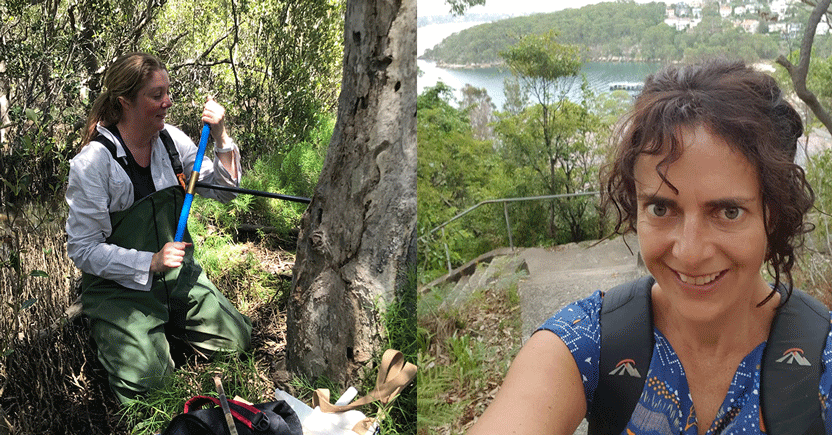
Using climate clues stored in mangroves to better understand our history of droughts and flooding rains, and how storms reduce the ability of kelp forests to fight ocean acidification—these are the outcomes of two projects awarded funding in 2020 through the Thomas Davies Research Grant for Marine, Soil and Plant Biology.
The grant of up to $20,000 is awarded annually and funded through a generous philanthropic bequest from the estate of the late Thomas Lewis Davies to the Australian Academy of Science.
Associate Professor Danielle Verdon-Kidd
One recipient, the University of Newcastle’s Associate Professor Danielle Verdon-Kidd, set out to improve our ability to quantify the future risk of extreme droughts and floods in New South Wales by tapping into new sources of pre-instrumental climate information.
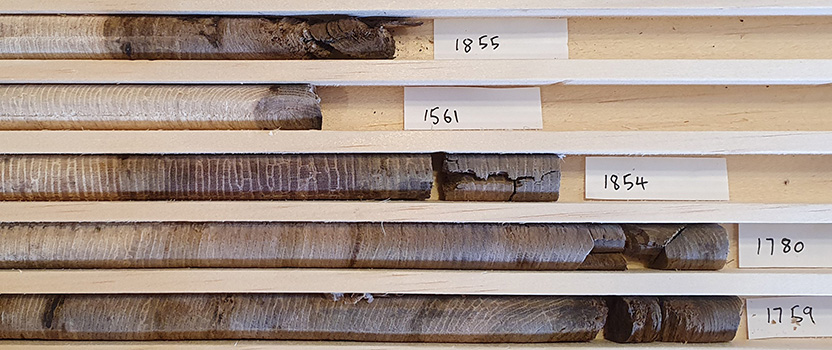
Using cutting-edge dendrochronology (tree-ring dating) techniques in grey mangroves, Associate Professor Verdon-Kidd’s team found the oxygen isotopes in the trees’ growth layers could be used as a reliable hydroclimate proxy. They could measure the proportions of freshwater and seawater the trees were exposed to throughout their lifespans, providing important clues on rainfall.
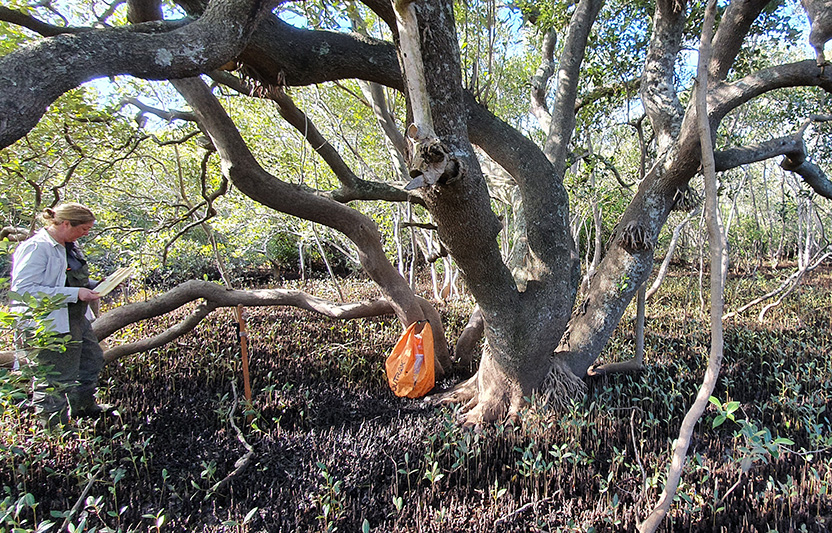
Associate Professor Danielle Verdon-Kidd put the funds toward research using mangroves as new sources of pre-instrumental climate information.
Since several trees dated back to the mid-1700s and one was found to be 500 years old, this approach allowed Associate Professor Verdon-Kidd to collect data over several centuries—further back than existing instrumental records.
“The longest gauged rainfall record for the surrounding region extends back to 1862, so core samples from these trees show potential for significantly extending the local instrumental hydroclimate record for the lower Hunter wetlands,” Associate Professor Verdon-Kidd said.
“Importantly, the samples cover a period of documented—but not yet quantified—climate extremes, including Sturt’s Drought [1809–30], which caused the Darling River to cease flowing.”
The grant helped to fund the fieldwork, travel, lab analysis and associated conference presentations for herself and PhD student Matthew Goodwin, who has also worked closely on the project.
Associate Professor Verdon-Kidd said the grant had helped set her career on a new and exciting trajectory over the last few years.
“This award has provided me with an opportunity to extend my climate extremes research into paleoclimate data development using novel—overlooked until now—tree species,” she said.
“I believe this award has contributed to my recent success in an ARC Discovery grant on reconstructing climate extremes across the Pacific using stalagmites, and my promotion to Associate Professor in January 2023.”
Due to COVID-related delays, the lab analysis is still underway, but Associate Professor Verdon-Kidd said they were on track to develop the first high-resolution hydroclimate reconstruction for coastal NSW this year, which she hoped to publish in a scientific journal.
Dr Beth Strain
The other award recipient, Dr Elisabeth (Beth) Strain, moved to the University of Tasmania shortly after being awarded the funding in November 2019 but also had to navigate significant delays to fieldwork due to the pandemic and unseasonably rough weather that limited diving trips in 2021 and 2022.
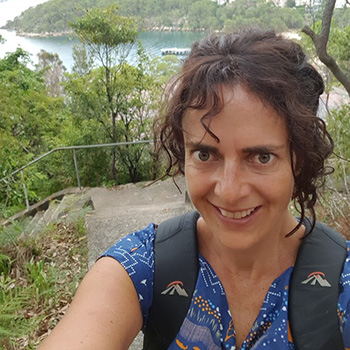
Dr Beth Strain presented the results of her project at two international symposia.
Despite the setbacks, after studying the changes in wave height, pH and dissolved oxygen in the seawater of kelp forests and barren habitat, her work has shown that kelp forests’ abilities to combat ocean acidification are hindered by decreases in kelp density and increases in wave height.
“Field measurements demonstrated that natural kelp forests had higher values of seawater pH and dissolved oxygen during the afternoon than barren habitat, but the differences were only significant when conditions were calmer,” Dr Strain said.
The research will make a significant contribution to our understanding of the role of natural kelp forests in modifying seawater chemistry, Dr Strain said.
“This suggests the benefits of kelp forests in providing local climate refuges to calcified species from ocean acidification are variable through time and could be dampened by the increased wave exposure and storminess associated with climate change,” she said.
Dr Strain said the award allowed her to purchase equipment for her research, build her scientific profile, and develop an ongoing international collaboration with a US-based researcher who has significant expertise in her field.
Dr Strain presented at two international symposia in early 2023 and has a paper currently under review with a scientific journal. She was also invited to collaborate on a large kelp forest restoration project in Tasmania funded by the Sea Forest Foundation.
About this grant
Applications for the 2024 Thomas Davies Research Grant for Marine, Soil and Plant Biology are now open, along with other funding opportunities.
The 2023 recipients of the grant are seeking to understand the drivers of wheat responses to warm nights, looking at the impact of artificial night-time light on reefs, and more.
Academy welcomes 20 new Fellows for their outstanding contributions to science
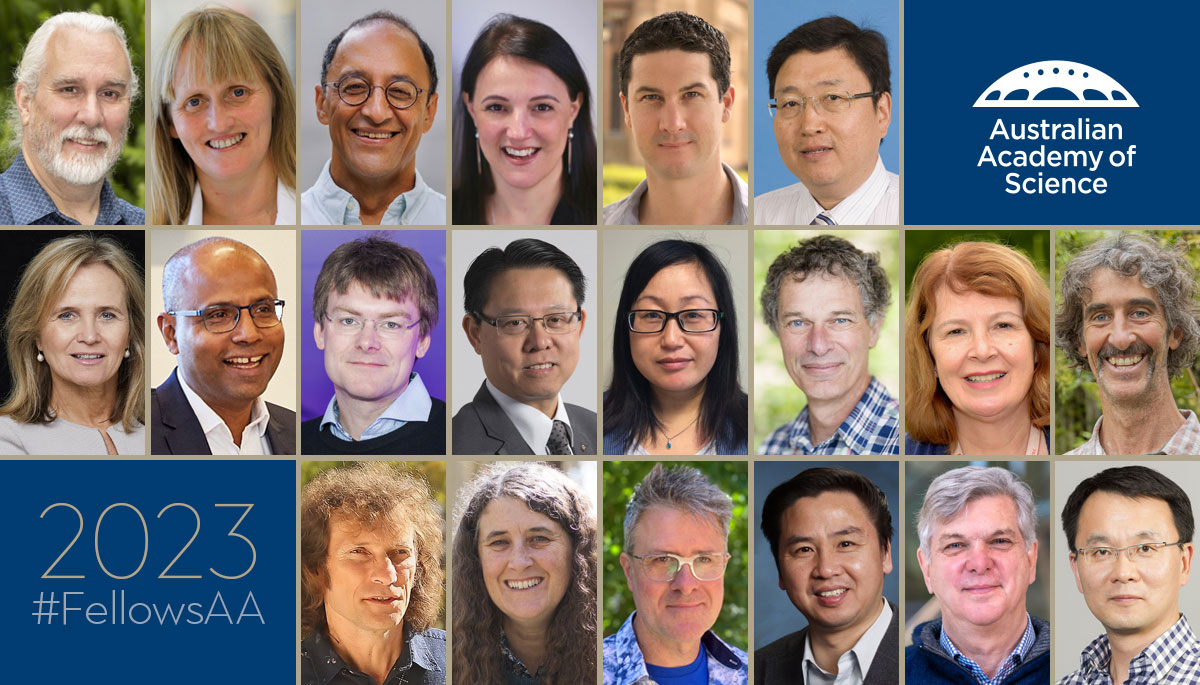
An engineer, a microbiologist and an ecologist are among 20 researchers recognised for their outstanding contributions to science by being elected Fellows of the Australian Academy of Science.
The new Fellows include engineer Professor Zaiping Guo, who is designing the next generation of batteries.
She has made pioneering contributions to our understanding of how electrode materials and electrolytes behave, leading to the development of more powerful, longer lasting and safer rechargeable batteries for portable devices, electric vehicles and smart grids.
Ecologist and Distinguished Professor Brajesh Singh has shown how the loss of microbial diversity in soils can reduce the functioning of ecosystems.
His research has been translated into products and guidelines to improve soil health and led to changes in farm management practices in the agriculture sector. Professor Singh has also conducted global studies that have demonstrated the central role of soil microbes in predicting, mitigating and adapting to climate change.
Antimicrobial pharmacologist Professor Jian Li’s research delivered a novel antibiotic to combat life-threatening superbugs. His research has also led to the first scientifically based dosing guidelines for ‘last defence’ polymyxin antibiotics and improved global clinical practice around treating deadly bacterial infections.
They are joined by 17 other outstanding researchers from across the breadth of Australian science, including experts in neuroscience, infectious diseases and plant biology.
President of the Australian Academy of Science Professor Chennupati Jagadish AC congratulated the new Fellows on their contributions to science.
“Fellows of the Australian Academy of Science are among the nation’s most distinguished scientists, elected by their peers for ground-breaking research and contributions that have had clear impact,” Professor Jagadish said.
“There is no greater professional honour than being recognised by your own peers and the leaders within your own field of research for your achievements.
Fellows … are elected by their peers for ground-breaking research and contributions that have had clear impact.
“This year’s new Fellows come from countries including Germany, China, India and Italy and all now call Australia home.”
The Academy’s new Fellows for 2023 are:
- Professor Timothy Brodribb FAA, Plant Evolutionary Physiologist, University of Tasmania
- Professor Liming Dai FAA, Materials Scientist, UNSW Sydney
- Professor Mariapia Degli-Esposti FAA FAHMS, Immunologist, Monash University
- Professor Michael Fuhrer FAA, Materials Physicist, Monash University
- Professor Zaiping Guo FAA, Materials Scientist, University of Adelaide
- Professor Elaine Holmes FAA, Computational Biologist, Murdoch University
- Professor David Keith FAA, Ecologist and Conservation Biologist, UNSW Sydney
- Professor David Komander FAA, Biochemist and Structural Biologist, WEHI (Walter and Eliza Hall Institute of Medical Research)
- Professor Sharon Lewin AO FAA FAHMS, Infectious Diseases Physician and Virologist, University of Melbourne
- Professor Jian Li FAA, Antimicrobial Pharmacologist, Monash University
- Distinguished Professor Belinda Medlyn FAA, Ecologist, Western Sydney University
- Professor Louis-Noël Moresi FAA, Computational Geophysicist, Australian National University
- Professor Richard James Payne FAA, Chemical Biologist, University of Sydney
- Professor Shizhang Qiao FAA, Materials Scientist, University of Adelaide
- Professor Pankaj Sah FAA FAHMS Neuroscientist, Queensland Brain Institute
- Distinguished Professor Brajesh Singh FAA, Soil Ecologist, Western Sydney University
- Professor Peter Taylor FAA, Applied Mathematician, University of Melbourne
- Professor Leslie Weston FAA, Plant Biologist and Biochemist, Charles Sturt University
- Professor Andrew Wilks FAA FTSE FAHMS, Molecular Biologist, SYNthesis Group
- Distinguished Professor Xinghuo Yu FAA, Electrical Engineer, RMIT University
Corresponding Members
The Academy is also admitting two Corresponding Members for 2023:
- Professor Gareth H McKinley FAA FRS, Mechanical Engineer, Massachusetts Institute of Technology (MIT), United States
- Professor Linfa Wang FAA FTSE, Virologist, Duke-NUS Medical School, Singapore
Corresponding Membership is a special category within the Fellowship, comprising eminent international scientists with strong ties to Australia who have made outstanding contributions to science.
There are currently 36 Corresponding Members of the Academy including Sir David Attenborough, Professor Elizabeth Blackburn and Sir Fraser Stoddard.
More information
Following the 2023 election of our new Fellows, the Fellowship now stands at 601 Fellows.
The Australian Academy of Science was founded in 1954 by Australian Fellows of the Royal Society of London, with the distinguished physicist Sir Mark Oliphant as founding President. The Academy will celebrate its 70th anniversary in 2024.
Find out more about criteria for ordinary and special election to the Academy and how to nominate a scientist for Fellowship.