


Empowering EMCRS to lead the future of the science of nutrition PDF ( 3.4 MB )
Summary report from the 2017 Theo Murphy High Flyers Think Tank ‘Rethinking Food and Nutrition Science’

Future Earth Australia is a national initiative based at the Australian Academy of Science that enables Australian researchers, governments, industry, peak bodies and civil society to connect and collaborate on sustainability transitions. This national hub in the international Future Earth network, connects the expertise capable of forming solutions for the sustainability challenges facing Australia, our regional neighbours and the globe.
Coming together to support Future Earth Australia and catalyse progress on sustainability is Grander’s Trust which has donated $50,000 towards the initiative. This donation will support capabilities, ensuring the best science and research underpins policy and leadership in sustainability in Australia.
Grander’s Trust is a legacy trust, acknowledging Mr Richard Stevens who became lovingly known as ‘Grander’ by his grandchildren.
“Dad was a quiet, modest man who enjoyed creating things. He was very generous with his resources to the benefit of everyone around him, but above all he wanted to build a strong foundation for his family. Grander’s Trust believes that a strong foundation also requires a healthy environment and equitable society and is continuing his generosity in that spirit,” explains his daughter.
In 2023, Future Earth Australia will utilise this funding to build on its track record of advancing Australia’s sustainability agenda. Some of the 2023 priorities include advising on oceans policy, creating a space for early and mid-career researchers to connect, building and sharing skills and applying knowledge in local sustainability projects, and continuing engagement with partners both nationally and internationally to raise the profile of Future Earth Australia and associated networks.
The Academy thanks Grander’s Trust for this incredible support and investing in a regenerative future for Earth.
Find out more about how donations support the Academy.

A researcher seeking to improve care for Aboriginal and Torres Strait Islander peoples with dementia is the recipient of top-up funding offered by the Australian Academy of Science.
The Douglas and Lola Douglas Scholarship in Medical Science is made possible through a generous bequest by philanthropist Lola Douglas and provides additional funds to PhD candidates awarded a National Health and Medical Research Council (NHMRC) Postgraduate Scholarship in Indigenous or primary health care.
The rates of dementia for Indigenous Australians in remote and rural communities are among the highest in the world, according to the Australian Institute of Health and Welfare.
Some important dementia risk factors present at higher levels among Indigenous Australians, including diabetes, cardiovascular disease, childhood stress and trauma, and lower socioeconomic status.
Scholarship recipient for 2023 Dr Antonia Clarke will use data from the recent Australia-wide Census and hospital admissions in her project, but said it’s crucial to review the findings through a First Nations lens.
“The Douglas and Lola Douglas Scholarship will positively augment my NHMRC scholarship by directly facilitating community consultation,” said Dr Clarke, a Neurology Fellow and PhD candidate at Monash University.
“The scholarship will directly fund travel and site coordination to facilitate community consultation with people living with dementia, their caregivers, and health care providers.
“Through focus group discussion, we will evaluate the direct impact and awareness of dementia and barriers to care from the perspectives of Aboriginal and Torres Strait Islander peoples living across the urban to remote spectrum in New South Wales, South Australia and the Northern Territory.”
Dr Clarke said the findings would be presented to relevant community groups and healthcare organisations.
“In conjunction with other aspects of the project, results of this study will inform culturally safe clinical practice, education and policy development to advance dementia care for Aboriginal and Torres Strait Islander peoples living across urban, regional and remote settings,” Dr Clarke said.
Last year’s scholarship recipient, Ms Lorelle Holland, is helping design a culturally appropriate model of care to address complex health needs and the disproportionate incarceration rates of Aboriginal and Torres Strait Islander children.
Find out more about the Douglas and Lola Douglas Scholarship.
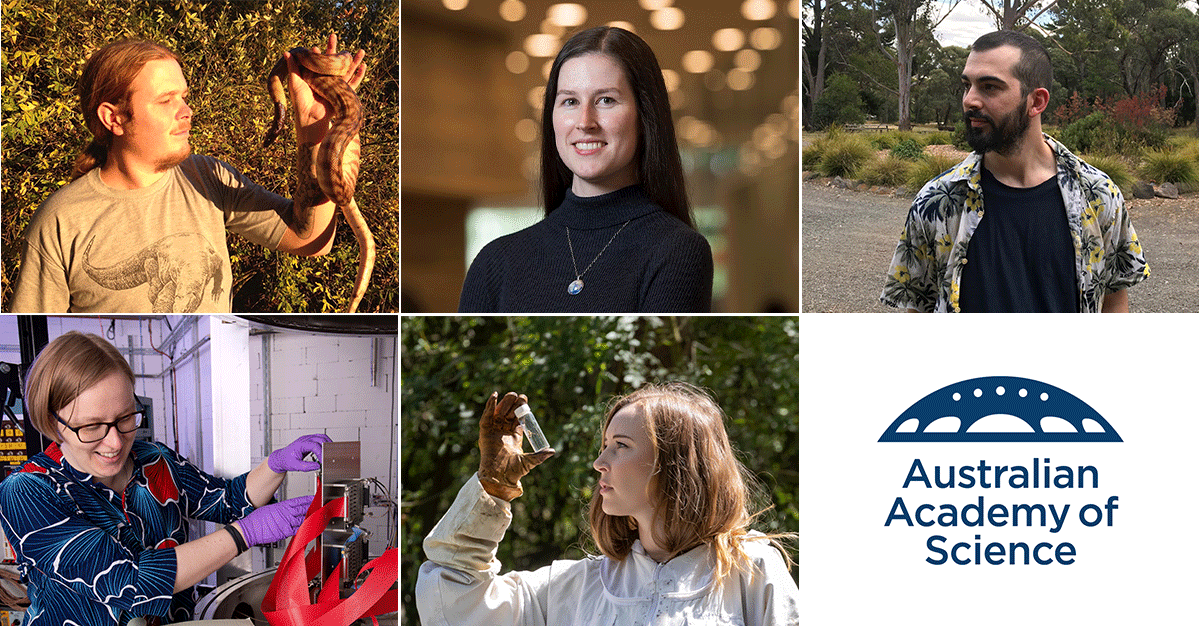
Analysing venom from museum collections—rather than chasing snakes across mountains or oceans—and what a warming climate might mean for bees’ ability to forage and pollinate: these are two of several science projects receiving additional funding support in 2023.
The J G Russell Award is a prestigious top-up grant made possible by the generosity of the late Miss J Russell, providing up to $7,000 to projects funded through the Australian Research Council’s Discovery Early Career Research Award (DECRA). It recognises the costs involved in experimental research and can be used towards equipment, maintenance and travel.
Five early career researchers have been awarded top-up funding in 2023.
Dr Damien Esquerré’s DECRA was granted to use venom as a tool to understand fundamental processes in evolution.
He developed and tested a novel method for characterising venom profiles from preserved museum specimens. His initial focus is Australo-Papuan elapid snakes, but he said the method will be applicable to other animal groups (such as wasps, spiders, jellyfish, snails and frogs), and may provide useful data for drug discovery and anti-venom development.
“This allows [researchers] to discover the venom diversity of species found in remote areas like the Australian deserts, the mountains of New Guinea or the sea snakes in the middle of the Indian Ocean,” Dr Esquerré said.
“These species are very rarely encountered or present enormous logistical challenges to obtain alive, but are all available in museum collections thanks to decades of field collection.”
He will put the additional funding towards the cost of producing isotopically labelled peptides for mass spectrometry analysis, which is necessary for precise quantification of the toxins in a venom sample.
Dr Rachael Lappan is seeking to understand the role of atmospheric microbes in global processes and their impact on human and environmental health.
She will put the award towards purchasing homogeniser equipment for DNA extraction, which will be housed in a dedicated clean laboratory, “enabling ultra-clean sample processing to vastly improve the quality of [my] genomics analysis,” Dr Lappan said.
“I appreciate such support offered to young researchers in this challenging and increasingly competitive career, as it not only aids our research but helps to develop us into leaders, so that we may support quality young scientists in the future.”
Interdisciplinary methods and international collaborations are vital for the success of Dr Giorgio Poggesi’s DECRA project, which he said capitalises on a large network spanning promising young researchers and world leaders in their fields.
In his study of partial differential equations, he’s drawing on a range of techniques and tools, including calculus of variations, shape optimisation, nonlinear analysis and geometric analysis.
Dr Poggesi said he will put the top-up funds towards flights and accommodation for two international scientific visits, strengthening existing relationships and forging new ones.
“I’m very proud to receive this award and grateful to Miss Russell and the Australian Academy of Science,” Dr Poggesi said.
The experiments Dr Kaitlin Cook will perform under her DECRA project relate to novel measurements of the reaction dynamics of the first instant (one zeptosecond) of nuclear collision using the new ‘DEEToF detector array’, and measuring the full evolution of the nuclear system to re-separation.
Dr Cook said she will put the additional funding towards purchasing a new gas pressure controller and connecting components for the gas handling system of the detector.
“The performance of the gas ionisation counter depends directly on the properties of the gas inside it: the gas needs to be of constant pressure, flow rate and purity … A new gas pressure controller for the DEEToF detector array will significantly improve its performance and reliability and enable faster throughput experiments,” Dr Cook said.
Optimising the detector’s performance will also increase interest by international collaborators, she said.
Among the multifaceted threats posed by climate change, research into the potential impact of higher temperatures on animal cognition remains “a considerable gap”, according to Dr Scarlett Howard.
But threats to bee cognition could have broader implications for food production, native plant reproduction, and the function of entire ecosystems—given bees’ reliance on learning and memory for reproduction, navigation and the specific behaviours that underpin their pollination behaviours.
Dr Howard will put the award towards a portable temperature-controlled apparatus, allowing her to conduct learning and memory experiments with native bees in remote field locations without needing to transport bees back to temperature-controlled laboratories.
“I'm looking forward to using the funds to further our understanding of native pollinators, their cognition, and how they are adapting to a changing world,” Dr Howard said.
“This work should enable us to build frameworks to best support native bees as they face the threats associated with environmental change."
Awardees for the J G Russell Award are chosen from recipients of Australian Research Council DECRAs.
There are many other awards and opportunities available through the Academy to support researchers at all stages of their career. Applications for the 2024 awards are now open, with several closing on 1 May.

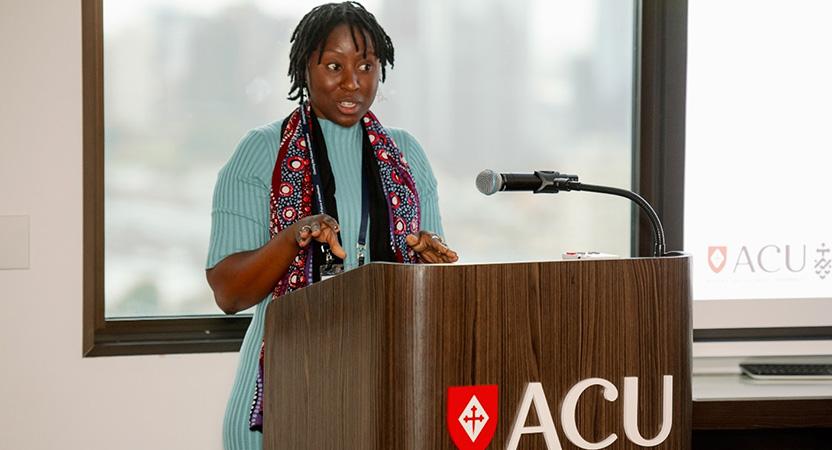
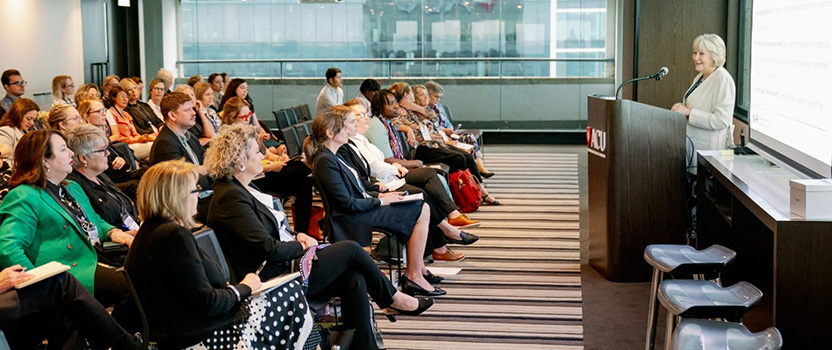
The inaugural National Early- and Mid- Career Researcher (EMCR) Nursing and Midwifery Research Symposium on 11 November 2024 brought together researchers, industry leaders and consumers to drive advancements in healthcare research.
Download the program:
Led by Dr Nicola Straiton and a diverse organising team made up of Wimbayi Musodza, Dr Elizabeth Brogan, Dr Helen Goldsmith, Tessa Holman, Professor Caleb Ferguson and Professor Sandy Middleton, the event was hosted at the Australian Catholic University in Sydney, with nearly 100 participants from across Australia.
Nine attendees received travel grants ($500 each), enabling colleagues from WA and VIC to join the event.
Key themes included the ongoing challenge of the ‘post-PhD research cliff’ affecting nursing and midwifery EMCRs. Credit: Australian Catholic University
The symposium highlighted diversity and inclusivity in research, with representation from the Australasian Nursing and Midwifery Clinical Trials Network, the Australian Alliance for Indigenous Genomics, and strong consumer voices.
Featured speakers included: international keynote Professor Ruth Endacott from the UK’s National Institute of Health and Care Research; Professor Sandy Middleton, Director of the Nursing Research Institute at St Vincent’s Health Network Sydney, St Vincent’s Hospital Melbourne, and Australian Catholic University; Professor Marion Eckert, inaugural Director of the Rosemary Bryant AO Research Centre; and Professor Brendan McCormack, Head of The Susan Wakil School of Nursing and Midwifery and Dean of the Faculty of Medicine and Health, University of Sydney.
Key themes included the ongoing challenge of the ‘post-PhD research cliff’ affecting nursing and midwifery EMCRs who face barriers to collaborative research and limited national funding opportunities.
With nurses and midwives comprising 54% of the Australian healthcare workforce, the symposium underscored the vast potential of nursing and midwifery-led research to improve patient outcomes and enhance care.
 Professor Ruth Endacott, Director of Nursing and Midwifery at NIHR, presented an international perspective. Credit: Australian Catholic University
One of the most exciting developments from the symposium is the creation of the National Nursing and Midwifery EMCR Advocacy Roadmap.
This strategic document will reflect the insights gathered at the event and serve as a guide to expand research opportunities for nurse and midwifery EMCRs, aligning workforce planning with the health research priorities and needs of the sector. The goal of the roadmap is to amplify the impact of nursing and midwifery research across healthcare, academia, and the broader health and research sector.
The National EMCR Nursing and Midwifery Research Symposium received grant funding from the Theo Murphy Initiative (Australia), administered by the Australian Academy of Science.
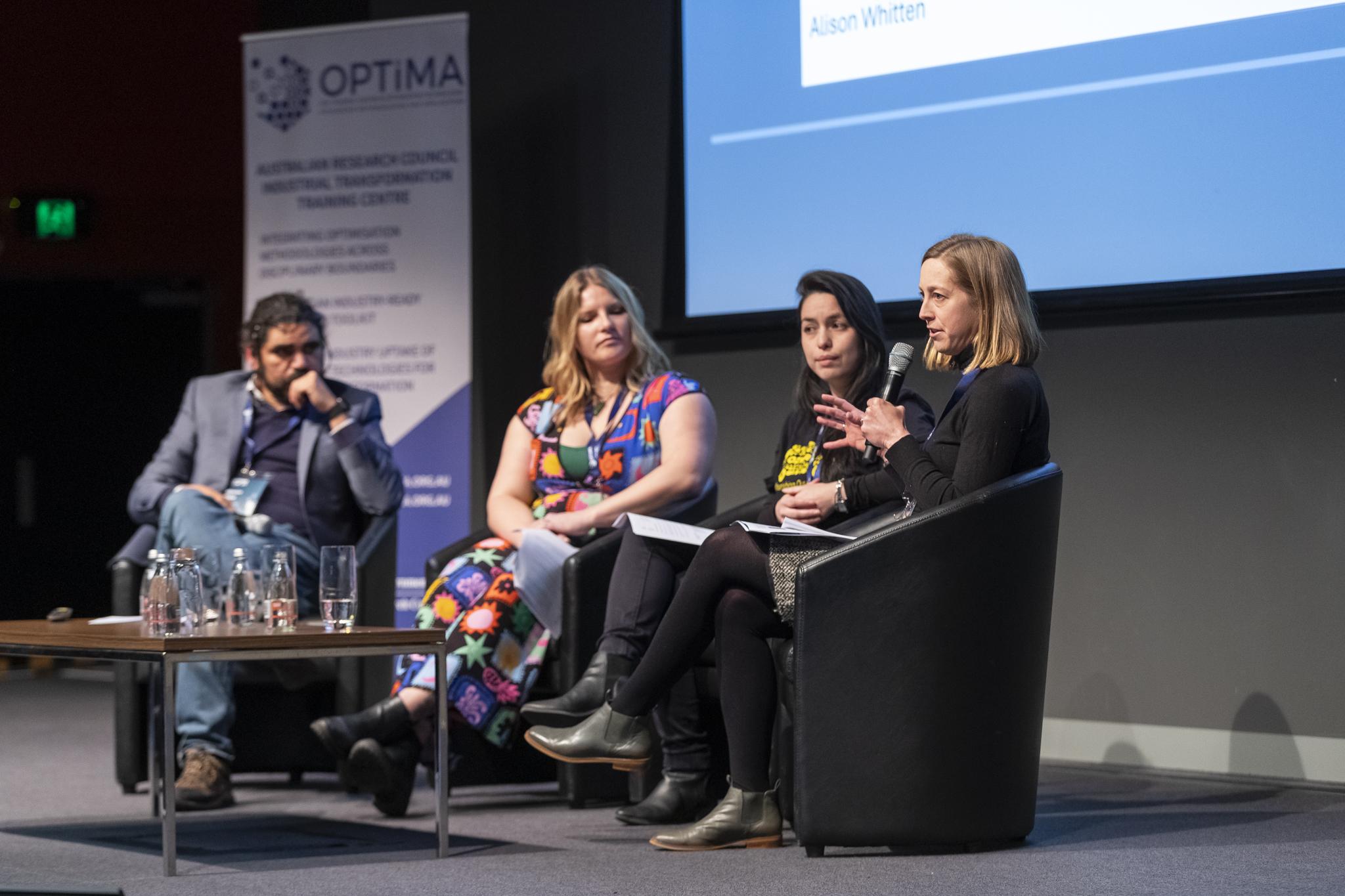
The Theo Murphy Initiative (Australia) supports early- and mid-career researchers (EMCRs) in science, technology, engineering, and mathematics (STEM) through grants that enable collaboration, knowledge sharing, and professional growth. Administered by the Academy on behalf of the Royal Society (Australia) Pty Ltd Board, the program invests in activities that strengthen Australia’s research ecosystem and respond to current scientific priorities. The initiative is supported by the Theo Murphy (Australia) Fund, part of a philanthropic bequest dedicated to advancing science in perpetuity.
Since 2008, the program has evolved from supporting national Think Tanks and Frontiers of Science events to a more flexible grant model introduced in recent years. The current structure offers three streams—Flagship, Amplify, and Participation Support—designed to empower EMCRs to lead multidisciplinary initiatives, access development opportunities, and overcome barriers to participation.
With more than 3750 EMCRs reached across over 50 institutions, the initiative continues to foster scientific excellence, leadership, and innovation across Australia.
From 2002 to 2017, the Australian Academy of Science hosted annual events called High Flyers Think Tanks. These Think Tanks brought together 50 to 100 of Australia’s brightest minds, including EMCRs and senior experts from a broad range of disciplines, to address matters of significance in Australia. From 2008, Think Tank events were funded through the Theo Murphy (Australia) Fund.
In addition, from 2010 to 2019 the fund supported the Academy’s Frontiers of Science program which brought together top-tier young Australian scientists from across multidisciplinary areas of science. Through this initiative, participants engaged in discussions on emerging technologies, identifying opportunities for collaborations and charting pathways for advancements in their respective fields.
In the recent years, the Academy redesigned the grant-making modality as the Theo Murphy Initiative Australia (TMIA), providing funding support to EMCRs through three streams:
The shift to the TMIA model reflects a commitment to greater responsiveness and inclusivity, enabling EMCRs to lead initiatives that align with current scientific challenges and opportunities.
On the recommendation of the Australian Academy of Science, the Royal Society (Australia) Pty Ltd Board determines the activities to be supported with the Theo Murphy (Australia) Fund.
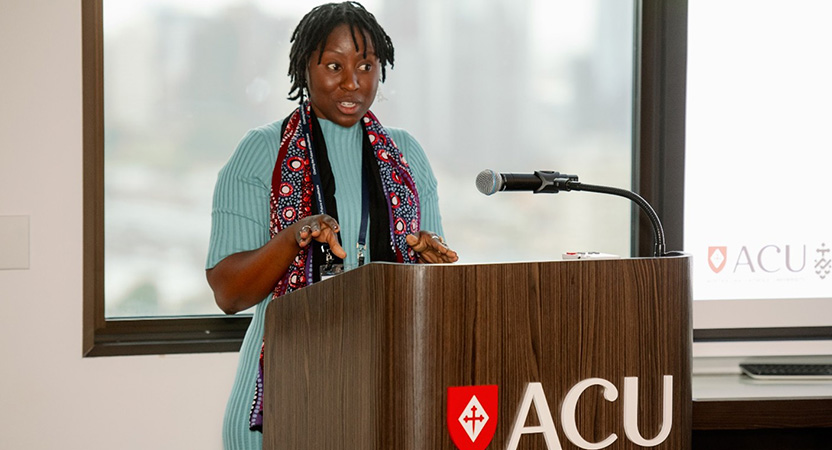
The inaugural National Early- and Mid- Career Researcher (EMCR) Nursing and Midwifery Research Symposium on 11 November 2024 brought together researchers, industry leaders and consumers to drive advancements in healthcare research.
The Max Day Environmental Science Fellowship Award is an annual award of up to $20,000 per awardee to assist PhD students or early career researchers with their research. It provides funding support toward research expenses, courses and the costs of travel. Grants are GST exclusive. Funded activities are normally expected to have been undertaken within two years from the date of award. Awardees can apply for project variations if their award proposals are impacted by extenuating circumstance.
The award is named in honour of the late Dr Maxwell Frank Cooper Day AO FAA who spent a lifetime championing entomology, conservation and forestry, as well as helping other scientists. Through sponsoring this award Dr Day is acknowledging the support that he himself received as a young researcher to travel overseas to gain his PhD at Harvard. Following Dr Day’s strong belief in the strength of an interdisciplinary approach to research, only applicants who are able to demonstrate an interdisciplinary approach to their research will be considered for this award.
Below are the key dates for the application process. While we aim to keep to this schedule, some dates may change depending on circumstances.
The following guidelines and FAQs provide important information about eligibility, submission requirements, and assessment processes. Please review them carefully before submitting an application.
This award is open to nominations for candidates from all genders.
* Includes the Special Category visa Subclass 444 for New Zealand citizens
** The Australian Academy of Science is committed to ensuring that all eligible researchers can be considered for awards and collects career interruption information to assess their opportunity to demonstrate scientific excellence. Accordingly, extensions to the post PhD eligibility requirements for early and mid-career awards will be provided for qualifying career disruptions.
A career disruption involves prolonged interruption to a nominee’s capacity to conduct full time equivalent (FTE) high-level research, either due to part-time employment or absence (for periods of one month or greater) and/or long-term partial return to work, to accommodate carer’s responsibilities, illness or other interruption.
The career disruptions here must have occurred post the date of the letter advising that the PhD thesis was passed and resulted in significantly reduced research productivity or nil research output. Career disruption periods will be taken into account for those who would otherwise be beyond the post PhD career eligibility requirements
Applicants must demonstrate an interdisciplinary approach to their research work, address all selection criteria and conduct their research in one or more of the biological sciences relating to one or more of the following disciplines:
Applicants may use the award in Australia or overseas but must demonstrate that the proposal has direct relevance to Australia in one of more of the four disciplines mentioned above. Successful applications will clearly address all selection criteria.
Download the relevant selection criteria below.
Eligible expenses are all expenses that fall under the following areas of funding:
Funding may NOT be used to cover bench fees, other overhead costs or as a top-up for stipends, personal expenses, salaries or any non-research related costs.
Applications must include the following:
Late applications will not be considered and applicants who fail to adhere to the above requirements will not be considered.
Applications are considered carefully against the selection criteria by a committee of scientists with diverse expertise. The decisions of the committee are based on the assessed competitiveness of the proposal. The Academy is not able to enter into discussion or correspondence regarding the reasons why an application is successful or not.
The successful awardee(s) will be notified of the award by early November for a Fellowship starting up to 12 months from the date of award.
The successful awardee(s) will also be offered travel and accommodation to attend the Science at the Shine Dome event as part of their award.
An annual report is required on the progress of the research project. The report should detail progress on the research goals outlined in the grant-holder’s proposal, and expected vs. actual expenditure to date.
If the Grant is held for two years, a report is also required at the end of the second year.
Applications are to be completed through an online form found by clicking on the Apply button on the top right of this web page when the round is open.
Travelling awards, research grants, workshop and lecture awards
Dr Joseph Chung, University of Canberra: An interdisciplinary approach to safeguarding threatened frogs from a deadly fungal pathogen: creating long-lasting resistance through tadpole immunisation
Mr Jules Farquhar, Monash University: The invasion of the six-toothed rainbow skink in Darwin: Eco-evolutionary mechanisms driving an intra-continental introduction
More information on the 2026 Max Day Environmental Science Fellowship Awardees can be found here.
Rebecca Greening, University of Adelaide: Soil function and ecosystem productivity: A comparative analysis between a century of regeneration and livestock-grazed arid South Australia
Dr Nina Wootton, University of Adelaide: Plastic to Plate? An interdisciplinary study of microplastic pollution in traditional food sources and ecosystems in North-East Arnhem Land
More information on the 2025 Max Day Environmental Science Fellowship Award awardees can be found here.
Aviya Naccarella, Deakin University: The contribution of mycophagous mammals to ecosystem services and restoration
Dr Elvis Okoffo, University of Queensland: Unmasking the hidden threat: Investigating microplastic pollution in Moreton Bay for a sustainable future
More information on the 2024 Max Day Environmental Science Fellowship Award awardees can be found here.
Patrick Finnerty, University of Sydney: Neighbourhood watch—using ‘virtual’ neighbours to protect plants from herbivores during habitat restoration and post-fire recovery
Shawn Scott, University of South Australia: Post-fire population response and chytrid occurrence in South Australian frogs
More information on the 2023 Max Day Environmental Science Fellowship Award awardees can be found here.
Miss Bridget Campbell, Macquarie University: Warrakan ganma: Bridging Western and Indigenous science to safeguard biocultural diversity
Dr Brock Bergseth, James Cook University: Bolstering conservation outcomes – understanding social and ecological effects of illegal fishing behavioural interventions
Mr Timothy Ghaly, Macquarie University: Who lives inside fungi? Bacterial endosymbionts of plant-associated fungi
Dr Stephanie Gardner, University of New South Wales: Quantifying the contribution of benthic invertebrates to global nitrous oxide production
Dr Niloofar Karimian, Southern Cross University: Arsenic and antimony co-behaviour in soil under a changing climate: resolving unexplored interactions between microbiology, mineralogy and geochemistry
Dr Alice Twomey, University of Queensland: Enhancing resilience of coasts: nature-based solutions for flood mitigation
More information on the 2022 Max Day Environmental Science Fellowship Awardees can be found here.
Dr Laura Brannelly, University of Melbourne: Using genetic techniques to develop conservation strategies for an endangered frog species
Ms Lea Hannah, Western Sydney University: Harnessing next generation DNA sequencing to explore whether honeybees providing crop pollination services benefit from floral resource plantings
Dr Luke Jeffrey, Southern Cross University: Greenhouse gas guzzlers: Are methane consuming microbes active within the bark of endemic Australian wetland trees?
Ms Maggie-Anne Harvey, University of Queensland: Developing low-impact selenium agromining using Neptunia amplexicaulis
Dr Stephanie Gardner, University of Queensland: Enhancing resilience of coasts: nature-based solutions for flood mitigation
More information on the 2021 Max Day Environmental Science Fellowship Awardees can be found here.
Dr Emma Camp, University of Technology Sydney: Elemental diagnostics of environmental change on the Great Barrier Reef
Ms Allison Broad, University of Wollongong: Merchant shipping, anchor scour and seafloor biota: a large scale experimental examination of impacts
Dr Catherine Price, University of Sydney: When it takes one bite: deceiving herbivores to protect rare and threatened orchids.
Ms Emily Scicluna, La Trobe University: Using personality and cognitive assessment of individuals as a conservation tool for improving reintroduction/translocation success
Ms Georgia Sinclair, RMIT University: Developing biomarkers of environmental exposure to poly- and perfluoroalkyl substances to improve environmental policy and health
Dr Tatiana Soares da Costa, La Trobe University: Fighting herbicide resistance with vitamin deprivation.
More information on the 2020 Max Day Environmental Science Fellowship Awardees can be found here.
Dr Tim Doherty, Deakin University: Ecological consequences of introduced predator removal for a native mesopredator and ecosystem engineer Varanus gouldii
Ms Nicole Foster, University of Adelaide: Prioritising for success: Innovative approaches to management of coastal environments
Ms Anita Perkins, The Southern Cross University: Fungi as degraders of kelp detritus: unravelling the role of fungi in coastal carbon cycling and storage
Dr José Lahoz-Monfort, The University of Melbourne: Acoustic monitoring: new technologies and analytical tools for large-scale monitoring of the threatened Sarus crane
Dr Alexandra Carthey, Macquarie University: Microbially mediated olfactory communication in the Anthropocene: a key to the lockbox of problematic captive breeding for conservation?
More information on the 2019 Max Day Environmental Science Fellowship Awardees can be found here.
Ms Melissa Houghton, University of Queensland: Invertebrate monitoring and community ecology as a measure of change in island ecosystems to inform conservation decision-making.
Mrs Charlie Phelps, Edith Cowan University: Determining the cumulative effect of putative pathogenic microbes, increased temperature and herbivory on the ecologically important kelp, Ecklonia radiata.
Dr Tatiana Soares Da Costa, La Trobe University: Development of New Herbicide Cocktails for Effective Weed Management
Dr Emma Camp, University of Technology Sydney: Set-up for survival – the holobiont signature facilitating Australia’s coral communities in the face of climate change.
Watch the awards videos about the research of Ms Melissa Houghton and Mrs Charlie Phelps.
Mr Nicholas Leseberg, University of Queensland: Ecology and conservation biology of the Night Parrot.
Dr Marta Yebra, Australian National University: Flammability warning from space
Dr Hugo Harrison, James Cook University: Connecting reefs in the Anthropocene: Managing Australia’s coral reefs for recovery and persistence.
Dr Kerensa McElroy, CSIRO: The ‘DNA footprint’ of near extinction: interrogating 100 years of black-throated finch decline by sequencing contemporary and historical specimen.
Mr Max Worthington, Flinders University: Renewable polymers for agriculture and the environment
This award has been made available through generous contributions from the following individuals:
Academy Circle
Dr Maxwell Frank Cooper Day AO FAA
Dr Jon Day PSM
Mr Doug Hooley PSM
Science Circle
The Griffin Family
Professor Frank Andrew Smith FAA
Academy Associates
Anonymous
Ms Virginia Berger
Mr Ian Hardy
Ms Kelly McMahon
Supporters
Mrs Eliza Allen
Mr Nicholas Benson
Marek Cmero
Dr Peter Coyne
Dr Alana Grech
Professor Alec Lazenby AO
Dr Laurence Mound
Dr Libby Robin
Ms Suzanna Rumon
Dr Denise Sherer

The Academy of Science is an ‘agency’ for the purposes of the Privacy Act 1988 (Cth) and as such complies with the obligations of the Privacy Act within that meaning.
When you visit the Australian Academy of Science web sites our servers collect routine logging information such as the pages visited, the time of your visit, the web browser that you are using and the IP address associated with your request.
The Academy uses this information for statistical purposes and for system administration tasks to maintain this service and to improve our understanding of the needs of users. We do not attempt to identify individuals, however, in the unlikely event of an investigation, the Academy, a law enforcement agency or other government agency may exercise its legal authority to inspect our server logs.
If at any stage you provide us with your email address, we will only use your email address for the purposes for which it was provided. We will not subscribe your email address to any mailing list without your consent.
External sites that are linked to or from the Academy site are not under our control or responsibility and you are advised to review their privacy statement.
Some Academy web pages may use cookies to enhance site functionality. You may use your browser preferences to disable cookies but this may affect your experience of the web site.
Some Academy web pages use Google Analytics or other third-party tools to better understand how people use the site. This makes information similar to that of routine server logs available to Google or other third-party statistics providers. The analytic reports that are produced are aggregated and do not identify people.
Address:
Ian Potter House
9 Gordon Street
Acton ACT 2601 Australia
Postal address:
GPO Box 783
Canberra ACT 2601
General enquiries:
aas@science.org.au
Tel: + 61 2 6201 9400
Fax:+ 61 2 6201 9494
Media enquiries:
media@science.org.au
Tel: + 61 2 6201 9444
(24hr number)
Philanthropy team:
philanthropy@science.org.au
Tel: + 61 2 6201 9460
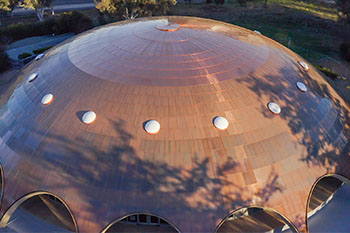
The Shine Dome is adjacent to Ian Potter House, at 15 Gordon Street, Acton.
Please fill in the form below and we will get back to you as soon as possible.