





Professor Maria Skyllas-Kazacos, chemical engineer

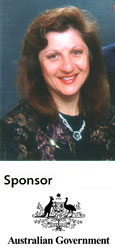
Professor Maria Skyllas-Kazacos was one of Australia's first female professors in chemical engineering and the pioneer of the Vanadium Redox Battery which was developed at the University of New South Wales during the late 1980s and 1990s and is now being commercialised around the world in a wide range of energy storage applications. Maria has a great passion for her research work, and has always felt a strong commitment to the environment. She comes from a closely knit Greek Australian family background which helped to instill in her the importance of education and family. She has three sons with husband Michael whom she regards as her most important achievement and top priority.
Interviewed by Ms Claire Hooker in 2000.
Contents
- Introduction
- Mixed family fortunes
- New opportunities in Australia
- Coping with the migrant experience
- Family values and personal choices
- School adventures and needless fears
- University years
- Gaining a true picture of chemical engineering and industrial chemistry
- A troubled Greek interlude
- Becoming immersed in electrochemistry
- 'How does one become an academic?
- Overseas experience: expanding contacts and horizons
- Researching solar cells and battery reactions at Bell Laboratories
- The return to Australia
- An exhausting way to run an international conference
- Grant applications, honours projects and a bright new idea
- Vanadium oxidation reduction: puzzling experimental hitch
- Vanadium systems: paradoxes and challenges
- Cooperation, collaboration and research synergies
- On to methanol fuel cells, back to aluminium electrolysis
- Industry, applied science and pure research
- Marketing the vanadium battery
- Being equitable about gender equity
- From acknowledged achievements to a beckoning future
Introduction
Professor Maria Skyllas-Kazacos was born in Kalimnos, Greece, in 1951 and emigrated to Australia in 1954. She attended Fort Street Girls High School in Sydney, before beginning a degree in industrial chemistry at the University of New South Wales. She graduated with first class honours and the University Medal in 1974 and began work for E R Squibb Pharmaceuticals in Greece, but found the work dissatisfying and commenced a PhD in electrochemical studies of molten salts with Professor Barry Welch at the University of New South Wales. In 1976 she married, and the first of her three sons was born in 1977. Following her doctoral research, she spent a year at the Bell Laboratories in Murray Hill, New Jersey, working on solar energy and battery research.
Returning to Australia to take a position as a Queen Elizabeth II Fellow in the School of Physics at the University of New South Wales, she was then appointed as lecturer in chemical engineering and industrial chemistry in 1982. Her research team invented the vanadium redox battery, which holds revolutionary possibilities for energy storage and energy policy. Her research has gained her many honours, and in 1999 she was made a Member of the Order of Australia.
Mixed family fortunes
Maria, you were born in Greece in 1951. Would you tell us a little bit about your parents?
My parents' names are George and Kalliopi Skyllas. My dad was born in Athens, but when he was a young child his family moved to Egypt and he grew up in Suez. His father worked for the Suez Canal Company and he himself worked for the Shell Company – in Egypt before the Second World War there were a lot of French and British companies, and people from Europe. It was very cosmopolitan; the towns were very European. Dad grew up learning several languages. He could speak Greek, of course (he went to Greek school and also to French school) and he could speak Arabic and Italian, with a little bit of English.
His family wanted the children to go to university and get educated, but unfortunately the Depression and other such circumstances made it just too difficult and he had to leave school when he was about 15. That was very disappointing for him, because he was always at the top of his class. He had wanted to become an engineer but because he couldn't fulfil that ambition he got an apprenticeship and learnt a trade, becoming a mechanic and a toolmaker. During the war my father served in the British merchant navy, going to India, Ceylon and Burma.
Why the British navy?
The British and the French had such a significant presence in Egypt, I suppose, that it was the natural way to go. After the war he came back to Egypt but at that time it was very uncomfortable for Europeans to stay there, so his family started thinking about returning to Greece or going elsewhere. He decided to move back first, on his own, to see if he could settle and find a job, and what the circumstances would be like. He stayed for a while with an aunty on the island of Kalimnos and got a job, but he didn't like it because Greece, after the war, went through a civil war during which even more people were killed than during the Second World War. He wanted to leave but his passport was taken from him and he was stuck there for several years. So he had to make the most of his situation, I suppose. He met my mother and they got married.
My mother's maiden name was Mamakas. Her family were of Greek origin but for generations they had lived in Asia Minor (now Turkey). Greece had come out of the Ottoman occupation, but many Greeks were still living in Asia Minor. In the early 1920s they were forced to flee from Asia Minor and became refugees in Greece. My mother's family came across from Bodrum in Turkey and settled on one of the nearby islands, Kalimnos, where she was born.
New opportunities in Australia
Why did your parents emigrate to Australia?
My dad had never lived in Greece, and he wasn't happy there after the war. The situation was very difficult: salaries were quite low and he couldn't see a very good future for his family. I was the first to be born. In Greece, the first thing parents think of when they have daughters is the dowry. Most Greek parents want to have a son first – it's cheaper, they don't have to worry about the dowry, and they also have the son to help to earn the money they will need to give to the daughters. To start off a family with a daughter wasn't very good.
So when my mother was due to have her second child, dad said to her, 'If you have another daughter, that's it, we're leaving. We're going to Australia.' She was praying of course for a son, but a second daughter (Tina) came along. And my father was jumping for joy, because that was his opportunity to leave. My father's family at that time were still in Egypt. They realised that Greece didn't have much future for them, but they were waiting to see where my father would settle before they would decide where to go. So in early 1954 he came first, to join an uncle in Sydney who could help him settle and get established. Dad rented a house for everyone to stay, got a job, and a few months later sent for mum, my sister and me.
My mother didn't really want to come. All her family were in Greece and she didn't want to leave them to go off to the other side of the world. But I suppose she had no choice back then but to pack up and say goodbye – forever, it must have seemed. In those days the only way you could go all that way to Australia was by boat, taking about six weeks. It was very expensive and difficult for people to travel to Australia and back. To bring two young children to Australia (I was about 2½, my sister was 1½, not much more than babies) was a real struggle for my mother. I've heard many stories of the experience: a young woman on her own, trying to get on and off the boat with all the bags and two little ones, and no-one to help.
Did your parents find it easy to settle in Australia?
My father found work relatively quickly. He was a very skilled tradesman, and because he knew French and Italian it wasn't all that difficult for him to teach himself English. But my poor mum spoke no English at all. She came to Australia unable to communicate at all, so she was stuck at home looking after the kids, without many opportunities to mix with Australian people. She had a very hard time trying to learn English and even after all these years she still struggles with the language.
Shortly after my parents arrived, when I was about four, they had a third child – a son, of course (Michael). And the fourth child a few years later was also a son (John). My mother always used to say she wished it had been the other way round. But I think that having gone through and raised her children here in Sydney she now blesses the day that she did bring us to Australia, because that actually provided us with the best opportunity for the future.
Coping with the migrant experience
Do you remember coming to Australia?
No. I've got a very vague memory of a couple of incidents that I think happened in Kalimnos when I was little, but perhaps they're just memories of stories that I heard. I suppose my first recollections are of being in Sydney, probably 3½ or 4 years old. Some friends of dad's had a couple of houses at Bronte, so we moved there. It was a beautiful location, right near the beach – really lovely. I went to Bronte Public School for a year and after that we moved to Earlwood, where my dad had bought a house.
I suppose you spent not only your family life but your wider social life in the Egyptian–Greek community. How did that work for you? Were there both pluses and minuses?
For sure. Because it was a very cohesive community, you didn't feel alienated at all by being a migrant family in a strange country. But I suppose the bigotry was obvious anyway; you could see it around you. It used to hurt me to hear other people talking in terrible, derogatory terms about people they didn't really know. Probably from the middle of primary school I remember hearing people talk about 'Wogs' and things like that. It was never directed at me personally, but you'd hear them talking about other people and I could relate to that because I knew I was Greek as well. That did upset me.
I had some close friends who lived in the neighbourhood, and they used to come and visit all the time and vice versa. That was okay. But as a young child I used to get embarrassed if my mother would speak to us in Greek in front of friends, if they couldn't understand what she was saying. Young children tend to go through that. When you grow up you don't care, and in fact you're proud of speaking your native tongue. But when you're little you don't want to be different. I don't recall anyone else at school not being able to speak English at the time.
I remember that if mum had to go for a doctor's appointment or something, because she couldn't speak very well, one of us would always have to go along as a translator. I found it difficult to translate for her, but I suppose it was something good. I think it taught us maturity.
Family values and personal choices
Which values from your Greek family background have been most important in the way you've structured your life?
The importance of family. Nothing else matters. The most important thing in my life was to have a family. But I knew that women by then were going to work, and I didn't want to be stuck at home like my mother and her generation, with just a very mundane existence. I wanted to have a good, interesting job that I could enjoy, but I never sat down to plot out my life – what sort of career I wanted and how I would go about doing it. Things simply happened. Some sort of path seemed to be there, and whenever I had to make a decision, something would come up to direct me in a certain way. So I just went with the flow and followed things as they came up.
I presume your family placed a high value on education.
Definitely. That was most important. Both my parents had a very strong desire to go to university – my mother was always the top in her class, and my father would have studied engineering if he had had the opportunity – but they didn't push me to become an engineer. Dad always had a workshop at home (he was very hands-on: he used to fix things like cars and machines) and he would always have my two brothers by his side, teaching them and showing them things. I never showed any interest, though. I'm sure he would have encouraged me to come along, but I didn't want to get my hands dirty. I liked the normal girlie things like sewing, drawing, crocheting. I wanted to leave school when I was 15 and become a hairdresser or a fashion designer or something like that.
I seriously considered leaving in year 10 to do art, which I had chosen as one of my school subjects. I really enjoyed it, and I wanted to be an artist, perhaps a commercial artist. But my father pointed out that artists do not make any money. He said, 'There are a lot of poor artists about. Don't think it can be a career. If you still want to draw, that's fine, but finish school first and then make up your mind.' So I decided I had to go on and finish school. But by the time I got to year 11 and 12, I loved all the subjects I was doing – French and geography and maths and English and science as well – and it was hard to decide what I wanted to do.
School adventures and needless fears
You went to Fort Street Girls High School, a selective public school. Did you sit for a test to go there?
I didn't have to go somewhere to sit for a special test, but maybe we were given a test at school without realising what it was for. All I know is that at the end of the year, when the students were told which high school they would go to, just four girls out of our whole class were sent to Fort Street. In those days the top boys were sent to Canterbury Boys High School and then the others to either Marrickville or Tempe.
I didn't really know much about Fort Street Girls at the time. My parents certainly didn't know the difference; they were merely told it was a selective school, so they said okay – and the next year my sister followed me. The school was in the city in those days, off Bradfield Highway, just at the entrance to the Harbour Bridge. It was a very spectacular location, and also getting there was an adventure for us: all of a sudden we had to get onto buses and trains and make our own way into the city.
At school did you think of yourself as a very academic person?
Well, I knew that if I studied I could usually come top in my class, but I didn't think of myself as bright. In fact, when I was sent to a selective high school I thought I'd be the dumbest person in the whole year. I was really terrified and I decided I would have to work hard, otherwise I would fail everything. And I knew that my parents expected us to be top – got to be first, or it's not good enough. Thinking everyone else at school was so bright, I started making plans to take the lower levels of all the subjects – in those days you could do maths, English and science, I think, at advanced level or intermediate and so on. Then I could be top without having to push myself too hard.
I enrolled for these subjects at credit level, but after about a month the maths teacher would call me into her office all the time and say, 'Maria, you should be doing advanced maths.' I said, 'Oh no, I can't. It's too hard. I'm going to fail!' But she forced me, and when we had our first test a week or so later I came top in the class. She called me to her office and said, 'You see?' I was relieved but I still thought it was a bit of a fluke, and I still worried until I found by experience that I could do it.
I always wanted to please people, that's the thing. Knowing the expectations of my parents and teachers, I felt I had to work hard so as not to disappoint anyone. The same thing happened when I got to university, in fact: I thought, 'Everyone else is smarter than me. Being at university is too hard,' but knowing everyone was expecting me to do well, I worked really hard. Then, when I ended up doing well in first year – distinctions and high distinctions – I felt I had to keep my results up so I wouldn't let anyone down.
University years
Perhaps after a while, too, you built up a picture of yourself that you had to maintain. Did you come to feel you had an aptitude for science and maths subjects?
I think I had a natural aptitude. I was very good in maths. Probably, because of that, anything that was mathematical – in science you have to do a lot of calculations – just came naturally. Although I still had to study a lot in order to do well, I didn't have to worry too much about it.
A lot of the other subjects required a lot of memorising, and I didn't like to have to memorise things too much. But I still loved English; I still loved poetry and Shakespeare, and the ancient Greek theatre and tragedies. I didn't want to lose that. When I finally chose to go into science I didn't want to have to isolate myself from these other areas of study, but luckily at New South Wales University we had – and continue to have – the general studies subjects. I was able to choose one of them every year (things I craved, like drama, history of architecture, and sociology) while I was studying industrial chemistry and engineering subjects.
Education shouldn't be narrow and focused, it has to be broad and general. Most of my friends and other people doing industrial chemistry and chemical engineering chose economics and very practical things, but I liked the creative subjects.
Why then did you decide to enter a degree in industrial chemistry specifically?
It wasn't easy. I enjoyed every subject that I did at school, but I tried to think about what sort of work doing a particular degree would involve. I wanted something interesting and intellectually challenging, with a bit of variety. In fact, at first I enrolled to do law – I don't remember why – but I changed that after the Higher School Certificate (HSC) results came out.
In those days we weren't told our individual marks for any subject; we didn't know our HSC aggregate, our university entry aggregate or the moderated marks. We just got our passes or failures in the subjects we had done or in, say, level 1 or 2 of a subject. Basically, you didn't choose your course according to how many marks you had but according to what you thought you might enjoy. That is good, I think. One of the bad things of today's system is that students choose their degrees on the basis of the marks, not on what they think they might enjoy. I've been arguing to try to change it, but no-one listens.
I can't say I really enjoyed all my first-year courses, which I found very challenging. It was a real shock to me when I actually did well despite my phobia that I was going to fail. Second year was harder than first year, and probably third year was the hardest. But from second year I started feeling a lot more relaxed: by then I knew the system, I knew how to get around and I had got to know a lot of people. I started having a lot of fun on campus and I started enjoying what I was doing.
Gaining a true picture of chemical engineering and industrial chemistry
Did you choose your fourth-year project?
Yes. I did a built-in honours degree – all engineering and applied science courses are four years, and at the end of the fourth year, depending on your aggregate mark, you will come out with first class or second class honours, or a pass if your marks aren't up to honours level. A research project takes up about 50% of your time in fourth year, and you get to choose the project that you want to work in. Again it's a difficult choice, because you don't know too much about the different topic areas and there are so many to choose from. In the end, it's almost like a stab in the dark.
The project that I did was to take polymers and to modify them so as to make them into surfactants. They are things you add to water to combine with oils and form an emulsion, to be able to lift them away and remove them, or to be used in flotation, for separation of different components in a mixture. I just chose that project, I think, because the supervisor, Professor Ayscough, who was the head of the School of Chemical Technology, was a very friendly and sympathetic person. I thought that he would give a lot of assistance and help.
That reminds me of a funny incident. One of the choices in the industrial chemistry degree, I think when you got to third year, was whether to do the mainstream industrial chemistry subjects or to do polymer science. A friend a year above me said, 'Oh, you should do the polymers. Polymers is a really big, important industry.' So I decided to try polymers. I went along to the first class – only five or six of us had chosen this, and I was the one girl – in a polymer engineering laboratory. The lecturer started to talk about grinding and milling and adding carbon black to rubbers, and he said, 'When you come in the lab, you've got to wear dirty clothes because we use a lot of carbon black in here and you're going to get covered in it. And tie your hair all the way back and make sure it's all covered, because any loose hair can get jammed in the machine and you'll be scalped.' I had very long hair! A friend told me later that this lecturer did not want girls in the lab and deliberately went out of his way to scare me off doing polymer engineering – and he succeeded – I dropped polymer engineering immediately and took up the industrial chemistry option instead.
What did you like and dislike about being in laboratories and doing bench work?
The undergraduate laboratories I used to find a bit hard – just all these machines and equipment that I wasn't very familiar with. It took me quite a bit of effort and time to understand and feel comfortable with machines; I'd had no experience with them beforehand, maybe because as a female I never really had an interest in them.
From the outside they look like black boxes?
Exactly. By the time I'd got to fourth year I started being more comfortable working in the laboratory and I enjoyed it, but I hadn't yet decided that it was what I'd really love to do or that I wanted to stay on and do a PhD. That was the furthest thing from my mind. I had done the degree because I wanted to go out and apply science to industry and work on real problems, so I was just keen to get out of university and go and get a job.
Where did your perception of chemical engineering as dirty and uncomfortable come from? Did you have an image in your mind of people wearing hard hats and so on?
Of course. That's the image most people have of the chemical engineer. The shame is that it is so far from the truth. These days my mission is to educate as many young people about it as possible, so apart from teaching and research I spend a lot of time marketing for the school. I like to go out and talk to students and also invite high school students into the school so that we can give them a true picture of what chemical engineering is actually about.
A troubled Greek interlude
What did you do after your degree?
While I was at university my parents sent me on a holiday during one summer vacation to see my grandparents in Greece. I really loved it and when I returned I managed to talk my family into moving back to Greece after graduation – we packed up house and everything in 1974 and simply went. My brothers didn't want to go. One had just finished high school but the younger one was still in the middle of high school, and they went under protest. My sister had just finished her three-year degree in marketing – she and I finished university together. It seemed like a good opportunity to go, probably the only time that the move would be made. So we all went to Athens.
I was lucky, without any experience I got a job in a British pharmaceutical company in Athens. I just came off the street and left my CV at reception. They rang me next day, interviewed me, and gave me a management job in the production department.
My sister couldn't get a job in marketing, though. She tried lots of different things but in Greece marketing hadn't yet been invented. All the marketing jobs were just door-to-door sales type jobs. My brother wanted to go to university, but his Greek was very poor, so he had to learn the language at a special Greek school for university entrance and he was really struggling with it. My other brother, again because he couldn't speak Greek well, was sent to the American College (it is for the children of diplomats and company executives from America) and he had a good time. But my parents just couldn't see a very good future for my brother, in going to university, or for my sister, with no job.
When we went back to Greece the military regime was still in power. For the average person life was still the same as always: as long as you weren't too political, you didn't disappear one night. But then the conflict between Greece and Turkey, and the invasion of Cyprus, happened. Suddenly one day we woke up to the sound of war music on the radio and the call for all the men to pack their things and report for military duty. Out on the street, army trucks were going up and down the streets picking up all of the young men. The men were just leaving their homes with one bag and being mounted onto trucks and taken off, disappearing to Cyprus or the northern borders of Greece. For weeks there was a terrible, terrible fear, of not knowing what was going to happen, whether there was going to be all-out war with Turkey, whether my older brother would be taken into national service – and who knows what would have followed. At that point my father said, 'That's it, we're going back to Australia!' He had realised that back here in Australia we might be isolated but at least we didn't have these daily fears of conflicts flaring up at any moment. That's when he decided we would leave and return to Australia.
Becoming immersed in electrochemistry
How did you determine what to do next?
When we came back to Australia I thought I'd pop in to the department to say hello, find out how everything was going and see a few of the lecturers. They included Professor Welch, one of our fourth-year lecturers. During my honours project I had needed his assistance with certain tests within his area of expertise that I had to do and he was very helpful to me. So, even though he wasn't my supervisor, I got to know him quite well. I went to say hello and he said, 'Maria! Come in. You've got to do a PhD.' I hadn't really thought about that, but I decided why not.
Did you have any anxiety about embarking on a PhD without the material security of a job in industry with regular income?
No. By then it was around March, past the deadline for submitting applications for scholarships, but Professor Welch offered to organise something for me until I could apply. With a few phone calls to companies which he had contacts with, he managed to get some funding for me to get started, and at the end of the year I applied successfully for a Commonwealth scholarship. So the funding was not a problem.
In any case, we are a close family and my parents always would make you feel quite secure and comfortable about financial issues. When I came back my father said to take my time and work out what I wanted to do. The scholarship was of course important for a little bit of independence, but I didn't feel pressured to get something. Because I was living at home, all my expenses were covered by my parents.
Professor Welch asked me what topic I wanted to do for my PhD but I had no idea, even when he offered me a few to choose from. So he just picked a topic. But that's the thing: once you start doing research you realise that it doesn't really matter what the topic is, you get absorbed and totally immersed in it anyway. I started to get fascinated in what I was doing, on the electrochemistry of molten salts, even though it was so far from anything I might have thought I would want to do. If I was previously trying deliberately to keep away from anything dirty, here I was doing a project which had high temperature furnaces operating at hundreds of degrees and really hands-on stuff like climbing up ladders and building furnaces. I had to learn to do my own glass blowing, and cut things up and work with tools that I'd never had to use before.
By then I was very relaxed in that environment. My supervisor was a truly practical person. He used to design the instruments and then give me the circuit diagrams, saying, 'Here, Maria, you can build that.' So I had to do my own soldering and actually build my own instruments and test and install them. Computers weren't being widely used in those days, but I had to learn to program and interface the computer to my equipment. Everything was very practical and I loved it.
Did technicians help with those aspects?
We had a technician but mainly he was there only to order materials and equipment, making sure that everything was available for us to keep on working. It was Professor Welch who showed me how to do glass blowing – I used to love that – and taught me to build furnaces and soldering and so on. He had fantastic skills himself and was very highly regarded, with an international reputation, in his own area of expertise, aluminium smelting.
In fact, when I became a lecturer and started my own research activities, the aluminium electrolysis and smelting process was one of the areas I started in. He guided me into that because aluminium was a big industry in Australia and he suggested that if I could get some research support in the form of funding from some of the companies, that would help me to get started.
'How does one become an academic?'
During your PhD, did you have an eye to the way in which your work might be applied in industry situations?
Not really. At that time I was concentrating on the project and understanding the system that I had. I wasn't thinking beyond that. As I was getting close to completing it, I was married and expecting my first child, and I still had no idea what I was going to do after I finished my PhD.
Again my supervisor, Professor Welch, was the mentor to guide me. I went to him and said, 'I'm going to start a family. I think I'll stop working for a while.' I thought that was what you were supposed to do, but he said, 'What's the difference? There's no need to think that things have got to be interrupted now and stop.' So he was always encouraging me, asking me, 'Well, what do you think you want to do, Maria?' I was looking around at his job and thinking, 'Oh, actually I wouldn't mind doing what you're doing.' The academic life in those days seemed to be just right – a relaxed life, flexible hours, the ability to do what you wanted in research. But I didn't know how to get there and I asked him, 'How does one become an academic?' He then started directing me into applying for different postdoctoral fellowships to get overseas experience, and I ended up getting what was then called a CSIRO Postdoctoral Fellowship. That would pay for a year's experience anywhere in the world, working on anything that you wanted.
Initially I was thinking of going to either Oxford or Cambridge, just because I liked the thought of going to one of these institutions. But CSIRO ask you to actually go and spend some time with some of their scientists, talking to them and getting a few ideas about the research topics you might be interested in or about research locations. They flew me down to Melbourne to talk to the people in the electrochemistry area, and one of them kept on insisting, 'Bell Labs, in America, is fantastic. You should go there.' I had never thought about going to America, which I had an image of as being all guns and violence. I was scared of going there. But he convinced me that it was the best place to go and that New Jersey was really a great place, so we decided to go.
Overseas experience: expanding contacts and horizons
Did you already know many of the researchers in electrochemistry in Australia?
I knew quite a few of the Australian researchers in electrochemistry before I left, because Barry Welch, being involved in the electrochemistry division of the Royal Australian Chemical Institute, had some conferences on campus and conferences or seminars off campus that allowed me to meet a few of the people. That is good, because it makes you feel part of a community and you can exchange research ideas.
I knew that I wanted to do something different. Nowadays I can see the importance and excitement of mineral extraction and so on, but in those days I couldn't see any social significance in working in lead sulphide. I really wanted to do something that I could see as important for the environment and for society. As a physical scientist, I suppose the most important social contribution you can make is to the environment – particularly from my own area of expertise as distinct from the medical or other social areas. The environment is the obvious thing to focus on.
I decided I wanted to do solar energy, which was starting to become interesting and well known. I started looking around for places where I could do solar energy research, and looking for topics in solar energy research – especially because solar energy involves much electron transfer processes and reactions, so there was a link with electrochemistry. I found out that Bell Labs did have a solar energy program, I applied to go there and somehow was accepted.
When I applied to go to Bell Labs, I had a scholarship and didn't require any funding. But I didn't realise that because they were a very prestigious institution and also did a lot of military projects, you had to go through a strict screening process. We had to fill in all sorts of applications and we probably have a file in the FBI somewhere, because we had to be screened to get the clearance to go. And then you had to be accepted by someone in one of the departments. I had two offers, one from the battery department and the other from the solar energy department. In fact, I worked on some battery projects and some solar energy projects, which actually turned out to be perfect because it exposed me to the battery side as well, which I hadn't really contemplated.
Did you have extensive facilities and resources at Bell?
Yes. There was a big difference between working at Bell Laboratories and in a university in Australia. From my first job in Australia I knew fairly quickly that you had to count every cent. It was always 'Where are you going to buy this equipment from? How are you going to get the money to buy this chemical?' whereas at Bell Labs it was never an issue. Budgets and money were never mentioned. You just went down to the store for anything you wanted, and if it wasn't on the shelf you filled in an order and it would arrive almost the next day. You didn't have to spend time building your own equipment, because everything was readily available. I was able to work on a couple of projects almost straightaway without having to worry about ordering materials or equipment, waiting for things to arrive. Someone somewhere must have had a budget, but it was certainly not visible.
Who were some of your famous contemporaries at Bell?
I worked closely with Professor Adam Heller, who is now professor at Texas A&M, and Professor Barry Miller. They were in the solar energy group, in supervision/group leader positions – probably about 15 or 20 years older than I am. Shortly afterwards they both left Bell Laboratories and took on positions at universities. I had some close contacts with people in the battery department as well.
Researching solar cells and battery reactions at Bell Laboratories
What research projects did you undertake at Bell?
There were at that time two different, distinct branches of solar energy: the solid state, silicon solar cells that most people are familiar with, and the liquid junction, electrochemical solar cells that were also starting to take off. Those have been overtaken by the solid state, but back then it was hard to know which direction would be the profitable one. I ended up going into the liquid junction solar cell work. In those days solar cells were very expensive and were only used in highly specialised applications, in remote areas and in satellites, for example. But that was around the time of the oil crisis, and governments all round the world were starting to get very concerned about the continuation of the oil supply and to put a lot of money into looking for alternative fuels and alternative energies. It was a good time for solar energy around the world.
We were looking at ways of depositing thin films. To make solar cells cheap enough (including silicon solar cells) requires an ability to manufacture thin films. One way of making thin films of any material is to electrodeposit, and so my electrochemistry was important because it enabled me to work on these electrodeposition projects. We could deposit things like cadmium sulphide, cadmium selenide, mixtures of these materials, and then, having made them, build a solar cell in which to test their performance, their efficiency, under illumination with artificial light of the same sort of spectrum and intensity as the sun. That was the solar energy aspect of the work I was doing.
The other aspect was on the battery side. Bell Laboratories had to service Bell Telephone Company, so a lot of the work of the battery department was to maintain and monitor the performance of the batteries in their telephone installations – the telephone exchanges, the satellites, for example – and if there was any problem, to find out what it was. If batteries weren't performing properly, the department needed to be able to track through all the supplies and see if any of the materials or specifications had changed, and then to find out what was causing the problem.
They asked me to assist them with a problem in a batch of lead-acid batteries. I started doing some experiments and actually discovered something which had never been observed previously. I was the first to observe a soluble lead(IV) ion that was involved in the charging and discharging reactions of a lead-acid battery. It's such an insoluble product that you don't expect to see the ions in solution. Everyone thought that this was a solid state reaction only – solid ions converting from one form to the other. But during the test that I was doing, I observed something unusual without realising there was any significance in it. I just went along to the person I was working with, saying, 'Oh, this is some lead(IV) ions here in solution,' but they replied, 'What! This is a discovery.'
Did anything important for you come out of your year's research at Bell?
I wrote a paper on that discovery which was accepted in the Journal of the Electrochemical Society, in the US, one of the top journals. Also, when I came back to Australia I gave a poster presentation on it at the Electrochemistry Conference in Perth, and consequently I was awarded the Bloom-Gutmann Prize for the best young author under 30. It was my first award.
During my PhD I had published about four papers, and when I went to Bell Labs we published another four or five papers plus a patent for a new process which we developed for electrodepositing thin films of cadmium selenide.
The return to Australia
You were invited to stay at Bell, but you decided to return at the end of the year. Did you know what you were returning to?
No. I just wanted to come home. Once we got back, then I would think about what we'd do. I knew my husband would be able to go straight back to his work, so I had no great financial imperative to get a job straightaway; I could spend a bit of time with my son while I looked around. I applied for a Queen Elizabeth II Fellowship and I was awarded one a couple of months later. Those were the top postdoctoral fellowship awards in the country at the time, and very prestigious. (They are now funded through the Australian Research Council.)
While I was at Bell Labs, Professor Haneman came from New South Wales University, where he was doing liquid junction solar energy research, to meet the people I was working with. We had lunch together when he was visiting the department, and as we started talking we realised we were both from New South Wales. I saw an opportunity and thought, 'Maybe when I get back I could seek a postdoctoral position with that group in the School of Physics.' So I had already started thinking about where I might find another lead for a job.
The Queen Elizabeth II Fellowship allowed you to work anywhere in Australia on any project that you wanted, but because I'd been working mainly on the solar cells I thought I'd go on in that area, continuing the work I was doing at Bell Labs. And having been at New South Wales University all along, it was a familiar environment, so once I got the fellowship I approached Professor Haneman and came to work here.
The fellowship was for two years, but during its course I decided this was a good time to have child number two. My Nicholas was 2½ by then, and I didn't want him to be an only child. So I asked for the scholarship to be suspended for six months while I had George and spent some time with both him and Nicholas. That was probably the only holiday I'd had in a long time. I certainly didn't have the luxury of a break a few years later, in 1987, when our third son, Anthony, was born.
An exhausting way to run an international conference
By then, weren't you organising a major international conference?
Yes. We wanted to have a third child, but I was altogether too busy, with too many commitments, too many things happening, to be able to afford any time off. By then the vanadium battery project had started to build up and was already a major activity. We had a very large group, with quite a few students, and I couldn't bring myself to take time off and abandon my students without a supervisor. Also, I had a very heavy commitment to organise an international aluminium conference, the second in a series of six so far. I thought, 'Gee, I can't just abandon this.' When I take something on I can't simply walk away from it.
Fortunately, the baby was due in January, in the middle of the summer break. But the conference was going to be held five weeks after he was born, so we worked it out that Michael would take some time off and look after him. Anthony was born right in the middle of the busiest registration time – every day we were getting dozens of registrations, we had to make all the bookings for the hotels, everything. In Michael's time off he was picking up the other boys from school, visiting me in hospital, bringing all my mail; and in hospital I'd be working through all the registration forms and so on – opening my mail, going through all the correspondence and replying to everything, writing all the letters, for Michael to take things back with him. No laptops in those days; it all had to be done manually.
When we went home, Anthony turned out to be an extremely quiet baby, thank goodness. He'd sleep most of the time, waking up every two or three hours for a feed and then going back to sleep. And in the meantime I'd be still working away at getting all the conference organisation in place. Then I showed up at the conference with a bassinette, and everyone was saying to me, 'Where did this baby come from?' I told them casually that I had squeezed it in somewhere, but they could scarcely believe it. I hadn't really made an issue of it. Even the other members of the conference organising committee said to me, 'When did you have a baby?' I had thought they just might have noticed in the last meetings that I was pregnant, but they probably thought I was getting fat and were too embarrassed to ask!
The conference was at the Hilton, so we packed the baby bath, bassinette, clothes and everything, and moved the whole family into the hotel. Every few hours I'd have to go up to the room to feed the baby and come back down, and carry him into all the functions. It was exhausting but I loved it.
Grant applications, honours projects and a bright new idea
Was it after your fellowship that you were appointed to a lectureship here?
Yes. The incredible irony is that my former supervisor, Barry Welch, had this office and the lab down there that is now mine. He was an associate professor here, but he was offered a chair at the University of Auckland and decided to return to New Zealand, after many years in Australia. That meant his position here was vacated and had to be filled. So there I was applying for the job of my former supervisor, and I was just fortunate to get it. He had once asked me what I wanted to do and I had thought, 'Oh, I think I would like your job' – and it turned out that way.
I still had close ties with the School of Physics and I was hoping to maintain the collaboration in that area, but it was important, I was told, to set up my own research activities within the school. The aluminium area was an obvious area, because it used my PhD expertise in the molten salt electrochemistry. To set up a research activity, first of all you need funding. I spent the first couple of years writing many grant applications, but not getting anything. That was extremely discouraging, but Barry Welch was always in the background and he kept on encouraging me to keep trying. If I applied for anything he would write a reference and I'm sure his references were the ones that really helped me to get the job or the fellowship or whatever it was. And in the third year suddenly it all came together, and everything that I applied for, I got.
Besides writing grant applications, did you do any research?
Yes. You always have research projects, because we have lots of honours project students in the school and part of our job is to supervise them. It's not an optional thing. Everyone who enrols in the course has to do a research project in their fourth year, so you have to give them a topic. This gave me the opportunity to get a few ideas off the ground, but the lack of funding was a frustration. Even though you are expected to supervise students and their research projects, you don't get any money and you wonder how you are to get the equipment. It was depressing to have to go around begging and asking to borrow materials and equipment. Anyway, we got past that. The grants started to come through and we managed to get some funding to buy the equipment and give scholarships, and things picked up after that.
I myself started off with the aluminium and the molten salt work, but I was offering honours projects in solar energy and some battery topics as well. By about 1984 I had a couple of PhD students who were being funded by Comalco, an aluminium company. One of our technical officers in the school was trying to finish his degree in electrical engineering and had chosen a masters project to look at the storage of solar energy. Professor Martin Green, in the Solar Energy Department, told him, 'I can't supervise you in that area, but if you can find someone else to co-supervise you, then I'll be happy to take that project on.' Knowing that I was an electrochemist and energy storage is one of the areas of electrochemistry, he asked me if I wouldn't mind co-supervising him. He had been reading about NASA's work on redox flow cells, and he wanted to work on the iron–chromium redox battery which NASA had started working on. I started reading about that project and found it really interesting, so I agreed to supervise him. And that's when I began to get involved in this area of energy storage research.
As he got further into the project, it became apparent that this system was not going to go very far. Because of various inherent problems, it was leading to a dead-end. Although the redox flow battery concept was ideal, one problem was that if you have two solutions of different elements separated by a membrane, when you pump the solutions through the cell stack the membrane can't separate them permanently. No membrane is 100 per cent efficient: eventually you get the solutions permeating through the membrane and mixing, and you end up with two fully mixed solutions which you have to take out or re-process or just replace. It was obvious that we had to find something to overcome that problem and only an element which had different oxidation states could work. So we started talking with various people about a number of different elements.
Vanadium oxidation reduction: a puzzling experimental hitch
Vanadium is the obvious element – everyone knows that vanadium exists in different oxidation states – and a few other elements could work, such as tungsten, molybdenum and titanium. Professor Bob Robins had suggested that we try vanadium first, as he had been doing some research on its extraction for a minerals processing project. I decided to give vanadium a try but we hadn't done any previous work on it, so we thought we'd apply for a grant to see if it would work. We didn't get the grant but I was very keen to see if it was going to work anyway, and the next year I managed to get an honours project student, Elaine Sum, onto this project. In fact, she was the top student of the year, getting a university medal.
I started to get her working on different vanadium compounds and electrolyte solutions, but after a lot of trials, she could not observe any reaction. It was discouraging. But I'm the sort of person who, before I give a student a project, wants to make sure it works. So during the Christmas holiday I'd actually tried the experiment and found that it did work, but then every time she tried it, it just would not work. We went backwards and forwards in the laboratory, and finally we worked out that whereas I was doing quick, rough experiments and it was working, when she was doing things very meticulously and cleanly there were no reactions. We discovered that the key to the whole thing was the way I was scraping the electrode, which had to be roughened up to activate it.
After many years of studying all the mechanisms, and why and how things work, we now know that if you use carbon as the electrode for vanadium – which is what we were trying to do – the vanadium oxidation reduction reaction involves not only a transfer of an electron but a transfer of oxygen as well. The VO2+ has to gain an oxygen to go to VO2+, and if the carbon is too clean there aren't any oxygen groups on the surface to allow it to grab an oxygen. Consequently it wasn't reacting on the clean, smooth surface.
Vanadium systems: paradoxes and challenges
I have the impression from Dr Bhathal's interview with you that there was absolutely no reason why you should have continued working on vanadium. Apparently it didn't exist in a soluble form and from the literature you would never have predicted the results that you actually got. So what made you do it?
Well, initially you have an idea, and then of course you go to the literature to make sure that no-one else has done it before or, if it has been tried, what drawbacks and limitations there are. No-one had tried a vanadium redox battery before, but we needed to understand some of the fundamental properties of vanadium ions. The most important fundamental property of vanadium systems is that the ions must exist in highly soluble forms, because that's how a redox flow battery works. When you charge it and discharge it, the ions have to be in solution. If they come out of solution, you're in trouble.
So you have to check the solubilities. But often there's not enough information on solubilities or it's only in limited systems. You might find the solubility of vanadium in water is very low, but what if you use a different system? So you shouldn't be turned off by what you initially read, because the literature that's available often contains limited information and does not necessarily lead to a dead-end. There could be conditions in which all of the vanadium ions might show a reasonable sort of solubility.
When we first started looking at it, it appeared that all the oxidation states were okay except for the vanadium(V), which is extremely insoluble. We were simply hoping that we'd be able to find an electrolyte which would allow it to be dissolved in a high level, but no-one had shown or predicted that. There was nothing to actually lead us to such a conclusion; we were just hoping to find something. In fact, what we eventually discovered was that the common V(V) compounds are highly insoluble, but if we started off with the soluble V(IV) sulphate to produce a 2M V(IV) solution it was possible to charge it to the V(V) state without the V(V) coming out of solution. In fact, this turned out to be the vanadium redox battery invention and this was something that could not have been predicted. But again, it was necessary to find the right type of solution in which to dissolve the V(IV) so that we could oxidise it to V(V) as well as reduce it to V(III) and V(II).
And then you experimented with various forms and came up with the sulphuric acid?
That's right. Vanadium is a really tricky system, a very complex element. That's what makes it so fascinating. You could spend your whole life studying it and still not understand it. Each of its oxidation states has its own chemistry. Things behave in opposite directions. For example, if you try to increase the solubility of one ion, it then tends to reduce the solubility of one of the others. To get conditions which will allow all ions to exist at a relatively high solubility is very tricky. And then there are things like temperature. Typically, one would try increasing the temperature of the system, because all other ions will increase their solubility with temperature. But not vanadium(V). If you increase the temperature, vanadium(V) precipitates. So you've got to work within an operating window and try to find ways of extending it so that you can operate over greater temperature ranges. The same happens with the sulphuric acid. If you increase the concentration of sulphuric acid to get the vanadium(V) into solution, all the others start precipitating. Everything works against you. It's a real challenge to get those conditions right so everything works together in your favour.
Cooperation, collaboration and research synergies
Have your relationships with your students been particularly important and sustaining in your research?
Having a good research team and good students is vital. You need their commitment to be able to get good progress. Fortunately, I've always had really good research students, who are also good researchers, as part of the group. I am still in touch with Elaine Sum, my honours student who did the first experiments on vanadium with me, for example. She stayed on to do a PhD with me on an aluminium electrolysis project, then took up a postdoctoral fellowship in the UK, went on to Germany and now is back working in the research laboratories of Comalco, in Melbourne.
After those preliminary vanadium studies with Elaine in the laboratory, we went on to reapply for the grant to investigate the vanadium battery. By then we had some evidence – it wasn't purely speculative as it was in the first round of applications – and we were able to get the grant that second time. Once we were given the funding, I was able to employ a masters student and a research fellow, Dr Miran Rychick, who then came to join our group. With their input, we were able to prove the concept further and, at least in a small-scale cell, show that we were able to get really high efficiencies. That led to subsequent grants, allowing us to employ more people, enlarging the group. At one stage, by about 1987–88, we had about 18 group members in the laboratory, including my husband.
After my husband had taken that one year off to help to look after our son Anthony, he decided to do a part-time masters in electrochemical technology to retrain himself – he was getting really excited about the vanadium battery project and he wanted to be a part of it, but his background was not appropriate. After completing his masters, he started working in the laboratory on a voluntary basis with no pay. After a year or so of that, we applied together (successfully) for a few grants, and from there on he could be officially employed. Basically he was the project coordinator for many years, helping to coordinate the laboratory facilities and all the staff, and keeping things happening on a day-to-day basis.
Such an all-consuming project must have overtaken your other research projects.
Well, because we were very successful in getting grants to further develop the vanadium battery, for several years it occupied most of my research effort and I had to put my other research interests aside. But now that the vanadium battery has actually been bought out and taken over by a company, I'm a lot freer. A lot of the issues of commercialisation and manufacturing can be taken care of by other people, so I can now start thinking about other research areas as well.
On to methanol fuel cells, back to aluminium electrolysis
What research projects do you have in mind now?
Firstly, I'm interested in fuel cells. I like the idea of methanol fuel cells, so I've got a student working on direct methanol fuel cells. The ideal fuel cell is one where you feed hydrogen on one side and oxygen on the other, and they combine together electrochemically to produce power and water. But hydrogen is so difficult to store and to transport. So instead of using hydrogen directly, people have been working on transporting methanol and then feeding it into a pre-process to convert it into hydrogen. Then the hydrogen is fed into the fuel cell. This reforming process is very complex, like trying to get a chemical reactor happening in the fuel cell and hoping it is going to work optimally. I think that's too ambitious. So researchers are now starting to look for suitable catalysts which will allow the methanol to directly react: feeding methanol into the fuel cell and reacting it with oxygen to produce electricity – and carbon dioxide and water, in this case.
Fuel cells lead to the possibility of clean sources of energy, because they don't produce as much pollution as does burning the methanol and/or other fuels with oxygen, and they are more efficient. When you burn a fuel, the efficiencies are quite low, usually around 30 per cent. When you electrochemically react the fuel with oxygen, you can get more than 60 per cent energy efficiency. For the same amount of greenhouse gas – carbon dioxide – you're producing twice as much energy. So fuel cells are very promising future alternative sources of energy. But they are alternative ways of generating electricity, not storing it. You can't really use a fuel cell to store solar energy, and to use a fuel cell to generate hydrogen and then store the hydrogen is not very efficient. It's still best to store energy with a battery.
Secondly, I'm interested in returning to aluminium electrolysis research. We've recently set up a new Centre for Electrochemical and Minerals Processing in our School of Chemical Engineering and Industrial Chemistry. In fact, Barry Welch has now retired from the University of Auckland and I've invited him back to our department as a Visiting Professor and as Associate Director in the new centre to work with us on aluminium projects.
Industry, applied science and pure research
As an applied scientist wanting to do research with implications for the real world, how do you see yourself in relation to so-called pure scientific research in Australia?
I've always felt the need to see an outcome to whatever I do, a purpose to my efforts. So when I start off on a project I want to see its purpose. But once you get into a project you find that the research becomes pure as you get into the complex experimental issues, and with the vanadium battery we had to do pure research as well as applied, in order to understand everything – why and how things happen. Without understanding it you can't possibly do successful development, because you can't improve things unless you know how they're behaving and why. We've been fortunate that we've been able to do both pure research and development. Over the years we've had funding for the PhD students to do the pure research while some of our other research group members would do the development.
I have the best of both worlds, actually. I find more stimulation in doing research rather than development, but it has to have an outcome. I need to see that it could be important for something in the future. I also like to see a possible benefit to society.
Has working with industry partners on the vanadium battery been a good experience?
Initially we were mainly funded by government. In those days we could still get enough funding from various government sources to make reasonable progress in the research and development. But it was important to get industry interest in the project, otherwise it would not have had an application and would never have been able to get off the ground – and then the government would not have wanted to fund it.
Our development approach was influenced by the interactions we had with industry. Very early on, an Australian company took out a licence – international and exclusive, all round the world – to the technology. But although we believed that the vanadium concept had potential, a company needs some assurance that it is supporting more than scientific curiosity. It needs some prospect of commercial return, otherwise you can forget it. So the first problem we had to solve was how to get vanadium pentoxide into solution. It was simply uneconomical to start with vanadyl sulphate at a price of $800 per kilogram, so we had to develop very quickly a process to dissolve vanadium pentoxide and form an electrolyte. Once we did that, then we were at least confident, 'Okay, this is going to be economically viable.' That started me on the road to realising that in addition to the research we must always keep in mind economic issues such as the material's availability, 'manufacturability', cost and other commercial considerations. The development part was really important.
Marketing the vanadium battery
Did you have to market the battery?
Oh yes. It was so funny, the way things turned out. Back in 1986–87, a small feature on the vanadium battery project was put into an issue of Uniken, which tends to send some of its stories around to newspapers. The Sydney Morning Herald rang me up and then sent out a team to take photographs. We were waiting to see the newspaper the next day, expecting to see an item in the back pages of the 'Higher Education Supplement', but when my husband bought the newspaper next morning he came home saying, 'Guess what. You're on the front page.' And there we were, with this little cell that was going to be 'groundbreaking', 'revolutionary' and all this. We thought, 'Gee whiz! What have we created here?'
Another expectation to live up to!
Exactly. The TV and radio stations started ringing me up and there were more newspaper reports, and for the next several weeks it was one interview after the other. The head of school at the time came to see me one day and said, 'Maria, it does work, doesn't it?' I said 'Oh yes, it works.' But that set the tone. We'd proven that we could get 90 per cent energy efficiency, yet it was just this little cell. From there we had to live up to the expectation that in the end we would deliver. It certainly led to a lot of commercial interest as people read the newspaper articles and heard me on radio, and people from different companies, institutions, organisations were ringing me up all the time, wanting to find out more about it.
The company to which we licensed the technology in 1987 was Agnew Clough Ltd: it owned vanadium mines in Western Australia so there was a common interest, a synergy. But sadly the person running the company had a heart attack and died, and then there was no champion, no driving force for the company's involvement in developing the battery. For several years we just went along but with no real commercial direction, until the company felt it simply couldn't continue to fund the research. It withdrew and returned the licence to the university – but signing an agreement to share in any profits made in the future, so it did actually get something back. So we were left stranded, having to continue to market the idea and find people interested in it.
Over the years, however, we always had media interest. Reporters would come back to get an update. We appeared on Quantum, The 7.30 Report, Beyond 2000 and so on, and were featured in newspaper articles. A lot of those reports appeared in other countries, and people overseas wanted to find out what was happening. Even though I was over here in Australia, because of the international interest that the project was generating I never felt isolated, at least in relation to the vanadium battery. People were always coming to us from all over the world to find out what we were doing and where we were and what was happening with the vanadium battery development.
Being equitable about gender equity
In an industry field such as yours, would you have many women colleagues?
Chemical engineering for the last 20 years has attracted a reasonable number of females as compared with other engineering disciplines. When I did it, there were two or three females in my class, but since I became a lecturer about a third of the students have been females. And that's been fairly constant, whereas the other engineering disciplines have been struggling, starting off with almost zero and deliberately building up to 8, 9, 10 per cent through Women in Engineering type programs at both high school and university level.
Do you think women have mostly self-selected themselves out of those subjects, because they lack experience and exposure to them?
I think the culture has made them believe that women don't want to do science and engineering. Therefore, they meet society's expectations by deciding they won't do science and engineering.
Did you feel like a pioneer?
Perhaps, but not at first. When I was choosing to do industrial chemistry or engineering I wasn't even conscious that not too many women were doing it. I knew that most of my friends at the time were choosing very traditional things like teaching or whatever, but no-one made me feel as if I was being excluded at all from those areas. When I started at the university, though, it became obvious that it was a male dominated area. There were many occasions when I'd go to conferences as the only female in the whole auditorium. Then again, that makes you well known – everyone gets to know you really quickly.
What's been concerning me over the last few years is the way that school educational policies have been trying to focus on girls, with an insistence that the poor girls have been excluded from maths and science because the boys have been dominating the class and haven't allowed the girls to excel. I have been very sceptical, even cynical, about those theories and ideas. Basically women weren't interested, okay? And that's unfortunate: I used to love mathematics and I couldn't understand why other people didn't. It's important to give the information and expose male and female students to all their options, but not to try and bias the system. Over the years everything's been biased towards the females, and I feel sorry for the boys now. I'm the mother of three sons, and I keep on telling them that because the system is geared to work against them they've got to be really careful to make sure as they grow up that the future doesn't exclude them totally.
From acknowledged achievements to a beckoning future
We have spoken about the prize you were given shortly after you returned to Australia. That's a long time ago. What honours have you received in the meantime?
I was very honoured to be awarded, first of all, the Whiffen Medal, by the Institution of Chemical Engineers and the Institution of Engineers Australia. That is for applied research or projects with applications for industry. Then two years ago I was awarded the Chemeca Medal, the most prestigious chemical engineering award in Australia, again by the Institution of Engineers Australia and the Institution of Chemical Engineers. Both those medals were awarded for the vanadium battery. I was nominated for them by Mr Graeme Paul, who is a member of the RACI and a really wonderful person.
And in 1999, in the Australia Day honours – again on the nomination of Graeme Paul – I was made a Member of the Order of Australia. That was a great honour and a very proud moment for the whole family.
What are your ambitions for the future?
I want to continue the research I'm doing now. Mainly, though, I want to find more time to travel, because with young children I've always tried to restrict the amount of my travel. I get a lot of invitations to go overseas but most of the time I have to turn them down politely because I haven't wanted to travel without my children. But as they're growing up now and getting more independent, I'm hoping to start doing a lot more travelling, visiting overseas research laboratories and attending more international conferences – and, who knows, starting a whole lot of new things in the future with my husband.
Do you look forward to a time when you can limit administrative and teaching work in favour of research?
Actually, that is one thing I'm hoping to be able to do. I'm not yet sure how, but I've got a few thoughts about it. Hopefully, I'll start taking study leave, which is another thing I haven't been doing much of, and getting away for a while. While I have enjoyed teaching throughout my academic career, I'm finding now that it is just too difficult to do everything well. After another 5-6 years I hope to be just doing research and that will give me more time for travelling, and reading novels and resuming art and sketching and so on – all those other things that I've put aside for 25 years.
Dr Roy Woodall, earth scientist
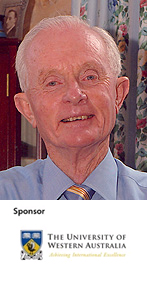
Earth scientist
Roy Woodall was born in Perth, W.A. in 1930 and spent his childhood in the midst of the Great Depression. At age 16 Woodall began work as a junior clerk in the Hydraulics Division of the Public Works Department, while continuing his studies at night school. Woodall then enrolled in a science degree at the University of Western Australia which he completed with honours in 1953. After spending his university holidays working with Western Mining Corporation (WMC) he took up a geologist position with them in 1953. Woodall moved briefly to the University of California, Berkeley to complete a MSc (1957). Upon his return to Australia, Woodall again worked very successfully with the WMC as a geologist (1957-61), assistant chief geologist (1962-67), chief geologist (1967-68), exploration manager (1968-78) and director of exploration (1978-95). He remains as a non-executive director.
Woodall’s scientific approach to exploration, coupled with his use of the latest geological techniques, contributed greatly to the discovery of the Kambalda Nickel Field (1964), uranium at Yeelirrie (1971), the Olympic Dam copper-gold-uranium deposit (1975) and the East Spar oil-condensate field (1993).
Interviewed by Professor Richard Stanton in 2008.
Contents
- Prologue
- From Depression years to graduate geology
- To Berkeley, with a scholarship and a wife
- A fresh approach to the Darling Range bauxites
- Remapping the Kalgoorlie goldfields
- New understanding of ironstone at Kambalda
- Kambalda nickel ore at bonanza grade
- Carnotite-rich uranium in a Tertiary river channel
- Seeking copper in Western and South Australia
- A team and good science in the search for copper
- The first ‘target’ for copper at Olympic Dam
- Persistence pays off, with uranium as a bonus
- Where has the Olympic Dam mineralisation come from?
- Subsequent gold exploration
- A sally into petroleum exploration
- Motivation, confidence and mutual support
Prologue
Mineral and petroleum exploration is scientific research when it is guided and driven by science, and brought to effect by both the pursuit of new knowledge and the interpretation of that knowledge through the application of science.
Mineral and petroleum exploration aims to explore for what is hidden deep in the Earth or concealed by surficial, barren sediments. Scientific research seeks knowledge of how the unique rocks we call ore deposits and the rocks which contain recoverable hydrocarbons have formed. Such scientific knowledge creates an hypothesis for testing.
Testing the hypothesis requires the application of state-of-the-art instrumentation to gather geological, geophysical and geochemical data for further scientific assessment. If this work strengthens the validity of the hypothesis, testing the hypothesis requires the expensive business of drilling often deep into the Earth to sample the geological environment. This sampling and assessment often proceeds through several phases until the hypothesis is either disproved, or mineralisation or hydrocarbons are proved to occur in sufficient abundance for their recovery to be economic, i.e. a national, wealth-creating, financial investment.
From Depression years to graduate geology
Let us start at the beginning. Soon after your parents came to Perth, Australia, they found themselves having to cope with the ravages of the Great Depression. It seems to me that children born to people who have had to battle the many problems associated with migrating to a distant country may have a special urge to strive, and may go on to do extraordinarily worthwhile things.
The Western Mining team which you formed and led became Australia’s greatest discoverers of ore deposits – and you, yourself, are already an international legend in mineral exploration. That must have required a great deal of ability and determination. Could you tell us something of your early life, your school and university days, and what influenced you to become a geologist and to begin mineral exploration with Western Mining Corporation?
I was born on 3 November 1930. My mum and dad emigrated from Britain in 1928 to start a new life in Australia. It started well, but then the Great Depression came and my father was unemployed, as were so many Australians. To feed his family of three children, my father had to do manual work on community projects. For that he received food vouchers which, when taken to the grocery store, allowed my mother to put food on the table.
My primary education was at the East Claremont Practising School. It was called a practising school because it was alongside West Australia’s only teachers’ training college. The teachers in training often came to observe how our teachers were handling their class and would sometimes practise on us in the presence of much more experienced teachers. The school was a good one, with excellent teachers. It was about a mile from my home, which was a simple weatherboard dwelling in a workers’ suburb. George, one of my best friends, often walked with me, he barefooted – his parents could not afford shoes. Somehow my mum and dad were able to find shoes for us all.
After primary education, I went to the government Claremont Central School to commence high school. There again I found excellent teachers. For three years I studied for what the University of Western Australia considered to be an essential state-wide examination, the Junior Certificate, which I sat and passed in eight subjects. Unfortunately, one might say, that was the end of my high school education in a full-time manner and I was forced, for financial reasons, to leave school at 16 and find work.
The good fortune was that I obtained a job as a junior clerk in the Public Works Department and, even more fortunately, I was placed in the Hydraulics Division, where the engineers designed dams and built country water supplies and irrigation systems. They inspired me and encouraged me to continue my education at night school, which was possible by going to the Perth Technical College. So for two years I went there and studied English, Mathematics, Physics, Geology and Geography. There also I had outstanding teachers – who had to cover in one year, while seeing us only two or three nights a week, a full two-year course in those subjects. I succeeded in passing five subjects essential for me to gain entrance into the university, where my engineering friends wanted me to go. They wanted me to study engineering, but I decided to enrol in a science degree. The Chief Engineer was disappointed when I told him that news.
In my first year at university I studied Mathematics, Chemistry, Physics and Geology. I did very well in First Year but then came a most important ‘crossroads’: to choose a major subject. I had developed an interest in geology from my studies at the Perth Technical College under a very famous teacher, Dr Tiller, and I was so interested in both Geology and Chemistry that I couldn’t decide which I would like to choose, so I carried the full load of Geology, Mathematics and Chemistry in Second Year to keep my options open. Then in Third Year I chose Geology rather than Chemistry as my final subject, as I thought I would be happier working in the wider regions of the outback than in the narrow confines of a chemistry laboratory. I continued university studies for a fourth year and completed Honours in Geology.
During those university days, to help with finances, I took vacational work with a company called Western Mining Corporation but referred to as WMC, which operated goldmines at Coolgardie, Kalgoorlie and Norseman. My first summer job was at Coolgardie, my second at Norseman. It was at Norseman that I was exposed to the science that this company applied in its exploration work and its documentation of ore deposits. That was where one famous Australian geologist, Haddon King, spent his early years too. He was the geologist who questioned the belief that all the ore systems at Norseman plunged to the south. He did careful mapping and argued that the ore systems plunged to the north and, if you wanted to find an extension of the ore systems, that’s where you must drill. Before he left Norseman, he drilled to the north of the known ore deposits and discovered the fabulously rich Princess Royal orebody. All this – plus finding how inspirational the Chief Geologist, Don Campbell, was – convinced me that on graduation, if I had the opportunity, I would like to work with that company.
I think you have been a little overmodest. You have said that you majored in geology; you did so, I believe, with a number of distinctions in the course. You won the Edward Sydney Simpson Prize in Geology, you shared the Science Union Prize and, in fact, you went on to gain first-class honours in your fourth year. You might have been expected to proceed to an academic career, but you didn’t.
To Berkeley, with a scholarship and a wife
After careful, deliberate consideration, you decided to enter the mining industry and the world of applied rather than pure science. For most people, such a decision would have been permanent and there would have followed a life devoted to the application of science and technology within industry. After about two years with Western Mining, however, you moved back to the university world to do postgraduate work and obtain research training. Could you tell us why you did this, where you decided to undertake advanced study and research, and who you worked with and how they influenced you?
The Head of the Geology Department at the University of Western Australia, who influenced me greatly, was Professor Rex Prider. He wanted me to apply for a Rhodes scholarship and certainly to go on and do doctoral research and obtain a PhD. Instead, I chose to delay any further academic studies and go into industry to learn more about what was most important to study if one was concerned with the origin of ore deposits. So I went to work for Western Mining, which gave me experience at Coolgardie and Kalgoorlie.
However, in my second year with WMC, I was busy writing letters to overseas universities seeking a scholarship. I chose universities in North America because that’s where, as far as I knew, all the best and greatest ore deposits were centred and that’s where the best ore deposit research was being done. I didn’t have to wait very long, because one of the universities I wrote to was the University of California at Berkeley. Back came a letter, not from the university but from a group I didn’t even know existed – the English-Speaking Union, based in San Francisco. They were a group of quite wealthy San Franciscans who offered a scholarship each year to bring a student from Australia one year and from New Zealand the next year to study at Berkeley. One of their representatives had gone to the Dean of Graduate Studies at the University of California to advise that they had a scholarship available for an Australian student. The Dean showed the lady my letter, and she decided to write offering me the scholarship, which was $1000. I accepted the offer, as I felt it was probably enough to see me through the first year of studies at Berkeley.
In the meantime I had met a beautiful 19-year-old young lady, Barbara Smith, and we chose to be married before I went to the United States. This meant that I had to leave for Berkeley initially on my own and find accommodation, to be sure we could have a roof over our heads.
Having arrived in California, not only did you have to cope with the demands of the University of California at Berkeley, a university that required the highest of standards, but with your young wife you then embarked on the early stages of married life in a new and strange country. And you went on to have two children. You did this under what must have been quite spartan financial circumstances. How did you manage it?
Well, we owe a lot to the kindness of American people, especially the influential ladies in the English-Speaking Union; they showered Barbara with the most beautiful baby clothes. Other ladies, mainly wives of faculty, took a great interest in international students and helped us a great deal. Of most importance was the need to find accommodation, and I quickly discovered that accommodation near the campus was, from my point of view, far too expensive.
With the help of these faculty ladies, I found a oneroomed apartment, as you might call it, above a garage in a quite wealthy suburb called Piedmont, and it was very cheap. Mrs Cotton, the owner, realised that it needed a coat of paint, so she provided the paint and I repainted this little apartment. I then told Barbara to catch the first available ship from Australia to San Francisco, because I was ready to make this our home.
Of course, I had to get to university, which was some miles away. While the children living in this district drove to their high school in their best and latest cars, including Ford Thunderbirds, I pedalled a bicycle off to the campus – much to the delight and humour of the children, who used to laugh at me as I would ride off.
In my second year I was awarded a studentship worth $1500 and, for that, I had to do a certain amount of laboratory work and lecturing. So, in one way, it was quite humorous to see children going to high school in flashy modern cars and a university lecturer pedalling his bicycle to campus. [laugh]
At university there were two wonderful professors. One was Professor Charles Meyer, who had spent quite a number of years working in industry with the Anaconda Mining Company and had recently been appointed Professor of Geology. He was a great mentor to me and an inspiration – as was Professor Ed Wisser. He also was from industry, and had worked in South America, especially in Mexico, and in the Philippines. He had a vast knowledge of ore deposits. Between Professor Meyer and Professor Wisser, I learnt so much. I am forever grateful for the wonderful opportunity I had to know these two gentlemen, and to be taught and inspired by them – but especially by Chuck Meyer.
After two years and the awarding of a Masters degree, the time came for me to decide whether I would go on and do doctorate studies. So off I went to see Chuck Meyer. I sat down at his table and he looked me in the eye and said, ‘Roy, to do a doctorate you’ll have to spend probably a year becoming fluent in French or German and then at least three years in research. You should go back to Australia and find ore deposits.’ That was another ‘crossroads’. The right decision was made, I am sure, and I went back to Australia, where Western Mining was pleased to have me back as a young geologist.
A fresh approach to the Darling Range bauxites
You say that, in hindsight, you made a wise decision, but how did you feel on your return to Kalgoorlie and Western Mining? Did you find yourself wavering and having second thoughts, or did you find yourself full of zest, armed now with all you had learned from your mentors in Berkeley and with an urge to get back into active mineral exploration?
I did come back full of zest and ready to establish the most advanced, modern mineral exploration and mineral research facility that the country knew. The Managing Director and Chairman of the Board, Mr Clark (who subsequently became Sir Lindesay Clark) was a great mentor. He wrote to me while I was in Berkeley and encouraged me to come back, indicating that he would support my vision. But when I returned, the company was still very small, the gold price was low and gold mining was not very profitable. He said I would just have to be patient.
I believe, however, that you did some detective work that brought almost immediate and really quite spectacular results. Could you tell us about your contribution to the discovery of the Darling Range bauxites, and just how important these have turned out to be?
One day, while I was working in an office next door to the Chief Geologist, Mr Don Campbell, he came in with a letter from Mr Clark. In it, Mr Clark asked him whether there was any chance that we might be able to find bauxite in Western Australia. The fabulous deposits up in northern Queensland had been discovered and he asked about bauxitic laterites, which were known in the Darling Ranges just east and south of Perth. Don asked me to investigate!
Well, I knew nothing about these deposits other than how they were formed – one learnt that in Geology I – but I rummaged through the limited library that was in the office and found a volume written by the Bureau of Mineral Resources (now Geoscience Australia) on bauxite occurrences in Australia. The bureau had written up a short account of what it called the low-grade bauxite deposits in the Darling Ranges, just east of Perth. I read the account of the mineralogy of the Darling Range laterites and the description of why they were considered subeconomic: they were high in silica and relatively low in alumina. Reading that, I noticed that the silica was in the form of quartz. As I studied the volume in more detail, I realised that the burden on the refining process was silica in the form of clays, because the clays consumed caustic soda when they went into solution, but not silica as quartz.
So this so-called uneconomic bauxite deposit, uneconomic because of low grade and potentially high caustic soda use in the refining process, had been misunderstood! Quartz, as far as I knew, did not go into solution easily in caustic soda – certainly not in the concentrations used in the bauxite refining process – and was therefore merely an inert diluent. Moreover, remove the quartz and you would have much better grade. There was also a bonus which at that time I did not realise: the alumina mineral in the West Australian bauxites was gibbsite rather than the boehmite in the bauxites of Queensland. Gibbsite dissolves at a lower temperature than boehmite and thus aids lower cost-refining.
Anyway, Western Mining pegged all this area and, with the help of Alcoa of America, established an exploration project which proved the deposits to be one of the great alumina sources in the world. They produce the lowest cost alumina in the world and the deposits are vast. They have been in production now for many years and will be in production for many more years to come. It was a case that reminded me of the words of Sir Harold Raggatt, who was Director of the Bureau of Mineral Resources and a great Australian. He said that a ‘discoverer’ is someone who sees what everyone else sees but thinks what noone else has thought before. The Darling Range bauxite ‘discovery’ story is a classic case of seeing what everyone else had seen but thinking what noone else had thought before.
So this was the application of quite simple science, quite simple mineralogy which for some unknown reason nobody else had thought of, and it yielded huge dividends.
Yes.
Remapping the Kalgoorlie goldfields
At that time you were based in Western Mining Corporation’s main office, essentially right on top of the great Kalgoorlie gold deposit, on which a lot of outstanding geological work had been done. Your being there, I think, gave you the chance to study the deposit yourself and contribute to our understanding of that famous gold occurrence.
I had a wonderful opportunity, because Mr Campbell came in to me one day and said, ‘Roy, I would like you to remap the Kalgoorlie goldfield.’ It hadn’t been done since 1933, when two quite famous American geologists, Dr John Gustafson and Dr Miller, came to Australia. They did a very good job in defining the structure of the field by mapping the slates and identifying pillow lavas, which allowed them to decide which way was top and which way was bottom in any particular lava flow. As a result they were able to define the basic structure of the field, which was a big advance.
As far as I could see, however, no-one had done any detailed petrology. Gustafson and Miller had not really considered the petrology of the ‘greenstone rocks’, as they were called. So, with the help of a young geologist I recruited from the lowly Kalgoorlie School of Mines, Guy Travis, we set about systematic sampling of the ‘greenstones’ right throughout the mines, to have good samples for petrological work and to find out exactly what these rocks were all about. The current nomenclature was crude and scientifically very poor, just talking about coarse-grained ‘greenstones’, fine-grained ‘greenstones’ and ‘calc-schist’, which we found was really just a highly altered lava.
So we started doing good petrology and we realised that we could identify 10 distinct petrological zones in the main host rock of the famous Golden Mile deposit. We proved beyond all doubt that the interesting structure in the centre of the field, the so-called ‘Boulder Dyke’, was without all doubt a very tight syncline that plunged to the south. This gave us encouragement to continue what Mr Campbell had started, a search to the south of Kalgoorlie for a repetition of the Golden Mile gold deposit.
Mr Clark, in his account of this work, said:
The next important advance was made by Roy Woodall in the early 1960s. He further defined the rock succession in the Kalgoorlie field, including two identifiable basalt horizons and two distinct dolerite sills. One dolerite and one basalt horizon were shown to be most favourable for gold, and this led to an increased ability to direct exploration into areas of special significance.
Yes, that quote comes from Sir Lindesay Clark’s book Built on Gold, and puts it very succinctly. As a result, we were able to go back to the early drilling that Western Mining had done looking for a southern repetition of the Kalgoorlie goldfield and show that the drilling had been relatively ineffective, not testing the most favourable rocks in the most favourable structural environment. We were also able to convince Newmont Mining Corporation and Anglo American from South Africa to fund the drilling of some further holes to search for a repetition of Kalgoorlie’s famous gold deposits.
We intersected high-grade telluride mineralisation, in a narrow vein no more than perhaps 19 inches wide, which was classic Kalgoorlie high-grade mineralisation. But it was down at a depth of over a kilometre, and with gold only $35 an ounce there was no enthusiasm to continue the exploration. One day I think somebody is going to go back to that discovery and assess whether it is really the guide to another ‘Kalgoorlie’.
New understanding of ironstone at Kambalda
For about the next 10 years and after your assumption to the position of Chief Geologist and Director of Exploration for WMC in 1967, you had a number of successes – understanding of the Three Springs talc deposit, for example, and discovery of the Kambalda nickel orebodies, orebodies of profound importance. They were the first of their type found anywhere in the world; their discovery changed the international balance of power in the nickel mining industry; and the beginning of their exploration had an enormous economic effect and a substantial influence on attitudes to the mining industry in Australia. The ingredients of discovery here were good science and, I think, not only confidence in your observations and deductions but sheer determination and persistence. Could you tell us about it?
The Three Springs talc deposit was small, very profitable – and scientifically very interesting. I had gone there expecting to find that the talc was the result of the alteration of an ultramafic rock, like a dunite, because that’s what I had learnt in university. To my surprise, I found that I was looking at an ancient coral reef, a carbonate rock. By some mysterious means due to hydrothermal alteration, the carbonate had been replaced by pure talc. But the most amazing thing was the way this alteration had changed the rock. It had preserved all the intricate details of the coral reef formation. That taught me something very important about how subtle hydrothermal alteration can be in preserving rock textures. As there seemed to be a lot of exploration potential, the company took an interest in the deposit and a very profitable little mine resulted.
The discovery of nickel at Kambalda was a much more important event and it helped me make a very significant contribution to Australia and the Australian people – which was always what I wanted to do!
The story began in about the late 1890s, when prospectors found gold on the north shore of Lake Lefroy, about 50 kilometres south of Kalgoorlie. They established a very profitable little goldmine called the Butterfly Mine. After the discovery, of course, other prospectors swarmed over the area and dug holes in anything that looked to be mineralised. One place they dug holes was on an ironstone outcrop. In fact, they put some charges of dynamite into it and exposed massive sulphides – fresh sulphides. Unfortunately the sulphides didn’t contain any gold, so they left and went on to other things.
You say ‘unfortunately’. It was probably ‘fortunately’ for you and Western Mining Corporation.
Of course, yes. They didn’t see what we were later able to see.
A farmer named George Cowcill, from Quairading in the West Australian wheat belt, was an amateur prospector. When the price of gold increased in the 1930s, he decided to spend some time prospecting. He went to the environment of the Butterfly goldmine and prospected. He came across the pit showing massive fresh sulphides and when he asked some of the local prospectors why it was not pegged, they said, ‘There’s no bloody gold in that stuff.’ So he moved on, and later went back to his farm.
When the uranium boom started in the 1950s, George Cowcill thought, ‘Well, maybe I’ll be more successful finding uranium than gold.’ So he went back to the goldfields. First, he called in to the mining registrar’s office in Coolgardie and asked for some advice on what to look for in searching for uranium, and they showed him some specimens of uranium ore. Some of them had a bright green mineral in them, or a bright green stain, and he remembered that the massive sulphide he had seen near the Butterfly goldmine – which had ‘no bloody gold’ in it – had a green stain. He went back there, collected some samples and took them in to the Kalgoorlie School of Mines. One of the lecturers, Mr Bill Cleverly, checked the samples and said, ‘Oh, I’m sorry, Mr Cowcill. This green stain is not due to uranium minerals; it’s due to nickel, but nickel in relatively small amounts and not economic.’ So George did a bit more prospecting and again went back to his farm.
In the early 1960s he came back to the goldfields with a partner, John Morgan. They went back to these ‘diggings’ south of Kalgoorlie and collected some more samples of the ironstone rock, looking particularly for green colouration. (They couldn’t find any of the massive sulphides, because a big flood in 1948 had filled in all the old workings.) John Morgan was asked to take the samples in to Western Mining to see if they were interested in this material which had been said to contain small quantities of nickel.
So John Morgan brought me the samples, and I sent them off to the Amdel laboratory in Adelaide, where I knew a new emissions spectrograph had just been established. This made it possible to scan a sample for a range of elements, not in a quantitative way but at least in a qualitative way, to give some idea what minerals and what elements were in the sample. Back came the report: ‘The sample contains about 0.7% nickel and about half a per cent of copper.’ This was all ‘low-grade’. But the report continued: ‘This rock contains unusually high amounts of silver, tellurium and molybdenum.’
Well, when I was in Berkeley, Chuck Meyer instructed all his students to buy Goldschmidt’s Geochemistry, and what a blessing that was.
At that stage the book had only very recently been published.
Yes. When I opened the book to learn a bit more about silver and tellurium, which I knew occurred in gold ores, to my astonishment it said that these elements are ‘present in significant amounts in pyrrhotite magmas together with pentlandite’ – a nickel sulphide – ‘and chalcopyrite’, a copper sulphide.
I knew molybdenum occurred in porphyry coppers, but I had no idea of what it was doing in an Archaean ironstone. Goldschmidt wrote of molybdenum that ‘small amounts of molybdenite are sometimes found in genetic relationship to basic gabbroic magmas and norites…’ – and I knew norites were associated with the great Canadian nickel sulphide deposits!
There could be no doubt that this ironstone outcrop, which I had seen now by visiting the location, was coming from an iron-nickel-copper-sulphide vein that had precipitated out of classic mafic or ultramafic rocks. Therefore, despite the wisdom of the day that you had to be in Proterozoic rocks to find nickel sulphides, here in Archaean rocks there was proof beyond doubt that magmatic rocks had been intruded and with them had come potentially economic grades of nickel and nickel-copper sulphides.
Kambalda nickel ore at bonanza grade
I went back to the company executives and said, ‘Look, I’ve always believed that this country of Kalgoorlie and the Western Australian goldfields, when you compare the rocks with those in Canada, should have metals other than gold in economic quantities – maybe copper, lead or zinc and maybe nickel.’
Certainly there are many remarkable geological similarities between the two terrains.
‘Yes,’ they said! ‘Well, what do you want to do?’ I said, ‘I need to map the area and I can use university students over the coming summer’ – the summer of 1964–65. They asked what that would cost, to which I said, ‘Well, £2000,’ which is $4000 in today’s terms. We didn’t pay them much! Anyway, with Guy Travis guiding them, two university students mapped the area. We found that the contact on which there were occurrences of this ironstone, which I now knew definitely had been derived from the weathering of nickel-copper sulphides, could be traced for 13 kilometres, defining a beautiful dome-shaped structure, and that many places along that contact justified drilling to find out how much sulphide there would be in these veins and at what grade.
I showed the outcrop to some renowned geologists from major companies, but they were not impressed. They did not think it was worthwhile providing any finance to earn an equity, even a big equity, in this occurrence. So I went back to Western Mining’s head office in Melbourne and said, ‘Please, Sir, may I drill some of these ironstone outcrops?’ There was great scepticism: ‘How is it that this area has been prospected for 70 years by mining companies and prospectors and they’ve only found gold, yet you come along and say that there are also potentially economic nickel sulphide ores? Moreover, noone else has ever found nickel ores in Archaean rocks!’
Mr Bill Morgan was now the Managing Director and was supportive, and I had the support of the Chairman, Mr (later Sir) Lindesay Clark. The man in charge of Western Australia’s gold operations at the time, Mr Brodie-Hall – ‘Brodie’, as we used to call him – was also supportive. (He too was knighted eventually, becoming Sir Laurence Brodie-Hall.) Brodie went to Melbourne and talked seriously to Mr Bill Morgan and Mr Clark, and they approved a small budget of £22,000, sufficient to allow me to drill six short diamond drill holes.
So, in January 1966, a man who had been drilling for me on other prospects for some time, Jack Lunnon – a rough gentleman – rigged up his diamond drill close to the discovery gossan which I had initially sampled, and drilled down-dip from the occurrence to see what this ironstone would be like below the weathered zone. We intersected nickel sulphides, I think nine feet wide – we measured in feet in those days – which assayed 8.3% nickel.
By any standards, that could almost be described as a fabulous grade of nickel ore, a bonanza grade!
Then I had to learn a lesson that I guess anyone who’s involved with scientific research has to learn, that you may be at the point of a discovery, only to get setbacks. When the second hole was drilled, where we also thought ironstone would pass into nickel sulphides below the weathered zone, we found nothing. In the third hole we found nothing. In the fourth hole we found nothing. In the fifth and sixth holes we found nothing. Remember, nobody stopped us doing this drilling, even though there was great scepticism. Eventually we worked out the trend of the nickel sulphide ore. Jack Lunnon then put a whole series of successful drill holes into the orebody. Almost weekly he would come back with a drill core of very high grade nickel ore.
Lunnon became quite a famous name in mineral exploration, didn’t it? You named that nickel orebody the Lunnon Shoot.
I named each of the nickel orebodies we found after the diamond driller who was on shift when the drill went through the orebody, and that was the origin of the discovery and naming of the Lunnon Shoot.
Anyway – well, it’s all history now – it started the great West Australian nickel boom. Nickel sulphide deposits were discovered all through the country to the south of Kalgoorlie. They were then found well north, up towards Wiluna in the northern part of the goldfields, and a great new Australian industry was created. We commenced production within 18 months, in 1967. That nickel boom and that nickel production is still going to this day, and new nickel discoveries are still being made.
To return to how this came about, however: the initial discovery was at a place which initially was called ‘Red Hill’, but in the mapping that summer of 1964–65, the students discovered an old townsite. We applied to the Lands Department for some information about what this townsite was. It must have been surveyed to provide accommodation for the Butterfly goldmine and its workers, but that didn’t last very long and now there were no buildings. For some reason the townsite was called Kambalda. So, from then on, ‘Red Hill’ became ‘Kambalda’, and Kambalda became the discovery site of the first nickel sulphides ever found in the world in Archaean rocks. The sulphides were associated with a very strange ultramafic rock which we now know was a very high-temperature ultramafic lava called a komatiite, and ‘komatiite’ became the word to use if looking for nickel.
So we made history, and we made Western Mining a great company. It suddenly became the glamour stock on the Stock Exchange.
And helped other stocks to become glamour stocks on the Stock Exchange too.
One of the most important things it did was to convince a lot of sceptics that maybe this little group of explorers that I was able to lead knew something that perhaps other people didn’t know. More importantly, it is a classic example of how very careful science can lead to a discovery. Many had seen the ironstone and some knew it contained copper and nickel, but for years they did not understand its significance and they did nothing about it. As Sir Harold Raggatt said, the ‘discoverer’ is the person who, seeing what other people have seen, thinks what noone else has thought before.
In principle, this was a repetition of your experience with the Darling Range bauxites, wasn’t it?
Very similar! This time, I had the added benefit of knowing that the Amdel laboratories in Adelaide had set up semi-quantitative-cum-qualitative analytical facilities. Those – with the help of Professor Goldschmidt – allowed me to be absolutely certain that this ironstone would pass into nickel-copper sulphides.
I went underground with you very soon after you began production, in July 1967, and I saw the first working underground exposures. Little did we imagine at the time that 41 years later I would be interviewing you for the Academy records!
[laugh] You were one of the first to realise that this was a mineralised ultramafic lava. We didn’t know that at the time, but the clue was there in the texture. I had seen that strange-textured rock in Coolgardie, when I was there as a student. Because it looked like spinifex grass trapped in a dark magmatic rock, we called it spinifex rock, and it is still called by that name today. Really, that texture should have told me that this was a very high-temperature ultramafic rock, a lava, which had been chilled very quickly. If I’d had some metallurgical knowledge I would have realised that, because the same texture occurs in chilled slags from metal smelters.
Carnotite-rich uranium in a Tertiary river channel
Almost immediately after the discovery of nickel at Kambalda, the name Woodall became synonymous with a momentous development: the first discovery of commercial nickel in Australia, and at last a rival for the great nickel deposits of Canada, the Sudbury deposits. Having discovered the very first komatiite nickel deposits, an ore type then very new to the geological world, you became an international figure not only on the mineral exploration and the mining scenes but in that part of the academic world concerned with ore deposits.
All this must have had a great effect on management in WMC and its attitude to and support of its Exploration Division. You were now in full charge of the direction of WMC’s burgeoning mineral exploration and you must have set out on the next decade with high hopes for nickel, for WMC’s traditional commodity, gold, and also for base metal exploration. In addition, uranium exploration began a resurgence, and with Western Mining you made quite a successful sally into the petroleum industry. Could you tell us how these things began to unfold?
Well, we had no trouble establishing a very substantial exploration budget and having it approved. With careful recruitment, I built up the geological staff. We established exploration bases throughout Western Australia on the logic that, if you are living and working in an area where there are local prospectors and local knowledge, you are likely to be the first to hear about any new lead that develops toward a new discovery. (Actually, that did happen but Western Mining, unfortunately, did not benefit. That’s the Telfer discovery story, and the Granny Smith discovery story: both significant gold discoveries.)
I put aside one of our top geologists, Eric Cameron, to think about where we might look for uranium. Now, the whole world knew that there was much uranium mineralisation in the United States, occurring where fluids had moved down through sandstone, leaching uranium and re-depositing it in enrichments at deeper levels.
These were in sandstones that were part of old riverbeds. Is that right?
That’s right! Eric looked around Western Australia and noticed ancient Tertiary river channels, all filled-in now and occupied by salt lakes. They relate to a much earlier period when the climate was much wetter in Western Australia – and in all of Australia. He thought, ‘Maybe, in these much more recent river channels, the same thing might work because there are plenty of granites around containing uranium minerals, and sediments from those granites have been washed into Tertiary river channels. Why not go and look in those river channels for uranium enrichments?’
At the time, the Bureau of Mineral Resources had produced some radiometric maps from aerial surveys. Eric came in very excited one day and said, ‘Look, there are radiometric anomalies over some of these old river channels.’ But, ‘Eric, these might be due just to potassium minerals,’ which we knew would also accumulate in the salt lakes and also be radioactive. So we had to rush off and buy a scintillometer to tell us whether the radiation was coming from potassium or uranium. Many were just potassium anomalies but, lo and behold, some were due to uranium and quite close to our regional base at Meekatharra, on the Yeelirrie pastoral property.
At that time the government had put a complete ban on anyone pegging mineral leases. They were so inundated in the nickel boom with applications, they said, ‘No more pegging’. There was also an embargo due to the early days of the iron ore exploration. So, secretly, John Haycraft, our geologist based at Meekatharra, went out to this environment on a pastoral property to see whether he could find the source of the radioactive anomaly. And there, along a fence line, he actually did find a yellow mineral which was highly radioactive. It had been found by the men who had dug the holes for the fence and it was carnotite, a potassium-vanadium-uranium oxide. John’s discovery remained hush-hush until such time as we could peg mineral claims over it.
When that time came, we drilled out and discovered and announced the world’s first uranium deposit in which the key mineral was carnotite, discovered in calcareous sediments in an old Tertiary river channel. It was a world-class deposit waiting to be discovered, the first discovery anywhere in the world of this type of economic uranium mineralisation – and our second world-first discovery.
Seeking copper in Western and South Australia
The story of that carnotite-rich calcrete uranium deposit brings me inevitably to the greatest triumph of your professional career, one of the most valuable ore deposits discovered in the whole of human history: the great Olympic Dam copper-uranium-gold deposit. It is now well on the record that this was a triumph of good science, and you have often emphasised that it was an illustration of the power of team effort in the application of science in mineral exploration. Could you tell us about it?
Well, everything you say is absolutely correct, but with one personal addition. When I came back from Berkeley, I was most determined to find Western Mining a copper deposit. So, when WMC’s prospector in the 1950s said that he’d found some copper-stained outcrops in the Kimberley region of far-north Western Australia, I was sent to have a look at them. Sure enough, they were outcrops of lode material with copper staining. The less fortunate ‘benefit’ to me was that I was immediately dispatched to establish a camp up there, and I had to leave my wife and kids behind for stints of three months at a time. We established an exploration base in the remote West Kimberley region of the Tarraji River valley. Nobody lived there; there were no Aboriginals and no pastoralists. There were, however, clean-skin cattle roaming the area – obviously, escaped from somebody’s pastoral property or the progeny of previous pastoralists’ efforts in the district – and they were important to our food supplies.
For two years we tried to find Western Mining a copper deposit in the West Kimberley. We used some very elementary geophysics and some very elementary geochemistry. I pioneered with the help of Dr Haldane, a geochemist in the Bureau of Mineral Resources. He developed a method whereby, in the field, we could take a sample of clay material from a creek and determine whether it was anomalous in copper, lead or zinc. So I did some pioneering geochemical exploration, and we drilled holes. And we failed.
The second attempt to find a copper deposit for the company was around the historically famous and important copper mining districts of Moonta and Wallaroo, in South Australia. The area around these mines was completely covered by windblown soils, so there was an opportunity to find concealed deposits. We now had more advanced geophysical methods, which we used extensively, and for 10 years we explored that district. And we failed.
Then the geologist I had based up in the Pilbara region of Western Australia advised that, through the help of a prospector, he had found extensive outcrops of shale that was extensively copper-stained. There was no question that these were copper-bearing shales, so he asked for permission to start a major exploration project based on the outcrops; The Fortescue Project. Well, the world knew that some of the world’s greatest copper deposits were in rocks of the same age over in Africa, in the famous Copper Belt of ‘Rhodesia’ (now Zimbabwe and Zaire) – fabulously rich copper deposits. Here we were, so excited that we were going to make the great discovery that for some years we had been looking for! We persisted. We sampled and mapped probably 100 kilometres of the shales and we drilled the best outcrops. Again we couldn’t find economic grades, and the project failed.
Meanwhile, I had developed quite a friendship with the Aboriginal community in the goldfields. Through their Native Welfare Department advisers, they brought in some fabulously rich copper samples from the Warburton Range region, in far-eastern Western Australia, almost on the South Australian border – very remote. And out I went to have a look at this, in my fourth attempt to find a major copper deposit.
Well, the copper veins were there. They were very rich. The veins assayed 60% copper and 60 ounces of silver to the tonne, and they were very discrete; you didn’t have to be a brilliant scientist to tell which was ore and which was waste. So for two years, in partnership with the Aborigines and a mining party from Kalgoorlie, we mined these veins, sent that fabulously rich ore all the way from the Warburtons to Fremantle and shipped it on to copper smelters. And we made money! We split the money three ways: one-third to the Aborigines; one-third to Western Mining, who had provided all the equipment; and one-third to the fourman mining party that did a lot of the mining and helped the Aborigines understand what mining was all about. Meanwhile we set up an analytical laboratory there and explored the region, looking for the big deposit. We failed: the fourth failure.
A team and good science in the search for copper
The fifth opportunity came partly as a result of us being in the Warburtons – and this is an example of how you never know quite when some of the work you’re doing is going to have a beneficial result. One of the young geologists that I had sent to the Warburton in the days when we were exploring around those rich copper veins was a young man by the name of Douglas Haynes, a very talented recent graduate. Douglas now wanted to do a PhD, and being a proud Australian he didn’t want to go to any international university, he wanted to do his PhD in Australia, for Australia. So where did he go? To the Australian National University, to study these copper veins and try to determine where the copper had come from. He conclusively proved that the copper had come out of the basalts that were on either side of the vein, in which there was the mineral magnetite. That magnetite can hold quite a lot of copper in its atomic structure. But, when magnetite is oxidised to hematite, the hematite can’t accommodate copper and so the copper is liberated and migrates. It had migrated into the cracks and formed the rich copper sulphide veins – a very simple concept, proved by good science right here in Canberra.
When Douglas had finished his PhD research, he came back to me in Kalgoorlie, where I lived for 25 years running these exploration projects, and we had a big strategy think-session, just the two of us, about what we should do. Douglas recommended that we go looking for oxidised basic lavas like those up in the Warburtons but on a much bigger scale. So now we were not thinking about looking for favourable host rocks, say for shales, which were known to be good hosts for copper; the strategy now was to look for where copper had been sourced in large enough quantities to form a major orebody. We based that strategy on Douglas’s PhD research at ANU. We had to go and find large volumes of mafic rock – ironmagnesium-rich rock – in which the magnetite had been oxidised to hematite, and the copper released to become an ore-forming solution which, if near the right plumbing system, might precipitate and form an orebody.
Well, Australia is a big place. Where to? We chose South Australia, because that’s where the government was very pro-mining. That’s where there was one of the best state geological surveys, with good geological and geophysical maps. And that’s where there had been the earlier copper mining industry around Moonta and Wallaroo. In fact, there were other deposits at Kapunda and Burra that were essential to the survival of the early South Australian colony. So Douglas went off to South Australia, looking for oxidised basalts and dolerites – and, lo and behold, he found some, outcropping not too far north of Port Augusta, in northern South Australia.
We then made a very wise decision. Good science, tackling complex problems, is best done with a multidisciplinary team. We’d always used geophysics, geochemistry and geology together, but this was going to be a much more determined attempt to set up a multidisciplinary team to find the copper deposit we were after.
On the matter of a team: perhaps all of your first three important discoveries – the Darling Range bauxites, the nickel and the Three Springs talc – were all really the result of your own individual work. Certainly you made those discoveries. I suppose discoveries began to result from team activity with your discovery of the calcrete uranium, and you then moved on to a greater emphasis on teamwork as you started into this copper program.
That’s an interesting observation. The discovery of the carnotite uranium deposit was the work of a specialist thinking about how to find uranium, how it moves in the environment, where it might be concentrated. Then a very able and very observant geologist, based with his family in the little town of Meekatharra, went out and actually found the deposit. It was good teamwork. Anyway, this exploration project now in South Australia was to be a multidisciplinary team effort.
We had access to a very good geophysicist, Hugh Rutter, who was on our staff based in Melbourne. So Hugh was consulted, and he came and got involved. He got access to the Bureau of Mineral Resources’ regional airborne maps of magnetics and ground-survey gravity maps of northern South Australia, and noticed that there was a small copper deposit at a place called Mt Gunson. That was not really close to where Douglas thought we ought to go drilling for copper, where he had found rocks that could have sourced copper. But for a geophysicist, why not have regard for the geophysics – the geophysical imprint, the geophysical image of this little copper deposit? It was very clear that there was a substantial magnetic anomaly at the copper deposit and a substantial gravity anomaly as well.
Hugh studied all the maps of magnetics and gravity of the surrounding area and, lo and behold, there were much bigger and many more magnetic anomalies and gravity anomalies further north. The only named location was the Andamooka opal field, so we called the project the Andamooka copper project in those early days.
Am I correct in saying that the combination of magnetic and gravity anomalies would immediately suggest the possibility of basalts?
Absolutely. So, what Hugh recommended was consistent with Douglas’s theory that we ought to go and find source rocks if we wanted to find a big copper deposit. That was the theory which we embraced.
So we were all a very happy team. Douglas was happy that this was a good idea and Hugh was happy. I then moved two very good geologists into the team. Dan Evans, we made Officer-in-Charge of all our work in South Australia, because we could see that we were getting involved in a major project in a very remote area; and he received support from another very experienced geologist, Jim Lalor, who was based in Melbourne, where Hugh Rutter was also based. So here was our team – well, almost!
The first ‘target’ for copper at Olympic Dam
You were certainly building up a good, effective team. What was still missing?
What was missing was a structural geologist. Structure is very important in ore deposit formation, because it is all very well to have an ore-forming solution, but those solutions have to be channelled and moved through some sort of plumbing system into an environment where they can really form an ore deposit. Dr Tim O’Driscoll had done some quite famous work in Broken Hill before the Second World War, but especially after that war, and was, in my opinion, a most outstanding structural geologist. So Tim, who was working with me in Kalgoorlie and had done some wonderful work on the structural location of nickel deposits in Western Australia, was asked to move to Adelaide and join the team. Tim had demonstrated his ability to identify deep structures – I mean ‘deep’: the structures that could be fracturing the Earth down one, two, three, five, perhaps 10 kilometres or more. His PhD research work had shown that these structures can have very subtle expressions at the surface. Their expression at the surface may be anything but a simple, straight-line fault!
Anything but obvious, yes.
Obvious if you know what to look for and how to look, but not otherwise! That was the basis of Tim’s brilliance.
He did a lot of work on the structural setting of the copper deposit at Mt Gunson, which had been the focus of Hugh Rutter’s geophysical studies. He showed beyond all doubt that underneath the Mt Gunson copper deposit was a very distinct major, regional, west-north-west striking, deep-buried structure, intersected at Mt Gunson by a strong north-north-east structure. It was at a structural intersection, a good place for a good plumbing system! You didn’t have to be too brilliant, shall we say [laugh], in order to think, ‘If here’s a small copper deposit, a gravity anomaly, and a magnetic anomaly and a structural intersection, let’s go and look where Hugh Rutter has all these other magnetic and gravity anomalies and see if there are strong structures there as well.’
Tim identified a small number of what he called ‘tectonic targets’: structural targets, coincident with the magnetic and gravity features, which could be and maybe were due to the sort of basic lava rocks or igneous rocks that Douglas thought would be the best source rocks. The first target we drilled was very close to a cattle watering hole dug out by a pastoralist to catch rainwater to water his cattle. He had excavated that dam at the same time as the world Olympic Games were being held in Melbourne, so he called it the ‘Olympic Dam’. And so this project, the testing of this structural feature coincident with magnetics and gravity anomalies, was called the Olympic Dam target. (The small dam was the only feature in the desert to identify it!)
As we drilled, beneath 300 metres of barren sediment the drill intersected a most astonishing rock full of iron oxide, hematitic, highly fractured – a breccia. Here was rock we’d never ever seen the likes of before. The interesting funny story is that Douglas said, ‘Hooray, here we are! We’ve got a fractured basic “source-rock” that’s been now leached of copper because it’s full of hematite. Let’s send it away for assay to show how much it’s been leached of copper.’ Douglas wanted to see a basic rock; he needed to see it, that is what he wanted to see and that is what he saw. But we couldn’t identify what this rock really was.
Anyway, back came the assay. The rock wasn’t leached of copper, it contained 1% copper. Initially, we couldn’t see any copper sulphides as they were very fine-grained, but we went back to the core and, lo and behold, we found the copper mineral bornite – which is not easy to see in a hematite matrix, being almost the same colour.
Persistence pays off, with uranium as a bonus
Your first drilling target seems to have presented you with something of a conundrum.
It did. Well, what to do next? We drilled some more holes. We’re now out in the desert [laugh], over a hundred kilometres from any known copper mineralisation, drilling expensive holes which cost at least $100,000 each, following up copper mineralisation of a type that neither we nor anyone else in the world had ever seen before, in a strange hematite-rich rock which we subsequently recognised as brecciated granite.
Tim and Hugh had agreed on a second target some distance away, so we drilled that. We found nothing. We came back to the location where we did get that ‘sniff’ of copper in the first hole, RD1; we drilled a second hole, and we found nothing. We drilled a third hole and found nothing. Now, I tell you: in many companies, at this stage the managing director would have phoned up and said, ‘You guys, stop wasting my money drilling holes out in the desert and finding nothing, thank you very much. It may be scientifically interesting, but I’ve got shareholders to satisfy.’ But we persisted! We drilled a fourth hole and found nothing. We drilled the fifth hole and we got a similar intersection to the first hole, a ‘sniff’. Well!
This is where the confidence of the management – the WMC Board and the Managing Director and, especially, the Chairman – became so important. They never once questioned our desire to keep drilling. Why did we keep drilling? Well, we’d found an unusual copper mineralisation. Sure, it wasn’t economic, it was sub-ore grade. And we had drilled a lot of barren holes that didn’t find anything. But here was the most astonishingly fractured rock, a place where perhaps a great orebody might have formed, so we kept going. Hole No. 6 found nothing. No. 7 found nothing.
This is, by ordinary standards, almost perverse persistence, isn’t it?
Yes. We now know that some of those drill holes went quite close to very high-grade ore and we were just unlucky. But I am sure that many, many people and many, many companies have been in this situation looking for an orebody, having spent a lot of money, and have then walked away after drill hole No. 9! When do you stop? We kept going because of these exciting-looking rocks. Then we drilled RD10 and we intersected over 200 metres of 2% copper. And – what a bonus! – it also had a significant gold content and a significant uranium content.
Copper and gold are commonly associated; if you were getting the copper values, it was natural to look for gold. But what made you look for uranium?
That’s a good question that I’m finding hard to answer, because it was back in 1976. Why did we look for uranium? That’s a good question: why?
Of course, there is a lot of uranium mineralisation in South Australia, such as at Radium Hill, so that state would have been uranium conscious. Perhaps it was almost a standard thing, almost automatic to look for it there.
I can tell you this: it was not because we could see the uranium mineral. We now know that the uranium minerals – and there are three in the ore – are very fine-grained. Why did we put a scintillometer over the core? Well, we did! Maybe we were just much better researchers back then than we gave ourselves credit for. [laugh]
Another person that was very important to this team was our research petrologist, Geoffrey Hudson. It was Geoff who had said, ‘I’m sorry, Douglas, this is not a hematite-altered basalt or dolerite; this is a brecciated granite!’ I would suspect that it was Geoff who put the scintillometer over the core, just to check it out.
All I know is that all the Western Mining Board, including the Managing Director, wanted to visit this desert place called Olympic Dam. We subsequently had a little airstrip constructed but at this stage, in the early days, we flew in to Woomera, which had an airstrip, and then drove out to the desert to have a look at this core – very exciting stuff.
Where has the Olympic Dam mineralisation come from?
Once you had recognised that the mineralisation occurred not in a basalt but in this highly fractured granite, it was far from obvious where the copper, uranium and gold might have come from. What were the thoughts concerning the source of the ore minerals and metals?
When we saw the core from RD10, we didn’t care ‘two hoots’ where the copper came from; we didn’t even think about it. Now, though, we know that this is at least an 8 billion tonne ore deposit in which there are very large quantities of copper, sulphur, iron – about 30% to 40% iron – uranium, gold. Where does all this vast amount of metal and mineral come from? The source has to be a giant one. The ore deposit is the fourth largest copper deposit found anywhere in the world, it’s the fifth largest gold deposit found anywhere in the world and it’s the world’s largest uranium deposit, by a country mile. Nothing comes anywhere near it for size. So we have this remote part of South Australia, where cubic kilometres of granite have been fractured by some dynamic earth-force; where has this astonishing concentration of copper, gold, uranium, sulphur and iron come from? We don’t yet know the answer. It’s a great question for the next generation or two of earth scientists to worry about.
I believe it’s likely that Douglas will one day be proved to have been right, because maybe down at great depth there is a big basic magmatic pile, just as in the environment there are large outpourings of lava of the same age. Maybe there’s a huge occurrence of dolerite rock or gabbro down there – but it has not been found! Who knows? We don’t know where the copper came from. We don’t know where the gold came from. We don’t know where the iron came from.
I suspect that the energy that has caused this enormous amount of fracturing and formed this huge volcanic feature has come from very deep in the Earth. When I look at the Earth, I see that it’s not very stable. The crust, we know, is not stable and moves around. We don’t know much about the next layer, the mantle, but that is not necessarily stable either; people talk about plumes of molten rock moving through it. But if you go below the mantle, just before you reach the Earth’s core you come to what the seismologists call the ‘D layer’. This is the boundary between the mantle and the core. It’s the core-mantle boundary and it’s the most unstable zone in the whole Earth. If I’m looking for a great energy source, that’s where I’d look. When I say that, I then think, ‘Well, what’s in the core? Much of the Earth’s iron and possibly much sulphur!’ So I leave the question unanswered.
Leave it to future generations?
Leave it to them. It’s of fundamental importance to whether the next generation of explorers will be better than we are. We often don’t know where ore metals come from, but if we did know, we’d be better able to use better science in our exploration strategy. Scientific research of the type that found the Olympic Dam orebody is expensive and will always remain so, even in the future, when we have even better science to guide the exploration. Finding the Olympic Dam orebody cost tens of millions of dollar.
I suppose you and others have yourselves been able to use better science than the preceding generation.
Yes, thanks to Chuck Meyer, Ed Wisser, Rex Prider at the University of Western Australia, the University of California, and the English-Speaking Union who gave me a scholarship – those dear ladies!
Subsequent gold exploration
You would probably like to say a few words about the gold exploration which followed the Olympic Dam discovery.
Yes! The price of gold increased dramatically in the early 1980s. That coincided with the work by our Chief Geochemist, Richard Mazzucchelli, who with his analytical team developed a method whereby we could detect perhaps five or 10 parts per billion – an incredibly small amount – of gold in weathered rock.
We now realised that the goldfields of Western Australia were deeply weathered. They’d probably been weathered in the Cretaceous, in the Tertiary, in the present time – a long period of cycles of weathering. To our astonishment, we found that under those conditions gold is not as stable as you would think. In these weathered zones, especially where there is salinity, gold is leached-out of the surface and the outcrops. You can look at an outcrop and find no visible gold; there will be no gold by assay either. If you then use a very detailed geochemical technique like the one we had now developed and find 10 parts per billion gold, that’s anomalous! So we started to drill beneath these weakly anomalous gold occurrences and we found a whole swag of gold deposits – also in the same area [laugh] where we were finding all the nickel deposits.
Then we became involved in exploration in Fiji, where we found the million-ounce Prince William flatmake orebody. We were visited by people from China who thought that the people who could find Olympic Dam and so much gold ought to come to China and do some exploration. They asked us first to come, if we would, and talk to them about gold exploration. So I put together a multidisciplinary team – a mining engineer, a metallurgist, a geophysicist and geologists – and we wrote a manual and went over to China for a month. They treated us like angels. We travelled the country lecturing on how to look for gold and what to do when you had found it. We were hoping that we’d get invited back to look for gold in China and expand our gold business into China. But this was 1980 and we were just too early. Business sense in China had not evolved to the stage where they could mentally accept the idea of a foreign company coming in and having an exploration tenement and a right to mine what they found.
We were also invited to Brazil by Alcoa of America, who were very active in Brazil. They paid our exploration budget there for about three years, but then they decided there were other priorities and we had to fund the exploration ourselves. Although we found a couple of very nice high-grade gold deposits, unfortunately the company abandoned the Brazilian project – in my opinion, before giving persistence a chance to pay off. We were just starting to really understand the geology of an area of that country, which is bigger than Australia and has enormous potential. To get to know the areas and the rocks takes time. But that was Brazil. We did, however, establish a very important gold division for the company.
We also found some additional gold deposits at Norseman, which that famous Australian geologist Haddon King couldn’t find: they were under a salt lake and we needed the new ultra-sensitive geochemical technique to track them down. That was the Harlequin gold system, which is still in production.
A sally into petroleum exploration
Could you say a word now about your sally into petroleum?
After so much gold exploration I was then asked by the Managing Director, who was by now Arvi Parbo (later, Sir Arvi), ‘Why don’t we form a petroleum division?’ The response was, in effect, ‘You ask, you get! But first give me the money and we’ll do!’ And we did! We found natural gas in South Australia. We looked for oil offshore Western Australia and we found seven oilfields. Probably our most significant discovery, though, was the East Spar oil-condensate field, which now supplies most of the mining districts in Western Australia with natural gas. So that was very successful.
Next, due to contacts we had with the petroleum industry in the United States, we realised that there was an opportunity to buy oilfields which were perhaps discovered in the 1930s and the 1940s and which, though still in production, were barely producing anything at all. The opportunity was to buy those oilfields quite cheaply and put in new geology, new geophysics, new down-hole logging techniques, new petroleum engineering technology. But how do you do this without any staff? Well, the bright idea came to the team (I don’t think it was my idea) that a lot of very talented American petroleum geologists, petroleum geophysicists and petroleum engineers had retired because they were tired of the big-company syndrome – you know, ‘tired of working for Exxon’ or for Mobil, for example – but were still a bundle of enthusiasm. So we went around, hired all these guys and formed a team of some of the most talented petroleum explorers and production people that had ever been assembled; and we started buying under-performing oilfields and gas fields, thanks to the support of the Board.
We did very, very well. We formed a company called Greenhill Petroleum Corporation, named after Greenhill Road, where our Adelaide office was [laugh], and we built up a very successful US-based petroleum division. When all was going so well, WMC decided to sell ‘Greenhill’. They sold it when oil was probably $20 a barrel; it is now $100 a barrel. Those oilfields which we rehabilitated are still in production. We had a wonderful time, in the sense that we had the real pleasure of financing and working with some of the elite petroleum technologists and scientists in the United States. I won’t mention the names of those people, but they were famous in their time in those big companies and they just loved the idea of a little Australian company coming in and allowing them to do what they loved doing: finding oil and gas. So that was our US petroleum adventure.
It was a lot of fun. We found a lot of oil and gas and we made a lot of money for WMC. The business is in other people’s hands now and producing wealth for Americans!
I chose to go looking for ore deposits and oilfields because I wanted to make a difference and help people to be more prosperous. We succeeded in the United States as well as in Australia.
The outsider might gain the impression that the great far-sightedness shown earlier by the company was lessening and people were not taking quite the long-term view that they had in your nickel days.
Motivation, confidence and mutual support
By the end of the 1980s and into the 1990s, you and your team had become extraordinarily skilled at finding new gold and nickel deposits. Western Mining, under your direction, became a great force in the development of truly scientific mineral exploration and showed how new deposits could be discovered with an efficiency never before achieved. Why?
Really, it starts with the people. For one thing, I would never delegate recruitment. As you know, I visited universities perpetually. I used to offer to give a talk, to make sure that I was welcome when I came and spent time there; but I always found out where the good students were, and those I recruited. They came to work for me not because we offered the best salary or big bonuses but because we promised that they would have the best chance of being discoverers. We wanted to use the best science and to do that we had to have the best scientists, and they had to remain top scientists. Thus, they knew they had a fair chance of being granted study leave after a period of time with us. Over my 40 years of running the program, 30 or 40 of my staff went to universities all over the world on study leave – sometimes just for a year; sometimes for a full doctorate study – to make sure that they kept up to date and that they brought back new ideas all the time.
It was a very enlightened policy. It gave your people something to work for, and they came back refreshed. Probably, you had an intellectual energy in your group that no other group in Australia had.
There was certainly a lot of intellectual energy. They were a pretty tough group of individuals to manage at times. [laugh]
I was talking about their creative energy, not their combative energy.
Oh, yes, they were very creative!
In hindsight, what do you regard as your greatest triumphs in your work, and what are some of the things that you think aided you in achieving them? Also, could you enlighten us a little concerning your relations with your Board, your Chairman, senior managers and particularly, I suppose, your money men in the Melbourne head office? Management by this time must have become a very complex and demanding task.
Well, the fortunate opportunity I had was to grow the company. We started off with perhaps 20 geologists and geophysicists, and I finished up with 250. But it was gradual and it was controlled. By controlling and doing a lot of the recruitment myself, I knew there were always talented people to whom I could delegate and in whom I could have confidence. That’s the beginning of the answer to your question: recruitment of talented people who stay with you because you treat them properly, you give them every opportunity to remain at the cutting-edge of their own technology so that they have the joy of being the best geologist or geophysicist they are ever going to be, because they work for us – for me. That is No. 1.
I must not forget my wife, Barbara. She stuck with me through all of this. Often, in some of those early days, I’d be away three months at a time and not see her. Later, she would often travel with me. When we were visiting some of the exploration people in remote areas, perhaps there was a young mother with kiddies, so, while I was in the office looking at the geology or the exploration results, Barbara would be in the home of the young wife with the two little babies, offering encouragement. This did a tremendous amount to help maintain staff and staff morale. She is as much an owner of many of those discoveries as anybody.
She’s a remarkable woman and together we produced a lovely family of 10 children. That’s a bit unusual these days, but we knew we could afford to house them, clothe them, feed them, educate them and love them.
We’ve given Australia three engineers, a doctor, a very talented botanist, two wonderful mothers, and a young lady and two other sons who are very talented in the world of finance and business.
From difficult beginnings in the 1930s, you have had a most successful family life and professional life. Not only have you contributed enormously in a purely material way but you have been able to contribute a very great deal to geological science – a successful life.
And that too has been a joy. One thing I must not forget to mention is the importance of the chain of confidence that we were able to maintain between the most lowly field assistant and the Board. The field assistant had confidence in the team manager and in the district manager. He or she knew that they would be treated well, that they would be looked after. The district managers knew that their regional managers were concerned about them and their family life; if they needed to be transferred so that education for the kids would be easier, for example, that was taken into account. The regional managers had confidence in my leadership, so very few of our staff ever left; and I had the confidence of the Board. The chain of confidence was kept healthy because there was also a chain of respect. The Board had confidence in me and I respected the Board. I had confidence in the people under me and they respected me, and so on. That was fundamental.
Barbara and I have been married 53 years, so we set an example of longevity and long associations of happiness. We had some really superb parties in our Exploration Division. Once a year I would bring in as many as I could to a central place where we would have a technical conference and compare and share a few ideas, and have whiz-bang parties. Mind you, some of our best parties were turned on for us by the Americans, who so loved us!
I think Western Mining, during your time, was well known for all these things. It was regarded as an outstanding company, certainly on the geological exploration side, both from the scientific and the technical point of view and from the point of view of the wellbeing of all the people who worked for it, and this was largely due to you.
Well, we certainly made a difference. Western Mining became a great company and it was built on exploration success.
The other thing that I am proud of – if being proud is not something we have to look down on – is the fact that we insisted that any geological work we did on the mines must be of the highest scientific standard, because as you mine an orebody you destroy it. The environment is there, but the orebody itself is taken away. We insisted that we leave behind the most accurate scientific record of those orebodies that could be made using the equipment and analytical facilities available at the time. That legacy, I think, is very significant.
All in all, my career spanned a very happy 40 years. Barbara and I remember every year with a great deal of satisfaction and joy.
Yours is a most interesting story of great success, from more than one point of view. Thank you very much for relating it.
Thank you, Dick, for those kind words. It’s been a pleasure to be interviewed by you. I know that you have taken a lot of time to study the historical record of my career and to encourage me. Thank you for your effort and for your willingness to conduct this interview. I hope that it can be of value to the Academy of Science in its efforts to encourage other young Australians to take up science and make a contribution to this wonderful country.

Professor Nick Hoogenraad, biochemist
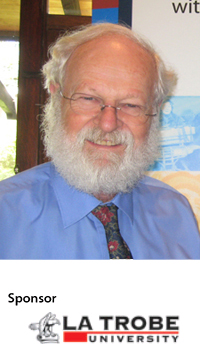
Biochemist
Nicolaas Johannes (Nick) Hoogenraad was born in The Hague, Holland in 1942. He then spent part of his childhood in Indonesia before immigrating to Australia in 1952. At fifteen, Hoogenraad went to sea but soon returned to finish his secondary schooling at McLeod High School. Hoogenraad graduated from the University of Melbourne with a BAgSc (1965) and a PhD in Biochemistry (1969). During his PhD, Hoogenraad was also a senior demonstrator for agricultural and medical practical classes.
Hoogenraad commenced a postdoctoral fellowship in the Department of Paediatrics at Stanford University in 1970 and was appointed to assistant professor in Human Biology in 1972. Hoogenraad returned to Australia and the newly established Department of Biochemistry at La Trobe University in 1974. Hoogenraad was given a personal chair in Biochemistry (1992), made head of the Department of Biochemistry (1993) and head of the School of Molecular Sciences (1998) – a position he still holds. As well as his research and administrative responsibilities, Hoogenraad continues to take an active interest in science education at both a secondary and tertiary level.
Interviewed by Professor David Vaux 25 November 2010
Contents
- An extraordinary childhood
- A new start in Australia
- School and sport
- Run away to sea
- Meeting Joan and a fall-out with religion
- Determined to do biochemistry – and practise it in the vineyard
- PhD with Frank
- Choosing a post-doc
- The pyrimidine pathway, allosteric enzymes, compartmentalisation and transition state analogs
- Standford in a vibrant political climate
- Return to Australia
- Ideas brought back from Stanford
- Crowded mitochondria
- Protein import to the mitochondria
- Mitochondrial stress response
- Democratic department
- Supporting secondary education
- Work/life balance?
- Tertiary teaching
I am David Vaux and I am interviewing Nick Hoogenraad for the Australian Academy of Science.
An extraordinary childhood
When were you born?
I was born in The Hague, Holland in February 1942. It was the coldest winter on record in an occupied country. It was so cold that you could drive a car a certain distance out from the shore onto the North Sea. My father was fighting in the resistance and my mother couldn’t go to hospital to have me, so I was born in my grandmother’s kitchen. They put cottonwool in the sink and I was born there. In a moment of weakness, my mother said to her father, ‘I’ll call him Nicolaas Johannes,’ which was his name and a family name from way back. I became ‘Nick’ only when I came to Australia and people repeatedly messed up my Christian name.
You mention that your father was in the resistance, but had he trained as something before that?
He was born in Balikpapan in Borneo. His father was an architect who worked for the Shell Oil Company, so he designed a lot of the buildings in Balikpapan. When my father grew up, he came to Holland to go to school and eventually joined the army, with the threatening clouds of the war. He was captured very early – when Holland capitulated. He escaped from the camp that he was taken to and went to work as a civilian in a company in Amsterdam. He was there at the beginning, in 1942, when the Dutch underground started. So my childhood was quite an extraordinary one and I have vivid recollections. Even though I was only four years old when the war ended, I have recollections of being on the run. I remember living in caves and living in farmers’ lodgings, in bedsteads in the wall. I remember sleeping at the feet of a farmer and can remember his filthy feet. I have recollections of sensory things like that. It has left its mark on my own upbringing and family.
What happened after the war?
My father didn’t want to live in a country that had been occupied, because he didn’t know whom he could trust. The Dutch government, in their wisdom, gave a lot of the people from the resistance commissions to go to Indonesia. So he went to Sumatra and became the Commissioner of Police in Medan.
He had already been in that area before?
Yes, he was born in Borneo. He loved Indonesia, passionately. He pined for it all the time that he was in Holland. Eventually, in 1948, we joined my father in Indonesia. For four years we lived in Holland without my father, with my mother looking after the four children.
You had three brothers and sisters. Were you the youngest, the oldest or in between?
There were five of us eventually. I was the second eldest. My brother Robert was 18 months older and we have great recollections together of those early years in Holland and our early years in Australia. Then I have a brother, Paul, who was born during the war. My sister was born the year the war ended and my parents called her Angelique Irene, angel of peace. My youngest brother, Frank, was born in Indonesia.
Your father went to Indonesia and you followed in 1948. How old were you then?
I was six. In 1952, we came to Australia to start a new life because Indonesia had gained independence in the meantime.
Do you still remember much of Indonesia?
Oh, yes. It was a wonderful childhood, carefree and exciting. I remember particularly the last months, sleeping under my bed while bullets came through the roof at night. The freedom fighters were lying in the paddy fields shooting at our house. I remember breaking my arm and going to a hospital and seeing a pile of bloodied uniforms there, where people had been killed.
Who was in charge of Indonesia at that time?
After the war, the Dutch. At the Yalta conference all the colonies were given back to their European masters, which, as we know now, was a dreadful mistake. After 1951, Indonesia became independent.
A new start in Australia
In 1952 your family moved to Australia. Why did they choose Australia and whereabouts did you go?
My father came straight to Australia in 1951 and he was going to start building a house. We went back to Holland with my mother for a year and then came out to Australia. They made the choice purely to give us a chance at a better education. My father was still not ready to go back to Holland. He was quite traumatised by his experience during the war and suffered continually from nervous breakdowns.
What did your father do when he was in Australia?
He was a clerk. They did not recognise his qualifications in Australia. In 1952, it was a different situation from what it is now. Being an immigrant, even being from Holland, was not a comfortable thing to be.
What was your English like when you first arrived in Australia?
I knew no English when I arrived in Australia. But I was sent to my aunt in Henty in New South Wales, for the first couple of months when I arrived here, and I came back knowing English. In fact, I would say that within two years of coming to Australia, we stopped speaking any Dutch at home. We all learnt it very quickly and we learnt it probably more correctly than a lot of people native English speakers. Those early years in Australia were really difficult years. They were the years that really made me what I am. I went out to do paper rounds at five in the morning from the time I was in primary school to help to support the family.
Whereabouts were you living?
In Rosanna. After doing my morning paper round and coming home and getting changed, I used to walk from Rosanna to McLeod High School. That is where I went to high school, and which was quite a long walk.
School and sport
Tell me about McLeod High School. What was that like?
McLeod High School was only one year old when I went there. In fact, my elder brother was in the foundation year. We had staggered hours. The school wasn’t completed, so we both only went to school for half a day, in shifts. The other half of the day I spent in the Yarra swimming and I became a very good swimmer.
We had very good teachers in those days, particularly English teachers, and they laid the foundation for a great love of the English language. I had a teacher called Ms Hyatt, who was into syntax. We learnt words which, when I use them now, people ask me what they mean. It’s amazing – the education I had in English. We had another teacher who was very good in literature and I fell in love with poetry and things like that. I remember that I used to love the poet Browning. Then I had a teacher in matriculation, year 12, who was terrific at composition and taught us how to write good prose.
Were you very social at school?
In primary school I always hid to have my lunch because I was so ashamed of being sent to school with my sandwiches wrapped in newspaper. So I became a loner and found out very quickly that, to be accepted, you became good at sport. And I did become a sports champion. I was eventually in the Olympic Games training squad.
What was your sport?
When I was at primary school, it was swimming. I went to Heidelberg State School which had a swimming pool. I still have the medal that I won for the Victorian schoolboys’ championship in breaststroke. But then, after the 1956 Olympics, I became really turned on to running and I became one of Australia’s top junior milers. I won the ‘combined high schools mile’, for example.
You were the champion runner at the school when you were in the first year of high school.
Yes. From my first year of high school, because there was only one year higher, I won the school cross-country all six years that I was at high school. I won the district one from middle school onwards basically.
Imagine what would have happened if you had taken up AFL football.
I played football as well. I played all the sports that other people did. I used to go home and do my homework until probably nine o’clock and then I would go for a run for an hour in the dark. I ran with a rock in each hand, supposedly to strengthen my upper body but partly to keep dogs at bay. But, at fifteen years old, I had had enough of this arduous life.
Run away to sea
What was troubling you? It sounds as though you were doing very well academically and you were one of the best sportsmen in the school. What was troubling you?
I had just had enough of the arduous life I had as a youth. So at fifteen I ran away from home and went to sea.
How did you decide to go to sea? Where did you go to find a ship?
I wagged school one day and went down to the wharf on the Yarra – the wharves were still on the Yarra at that time. I sat there and looked at this gorgeous boat made out of Huon pine, Argonaut II. I remember sitting there, dreaming about what it would be like to go to sea. Then I saw somebody arrive in a fancy car, jump over the gunwale and go in. I thought, ‘He must be the captain.’ So I followed him and asked if he could use a deck hand. He said, yes, he could, ‘We’re sailing at four o’clock. You’ll have to join the union before you go, so you’d better get going.’ So I did. I went home, packed a bag and told my mother that I was going to sea – I am sure she thought I was joking. I went to the union headquarters, joined the union and sailed at four o’clock that night carrying superphosphate to King Island.
How long did you spend on the boat?
I spent three months on the boat. Then, at the end of three months, my ambitions got the better of me. I went to BHP and spoke to the employment officer there to see whether I could get a job as an apprentice deck officer.
You were interested in a bigger boat?
That’s right, and a more professional career. I still remember the man who saw me, Mr Ingram. I was lucky I met this very honest man. He looked at my report card and said, ‘Son, you’re wasting your talents. Go back to school and come and see me again in a year’s time’. Which is exactly what I did.
You went home and just knocked on the door and said, ‘Hi, mum.’
That’s right. I went back to school and then went back to BHP at the end of the year and again he said, ‘You’re wasting your talent cutting your school now; go back and finish matriculation (year 12), and at the end of that we’ll give you a scholarship to do engineering at Melbourne University.’ During my final year at school, I met Joan and I thought that going to sea was not such a good option. I finished up doing what I thought was the next-best option, which was doing agricultural science at Melbourne University. I thought that I would eventually finish up on a research station somewhere in the bush. I thought that would be a great career.
Meeting Joan and a fall-out with religion
Where did you meet Joan?
I met Joan at a youth club and, in a chivalrous manner, I walked her home in the dark. I did that for about 12 months before another guy who would walk home with us said to me, ‘If you don’t grab her hand I will.’ So I thought I had better grab her hand. From there, our relationship developed.
Was this a Christian youth club? Were you religious?
Yes. I went to the Presbyterian Church in Heidelberg and I was religious. But I ceased being religious when I learnt more during my university and PhD studies.
Tell me about that. When did you start to have doubts? When did you stop believing in religion?
Basically, from being fairly flippant at school, and wanting to be accepted, I became fairly serious. Joan tells me that I was always very serious about things. I became very involved with the anti-Vietnam War movement and I started questioning all sorts of things. I used to go to Rationalist Society meetings and I would have philosophical arguments with my PhD supervisor, Frank Hird about free will or the lack of free will. I have had such discussions with you as well, as you know. So out of that came a realisation that there was nothing higher than evolution and natural selection.
Determined to do biochemistry – and practise it in the vineyard
Who was – how do you say it – Oparin?
Oparin, yes. As an agricultural science student I fell in love with biochemistry. I never did practise agricultural science, except for my own vineyard. In my final year I had to work on a farm and I went to Branxholme in the Western district. I collected a set of books to take away with me and one of them was Oparin’s book Origin of Life on Earth, and from the moment I read that book I was absolutely taken. I wanted to become a biochemist.
Oparin postulated how the first cells might have formed and the first molecules. Then I read more broadly in the area, about these experiments that were done under the sorts of conditions that would have existed on Earth at the dawn of life, and that you could get all the molecules with a discharge of electricity through an environment like that. You could make all the amino acids and even peptides and nucleotides. I was enthralled by that. I have never worked in that field, but it was enough to make me determined to do biochemistry.
You mention that you had a winery. When did you become interested in wine?
When we bought the place we live in now. It is on 25 acres and we had a bit of land that was disturbed because they had put a highpressure gas pipeline through it. We thought we would plant vines there. This is a good wine growing area, and it was a way of me finally practising agriculture. So we planted 7,000 vines.
PhD with Frank
Tell me about Frank Hird. I remember that he lectured me when I was a medical student.
Yes. He also lectured me and I loved his lectures. But he was a very tough man, as you probably heard. I will just tell you one story that sort of illustrates that. At the end of one year, he took me into his office and said, ‘You can call me Frank now.’ The poor hapless guy in the lab next door heard me calling Frank Hird ‘Frank’ and decided to do the same thing. He was called into Frank Hird’s office and told, ‘I will tell you when you can call me Frank’ – very different days from now. He was a difficult man and very demanding. He would stand over me while I was doing experiments. I used to have a habit of plotting my results on the graph as they came off the equipment and he would watch the results as I plotted them. So I learnt to work under pressure and I think that stood me in good stead. For my PhD, I worked on an agricultural biochemistry problem, working on the role of bacteria to the nutrition of sheep.
Why is that important? What does it do for the sheep?
Sheep eat grass and herbage and it is all fermented in the fermentative organ in sheep. In sheep and cows, it is the rumen, and in horses and rabbits it is the caecum. So I set about trying to find out quantitatively what role the bacteria played. When I was doing that, I got into electron microscopy. I used to go to Frank Gibson’s lab in microbiology to use some of their equipment and I got to know Frank and Graham Cox, and we have remained friends all of our lives. Nancy Millis was my co-supervisor. I discovered bacteriophages in the rumen of sheep, and that was my first paper with Nancy Millis and Frank Hird.
Ian Holmes was on that.
That’s right. I also had a friend from my running days, Bob White, who worked in the University of New England in Armidale. They were doing experiments on sheep that had been surgically modified so that you could measure radioactivity of radiolabelled nutrients administered to sheep by measuring the radioactive carbon in the carbon dioxide in expired air. You could put things into any digestive compartment of the sheep and take blood samples. I made a huge batch of radioactively labelled bacteria based on radioactive wheat that Frank Hird had made by injecting the stalks of wheat plants. He had this wheat sitting in a bag somewhere – can you imagine? So we used that as the substrate for these bacteria to grow in Nancy Millis’s large scaleup facility.
I took my radioactive bacteria to Armidale. Joan and I went in our Volkswagen with our newborn son Andrew and we spent a lot of time there. This ultimately led to a major paper where we discovered that half of the glucose in sheep blood came from the breakdown of bacterial bodies in the normal digestive system. Ron Leng, the person in whose lab I went to work, had been involved with Anison and Lewis in discovering that half of the glucose came from volatile fatty acids, propionic acid mainly. But it wasn’t known where the other half came from. So that is the work I did.
By the end of my PhD I had had enough of working with smelly rumen bacteria. I remember Max Marginson, who worked in Frank Hird’s lab as well, calling me ‘Rumencrud’, as a take-off on my name. I got my own back on him by putting a drop of butyric acid under the armpit of his sports coat, and he stopped calling me that name after that. But I decided, no, I was going to do something different, so I went to work in Stanford.
For the non-scientists, can you tell me what the significance of butyric acid is?
Butyric acid is a volatile fatty acid that sheep make out of cellulose. It is where a lot of their energy comes from. But it is also the smell in vomit and in sweat, and in parmesan cheese, if you want to know.
Rancid butter.
That’s right. I shouldn’t have done that, but I did.
All of the four authors on that paper were really interesting people. What did they go on to do?
Frank Hird’s lab was where just about all the professors in biochemistry in Australia came through in the early days. Bob Symons came through his lab but he had left by the time I had started. Maurie Weidemann, who became professor of biochemistry at ANU and then Barrie Davidson, whom you probably remember also went through that lab. I was there overlapping with Barrie Davidson when Maurie Weidemann was just finishing his PhD. I recall that Frank was in hospital having an operation when he phoned my home. My mother answered the phone and Frank said, ‘Could you ask Nick to come and visit me in hospital?’ I went and visited him and he said to me, ‘I’ve chosen you to be my PhD student.’ Can you imagine that happening today? But I was on cloud nine. I did cartwheels coming out of the hospital. I was so thrilled to be invited to be his PhD student. Frank worked on agricultural biochemistry problems, particularly around this bacterial ruminant nutrition area. He had always fancied having a joint student with Nancy Millis. Because I was going to work on bacterial cell walls, I was it. I am very proud that Nancy Millis, Ian Holmes and Frank are co-authors on my first paper.
Ian Holmes really established the first microscope facility at Melbourne University. He bought a Hitachi and taught me how to do electron microscopy. In fact, out of that, Frank and I made the first atlas of bacteria from the rumen. They were very important days for me.
I remember coming back from Stanford five years later and still being invited to talk about the work I did as a PhD student. Four papers came out of that. But I turned my back on that area of research. I wanted to become a real biochemist and work with proteins, purifying proteins et cetera, and that is what I did.
Choosing a post-doc
You had to make a choice about where and when to do a postdoc. Can you tell us about that?
Maurie Weidemann, who was a predecessor in the lab, had done a postdoc with Sir Hans Krebs – who was famous for the Krebs cycle. He had left Krebs lab with a very good reputation, Krebs was very pleased to have him. So I contacted Krebs to ask whether he would have me – he was in Great Britain by this time. He said, yes, he would very much like to have me but he couldn’t fit me into his lab for a year, and I didn’t want to wait a year.
Ivan Oliver, who eventually became the professor of biochemistry at UWA, had spent time in Norman Kretchmer’s lab at Stanford University. So, on his recommendation, I contacted Norman Kretchmer and asked whether he had a position for me, and he did. So I went to work with Norman Kretchmer who was head of the paediatric department and they were doing developmental work in mammals.
I had come out of Frank Hird’s lab, where I had had a very strict education. I also had a very Australian education, in the sense that, we still had a workshop just for postgraduate students in biochemistry at Melbourne University and I had learnt to make my own equipment. Frank privately tutored all of his students in how to do glass-blowing and make equipment. Early on in my life, like many Australians, I learnt how to fix my own car. For example I once had to change the clutch in my Volkswagen and things like that. When you went to America in those days you were quite unusual for being handy with your hands.
Those were the very early days of molecular biology and you had to make your own reagents.
The pyrimidine pathway, allosteric enzymes, compartmentalisation and transition state analogs
I didn’t get into molecular biology in those early days (1970). I set about purifying aspartate transcarbamylase, the enzyme of the pyrimidine biosynthetic pathway that was famous for being the regulatory point of the pathway. Aspartate transcarbamylase from E. coli was the classical allosteric enzyme.
What is an allosteric enzyme?
An allosteric enzyme has binding sites that are different from the substrate binding sites, and the binding of a regulatory molecule to this site modifies the conformation of the enzyme and the affinity of the substrate to bind to the enzyme. So you can either positively or negatively regulate the enzyme. All of the theory about allostery really came out of work on haemoglobin and aspartate transcarbamylase. I was going to purify the enzyme from mammalian species, thinking it would be the regulatory point. I had a student colleague who was doing his MD/ PhD degree, Rod Levine, and he had been working on developing a very sensitive radiochemical assay for carbamyl phosphate synthetase, the first enzyme in the pyrimidine pathway. So I decided that, as I purified aspartate transcarbamylase, I would assay my fractions for both enzymes. To my surprise, as I purified aspartate transcarbamylase further and further, carbamyl phosphate synthetase came along for the ride. Rod, Norman Kretchmer and I published that, and it is a highly cited paper because it was the first enzyme complex in the cytosol after fatty acid synthase to be discovered.
It really got me started in my lifelong interest in compartmentalisation, because the first enzyme of that complex was physically connected to the second enzyme. Actually, later it was discovered that three enzymes are part of the complex. I collaborated with George Stark on the complex I had discovered. George was in the biochemistry department at Stanford and was working on aspartate transcarbamylase from bacteria. He eventually took my project further and discovered that the three enzymes were encoded by a single messenger RNA and a single fused gene. There is meaning in this because, in bacteria, the enzymes were single. In yeast, two of them had fused together. And, in mammalian species, three of them had fused together. It was later found that the last two enzymes of the pyrimidine biosynthesis pathway were also part of a complex. That is the theme now. You can have compartmentalisation in the cytosol by having multi-enzyme complexes.
What do you mean by ‘compartmentalisation’?
The first enzyme of the pyrimidine pathway in the cytosol, carbamyl-phosphate synthase, makes the product carbamyl phosphate. There was also a carbamyl-phosphate synthase inside the mitochondria which is a different compartment. Why were those being separated? The mitochondrial enzyme made carbamyl phosphate, serving the urea cycle and arginine biosynthesis. The cytosolic enzyme makes the same product to make the building blocks for DNA and RNA. So they needed to be kept separate. Those pools of carbamyl phosphate had to be kept separate because they provide a different functional role for the cell and therefore they need to be separately regulated. What we also found was that the complex never released its product. So it was not released into the cytosolic soup but was passed straight on to the next enzyme – beautiful compartmentalisation. Then together, Rod Levine and I found that the first enzyme of this complex, carbamyl phosphate synthetase, was the regulatory locus for de novo pyrimidine nucleotide biosynthesis.
So it was different in the mammalian cells from the bacterial cells?
That’s right. I remember that Arthur Kornberg was writing a textbook on Biochemistry and he asked me to write a new section for his new edition of that textbook on regulation of pyrimidine nucleotide biosynthesis in mammalian species.
Who is Arthur Kornberg?
Arthur Kornberg was a very famous biochemist who discovered DNA polymerase and won the Nobel Prize for it. And he was the head of biochemistry at Stanford, absolutely one of the most wonderful departments.
Which department were you in?
I was in paediatrics, but I became friends with George Stark from the biochemistry department because of our interest in the same enzyme in different species and eventually I finished up doing a lot of work with George. He was a chemist by training and he made transition state analog inhibitors. I used those to show that the mammalian enzyme was also inhibited, and it went into anticancer trials to block the supply of the building blocks for RNA and DNA.
What is a ‘transition state analog’?
Enzymes work by taking substrates and, due to a conformational change on the enzyme – which puts stress on these substrate molecules, you get a molecule that is halfway between the substrates and the final products. We call that the transition state. It is the function of enzymes to reduce the activation energy of a reaction so that it will happen more rapidly than it would without an enzyme. George very cleverly designed or predicted what the transition molecule would look like on the enzyme active site and made analogs, which are stable, and they turned out to be superb inhibitors. In fact, eventually, I finished up making a transition state analog inhibitor for ornithine transcarbamylase, the second enzyme in the urea cycle, and in arginine biosynthesis. I finished up putting that onto a resin and developing a singlestep purification for the enzyme. Where it used to take a week to purify the enzyme, you could get 100 per cent recovery and 100 per cent purity, in a single step with a transition state inhibitor.
So these analogs could be used to block the enzyme and they could be used to grab on to the enzyme without it being able to let go.
Exactly. We are jumping ahead a bit now, but I became a friend of George Stark. He remained a mentor. In fact, I went back to his lab in the Stanford biochemistry department in 1979 to spend a year with him, and that was one of the most formative years in my life.
Standford in a vibrant political climate
Norman Kretchmer was a mentor, but also adopted me like a son, partly because of my Dutch background and history. He found out that my father had fought in the resistance and it was important to him because he was Jewish. I felt on top of the world during my postdoc at Stanford. Norman was one of these people who didn’t come into the lab very often. He had very little to do with it. He obtained the grant money. I had come from a very strict background of training and I was very confident. I started lab meetings and I basically became his lab head, helping lots of medical graduates who were coming to do postdocs with their work.
Norman taught me how to write my first research grant. As a PhD student, I didn’t have a clue how research was funded. I didn’t even know about grants. I had never heard of them. I got my first NIH grant with Norman’s help. In fact, after 18 months I was planning to go back to Australia. I had been offered a job in Perth in Western Australia, and Norman Kretchmer said, ‘What do I have to do to keep you here?’ and I said, ‘I want an assistant professor’s position to stay’. So I was made an assistant professor and I stayed for nearly five years.
What was the political climate at the time?
It was vibrant. It was the Nixon years. In fact, after Kent State, where the National Guard turned their guns on the students, pretty well everyone at Stanford Medical School put down their tools and started working to end the war. I joined a small group that went around to high schools talking about the history of the Vietnam War. Norman Shumway put down his tools. Paul Berg actually led a party to Washington to try to see Nixon. Nixon refused to see him. Paul Berg was from the Biochemistry department and he eventually won the Nobel Prize. It was quite amazing. We used to meet at the beginning of every day to plan our day, to see how we could put an end to the war.
Is that where you grew your beard?
I grew my beard earlier than that, when I was still a PhD student and became active in the antiwar movement in Australia. I was well and truly a socialist. I used to go to Communist Party meetings surreptitiously, borrowing Joan’s mother’s car.
What year did you grow your beard and have you ever taken it off?
My daughter is 41 years old and she has never seen me without a beard. I grew it when Joan was pregnant with Kirsten. It has never come off, because Joan said she would divorce me if I took it off.
You mentioned before, at Stanford, Paul Berg and Bob Symons. Can you tell me more about them?
Yes. We came to Stanford, to a new country, with two young children. We had had our two children while I was still a PhD student. Joan joined the International Centre at Stanford and met Verna Symons, Bob Symons’s wife, and we eventually got together. Bob had come out of the same lab where I did my PhD, and from that point we became friends. Bob Symons used to tell me about the exciting stuff he was doing in Paul Berg’s lab. He was on his first sabbatical, as it turned out, from Adelaide University, where he was a staff member. Bob told me about the cloning experiments that they were doing. In fact, Paul Berg eventually won the Nobel Prize for doing the first cloning experiments and Bob Symons was cited in his Nobel address.
I think he was on the key paper on DNA, yes.
The key paper, yes. Certainly, I learnt a great lesson from that. Basically, I had interest across everything. Frank Hird taught me to go to the library and spend half a day there each week, and I read everything. I was always really energised by reading papers. When I went to Stanford, I used to go to clinical-pathological correlation sessions and hear patients discussed. I went to seminars by the world’s greatest scientists and I was very interested in what Bob was telling me.
I went back to Australia in 1974 and in 1979 I returned to Stanford to work with George Stark. I went to work with George with the notion that I could make antibodies against transition state analog inhibitors by attaching them to carrier proteins and make enzymes out of antibodies, ‘abzymes’. That was the first time that was attempted. As it turned out, I failed for reasons I now understand, but other people have certainly succeeded with that.
You were at Stanford University and you had been appointed as an assistant professor. For how long did you stay on?
I stayed another three years as an assistant professor. I was teaching in the Human Biology program. It was a new federally funded program that was established to train pre-med students with no background or very little background in science. I had become involved in teaching in that course as a postdoc. I was a teaching assistant, as so many postdocs are in these universities. My teaching was very highly rated. An alternative handbook was put out by students and they gave me the top rating. I am sure that helped me to get my assistant professor position and probably my position in Australia as well.
Return to Australia
But what happened was that Norman Kretchmer was offered a job to become Director of the NIH Division of Child Health and Human Development and he invited me to come along as his lab head. I did go to Washington DC to look at the lab and I thought, ‘No, it’s not really biochemistry,’ and I was too gung ho to be in mainstream biochemistry working on molecular mechanisms. So I decided not to do that. We got a new head of paediatrics at Stanford who was much more clinically oriented and not so interested in research and I saw the writing on the wall, I would either have to go somewhere else in the States or come back to Australia. Joan was very homesick. I think it is probably fair to say that, if I were not married, I would have stayed in the States. But we came back.
How many kids did you have?
Two children and that was it. They had started school in America. I had an offer of a job at Flinders, which I accepted. Then I also got an offer a bit later at La Trobe, and I knocked back the one at Flinders. I went back to this new biochemistry department, just two years old, at La Trobe University.
In what year was La Trobe established?
The biochemistry department was established in 1972. I went back at the end of 1974.
Who was heading the department?
Bruce Stone was the foundation professor. My return from Stanford was just a total shock. Having come from Stanford into a new department, I was given a lab, which was a large-scale lab, with centrifuges and a scintillation counter in it but there were no benches. I was quite devastated. I felt I had made the worst mistake possible. But, in time, I got things going. I was saved in many ways by David Danks from the Royal Children’s Hospital. He had established a Birth Defects Research Institute and he had tried to recruit me there before I went overseas straight out of my PhD.
What was the initial contact with David Danks?
A letter was waiting for me when I came back from the States asking me to get in contact with him, which I did. He invited me to come to the Children’s Hospital every Friday morning, where we discussed new cases. Coming from Frank Hird’s lab, I was strong on metabolism, and these cases were all metabolic defects. I went there for about three years, spending basically half a day but eventually I couldn’t afford the time as I built my own group. However I remained very close to the Murdoch Institute, as it became known, until David Danks retired. Then later I had connections with it again. In a sense, that activity gave me a way out. As I had credit for my three years in the faculty at Stanford, at the first opportunity I could get to have a sabbatical I went back to Stanford to work this time with George Stark in biochemistry.
You were at La Trobe for four years and then you wanted to go back to Stanford.
Ideas brought back from Stanford
Yes. I had remained in contact with George. There was no email, correspondence was all by snail mail. But I was very interested in the direction in which George was going, having found that the three enzymes that I had been interested in were actually encoded by a single gene. I was interested in George’s chemical approach to biochemistry in making transition state analog inhibitors. I had already made one when I was back in Australia. So I thought, if I could couple my transition state analog, which we called PALO, phosphonoacetyl-l-ornithine, with his, called PALA, phosphonoacetyl-L-aspartic acid, to a carrier protein, so you could inject them into animals and make antibodies, maybe we could make abzymes.
When did you learn the techniques for making monoclonal antibodies?
It was when I went to George’s lab. We decided this would only ever work if we made monoclonal antibodies so that we would have a single antibody with uniform activity. So I started making monoclonal antibodies in 1979. In fact, they were coming out of my ears, I had so many clones.
Did you learn from reading papers –
Yes.
or were there other people at Stanford doing them?
Not that I was aware of.
So you were making your first monoclonals at Stanford?
Yes, from the Nature paper of Cesar Milstein and George Kohler. Technically, I could turn my hand to things. While I was making monoclonals, I also worked on the western transfer method. It is probably not widely known now that George Stark invented both the northern and the western methods. They appeared in PNAS articles but not as methods papers. The northern was a blotting method that was George’s suggestion and that was taken up by Dave Kemp from Australia, who was working in Hogness’ lab next door to George. The western was another blotting method to blot proteins onto paper and probe with antibodies. But, because the proteins were in cross-linked gels, they were hard to blot. George suggested that I try to develop a piece of equipment where we could pass an electric current at right angles to the way that the proteins migrated in gels, to make them come out of the gel onto paper. I played around with making a number of prototype instruments and eventually got one to work, which I took back to Australia with me in 1980. I had just about everyone around the place coming to my lab to do the first western transfers and also to make monoclonal antibodies, things I learnt at Stanford.
That year at Stanford I got to know Arthur Kornberg better. Arthur was a ‘god’ professor of the old-fashioned sort. When he started the biochemistry department at Stanford, he brought across with him his department from the Washington University in St Louis, Missouri – people like Paul Berg, Dave Hogness and Dale Kaiser. He insisted that they have lunch with him every day. People would bring in their nosebags, eat lunch around a table and talk about science ideas. When I went there in 1979, I was invited to these meetings. It was called the ‘Wednesday Club’ by this time, because they only met on Wednesdays. Everyone was too busy to meet every day. I was afraid to open my mouth for the first month or so. But, after that, you learnt that your ideas were as good as anyone else’s. It was this fantastic reinforcing, by all these really world-class people. Noone could fail in an environment like that.
George came from Moore and Stein’s lab, famous for inventing amino acid analysis. George started as a chemist but he eventually became one of the world’s great molecular biologists. He discovered the Jak-Stat pathway, and, with the help of postdocs who were there, he also developed the northern and western methods. George has been inspirational to me, as was Arthur. The ‘Wednesday Club’ was an example of what to do, and I set up something similar in Australia when I came back.
How important do you think new technological advancements in science are?
Absolutely essential. It was all about making things. The scientists had to make the first instruments. But it has always amazed me how quickly companies come up with first class commercial equipment such as protein sequencing machines. The first mitochondrial enzyme I purified was ornithine transcarbamylase, using my transition state analog inhibitor which I covalently attached to an affinity support. But we were also the first to clone a cDNA for a mitochondrial enzyme from a mammalian species. This was made possible because I learnt how to do protein sequencing manually using the Edman method, and I learnt how to make DNA manually using a Pasteur pipette and test tube.
Where did you clone the gene?
Back in Australia. I learnt the basic techniques for cloning from another thing that Arthur insisted on. That was that each of his staff could only have an office and a small lab, all the other researchers were mixed together in other labs. I was working with George Stark, but I wasn’t working in his lab. I was working in a lab with another PhD student of Dave Hogness, Jeremy Nathans, who was making DNA manually, synthesising small length of DNA called oligonucleotides. I took note of all this and wrote notes so that, when I came back to Australia, I could do exactly the same thing. It is very powerful to put people with different research interests and expertise in the same labs because you encourage cross-fertilisation. It is an example I have tried to emulate since then. Arthur also created an environment with enormous discipline. I never heard anyone stab anyone else in the back or speak negatively about their colleagues, even though, in a department like that, with two Nobel laureates and others who might well have won the Nobel Prize, there was a lot of tension. But it was just the most wonderful place to work.
You were there for a year and then you returned to La Trobe all fired up.
All fired up and didn’t look back. As I said, I started my own equivalent to the ‘Wednesday Club’, where I went to other biological science departments. I remember that Jenny Graves, George Stephenson and various other people used to come. We would take it in turn to talk about ideas and about the research that we were doing. I also came back with an apparatus that put me in charge of westerns. Robin Anders, whom I knew from PhD days, came from WEHI to use my instrument. Ian Mackenzie also came to my lab and learnt how to do westerns and they copied my instrument.
You brought the technique for western blots and for making monoclonal antibodies –
Other people had done that as well. People in New South Wales were making monoclonal antibodies. But I was certainly one of the first ones.
And for synthesising oligonucleotides.
Yes. There was a team doing that at the Howard Florey as well and Ian Mackenzie was making monoclonals probably earlier than I was. All these methods came in from overseas.
Then they all got fertilised all around Australia.
Then I had a wonderful PhD student who came in and said that he wanted to work on molecular biology. That was Peter McIntyre, who is now professor of Pharmacology at Melbourne University. I put Peter on to cloning ornithine transcarbamylase and carbamylphosphate synthetase, urea cycle enzymes. In those days everything was manual. It took all night to make a 15-mer with 64-fold complexity with just a Pasteur pipette and glass beads on a sintered glass funnel. When we got our first cDNA clones, you had to make the libraries yourself. They were made by Julian Mercer and Peter Hudson, they collaborated and made the libraries. We screened them with oligonucleotides and then manually sequenced them. These days we have machines for all of those things.
Crowded mitochondria
You were interested in the enzymes that were originally found in bacteria but then found in mammalian cells.
Yes. Mitochondria evolved from alpha-proteobacteria from a bacterial symbiont. The cell before that, the archaeal cell, was an anaerobic cell. They didn’t have the mechanism to utilise oxygen as an electron acceptor to make energy in the form of ATP. By setting up a symbiotic relationship with this alpha-proteobacteria, they were able to become oxidative. Therefore, in a sense, it was an important process in leaving the sea and making very efficient use of energy, because the oxidative metabolism is a very efficient form of making energy.
But my interest in the mitochondria, in a sense, came from my interest in the compartmentalisation of metabolites. I remember in the early eighties reading a paper by Daniel Atkinson from UCLA, who spoke about the solvent crisis that cells have. This really resonated with me. There are so many solutes in the cell – proteins, nucleic acids – that the cell is right on the edge of a solvent crisis.
You mean turning into a solid.
Yes, a solubility crisis. We know only too well that, if you make too much uric acid, it comes out as solution and produces gout and kidney damage. We know now, much later, that many of the diseases of old age are all about proteins coming out of solution. It became clear around this time in the early eighties, when people started doing calculations, just how extraordinarily crowded the cell was. Mitochondria from liver cells have around 500 milligrams per ml of protein in them. It is just unbelievable. When we were purifying enzymes, if we could get 10 milligrams per ml, that was great. If you tried to go higher, it would come out as a solution. But, in a cell, you have 500 milligrams per ml in the mitochondria and in the cytosol, 250 milligrams per ml.
I have heard that in some protein crystals the concentration of protein is less than 5,000 milligrams per ml.
The question of how the cell can cope with such a crowded environment is a huge puzzle and I really think that is something for the future. The huge puzzle is that, despite the whole cell having this crowded environment, things can diffuse freely. You can use NMR to show that there is free diffusion of protons within the mitochondria. Yet, if you do the calculations, there is only room for two water molecules around each protein molecule at 500 milligrams per ml. So it probably suggests that the organisation of proteins in the cell is even more highly structured than we believed. Probably there is a soft structure in the cell that is immediately destroyed when we break open the cell. It is very difficult to work on this. We need new methods to try to find out how this works. It is probably organised in a way where metabolites are passed logically down pathways.
How many different proteins are in the mitochondria?
Altogether, there are probably around 1,500. But it varies in different tissues. There are enzymes present in mitochondria in some tissue which other tissues do not have. Like the liver and the small intestine which alone have the urea cycle enzymes in mitochondria. So, on average, maybe there are 1,000 different types of proteins in mitochondria in most tissues.
Where are those proteins made?
All but thirteen of them are made, or encoded, in the nucleus. The poor old mitochondria has held on to just a bit of DNA so they can make a dozen proteins. They need all the machinery for making proteins, but nearly all of the proteins come from the outside. The genes for those proteins have been moved, over evolutionary time, into the nucleus.
Can you tell me how the mitochondria and the nucleus talk to each other?
Yes. Again there are always these seminal papers that really change the way that you look at things. There was a paper in 1989 from Eilers and Schatz and there was also a paper from Walter Neupert’s lab, which suggested that proteins had to be unfolded to get into mitochondria. Jeff Schatz was in Basel and Walter Neupert was in Munich. In fact, the way Schatz did it was by putting a signal peptide for getting a protein targeted into mitochondria onto an enzyme dihydrofolate reductase. If you add the very tight binding drug methotrexate, which is really a transition state analog inhibitor, to that enzyme, it folds very tightly. It is knotted, if you like. As a result, that protein now will not be imported. I remember reading Nature News and Views in which Roger Kornberg and Jim Rothman wrote an article predicting that people would find an unfoldase on the surface of mitochondria that is responsible for unfolding the protein before it gets in.
As it turns out, that was an incorrect prediction. What was found to be responsible for keeping proteins unfolded was that proteins remain unfolded from the time that they leave the ribosome until the time that they get to the mitochondria, due to interacting with this new class of molecules called ‘molecular chaperones’. A beautifully apt name because they stop the protein from making unwanted liaisons with other proteins. But they are not part of the final product. They do this catalytically. Some of them have enzyme-like activity. That is, they change shape back and forth.
Protein import to the mitochondria
My lab immediately became interested in the role of chaperones in protein import. Proteins destined for the mitochondria have an address signal on them and the matrix proteins have an extension on their N- terminal end. In the ornithine transcarbamylase case, it was 32 amino acids long. We became interested in that because, when we cloned ornithine transcarbamylase, we discovered that there were 32 amino acids in the sequence that I hadn’t found when I had done the N-terminal sequence of the mature purified protein. So we became interested in what those 32 amino acids were doing.
There were 32 amino acids that had been removed somehow.
It was pretty easy to make the prediction that they were there to specify where the postman should deliver the letter, the address if you like. A series of PhD students in my lab looked at that particular question. We did it in mammalian species. Schatz and Neupert were the main competitors, Schatz in yeast and Neupert in Neurospora. I guess our progress was fairly slow because we were using mammalian species and we didn’t have the power of genetics on our side.
But I finished up joining forces with a Japanese person called Masa Mori, who became a close friend. I found that he was almost my mirror image in another country with a love of classical music and a love of woodwork, and he was choosing exactly the same questions to answer as I was. It became disconcerting and I wrote to him and said, ‘I think we should talk.’ We did talk, and we met and collaborated from that point on, which was lovely. That is one of the wonderful things about science.
So these proteins are either delivered to the mitochondria or they find their way there. There is machinery in the mitochondria that proofreads the signal and says, ‘Yes, you can come in.’ Then the precursor protein gets pulled in by a machinery inside the matrix of the mitochondria. The machinery is now well understood. It is just like machinery – like tugging on a piece of string and pulling it in. Then, when these proteins get inside, the signal peptide is cleaved off so that it can never leave again. It is now trapped inside. It was later found that proteins that are destined for the outer and the inner membrane, proteins of the electron transport chain and so forth, have a different sort of signal. They have an internal signal which is not cleaved off when they get in. They become embedded in the membrane and it keeps them there.
In fact, just to close the loop, I became friends with Ulrich Hartl, who is the director of the Max Planck Institute of Biochemistry in Martinsried, just outside of Munich. We were both invited to speak at a conference in San Antonio. The organisers left us standing alone there at the end of the talk, so we said, ‘Let’s go and have a meal together.’ From that point on, we became friends. I think he is probably one of my closest friends in science now. As I became more engaged in administration, growing a department and a school, Ulrich threw me a lifeline by inviting me to come out to Munich to look at something where he thought our fields overlapped. He works on molecular chaperones. He is one of the world’s top workers in that field. I went there to work and spent a week floundering around and then found my feet again. By the time I had left at the end of six weeks, I had made a very important discovery that HSP90 was involved in protein import.
It was one of those chaperones?
It was one of the chaperones. It hadn’t been suspected, because it wasn’t involved in yeast and Neurospora, so it had been missed by the people making the most progress in the field. I took a threemonth sabbatical the next year and went back again and found that there was a very large complex. It was like a space shuttle that shuttled the protein from the ribosome, in an unfolded confirmation, to dock with a receptor on the mitochondria called TOM70. It then handed over the protein. The docking process caused the chaperone ATPase activity to trigger, causing a conformational change, releasing the cargo so that it could now go into the channel.
Into the mitochondria.
We found by looking again at old work that, in fact, most proteins that go to the matrix don’t need chaperones, despite the claim in the literature and in the textbooks that they do. They don’t need chaperones as they keep out of harm’s way by folding.
In the cytosol?
Yes. When they get to the mitochondria, their signal peptide pokes into the mitochondria and it is grabbed by a chaperone that works like a ratchet at pulling it in. It unzips the folded protein, making it become unfolded and then the protein refolds inside. The strength of the folding of a protein is very, very small. It is only about 25-kilojoules per mol, equivalent to just a few weak bonds. Proteins are very fragile because they need to be fragile to work. Conformational change is what makes proteins work. But when proteins are folded it stops them from aggregating and getting into trouble.
We published our work in Cell together. I kept going back to finish this work and it took a long time to finish it. But it was my haven away from administration to be able to go back and work with my own hands. A postdoc, Jason Young, finished up joining in after the early work that I had started and he really saw the thing to completion. So Martinsried has been a special place for me to go to and get relief. The model now is that proteins are either folded and then unfolded by this mitochondrial machinery, or they are retained in an unfolded state by the large cytosolic shuttle complex and then get inserted into membranes or even into the matrix.
Mitochondrial stress response
You have also done some exciting work on the mitochondrial stress response.
Yes. Where that began was that I started this collaboration with Peter Hoj. He joined the department as a postdoc working on plant things with Bruce Stone but he wanted to work on the mitochondrial import problem with me. So we started emphasising the isolation and characterisation of all the molecular chaperones that were found in the mitochondria, Peter led a lot of this work. Interestingly enough, the molecular chaperones looked very much like their bacterial counterparts. You could see that they had evolved from bacteria because they were different from the mammalian ones that were outside the mitochondria. Collecting things like that is a bit like collecting postage stamps. Somewhere along the line, a New Zealand postdoc called Ryan Martinez came along and we decided that we would work on the function of the mitochondrial chaperones. What were these chaperones actually doing? So Ryan made some rho zero cells. That is, he made cells where we removed the mitochondrial DNA out of the mitochondria. You can do this chemically with ethidium bromide.
He made these and we looked at what happened to the chaperones. To our surprise, we found that the chaperones of the mitochondrial compartment were upregulated and the chaperones outside the mitochondria were unaffected. Chaperones, I should point out, are regulated by stress. When a cell is under stress, proteins become unfolded because they are soft and they have very weak forces holding them together. To salvage the cell, to stop it from dying, the genes coding for chaperones are activated. You get more chaperones and that helps to save the cell. If that doesn’t work, you get proteases induced and, basically, the unfolded proteins are removed from the cell to clean up the mess. The final step, if that doesn’t work, is that the cell undergoes apoptosis – programmed cell death. It is better to get rid of a non-functional cell than to leave it there.
The mitochondria also need to have chaperones. Where are the genes for the mitochondrial chaperones?
They are also in the nucleus. The genes in the mitochondria only code for 13 polypeptides of the electron transport chain. They are all membrane proteins. Presumably, the proteins encoded by those genes are so complex that it was difficult to transfer their genes to the nucleus and to get the proteins in from the outside. At that point we discovered a stress response pathway. If you heat cells, you increase the vibrational activity or energy in the cell and proteins become unfolded. You induce all these chaperones and proteases as well. But this wasn’t what was happening in these rho zero cells. The cytosolic chaperones were unaffected and only the mitochondrial chaperones were upregulated. So we discovered what we call the ‘mitochondrial stress response’.
From there, I had a Chinese PhD student, Quan Zhao, who followed this right through and found the promoter regions of the chaperone gene through which this particular activation worked and the transcription factors that worked through this. The mitochondria sense the presence of unfolded proteins. It then signals to the cytosol to start a cascade of protein kinases being phosphorylated and activated until transcription factors are induced, and we found that part of the pathway. You make the transcription factor, and this in turn activates a large suite of genes that save the cell from the disaster of having a non-functional mitochondria.
The part we haven’t discovered yet but which Ulrich and I are talking about ways of doing together is the sensing. We know that there are proteases induced in the mitochondria as a result of unfolded proteins accumulating in the mitochondria. These proteases clean up the mess, so the stress response is quite reversible. That means that there has to be an increased flux of peptides out of the mitochondria, and we think that this may be the signal. The hypothesis that we need to test is that there is something in the cytosol that is sensing the flux of peptides.
And the signal goes from the cytosol to the nucleus?
Yes. I think it has been very exciting to find a new biological process in mammalian species. We wanted to be able to use a genetic approach to try to define all the steps in the process. Quan spent more than six months trying to get it to work in yeast and we never found it there. In fact, we then found that somebody in Walter Neupert’s lab in Munich had spent a year on trying to find it in yeast and couldn’t find it. But, more recently, David Ron has found the same process in an invertebrate species. I gave a seminar on the mitochondrial stress response in New York and David Ron became interested in it and turned to C. elegans to study the mitochondrial stress response. He has found this pathway in C. elegans and he can use a genetic approach. But, interestingly, in C. elegans, it is very different from the mammalian pathway. There are different transcription factors and so forth. Also, the stress response pathway – the ‘mitochondrial unfolded protein response’, which we now call it – is only present in developing C. elegans but not in mature C. elegans.
How do you specifically cause stress just in the mitochondria?
The way we did it was by taking this favourite old enzyme of ours, ornithine transcarbamylase, and knocking a piece out of the middle. This piece is where one of the substrates, carbamyl phosphate, binds. We theorised that this piece was exposed to solvent and so, if we took it out, we would prevent the protein from folding correctly. That is exactly what happened. It was still targeted to the mitochondria, because it turns out that ornithine transcarbamylase doesn’t use the pathway where a protein folds and is unzipped. It uses the other pathway with this large complex with HSP70 and HSP90. Once the protein goes into the matrix the signal peptide is removed. We found that this mutant form of ornithine transcarbamylase got into the mitochondria just as efficiently as the wild type enzyme and it was processed. But it couldn’t assemble into a trimer and it couldn’t fold properly.
I am interested in the way that things occurred. Did you make the mutant protein so that you could study the stress response, or did you discover the stress response and then want to figure out how it worked?
We made it deliberately to study the response pathway because Ryan Martinez had decided to make rho zero cells. Rho zero cells have their DNA knocked out of them. So they can’t code and thus they can’t make those thirteen polypeptides that are needed in an electron transport chain. The complexes of an electron transport chain are massive. There are more than forty proteins in complex one, for example. If you can’t make some of those subunits, then the ones that are imported from the outside to be assembled with the complex, can’t assemble. The theory we had was that it was a way of causing the mitochondria to accumulate unfolded proteins. And, sure enough, that is exactly what happened. And this enabled us to discover this mitochondrial unfolded protein response.
We deliberately went looking for it because there was an endoplasmic reticulum specific unfolded protein response and we wondered whether there was mitochondrial one as well. We found it with the rho zero cells, but rho zero cells were awkward to work with, because we couldn’t reverse it. We couldn’t manipulate it. Once you knock the DNA out, you can’t put it back in there. You have got no template to make it in the mitochondria. So we looked for another method of making unfolded proteins accumulate. We did it by making a mutant form of ornithine transcarbamoylase. We made several mutants and they all worked, but the deletion mutant was the most convenient one.
I am interested in the impact of new techniques. Brian Seed came up with a novel way of cloning genes for receptors and you have used this technique. Can you tell me about it?
Yes. I spent a year’s sabbatical in London at the Imperial Cancer Research Fund (ICRF), as it was called then, working with George Stark and Ian Kerr. George had moved into the field of Interferon. It was 1988 and it was an important sabbatical for me because it really got me into cell biology. It was a prelude to me being able to do the work we were just discussing, with the mitochondrial unfolded protein response. Towards the end of my stay in London I was visiting a lab at the Radcliffe Hospital, just outside of Oxford, and talking about my work. And, as part of trying to find a way to clone the Interferon receptor, I mentioned that I was probably going to next try to use Brian Seed’s method to try to get the Interferon receptor.
Brian Seed had developed many methods. He was one of these crazy scientists who lived at work. You would go into his lab and he would have huge stacks of empty coke cans around the place. One of the methods that he came up with was called the panning method, whereby he developed a very special vector. It had lots of really great innovations in it. It was very small so that you could put large cDNAs in it, such as you might expect to get for receptors. When you transfected that vector containing a library of cDNAs into cells, you get expression of the receptor. So, when you put antibodies on the bottom of a petri dish it would bind to those cells which expressed the receptor that the antibody was against. You could wash it – amazingly, it is like holding a human being by a single hair, basically holding a cell by an interaction between an antibody on a plate and a receptor in the cell surface. That was his method and I was going to use it.
I was given a Brian Seed library from foetal liver. I took it back to Australia and I duly put it in the freezer, waiting to use it. One day Nick Gough from the Walter and Eliza Hall Institute gave a seminar on his work on cloning receptors involved in blood cell formation. He told us about the extraordinarily difficult task of getting enough protein purified, to be able to get sequence, so that you could make oligonucleotide and go through the routine cloning methods. During drinks after the seminar, I said to Nick, ‘Have you considered using the Seed method?’ which he didn’t know about. A lot of Seed’s stuff wasn’t published necessarily. It went around by word of mouth. I said, ‘If you are interested, I happen to have a library, you’d be welcome to use it.’ Duly, Dave Gearing came and took aliquots of the library and all the rest is history. As you know, a lot of receptors were cloned at WEHI using the library that I brought back with me from England.
Democratic department
Let’s switch back to La Trobe University and the person who recruited you there. Can you tell me some more about Bruce Stone?
I knew Bruce from my PhD days. He was at Melbourne University and worked on the same floor that I worked on. He was in the lab opposite. I knew him from social functions and other things. One of the reasons for my deciding to go back to La Trobe was that I respected Bruce and I thought he would run a good department. Initially, my first period before I went back to Stanford was pretty ordinary. I had to prepare new lectures and I didn’t have a lab really. I have been very conscious ever since then never to recruit a person without being ready for that person to come and have facilities available. Certainly, there were no facilities available for me.
Bruce was also of the old generation. I remember one day reading a newspaper ad for a new lecturer in the biochemistry department at La Trobe and being quite upset that I had heard no mention of this, no consultation. I was, I guess, a bit of a bolshie because I felt that we were all doing our best to make the department a good department and we were working very hard and conscientiously and introducing lots of new techniques. Therefore, it was our department as much as it was his department. So I got my colleagues together and we agreed that we would take him out to lunch. We took him out to lunch and told him about our dissatisfaction, and he said that he would try to be more consultative in future. These are lessons you learn and you store away. The whole principle of having co-ownership with the people that work in your place is really important. People work harder for something they own rather than something that somebody else owns. In any case, it is the democratic thing to do, so it seems right to me.
Certainly, the department changed and I think Bruce built a very good department. It is interesting because this question keeps coming up from people but I think the reason for that comes from this: do you recruit into particular areas that the department is already strong in or well known for, or do you recruit the best, irrespective of what the area is? The latter is exactly what we did. When a position was advertised, the best person got the job. It is a policy that I notice Paul Nurse is now going to use in developing his new institute in London. It is a pretty flawless way to go ahead.
Through your experiences, you have developed strong opinions about how a department should be run. Can you tell us about those and how you are going to use them at La Trobe in the future?
Yes. It is a question of finding the best people and appointing the best people. What has happened in more recent times – and ‘recent times’ are perhaps the wrong words, because I took over from Bruce Stone in 1993. I was head of the department while Bruce was still there. Towards the end, before his retirement at 1993, Bruce handed over the head of department to a number of senior members of staff and I had a couple of terms, of a couple of years, being head of department. I got a personal chair before Bruce retired. So, when his position became vacant, I applied for it as much as a blocking bid. If they couldn’t find anyone better than me, they would be better to stick with the devil they knew than to take a risk. I applied and I got the position, and I have been in that position ever since. I have probably been the longest serving head of department currently in Australia, although Mike Ryan has recently taken over as head of department.
When the university established schools and I became responsible for the departments of Genetics and Chemistry – and eventually Pharmacy in Bendigo as well – the job became a very heavy one. But I was determined to build a department based on recruiting people who were looking to start up their own labs. That is, people who had fellowships so that they were self-funded, but who were very keen to break away from a group that they might have been part of and start their own lab. I think that has worked really well. As you know, we have expanded the department substantially with the sorts of people who have been in a strongly mentoring environment. Not just mentoring by me, but other people who have walked the same journey and who can help them with applying for grants and managing budgets and students, things that don’t come automatically to some people.
Supporting secondary education
I know that you recruited Francesca Calati. Can you tell us about her role?
My philosophy about education is that we should vertically integrate the education process. What I mean by that is within the same environment, we should have not just researchers and post-graduate students but also the best undergraduate students. That way they can start to get a feeling for what it is like to work in a research lab in a research environment. Also, we have an obligation to help with the education of kids before they come to university. In universities we are only too ready to complain about the quality of students we get in, and to complain about the curriculum that students are taught, but we have rarely seen it as our responsibility to make a contribution.
I have a son, Andrew, who is a teacher. I know from him and his colleagues how dedicated they are, so I am not particularly happy with complaints about the secondary school education system that we tend to have. When he started teaching, he trained as a zoologist but couldn’t get a job in ecology at the time – this was at the time when Kennett was premier and laying off lots of teachers. So Andrew retrained as a physics teacher. He went to Tallangatta up by the Hume Reservoir to do his first teaching because he was mad about outdoor activities. He had been brought up to ski and rock climb, so he went up there. I discovered, to my horror, that that these kids in Tallagatta secondary college were educationally underpriveledged. Some of the children in his classes would have milked cows before getting on the bus for half an hour or an hour to come to school. They were exhausted or tired and couldn’t learn properly. They even went so far in their VCE year, the final year, to pool money together to put somebody on the train to come to Melbourne to go to a workshop and then pass all the notes around.
I felt we needed do something about it. We had a little bit of money from fullfee income and I put it to the staff that maybe we should try to hire a teacher to make a CAT website. In years 11 and 12, they had Common Assessment Tasks (CAT) and students had to do projects, and I thought we had the sort of project material that students would love to have. I went over to the Victorian Science Teachers’ Association conference to try to find somebody to put out an announcement or a notice. I had things written on a bit of paper and I met this person and asked where the president was. She said the president wasn’t there, but I could give the bit of paper to her. She shoved it in her pocket and I thought, ‘That’s the end of it.’ But she phoned me. Her name was Jenny Herrington and she was the chief examiner in biology and Vice President of the Science Teachers’ Association of Victoria. Jenny phoned me and said, ‘I’m the person you’re looking for.’ She got a secondment from Caulfield Grammar for a year and we paid her salary. She stayed on her school salary, but we reimbursed the school to find a replacement. She interviewed all of us and put project material on the website, which we call the ‘CAT site’.
It absolutely moved the world. I couldn’t believe what a resonance it had. She had constant emails from schoolteachers in distance schools that didn’t have that sort of information. She knew exactly what the examiners were looking for in biology. To help them, she put her notes on the website. Also, lots of schoolkids came into the department. We gave her an office and it was always full of people. She won the BHP Science Teacher of the Year Award.
What happened to this website?
Eventually, we had to pull it offline, because a website that you don’t keep up does more harm than good, and we simply didn’t have the money to do it again. But we stored this away as an exercise that had been very worthwhile and we wished that somebody else would have taken it up for the small amount of resources.
Andrew eventually became a teacher in Ivanhoe Grammar School, which is closer to the university. One day over a family dinner, probably after a couple of wines, he suggested to me the notion that fifteenyearolds in year nine, are at the bottom of the educational profile. He said many schools had special programs for these kids. They are going through their body changes and they think they are adults when they are not. We thought about having a program of bringing those students to La Trobe University to be given a lecture by people like you, me et cetera and they could then work in groups to do project work. This was an experiment that we did with Ivanhoe Grammar School. It turned out to be extremely successful. Ivanhoe Grammar School was very positive about it and wanted it to continue.
We then found the money to advertise for a person and, to my absolute delight, Francesca Calati applied. She had just won the Prime Minister’s prize for teaching. She had been at St Helena Secondary College, a state school, where she had developed a nanotechnology program to lure kids into physics and chemistry. It was so successful that she developed an accelerated learning program. In fact, the nanotechnology program has now been adopted by the government and has been put out throughout Australia. Francesca has been involved with that while working with us. She has expanded the program. The students get office space in the corner of the department and learn how to make appointments with busy people. They come in with their little tape recorders and typed questions and ask whether they can tape your answers. It is just delightful to me. It is just great.
As part of this vertical integration, you have already mentioned students in year nine. Can you tell us about other aspects of this process?
Yes. Francesca is expanding the program to have students also coming in at other levels. Also, she has developed some ideas about getting their teachers to come in to bring them up to date because technology is changing so quickly. We are going to be faced with personalised medicine, before people are ready for it and before the community knows about it. It is really important to educate and to bring the educational program further. In the recent international conference that we organised, I asked you to organise a free public forum for the public to come in and be part of the conference and to hear what is going on. In this particular case, it was in the environmental or alternative fuel field, but it could be in any field. I think we need to try harder to involve the public in what we do.
You have told us of your work concerning very basic biological processes, such as transport into and out of the mitochondria. Do you think any of this is going to have any practical or medical benefits?
Of course, we like to get funded by NHMRC, so we have to make a medical story. For all the work we do, it doesn’t matter how basic it is. Of course, I genuinely hope that a fundamental homeostatic mechanism, such as the mitochondrial unfolded protein response, has medical implications. So I, or people in my lab, have spent a lot of time handing out clones and all the reagents for studying the mitochondrial unfolded protein response to people around the world. This has struck gold, so to speak, with a group in the Technical University of Munich. It has taken a long time, but now this group has confirmed all of the discoveries we made, but taken it a step further and found that the mitochondrial unfolded protein response is somehow implicated in inflammatory bowel diseases, such as Crohn’s disease. So, of course, I was absolutely delighted that this connection has been made. I am sure there are other connections to be made because I have certainly given all my reagents and clones to people working on liver disease and various other things like that.
Work/life balance?
Your wife, Joan, didn’t train as a scientist, but she certainly spent a lot of time in your lab. Can you tell me how this came about and what it has been like?
I told you earlier about making monoclonal antibodies in 1979 in Stanford because we were trying to make antibodies with enzyme activities. I got to a point where we had literally hundreds of clones we were following up and I was just overwhelmed by it. Joan used to pick the kids up from school and come into the lab and they would sit endlessly and wait for me to get ready to come home. So I went to George Stark and said, ‘What would you think, George, if Joan came in and helped me to do the tissue culture to make monoclonal antibodies or to look after them?’ I always regarded tissue culture as a bit like gardening or cooking, you just have to be careful about what you do and you need to have an eye for things. He said, ‘That’s a wonderful idea. Mary’, his wife, ‘used to work with me once and maybe she’ll come in and work as well.’ In fact, both of them have worked in the lab since then. But now George has now retired and so has Mary. Joan came in the lab and eventually took over the tissue culture facility and has made monoclonal antibodies with lots of people and for lots of people. She is now involved with training the master biotech/bioinformatics program students. So, yes, she has worked in my lab and as part of my lab, but for quite a long time she has been working not with my lab so much as with other people. It worked well for me, because you know what scientists are like, their jobs are very demanding. We work long hours and to have your partner in the game makes them more understanding at least, and I think that is enormously helpful.
And you have four kids?
Two children. Andrew, the teacher, I just mentioned, and Kirsten, who is a clinical neuropsychologist.
And grandchildren?
Yes, five grandchildren. It is a great time in my life.
Tertiary teaching
What do you see as the importance of teaching in university and research institutions?
It is interesting because, as you have heard from my story, I have been very influenced by what I learnt in America. One of the things I learnt in American universities was that very active research scientists also gave lectures. It was just part of their life, basically. Paul Berg used to give his semester-long lecture series on oncogenic viruses and people were hanging from the ceilings to hear him talk because he is such a wonderful lecturer. I learned from his lectures the importance of being able to get across a wide range of audiences. He had students who had never heard any this stuff and he had postdocs who were working in the area and they were all enthralled by what he had to tell them. He had this wonderful ability to go across the broad disciplines. I recently heard Harvey Lodish give a talk. He has written the top textbook in Biochemistry and Cell Biology. He is at the Whitehead Institute. He said that every person in the Whitehead Institute, none of whom are paid by MIT, gives undergraduate lectures.
I regret that in Australia there is too much segregation of people who do research only and those who do research and teaching. I think it is unnecessary. People who have research-only positions feel afraid to take time to give lectures, because they think they won’t be competitive for grants. But, somehow or another, this fear isn’t shared by people in America. So I would like to see more contributions from people who have a hell of a lot to give. I can imagine firstyear students being given lectures by somebody who is a really famous or good scientist being forever turned on by that experience, and we need these people to go into science.
Thank you very much, Nick, for talking to us today.
Dr Nicole Webster, marine scientist
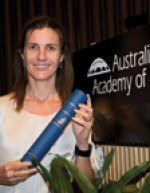
Marine scientist
Nicole Webster was born in Ormskirk, UK in 1973. Webster completed a Bachelor of Science (Hons) in 1995 and a PhD in 2001, both at James Cook University in Queensland. Her PhD thesis investigated the microbial ecology of a Great Barrier Reef sponge, focusing on the stability of the symbiotic associations over different areas and under different stresses. Webster’s first postdoctoral fellowship was with the Australian Institute of Marine Science (AIMS) in 2001. Webster was subsequently awarded a post-doctoral fellowship from the University of Canterbury and Gateway Antarctica (2001-05). This research focused on utilising microbial communities as indicators for human-induced stress in the Antarctic marine environment. In 2006, Webster accepted a position as research scientist at AIMS where she continues to study microbial-sponge symbiosis as a sensitive marine model of environmental stress.
Interviewed by Dr Cecily Oakley 6 May 2010
Contents
- Playing in rockpools
- Breadth of marine science
- Sponge symbiosis stressors
- Antarctic pollution
- Getting microbes on the agenda
- Why do sponges have so much bacteria?
- Current research
- Looking to the future
- Advice and the challenges of being a Scientist Mum
My name is Cecily Oakley and I am here at the Australian Academy of Science to talk to marine scientist Dr Nicole Webster. Welcome, Nicole, and congratulations on your 2010 Dorothy Hill Medal.
Thank you.
Playing in rockpools
Let’s start at the beginning. Where and when were you born?
I was born in England, in a little town called Ormskirk, back in 1973. But I only lived in England for about 12 months and have been in Australia ever since; my father is English but my mother is Australian.
When did you first get interested in science?
I don’t know. I think I was always interested in science, even as a little child. I did spend a lot of time at the beach when I was younger—sort of 12, 13, 14 —and I used to love exploring the rockpools down at Wollongong beach and finding all the things that lived in the rockpools. I did have a very good science teacher in years 11 and 12 and I really loved biology at that point. Physics scared me, but I was definitely a lot more passionate about biological science than anything else.
Were there any teachers or other role models that inspired you?
Not really; not at a young age. I definitely wanted to move north; I wanted to be near the coral reef. So that was one of the major factors in deciding to study marine science and move up to Townsville.
That’s what you studied in your bachelor’s degree?
That’s right, yes. I moved up to Townsville and undertook an undergraduate degree; it was actually in biological sciences with a major in marine biology.
Breadth of marine science
Perhaps you can explain for us what a marine scientist does.
I think that’s a really difficult question to answer because there’s such a diversity of people working in marine science. I’m actually a marine microbiologist, so I work on the very tiny things that we can’t even see. Then there are people who work on all the different organisms that live in the ocean; they are biological scientists. But, within marine science, there are also people that work on modelling and oceanography, currents, nutrients and things like that as well. So I think you could basically work on just about anything within the marine environment and still be considered a marine scientist.
It’s very diverse.
It is incredibly diverse, yes, but that’s part of what makes it so much fun.
Sponge symbiosis stressors
For your PhD thesis, you looked at the symbiosis between Great Barrier Reef sponges and bacteria, and how that symbiosis changed with stress. Can you explain for us what you mean by ‘symbiosis’?
There are multiple definitions for ‘symbiosis’, in its loosest possible definition symbiosis is a consistent association between two different organisms. That doesn’t have to imply any sort of benefit to either partner. When people think of symbiosis, they mostly think its two things living in association with each other where both of the partners benefit. For example, if there is a microbe living inside a sponge or a coral, the microbe gets some sort of protection from the surrounding environment and the coral gets some sort of nutrition from the microbe. When most people talk about symbiosis, that is the sort of relationship that they’re thinking of.
But the one that you’re talking about is coexisting without necessarily any detriment?
In that sense, pathogenesis or disease is also considered symbiosis, in the loosest possible definition. With the sponges that I work on now, I’m looking at the whole cross-section: all the microbes that are in there, the aspects of disease and the consistency of the relationship. I think that is probably how we define symbiosis: how stable that relationship is. So, if you change the environmental conditions, or look at it over a really broad geographic range, and find that relationship is identical over those sorts of gradients, to me that implies a really consistent relationship and a true symbiosis.
With the sponge microbiology that we do, it has taken a very long time to try to describe what microbes are present in sponges and how consistent the relationships are, and it is only now that we are really starting to look at what function the microbes might have. For example, whether they provide the sponge with nutrition, structural rigidity or maybe even metabolising some of the waste compounds from the sponge. There are many possible functions that could be happening, but we’re really only on the tip of the iceberg of exploring those now.
Is a sponge a plant or an animal?
In fact, I was just asked that question a few minutes ago by one of the scientists downstairs. Right up until the 1700s, sponges were considered plants because you were only an animal if you were sentient and were you capable of muscular response and movement. In about the mid1700s, a couple of scientists contradicted that and described sponges as animals. They definitely are animals, but they are the lowest of the metazoa, so they’re the most ancient of the multicellular organisms.
What did you discover in your PhD studies? How did the relationship between microbes and sponges change?
When I started my PhD, it was really interesting. Sponges at that time were considered quite sexy research topics because there was a lot of research happening around drug discovery. And sponges produce almost all of the compounds from the marine environment that have made it into clinical trials. They produce a wide range of anticancer compounds, anti-inflammatory compounds and anti-tumour compounds. Part of the reason for this is because they are sessile—they just sit on the bottom; they can’t move and they can’t escape—so, as a natural deterrent, they produce these really nasty compounds. For a sponge researcher, that was fantastic because all of a sudden drug companies were investing large amounts of money into sponge research.
I was not so interested in the application of the chemistry; what I really wanted to know was what happens with the relationship. I was more interested in looking at the symbiosis, but I was able to use some of those funds. I looked at one of the sponges that produce some anticancer compounds and I looked at what microbes were inside it. This research was based on the idea that maybe some of the microbes were producing the interesting drug compounds. When I started looking, I found that the microbial associations were really broad and that they were really consistent over a really broad range. I looked right from the top of the Great Barrier Reef almost towards the bottom of the Great Barrier Reef and I saw the same associations over that massive geographical gradient. That made me think that there was something really specific about the partnership between the sponge and the microbe.
In the latter parts of my PhD, I wanted to look at how environmental stress might affect the relationship. In the last six months of my PhD I started a fairly large experiment that exposed the sponges to heavy metals—something that may happen in the environment from industry—and had a look at what happened to the relationship. What I found then, directed all of my future research. I found from that project that the symbiotic partnership—the relationship between the microbes and the sponges—actually broke down just before we saw signs of stress in the sponge. So that gave me an indication that maybe they’re very sensitive indicators for stress and maybe, if we can detect the stress prior to seeing the signs of stress in the animal itself, we then have a better opportunity to conserve them.
What sorts of experiments did you do?
One of the amazing things about sponges that almost nobody knows is that all of the cells in a sponge are totipotent, which means that they can differentiate into any other cell type. With a skin cell or what we call a ‘pinacoderm cell’ in the sponge—if you cut that sponge, other cells, cells that might be involved in water flow or nutrition, can actually migrate to the site where the sponge has been damaged and can turn into new skin cells. Basically, they are effectively stem cells. That means that we can take one sponge and chop it up into 100 little mini-sponges and leave them out on the reef to heal for a month or so, while they form a new skin surface. Then we can bring them back into the lab and we’ve got a whole heap of replicates that we can use that are genetically identical, and we can form those sorts of experiments there. Then we keep them in aquaria and use a dosing facility; so we have a header tank with the contaminants or whatever and we just drip them into the tanks.
How do you go about measuring the microbial population of a sponge?
That’s the thing that has changed most since I started my research career. When I first started working on sponges, molecular techniques were still just evolving. A lot of people, when they looked at microbes, would get a piece of sponge, grind it up, stick it on a plate and see what grew. The research that I started doing in my PhD showed that we culture about 0.1 per cent of the bacteria in a sponge, so we were not seeing anything. Also, that 0.1 one per cent doesn’t necessarily reflect the most abundant bacteria inside the sponge; they’re just ones that are amenable to cultivation. Then we realised that we have to start applying molecular techniques to see what microbes were in the sponge.
Microbes have a very good phylogenetic marker gene, which is called the 16S ribosomal RNA (rRNA) gene, and that is highly conserved. It has regions that are really conserved and regions that are really variable within the one gene, making it a good marker for us to be able to assign a phylogeny to different microbes. With the sponges, we would take a sponge, extract all of the microbial DNA from it, clone that microbial DNA and then sequence this 16S rRNA gene to try to identify what the microbes were. We were looking at it basically from the DNA approach rather than a cultivation approach.
Antarctic pollution
After your PhD, where did you go next?
The very last thing I did in my PhD was a heavy metal stress experiment that suggested that sponge symbiosis might be a sensitive indicator for stress, and that helped me design my postdoc project. I combined that with the fact that I’d always been totally passionate about the Antarctic environment, and sponges are one of the dominant organisms down in Antarctica. So I tried to link all of those threads together and I applied for a postdoctoral fellowship with the New Zealand government to go down to Antarctica and try to use the sponge microbial associations as a sensitive indicator for stress coming from the Antarctic research bases.
Around the New Zealand base down in Antarctica, there’s some localised impact; there’s a sewage treatment and things like that. But, just around the corner from that, is McMurdo Station, which is the American base. McMurdo Station used to discharge all of its waste, including all of the heavy metals and sewage. Everything at the end of a field season—this is in the early days of Antarctic research—would be shovelled out onto the bay where ice was and then, at the end of summer, the ice would melt and everything would fall through. So that’s actually one of the most contaminated bays in the world. People think that Antarctica is a really pristine environment—and, in general, it is—but around that research base is a really contaminated site, but it is dominated by sponges. We wanted to look at environments where there had been no previous human impact—where people had never been—and very close by was one of the most contaminated bays in the world. So we looked at the microbial associations in the sponges over those sites.
Had anything similar been done before? Had anyone looked at the impact of people in Antarctica?
There had been a lot of research into human impact. In fact, I think a lot of that research guided very strict environmental protocols that were developed in subsequent Antarctic research years. Most of the research looked at things like the macroorganisms, because they are the things that are most visible—for example whether things could recruit on contaminated sediments etc. So, there was a baseline level of knowledge about Antarctic contamination.
What did the sponges tell you about the impact of people?
Contrary to my big scare campaign, the relationships were incredibly conserved and had not been impacted by the sites. Regarding the level of contamination—even though it was off the scale for things like heavy metals, hydrocarbons and TBT from the antifoulant paint of the icebreakers that go down there—the microbial associations in the sponges were completely identical to regions that had never seen human populations.
What was it like conducting research down in Antarctica?
Cold, incredibly cold. I came from Townsville, which was sort of plus-35oC to Antarctica, which was about minus-35oC. Learning to dive down in Antarctica was a major thing for me. Even though you wear a drysuit, and underneath your drysuit you have something called a teddy bear suit, which is this warm, fluffy thing, it was incredibly cold. The water there is minus two. Because of the salt content in the water, the water doesn’t freeze at zero; it freezes at minus two, so you are almost diving in a slurry. But, once you were under the ice, it was so incredible. What we saw was so amazing that you almost forgot about the cold; it was incredible. We saw sea spiders the size of dinner plates, jellyfish 40 metres long and the most amazingly coloured sponges and soft corals; it was incredible.
It sounds fantastic. I always associated things like sponges and corals with tropical regions and not really Antarctica.
Yes. Well, that’s the amazing thing about sponges and why they really need to be the focus of more research effort on environmental stress because, on coral reefs, corals may be the dominant fauna but, at depths below 15 meters or in the regions in-between reefs or down in the poles, sponges are the dominant fauna. Really, very little research effort has gone into sponges relative to corals.
Getting microbes on the agenda
How can scientists use your discovery of the relationship between sponges and microbes to keep the reef healthy?
I think one of the really important things that I’ve been trying to push for the last few years is even to get microbes on the agenda of people who are managers and policymakers. For most people it is ‘out of sight, out of mind’. They can’t see the microbes, so they don’t realise how important they are. I really hope that my research has tried to make that a little more visible—that we can’t not consider microbes with environmental stress. We talk about climate change and stressors such as climate change and what impact they are going to have, but microbes make up the majority of the marine biodiversity and the majority of the marine biomass and, if you’re not considering them in your assessments of how things are going be impacted by climate change, you’re missing a really big chunk of the information.
Microbes also respond very rapidly to changing environmental conditions. They can turn over a lot faster and we can have a generation of a microbe within a day, so they’re going to be the first things to change when conditions change. They’re going to be a much more sensitive indicator than things that are much longer lived and that may take a long time to start showing environmental effects. So I think that is probably—I hope—the major contribution that my research has made.
Why do sponges have so much bacteria?
You mentioned in your talk today some ideas about why you think the microbes might be present in the sponges, ie. what their function is in terms of the ecosystem. Perhaps you would like to comment on that.
There are a couple of different symbiotic functions that have been suggested for sponges. One is nutrition because normally, when there is a symbiosis—whether it is in mammals, plants or whatever—the symbiosis is generally based around some sort of carbon transfer between the symbiont and the host; there’s a lot of suggestion about that in sponges as well. We now know that some of these microbes produce fairly potent antimicrobial compounds. So there may be a role in some sort of defence that the microbes are actually affording: by producing antimicrobial compounds, they’re stopping the overgrowth of other microbes that may be pathogenic for the sponge. Quite often, they are there in very high density. Say, 40 per cent of the biomass of the sponge can be microbial, that means that almost half of the material of the organism is microbes. With that density of microbes inside the sponge, they can contribute to the structural rigidity of the sponge.
I think all of these scenarios are highly feasible but they have very little empirical data to back them up at this stage, because it’s very early research. But one of the other things that has been suggested is that they may eliminate the waste compounds that are produced by the sponge. So they may be able to turn over some of the compounds that may be toxic, if they build up inside the sponge—like ammonium and such things.
Current research
What are you working on now?
At the moment I’m still working on temperature stress. In the past I have looked at temperature stress and how that affects the adult and how the symbiosis fails at a threshold temperature of about 33oC. One of the things that I want to look at now is whether the larvae of the sponge are similarly sensitive or whether they’re a bit more resilient to changes in environmental conditions. I’m spending a lot of time working on sponge larvae. I also have a couple of PhD students, one of whom will be working on nutrient stress in sponges. For example, when we get a lot of run-off during flood periods from agricultural areas and we get spikes in nitrate and things like that, how that affects the symbiosis. I have another PhD student who’s doing some really amazing work on sponge disease on the Great Barrier Reef and the likely impacts of that.
Do you have other people that you work with in your experiments?
I do. I collaborate fairly widely. I work at the Australian Institute of Marine Science, which is a fantastic institute and now does have a fairly decent base in microbiology. But, up until the last couple of years, I was one of the only microbiologists at AIMS. So, to be able to stay at the forefront of your field, you really did have to form international collaborations. I do have a lot of really good international collaborators and I also collaborate with a couple of people down at the University of New South Wales.
Looking to the future
Where do you see yourself in 10 years time?
That was the question that I most feared, because I think that’s the hardest to answer. I find it really difficult to maintain a career in science, partly because the really enjoyable aspects of science are the sorts of things that you do in your postdoc years and maybe one or two years out of your postdoc. When you’re still doing the fieldwork, you’re in the laboratory, you’re doing the discovery and it’s so exciting. Then, as you develop your career in science, you have to pull back from that a little bit, because you just don’t have the time to do it. I struggle to want to go too much further up and away from the actual science that’s happening on the bench. So I’ve tried not to think too deeply about where I’m going to be in 10 years time, because I hope that I’m still very actively engaged in the actual experimental work. Hopefully, I’ll have a little more support in the lab and a couple of postdocs to help with some PhD students.
I’m very lucky that my husband also works in science. We both have permanent jobs in science, and I think that’s incredibly rare. We both do what we are passionate about doing and we have a very young family. So I think we’ll probably still be in Townsville in 10 years time surviving and trying to juggle.
Advice and the challenges of being a Scientist Mum
Do you have any interests outside of science?
I have three children—six, three and 18 months—so I don’t have any time for other interests. Actually, that’s not true, as I’m very passionate about science education in young people, so I do take a very active role in science in schools programs, visiting my son’s school and helping with the science program and trying to engage young children in science.
Do you have any advice for budding scientists?
I did think about that question as well. In fact, I spoke to a scientist about that today after my talk. We agreed that, if there was one piece of advice for somebody starting a career in science, it’s to have a very thick skin. I think, in the scientific process, it’s easy to be criticised, although that doesn’t necessarily mean that you are wrong. I think, if you are doing good science and you know that you are doing good science, stick with it, have a thick skin and try to avoid being liked by everyone, because it probably won’t happen. You’ve just got to have faith in your own scientific skills and your ability—and be passionate, because it makes all the difference. If you love what you are doing, if you love the experiments that you are doing, it is so much easier to ride the waves. If you’re only half-hearted about a project, probably leave it be.
Very sage advice. As a woman in science, what do you think the challenges are in establishing a career?
I think that women in science in the past probably had very different challenges to what they have now. For me, when I try to think about the challenges that I have in science, they revolve around parenting more so than in being a woman, just trying to do the juggle. This is one of the reasons that in my talk today the last slide, the acknowledgement slide, actually had photos of my children on it, because I really do believe that you need support from family. In science, the time that you give to science, if you’ve got a young family, you take away from them. So there’s this constant balance. It’s very easy to get caught up in this guilt cycle where, if you’re doing science, you’re guilty that you’re not with your children; and, if you’re with your children, you’re guilty that you’re not doing science. You’ve just got to say: ‘Look, I’m doing the best I can and I’m trying to make a difference and be happy about it.’ Yes, I think that’s the real struggle with being a young parent and a woman in science.
Finally, what skills do you think you need in science today?
Tenacity would have to be a big one and an analytical mind, questioning everything and being able to accept that you’re wrong; not being so fixated on an idea and so convinced of its outcome that you can’t take a step back. I think that’s probably one of the biggest things. Keep a very open mind.
Thank you very much, Nicole, for taking the time to speak to us. It’s been a pleasure.
It was a pleasure; thank you.
Dr Amanda Barnard, computational physicist
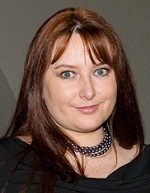
Dr Amanda Barnard
Introduction
Amanda Barnard was born in 1971. In 2001, she graduated from the Royal Melbourne Institute of Technology (RMIT) University, with a first-class honours science degree, majoring in applied physics. Barnard was awarded a PhD (2003) from RMIT for her computer modelling work, which predicted and explained the various forms of nanocarbon at different sizes.
Barnard then began a distinguished postdoctoral fellowship at the Center for Nanoscale Materials in Argonne National Laboratory, USA (2003-05). She was then awarded a Violette & Samuel Glasstone Fellowship and an Extraordinary Junior Research Fellowship that allowed her to purse research at the University of Oxford, UK (2005-08). During this time, Barnard was using computer simulations to determine what environments were needed to engineer specific types of nanoparticles. This line of research led her to investigate the potential risks of nanoparticles outside the laboratory environment. This is an ongoing theme in her research. Since 2009, Barnard has been working as a research scientist at CSIRO Material Science and Engineering.
Interviewed by Dr Cecily Oakley in 2010.
Let’s start at the beginning of your scientific career. What did you study at university?
I decided to study applied physics, I liked the mathematics associated with physics as opposed to some of the other sciences. Applied physics, in particular, is related to real world problems, which I found quite attractive.
So you did your bachelor’s degree in applied physics. Did you change when you did your PhD?
I did a PhD in theoretical condensed matter physics. But this is really just the tools of the job; whether you’re doing experimental physics or theoretical physics is just how you go about solving the problem. The notion of applied versus basic is really whether or not we are working on something hypothetical that could lead to some great new technology or something that we already know has an end use in mind.
For your PhD thesis, you looked at computational modelling of carbon nanostructures. Perhaps you can explain for us, what is a carbon nanostructure?
Yes, of course. First of all, it’s made of carbon and there’s a range of different structures that it can form. One very famous carbon nanostructure is the Buckminsterfullerene, which is 60 carbon atoms in the shape of a soccer ball. There is also a carbon nanotube, which is like a one-dimensional fibre as opposed to a little spherical, zero dimensional structure, with the same kind of chemical bonding. Then, if we change the chemical bonding, we can have a range of other types of carbon nanostructures such as little nanodiamonds, diamond nanorods and other types of hybrid structures. Nanodiamonds are just like the big, beautiful diamonds but billionths of a millimetre in size.
Just how small from carbon nanostructures? Perhaps you could give us a comparison of scale.
A nanometre is a millionth of a millimetre. To give us an idea, the head of a dressmaking pin is about a millimetre across; so that’s a million nanometres that will fit across the diameter of the head of a pin. Now, DNA is roughly about two to 12 nanometres in diameter, and most nanoparticles used in new technologies are about that size. So that’s about 3,000 times smaller than a red blood cell and about 10,000 times smaller than a strand of human hair.
Very small indeed!
Yes. We certainly can’t see them. Actually, the only way that we can see them is not with an optical microscope or with our eyes but with an electron microscope. We have to image them with electrons instead of with light.
How do you do your computer experiments? Do you have a special, big computer or is it something that I could do on my home computer?
Interestingly, a little bit of both. Some of the simulation work that I do uses massive super computers, and I need to use tens or thousands of CPUs all working as one to get the job done. The other type of work I do is theoretical, in terms of it being very mathematical, and the equations I can solve on a laptop.
How long does it take to run a computer simulation? Is it done in the click of a button?
Well, it depends upon what kind of structure or what kind of material I’m simulating. Sometimes it can happen in a couple of days or weeks; sometimes it will take months for one simulation to run, and you really don’t want to find that you’ve made a mistake when you get to the end.
No, or have a power failure.
And lose everything!
What can a computational experiment tell us that a wet lab experiment cannot?
There are a couple of different things that we can do in a super computer that we can’t do in a wet lab experiment in a test tube. One is that, in order for us to characterise a wet lab system during a process, we have to stop and then take stock of what’s happened. That is we stop the experiment and test it, stop the experiment and test it. We can’t continuously watch a mechanism or a process in situ throughout the entire evolution of the system. In a super computer, we can actually watch every little step along the way without having to continually stop and check how we’re going.
Another thing that we can do in computational experiments is to look at single particles. In a test tube there are millions and millions and millions of nanoparticles and it’s very difficult to isolate one and just look at its properties; in a super computer we can do that very easily. We can also do one other thing, and that is to look at all kinds of extreme environments that are dangerous for people to work in and dangerous for the lab, and in a super computer they’re perfectly safe; I never get any on me.
I mentioned before that you were looking at carbon nanostructures in your PhD. What did you discover?
As I mentioned, there’s a variety of different types of carbon nanostructures, and nature has an amazing ability to select which one it will form naturally at a given size or under different types of conditions. So my PhD was trying to unravel the secrets of why that is the case: how does nature decide what type of structure will be formed under different sizes or different conditions. I was able to show for the first time the actual size-dependent phase transformation between the fullerene-like structures and the diamond-like structures, which have very different properties and chemical bonding.
What sorts of things affect the size and the shape?
Properties that can moderate the type of structure that may be formed include the temperature, the pressure and the type of chemical environment, basically what other kinds of molecules are present.
Were there any university professors or other mentors that inspired you?
Throughout my career I’ve had a lot of inspiration, and some of it has definitely come from university professors. But I have to say that I’ve had just as much inspiration from my own students and my own staff. And a lot of my inspiration comes from people that aren’t even in science. Sometimes I get amazing questions that just come from my friends, my family or colleagues of my husband’s and, in trying to come up with the answers to those questions, it makes me think about science in a different way.
After your PhD, where did you go next?
Actually, it was during my PhD when I was at a conference in Boston that I was approached by Argonne National Laboratory, which is a US government lab, and they asked me to come and interview for a position there. After interviewing, I was offered that position. I hadn’t finished my PhD at that time, so they were nice enough to wait for me for six months until I had completed it so that I could start work there.
You completed your PhD in record time, I understand.
Seventeen months.
The average, I think, is probably closer to four to five years? So congratulations for that achievement.
Thank you. This was under extreme conditions. I was living in Toronto and my PhD was through RMIT University in Australia. So I had no distractions—noone coming in and asking me if I wanted to go for coffee. It’s amazing what you can get done when there are absolutely no distractions to pull you away from the work.
Then you spent your postdoc in Boston?
It was actually in Chicago; at the labs on the outskirts of the Chicago. It is where the Manhattan Project was.
Oh, that’s very cool. How did you choose which problem to study in your postdoc?
That’s an interesting story. When I was interviewed, I thought they wanted my skills and expertise in carbon. They had a big program in carbon nanostructures there, and I assumed that’s what I’d be working on; that’s what they led me to believe. When I arrived, however, they had a new project in mind. So I didn’t get to choose; I got given a project to work on. It’s often the case that, when you get your first job, they’ve got a project that they have funding for and they give it to you to work on. You don’t get so much time to choose as you do for a PhD.
What was the project?
It was on titanium dioxide. They have some work there looking at different properties of titanium dioxide nanoparticles and understanding the size-dependent properties. My role in that was to help us understand the shape-dependent properties.
What was known before you conducted your research; and how did your findings contribute to our understanding?
Before I did my work on this project, we understood that there was a size-dependent phase transformation. That means that the structure of titanium dioxide nanoparticles is different from big particles and there is a crossover where one will flip to the other. We knew that there was a lot of uncertainty around exactly where that flip point is. I was able to show that a lot of that uncertainty is related to the shape of the particles and the other part of that uncertainty is related to the different types of chemistry—the different pH of the surrounding solution. If we can control the shape and use the pH, we can very accurately determine when that transformation will take place.
Can you tell us about your time in Oxford?
I joined Oxford in 2005 and left in 2008. During my time there, I was a Senior Research Fellow in the Department of Materials on a Violette and Samuel Glasstone Research Fellowship and I was also an Extraordinary Junior Research Fellow at the Queen’s College.
Congratulations. What were you working on while you were there?
During that time I was actually working on using simulations and computer modelling to try to predict what kinds of environments we could use to engineer specific types of nanoparticles. But while I was there Professor George Smith, who is a Fellow of the Royal Society, introduced me to the idea that the exact same methods that I was using could be used to actually understand what happens in natural environments—outside of the laboratory, so to speak.
So that we could work out what would happen when a nanoparticle got into the environment.
That’s right; to work out what happens when we take them out of the lab and they’re exposed to air or water. The same methods that I was already developing could be used for that purpose. I thought that was a really good idea.
What did you find? What did happen when you took things out of the lab and into the environment?
This is an area of ongoing research. It is actually a big theme in my research right now. So, in a variety of different types of particles that I’m studying, I am looking at, not only what kinds of synthesis environments they have, but also what happens when they’re exposed to air and water etc.
What are some of the dangers of nanoparticles?
Nanoparticles in themselves may or may not be dangerous, depending upon what type we are talking about. I think the greatest issue here is that a lot of it is unknown. Many things around us can be dangerous. Temperature, for example: if you go over 50 degrees Celsius, it causes cell death; if you go to minus 50 degrees Celsius, that also has bad effects. Temperature is not a problem, because we know what these boundary conditions are and we know how to moderate and protect ourselves. Nanoparticles are the same. Of course, under extreme situations, they can also potentially be dangerous. The issue here is that we don’t know what our boundary conditions are and we don’t know what the ideal operating environments for them are, or storage, and what kinds of exposure limits we should set.
And the work that you are doing will contribute to determining those boundaries?
That’s right. It is helping to determine what those boundaries are: what are the ideal storage and operational environments for nanoparticles. Most of my work is focused on understanding how nanoparticles change when they move from one environment to another. Once we have set the right types of conditions, we need to know what happens if they fall out of those conditions. For example what if we move them out of somewhere where they are controlled and stable to somewhere where they are completely uncontrolled and unstable, like a river.
What are some of the benefits or uses of nanotechnology?
There are three ways that I think nanotechnology is going to help us. First of all, it is going to make things cheaper. A lot of the technology we use contains some very expensive materials; for example, gold and platinum. Platinum is a rare earth and it’s called ‘rare earth’ for a reason; it’s an expensive commodity. Now, nanoparticles can deliver us the same kinds of properties but, because the particles are millionths of millimetres in size instead of much larger, we need much less of the material. In the case of platinum catalyst, for example, we need much less platinum to get the job done. So, that’s going to be cheaper.
Secondly, nanoparticles can deliver us greater efficiency. In some cases, they are going to have properties that are the same as the ones that we are familiar with but with a much greater enhancement than what we are accustomed to in bulk materials. We can have, for example, greater energy efficiency, even though we’re just using them for the same types of things.
The third one is that they are going to have a range of properties that we have never seen before. So we are going to have new technologies that we haven’t had in the past; an example is self-cleaning surfaces and glasses, etc.
Do you have other people that you work with in your research?
Currently I have two students and two postdocs—and the group is still growing. I also have many, many collaborators. In the research group that I have at the moment, we have a range of different projects and, even though our work is theoretical and computational, each project has a couple of experimental collaborators that are part of it too. One of the most important things in science, I think, is to build strong collaborations and work as part of a sort of interlocking network of people.
So you are really coming at the problem from a number of different angles?
That’s right. The collaborations between theory and experiment are good for a couple of reasons; I find that the most valuable is that they come up with a range of ways of approaching the problem. They may have things that they do not understand and will come to us for help; and we will come up with predictions. But we will have no idea if they are good predictions unless our experimental collaborators are happy to go back to the lab and test them for us.
Are there other problems in science that you’re working on by using computational modelling?
Most of our funded work is in the field of nanotechnology. However, I have a little side project that I’m hoping to do something with later this year. It uses the same kinds of simulation methods that I use in looking at interactions of atoms and particles to model humans. For example looking at the issue of women in science or any kind of minority group in a different workforce and understanding how we can sort of turn these numbers around. I can model what kinds of environmental factors we can introduce to increase the number of women in science—but it could also be men in nursing or anywhere in a workforce where there’s a sort of disparity in gender or race or something like that.
Where do you see yourself in 10 years time?
I can’t answer where I’ll be in 10 years time and I’d be very disappointed if I could do so, because a lot of that will be determined by where science is in 10 years time. Even through the past 10 years of my career to date, so much has changed. There are all kinds of things that are the cutting-edge science now, that noone could have ever anticipated 10 years ago. And, if nothing happens in the next 10 years and all I have to choose from are the things that exist right now, I think that will be rather disappointing for more than just me.
What have been the most rewarding or exciting aspects of your career to date?
A lot of my work over past 10 years, off and on, has been with carbon. And a couple of years ago I actually discovered, using some computer simulations, that diamond nanoparticles exhibit different surface electrostatic potential. This is a lot of big words to say that some of their facets have a positive charge and some have a negative charge, and this affects how they interact with all kinds of other molecules and with each other. I was able to calculate and show that they self-assemble. That is all the particles, with these positives and negatives, attract in the way that magnet poles attract or repel, and they arrange themselves into very distinct patterns. We can control these patterns by controlling the charge, for example with changes in pH and things like that. This is being used for some new chemotherapeutic delivery systems in the fight against cancer, which is very rewarding for me. It is a problem that had existed for 20 years before I came along, and now the solution is delivering us some great new technologies.
I can see that it would be very rewarding, to make an impact on people’s health!
Do you have any advice for budding scientists?
Going into science: my advice would be that you need to try to keep your mind open. Never say the word ‘never’. So often throughout my career I’ve heard people say the words, ‘It will never be measured,’ ‘It will never be seen,’ and ‘We will never be able to do this,’ and they all look like idiots at some point. So try to keep your mind open to ideas for as long as you can.
As a woman in science, what do you think are the challenges in establishing a scientific career?
Computer simulations actually predict that the greatest challenge to any disparity in gender in a workforce is the initial numbers entering; so we need a greater number of women starting careers in science. Then, if there is an extra attrition or any women leave science for any reason—it doesn’t have to be just family; it could be for any reason at all—if they don’t come back, we’ll never turn around from that. The numbers continue to go down, no matter what.
Now, this being said, I’ve lived in four countries and it is very different in each one of them, and being a woman in science is quite different. In Australia, it’s not too bad. It’s much worse in Central Europe and England, but it’s much better in North America. So there is an opportunity for women, if they’re prepared to take a risk and move around the world, to try to build a career in a variety of different places and bring what they learn with them, back to Australia.
That’s really good advice. Finally, what skills do you think you need in science today?
I think you need a thick skin. I think, more and more, science is becoming very competitive. We are all competing for the same pages in journals and the same funding, so we need to learn to have a thick skin. It is also working very, very hard. I think when I was young I had the impression that an academic or scientific life was not too stressful; it’s incredibly stressful. So I think also some advice would be to prepare yourself to work very, very hard and be under a lot of competitive stress.
Thank you very much, Amanda, for your time today. It’s been a pleasure talking to you. Congratulations again on your prize and for all your amazing discoveries. I’m sure you’ll make plenty more.
Thank you.
© Australian Academy of Science
Professor Joe Gani (1924-2016), mathematical statistician
Mathematical statistician
Professor Joseph Gani was born in 1924, in Cairo, Egypt. He studied at Imperial College, London, and earned a BSc (hons) in 1947 and a DIC in 1948. He obtained a PhD in statistics from the Australian National University in 1955. In 1970 he was awarded a DSc from London University. Professor Gani moved to Australia in 1948 and worked as a lecturer in applied mathematics at the University of Melbourne from 1948 to 1950. From 1953 to 1960 he was associated with the University of Western Australia. In 1961 Professor Gani became a senior fellow in statistics at the ANU, where he stayed until 1964. For the next ten years he worked overseas, initially at the University of Michigan, USA, and subsequently, and primarily, as the first professor in Probability and Statistics at the University of Sheffield and as the founder of the Applied Probability Trust and editor of the Journal of Applied Probability. He returned to Australia in 1974 as chief of the CSIRO Division of Mathematics and Statistics. In 1981 he departed CSIRO and Australia again, for the USA. There, he was professor of statistics at the University of Kentucky (1981-1985) and professor of statistics at the University of California, Santa Barbara (1985-1994). In 1994 he retired and returned to Canberra as a visiting fellow to the School of Mathematical Sciences at ANU. His research areas over the years have included applied probability and statistics, epidemic modelling, biological models, statistical linguistics and inference on stochastic processes.
Interviewed by Eugene Seneta in 2008.
Contents
- An international beginning to life
- Gaining an appreciation of statistics
- Moving to academic life in Melbourne
- Mixed experiences in Britain and Australia
- Getting launched on a PhD
- Life in Canberra: papers, plays and marriage
- A beneficial period in New York
- Birth of the Journal of Applied Probability
- Sheffield, home of the Applied Probability Trust
- The CSIRO years
- A return to academia
- Perpetuating and sharing statistical science
- The legacy of Ruth Stephens Gani
- Serious and humorous aspects of social activism
- Diversified interests, close friends, golden times
An international beginning to life
Joe, you have an international ancestry, childhood and youth. Would you begin by telling us about it?
My grandparents were from western Greece. My paternal grandfather came from Ioannina [Yannina], a city just south of the Albanian border. In about 1891, when there were riots and difficulties, being Jewish he got his family together and emigrated to Egypt. My mother's family came from Corfu, an island slightly west of Ioannina and Epirus which also suffered from disturbances. My maternal grandmother told me that she went aboard a ship down at the wharves and asked where it was going. The captain said, 'To Egypt,' for a fare of £5 sterling per person. And so they too embarked for Egypt.
At that time Egypt had no middle class and was encouraging immigration from most of the southern Mediterranean countries. There were land owners, the pashas, and there were peasants, the fellahin, but there weren't any doctors, dentists, lawyers and so on. In effect, both sides of my family came to Egypt and formed part of a middle class.
In Cairo during the 1890s my father's family continued with trading and business, specialising in leather goods. My maternal grandparents opened a parasol factory and did quite well for a while. One of my uncles became the Government Printer and another uncle became governor of the Bank of Egypt. (He taught me how to open an account and saw me through my initial cheque-writing and so on.)
My father and mother were both born in Cairo. They were married in 1923, and then my father went to Germany with my mother on business and I narrowly missed being born there [laugh]. I was born in Cairo in 1924, after they came back.
Did you spend your early years in Cairo?
Yes, from my birth till the age of about nine I was brought up in Cairo. Our home language, believe it or not, was Italian – Corfu had been a possession of the Republic of Venice, so people spoke Italian as well as Greek – but when the war broke out my parents decided that that was unpatriotic and we switched to French.
Many of the schools for foreigners in Egypt were French, dating back to Napoleon's invasion in 1798. My first school after kindergarten was a French school, the Collège-des-Frères de la Salle, religious but not too religious, as I remember it. They taught me to walk on stilts, among other things: we played a kind of football game where you kicked a pretty solid big iron ball with a stilt!
After that you went overseas with your parents, did you?
Yes. My father lost his business in the Great Depression, in 1929, and a friend of his who had business with Japan offered him a job in Osaka, to run a subsidiary of the firm. So my father went over in 1931, and my mother, my younger brother Maurice (who now lives in Israel) and I followed in 1932. I recall that the decks of that ship were so well scrubbed that I slipped and fell, and broke my arm.
We were in Japan between 1932 and 1937. Arriving there was a bit of a shock because the culture was so vastly different, but we managed to adapt and we learnt some 'kitchen Japanese'. Incidentally, my grandson Luke, who is now at high school in Canberra, has decided he wants to learn Japanese as his foreign language. So when I visit him and his mother and father, he always greets me in Japanese, 'Kon-nichiwa Gani-san. Dodesuka?' and so on. We have quite a lot of fun together.
For the first year in Japan my mother put me into a French school run by nuns. It was basically for girls but they agreed to take me for a year. They said after that I would be dangerous, so I'd better get out! [laugh] Next my parents found a school called the Canadian Academy, run by Presbyterian Canadian missionaries – but in English. I had not a word of the English language, and it took me about 18 months to learn enough to understand what was going on.
My father's office was in Osaka but we lived in a Western-
style house in nearby Kobe. My younger brother Maurice and I used to take a tram to go to the Canadian Academy, which was in the Nadaku district, in the hills at the back of Kobe. That was an interesting school, and I have very happy memories.
Every summer the family went to Maiko, a summer resort on the inland sea not far from Kobe. We had a summer house by the beach – Japanese-style, with tatami on the floor and so on. Also, we went on excursions in various parts around Kobe and Maiko, including the resort of Arima.
And after Japan?
We went back to Egypt in 1937. The Japanese held Manchuria as a client state, and when in '37 they invaded China from Manchuria, my father decided we should leave Japan. By then my mother had had another child, Robert, my youngest brother (who now lives in Melbourne). We were put into the English School Cairo as day pupils, although this was basically a boarding school for the children of British public servants in the Middle East. In 1941 I got out and started working.
Gaining an appreciation of statistics
What was your first job?
Actually, I became a student teacher at the English School.
I had wanted to be an engineer, so I had taken first-year courses at the British Institute (run by the British Council) towards an engineering degree, and I took the external Intermediate Examination from the University of London in engineering. But at the end of one year's study I couldn't go on with engineering because you needed machinery, and the British Institute didn't have it.
So I decided to take another Intermediate, this time in science, with an emphasis on mathematics. And that was considered good enough for me to become a student teacher, and later a full teacher. I was delighted at getting this job in 1942 at the
English School – £5 sterling a month and full keep [laugh]. But I gradually climbed out of that, and when I left in 1945 I was earning £15 sterling a month and full keep.
At some stage then you decided that it was time to move on.
Yes. My headmaster at the English School Cairo, Douglas Whiting, tried to get me a place at a university in Britain as the war was coming towards its end, and he succeeded in getting me a place at Imperial College, London. As soon as the war was over, I got on the SS Franconia, a troop ship taking British soldiers from the Western Desert back to Britain, which sailed in August of 1945. We didn't have private cabins but all slept on hammocks somewhere on deck. It was a very interesting passage, and when we finally arrived in Liverpool, I remember, I woke up hearing the dockers swearing mightily at each other!
I went by train from Liverpool to London, and then went on to Imperial College, in Kensington. They gave
me directions about how to find lodgings, how to register and so on; so I did all that, and from 1945 to 1948 I was a student there. After my first year I was very lucky and got a scholarship which helped me. I had some savings, and my father sent me a small allowance from Cairo, so I had no financial problems.
The boarding house where I lodged was in East Croydon, just south of London, at £3 sterling a week, full board – during the week you'd have breakfast and dinner included, and over the weekend you had three meals. It was good.
I loved my time in Britain. I didn't care much for the corruption that was rampant in Egypt, and it was for me an enormous liberation to go to a country where things were done properly. As a foreign student I had to report to the police once a month, but otherwise I just loved it. I used to go to the theatre every weekend, and I saw Shakespeare, Bernard Shaw – you name it, I saw it – and some Restoration comedies, which I very much enjoyed. [laugh]
What direction did your studies at Imperial College take?
I enrolled for a degree in mathematics, but it was actually a degree in applied mathematics. For example, I never heard about measure theory until I left Imperial College, but we had a very solid bunch of applied mathematical courses. Analysis was basic, but we had also electrodynamics, quantum theory, hydrodynamics, a whole range of applied mathematical topics. One of my favourite lecturers was George Barnard, a statistician. He and Emlyn Lloyd (with whom, incidentally, I still correspond at Christmas) were very influential: they were excellent lecturers and they got me interested in statistics. But basically at that stage I would have considered myself a kind of applied mathematician.
How did you perceive statistics as a science, at that time?
Well, I had some very general ideas. It wasn't until I'd finished with my degree that I became more interested in statistics. I obtained my bachelors degree in 1947, and the following year I decided to do a Diploma of Imperial College, equivalent to a masters degree. I did my diploma under the supervision of George Barnard, who was extremely helpful, and I began to think of statistics as my preferred applied mathematical subject.
Moving to academic life in Melbourne
You went to Melbourne before you came to the Australian National University (ANU), didn't you?
Yes. My father had died in 1947, in Cairo. I'd gone back for a brief visit after that. The situation of most foreigners in Egypt had got worse after the war. Nationalism became a very strong force, and foreigners who had been the backbone of the middle class in Egypt were not so well looked upon and began to leave. Also, in 1948 the United Nations recognised Israel. My mother wrote to me from Cairo that year, 'Things are very bad. Jewish people are having trouble. Your brother Maurice has been arrested for being a Zionist. Get us out of here!'
One of my fellow teachers at the English School had been Grace Drummond, from Western Australia, who had since come to London to do a masters degree in education. We had kept some contact, and she agreed to sponsor the family if we went out to Australia. I approached Hyman Levy, the head of the department at Imperial College in mathematics, and he agreed to write a letter to Tom Cherry, the Professor at Melbourne. At that time it was difficult to recruit mathematicians, and Cherry agreed to take me on as a lecturer in mathematics in his department. So I flew from London through the United States to Sydney and then to Melbourne, while my mother and two younger brothers took a ship from Port Said to Western Australia.
Well, because my mother had been left some money by my father, we could afford to buy a house in Melbourne for us all. I looked at the paper and found some advertisements for estate buildings. One was in Moorabbin. So I just went off, out to Moorabbin – I had no idea about property, never having owned or bought anything – looked at the weatherboard houses there and thought, 'Oh, they're all right.' The house was priced at about £1800 Australian and my mother had more than that, so I clinched the deal and came back to the university. And my friend Betty Laby[?], who was the assistant to Tom Cherry in computation, came to me and asked how I had got on. I replied, 'I've bought a house.' 'What? You idiot! You didn't look at anything else?' 'No, I just went and saw this house and bought it.' [laugh]
As it happened, the house was quite adequate. My mother took the train across from Perth with my brothers, and established herself in Moorabbin. I had rented a room not far from the university, in Carlton, and it was fine. I spent my week there and taught at the university, and went for weekends at home. My mother had these oriental attitudes about hospitality and we had lots of friends around, and parties over the weekend. It was a very pleasant time.
Tell us a little about the department in Melbourne.
The department was run by Tom Cherry and his offsider, Russell Love. The Australian universities had originally been based on the Scottish model, where the professor was a kind of professor-god. In Scotland, apparently, he received the money for the department and paid his lecturers and assistants himself. In Melbourne you all got your salary direct from the administration, but there was a very strong authoritarian structure. Being a rather rebellious young man, I didn't take very kindly to that, but I stuck it out for a couple of years.
Cherry was always very correct and highly respected, but I decided that I would like to get a PhD if possible, and I left Melbourne at the end of 1950, after about two and a half years. Going back to Britain on the Orontes took forever.
Were there any statisticians in Melbourne, or people who became statisticians?
Yes. Maurice Belz was an associate professor in the mathematics department, and he taught some statistics there. In 1948 he broke away and created his own department, and later he became a full professor. Geoff Watson was one of his people, Evan Williams also was with him, and I gave a few lectures in the Department of Statistics on a kind of honorary basis.
Mixed experiences in Britain and Australia
What happened after you left Melbourne for Britain?
I stayed in Britain for about a year. I managed to get a job at Birkbeck College, where the professor was Cyril Offord. I began to teach there, but I needed to get an appropriate visa. My Egyptian passport ran out in 1951, and I went to the Egyptian Embassy in London to renew it. I was totally entitled to a renewal but they started making difficulties – 'Oh, you will have to go back to Cairo and do things from there,' and so on – and I realised it was probably connected with the fact that my brother Maurice had been arrested as a Zionist. But I wasn't going back to Cairo, no matter what happened.
The embassy informed the Home Office that I was now stateless, and I got an extremely polite letter saying, 'The embassy informs us that you are now a stateless alien, and if you do not leave this country by such-and-such a date we will deport you.' [laugh] I looked at this and thought, 'To hell with it!' so I wrote back equally politely, 'Thank you very much. No need to do that. I shall deport myself.'
Fortunately, I still had my visa for Australia, but for about 18 months after I came back I could not get myself an academic job and so I did all kinds of odd jobs. I was a client of the Commonwealth Employment Bureau in Melbourne; I'd go along and look at the jobs on offer. I had nine different jobs, and gradually climbed from doing manual labour to clerical labour. Eventually I became a schoolteacher in Victoria, teaching mathematics and science for a while to recalcitrant farmers' boys in the Wimmera.
During that period I matured a lot, I think. After all, basically I was a middle-class boy who had been brought up in a middle-class home. I didn't know anything about blue-collar workers, but I found out about them. It was a very formative experience. I learnt a lot about life in general.
Well, I kept applying for academic jobs and didn't get any. I wondered why, because my credentials were pretty reasonable. Then, when I applied for a job at the University of Tasmania, the registrar took pity on me and sent me back the references. And one of them was from Tom Cherry – who had heard me say rash things like, 'Oh, I'm glad Mao Tse-tung has got hold of Beijing. He was much better than Chiang Kai-shek.' He had written, 'Joe Gani is a good lecturer, he does his work competently, but he has Communist sympathies.' In those days, that was the kiss of death!
Realising what had happened, I decided to confront Cherry. I went to him and said, 'I've been trying hard to get an academic job, and I simply can't get it. Do you think people's politics have any influence on that?' Without tackling him directly and saying, 'I know what you've written,' I got him to realise that one's political views did not really affect the issue. After that I applied for three jobs and was offered all three, and I realised that Cherry had thought it over and decided to be a bit kinder.
I liked Cherry, and we enjoyed a pretty good relationship personally. But those were the days of Menzies, and people with leftist tendencies were not exactly favoured. Anyway, we later became even better friends.
So, Joe, after your labouring and worldly experiences in Victoria you went to Western Australia to work.
Yes. I was offered a job in Perth by Larry Blakers, and another offer was a commonwealth postgraduate scholarship at the ANU. I took up the job with Blakers and stayed there for a year, and at the end of 1953 I took up the ANU scholarship under Pat Moran.
Blakers was an interesting man, and we became very good friends. His main difference was that having been trained in the United States he was used to having Jewish colleagues, he was used to people of different views and different attitudes. He was a very broad-minded man, and he helped me tremendously. His view was, 'The better educated my staff, the better it is for the department,' and so he welcomed my going to the ANU. He gave me two years off to get my PhD.
Getting launched on a PhD
Would you like to tell us about that ANU period?
Yes. I arrived by train at the Kingston station, in Canberra, with an enormous suitcase containing all my worldly goods. But there were no taxis, nothing. An elderly lady passing by in a car saw me sitting on my suitcase and said, 'Do you think you need a lift?' I said, 'That would be very helpful. I need to go to Brassey House' – where scholars at that time were accommodated. It turned out that she was Lady Frankel, the wife of Sir Otto Frankel, with whom I later became very friendly. She drove me to Brassey House and I took up residence, and the next morning I turned up in Pat Moran's department, was given a room and began my time as a postgraduate student.
Pat Moran was in many ways a very good supervisor, full of ideas, but he had a hands-off policy for supervising students. He would come around and say, 'Look, there's a very interesting paper, you should read it.' So you would read it. 'There's a very interesting book by Feller. You should definitely read it.' So you'd do that, and then you'd wait for the thunderbolt of inspiration – which never came [laugh]. I spent eight months reading widely, thinking, 'I'll get an inspiration soon.' But none came.
Things changed by accident. Pat Moran asked me to read a 1946 paper by HR Pitt, 'A theorem on random functions with applications to a theory of provisioning', in the Journal of the London Mathematical Society, volume 21, pages 16–22. He had been working on the theory of dams and I was familiar with his theory, and when I read this paper I realised that in a sense there were similar problems. I saw how I could make the connection, and how I could improve on a couple of things – and these things were the subject of my very first paper, 'Some problems in the theory of provisioning and of dams', in Biometrika, volume 42, 1955, pages 179–201.
Well, once I'd seen that research was about making connections, improving what had been done slightly differently before, I was launched. But it took me eight months to get there, during which I'd nearly given up hope and Pat Moran, I think, was beginning to regard me as a dead loss. After I made this jump, I never looked back.
You met Ted Hannan at about this time.
Oh yes. Ted Hannan also came to the ANU in 1953, in May. He came from what was the nucleus of the Reserve Bank of Australia: Nugget Coombs, who like Blakers had a broad view of things, sent him as a research fellow to work under Trevor Swan. The story goes that Pat Moran saw Ted in the library reading a mathematical book and asked why. Ted said, 'Well, I love mathematics,' to which Pat replied, 'You shouldn't be in economics. You should be with me in statistics,' and he got him transferred.
Ted was self-taught, essentially, in mathematics. He had done a degree in commerce at the University of Melbourne, with one course under Schwerdtfeger in mathematics and one course in statistics under Belz, and that launched him. He knew much more mathematics than I did, he was much more learned.
We became very good friends. I recall that in about 1954 I had to have a wisdom tooth out. It was a fairly difficult operation and my jaw swelled out and so on. Ted said, 'You can't look after yourself. Come home to me.' So he and Irene looked after me and fed me liquid food for a couple of days until I got better and went off again.
Ted and I both finished our degrees in 1955, after which he became a research fellow under Pat. In 1959 he became the first professor of statistics at the then Canberra University College, which in 1960 became the ANU School of General Studies.
Life in Canberra: papers, plays and marriage
So, after the initial eight months, your research went well and you produced a number of papers.
Absolutely. Once I saw what needed to be done, I began to work on a couple of lines. One line was dams, reservoirs, following Pat's work. He published a paper in 1954, 'A probability theory of dams and storage systems', in the Australian Journal of Applied Science. (Later, in 1959, he wrote a book also, The Theory of Storage.) This was, in a sense, a sub-branch of queuing theory.
The other line was inference in Markov chains. That was originally motivated by a paper of Pat's, 'Estimation methods for evolutive processes', in 1951, in the Journal of the Royal Statistical Society, Series B, volume 13, 141–146.
Was that influenced by Pat's developing interest in mathematical genetics?
It preceded it, but yes, Pat's interest in mathematical genetics was also very influential on me. I read his book The Statistical Processes of Evolutionary Theory, 1962, Oxford University Press, with very great interest.
What about your life at ANU? Did you continue to live at Brassey House?
No, University House opened in February 1954. I was at the opening ceremony where the Duke of Edinburgh gave a speech welcoming us and so on. Brassey House had been more than adequate, but University House was at a level of luxury unknown to most of us! [laugh] I lived there because, as an unmarried graduate student, I was compelled to.
We used to have lots of entertainment, including plays that various students got together to put on. For example, Alan Boyle and I translated a play of Pirandello's, Man, Virtue and the Beast. I have a marvellous poster for it, showing John Carver (who became an eminent physicist and a Fellow of the Academy), his wife Maggie, and me – in the play, actually. To our great surprise, it was an enormous success.
This poster also reflects your inclination to an artistic career.
Well, ah, I'm what the French call an artiste raté – or, you might say, an artiste manqué. [laugh]
That was a wonderful time, very nice. University House in those days was the social centre. We used to have our meals there, and all that I learnt about demography, in which I am quite interested, was learnt at the lunch table as I spoke to people like Mick Borrie and Norma McArthur, who were in the Department of Demography. It was a very good time. People mixed much more, and the university was small enough to form a reasonably cohesive social group. It's too big now: you hardly know people in the Mathematical Sciences Institute, let alone other departments.
You became married during those ANU years.
Yes. I met Ruth Stephens, my wife, at a party. We could never agree exactly when it was. She maintained it was in early 1955; I kept saying it was at a Christmas party in 1954. It doesn't matter, but we met at a party and we became very good friends. It wasn't long before we got engaged – if I recall correctly, in May of 1955. We were married in September 1955, at the end of my graduate studentship.
I lived at University House until I got married, and then I went and lived in a house that Ruth had rented in Ainslie.
I left the department after graduating, and I was able to get a Nuffield Fellowship. And again Larry Blakers showed enormous generosity, allowing me another year's leave. He had the American idea. In the United States, staff, faculty, are free to do pretty much what they like, so long as they don't need to get paid from the source. So if, for example, you could get a year as an invited professor in another university, they would willingly let you go because they felt this added to their kudos. Such an idea was not at that time very current on the Australian scene.
So off we went to Manchester for a year. There I came under the influence of Maurice Bartlett (very famous as a statistician), especially through his book on stochastic processes. He was the person who got me interested in epidemics, which became a very great part of my research interest later on.
A beneficial period in New York
You also spent some time at Columbia?
Yes. From Manchester I went back to Western Australia, and our first child, Jonathan, was born there. In 1959 I got an offer to go to Columbia as an associate professor, and for the third time Blakers showed his immense generosity and let me go. So Ruth and I lived for a year on West 99th Street, pretty much in the middle of Manhattan Island, and I used to walk to the office at Columbia, at 127th Street.
Our second child, Miriam, was born in December 1959, and Ruth was delivered of the child at Columbia Presbyterian Hospital. I remember it quite vividly. Ruth was very methodical – she'd prepare the bag and everything – and the idea was that on the day she felt birth pangs we would go out and get a taxi, and she would go to the Presbyterian Hospital at the end of the island.
The day came, we got up and I took Jonathan by the hand and we walked downstairs. It had snowed overnight and we couldn't get a taxi. (We did find a taxi which had overturned at the end of our street.) So Ruth set off bravely to the underground station, and I can see her walking with her bag, waving to us. She got to the hospital safely, and the baby was delivered. All went well.
In those days children were not allowed to see their mothers in hospital. But fortunately I had a cousin, Rachel Gani, living in New York, and she agreed to come with me. She looked after Jonathan, I went in to see Ruth and the new baby, Miriam; and then I looked after Jonathan while Rachel went in to see Ruth.
I had a very interesting time at Columbia. The man who ran the department was Herbert Robbins – a very famous statistician, slightly eccentric but very, very clever. Others in the department included TW Anderson, who later moved to Stanford, and a colleague of mine, Harold Ruben, who went later to Montreal.
When I got back to Western Australia I was more or less well established. I was able to create a department, which later was run by Uma Prabhu and still later by Terry Speed. So the time in America did launch things, for which I owe Blakers an enormous debt.
At that time you became interested in his great interest, the development of mathematics in Australia.
Yes. Blakers was the person who pushed for the development of the Australian Mathematical Society. During one of the summer holidays he toured the whole of Australia in his big American car, persuading various professors of mathematics that it was time to form the society. And so the Australian Mathematical Society was founded in 1956, and with him I was one of the founding members.
Blakers was a man of very broad ideas. He brought to the Australian scene a whiff of American enterprise, and we owe him a great deal.
Was that the time when you wrote your book?
Well, my book The Condition of Science in Australian Universities was published a bit later, in 1963. But it started because Blakers and I wrote a paper together on Australian mathematics, and I carried on the interest and got more ambitious. My wife was very displeased with me at the time, because I'd go in the morning and work all day in the office, then come home and write this book. She kept saying, 'It's not right, you know. We don't have any family life.'
And you had three young children at the time.
Ah yes [laugh]. Eventually I did write another book. I edited books and collaborated and collected material for books, but I didn't write another book until one with Daryl Daley, Epidemic Modelling: An Introduction, published after my wife had died.
Birth of the Journal of Applied Probability
You went back for a while to the ANU.
Yes. I was building up the department in Western Australia, and invited both Pat Moran and Ted Hannan to visit. When Pat Moran saw that I was building up the department he thought it would be nice to get me to help build up the department at the ANU, so he offered me a job there as a senior fellow. Somewhat reluctantly, I left Western Australia at the end of 1960 to come to the ANU. The department flourished – Joe Moyal joined, Pat Moran was there, and I think Geoff Watson was there for a while before he left to go to Toronto. Ted Hannan was at the School of General Studies, and there was very close collaboration between his department and Pat's. In a sense, we felt like one group.
At ANU did you continue your research?
Yes, and I helped Pat build up the department. I think I was influential in getting Peter Finch to join.
In about 1962 I got some study leave, and Ruth and I went to Britain. I was offered space at University College, London, where Maurice Bartlett had become the professor. He was helpful as usual, and also I met Toby Lewis and we became good friends. I did some work on epidemic theory while there.
In Britain I took the opportunity of sounding out a variety of colleagues about the possible creation of a journal of applied probability. Pat Moran, myself and others working on applied probability problems were having some difficulty in getting papers published. Applied probability lies between statistics and theoretical probability, being the application of probabilistic methods to real-life problems. If you wrote a paper in it, you'd send the paper to Biometrika, the recognised statistical journal, and they'd send back a polite letter saying, 'Too much probability. We're a statistical journal.' You would then send the paper to the Proceedings of the Cambridge Philosophical Society, who took exactly the opposite tack, 'This has got too much statistics. We can't publish it.' So I thought we should have a journal in applied probability.
At that time there were two journals publishing probability in general, the German Zeitschrift für Wahrscheinlichkeitstheorie and the Russian Teoriya Veroyatnostei. They both published papers verging on the applications, but they were mostly theoretical probability. So I did some homework. I went through Mathematical Reviews to see how many papers could be classified as applied probability, and it looked pretty obvious that there were enough papers to feed a journal which specialised in that area. I sounded out my colleagues and many of them were very enthusiastic. I enlisted the help of such people as Ted Hannan and Pat Moran, who agreed to join as associate editors if I was able to launch it.
I came back to Australia thinking, 'Well, that's wonderful. Let's start this journal.' So I went and tried to get help. I tried the Australian Mathematical Society: no, nothing doing. I tried the Australian Academy of Science: no, they wouldn't help. The Statistical Society wouldn't help. Basically, I think they were a bit intimidated by the challenge. They weren't used to the idea that somebody in Australia could start an international journal. And when I went to Pat for help with the ANU, he was tepid. He had agreed to join as an associate editor, but he wasn't going to do anything about it.
I got a bit fed up, frankly, and decided I'd have to try elsewhere. I had met David Kendall in Britain during my sabbatical and he had been very enthusiastic, and now he wrote that I should go and talk to the London Mathematical Society. So I flew to London, chatted with the Council of the Society, and within an hour had convinced them to help.
We needed, we assumed, about £4500 sterling to get the thing started. With that we could run the journal for a whole year, even if we didn't make a single sale. I had raised half of it in Australia. I contributed, Norma McArthur contributed, and so did Ted Hannan. But we needed another half, and the London Mathematical Society provided it with pleasure, with ease. I came back to Australia and announced that we had the funds, we could do it.
At about this time you moved to Michigan, didn't you?
Well, things became a bit difficult for me within the department. Perhaps Pat decided that I'd grown too big for my boots. Anyhow, relations were a bit strained – never unpleasant, but uncomfortable.
At that time I got an offer from Ken Arnold, the chairman at Michigan State University, in East Lansing, and so we pulled up our roots and left. I got established at Michigan State, where Uma Prabhu (of the University of Western Australia) joined me. And so did Chris Heyde, almost immediately after finishing his studies at the ANU in 1963. That was his first job.
We tried to build up stochastic processes, but regrettably we met with a lot of resistance from the better-established Bayesians and statisticians. Ken Arnold gave us all the support he could, but in American universities everything is done by vote, and we were outnumbered. We got voted down once too often.
Wasn't this the time, though, when the first number of the Journal of Applied Probability appeared?
Yes. I had been preparing the journal at Michigan. My young assistant Alice Spier helped me a lot, and the first issue of the journal eventually came out in June 1964.
I should explain that the term 'applied probability' came originally from the 1995 Proceedings of the Seventh Symposium in Applied Mathematics of the American Mathematical Society, which were entitled Applied Probability. That was, as it were, the initial use of the term, which was then taken over by Maurice Bartlett. He published several books with Methuens in a series in 'statistics and applied probability'. Bartlett made the term popular, and I used it in the title of the Journal of Applied Probability.
I have here a copy of the first issue, which bears a signature by Ted Hannan. As the editor-in-chief for a while, I had the full series of the journals, as did Ted because he was one of the editors. When Ted died in 1994, I gave my series away to a college in Africa or somewhere and I took over his lot.
Would you like to read us the names of the editors at that stage, for posterity?
The editors were Maurice Bartlett, R Bellman, David Cox, A Dvoretzky, Peter Finch, John Hajnal, JM Hammersley, Ted Hannan, Sam Karlin, David Kendall, Motoo Kimura, Pat Moran, Joe Moyal, Yuri Prokhorov, Alfred Rényi, George Reuter, L Schmetterer, Laurie Snell, Lajos Takács and Geoff Watson. It's quite a collection of very well-established people in probability.
And perhaps the names of the authors of that first issue, as well?
They were Uma Prabhu, Harold Ruben, Lajos Takács, Joe Gastwirth, Julian Keilson, Peter Finch, Warren Ewens, AW Davis, Peter Brockwell, Ora Engelberg and Chris Heyde. They're all well known, all big names in the area.
Sheffield, home of the Applied Probability Trust
We must be coming now to the beginning of your years in Sheffield.
Yes. I started in Sheffield in 1965 and went on to 1974. It was one of the happiest times in my life. Ruth bought a house on Riverdale Road, in west Sheffield. The northern part of Sheffield is rather industrial, but the western part is more rural, full of trees and very attractive. She made the house into a very warm, comfortable home. Our children were basically educated in Sheffield, and in fact developed North Country accents [laugh].
I was very impressed, watching from a distance the parade of eminent people to spend time in Sheffield. They included a number from Australia and New Zealand. Would you like to amplify on this continuing connection?
Well, it was very helpful to me. As a result of my connection with Australia, whenever an ANU PhD was ready I would hire them. Sue Wilson, Malcolm Clark, a lot of Australians came through Sheffield. Terry Speed was there for a while.
David Vere-Jones?
Ah, David Vere-Jones visited. He wanted to get a job as a professor, and so we got him a job within the Manchester–Sheffield School. That was an interesting story, actually.
In 1967 Peter Whittle, the professor at Manchester, was offered the more prestigious job of professor of operations research at Cambridge. He took off, and many of the department went with him or got jobs elsewhere. Manchester was left denuded except for Richard Morton (who later came to Australia, to CSIRO).
The vice-chancellor at Manchester offered me the job. But I felt it was unfair to Sheffield to leave after only two years, so I came up with the bright idea of a joint Manchester–Sheffield school of probability and statistics. We would have a joint masters degree, and people would be seconded from Sheffield to help fill the gap until Manchester could build up again. To my enormous surprise, the Manchester people agreed to it!
Suddenly there I was, the head of the Manchester–Sheffield School of Probability and Statistics. The first thing I did was to second one of my best men in Sheffield, Chris Heyde, to go and run the Manchester group. And I persuaded Richard Morton, who was negotiating to leave for the University of Essex, to stay on so that we would have someone who knew how things were done. Between him and Chris Heyde, and the people we then recruited, Manchester came up again and became independent and quite strong.
The Manchester–Sheffield School still survives today, but in a different form. The statistical groups from the Universities of Salford and Keele joined with it, and it has served its purpose. That interesting experiment worked very well.
The Applied Probability Trust editorial office still remains in Sheffield.
Yes, and we were lucky that the first person to run the office was Mavis Hitchcock, an extremely capable, very strong woman.
We were very lucky altogether with the Applied Probability Trust. Although we didn't expect it to launch itself from the beginning, it very rapidly became completely independent and has been financially successful. There were four trustees, Daryl Daley, Chris Heyde (who, regrettably, died on 6 March of this year), Søren Asmussen, who is now the editor-in-chief, and myself. We perpetuate ourselves: trustees appoint trustees to replace them. It seems to be working. Long may it last – you never know with these things!
Just before we pass on from Sheffield: you've had a long-term connection with Klaus Dietz.
Yes. Klaus was a student in Germany and wrote to me at Sheffield. He was interested in epidemics, and could he come and work for a while? So I invited him, he came over and he made an excellent impression on me. I got him interested in problems on epidemics and he later went on and became an authority in the field. I visited him at Tübingen, and he is a very highly respected man in the area. A charming man. We still correspond.
I'd like also to bring in Partha – KR Parthasarathy. He was an Indian who came to us in Sheffield and became a lecturer. He was so bright that he soon progressed through senior lecturer to reader, and then when Manchester had a vacancy for a professor in mathematics I recommended him strongly. They did appoint him and became extremely pleased, because he was absolutely brilliant. He later went back to India and became a Fellow of the Indian Academy of Sciences, and is very highly respected. He was one of our success stories. Actually, he's retired now.
Of course retired in the sense that you and I are retired, yes.
That's right. Retired but active! [laugh]
The CSIRO years
How did it come about that you returned to Australia, specifically to the CSIRO?
That was very interesting. Early in 1973, Alf Cornish, the head of the then Division of Mathematical Statistics at CSIRO, died. Victor Burgmann, who was responsible for the division, went headhunting in Europe and Britain. He visited Britain and talked to various people – to John Nelder, to David Cox, to me – and asked us to apply. I told him quite frankly, 'My experience of Australian universities has not been brilliant. I don't think I'd like to go back to Australia.'
They appointed John Adair Barker, an Australian at IBM in San Jose, California. He came out to head the division, lasted a couple of months and went back to IBM. Victor Burgmann then came on a second tour of headhunting. He didn't get very far. So he said to me, 'Look, you're an Australian' – I had become naturalised in 1954, before I got married to Ruth – 'will you come out and do a review of the division? We obviously need changes.' And I came out in about February 1974.
In order to review the division I travelled everywhere. They had nine locations, in Melbourne, Sydney, Canberra, Adelaide (the headquarters), Perth, Brisbane. My report said, in effect, 'The Division of Mathematical Statistics has so far concentrated on biometry and application to agricultural problems in Australia, but Australia has moved on. It has now become an industrialised country, and you need to have a broader spectrum of interest. You need operations research, mathematical modelling, applied mathematics, computational mathematics. And, without stopping your work on biometrics, on agricultural statistics, you should broaden the field of inquiry.' Then I went back to Sheffield quite happily. Six months later I got a letter saying, 'The executive have decided to accept your report in toto, but we think you're the only man who can do it.' I was hooked!
I talked to Ruth. She was always very keen on Australia, even though she had been born in York and brought up in London and Manchester, and I myself felt this was my chance to do something for my adopted country. So we decided to return to Australia, and I came in about September 1974. Ruth stayed on in Sheffield until the children's school ended in July 1975, and I flew back every three months to keep in touch with the family.
So I came out to Australia – and bought a house. Ruth had made me promise that I would not buy a house until she came out. But a house came up in Deakin, in the same street as the house we had got when I joined the ANU in 1960–61. I rang up and said, 'Ruth, there's this house, all our neighbours are still there, it'll be wonderful.' 'Don't you dare buy that house!' [laugh] I twisted her arm, and eventually she made me promise that if she didn't like the house we'd sell it and we'd get another one.
When she came out with the family, she looked at the house and she didn't like it [laugh]. So I said, 'Well, you have a choice. Either we can leave or you can modify this house.' She decided she would modify it. She spent as much modifying it as I spent to buy it, but in the end she was very pleased with it. That's the house I now live in, and everywhere I go there is a whiff of her. She enlarged our living room, she modernised our bathroom and kitchen, she did wonders. It became a modern house. That was a very happy time at home.
How were things going at the CSIRO?
I had seven years with CSIRO, between 1974 and 1981. The general consensus was that it went brilliantly. We instigated the agreement between the universities and CSIRO for the visitors program, which incidentally is still alive today as the CMIS [CSIRO Mathematical and Information Sciences] Visitor Program, and we invited everybody. People in CSIRO still come up to me saying, 'Oh, that was the first time I met David Cox, when you brought him out,' or, 'It was the first time I heard John Nelder giving a talk,' 'It was the first time John Tukey came out and talked to us.' So the programs were very good.
We did broaden our area. For example, recently in CSIRO they celebrated the 60th birthday of Frank de Hoog, a very eminent mathematical modeller, basically an applied mathematician, who has done wonders – he modelled the BHP blast furnaces and saved them millions, and did many other very good things. Yes, we expanded our purview, we did everything that we said we would do.
Chris Heyde joined you early in the year?
Yes. Chris had been a reader at the ANU but he joined me and became assistant chief. He was very, very good, and helped to develop all sorts of things. We had a splendid time.
But at the end of seven years, as usual in the CSIRO, there was a review. By that time, the head of the institute which contained our division – renamed as the Division of Mathematics and Statistics (DMS) – was John Philip, who was also the Chief of the Division of Environmental Mechanics. He was a difficult character, and although our relations were polite we didn't get on particularly well.
He put himself at the head of the committee of review. We thought we'd done brilliantly, and Paul Wild, who was then the head of CSIRO, agreed. But the review, when eventually it came out, was schizophrenic.
The first part said, 'This division has become internationally renowned. It has done extremely well, blah, blah, blah. It has done all that we had asked of it.' Part two said, 'Unfortunately, that's not what the government wants. What it wants is a more commercially oriented enterprise. It wants a return to the more consultative aspect of before.' We had become a very strong research as well as consultative unit. They wanted a kind of return. I have no idea to what extent the views of John Philip influenced that.
Anyhow, in essence I was told that I had to change policy. Well, I'm not a very easy person to twist, and my attitude was, 'For seven years I've gone before my troops and told them they must do research, they must bring out papers, as well as consulting. Now I'm supposed to tell them, "No, I'm sorry, we're going to go back." I'm not going to do it.'
Ruth was very upset, because our children had grown here, we had a nice house, we'd made friends. She said to me, 'Don't be so stiff-necked. All the other chiefs have agreed to the new policies. Why don't you agree?' And I kept saying, 'Ruth, it's not going to work.'
Anyway, she was a very loyal wife, and when I resigned and went off to the University of Kentucky she followed me faithfully. And, to do her credit, four years later when she could see what had happened – Chris Heyde was acting chief for a short while, he was followed for a couple of years by Terry Speed, who then went to Berkeley, he was followed by Peter Diggle, who lasted a full year and then went off to Lancaster – Ruth came to me and said, 'I hate to have to say this, Joe, but you were right.' [laugh] The only time in my life that my wife admitted to not being correct!
A return to academia
So you left CSIRO and went back to academia?
That's right. Having decided to leave CSIRO, I was going to resign totally, but Paul Wild (a very gentlemanly person) said to me, 'Don't do that. Resign from being chief, but stay with CSIRO on leave, and then come back later and complete a few weeks with CSIRO, after which you can retire honourably at the age of 60' – which is what I did.
I went to America, to a couple of conferences, trailed my coat a little and got a couple of offers, one from the University of Kentucky and one from Colorado State University. I chose to go to the University of Kentucky, and stayed there for four and a half years. That was a reasonably happy time. We enjoyed living in Lexington, a very lovely town. And the department went quite well. I had a very cooperative dean of the Faculty of Science, who agreed that all statistics must be taught by statisticians. So we always had plenty of students.
I taught several courses and I built up the department. I got a promise of $50,000 for a consulting laboratory – and although it never quite eventuated, Dick Kryscio (who has been head of the department for a while) came to join us and he began consulting with the medical school, et cetera. I taught statistics for nurses, both men and women, and enjoyed that quite a lot. They were not mathematically prepared, but they were very charming persons. And in Kentucky I had my first experience of going to an American football game, which I didn't understand one bit!
What caused you to move to Santa Barbara?
Somehow word got around that I was building up the department in Kentucky very nicely. Quite out of the blue I got an offer from James Robertson, a mathematician at the University of California at Santa Barbara. They had two people who taught statistics within the mathematics department, Sreenivas Jammalamadaka and Milton Sobel, and they wanted to create a department. They hoped that somebody would come and build it up, and then break away from the maths department.
So, although I had been happy in Kentucky, I left and went on to California. Actually, Ruth preferred Lexington to Santa Barbara, saying that Lexington was a more 'normal' sort of city and Santa Barbara was a city inhabited by retired millionaires: 'You know, Joe, the only reasonable people in this town are the Mexicans. All the others are artificial.' [laugh] But Santa Barbara was a beautiful town and the campus was very attractive.
I began building up the department and got a large number of people to join. It grew very rapidly and very soon became one of the top three statistical establishments in the California system. On the whole, my faculty was very cooperative. But I had some difficulties with the older-established staff, who felt that power had been removed from them, you know: 'And who are all these newcomers?' This again brought attention to the disadvantages of the vote going with the majority, whether they're right or wrong. But on the whole it went quite well.
We lived in Santa Barbara for a good number of years, and when I turned 67 I decided to retire. But the provost, David Sprecher, said, 'Oh, you can't do that. You've got this enormous contract with NIH and it's bringing in $50,000 in overheads to the university. You can't retire. Come to Santa Barbara one term out of three each year. You'll remain on the books, you'll get paid for that term, we can retain the contract. And the contract comes to an end when you turn 70; you can then retire.' So from 1991 we lived in Canberra, where I had kept the house, and we went Santa Barbara for three months each year. I would teach, do whatever was necessary and come back. In July 1994 I retired from Santa Barbara and became a visiting fellow at the ANU.
Was that, effectively, the end of your teaching career?
Yes. I taught a little bit at the ANU, an honorary course, and also there was a fixed appointment when I was a paid visiting fellow for a couple of years. The money that was offered was minimal but it helped with travel. The rest of the time I have been an honorary fellow.
Perpetuating and sharing statistical science
How have you been spending your retirement time?
I went on working at the ANU. I've got a fairly well established routine, like clockwork. My neighbour Richard Cornes, who is the Fred Gruen Professor of Economics, knows that, and when he wants a lift he comes out at exactly 8.30 a.m. and I pick him up, and we drive in together. I get to the ANU at about 8.45, when you can still get a parking space. In my office I answer my emails, and then my time is divided basically into three parts.
The first part is editorial duties. I still edit The Mathematical Scientist, one of the four journals of the Applied Probability Trust. That takes a couple of hours each day. Papers come in, I've got to find referees, I've got to sometimes referee papers myself.
The second part is mentoring younger people, for example Linda Stals, a senior lecturer. We often collaborate on papers; I help her with one or two things. Belinda Barnes, who now works for the government, used to work for the Research School of Biological Sciences. She comes in and I talk with her about her problems. We've now got a routine: when she needs something, I go for the Encyclopedia of Statistical Sciences, photocopy the relevant parts, hand it over to her. So mentoring is a good part of my time.
The third part of my time is research. As I've got older I've got stupider, but I still enjoy doing research. So, although none of my ideas are earthshaking, I continue to work on epidemic modelling. For example, in the last year I was very lucky: one of my former students from Santa Barbara, Randy Swift, came over to spend a sabbatical here and we published quite a large number of papers together. The last paper is 'A simple approach to the integrals under three stochastic processes', which is going to appear in the Journal of Statistical Theory and Practice very shortly. So I continue to publish.
You have a good publication rate for someone who's retired: about seven papers a year. In fact, not too many mathematicians would publish seven papers a year.
Well, what else have I got to do? [laugh] They do say that it keeps the brain active. Without being falsely modest, I don't think any of my recent work is worthy of a Nobel Prize but it keeps me interested. And it keeps me abreast of what's going on.
Looking back, then, what are your favourites amongst your own writings?
There was a paper of which, technically, Ruth should have been shown as an author, 'A simple method for determining the proportion of lymphocytes in the four phases of the DNA cycle', which was in the Bulletin of the Institute of Mathematics and Its Applications, volume 11, 1975, pages 70–74. In that paper we looked at the various cycles in DNA. She told me about the situation, explaining it in terms understandable to the layman, and then I worked on it and she helped to set me right on a variety of points. I kept urging her to join me as an author but she was very modest and just wouldn't agree to it. So there is an acknowledgement to her but she left me as the sole author. That's one of my favourite papers.
The other one was a paper presented to the Fifth Berkeley Symposium and published in 1967. That was basically the solution of the differential equation for the general stochastic epidemic. It was a very strong mathematical paper, in which I solved what had until then been an unsolved equation.
More recently I have worked a lot on HIV – for example, I've got several papers on HIV modelling, some of them with Sid Yakowitz. And a recent paper that I am fairly pleased with is 'A simple approach to birth processes with random catastrophes', authored with Randy Swift, in the Journal of Combinatorics, Information and System Sciences.
What do you think are your most influential papers, the papers that are perhaps more than 20 years old and continue to be cited?
Ah, I would imagine most of my work in epidemic theory. The book that I wrote with Daryl Daley, Epidemic Modelling, published in 1999 by Cambridge University Press, contains a compendium of all the work that we did in epidemic modelling, and I think it's been reasonably influential. My information is that it has been recommended as a book for masters courses and is fairly popular, still selling. These things usually have a life of between five and 10 years, so within a couple of years it will probably be dead. Daryl is talking about a revised version. I don't think I'll live to see it [laugh] but it doesn't really matter.
The legacy of Ruth Stephens Gani
Your wife Ruth was also a scientist and an author of scientific papers. Did she influence the direction of your research towards the biological?
She definitely did. She started off as a botanist, and then when she worked for Otto Frankel in the Division of Plant Industry at CSIRO she became a wheat geneticist. Later on, when we were in Kentucky, she studied for a masters degree in cytogenetics. While we were in Sheffield and also when we came back to Australia she worked on human genetics, and she ended up by being a human geneticist. In fact, her last job was as an honorary research fellow, or something of that nature, in the John Curtin School, working under Sue Serjeantson (who is now the Executive Secretary of the Academy).
Ruth kept talking to me about genetics, about biological models, and I got very interested in those. I had started being interested in epidemics because of Maurice Bartlett, but she got me even more interested. (I mentioned earlier the paper on the DNA cycle, of which she should have been the co-author.)
You have now found a way of commemorating your wife's memory.
Yes, indeed. We retired in 1994, and very sadly, Ruth died in January 1997. She had been diagnosed with breast cancer in 1992, and she had a mastectomy, she had chemotherapy et cetera. But it got worse and she died. I was devastated. I still miss her. But you can't argue with death.
I have now offered the Academy a medal for human genetics which is named the Ruth Stephens Gani Medal, and it is going to be awarded for the first time in May of this year. Sue Serjeantson and Faye Nicholas, at the Academy, have been extremely helpful, both in setting it up and in organising the design. It is minted by the local Government Mint, and they have done a great job. There is a difference this time, however. I helped with the Hannan Medal, which like the Moyal Medal and so on has an effigy of the person being commemorated. But you can't recognise them. So on this medal we just have a DNA strand. It's come up very nicely.
Did any of your children follow you in a life of science?
Well, two of my children are doctors. The eldest, Jonathan, who was born in Perth in 1957, is now a very well-
known abdominal surgeon in Newcastle, in Australia. And my last child, Sarah, who was born in East Lansing, Michigan, in 1964, is a GP in Sydney.
Miriam, who was born in 1959 in New York, is now a senior lecturer in law at the ANU, interested in criminal law, among other things. She writes quite a number of papers, most of which I can't understand. [laugh]
Matthew has inherited the mathematical gene, or part of it. He was born in 1961. He did a degree in electronic engineering and a joint degree in mathematics at the University of New South Wales, and he now works as an electronic engineer in Seattle, America. He is married to Jennie, a novelist. They don't have any children, whereas both Jonathan and Miriam do.
Serious and humorous aspects of social activism
You've maintained a certain social activism in statistics in Australia. Could you talk a little bit about that?
I've long been interested in the social function of mathematics, the uses of mathematics in the society. I've written a fair bit about it, for example in the paper 'The role of mathematics in society', in The Mathematical Scientist, 1980, and 'Some comments on the social contributions of mathematics and statistics', which appeared in 1980 in a Portuguese publication, Boletim Informativo de Estatística [e Investigação Operacional].
Also, history is one of my very strong interests. One of my earliest writings on historical topics was the paper 'Newton on "a Question touching ye different odds upon certain given Chances upon Dice"', in The Mathematical Scientist, 1982. In 1982 also I edited a book, The Making of Statisticians, where I got individual statisticians to write about their life histories. I enjoyed doing that. And in 1981, with Chris Heyde, I wrote a pamphlet on statistics, published by the Australian Academy of Science in Mathematical Sciences in Australia.
Then I've got various other bits and pieces, like the paper 'Markov to Chebyshev: some useful inequalities', in Teaching Statistics, 1984. I wrote on Isaac Newton in the Encyclopedia of Statistical Science, 1985, and on statistics and history in Mathematical Spectrum, 2001–02. And for Statisticians of the Centuries, the book that you edited with Chris Heyde, I wrote articles on Daniel Bernoulli, Pyotr Dimitrievich En'ko and Anderson Gray McKendrick, all of whom worked in epidemic theory.
I talked earlier about being a failed artist [laugh]. I'm also a failed historian! I would have liked to be involved more in history, but unfortunately life is limited and you can only do so much. Anyway, what I have done has been really enjoyable.
As part of your social activism, your morning coffee sessions at ANU are famous.
I tried to re-create the kind of atmosphere that we had in the early ANU, where everybody met everybody and talked about everything. After retirement I formed the so-called Coffee Club, consisting basically of people in the mathematical sciences. One of our favourite members is Ken Brewer, a delightful person and the best kind of British eccentric. The other day we had an immense discussion about the verb 'to wit'. I went to my dictionary and found, 'Past tense wot, wottest, wotteth', and Ken said to me, 'I disagree. It's not right!' [laugh]
Is it a good opportunity to exchange statistical gossip?
Well, we also exchange views about things in general – philosophy, politics, mathematics, the latest SBS television programs, whatever. Recently, with Dingcheng Wang, a Chinese visitor, we discussed an SBS program about sex in the new China. Dingchen said to us, 'It is very different from my time and my parents. The new Chinese are very different!' We solve some problems, many things which don't crop up more formally. For example, I very often ask questions about computers, and there's Mike Osborne who knows about these things and can give advice. And there's David Heath, who discusses financial mathematics. Chris Heyde was a very active member when he was alive. We really shall miss him.
I can understand that. I have had the good fortune of attending some of these sessions at the times when I have been in Canberra.
We tell lots of jokes!
You are famous for your jokes. I remember at the last ISI [International Statistical Institute] session, in Sydney, you were supposed to talk about statistics in state universities. After about 10 minutes you said, 'I'm going to put all that aside,' and you started on your statistical jokes.
[laugh] I'll tell you one of my favourite Jewish jokes. It's about a Jewish mother who is going to turn 80. She has three very successful sons, and one of them is a builder. Another one is a car dealer, and the third one is an academic. And the builder says to his mother, 'Mother, I'm going to build you a dream villa. It's going to have a sauna, it's going to have a swimming pool,' et cetera, et cetera. So he builds her this marvellous 20-room house. The second son says to his mother, 'I know you don't drive, but I'm going to give you a Mercedes, and because you don't drive I'll give you a chauffeur.' The third son is an academic and he doesn't have much money, but he hears that there is a Hasidic sect who train parrots to recite from the Psalms. His mother is fairly religious, so he'll go and buy one of these parrots.
The birthday comes and the mother, like all Jewish mothers, complains. She says to the oldest son, 'Ohh-ohh, you had to build me a house with 20 rooms. I have to clean 20 rooms and I live in two of them!' And the son is very crestfallen. She goes to the car dealer and she says, 'You had to give me a car. You know I don't go anywhere. And the chauffeur is always chasing my chambermaid and she can't get her work done.' And he goes away feeling pretty bad. To the third son she gives a big smile. 'Son,' she says, 'that chicken was very tasty.'
Diversified interests, close friends, golden times
Do you remember some instances when you had a flash of inspiration or revelation?
Perhaps my first revelation was after reading the paper by Pitt. That's when I really latched on to what research was about. And since then many of my bright ideas come when I least expect them: while I am enjoying having hot showers or as I'm waking up in the morning, or when I go walking. But they'll come when they feel like it, and I've learnt now, I mustn't push. I mustn't get obsessed with something. I must just sit back and relax, and think about nothing, and something will pop into my head – very often after reading somebody else's paper.
It was said that as a graduate student you kept a notebook by your bed. Do you still do that?
[laugh] Not any more, no. I am very often surprised that my memory is still reasonably good – not as good as it used to be, but I can remember things and I have lots of sources to fall back on if I'm a bit doubtful about a date.
We haven't yet mentioned your 'academic hobby', the type-token matrix. It is another area in which you have been influential.
Well, I've always been interested in literature, and I remember starting to write on models for type-token structure. When you write or say anything, the total number of words you say are referred to as 'tokens', and 'types' are individual words. For example, suppose I say to you, 'Eugene, please would you kindly open the door?' Every time I reach a new word that hasn't occurred before, that's a type. A matrix has cropped up in certain genetic problems that also characterises the structure of the type-token model, and I got interested in that and started writing about it. Quite a long time ago I wrote a paper with Daryl Daley and David Ratkowsky on type-token models, and it's been a continuing interest. Whenever I get bored with epidemics or queuing or dams I go back to that.
Technically it's connected with your old interest in Markov chains, in a sense. What about the matrix you spoke about?
The model basically is one of a Markov chain where you move up one every time you get a new word. You have the total number of words, but the matrix incorporates the move up by one if you have a new word.
It's good to have a continuing academic hobby like that.
It is indeed, yes. It has also diversified my interests. In that regard, I always feel rather badly about the narrow training of our modern graduate students.
Let's talk a little, then, about how you perceive the interest and direction of young researchers, graduate students today, as compared with maybe 30 or 40 years ago.
My impression is that they are not as well prepared. This may have something to do with the change in the structure of bachelors degrees. In the old days, if you got an honours degree in maths you were extremely well prepared. Nowadays honours degrees are on the wane. But on the whole the students do catch up.
I think the American system, whereby they do a very general degree and then a masters degree, after which they do coursework and a thesis, is a good one. The American PhDs are a bit short on the research side, and I think the Australian degrees are a bit short on the breadth of knowledge. Some combination of the two would be ideal.
In the 'good old days' of a PhD in statistics, a student produced something like four or five papers while the thesis was being written.
That's right. The American PhD is basically one paper, but I think that the Australian degree still involves about three or four papers. That's a good idea.
But I am more concerned that students should have a broad scientific background. Certainly in our area, the broader your interests, the more the problems that you will be able to tackle and solve. If your interest is very narrow, if you learn only about one thing – say, the bootstrap – you have a very narrow viewpoint. I would consider myself a general scientist with a particular interest in this or that, and I think it's an impoverishment if you're only interested in one thing. In contrast, Chris Heyde collaborated with his wife on biochemical and other problems, and later with David Heath and others on financial problems. It's good to have a broad background.
What are you most proud of creating in your life?
Well, if I were absolutely honest: my children! Following that, I'm very pleased that the Applied Probability Trust has done as well as it has. I never, in my wildest dreams, expected it. It has now been going on for 44 years and has done well financially, it's done well in terms of kudos. It is really a very good organisation, and I am pleased to have been its founder.
Which part of your life generally has been the happiest, the one you remember as a golden period?
I would probably say the period in Sheffield, basically because of the stability. I thought I was going to be there forever. My return to CSIRO was in a sense rather accidental and it caused a lot of heartache – leaving was really quite a wrench. The CSIRO time was wonderful while it lasted, but I got a severe shock with the way it ended. And then while I certainly enjoyed my years in America, it's not a country I would like to live in permanently.
I would say that although I've had a rather broken-up life, looking back I don't regret it. I consider myself to have been extremely lucky, not least in my marriage and in my children, but also professionally. I've had a lot of hurdles to overcome, but fortunately I haven't been left with a nasty taste.
And you had two very important friends in your life, Ted Hannan and Chris Heyde.
Indeed. Ted was very much like a brother. We used to exchange views, we used to talk about everything – Ted was a person of very wide interests, extremely well read. I still have a copy of the poems of WB Yeats which he gave me on one occasion, and which he used to quote. I can never remember poetry, but he used to be very good at quotation from Yeats and other poets.
'An elderly man is like a stick with an esophagus'...
That's right! [laugh] Ted was a wonderful man. I am still very good friends with his widow, whom I visit regularly.
Chris was more like a son (there was a 15-year difference between us) and he was a very clever, very loyal colleague. Now it's our turn to support Beth Heyde, who has lost her very dear husband.
Ted and Chris were family. As, I might add, you are too.
Well, thank you for that, Joe. I think this interview will be a fitting tribute to your role.
And thank you very much. I really appreciate it.
Professor Priscilla Kincaid-Smith, nephrologist
Professor Priscilla Kincaid-Smith was born in Johannesburg, South Africa. She received her BSc (Hons) in 1946 then studied medicine, graduating in 1950 with a BMBS (Bachelor of Medicine, Bachelor of Surgery). From 1951 to 1953, she worked at the Baragwanath Hospital in Johannesburg. In 1953 Kincaid-Smith went to London to study pathology at the Hammersmith Hospital on a project that initiated her interest in kidneys, blood vessels and high blood pressure. Having received a Diploma in Clinical Pathology in 1954, she began working with her mentor Sir John McMichael on the treatment of malignant hypertension. She met and married Ken Fairley in 1958. At the end of that year they came to Australia. She worked as a research fellow at the Baker Institute for a year and then as a senior associate in medicine at the University of Melbourne (1961–65). She was also involved in setting up the renal transplant program at the Royal Melbourne Hospital. In 1967 Kincaid-Smith was appointed a full-time associate in medicine at the Royal Melbourne Hospital, and a Doctor of Medicine in 1968. In the 1970s she focused on the prevention of renal failure and in 1975 was appointed Professor of Medicine at the University of Melbourne and held that position until her retirement in 1991.
Interviewed by Dr Max Blythe in 1998.
Contents
- Early influences
- The university opportunity
- Clinical experience
- A change of country, and the riddle of malignant hypertension
- From pathology to treatment
- A recommitment to clinical work
- Marriage, and another change of country
- The question of analgesic nephropathy
- The effects of activism
- Renal transplantation
- A return to blood vessels
- Trying to prevent renal failure
- Growing recognition and a representative role
- Reflux nephropathy
- The lithium story
- Another new stage in life
Early influences
Professor Priscilla Kincaid-Smith, you've had a distinguished career in kidney medicine and you have been an ambassador, even a crusader, for many medical interests. Would you like to tell us about some of the early influences on your life?
I was born in South Africa in 1926. We lived in Johannesburg, where my father was a dentist like many of his family. His grandfather was a doctor but his father was a dentist, and so were he and his brothers. My mother was more unusual: she was a graduate in botany, one of the first women graduates of Cape Town University.
She was a great and very enthusiastic botanist. I think she, more than anyone else, fired your early interest in biology.
Yes, certainly in giving me a love of gardens and flowers – not that I've ever spent a lot of time with those.
Was yours a very close-knit family, or did you all go your own ways?
Fairly close-knit. I had two sisters and a brother, and we got on very well.
Was your family prosperous, enabling you go on through education?
Not very prosperous. When my father came back from the war, the money that his father had left for him to go university had gone, so he had to work his way through dental school. But he said to the four of us, 'It doesn't matter whether I leave you money or not; if I leave you with an education I will have left you with something.' He was determined that we should go to university, which we all did. When I was at school, though, I had no particular academic interest or interest in going to university. I was just interested in playing sport, and swimming and so on.
Were there influences on you as a girl in the 1930s because of the sad division in South African society?
It wasn't nearly as sad, I'd say, in the 1930s as it became in the '40s and the '50s. The division was there, and quite unacceptable, but the actual word apartheid only came in at the end of the '40s. In the '30s there was a very happy relationship between many black and white people and from the relationships that I perceived, as a child, it was a much happier country than subsequently.
What about school? You have told me you didn't have private education.
I went to the government school, quite close by, and then on to the local high school. My brother and sisters were all better at school than I was – my sisters always topped the class – but I didn't do a stroke of work at school and I was always bottom. It was only when I went to university that I suddenly discovered that I had some ability and used my brain.
Instead of schoolwork you were keen on outdoor activities – riding, and all kinds of sport. Was that partly because South Africa is such a beautiful country?
I always enjoyed the outdoors and I loved nature. I don't think if you lived in Johannesburg you'd ever want to live anywhere else, because it's a perfect climate, the best in the world. The sun shines every day of the year, the rain comes in half-hour bursts in the evenings in summer, and it's just delightful. It gets crisp and cold in the winter but the sun still shines every day. Moving later to Melbourne was definitely downwards, climate-wise.
I loved nothing better than going out in the bush and camping. I liked going off completely on my own, climbing the mountains and going up the streams. When we went camping at Rustenburg Kloof, near Johannesburg, I used to disappear all day up the river in a pair of khaki shorts, with a few biscuits in my pocket and a swimming costume. My parents of course didn't altogether approve, but I was always a bit of a loner and would just go.
You must have had great independence, even so early in life. And I think that even though you were a great family person, you have always been intensely private as well.
Yes, and I have always loved the outdoors.
The university opportunity
Having reached the university opportunity that your father had always intended you to have, did you head straight for medical studies?
No. I thought, 'Well, if I have to go to university, I'd better do some sport there.' So I was going to do physical education, but being only 16 I was too young. I drifted into medical science, which was part of the medical course. Initially I was doing it just to mark time but once I started doing it I was committed, and I have been ever since. I suddenly discovered that instead of being bottom of the class as I had been at school, I was top of the class. I could do things – I was interested in things and wanted to study. I suddenly discovered what I wanted to do in life.
That medical science course at Witwatersrand University, in Johannesburg, included things like histology and physiology but didn't quite get clinical. How did you move to studying medicine itself?
I got my science degree in 1945 and then elected to do an honours year, and I went over to medicine after that. I was desperately keen on medicine; I loved looking down a microscope and I still do. I had decided in second year, without any doubt, that I was going to do a medical degree, but I wanted to do the science course first.
You've spent over 50 years being fascinated by 'down the microscope'. Did that begin with the histology and physiology you studied for your BSc?
Physiology, yes, but more the histology, looking at tissues.
Did you have any influential tutors at university?
There was a very interesting and inspirational tutor, Joe Gillman, who went subsequently to Ghana. He was completely unlike most university academics – people regarded his ideas as way-out. He was inspiring because he was so committed to what he did. He was also very left-wing and he probably influenced me in that direction. In my university career I was very much on the left wing of things, which of course wasn't popular at all in South Africa in those days.
What did the war mean to you?
I've always been a great nationalist and a great loyalist, and I was desperate to go to the war. It was all I wanted to do, but not only was I too young, I was also a woman. Although finally I could have got into the army when I was a second-year medical student, because I was old enough, there was no way they'd let me take part in the war – I had to be a secretary or something, and I decided that wasn't for me. I still am a 'King and country' person. It was 'King and country' then, of course; it's now 'Queen and country' and there's a great debate going on. But I belong very clearly on the side of the Queen.
Clinical experience
Your increased motivation and focus obviously switched something on. By the time you went over to medicine, you had already covered the pre-clinical studies, I think.
Yes. My medical science studies had begun with the first and second years of medicine and then I'd gone on to do two years of science. Now I was going back into third year. Having done so much histology in my science, I found it was easy to do things like pathology – which became my main research interest over the years.
Where was your clinical life based?
I was based partly in the Johannesburg General Hospital, which was across the road from medical school, and partly out at Baragwanath Hospital, where I subsequently went to work. That was a very exciting place.
Those clinical years demanded great commitment and indicated the two ways in which your career was going to go. You were going to have a dedication to research; but, also, from very early on you must have felt that you would never be able to leave the clinical arena, working as a physician.
And looking after patients, that's right. I did not enjoy surgery so much, but I thoroughly enjoyed clinical medicine.
I worked very, very hard as a medical student. But also, in those days, I was training very hard in the Olympic swimming squad, three times a day. There was no way I could do both – being in the hospital all night, I couldn't go on training. I've always absolutely loved swimming but I've always loved medicine also. Eventually there wasn't room for both of them and swimming couldn't go on in any way as a real-life interest. I have continued with some sport, though.
Your clinical training time at Baragwanath Hospital, in particular, must have been stimulating for you. Tell us about it.
After the war, a series of very interesting, very good and dedicated physicians went to Baragwanath Hospital, some of them from England and some from other places. These excellent people included some really good clinicians, who were terribly helpful in providing good tuition in medicine to someone who was keen.
The hospital was built as an army hospital during the war and is quite big, with 2,000 beds. It covers a very large area, with single-storey wards that stretch out for miles. On one side of the road there was this great, long Baragwanath Hospital complex; on the other side of the road was Soweto township. We did a lot of work in Soweto, as well as in the hospital, looking after people from the township.
It was one of the most exciting times of my life. It was real medicine. You felt that you could either cure or come close to curing almost everyone you saw, whether on the medical or the surgical side. It was a very interesting time in medicine. We'd just discovered the cures for a lot of things. For example, streptomycin for tuberculosis was just becoming available and so people didn't have to die any more from tuberculous meningitis. Tuberculous meningitis had been a death sentence – it was called malignant, and it really was. And the experience during the war had made malaria a much easier condition to treat; for typhoid, antibiotics were just becoming available, such as Chloromycetin.
Because this hospital dealt with hundreds of cases of serious infection, you gained great experience with infection.
Absolutely, and at a time, luckily, when suddenly you could treat them all. It was a very exciting time to be there but we worked terribly hard, virtually round the clock. We were on seven days a week, almost 24 hours a day, often up all night. I've never worked nearly as hard and I got terribly tired, but I loved it. I was there for nearly three years altogether.
A change of country, and the riddle of malignant hypertension
The next step took you to London. How did that all materialise?
Well, having such a really great interest in and love of pathology, I thought that was perhaps where my career lay. I went to London to do pathology under Professor Dible, at a very famous school, the Royal Postgraduate Medical School at the Hammersmith Hospital. Even although I had a very great love of clinical medicine, I did think, 'Well, I'll give pathology a serious go,' but I knew almost as soon as I got into pathology that I wasn't going to stay there. It was very useful, because I learned a tremendous lot toward my subsequent research career, but I couldn't have continued to spend my life in the autopsy room looking at sections down the microscope. I had to go back to patients. So I spent three years in pathology and then went back to train in cardiology.
I know that later you studied blood vessels and the circulatory system. Is that where you started when you went into pathology?
No, not initially. I really got interested in kidneys very early on, and became intrigued with the blood vessels in the kidney. Almost as soon as I had expressed an interest in kidneys, Sir John McMichael – the head of medicine at Hammersmith, who was studying the clinical aspects of malignant hypertension – was very keen for someone to study pathology, looking at a big series of kidneys he had from about 200 people who'd died of malignant hypertension. I was of course delighted to be involved in that. Malignant hypertension being just that – malignant; everybody died in six weeks or so – we had the complete pathology for everybody, a really big series. I started looking at those kidneys and then, because the main lesion in malignant hypertension occurs in blood vessels, I got an intense interest in blood vessels and what happens inside them.
You started to look at glomerular vessels that were deteriorating quite heavily on the inner surface.
Yes. The kidney is a huge mesh of blood vessels leading into tubes that the urine goes down, and so there are the glomeruli and then there are all the vessels as they get bigger. My interest was in all aspects of those, from the glomerulus up to the main renal artery, which still shows the same process. In fact, one of the first papers I ever wrote was about the blood vessels in a particular form of kidney disease, chronic pyelonephritis. That appeared in the Lancet in 1955, right across the first two pages.
Was this a pathological commentary on what you were seeing in the kidneys?
Yes. It was on the association between the vessel lesions in the kidneys and hypertension in people with chronic pyelonephritis, many of whom had malignant hypertension. As I say, I remain very interested in what goes on in blood vessels to this day. And that led to all sorts of interests in and understanding of the process of atheroma, which essentially is the main killer of people in the world today.
From what you have said, Sir John McMichael changed the direction of your work and found you a niche that really made all the difference.
That's right. He was certainly the major person influencing what I did and influencing my life at that time at Hammersmith Hospital. He was a great supporter, a wonderful, friendly man. A lot of people found him very stern and so on, but he was the sort of person you could really talk to – a wonderful brain, wonderful intellect, very sharp, always on the ball on any little point, incredible understanding of the pathology, without really having done pathology – a wonderful person to work with at that stage because he had such a great interest in the process. He, I guess, was the first person with whom I discussed the question that in malignant hypertension there must be something other than the blood pressure that does the damage. We got onto that quite early, that you got much worse vessel changes in some people than others and it didn't relate just to the blood pressure. We even talked in those days, the 1950s, about whether the other factor was the newly discovered hypertensin, as it was called then – now called angiotensin II. That was long before hypertensin had been measured in malignant hypertension but it was subsequently found to be extremely high, and it probably is a factor.
You think that angiotensin is the real toxin in this eroding of the endothelium?
It's certainly a very important factor. In a whole lot of situations it's very important. There are many mechanisms now which have been shown to cause endothelial damage through angiotensin, and I've had a very long interest in that area.
The drama of that situation must have involved both pathology and some kind of treatment. The pathology was quite exciting. Were you studying that large range of material from biopsy or from autopsy?
Autopsy. Bob Muercke, who was one of the first people to do real biopsy, came to Hammersmith in about 1956. He taught me how to do it and much of my subsequent interest was in biopsy work, but certainly that first series of kidneys was from people who had all died. Therefore we had the whole kidney to look at, not just a biopsy.
This really was a very rapid and fatal disease.
A really terrible disease. And I was involved with it again, very quickly after that, on the clinical side – in the very early days of its treatment.
From pathology to treatment
What did you actually do? Were you giving people blockers?
Yes. We used a lot of drugs in the early days. I don't think we were ever into the Kempfner rice diet, which was one of the first treatments for malignant hypertension. By the time I joined Sir John McMichael at Hammersmith, he was treating patients with drugs like vegolysin, which was one of the first ganglion-blocking drugs, and subsequently ansolysin and pempidine. There was a great disadvantage in all those drugs, because although they would lower the blood pressure very well when you stood up, they didn't when you lay down. And if they lowered it enough when you were lying down, then you couldn't stand up. We had all sorts of tricks – we always used to have blocks under the head of the bed and so on. But it was absolutely dramatic to see what you could do for people, even with lying blood pressures of 300/150, provided you were controlling the blood pressure some of the day. So it was again a very exciting time, like the time of antibiotics at Baragwanath. It was right at the very beginning of treatment of malignant hypertension. Previously young people had died from it left, right and centre. They just died like flies. It was a death sentence, and a very rapid one.
You were working on that with McMichael in about 1954-56. Were you there when calcium blockers came in? Was that the next step?
No, they were a long time afterwards, coming in right at the end of the '60s. We were really treating people quite effectively with the older drugs before any of the newer drugs came along. It was the very beginning.
Could you summarise for us what you were seeing when you looked down your microscope at this autopsy material, at these glomerular knots in the kidney?
Essentially what happened was that the endothelium was severely damaged and you saw clotting. You saw great big fibrin thrombi in the vessels, the so-called fibrinoid necrosis, and in the glomeruli. The endothelium was all damaged. And so it went: platelets, fibrin and blocked vessels and death. And it was terribly rapid. Once it started, it just went like wildfire. That disease is gone now, it has virtually disappeared. We never see it anymore, because we're much, much better at treating high blood pressure than we used to be.
A recommitment to clinical work
The kidney work spanned pathology and the clinical field, being virtually continuous. But the clinical work really did take over towards the end and you got quite a senior appointment, after moving over as a visiting research fellow.
Yes. I was in the pathology department for three years, and then I moved across to work with McMichael in the clinical field, in cardiology. Essentially I was studying in my first year but in the next year they offered me a registrarship in pathology and so I spent two years as registrar. Then I decided I wanted to go back to clinical work, so of course I had to go to the bottom. I went to the house physician level and worked my way up. Eventually I became a registrar, and senior registrar, and then just before I left I was offered a consultant job at Hammersmith – a great feather in my cap, I thought.
So do I. That was a male world, essentially.
Well, not so much in London, I really would have to say that. There was a stage when 60 people applied for two registrar jobs at Hammersmith on the medical side and two women, Lavinia Loughridge and I, got them. So it wasn't a male world. One really felt that one had a fair go.
And Sheila Sherlock was there as well, founding an entirely new way of dealing with liver disease.
Sheila was there. She did liver biopsy. She was a superb clinician; we all used to go to Sheila's round. She'd be as rude as anything to you on the round – really pick you out and say, 'That's absolute rubbish,' and walk on to the next patient. But she was tremendous, a really wonderful clinician. She has had a wonderful career and made great contributions, founding the science of hepatology.
People like Chris Booth were also coming on stream there.
Yes. Chris and I were contemporaries, registrars together. I knew them both very well.
The other physician on the McMichael unit was Malcolm Milne, who I guess was England's first nephrologist. He certainly inspired me on the clinical side in the renal field. I learned a lot from him. He used to get a lot of important visitors – people like Belding Scribner, who started the artificial kidney off in America, came to work with him. At Hammersmith, actually, we had the first Kolff rotating-drum kidney. I was the registrar in charge of that and so I used to sit there all night watching this huge drum going round and round, with yards of cellophane wrapped round it. We did all the dialysis for the south of England, so I had a very good training in that part of renal disease. Malcolm Milne later went to Westminster.
As you say, he was one of the pioneering nephrologists. That is why to this point I've been talking about 'kidney medicine', because this was only just beginning to be a discipline.
The name 'nephrology' for this science was first used in about 1960. But he was there before that, of course, and my interest in kidney pathology stood me in good stead in my work with him because of the importance of biopsies.
Marriage, and another change of country
What else was there about those Hammersmith years?
The life in London. Even although I'd always been an outdoors person and loved the sunshine, and hated the climate in London, I adored London because it was such an exciting city. I was terribly poor – we used to get only about £6 a week – but I could still go to the theatre once a week, and go to a concert once a week, and do all those exciting things you do in London. I wouldn't like to bring up a family in London, which is a different sort of place now, but I loved living in London in those days.
And you met Ken there, bringing two essentially medical families together.
Yes, Ken Fairley, who was over there training in cardiology. Ken's father and all his father's four brothers were doctors. His uncle was Sir Neil Hamilton-Fairley, famous in the tropical field of malaria. The family was Australian-based, but Neil became Professor at the Tropical School in London. And then his two sons, also, were doctors. Gordon was tragically killed by an Irish bomb in the 1970s.
Ken and I met in May 1958, got engaged in June, got married in July and came out to Australia at the end of the year. I was 31 – Ken is the same age as me. He had spent four years in London, training with Paul Wood at the National Heart Hospital, and was just about to come back to Australia when I met him.
And your careers were going to converge on the field of kidney medicine.
Yes, they did. We both, interestingly, trained in cardiology – I trained in pathology and cardiology. There was no nephrology as such at the time, but I had been lucky enough to work with Malcolm Milne, as I said.
Ken was coming back to Australia to an appointment, but you had to begin your career over again, essentially, in Australia. You came from being senior registrar. What happened then?
I'd been senior registrar and I'd been offered a consultant position at Hammersmith, but when I came to Melbourne nobody wanted me. Married women were unemployable, virtually. In Australia, when women married they lost their jobs. You couldn't be a married woman and employed in a university or hospital position. So to my absolute amazement and dismay, I was jobless. I did do a bit of research, but I had no status and I had no base or patients or real responsibility for a number of years. I was really frustrated in those first few years, because I had a lot of things I was interested in and wanted to do but I had no way of doing them. It was very, very disappointing.
The question of analgesic nephropathy
Ken got a position at the Royal Melbourne at that time. It took a long time, until 1965, before I got into the Royal Melbourne Hospital. McMichael teed up a position for me at the Baker Institute with Tom Lowe, who was the then director of the Institute, and I worked there for a couple of years. The position was very ill-defined. I was a part-time research assistant – I was having children all this time, so I wasn't full-time – and I had no status. But I was able to do research, and the most interesting thing I got into, almost immediately, was the question of analgesic nephropathy.
You were to make yourself quite well known in Australia, although not always popular, by highlighting an enormous misuse of analgesics that you hadn't seen occurring anywhere else. Tell us about that.
The beginning of the story for me was going to the autopsy room at the Alfred Hospital. My practice had been to go every day to the autopsy room to see what the pathology was. On my very first day going in there, I went to have a look at the kidneys, which of course interested me particularly. There on the table were three sets of kidneys with a condition that I'd never seen in six years in London, even although I'd gone to the autopsy room every day. When I asked the pathologist about it, he said, 'Oh, it's terribly common. It's a papillary necrosis. You get it with infections.' I said, 'Well, it's funny, you don't get it with infection in London.' And that was really the beginning of it. I was convinced this was a completely different condition, one that I had never seen in London.
Ken was the first person to recognise the association with analgesics. He, as a very careful historian, had found on questioning some of his patients who were developing kidney failure, particularly after operations – the same group of people had tended to have gastric ulcers – that they were taking vast quantities of analgesics, of Bex and Vincents powders, essentially aspirin-phenacetin-caffeine. Then, because some of these patients passed little bits of black material in the urine, I sectioned those and found they were papillae. I realised these were the same things I'd seen on the autopsy table. So that was how the connection first came up, and it followed on from there.
These patients were taking incredible amounts of analgesics. For example, we had a doctor patient who was taking 100 doses a day. That would kill a person who suddenly took it, but if people get used to it gradually they can get up to that sort of amount. Many people took 30 or 40 doses. What they described was that as soon as they woke up in the morning, with their Bex powders by the bedside, they'd feel they had to have one to 'start the day'. So they'd slug back a couple of Bex powders…
They'd have a dependence on it.
Yes. They had powders, largely, believing they were much more effective than the tablets. They'd toss a couple back and swallow that down with some water, and then they'd feel they could start. It was like people who are addicted to cigarettes and can't start the day without one. Then they would just go on – every couple of hours they would feel that they had to have some more. Often they got a headache, probably a caffeine withdrawal headache, and so they'd reach for the powders again. And so it went on. Many of them took very, very large quantities. In all the factories the powders were provided free of charge.
Was this a peculiarly Australian thing?
At first it seemed to be, but it was similar to the addiction pattern in Sweden at that time and it probably still exists to a certain extent in countries like Switzerland and Belgium, where there hasn't been much control. It was very much a community habit. If you went into the supermarket, every second trolley that you saw people wheeling out would have two great big gross-boxes of Bex or Vincents on top as their week's supply. I couldn't believe it.
Your deep involvement with that massive social problem went beyond clinical medicine. How did you approach it?
I talked about it a lot at lectures and so on, and the medical community were quickly informed about it. We got together as groups of nephrologists and by the mid-1960s the Nephrology Society was founded. We started going to government then and saying, 'Look, you've got to control this.' Then the Kidney Foundation was formed and managed to persuade the NH&MRC, who eventually – in about 1970 – were able to persuade government to put on some controls. And the disease has disappeared. You never see a case anymore.
The effects of activism
You worked for about 10 years to get that moving, even before you were fully accepted clinically in Australia. You became deeply involved in the voluntary movement for preventive medicine. You talked much earlier about being political – now you felt you had to get into the political arena again?
Yes, but at that particular time and over that particular problem. Obviously, one just couldn't accept that people could take this poison and there would be no restrictions.
Were the companies pleased about this?
Ohh! the companies just hated me. Years later, when finally the restrictions had been introduced, on one of my very rare first-class plane trips I was sitting across the aisle from some people from one of the big companies. I recognised them but they didn't recognise me. They spent the long trip to Singapore talking about me and what they were going to do about it, but then they turned around and said, 'Oh well, Australia's finished now. We'll never be able to sell anything there on a big scale again'. They were deliberately going to Malaysia and that part of the world to introduce the analgesics there. And not long after that the problem started to appear there. It's like the tobacco companies, who know they can't get very far in Australia so they're off to China to sell their wares. I was very, very unpopular. They were very powerful and had a lot of influence in a lot of areas. I know that there were occasions on which I suffered from influence by the analgesic companies.
How was the high profile that you generated in those early years, before you were acceptable in major clinical situations, regarded by the professional community you were joining?
I seemed to get on all right with them but I think I was regarded as an outsider, coming from South Africa – a woman who stirred things up. I don't think I was ever terribly popular. What bothered me more was that even although a lot of very talented women did medicine in Melbourne and topped their classes, all the women gave up medicine when they became married – often to less capable men – and the men continued to practise.
And if women were in jobs in medicine, they were the lower-echelon jobs.
Yes. To be perfectly frank, very few of the women who'd gone through the Royal Melbourne Hospital in those days continued to practise. Some of them came back to it in a part-time capacity many years later, but most of them gave up.
Renal transplantation
Eventually you did begin to get further, reasonable work in Australian medicine.
In about 1962 I got a Wellcome Fellowship, my first substantial grant, to work as a senior research fellow in the Department of Medicine at the University of Melbourne. After that I got an NH&MRC fellowship for a year, and that led on to the years when, finally, married women could be employed.
You were a catalyst in the development of kidney transplantation, as early as 1964. Was that program the first in Australia?
It was the first in Australia to use cadaver transplantation, although Adelaide had a living-donor program going in the mid-1960s. I was very much involved in the setting up of the renal transplant program at the Royal Melbourne Hospital. I was a research fellow, with no real status, but nonetheless I was a key person in the process and looked after the patients. The operations were done in those days mainly by vascular surgeons, and the Professors of Medicine and Surgery, Lovell and Ewing, were both very supportive of transplantation.
I was desperately keen to start it. Dialysis was just starting but we had no facilities, we had no machines – at most we'd only have a machine for one person – and so transplantation was always what I thought we should do. We never seriously tried to set up a dialysis program, except to dialyse people for a very short period of time so they'd be fit for transplantation. Then, if you do transplantation successfully, you treat those patients and you've got room for the next ones and so on. Even by 1967 we had only a couple of renal dialysis machines, but we had set up a very successful transplant program.
Up to that time in the early '60s, kidney transplantation was not going well, despite the efforts of people like Roy Calne, in London.
Transplantation had a very bad name round the world. Several units were doing a little of it. At Hammersmith, my old school, results in transplantation were uniformly bad, but some very good work had been done in Boston in a series of twin cases, and David Hume had done some excellent work. Mary's Hospital had a good program just starting, and Tom Starzl was starting in Denver. I went on a trip in 1964 to look at the transplant programs round the world, and when I came back I decided that we could do it, and how we should do it.
Were you sponsored for that decisive trip?
Yes. I didn't have any money. Somebody invited me to speak and I was convinced. Our program got off the ground very well indeed, and in 1967 we published in the Lancet that we had had 80 per cent success – after two years. People could hardly believe it, because around the world the possibilities for cadaver transplantation had seemed quite dismal. But it did work, and it still works. The results we got then were almost as good as the results that we're getting now.
A return to blood vessels
You brought a Sheila Sherlock kind of biopsy into this kidney work, but you weren't at all popular for that.
Biopsies had a very bad name in Australia when I came here, because somebody had done a few at the Walter and Eliza Hall with a francine needle – a liver biopsy needle – and had had disastrous bleeds. So nobody wanted to hear a word about kidney biopsy. We had to re-establish that technique and show that it wasn't dangerous. We were the first to do it in transplants, and we then did it regularly.
That got me back to my blood vessels. Under my eyes, in serial biopsies in the transplant, I could see this whole process of endothelial damage, platelet aggregation, fibrin, atheroma developing in a matter of six to eight weeks. And that is the now very well-recognised accelerated atheroma of transplantation – the major problem in heart transplants, particularly, but one which we described in the kidney in the mid-'60s.
So getting the transplant surgery under way was actually the bridge to further research on what you'd begun doing at the Hammersmith?
Yes, it was back to blood vessels in the kidney. We were the first to document the transplant atheroma story. I still find blood vessels an absolutely fascinating area, because I think if we could solve that problem we really wouldn't have coronary artery disease. We're getting there. We're beginning to antagonise angiotensin II, which is an important thing. We're beginning to understand a bit more about the role that cholesterol plays. Initially a lot of people thought it was just fat deposition in the vessels, but to me it has always been a thrombosis process rather than a fat deposition process – and very complex, with lots of possible approaches including through chemical factors and membrane interaction.
I'm fascinated by the idea that as a research fellow, on a Wellcome Fellowship, you started a major transplant initiative.
I don't think I was the only person, but certainly I was very much involved. The initial renal unit became a nephrology department in 1967, and I was head of that. By then I had a full-time university appointment as a 'first assistant'. I was head of the department in the hospital, but I ran it as a university employee. I was, of course, supposed to do research, teaching and all those other things that you do in a university position. The position of head of a rapidly expanding renal unit was very demanding and it all took a lot of my time and effort.
We finally got the unit into one place in 1976, quite late. It had been difficult for us, working for at least a decade in almost every ward of the hospital, going round to see transplant patients here and there, and dialysis patients here and there. But we saw it as a challenge, and it worked out in the end.
Trying to prevent renal failure
So where had your work got to in the '70s?
We had moved from the desperate situation in the '60s, when we had to do something about renal failure and get transplantation dialysis established. My interest was never in that end of renal disease but always in the beginning, the prevention of renal failure. The analgesic story is an important part of that, but I became much more interested in trying to do something about the process in the glomeruli in the kidney – especially trying to combat the blood clotting in the glomeruli and the damage to the endothelium.
In the 1970s I worked mainly in the area of glomerular nephritis, which was the major cause of renal failure once we'd got rid of analgesic overuse. We did controlled trials with a combination of immunosuppressant drugs, anti-platelet drugs, anticoagulants. One of the drugs that we got very excited about at that stage was heparin. Although it worked very well, it has got so many actions that it was probably working through different mechanisms than the anticoagulants. Now that time has moved on, I'm doing a trial of an oral form of heparin in glomerular disease, which again we think is working by a different mechanism. So I've continued with that interest in treatment and trying to prevent renal failure.
I was never an enthusiast for dialysis. It was a necessary evil, as far as I was concerned. Transplantation is different – it gives people a completely new sort of life, and I was always an enthusiast for transplantation. But I've always worked very much on the side of trying to prevent renal failure.
Growing recognition and a representative role
Let me summarise where you yourself were by the 1970s. You had been established in the Royal Melbourne since 1967. Your three children had been born in the early 1960s, and your husband was in the same field as you but as a supporter, not a competitor.
A supporter, very much so; never a competitor, because he didn't need to compete. He was for a number of years senior physician at the Royal Melbourne Hospital, but having trained in cardiology – probably the best trained cardiologist at the time that he came back to Australia – he'd moved more into the renal hypertension field. It was probably something we did together, and we did very similar work through those years at the Royal Melbourne. A lot of our publications are joint publications.
By now you had quite an international reputation.
Yes. I was President of the International Society of Nephrology fairly early, from 1972 to '75. I probably had more recognition overseas than in Australia at that time, but I think people took me more seriously when I became President of the Society. Then I became involved in the Royal Australasian College of Physicians. I became the first woman Councillor in 1976.
Was that popular? A few years before that, people wouldn't have believed that could happen.
Well, I must have been popular enough to have been elected, but I don't think I was all that popular round the table in the Council room – it took a while to accept me. From memory, I think it took a few years before there were any other women round the Council table. Even when I became President, in the late 1980s, there were perhaps only two or three. I was very much committed to and involved in the College of Physicians.
You continued your links with nephrology organisations in Australia, as well as internationally.
Yes. I was President of the Australasian Society of Nephrology in the early '70s, more or less at the same time as the international society, and have continued in association with them. I've continued to be involved in the Australian Kidney Foundation, and particularly interested in their role in the analgesic story and other types of prevention. Involvement with the AMA came later, when I finished up with the College of Physicians at the end of the '80s.
You were elected President of the College in 1986. That's a story in itself, isn't it?
Yes. The President is elected by the Council members, and the Presidential election is like a Papal ballot, with round after round of voting. I think it was the longest one they'd ever had. I got in by a very narrow majority – by one, I think, but I made it!
And you are still the only woman to have been President of the Royal Australasian College of Physicians. You gave that senior role in Australian medicine a lot of your time. Was that a satisfying opportunity to change things?
Yes. The College was involved in many issues, so it was a very interesting time. I remember particularly that the surgeons at that time were very much restricting the numbers of people going into training, but our College never really felt that that was a good thing to do. We've always allowed anyone who is capable of completing the training and passing the exam to come in. Although it got us into a little trouble with our surgical colleagues, we have maintained the view that the more physicians the better. We felt that the more people you had who were properly trained, the better medicine would be practised in Australia, and I think that view has held up. I was very much involved in the political aspects of that at the time.
We also had a feud with the government, who tried to cut off the physicians' fees. The College was not allowed to talk about money but we just set up another organisation, with the same people in it, to talk about money and we defeated the government. They cut our fees in half in July, we refused to charge any less and got our patients all steamed up about it because they were having to pay half, and they persuaded the government to change it all back in December. They were busy, hard days, but important days in Australian medicine.
Reflux nephropathy
In the 1980s you were still looking down a microscope, still looking at kidney pathology, still interested in research into atheroma of the glomerulus. You were also running a major renal unit. What were the advances that were made in the actual clinical procedure?
We've just gradually got better and better at treating kidney disease. People have always accused me of being unfocused and being involved in too many things, which is perfectly true. One of my other interests was the toxicity of lithium to the kidney, and also I have continued to have a major interest in the condition called reflux nephropathy, which results from reflux in childhood and infection. I was heavily involved in studying reflux with a great friend of mine, John Hodson, who was probably the world's most famous, dedicated and effective worker in that field. He, unfortunately, died a number of years ago, but I'm still working in the area.
Reflux is probably extremely common, occurring in at least two per cent of infants – perhaps far more. Essentially what happens is that when the child goes to empty its bladder, the urine refluxes up the ureters to the kidney because the ureters have an abnormal opening into the bladder. Somewhere between the pressure of that flow up to the kidney and the role of infection, you can get quite serious damage to the kidneys.
This again has fascinated me because it's potentially a preventable condition. If you can diagnose it early, then you can stop the damage. There are various ways of grappling with it. A research project we did a few years ago was looking at babies in utero, following those with a dilated renal pelvis through to infancy to see if they refluxed. The main thing is to prevent infection. You can also screen the children of people who reflux, because it's an inherited disorder. We're still trying to find better ways of doing all that.
The main thing I discovered in relation to reflux concerned the progression. Although it's a mechanical thing initially, with the damage from infection it becomes a type of glomerular nephritis and the progression occurs by glomerular lesions, by this old process of endothelial damage, thrombosis – right back to malignant hypertension in the beginning.
So you're right back to where you started, in a way.
Yes. In fact, it was the subject of that first paper of mine in the Lancet, in 1955. Although we called it chronic pyelonephritis in those days, it was essentially what we now call reflux nephropathy. So I've stayed very much in the same area, in many respects.
The lithium story
You mentioned lithium. What was that about?
We became fascinated by the lithium story when a Swedish group published a paper about a series of patients who developed chronic renal failure on lithium. We found it difficult to believe, but we did a big study on patients taking lithium. Using biopsies we managed to pinpoint the essential lesion that they got in the kidney, and I suppose the long and the short of the conclusion of our study was that it really doesn't cause a lot of damage in most people. If people are on lithium, it's better for them to go on taking lithium than to stop it and have all the disasters that they get with manic depressive disease. So we did, to some extent, exonerate lithium. In most people it does not cause significant chronic damage.
Another new stage in life
In 1991, at 65, you were told you had to retire.
That's right. I was just a little bit too early. A few years later the anti-discrimination legislation was brought in, and some of my friends and colleagues who are a year or two younger are still in their university jobs. But I was kicked out. I had to go and find something else to do.
But you still do kidney work.
Yes. I see patients at Epworth Hospital, a private hospital, in the mornings and I work at the university in the afternoons doing a bit of research. And, as we have said, I have been involved with various political activities which have taken quite a lot of my time.
Although you have very few facilities now for research, I believe you're doing a thousand-patient trial study.
I'm reviewing 1,000 biopsies – quite a big series – and documenting cases, to try and work out the factors in biopsies that predict which way people are going to go. It's fairly low-level research but it needs to be done and I can probably do it as well as most people. It's a slow business, I've found, but it will eventually be published.
I find it hard to think of you as even part-retired, but does your current work allow you more time to be on the farm and to be with the family?
A little bit more time, not much. I actually work a longer day now than I did, finishing at about the same time as before but starting earlier. Perhaps I'm a bit slower. I certainly don't work any less hard from Monday to Thursday, but we do spend Friday to Sunday at the farm now.
The farm has been a very important part of our lives. When the children were young, in 1965, we bought a block of bushland to have a place to get away to at the weekends, but it runs us now. It is in Victoria, but 100 miles from here. The trip there takes us a couple of hours because we travel late at night – it would take most people a bit longer. We have a large beef herd, with a couple of hundred cows, and I'm very much involved in looking after them. They come and eat out of my hand, and we mark the little calves. It's been a great interest and I don't like selling them. And I still ride the horse. We have bikes, which are much easier to catch than horses, but I love riding.
And what about Ken and the children? Did any of the children become nephrologists?
No nephrologists. Two are physicians – a gastroenterologist and an infectious disease epidemiologist – and our daughter trained as a vet but is now in the pharmaceutical industry as a manager. She's in the United States right now, actually. And we've got six grandchildren. They all love the farm, and we get together as often as possible. Ken is a senior consultant, and we're both working away.
Let me congratulate you on rising to become President of the College after such a hard start in Australia, and thank you very much for participating in this interview.
Thank you very much.
Professor Frank Caruso, physical chemist and materials scientist
Physical chemist and materials scientist
Professor Frank Caruso completed an honours degree in physical chemistry at the University of Melbourne. In 1994 he received a PhD for his research into the dynamics of molecules. He then took up a postdoctoral fellowship at the CSIRO Division of Chemicals and Polymers to study how to modify surfaces to enable the detection of specific molecules.
In 1997 he was awarded an Alexander von Humboldt Research Fellowship to work at the Max Planck Institute of Colloids and Interfaces in Berlin. There he developed a strategy to modify the surface of nano-sized colloid particles, using the technique of self-assembly. The resulting nanoparticles can function in new roles (eg, biosensors) and can be used to fabricate advanced materials.
Caruso has received medals from the Royal Australian Chemical Institute (2000) and from the Royal Society of Chemistry-Royal Australasian Chemical Institute (2001). In 2002, Caruso received a Federation Fellowship to return to Australia as Professor in the Department of Chemical and Biomolecular Engineering at the University of Melbourne.
Interviewed by David Salt in 2002.
Contents
- A new focus in nanotechnology and biotechnology
- An exciting pathway into nanotechnology
- Postdoctoral experience: surfaces for biological detection
- A big move: nanoengineering in Berlin
- The effects of reducing materials to the nanoscale
- Manipulating nanoparticles and nanosystems
- Possibilities presented by colloid particles
- Applying nanotechnology to the biosciences
- A long-term vision for Australian research
- Gaining enjoyment, motivation and enthusiasm in the science world
- Bringing together the ingredients of success
A new focus in nanotechnology and biotechnology
Frank, after five years of working in Germany on nanotechnology and biotechnology, you have just returned to a new position in Australia. What is your new job?
This job is as a Federation Fellow in the Department of Chemical and Biomolecular Engineering at the University of Melbourne. It will involve performing research in nanotechnology and biotechnology, and also teaching.
It is great to be back in Australia. This country has given so much to me, in terms of education and other things. I am very much looking forward to collaborating with colleagues here and to making innovative progress in the science that we will be doing at the university to contribute to Australian society.
You have been lured home with a prestigious Federation Fellowship from the Australian Research Council. Why are nanotechnology and biotechnology seen as such critical areas of research for Australia?
Well, because matter behaves very differently at the nanolevel, one can exploit the properties of matter in order to derive functional systems or materials that otherwise would not be possible. It has been recognised around the world that such research has huge implications, and Australia has now started to heavily fund research in this area. For me, it is great to be involved in nanoscience and nanotechnology, and if you go a step further and couple them to biosciences, then you also start to open up new possibilities in the biological sciences. You can do marvellous science which should have a positive impact on Australian society – and the economy – when new companies are formed as a result of discoveries that originate from that research.
So, in nanotechnology, what scale is a nanometre?
Effectively, the nanorealm is about 1 x 10⁻⁹ metres – a billionth of a metre, remarkably small. Usually it is defined as lying between one nanometre and 100 nanometres, which is between 1 x 10⁻⁹ metres and 100 x 10-9 metres. In order to see some of these systems, or particles, one would typically need to use electron rather than optical microscopes.
An exciting pathway into nanotechnology
What led you into this exciting area?
My starting point in science was a decision to pursue science as my major subjects – chemistry, physics and mathematics – at high school. I was very much motivated by the encouragement and enthusiasm shown by the excellent science teachers there. It was exciting to be in chemistry and physics practicals, and to learn about the mathematics behind a lot of these subjects. I really enjoyed the possibility of discovering new things and trying to understand how things work.
What did you study at university?
After high school I went to the University of Melbourne and did a science degree, majoring in chemistry. That was extremely exciting. I then moved on and did my honours degree with Professor Franz Grieser. He has been an excellent scientific mentor, and has guided me significantly in my scientific career. And as a result of that, I conducted a PhD in physical chemistry at Melbourne University, from 1991 to 1994.
Is physical chemistry a good pathway to follow to get into nanotechnology?
Physical chemistry is one pathway, yes. It’s an excellent way forward. Chemistry in general, physics, engineering, mathematical sciences also, can lead you into different areas of nanotechnology, as can biology, biochemistry – a whole range of different science subjects can be studied, to move into nanotechnology and biotechnology. I believe the pathway to nanotechnology, nanoscience, is through a science degree, an engineering degree or a related degree in those areas.
Postdoctoral experience: surfaces for biological detection
Following university you did a couple of years with CSIRO Chemicals and Polymers. What were you working on there?
I was looking into designing surfaces for biological detection – effectively, taking surfaces and modifying those specifically to detect biological specimens or analytes, or drug compounds, for example. That involved a lot of surface chemistry, a lot of protein science, and it proved to be very fruitful. It resulted in quite a bit of scientific know-how, which was what the projects were aimed at, and elements of the research have been integrated into other projects at the CSIRO. And I understand that some of the biosensors which have subsequently been developed are about to be marketed.
A big move: nanoengineering in Berlin
In 1997 you made your big move to Berlin, to work at the Max Planck Institute of Colloids and Interfaces. Could you tell us a little about that?
I was awarded an Alexander von Humboldt Research Fellowship. The Humboldt Foundation funds foreign researchers in Germany. There are many Max Planck institutes in Germany – more than 50 – and I moved to the Max Planck Institute of Colloids and Interfaces, in Berlin. It is a marvellous establishment, with approximately 200 scientists, including staff and technical assistants. It provides an excellent environment of high-quality scientists from around the world to conduct cutting-edge and world-leading research, and it provided a basic foundation for me to perform science in an area that I was interested in. So I was funded by the Humboldt Foundation, and had infrastructural support and additional support from the Max Planck institute. The section I was working in was directed, and still is, by Professor Helmuth Möhwald, who has been another excellent and pivotal scientific mentor in my career.
For me it was a wonderful move, not only because many of the things that we performed scientifically have attracted world attention, but also socially. I really appreciated this excellent opportunity to move to the other side of the world, the northern hemisphere, and experience a different culture, a different language. Berlin itself is a very diverse, multicultural city, very cosmopolitan, and it broadened my view of life in many ways. So it was an exciting time, professionally and socially.
Did you make any scientific breakthroughs while you were in Berlin?
There were a number of scientific breakthroughs that have been considered as significant. Some were basically on how to modify colloid particles – even very, very small particles in the nanometre regime, between about 50 x 10-9 metres and about 100 nanometres in diameter. We developed a very versatile and flexible strategy to modify the surfaces of these particles and introduce new functionalities to them, using self-assembly. And in doing so we have created a whole range of new colloid or nanocomposite particles that we are now interested in using to self-assemble into other structures to fabricate advanced materials.
The effects of reducing materials to the nanoscale
Let’s look a bit more closely at some of the concepts you have been referring to. For example, how do things behave differently at the nanometre scale?
An example related to my group’s area of research would be metals. Many people would be familiar with the fact that a gold metal film can be reflective and has a yellowish appearance. If you have the same material sized down in the form of particles in the nanometre range, these particles exist, for example, in an aqueous solution and they can be red in colour. So they have totally different optical properties – on one hand you have a yellowish reflective coating; on the other hand, in the nanoregime, it is a colloidal dispersion, which to the eye appears red. That is an example of extreme differences that arise. And there are many analogous examples of differences in optical properties, in electronic properties, in magnetic properties and others, simply as a result of going down in size for these and other materials.
So a lot of nanotechnology is about trying to work out and exploit the properties of the substance when you take it from its bulk form and reduce it to nanometre-size particles?
Yes. That’s precisely what is interesting in nanotechnology, that material at the nanoscale level behaves very differently from similar material which is not at that scale. And one can utilise those properties to create advanced systems, structures, materials, for various applications.
Manipulating nanoparticles and nanosystems
How do you manipulate objects at the nanometre scale?
This is very challenging. A variety of techniques are used. Some involve state-of-the-art instruments – specifically-designed microscopes and others – but self-assembly, under controlled conditions, can also be used to manipulate some of these materials.
Self-assembly is essentially the ability for compounds or species, or materials for that matter, to assemble by themselves into various structures. Nature is full of examples of self-assembly, for example coral, a whole range of different materials. Self-assembly is very important because it enables us, in many instances, to prepare structures that otherwise we would not be able to. New avenues and methods are becoming available now to manipulate nanoscale systems in order to form advanced structures, but self-assembly provides a flexible and viable approach to creating structures by taking these nanoparticles or nanosystems and allowing them to assemble, on their own, into a desired final material or product.
So, for example, if you take a surface and pattern it with various functionalities, then you can assemble some of these nanocomponents onto certain areas on that surface. You can use pre-formed surfaces or you can use specially designed mechanical manipulators, but it is extremely challenging. This is where I believe there are going to be significant advances in the near future.
In our research we manipulate the materials through controlled assembly, in essence modifying the properties of the colloidal dispersions, through salt and pH – acidity, basicity of the solution – and that enables the dispersions to behave differently.
Possibilities presented by colloid particles
So what are colloids, and why is it important to be able to modify their surface properties?
Colloids are particles dispersed in a different phase, and they are present all around us, for example in milk, paints and also fog. The simplest case, of particles dispersed in water, is known as a colloidal dispersion. And if you would like to administer drugs to a body, for example, you can have colloidal drug delivery systems. If you can nanoengineer particles – that is, introduce new properties, new functions to those particles – you can manipulate those particles in terms of how much drug can be loaded and how the drug can be released in various applications. That then should have immediate translation to medicine in the area of drug delivery. That simple example is a very important one, as there is immense scope for improvement, just in being able to modify and control particles in solution.
Are you talking about loading the drug into these colloid particles?
Yes. There is a variety of colloids that one can make or modify. Some of these can be solid colloid particles, or they can be hollow. In the case that they are solid, one can imbed the drug within the particle; in the case that they are hollow, one can infill the particle with the drug. So you can infill or you can imbed in a different matrix or material, and then release those under certain conditions.
Applying nanotechnology to the biosciences
Where is your group’s work heading?
My group’s current focus is on manipulating particles in solution to form advanced structures and functional materials, and also manipulating those particles in solution in order to target various biological applications. We are looking at moving into the biosciences, preparing advanced drug delivery systems, functional biocatalytic systems – in essence, the biological sciences, with the application of nanotechnology in those specific areas.
Would functional biocatalytic systems be used to speed up other reactions?
Yes. In essence, you can perform biocatalysis with enzymes that are deposited on a solid support, for example glass. To have those enzymes on particles represents a much more attractive system because particles in themselves have a much higher surface area, which you can utilise to get a much higher activity or bioactivity for your system. And that is attractive for a variety of technological reasons.
However, one must understand the basic science behind these systems. How can one put multishell components on particles, in a sequence where one is putting multiple layers of enzymes on particles and keeping each particle dispersed, or as an individual entity in solution? So we are working through ways in which to give these particles uniform coatings, to keep their stability as such and to apply them in biocatalysis, for example.
A long-term vision for Australian research
What is your vision for your group at Melbourne University?
A long-term vision would be for the group and the department that I am in, and other associated departments, to be recognised as one of the leading centres for nanoscience and nanotechnology, including biotechnology, in the southern hemisphere – to compete at the global scale, internationally, and to undertake cutting-edge, innovative research.
Besides drug delivery, what sorts of real-world applications are there for this research?
Nanotechnology will impact on many things in society, from the way we are entertained – computer systems, television, media – to the way we travel, such as by aeroplanes made of advanced new superstrong, lightweight components, painted with new kinds of paints and using new types of computer systems.
Nanotechnology is widely and broadly applicable to a range of areas. It is an enabling technology – its breakthroughs and discoveries will be translated into various aspects of society.
Where does Australia stand in the world of nanotechnology?
Australia is putting significant funding into nanotechnology. The US leads the world in funding for the area, Japan is very much up there, and Europe is also increasing its funding. So it is timely that the Australian government, through the Australian Research Council and other initiatives, is increasing the funds available in Australia for such research. There are various examples of areas of nanoscience and nanotechnology where Australia is leading the world; however, I would say there is enormous scope for improvement.
Funding, though essential, is only one element of successful research. People are very important. Talented, skilled scientists are crucial to successful research. The flexibility and creativeness of Australian scientists, together with increased funding, should provide a unique and attractive environment for nanotechnology and nanoscience in Australia for the future.
Gaining enjoyment, motivation and enthusiasm in the science world
What do you get up to outside of work?
I enjoy sports – cycling, running, tennis and squash – very much, but one of my favourite things is to travel. Science, being an international career, has given me the opportunity to move to Berlin, and I’ve had a wonderful time there. I have explored many different countries during my time in Europe and that has provided me with a wonderful learning experience and many friendships with people of various cultures. It has been absolutely marvellous.
It used to be said that to see the world you should join the Navy! Do you think it is important for young people to spend some time overseas in their science careers?
Yes, one of the main reasons being that it can give scientists a greater appreciation for the international nature of science and for the types of science being done in different countries, different institutions or universities. They can interact with scientists who have diverse backgrounds but for whom the common ground is the science. It is fascinating to see people from different countries so motivated and enthusiastic about science, regardless of where they come from. For me that was very exciting, and there was also an element of the science being relevant, people on the other side of the world being interested in science that is being done on this side of the world.
Taking up a career in science provides a wonderful opportunity to travel – not only to be located at a given university or institute, but frequently to attend conferences and meetings all over the world.
Bringing together the ingredients of success
What are the ingredients of your success?
I think it is important for a scientist to have excellent scientific mentors and excellent colleagues, and also to be motivated and focused. Also, in my view, success in science requires an element of creativity to be present. To move through science, these elements are certainly important, but they are not necessarily the only ones.
It has been very helpful for me to have mentors throughout my scientific career, and also to benefit daily from being with fellow scientists who are highly motivated and very interested in what they are doing. If you are in such an environment it is great. And it works well for science.
So the secret is not just what you do, but also the type of people you associate with?
I believe the environment in which a scientist works is very important. And to have expert, world-leading scientists around you is a bonus, an important motivating factor.
Would you recommend nanotechnology to today’s science students?
Yes, because nanotechnology is an enabling technology, and a technology of the future. I studied science because I found science interesting, so I was enthusiastic and motivated about it. Now that I find myself in this area – nanotechnology, nanoscience – I am enjoying it very much. I would certainly recommend students to look at it as a serious option for the future.
Professor Bruce Holloway, geneticist
Geneticist
Bruce Holloway received a BSc (hons) from the University of Adelaide in 1948. He had done some of his honours year research at the Waite Agricultural Research Institute and after his graduation returned to the Waite as a lecturer in plant pathology from 1949 to 1950. In 1950 he went to the USA and studied at the California Institute of Technology where he was awarded a PhD in 1953. Holloway returned to Australia and worked as a research fellow in microbial genetics at the John Curtin School of Medical Research until 1956. His initial work was setting up a system to study the genetics of the bacterium Pseudomonas aeruginosa. He moved to the University of Melbourne from 1957 to 1968 where he was a senior lecturer in bacteriology (1957–60) and then reader in microbial genetics (1961–68). He was awarded a DSc from the University of Melbourne in 1966. In 1968 Holloway became the foundation professor of genetics at Monash University, a position he held in addition to being head of the Department of Genetics and Developmental Biology until 1993. He was appointed as an emeritus professor at Monash University in 1994.
Interviewed by Professor Ray Martin in 2008.
Contents
- Early life and school days
- Moving inevitably toward science
- The Waite Agricultural Research Institute
- Genetics research in California
- Back to Australia in genetics, not plant pathology
- Establishing genetics at Monash University
- Broader experience at Monash
- Interactions between science, technology and industry
- Research and master classes for ACIAR
- Involvement with CRCs and the bureaucracy
- Advancing industrial research
- The importance of family and of mentors
- Much-valued recognition and a busy retirement
Early life and school days
Bruce, what do you remember about your early life?
I've got a good memory of that, and I remember my childhood as being a happy one. (Of course, to most people, all childhood memories are good because you have nothing to compare them with.) I lived in a very stable family. My parents were hard working. They paid a great deal of attention to education for both my brother and me, and sent us to private primary schools and then a secondary school, Scotch College in Adelaide. They were very concerned about reading, and the weekly visit to the library was important so I learned to understand libraries quite early in life. My mother's hobby, before she got married, was elocution and she was particularly interested in people speaking well. Also, when I was still quite young, she bought me books to copy handwriting so that my handwriting would be good.
What are your memories of your school days?
I don't remember very much of the primary school, Tiverton, but I have very good memories of Scotch. It was a good private boys school – only boys. It was in very big grounds, on the property of a very wealthy landowner, so we had plenty of space for sports and lots of classrooms. At about age 13 you had to choose between a science set of subjects and a commercial set; to me, there was no question that I wanted to do the science set of subjects. That was a channel that went on for the rest of my school life.
I was involved in quite a number of activities at Scotch: I was troop leader of the scouts, I got to be an 'associate prefect', I was a sergeant of signals in the cadet corps, I was also in the drum and bagpipe group as a drummer. And, because my parents thought music was important and paid for me to learn the piano for nine years, I played the organ at the school's morning service, for the one hymn we sang. I enjoyed being involved in all those things.
Moving inevitably toward science
Did your parents and family have any influence in your interest in science?
I can't remember anybody from the family or any friends influencing me at all. I don't think there was ever a time when I didn't want to do science – though I can't tell you where I got the idea. I never wanted to do medicine or be an engineer. From a quite early time I was interested in growing things, particularly plants. The lady at the back of where we lived used to feed wheat to her chooks, and I borrowed some wheat from her and experimented on the germination of wheat seeds. Also, I found you could get peas from somewhere or other, and I realised that they germinated in a different way to wheat. So I started doing biological experiments on my own, totally without any outside influence.
This led me to trying to do biology as a subject at Scotch. There were a lot of children of farmers, landowners, at the school and we had an agricultural subject stream (it was part of the matriculation stream in those days) in which they did biology, and I thought it would be good for me to do that. When I went to the headmaster, though, and asked whether I too could do biology, as either an extra subject or an alternative subject, his answer was, 'No. Do something that will be useful for your career, lad.'
Did anyone outside your family stimulate your interest in science?
I think the biggest stimulus came from my own ideas. I was with a group of Scotch lads, however – eventually there were about six or seven of us – who all went on to university to do either science or agricultural science. They were an influential group; as we went through together we probably influenced each other. We were very lucky in having a very good senior science master at Scotch, John Dow, who certainly encouraged us and showed us the best way of doing things. So if there was an influence, I think it came from Scotch and my colleagues.
What sorts of memories do you have of studying science at university?
Oh, very happy memories. I really enjoyed going to university. It was a sort of liberation, in that there wasn't the discipline of the secondary school. Adelaide University is almost right in the centre of Adelaide, so I could be in the city each day, which I found interesting, with nobody telling me what to do: I could plan my own times. In those days, Wednesday afternoon at universities was reserved for sport. I decided not to play sport there; instead I discovered the Barr Smith Library, where I used to spend Wednesday afternoons exploring books on biology and so discovering all sorts of things which I didn't know about.
I enjoyed the classes. There was also the freedom to pick subjects, and in both the second and the third year I chose a combination of subjects which nobody else in the university was doing – in second year, organic chemistry, botany and bacteriology; in third year, botany and bacteriology.
Can you recall any incidents which influenced your choice of science as a lifetime career?
Um, no. I could have gone into the family business, which had been established by my father, but there was never any pressure to do that and I didn't want to. Initially, I didn't know much about careers in biology, so I vaguely thought of a career in chemistry. I then realised that perhaps I was more interested in biology, and started making inquiries about biological careers, and it went from there. I can't remember any alternatives that I ever considered.
I seem to remember that you did very well in chemistry.
Yes, I actually came top of second year organic chemistry and first year physical chemistry. The chemists were a bit put off by the second year result. They felt that a career chemist should get that position. But I enjoyed organic chemistry and I found it easy.
Why did you want to become a biological rather than a physical scientist?
Physical science interested me, but I realised that I had only average abilities in mathematics and it seemed to me that to be a physical scientist you really had to be good at it. While I could get by in mathematics, I didn't find it easy or feel I did it well, and I thought that would be a bit of a handicap.
The Waite Agricultural Research Institute
Why did you go to the Waite Agricultural Research Institute after completing your BSc?
Well, Adelaide University had the Scottish system of a fourth-year specialist honours year, and having come top in third year botany I was eligible not only to do honours in botany but also to take any of the various streams that were available. In those days, the streams for botany were plant physiology, plant taxonomy and phycology, which is the study of algae. For a variety of reasons, none of those interested me very much. (I hadn't done biochemistry, which was a sort of prerequisite for doing plant physiology.) But in the third year of botany we had done a unit at the Waite Agricultural Research Institute in mycology, the study of fungi, run by the Department of Plant Pathology. It was a very well-run unit and I enjoyed both that and the people, and it seemed to me that that would be a good place to do honours. I don't think anybody from the botany area had ever done honours in the Waite Institute, but I spoke to Joe Wood, the professor of botany, and he agreed to it.
So in December, just after the results came out, I went and spoke to David Adam, the head of Plant Pathology. He agreed to take me on for an honours year and suggested that I look at a problem they'd had with virus diseases of orchids. That suited me because it meant the combination of the bacteriology and botany streams, which seemed a good idea. I then went off for the long vacation. But when I came back, in early February, he said, 'Oh, I've changed my mind; we've had pressure to study a fungal disease of apricots called gummosis. I want you to study fungi' – and it was arranged that I would study the biology of the fungus. There was also a CSIRO appointment, Judith Grace, who studied the field work, mostly in the Barossa Valley, and I sometimes went with her on field trips.
That started the team effort which went through most of 1948, the honours year, with the result that I got first-class honours. (In addition, of course, I had to do other subjects: I had to do a statistics course and also go to lectures in the Botany Department.) At the end of that year, both junior staff members of the Department of Plant Pathology left, one to go to England to complete a PhD and the other to go to ICI. So suddenly there was a vacancy and I was offered a temporary job of lecturer in plant pathology, which I took up at the beginning of 1949. While I didn't give any lectures, I did run the prac classes for both the science unit in mycology for the Botany Department and the agricultural science unit for Plant Pathology – and I did my research and also participated in some diagnostic work which the department did.
It was a very broad and interesting year. The Waite was an interesting place. I lived nearby and I found it a very good place to be. It gave me a career option immediately.
Genetics research in California
What factors led you to go to the California Institute of Technology and study biology for your postgraduate work?
Well, during my honours year I had begun to realise that there was a lot of interesting work on the genetics of fungi, which I had never encountered before, so I read up on that. I continued to read up during the first year I was a lecturer. There was one fungus particularly, Neurospora crassa, in which a lot of work had been done, much of it by George Beadle. As part of my work on the fungi I was working with, I studied a phenomenon called heterokaryosis, on which George Beadle had done a critical experiment.
Then, during late 1949 or early 1950, we had a visit to the Waite by a very distinguished plant physiologist, James Bonner, from Caltech. He gave two fantastic lectures which I felt were marvellous. I was able to meet him and I told him about my interest in doing genetics. He said, 'Well, at Caltech we've got a great group in Neurospora genetics. You should try and come there.' Fortuitously, at about the same time, Fulbright scholarships were advertised. I applied, and won a scholarship – which not only covered your travel costs but meant that you also received a Smith-Mundt Award to cover your living costs. In addition, Caltech gave you an institute scholarship to pay your fees.
So, in September 1950, I went off to Caltech. At first, actually, I didn't have George Beadle as my supervisor but Sterling Emerson, who was a great guy. He had me working on a problem in heterokaryosis, but it didn't quite gel. In about May 1951, he went on study leave to the United Kingdom and George Beadle became my supervisor. Recognising that my particular problem was no longer to be supervised by Sterling, I looked around for another one and I repeated the experiment that George Beadle had done – but it didn't work. When I looked into all the factors, it turned out that I hadn't used quite the right strains. So I got those strains, repeated the experiment and it worked like a dream. It occurred to me that perhaps the occurrence of heterokaryosis was not as simple as had been imagined and there could be genetic factors which determined whether or not heterokaryons were formed.
I went to George Beadle and said, 'Look, I've got this result. What do you think of this as a research project for my thesis?' He said, 'Great,' so in effect I picked my own thesis topic. That worked out very well and I eventually identified five genes which affected heterokaryosis. It was the first genetic analysis in Neurospora of a multigenic trait, and I published that work in Genetics.
At Caltech, however, under the American system, doing a research project was not the only aspect of the thesis, and writing a thesis was certainly not the only component of doing a PhD. I had to attend courses; I had to pass qualifying exams in four subjects, one of which I remember was biochemistry; and I had to do a research project. With another graduate student, I worked with Henry Borsook, who had written the definitive textbook on biochemistry which I had used in my undergraduate work at Adelaide. He put us on a problem relating protein synthesis to RNA metabolism – which I think was well ahead of its time, given what happened with genetics later on. Those experiments also worked and we published that paper in the Journal of Biological Chemistry. Then I did a minor subject in plant physiology – with James Bonner, whom I had met earlier – on an enzyme assay for ATP, adenosine triphosphate, and that too was published.
You had also to do written examinations in both plant physiology and genetics. When you had done all of that, you were technically eligible to start your research work, but in reality you had started your research work well before that.
At Caltech, do you have to defend your PhD publicly?
Yes. It's announced in the institute bulletin, it is a public event, anybody can come. I had an examination panel of eight professors, only two or three of which were geneticists. Henry Borsook was on the panel and his question was, 'I don't know anything about genetics. Explain to me, as a non-geneticist, what you've done in your thesis work.' It was not a question I was expecting, and I had to think about that rather carefully.
A friend of mine in Scandinavia was defending his PhD thesis when his girlfriend, in the audience, stood up and asked if he was prepared to marry her. You didn't have that experience?
[laugh] No, I didn't have that distraction. What did happen to me was that I went into the room and was examined probably for an hour and a half or two hours, after which I was asked to leave while the examiners made their decision. As I waited outside, 15 minutes went by, 30 minutes went by, 45 minutes went by and I thought, 'Oh, my goodness, what's happening?' It was nearly an hour before they came out and said everything was fine. When I asked, 'What took you so long?' they said they'd been trying for a long time to get together to discuss another topic!
Back to Australia in genetics, not plant pathology
Between 1953 and 1968 you worked at the Australian National University (ANU) and then at Melbourne University. Had your experience at Caltech influenced your research direction – for example, the area of biological science which would become of most interest to you?
Well, yes, it did. When I left the Waite for Caltech, I did have a plan. Although I didn't have a permanent position in plant pathology, David Adam said he would guarantee me a job when I had finished my PhD in genetics. I think he realised that genetics did have a role to play in plant pathology. Unfortunately, he died in 1951. So, when his successor was appointed, I wrote to him, said that I was doing this degree and I had this verbal arrangement with David Adam, and asked what the situation was. On the same piece of paper, however, this guy wrote back, 'I don't feel obliged to honour any of my predecessor's promises.' I then was out of a job. I didn't know of any other place in plant pathology I could go to, so it seemed to me that since I was learning a lot of genetics, I would be a geneticist. (In actual fact, about nearly 35 to 40 years later, I came back and did some plant pathology work using the genetics that I had learnt in the meantime. So I went full circle.)
As I was realising I had to get a job now in genetics, somebody from the ANU's John Curtin School of Medical Research visited Caltech during a world trip on laboratories. I think he was the laboratory manager, rather than a scientist. I got to meet him and I told him about myself, saying that I would like to come back to the ANU, if possible, doing microbial genetics. He duly reported this to Frank Fenner, who had been appointed as the professor of microbiology. Later on, I was sent a copy of an advertisement for a research fellow in microbial genetics, which to some extent was targeted at me, and I applied. I don't know whether there were any other applicants, but I got the job.
So, at the beginning of 1953, I went to Canberra to see Frank Fenner. Because the laboratories weren't ready, I had to spend some time working at Fairfield Hospital, in Melbourne, but eventually I got a lab in Canberra. Frank had said, 'Now, you can do anything you like, provided it's not Neurospora genetics,' and I had to think of another topic. He suggested one for me to start with, which I did, but at the same time I worked on a long term project.
At Caltech I had been impressed with the bacterial and bacteriophage genetics work that was going on there. I'd also been impressed by the fact that every day these guys would ring up people all over the States and talk about their current experiments – there was this network of instant information being passed from laboratory to laboratory. Realising that if I was working in Canberra I would be outside that network, I decided that I really had to get another topic in bacterial genetics. So I went through Topley and Wilson, the classic microbial textbook of the day, to work out another bacterium in which it would be good to establish genetic systems, and I settled on Pseudomonas aeruginosa.
I would have been less confident of starting that if I'd known two things. The first was that in about 1948 or 1949 an extremely famous French scientist, François Jacob, who subsequently won the Nobel Prize, had been faced with a similar situation to do his doctoral work at the Pasteur in Paris. He had started with Pseudomonas aeruginosa, to work out a genetic system of exchange, but had been unable to get it to work, so he went on to study the bacteriophages of P. aeruginosa. (P. aeruginosa was very rich in bacteriophages, and that was one of the things that attracted me to it.) So he published his thesis on phages, not genetics, of Pseudomonas. And somebody in Adelaide had also been unable to get it to work. If I had known that two people independently had had the same idea but hadn't got it to work, I wouldn't have been so enthusiastic. Ignorance was bliss, however. I got the experiments together and the first one worked, so I was very pleased. Only later did I find out that it wasn't an original thought – but I was the first to do it.
Basically, what I did then was to set up a genetic system for Pseudomonas aeruginosa: conjugation, mapping, transduction, bacteriophages, looking at mutants. I started that at Frank Fenner's department, but after I had been there for a few years Frank said, 'Look, I have had second thoughts, not about your work but about the future of the department. I've decided we're not going to have anybody in the department except animal virus workers. You are welcome to stay as long as you like, but there'll never be any collaborators; it'll just be yourself.'
At about that time I heard of a vacancy in Syd Rubbo's Department of Bacteriology at the University of Melbourne. I wrote to him, and he offered me a senior lectureship. Curiously enough, for some reason I didn't answer his letter immediately, which was remiss of me. In his letter he offered me £1,900 as a salary. When I didn't immediately answer, he wrote a second letter offering me a salary of £2,000 pounds, so I answered that letter immediately. We moved from Canberra in about February–March 1957.
Then I was able to set up a small group. I had a research assistant and over a period of time I got honours students, postdoc graduate students and visitors from overseas, and we established the genetic analysis of Pseudomonas.
Establishing genetics at Monash University
In 1968 you were appointed to a foundation chair at Monash University, and after a distinguished career you were appointed as an emeritus professor in 1994. Would you like to say something about your memories and some highlights of your long time at Monash?
In 1963 I was invited by the Department of Biochemistry at the medical school at Monash to come and give a third-year unit in microbial genetics to the biochemists. I did that for five years, until at the end of '67 I was invited to take the foundation chair of genetics at Monash. That chair, like my Melbourne appointment, was not advertised; I had to go through an interview process and supply referees. Then I was offered the chair and I accepted. That gave me the opportunity to set up a department.
It was very exciting (and I don't think it happens very often) to be able to start off as one person to build a department: getting staff – academic, technical and support – finding space, getting equipment, integrating everything into the teaching program of the university. It went on for many years, and I was fortunate in having good staff and a very sympathetic environment at the university. So the department was established, with Pseudomonas genetics probably the biggest part, although we also had other types of geneticists, in population and cytogenetics.
Over the years we established a genetic system in Pseudomonas. Unlike what I had found in the E. coli system – from what I had seen at Caltech, people were rather reluctant to exchange strains – I decided from the very beginning that we would make our strains and mutants available to anybody who asked. This meant that people worked with our system, and I found it was very positive because it meant we got a lot of information rather than only giving it. In the long term, the strain that we finally selected for the main genetic analysis of Pseudomonas (called PA01) is now the major strain used for Pseudomonas aeruginosa worldwide and is the one that has been sequenced.
So that's a long term investment into various types of the analysis, and that was the main work at ANU, Melbourne and Monash. It went on from 1953 to almost 2000.
I had decided deliberately that we would not focus just on one species of Pseudomonas but on a range of organisms, so once we had the genetic system going for Pseudomonas aeruginosa, which is a species of medical interest, we then thought it appropriate to look at other species. That brought us into species of interest to industry and also to agriculture.
In due course, quite unexpectedly, ICI Australia came to me saying that ICI had a problem with a Pseudomonas in a project in England, and wanting to know if I would study its genetics. Curiously, that organism had been identified in England as a Pseudomonas, but as soon as we got it we realised it wasn't; it was a totally different genus. We took the project anyway. It concerned an organism that was going to grow on methanol and produce biomass. (Production of biomass is making living creatures out of a chemical base. You do it in brewing, where you take sugar and convert it into yeast, which grows, and the by-product is beer. You get rid of the yeast before you sell the beer, and what you are throwing away is the biomass.)
ICI had built a six million litre, stainless-steel fermenter and pumped in oxygen and methanol – they had an excess of methane and they had a process for making methanol. This organism would convert methanol into biomass and they felt they needed some genetic studies of it. We subsequently did those and we developed a system of doing genetics of methylotrophs, which the organism was.
That was a first interaction with industry, which we developed over the years. It became another interest in addition to the fundamental work which we were doing on genetics.
Were there similar departments of genetics in other Australian universities?
No. The first Department of Genetics was founded at the Waite Institute in about 1953 by David Catcheside, but when I was an undergraduate you could not study genetics. Neither could you do a PhD in Australia – and it was made clear to me that I would have to get a PhD if I were to have a good academic career. So, when I had the opportunity both to study genetics and to do a PhD, to go overseas was the only decision I could make.
It was interesting that, when my award of the Fulbright was announced and I was going to do the PhD at Caltech, some very well-meaning people took me aside and said things like, 'Do you quite know what you're doing, lad? To get a good job in Australian universities you've got to have an English degree, preferably from Cambridge or Oxford – London would be okay. But this American degree, I'm not sure it's going to be recognised or be good for your career.' I didn't take their advice, and I think it was a good thing that I didn't.
During your Monash years did you have any significant collaborations in Australia or overseas?
Until the latter part of my career, I really didn't have any close collaborations in Australia. We sought them but, for a variety of reasons, they didn't eventuate. We did have a large number of collaborations overseas, with the United Kingdom, America and Japan. The Japanese, particularly, were very interested in Pseudomonas. Three Japanese professors came and worked in my department, and we had numerous visitors from the UK and America. We established close collaborations with people in America and the UK, out of which we published papers together. They were a significant part of our scientific work. We had people come to visit us and some of my students went to work with people in the States or in England. We exchanged graduate students, postdocs, and they were significant. I had a particularly close association with Irwin Gunsalus at the University of Illinois, and I would go there for a month or six weeks and work in his lab. He was primarily a biochemist and wanted genetic input to his work, so I would do some genetic experiments with him.
Broader experience at Monash
You have touched on your main research interests at Monash. Did you have any other special interests during that long period?
The late '60s, early '70s was a very exciting time to be at Monash. Louis Matheson was a great vice-chancellor and I feel privileged to have been appointed by him in that time. It was a very friendly place. You got to know people very quickly. I sat on quite a number of committees over the years. I was on council, I was president of the faculty club and I was even, at one time, president of the students' golf club – an interesting experience, particularly at their annual dinner. I made many friendships at Monash which have lasted till this time.
It was a broadening of experience, because one of the things that I was appointed to as a Monash person was the Anti-Cancer Council. It was agreed that Melbourne University would have two positions on the council and Monash would have two. I found that fascinating. I actually stayed with the Anti-Cancer Council first as a member of the committee, later as its chairman and then as a member of the council from about 1969 till probably the mid-1980s. That gave me a big exposure to a lot of things, including how to run a granting organisation. (I was chairman of the Monash medical and scientific committee, where we ran a granting scheme and also interacted with research workers.) It proved to be quite valuable for some things I did in later life. In addition, I met a lot of people around Melbourne.
All those activities at Monash were good. I had three sabbatical leaves. I taught mainly in the Faculty of Science, where I used to give about 50 lectures a year, but also I taught in the Faculty of Medicine in first and fourth year, I think, and supervised some postgraduate work. There were a lot of things I didn't know to begin with, so it was a good learning experience for me.
It was great to be at Monash at that particular time, even though the student problems were something that we hadn't expected – I was involved because at that time I was acting dean of the Faculty of Science. And then the whole time right through to when I retired in 1993 I think was a good time to be at any university in Australia.
We hear that Albert Langer was perhaps a leader of the student problems at Monash, but was there a more significant reason for student unrest there at that time?
No. I think that there was student unrest throughout other universities, and that personalities dictated whether universities had more student unrest or less. I think we had personalities at Monash which encouraged it. What may not be generally known is that one of the big issues of the time was Albert Langer's exclusion from a particular course. He had done a brilliant undergraduate course but he had a somewhat mediocre honours year, in which he did the course work in mathematics well but the project not very well, and so he didn't get a sufficient grade to enable him to go on to graduate work. He wanted to repeat the honours year, but the Faculty of Science didn't think that appropriate. As acting dean of science, I actually signed the document which excluded Albert Langer from a second honours year. Kevin Westfold was the person who got the blame in books and documents of the time, but he didn't have anything to do with it.
You don't put that on your CV, I suppose!
Interactions between science, technology and industry
As your career has progressed, you have been closely involved with several important government advisory committees, including the Industry Research and Development Board, the former Department of Science and Technology, the Australian Centre for International Agricultural Research and the Cooperative Research Centres program. What were some of the highlights of such involvements?
The interesting thing about a lot of those interactions was that I didn't seek them; they came to me in various ways that I hadn't expected. Take the IR&D Board, which actually had a precursor in 1983, the National Biotechnology Program. In 1982 or early 1983 I was in the United States and had been invited to give a seminar, as part of my visit there, at Texas A&M – one of the land grant colleges of Texas. Although it is way out in the sticks, it is one of the wealthiest universities because it found oil on the campus. And because it is a bit isolated, it likes to have visitors. (If you are going to Texas A&M, at College Station, you're not going anywhere else; you are on your way somewhere else and you have to stop off there.) Also, we had a collaborator there.
I gave my seminar, and when I got back to the hotel the people at the desk said, 'Oh, a Mr Jones rang you while you were out and he wants you to call him back.' I realised that the return telephone number was an Australian number, but I couldn't think of a Mr Jones that would want to ring me in College Station, Texas. Anyway, I got the desk to ring the number. A girl answered, and when I said I had had a message to ring, she said, 'Oh yes, I'll put you through to Barry.' It was Barry Jones, Minister for Science and Technology at the time. He wanted me to chair the National Biotechnology Program committee and to set up a granting body for biotechnology. The initial period was to be for three years. There was about $10 million for grants, spread over three years, of which about $3 million was to be given away in the first year. This was totally out of the blue; I hadn't expected it. So I said, 'Yes, but I'll have to get Monash's permission if I am going to do something like this.' He said, 'Well, who do I speak to at Monash?' and when I suggested he should speak to Kevin Westfold, he responded, 'I'll do it immediately.' So the committee was organised and we attempted to give away that $3 million in the first year.
As I was not sure how this should be done, I sought advice from a variety of places – an interesting experience. I went to the Bureau of Agricultural Economics and asked, 'Well, what do you think is the best way of spending $3 million on biotechnology?' They said, 'It's really very simple: give it all to the wheat industry.' I went to a very senior industrialist and asked, 'What should I do?' He said, 'It's a total waste of money. Biotechnology is never going to be of commercial interest' – that was in 1983. I went to the Department of Science and Technology, whose view was that we should have three grants, each of $1 million a year, for three years. That didn't appeal to me, because $1 million was a lot of money in 1983 and I thought, 'Who in Australia would I trust with $3 million over three years to spend it wisely?' Basically, what we did was to give about 10 grants a year and we gave 10 grants subsequently. So we spread it out.
The body changed in 1986 to the Industry Research and Development Board, which had three main areas of technology – biotechnology, information technology and materials technology, with a bit of spread of that – and I was a member of the first IR&D Board. By then I had spent a lot of time on the National Biotechnology Program committee and I'd more or less made up my mind that three years was enough and somebody else could do it. I think I actually said no to begin with, until the next day when [Industry Minister] John Button rang up and twisted my arm. He was very persuasive and I took on the next three years as a member of the IR&D Board. Again I'm very glad I did that, because it was a very educational experience. We were a statutory body. (It was the only time I have ever had to sign and seal a document, through becoming a statutory body.) They flew us around first class, we had cars picking us up at home, we were looked after. I had a secretariat of about four or five within the department, which by that time had changed its name to, I think, the Department of Industry. So that is how I became involved.
While I was Secretary of Biological Sciences of the Australian Academy of Science, I had a number of interactions with the Department of Science and Technology and got to know the people there. For example, in about 1986 they decided that they wanted to establish a closer technology linkage with France. So a group of us were selected, with two or three public servants, and sent off on a diplomatic mission to establish linkages between France and Australia in biotechnology, information technology and materials technology. That was a great experience. For reasons I can't remember, I was the first one who went. I was met at the airport by a representative of the French department of foreign affairs, a lady who was very competent and spoke English with barely a trace of an accent. She took me around to various places, looked after me and made appointments for me. Then the rest of the team came and we worked more as a group until, for some reason, I split off and went off on my own for the last period of the visit. I do not think there were any linkages established in biotechnology, but some other linkages were established and so the visit was a success.
Research and master classes for ACIAR
You asked about my involvement with the Australian Centre for International Agricultural Research (ACIAR). That was an NGO, a non-government organisation, which funded training and agricultural research in developing countries, mainly in Asia. They had established that there was a major problem with bacterial wilt disease, a soil-borne vegetable disease caused by a Pseudomonas species, Pseudomonas solanacearum. They wanted somebody to work on that and they felt an understanding of the genetics might be useful. So they funded me to go to a conference in the Philippines and they funded, very unusually, the appointment of an Australian postdoc so we could get the stuff going. And then I was encouraged to apply for a major grant, which I did. The first time we put it in, they cancelled their grants for a year for budgetary reasons. We had to resubmit it and we got the grant, but they still had budgetary problems and they postponed it for a year. It wasn't till the beginning of 1993 that we actually received the money. That work extended until 2001, well after I'd left Monash as a professor. We had something like $1.5 million or $1.6 million from ACIAR over the years, working on the genetics of Pseudomonas solanacearum.
You created the concept of master classes for ACIAR. What were the challenges and successes of these classes?
When we got the grant from ACIAR to work on issues with Pseudomonas solanacearum, basically we were for the first time using molecular genetic techniques. We were going to collaborate with people in the Philippines and Indonesia, but the people we were working with really didn't have very much knowledge of those techniques or experience in them, nor did they have laboratories with the necessary equipment. So I decided that as an important part of the project we would train them in the techniques. They came out either to our lab at Monash or to Adelaide or Brisbane for periods of three to six months. We taught them the techniques, showed them the equipment and bought equipment for them which they took back.
When we were setting up our molecular genetic systems at Monash for the first time, we very much benefited from being able to ring up and talk about techniques with people in other departments at Monash and in other departments and organisations in Melbourne, because a lot of the stuff wasn't written down. It was very much, 'It works,' or, 'It doesn't work,' and, 'Why not?' So initially there was a lot of folklore involved. It occurred to us that it was not a really good idea to send one or two people with a limited training in molecular biology back to an individual laboratory where there was nobody to talk to.
So the master classes were part of the ACIAR grant: we would take three or four people from each of the places we were collaborating with and give them an intensive three week course in molecular genetics. That was how they started, the first class being in 1993. They proved to be quite valuable, and continued.
During, I think, 1993, like all other Fellows of the Australian Academy of Technological Sciences and Engineering (ATSE) I had a letter from the then chairman, Sir Arvi Parbo, saying that ATSE was interested in doing broader topics and wanted suggestions. I dashed off a letter to him saying, 'Well, why don't you have training classes in modern technologies?' but didn't think anything more of it. Next thing I found myself sitting opposite Arvi Parbo talking about this – yes, they had selected this idea, it was going to be one of their projects, and would I run it? He was a very persuasive person, and it was agreed that I would do this through the Crawford Fund, an organisation which was already associated with ATSE.
So I set up a series of master classes, not only in molecular genetics and molecular technologies but also in a range of other topics. Over the period from 1993 to 2004, when I decided not to continue with it, I ran 24 master classes which nearly 500 people attended. We had some of them overseas, for example one in South America and others in Asia, and we had them in different parts of Australia. They were funded in various ways. Some weren't funded on the day they started and we had nail-biting experiences, but we didn't actually ever have to cancel a class or anything like that. Other classes, we had plenty of money for. They were in a range of technologies, including quarantine technology, but towards the end of my time we settled down to classes more in the management area, such as a course on research management in agriculture – which I think we repeated three time. The Crawford Fund continues to fund master classes even though I finished in 2004.
I think it was just an idea that suited the times, that you needed a selected topic and you needed a name other than 'training course' or 'workshop'. We wanted to get senior people to these classes so they would understand, but senior people in Asia, particularly, are not interested in going to a workshop or a training class. That's not their ideal way of spending their time. Call it the 'master class', however, and it has another sound about it – and they came. We got quite senior people, who in turn were very influential in persuading their governments to fund the work.
The Department of Science and Technology and ACIAR interactions were the major Australian ones I had. We collaborated also with the University of Adelaide, the University of Queensland and the Department of Agriculture in Victoria.
Involvement with CRCs and the bureaucracy
And the CRCs program?
That again came totally unexpectedly. It was after I retired, but the CRCs had started in 1991. I had had some interactions with Hugh Tyndale-Biscoe regarding a review of Sydney University, and later, for some reason, he rang me up one day and asked whether I would accept the chairmanship of the CRC for Vertebrate Pest Control. That was a CRC aimed at rabbits, foxes and mice, using the technology of inhibited conception; in other words, making the females or the males sterile so they didn't breed. I held that chairmanship for five years, a great experience.
That led me into being involved with the CRC movement generally and I was invited to be a visitor for the CRC for Plant Science. That was really good. In those days, a 'visitor' was really a sort of ombudsman between the government on one hand and the CRC on the other – a good appointment. If there were any problems, you acted as a go-between on matters in which, perhaps, in the initial stages they didn't want to do anything on an official basis. CRCs varied in the way they treated visitors. Eventually the position of visitor was abolished. That was a great pity, I believe, because I and other visitors had been able to be useful in getting CRCs working better. Just to name one, when I was visitor to the Plant Science CRC, they really used me a lot and I did quite a lot of things for them, and I think that helped them.
Altogether I was involved with five CRCs – I was chairman of one, on the board of another and visitor to three – so over that period I went to a lot of meetings with different CRCs. The CRCs are still going as a great part of Australian science and have done a lot of good.
In one way and another you must have had a lot of dealings with the government bureaucracy. What were your challenges and successes in influencing them?
I don't think we ever influenced them; I think it was a matter of finding ways to get around them. I have mentioned the preconceived ideas of how we should spend the grant money in the biotechnology scheme. (The same sort of thing occurred later, on the IR&D Board.) One of the problems we had was that the public servants really didn't understand that something may take 10 years to develop; they thought in a much shorter time zone, like three years. It was quite bizarre for them that we should be funding something for three years but actually planning 10 years of support and saying so at the beginning. Time scale was an important aspect.
As to the actual processes by which we went through this, it was about the time of the Yes Minister and Yes Prime Minister series on television, and I have to tell you that we had experiences which exactly merged with the situation in those series. One night the board decided it would like to talk to John Button on his own. This created chaos amongst the public servants, who didn't like the idea at all. And then the meeting, which was originally set down for 30 minutes, went on for well over an hour, much to the dismay of the public servants who weren't invited. We also had the situation that they would give you a great pile of paper at a meeting and you knew that somewhere there was buried a significant paper that you had to find – it was never on the top, and that was the challenge.
Mind you, I have the greatest respect for these people, because they are doing a job and it is a difficult job; they work hard. But the idea of outsiders coming in with influence is a bit worrying to them, because they in the end are responsible. We can walk away at the end of our term of appointment, 'all care and no responsibility', but they are responsible. I understand what their job is and so it was an interesting interplay of different methods.
Advancing industrial research
You have been a consultant to overseas industrial enterprises such as ICI, as you have explained, and Calgene. Did you find that these involvements were beneficial in promoting a better understanding between industry and academia?
Both the department and I certainly benefited from those associations. We got money for the department, funding for staff and for equipment, so Monash and the department benefited. The two companies knew exactly how to deal with academic consultants, and I learned a lot from that.
But I was singularly unsuccessful in identifying Australian companies which understood what was needed. ICI Australia was an exception, but they were basically the same company as ICI. At Monash I tried a number of other Australian companies but I never succeeded in getting a good interaction. When I was on the IR&D Board and on the biotechnology committee I found again that Australian companies needed a lot of new knowledge and comprehension to understand what was required to get a good collaboration going. It was a pity that we didn't have companies with the extensive view that the overseas ones had already acquired.
You have been a director of the company Montech Pty Ltd, which attempted to commercialise Monash's research work. What were the challenges, and why do you think it failed?
I was one of the first directors appointed and I continued until about 2001, so I must be about the longest serving director of Montech in its existence. I suppose I have to take some of the responsibility for the fact that it didn't succeed, but I find it hard to actually give you an explanation of why not. I can give you a number of things which contributed to it.
Firstly, Montech was moved off the Clayton campus, first to Caulfield and then to the city, and that moved it off the radar of the people working at Clayton. Secondly, I don't think Monash had a good business plan for what it wanted Montech to do. There had been some excellent successes of similar companies involving universities – the University of New South Wales, for example – so it wasn't too hard to imagine what they would do. But that never seemed to be the case with Montech, and the academics and others realised that there were ways of getting funding and interacting with industry which didn't involve Montech. I think in the end that view prevailed, that the academics amongst themselves decided they didn't need Montech, and Montech was desperately seeking for a role which it never acquired. Then it was disbanded, and although I was not a director at the time I was not surprised. I feel its disbandment was a great pity, because setting it up should have been good for Monash and for the commercial development. There is now so much commercial development of research that, indeed, universities can't afford not to have an effective means of doing it, and I think Monash slipped behind with this one. So I count it as not one of my successes.
The importance of family and of mentors
We've talked about some of your biology and academic pursuits. What have been the other main interests in your life?
Well, I'm not a collector. I had the usual schoolboy hobbies of making crystal sets, photography and all those things, but I never carried those on into adult life. I've just found that with all the activities I have had – and have thoroughly enjoyed – and with the importance of the family, there hasn't been much time. That said, I am very interested in music. Having learned the piano for nine years has enabled me to understand a bit more about music when I listen to it. (I can probably still read sheet music.) I get a lot of stimulation and relaxation out of music.
I used to play tennis until an injury stopped me from playing for a number of years. I got back over that, however, and tried to start again in about 1990. Since then tennis has been an important part of my life, and I play it in my retirement.
I've simply found that there are 24 hours in a day, and I seem to be able to fill them up without having a major other activity.
You mentioned the importance of your family. How was your family involved in your professional career?
Oh, it was very important. And Brenda has to take a large share of the success through what she did. We got engaged in 1950, after which I learned that I had got the Fulbright grant. With the Fulbrights in those days – I don't know whether it is true these days – you couldn't take dependants, so we had to postpone the wedding: for two years Brenda was in Adelaide and I was in California. That wasn't a pleasant thing for her. I found out that I had a return airfare from America and I was able to convert that into other ways of transport back by ship, so we met up in London and were married there in November 1952. At the time Brenda married me, I didn't have a job, I had very little money and I hardly had any personal possessions, so she was taking on a severe handicap case, with a great deal of trust. On the way back, however, in Fremantle I received a letter saying that I had got the job at the ANU – at least I had a job.
That meant moving to Canberra. We were in Adelaide for a month or so, we next moved to Melbourne for a while, staying in a boarding house, and then it was on to Canberra, again staying in a boarding house for a while. So we didn't set up house for quite some time after getting married. Canberra in the early 1950s didn't have all the amenities that it has now, it was not an easy life, but she coped with all of that. We had two children and then moved to Melbourne in 1957. We knew only two people in Melbourne, and they were both from Adelaide.
Brenda has superb social networking skills and over the years she has developed a social network which still exists, and friends that she established back in the late 1950s are still friends. She's excellent at that, much better than I am, and she's really contributed a lot to that part of our life. In addition, she has provided an excellent environment for me to work long hours – a stable, happy environment. She looked after the kids and brought them up (I did my bit, of course) and, when I had the department at Monash, she did a lot of entertaining for members of the department and for visiting scientists; some people stayed with us. She did all that and did it very well. So she has to take a great deal of credit for any and all successes.
The children have been an important part of my life. It gave me a great deal of pleasure that we could take them overseas on three occasions during their early years – I think the fact that they were able to travel did contribute to their education – and also provide an education for them.
So, yes, my family has been very important and probably one of the reasons I haven't got a passionate hobby.
Beyond the support and encouragement of your wife, whom would you regard as mentors in your life?
That's a difficult question, because I can't think of anybody who's had really a dominant long term interest in what I have done, I suppose because I've moved around. I'd certainly nominate John Dow, my science teacher at Scotch, who instilled in me a lot of the basics of science that I remember. Then David Adam, at the Waite Institute, was so supportive when I really wanted to go out on something new – the genetics – and he encouraged me and discussed things with me. It was a great pity that he died, because otherwise I would probably have gone back to the Waite. My career would then have been different, but I think it would have worked.
Frank Fenner was very supportive at a time when I had come back with this new technology, the only one in Australia doing it, and he gave me a blank sheet. I could do what I wanted to; he didn't interfere. So he was important. Then Sydney Rubbo, while not interacting in the research work, did provide a model for head of a department which I found very useful when I was a department head myself. And finally there was Louis Matheson.
As a series of people, they have contributed in a variety of ways to things I've been able to do, and they deserve credit for that.
Much-valued recognition and a busy retirement
You have received a range of prizes and distinctions from various organisations. Which one gave you the most pleasure, and why?
There is no question that that was the Order of Australia. I heard about it in about October 1988. Brenda and I had just been in Sydney for a conference, the return visit of the French in the diplomatic exchange I have spoken about. During that time, our first grandson had died, aged seven months, and it had been a traumatic period. We came back to Melbourne and as we went through a great pile of mail that the neighbours had collected I opened one – I didn't really look at the envelope much – to find a letter saying I was to be offered an Officer of the Order of Australia. It was just overwhelming. I'd never expected it; I didn't know it was happening. To this day, I don't know who nominated me and supported me. I was extremely fortunate to get it. When I see the calibre of other people who get it, I'm a bit surprised that I'm there. That undoubtedly gave me immense pleasure – and Brenda could share in that, because she could come when I got the insignia. She deserves part of the credit for that as well.
It seems a weakness that although in the old orders of knighthood the lady who had done so much work was given some sort of recognition, in Australian orders they aren't.
Yes, they should do that with the Order of Australia.
Considering your many achievements, is there anything you would like to have done but haven't?
Yes, I would have liked to be fluent in another language. I tried during the technology mission in France: I had lessons, I went to a course in French. (I had done French at school and kept it up a bit.) But I would have liked to have been fluent in such a language. Another of my unachieved ambitions is to understand modern art. I have had no training in that and I just don't understand it, so that too is an unfinished thing.
There are a few experiments I would like to have done but didn't do. I discovered something which goes by the name of the '43 effect'. In that case I actually did the experiment – working in a group you don't always do the experiment yourself – and it has been proved to be very useful for particular experiments. Everybody who has tried has repeated it. But nobody has an explanation for that '43 effect', and it was always one of my ambitions that I would find the explanation for it. Something happens when you grow Pseudomonas at 43 degrees.
One of the interesting things which I did do but haven't mentioned, and which gave me a great deal of pleasure at the time, was to contribute to Celia Rosser's success. That is something I would like noted in my CV, that I appointed Celia Rosser as Science Faculty Artist at Monash University. (A lot of other people then helped.) Celia came to paint the Banksia, the only genus of plants that has been recorded in accurate paintings, out of all the genera of plants that occur. The three volumes of her paintings have been presents to the Queen on three visits to Australia. I was instrumental in arranging for an exhibition of Celia's work at Kew Gardens in England, in 1993, and that was a great experience. I just feel that that's something I did which was totally unrelated to science and which I got a great deal of pleasure out of. It was great to be part of the Celia Rosser story.
All in all, I think I have lived a full, very pleasant and rewarding life, and I don't really have any unfulfilled ambitions.
Finally, how does someone as active as you deal with retirement?
Oh, by sheer luck – that is the answer. I'd actually decided to plan my retirement and I believe there was a sheet of paper on which I had written down the things I wanted to do. And I'll tell you now, I did none of them.
Nevertheless, as I mentioned earlier, getting the ACIAR grant on the bacterial wilt project was delayed so that it didn't actually start until 1993, which was to be my last year at Monash. So I knew that going into retirement at the end of that year I would have two years more of that three-year project, and I didn't need to think of anything else. Then, surprisingly, Montech asked me to continue as a director after my retirement, so that was an additional activity. In addition, early in January 1994 Monash contacted me and asked me to conduct a review. So I had immediately three activities. Later in '94 I was invited to the CRC for Vertebrate Pest Control, and so it went on, year after year.
The aspect that really surprised me was the number of people who were prepared to pay my airfare to come and talk at a conference in some other part of the world, and that went on till 2001. I was totally astonished that people still thought enough about our group's work on Pseudomonas for me to give talks at some quite interesting meetings. One of the most interesting instances concerned the Louis Vuitton organisation, which had a prize in biotechnology for which I was on the selection committee. (The committee functioned by email and picked the prize winners.) We were all invited to go to Paris at Louis Vuitton's expense – Brenda and I flew first-class from Australia and stayed at the Trianon Palace in Versailles. None of that was expected, but it was a marvellous experience. That is the sort of thing that kept on happening.
Then there were the CRC activities. I had a number of consulting jobs, and my appointment at Montech kept being renewed. I went on giving master classes until 2004, when I decided I should give that up. And in the year 2004–2005 I was involved in editing a book on the content of the class on research management in agriculture. Really I didn't stop all that stuff until 2005.
So I'm not sure what you mean by retirement. All I can say is that I've had activities and I've never actually had a paid day-job since the end of 1993!
Bruce, thank you very much for sharing your remarkably distinguished and rich life.
Thank you, Ray.
Dr Alicia Oshlack, bioinformatician
Bioinformatician
Alicia Oshlack was born in Roleystone, Perth in 1975. Oshlack graduated dux from Warrnambool College in 1993. She then went on to complete a Bachelor of Science (Hons) (1994-98) from the University of Melbourne, majoring in physics. Oshlack remained at the University of Melbourne for her PhD studies, which she completed on the topic of the central structure of radio quasars (1999-2003). Dr Oshlack continued in the Astrophysics Group at the University of Melbourne until later that year when she moved from using mathematics to look at the heavens to using mathematics to look at genetics. She made this transition at the Walter and Eliza Hall Institute where she worked as a research officer (2003-07) and then senior research officer (2007-11) in the Bioinformatics Division. Dr Oshlack has since moved to the Murdoch Childrens Research Institute in Melbourne where she is the head of the bioinformatics research group.
Interviewed by Dr Cecily Oakley in 2011.
Contents
- Introduction
- Roleystone to Warrnambool
- Bright black holes
- Star gazing to gene mining
- Bioinformatics? Microarrays? and other big words
- Man vs Ape
- Collaborations to interpret the flood of data
- Changes challenges children
Introduction
Hello. My name is Cecily Oakley and I am here at the Australian Academy of Science to talk to Dr Alicia Oshlack about her life in science. Welcome, Alicia, and congratulations on your Ruth Stephens Gani medal.
Roleystone to Warrnambool
Where and when you were born?
I was born in 1975 in a suburb of Perth called Roleystone, which I left when I was 10 days old. So I don’t have much recollection of that. I travelled around quite a lot as a child.
Your parents were involved in a travelling circus?
Pretty much. They didn’t have a firm base when I was a child until I was about eight years old. We moved to Warrnambool on the coast of Victoria. I spent all my schooling in Warrnambool, until I went to university.
When did you first get interested in science?
I was always sort of interested in science, but I never thought that I would be a scientist.
What made you choose a university degree in science?
Science was always my forte. So at school I took lots of science, mathematical subjects in particular. I left school not knowing what I wanted to do as a career. I thought, ‘I’ll do a general science course and then maybe that will give me time to decide what it is I want to pursue later on.’
You got dux of your high school. Did that come easily or was that something that you had to work hard for?
Obviously you to have put in work. It was a surprise to me that I came out with the top score in my school. But it wasn’t the major award that the school gave out. They had an award called an all-rounder award, which in my school was the most prestigious one. I just got the academic achievement one. I knew I would do well, but I was surprised that I won the academic achievement award. Yes, I worked hard, but I wouldn’t have considered that I would have been the hardest worker in the school.
Bright black holes
Then you went to university and you studied physics. Were there any teachers or role models that inspired you?
Yes, there were several. I formed some good relationships with some of the lecturers in a variety of subjects. One in particular was my lecturer in astronomy, Professor Rachel Webster. She was very supportive of me throughout my undergraduate degree and I went on to do my honours project and my PhD with her.
For your PhD thesis, you studied quasars. Perhaps you should explain to us: what is a quasar?
The name ‘quasar’ came about as ‘quasi-stellar’. ‘Stellar’ means star and ‘quasi’ means that it looks like a star but it is not really a star. Stars look like very small points of light in the sky. These aren’t really stars. They are the centres of galaxies. But, because they are so distant, they just look like a little point of light. So they are called quasi-stellar objects or quasars. They are basically the brightest things that we can see in the universe. So they are the most distant thing that we can still see from Earth.
What aspects of quasars were you researching?
The thing that makes quasars look so bright is that they have a big black hole in the middle. This has the potential to create a lot of energy by matter falling onto the black hole. Because black holes are very, very, very heavy, they attract lots of matter from the surrounding area. That starts to fall in on the black hole and then it starts to rotate. As it rotates, it gets very, very, very hot and very, very, very bright. That is how they get so bright and that is how we can see them from such large distances.
So they are very, very bright, despite the fact that they have this black hole?
In the middle, yes. It is not the actual black hole itself that is shining. It is the matter that is around the black hole but very close, which is getting a lot of energy from the gravitational pull of that black hole.
What sorts of experiments did you do?
What astronomers really do is use a telescope and look at these objects as much as they can. In astronomy we just don’t look in the optical, like what we can see with our eye. We look in other regions of the electromagnetic spectrum. We look at whether there are x-rays or radio waves coming from these objects, or all different types of radiation. We use all those observations to try to build up a picture of how we think this object works.
Part of my PhD was to say, ‘I think it works like this’. And then build a computer simulation to see if how I think it works matches to what we are observing with a telescope. If the two match, then you can conclude that the computer simulation is correct.
So you were doing the sort of theoretical physics side. Were you also making the observations?
Yes. I did a combination of the two, which is what I quite like. I like dealing with the real data that is coming out of the telescope and really trying to understand that data by using a computational technique.
Star gazing to gene mining
After you had finished your PhD, you continued in astrophysics in your postdoc, but then you changed to bioinformatics. That is quite a big jump in fields. How did that come about?
Even though astronomy is a very interesting field, I always knew that it didn’t quite capture my interest fully. So, when I was coming to the end of my PhD, I was looking around for other different fields. These things happen in unpredictable ways. I met another PhD student who was working in the field of bioinformatics – which I had never heard of before. She said to me, ‘We have a postdoc position,’ and I said, ‘Could somebody with my skills and experience do that sort of role?’ and she said, ‘Yes. I think you should come in for the interview.’ So I went to the interview and they gave me the job.
I was still quite hesitant, because I didn’t know much about bioinformatics at that stage. They offered me a twoyear position, which I accepted, at the very prestigious Walter and Eliza Hall Institute. I thought, ‘I’ll give myself those two years and, after that time, I’ll reassess the situation and see whether this is something that I really want to do.’ It probably took me about a year and, after a year, I thought, ‘This is great. I love this field.’ It was as though this whole new world of biology had opened up to me. I had never come across biology. I never did biology in high school or university, but I found that whole field very inspiring. It definitely sucked me in and that’s where I am today.
Bioinformatics? Microarrays? and other big words
You have been in the field of bioinformatics for a while now. Perhaps you could explain for us what it is.
It is a word that encompasses computational, statistical or mathematical descriptions of biology. It is using biological data and assessing biological data using those quantitative analysis procedures. So I feel that my role is really at the interface between data generation and understanding biology. There are lots of technologies today which can generate vast amounts of biological data. But we really want to understand biology. We want to understand diseases, we want to understand how medicines work and we want to understand evolution, amongst many, many biological questions. But to do that we need to be able to use these massive amounts of data. My role in bioinformatics is to use my skills to connect the two. So I need to be standing at the interface between the data and the biology.
In your postdoc, after you changed from astronomy to biology, you worked in microarrays. Perhaps you could explain for us how microarrays work and what kind of data they generate.
A microarray is a technology which is used to measure gene expression. In every cell in your body you have a copy of your DNA. However, different cells in your body are doing different things. So your skin cell is very different from your eye cell, which is very different from your heart or your liver cells. Your different cells have got lots of different functions, yet they all contain the same DNA. So what is the difference between the cells? It is how these genes in the DNA are expressed. It is how the genes function. What microarrays can do is tell you how much of each gene is functioning at any given moment. A microarray will do this not just one gene at a time but all the genes in a genome simultaneously. There are around 20,000 genes in the human genome, so it is possible to look at 20,000 different genes all at once and see how much they are functioning. How they are 'expressing' – which means what the levels of that gene are, in that cell, at a particular time.
You are looking at the expression of potentially thousands of different genes in a cell at any one time. How do you then make sense of all of that information?
You have to design an experiment very carefully in order to look at a question that you are really interested in. As an example, you might say, ‘Are genes in cancer cells functioning in the same way as genes in a normal cell?’ Say you are looking at liver cancer – you want to know whether a liver cell is functioning in the same way as a liver cancer cell. So we look at all the genes in a normal liver cell and we compare them to all the genes in a liver cancer cell. We use lots of statistical techniques that we have developed to look at the expression level changes between the things that we are interested in. Basically you have to design an experiment with a specific question in mind to be able to then analyse all this data in a meaningful way.
Man vs Ape
You were awarded the 2011 Ruth Stephens Gani Medal from the Australian Academy of Science for your work in human genetics. Specifically for looking at human evolution, which you did by comparing us to apes. Could you talk to us a little about what you found were the differences between humans and chimpanzees?
Again we were looking at gene expression. We have done a few different experiments, but the initial one was looking in the livers of four primate species. These were humans and then our closest evolutionary relative, which is a chimpanzee. We also used orang-utans and rhesus macaque, which is a smaller monkey. What we wanted to do was to compare the expression level of the genes, but we didn’t want to have the differences in the genome confusing our results. So for the first time we were able to look at differences in gene expression independently of differences in the genome.
To do this, with some collaborators at the University of Chicago, we built a custom microarray and we did a very large experiment to look at this specific question. We generated 80 different microarrays for this first experiment. We looked at lots of individual livers from humans and from the other three species. We were able to identify specific genes which were evolving under natural selection. We could then identify the genes and look at which genes were specifically changed in humans. That is which genes are relevant specifically to humans compared to our very close evolutionary relatives.
Why did you choose the liver?
Liver is a very homogeneous tissue. All the liver cells in a liver look pretty much exactly the same, so you don’t get much contamination from other tissues in the liver. That was probably the main reason. Although, in our next experiment we looked at other tissues, we looked at heart and kidney as well. We have also looked at blood because that is one of the easiest things to access from other primates. It is very difficult to get tissues from primates – and from people. You can’t just go and take out a liver. So you have to wait a long time. You have set up a collaboration with the zoo, so that if an orang-utan dies of other unrelated causes, they can send you some of the tissues. It takes a very long time to build up these tissue banks to be able to do these kinds of experiments.
What differences did you find in the expression between humans and chimpanzees? Did you find out what makes humans so different and special?
One thing that we found was that many of the genes that have been under selective pressure or that are specific to humans were involved in metabolic pathways. What this means is that these genes are involved in making energy from our food. This makes sense because we are looking at livers. This is consistent with the idea that many of our human adaptations come from changes that have occurred in our diets compared to other primate species. Humans consume cooked food and other primates do not. We also consume a lot more meat than other primates. So there have been significant changes in our diet and, therefore, we are finding significant changes in the genes that control how we use this food.
So our diets are driving the evolution of our liver and, I guess, other digestive organs?
Yes, I think so. And that makes sense because these foods are selective pressures. If we start eating different foods, then doesn’t it give us an advantage to be able to digest them? If that is the case, then that is what we really mean by fitness and evolution.
Collaborations to interpret the flood of data
High-throughput sequencing is a bit of a mouthful. What does it mean?
High-throughput sequencing is telling us what the DNA code is, one individual base at a time. We can look at the DNA sequence through high-throughput sequencing. We can also look at gene expression by looking at RNA. RNA is a very similar molecule to DNA. Really these high-throughput sequencing technologies have only come about in the last five years. So it is a very exciting field and it is revolutionising human genetics, in my opinion.
The data that is available now was unimaginable even five years ago. For example, about 10 years ago, they sequenced the human genome, and this was a massive project. Actually two human genomes were done. One was a public effort and one was a private effort. The private effort was much cheaper. It only cost $300 million. Now you can sequence a human genome for less than $5,000. The changes are massive. The public effort of the original human genome took over 10 years to complete. It now takes about a week. So you can see that the amount of data that we can generate with these new technologies is moving at an exponential rate. Our understanding of the genome is also moving on to unprecedented levels.
You mentioned earlier one of your collaborators. Do you still collaborate? Do you have other people that you work with in your experiments?
I have many collaborations. In bioinformatics, because we sit at the interface of these two areas, all our work is collaborative. I did at least six different projects with my collaborator at the University of Chicago, Yoav Gilad. We are not currently working on anything but we are still quite good friends. We keep up to date with what each of us is doing. I have some more local collaborations doing very different work – medical research and other projects.
Would you like to comment on those medical applications?
One example of a project with a medical application is work on a specific type of epilepsy. It is very rare but a horrible disease if you get it. In collaboration with some other bioinformaticians and with some epilepsy specialists, we were able to isolate a couple of families that gets this specific type of epilepsy. Using these families, we were able to find the specific gene that caused that epilepsy.
That is very exciting work.
It was.
Changes challenges children
Just before the interview, you told me that you changed jobs recently. Have you changed fields again? Are you moving to chemistry now?
No. I am still in bioinformatics. I have just set up my own lab at a different research institute. Now I am working at the Murdoch Children’s Research Institute, which is within the Royal Children’s Hospital. So I suppose the application of my work is going to be more on child health than it has been previously. But, yes, it is a very exciting change for me.
Where do you see yourself in 10 years time?
I will definitely still be in the same field. I don’t plan on ever leaving bioinformatics! I love it. I plan to be at the Murdoch for at least the next five years. But I am also open to where things take me. I do not think we can plan too far ahead in our lives, because you just never know what opportunities are going to come up.
Do you have any interests outside of science?
Yes, I have lots of interests, but I suppose my main occupation outside of science is my family. I have two young children, ages four and 1½, a boy and a girl. A lot of my time is spent playing with them, entertaining them, taking them around to visit their friends and that sort of thing. They are a lot of fun. I do that with my husband.
How do you manage to balance your work and your family?
I think that is the trickiest thing I have had to deal with so far. That balance between having young children and having my career. They’ve really coincided at the same time. It is a tricky balance but definitely not impossible to do. It takes an effort and it’s tricky at times. But it’s very rewarding on both fronts.
It is good to hear that it is possible.
Yes. I think people need to hear that. I think people need to hear that it is definitely possible because it is a very daunting prospect for a lot of people. A lot of women in science think, ‘How am I ever going to have my career, if I want to have children and I want to have a strong family life?’ but it is definitely possible.
Do you think that is one of the major challenges for women in science?
I do. I think that is the major challenge. There are other challenges, but I think a lot of those are being addressed with very good initiatives that are coming about to support women in doing science. But, personally, I think having children and having a science career is the most difficult thing to address.
Finally, what skills do you think you need in science today?
I think you need a breadth of skills. I think science is becoming more multidisciplinary and you need the ability to collaborate. You need to like working with other people. Science is no longer a career where you can lock yourself away in your room and do your little experiments and come out with some good results. These days you have to be able to work in a team, collaborate with people and be interested in different areas of science. If you can bring that different knowledge together, I think you do well in science.
Thank you so much for agreeing to participate in the Interviews program. It was a delight to speak to you.
Thank you.