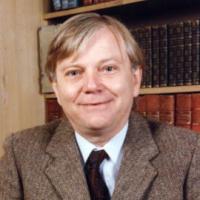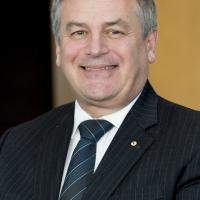


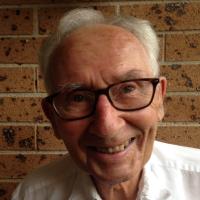

Joan Mary Anderson 1932–2015

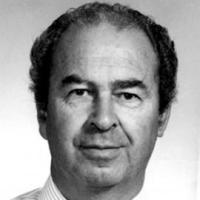
Professor Jan Anderson FAA FRS was an internationally recognised plant biologist who made transformative discoveries about photosynthesis.
Image Description

Joan Mary (Jan) Anderson pioneered the investigation of the molecular organisation of the plant thylakoid membrane, making seminal discoveries that laid the foundations for the current understanding of photosynthesis. 

She grew up in Queenstown, New Zealand, obtaining a BSc and MSc at the University of Otago in Dunedin. After completing her PhD at the University of California, she embarked on a glittering career at the Commonwealth Scientific and Industrial Research Organisation (CSIRO) and then Australian National University (ANU) in Canberra. Not only a gifted experimentalist, Jan was a creative thinker, not afraid to put her insightful and prophetic hypotheses into the public domain. 

Her many notable achievements include establishing the details and the physiological significance of lateral heterogeneity in the distribution of the two photosystems between stacked and unstacked thylakoid membranes and the dynamic changes in the extent of stacking that occur in response to changes in the light environment. Her investigations brought her into collaboration with prominent researchers throughout the world. Recognised with many honours as a leading scientist in Australia, international recognition included Lifetime Achievement Award from the International Society of Photosynthesis Research, and Honorary Fellowships at Universities in the UK and USA.

Download the memoir


Supplementary material


About this memoir

This memoir was originally published in Historical Records of Australian Science, vol. 30(1), 2019. It was written by Peter Horton, Wah Soon Chow and Christopher Barrett.

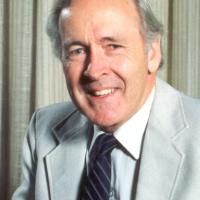
James Waldo Lance 1926–2019

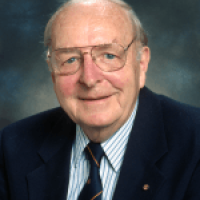
James W. Lance was a clinical neurologist who created the first university-based department of neurology in Australia.
Image Description

James W. Lance was a clinical neurologist who created the first university-based department of neurology in Australia. He championed academic enquiry and the scientific basis of clinical practice, and his research had two major themes, motor control and headache. 

After his doctoral studies on the pyramidal tract of the cat, he became a pioneer of the new field of motor control studied in human subjects, making seminal contributions on the control of muscle tone, reflexes and movement in healthy subjects and the pathophysiology of movement disorders in patients. At the same time he developed a clinical research program into the mechanisms and management of headache, in particular migraine. These studies evolved into parallel experiments in human subjects, cats and monkeys, probing the control of the cerebral circulation and the mechanisms underlying craniofacial pain, for which he received international acclaim in both fields. 

He received international and Australian honours and was the first practising clinician to be elected a fellow of the Australian Academy of Science. He is rightfully credited with leading the development of academic neurology in Australia and overseas.

Download the memoir


About this memoir

This memoir was originally published in Historical Records of Australian Science, vol. 32(2), 2021. It was written by David Burke.

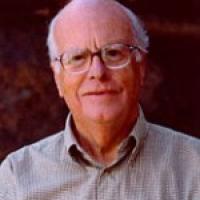
James Robert Price 1912–1999

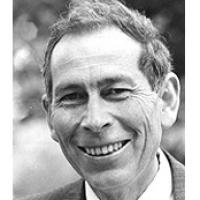
Sir Robert Price was an organic chemist who ran the extraordinarily productive and cooperative Australian Phytochemical Survey. He made significant contributions to public sector research and chemistry through his leadership of CSIRO and the Royal Australian Chemical Institute.
Image Description

Written by David J. Collins, Gregory W. Simpson, David H. Solomon and Thomas H. Spurling.

James Robert Price 1912-1999

Introduction

James Robert Price (who early in life became known as Jerry Price) was one of Australia’s leading chemists. After a distinguished career at the University of Adelaide and at Oxford University, where he worked with Professor Sir Robert Robinson, he returned to Australia following the Second World War with wife Joyce to join the then CSIR. He was to participate in a project initiated by the Division of Plant Industry, a search for medicinal drugs in the Australian flora, providing expertise in chemical studies; in time, he developed the project into the extraordinarily productive and coperative Australian Phytochemical Survey. He became Chief of the CSIRO Division of Organic Chemistry, then a member and eventually Chairman of the CSIRO Executive. In these roles he displayed great organisational and leadership skills. These were particularly needed during his time as Chairman when major changes in the structure of CSIRO were proposed by the government of the day. He was able to preserve the structural integrity and scientific focus of CSIRO during that period. He made major contributions to the discipline of chemistry in Australia particularly through his leadership and redirection of the Royal Australian Chemical Institute and his belief in the need for active interaction between Australian research institutes. He enjoyed an active retirement before suffering the effects of an unfortunate accident. He spent the last years of his life, supported by Joyce, in a local nursing home where he died on 8 March 1999.

Family background and early education

James Robert Price was born on 25 March 1912 at Kadina, a small town at the top of the Yorke Peninsula in South Australia. He was the eldest of three children reared by Edgar James Price (1875–1937) and Mary Katherine Price (née Hughes, 1883–1937); the other children were John (b. 1915) and Mary (b. 1917).

James Robert’s paternal grandfather, Benjamin James Price, after spending his early years in Kidderminster, England, migrated to Australia in 1857, lured not by the gold rush but by other opportunities offered by the new colony of South Australia. At the time of his marriage to Ellen Mary Carruthers in 1865, Benjamin Price was a Commission Agent in Adelaide; some time later they moved to Kapunda, a copper mining town, where their son Edgar James Price was born in 1875.

James Robert’s paternal grandmother, Ellen Mary Carruthers, was descended from a Scottish family that lived on the coast of Solway Firth, south of Annan in the shire of Dumfries. Some time in the 1840s Ellen’s father John Carruthers (1806–1887) migrated to South Australia where he established himself as a wine merchant in Adelaide. The Carruthers family connection is doubly strong because James Robert Price’s maternal grandfather, Henry Chauntrell Hughes, married Mary Catherine Carruthers, a cousin of Ellen Mary Carruthers.[1]

At the time of his marriage to Mary Hughes, Edgar Price was employed by the Savings Bank of South Australia in Adelaide; soon after that he was appointed as the first manager of the new Branch of that institution at Mount Gambier, and subsequently as manager of the Branch at Kadina, where his son James Robert Price was born. About two years later the Bank moved Edgar Price back to the managership at Mount Gambier, but when they asked him to move again, he decided to resign in order to establish his own accounting business; this was originally a partnership but he later operated on his own. Mount Gambier remained the family’s home town and it was here that at the age of about six James Robert Price began his education, first at a small Church of England school run by a Miss Warren, and then at Umpherston College, a Presbyterian school in Mount Gambier; Umpherston College was essentially a girls’ school, but included a minority of boys. In 1923 James Robert was awarded a Vansittart scholarship to St Peter’s College, an élite boys’ school in Adelaide. For the first two years he was a boarder in the preparatory part of that school. He then spent four years in the Senior School where he was originally a boarder, but when the economic depression hit Australia in the late 1920s Edgar Price was unable to afford the fees, and for the last year or so of his secondary education James Robert lived with his mother’s aunt Mrs Edith Helen Turner (née Carruthers) who was ‘very helpful to me but something of a dictator’.[2]

It was at St Peter’s College that Price was given the nickname ‘Jerry’ but he remained ‘Bob’ to his family – hence his choice, in due course, to be known as ‘Sir Robert’ rather than ‘Sir James’ – the name ‘Jerry’ came to be used generally and, to all those on first name terms, he was ‘Jerry’ for the rest of his life.

Upon completion of his Leaving Honours year at St Peter’s College in 1928, Jerry wanted to enrol in the Faculty of Science at the University of Adelaide. In a letter dated 12 November 1984 to Dr Rupert Best, who was collecting information for his book on the history of the Chemistry Department of the University,[3] Jerry recalled the circumstances of his entry into the University of Adelaide and the nature of his work there, both as an undergraduate and as a graduate student. Most of the following facts about Jerry’s work, study and research at the University of Adelaide have been extracted from that letter.

University of Adelaide

Jerry had looked forward to undertaking a university course in science in the usual way. However, because of the deepening economic depression, Edgar Price could not finance his son’s enrolment and the added expense of his boarding away from home. Hence, at his father’s urging, Jerry applied for a cadetship in the Chemistry Department of the University. He was interviewed by Professor A.K. Macbeth [4] who appointed him as a cadet at the beginning of 1929, initially on a wage of 10/- per week and later 25/- per week. This position gave him the right to enrol in such courses as Macbeth approved, without payment of fees. Because of their workload, cadets took four years rather than the usual three to complete a BSc degree. Jerry’s duties as a cadet included the preparation of solutions required for qualitative and quantitative chemical analyses in the first-year practical classes, but he also had some contact with third-year students doing analytical work under Dr W.T. Cooke. [5] In 1931 Macbeth transferred him to the job of Lecture Demonstrator, which entailed preparing and carrying out the experiments demonstrated by the Professor in lectures to the first-year students. This meant that he was now located in the Prince of Wales Building where he came into more contact with third-year and Honours (fourth-year) students. For an enthusiastic undergraduate, this regular contact with research students must have been both enlightening and stimulating. One of the people he met in this new environment was Gordon Kingsley (Bill) Hughes who, after completing his BSc degree in 1929, had become a Demonstrator in the Chemistry Department, and who in 1934 was appointed as Assistant Lecturer in the Chemistry Department of the University of Sydney. They became lifelong friends, and their close friendship was to have particular significance in what became the Australian Phytochemical Survey.

In 1933 Jerry began his research career as an Honours student under Macbeth’s supervision. In his letter to Best, he describes in some detail the research interests of Macbeth in the 1930s, and his own involvement as a research student. One interest that Macbeth brought with him from the University of Durham was the theoretical attempt to explain the rates of reaction of functional groups in unsaturated, particularly aromatic, compounds developed by Lapworth [6] in 1920 and called ‘induced alternate polarity’; another was the application of ultraviolet absorption spectroscopy to organic chemical problems. In Adelaide, Macbeth soon became actively involved in natural products chemistry, in part because his predecessor Professor E.H. Rennie had worked on the constituents of several Australian plants and had isolated two novel red pigments from the tubers of the insectivorous plant Drosera whittakeri that grows in the Adelaide Hills. Rennie had suggested that these pigments were probably naphthoquinone derivatives, but their structures remained unknown.[7] Here was a challenge, and one of the first projects that Macbeth gave to Jerry as an Honours student was to measure the ultraviolet absorption spectra of a number of known hydroxynaphthaquinones for comparison with the spectra of the Drosera pigments (4).[8] This enabled deduction of the structures of these pigments that Macbeth named droserone and Hydroxydroserone.[9] The structure of the latter was firmly established by synthesis by Winzor,[10] a junior and previously unproductive member of the staff whom Macbeth had stimulated into action.

Macbeth was further drawn into natural products chemistry by the fact that P.A. Berry and T.B. Swanson, two full-time employees of the manufacturing company A.M. Bickford and Sons,[11] came to the Chemistry Department as evening MSc students with the desire to work on components of the essential oil of Eucalyptus cneorifolia, a product of commercial interest to Bickfords. In a reflection on ‘scientific pedigree’ in his letter to Best, Jerry recalled: ‘I have little doubt that Macbeth’s preparedness to move into that field as presented to him by Berry and Swanson was influenced by his earlier contact with Read’. When Macbeth was a Senior Lecturer at the University of St Andrews, prior to his Readership at the University of Durham, the professor there was the terpene chemist John Read who, prior to that, had succeeded Robert Robinson in the Chair of Chemistry at the University of Sydney. While at Sydney, both Read and Robinson had collaborated with H.G. Smith, the terpene chemist who is regarded as the father of organic chemistry in Australia. In connection with the investigations of Berry and Swanson, Macbeth gave Jerry the job of making and characterising the 2,4-dinitrophenylhydrazone of the ketone (-)-4-isopropylcyclohex-2-en-1-one, one of the constituents of the essential oil of Eucalyptus cneorifolia. In the course of this work Jerry observed that the reagent 2,4-dinitrophenylhydrazine (which had only been developed in 1931) was broken down by alkali, and on his own initiative he began studying the products. He recalled:

Macbeth, rather than suggest that this was an unnecessary diversion from the main objective, encouraged me to pursue this study and further, when one of the products of the reaction was established as a 1,2,3- benztriazole [sic; 1-hydroxy-5-nitro-1H 1,2,3-benzotriazole (2)], he suggested an ultraviolet spectroscopic study of 1,2,3-benztriazoles, which was carried out.

Jerry graduated BSc (Hons, first class) in December 1934, and MSc in July 1935 with a thesis entitled ‘Properties of Nitro- phenylhydrazines and Absorption Spectra of Dimethyl-cyclohexanediones and 1:2:3-Benzotriazoles’. He was very industrious and efficient — he was a co-author of four papers (1–4) published in the Journal of the Chemical Society (London) in 1934/35, all of them having been received by the Editor between April and December 1934. He was co-author of three more papers (5–7) with Macbeth between 1935 and 1937. Jerry had high praise for his former supervisor: ‘Macbeth was a very good research supervisor – he presented research problems to those moving into research, he encouraged them to ‘do their own thing’ but he also kept a light rein on their movements’. The regard was obviously mutual – Jerry’s initiative, skill and industry were rewarded. In 1935, following Macbeth’s strong recommendation, Jerry was one of two Australians awarded an 1851 Exhibition Science Research Scholarship for that year. He accepted this to work as a DPhil student under Professor Sir Robert Robinson at Oxford.

In 1933, his Honours year, Jerry met his wife-to-be, Joyce Ethel Brooke, daughter of Roy Brooke and Myrtle Victoria Brooke (née Lackington). Joyce was in her first year as a science undergraduate at the University of Adelaide, and Jerry was her Demonstrator in the First Year Chemistry Laboratory: he escorted her to the Science Ball later that year. From about mid-1934 Jerry was President of the University Science Association and when he left for England in 1935 Joyce succeeded him as the first female President of that body. She graduated BSc (Hons, first class) in botany in 1936 and then worked at the Waite Agricultural Research Institute in Adelaide, doing research that gained her the degree of MSc in 1939, just before she set out for England to join Jerry.

Jerry’s ‘apprenticeship’ in research at the University of Adelaide was very successful, and set the course of his career: ‘my future career was the result of Macbeth’s interest in natural product chemistry’. On 5 September 1935 he boarded the Blue Funnel Line steamer ‘Nestor’ with a free passage to England, a privilege then accorded to 1851 Exhibition and Rhodes Scholarship holders by the Blue Funnel Line.

Oxford, the John Innes Horticultural Institution, and War

For two years Jerry lived at Magdalen College, Oxford while working at the Dyson Perrins Chemical Laboratory. His supervisor, Professor Sir Robert Robinson, was pre-eminent in the chemistry and biogenesis of plant natural products, and also in the synthesis of natural products.[12] One of Robinson’s interests at that time was the chemistry of plant pigments, including anthocyanins and their aglycones, the anthocyanidins. Jerry worked on the anthocyanidins in Bougainvillaea glabra and graduated DPhil in 1937 with a thesis entitled ‘Colouring Matter of Bougainvillaea glabra’.

Upon completion of the work for his DPhil at Oxford, and with Robinson’s recommendation, Jerry was appointed as Head of the Chemistry Section at the John Innes Horticultural Institution at Merton Park in South West London, near Wimbledon. Sir Robert Robinson had a close association with the Institution and collaborative research continued with Price’s appointment there. At the time of his appointment Jerry was the only chemist on the staff – his colleagues were all eminent geneticists, and all of them were Fellows of the Royal Society.

The research carried out by Jerry at the John Innes Horticultural Institution was on plant pigments – mainly on isolating the anthocyanins and investigating their role in the genetic variation of flower colour. Some of this work was done in collaboration with Sir Robert Robinson: of eleven papers Jerry published from the John Innes Horticultural Institution (12–22), six were jointly with Robinson. The collaborative research included the identity of the yellow pigment of Dahlia variabilis, undertaken to facilitate a study of the inheritance of flower colour in Dahlia species; also, a study of the yellow Papaver nudicaule (Iceland poppy) from which was isolated a nitrogenous diglucoside. Another collaborative study was on the orange-red pigment dunnione from Streptocarpus dunnii; dunnione was shown to be a furano-1,2- naphthoquinone – at that time a new class of natural product.

In 1939 Jerry was awarded a Rockefeller Scholarship, and with this he planned to go to the USA, after travelling first to Australia so that he and Joyce Brooke could get married. The outbreak of the Second World War in September 1939, however, enforced drastic changes, both professional and personal. Because of the war, Rockefeller (Travelling) Scholarships were cancelled, and Jerry decided to stay in the United Kingdom to help in whatever professional wartime service might be required. He asked Joyce to come to England. This was no easy matter, since much commercial shipping was being sunk by the German air and naval forces. Mrs Brooke insisted that her daughter Joyce should fly, and gave financial assistance to help with the additional expense. Joyce journeyed by train from Adelaide to Sydney via Melbourne to catch the Sunderland flying boat that left from Rose Bay, Sydney. The flight from Sydney to Poole in England usually took 10½ days. Joyce’s flight made overnight stops at Darwin, Sourabaya, Singapore, Rangoon, Calcutta, Karachi, Basra, Athens, Corfu (a replacement for the scheduled stop at Naples due to bad weather over the Appenines) and Marseilles; bad weather over the English Channel caused another stopover at St Nazaire before the flying boat reached Poole, 11½ days after leaving Sydney!

Jerry met Joyce at Poole after a separation of five years and they made plans to get married as soon as possible. On Tuesday 19 March 1940 they arrived in London and proceeded to Wimbledon, where Jerry was living because of its proximity to the Horticultural Institution at Merton Park. Temporary accommodation was arranged for Joyce nearby, and the Vicar of Wimbledon married them on Easter Saturday, 23 March 1940. In the rushed wartime wedding, away from home, there were no relatives present: the only attendants were Bill Hughes and his wife Jean, and Jerry’s former landlady Mrs Lacey. Hughes had recently arrived in England to spend a year at Oxford with Robinson. Joyce recalls that it was joked at the time that Bill Hughes was the best man and also gave her away, Jean Hughes was the congregation, and Mrs Lacey wore black and wept because Joyce could not have any family present. The wedding breakfast was a pie in Lyons Corner House! They had a two-week walking honeymoon in the country near Oxford, and on one evening were entertained to tea by Sir Robert and Lady Robinson.

James Robert Price 1912-1999

Figure 2. Wedding photo taken in the untidy backyard (barbed wire entanglement for wartime security) of the house in Wimbledon rented by Jerry Price, 'Horry' Barber, and Perc Thomas, all from the John Innes Horticultural Institution. Left to right: G.K. (Bill) Hughes, Jerry Price, Joyce Price, Jean Hughes. After the War 'Horry' Barber came to Australia through his association with Jerry, initially to a position at the University of Sydney; he later became Professor of Botany at the University of Tasmania.

Back at Wimbledon, the newlywed couple rented a flat on the top of a two-storey building near the railway line. This location was far from ideal – on moonlit nights the Germans bombed along railway lines. Rather than go to the huge air raid shelters, Jerry and Joyce slept in their flat, fully dressed, under a solid dining room table bought for £2.

While awaiting professional assignment in war service, Jerry served in the Home Guard (‘Dad’s Army’) and Joyce worked in first aid stations. In September 1941 Jerry was directed into the Chemical Inspection Department, Ministry of Supply, to supervise work in a group of five ICI factories in southwest Scotland in the manufacture of explosives and munitions. Initially they had six months in Ardrossan while Jerry familiarized himself with the production of munitions at Ardeer, the central ICI factory for the manufacture of explosives. The manager there was a Mr Lumsden, father of Harry C. Lumsden whom Jerry had met in his first year at Oxford. At that time Harry had taken Jerry to his home in Scotland for a holiday, so arising from this happy coincidence the Lumsdens became, as Lady Price recalls, ‘our family in Scotland’. After leaving Ardeer, Jerry became Chemist-in-Charge at the Powfoot Outstation, and later was in charge of the Dumfries area.[13] He and Joyce lived close by in the Royal Borough of Annan, and later in the rural area of Glen Stuart, both places only a bicycle ride from Powfoot. Life there was much safer than in frequently-bombed Wimbledon. Jerry supervised work on propellants and explosives, but no details are available as he left no written records of this period of his career.

During the Second World War Australia had to become self-sufficient in the supply of certain drugs. One of these was the anti-seasickness drug hyoscine, very important for naval operations. In late 1940, through the enterprise of Russell (later Sir Russell) Grimwade and his company Felton Grimwade and Duerdins, a part of Drug Houses of Australia, seven ounces of hyoscine were quickly extracted from 108 pounds of leaves of the Australian native tree Duboisia myoporoides picked near Grafton, New South Wales. Production was soon scaled up and hyoscine was produced during the war in quantities sufficient to supply British and American as well as Australian needs.[14] At the same time, CSIR became involved in a search for other drugs from Australian plants and in 1945, in anticipation of the end of the war, CSIR advertised a position of Research Officer for an organic chemist to work in the then Division of Industrial Chemistry on a survey of Australian native plants for sources of potentially useful alkaloids. Jerry Price was the successful applicant, and he and Joyce embarked on the first civilian passenger ship to make the trip between England and Australia since the war began; by coincidence, this was the ‘Nestor’, the ship on which Jerry had travelled to England in 1935. They embarked at Liverpool in early July 1945 with their two children born in Scotland – Margaret Ann (b. March 1944) and Donald Carruthers (b. May 1945). They arrived in Melbourne in the first week of September, ten years to the day since Jerry had left, having heard of the Japanese surrender during the voyage. Their third child, Janet Elizabeth, was born in Melbourne in October 1946.[15]

CSIR/CSIRO

The circumstances leading to the appointment of Jerry Price as a Research Officer in the CSIR Division of Industrial Chemistry have been described in some detail in a paper on what became known as the Australian Phytochemical Survey (72). The key points may be summarised as follows:

CSIR’s first involvement in Australia’s efforts to become self-sufficient in some key drugs during the Second World War was in mid-1940. Dr C. Barnard, Chief of the CSIR Division of Plant Industry, organised extensive field cultivation of some exotic drug plants: extraction of alkaloids and other active constituents from these plants was carried out by Dr H. Finnemore, Head of the Department of Pharmacy, University of Sydney. His limited resources meant that he was unable to cope with the ballooning demand and early in 1941 Professor R.D. (later Sir Douglas) Wright of the Department of Physiology, University of Melbourne, became involved. In his department some native Australian plants that were regarded as potentially interesting were extracted, and bioassays carried out by the pharmacologist Dr F.H. Shaw and his colleagues.

A very important development was Barnard’s appointment in June 1944 of Dr L.J. Webb as a ‘peripatetic botanist’ to boost the rate of collection of native plant species for chemical examination. Webb’s intimate knowledge of the flora of Queensland and his keen interest in poisonous plants and bush medicines,[16] together with his great drive and enthusiasm for the project, led him to provide important stimulation in communications with Jerry’s CSIR(O) group and collaborators from the Chemistry Departments of several Universities.[17]

Soon after Webb’s appointment it became apparent that there was a need within CSIR for an organic chemist who could give undivided attention to the isolation and characterisation of alkaloids and other secondary metabolites, and who could determine the structures of previously unknown compounds that were isolated. In September 1944, Barnard gained the enthusiastic support of Dr I.W. (later Sir Ian) Wark, Chief of the CSIR Division of Industrial Chemistry, for the appointment of a Research Officer for the Organic Chemistry Section of the Division. The position advertised was ‘for work on alkaloids from Australian native plants and trees’. The successful applicant, Jerry Price, was eminently qualified for the position; 16 of his 21 pre-1945 research publications were on the chemistry of plant extractives.

It is of interest to note that, while Jerry included a testimonial from Sir Robert Robinson in his letter of application, Guy Gresford, the Australian Scientific Research Liaison Officer in London, still wrote directly to Sir Robert for a reference. Sir Robert’s reply [18] was succinct:

Dear Gresford
In connexion with the appointment to the staff of C.S.I.R. I can strongly support J.R. Price who is an applicant.

The Minister in Charge of Scientific and Industrial Research, J.J. Dedman, approved Jerry’s appointment to CSIR on 15 March 1945 and he commenced duty on 24 September 1945.

Jerry’s initial scientific objectives were: to discover new sources of alkaloids already of value for medicinal purposes or as insecticides; to discover new alkaloids which may replace or supplement those already in use, and; to work out satisfactory methods of isolating and purifying the alkaloids found and to increase our systematic knowledge of the nature and chemistry of the alkaloids elaborated by plants.[19]

By the time Jerry arrived in Melbourne in 1945, Len Webb’s screening tests (some on freshly collected leaves and bark and some on herbarium specimens) had already identified a large number of alkaloid-containing plants. In October 1945, one month after taking up his position in CSIR, Jerry joined Webb at Innisfail, North Queensland, to collect bulk quantities of leaf, bark and wood of several selected species of rainforest trees belonging to the plant family Rutaceae for extraction and detailed chemical examination.

He very quickly impressed Dr Wark, who wrote, as part of a reclassification case on 18 February 1946:

Price is an excellent organic chemist and within a few weeks of his arrival in Melbourne was already obtaining results of importance in the alkaloid project. An 1851 Scholar, Price has a fine personality, is enthusiastic, and is a skilled experimentalist. He is quite capable of taking over the whole responsibility for the chemical side of the alkaloid investigation now being carried on in conjunction with the Division of Plant Industry and the Physiology Department of the University of Melbourne. It is recommended that he be reclassified as Senior Research Officer on 1/1/47, with a salary of £650 p.a., which is little enough for a man of his attainments who is almost 34 years of age.

It was already apparent to Jerry that to make significant impact in carrying out thorough chemical studies on the large body of Australian flora already known to give alkaloid-positive tests, many research chemists would be needed. He therefore sought help from staff in the Chemistry departments of the Australian universities. This was a remarkable achievement in university/CSIR(O) cooperation, brought about with a minimum of bureaucratic involvement. Probably one of the first university chemists whom he contacted was his good friend Bill Hughes at the Chemistry Department, University of Sydney. For some years, Hughes and his colleague Ern Ritchie (later Professor) had been studying anthocyanin pigments in Australian plants: they now enthusiastically took up the study of alkaloid-containing plants and many research students working for BSc Honours and MSc degrees cut their research teeth on the isolation and structure-determination of alkaloids. The other university chemist who collaborated with Jerry from the very beginning was F.N. (Norm) Lahey, a senior lecturer in the Chemistry Department of the University of Melbourne for the period 1943–1949 [20] before he took up a Research Professorship in Organic Chemistry at the University of Queensland.[21] Jerry’s collaboration with Lahey was facilitated and perhaps stimulated by the fact that the CSIR chemistry laboratories at Fishermans Bend were yet to be completed [22] and Price was provided with laboratory space and facilities in the Chemistry Department of the University of Melbourne through the cooperation and generosity of Professor E.J. Hartung. Although parts of the Fishermans Bend laboratories were completed and occupied much earlier, it was 1954 before Jerry and his group of phytochemists could move there.

Three of the six tree species collected by Price and Webb from the rainforest near Innisfail were Melicope (now Medicosma) fareana, Evodia (now Euodia) xanthoxyloides and Acronychia baueri (now Sarcomelicope simplicifolia): the detailed study of the constituent alkaloids of these three species was undertaken respectively by Price, Hughes and Lahey. All three species proved to be very rich in alkaloids, some of which were common to all three of the above Rutaceous plants. In 1948 Hughes, Lahey, Price and Webb published a note in Nature entitled ‘Alkaloids of the Australian Rutaceae’ (23). This first communication heralded what became a very large and very successful survey of Australian plants for alkaloids and other constituents of chemical and/or biological interest. The full details of Jerry’s work on Melicope fareana were set out in a series of papers in the Australian Journal of Scientific Research (24–27).[23] Parts II and V of this series were in collaboration with W.D. (Bill) Crow and Part III was by Crow alone. Crow was the first organic chemist appointed by CSIR to assist Jerry; he joined him in the laboratory at the University of Melbourne at the beginning of 1947 after having completed his BSc (Hons) degree at the University of Sydney with Hughes, who initiated him into the techniques of isolation and characterisation of alkaloids.[24]

The three rainforest tree species that featured in the 1948 note to Nature by Hughes, Lahey, Price and Webb gave the alkaloid survey a flying start. In addition to the five papers by Price and Crow on Melicope (now Medicosma) fareana, Lahey and his co-workers published four papers on the alkaloids of Acronychia baueri (now Sarcomelicope simplicifolia) in 1949–1950;[25] and from 1949 to 1952 Hughes and Ritchie and their collaborators published four papers on the alkaloids of Evodia (now Euodia) xanthoxyloides. [26] At the same time a number of other alkaloid-containing species were being examined by Jerry and his co-workers and by Hughes and Ritchie and their research students at the University of Sydney. The programme of chemical studies that Jerry initiated in 1945 had rapidly gathered momentum. After the early work on Melicope fareana, the Price CSIR(O)[27] group examined many other alkaloid-containing species while still working in their temporary accommodation at the University of Melbourne; those that featured in publications included Glycosmis pentaphylla, Pentaceras australis (now australe), Gyrocarpus americanus, Medicosma cunninghamii, Heliotropium europaeum; and Flindersia bourjotiana in collaboration with Hughes, Ritchie and Cannon [28] at the University of Sydney.

In 1946 the Chemistry Department of the University of Melbourne had a large increase in the numbers of students doing organic chemistry in the second year and it became necessary to divide the class: Professor Hartung obtained permission to appoint Jerry Price as a temporary part-time lecturer to give one lecture per week for the whole academic year; he was paid an honorarium of £100. [29] There were 200 students and the class was divided, Lahey taking one group and Jerry the other. This was a convenient arrangement with Jerry working in the Chemistry Department laboratories: it appears to have been operative only for the year 1946, but when Lahey moved to his new position at the University of Queensland in late 1949, Jerry became co-supervisor of some of his research students. One of these was Eva R. Klein (later Mrs Nelson); in her PhD thesis she acknowledged that ‘Part I of this work was carried out under the direction of Dr J.R. Price and Part II under the direction of Dr F.N. Lahey.[30] Part I of her thesis was ‘An Investigation of the Sulfur-Containing Alkaloid from the bark of Pentaceras australis Hook F.’ This project yielded three papers published in 1952 (31–33). Another PhD student supervised jointly by Price and Lahey was John A. Lamberton, who stated in his Acknowledgments that ‘This work was carried out under the supervision of Dr J.R. Price and, in part, Dr F.N. Lahey’. Lamberton worked on the alkaloids from Acronychia baueri and Medicosma cunninghammii [31] (28). After a postdoctoral year overseas, Lamberton was employed in 1951 by the CSIRO Division of Industrial Chemistry, to work under Dr Harold Hatt on plant waxes. In due course Jerry replaced Hatt as the leader of the Organic Chemistry Section. John Lamberton joined the phytochemical group in 1965 and became a major contributor to the expanding alkaloid program.[32] An MSc student who was supervised by Jerry was H.P. Haynes who worked on the alkaloids of Pentaceras australis.[33]

A search of the University of Melbourne staff files for the Chemistry Department [34] failed to reveal any correspondence with Professor Hartung formalising Jerry’s supervision of research students: the involvement of non-university personnel in such a role appears to have been less regulated than it is now. Perhaps the apparent lack of formalisation was a consequence of Jerry’s 1946 appointment as temporary part-time lecturer and his physical location in the Chemistry Department. The CSIR records show that Jerry was granted permission by CSIR to deliver a series of 25 lectures on Organic Chemistry to second-year students in 1946 but they do not indicate that he was appointed as a temporary part-time lecturer. In 1947 Jerry was invited by Professor Trikojus to deliver three lectures on plant pigments to advanced students of the Biochemistry Department, University of Melbourne. These are the only references to his involvement with the University in the CSIR(O) files.

The next organic chemist to join Jerry’s alkaloid group after Crow (1947) was L.J. Drummond (1948); then followed Dr N.V. (Noel) Riggs (1949) and Dr C.C.J. (Claude) Culvenor (1950). Culvenor replaced Drummond who moved to the Defence Laboratories, Salisbury, South Australia. Like John Lamberton, Claude Culvenor remained with CSIRO, going on to make a major contribution in the study of alkaloids, particularly those in plants poisonous to farm animals; in 1971 he moved to the CSIRO Division of Animal Health where this work continued. In 1951 Riggs took the Chair of Organic Chemistry at the University of New England and was replaced in the group by Dr Emery Gellert. All these chemists worked together with Jerry in the laboratory space provided by Professor Hartung in the Chemistry Department of the University of Melbourne, until they moved to the Fishermans Bend laboratories in 1954.

In 1952 Jerry, now a Principal Research Officer, gave the Liversidge Research Lecture at the 29th Meeting of ANZAAS, held at the University of Sydney (38). In this lecture he summarised the alkaloid work being carried out by the CSIRO and university chemists, but he also described other phytochemical studies being pursued in Australian universities.

In his introduction he referred to the early pioneering work on essential oils that had:

dominated Australian plant chemistry for the past fifty years. One result of this domination is a fine record of achievement in terpene chemistry, but another, inevitably, is that remarkably little has been accomplished with other classes of plant products. However, this situation is gradually changing today – plant chemistry in Australia rests on a broader basis than at any time in the past. In addition to essential oils, cellulose, lignin, tannins, waxes, colouring matters, triterpenes, steroids, alkaloids, coumarins, cyclitols and lignanes are being actively investigated. It is my intention to give you some idea of the kind of work being done and where it is leading.

Jerry played a key role in a conference held at the University of Melbourne in February 1947 on ‘Research into the Pharmacological and Other Chemical Constituents of Native Plants’. Six more such conferences were held (Melbourne, January 1949; Sydney, May 1951; Melbourne, August 1955; Adelaide, August 1958; Sydney, August 1962; and Melbourne, August 1965).

Jerry was awarded the DSc from the University of Adelaide in 1954 and was elected a Fellow of the Australian Academy of Science in 1959. Jerry was subsequently active on Academy business. He was a member of the National Committee for Chemistry from 1960 until 1966 and then Chairman of that committee 1969. From 1962 to 1968 he was a member of the Sectional Committee for Chemistry and Applied Chemistry (Chairman 1965–1966); a member of the Editorial Board of Records of the Australian Academy of Science 1965–1970; Chairman of the Publications Committee 1966–1970; and in 1969 a member of the Science and Industry Forum.

Of great significance for Jerry and for Australian phytochemistry was the decision of the International Union of Pure and Applied Chemistry (IUPAC) to hold a symposium on the Chemistry of Natural Products in Australia in 1960. The invitation to IUPAC was made in 1958 by Dr A.L.G. Rees, CSIRO Division of Industrial Chemistry, through the Australian Academy of Science. With Rees as Chairman of the Organizing Committee, Jerry responsible for the scientific programme and Sir Alexander (later Lord) Todd, Nobel Laureate, as President, the symposium was highly successful. Sessions were held successively in Melbourne, Canberra and Sydney (72, p. 347). Many eminent organic chemists from overseas participated, but particularly significant for Jerry was the presence of Sir Robert Robinson, who had retired from the Wayneflete Chair of Chemistry at Oxford in 1955 but was still very actively involved in chemical research. [35] This symposium put Australian chemistry, particularly the Phytochemical Survey, firmly on the international stage. Nine years later Jerry was chairman of the organising committee for two IUPAC conferences that were held at the University of Sydney in August 1969. These conferences attracted considerable media interest. A.L.G. Rees was at that time the President of IUPAC.

Jerry was promoted through the CSIRO research officer ranks until in March 1960 the then Officer-in-Charge of the Organic Chemistry Section, Dr Harold H. Hatt, informed the CSIRO Executive that he wished to resign from that position in order to devote his time to research. Hatt assumed the role of Head of the Sugar Research Group located at the University of Melbourne. Dr Wark recommended that Jerry be appointed to the vacant position. He wrote:

It is unnecessary to advertise this position. Throughout the world it would be regarded as certain that Dr Price would be offered it, and there is no prospect whatever of finding anybody more suitable for it. The Executive is well aware of Dr Price’s standing as an organic chemist, of his ability as an administrator and of the originality he has brought to bear with respect to the work of his group in the Organic Chemistry Section. I have no hesitation in stating that he has the capacity to lead a larger group with distinction.

CSIRO’s Chemical Research Laboratories [36] operated under the following terms of reference: to promote technical efficiency in established industries; to stimulate the establishment of new industries; to encourage the use of raw materials of Australian origin; to seek substitutes for imported materials; to find uses for by- products not utilised; and to study national problems to which its officers could contribute by virtue of their experience in other fields. [37]

These terms of reference are quite broad but the Annual Reports from that period indicate that individual scientists were given considerable freedom to develop separate projects within the overall strategy.

The Organic Chemistry Section was raised to Divisional status on 14 March 1961. Jerry was appointed as the first Chief of the new Division in which there were sixteen Research Officers supported by ten Experimental Officers. [38] The Division was thus only a fraction of the size of current CSIRO Divisions that now comprise 200–600 people. The five Divisions at Fishermans Bend were part of the Chemical Research Laboratories and until 1960 the Divisional reports were consolidated into the Annual Reports of the Chemical Research Laboratories. From 1961 separate introductory material was presented for each Division [39] and that from the Division of Organic Chemistry provides some insight into Jerry’s views on the purpose of the Division and how these influenced project selection.

In 1960 [40] projects were underway in the study of the chemistry of wool wax, sugarcane wax, long chain organic compounds (looking at insecticides and naturally occurring acetylenic compounds), brown coal tar constituents, the chemistry of stock poisons (largely pyrrolizidine alkaloids), the phytochemical survey of Australian plants, the chemistry of root exudates and the search for new uses for sugar. An important component of the work of the Division, and the Section before it, was done by the Microanalytical Unit, which provided a service to Australian universities and companies. Jerry often referred to the importance of the services that the Division offered to other organisations and of the interaction between all participants in Australian chemistry. The projects that had been referred to above had been in place with little change since 1951, apparently representing the continued work of the individual scientists. That is, it appears that scientists with particular research interests were appointed and that it was this research interest that dictated the choice of project, rather than projects being actively changed to reflect changes in strategic intent.

In his first Report as Chief, Jerry maintained that research in organic chemistry fell broadly into three categories: the investigation of natural products that provided much of the background information for the science, synthetic organic chemistry that was responsible for the tremendous output of the organic chemical industries, and physical organic chemistry. He stated that it was the first two of these that directly related to the utilisation of the country’s natural resources and to other national problems on which organic chemistry impinges, hence it was in those areas that emphasis was placed in planning the Division’s research. He indicated that much of the previous work in the Section had favoured natural products and that while this would continue he had initiated a reorientation that would broaden the synthetic activities of the Division. The principal feature of the new programme was the investigation of organic compounds of the metals of which Australia has large reserves, particularly aluminium, gold, zirconium, tungsten and titanium, with the objective of finding new uses for these metals. A second project closely integrated with the study of organometallic compounds was the study of organophosphorus chemistry.

In the 1962–63 Report [41] Jerry reported on the expansion of the Phytochemical Survey and the stock poison work. He again noted the importance of collaboration and reported that the Division was working with the CSIRO Division of Animal Health, the Western Australian Department of Agriculture, the Queensland Department of Agriculture and Stock, the Victorian Lands and Survey Department, Smith Kline and French Laboratories, the Cancer Chemotherapy National Service Centre, the US National Institutes of Health, the Population Council, the Queensland Department of Forests, the National Herbarium, the University of Sydney Department of Agricultural Microbiology, the University of Tasmania Department of Botany and Imperial Chemical Industries of Australia and New Zealand.

The 1963–64 Report [42] continues with a similar theme, again highlighting the service the Division provided to Australian chemistry.

The divisional projects that were underway when Jerry’s term as Chief concluded (at which time the Division of Organic Chemistry was merged with the Division of Physical Chemistry to form the Division of Applied Chemistry) illustrated how his views of the relevance of organic chemistry to Australia’s development had affected the Division’s work. He had terminated the work on the various waxes but had strengthened other areas. The projects reported in the 1964–65 Report [43] were synthetic organic chemistry aiming at the synthesis of new products of commercial value, organometallic chemistry, phytochemical investigations, toxic plant investigations and the recently introduced project on arthropod chemistry, principally considering the chemistry of insect and crustacean moulting hormones. At this time the impact of instrumental methods of chemical analysis was being felt and there was a corresponding decline in the reliance on microanalytical methods, coupled with a large decrease in the time required to determine chemical structures. The nature of organic chemistry had changed significantly away from bench chemical towards spectroscopic techniques and this was reflected in the acquisition by the Division of crystallographic, mass spectroscopic, NMR, and other major instrumentation. In the original establishment of the Division of Industrial Chemistry the spectroscopic work and the then relatively rare ultraviolet and infrared spectrophotometers were allocated to the Chemical Physics Section (later Division). By the mid-1960s it was clear that such expertise needed to be closely integrated with the organic chemists and Jerry recognised that scientists specialising in the application of the spectroscopic techniques were needed, rather than scientists concentrating on designing and developing new instruments.

Jerry was promoted to Chief Grade III on 1 July 1963 and wrote to the Chairman of CSIRO, Sir Frederick White, in characteristic style:

Dear Sir Frederick
I thank you very much indeed for your letter of 23rd July informing me of my reclassification to Chief Grade III. I appreciate this very much indeed though I must confess I don’t think it was warranted!

Royal Australian Chemical Institute (RACI)

Jerry felt strongly about the importance of professional relations between chemists in Australia, seeing effective interactions as critical to the success of the discipline. He was President of the Victorian Branch of the RACI in 1959 and Federal President from 1962 to 1964. He was Associate Editor of Institute publications (1949–1953), a member of the Editorial Board (1954–1955) and Editor of both Proceedings of the Royal Australian Chemical Institute and Reviews of Pure and Applied Chemistry (1956–1958).

Jerry was keen to promote the publication of Australian chemistry in the Australian Journal of Chemistry and to boost the image of the journal overseas. Jerry noticed that Australian publications appeared in Chemical Abstracts only after considerable delay. Enquiry revealed that Chemical Abstracts at that time preferred to have abstracting done in the country of publication, and that for Australia, this was in the hands of a person at CSIRO Head Office. To the abstractor’s relief, Jerry offered to take it over, arranging a group of people to help. Claude Culvenor, who had abstracted for British Abstracts, took this role for a period.

To understand the abstracting load, it must be remembered that in the 1950s and before, Chemical Abstracts wanted every chemical detail recorded in the abstract so that work was repeatable from the abstract. In organic chemistry each abstract required close reading and could be quite lengthy. By the late 1950s Chemical Abstracts recognised that this was too ambitious (also too costly, for publication and to purchasers) and abstracts began to be merely a summary of what was done. From then on, abstracting was done ‘in-house’ at Chemical Abstracts.[44]

In an article published in Proceedings of the Royal Australian Chemical Institute in September 1967 entitled ‘The Organization of Chemists and Chemistry’ (61), Jerry argued that Australian chemists must follow the example of chemists in the UK and unite their organisations rather than fragment them into special-interest groups. He described as regrettable the formation of the Australian Institute of Food Science and Technology and the Australian Oil and Colour Chemists Association, arguing that the best way forward was to adopt an organisational framework that integrated regional loyalties and interests with scientific and technological activities.

As mentioned above, Jerry was President of the Institute for an unprecedented two years from November 1962 to November 1964. When elected President he was already Chief of the Division of Organic Chemistry and in that position was on an overseas visit to: IUPAC Symposium on Pharmaceutical Chemistry in Florence (Italy); Dr J.S. Anderson, National Chemical Laboratory; Chemistry School, Cambridge University; ICI Pharmaceuticals Division, Research Laboratories; Department of Chemistry, University of Manchester; Boots Ltd, Research Department; Department of Chemistry, University of Nottingham; National Institute for Medical Research, Mill Hill; Smith, Kline and French Laboratories, Welwyn; School of Pharmacy, University of London (UK); International Symposium on Chemical Plant Taxonomy (France); Professor Kjaer, Copenhagen University (Denmark); Stockholm University, Professors Erdtman and Sandberg, Professor Sorenson, Trondheim University (Sweden); Division of Pure Chemistry, National Research Council, Ottawa (Canada); Dr Warren Nelson, Population Council, New York; National Institutes of Health, Bethesda, Maryland; Smith, Kline and French Laboratories, Philadelphia; Department of Chemistry, UCLA, Los Angeles; Department of Chemistry, University of Hawaii (USA). He left Melbourne on 13 September and returned on 21 November. The extensive list of contacts on this visit is an indication of how widely Jerry interacted with the international chemical community.

During this time he was also able to visit the headquarters of the Royal Institute of Chemistry, the Canadian Institute of Chemistry and the American Chemical Society, although none of these visits was mentioned on the official itinerary. On his return he wrote what was to be a very influential article for Proceedings of the Royal Australian Chemical Institute entitled ‘Home Thoughts from Abroad’ (53), in which he set out his views of the role and purpose of the RACI.

Jerry was very impressed with the structure of the Canadian Institute of Chemistry, particularly the disciplinary- based, nation-wide Divisions and the existence of a small Board separate from the larger Council. At that time the RACI did have an Australia-wide Cereal Chemistry Group and a newly-formed Polymer Group and Jerry strongly encouraged the formation of other divisions. These were the forerunners of the current Divisions of the RACI. He also floated the possibility of the Branches (state-based) encouraging more independent Sections. At that time there were Sections at Newcastle, Geelong and Canberra. He thought that there should definitely be Sections at the Latrobe Valley, Launceston, Wollongong, Ballarat, Port Pirie, Armidale and Bendigo. With some greater effort there could also be Sections at Broken Hill, Mount Isa, Kandos, Mackay and Townsville.

By 2003 there was in fact a Branch in Canberra and also in the Northern Territory, and Sections at Geelong, Gippsland and Ballarat/Bendigo in Victoria; New England, Newcastle, Northern Rivers, Riverina Murray, Western Sydney and Wollongong in New South Wales; and North Queensland, Central Queensland and Darling Downs in Queensland, even though centralisation of the chemical industry in Australia has prevented strong regional growth of the RACI of the type that Jerry may have envisaged. The RACI now has a highly successful Divisional structure, although it is still searching for an ideal operational model. In 2000 the RACI went to a new structure of the type suggested by Jerry, consisting of a Board to manage its business affairs, separate from an Assembly that sets policy direction and implementation.

The RACI awarded Jerry the H.G. Smith Medal (awarded in recognition of contribution to the field of organic chemistry) in 1956 and the Leighton Medal (its highest honour) in 1969.

Chairman of CSIRO

Jerry was appointed as a member of the CSIRO Executive from 27 January 1966 and attended his first meeting on 3 February 1966. He replaced another organic chemist, Professor G.M. Badger. His salary increased marginally from $12,108 to $13,200!

John Shelton recalls: [45]

In retrospect, Price’s appointment can be seen as the key step in Sir Frederick White’s objective of better preparing CSIRO to meet the political and bureaucratic assaults which he predicted would come. It was this apprehension that had prompted him to move to Canberra, to restructure Head Office and to replace retiring members of the Executive with younger and innovative policy makers; Ives, as a member, Lewis Lewis as associate member. It was the addition of Price, having the cachet of a former Chief, which gave the impetus to change, which Ives and Lewis could not themselves have achieved. Added to that was Price’s willingness to support changes that would benefit CSIRO, even though not popular with some chiefs – particularly a small but vocal and influential group who regarded CSIRO as a collection of ‘autonomous research institutes’. This group had already been suspicious of White’s restructuring of Head Office, following the departure of Mr. G.B. Gresford. In place of the single secretary as leader of Head Office, White created three secretaries, Administrative (L.G. Wilson), Agricultural & Biological Sciences (A.F. Gurnett Smith), and Industrial and Physical Sciences (J. P. Shelton).

On joining the Executive, Price made it widely known that he intended to make up his mind on what his role on the Executive should be after seeing from the inside how the Executive functioned. This was the first indication that Price was not a supporter of the ‘autonomous’ concept, and as it turned out, he would be largely responsible for the Executive becoming increasingly involved in what went on inside Divisions, especially in setting priorities and allocating resources at programme level. This came about first by the adoption of programme budgeting, and then through a greatly increased Executive involvement in detailed reviews of Divisions, such reviews having been in the past made only when a Chief had retired. However, that was to come later. Price’s first initiative on the Executive led to the Divisions of Organic Chemistry and Physical Chemistry being merged into a new Division of Applied Chemistry. He reasoned that the existing titles gave the impression that their role was to advance knowledge respectively in organic and physical chemistry. That, Price said, was a function of Universities, and distinct from the role of CSIRO in which these branches of chemistry were applied and, if necessary, further researched to provide solutions to industrial, economic, and in present day parlance, environmental problems, in terms of the Act, and of their respective divisional terms of reference. CSIRO was not, and should not seem to look like, a place where research was done for its own sake. CSIRO required both quality of research and relevance.

Price then took up his examination of Executive and Head Office procedures. He started information gathering with Shelton to assist but within a short time, Ives and Lewis had joined in what became a working party aimed at exploring and developing proposals for improvements in procedures in order to strengthen the effectiveness of the Executive and to prepare CSIRO to face the expected bids for external control of CSIRO. The key to this was formulated as follows – How can the Executive allocate funds and staff requested by a chief for growth without knowing, first, how much of current resources are going into that activity already in that and other divisions; second, how sure can the Executive be that the need for growth could not be better met, not by new funding, but by closing down unproductive or lower priority activities.

As it happened, the Finance group in Head Office had some time earlier appointed Nicholas Clarke to examine and report on the possible merit of CSIRO adopting the latest American management tool – programme budgeting. Clarke’s recommendation that this be adopted was turned down, as the finance group did not see how it could help them in their role, which was to use the Treasury headings of salaries, overtime, travel, equipment and so on. Clarke left. Shelton fed Clarke’s report into the working party, as the way to provide the Executive with the information it needed, as defined above. It was eventually adopted, initially as an information presentation to the Executives of the Industrial and Physical Sciences Divisions, then later to all Divisions and after Price became chairman, as the budget format.

It was a key change and enabled the Executive to be better informed, to allocate funds according to its priorities, and to be able to counter, in detail, the frequently raised canard that CSIRO was doing too much basic research. Programme budgeting identified each activity with a relevant industrial and economic problem which, if it could not be solved by applying existing knowledge, was being tackled by ‘basic’ research to seek new information that could lead to a solution, as it so often successfully achieved.

Professor David Solomon FAA, Foundation Chief of the CSIRO Division of Applied Organic Chemistry (1974 to 1987) and its successor the Division of Chemicals and Polymers (1988 to 1989), recalls that after Jerry had joined the executive of CSIRO he maintained an active interest in the business of the Division and, indeed, visited the Fishermans Bend Laboratories on one occasion to propose, after typically brief pleasantries, that Solomon attend a meeting at Thredbo that was to discuss the forgery threat to Australia’s currency. Professor Solomon attended the meeting and initiated the project that eventually, under Solomon’s leadership, produced the Australian polymer banknote technology. [46]

Jerry was appointed Chairman of the CSIRO Executive from 26 May 1970. The then Chairman, Sir Frederick White, wrote a personal letter to the Minister for Education and Science, Nigel Bowen, on 16 March 1970:

My dear Minister

I promised to let you know Dr Price’s plans for coming to Canberra. Dr Price will be renting a flat in Canberra in April and intends to spend most of his time here. This arrangement will persist until a house is available for him. He hopes this will be towards the end of the year and he will then bring his wife to Canberra.

Our building on Mt Ainslie is due to be completed in November and will, I think, be handed over to us not long after that. Plans are already afoot to move the staff from Melbourne to Canberra towards the latter part of the year.

An insight into Jerry’s integrity and modesty can be found in the discussion of his travelling allowance during this interim period in Canberra. He intended to commute to Canberra from Melbourne, spending the weekends in Melbourne. The maximum that he was entitled to was $105.00 per week if he chose the usual ‘per diem’ rates. He chose instead a modified package of $37.60 that included the actual cost of his flat and a special rate of $25.00 per week allowance.

One of Jerry’s first tasks as Chairman was to clarify the roles of the CSIRO Executive, the Head Office staff and the Chiefs. This was done for two reasons:

First, because I believe that the definition of these functions would be a worthwhile exercise in itself, but secondly, because it seems to me that we can’t usefully examine the relations between these three groups until we are reasonably clear as to their respective functions.

He studied the Science and Industry Research Act that governs CSIRO and came to the conclusion that:

It is therefore clear that the Executive, subject to the approval of the Minister, bears the responsibility for determining the policy of the Organization, for determining priorities and for allocating funds as it thinks best. But it goes a little further than this. In addition to determining policy or policies it is the responsibility of the Executive to see that such policies are implemented.

He was keen to develop a system of ‘cabinet solidarity’ with respect to Executive decisions and rejected the proposal of the Chiefs that individual members of the Executive should take line management responsibilities for particular activities such as finance and human resources. The consequence of this thinking was that the Executive had to rely on the Head Office staff to initiate the implementation of Executive decisions.

Jerry stated the role of the Chiefs in unambiguous terms:

While the Executive does call on you for advice and assistance in meeting its responsibilities, it also relies on you for many other things. You have the immediate responsibility for the first and most important function of the Organization laid down in the Act: ‘… the carrying out of scientific researches and investigations in connexion with or for the promotion of primary or secondary industry in the Commonwealth…’

In retrospect, Jerry was struggling with a management structure that did not separate the role of the Chairman from that of Chief Executive. This was not resolved until the appointment of a Board with an independent Chairman by the Hawke Government in 1986.

The election of the Whitlam Government on 2 December 1972 was the start of the most turbulent time in Jerry’s career. An insight into just how much he was affected by some of the decisions of that government’s ministers can be found in a speech that he gave to Melbourne staff on 3 July 1975, three and a half weeks after the Government announced that the Mineral Research activities of CSIRO were to be transferred to the Department of Minerals and Energy.

He started by saying: ‘This has been a period of considerable difficulty for all of us, and it is imperative that we now pause and look closely at the situation’. After congratulating the staff on their patience and restraint he continued:

it is necessary to go back about two years, CSIRO fully recognises its responsibility to do research to meet national needs and therefore to be responsive to Government policies. After the new Government came into office we immediately started thinking about our role in relation to the new Ministries that had been established. … As part of this communication exercise we drafted a letter to Mr Connor that Mr Morrison [47] signed on 5 April 1973 advising him of our research programme on solar energy and suggesting that discussions take place at officer level. Then on the 3 July that same year a review of our Minerals Research Programme went from Mr Morrison to Mr Connor. Mr Morrison invited Mr Connor to establish direct contact with CSIRO if he had any questions about the review, or if he wanted further information.

Unfortunately, no reply was received from Mr Connor to either of these letters.

Then in December 1973 Mr Connor made a statement in Parliament about the Government’s intention to undertake a crash programme on coal hydrogenation. Mr Morrison again wrote to Mr Connor telling him CSIRO was prepared to help in this programme and he asked Mr Connor to let him know details of the proposed crash programme.

Again, Mr Connor did not reply.

Jerry reminded his audience of a press statement dated 11 September 1974 in which the two Ministers had agreed that CSIRO would pursue research in many areas that would bear on the utilisation of solar energy and that the Department of Minerals and Energy would take over the development phase of those CSIRO results that were approaching practical realisation.

Many other attempts were made to work with the Department of Minerals and Energy but, according to Jerry, they were all ignored until 13 May 1975 when Mr Connor replied that at least the responsibility for liquid fuels from coal had been assumed by the recently formed Coal Conversion Sub-committee of the Coal Research Advisory Committee.

Jerry then gave a detailed account of developments after Thursday 5 June 1975:

Now to more recent developments. You probably all remember that on Thursday 5th June the Prime Minister issued a press statement outlining new Ministerial responsibilities. One sentence of his statement said, and I quote: ‘The Department of Minerals and Energy will take over responsibility for the Minerals Research Laboratories and the Solar Energy Studies Unit.’

... but let me reiterate my attitude, the attitude of the Executive and I believe the attitude of the Organization as a whole. This is that we object most strongly to the manner in which this decision was made and announced – without prior consultation with the former Minister for Science, Mr Morrison, his successor Mr Cameron, with the Organization, with the recently established ASTEC – the Australian Science and Technology Council – or with industry. We also object to the disregard of the practical requirements for conducting effective government-based scientific research in this country. We do not question the Government’s right to so order the affairs of CSIRO – that is its right – but such ordering should be brought about with the full understanding of all the factors involved and I believe we have preserved our credibility as responsible scientists and administrators by using every proper means to express our point of view to the Government. We have explained in very clear terms that the ad hoc dismemberment of CSIRO in this way could be disastrous to Australia’s scientific output for years to come.

Lady Price recalls that before Jerry went to give that speech he told her to expect that he would lose his job over his stand.

History records that the Government, already under pressure from adverse reactions to many of its decisions, and with the urging of the Acting Minister of Science and Consumer Affairs, Dr Moss Cass, finally rescinded the 5 July administrative orders. Jerry had thus very effectively preserved the integrity of CSIRO and enhanced his reputation both inside and outside the organisation.

Jerry retired on his 65th birthday, 24 March 1977. The Prime Minister, Malcolm Fraser, wrote:

I thought I should write to you on the occasion of your retirement as Chairman of the Executive of CSIRO.

My two periods as Minister of Education and Science enable me to write to you with first hand knowledge. I am well aware of the contribution you have made, successively, as an individual scientist, Chief of Division, member of the Executive and finally as Chairman of the Executive. Your appointment as Chairman designate was of course made while I was Minister responsible for CSIRO.

May I, as Prime Minister and personally, express my gratitude and appreciation for the service which you have rendered the Government and the nation, in your various capacities – but more particularly as Chairman of the Executive. The very high world wide standing of CSIRO (and CSIR before it) is due in no small part to the quality of the leadership over the years of its existence.

However I believe it is fair to say that your period as Chairman has occurred at a time when contemporary circumstances have never been more challenging. Throughout your service, your sense of dedication and loyalty, and your integrity, have been manifest for all to witness.

In conclusion, may I once again both thank and congratulate you for a job well done. I would like to express my very best wishes for a long and happy retirement.

Yours sincerely
(Malcolm Fraser)

Jerry was awarded KBE in 1976 in recognition of his services to science and government. He was made an honorary member of the Royal Society of New South Wales in 1977.

Retirement

Retirement afforded Jerry the opportunity to spend much more time with his grandchildren and to enjoy his garden. Jerry was also a great support to Lady Price in her many activities, as Lady Price was to him. When the Prices arrived in Melbourne in 1945, Joyce was aware of the great shortage of science teachers in secondary schools in Victoria. She suggested to Jerry that she embark on a teaching career but Jerry was not comfortable with his wife working. She abandoned that idea and went on to devote her time and considerable intellect and organising ability to the Girl Guides.

She rose to be the Victorian State Commissioner for Guides, the Chief Commissioner of the Girl Guides Association of Australia, 1968–1973, and the Chairman (for two terms) of the World Committee of the World Association of Girl Guides and Girl Scouts (1975–1981). She had been a member of that committee from 1972. Lady Price was made a Life Vice-President of the Girl Guides Association of Australia in 1984 and was honoured to speak at the funeral service for Lady Baden Powell.

Lady Price was in England on Girl Guide business in 1974 when Jerry rang her to say that he was likely to be dismissed because of the stand he was taking against the Government (see above). He reassured her that he would be able to return to a Research Scientist position!

In retirement Jerry served as a director of Humes [48] for seven years. He accepted the position in the hope that he could persuade the company to use Australian R&D to develop new technology rather than buying technology from overseas. While he did not succeed in that aim, he found working with business people intensely interesting and confided to Lady Price that he came across attitudes and processes that he had not experienced in his long career in public service science.

He was a member of the Monash University Council and on the Clunies Ross Foundation. In July 1986, Jerry was attending a meeting of the Clunies Ross Foundation at Clunies Ross House in Melbourne. He had parked his car on Royal Parade but was informed that a parking place had been reserved in the underground parking area at Clunies Ross House. Upon leaving the building via the back lane he was struck by a delivery truck. As a result of that accident Jerry suffered permanent lung damage and some brain damage. He withdrew from active public life after that.

After a period in the Shoreham Nursing Home Jerry died on 8 March 1999. A Memorial Service was held to commemorate his life on Friday 16 April 1999 at the Monash University Chapel where friends and colleagues were invited to speak and to contribute with others to a booklet commemorating Jerry’s life that was presented to Lady Price on the day on the service.[49]

In 1990 the CSIRO Division of Chemicals and Polymers (later CSIRO Molecular Science) instituted a named lecture series in tribute to Jerry’s influence on organic chemistry in CSIRO. There have been nine Sir Robert Price Lecturers to date, Mr Rod Rickards of the Australian National University in 1990, Dr Dan Kleier of DuPont Agricultural Products in 1991, Nobel Laureate Sir John Cornforth FRS of the University of Sussex in 1992, Professor Emmanuel Vogel of the University of Cologne in 1993, Associate Professor (now Professor) Max Crossley of the University of Sydney in 1994, Professor Paul Knochel of University of Marburg in 1996, Professor Steven Ley FRS of the University of Cambridge in 1998, Professor Tony Barrett FRS of the Imperial College of Science, Technology and Medicine in 2000 and Professor David Solomon FAA of the University of Melbourne in 2001. These lectures bring industry, CSIRO and university scientists together in a way that Jerry approved.

Sir Robert Price was a great organiser and project developer with the ability to make wide and useful contacts with influential people in associated fields. He made a significant contribution to the growth and development of chemistry in Australia, and to the development of public sector research. He was a great organic chemist and a great man.

About this memoir

This memoir was originally published in Historical Records of Australian Science, vol. 15(1), 2004. It was written by:

  • David J. Collins, Honorary Senior Research Fellow, School of Chemistry, Monash University; Senior Fellow, Department of History and Philosophy of Science, University of Melbourne.
  • Gregory W. Simpson, Deputy Chief, CSIRO Molecular Science.
  • David H. Solomon, Professorial Fellow, Department of Chemical and Biomolecular Engineering, University of Melbourne.
  • Thomas H. Spurling, Director, Industrial Research Institute Swinburne, Swinburne University of Technology.

Acknowledgments

The authors would like to thank Lady Price and the Price family for their encouragement and helpful comments and for making available much of the family historical material. We would also like to thank Dr Claude Culvenor and Mr John Shelton for helpful comments and suggestions on the manuscript. We thank Mr Rob Birtles of the CSIRO Records and Archives Strategies Group, Mr Michael Piggot, Archivist of the University of Melbourne, and staff of the Baillieu Library, University of Melbourne, for access to files and theses, and Mr Gavan McCarthy of the Australian Science and Technology Heritage Centre for access to archival material. The title of Jerry’s MSc thesis was kindly obtained by Dr George E. Gream. We thank Ms Carolyn Larsen of the Ian Wark Library, CSIRO, for assistance with historical and bibliographic material.

Notes and references

  1. Information kindly supplied by Lady Price CMG, OBE; some details extracted from a handwritten document ‘My Family History’, by Catherine Joyce Price, granddaughter of Sir Robert Price. Various personal details outlined below about Price’s life have been drawn from documents made available by Lady Price.
  2. J.R. Price, handwritten memoir in the possession of Lady Price.
  3. Best, R.J., Discoveries by Chemists: A History of the Chemistry Department of the University of Adelaide, 1885–1984 (Adelaide, 1987). Parts of Sir Robert Price’s letter to Dr Rupert Best are quoted on pp. 85, 86. A copy of this letter was made available by Lady Price.
  4. Alexander Killen Macbeth was appointed in March 1928 as successor to E.H. Rennie in the Angas Chair of Chemistry at the University of Adelaide: Best op. cit. (n. 3), pp. 75,78.
  5. Dr William Ternent Cooke, who graduated from the University of Adelaide in 1900, won an 1851 Exhibition Scholarship which he took up in 1902 at University College, London to work with Sir William Ramsay. In 1906 Cooke was appointed as the first full- time Lecturer in the Chemistry Department, University of Adelaide [Best, op. cit. (n. 3), pp. 28–30)].
  6. Lapworth, A., ‘A Theoretical Derivation of the Principle of Induced Alternate Polarities’, J. Chem. Soc. 121 (1922), 416–427.
  7. Rennie, E.H., ‘The Colouring Matter of Drosera whittakeri’, J. Chem. Soc., 51 (1887), pp. 371–377; idem, ‘Notes on the Colouring Matter of Drosera whittakeri’, Trans. Proc. & Report of the Phil. Soc. Adelaide, 10 (1888), pp. 72–73; ‘On the Colouring Matter of Drosera whittakeri’, Report Second Meeting Australasian Assoc. Adv. Sci., 2 (1890), pp. 398–399; idem, ‘The Colouring Matters of Drosera whittakeri’, J. Chem. Soc., 63 (1893), pp. 1083–1089.
  8. Numbers in brackets refer throughout to papers in the Bibliography below.
  9. Macbeth, A.K., and Winzor, F.L., ‘The Colouring Matter of Drosera whittakeri. Part II’, J. Chem. Soc. (1935), pp. 334–336.
  10. Winzor, F.L., ‘The Colouring Matter of Drosera whittakeri. Part III. The Synthesis of Hydroxydroserone’, J. Chem. Soc. (1935), pp. 336–8.
  11. A.M. Bickford and Sons was a chemical drug manufacturing company in Adelaide that produced, inter alia, eucalyptus oil under the trade-mark ‘Our Jack Brand’; D. Shiel, Eucalyptus, Essence of Australia: The Story of the Eucalyptus Oil Industry – and of the ‘Eucy’ Men, and their Contribution to the Australian Bush Tradition, Queensberry Hill Press, 1985, pp. 204, 212: see also J.R. Poynter, Russell Grimwade, (Melbourne, 1967), pp. 31–33, 162. In 1930, A.M. Bickford and Sons amalgamated with a number of other companies to form Drug Houses of Australia Ltd. Felton, Grimwade and Bickford Pty Ltd: A Brief Chronological History, www.fgb.com.au.
  12. Lord Todd and J.W. Cornforth, ‘Robert Robinson, 13 September 1886–8 February 1975’, Biographical Memoirs of Fellows of the Royal Society, 22 1976, pp. 415–527.
  13. J.R.Price, notes on his early career in his 1946 application for Associate Membership of the Royal Australian Chemical Institute (RACI), The Records of the RACI, listed by Bill King, Gavan McCarthy and John Spink; Membership Files, Series 1, 1918–1956, Box 8; held at the Australian Science and Technology Heritage Centre, University of Melbourne.
  14. Grimwade, J.F.T., A Short History of Drug Houses Australia Ltd to 1968 (Melbourne, 1974).
  15. Margaret Ann Devlin née Price was trained as a physical education and mathematics teacher and is now the Deputy Principal of Strathcona Baptist Girls Grammar School, Melbourne; Dr Donald Carruthers Price is a physicist and is Senior Science Fellow with CSIRO Telecommunications and Industrial Physics, Sydney; Janet Elizabeth Price studied Russian and German at ANU and works with refugees.
  16. In 1948 Webb published an important document that became very useful to participants in the Australian Phytochemical Survey; L.J. Webb, Guide to the Medicinal and Poisonous Plants of Queensland, CSIR Bulletin No. 232, 1–202, Melbourne, 1948.
  17. Over a period of about 14 years (1949–1963) L. J. Webb wrote a series of confidential Phytochemical Newsletters, copies of which were distributed to all CSIRO and University personnel participating in the Australian Phytochemical Survey. Two photocopy sets of these have been bound by David Collins; one is held by him and one by L.J. Webb.
  18. CSIRO Archives, Archive Box PH/PRI/1; the contents of this file were used extensively as the source of information about Price’s career in CSIRO.
  19. Report of the CSIR Chemical Research Laboratories, 1945.
  20. J. Radford, The Chemistry Department of the University of Melbourne: Its Contribution to Australian Science 1854–1959 (Melbourne, 1978), pp. 201, 227, 228.
  21. B. Chiswell, A Diamond Period: A Brief History of the Chemistry Department of the University of Queensland 1910–1985 (Brisbane, 1986), p. 45.
  22. I.W. Wark, ‘The CSIRO Division of Industrial Chemistry 1940–1952’, Records of the Australian Academy of Science, 4 (1979), 7–41. The building of the CSIR chemical laboratories at Fishermans Bend was authorized in 1946; work began in 1948 but was not completed until 1954.
  23. After volume 5 (1952) the Australian Journal of Scientific Research, Series A Physical Sciences, was differentiated into the Australian Journal of Chemistry and the Australian Journal of Physics, each beginning with Volume 6 (1953). Publication of the Australian Journal of Scientific Research, Series B Biological Sciences also ceased in 1952 and was replaced by the Australian Journal of Botany and the Australian Journal of Zoology, each beginning with volume 1, in 1953.
  24. W.D. Crow, personal communication.
  25. F.N. Lahey and W.C. Thomas, ‘Alkaloids of the Australian Rutaceae: Acronychia baueri. I. The Isolation of the Alkaloids’, Aust. J. Sci. Res., 2A (1940), 423–426. A second part in this series was: R.D. Brown, L.J. Drummond, F.N. Lahey and W.C. Thomas, ‘II. Some Reactions of the Alkaloid Acronycine’, Aust. J. Sci. Res., 2A (1949), 622–629. Related papers were: R.D. Brown and F.N. Lahey, ‘The Ultraviolet Absorption Spectra of the Acridone Alkaloids I. Compounds Containing the Acridone Nucleus’, Aust. J. Sci. Res., 3A (1950), 593–614; Idem, ‘The Ultraviolet Absorption Spectra of the Acridone Alkaloids. II. Compounds Related to 4- Quinolone’, Aust. J. Sci. Res., 3A (1950), 615.
  26. G. K. Hughes and K.G. Neill, ‘Alkaloids of the Australian Rutaceae; Evodia xanthoxyloides F Muell. I. Evoxanthine’ Aust. J. Sci. Res., 2A (1949), 429–436. G. K. Hughes, K. G. Neill and E. Ritchie, ‘The Synthesis of Melicopine and Some Trimethoxy–10- methylacridones’, Aust. J. Sci. Res., 3A (1950), 497–503. G. K. Hughes, K. G. Neill and E. Ritchie, Alkaloids of the Australian Rutaceae: Evodia xanthoxyloides F. Muell. II. Isolation of the Alkaloids from the Leaves’, Aust. J. Sci. Res.,5A (1952), 401–405. J. R. Cannon, G. K. Hughes, K. G. Neill and E. Ritchie, ‘Alkaloids of the Australian Rutaceae: Evodia xanthoxyloides F. Muell. III. The Structures of the Coloured Alkaloids, Evoxanthidine, Xanthevodine and Xanthoxoline’, Aust. J. Sci. Res., 5A (1952), 406–411.
  27. CSIR became CSIRO in May 1949: C.B. Schedvin, Shaping Science and Industry: A History of Australia’s Council for Scientific and Industrial Research, 1926–1949 (Sydney, 1987), pp. 350, 355–361.
  28. J.R. (Jack) Cannon in due course took up an appointment in the Chemistry Department, University of Western Australia, where he actively pursued studies in phytochemistry.
  29. University of Melbourne Archives: Chemistry Staff Files 1946/196. Also op. cit. (n. 22), pp. 201, 202, 227.
  30. E.R. Klein, ‘The Chemistry of Some Australian Alkaloids and Sesquiterpenes’, PhD thesis, University of Melbourne, 1951.
  31. J.A. Lamberton, ‘The Chemistry of Some New Australian Alkaloids’, PhD thesis, University of Melbourne, 1950.
  32. C.C.J. Culvenor, ‘Obituary: J.A. Lamberton FRACI 1925–2002’, Chem. in Aust., 69 (2002), 38–39.
  33. H.F. Haynes, ‘The Alkaloids of Some Australian Plants’, MSc thesis, University of Melbourne, 1954.
  34. University of Melbourne Archives: Chemistry Staff Files 1946/196; 1947/178; 1948/187; 1949/189; 1950/189; 1951/186.
  35. Op. cit. (n. 12).
  36. At this time the Organic Chemistry Section was part of the Chemical Research Laboratories, along with the Mineral Chemistry, Cement and Ceramics, Foundry Sands, Physical Chemistry, Chemical Physics and Chemical Engineering Sections, under the overall leadership of Dr Ian Wark.
  37. Chemical Research Laboratories, Annual Report for the Year ending 30th June, 1959.
  38. It is interesting to note that non-research staff were not identified in CSIRO Reports from this period.
  39. Chemical Research Laboratories, Annual Report for the Year ending 30th June, 1961.
  40. Chemical Research Laboratories, Annual Report for the Year ending 30th June, 1960.
  41. Chemical Research Laboratories, Annual Report 1962–63.
  42. Chemical Research Laboratories, Annual Report 1963–64.
  43. Chemical Research Laboratories, Annual Report 1964–65.
  44. C.C.J. Culvenor, personal communication.
  45. John P. Shelton, personal communication.
  46. Professor David Solomon, personal recollection.
  47. Minister for Science.
  48. The Humes business was formed in 1911 by the inventor of spun concrete pipe, Walter Hume. From the original plant in Adelaide, success of the product had led to operations being established throughout Australia and in many countries around the world. By the end of the 1920s, Walter Hume had established businesses in USA, United Kingdom, Japan, Germany, Brazil, South Africa and several Asian countries. Today, in many of these countries Hume pipe is well-known as high-quality spun-concrete pipe. In November 1988, CSR acquired Humes Ltd’s concrete products division.
  49. A copy of the presentations is kept at CSIRO Molecular Science. Speakers at the Memorial Service were Dr Donald Price, Professor David Solomon, Dr Claude Culvenor, Dr Peter Wailes, Professor John Swan, Professor Roy Jackson, Mr Alan Pierce, Mr Jack Coombe, Mr Grattan Wilson, Ms Amy Tran, Ms Amina Price, Ms Janet Devlin, Ms Catherine Price, Mr Andrew Devlin and Mr Ben Price.

Bibliography

  1. Hooper, P.L., Macbeth, A.K. and Price, J.R., ‘The “Hydrosulphides” of Carvone and laevo- 4-isoPropyl-Δ²-cyclohexen-1-one’, J. Chem. Soc. (1934), 1147–1150.
  2. Macbeth, A.K. and Price, J.R., ‘The Action of Bases on Nitrophenylhydrazines: 2:4-Dinitrophenylhydrazine’, J. Chem. Soc. (1934), 1637–1639.
  3. Macbeth, A.K. and Price, J.R., ‘The Action of Titanous Chloride on Nitrophenylhydrazones: p-Nitro- and 2:4-Dinitro-phenylhydrazones’, J. Chem. Soc. (1935), 151–153.
  4. Macbeth, A.K., Price, J.R. and Winzor, F.L., ‘The Colouring Matters of Drosera whittakeri. Part I. The Absorption Spectra and Colour Reactions of Hydroxy-naphthaquinones’, J. Chem. Soc. (1935), 325–336.
  5. Macbeth, A.K. and Price, J.R., ‘The Absorption Spectra of Nitrophenylhydrazines’, J. Chem. Soc. (1935), 1563–1567.
  6. Macbeth, A.K. and Price, J.R., ‘The Absorption Spectra of 1:2:3-Benztriazoles’, J. Chem. Soc. (1936), 111–119.
  7. Macbeth, A.K. and Price J.R., ‘The Action of Bases on Nitrophenylhydrazines. Part II’, J. Chem. Soc. (1937), 982–984.
  8. Price, J.R. and Robinson, R., ‘Nitrogenous Anthocyanins. Part IV. The Colouring Matter of Bougainvillaea glabra’, J. Chem. Soc. (1937), 449–453.
  9. Price, J.R. and Robinson, R., ‘A New Natural Colouring Matter of the Naphthalene Group’, Nature, 142 (1938), 147–148.
  10. Price, J.R., Sturgess, V.C., Robinson, R. and Robinson, G.M., ‘Some New Anthocyanin Types’, Nature, 142 (1938), 356.
  11. Price, J.R., Robinson, G.M. and Robinson R., Note: ‘Occurrence of Kaempferol in Crocus’, J. Chem. Soc. (1938), 281.
  12. Lawrence, W.J.C., Price, J.R., Robinson, G.M. and Robinson, R., ‘A Survey of Anthocyanins. V’, Biochem. J., 32 (1938), 1661–1667.
  13. Price, J.R. and Sturgess, V.C., ‘A Survey of Anthocyanins. VI’, Biochem. J., 32 (1938), 1658–1660.
  14. Lawrence, W.J.C., Price, J.R., Robinson, G.M. and Robinson, R., ‘The Distribution of Anthocyanins in Flowers, Fruits and Leaves’, Phil. Trans. Roy. Soc. London B, 230 (1939), 149–178.
  15. Price, J.R., ‘The Yellow Colouring Matter of Dahlia variabilis’, J. Chem. Soc. (1939), 1017–1018.
  16. Price, J.R., Robinson, R, and (in part) Scott-Moncrieff, R. (Mrs Meares), ‘The yellow pigment of Papaver nudicaule. Part 1’, J. Chem. Soc. (1939), 1465–1468.
  17. Price, J.R. and Robinson, R., ‘Dunnione, Part I’, J. Chem. Soc. (1939), 1522–1529.
  18. Price, J.R. and Robinson, R., ‘Dunnione, Part II’, J. Chem. Soc. (1940), 1493–1499.
  19. Lawrence, W.J.C. and Price, J.R., ‘The Genetics and Chemistry of Flower Colour Variation’, Biol. Rev., 15 (1940), 35–38.
  20. Beale, G.H., Price, J.R. and Scott- Moncreiff, R., ‘The Genetics of Verbena. II: Chemistry of the Flower Colour Variations’, J. Genet., 61(1) (1940), 65–74.
  21. Barber, H.N. and Price, J.R., ‘Nature of the Feulgen Reaction with Nucleic Acid’, Nature, 146 (1940), 335.
  22. Beale, G.H., Price, J.R. and Sturgess, V.C., ‘A Survey of Anthocyanins. Part VII. The Natural Selection of Flower Colour’, Proc. Roy. Soc. London B., 130 (1941), 113–126.
  23. Hughes, G.K., Lahey, F.N., Price, J.R. and Webb, L.J., ‘Alkaloids of the Australian Rutaceae’, Nature, 162 (1948), 233–234.
  24. Price, J.R., ‘Alkaloids of the Australian Rutaceae: Melicope fareana. I. Isolation of the Constituent Alkaloids’, Aust. J. Sci. Res. A, 2(2) (1949), 249–254.
  25. Crow, W.D. and Price, J.R., ‘Alkaloids of the Australian Rutaceae: Melicope fareana, II. Preliminary Examination of Melicopine, Melicopidine and Melicopicine’, Aust. J. Sci. Res. A, 2(2) (1949), 255–263.
  26. Price, J.R., ‘Alkaloids of the Australian Rutaceae: Melicope fareana. IV. Some Reactions of 1-Methyl-4-quinolone-3-carboxylic Acid, A Degradation Product of the Alkaloids’, Aust. J. Sci. Res. A., 2(2) (1949), 272–281.
  27. Crow, W.D. and Price, J.R., ‘Alkaloids of the Australian Rutaceae: Melicope fareana. V. Structure of the Alkaloids’, Aust. J. Sci. Res. A, 2(2) (1949), 282–306.
  28. Lahey, F.N., Lamberton, J.A. and Price, J.R., ‘Alkaloids of the Australian Rutaceae. The Structure and Reactions of Acronycidine’, Aust. J. Sci. Res. A, 3(1) (1950), 155–171.
  29. Price, J.R., ‘Acridine Alkaloids’, in The Alkaloids, Chemistry and Pharmacology, Manske, R.H.F. and Holmes, H.L. (eds.), Academic Press, New York, 2 (1952), 353–368.
  30. McKenzie, A.W. and Price, J.R., ‘Alkaloids of the Australian Rutaceae; Glycosmis pentaphylla (Retz.) Correa’, Aust. J. Sci. Res. A, 5(3) (1952), 579–580.
  31. Haynes, H.F., Nelson, E.R. and Price, J.R., ‘Alkaloids of the Australian Rutaceae; Pentaceras australis Hook F.I. Isolation of the Alkaloids and Identification of Canthin-6- one’, Aust. J. Sci. Res. A, 5(2) (1952), 387–400.
  32. Haynes, H.F., Nelson, E.R. and Price, J.R. (1952) Alkaloids of the Australian Rutaceae: Pentaceras australis Hook F. II. Identification of 5-Methoxycanthinone’, Aust. J. Sci. Res. A, 5(3) (1952), 563–569.
  33. Nelson, E.R. and Price, J.R., ‘Alkaloids of the Australian Rutaceae: Pentaceras australis Hook F. III. Identification of 4-Methylthiocanthin-6-one’, Aust. J. Sci. Res. A, 5(4) (1952), 768–781.
  34. Cannon, J.R., Hughes, G.K., Price, J.R. and Ritchie, E., ‘The Chemical Constituents of Australian Flindersia Species. IV. The Constituents of Flindersia bourjotiana F. Muell.’, Aust. J. Sci. Res. A, 5(2) (1952), 420–422.
  35. McKenzie, A.W. and Price, J.R., ‘The Alkaloids of Gyrocarpus americanus Jacq.’, Aust. J. Chem., 6(2) (1953), 180–185.
  36. Lamberton, J.A. and Price, J.R. ‘Alkaloids of the Australian Rutaceae: Acronychia baueri Schott. IV. Alkaloids Present in the Leaves’, Aust. J. Chem., 6(1) (1953), 66–77.
  37. Lamberton, J.A. and Price, J.R., ‘Alkaloids of the Australian Rutaceae: Medicosma cunninghamii Hook F.’, Aust. J. Chem., 6(2) (1953), 173–179.
  38. Price, J.R., ‘Recent Developments in the Study of the Chemistry of Australian Plant Products’ (Liversidge Lecture), Rept. Australian and New Zealand Assoc. Advancement Sci. (29th Meeting, Sydney, 1952), 29 (1953), 67–80.
  39. Johnstone, R. and Price, J.R., ‘N-Chloroacetylisatic Acid’, Aust. J. Chem., 7(2) (1954), 209–210.
  40. Culvenor, C.C.J., Drummond, L.J. and Price, J.R., ‘Alkaloids of Heliotropium europaeum L. I. Heliotrine and Lasiocarpine’, Aust. J. Chem., 7(3) (1954), 277–286.
  41. Price, J.R., ‘Plant Chemistry in Australia’, Rec. Chem. Progr., 16(3) (1955), 153–163.
  42. Price, J.R., ‘Structure of Lunamine’ (title only, paper read at Section B), Rept. Australian and New Zealand Assoc. Advancement Sci. (31st Meeting, Melbourne, 1955), 31(1955), 47.
  43. Price, J.R., ‘Alkaloids Related to Anthranilic Acid’, Fortschr. Chem. Org. Naturst., 13 (1956), 302–345.
  44. Price, J.R. and Smith, L.W., ‘The Reaction of N-Chloroacetylisatin with Alkali’, Aust. J. Chem., 9(1) (1956), 139–140.
  45. Price, J.R., ‘Some Aspects of Organic Chemical Research as Applied to Agriculture’, J. Aust. Inst. Agr. Sci., 22(1) (1956), 3–10.
  46. Price, J.R., ‘A Novel Type of Naturally Occurring Quaternary Base’. In Current Trends in Heterocyclic Chemistry, Proc. Symp. Canberra, 1957 (Albert, A., Badger, G.M. and Shoppee, C.W., eds.), Butterworths, London (1958), 92–109.
  47. Johnstone, R., Price, J.R. and Todd, A.R., ‘Alkaloids of the Australian Rutaceae; Lunasia quercifolia. I. 7-Methoxy-1-methyl- 2-phenyl-4-quinolone’, Aust. J. Chem., 11(4) (1958), 562–574.
  48. Price, J.R., ‘Alkaloids of the Australian Rutaceae: Lunasia quercifolia. II. The Nature of Lunasine’, Aust. J. Chem., 12(3) (1959), 458–467.
  49. Price, J.R. and Willis, J.B., ‘The Infra-red Spectra of 2- and 4-Quinolones’, Aust. J. Chem., 12(4) (1959), 589–600.
  50. Price, J.R., ‘Australian Natural Product Research’, Pure Appl. Chem., 2 (1961), 367–381.
  51. Baldwin, M.E., Bick, I.R.C., Komzak, A.A. and Price, J.R., ‘Some Ketones from Acradenia franklinii’, Tetrahedron, 16 (1961), 206–211.
  52. Price, J.R., ‘The Distribution of Alkaloids in the Rutaceae’. In Chemical Plant Taxonomy (Swain, T., Ed.), Academic Press, London, 1963, 429–452.
  53. Price, J.R., ‘Home Thoughts from Abroad’. Proc. Roy. Aust. Chem. Inst., 30 (1963), 89–93.
  54. Price, J.R., ‘The Future of the Institute’, Proc. Roy. Aust. Chem. Inst., 30(8) (1963), 297–309.
  55. Price, J.R., ‘Studies in Alkaloids’, Farmaceutisk Revy, 62 (1963), 145–155.
  56. Price, J.R., ‘Antifertility Agents of Plant Origin’. In Agents Affecting Fertility, Symp. London, 1964 (Austin, C.R. and Perry, J.S., eds.), Churchill, London, 1965, 3–16.
  57. Hart, N.K. and Price, J.R., ‘Alkaloids of the Australian Rutaceae: Lunasia quercifolia. III. Isolation of (-)-O-Methylluninium Salts’, Aust. J. Chem., 19(11) (1966), 2185–2187.
  58. Inubushi, Y., Sano, T. and Price, J.R., ‘Triterpene Constituents of Lycopodium complanatum L. from New Guinea’, Aust. J. Chem., 20(2) (1967), 387–388.
  59. Lamberton, J.A., Price, J.R. and Redcliffe, A.H., ‘Micromelin, a New Coumarin from Micromelum minatum (Forst.f.) Seem (Family Rutaceae)’, Aust. J. Chem., 20(5) (1967), 973–979.
  60. Johns, S.R., Lamberton, J.A. and Price, J.R., ‘(±)-N-Benzoyl[2-hydroxy-2(4’-methoxyphenyl)] ethylamine from Clausena brevistyla Oliver (Family Rutaceae)’, Aust. J. Chem., 20(12) (1967), 2795–2797.
  61. Price, J.R., ‘The Organisation of Chemists and Chemistry’, Proc. Roy. Aust. Chem. Inst., 34(9) (1967), 239–241.
  62. Hart, N.K., Johns, S.R., Lamberton, J.A. and Price, J.R., ‘Alkaloids of the Australian Rutaceae: Lunasia quercifolia. IV. Identification of a Minor Constituent as 5-Hydroxy-1- methyl-2-phenyl-4-quinolone and Preparation of an Angular Isomer of (-) Lunine’, Aust. J. Chem., 21(5) (1968), 1389–1391.
  63. Johns, S.R., Lamberton, J.A., Price, J.R. and Siomis, A.A., ‘Identification of Coumarins Isolated from Lepiniopsis ternatensis (Apocynaceae), Pterocaulon sphacelatum (Compositae) and Melicope melanophloia (Rutaceae)’, Aust. J. Chem., 21(12) (1968), 3079–3080.
  64. Johns, S.R., Lamberton, J.A. and Price, J.R., ‘Isolation of Isomultiflorenol, a Possible Triterpenoid Artefact, from Pleiococca wilcoxiana (Rutaceae)’, Aust. J. Chem., 23(6) (1970), 1283–1284.
  65. Price, J.R., ‘The Communication of Scientific Knowledge for Useful Application’. The 1970 Leighton Address. Proc. Roy. Aust. Chem. Inst., 38(5) (1971), 113–121.
  66. Price, J.R., Graduation address. Australian National University, Canberra, April 1971. Australian National University News, 6:(2) (1971), 15.
  67. Price, J.R., New Inventions and Riches. Australian Director, 2:(2) (1972), 13–16.
  68. Price, J.R., Report on 28th Annual Conference. Opening remarks. Appita Journal, 27:(6) (1974), 382–383.
  69. Barnes, C.S., Price, J.R. and Hughes, R.L., ‘An Examination of Some Reputed Antifertility Plants’, Lloydia, 38 (1975), 135–140.
  70. Price, J.R., CSIRO: Fifty Years of Research. Looking to the Future. Nature, 261:(5562) (1976), 631–632.
  71. Collins, D.J., Culvenor, C.C.J., Lamberton, J.A., Loder, J.W. and Price, J.R., ‘Plants for Medicines: A Chemical and Pharmacological Survey of Plants in the Australian Region’, CSIRO Publishing, Melbourne, 1990.
  72. Price, J.R., Lamberton, J.A. and Culvenor, C.C.J., ‘The Australian Phytochemical Survey: Historical Aspects of the CSIRO Search for New Drugs in Australian Plants’, Historical Records of Australian Science, 9(4) (1993), 335–356.

James Meadows Rendel 1915-2001

James Meadows Rendel was born on 16 May 1915 in England. He moved to Australia in 1951 to join CSIRO and was appointed Chief of the Division of Animal Genetics in 1959. He was elected to the Australian Academy of Science in 1960, retired from CSIRO in 1980 and died on 4 February 2001. His influence on genetics and the development of the theory and practice of animal breeding in Australia was profound.
Image Description
James Meadows Rendel 1915-2001

Life

James Meadows Rendel was born on 16 May 1915 in England. He moved to Australia in 1951 to join CSIRO and was appointed Chief of the Division of Animal Genetics in 1959. He was elected to the Australian Academy of Science in 1960, retired from CSIRO in 1980 and died on 4 February 2001. His influence on genetics and the development of the theory and practice of animal breeding in Australia was profound.

After his election to the Academy, Rendel served on its Council in 1963-5 and 1971-4, being a vice-president in 1973-4. He was Burnet Lecturer in 1981.

Rendel's family background (important to understanding an Englishman) was intellectual. Although his father, Colonel Richard Meadows Rendel, was a professional soldier, there were connections to the Bloomsbury group on both sides: his father's uncle was Lytton Strachey, and his mother's sister was the diarist Frances Partridge. Rendel's first marriage, on 22 October 1938, was to the poet Joan Adeney Easdale, a protégée of Leonard and Virginia Woolf who published some of her poems in their Hogarth Press. Friends included Professor Lionel Penrose the human geneticist (whose brother was a champion of cubism and cubists in England) and the Mitchison clan. As a student, Rendel played the flute, was fascinated by ballet and kept a chameleon. He received part of the normal education of an upper- middle-class Englishman of his time (Rugby School), but went to University College London rather than Oxbridge and completed his PhD as a student of J. B. S. Haldane, the great geneticist and left-wing science popularizer. Working with Haldane gave him a breadth as a scientist that was a great boon throughout his career, but also left him in due course with a permanent physical disability. We believe that Rendel and John Maynard Smith, another notable evolutionary geneticist, were Haldane's only PhD students, something that seems unlikely and which we have been unable to confirm.

During the Second World War, when Rendel was attached to RAF Coastal Command, he took part in Haldane's experiments on escape from submarines (critical after a peace-time disaster). Haldane never spared himself as a guinea-pig, and those of his colleagues with as much courage took the same risks. One experiment involving a high compression chamber was disastrous and almost fatal for Rendel, as both of his lungs were punctured and he was left with permanent pulmonary problems. General details of this work can be found in Ronald Clark's biography of Haldane (Clark 1968), but it is characteristic of Rendel, who helped Clark considerably with the book, that the reference to this accident does not mention Rendel by name. As most of the actors in these events are no longer alive, Clark's book remains the best published source, incomplete though it is.

After the war, Rendel moved to Edinburgh to join the legendary animal genetics research group put together in the University of Edinburgh by C. H. Waddington, a man of such huge ego that he never hesitated to appoint better scientists than himself to his Institute. Two such were Jim Rendel and Alan Robertson, both of whom were known to Waddington from his time as Chief of Operational Research in Coastal Command. (They had worked on methods for detecting German U-boats at sea.) They were put in charge of a dairy research programme, and together they made several vital advances in the design and analysis of dairy breeding programmes, establishing principles that laid the foundation for the widespread use of artificial insemination in dairy progeny testing programmes. Later, Rendel implemented these ideas in CSIRO's tropical dairy breeding initiative. Later still, Robertson (1977) wrote a biographical memoir of Waddington that stresses canalisation and yet, perhaps at first sight surprisingly, does not mention Rendel. However, Robertson did not agree with Rendel's approach to Drosophila bristle epigenetics (of which much more below), and to mention his old friend would have been to criticize him.

Rendel was then recruited from Edinburgh in 1951 by Sir Ian Clunies Ross, Chairman of CSIRO, to set up a CSIRO group at the University of Sydney to teach animal genetics and to develop and supervise a programme of research into animal breeding methods encompassing the domestic fowl, sheep, dairy and beef cattle. Rendel's recruitment, along with those of Otto Frankel (CSIRO, Canberra) and David Catcheside (University of Adelaide), was the culmination of an intensive effort by Clunies Ross to re-establish the science of genetics in Australia following its decline in the pre- and post-war years (see McCann and Batterham 1993)

When he arrived from Edinburgh, Rendel and the two colleagues he brought with him were housed in premises at the University of Sydney where they began to teach genetics in both the Science and Veterinary Science Faculties. As he developed his Section, it grew in size and responsibilities and CSIRO made it an independent Division, of Animal Genetics, in 1959.

His son Sandy Rendel notes that 'Jim really liked the farmers he came in contact with. On the boat out (the P & O liner Oronsay) he and my mother became friends with Charles and Amy Cooper. Charlie Cooper owned Kunanadgee, 3000 acres on the River Murray at Corowa. It was one of the farms Jim visited on his familiarisation tour after arriving in Australia. Subsequently it was involved in the release of myxo.[1] I spent a lot of my school holidays there. Jim also enjoyed his trips to the research station at Cunnamulla and working with Bill Gunn and the meat board' (S. Rendel, pers. comm., 2004)

Whilst he enjoyed his involvement in animal breeding – and cattle breeding was a passion – Rendel's primary interest was in how genes worked in the animal. In his first year in Australia, he joined with a number of other geneticists to found the Genetics Society of Australia. He set up groups in the Section of Animal Genetics to study the fundamentals of genetics, using mice, Drosophila and Paramecium as experimental organisms. In the 1960s, he realised the future impact that molecular genetics must have in animal improvement, and set out to establish molecular biology in the Division. This group later was spun off as CSIRO's Molecular and Cellular Biology Unit. He had a particular personal interest in the genetics of developmental processes in the whole animal (here the influence of Waddington during his five years in Edinburgh is evident). Rendel explored and wrote about novel ideas on developmental 'canalisation', discussed in detail in the next section; his only published book, Canalisation and Gene Control, covers the topic.

Although Rendel continued his own research with Drosophila, and built new research programmes in molecular and developmental biology within his own Division, he recognised his responsibility to provide 'something for now, something for later' (in Justus von Liebig's words) very broadly, and he had the vision of, and the resources to realise that vision in, new breeds as well as new scientific concepts.

In the application of genetics to animal breeding, Rendel's main personal contribution was to the development of new breeding programmes, especially for northern Australia. CSIRO had already imported Indian and African cattle to develop a livestock industry for tropical and sub- tropical regions, and Rendel encouraged basic research into understanding the interactions between adaptation to stressful environments and productivity in those environments. The improvement of adaptation in beef cattle by use of African germplasm resulted in the Belmont Red; in dairy cattle, Indian cattle and European dairy cattle were used to produce the Australian Milking Zebu (AMZ). Had typical Australian parochialism not led to a rival programme in Queensland that produced a competing breed, the Australian Friesian Sahiwal (AFS), Australia might have led the tropical world in developing a sustainable dairy breed and production system. In contrast, the beef cattle industry in Australia's north has been a major success. In poultry, Rendel's ideas on the practical application of canalisation theory to decrease the inter-egg interval in layers made, through Bruce Sheldon, a major contribution to the egg industry before that industry closed genetics research in favour of importing germplasm.

A new tropical beef cattle research laboratory was built in Rockhampton at about the time Rendel retired as Chief of Division, and it was named the James Rendel Laboratory to recognise his contribution. There is no comparable memorial to his contribution to sheep breeding, where, with his quiet support and critical direction, Helen Newton Turner and others pioneered objective measurement of fleece traits and struggled to help sheep breeders, in many cases against their will, to apply the same successful science to the wool industry as had revolutionized pigs, poultry and dairy.

He knew the importance of encouraging young scientists and was always generous with his time and CSIRO's resources to help those whom he judged deserving. Stuart Barker, Jim Peacock and the authors of this memoir are among the many who benefited from his quiet early encouragement. Under his leadership, the Animal Genetics section was egalitarian and a fount of ideas that reverberated through the emerging Genetics community. His arguments were always stimulating but often obscure, especially to those who saw animal breeding as a science rooted in statistics rather than biology.

Upon his retirement from CSIRO in 1980, Rendel briefly took up a visiting professorship at Harvard to collaborate with his old friend Richard Lewontin. Subsequently he and his wife Tresham moved to live in a fine house on a smallholding at Drinkstone Green in Suffolk, England, where he bred Booroola sheep which he had imported from Australia. This was following in his father's footsteps, for Colonel Rendel had retired early to raise poultry in Kent, returning to active service for the Second World War.

Australia, however, continued to beckon and seven years later he and Tresham returned to Sydney and to Wentworth Falls in the Blue Mountains above Sydney where they settled. An old friend and colleague, Bill Sobey, writes that in his opinion Rendel did not 'ever become an Australian', he was too English, but he had a deep affection for his adopted land.

In this second retirement, Rendel maintained his lifelong interest in thinking and writing about science, and wrote an entertaining and challenging book about the role of common sense in judging science.

He was survived by his second wife Tresham (Marie Tresham Davies; Tresham was a family name, one of her ancestors being Francis Tresham, a co-conspirator with Guy Fawkes in the English Gunpowder Plot of 1605), his six children (Jane Susan Robertson, Polly Mary Virginia Woods, Alexander Meadows Rendel, twins Julia Margaret Szulerowski and Richard James Rendel and Francis Kate Hayes), ten grandchildren and one great-grandchild.

Work

Early work and influences

Rendel's earliest work, as a PhD student in London, was a study of the relationship between egg size and hatchability in ducks. He published a number of papers arising from this work, demonstrating in particular that intermediate egg weights are favoured by natural selection. Undoubtedly, this work drew his attention to mechanisms that allow for reduced variability, a topic he revisited later in his Drosophila experiments. Later, when he joined Waddington's group in Edinburgh, he was drawn to the application of genetics to animal breeding and formed a close association with Alan Robertson. Together, Rendel and Robertson formulated a set of protocols for dairy improvement based on progeny testing and the widespread use of artificial insemination. This work was seminal in the design and analysis of dairy breeding programmes, especially in Europe, and their methodologies were in many ways superior to those being developed at the same time by Hazel and Lush in the USA. Their work led to a decline in the use of testing stations and the widespread use of family selection in selecting dairy bulls. When Rendel arrived in Australia, plans to develop tropically adapted dairy cattle were already under way through the efforts of R. B. Kelley, and Rendel grasped the opportunity to apply the principles developed by him and Alan Robertson to design the first animal improvement programme in Australia based on modern quantitative genetics theory. While the AMZ programme, as it later became known, has not been a commercial success, the principles of well designed progeny testing programmes had a very considerable influence on early dairy improvement programmes in Australia. In parallel, Rendel did much to set the direction of another animal breeding programme for the tropics, based at Rockhampton and directed at the beef industry.

However, perhaps the greatest influences on Rendel while in Edinburgh were the ideas of Waddington. It was here that Rendel developed a deep commitment to the importance of developmental biology and in particular Waddington's ideas on canalisation and genetic assimilation that led to Rendel's work on the canalisation of bristles in Drosophila. Finally, Rendel formed a strong relationship with Alex Fraser. Fraser, a New Zealander and a friend of Otto Frankel, had arrived unannounced in Edinburgh to do a PhD with Waddington. Rendel encouraged Fraser to join him in Sydney when Fraser had completed his PhD. Fraser arrived slightly before Rendel and began to set up the animal genetics unit in the Division of Animal Health and Production, in preparation for Rendel's arrival. Fraser's work on wool biology, and later in Drosophila, influenced Rendel to consider interactions among the components or determinants of any production trait, such as fleece weight. One of Rendel's later important publications, with Ted Nay, reflects those influences.

Major achievements

Much insight into Rendel's scientific outlook and approach, as well as knowledge of his results, can be obtained from Canalisation and Gene Development, which is based on a series of lectures and is in consequence clear and direct. Rendel stakes his claim in the first sentence of the preface: 'This book treats development as though it were a process initiated by a major gene and regulated through the major gene's action.' (p. 9). The experimental approach involved was not novel, in that many others (e.g. Grüneberg in mice) had studied the disruptive effects of abnormal alleles of major genes in order to understand development, following the great William Harvey's advice that

Nature is nowhere accustomed more openly to display her secret mysteries than in cases where she shows traces of her workings apart from the beaten path; nor is there any better way to advance the proper practice of medicine than to give our minds to the discovery of the usual law of Nature by careful investigation of rarer forms of disease. For it has been found in almost all things, that what they contain of useful or applicable nature is hardly perceived unless we are deprived of them, or they become deranged in some way.

We have included this lengthy quotation from Harvey (1657; 1847) because it expresses so much of Rendel's own attitude. Rendel's work was informed by the philosophy set out by Waddington (1957) but instilled into his colleagues in Edinburgh over many years.

At the time he began his work, Rendel could not hope to isolate and describe the genes involved in the control mechanisms of development, so he placed his emphasis on describing and measuring how a particular major gene influenced development of a particular set of traits. He sought to describe aspects of the process as a functional relationship between some underlying gene outcome or product, M, and the trait or phenotype, P, that is, P = f(M). He called this underlying 'complex of influences taking part in the making of a phenotype', Make (M). It is not a term that has taken on, in contrast to Waddington's canalisation, the regulation of development that produces a normal outcome in the face of environmental shocks, which is widely recognised today as important with well developed theory and experimental support, including Rendel's own pioneering work (see e.g. Gibson and Wagner 2000 and Kitami and Nadeau 2002)

It is possible that Rendel was unfortunate in the timing of his fundamental as opposed to his applied work, since it is not based on attack on the problem of the nature of the gene – that is, on how DNA constitutes the genetical message, which was the fashion throughout his civilian working life – whereas developmental genetics came into its own only during his final decade. He was certainly unfortunate in trying to quantify development, through investigation of f(M), in an era when numeracy was not demanded of developmental biologists. Many found probits (Fisher and Yates 1963) rebarbative.

Rendel investigated a sex-linked gene, scute (sc), that influenced the formation of bristles on the scutellum of Drosophila melanogaster. In the wild type, there are normally four bristles in this location, and the variance about this number is very low; in Waddington's term, scutellar bristle number is canalised at four. The sc gene both reduces the number of bristles formed and increases the variance of this number. Selection for increased bristle number in animals carrying one or more sc genes produced an increased number of bristles in wild-type flies as well as those carrying one or more sc.

On the assumption that underlying variation in M is Gaussian in distribution, the probit transformation allows estimation of intervals of M corresponding to frequency classes of different numbers of bristles (0,1,2,3,4,5,...). In this way, Rendel could show that a large range of M yielded four bristles in wild-type flies, thereby quantifying the canalisation, whereas outside this range, small changes in M could produce large changes in P. Thus, the shape of f(M) could be and was determined experimentally.

A second important finding, which confirmed Fisher's work on the evolution of dominance (though Rendel disagreed with Fisher in his interpretation of Fisher's experiments; cf. Fisher 1999), was that selection of modifiers of bristle number was possible through the disruptive effect of the major gene, but the selected modifiers were not regulated by the same system, or they would not have been selectable. Rendel concluded that dominance, though a primary concept by virtue of its recognition by Mendel a century previously, was not primary in a biological sense: developmental stability was the outcome of natural selection, and dominance of the wild type a threshold effect that was a consequence of canalisation.

Rendel, having explained evolved dominance and other phenomena in this fashion, went on to consider the action of selection more generally. His discussion of the different types and consequences of selection for an intermediate phenotype is a model of clarity. One at least of his conclusions remains important: regulation is an outcome of natural selection on account of its benefits to developmental processes, not because it yields intermediate optima. From his own experimental work and a fair-minded evaluation of that of others, he showed that variability about an intermediate value could be successfully reduced by selection if that selection was carried out among animals whose variability was enhanced by a major gene such as sc, but not otherwise. He noted in contrast that many traits were not canalised, in that directional selection, whether for an increase or a decrease, was always successful. In consequence, the variability that is important in plant and animal breeding should always be assessed for canalisation before selection was undertaken.

Rendel attempted to relate his quantitative schema to gene regulation as it was understood at the time, in particular to Jacob-Monod operon theory, but the two approaches were too far apart to yield valuable results. He was closely in touch with the development of metabolic control theory by Henrik Kacser and others, and pointed out that the case of sc could not be fitted into Kacser's framework. Recently, Wagner and colleagues (Bagheri-Chaichian and Wagner 2002, Bagheri-Chaichian, Hermisson, Vaisnys and Wagner 2002, Wagner, Booth and Bagheri-Chaichian 1997) and Omholt, Plahte, Øyehaug and Xiang (2000) have brought this discussion up to date and have shown that homoeostasis and hence canalisation are not inevitable. That is, phenomena like canalisation and dominance may be the outcome of evolution by natural selection. In the case of dominance, it may arise as an ancillary outcome of direct selection on traits controlled by genes that are likely to influence dominance. In the case of canalisation, there is an interaction between direct stabilizing selection on a trait and selection for canalisation of that trait, such that if the genetic variance in the trait is reduced to a very low level, canalising selection will be ineffective. Rendel's contribution, which pointed qualitatively towards many of these conclusions, has been largely absorbed in time.

The final stage of Rendel's work was its practical application, the Eggatron being the most important example.[2]

This was a daylight-excluding poultry layer-house with automatic recording of the time of lay for every hen and the capability to vary day length as experienced by the hens. In nature, hens lay eggs daily for a number of days, yielding a clutch, and then set this clutch to hatch. Before Rendel's work, increased egg numbers had come first from the breaking of the link between laying and setting, then from reduction of the inter-clutch interval and then from increase in the number of consecutive clutches, though these stages were not necessarily recognized as separate or separately selected. There may also have been selection for clutch size, but this is often highly canalised (see e.g. Mayo 1983, Chapter 7), and we know little of clutch size in ancestral poultry. In the Eggatron, day length less than 24 hours exposed additional genetical variation in rate of lay, so that the interval between eggs could be reduced from 24 hours. Increased rate of lay was obtained by Rendel's colleagues, working to his plans. At one time, 40% of Australian layer germplasm came from the Eggatron, through dedicated application of Rendel's ideas by Bruce Sheldon and others. Sadly, commercial breeders later chose to import germplasm rather than continue advanced work based on CSIRO research, condemning the Australian industry to import replacement and export uncompetitiveness, but Rendel's approach was commercially successful.

Helen Newton Turner's work on the Booroola gene for increased fecundity in sheep was a parallel development that was as scientifically sound and yielded, through its application to meat sheep by L. R. A. (Laurie) Piper and B. M. (Bernie) Bindon, potential for increased lambing, but it has not had as yet the commercial success of the Eggatron.

Leadership

We have already mentioned some of the people who influence Rendel in his research directions, in particular Haldane and Waddington. Haldane and his family upbringing made Rendel respect intellect deeply but be no respecter of persons – authorities in particular. Though autocratic in some ways, he yet insisted that scientists must have intellectual freedom and adequate resources to pursue their ideas.

As we have already noted, Waddington had enormous, indeed unlimited, regard for his own abilities and was delighted to appoint staff who were, as it turned out, better scientists than he, such as Alan Robertson. A man of very broad interests to whom art and travel and the company of congenial intellectuals were hugely important, he never had time to supervise his staff closely, and by appointing those whom he knew and trusted from his wartime work, as well as brilliant young people in related fields, he created a scientific powerhouse in the Institute of Animal Genetics. From him, Rendel learned to appoint the most talented people he could find, to give them very general direction, and to let them work towards success or failure. The results, as might have been predicted, were mixed.

Rendel was appointed to head the new Division of Animal Genetics in a golden hour for genetics, for CSIRO, and for the industries that the Division was to serve. His success or otherwise was therefore dependent on his overall vision, and his ability to choose the people who would bring it to fruition.

CSIRO had been established in 1949 from the already successful CSIR and was widely respected for its achievements in the national interest. Indeed, in the public mind it was almost synonymous with science, and its activities were the major part of Australia's non-defence research from 1926 on (see Mayo 2002 for discussion and references). Its founding Chairman, Ian Clunies Ross, had access to everyone from the Prime Minister down, and though he died the year before Rendel took up his post as a Divisional Chief, CSIRO's standing, and consequently its funding, were unquestioned for many years.

Rendel's Division was strongly supported by the wool and beef industries, though not as strongly as was the Animal Physiology Division by wool. The history of the wool industry in the last half-century makes gloomy reading, and many have argued that the failure of breeders to take up methods proven successful in the pig and poultry industries was in part a failure of the applied-science leadership to take the work out to industry wholeheartedly and coherently. Rendel never saw technology transfer as one of his Division's primary responsibilities, so that more effort was put into this activity in tropical dairy breeding because otherwise no progress could have been achieved, than in wool breeding. State Departments of Agriculture and Primary Industry unquestionably had technology transfer, or extension as it was usually called, as part of their mandate, and Rendel approved of and supported strong collaboration between his Division and these agencies, but he never led the effort himself. He saw his role as scientific leadership, and in this role he was fearless.

While animal production research was to some extent established in the Division of Animal Health and Production by the time that Jim Rendel arrived, he had built upon it steadily in the 1950s. Arthur Dunlop had come to the Division from a PhD at Iowa State University to carry out wool research, and Helen Newton Turner was appointed to lead sheep genetics research in the Division. H. G. Turner was recruited to head a small beef research group in Rockhampton to study the relationship between production and adaptation to tropical environments. A property, Belmont, was purchased with support from the Australian Meat and Livestock Corporation to provide experimental material for this research. Later, a poultry research group, based initially at Werribee, was moved to Sydney in new facilities at North Ryde. At Badgery's Creek, south-west of Sydney, two zebu milking breeds, the Sindhi and Sahiwal imported from Pakistan, were crossed to Jerseys under the supervision of Bob Hayman. Geoff Grigg and Hymie Hoffman were moved to Sydney from Adelaide to establish molecular and developmental biology research. Alex Reisner, who had worked on Paramecium, joined the Division, as did Peter Claringbold, who subsequently rose to the position of Chief of Computing Research.

In 1959 the Division of Animal Health & Production was split into three Divisions, Animal Health, Animal Genetics (under Rendel), and Animal Physiology at Prospect (a site initially set up by Harold Carter as a wool research laboratory). By the late 1960s, Rendel had recruited additional molecular biologists, notably Hiro Sibatani and Stephen Fazekas de St Groth, as he had developed a firm conviction that the future of genetics research lay in molecular and developmental biology.

Rendel's leadership style was based on the principles of the Duke of Wellington – who believed in appointing the best people that he could find, and then not interfering with their decisions – as put into practice by Waddington. Martin (1997, Chapter 2) gives a view of one case where this did not work, but within the Division it was generally highly successful. As CSIRO grew, its procedures became more formal (some would say bureaucratic), especially in the early seventies, and Rendel had difficulties with the senior management of CSIRO because he refused to tolerate interference or calls to justify his decisions. The Division was disbanded in 1975, with the more traditional areas merged with the Division of Animal Physiology and the molecular and genetics research spun off as a separate unit, later the Division of Molecular Biology. This was unfortunate, and was based at the time on a report by Eric Underwood, who saw a need for geneticists and physiologists to spend more time talking to one another, but who saw no relevance of molecular biology to animal production research. Rendel remained with the newly formed Division of Animal Production, returning to the bench until his retirement in 1980. His outstanding scientific leadership capabilities, however, were no longer used by CSIRO.

Initially, Rendel's laboratories were centred on the University of Sydney – a model of collocation that still works very well – with field stations both nearby at Badgery's Creek, at that time only an hour's drive west of Sydney, and far away at Gilruth Plains near Cunnamulla in south-western Queensland. The mandate was the national benefit. In that great era when Australia recognised the need to expand its research effort, resources were made available to bring the basic science and its applications to sheep and poultry together, and new premises were opened on the CSIRO North Ryde campus in 1963. The poultry genetics unit was moved to North Ryde from Werribee in 1965-66. The new Division now included branch laboratories and field stations at Rockhampton (tropical beef cattle), Armidale (sheep), and Wollongbar (tropical dairy cattle) as well as those already mentioned.

The appointments Rendel made were diverse and remarkable. Some have already been discussed. We do not discuss them all, and we exclude ourselves.

Two of the earliest appointments were Alex Fraser and Bill Sobey, both colleagues in Edinburgh. Alex Fraser (elected FAA but later resigned on relocating permanently to the USA) conducted many valuable fundamental experiments on pattern formation in such cases as bristle number in mice. He contributed powerfully to the discussion of any and all topics at seminar and in the tea room. His monograph with Short on the biology of the fleece was an important piece of work, but it was not taken up by the 'practical' geneticists led by Helen Newton Turner. The failure of most of the developmental biologists to engage directly in Merino fleece genetics and breeding was a background reason for the divergence in approach in the Division between those who wanted to apply basic quantitative genetics to fleece weight and fibre diameter to 'fine the national clip' and those who wanted a subtler but inevitably slower approach that required the interactions among the components of fleece weight to be experimentally and theoretically elucidated before fining the clip.

Bill Sobey, a personal friend and colleague, carried out significant work on rabbit fleas as vectors for myxomatosis. In 1975, following the merger of Animal Genetics with Animal Physiology, he transferred to Wildlife Research to continue important work that was no longer in the production sphere.

Peter Claringbold was a veterinarian turned computer scientist, not a particularly unusual transition at a time when no computer scientists per se were being trained. Before becoming Chief of CSIRO's newly established Division of Computing Research, he was one of many who contributed to the pioneering computerization of both breeding programmes and general record-keeping for the poultry and dairy breeding programmes. He assisted Alex Fraser enormously in his early work on computer simulation of genetic systems.

H. G. Turner, never to be confused with Helen Newton Turner, led the cattle- breeding work at Rockhampton after Rendel. He was a very clear thinker, did much important work on the nexus between adaptation and productivity in the tropics, and led the development of an internationally recognised tropical cattle research centre. Turner was ably followed by John Vercoe. Both are examples of capable scientists who did not consider that good work had to be done in a metropolitan centre; without their kind, the cattle industry in northern Australia could not have become the success it is today, nor could there have been continuity in the more basic work on mechanisms of heat tolerance, tick resistance and other important traits. The Australian Academy of Technological Sciences and Engineering has identified CSIRO's tropical beef breeding as one of the major successes in agricultural technology in Australia's first 200 years of European settlement (AATSE 1988).

Emeric Binet, part of the Hungarian diaspora that has so much enriched Australia's social, intellectual and business life since the Second World War, was a mathematician who had turned his hand to genetics. Unfortunately, brain damage suffered in a motor accident made it hard for him to concentrate on work, though the force of his intellect was undiminished. Characteristically, Rendel did not seek invalidity for Binet, believing that he could still contribute through discussion. This happened, but Binet's major contribution for many was as a source of legends, such as those to do with the consequences of damage to his thermoregulatory centre. Emeric was but one of many mathematical geneticists appointed to the Division. Pre-eminent, of course, was Helen Newton Turner, whose role in the development of sheep-breeding research was pivotal and is well known in the industry. Helen very much ran her own group within Animal Genetics, ably assisted by many in her group. The most important of her colleagues, perhaps, were Arthur Dunlop and Sid Young.

Complementing the growing strength of the Division in developing animal-breeding methodologies, Rendel's efforts to strengthen molecular and developmental biology, both in his Division and in Australia, resulted in the appointments of Grigg, Hoffman and Reisner, each of whom worked in various aspects of molecular and cellular biology. Additional appointments were made in the mid-sixties.

Hiro Sibatani joined Animal Genetics as a molecular biologist. Japanese, he was an extraordinarily talented yet slightly eccentric figure whom most of his colleagues loved. He was even more interested in the Philosophy of Science than Binet and his philosophical contributions to laboratory and tea-time discussion were more profound and productive than Binet's.

Stephen Fazekas de St Groth (FAA) was a Hungarian molecular biologist recruited specifically by Rendel to bolster molecular research in the mid-sixties. He was outstandingly able and conducted important work on the influenza virus, but did not have a major impact on animal production science. He helped establish a number of techniques in the Division, such as the development and application of monoclonal antibody technology.

Many others have made important contributions to Australian science. Among these are Bruce Sheldon and Brian Yoo, who led the poultry genetics programme, Bernie Bindon and Laurie Piper, who worked together on the genetics of fecundity in sheep, and later came to lead Co-operative Research Centres in beef cattle and sheep research, and Judith Koch, a molecular biologist working closely with Stephen Fazekas.

As we have already indicated, the atmosphere at North Ryde was intellectually exciting. Morning tea could turn into a seminar, seminars could turn into non- violent pitched battles of argument, everyone was open to challenge about his or her work at any time, except perhaps during the chess games that were a permanent feature of the tea room. Rendel himself was a keen chess and (contract) bridge player, or indeed participant in anything that sharpened one's wits.

Later years

Rendel retired from CSIRO in 1980, as already mentioned. At that time retirement at 65 was mandatory, regardless of the officer's capabilities and inclinations. Rendel's intellectual vigour and enthusiasm were as great as ever, and he was in demand as a consultant and adviser on cattle breeding, as his publication list shows.

He had always been a wide reader: his children remember him reciting 'The love song of J. Alfred Prufrock' from memory, and his interests ranged from Wellington (his wife Tresham gave him a complete set of Wellington's despatches, which he greatly enjoyed), through the King James Bible to Gibbon, Wells, Virginia Woolf and Russell. He was particularly interested in the grand sweep of history of men and ideas.

He was fascinated by the problems of consciousness: its nature and its relationship to the material world. He was hostile to the idea that new properties emerged as the complexity of organization increased in the physical world ('emergentism') and was therefore led to the belief that consciousness, albeit in a primitive form, must be as fundamental to the universe as gravity or mass. This view is philosophically unfashionable but in the view of Rendel's son-in-law Sandy Robertson has interesting parallels in the work of the Australian philosopher David Chalmers (e.g. Chalmers 1996).

His daughter Jane gives us the following picture of her father: 'Creative scientific enquiry and rationality were paramount in Jim's approach to life, together with stoicism. He cast a cold eye on anything that seemed motivated by greed, cruelty, self-delusion or sentimentality and had long trained himself to keep emotion under control. As a young man on holiday in pre-war Munich he had seen that city's mayor bundled into a car never to return and had once been surrounded by a huge crowd stirred to frenzy by Adolf Hitler: "Appalling. I could only stand there and wait for them to disperse," he said later. He endured conflicts and tragedies in his personal life by immersing himself even deeper in his work. A natural shyness as well as this guardedness could at times make him seem forbidding but he was deeply attached to his family and friends.' (Jane Robertson, pers. comm. to OM 2004).

As might be expected from this description, when he came in retirement to write a book, it was on common sense in science. In the book, he set out his views on topics from relativity (where he accepted that it was an explanation at the physical level but refuted its biological implications rather as Dr Johnson dealt with Bishop Berkeley; and Rendel always heeded Johnson's sage advice: "Clear your mind of cant") to the future of humanity, from mathematical physics to consciousness. Two of the authors of this memoir read chapters as they were written and had many deeply stimulating discussions over points of disagreement. Characteristically, Rendel would modify what he had written only if he had been convinced that he was wrong; if there was doubt, he left his words to stand. It is a matter of deep regret that he had not found a publisher at the time of his death, for the book embodied profound thought, vast experience and a generous scepticism that are rarely combined in one person. Although not all the references are clear without excessive explication, a letter about the book to one of us gives a little of the flavour of his thinking:

12th July 1996  

75 Falls Road
Wentworth Falls
NSW 2782

Dear Oliver-Bombardment will depend on shape; one does not know how 'pull' will depend on shape. Perhaps the difference has already been fed in to the argument but I can't find an account of the argument.

Metaphysics and semantics get tangled together from time to time. I take Newton to mean that there is some REASON for things coming together, for an arrow leaving a bow etc.: he calls it a force and then relates forces. We can take it for granted that things do come together because they are observed to do so. Why? Not because space is curved.

Particles moving at right angles when struck, yes, thanks, I should have been less precise. With a component at a perpendicular to the path of the photon or some such phrase. Then what happens to the photon.

Common sense. I can see that common sense is not a substitute for the scientific method. The scientific method, call it what you will, is something designed to find out how things fit together; it is not the best way of explaining to the general public what scientists suppose it has discovered-for the time being. Surely as an explanation common sense is OK?

I think Heidegger has got his history wrong. Sometimes he is right but not always. There is a distinction between finding out how to do something by trial & error and then asking why does it go like that and being led by an experiment to see if a technique will work. I can't draw a line between science & technology vis a vis cause and effect.

Many thanks for your comments. I don't follow the one about plants & turbines obeying the same rules according to Newton but not according to me. If true then g is not a push.

Yrs sincerely,
Jim.'

He also produced a short proof, almost short enough to fit in a margin, of Fermat's Last Theorem. This was rather an embarrassment to him because he was well aware that many cranks had produced short proofs containing well- or ill-concealed fallacious reasoning. Two of us could not find defects, but when we showed it to a professional pure mathematician, he identified a line that he considered assumed what had to be proved. Rendel was not happy with this statement, but had still not sent the paper to a journal at the time of his death. There the matter rests, yet one feels that, since the Theorem has been proven correct, a short proof may be waiting to be discovered.

About this memoir

This memoir was originally published in Historical Records of Australian Science, vol.15, no.2, 2004. It was written by:

  • Ian Franklin, Belair, SA.
  • Geoff Grigg, Lane Cove, NSW.
  • Oliver Mayo, CSIRO Livestock Industries, SA.

Acknowledgments

We thank Sandy Rendel, Tresham Rendel, Jane Robertson, Sandy Robertson, Julia Szulerowski and Polly Woods for assistance with information on JMR's family background, life with JMR and his move to Australia. We thank George Fraser, Bill Sobey, Peter Steele and other colleagues for other assistance in the preparation of this paper.

References

  • Australian Academy of Technological Sciences and Engineering 1988 Technology in Australia 1788-1988. Melbourne, Australian Academy of Technological Sciences and Engineering.
  • Bagheri-Chaichian, H. and Wagner, G. P. 2002 Evolution of dominance through incidental selection. SFI working papers. 2002: #02-11-064
  • Bagheri-Chaichian, H., Hermisson, V., Vaisnys, J. R. and Wagner, G. P. 2002 Epistasis and the kinetics of phenotypic robustness in metabolic pathways SFI working papers. 2002: #02-09-050
  • Bennett, J. H. and Binet, F. E. 1956 Association between Mendelian factors with mixed selfing and random mating. Heredity 10 51-55.
  • Chalmers, D. J. 1996 The Conscious Mind: In Search of a Fundamental Theory. Oxford University Press.
  • Clark, R. W. 1968 J.B.S: The Life and Work of J. B. S. Haldane. London, Hodder & Stoughton.
  • Fisher, R. A., and Yates, F. 1963 Statistical Tables for Biological, Agricultural and Medical Research. 6th edn. Edinburgh, Oliver and Boyd.
  • Fisher, R. A. 1999 The Genetical Theory of Natural Selection: A Complete Variorum Edition. Edited with an introduction and notes by Henry Bennett. Oxford University Press.
  • Gibson, G. and Wagner, G. P. 2000 Canalization in evolutionary genetics: a stabilizing theory? BioEssays 22 372-80.
  • Harvey, W. 1657 letter, written six weeks before his death, to Jan Vlakfeld of Haarlem, published in The Works of William Harvey: Translated from the Latin with a Life of the Author by R. Willis. London, Sydenham Society, 1847.
  • Kitami, T. and Nadeau, J. H. 2002 Biochemical networking contributes more to genetic buffering in human and mouse metabolic pathways than does gene duplication. Nature Genetics 32 191-4.
  • Martin, B. 1997 Suppression Stories. Wollongong, Fund for Intellectual Dissent.
  • Mayo, O. 1983 Natural Selection and Its Constraints. London, Academic Press.
  • Mayo, O. 2002 Arguments concerning government's investment in research. In Liberty and Research and Development: Science Funding in a Free Society. Edited by Tibor R. Machan. pp. 1-25. Stanford, California, Hoover Institution Press.
  • McCann, D. A. and Batterham, P. 1993 Australian genetics: a brief history Genetica 90 81-114.
  • Omholt, S. W., Plahte, E., Øyehaug, L. and Xiang, K. 2000 Gene regulatory networks generating the phenomena of additivity, dominance and epistasis. Genetics 156 969-980.
  • Rendel, J. M. 1967 Canalisation and Gene Control. London, Logos Press.
  • Robertson, A. 1977 Conrad Hal Waddington. Biographical Memoirs of Fellows of the Royal Society. 23 575-622.
  • Waddington, C. H. 1957 The strategy of the Genes. London, George Allen & Unwin Ltd.
  • Wagner, G.P., Booth, G. and Bagheri-Chaichian, H. 1997 A population genetic theory of canalisation. Evolution 51 329-347.

Publications of J. M. Rendel

  1. Rendel, J. M. 1940 Note on the inheritance of yellow bill colour in ducks. Journal of Genetics 40 439-440.
  2. Rendel, J. M. 1941 Some factors influencing the weight of table ducklings and the hatchability of ducks' eggs. Empire Journal of Experimental Agriculture 9 50-56.
  3. Rendel, J. M. 1944 Symposium 'Application of genetics to plant and animal breeding'. Genetical Society Nature 153 780.
  4. Philip, U., Rendel, J. M., Spurway, H. and Haldane, J. B. S. 1944 Genetics and karyology of Drosophila subobscura. Nature 154 260-2.
  5. Rendel, J. M. 1944 Genetics and cytology of Drosophila subobscura. II. Normal and selective matings in Drosophila subobscura. Journal of Genetics 46 287-95.
  6. Rendel, J. M. 1945 Variations in weights of hatched and unhatched duck's eggs. Biometrika 33 48-58. With appendices by J. B. S. Haldane.
  7. Rendel, J. M. and Suley, A. C. E. 1948 Genetics and cytology of Drosophila subobscura. III. Transplantation of eye-buds between Drosophila subobscura and Drosophila melanogaster. Journal of Genetics 49 38-41.
  8. Rendel, J. M. 1950 Experimental analysis of the inheritance of productivity and growth in pigs. Animal Breeding Abstracts 18 235-240.
  9. Rendel, J. M. and Robertson, A. 1950 Estimation of genetic gain in milk yield by selection in a closed herd of dairy cattle. Journal of Genetics 50 1-8.
  10. Robertson, A. and Rendel, J. M. 1950 The use of progeny testing with artificial insemination with dairy cattle. Journal of Genetics 50 21-31.
  11. Rendel, J. M. and Robertson, A. 1950 Some aspects of longevity in dairy cows. Empire Journal of Experimental Agriculture 18 69.
  12. Rendel, J. M., Robertson, A. and Alim, K. 1951 The extent of selection for milk yield in dairy cattle. Empire Journal of Experimental Agriculture 19 295-301.
  13. Rendel, J. M. 1951 Mating of Ebony vestigial and wild type Drosophila melanogaster in light and dark. Evolution 5 226-230.
  14. Rendel, J. M. 1952 White Heifer Disease in a herd of dairy Shorthorns. Journal of Genetics 51 89-94.
  15. Rendel, J. M. 1953 Heterosis. American Naturalist 87 129-138.
  16. Rendel, J. M. 1953 Conclusions from some recent research into animal breeding. Journal of the Australian Institute of Agricultural Science March, pp. 2-7.
  17. Rendel, J. M. 1954 Inheritance of birthcoat in a flock of improved Welsh mountain sheep. Australian Journal of Agricultural Research 5 297-304.
  18. Rendel, J. M. 1954 The use of regressions to improve heritability. Australian Journal of Biological Sciences 7 368-378.
  19. Robertson, A. and Rendel, J. M. 1954 The performance of heifers got by artificial insemination. Journal of Agricultural Science 44 184-207.
  20. Rendel, J. M. and Kellerman, G. M. 1955 Deoxyribonucleic acid content of marsupial nuclei. Nature 176 829.
  21. Rendel, J. M. 1955 Dwarfism in cattle. The Australian Shorthorn August.
  22. Rendel, J. M. and Sheldon, B. L. 1956 Effect of cold treatment on mutation in Drosophila melanogaster. Australian Journal of Agricultural Research 7 566-73.
  23. Rendel, J. M. 1956 Cattle breeding for the tropical North. In Beef Cattle in Australia (ed. F. O'Loghlen), pp. 77-83. Sydney, F. H. Johnston Pub. Coy.
  24. Rendel, J. M. 1957 Relationship between coincidence and crossing-over in Drosophila. Journal of Genetics 55 95-99.
  25. Rendel, J. M., Robertson, A., Asker, A. A., Khishin, S. S. and Ragab, M. T. 1957 The inheritance of milk production characteristics. Journal of Agricultural Science 48 427-432.
  26. Rendel, J. M. 1958 The effect of age on the relationship between coincidence and crossing-over in Drosophila melanogaster. Genetics 43 208-14.
  27. Rendel, J. M. 1958 Natural and artificial selection. Australian Journal of Science 22 22-27.
  28. Rendel, J. M. 1959 Optimum group size in half-sib family selection. Biometrics 15 376-81.
  29. Rendel, J. M. 1959 Canalisation of the scute phenotype of Drosophila. Evolution 13 425-39.
  30. Rendel, J. M. 1959 Variation and dominance at the scute locus in Drosophila melanogaster. Australian Journal of Biological Sciences 12 524-33.
  31. Rendel, J. M. 1960 Animal improvement. Journal of the Australian Institute of Agricultural Science 26 183.
  32. Rendel, J. M. and Sheldon, B. L. 1960 Selection for canalization of the scute phenotype in D. melanogaster. Australian Journal of Biological Sciences 13 36-47.
  33. Rendel, J. M. 1961 Evolution of dominance. In The Evolution of Living Organisms: A symposium of the Royal Society of Victoria held in Melbourne, December 1959. pp. 102-110.
  34. Rendel, J. M. 1961 Consciousness: can it be explained in terms of physics? Australian Scientist 1 149-153.
  35. Rendel, J. M. 1962 The relation between gene and phenotype. Journal of Theoretical Biology 2 296-308.
  36. Rendel, J. M. 1963 Correlation between the number of scutellar and abdominal bristles in Drosophila melanogaster. Genetics 48 391-408.
  37. Moule G. R., Norman M. J. T., Jones R. J. and Rendel J. M. 1963 Development of pastures and beef cattle for northern Australia. UNCSAT, 1963. Pap. no. E/CONF.39/C/396.
  38. Rendel, J. M., Sheldon, B. L. and Finlay, D. E. 1964 Effect of homozygosity on developmental stability. Genetics 49 471-84.
  39. Rendel, J. M. 1965 Effects of genetic change at different levels. Proc. 16 Int. Congr. Zool. vol. 6. Ideas in Modern Biology. pp. 285-95. New York, Natural History Press.
  40. Rendel, J. M. 1965 Scutellar bristles in Drosophila: a comment. Heredity 20 137-8.
  41. Rendel, J. M. 1965 Bristle patterns in scute stocks of Drosophila melanogaster. American Naturalist 99 25-32.
  42. Rendel, J. M., Sheldon, B. L. and Finlay, D. E. 1965 Canalisation of development of scutellar bristles in Drosophila by control of the scute locus. Genetics 52 1137-51.
  43. Rendel, J. M., Sheldon, B. L. and Finlay, D. E. 1966 Selection for canalisation of the scute phenotype. 2. American Naturalist 100 13-31.
  44. Rendel, J. M. 1968 Genetic control of a developmental process. In Population Biology and Evolution. (ed. R. C. Lewontin) pp. 47-66. Syracuse, NY, Syracuse University Press.
  45. Rendel, J. M. 1968 Control of developmental processes. In Evolution and Environment (ed. E. T. Drake) pp. 341-9. New Haven, Yale University Press.
  46. Rendel, J. M. 1969 Model relating gene replicas and gene repression to phenotypic expression and variability. Proceedings of the National Academy of Sciences 64 578-83.
  47. Sheldon, B. L., Rendel, J. M. and Finlay, D. E 1969 Possible example of a gene affecting allelic recombination in Drosophila melanogaster. Genetics 63 155-65.
  48. Johnston, P. G., Pennycuik, P. R. and Rendel, J. M. 1970 Selection for constancy of expression of the Tabby gene in the mouse. Australian Journal of Biological Sciences 23 1061-6.
  49. Rendel, J. M. 1971 Myxomatosis in the Australian rabbit population. Search 2 89-94.
  50. Rendel, J. M. 1972. Dairy cattle in hot climates. World Review of Animal Production 8 16-24.
  51. Rendel, J. M. 1972 Breeding cattle for the Australian North. World Review of Animal Production 8 48-56.
  52. Rendel, J. M. and Binet F. E. 1974 The effect of environment on heritability and predicted selection response: a reply. Heredity 33 106-108.
  53. Rendel J. 1974 (Moderator). Round table: adaptability of farm animals to tropical conditions. 1st world congress on genetics applied to livestock production, Madrid, Spain. Vol. 2. Madrid: Editorial Garsi, pp. 211-279.
  54. Rendel, J. M. 1975 The utilization and conservation of the world's animal genetic resources. Agriculture and Environment 2 101-19.
  55. Rendel, J. M. 1976 Is there a gene regulating the scute locus on the third chromosome of Drosophila melanogaster? Genetics 83 573.
  56. Rendel, J. M. 1977 Genetic variance and selection. Proceedings of the 3rd International Congress of the Society for Advanced Breeding Research in Asia and Oceania. Animal breeding papers pp. 20 (ii) 12.
  57. Rendel, J. M. 1977 Canalisation in quantitative genetics. Proceedings of the International Conference on Quantitative Genetics, August 16-21, 1976. Ames, Iowa State University Press, pp. 23-28.
  58. Pennycuik P. R. and Rendel J. M. 1977 Selection for constancy of score and pattern of secondary vibrissae in Ta/Ta-Ta/Y and Ta/+ mice. Australian Journal of Biological Sciences 30 303-17.
  59. Rendel, J. M. and Evans, M. K. 1978 Canalisation of the action of sc' in Drosophila melanogaster. Heredity 41 105-7.
  60. Rendel J. M. and Nay T. 1978 Selection for high and low ratio and high and low primary density in Merino sheep. Australian Journal of Agricultural Research 29 1077-86.
  61. Rendel, J. M. 1979 Canalisation and selection. In Quantitative Genetic Variation. (eds J. M. Thompson and J. M. Thoday) pp. 139-56. New York, Academic Press.
  62. Rendel, J. M. 1980 Low calving rates in Brahman cross cattle. Theoretical and Applied Genetics 58 207-210.
  63. Rendel, J. M. 1981 Cattle production in the tropics and improvement through breeding. 32nd Annual Meeting of the European Association for Animal Production, 1981; No. G2.1. 11 pp.
  64. Rendel JM 1981 Adaptation of livestock to their environment. Animal genetic resources conservation and management: Proceedings of the FAO/UNEP Technical Consultation, Rome. Food and Agriculture Organization of the United Nations. Pp. 190-200.
  65. Rendel, J. M. 1983 Creating new breeds in the wet tropics. Dairy cattle breeding in the humid tropics: Working papers presented at the F.A.O./G.A.O. Expert Consultation held in Hissar, India, February 12-17, 1979. Hissar: Haryana Agricultural University, 1983. pp. 188-198.
  66. Rendel, J. M. 1984 Decline in the number of breeds, its consequences and remedies. Genetics: new frontiers. Proceedings of the XV International Congress of Genetics. Volume IV. Applied genetics. New Delhi, Oxford IBH Publishing Co. pp. 23-33.

Notes

  1. Myxomatosis, a virus specific to rabbits, the artificial release of which for a time reduced the immense damage done by these animals to the Australian envronment and rural industries.
  2. The name Eggatron was a mild play on words, mocking the names of 'big science' equipment such as cyclotron, synchrotron and phytotron.

James Douglas Morrison 1924–2013

Professor Jim Morrison was an expert in the construction of mass spectrometers who pioneered the use of computers with spectroscopic instruments.
Image Description

Jim Morrison was born in Scotland in 1924 and completed his PhD studies in X-ray crystallography at the University of Glasgow before taking up a position with CSIRO in Melbourne in 1949. There he became expert in the construction and operation of mass spectrometers, mainly for the study of ion physics. 

In 1967, he became the Foundation Professor Physical Chemistry at the new La Trobe University in Melbourne where he continued his work in mass spectrometry but was also involved in university leadership that included a period as head of a residential college.

Together with his students, he developed the use of compact, rapid-scanning quadrupole mass spectrometers, linking them in series to allow secondary studies (including photochemistry) of particular ions, but also taking advantage of the speed of the quadrupoles to link them to gas chromatographs for the study of mixtures of organic compounds. In all of this he was a pioneer in the use of computers with spectroscopic instruments. 

Internationally he was a recognised expert, speaking at conferences, establishing collaborations, and spending periods of leave at the University of Utah. After his retirement in 1990 he spent a long period as Emeritus Professor before his death in 2013.

Download the memoir


About this memoir

This memoir was originally published in Historical Records of Australian Science, vol. 29(1), 2018. It was written by Ian D. Rae.

Ian Walter Boothroyd Thornton 1926-2002

Ian Thornton was a fine zoologist, an accomplished academic acknowledged internationally as an authority in his field, and an admired leader and mentor to his colleagues and to generations of students. He came to Australia in early 1968 as Foundation Professor of Zoology at La Trobe University, Melbourne, and remained associated with that department, latterly as Emeritus Professor, for the rest of his life.
Image Description
Ian Walter Boothroyd Thornton 1926-2002

Introduction

Ian Thornton was a fine zoologist, an accomplished academic acknowledged internationally as an authority in his field, and an admired leader and mentor to his colleagues and to generations of students. He came to Australia in early 1968 as Foundation Professor of Zoology at La Trobe University, Melbourne, and remained associated with that department, latterly as Emeritus Professor, for the rest of his life. He guided his department effec­tively until his retirement in 1991 and nurtured standards of excellence in research and teaching, whilst continuing to develop his research interests along two major lines: systematics and biogeography of Psocoptera (an insect order on which he was a recognized world authority) and Pacific-region island biogeography (becoming one of the leading regional biogeographers of his generation). Follow­ing his retirement, Thornton continued and diversified his academic activity, leading further physically strenuous expeditions to Indonesia and Papua New Guinea, publish­ing significant papers and a major book, and fostering international liaisons with universities in Indonesia and Laos.

Early life

Ian Walter Boothroyd Thornton was a Yorkshireman through-and-through, born in Halifax and proud of his heritage and also of the fact that he was born (14 July 1926) on the anniversary of Bastille Day — a fact that somehow infused him in later life with a steadfast, forthright and in part revolutionary outlook, by which he always stood up strongly for what he believed to be just, was a staunch defender of his principles (and of his colleagues and staff), and imbued his dealings at times with an element of fun, and occasional risk. His father John, a Yorkshire dyer who had served in the First World War, died from peritonitis at the early age of 41, when Ian was only 10, but he remained close to his mother Alice Mary, née Crabtree, a Lanca­shire schoolteacher, until she died at the advanced age of 96. He had one sibling, his younger sister Mary Charlotte (later Mary Kitchen). The young Ian was an independ­ent soul. He recollected his early school­days as ‘rather tough’ and that for one period he was caned every morning for transgressions he was going to make that day! Although he was awarded a County Scholarship to Hipperholme Grammar School, he was later sent by his mother after his father’s death to a boarding estab­lishment (Crossley and Porter’s Orphan Home and School), later returning to Hipperholme Grammar when war broke out in 1939. Ian excelled at school, both scholastically, with a number of school prizes to his name, and in sports, being Victor Ludorum in each of his last two years. His competitive nature, so well entrenched during his school years, per­sisted throughout his life. He also always remembered the full details of his paper round, and the hustling skills he acquired on the local church’s snooker table.

Around the end of the Second World War, Ian Thornton served (1944–1948) in the British army. After a short course in military engineering at Birmingham Uni­versity he became an Officer Cadet Sapper in the Royal Engineers. He was later a commissioned officer in the King’s Own Yorkshire Light Infantry and parachutist in the 716 Parachute Brigade Company (6th Airborne Division). He served in the Middle East (Egypt, Palestine and Cyprus, with a trip to India to undertake a course in malaria biology and control), and was demobilized with the effective rank of Lieutenant. In 1948, Ian commenced his studies in Zoology at Leeds University, after marrying Jean (née Jean Frances Brown) at Hipperholme Methodist Church in August of that year. He remembered his undergraduate life fondly, and retained his meticulously transcribed undergraduate course notes throughout his life. Despite never having studied biology at school, Ian had decided in Palestine that he wished to become a zoologist, and the Professor of Zoology at Leeds, Eric Spaul, gave him a chance through a ‘trial year’ (supported also by the Professor of Botany, Irene Manton, whom Ian on their first encounter mistook for the cleaning lady!). He gradu­ated with first class honours in Zoology and Botany, achieved the distinction of Univer­sity Research Scholar (1951) and pro­ceeded to a PhD, supported by a Nature Conservancy Research Studentship and supervised by Edward Broadhead, the authority on British Psocoptera and an ecol­ogist of renown. Psocoptera, small insects that graze on algae and other microflora on the surfaces of bark and foliage, were little known at that time, and Ian was one of the first people to study their ecology in detail. The thesis involved a comparative study of the biology of three coexisting species of Elipsocus on a variety of tree species at Malham Tarn. Field surveys and laboratory experiments were combined elegantly in one of the pioneering studies on psocid ecology that was of much wider relevance in exploring how closely related species could coexist through niche differentiation. This work, completed successfully in 1953, resulted in his first two major papers on psocids (1, 2), and initiated his life-long interest in the twin strands of psocopteran systematics and ecology that would lead eventually to much wider considerations of evolution and biogeography.

Ian then moved from Yorkshire as a fledgling academic to work successively in three very different university environ­ments, on different continents, in each of which his horizons and influence contin­ued to expand. His long-time friend and colleague and fellow Leeds graduate, Alan Marshall, speculated in his eulogy at Ian’s funeral in Melbourne that throughout his life Ian vigorously pursued Charles Darwin’s advice (which Ian had himself quoted in his preface to Darwin’s Islands) that ‘nothing can be more improving to a young naturalist than a journey to distant countries’. Notwithstanding this, the standards and attitudes of a Yorkshire culture were to remain.

Sudan

Ian’s first appointment on leaving Leeds was as Lecturer in Zoology at the then Gordon Memorial College of Khartoum (later to become the University of Sudan [1956] but then affiliated with the Univer­sity of London), for a three-year period, 1953–1956. This resulted in short papers on a variety of taxa and topics (scorpions, sea urchins, moths, succession in papyrus communities [3–6]), so diversifying his broad zoological interests and expertise. His major inspiration seems to have been the hydrologist Julian Rzoska, who was working on the Nile as a biological system and was perhaps instrumental in introduc­ing Ian to ‘big picture ecology’, founded in the study of detail. Psocoptera took a tem­porary ‘back seat’.

Hong Kong

Thornton’s interests in Psocoptera re- established firmly when he moved to the University of Hong Kong as Senior Lec­turer in Zoology (in a department then led by David Barker and later by John Phillips) in 1956. Here he was to remain for the next eleven years. His major initial research thrust was to collect and describe the local psocid fauna (7–11, 14), and to attempt to place them properly in the wider perspec­tive of the fauna of south-east Asia and the western Pacific. He had met Lin Gressitt and other Pacific-region entomologists who were to become long-term friends at the Pacific Science Congress in Bangkok, soon after arriving in Hong Kong. Thus, in addition to descriptions of a substantial number of new taxa, this period also saw development of Ian’s interests in psocid dispersal and distribution, with studies on the wider fauna of the western Pacific, and dispersal mirrored by captures on ships and aircraft in the region (17, 18). Major studies, in part based on examination of the major regional accumulations of speci­mens at the Bishop Museum, Honolulu, resulted in conjunction with his post­graduate students, Wong Siu Kai (Peri­psocidae and Ectopsocidae [26]), Lee Soo-Seong (Pseudocaeciliidae [23]) and Chui Wun Duen (Violet) (Hawaiian and Micronesian taxa); a fourth psocidological student of that era, Woo Kam Tien (Anita) moved with Ian to La Trobe, where she completed her analysis of the Galapagos psocid fauna (33). The results were a much fuller picture of the regional Psocoptera, with strong evolutionary and distributional underpinning to help explain the character­istics of the fauna. As later at La Trobe, Ian also supervised students working on a variety of non-psocid projects in Hong Kong; several of these were focused on the biology of rice pests, in relation to a col­laborative project with Alan Marshall and Cliff Lewis of Imperial College.

These studies on psocids thus laid a solid grounding as stimuli for development of later, more wide-ranging studies. Ian’s interests, eventually to become predomi­nant, in island ecosystems and the pro­cesses of island biogeography were founded in psocids and during the Hong Kong phase of his career. A brief visit to Hawaii in 1961 indicated the explosive speciation of several psocid genera there — rivaling and to some extent paralleling the better documented case of Drosophila on the archipelago. He spent a year at the University of Hawaii’s Institute for Advanced Studies (1963) as a Visiting Senior Scholar, using the time to collect intensively in as many parts of the archipelago as he could reach. The resulting taxonomic monographs (57, 63, 93), mostly not published until some years afterward, are of lasting importance. They changed dramatically the earlier perspective of Hawaiian psocids given in the Insects of Hawaii monograph (Zimmerman 1948).

That year led to seminal changes in Ian Thornton’s thinking and his approach to research. Psocoptera became more firmly tools for exploration of wider evolutionary processes, rather than simply things to be described and enumerated in their own right, although the importance of doing this remained to ensure the reliability of the data he used. His maturing focus on processes of speciation on oceanic archi­pelagos was treated to what was effectively an independent replicate study in 1967, with a three-month stay on the Galapagos Archipelago, the biota of which had so inspired Charles Darwin more than a century before. This study revealed intriguing parallels with Hawaii and also some significant differences. The back­ground information available was far less — simply, no psocids had been recorded previously from any of the Galapagos Islands. The major taxonomic outcome (published jointly with Anita Woo [33]) recorded 39 species, of which 18 were described as new. The similarities and dif­ferences between the faunas of these two archipelagos were important in the evolu­tion of Thornton’s thinking. He regarded the Galapagos fauna as at a much earlier stage of evolution than that of Hawaii.

Hong Kong was not wholly about pso­cids! Ian’s interests encompassed other topics, such as the genetics of the white tigers of Rewa ([27] this resulting from a time he was marooned in Calcutta, thwarted from a planned visit to the Andaman Islands). He also collaborated in the classic studies of the genetics of the mimetic swallowtail butterfly Papilio memnon led by Cyril Clarke and Philip Sheppard, by collecting for them in Pala­wan, Hong Kong and parts of Indonesia (28). A book on Insects of Hong Kong he initiated with Phyllis Hore was later com­pleted by Dennis Hill (book 2). The main impetus for this was Ian’s realization that there was considerable need for a locally focused entomology text, so that his stu­dents did not have to rely on those written more centrally for students in the northern hemisphere. Perhaps the greatest intellec­tual outcome from the Hong Kong years, though, was his widely read book Darwin’s Islands (book 1), mostly written in the year after he left the university and for a decade or more the standard account of the natural history of the Galapagos. The book was translated into Japanese following its initial publication in New York. The wide survey of the islands’ biota is interspersed with numerous personal observations interwoven with the established literature, as well as with ideas on evolution and conservation. As importantly, though, it is immensely readable, and the lucidity and insights that came to characterise Ian’s teaching and writing are already evident.

His academic progress was marked by promotion to Reader in Zoology (October 1966), but Ian had long also played a full part in the corporate life of the university. He was Acting Head or Head of the Depart­ment of Zoology on several occasions and Dean of the Faculty of Science, 1960–1963. He served on many boards and committees (including the University Senate, 1961–1965), and ‘Y. C. W.’ wrote in the University of Hong Kong Gazette (1967) on Ian’s departure, ‘Those of us who have at one time or another sat at the same conference table with him will remember his frankness, his keen observation, and his commonsense approach to problems’. These attitudes persisted, as did his con­cerns for students and colleagues. Again from Y. C. W.: ‘Dr Thornton enjoys a high reputation as a teacher and has a genuine concern for all his students…. Many of his students and junior colleagues will not forget the help and guidance they received from him on academic and other matters.’ Indeed, throughout his career, Ian was an inspirational teacher. In Hong Kong he was instrumental in introducing highly ‘urban­ized’ Chinese students to rigorous field work on the then remote Lantoa Island. He consistently trusted his judgement of students, even to the extent of confronting eminent external examiners when he considered their opinions deficient. His tabletop duel (using toy swords, and ending with both protagonists falling off) with J. Z. Young (University College, London) resulting from one such defence of his students’ marks has passed into folklore.

Australia

Ian and Jean, with their children Angus and Jane, arrived in Australia on the Royal Interocean Lines ship ‘Tjiluwah’ on 6 January 1968, which he recalled as a ‘100 degree day’, to take up the Founda­tion Chair of Zoology at La Trobe Univer­sity, Melbourne, Ian having selected this from amongst the three chairs he was offered around that time. The late 1960s was an exciting time in Australian univer­sities, with an air of optimism brought about by the establishment of several new institutions, amongst which the promise of La Trobe was influential in Ian’s decision. Although interview (by a committee including Macfarlane Burnet) and selec­tion were rigorous, Ian recorded that he was subsequently first offered the job by the then Vice-Chancellor, David Myers, whilst they occupied adjacent urinal stalls in the gentleman’s toilet! He formally accepted a few days later. Ian set about establishing a Zoology Department (ini­tially as a non-departmentalized part of a wider School of Biological Sciences, fol­lowing the educational philosophy of the university’s founders), based on his belief, from which he never deviated, that ‘Zool­ogy is the study of animals, not just of books about animals’. He recognized the need to recruit colleagues, predominantly focused on ‘whole animal biology’, who were capable of communicating both knowledge and enthusiasm to their stu­dents. The major thrust of the department was to be ‘terrestrial zoology’; at that time Monash University (although also strong in terrestrial zoology) had firmly estab­lished regional leadership in freshwater biology (through Bill Williams and his colleagues), and the logistic difficulties of developing a strong marine programme were formidable. Ian also believed that the Professor should be the Head of Depart­ment, as both academic leader and mentor, and he fulfilled both roles for as long as he was allowed to do so (that is, until his retirement in 1991).

The scope of psocid studies initiated whilst in Hong Kong continued as the major research focus of Thornton’s first decade in Australia, but became conceptu­ally expanded and geographically concen­trated on the biogeography of the Pacific region, particularly the western side, and in particular on the psocid faunas of the Melanesian arcs of islands. Much of this work was based on Ian’s own field expedi­tions in a long-term ARGC-funded project (1971–1982), with Courtenay Smithers and (to a far lesser extent) Tim New as collaborators. Thus, over a period of some twenty years from the mid-1960s, Ian visited and collected psocids in Sri Lanka, the Himalayan foothills, Malaysia, Japan, many parts of Indonesia, Papua New Guinea, the Solomon islands, Palawan, many parts of the Melanesian arcs includ­ing Norfolk Island, New Zealand, the New Hebrides, Fiji, Tonga, the Society Islands, the Galapagos, Mexico, Colombia, Ecuador, Peru, Chile (including the Juan Fernandez archipelago), Argentina and Hawaii. He maintained detailed field jour­nals for most of his field work, and the progressive list of places visited reads like a major gazeteer for this vast region. These studies gave him a unique personal per­spective on an insect order and its evolu­tion over a substantial part of the world.

Most of the field work was undertaken on shoestring budgets, and Ian’s Yorkshire upbringing and philosophy rendered him reluctant to operate on anything more than restricted personal financial input. Wher­ever possible, he would bargain hard to reduce costs of accommodation, car hire and so on, and he cared little what he ate — a packet of cornflakes was just as satisfying as a three-course spread. However, despite strenuous physical activity, he rarely suc­cumbed to gastric or other upsets in the field. Much of the collecting was in remote areas, with a general tendency to move upward from lowlands to mountains on the basis that these would yield more ‘typical’ or endemic psocids than the more disturbed lower regions. In part, this was common sense in facilitating access to less-disturbed habitats. Ian frequently turned his eyes, and his body, toward the hills. Distributions along altitudinal gradients intrigued him, and he sometimes claimed that simply climbing up Mt Rinjani (Lombok) and seeing the changes along the way was a very fine lesson on tropical biology for any student to undertake.

Collecting trips with Ian tended not to be luxurious and relaxing, despite the envious comments made by colleagues who did not participate and thought of New Guinea and like places as ‘romantic’. He worked hard, remained focused on his objectives, and maintained a positive atti­tude under sometimes appalling and dan­gerous conditions. Ian’s competitive nature persisted on field trips so that visits to the local ‘expatriate club’ in (for example) remote parts of New Ireland or New Britain could become ‘interesting’. He prided himself on the skills at snooker obtained in his youth and commonly challenged the local champion to a game, which he resolved to win. If things were not going his way (a common occurrence, simply because most such local players sometimes seemed never to move away from the table!), a frequent gambit was to pause and casually ask his opponent whether the ball he was about to address was of a particular colour. After the usual surprised/annoyed retort, Ian would point out (correctly) that he was colour-blind and, having so discon­certed his opponent, commonly went on to win the game. Ian’s persistence, neverthe­less, took him and his collecting compan­ions to many remote areas that had never been explored before, some of which have now been changed dramatically by human pressures. The taxonomic treatment and faunal analysis of the accumulated Psocop­tera added massively to knowledge of this complex and rapidly changing region. The succession of descriptive papers, many of them co-authored, and illustrated by Justine O’Regan, Jodie Kernutt, John Greer, Jenny Browning or Tracey Carpenter, are signifi­cant additions to the psocid literature. Alto­gether, Ian (alone or with his co-authors) described almost 750 new species of Pso­coptera, a significant proportion of the doc­umented world fauna. His work on psocids was recognized by the small global frater­nity of psocidologists in dedicating eight species to him (as named ‘thorntoni’) and in the genus Thorntoniella whilst he was alive; a commemorative volume of papers on Psocoptera (Garcia Aldrete et al. 2005) augments these by a further two genera (Ianthorntonia, Thorntonodes) and four species.

However, this basic taxonomic work was simply a template for Ian’s increasing interests in island biogeography and pat­terns of distribution and speciation. Sub­stantial papers on the distribution and origins both of taxa (e.g. Philotarsidae) and faunas (Hawai’i) are classics of much wider interest than to psocidologists alone. Ian’s DSc degree (Leeds, 1984) recognized the importance of this documentation and his developing syntheses, which later came to constitute some of his most significant work and to establish him among the forefront of modern Pacific-region biogeographers.

The second major theme, developed from the early 1980s on, was to lead to what many peers regard as Ian’s finest academic achievements. In 1982, with Ann (he had married Ann Juliana Patterson in 1980, following the dissolution of his first marriage in the mid-1970s) Ian had his first sight of the area that was to become his major scientific passion for the next decade and more — the Krakatau islands, nestled in the Sunda Strait between Sumatra and Java. Ian later noted his recur­ring feelings of excitement and awe each time the small fishing boats used for travel to the islands entered the caldera and moved along the base of the imposing towering sheer cliff face (800 m high) of Rakata. On that initial visit, Ian recognized the unique opportunity Krakatau provided for studying the colonization processes and development of tropical communities and ecosystems from a tabula rasa begin­ning. In contrast to Hawaii, where the emphasis of his studies had been on post- colonization radiations related to isolation, his perspective now broadened further to consider and study the initiation and devel­opment of tropical communities. The unique natural laboratory of the Krakataus comprised two distinct temporal sequences for studying the development of tropical systems. First, the cataclysmic 1883 eruption is widely believed to have obliter­ated all life from the islands, so that the condition of vegetation and animal assem­blages on the three older islands (Rakata, Sertung, Panjang) in the 1980s represented the outcomes of a century of re-establish­ment from source areas of Java and Sumatra, each more than 40 km away. Second, and nested within this, the island of Anak Krakatau (‘Child of Krakatau’) emerged lastingly from the sea in the centre of the caldera in 1930, undoubtedly virgin land and providing a second, much younger sequence for study of colonization from the much closer source areas of the other three islands. Six expeditions to the Krakataus were organized and led by Ian, extending over almost a decade from 1984. They involved many colleagues and col­laborators, and led to a series of papers of lasting interest and relevance in island biogeography. They culminated in Ian’s magnum opus Krakatau: The Destruction and Reassembly of an Island Ecosystem in 1996 (book 3), a book widely regarded as Ian’s finest academic achievement, and recognized by winning the 1996 Profes­sional Scholarly Publications Award of the Association of American Publishers, Bio­logical Sciences Category. These expedi­tions were hard work, at times frustrating, but probably all participants (including several honours and graduate students working in the tropics for the first time) viewed them as highlights in their aca­demic careers. Camping on Anak Krakatau provided a remote but idyllic scenario in that harsh environment, and it came to be a place that Ian (and his companions) loved — despite the ever-present threat of vol­canic activity, the fact that all food and water had to be carried to the island from Java, and the undoubted terrors of unpre­dictable sea crossings in rough weather. Tim New went on four of those expeditions and noted that Ian’s participation was enthusiastic and dynamic. Indonesian counterpart scientists became lasting friends, and sojourns in Bogor or else­where during the lengthy process of obtaining permits and other documentation allowed opportunity to collect in a variety of possible source areas for the Krakatau fauna. As in much of Ian’s earlier work, psocids were a focal group but now only one of numerous biota (even including bacteria [73–77] and soil nematodes) incorporated into the emerging picture. A highlight for Australian expeditioners was the participation of scientists from many other parts of the world. With the closest parallel study to the one on Anak Krakatau being based on the emergence of Surtsey (off Iceland, and which Ian had visited a year or so previously), a brief visit to Anak in 1990 by Sturla Fridriksson helped to foster insights from a broad and authorita­tive base, and provided an opportunity to discuss parallels more closely.

The major importance of the ‘Krakatau study’ was recognized by Ian being awarded the John Lewis Gold Medal by the Royal Geographical Society of Australasia (1992) and his election to the Fellowship of the Australian Academy of Science (1995). Later, Ian turned his attention to even wider aspects of the colonization of volcanic islands, appraising the role of Sebesi in the northern part of the Sunda Strait as a ‘stepping stone’ for colonization of the Krakataus (119), and (then in his 70s) making a further physically strenuous expedition to explore Mot Mot, a rare example of an island in a lake in the closed caldera of a volcanic island (Long Island) in Papua New Guinea. His major collabo­rator on this exploit was John Edwards, who had also visited Krakatau with Ian and who had worked extensively and innovatively on the colonization patterns following the eruption of Mt St Helens, Washington State, USA, in 1980. And, as for the Krakatau studies, Ian edited the series of papers to ensure that they appeared in co-ordinated and accessible form rather than being scattered widely. The Long Island papers constituted a special issue of the Journal of Biogeography, following the earlier Krakatau papers grouped in Philosophical Transactions of the Royal Society of London (1988, 1990) and GeoJournal (1992, this last being the proceedings of a two-day session organized by Ian at a Pacific Science Congress in Honolulu).

Ian’s zest for life and for his science was infectious. He revelled in academic dis­course and persisted with argument until he got responses that (at least for the time being) satisfied his curiosity. He was a perceptive reviewer of grant applications and manuscripts and served on several editorial boards, as well as a term as Vice- President of the Australian Entomological Society. The example of enthusiasm and wonder he set to his students and col­leagues is a lasting one, and generations of undergraduates had their scientific atti­tudes and perceptions honed and focused by his influence. Ian enjoyed teaching, both in the formal lecture-theatre context and on field courses, where his staying power was legendary. New was usually among the earliest risers on such trips, and recalls that it was common to find Ian still ‘instructing’ (not necessarily solely on scientific topics!) at around 5 a.m., with his youthful undergraduate audience ever more aware that they were due to start a strenuous day of field work within a couple of hours….

In his early days at La Trobe, Ian was a key instigator in the formation of the School of Biological Sciences. He was a natural leader who inspired loyalty in his staff. His colleagues agreed with his strong belief that, as Professor, he should lead his department, and at the time when most departments at La Trobe were encouraged to elect their head Ian was endorsed as ‘permanent chairman’. He fought hard to defend the concept that a University should be a community of scholars free to pursue their research interests without interference from government. He strongly resented the rise of cohorts of ‘academis­trators’ (his term, not entirely complimen­tary), and on occasion urged academic disobedience to resist externally imposed changes. He wrote formally to the Univer­sity Council in 1988 under the heading ‘Take up the Mace!’ (a reference to the University’s ceremonial mace carried on formal academic occasions but — as far as we know — never used in anger), ‘asking Council for its support in the defence of my rights and responsibilities as a profes­sor, and in defence of my discipline from outside interference’. Elsewhere, he argued his belief that ‘No-one realizes that universities cannot be run like businesses, because good universities are inherently inefficient operations — decisions are questioned, considered, mulled over, in a collegiate system’. The then recent changes to university priorities in Australia depressed him greatly, not least because he saw the opportunities for young people being eroded as funding and teaching capability declined, to the detriment of Australia’s future. He strongly resented his enforced retirement on grounds of age when he reached 65 and characteristically fought hard against this — even seeking professional advice as to whether he was subsequently able to apply for the job of his replacement, by which time the manda­tory age retirement no longer existed! Ian served three periods as Dean of Biological Sciences (1970–1972, 1979–1981, 1985–1987) and was Acting Vice-Chancel­lor on two occasions. He sat on most of the University’s major boards and committees, where his determination, humour and abil­ities to think rapidly and laterally about many complex issues were useful counters to the tedium that some such bodies can adopt, and gained him the respect of col­leagues throughout the institution. The University recognized his contributions, in conjunction with his scientific stature, by the posthumous award of the DSc degree, honoris causa, coincidentally presented to Ann on the first anniversary of his funeral.

Post-retirement, Ian lectured for many years in Natural Resource Management to Applied Sciences students at the Holmes­glen College of TAFE, inspiring several of them to move on to university studies in related fields. In addition to his scientific achievements, Ian had a strong interest and involvement in fostering Australian/Indo­nesian academic co-operation and educa­tional development. In the years after retirement, he was an academic adviser or guest lecturer at Udayana University (Bali), Mataram University (Lombok) and other Indonesian universities. As an Indo­nesian colleague recently expressed it, ‘Ian Thornton showed how Australian and Indo­nesian colleagues could work together’. His death occurred in Bangkok whilst he was returning from Laos, where he was advising the National University on the implementation of basic science courses. He is survived by Ann and three stepchil­dren, two adopted children from his earlier marriage to Jean, and six grandchildren.

Many zoologists have made notable con­tributions to different fields within their discipline, but Ian Thornton is memorable for the number of very different fields to which he made highly significant contri­butions. This stemmed from his immutable belief that a scholar should be allowed to follow his interests, and to his own acumen when interesting opportunities arose. He never took short cuts —a casual query from a student could engage him for several hours. Once he had decided a particular course, if the nature of the progress demanded laborious enterprise or even dan­gerous fieldwork he would not be deflected. He adhered firmly, and in our opinion cor­rectly, to the ideal that zoogeography, ecology and indeed any aspect of the evolu­tion of a group can be understood fully only after adequate systematic study. The consid­erable sacrifice and efforts needed to pursue fieldwork to collect Psocoptera in remote areas were simply ‘part of the game’ that he played so ably over much of his academic life.

About this memoir

This memoir was originally published in Historical Records of Australian Science, vol.16, no.1, 2005. It was written by:

  • T. R. New, Department of Zoology, La Trobe University, Victoria
  • C. N. Smithers, The Australian Museum, Sydney
  • A. T. Marshall, Department of Zoology, La Trobe University, Victoria

Acknowledgments

We appreciate greatly the considerable help and advice given by Ann Thornton for this memoir. Longstanding colleagues and friends at La Trobe, particularly Pat Woolley, also generously shared their thoughts and reminiscences with us. The photograph shows Ian Thornton on Anak Krakatau, with the cliff of Rakata in the background.

References

  • Garcia Aldrete, A.N., Lienhard, C. and Mockford, E.L. (2005). Thorntonia. A Com­memorative Volume for Ian W. B. Thornton. Publicaciones Especiales 20. Insituto de Bio­logia, Universidad Nacional Autonoma de Mexico. 205 pp.
  • Zimmerman, E.C. (1948). Insects of Hawaii. Vol. 2. University of Hawaii Press, Honolulu.

Publications

Books

  1. Thornton, Ian. (1971). Darwin’s Islands: a Natural History of the Galápagos. Double­day, Natural History Press, New York. 322 pp.
  2. Hill, D.S., Hore, P. and Thornton, I.W.B. (1982). Insects of Hong Kong. Hong Kong University Press, Hong Kong. 503 pp.
  3. Thornton, Ian. (1996). Krakatau – The Destruction and Reassembly of an Island Ecosystem. Harvard University Press, Cam­bridge, Mass., USA. 346 pp.

Chapters of books

  1. Thornton, I.W.B. (1991). ‘Krakatau – studies on the origin and development of a fauna’, in The Unity of Evolutionary Biology (Proceed­ings of the Fourth International Congress of Systematic and Evolutionary Biology), E.C. Dudley (Ed.), pp. 396–408. (Diosco­rides Press, Portland, USA.)
  2. Thornton, I.W.B. (1996). ‘The origins and development of island biotas as illustrated by Krakatau’, in The Origin and Evolution of Island Biotas. New Guinea to Eastern Poly­nesia: Patterns and Processes, A. Keast and S.E. Miller (Eds), pp. 67–90. (SPB Academic Publishing, The Netherlands.)
  3. Thornton, I.W.B. (1999). ‘The ecology of volcanoes: recovery and reassembly of living communities’, in Encyclopedia of Volcanoes, H. Sigurdsson (Ed.), 1057–1081. (Academic Press, San Diego, USA.)

Edited volume

  1. Thornton, I.W.B. (Scientific Ed.) (1992). Krakatau: a Century of Change. GeoJournal 28(2), 83–304 (editorial comments pp. 84–86, 129, 173–174, 232, 292).

Research papers in scientific journals

  1. Thornton, I.W.B. and Broadhead, E. (1954). The British species of Elipsocus Hagen (Cor­rodentia, Mesopsocidae). Journal of the Soci­ety for British Entomology 5(2), 47–64.
  2. Broadhead, E. and Thornton, I.W.B. (1955). An ecological study of three closely related psocid species. Oikos 6(1), 1–50.
  3. Thornton, I.W.B. (1956). Diurnal migrations of the echinoid Diadema setosum (Leske). British Journal of Animal Behaviour 4(4), 143–146.
  4. Thornton, I.W.B. (1956). Notes on the biol­ogy of Leiurus quinquestriatus (H. & E. 1829) (Scorpiones, Buthidae). British Jour­nal of Animal Behaviour 4(3), 92–93.
  5. Thornton, I.W.B. (1957). Faunal succession in umbels of Cyperus papyrus L. on the Upper White Nile. Proceedings of the Royal Entomological Society of London A 32, 119–131.
  6. Thornton, I.W.B. (1957). Notes on the ecol­ogy of the Acacia bagworm, Auchmophila kordofensis (Lepidoptera, Psychidae), in the environs of Khartoum. Sudan Notes and Records 38, 147–150.
  7. Thornton, I.W.B. (1959). A new genus of Philotarsidae (Corrodentia) and new species of this and related families from Hong Kong. Transactions of the Royal Entomological Society of London 111(2), 331–349.
  8. Thornton, I.W.B. (1959). New species of Peripsocus Hagen 1866 (Corrodentia, Peri­psocidae) from Hong Kong Island, with fur­ther descriptions of Peripsocus similis Enderlein (1903) and Peripsocus quercicola Enderlein (1906). Proceedings of the Royal Entomological Society of London B 28, 37–48.
  9. Thornton, I.W.B. (1960). New Psocidae and an aberrant new myopsocid (Psocoptera) from Hong Kong. Transactions of the Royal Entomological Society of London 112(10), 239–261.
  10. Thornton, I.W.B. (1961). Comments on the geographical distribution of Pseudocaecilius elutus Enderlein (Psocoptera), with descrip­tions of related new species from Hong Kong. Proceedings of the Royal Entomological Society of London B 30, 141–152.
  11. Thornton, I.W.B. (1961). The Trichade­notecnum group (Psocoptera: Psocidae) in Hong Kong, with descriptions of new species. Transactions of the Royal Entomo­logical Society of London 113(1), 1–24.
  12. Thornton, I.W.B. (1962). Note on the geni­talia of two New Zealand philotarsids (Insecta: Psocoptera). Journal of the New Zealand Institute of Science 5(2), 241–245.
  13. Thornton, I.W.B. (1962). Psocids (Psoco­ptera) from the Batu Caves, Malaya. Pacific Insects 4(2), 441–455.
  14. Thornton, I.W.B. (1962). The Peripsocidae (Psocoptera) of Hong Kong. Transactions of the Royal Entomological Society of London 114(9), 285–315.
  15. Marshall, A.T. and Thornton, I.W.B. (1963). Micromalthus (Coleoptera: Micromalthidae) in Hong Kong. Pacific Insects 5(4), 715–720.
  16. Thornton, I.W.B. (1963). The ecology of closely related species. Proceedings of the 9th Pacific Science Congress, Bangkok, 19–25. (Delivered in 1957.)
  17. Thornton, I.W.B. (1964). Airborne Psoco­ptera trapped on ships and aircraft. Pacific Insects 6(2), 285–291.
  18. Thornton, I.W.B. and Harrell, J.C. (1965). Air-borne Psocoptera trapped on ships and aircraft, 2 – Pacific ship trappings 1963–64. Pacific Insects 7(4), 700–702.
  19. Thornton, I.W.B. (1965). Distribution pat­terns of endemic psocids (Psocoptera) in the Hawaiian Islands. Proceedings of the XIIth International Congress of Entomology, Lon­don 1964, 442–443.
  20. Wong, S.K. and Thornton, I.W.B. (1966). Chromosome numbers of some psocid gen­era. Nature 211(45), 214–215.
  21. Thornton, I.W.B. (1966). Isolation within archipelagos. Proceedings of the 11th Pacific Science Congress, Tokyo 5, 12.
  22. Thornton, I.W.B. and Wong S.K. (1966). Some Psocoptera from West Bengal, India. Transactions of the Royal Entomological Society of London 118(1), 1–21.
  23. Lee, S.S. and Thornton, I.W.B. (1967). The family Pseudocaeciliidae (Psocoptera) – a reappraisal based on the discovery of new Oriental and Pacific species. Pacific Insects Monographs 16, 1–116.
  24. Thornton, I.W.B. (1967). The measurement of isolation on archipelagos, and its relation to insular faunal size and endemism. Evolu­tion 21(4), 842–849.
  25. Thornton, I.W.B. (1967). Wing reduction in endemic Hawaiian psocids. Journal of Natural History 1, 149–150.
  26. Thornton, I.W.B. and Wong, S.K. (1967). A numerical taxonomic analysis of the Perip­socidae of the Oriental Region and the Pacific Basin. Systematic Zoology 16(3), 217–240.
  27. Thornton, I.W.B., Yeung, K.K. and Sankhalz, K.S. (1967). The genetics of the white tigers of Rewa. Journal of Zoology 152, 127–135.
  28. Clarke, C.A., Sheppard, P.M. and Thornton, I.W.B. (1968). The genetics of the mimetic butterfly Papilio memnon L. Philosophical Transactions of the Royal Society of London B 254, 37–89.
  29. Thornton, I.W.B. and Wong, S.K. (1968). The peripsocid fauna (Psocoptera) of the Oriental Region and the Pacific. Pacific Insects Mono­graphs 19, 1–158.
  30. Wong, S.K. and Thornton, I.W.B. (1968). The internal morphology of the reproductive sys­tems of some psocid species. Proceedings of the Royal Entomological Society of London A 43(1–3), 1–12.
  31. Chui, W.D. and Thornton, I.W.B. (1972). A numerical taxonomic study of the endemic Ptycta species of the Hawaiian Islands (Psocoptera: Psocidae). Systematic Zoology 21(1), 7–22.
  32. Thornton, I.W.B., Lee, S.S. and Chui, W.D. (1972). Psocoptera. Insects of Micronesia 8(4), 45–144.
  33. Thornton, I.W.B. and Woo, A.K.T. (1973). Psocoptera of the Galapagos Islands. Pacific Insects 15(1), 1–58.
  34. Smithers, C.N. and Thornton I.W.B. (1973). The Psilopsocidae (Psocoptera) of New Guinea. Proceedings of the Linnean Society of New South Wales 98(2), 98–103.
  35. Smithers, C.N. and Thornton I.W.B. (1974). The Myopsocidae (Psocoptera) of New Guinea and New Caledonia. Transactions of the Royal Entomological Society of London 126(1), 91–127.
  36. Smithers, C.N. and Thornton, I.W.B. (1974). The Psocoptera of Norfolk Island. Records of the Australian Museum 29(8), 209–234.
  37. Thornton, I.W.B. and Smithers, C.N. (1974). The Philotarsidae (Psocoptera) of New Cale­donia. Pacific Insects 16(2–3), 177–243.
  38. New, T.R. and Thornton, I.W.B. (1975). Psocomorpha (Psocoptera) collected on recent expeditions to South America. Journal of Entomology B 44(1), 27–80.
  39. Smithers, C.N. and Thornton, I.W.B. (1975). The first record of Stenopsocidae (Psoco­ptera) from New Guinea with descriptions of new species. Proceedings of the Linnean Society of New South Wales 100(2), 156–166.
  40. Smithers, C.N. and Thornton, I.W.B. (1975). The Psocoptera of Lord Howe Island. Records of the Australian Museum 29(16), 453–471.
  41. Thornton, I.W.B., Marshall, A.T., Kwan, W.H. and MA, Q. (1975). Studies on lepido­pterous pests of rice crops in Hong Kong, with particular reference to the Yellow Stem- borer, Tryporyza incertulas (Walk.). Pest Articles and News Summaries 21, 239–252.
  42. New, T.R. and Thornton, I.W.B. (1975). Psocomorpha (Psocoptera) from the Malayan Peninsula, including collections from forest canopy. Oriental Insects 9(4), 375–418.
  43. Smithers, C.N. and Thornton, I.W.B. (1977). A new genus and some new species of Epi­psocidae (Psocoptera) from the Melanesian Arc. Proceedings of the Linnean Society of New South Wales 102(2), 60–75.
  44. Thornton, I.W.B. and New, T.R. (1977). Philotarsidae (Psocoptera) of the Bismarck Archipelago. Pacific Insects 17(4), 451–457.
  45. Thornton, I.W.B. and New, T.R. (1977). The Philotarsidae (Psocoptera) of Australia. Aus­tralian Journal of Zoology, Supplementary Series 54, 1–62.
  46. Thornton, I.W.B. and Smithers, C.N. (1977). Philotarsidae (Psocoptera) of New Guinea. Pacific Insects 17(4), 419–450.
  47. Thornton, I.W.B., Wong, S.K. and Smithers, C.N. (1977). The Philotarsidae (Psocoptera) of New Zealand and islands of the New Zea­land plateau. Pacific Insects 17(2–3), 197–228.
  48. Thornton, I.W.B. (1978). White tiger genetics – further evidence. Journal of Zoology, Lon­don 185, 389–394. (Review in Science Report, The Times, 1.ix.78, p.14.)
  49. Thornton, I.W.B. and Lyall, I. (1978). Psoco­ptera from Chilean Nothofagus. Pacific Insects 19(1–2), 1–16.
  50. Thornton, I.W.B. and Smithers, C.N. (1978). Philotarsidae (Psocoptera) of the Solomon Archipelago. Pacific Insects 18(3–4), 227–233.
  51. Smithers, C.N. and Thornton, I.W.B. (1979). Psilopsocidae and Myopsocidae (Psocoptera) of the Bismarck, Solomon and New Hebrides archipelagos. Records of the Australian Museum 32(16), 513–545.
  52. Thornton, I.W.B. (1980). Plate tectonics and the distribution of the insect family Philo­tarsidae (Order Psocoptera) in the Southwest Pacific. Palaeogeography, Palaeoclimat­ology, Palaeoecology 31, 251–266.
  53. New, T.R. and Thornton, I.W.B. (1981). Psocoptera from central and southern Chile. Pacific Insects Monographs 37, 136–178.
  54. Thornton, I.W.B. (1981). Psocoptera of the Fiji Islands. Pacific Insects Monographs 37, 1–105.
  55. Thornton, I.W.B. (1981). Psocoptera of the Tongan Archipelago. Pacific Insects Mono­graphs 37, 106–135.
  56. Thornton, I.W.B. and New, T.R. (1981). Psocoptera from Robinson Crusoe Island, Juan Fernandez Archipelago. Pacific Insects Monographs 37, 179–191.
  57. Thornton, I.W.B. (1981). Psocoptera of the Hawaiian Islands. Parts I and II. Introduction and the nonendemic fauna. Pacific Insects 23(1–2), 1–49.
  58. Thornton, I.W.B. (1981). The systematics, phylogeny and biogeography of the psoco­pteran family Philotarsidae. Systematic Ento­mology 6(4), 413–452.
  59. Smithers, C.N. and Thornton, I.W.B. (1981). The Psocidae (Insecta: Psocoptera) of New Guinea, including a new coleopteriform genus from high on Mt Wilhelm. Australian Journal of Zoology 29(6), 921–969.
  60. Smithers, C.N. and Thornton, I.W.B. (1981). ‘The role of New Guinea in the evolution and biogeography of some families of psoco­pteran insects’, in J.L. Gressitt (Ed.) Biogeo­graphy and Ecology of New Guinea Vol. 2, 621–638 (W. Junk, Publishers, The Hague).
  61. Thornton, I.W.B. (Scientific Ed.). (1983). Proceedings of Symposium on Biogeography and Plate Tectonics in the SW Pacific, 15th Pacific Science Congress, Dunedin, (1983). GeoJournal 7(6), 479–564.
  62. Thornton, I.W.B. (1983). ‘Vicariance and dis­persal: confrontation or compatibility?’, in I.W.B. Thornton (Ed.) Symposium on Bio­geography and Plate Tectonics in the Pacific. GeoJournal 7(6), 557–564.
  63. Thornton, I.W.B. (1984). Psocoptera of the Hawaiian Islands. Part III. The endemic Ptycta complex of species: systematics, distribution and possible phylogeny. Inter­national Journal of Entomology 26(1–2), 1–128.
  64. Thornton, I.W.B. (1984). Review of ‘Taxon­omy, phylogeny and biogeography of the genus Cosmopsaltria, with remarks on the historic biogeography of the subtribe Cosmo­psaltriaria (Homoptera: Cicadidae)’ by J.P. Duffels. International Journal of Entomology 26(1–2), 171–173.
  65. Thornton, I.W.B. and Smithers, C.N. (1984). The systematics of the Calopsocidae, an Oriental and Melanesian family of Psoco­ptera. Systematic Entomology 9(2), 183–244.
  66. Thornton, I.W.B. (1984). Krakatau – the development and repair of a tropical eco­system. Ambio 13(4), 216–225.
  67. Thornton, I.W.B. (1984). Psocoptera and Wallace’s Line: collections from the islands of Bali and Lombok. Treubia 29(2), 83–177.
  68. Thornton, I.W.B. (1984). An unusual psoco­pteran from New Guinea, and its relation­ships within the Philotarsidae. International Journal of Entomology 26(4), 378–385.
  69. Thornton, I.W.B. (1985). The geographical and ecological distribution of arboreal Psoco­ptera. Annual Review of Entomology 30, 175–196.
  70. Thornton, I.W.B. (1985). A preliminary sur­vey of the psocopteran fauna of the Krakatau Islands. Proceedings of the Symposium on 100 years development of Krakatau and sur­roundings. Jakarta, L.I.P.I. 466–470.
  71. Thornton, I.W.B., Zann, R.A., Rawlinson, P.A., Tidemann, C.R., Adikerana, A.S. and Widjoya, A.H.T. (1988). Colonization of the Krakatau Islands by vertebrates: equilibrium, succession and possible delayed extinction. Proceedings of the National Academy of Science of the USA (Ecology) 85, 515–518.
  72. Thornton, I.W.B. and Rosengren, N.J. (1988). Zoological Expeditions to the Krakatau islands, 1984–1985: General Introduction. Philosophical Transactions of the Royal Society of London B 322, 273–316.
  73. Graves, S.R., Plummer, D.C., Hives, N., Harvey, K.J. and Thornton I.W.B. (1988). Antibiotic resistance patterns of soil bacteria (Gram-negative rods) from the Krakatau Is (Rakata) and W. Java. Philosophical Trans­actions of the Royal Society of London B 322, 317–326.
  74. Graves, S.R., Rosengren, N.J., Kennelly- Merrit, S.A., Harvey, K.J. and Thornton, I.W.B. (1988). Antibiotic resistance patterns and relative concentrations of bacteria (Gram-negative rods) from ash deposits of various ages on the Krakatau Is. Philo­sophical Transactions of the Royal Society of London B 322, 327–338.
  75. Graves, S.R., Kennelly-Merrit, S.A., Tidemann, C.R., Rawlinson, P.A., Harvey, K.J. and Thornton, I.W.B. (1988). Antibiotic- resistance patterns of enteric bacteria of wild mammals on the Krakatau Is and W. Java. Philosophical Transactions of the Royal Society of London B 322, 339–354.
  76. Graves, S.R., Rawlinson, P.A., Kennelly- Merrit, S.A., McLaren, D.A., Harvey, K.J. and Thornton, I.W.B. (1988). Enteric bacteria of reptiles on Java and the Krakatau Islands. Philosophical Transactions of the Royal Society of London B 322, 355–362.
  77. Thornton, I.W.B. and Graves, S.R. (1988). Colonization of the Krakataus by bacteria and the development of antibiotic resistance. Philosophical Transactions of the Royal Society of London B 322, 363–368.
  78. Thornton, I.W.B., New, T.R. and Vaughan, P.J. (1988). Colonization of the Krakatau Islands by Psocoptera. Philosophical Transactions of the Royal Society of London B 322, 427–444.
  79. New, T.R., Bush, M., Thornton, I.W.B. and Sudarman, H.K. (1988). The butterfly fauna of the Krakatau Islands after a century of colonization. Philosophical Transactions of the Royal Society of London B 322, 445–458.
  80. Compton, S.G., Thornton, I.W.B., New, T.R., and Underhill, L. (1988). The colonization of the Krakatau Islands by fig wasps and other chalcids (Hymenoptera, Chalcidoidea). Philosophical Transactions of the Royal Society of London B 322, 459–470.
  81. Thornton, I.W.B., New, T.R., McLaren, D.A., Sudarman, H.K. and Vaughan, P.J. (1988). Airborne arthropod fall-out on Anak Kraka­tau and a possible pre-vegetation pioneer community. Philosophical Transactions of the Royal Society of London B 322, 471–480.
  82. New, T.R. and Thornton, I.W.B. (1988). A pre-vegetation population of crickets sub­sisting on allochthonous aeolian debris on Anak Krakatau. Philosophical Transactions of the Royal Society of London B 322, 481–486.
  83. Thornton, I.W.B. and New, T.R. (1988). Freshwater communities of the Krakatau islands. Philosophical Transactions of the Royal Society of London B 322, 487–492.
  84. Thornton, I.W.B. and New, T.R. (1988). Krakatau invertebrates: the 1980s fauna in the context of a century of colonization. Philosophical Transactions of the Royal Society of London B 322, 493–522.
  85. New, T.R. and Thornton, I.W.B. (1988). Epipsocetae (Psocoptera) from Peru. Studies on the Neotropical Fauna and Environment 23(4), 225–250.
  86. Cole, P.J., New, T.R. and Thornton, I.W.B. (1989). Psocoptera of Flinders, King and Deal Islands, Bass Strait. Journal of the Australian Entomological Society 28, 31–38.
  87. Vaughan, P.J., Thornton, I.W.B. and New, T.R. (1989). The Psocoptera of the Krakatau Islands, Indonesia. Treubia 30(1), 1–93.
  88. Thornton, I.W.B. (1990). Psocoptera (Insecta) of the island of Moorea, French Polynesia, and comparisons with other Pacific island faunas. Bulletin du Muséum National d’Histoire Naturelle, Paris 4 ser., 11, A(4), 783–828.
  89. Endersby, N.M., New, T.R. and Thornton, I.W.B. (1990). Psocoptera from the Grampians and Mt. Arapiles, Western Victoria – a biogeo­graphic analysis. Journal of the Australian Entomological Society 29, 215–224.
  90. Thornton, I.W.B., Zann, R.A. and Stephenson, D.G. (1990). Colonisation of the Krakatau islands by land birds and the approach to an equilibrium number of species. Philosophical Transactions of the Royal Society of London B 328, 55–93.
  91. Tidemann, C.R., Kitchener, D.J., Zann, R.A. and Thornton, I.W.B. (1990). Recolonization of the Krakatau Islands and adjacent areas of West Java, Indonesia, by bats (Chiroptera) 1883–1986. Philosophical Transactions of the Royal Society of London B 328, 121–130.
  92. Thornton, I.W.B., New, T.R., Zann, R.A. and Rawlinson, P.A. (1990). Colonization of the Krakatau Islands by animals: a perspective from the 1980s. Philosophical Transactions of the Royal Society of London B 328, 131–165.
  93. Thornton, I.W.B. (1990). Psocoptera of the Hawaiian Islands. Part IV. The endemic genus Palistreptus (Elipsocidae): systematics, distribution and evolution. Bishop Museum Bulletin of Entomology 4, 1–57.
  94. Smithers, C.N. and Thornton, I.W.B. (1990). Systematics and distribution of the Mela­nesian Psocidae (Psocoptera). Invertebrate Taxonomy 3, 431–468.
  95. Vaughan, P.J., Thornton, I.W.B. and New, T.R. (1991). Psocoptera from Southern Sumatra and West Java, Indonesia: source faunas for colonization of the Krakatau Islands. Treubia 30(2), 103–164.
  96. Thornton, I.W.B. (1991). Replacement name for Aaroniella badonelli Thornton (Psoco­ptera, Philotarsidae). Bulletin du Muséum National d’Histoire Naturelle, Paris 4 ser.13, A (3–4), 483.
  97. New, T.R. and Thornton, I.W.B. (1992). The butterflies (Insecta, Lepidoptera) of Anak Krakatau, Indonesia: faunal development in early succession. Journal of the Lepido­pterists’ Society 46(2), 83–96.
  98. Thornton, I.W.B. and Browning, J.A. (1992). Myopsocidae (Insecta: Psocoptera) from Java, including a discussion of the known Indonesian species. Revue Suisse de Zoologie 99(2), 343–367.
  99. New, T.R. and Thornton, I.W.B. (1992). Colonization of the Krakatau Islands by invertebrates. GeoJournal 28(2), 219–224.
  100. Rawlinson, P.A., Zann, R.A., Van Balen, S. and Thornton, I.W.B. (1992). Colonization of the Krakatau Islands by vertebrates. Geo­Journal 28(2), 225–231.
  101. Thornton, I.W.B. and Walsh, D. (1992). Photographic evidence of rate of develop­ment of plant cover on the emergent island Anak Krakatau from 1971 to 1991 and impli­cations for the effect of volcanism. Geo­Journal 28(2), 249–259.
  102. Thornton, I.W.B., Ward, S.A., Zann, R.A. and New, T.R. (1992). Anak Krakatau – a coloni­zation model within a colonization model? GeoJournal 28(2), 271–286.
  103. Thornton, I.W.B. (1992). K.W. Dammerman – fore-runner of island equilibrium theory? Global Ecology and Biogeography Letters 2, 145–148.
  104. Endang, S.K. and Thornton, I.W.B. (1992). Psocidae (Insecta: Psocoptera) from the islands of Bali and Lombok, Indonesia. Treubia 30(3), 319–379.
  105. Thornton, I.W.B., Ward, S.A., Zann, R.A. and New, T.R. (1993). The Anak Krakatau Ques­tion. GeoJournal 29(4), 421–425.
  106. Thornton, I.W.B., Zann, R.A. and Van Balen, S. (1993). Colonization of Rakata (Krakatau Is) by non-migrant land birds from 1883–1992 and implications for the value of island equilibrium theory. Journal of Bio­geography 20, 441–452.
  107. Maeto, K. and Thornton, I.W.B. (1993). A preliminary appraisal of the braconid (Hymenoptera) fauna of the Krakatau Islands (Indonesia) in 1984–1986, with comments on the colonizing abilities of parasitic modes. Japanese Journal of Entomology 61(4), 787–801.
  108. Schmidt, E.R. and Thornton, I.W.B. (1993). The Psocoptera (Insecta) of Wilsons Promontory National Park, Victoria, Aus­tralia. Memoirs of the Museum of Victoria 53(2) (1992), 137–220.
  109. Schmidt, E.R., Thornton, I.W.B. and Hancock, D. (1994). Tropical fruitflies (Diptera: Tephritidae) of the Krakatau Archi­pelago in 1990 and comments on faunistic changes since 1982. Ecological Research 9, 317–324.
  110. Compton, S.G., Ross, S.J. and Thornton, I.W.B. (1994). Pollinator limitation of fig tree reproduction on the island of Anak Krakatau (Indonesia). Biotropica 26(2), 180–186.
  111. Thornton, I.W.B., Ward, S.A., Zann, R.A. and New, T.R. (1994). Further comments on the Anak Krakatau Question. GeoJournal 33(4), 493.
  112. Thornton, I.W.B. (1994). Figs, frugivores and falcons: an aspect of the assembly of mixed tropical forest on the emergent volcanic island, Anak Krakatau. South Australian Geo­graphical Journal 93, 3–21. (Based in part on the Brock Memorial Lecture, given to the Royal Geographical Society of Australasia [South Australia Branch] in August 1993.)
  113. Wang, Q., Thornton, I.W.B. and New, T.R. (1994). Systematics and biogeography of the Australian-New Guinean genus Thoris Pascoe (Coleoptera: Cerambycidae: Phora­canthini). Invertebrate Taxonomy 8, 839–860.
  114. Thornton, I.W.B., Partomihardjo, T. and Yukawa, J. (1994). Observations on the effects, up to July 1993, of the current erup­tive episode of Anak Krakatau. Global Ecol­ogy and Biogeography Letters 4, 88–94.
  115. Schedvin, N.S., Cook, S. and Thornton, I.W.B. (1994). The diversity of bats on the Krakatau Islands in the early 1990s. Bio­diversity Letters 2, 87–92.
  116. Wang, Q., New, T.R. and Thornton, I.W.B. (1995). Phylogeny and distribution of the phoracanthine genus Atesta (Coleoptera: Cerambycidae) from Australia. Systematic Entomology 20, 229–238.
  117. Wang, Q., Thornton, I.W.B. and New, T.R. (1996). Biogeography of the phoracanthine beetles (Coleoptera: Cerambycidae). Journal of Biogeography 23, 75–94.
  118. Thornton, I.W.B., Compton, S.G. and Wilson, C.N. (1996). The role of animals in the colo­nization of the Krakatau Islands by Ficus species. Journal of Biogeography 23, 577–592.
  119. Ward, S.A. and Thornton, I.W.B. (1999). Guest Editorial. Equilibrium theory and alternative stable equilibria. Journal of Bio­geography 25, 615–622.
  120. Runciman, D., Cook, S., Riley, J., Wardill, J. and Thornton, I.W.B. (1999). The avifauna of Sebesi, a possible stepping-stone to the Krakatau Islands. Tropical Biodiversity 5(2), 1–9.
  121. Wang, Q., Thornton, I.W.B. and New, T.R. (1999). A cladistic analysis of the phora­canthine genus Phoracantha Newman (Coleoptera: Cerambycidae: Cerambycinae), with discussion of biogeographic distribution and pest status. Annals of the Entomological Society of America 92(5), 631–638.
  122. Smithers, C.N., Peters, J.V. and Thornton, I.W.B. (2000). The Psocoptera (Insecta) of Norfolk and Philip Islands: occurrence, status and zoogeography. Pro­ceedings of the Linnean Society of New South Wales 121, 101–111.
  123. Ward, S.A. and Thornton, I.W.B. (2000). Chance and determinism in the development of isolated communities. Global Ecology and Biogeography 9, 7–18.
  124. Thornton, I.W.B., Mawdsley, N.A. and Partomihardjo, T. (2000). Persistence of biota on Anak Krakatau after a three-year period of volcanic activity. Tropical Biodiversity 7, 25–43.
  125. Thornton, I.W.B. (2001). Colonization of an island volcano, Long Island, Papua New Guinea, and an emergent island, Motmot, in its caldera lake. I. General introduction. Jour­nal of Biogeography 28, 1299–1310.
  126. Harrison, R.D., Banka, R., Thornton, I.W.B., Shanahan, M. and Yamuna, R. (2001). Colonization of an island volcano, Long Island, Papua New Guinea, and an emergent island, Motmot, in its caldera lake. II. The vascular flora. Journal of Biogeography 28, 1311–1338.
  127. Schipper, C., Shanahan, M., Cook, S, and Thornton, I.W.B. (2001). Colonization of an island volcano, Long Island, Papua New Guinea, and an emergent island, Motmot, in its caldera lake. III. Colonization by birds. Journal of Biogeography 28, 1339–1352.
  128. Cook, S., Singadan, R. and Thornton, I.W.B. (2001). Colonization of an island volcano, Long Island, Papua New Guinea, and an emergent island, Motmot, in its caldera lake. IV. Colonization by non-avian vertebrates. Journal of Biogeography 28, 1353–1364.
  129. Shanahan, M., Harrison, R.D., Yamuna, R.Y., Boen, W. and Thornton, I.W.B. (2001). Colo­nization of an island volcano, Long Island, Papua New Guinea, and an emergent island, Motmot, in its caldera lake. V. Colonization by figs (Ficus spp.), their dispersers and pollina­tors. Journal of Biogeography 28, 1365–1378.
  130. Edwards, J.S. and Thornton, I.W.B. (2001). Colonization of an island volcano, Long Island, Papua New Guinea, and an emergent island, Motmot, in its caldera lake. VI. The pioneer arthropod community of Motmot. Journal of Biogeography 28, 1379–1388.
  131. Thornton, I.W.B., Cook, S., Edwards, J.S., Harrison, R.D., Schipper, C., Shanahan, M, Singadan, R. and Yamuna, R. (2001). Coloni­zation of an island volcano, Long Island, Papua New Guinea, and an emergent island, Motmot, in its caldera lake. VII. Overview and discussion. Journal of Biogeography 28, 1389–1408.
  132. Endang, S.K., New, T.R. and Thornton, I.W.B. (2002). The Psocidae (Psocoptera) of Java and the eastern islands of Indonesia. Inverte­brate Systematics 16, 200–276.
  133. Thornton, I.W.B., Runciman, D., Cook, S., Lumsden, L., Partomihardjo, T., Schedvin, N., Yukawa, J. and Ward, S.A. (2002). How important were stepping stones in the coloni­sation of Krakatau? Biological Journal of the Linnean Society 77, 275–317.

Miscellaneous publications

  1. Thornton, I.W.B. (1983). J. Linsey Gressitt (1914)–(1982). GeoJournal 7(6), 481–482.
  2. Thornton, I.W.B. (Ed.) (1985). 1984 Zoolog­ical Expedition to the Krakataus. Preliminary Report. La Trobe University Department of Zoology. Miscellaneous Series No. 1, 57 pp.
  3. Thornton, I.W.B. (Ed.) (1986). 1985 Zoo­logical Expedition to the Krakataus. Prelimi­nary Report. La Trobe University Department of Zoology. Miscellaneous Series No. 2, 63 pp.
  4. Thornton, I.W.B. (1986). Krakatau Rebirth. Australian Geographic 1(2), 40–54.
  5. Thornton, I.W.B. (1987). A Guide to Kraka­tau. Sponsored by the Krakatau Foundation and P.H.P.A. (Forest Protection and Nature Conservation, Indonesia). 21 pp.
  6. Thornton, I.W.B. (Ed.) (1987). 1986 Zoolog­ical Expedition to the Krakataus. Preliminary Report. La Trobe University Department of Zoology. Miscellaneous Series No. 3, 59 pp.
  7. Thornton, I.W.B. (1989). The recolonisation of Krakatoa by animals. Pacific Science Asso­ciation Information Bulletin 41(3), 13–23.
  8. Thornton, I.W.B. (1990). Message from Melbourne. Bio News 28, 4–6.

Ian Clunies Ross 1899-1959

When the Australian fifty-dollar note was issued in 1972, it bore the heads of two scientists. On one side was Howard Florey, co-discoverer of penicillin. On the other side was Ian Clunies Ross. His reputation was due in part to concrete achievements, but also to the fact that, with a distinctive appearance, personality and style, he caught the imagination of many of those who met him or heard him speak.
Image Description

Written by A. I. Clunies Ross.


Ian Clunies Ross 1899-1959

When the Australian fifty-dollar note was issued in 1972, it bore the heads of two scientists. On one side was Howard Florey, co-discoverer of penicillin. On the other side was Ian Clunies Ross. Clunies Ross, though active for some years in productive research, had no major scientific advance to his credit. The strange honour of being imprinted on the currency - in company with Macarthur and Farrer, Greenway, Henry Lawson, Caroline Chisholm and Kingsford Smith - came to him because of the special public position he had come to occupy by the time of his death as spokesman for Australian science, champion of research and promotion for the wool industry, and steady advocate of an open and generous view of Australia's destiny. These three roles are remembered in the naming after him of the National Science Centre in Melbourne, a sheep and wool research laboratory in Prospect, NSW, and the original wing of International House in the University of Melbourne. A long road in Canberra skirting Black Mountain also bears his name. His reputation was due in part to concrete achievements, but also to the fact that, with a distinctive appearance, personality and style, he caught the imagination of many of those who met him or heard him speak.

Ian Clunies Ross was born on the 22nd of February, 1899, in Bathurst, New South Wales, the fourth and youngest son of William John Clunies Ross and his wife Hannah Elizabeth. Ian's father was himself a scientist, with wide scholarly interests both within and without the natural sciences, and at the time of Ian's birth he was head of the Technical College at Bathurst. He had been born and reared in London, where he had as a young man been a lecturer in geology at Birkbeck College, and he had travelled to Australia at the age of thirty-three in a sailing-ship of which his brother Alfred was master. Ian's mother was Australian-born and had been a schoolteacher before her marriage. Her father, Charles Tilley, born of farming stock at Hinton Admiral in Hampshire, and possibly also her mother, who came of distressed Irish Protestant gentry from Co. Tipperary, were apparently professional evangelists. Ian's father's father, Robert Clunies Ross, a sea-captain born in Shetland in 1790, was a brother of that John Clunies Ross who settled with his family and crew on the Cocos-Keeling Islands in 1826-7 and founded a tiny Malay kingdom. Another colourful relative was Ian's mother's brother, William Tilley, who migrated as a young man from Sydney to Berlin and there established a notable school where, with Prussian thoroughness and some eccentric rules, he exposed English-speaking students systematically to the German language.

When Ian was four years old, his father was appointed lecturer-in-charge of the Department of Chemistry and Metallurgy at Sydney Technical College, and the family moved across the Blue Mountains to Sydney, where they settled at Summer Hill in the western suburbs. In a passage on his childhood (published after his death in his Memoirs and Papers), Ian describes the free and varied life which he led, especially after the family had moved to more spacious quarters in nearby Ashfield. For three years, until he was about nine, he and his brother Rob, who was two years older, received all their schooling from their parents, and, as they had lessons only in the mornings, they had plenty of time at their disposal. At Ashfield, they were close to paddocks and to scrubby bushland. Their mother, who always reposed considerable trust in her children, let them roam very much as they liked and tolerated their keeping fantail pigeons and bringing home a variety of insects, frogs and reptiles, though, as he says, she 'drew the line at poisonous snakes in the house'. They counted over seventy species of birds near their home. Ian also had an early love for horses and dogs, and he describes his attempts, at first unsuccessful, to adopt a dog of his own.

As far as a childhood can be made so by external circumstances, Ian's seems to have been a secure and happy one. He had the companionship of Rob and the varied contributions of his two much older brothers: Allen, gentle and studious, with a universal thirst for knowledge like his father's; and Egerton, wild and imaginative, full of romantic stories and adventurous games. For his father, forty-eight years older than himself, Ian had feelings, he says, 'rather of respect than deep attachment', but his mother was at all times a stronghold; his relationship with her was to continue close and untroubled until her death less than twelve years before his own; and she was undoubtedly an important influence upon him. She had in fact some of the qualities of personality that he was to display. While maintaining a certain dignity, she showed a considerable zest for life. She was a good story-teller, with plenty of anecdotes to tell, and a natural teacher, who treated children with respect. Her interests were literary and historical rather than scientific, and she wrote verse in the style of Elizabeth Barrett Browning. Though she was conscious of class in the sense of caring about accents and certain details of behaviour, she showed an almost unvarying kindliness and courtesy and conversed easily with everyone she met. Her rule over her family was permissive in many ways and she reposed great trust in her children, but behind this outward relaxation there were very firm views on manners and morals which could not easily be ignored and were sometimes forcefully expressed. Ian seems to have absorbed many of his mother's assumptions and values, and it is likely that her calm assurance of her place in the world, and the devotion, heavily tempered with good sense, that she had for her children, helped to give him a sense of confidence against which his natural ebullience could have full rein.

Ian's outlook was no doubt influenced by the strongly moral attitudes of both his parents, but his own tendency was less to his father's puritanical and self-demanding standards than to his mother's code, in which truthfulness, fairness and courtesy ranked high. Ian's later liberal internationalism was very much of a piece with his mother's; he writes of her admiration for Gladstone against his father's strong championship of Disraeli. His religious position was also to become rather similar to hers; unlike his father, who had an unswerving personal faith, both he and his mother were on the extreme liberal edge of Christianity, shading off into a generalised reverence, but they had a strong attachment to what they believed to be Christian ethics and a critical respect for the church as an institution.

In contrast to Ian's mother, his father cared little for appearances and seems to have had no sense of class distinctions. He was a man of immense intellectual curiosity, for whom Australia, with its plant and animal life and geological structure still not fully catalogued, was fertile ground. He collected rocks, plants and reptiles; published short texts on chemistry; and on his five-month voyage to Australia kept systematic records for the Geographical Society. On one occasion he had himself bitten by the supposedly deadly Australian Black Snake in order to prove that its reputation was exaggerated. Among his many differences of opinion with his wife was over the choice of state or private schools for their sons. By the compromise adopted, Allen and Egerton went to Sydney High School, while Rob and Ian, after a short time at a prep. school in Ashfield, were sent as day-boys to Newington, the Methodist school since favoured by the royal house of Tonga and the leading chiefly family of Fiji.

Ian's time at Newington does not appear to have been particularly memorable for him. He in turn was not by any means an outstanding pupil, and it was a source of surprise to his headmaster when he obtained a second-class honour in English at the Leaving examination. In 1914, while he was at Newington, his father died of cancer, leaving the family in much reduced circumstances, and not long afterwards his three older brothers left for the war: Egerton, a keen part-time soldier, with a commission, to serve in various fields including East Africa; and Allen and later Rob as privates to France. Ian reached the age of eighteen in the second-last year of the war, but it seems that his mother exerted her legal right to prevent his enlisting while he was under the age of twenty-one. Accordingly, and despite his father's dying recommendation against it, Ian entered Sydney University, in the Agriculture Faculty, at the beginning of 1917. At the end of a year in which he passed after a second try in one of his subjects, he transferred to second-year Veterinary Science at the beginning of 1918. In October 1918, news came that Egerton and Rob had died within a few days of one another: Egerton, weakened by an earlier attack of typhoid, from pneumonic influenza; Rob in action. Mrs Clunies Ross travelled to England in 1919 to meet Allen, now commissioned and married, and to join him on his troopship home.

Ian seems to have come to science not mainly out of intellectual curiosity, or even out of fascination with the possibilities of applied research, but because he wanted to work with animals. For much of the veterinary course, he was the sole student in his year, and he probably continued to regard himself as an indifferent scholar. Nonetheless, he completed the course in 1920 and was more than a little surprised to find himself graduating with honours.

'In the morning there was the conferring of degrees,' he wrote to a friend, 'in which I played a small part. The Prof announced that I had got 2nd class Honours at Graduation which I had not known before. I expect he made it up on the spot.'

Indeed he always maintained that his professor had been so keen to have one graduate with honours in order not to be outdone by the other faculties that he had made the award contrary to the rules and had had them amended later.

In 1921, Ian was given a temporary lectureship in veterinary anatomy.

'I have to lecture in Osteology to 1st and Anatomy to 2nd year students,' he wrote to the same friend, 'as well as directing Dissections and doing the Ops in Surgery...The students, though standing in no great awe of me – in fact addressing me when out of hearing of the Prof as Ian – are very decent.'

A number of the students were in fact returned servicemen older than himself, and he later told stories of scuffles in which the lecturer, no less than the students, hurled pieces of carcase around the dissecting room, and of how the teacher 'in his piping treble' (as he related it) and the pupils in their resounding bass would sing 'Good morning to you' antiphonally at the beginning of class.

Next year, he was appointed a Walter and Eliza Hall Veterinary Research Fellow. This allowed him to spend some time overseas, and he arranged to spend much of the year in work on parasites at the Molteno Institute for Parasitology in Cambridge and the School of Tropical Medicine in London. He and his mother set out for England in a cargo ship, their voyage starting inauspiciously with three weeks berthed at Port Kembla. The ship's doctor was Charles Huxtable, who became a life-long friend. Dr Huxtable, who had returned from the war with the Military Cross, had a capacity for quiet amusement and enjoyment which fitted well with Ian's boyish exuberance, and near the end of the year, when Ian had finished his work in Cambridge and London, they went together for a short tour in Hungary and Poland.

After returning from Poland, Ian began his journey home through the United States, where he looked at methods of field control of parasitic diseases, mainly in Texas and Louisiana.

On his return to Sydney he resumed research in parasitology and part-time teaching at the Veterinary School. For a few months in 1925 he hired rooms in College Street in the heart of Sydney, and tried to start a veterinary practice, but his rueful words in a letter of August that year:

four and a half cases this week. Almost it begins to look as if things are looking up.

bear witness that the practice was not successful enough to be worth continuing. Otherwise research on parasites of domestic animals was to occupy the bulk of his working life until 1937. His personal study was concerned with the hydatid parasite (Echinococcus granulosus), the liver fluke (Fasciola hepatica), and the dog-tick (Ixodes holocyclus).

This work, and all the research with which he was associated, had a highly practical bent, and most was directed to urgent problems of the pastoral industry. Hydatids, however, is a disease of men as well as sheep, and his work on the dog-ticks was of concern to dogs and their owners, rather than to graziers. The dog-tick is especially prevalent in the scrub of the Sydney area and is lethal to dogs unless it is removed quickly. Ian developed methods of actively immunizing dogs by short engorgements with ticks and also of using serum from animals already 'over-immunized' against the parasite as a treatment in tick poisoning. Reports of his work in 1933-34 indicated that with the serum 75 % of a sample of badly affected dogs recovered.

In 1926, the Prime Minister, Mr Bruce, arranged for the establishment of the Council for Scientific and Industrial Research to replace the Commonwealth Institute of Science and Industry, which had been constituted six years earlier but never adequately financed. The Council (to be known by its initials as 'CSIR') acquired six Divisions in its first few years (Economic Botany, Animal Nutrition, Economic Entomology, Forest Products, Soil Research and Animal Health). At the end of 1926, Ian was appointed the Council's parasitologist to continue his work at the Sydney University Veterinary School. By mid-1931, three other research workers, Gabriel Kauzal, Norman Graham and Hugh Gordon, are reported as working with him, and in November 1931 the team moved into CSIR's new McMaster Animal Health Laboratory, established at the rear of the Veterinary School through an endowment by a grazier, Mr (later Sir Frederick) McMaster. Ian was appointed Officer-in-Charge of the McMaster, a position which he held until 1937. The McMaster provided facilities for research by the staff of the Veterinary School as well as by its own officers, and, though sheep and their parasites remained the main interest, investigations extended also to bacterial diseases (and conditions of unknown origin) and to diseases of cattle.

Ian believed in maintaining close contact with the men on the land, and he devoted considerable efforts to increasing the interest of wool-growers in research. The CSIR Annual Report for 1929-30 records his intention to establish field stations on the properties of graziers who had expressed their willingness to co-operate. The same report, in a recital of a number of research achievements of particular value to the sheep industry, mentions work on the control of liver-fluke, 'which previously caused losses amounting to well over £1,000,000 per annum', and important progress on other internal parasites ('stomach worms, lungworms, etc.'), also work in which Ian was involved, quoting on this subject a leading Queensland pastoralist as stating that 'as a result sheep-rearing in his district has been completely revolutionized'.

Ian published about fifty scientific papers, some extending to substantial booklets, in the period up to 1937. Besides studies of specific parasites, they include general surveys of internal and skin parasites of sheep, and of skin parasites of dogs, and general works on medication and pasture treatment against parasites. In 1928, his thesis on the hydatid parasite was accepted by the University of Sydney for the degree of Doctor of Veterinary Science, and in 1936 with Hugh Gordon he published a book, The Internal Parasites and Parasitic Diseases of Sheep (Angus & Robertson) which was intended for the use of both students and wool-growers.

In January 1923, very shortly after his return from abroad, Ian was invited to a weekend at Mount Kembla on the New South Wales south coast, at which Janet Carter, then a final year University student, was to be present. Each had heard of the other, and they had lived not far apart in Ashfield, but they met for the first time on Sydney's Central Station on the eve of an Anniversary Day long weekend, and travelled together on the south coast train. Their surviving letters, starting from August of the next year, show that they were both by then deeply involved with one another. Janet, after graduating with first class honours in English early in 1924, continued to work in the University grounds on the staff of the Fisher Library. Nevertheless, their ideas of decorum for unengaged couples, scarcely believable today, set limits on the frequency of meetings between them. To be seen alone together more than once in three weeks seemed to verge on the improper, even when they had been acquainted for nearly two years. At one point they resolved, not quite successfully, to cease to meet for three months because of Ian's doubts over whether, for his mother's sake, he should refrain from marrying at all. This experiment appears to have settled the doubts. They were officially engaged in 1925, but it was not until Ian's CSIR appointment at the end of 1926 had given him what he considered an adequate living that they were married, on the 6th of October, 1927. Ian's mother left for a fourth trip, to England soon after the wedding, and Ian and Janet occupied her small house at Woollahra.

Their marriage was to last with complete loyalty and devotion until Ian's death nearly thirty-two years later. Apart from simple entertaining Janet took a fairly small part in his public life, being by inclination home-centred, and except for two long trips abroad scarcely ever travelled with him. She was, however, a quick and avid reader, interested in world and national affairs, on which her attitudes fitted closely with his, and on occasion she engaged in public controversy on her own account – most notably in 1945 over the very hot issue of press treatment of the Japanese. In later life she was to become increasingly interested in the personal social welfare services, and after Ian's death she became a University student once again and then taught for six years in the Criminology Department at Melbourne University. Whenever Ian was away and within reach of mails, they wrote to each other, generally every two or three days, his letters full of incident and recounting his meetings with the many friends, both men and women, whom he had acquired in various parts of the world. She, though missing him acutely, never seriously tried to inhibit his many outside engagements until fears for his health emerged near the end of his life.

Not long after their marriage, CSIR arranged for Ian to spend the best part of a year, from June 1929, studying research methods in parasitology at the Institute of Infectious Diseases in Tokyo. Some years earlier, he had begun to learn something of Japanese language and history by attending classes at Sydney University. Soon after arrival in Japan, Ian and Janet took a small Japanese-style house in a Tokyo suburb and engaged a Japanese maid, newly arrived from the country. Few Australians at the time had lived in Japan, and nearly fifty years later few have gone there as Ian did for technical or scientific training. It was thus in some ways a pioneering venture. He was able to continue work on the liver fluke, and his letters to Dr Rivett, the Chief Executive of CSIR, suggest that he found value in the work. But more important to him perhaps was his experience of Japanese people on their home ground. Despite minor inconveniences, he revelled in their language, modes of expression, manners, habits and observances. He kept an extensive diary full of humour and appreciation, much of it dealing with domestic matters such as problems of communication with their maid, Teruko-san. A letter to Rivett describes a Shinto ceremony at the laboratory commemorating the animals sacrificed over the year in the cause of science. He adds a suggestion that a similar practice might be instituted at the McMaster.

His interest in Japan, and in Far Eastern affairs generally, continued after his return to Australia. He edited a book, Australia and the Far East, which was published for the Australian Institute of International Affairs in 1935. The contributors included a number of people notable then or later, among them Sir Robert Garran, John Crawford and H. D. Black. Ian's own paper, 'Factors Influencing the Development of Australia's Trade with Japan', contained a careful attempt to estimate the scope of Japan's possible demand for Australian wool, wheat, dairy products and meat, and to relate this to the growth of Japan's own manufacturing industries. The last third of the paper was devoted to a discussion of how to further mutual knowledge and understanding between Australia and Japan. A passage from the conclusion of the first part of the paper is typical of the liberal and optimistic approach which he continued to have to trade relations. He wrote:

Australia has a very real interest in the progress of Japanese industry and the material welfare of the Japanese people. It is not too much to say that the future prosperity of Australia will to an increasing extent be dependent on that of her great neighbour in the Far East.

Much as Australians had cause to regret the progress of Japanese industry in the early 1940s, the long-range forecast in the last sentence of this passage has turned out to be unusually accurate.

From November 1935 until March 1936, Ian was again in East Asia, this time conducting a brief survey of the sheep and wool industry in North China (including Inner Mongolia), in Japan, and in Korea and Manchuria (both then under Japanese rule). China at the time was in a disturbed and divided state, with banditry prevalent, but all appeared calm and orderly in the newly expanded Japanese empire. In the north-west of Manchuria he was in one of the coldest parts of the world at that time of year. For much of the journey he stayed in Japanese inns, but once at least he spent the night in a Manchurian herdsman's yurt. He was lucky to escape adventures of another kind in Inner Mongolia, for he was told on his return to Peking that the surprisingly prosperous Scandinavian sheep-farmer whom he had visited made his living by betraying travellers to bandits, who kidnapped them for ransom; and indeed this is exactly what happened to an English party who visited the man soon afterwards. Pastoralists' organizations in Australia had supported the survey financially. Broadly the conclusion was that there was no need for Australian woolgrowers to panic over the prospects of expanded wool production in North-east Asia.

After his return in 1936, Ian with his Japanese contacts in Sydney acted as one in a chain of intermediaries between the Japanese and Australian governments in an attempt to fix up a trade deal advantageous to both parties. Australia had recently increased considerably its duties on the import of Japanese textiles. The Japanese had responded by an unofficial boycott of Australian wool sales and by greatly increased import duties on some major Australian exports and licence-restrictions on the rest; and Australia had then prohibited a large part of the goods imported from Japan. Characteristically Ian disliked this sequence of events intensely, and he was convinced that common sense could reach a reasonable compromise. Accordingly, he was quick to take up a proposal made to him by a Japanese businessman, Mr Hirodo, and to feed it by indirect channels to the Australian government. Hirodo and Ian were able to pass unofficial messages between the two governments that enabled them to sound out each other's positions, and, despite misunderstandings, an agreement was eventually reached.

In 1931, Ian and Janet had moved to a house in Gordon on Sydney's North Shore Line. The house was on the edge of craggy bushland and looked across a steep gully with a stream draining into Middle Harbour. Three sons were born to them over the years 1932 to 1936. Their stay in Gordon was interrupted, and as it turned out Ian's career as a research worker was ended for good, by an offer from the Australian Wool Board of a three-year post as Australian representative on the International Wool Secretariat in London. CSIR gave him three years' leave of absence, and in June 1937 the family sailed for England.

The International Wool Secretariat, representing New Zealand, South Africa and Australia, was established at that time to assist in the promotion of wool. It was designed in large part to counter the threat from synthetics. The work was seen as partly one of supporting research into the physical structure of wool and into improvements in the techniques for its manufacture, but in large part also one of public relations, conveying to manufacturers, fashion designers and the public the qualities and versatility of wool. The sums available for this work now seem extremely small, even when allowance is made for the level of prices and costs prevailing at the time. The members of the Secretariat realised that they did not really have enough money to run a world-wide publicity campaign by the methods that had been used for promoting other primary commodities and that they would have to find ways of getting much of their publicity free. They tried particularly to make known some of the newer uses of wool, for example in light-weight dresses. The Queen and Mrs Roosevelt were induced to appear in woollen dresses in an American mid-summer, and the conscience of the Secretariat, it reported, was 'quite unclouded by any suspicion that the comfort of either distinguished wearer was in any way affected other than for good'.

Ian, who was elected first chairman of the Secretariat, clearly enjoyed this completely different field of work. In 1938, he was a member of the Australian delegation to the League of Nations in Geneva, then (at the time of the Munich Agreement) in its last year of operating life. While at the Secretariat he made two visits to the United States, and he came back each time with an enthusiasm for the country and people that differed greatly from his reactions on his 1922 visit. In 1939, Ian and Richard Boyer (a Queensland grazier, later Chairman of the Australian Broadcasting Commission, who shared many of his hopes and enthusiasms) managed to convince American graziers of the need to co-operate with Dominion producers in publicity for wool, and in January 1940 the US National Wool Growers' Congress agreed to a voluntary levy on graziers in order to share in the Secretariat's work. On his return at Christmas 1939, his plane was delayed for ten days at Bermuda, and through this accident he met John Winant, Secretary-General of the International Labour Office and later a wartime US Ambassador to Britain, who was similarly delayed. Winant struck him as one of the most remarkable and admirable men he had met. During the course of 1940, Winant pressed him to apply for the position of Secretary-General of the ILO, which he himself was due to vacate.

In 1938, the Nazi persecution of Jews extended to Austria with its annexation by Germany. Ian sponsored the admission to Britain of a Viennese Jewish couple whose only daughter had come to the family some months earlier as a maid. Apart from the mother, who was interned in 1940 along with many other refugees from nazism, the family stayed in the Clunies Ross house until Ian's departure from Britain.

The outbreak of war in September 1939 meant the end for the time being of some branches of the International Wool Secretariat's work. 'All the great structure we have laboured to build collapsed overnight. Wasted years!' Ian wrote to a friend four days after Britain's declaration of war. But this was unduly pessimistic. The Secretariat had to turn from Europe to concentrate more of its attention on America, and had eventually to put an end to its fashion publicity, but it was to revive after the war and to emerge as a major force in research, with a reputation for ingenious publicity, and with widespread representation through the world. Ian hoped in the early months of the war that the contacts made by the Secretariat in neutral countries might be useful for undercover operations, and, though he was appointed professor of Veterinary Science at Sydney University in November 1939, he remained in London until the end of his term at the Secretariat in July 1940, hoping, as it appears from his letters, for some opportunity of using his experience for the war effort. But he had to content himself with a brief period as sergeant in the predecessor of the Home Guard. In June 1940, he met Duff Cooper, Minister of Information in Churchill's government, in order to put his ideas about better relations with America, a question that appears from his letters to have greatly concerned him at this time. To Janet, despatched with the children early in June and staying at the time in New York, he wrote:

Both we in Australia and the people of America must begin to see each other with new eyes; eyes which are trained to see the virtue not the vices; the strength and not the weaknesses – the similarities and not the differences which in the past in our blindness we have stressed. This war may provide that severe mental shock out of which may arise the vision of a new and better life for both our peoples. If only we are given the opportunity to retrace our steps we must seize it this time. Whatever the outcome here the new world has the future in its hands.

In July he left Britain on an old Cunard steamer and after an unusually devious Atlantic crossing, during which two torpedoes passed beneath the ship, he joined his family in New York. After a month there he returned with the family across the Pacific to an Australia still comparatively little affected by the war.

In Sydney, he took up the position of professor of Veterinary Science, but university affairs did not occupy him exclusively. At a time when there were few professional students of international affairs in Australia, he was used by the ABC as a news commentator; in 1941 he was elected Commonwealth chairman of the Australian Institute of International Affairs, and he became a frequent public speaker, generally on topics with an international concern. He wrote a booklet, commissioned by the Sydney Daily Telegraph, called Should We Plan For Peace? Of one broadcast, delivered in 1941 as part of a series called 'After the war, then what?', the witty and iconoclastic Professor G. V. Portus wrote to him: 'Your amazingly good talk tonight moved me more than I can write about'.

Japan's entry into the war in December 1941 and her rapid push southward brought the fighting close to Australia and inspired a more intense mobilisation. In 1943, Ian was appointed Director of Scientific Personnel in the Commonwealth Directorate of Manpower and also Adviser on the Pastoral Industry to the Department of War Organization of Industry. He held these positions until 1945 while continuing to do some of the work connected with his university appointment. His job at the Directorate of Manpower was to see that trained people were used to maximum advantage for the war effort. This involved interference with people's lives in ways that were not always welcome to them, but it could also involve releasing people from frustrating jobs, in which they felt their talents were wasted, to do the kind of work for which they had special skills. Helen Newton Turner, later to become a distinguished statistician and geneticist, who worked with him then as at various other stages of his career, recalls that:

we had square pegs who came back time and time again because they alleged they had been given round holes, and still they were received courteously and patiently, often by Dr Clunies Ross himself, because he was convinced that the best must be done for every single individual.

Particular difficulties arose over Jewish and other refugees from nazism. Though many of these people were highly skilled, they were, if not interned, often drafted into such jobs as road-building in Central Australia. Ian had an instinctive dislike of both the discrimination and the irrationality that were often behind this kind of labour allocation, and it was on this subject that he made the acquaintance of C. V. Pilcher, a scholarly Englishman recently appointed Co-adjutor Bishop of Sydney, who had come to live in Gordon, close to the Clunies Ross family. Bishop Pilcher was untiring in taking up cases of refugees whom he believed to be unfairly treated, and, finding Ian sympathetic, he became a frequent visitor to the house.

At the end of the war Ian did not return to an exclusive concern with the Veterinary School. In May and June 1945, arrangements were made for him to be released from the University to assist CSIR in making plans for new sheep and wool-textile research. Then in 1946 he was appointed a full-time member of the CSIR Executive Committee, which was situated in Melbourne. In August 1946, he and his family, followed shortly after by his mother, moved to Deepdene in the eastern suburbs of Melbourne. The family's period in Melbourne was marked by an attempt to foster two small girls. One of the two, Judith, remained with them and was eventually legally adopted.

CSIR had been led since its establishment in 1926 by an extremely successful team, G. A. Julius (later Sir George) as part-time Chairman, and Dr A. C. D. Rivett (later Sir David) as Chief Executive Officer. They had been joined in 1928 by Dr A. E. V. Richardson as Executive Officer. Julius, the inventor of the automatic totalisator, had political skills and flair, while Rivett contributed his high scientific reputation and ideals, as well as assiduous and conscientious labour. The organization had grown from small beginnings, increasing greatly in size and scope during and shortly before the war. The achievement of Julius, Rivett and Richardson had been to maintain a satisfactory compromise between the university ideals of intellectual quality and free inquiry on the one hand, and the need to provide results acceptable to government and public on the other. They had kept in the organization's hands control of its own internal arrangements and appointments. For these or other reasons CSIR had been able to play a particularly, and for such an organization perhaps uniquely, large role in its country's scientific research. Julius had retired in 1945. His place was filled by Rivett and Rivett's by Richardson. Both Rivett and Richardson were near to retiring age, and it was decided to fill the gap left through Richardson's promotion by appointing two Executive Officers, one interested in secondary, and one in primary, industry. It was these posts that were filled by F. W. G. White, previously chief of the Division of Radiophysics, and Ian Clunies Ross.

In the last fourteen years of Ian Clunies Ross's life, from 1945 to 1959, his own story is bound up with four significant episodes in Australia's history: the establishment and application of the funds for wool research and promotion; the political attack on CSIR and its reconstitution as CSIRO; the application of myxomatosis to the rabbit plague; and the great expansion in Commonwealth surveillance and support of the universities associated with the Murray Report. These four episodes will be recounted in turn.

During the war, the United Kingdom government had bought the whole of the Australian wool clip at a fixed price. It was clear that, when this arrangement ended, large quantities of wool would be held in store, and there were doubts about the terms on which it could be sold. There was considerable gloom about the current financial situation and the future of the industry. At the same time, funds of about £7 million from the sale of wool had been accumulated without having been paid to growers. Clunies Ross's visionary plan, put into law in 1946 with the consent of those who had a claim to the money, was that this fund should not be paid to growers or to government revenue but held in a trust account for the benefit of the industry, with provision for a number of possible uses, including promotion and research. In preparation for this, a law passed in 1945 modified pre-war arrangements by creating a fund for the promotion of wool, to be financed by a levy which would continue as before to be paid on the sale of wool, and another for wool research, to be financed by a government grant matching the levy and initially also by a quarter of the levy itself. The rate of the wool levy had also been raised fourfold from its pre-war level, a change which at first would far more than compensate for inflation. CSIR was to do the scientific work financed by the latter fund, which was to cover methods of improving all aspects of production (wool, lambing percentages, meat) through studies in genetics, physiology and nutrition (including pasture improvement). Much of the fund accumulated from the wartime wool sales was devoted to meeting the capital cost of new laboratories and of extensions to old ones. One completely new establishment was what was originally called the Sheep Biology Laboratory, at Prospect near Sydney. Supported by these funds, CSIR also agreed to enter upon research into the properties of wool fibre and into the processing of wool into textiles. Textile research was a new venture for the organization, and Dr White played a large part in its establishment. In 1948 and 1949, three textile laboratories were opened, each to be given the status of a Division by the late 1950s.

These arrangements involved a substantial investment by the growers and by the country at large in the future of the wool industry. Those who worked with him at the time assert that Ian Clunies Ross conceived the idea and was largely responsible for getting it accepted. After his death, the new laboratory at Prospect was named the Ian Clunies Ross Animal Research Laboratory.

In 1948, the year of the Soviet blockade of West Berlin, CSIR became the object of vigorous attack by certain Liberal and Country Party members of the Federal Parliament and by the Labor rebel, J. T. Lang. In September and October the organization was accused of harbouring officers who were security risks. Early the previous year an attack had been made in Parliament and in the Bulletin on a fairly junior and temporary CSIR officer working in forest products research who was or had been an active Communist Party member. The latest provocation was a newspaper report that the United States government was unwilling to admit Australian scientists to information on atomic research because of fears about security. CSIR in fact applied no political tests in its appointments and, unlike the public service, did not require officers to be secretive about their work unless that work was directed to defence. Sir David Rivett was the special target of attack, having recently in a speech upheld the principle of free communication in science and having proposed that any work which had to be secret should be conducted separately, outside CSIR.

The government answered these criticisms: there had never been any presumption that the United States would share information on nuclear research with Australia or any other country; CSIR was doing no secret work at the time, and it had never been known to leak confidential information. Shortly before this major attack, however, the government had reacted to the rumours over security by appointing Mr W. S. (later Sir William) Dunk and Dr H. C. Coombs to report on the constitution of CSIR. In the succeeding months a decision was accordingly made to reconstitute the organization under the name 'Commonwealth Scientific and Industrial Research Organization' ('CSIRO'). The old governing Council was converted into an Advisory Council, and the small Executive Committee, now with a full-time Chairman, became the governing body as the Executive. The Aeronautics Division was removed from the organization on security grounds. The Public Service Board, which determines the staffing and standard of provision for Commonwealth government departments, was given control over the numbers of CSIRO's clerical and administrative staff and their conditions of service, and was also given a power of veto over conditions offered to scientific staff. In matters affecting security, CSIRO staff were made subject to the same conditions as public servants.

Rivett, who had bitterly opposed any security restrictions or control by the Public Service Board and fought hard against their imposition, was at first dismayed at these changes, which were to come into effect in May 1949. At sixty-three years old he was close to retiring age and both he and Richardson, who was in very poor health, decided to retire at the time when the new arrangements were to begin. In their place, Clunies Ross and White were appointed Chairman and Chief Executive Offlcer respectively. Rivett, however, accepted the new and honorary position of Chairman of the Advisory Council.

In July 1949, within the first few months of the new Executive's life, it was faced with an embarrassing decision over a CSIRO scientist who had publicly distributed leaflets in London attacking the Australian Labor government for its action against the miners' union during the current coal strike. The officer concerned was on leave but working in England on a CSIRO scholarship in nuclear physics, and he was assumed, in the absence of evidence to the contrary, to be a member of the Communist Party. After the Soviet armies' success in supporting the setting up of satellite governments in Eastern Europe, there was a genuine fear that they would attempt to subordinate the rest of the world, and the West's lead in nuclear weapons (then rapidly diminishing) was widely considered to be its main defence. The Communist movement, much more unified than it has since become, was assumed to be a fifth column in non-Communist countries. Thus the idea that CSIRO had let an active Communist into research in nuclear physics was most embarrassing to the government. CSIRO was therefore under pressure to take strong action. After establishing the facts to its satisfaction, the Executive decided that the case justified disciplinary action, as indeed it must have been held to do if the officer were to be regarded as a public servant. The Executive cancelled the few remaining months of his leave and recalled him at once. Presumably to placate public feeling, the Executive also declared that, though not dismissed, he could not continue to work within CSIRO in nuclear physics or radiophysics, the two areas most closely connected in the public mind with defence. Complaints that could have been raised against this decision are that it had not been clear before that a CSIRO officer was subject to the same rules as a public servant, that the decision made it impossible for the officer to work in his own field and therefore went very close to a dismissal, and that he was not given a chance to defend himself before the Executive and argue about the rules applying to his case. He did in fact refuse to comply with the demand that he return and was dismissed. He subsequently had a distinguished career in Britain. On the Executive's side, it could be said that an organization financed by public funds could not operate by rules that were unacceptable to government and public opinion, particularly in matters held to be related to national security, and that some political restraint by CSIRO staff was necessary if the government were to continue preserving scientific freedom within the organization. Sir David Rivett, despite his championship of scientific freedom, approved the Executive's action, and the members of the Executive were doubtless convinced that their judgment followed accepted principles about the allowable behaviour of government employees. However the decision was inevitably controversial, and it aroused a spate of protests from civil-rights and pro-Soviet bodies.

Some of those closest to Clunies Ross at this time believe that this affair placed a great strain on him. He was not thick-skinned, was tense under attack, and readily became angry at what he regarded as unfair or unreasonable behaviour. In November 1949, he began to have attacks of angina which continued with intermissions until his death less than ten years later. Like his Executive colleagues he was naturally averse to penalizing scientists for their political activity. On the other hand, he doubtless felt an obligation, as well as a necessity, to shield the Chifley government, which had resisted pressures to mutilate the organization, and he had probably come to think of Communists as enemy agents against whom special methods might be necessary.

The story of the myxomatosis virus in Australia begins in 1934 when Dr (later Dame Jean) Macnamara of Melbourne wrote to the High Commissioner in London recommending, on the basis of information she had gained in the United States, that it should be tested as a means of controlling rabbits in Australia. Soon afterwards, and in communication with CSIR, Sir Charles Martin in Cambridge conducted experiments with the virus which led him to believe that it could be used in the control of rabbits in limited areas, but he did not show that it could be passed on from one colony of rabbits to another. Later trials under Dr Lionel Bull in the CSIR Division of Animal Health showed that certain Australian insects could carry the disease but did not reveal any method by which it could effectively be spread under natural conditions, and Bull and Mules, in a paper published in 1943, were pessimistic about its usefulness.

In the years immediately after the war, however, rabbit numbers became enormous. Dame Jean Macnamara remained unconvinced that the possibilities of myxomatosis had been fully explored and urged publicly and privately that CSIRO should make further attempts to spread it. On the other side Dr Bull stuck to his view that extensive trials had shown no way of disseminating the disease over wide areas. The Executive was faced with what seemed a difficult choice: the urgency of the problem and public pressure to do something about it on the one hand, and, on the other, well-based advice that further trials were not justified. A colleague closely involved in these discussions recalls Clunies Ross as insisting that they must try again. When the Wildlife Survey Section was set up under Francis Ratcliffe in 1949, one of its stated purposes was to explore the possibilities of dealing with the rabbit 'in a scientific fashion', and further trials with myxomatosis were begun almost at once. The two main assailants in the controversy provided what turned out to be vital clues to success, for (as Ratcliffe and Fenner put it) 'stimulated by the insistence of Dame Jean Macnamara...that adequate experiments in well-watered country had still to be done, and following Bull's suggestion that trials should be undertaken where there were abundant [insects], the 1950 trials were conducted in several sites in the Murray Valley.' There was in fact flooding during 1953 along the inland rivers. Nevertheless by the beginning of December of that year the disease had apparently died out in all but one of the sites at which it had been introduced, and the story seemed very similar to that of Bull's experiments. Within that same month, however, the owner of a property near the Murray River rang to say that sick rabbits had been seen in large numbers; 'within a week or less' there was a report of another outbreak ten miles further south; and before the end of the year there were reports of the disease in numbers of rabbits at various points along the Murray, Murrumbidgee, Lachlan and Darling Rivers. Apparently it had tended to spread wherever there were large numbers of 'water-breeding, blood-sucking insects', to rivers, swamps, and areas which had recently been flooded. In the words of the CSIRO Annual Report for 1950-51:

the infection was carried to, and spread along, practically every river system in New South Wales west of the Divide, into northern Victoria, south and south-west Queensland, and into South Australia as far as the Eyre region and Eyre's Peninsula.

Myxomatosis persisted in places over the next winter; in the spring there were campaigns by the States to spread it; and in the summer of 1951-52 there was 'disease activity on a large scale' in the south-eastern States. By July 1953, it was estimated that the rabbit population in New South Wales, Victoria and South Australia had fallen to a fifth of the level that it had reached in 1950. Though not the final answer to the rabbit problem, the disease provided enormous help in its control.

By an unfortunate coincidence, encephalitis broke out among humans in the Murray Valley during February 1951 – the first appearance of this disease for many years – only a few weeks after the spectacular spread of myxomatosis. Inevitably there were rumours that the myxomatosis virus was responsible for the human encephalitis. But with opportune timing the CSIRO Minister, Mr Casey, was able to announce in Parliament on the 8th of March that Sir Macfarlane Burnet, Professor Fenner and Dr Clunies Ross had been inoculated with myxomatosis some months earlier without ill effect. This dramatic gesture, conceived by Clunies Ross before the encephalitis outbreak, was a very effective answer to popular fears about myxomatosis.

The myxomatosis story was a signal triumph for CSIRO and served to blot out the memory of the spy stories of the 1940s. Some of the credit inevitably reflected on the Chairman who had been closely involved with the difficult decision to resume field tests. He for his part continued to hope for further spectacular successes, looking particularly for some breakthrough to increase the supply of water to inland Australia. Through the 1950s there are repeated references in Annual Reports to artificial rainmaking and the control of evaporation from reservoirs. But, though there was some progress in those areas, there were to be in his lifetime no practical achievements comparable to that of the attack on the rabbit.

The Universities of Sydney and Melbourne reached their hundredth birthdays in 1952 and 1954 respectively, and Ian Clunies Ross was called upon to give the centenary oration for each. In the Sydney oration he gave an eloquent discussion of university purposes and ideals over and above those of providing training for a job. After mentioning the financial difficulties which the State universities would have in meeting any new challenges, he appealed for 'the setting up by the Commonwealth of a commission of the highest prestige and authority to examine and define the functions, responsibilities and the needs of the universities'. He repeated the appeal in the Melbourne University oration in 1956.

In his position as Chairman of CSIRO, Ian was in a good position to appreciate the inadequacies and the difficulties of the universities and to ask for a consideration of their needs. For some years, however, the proposal was not adopted. It was probably obvious that a commission of this kind would inevitably lead to much greater Commonwealth responsibility for the State universities, which had the great bulk of the students and which depended for the main part of their current expenses, and for almost all their capital expenses, on their own States. Student numbers were lower in the early 1950s than they had been just after the war, and for the time being there was no great sense of urgency. By the middle of the decade, however, it was clear that there would soon be an immense increase in the demand for student places, as the many children born during and just after the war grew up with much greater opportunities than their parents for completing high school and financing higher education. Furthermore, fears about Western backwardness in scientific and technological training were beginning to be fashionable. Accordingly in December 1956 the Prime Minister, Mr Menzies, announced the formation of a five-member Committee on Australian Universities, of which Sir Keith Murray, the Chairman of the United Kingdom University Grants Committee, had agreed to be chairman. Ian was to be one of the members of the Committee, the only one of the five to have been a member of staff of an Australian university.

The Murray Committee (as it is generally known) was charged to look particularly at the role of the university in Australia, the 'extension and co-ordination' of university facilities, technological education at universities, and university finance. After spending the period from 2nd July to 20th August 1957 visiting each of the universities in turn, the Committee proceeded with unusual speed to write its report of about 120 pages, which is dated the 19th September. Ian drafted most of the long chapter on the current state of the universities. The programme was a heavy one, and in the course of it Ian suffered an attack of angina more severe and prolonged than any he had experienced before.

The Committee's report, which is readable and in some places lively, estimated the financial needs of the universities for the following three years and made recommendations on the financing of these needs which would more than double the annual rate of Commonwealth contribution (aside from its contribution through student scholarships) to the State universities. For the future, the report recommended the setting up of what is called a permanent Australian University Grants Committee. This recommendation was fulfilled by the setting up in 1959 of the Australian Universities Commission, which, through its power to recommend Commonwealth financial support, has been able to guide, and to a point co-ordinate, an ever increasing number of universities of increasing size. The Murray Committee recommendations began a new era in the relationships of universities with Commonwealth and States. In retrospect some such radical change seems inevitable, but it was to Ian Clunies Ross's credit that he saw and stated the obvious before it was generally recognised as obvious.

Ian was generally ready to speak to any group that wanted to hear him, and he became easy and popular prey for school speech days, church groups, clubs, conventions and orations. His appointment book for the year 1957, in which nearly two months were absorbed by the Murray Committee visits alone, reveals over seventy engagements apparently involving speeches or broadcasts, including no less than six school speech-days. Scientific research and its applications formed only one of his groups of topics, but his willingness to speak provided good publicity for CSIRO. He was capable of conveying the excitement of discovery and invention, even in areas in which he had no specialist knowledge. He probably enjoyed speaking, and, except with special set pieces, generally talked without notes and apparently with little preparation. Yet his speeches had a certain intensity about them. Generally he caught and held the attention of his audience, and their response inspired him further. He made very good use of a small number of funny stories, most of them depending for their effect on acting skills.

Ian's concern for the public relations side of CSIRO was not confined to his own speeches and writings. He was insistent on the need for scientists to communicate in terms the layman could understand, and another constant theme was that they should ask themselves about the applications of their research. He had a particular concern for CSIRO publications, and in the second year of his chairmanship two new journals directed to laymen were begun. 'Above all', says Helen Newton Turner, 'he was interested in seeing that the results of research were quickly made available'. She rates the great improvement in the public's view of CSIRO as an important achievement of his ten years as chairman. 'The name of CSIRO', she says, writing in 1960, 'stands high throughout Australia, and research results are not only widely known and discussed but are sought by the pastoral community.'

His activities as chairman included the stimulation or encouragement of a number of aspects of research and university teaching, most notably perhaps theoretical genetics (with its applications in animal breeding), wildlife studies and radio-astronomy.

During Ian's period on the Executive, he travelled overseas in 1947, 1950, 1953,1955 and 1958, visiting Britain and the United States (each several times), the Philippines, Egypt (where he went to see arid zone projects), Ceylon, India and Pakistan. He was made a CMG and knighted in 1954, was given several honorary degrees and scientific, veterinary and agricultural distinctions, and served on the governing bodies of three universities and as deputy-chancellor of one. After the severe angina that he suffered during the Murray Committee travels, his associates tried to take particular care of his health during his visit to India and Pakistan in January 1958. However, he suffered a slight stroke in June 1958 and a 'coronary' attack in September. His return to work after this illness was gradual. He used the extra leisure of this period to write some autobiography and to keep a diary, and also tried to increase his reserves by walking, but he had a further coronary attack in June 1959 and died, ten days later, on the 20th of June, at the age of sixty.

Ian Clunies Ross was a good, but not a great, scientist. His reputation must rest principally on what he did as a scientific administrator and as a leader of opinion. The accomplishments of an administrator are difficult to identify. Different people are regarded as good leaders of organisations because of quite different qualities. Yet clearly the job of leading CSIRO was one that he did with great success. Sir Otto Frankel, who served as chief of a large CSIRO Division during Ian's time as Chairman, gives an account of what his qualities as a scientific administrator were. He mentions Ian's memory for facts and ideas; his capacity for swift understanding of a subject, and his immense impact on the morale of CSIRO staff, an impact bound up with his sympathy for people and interest in their work. He says:

As a rule few if any appreciative thoughts go out to the administrator from his colleagues at the laboratory bench or the experiment station; but in this, as in so many other ways, Ian Clunies Ross was an exceptional person. They were grateful for his interest in their work and in their progress; for his tremendous effort in bringing CSIRO before Government, industry and the public; and for securing the moral and material support without which their work could not prosper. In their eyes – and I believe this was true of one and all – he was an excellent leader.

These dealings with government, industry and the public were a vital part of his work. His tireless public speaking and occasional writing helped to bring the fascination of his organization's diverse endeavours before the Australian public and to some extent before scientists overseas. The extent to which he was identified in people's minds with CSIRO's achievements was no doubt due to his energy in projecting them. For graziers particularly, his own close association with a number of practical triumphs gave him a favourable handicap. His relationships with the two Ministers (Dedman and Casey) and two Prime Ministers (Chifley and Menzies) of his period on the Executive were good. He appreciated their diverse qualities and had points of contact with each. There was little if any hint from him of dissatisfaction with any of them over their dealings with him.

It is clear that his success at the helm of CSIRO depended not only on his intellectual capacities but also on certain distinctive qualities of personality. He had an exuberance and vitality that conveyed themselves even in his walk and gestures. Physically he was tall with (in Frankel's words) 'an elegance which was structural rather than superficial; a patrician manner which in a charming way he seemed to cultivate'. He retained to the end his capacity to become interested and enthusiastic. He had a habit of encouraging people to talk about their lives and circumstances and as a result seemed to be continually making discoveries about human experience that surprised and fascinated him. Nor did he ever lose the sense of fun and capacity for play-acting that would lead him, on no greater stimulus than a cup of tea, to imitate Japanese wrestlers or the Mallee Fowl controlling the temperature of its eggs.

He also had a facility with language. In the Australia of his day, which did not cultivate oratory, his qualities as a public speaker were exceptional. Full of humour and of matter as his speeches often were, he was not afraid of style. The best of them have, even on paper, a dramatic flow, and generally his writing was highly readable. Early, and then again late, in life he ventured to write outside the realms of science and public affairs. In his youth he composed several humorous tales reminiscent of Wodehouse, some of which were published in a woman's magazine. Then, much later, he wrote two short stories, one of which, 'A Good Life', is published in his Memoirs and Papers. That collection also includes a chapter on his childhood (intended as the beginning of an autobiography) which has its touch of literary magic. Over one period he composed, but never wrote down, three serial adventure stories for his children, which he told them night by night.

He undoubtedly enjoyed the various honours that fell upon him, but without exactly caring greatly about them. The successes of his life seemed to come rather as a surprise. He used to belittle (probably quite sincerely) his own scientific work. (Once, on meeting scientists in Madison, Wisconsin, he seems to have been genuinely surprised to find that he was known for his work on parasites.) He made no secret of his lack in certain skills such as mathematics. Nonetheless he was confident in his capacity to grasp ideas and in his judgment. Frankel makes it clear that, though a good listener, he could be decisive, and hints that sometimes he was prepared to take major decisions without very wide consultation. Helen Newton Turner believes that his readiness to trust people, which was often of great value to them, was also sometimes misplaced. All in all, caution was not one of his characteristics.

Besides his distinctive personality and his gifts of expression Ian Clunies Ross's contribution and reputation also rest on something that can best be called vision. Ian McDonald, once a student of his, says that his capacity 'to see the unfolding future pattern from a sketchy contemporary outline was probably his greatest gift.' It was this capacity to see what was not yet visible, to look beyond immediate concerns to larger issues, that helped to give him his special character as a publicist. Frankel writes that:

He conveyed a feel of the breadth of the continent, of the challenge and adventure it held, greater now than ever since early exploration, and of the role that science was playing and must increasingly play in this second period of discovery which would lead to developments yet only dimly discernible. But beyond this material development he took the greatest pride in the contributions of Australian science to the world. Though intensely patriotic, his outlook was anything but parochial or materialistic.

Indeed his vision extended to the world at large. Long before it was fashionable to do so, he was concerning himself over Australia's relations with Asia. Dr Peter Russo records of a meeting with him in 1930 that:

Clunies Ross already spoke of the strange lands and coloured peoples with whom he had made contact as if they were congenial neighbours with whom we would all have to live in peace and understanding and on a basis of equality. I had never, until then, met a fellow-Australian, or European, so utterly devoid of the racial condescensions and cultural prejudices which were keeping the world divided.

David Sissons writes that the programmes of Japanese studies for Australia of the kind described by Clunies Ross in 1935 as urgent appeared forty years later to be on the verge of implementation.

Ian had indeed much of the ideology which we associate with nineteenth-century liberals: a commitment to free trade and equality among nations, and a belief in social as well as material progress and the possibility of an international moral order. He believed that the recession and world monetary problems of the inter-war period were the product of national meanness and stupidity; hence he was enthusiastic about the Marshall Plan, the new world monetary institutions, and the full-employment policies, of the post-war period. At the end of the war he was among those who pinned hopes on the United Nations and the continuation of the wartime alliance between the great powers, and he was correspondingly bitterly disillusioned by what he regarded as Stalin's betrayal of these hopes.

International tolerance and understanding were not just principles with him but attitudes that came naturally: he seems to have liked people all the more for being different – Americans for being American, Japanese for being Japanese, Central European Jews, Italians, Indians, all for being what they were. Thus he was always enthusiastic over Australia's massive post-war programme of immigration from continental Europe, and critical only of its niggardliness toward the old and the handicapped. From the early 1940s, if not before, he was an outspoken critic of the White Australia policy. At the end of a speech at one of the annual Citizenship Conventions in the 1950s, he pictured an Australia in which brown and white children played side by side. He was chairman of the committee which, after a number of years' work, managed to establish International House in the University of Melbourne, and from its foundation he was chairman of its Council.

There was a strong element of moral judgment and sometimes indignation in his attitudes to world affairs. He believed that there were rules of international conduct which it was criminal to ignore and which had to be enforced in the interests of all. He also believed in the rightness of western democratic institutions and the wrongness of undermining them. Thus (in what may now seem a strange aberration) he supported in private the constitutional amendment which, if passed in the referendum of 1951, would have made it possible for the Commonwealth Parliament to ban the Communist Party. It is hard to imagine how his convictions would have stood up to Vietnam and the perplexities of the 1960s.

He would become genuinely angry over expressions of prejudice against foreigners or minorities or over any policy that smacked of a lack of generosity. His friend Sir Richard Boyer aptly describes him as 'intolerant only of intolerance'.

It is impossible to know how far he influenced public opinion in his lifetime over the international issues with which he was concerned. Other people, to say nothing of world events themselves, were simultaneously helping, for example, to spread the view that Australians should concern themselves with Asia, or to doom the old White Australia policy. Yet at least he saw such truths early and stated them eloquently. In his lifetime there was a mood increasingly common among Australians which he was able to express.

The author gratefully acknowledges the help in preparation and revision of this biography given by Lady Clunies Ross, Mr. Frank Eyre, Mr. John Graham, Miss Gladys Munro, Mrs Marjory O'Dea, Dr Helen Newton Turner and Sir Frederick White. Thanks for permission to use material written by them or in their possession are also due to Lady Clunies Ross, the Executive of CSIRO, Professor Frank Fenner, Sir Otto Frankel, Mrs Louise Hutchinson, the International Wool Secretariat, Dr Ian MacDonald, Dr Peter Russo, Mr D. C. S. Sissons and Dr Helen Newton Turner. The passage on myxomatosis draws largely from: F. Fenner and F. N. Ratcliffe, Myxomatosis, Cambridge University Press, 1965. That on the Japanese trade dispute draws on an unpublished paper by D. C. S. Sissons, 'Private Diplomacy in the 1936 Trade Dispute with Japan'.

About this memoir

This memoir was originally published in Records of the Australian Academy of Science, vol.3, no.3/4, 1977. It was written by A.I. Clunies Ross (son of Sir Ian Clunies Ross CMG DVSc FAA), Senior Lecturer in Economics, University of Strathclyde.

Hugh Bryan Spencer Womersley 1922–2011

Professor Bryan Womersley was recognised internationally for his work on Australia's macroalgae, describing more than 320 new genera and species.
Image Description

Hugh Bryan Spencer Womersley disliked the word ‘seaweed’, and objected every time it was spoken in his presence. To him algae were not ‘weeds’ but beautiful organisms, well worthy of making the subject of a lifetime of scientific study. 

As was common in the middle of the 20th century, Womersley did not begin his career as a phycologist, but rather found himself specialising in this life form after discovering how richly represented and little known it was along the coast of southern Australia. 

In his 70-year association with the University of Adelaide, Bryan transformed the study of phycology in Australia, attracting a pool of talented students to contribute to his grand project of a marine benthic flora of southern Australia, and to carry the study of algae forward into the next generation. 

Being a pioneer in the field gave him opportunities for groundbreaking research and an overview of the discipline as it developed, positioning him as the leading expert on Australian algae in the international phycological community.

Download the memoir


Supplementary material


About this memoir

This memoir was originally published in Historical Records of Australian Science, vol. 30(2), 2019. It was written by Sara Maroske.

Horace Newton Barber 1914–1971

Newton Barber was a distinguished botanist and geneticist who published widely across experimental cytology, taxonomy, genetics, ecology, forestry, biogeography, palaeobotany and mycology.
Image Description
horace barber

H. Newton Barber was born on 26 May 1914 at Warburton, Cheshire, England. He was educated at Manchester Grammar School and then at Emmanuel College, University of Cambridge (MA 1941, SeD 1963). From 1936 to 1940 he was Research Cytologist of the John Innes Horticultural Institute, London (PhD 1942). He worked during the war years as a Scientific Officer with the Telecommunications Research Establishment of the Ministry of Aircraft Production and served as a Flight Lieutenant (Hon.) with the Royal Air Force Volunteer Reserve (1943–5) in the Mediterranean and South East Asia Commands. In 1946 he was appointed Lecturer in Botany in the University of Sydney. In 1947 he became Professor of Botany in the University of Tasmania, where he remained until 1963 when he was appointed Foundation Professor of Botany in the University of New South Wales. He was planning to move in the year of his death to the University of Newcastle as Foundation Professor of Biological Sciences.

Barber brought with him to Australia his pre-war interests in cytology and genetics. He helped stimulate important research work in these areas after reaching Sydney. Because of the necessarily broad nature of his interests, his published papers include contributions to experimental cytology, experimental taxonomy, physiological genetics, protein genetics and the genetics of natural selection. He made especially important contributions to the studies of plant cytogenetics and extended the knowledge of chromosome behaviour. He was elected a Fellow of the Royal Society in 1963.

As a teacher he was actively interested in new techniques in instruction for the biological sciences. He was first Dean of the Faculty of Science (1951–55) and Chairman of the Professorial Board (1956–59) in the University of Tasmania. In 1966 he became Head of the School of Biological Sciences in the University of New South Wales.

Barber was a Rockefeller Foundation Special Fellow at the California Institute of Technology, Pasadena, 1953–54, and Royal Society Visiting Professor in the University of Ibadan, Nigeria, in 1967. He was President of Section M of ANZAAS in 1956.

Download the memoir

Herbert Sydney Green 1920-1999

Bert Green's influence on the development of theoretical science in Australia during the nearly fifty years he lived here cannot be overestimated. From the time he arrived in Adelaide in July 1951, until his death on 16 February 1999, he produced articles and books covering topics as diverse as particle physics, environmental science and neurophysiology. In each of the areas in which he worked, his contributions were always marked by erudition and originality.
Image Description

Written by Angas Hurst.

Herbert Sydney Green 1920-1999

Introduction

Bert Green's influence on the development of theoretical science in Australia during the nearly fifty years he lived here cannot be overestimated. From the time he arrived in Adelaide in July 1951 until his death on 16 February 1999 he produced articles and books covering topics as diverse as particle physics, environmental science and neurophysiology. In each of the areas in which he worked, his contributions were always marked by erudition and originality. It is not surprising, therefore, that everyone who came in contact with him, from undergraduate students to international colleagues, wrote in warm and admiring tones about their contact with him.

So, although his official appointment was to the inaugural chair of Mathematical Physics in the University of Adelaide, physics was only one of the fields in which he employed his superb mathematical talent. As an example of some of the outer reaches of his interests, he once used some statistical analyses, prepared by the Dutch composer Henk Badings, of the compositions of some of the great composers to produce by computer (then the very rudimentary IBM1620) lines in the style of Beethoven and Mozart. The then Elder Professor of Music, John Bishop, was highly intrigued.

The Chair of Mathematical Physics in Adelaide was the first chair in theoretical physics in Australia, for, although the Professorial Board at the University of Melbourne in June 1949 had recommended, as a matter of urgency, that a chair of theoretical physics be created, it was not approved until December 1951. That chair was not filled until Associate Professor C.B.O. Mohr was appointed Professor in 1961. In Adelaide, the decision of the then Vice-Chancellor, A.P. Rowe, in consultation with Professor L.G.H. Huxley, Elder Professor of Physics, to create a chair in Mathematical Physics was based on the view that mathematics research in Adelaide had been languishing since the breakdown of Professor J.R. Wilton, and both of these men knew of the chair of mathematical physics in Birmingham held by the distinguished physicist R.E. Peierls. At that time the terms 'theoretical physics' and 'mathematical physics' were used more or less interchangeably. The name 'theoretical physics' was coined by Rudolf Clausius, while J.Willard Gibbs was appointed to a chair of 'mathematical physics' at Yale University in 1871. In recent years the names have begun to acquire slightly different connnotations, with mathematical physics tending to be associated with research having more emphasis on the mathematical structure of the theories, and theoretical physics with attempts to create new theories or to compare theory with experiment. Sadly, these distinctions, minute to an outsider, have begun to show signs of entrenchment, quasi-religious fervour and even vituperative comments. Certainly Bert Green never made distinctions in his choice of research fields, as will be seen from the account of his research work presented in this memoir.

School, university and the war

Bert Green was born on 17 December 1920 at Ipswich, England, the only child of Sydney and Violet Green. Sydney Green had been a mathematics teacher, but increasing deafness meant he had to give up that profession and turn to coach-building. After a period at West Winch, near King's Lynn, Norfolk, the family moved to Felixstowe in 1930. There Bert was a pupil at Langer Road Elementary School until 1932, and even at that early age his outstanding mathematical ability was evident. So it was no surprise when he was awarded a scholarship for Felixstowe County School, where he stayed until 1939. In that year he obtained scholarships to University Colleges at Hull and Nottingham, and passed his Higher School Certificate examination. His results in that examination were so good that he was awarded a Royal Scholarship at the Imperial College of Science and Technology, London. His teachers there included W.G. Penney, later well known for his leadership in the British nuclear bomb program, and Sydney Chapman, of Chapman and Cowling fame. He graduated with a BSc in mathematics with first class honours and a Diploma of Associateship of the Royal College of Science (ARCS) in 1941, a achievement which gave him great pleasure.

By then the war had started and in 1940 he took a summer job building coastal defences, and learnt to ride a bicycle. He also did firewatching on the roof of Imperial College, and filled in the many hours of inactivity by studying text books, with some consequent damage to his eyesight.

After graduation his first position was in the government Scientific Service, but he found the work so dull that he changed over to the Meteorological Office in the Air Ministry, and from there to the RAF in 1941 as a Meteorological Officer with the rank of Flying Officer. The rest of the war was spent on the Isle of Man in the Training Flying Control Centre, advising the RAF on flying hazards such as wing icing. This was clearly very responsible work, because many of the night operations over Europe, particularly in the northern latitudes, were very prone to extreme weather conditions, and the lives of many airmen depended on accurate forecasting. Bert's experience there remained with him throughout his career and gave him special insights into environmental questions and, more remotely, into problems in cosmic ray physics that were out of the normal run. For example, he pointed out that the statistics behind the Adelaide claims for the discovery of tachyons suffered from a defect due to truncating data. Such truncation was known to be a source of error in attempting long-range weather forecasting, because it could lead to spurious peaks. Tachyons are hypothetical particles that travel faster than light, and their discovery would greatly change our view of the universe. There was some evidence from cosmic ray showers being studied in Adelaide that some signals being received appeared to be tachyonic in character, and although the experimentalists could find no flaw in their acquisition of the data, the interpretation had to be reassessed. Bert suggested that a peak in the data, presumed to represent the arrival of tachyonic particles, was actually a truncation error. With this interpretation it was concluded that no evidence for tachyons had been found.

As would be expected by anyone who knew Bert, he was quite unlike the usual run of air force officers. He was not interested in social pastimes such as drinking in the Officer's Mess, finding pleasure more in solitary pursuits such as swimming off the not very attractive rock-strewn beaches.

As the war approached its end, he made plans for resuming his studies, and wrote to Sydney Chapman in March 1945 asking his advice on where he could go, and suggesting London, Cambridge or Edinburgh. For various reasons Chapman, in his reply, agreed that Edinburgh would be the best choice.

The exchange of letters which followed throws some interesting light on Bert's very considerable self-confidence, a trait which was very important for his decision to move to Australia. Enclosed in his letter to Chapman was a small calculation which Bert suggested might be suitable for publication. In his reply, Chapman enclosed a comment from George Temple, a very well-known theoretical physicist. Temple was quite negative in his assessment, saying that first of all the work had been done before, and secondly it was wrong! Instead of being crushed by such a reply, Bert wrote a two-page letter defending his work, and respectfully disagreeing with Temple's arguments. In response Temple acknowledged that he was wrong and Bert was right, and that the note should be published. Bert then wrote to Max Born at Edinburgh, asking whether he could work with him and enclosing this paper for possible publication (it never appeared). He left the RAF in September 1945, and started immediately in Edinburgh.

With Max Born in Edinburgh

Bert's time with Max Born was extraordinarily productive. He obtained his PhD in 1947, and DSc in 1949. Together they published six papers and a book summarising their work on a general kinetic theory of liquids. There were usually from six to eight research students working with Born over that period in rather primitive surroundings in the basement of the Old Infirmary in Drummond Street. Born's practice was to visit the research students' room every day, discussing each student's progress and offering constructive suggestions. He left talking to Bert till the last as their discussions were always very long and lively. In fact Born was once heard to say 'I can't stand Green – he is always right'. They would go to conferences together, and during talks Born would often interrupt and then say 'Green', and Bert would go out to the blackboard and expound the points being made. In a letter to Einstein,1 Born wrote: 'My collaborator Green is hard at work on elementary particles; he is a brilliant man, the best I have had since Pryce'.

Bert submitted his work on kinetic theory for his PhD thesis, and it was considered to be so outstanding that Born proposed that it should be awarded a DSc. However this suggestion was regarded as too radical by some of the conservative members of the examining board, and Bert had to be content with a PhD. However his DSc was not long coming because he submitted another thesis soon afterwards and received his DSc two years later.

Bert was no athlete in the usual sense, lacking the required co-ordination, but he was always very fit. On a working holiday in Europe he cycled over the Swiss Alps. Right up till his last illness he was a great walker, and walking companions often complained of the tremendous pace he used to set. He could be rather idiosyncratic, though, and could pose problems for those with him. Two of my correspondents, Professor L.G. Bowden and Professor A.G. McLellan, tell of a memorable walk in the Lake District when Bert insisted on wearing wellingtons instead of the conventional boots, even though they could at times be dangerous. He also attempted to carry back to Edinburgh a ram's skull as big as a bucket, in the belief that it would have anthropological interest, but was persuaded, much against his wishes, to leave it behind. At the memorial service held in Adelaide after his death, Harry Messel told of another excursion up Snowdon in poor weather, when Bert nearly slid to his death because of the unsuitability of his wellingtons for the terrain. After taking a couple of photographs, Harry pulled him to safety.

The Borns were very hospitable and made their students, who came from all over the world, very much at home. At that time they had with them an attractive au-pair girl from Holland, Marlies Friedheim, and she and Bert soon became very good friends. That friendship culminated in marriage in Dublin in 1951.

Institute of Advanced Study, Princeton

Bert spent one year, 1949-50, at the Institute of Advanced Study in Princeton, working on problems generated whilst in Edinburgh. His published papers from that time refer to models of quantum mechanics and quantum field theory initiated with Born. From reports, he did not like Princeton much; the only reference I heard him make to it was that he often used to walk in with Gödel and talk to him about mathematical logic. A possible relic of these encounters could be an interesting unpublished manuscript of Bert's on the foundations of mathematical logic. His decision to go to Adelaide rather than accept one of several offers he had received of appointments in the United States reflected his preference to be free to follow his own paths rather than those dictated by passing waves of fashion.

One lasting friendship he made there was with Roy Leipnik, who found his quiet manner and self-suffiency in strong contrast to the other members of the Institute. Roy Leipnik came to Adelaide in 1954 on a Fulbright scholarship, and there they started a collaboration on plasma physics that led to the writing and publication of their book Sources of Plasma Physics, and regular visits by Bert to the United States to work for the United States Navy on plasma physics problems associated with rocket research.

Institute of Advanced Study, Dublin 1950-51

After Princeton Bert went to the Institute of Advanced Study in Dublin and found the atmosphere there much more congenial. He particularly liked the way in which Schrödinger looked at physics, although he was not so impressed by the extent of religious bigotry that was still evident there. It was in Dublin that he met Harry Messel, beginning a life-long friendship and a frenetic period of research productivity into cosmic ray showers which continued on into Adelaide.

He also renewed his friendship with L.G. ('Dook') Bowden, whom he had met in the RAF on the Isle of Man, and, as already mentioned, he married Marlies in 1951 with Harry and Dook as attendants.

When the University of Adelaide advertised for a professor, a reader and a lecturer in mathematical physics, Bert applied from Dublin for the chair and was appointed. This was a great boost for Adelaide's mathematical research, for at a time when employment in the sciences was starting to rise following the wartime achievements of physicists, it would be expected that it would not be easy to attract an outstanding candidate to Australia. Bert Green was just the sort of person who could make such a 'courageous' decision work. He already had a proven research record over a wide range of mathematical physics and, as already mentioned, he was not attracted to the hot-house American research atmosphere. He also preferred to live away from large cities, while his strongly socialist leanings would find even the conservatism of postwar Australia more congenial than the rabid anti-communism leading into McCarthyism of the United States.

Adelaide 1951-99

It was no problem to find someone to fill one of the other positions in mathematical physics. Harry Messel had already started to collaborate with Bert in cosmic ray showers, and so he stepped immediately into the position of senior lecturer. He and Ren Potts, who was going to a lectureship in mathematics, travelled together to Australia by ship, arriving in September 1951, Bert having arrived in August. Bert and Harry were an oddly assorted couple, Bert being reserved and not very interested in socialising while Harry was extremely extroverted and tended to dominate any social gathering. But they got on famously, with their abilities complementing each other's very well. Their common interest was an intense absorption in their research, and one might say that Adelaide did not know what had hit it when they arrived. Harry Messel only stayed nine months before leaving to take up the long-vacant chair of physics in Sydney, but in that time they produced thirteen papers on cosmic rays, not to mention other papers that Bert wrote on other parts of mathematical physics.

During the North Sea Floods in 1953, the Greens' family home in Felixstowe was in danger of being flooded. Sydney Green moved the furniture upstairs to save it from damage, but sadly the effort was too much and he died soon afterwards from a heart attack brought on by his exertions. Bert and his family went to England by ship to look after the family's affairs and spent six months there. Whilst there, Bert made arrangements for his mother to come to Adelaide, which she eventually did.

During Bert's absence Otto Bergmann was acting chairman of the department, with the main responsibility of looking after Ian McCarthy, who had embarked on a PhD with Bert. This was a bold decision of Ian's because the PhD degree was still very new to Australia, there had been no regular teaching programme established in the department, and Adelaide was alone in doing research in mathematical physics. It was also not easy for Ian, as a beginning student, to be in close contact with such a formidable intellect as Bert's. Ian found that Bert was a kind and understanding supervisor, although the presumption that Ian could follow all of Bert's ideas was at times a bit too much, particularly as even the greatest of scientists have their off moments. Out of it came a very interesting thesis on the then new ideas of parastatistics, with Ian working out some of the detailed consequences of the assumption that particles could behave differently from the standard bosonic and fermionic types.

After Harry Messel left, his position was advertised, and it is interesting to see the quality of people who made enquiries about the position. Amongst them were S.F. Edwards, later Sir Sam Edwards, Chief Scientific Advisor to the British Government, and W. Israel and W. Güttinger, both of whom were to become well-known mathematical physicists. J. (John) C. Ward, widely considered as unlucky not to have been awarded a Nobel prize for his later work with Salam, was appointed in October 1953.

Bert's academic life in Adelaide can be divided into four sections, the first being from 1951 until 1959 when he ran what was essentially a research institute with first Harry Messel and then Otto Bergmann and John Ward. It is interesting to read two very contrasting opinions about this period in letters to Bert. They reflect clearly the personalities of the writers.

The first, from Harry Messel, written when he was touring the United States recruiting people for his new institute in Sydney, said: 'Everyone agrees that we have cracked cosmic ray theory and are most pleased with our work. Some of the big experiments now being planned over here (especially by Rossi) depend completely on our work.' The second, from John Ward, written just as he was preparing to leave Adelaide and while Bert was still overseas, paints a very different picture: 'There is no doubt that the state of affairs in theoretical physics is extremely bad (not in Adelaide, I mean everywhere)...One cannot therefore, with a good conscience, recruit students, especially in a place like Adelaide, where the possibilities of jobs are remote, and where the instruction is likely to be poor, and chances of decent research very slight.'

Both of these people only stayed nine months, and the University came to believe that the position was a short-term contract post rather than tenured. This led to a problem for me when I arrived in Adelaide, because the University Council decided that the post did not warrant long-term support such as housing loans and superannuation. The Registrar put the question as to whether it was my intention to stay longer than a year. I actually stayed until my retirement thirty-one years later!

In 1959 a formal Honours course in Mathematical Physics was started (there had been some sporadic teaching before that) with always at least three students each year, and in 1960 third-year courses were introduced. With my arrival in 1957, and Ian McCarthy's in 1961, the department started to be a regular university department with the regular administrative tasks that went with it. Bert was Head of the Department until 1964, and then, following my promotion to a personal chair, the duties of Head alternated until 1973, when departmental government, requiring election of the departmental chairman, was instituted in the University. From 1973 until his retirement in 1985, with departmental government in full swing, Bert shifted much more into the background, although continuing to be very active teaching, doing research and assuming various administrative duties such as Faculty Dean and President of the Australian Mathematical Society.

The final period, from 1985 until his death in 1999, saw no diminution in his research, and continuing activity in teaching and research supervision.

Scientific Work

The main body of Bert's scientific work will be dealt with under the following headings:

  1. Kinetic theory and plasma physics,
  2. Statistical mechanics,
  3. Quantum field theory and particle physics,
  4. Cosmic rays,
  5. Quantum mechanics,
  6. General relativity and gravitation,
  7. Mathematical methods,
  8. Environmental physics,
  9. Biophysics and neurophysiological models.

In addition, Bert published a number of far from trivial papers in nuclear physics [43], [61], [68], [69]; in biophysics with Casley-Smith, Vaccaro and Bass [88], [96], [110], [132], [133], [134]; and in electromagnetic propagation with Wolf [34], [38]. These, however, will not be discussed here.

(a) Kinetic theory and plasma physics

The theory of dilute gases, for which the molecules could be regarded as moving more or less independently of each other, was developed from slightly different standpoints by Maxwell in 1866 and Boltzmann in 1872, and remained the only dynamical theory of complex systems until after the Second World War when, independently, five people developed what came to be known as the BBGKY system of equations for the dynamical behaviour of fluids, with the important extension to dense liquids. These people were Bogoliubov (2) in Moscow, Born and Green [1]-[8] in Edinburgh, Kirkwood (3) at Cornell and Yvon (4) in Paris. Of these, Bert Green was exceptional for whereas the other four were distinguished physicists, he was a beginning research student. Moreover he was not just working under guidance from his supervisor, for Born took the unusual step of adding a footnote to paper [4] on the quantum mechanics of fluids in which he said 'I have signed this paper, as it is a part of the programme with which we started this series. My contribution consists of some general suggestions...The work itself is due to Mr Green.' There were six papers under the general title, 'A General Kinetic Theory of Liquids'. In the first paper their version of the BBGKY equations for classical systems was given, and in the second and third papers the equilibrium and dynamical properties of these equations were discussed (Bert was sole author of the second). The fifth paper gave a kinetic basis for thermodynamics and the last, again with Bert the sole author, was on the difficult question of how to explain the anomalous behaviour of liquid helium II. These papers, the publication of which spread over the years 1946-48, clearly tackled questions of fundamental importance, and the following year Cambridge University Press published them all as a single collection, A General Kinetic Theory of Liquids.

It is interesting to see that, apart from Yvon's, all the initial papers of BBGKY were published in 1946. However, neither Yvon's nor Bogoliubov's work was known to the others until later. Bert tells of going to a conference in France, and after giving his talk being approached by a small older Frenchman who told him of similar work he had done. It was Yvon.

Because these first papers of Born and Green set the pattern for the later work of Bert and his collaborators and students, they will be looked at in some detail. The essential difficulty was to find a way to take into account the much stronger mutual influences that molecules in dense fluids can exert on each other.

The starting point for these equations was Liouville's equation:

∂r/∂r/ t + {r, H} = 0.∂

It states simply that probability is conserved during the motion both in classical and quantum theory, and so is an exact but not very useful statement when there is a very large number of particles involved. In classical theory r is the probability of there being N particles present with given co-ordinates and momenta, written f(q1 ,…,qN ; p1 ,…,pN ; t), whilst in quantum theory it denotes the density matrix.

More useful are the partial probabilities associated with considering only some of the particles at a time, irrespective of what the remainder are doing, and these are written, for the classical case, as f(q1 ,…,qn ; p1 ,…,pn ; t) with n < N. The extreme case is to consider only one particle at a time, and that is as far as the well-known equation, due to Boltzmann, went. It was the object of BBGKY to construct equations in which more than one particle at a time is considered, and to do that Liouville’s equation can be replaced by an equivalent system of equations describing the behaviour of the partial probabilities. As a simplifying step that accords well with physics, it is always assumed that the particles interact in pairs – by pair potentials. With this assumption, the equation for the n-particle probability involves the (n + 1)-probability, but no more. These are the BBGKY equations and are still exact and still not very useful.

The important step is to find out how to proceed from here. The different authors proceeded in slightly different ways. Bogoliubov expanded r in powers of the density, and treated this parameter as a perturbation. Kirkwood used time averaging as a representation of the time spread involved in making a measurement. Born and Green, and also Yvon in a more rudimentary form, used what they called, following Kirkwood, the 'superposition approximation'. This supposed that the higher particle number densities depended explicitly on the lower ones. The simplest choice is to write f2(z1,z2) = f1(z1)f1(z2) where z denotes the pair q,p, and this leads back to the Boltzmann equation. Born and Green went further, assuming only f3(z1,z2,z3) = f2(z2,z3)f2(z3,z1)f2(z1,z2)/f1(z1)f1(z2)f1(z3). All of these approximations have their defects, and have been criticised for their rather ad hoc nature. It is sometimes said that this step signals the appearance of irreversibility, because the complete Liouville equation shows no preference for either direction of time, whereas the Boltzmann equation leads to the very fundamental H-theorem – the statement that entropy increases with time. (Boltzmann's suicide is supposed to have been partially caused by the very strong criticism he received following his proof of the H-theorem and his assertion that it was the source of irreversibility.) In the second paper [2] Bert proved, amongst other things, that the H-theorem followed from the superposition approximation. In a his book Molecular Theory of Fluids, he pointed out that, for irreversibility in gas theory, it was necessary to assume binary collisions together with an assumption about 'final encounters'. This was already well-known and not really fundamental enough, so he returned to it in [45], presenting a slightly different definition of H, for which the H-theorem followed more easily.

In [2] and [3], a very important observation was made concerning the difference between gases and liquids, or, in other words, the phenomenon of condensation. Bert observed that as the density of the fluid increased, a mathematical singularity appeared in the equations, and this was interpreted as heralding the onset of condensation. It is this property which still gives the BBGKY equations their significance, for alternative approaches fail in this regard. In [3], the Chapman-Enskog derivation of the equations of hydrodynamics and the coefficients of viscosity from the kinetic theory was presented from a more fundamental basis.

So well constructed were the first three papers on the classical theory of fluids that the transition to quantum theory went through with little fuss. It was possible to construct a quantum version of the equations of hydrodynamics, as well as expressions for the coefficients of viscosity and thermal conduction. The latter have special significance in the behaviour of liquid helium, which is the distinctive quantum fluid, whose paradoxical behaviour results from the special nature of these coefficients. In [5], [7] and [9], Bert showed that quantum mechanical corrections could substantially account for these strange properties. That work had surprisingly little impact, however, and is barely cited. Here Born's comment to Einstein (1) indicates that it missed out in comparison with Landau:

But the use of (sic) helium, which has a liquid phase that behaves curiously, was not as successful as we had hoped. The theory accepted today originated with the Russian Nobel prizewinner of 1962 L.D. Landau.

However it is quite clear that Bert's telling use of density matrix methods set a pattern that was widely followed in all later work.

Although the BBGKY equations went beyond the Boltzmann equation, there was nevertheless still much of interest to be obtained from the latter, particularly when charged fluids were considered. In 1957 Bert was amused to receive a manuscript by J.R. Cotter, who had devoted a large part of his life to trying to solve the Boltzmann equation when the molecules are rigid spheres, something Bert could see could be done much more simply. However he did not publish his solution, leaving it for ten years until a student, P.I. Brooker, took it over as a PhD project culminating in a number of papers, the first of which was [77]. Several times Bert returned to the question of how the Maxwell-Boltzmann equation could best be obtained from the BBGKY equations, both in the classical [71], [79] and quantum form. In the latter case he went beyond the usual rather crude process of simply inserting the quantum-mechanical cross section in the collision integral, and gave a purely quantum-mechanical derivation [32]. As a consequence he found corrections to the standard treatment by Chapman and Cowling.

In 1957, Roy Leipnik, then at the Michelson Laboratory of the US Navy at China Lake, was working on rocket-ground commmunication involving warm plasmas around rockets, and he quickly saw that Bert would be a valuable collaborator. It was natural that someone with Bert's outstanding expertise in the kinetic theory of neutral fluids should be able to consider the case where the fluid can consist of several charged species – a plasma. Bert first visited China Lake in 1958 and made regular visits until 1968. He very rapidly produced a series of papers that extended the theory from neutral to charged fluids: [54] dealt with small disturbances, such as plasma oscillations, in the neighbourhood of equilibrium, [55] constructed the hydrodynamic equations from the micrscopic theory and [59] the thermodynamics. With a student, T. M.L. Wigley, Bert constructed the Boltzmann equation for a charged fluid, with the Coulomb potential replaced by the much more realistic screened Debye potential. This and other work culminated in the book with Roy Leipnik, Sources of Plasma Physics, which brought order to a previously generally scrappily treated subject.

Apart from papers that might be regarded as written in response to practical questions, Bert retained his interest in deeper questions; this is very evident in [66], in which he derives a thermodynamics of complicated systems from general principles. Particular emphasis is placed on describing irreversible processes away from thermodynamical equilibrium but based on the idea that in sufficiently small regions there is equilibrium. Here he is in illustrious company such as Onsager, de Groot, Caratheodory and Born. Again and again we shall see how Bert, even from the remoteness of Adelaide, was prepared to tackle the deepest and most difficult problems of physics. Perhaps people in the bigger centres regarded this as presumptuous.

His early work on kinetic theory, prior to 1960, was presented in book form in several places. The first was the Cambridge collection already referred to, the second was The Molecular Theory of Fluids, originally published by North-Holland in 1952 and then later by Dover in 1969. This book has been very widely cited and is still regarded as the standard account of the kinetic theory of neutral fluids. In 1960 he contributed a chapter, 'The Structure of Liquids', to the prestigious Handbuch der Physik. There were also extensive articles in the Encyclopaedic Dictionary of Physics [63] and Research Frontiers in Fluid Dynamics [72].

(b) Statistical mechanics

Although the time-independent solutions of the BBGKY equations were shown by Bert and others to be, via the H-theorem, the well-known Maxwell-Gibbs expressions of statistical mechanics, the latter are much more general in their application. One very important case is the Ising model, which was solved, for the two-dimensional case by Onsager in 1944 in what was, and is still regarded as a tour-de-force of mathematical physics. This is a simple model of a magnetic material consisting of a rectangular array of elementary magnets that can point only up or down, and that can exert simple magnetic attractions on nearest neighbours. The value of this solution is that it gives an exact description of an interacting many-particle system and exhibits a phase transition at a particular temperature, the critical temperature. At this temperature the system changes from one in which the elementary magnets point predominantly up, or predominantly down, to one in which neither direction is favoured. So it describes a change in the material from a state of being magnetized to one in which it is not. As such, it provides deep insights into such important physical phenomena as melting, evaporation, magnetization and quark-gluon plasmas.

Because of the difficulty of Onsager's solution – which was not helped by the well-known obscurity of his writings – there was a need for a simpler treatment. The first people to provide this were Mark Kac and John Ward (5), using a clever combinatorial method based on the properties of determinants. Whilst trying to understand their paper, I constructed a graphical picture that seemed to describe their construction. However when this was shown to Bert, he first pronounced it a very interesting idea, and then later showed that it would not work in all cases. What followed is an illustration of what working with Bert could be like. Despite several urgings from him that this idea should be written up, I did nothing about it, and eventually Bert produced, without any preliminary discussion, a complete manuscript describing a new solution to the Ising problem. To do this he used the mathematical formalism of Pfaffians, which had been introduced by E.R. Caianiello (6) to describe fermions in quantum field theory and had already been used by me, and then the previous difficulty disappeared. The paper [58] made an immediate impact, leading quickly to the first solution of the complete dimer problem by H.N.V. Temperley and M.E. Fisher and P.W. Kasteleyn (7). (Bert independently also solved this problem, but the publication of his solution was delayed until the appearance in 1964 of the book, Order-Disorder Phenomena.)

This solution, eventually called the free fermion field, simplified the solution of the two-dimensional Ising model so much that it could easily be given in an undergraduate course. Ilya Prigogine asked Bert to prepare a review article, and this he started to do in collaboration with me, at a time when I was on sabbatical leave in Edinburgh. In the course of preparing this article, which soon turned into the book already mentioned, all the Ising models that had been solved up till that time were found to be particular cases of the free fermion model. No further essential progress was made in this field until 1967 when Elliott Lieb (8) solved the six-vertex model, leading on to Rodney Baxter's solution (9) of the eight-vertex model and the enormously significant Yang-Baxter relations.

Despite all these new results and the continued reference made to this book in the literature, there is a sense in which this work did not receive the recognition it perhaps should have. The primary reason for this was that a book is not the best medium for publishing new results. By the time the book appeared, many of the results had appeared elsewhere and priority was lost. Also it appeared that the cursory treatment given to approximate methods – included only as an afterthought in response to a request from Prigogine – did not go down well with those who had invested considerable effort in this important part of the understanding of the properties of cooperative systems. As approximate methods were outside the intended scope of the book, it would have been much more politic to have left them out completely.

(c) Quantum field theory and particle physics

In 1939 Born (10) suggested what he called the principle of reciprocity, which proposed that natural laws are symmetric under the interchange of position and momentum co-ordinates. He based this on the fact that the canonical commutation relations of quantum mechanics and the components of angular momentum display this symmetry. This idea was severely criticised by Peierls, who cited in particular that the principle does not apply to translations, as is very evident from the difference between the two in the actual world. Nevertheless Born remained attracted to this idea, which has still some relevance at the present day in the occurrence of 'duality' in string theory – although it is now quite unlike anything Born and his collaborators contemplated. The main idea as expounded in [8], [10]-[13], [18] and [75] was to use this symmetry to constrain the structure of relativistic wave equations, and consequently the possible values of the masses of the mesons known at the time. It was also hoped that this principle would ameliorate, if not remove, the divergences that still plague elementary particle theory. It is clear from Born's letters to Einstein (1) that he was very optimistic about the value of this program:

Now the divergences in quantum mechanics seem to indicate that an absolute length does exist in the world. I presume that this will have to be included in the general transformation group. We have gone to a great deal of trouble over this. My pupil Green, a highly gifted man (whom I am going to send to you in Princeton next year) may possibly make some progress with it; he has good ideas and great mathematical skill.

It is equally clear from Einstein's replies that he had little interest in what he regarded as the very deficient machinery of quantum mechanics.

Like most physicists who worked on particle physics in the 1950s, Bert had a great interest in trying to formulate the equations so as to be free from unacceptable infinities. At that time the work of Dyson, Feynman and Schwinger had shown that these equations could be expressed as a set of integro-differential equations, the Dyson-Schwinger equations, and if these equations could be made to behave, then one had a fundamental theory. Bert wrote several papers, [33], [39], [106] and [125], in which the divergent quantities could be removed, leaving behind some very complicated but putatively finite equations. In the process of doing this, he derived a generalization of the Ward identities, which are some of the most important constraints on the fundamental equations. However his priority in this has been only occasionally recognised, and they are usually called the Ward-Takahashi or simply the Ward identities. This failure to recognise him was a source of the very rare occasions when Bert showed what could almost be described as anger.

In 1953, Bert wrote a short paper [31] which, more than any other of his writings, has made his name widely known. In this paper he described what is known as parastatistics, which is a symmetry extending the well-known Bose and Fermi statistics. Bose statistics apply in particular to photons and are central to the operation of the laser, while Fermi statistics provide the mathematical foundation for Pauli's exclusion principle and hence the structure of the periodic table of elements. Parastatistics can be regarded as interpolating between these two, and for some time it looked as if they were the appropriate language for describing quarks. Even though they missed out on that score, they are still the subject of immense research at the present time, being re-expressed in terms of more and more exotic mathematical schemes. This theory has gradually assumed importance, more as an elegant framework on which to build other algebraic structures. Even since 1989, there have been well over several hundred citations of this single paper. The 'Green Ansatz' which appeared there for the first time is a standard tool in describing what are also called 'Generalised Statistics'. The 'para-Bose' algebra, in particular, can be seen today as an example of a 'Lie superalgebra', although superalgebras were not introduced formally into physics by others until much later (12). For the people, including Bert, who were working in Adelaide in the late '60s, trying to put internal and space-time symmetries together in a non-trivial way, the failure to spot the potential of superalgebras in this connection, rather than Lie algebras, surely represents what Dyson would have called a 'missed opportunity'. As is so often one of the ironies of life, this paper was written whilst Bert was in the midst of what he regarded as much more important work with Harry Messel on cosmic rays, and it was regarded by him as an amusing sideline. The work on cosmic rays is now part of history.

Bert, in association with A.J. Bracken and later P.D. Jarvis, continued to investigate paraparticles and their generalisations as models for the known collection of particles. In the paper [89], they constructed a generalised parastatistics in which the quarks did not have definite isospin or hypercharge. The advantage of this model was that the quark could be regarded as a simple parafermion, so that an additional colour label is not required. However it was a parastatistic model of order 3, and no consistent way of quantising this could be found that would respect the correspondence principle. This led Bert to a further generalisation called modular statistics, [94], [100] and [119], for which a consistent quantisation could be defined. This appeared to be a more economical model of quarks, without the multiplicity of colours. However as quarks are not observed there needs to be some explanation for this, and Bert made the bizarre suggestion that they are tachyons – particles that can travel faster than light, and that are certainly not observed. More conventionally, in association with Peter Jarvis, he constructed a model whereby all the standard particles, including quarks, were composites of modular particles, with quarks being more complex composites than electrons.

The problem of how to describe bound states in quantum field theory was advanced by the appearance of the Bethe-Salpeter equation and the related Wick equation (11), which however did not conform to the standard form of bound-state equations coming from the Schrödinger equation. Bert and S.N. Biswas obtained solutions [44], [46], [76] and [87] without making the usual instantaneous interaction approximation, and Bert showed in [48] that the Wick equation separated nicely in bipolar coordinates, with the consequent appearance of a separation constant called a relativistic quantum number, which might be interpreted as labelling the so-called 'strange' particles L and q. Later on, Biswas and collaborators showed (13) that this separability was due to the symmetry of the Wick equation under the group O(5).

Bert always had a fondness for using the non-compact de Sitter group SO(4,1) in cosmology and in particle physics. In the latter case it appears as the group generated by the G-matrices of the Bhabha equation, and it is this equation (with a modified mass term) that Bert employed to construct equations describing particles of higher spin [102], and in particular charged particles. This is not straightforward because the usual versions of such particles suffer from defects of non-causality and an indefinite metric. However, Bert was able to construct an electrodynamics of charged particles with higher spin [106] that was free from causality defects.

(d) Cosmic rays

The Green-Messel papers were written and published in the early 1950s when not much was known about the interactions of pions with nuclei, although by then the distinction between pions and muons had been demonstrated by C.F. Powell and co-workers. Strange Particles and Associated Production were under discussion, but the particle physics side of cosmic ray studies was still to settle down to the eight-fold way and the eventual quark model.

The theoretical issues of the day were concerned with the development of the cosmic ray cascade in matter in general and the atmosphere in particular. The electromagnetic cascade itself (via bremsstrahlung and pair production) was understood, but the nuclear cascade was still only vaguely understood, as was the way it affected the development of cascades in the atmosphere.

For example, the discovery of the p0 and its decay immediately gave a means to feed energy from the nuclear interactions into the electromagnetic cascade. It was not, however, clear how the primary nuclei distributed energy into the secondary nuclear cascade. A common question was whether the pions were produced by 'multiple' or 'plural' production. Angular distributions gave some clues.

Bert and Harry addressed these issues with an essentially analytical approach in [35] and [36]. Later on, cascade calculations used Monte Carlo methods with heavy computer back-up, such as Harry developed with the new Silliac computer. As a result, these papers, although a tour-de-force of mathematical analysis, have been superseded by less elegant methods and much more powerful computing resources. Unfortunately it therefore seems that this work was a decade or so too early, and most of this intense effort was wasted.

(e) Quantum mechanics

Running through most of Bert's work, and particularly in quantum mechanics, was a preference for using algebraic as opposed to analytic methods. Probably his undergraduate background did not develop a feeling for mathematical rigour, and algebraic methods usually gave a better understanding of what the mathematics meant. His book, Matrix Mechanics, which arose out of his third-year lectures but also reflected many of his research techniques, was translated into German, Russian and Japanese as well as appearing in two English printings. This book continues to provide a useful and remarkably compact introduction to quantum mechanics for the beginning student. In it, Bert solved a wide variety of problems in quantum mechanics by purely algebraic methods. Even the fine structure of the energy levels of the hydrogen atom was obtained by such methods, perhaps for the first time. However it is typical of Bert's approach to problem-solving generally that the solutions presented in the book are often not completely rigorous. On a close examination, many subtle difficulties reveal themselves, usually relating to the precise definitions of the algebraic objects being manipulated. But it is also typical that by examining these subtleties and attempting to find out how and why Bert's methods work, one can obtain new insights into the underlying physics as well as the mathematics of the problem at hand.

In 1958 Bert published one of his best papers [53]. It was entitled 'Observation in Quantum Mechanics' and addressed one of the outstanding problems of modern physics, namely the process by which indeterminate superpositions in quantum mechanics become converted to the determinate, although possibly unknown, alternatives of ordinary macroscopic physics. For many years the prescription of von Neumann, usually called the 'collapse of the wave packet', was the accepted view of how this happened. As it assumed that some processes outside quantum mechanics had to be invoked, even going so far as involving the brain of the human observer, people were not comfortable with it, although it seemed the only possible answer. The best known representation of this difficulty appears in the well-known Schrödinger's cat paradox. Bert, together with a number of others such as Wakita and Ludwig, found a much more satisfying explanation, which is basically still the received description, although nowadays in various forms. The idea was to suppose that a measuring apparatus could be of almost any form so long as it was very complicated, that is, contained a very large number (often for mathematical convenience taken to be infinite) of components such as molecules or electrons. The system being measured could be microscopic. When the two systems interact, any 'interference terms' in the state of the microscopic system become vanishingly small purely as a consequence of the size of the measuring instrument. There are, of course, many processes in nature in which a human observer is not involved – especially before homo sapiens evolved – and the von Neumann description is quite unable to say how these could happen. However with Bert's theory all one has to do is to replace the measuring apparatus by the environment to bring about the necessary disappearance of interferences. The only place where this very satisfactory explanation might run into some difficulty is in the early evolution of the universe, where there is no environment!

From his work with Born, Bert became convinced that quantum mechanics could only properly be discussed when states are described by density matrices rather than wave functions. (Perhaps even that can be a bit restrictive, as for example when dealing with supplementary conditions.) The paper just described emphasised the fact that the state of the measuring apparatus could not be known exactly, and a density matrix must be used. On a more general level, he presented an abstract formulation of quantum mechanics in terms of semi-groups [113] – he also considered semigroups in [108] – with states being given by density matrices. In the spirit of the comments made above, there is no attempt here to discuss the topological requirements of this theory, so it is not clear what sort of algebra of quantum variables is actually being defined.

(f) General relativity and gravitation

Although Bert wrote only three papers that could be clearly classified under this heading, they are so interesting that they deserve a separate classification. Bert had strong views about gravitation and cosmology, insisting right up to his last book that physicists were in error in not confining themselves to the de Sitter universe and de Sitter group.

In the first paper [51], he tackled the problem that occupied Einstein in the latter years of his life, namely to construct a unified theory of gravitation and electromagnetism. His approach was the opposite of that usually followed. Instead of setting up a gravitation theory and then incorporating the Dirac equation, he started with the Dirac matrices, spinors and Lagrangian, and from them constructed the metric tensor and the total Lagrangian including gravitation. The latter step is commonplace now under the heading of local gauge invariance, but it was quite unfamiliar at the time. But not only did this gauge-invariant Lagrangian include gravitation, it also contained the electromagnetic field! In a follow-up paper [52], Bert showed that this theory admits teleparallelism, meaning that vectors can be parallel transferred around the space, even though it is not flat. It also describes mesonic fields in addition to gravitation and electromagnetism. Bert never seemed to have followed up this paper, although several thesis projects came out of it.

(g) Mathematical methods

All the people who worked with Bert speak of his very strong mathematical ability, and there are at least fifteen of his papers that can be classified as mathematics rather than physics. But Bert was in no sense a mathematician, and would not have wished to be regarded as such. As Freeman Dyson in his talk to the Australian Academy of Science at its jubilee meeting in 1979 would describe it, Bert was engaged in what G.H. Hardy called 'schoolboy mathematics'. This is not as pejorative as it sounds, because he was in the company of almost all theoretical physicists. As already remarked in subsection (e), he was not concerned with nice points of mathematical rigour but rather with obtaining results. So long as the problems were essentially finite-dimensional or involved analytic functions, there was little to worry about, and his most elegant work was in this field. Also his collaborators Tony Bracken, Peter Jarvis and Denis O'Brien, having been educated under a more modern syllabus, were able to sound warning bells if necessary.

The schoolboy mathematics that Dyson referred to was mainly centred around the problem of how to classify the very large number of 'elementary' particles that appeared in the 1950s and later. The appropriate mathematical tools for this were finite-dimensional Lie algebras and their representations, and their study required expert and often ingenious algebraic manipulations – right in Bert's field. In collaboration with Tony Bracken, he developed what they called characteristic identities that are analogous to the more elementary Cayley-Hamilton theorems of matrix algebra [83], [84] and [95]. These identities are a very powerful tool for constructing representations of Lie algebras, and have applications to parastatistics [85]. They can be generalised to Lie superalgebras, [109] and [120], which had been found essential for the non-trivial combination of internal and space-time symmetries and particle physics.

(h) Environmental physics

On one of his regular visits to the United States, Bert became involved in studies in environmental physics, and his paper [90] discussed the spreading of pollutants. His extensive experience in kinetic theory and fluid dynamics was important in constructing the correct equations describing this process. The classical diffusion equation needed to be supplemented by the stochastic theory of Brownian motion. This work led to a dramatic confrontation with the South Australian government in 1984, following a decision by that government to construct a large petrochemical complex at Redcliff at the northern end of Spencer Gulf. The principal product of this enterprise would be dichlorethane, a rather nasty substance, and there was a risk that in loading this on to ships there could be spills into the gulf.

At the time Bert was a member of the Board of Environmental Studies at the University, which oversaw the work of the Department of Environmental Studies, under the direction of Dr J.R. Hails. This was a postgraduate department, and students were expected to undertake research in some environmental project. Bert suggested that a study could be made of the Redcliff project because he had been told about its possible hazards by Professor Rainer Radok, Head of the Horace Lamb Institute at Flinders University. Because of his previous work in this area, Bert eventually took over the study and wrote a submission to the Redcliff Environmental Inquiry in which he pointed out that the dangers were so real that the project should be discontinued. This caused such a stir that he appeared on the ABC television program, 'The 7.30 Report'. This report concluded with Bert sitting in a small and unsteady dinghy in the middle of Spencer Gulf with the ABC reporter Pru Goward, and saying in response to her asking what would happen if a spill occurred that 'Whyalla and Port Augusta would have to be evacuated'. He left for the United States shortly after appearing on this program, and the South Australian government felt obliged to reply. The relevant Minister, Roger Goldsworthy, cast doubt on Bert's report and interviewed comments, saying that they were nonsense. I regarded this as professional libel and contacted the ABC. I spoke to a very nervous Pru Goward, who was well aware of the ABC's vulnerability. I then wrote a letter to the Minister, taking strong exception to the tone of his remarks, and eventually received a three-page reply defending the Government's position and which was almost entirely beside the point. The letter was clearly written by a scientist but not an environmental physicist, and it later emerged that it had been written by a pair of chemists from Michigan, USA, who had been contracted by the South Australian Government. The final irony was that the chemists contacted Bert in the United States, asking his advice on the problem! The conclusion of the whole matter was that the petrochemical project at Redcliff was abandoned, and nothing further has been heard of it. This incident is a very good example of how independent academics can provide advice that is free from contractual pressures. It is to be regretted that now such independence is rapidly disappearing. This will be a cost to the community.

(i) Biological and neurophysiological models

Professor Terry Triffet met Bert at a Quantum Chemistry and Biology Workshop at Sanibel Island, Florida, in 1963 and began a friendship and collaboration that lasted until Bert's death. Among many common interests, the most fruitful was their belief in the influence quantum effects had on mental processes. Initially they concentrated on developing the mathematical, physical and chemical tools that they knew would be required [81], [97]-[99]. Here they looked at a model of a 'small interconnected group of neurons' from the point of view of the electrochemical dynamics, using Hamiltonian and matrix-operator notation. As this was unfamiliar to the neuroscience community, it was initially regarded with considerable suspicion. With the development of computing capacity, they were able to provide a sound basis for neural modelling by applying the laws and methods of theoretical and mathematical physics. The 'small interconnected group of neurons' was modified to represent 'unit circuits' known to constitute primary functional units throughout the brain, and these were interconnected to form an extensive network capable of simple image recognition and certain other simple basic brain processes.

As their methodology allowed them to extend the model into the quantum realm, they could bring digitalised information to bear on their linearised macroscopic model, leading to the concept of 'computing the uncomputable'. This led to the treatment of computational brain processes as a 'quantal Turing machine' and finally to a general theory of how the mind operates by gaining and creating information. This was all summarised in their book Sources of Consciousness, published in 1997. While far from a complete model of the mind's operation, the theory remains unique in its mathematically structured incorporation of physical laws and biochemical facts to describe interactions within the brain, extending from the quantally dependent interactions of metastable ions in the membrane channels of neurons, to the interactions of currents flowing in networks of these neurons with the electromagnetic fields they generate.

For some time Bert and Terry were convinced that the processes by which nerve signals were propagated could be explained by a Hamiltonian model of nonlinear oscillators, rather than by the opening and closing of membrane ion channels as proposed by Hodgkin and Huxley. However this part of their theory had to be recast when it became clear from experimental evidence that ion channels did exist and could open and close by way of conformational changes in proteins embedded in the membrane

There is an unpublished paper, 'Formation and Impairment of Sequential Memory: A Contribution from a Case of Transient Global Amnesia', that was written in response to a transient ischemic attack which Bert suffered in 1990 whilst attending a lecture at the University of Arizona. For a period of nine hours he suffered what is commonly called a 'black-out', and when he awoke the next morning, he had no memory from the middle of the lecture until 9 pm. His experience was incorporated into their model of brain processes.

The whole course of their investigations is described in twenty five papers [111], [112], [114], [115], [121]-[123], [126]-[131], [135], [136], [138], [140]-[144] and [149]-[151].

Personal Aspects

It is clear from what has been written here – which covers only a part of Bert's published scientific work – that he was a scientist of extraordinary breadth and depth. There was nothing routine or pot-boiling about any of his publications, so that even in areas such as general relativity, in which he published little, he produced material that could prove fertile for many years. In the preparation of this memoir, I received reports from a wide variety of people who found themselves both baffled and enormously impressed by Bert. The word 'genius' keeps appearing in comments by people who would not be expected to speak extravagantly. There are some reasons which can account for these strong reactions. First of all, Bert had a privileged upbringing in so far as he was a very talented only child, and although he always had a very friendly nature, he was perfectly satisfied with his own company. This self-isolating tendency was exacerbated when he started to go deaf in his twenties, which meant that his social exchanges became much less easy. For students this would mean a remoteness that they would find very hard to bridge, and for colleagues a difficulty in free exchange of ideas. So scientific discussions with him were rarely of the kicking-the-ball-around type, but rather a formulation of the problem, after which Bert would disappear, to return next morning, say, with it all worked out. Sometimes his solution would not be correct, and it could be quite tiring convincing Bert to change because, like most people, he did not take kindly to being corrected, and he could be very stubborn. Tony Bracken puts it admirably:

Sometimes his ideas were wrong, but he had the magical gift that, when he was wrong, it was almost always wrong in an interesting way. Those who worked with Bert sometimes had the feeling that our main task was to keep the locomotive on the rails. It was no good saying to Bert, 'I think this is wrong'. He would just say 'Oh?' and shrug. The only thing that worked was to produce a counterexample; then he would alter track slightly, and by repetitions of this process you could gradually come to a satisfactory conclusion.

Most of the time, though, the solution would be both ingenious and complete, bringing in ideas from unexpected directions. Bert had a very wide range of knowledge and could call up the relevant parts without difficulty, and with great clarity and cogency. He did not appear to search around for the correct path to a solution, so that there was rarely much sign of the usual false starts and well-filled waste paper basket. His use of University of Adelaide examination booklets, 16-page blue paper covered foolscap, in which to write his notes almost without blemish and apparently straight out, was legendary. Beginning research students repeatedly told of having a problem suggested to them, and of being given an examination booklet setting out in impeccable style, and in characteristic semi-neat writing, all the relevant points.

This leads to the most puzzling question of all when considering Bert's career. Despite his great scientific productivity and originality, he did not receive the sort of recognition that would be expected. There were no honorary doctorates, no elections to foreign scientific societies and academies (including the Royal Society of London), no invitations to give plenary addresses or to act as rapporteur at conferences, and no memberships of international committees. His deafness must not be discounted in considering his disinclination to feature at international meetings. It is not generally appreciated how disabling deafness can be in so much of ordinary intercourse. For example, on one occasion Bert gave an important seminar at Princeton that went well until question time, when, because he could not hear the questions, he simply smiled and nodded, giving the impression to the audience that he was not really on top of his subject. He was very reluctant to say that he was deaf, so people who did not know him would think he was very slow.

He was often invited to accept positions in the United States, both before coming to Adelaide and after, but he refused them all, saying that he much preferred the lifestyle of Adelaide, both at the University and elsewhere, and that his scientific work could function perfectly satisfactorily there. There is no doubt from his record that that is true, but there is also no doubt that his occasional visits to the United States and Europe were not sufficient to make a big impact on the international scene. Added to this was his very wide interests, which prevented him from making a strong impact in any one area, especially in such a highly competitive area as particle physics and field theory. His strongest reputation is undoubtedly in kinetic theory, in which he published not only fundamental papers, but also very highly regarded books and monographs. He was not particularly upset or bitter about his lack of recognition, feeling that he was very fortunate to do the things he wanted to do, surrounded by very bright young students, with periodic overseas visits to keep in touch. He certainly had no wish to push himself forward in any administrative role, no matter how prestigious. He took on the Presidency of the Australian Mathematical Society out of a sense of duty, and worked very hard then to assist Soviet refusniks. In the same way he took on the job of Dean of the Mathematical Sciences Faculty at Adelaide, and membership of Academy Sectional Committees, but had no interest in being on the University or Academy Councils.

At a personal level, Bert is remembered, despite his apparent remoteness, with great respect and often affection by those who worked with him, as students or as colleagues and often as both. Like a lot of people with introverted personalities, he found it easier to get on with extroverts as they would make most of the running. Two traits of his character that commanded great respect were his absolute integrity and his moral courage. He had very clear ideas about acknowledgement of other people's work, often to the extent of citing papers that were only marginally related to what he had done, and firm views about serving out a proper time after a job had been taken on. So not only did his students receive fine training in research but they were also given guidance on how to behave in later life. These instructions were given by example rather than precept.

As already mentioned, although Bert was not an athlete, he was a tremendous walker and he knew the Adelaide Hills and Flinders Ranges very well. He also walked extensively around Tucson, climbing the 2885m Mt Wrightson at the age of 67. Despite his deafness he was a very keen and discriminating concert goer, this being recognised by the choice of music at his funeral and memorial services. His favourite hobby was the game of Go, regarded by Japanese as their especial province so that defeat by a non-Japanese was a very serious matter. So it was not surprising that from time to time Bert would have to be regarded as an honorary Japanese in order for his opponent not to lose face. He organised a Go club in Adelaide, which used to meet regularly at his home.

Once when he was quite ill with a viral disease, and not able to concentrate on his beloved mathematics, Bert decided to write a detective novel. Instead of composing it as he wrote, he worked out the complete story, complete with racy dialogue, in his mind and then typed it out. He submitted the story to Penguin publishers but they did not accept it, and he did not bother any further. The manuscript is still in existence and it would be interesting to see whether a posthumous spy novel would have a sale now.

With the very strong support of his wife, Marlies, he made a point of regularly entertaining members of the department at their home. This produced a marvellous spirit within the department which had a great influence on the students. Even though the department no longer exists, this influence is still very noticeable in Australia, where so many of its graduates have risen to responsible positions. Bert always considered the existence of the Department of Mathematical Physics to be as great a contribution to the development of Australian science as his own research publications. Because of its special origin and the unique way in which Bert and his colleagues set it in motion, it was always regarded by the rest of the University with a mixture of pride, incomprehension and envy. Henry Basten, former Vice-Chancellor of Adelaide, once referred to it as the jewel in Adelaide's crown. Consequently it was a continuing source of sadness to Bert in his final years that what he had worked so hard to create should have been virtually destroyed, despite being given a resounding commendation by the Review Committee set up in 1984 to make recommendations for its future.

Bert was always a committed socialist of the Fabian variety and so believed in rule by an enlightened minority, sometimes being scornful of the 'tyranny of the majority'. His son, Roy, felt compelled at times to argue strongly that socialism not based on true democracy would be a stunted and dangerous form of political organization. Bert's answer to this was that no decisions of any significance should be left in human hands, and that artificial intelligence, rather than the market place, would be our saviour.

When Bert was in Dublin, he got to know de Valera well, because the latter, though president of the republic, maintained an interest in theoretical physics throughout his life – so much so that he intervened constantly in the seminar program that Bert co-ordinated, and if he had some political objection or score to settle he would strike the offending invitees off Bert's list! Despite their difference in age and religious belief, the two had many political views in common. Although Bert's religious views were agnostic, he believed in toleration and supported his daughter Johanne's marriage taking place in her husband's church, recognising its importance to him. Bert meditated regularly for the last half of his life. This was more for health and relaxation purposes than as any particular religious practice. He did, however, have some respect for certain aspects of Buddhism and at times referred to himself as a Humanist.

Acknowledgements

I wish to acknowledge the contributions made to this memoir by the twenty-five people who responded to my invitation to write about their association with Bert. They provided me with a wonderful range of impressions of Bert as an outstanding scientist, as a kindly mentor and as a warm and constant friend. I particularly want to thank his wife Marlies and children Roy and Johanne for details of their family life, and their experience of living in Adelaide. Professors Leon Bowden and Alister McLellan and Mr Arthur Birt were very helpful about Bert's life before coming to Adelaide, providing some very enjoyable lighter touches which were very revealing of sides of Bert's character. Professor Terry Triffet gave me a definitive account of their work together on neurophysiology and Professors David Hoffman, Tony Bracken and John Prescott helped to set Bert's work in the context of present knowledge. The detailed accounts of Bert's work from Associate Professors Peter Jarvis and Robin Storer were also much appreciated. Without their help I would have found it almost impossible to assimilate and judge the extraordinarily wide corpus of Bert's scientific writings.

About this memoir

This memoir was originally published in Historical Records of Australian Science, vol.13, no.3, 2001. It was written by Angas Hurst, Department of Physics and Mathematical Physics, University of Adelaide.

Numbers in brackets refer to the references, and numbers in square brackets refer to the bibliography.

References

  1. The Born-Einstein Letters (Macmillan, 1971).
  2. N.N. Bogoliubov, J.Phys. (U.S.S.R.) 10, 256 (1946). An English translation is given in Studies in Statistical Mechanics, Vol.I (North-Holland, 1962).
  3. J.G. Kirkwood, J.Chemical Physics 14, 180 (1946).
  4. J. Yvon, La Théorie Statistique des Fluides et l'Equation d'État. Actualités Scientifique et Industrielles # 203 (1935).
  5. M. Kac and J.C. Ward, Phys.Rev. 88, 1332 (1952).
  6. E.R. Caianiello, Nuovo Cimento 11, 492 (1954).
  7. H.N.V. Temperley and M.E. Fisher, Phil.Mag. 6, 1061 (1961); P.W. Kasteleyn, Physica 27, 1209 (1961).
  8. E.H. Lieb, Phys.Rev. 162, 162 (1967).
  9. R.J. Baxter, Ann.Phys. 70, 192 (1972).
  10. M.Born, Proc.Roy.Soc.Edin. A59, 219 (1939).
  11. E.E. Salpeter and H.A. Bethe, Phys.Rev. 84, 1232 (1951); G.C. Wick, Phys.Rev. 96, 1124 (1954).
  12. J. Wess and B. Zumino, Nucl.Physics B70, 39 (1974).
  13. D. Basu and S.N. Biswas, J.Math.Phys. 11 (1970).

Curriculum vitae

  • Visiting Professorships, Dublin Institute of Advanced Studies, University of Florida, Michigan State University and University of Arizona.
  • Fellow, Australian Academy of Science 1954–99.
  • Fellow, Australian Institute of Physics.
  • Life Member, Australian Mathematical Society (Vice-President 1973–74 and 1976–77; President 1974–76).
  • Life Member, Royal Zoological Society of South Australia.
  • Editorial Boards: (sometime member and chairman) Australian Journal of Physics; (sometime member) International Journal of Engineering Science; (member) Mathematical and Computer Modelling.

Bibliography

Books

  • M. Born and H.S. Green, A General Kinetic Theory of Liquids (Cambridge University Press, 1949).
  • H.S. Green, Molecular Theory of Fluids, 264pp. (North-Holland Publishing Co., 1952).
  • H.S. Green, 'The Structure of Liquids', Handbuch der Physik, 10, 1–133, (1960).
  • H.S. Green and C. A. Hurst, Order-Disorder Phenomena, 363pp. (Interscience Publishers, London, 1964).
  • H.S. Green, Matrix Mechanics, 118 pp. (P.Noordhoff Ltd., Groningen, 1965).
  • H.S. Green, Research Frontiers in Fluid Dynamics, Ch. 4: Molecular Theory of Fluids, 105–143 (Editors, Seeger and Temple) (Interscience, New York, 1965).
  • H.S. Green, Quantenmechanik in Algebraischer Darstellung, 106pp. (Springer, Berlin, 1966).
  • H.S. Green, Matrichnaya Kvantovaya Mechanika, 163pp. (Ed. A.A. Sokolov) (Izdat. 'Mir', Moscow, 1968).
  • H.S. Green, Matrix Methods in Quantum Mechanics (Barnes and Noble, New York, 1968).
  • H.S. Green and R. B. Leipnik, Sources of Plasma Physics, 630pp. (Wolters-Noordhoff, Groningen, 1970).
  • H.S. Green, Matrix Methods in Quantum Mechanics (Japanese edition, with additional material) (Kodansha, Tokyo, 1980).
  • H.S. Green and T. Triffet, Sources of Consciousness (World Scientific, Singapore, 1997).
  • H.S. Green, Information Theory and Quantum Physics: Physical Foundations for Understanding the Conscious Process (Springer, Berlin, 1999).

Journal Articles

(Letters in parentheses refer to corresponding sections in the above discussion of Green's scientific work.)

  • [1] M. Born and H.S. Green, A General Kinetic Theory of Liquids I: The Molecular Distribution Functions. Proc. Roy. Soc. A188, 10–18 (1946).(a)
  • [2] H.S. Green, A General Kinetic Theory of Liquids II: Equilibrium Properties. Proc. Roy. Soc. A189, 103–117 (1947).(a)
  • [3] M. Born and H.S. Green, A General Kinetic Theory of Liquids III: Dynamical Properties. Proc. Roy. Soc. A190, 455–473 (1947).(a)
  • [4] M. Born and H.S. Green, A General Kinetic Theory of Liquids IV:Quantum Mechanics of Fluids. Proc. Roy. Soc. A191 168–181 (1947).(a)
  • [5] M. Born and H.S. Green, Quantum Theory of Liquids. Nature 159, 738–739 (1947).(a)
  • [6] M. Born and H.S. Green, A General Kinetic Theory of Liquids V: The Kinetic Basis of Thermodynamics. Proc. Roy. Soc. A192, 166–180 (1948).(a)
  • [7] H.S. Green, A General Kinetic Theory of Liquids VI: Liquid Helium II. Proc. Roy. Soc. A194, 244–258 (1948).(a)
  • [8] H.S. Green, The Relativistic Quantum Mechanics of the Elementary Particles. Proc. Cambridge Phil. Soc. 45, 263–274 (1948).(c)
  • [9] H.S. Green, Liquid Helium II, Nature 161, 391 (1948).(a)
  • [10] M. Born and H.S. Green, Quantum Theory of Rest-Masses. Proc. Roy.Soc. Edin. A62, 470–488 (1949).(c)
  • [11] H.S. Green, Recent Developments in the Theory of Elementary Particles, British Science News 3, 91–92 (1949).(c)
  • [12] H.S. Green, Quantized Field Theories and the Principle of Reciprocity, Nature 163, 208 (1949).(c)
  • [13] H.S. Green, On the Self-energies of Orthodox Quantum Mechanics, Proc. Roy. Soc. Lond. A1197, 73–89 (1949).(c)
  • [14] H.S. Green, The Equations of State in Quantized Kinetic Theory and Quantum Statistical Mechanics. Physica 15, 882–890 (1949).(a)
  • [15] H.S. Green, The Kinetic Theory of Elasticity and Viscosity in Liquids. Proceedings of the International Congress on Rheology, Holland 1948, I, 12–28 (North-Holland Publishing Co., Amsterdam, 1949).(a)
  • [16] H.S. Green, Remarks on a Paper by Riddell and Uhlenbeck, J. Chem.Phys. 18, 1123 (1950).(a)
  • [17] H.S. Green, The Quantum Mechanics of Assemblies of Interacting Particles. J. Chem. Phys. 19, 955–962 (1951).(a)
  • [18] H.S. Green and K. C. Cheng, The Reciprocity Theory of Electrodynamics. Proc. Roy. Soc. Edin. A63, 105–138 (1951).(c)
  • [19] H.S. Green and H. Messel, Differential Cross-Section for High Energy Nucleon-Nucleon Collisions. Phys. Rev. 83, 842–3 (1951).(d)
  • [20] H. Messel and H.S. Green, Mean Square Angle of Emission of Nucleons in High Energy Nucleon-Nucleus Collisions. Phys. Rev. 83, 1279 (1951).(d)
  • [21] H.S. Green, The Quantum Mechanical Partition Function. J.Chem.Phys. 20, 1274 (1952).(b)
  • [22] H.S. Green, The Second Virial Coefficient near Absolute Zero. Proc. Phys. Soc. A65, 1022 (1952).(a)
  • [23] H.S. Green and H. Messel, The Lateral Spread of Cosmic Ray Showers in Air and Lead. Phys. Rev. 85, 679 (1952).(d)
  • [24] H.S. Green and H. Messel, On the Spread of the Soft Component of the Cosmic Radiation. Phys. Rev. 88, 331 (1952).(d)
  • [25] H.S. Green and H. Messel, On the Theory of the Angular and Lateral Spread of the Nucleon Component of the Cosmic Radiation. Proc. Phys. Soc. A65, 689 (1952).(d)
  • [26] H.S. Green, H. Messel and B. A. Chartres, The Angular Distribution Functions for High Energy Cosmic Ray Particles. Phys. Rev. 88, 1277 (1952).(d)
  • [27] H. Messel and H.S. Green, The Angular Distribution of Scattered Nucleons in High Energy Nuclear Collisions. Proc. Phys. Soc. A65, 245 (1952).(d)
  • [28] H. Messel and H.S. Green, High Energy Nuclear Collisions and the Fermi Model. Phys. Rev. 87, 378 (1952).(d)
  • [29] H. Messel and H.S. Green, The Angular and Lateral Distribution Functions for the Nucleon Component of the Cosmic Radiation. Phys. Rev. 87, 738 (1952).(d)
  • [30] H.S. Green, First-Order Meson Wave Equations. Phys. Rev. 89, 965 (1953).(c)
  • [31] H.S. Green, A Generalized Method of Field Quantization. Phys. Rev. 90, 270–273 (1953).(c)
  • [32] H.S. Green, Boltzmann's Equation in Quantum Mechanics. Proc. Phys. Soc. 66, 325 (1953).(a)
  • [33] H.S. Green, A Pre-Renormalized Quantum Electrodynamics. Proc. Phys. Soc. A66, 873 (1953).(a)
  • [34] H.S. Green and E. Wolf, A Scalar Representation of Electromagnetic Fields. Proc. Phys. Soc. A66, 1129 (1953).(g)
  • [35] H.S. Green and H. Messel, On the Expansion of Functions in Terms of their Moments. Quarterly of Applied Mathematics 11, 403–409 (1953).(g)
  • [36] H. Messel and H.S. Green, The General Three-Dimensional Theory of Cascade Processes. Proc. Phys. Soc. A66, 1009 (1953).(d)
  • [37] H. Messel and H.S. Green, A Suggested Scheme for Meson Production, Phys. Rev. 89, 315 (1953).(d)
  • [38] E. Wolf and H.S. Green, A Scalar Method for the Investigation of Electromagnetic Fields. Canadian Journal of Phys. 31 (1953).(g)
  • [39] H.S. Green, Integral Equations of Quantized Field Theory, Phys.Rev. 95, 548 (1954).(c)
  • [40] H.S. Green and O. Bergmann, Core Structure in Soft Component Showers. Phys.Rev. 95, 516 (1954).(d)
  • [41] I. E. McCarthy and H.S. Green, A Method for the Solution of Nuclear Bound-State Problems. Proc. Phys. Soc. 67, 719 (1954). (c)
  • [42] H.S. Green, Goldstein's Eigenvalue Problem. Phys. Rev. 97, 540 (1955).(c)
  • [43] H.S. Green, Covariant Treatment of the Nucleon-Nucleon Interaction. Proc. Phys. Soc. A68, 577 (1955).(c)
  • [44] S. N. Biswas and H.S. Green, Radially Symmetric Solutions of Bethe-Salpeter Equation. Nuclear Phys. 2, 177–187 (1956).(c)
  • [45] H.S. Green, Molecular Theory of Irreversible Processes in Fluids, Proc. Phys. Soc. B69, 269–280 (1956).(a)
  • [46] H.S. Green, Cell and Cell-Cluster Models for Liquids, J. Chem.Phys. 24,732–737 (1956).(a)
  • [47] H.S. Green, Renormalization with Pseudo-Vector Coupling, Nucl.Phys. 1,360–362 (1956).(c)
  • [48] H.S. Green, Separability of a Covariant Wave Equation, Nuov. Cim. 5, 866–871 (1957).(c)
  • [49] H.S. Green and S. N. Biswas, Covariant Solutions of the Bethe-Salpeter Equation, Prog. Theor. Phys. 18, 121–138 (1957).(c)
  • [50] H.S. Green and C. A. Hurst, Parity Mixtures and Decay Processes. Nucl. Phys. 4, 589–598 (1957).(c)
  • [51] H.S. Green, Spinor Fields in General Relativity. Proc. Roy. Soc. A245, 521–535 (1958).(f)
  • [52] H.S. Green, Dirac Matrices, Teleparallelism and Parity Conservation. Nucl. Phys. 7, 373–383 (1958).(f)
  • [53] H.S. Green, Observation in Quantum Mechanics. Nuov. Cim. 9, 880–889 (1958). (e)
  • [54] H.S. Green, Propagation of Disturbances at High Frequencies in Gases, Liquids and Plasmas. Physics of Fluids 2, 31–39 (1959).(a)
  • [55] H.S. Green, Ionic Theory of Plasmas and Magnetohydrodynamics. Physics of Fluids 2, 341–349 (1959).(a)
  • [56] H.S. Green, Normalization and Interpretation of Feynman Amplitudes. Nuov. Cim. 15, 416 (1960).(c)
  • [57] H.S. Green and R. B. Leipnik, Exact Solution of the Association Problem by a Matrix-Spinor Method, with Applications to Statistical Mechanics. Rev.Mod.Phys. 32, 12 (1960).(b)
  • [58] C. A. Hurst and H.S. Green, New Solution of the Ising Problem for a Rectangular Lattice. J. Chem. Phys. 33, 1059 (1960).(b)
  • [59] H.S. Green, Statistical Thermodynamics of Plasmas. Nucl. Fusion 1, 69 (1961).(a)
  • [60] H.S. Green, Theories of Transport in Fluids, J. Math. Phys. 2, 344 (1961).(a)
  • [61] H.S. Green, Proton-proton Scattering at Relativistic Energies. Nucl. Phys. 27, 405–414 (1961).(c)
  • [62] H.S. Green, The Long-Range Correlations of Various Ising Lattices. Zeits. f. Physik 171, 129–148 (1962).(b)
  • [63] H.S. Green, seven articles contributed to Encyclopaedic Dictionary of Physics, Pergamon, Oxford (1961–2).(a)
  • [64] H.S. Green and R. G. Storer, Kinetic Theory of Second Order Effects in Fluids. Proc. International Symposium on Second Order Effects in Elasticity, Plasticity and Fluid Dynamics, Haifa 1962, 31–42 (Pergamon, Oxford, 1962).(a)
  • [65] H.S. Green and R. G. Storer, Theory of Higher Order Effects in Fluids. Phys. of Fluid 5, 1212–1218 (1962).(a)
  • [66] H.S. Green, Thermodynamics of Complicated Systems. Int. J. of Engineering Science 1, 5–22 (1963).(a)
  • [67] H.S. Green, Plasma Dynamics and Thermonuclear Reactions. Atomic Energy 6, 2–6 (1964).(a)
  • [68] H.S. Green, Structure and Energy Levels of Light Nuclei. Nuclear Physics 54, 505–515 (1964).(c)
  • [69] H.S. Green, Lambda-Nucleon Forces and Structure of Hypernuclei. Nuclear Phys. 57, 483–492 (1964).(c)
  • [70] H.S.Green, Theory of Reciprocity, Broken SU(3) Symmetry and Strong Interactions. Proc.International Conference on Elementary Particles, Kyoto, 159–169 (1965).(c)
  • [71] D. K. Hoffman and H.S. Green, On a Reduction of Liouville's Equation to Boltzmann's Equation. J. Chem. Phys. 43, 4007–4016 (1965).(a)
  • [72] H.S. Green, Research Frontiers in Fluid Dynamics, Ch.4: Molecular Theory of Fluids, 105–143 (Editors, Seeger and Temple) (Interscience, New York, 1965).(a)
  • [73] H.S. Green, Integral Equations for Distribution Functions in Fluids. Physics of Fluids 8, 1–7 (1965).(a)
  • [74] H.S. Green and R. B. Leipnik, Diffusion and Conductivity of Plasma in Strong External Fields. Intern. Jnl. of Engineering Sci. 3, 491–514 (1965).(a)
  • [75] H.S. Green, Theory of Reciprocity, Broken SU(3) Symmetry, and Strong Interactions, Proc. Int. Conf. on Elementary Particles, 159–169, Kyoto, 1965; Prog.Theor. Phys., Kyoto (1966).(c)
  • [76] H.S. Green and S. N. Biswas, Singularities of a Bethe-Salpeter Amplitude, Phys. Rev. 171, 1511 (1968).(c)
  • [77] H.S. Green and P. Brooker, An Exact Solution of Boltzmann's Equation for a Rigid Sphere Gas, Aust. J. Phys. 21, 543–61 (1968).(a)
  • [78] H.S. Green and D. Hoffman, Self-Consistent Approximations in Kinetic Theory, J. Chem. Phys. 49, 2600–2609 (1968).(a)
  • [79] H.S. Green and T.M.L. Wigley, New Kinetic Equations for Plasmas. Physics of Fluids 11, 2771–2773 (1968).(a)
  • [80] H.S. Green, Symposium on Kinetic Equations, Ch.1, The Kinetic Basis of Thermodynamics, 166–180 (Editors, Liboff and Rostoker) (Gordon and Breach, 1969).(a)
  • [81] H.S. Green and T. Triffet, Codiagonal Perturbations, J. Math. Phys. 10, 1069–1089 (1969).(g)
  • [82] H.S.Green, Self-consistent kinetic equations, 3–19 (a)
  • [83] A. J. Bracken and H.S. Green, Vector Operators and a Polynomial Identity for SO(n). J. Math. Phys. 12, 2099–2111 (1971).(g)
  • [84] H.S. Green, Characteristic Identities for Generators of GL(n), O(n) and Sp(n). J. Math. Phys. 12, 2107 (1971).(g)
  • [85] A. J. Bracken and H.S. Green, Algebraic Identities for Parafermi Statistics of Given Order. Nuov. Cim. 9A, 349 (1972).(g)
  • [86] H.S. Green, Parastatistics, Leptons and the Neutrino Theory of Light. Prog. Theor. Phys. 47, 1400–1409 (1972).(c)
  • [87] H.S. Green and S. N. Biswas, Recent Developments in the Bethe-Salpeter Equation. Fields and Quanta 3, 241–261 (1972).(c)
  • [88] H.S. Green and J. R. Casley-Smith, Calculations on the Passage of Small Vesicles across Endothelial Cells by Brownian Motion. J. Theor. Biol. 35, 103–111 (1972).(i)
  • [89] A. J. Bracken and H.S. Green, Parastatistics and the Quark Model. J. Math. Phys. 14, 12 (1973).(c)
  • [90] H.S. Green, Pollution by Diffusive Processes. In Pollution: Engineering and Scientific Solutions (Ed. E.S. Barrekette) (Plenum, New York, 1973).(h)
  • [91] H.S. Green, G. R. Anstis and D. K. Hoffman, Kinetic Theory of a One-Dimensional Model. J. Math. Phys. 14, 1437 (1973). 101 of U(3), Int. J. Theor. Phys. 11, 157–73 (1974).(a)
  • [92] J. A. Campbell, H.S. Green and R. B. Leipnik, Bootstrap Equations with Restricted SU(3) Symmetry and the Cabibbo Angle. Phys.Rev. D9, 2451–2455 (1974).(c)
  • [93] H.S. Green and A. J. Bracken, Angular Momentum in Tensor Representations of U(3), International Journal of Theoretical Physics 11, 157–173 (1974).(g)
  • [94] H.S. Green, Quantization of Fields in Accordance with Modular Statistics. Aust. J. Phys. 28, 115–125 (1975).(c)
  • [95] H.S. Green, Spectral Resolution of the Identity for Matrices of Elements of a Lie Algebra. J. Aust. Math. Soc. 19B, 129–139 (1975).(g)
  • [96] H.S. Green and J. Casley-Smith et al., The Quantitative Morphology of Skeletal Muscle Capillaries in Relation to Permeability. Microvascular Research 10,43–64 (1975).(i)
  • [97] H.S. Green and T. Triffet, An Electrochemical Model of the Brain: General Theory and the Simple Neuron. J. Biol. Phys. 3, 53–76 (1975).(i)
  • [98] H.S. Green and T. Triffet, An Electrochemical Model of the Brain: Collective Behaviour, Irreversibility and Information. J. Biol. Phys. 3, 77–93 (1975).(i)
  • [99] H.S. Green and T. Triffet, Quantum Mechanics and the Brain. Int.J. Quantum Chem: Quantum Biology Symp. 2, 289–296 (1975).(i)
  • [100] H.S. Green, Generalized Statistics and the Quark Model. Aust. J.Phys. 29, 483–488 (1976).(c)
  • [101] H.S. Green, C. A. Hurst and Y. Ilamed, The State Labelling Problems for SO(N) in U(N) and U(M) in Sp(2M). J. Math. Phys. 17, 1376–1382 (1976).(g)
  • [102] H.S. Green, Field Theory of Particles with Arbitrary Spin. Aust.J. Phys. 30, 1–14 (1977).(c)
  • [103] H.S. Green, Energy and Australia–Japan Relations. Pp.81–88 in Australia–Japan Relations Symposium (Eric White Associates, Canberra, 1977).(h)
  • [104] H.S. Green, Quantum Mechanics of Space and Time. Foundations of Physics 8, 753–591 (1978).(e)
  • [105] H.S. Green, Quantum Electrodynamics of Particles of Arbitrary Spin. Aust. J. Phys. 31, 219–231 (1978).(c)
  • [106] H.S. Green, J. F. Cartier and A. A. Broyles, Electron Propagator without Renormalization. Phys. Rev. D18, 1102–1109 (1978).(c)
  • [107] H.S. Green, Distribution of Arrival Times in Cosmic Ray Showers. Adv. Appl. Prob. 10, 730–735 (1978).(d)
  • [108] H.S. Green, Semigroups in Relativistic Quantum Mechanics. Structures of Time and Space 3, 183–194 (1979).(c)
  • [109] P. D. Jarvis and H.S. Green, Casimir Invariants and Characteristic Identities. J. Math. Phys. 20, 2115–2122 (1979).(g)
  • [110] S. Vaccaro and H.S. Green, Ionic Processes in Excitable Membranes. J. Theor. Biol. 81, 777–802 (1979).(i)
  • [111] H.S. Green and T. Triffet, Mathematical Modelling of Nervous Systems. Math. Modelling 1, 41–61 (1980).(i)
  • [112] T. Triffet and H.S. Green, Information and Energy Flow in a Simple Nervous System. J. Theor. Biol. 86, 3–44 (1980).(i)
  • [113] H.S. Green, Semigroups and the Density Matrix Formulation of Quantum Mechanics. Int. J. Quantum Chem. 17, 121–132 (1981).(e)
  • [114] H.S. Green and T. Triffet, Non-linear Ion Dynamics. Dynamical Systems 2, 80–91 (1981).(i)
  • [115] H.S. Green and T. Triffet, Ionic Currents in the Debye Layer, Mathematical Modelling 3, 161–178 (1982).(i)
  • [116] H.S. Green, Colour Algebras and Generalized Statistics. Pp.346–350 in Lecture Notes in Physics 180: Group Theoretical Methods in Physics (Springer, Berlin, 1983).(g)
  • [117] H.S. Green, Entropy and Human Activity
    in Environment and Population: Problems of Adaptation. (Ed. J. B. Calhoun), 85–89 (Praager Publishers, New York, 1983).(h)
  • [118] H.S. Green, Go and Artificial Intelligence. Ch. 9, pp. 141–151, in Computer Game-Playing: Theory and Practice (Ed. M. A. Bramer), (Ellis Horwood, Chichester, 1983).(g)
  • [119] H.S. Green and P. D. Jarvis, Generalised Statistics and the Rishon Hypothesis. Aust. J. Phys. 36, 123–126 (1983).(c)
  • [120] H.S. Green and P. D. Jarvis, Casimir Invariants, Characteristic Identities and Young Diagrams for Colour Algebras and Superalgebras. J. Math. Phys. 24, 1681 (1983).(c)
  • [121] H.S. Green and T. Triffet, Calcium Dynamics at a Plastic Synapse in Aplysia. J. Theor. Biol. 100, 649–674 (1983).(i)
  • [122] T. Triffet and H.S. Green, in Membrane Permeability: Experiments and Models. (Ed. A. H. Bretag), 31–35 (Techsearch, Adelaide, 1983).(i)
  • [123] T. Triffet and H.S. Green, Ionic Currents and Field Effects in Neural Extracellular Spaces. In Nonlinear Electrodynamics In Biological Systems (Eds. W.R. Adey and A.F. Lawrence), (Plenum Pulishing Co., 1984).(i)
  • [124] H.S. Green, Fluid Transport Processes in Upper Spencer Gulf. Marine Geology 61, 181–195 (1984).(h)
  • [125] J. F. Cartier, A. A. Broyles, R. M. Placido and H.S. Green, Finite, Unrenormalized, Non-Perturbative Solution to the Schwinger-Dyson Equations of Quantum Electrodynamics. Phys. Rev. D30, 1742–1749 (1984).(c)
  • [126] T. Triffet and H.S. Green, Mathematical Modelling of the Cortex. Mathematical Modelling 5, 383–399 (1984).(i)
  • [127] H.S. Green and T. Triffet, Extracellular Fields within the Cortex. J. Theor. Biol. 115, 43–64 (1985).(i)
  • [128] H.S. Green and T. Triffet, Electromagnetic Waves in Cortex Layers. Winner of Best Paper Award and Maxwell Prize in Proceedings, 5th International Conference on Mathematical Modelling, Berkeley, August 1985 (Pergamon, 1985).(i)
  • [129] T. Triffet and H.S. Green, Information Transfer by Electromagnetic Waves in Cortex Layers. J. Theor. Biol. 131, 199–221 (1988).(i)
  • [130] H.S. Green and T. Triffet, Information Processing by the Cortex. Comput. Math. Appl. 15, 743–756 (1988).(i)
  • [131] T. Triffet and H.S. Green, Information Transfer in the Cortex. Mathl. Comput. Modelling 11, 832–836 (1988).(i)
  • [132] A.J. Bracken, H.S. Green and L. Bass, Groups Defined on Images in Fluid Diffusion. J. Austral. Math. Soc. B30, 101–119 (1988).(i)
  • [133] L. Bass, A.J. Bracken and H.S. Green, Boundary Layers and Images in Dispersed Flow Reactors: A Green's Function Approach. Chemical Engineering Science 43, 1583–1590 (1988).(i)
  • [134] L. Bass, H.S.Green and H. Boxenbaum, Gompertzian Mortality Derived from Competition Between Cell Types: Congenital, Toxicologic and Biometric Determinants of Longevity. J. Theor. Biol. 140, 263–278 (1988).(i)
  • [135] H.S. Green and T. Triffet, A Zonal Model of Cortical Functions. J. Theor. Biol. 136, 87–116 (1989).(i)
  • [136] T. Triffet and H.S. Green, Unit Circuit Neural Networks of the Cortex. Mathl. Comput. Modelling 12, 673–694 (1989).(i)
  • [137] H.S. Green, A. J. Bracken and L. Bass, Harmonic Functions Satisfying a Radiation Boundary Condition. Computers Math. Applic. 22, 23–38 (1991).(g)
  • [138] H.S. Green and T. Triffet, Quantum Mechanics, Real and Artificial Intelligence. Aust. J. Phys. 44, 323–334 (1991).(i)
  • [139] H.S. Green, A. J. Bracken and L. Bass, Harmonic Functions Satisfying a Radiation Boundary Condition. Computers Math.Applic. 122, 23–38 (1991).(g)
  • [140] T. Triffet and H.S. Green, A Model of an Artificial Electrochemical Synapse. Intelligent Engineering Systems Through Artificial Neural Networks (C.H. Dagli, L.I. Burke and Y.C. Shin, Eds.) 12, 51–60 (ASME Press, New York, 1992).(i)
  • [141] H.S. Green and T. Triffet, Modelling Intelligent Behavior. Journal of Intelligent Material Systems and Structures 4, 35–42 (1993).(i)
  • [142] T. Triffet and H.S. Green, Structured Neurobiological Networks. Mathl.Comput. Modelling 17, 75–88 (1993).(i)
  • [143] T. Triffet and H.S. Green, Development of an Electrochemical Transistor for Use as an Artificial Synapse. Proc. of Third International Conference on Microelectronics for Neural Networks, 195–205 (Univ. of Edinburgh Technologies Ltd., Edinburgh, 1993).(i)
  • [144] H.S. Green and T. Triffet, Artificial Neural Processing. Mathl. Comput. Modelling 18, 1–18 (1993).(i)
  • [145] H.S. Green, A Cyclic Symmetry Principle in Physics, Aust. J. Phys. 47, 25–43 (1994). (e)
  • [146] H.S. Green, Statistical Symmetries in Physics, Aust. J. Phys. 47, 109–122 (1994). (e)
  • [147] H.S. Green, Contiguity and the Quantum Theory of Measurement, Aust. J. Phys. 48, 613–633 (1995).(e)
  • [148] S. N. Biswas and H.S, Green, Symmetry Breaking by Deformations, J. Phys. A28, L339–342 (1995).(c)
  • [149] T. Triffet and H.S. Green, Consciousness: Computing the Uncomputable. Mathl. Comput. Modelling 24, 37–56 (1996) (i)
  • [150] H.S. Green and T. Triffet, The Cortex as a Quantal Turing Machine. The Mathematical Scientist 21, 73–84 (1996).(i)
  • [151] H.S. Green and T. Triffet, The Animal Brain as a Quantal Computer. J.Theor.Biol. 184, 385–403 (1997).(i)
  • [152] H.S. Green, Quantum Theory of Gravitation. Aust. J. Phys. 51, 459–475 (1998).(f)

Unpublished Manuscripts

(In Green Papers, Department of Physics and Mathematical Physics, University of Adelaide.)

  1. H.S. Green, On the Foundations of Mathematical Logic.
  2. H.S. Green, Generation of Small Random Numbers.