





Robert Lyndsay Sutherland 1947–2012

Professor Rob Sutherland AO FAA was an internationally recognised pioneer in the application of molecular and cellular biology approaches to the translation of research discoveries into more effective prevention and treatment of cancer. Over his career he made significant contributions to the understanding of the pathophysiology and molecular basis of breast, prostate, pancreatic and other cancers and applied this knowledge to the discovery, validation and development of new biomarkers of disease phenotype, prognosis and response to therapy.
Download the memoir
About this memoir
This memoir was originally published in Historical Records of Australian Science, vol. 27(1), 2016. It was written by Elizabeth A. Musgrove, Wolfson Wohl Cancer Research Centre, University of Glasgow.

Robert Henry Symons 1934–2006
Written by George E. Rogers and William H. Elliott.
- Introduction
- Early Years and Education
- Postdoctoral and Early Academic Career
- The Adelaide Years
- Early Research
- The Preparation of 32P-Labelled Nucleotides
- Plant Viruses and Viroids: Structure, Function and Replication
- Commercialization of Research and Advisory Roles
- External Scientific Contributions
- Later Years at the Waite Agricultural Research Institute: the Wine Industry and Grape Diseases
- About this memoir
Introduction
Bob Symons died in Adelaide on 4 October 2006 after a long illness. He was distinguished through his contributions to our knowledge of the structure, function and replication of plant viruses, viroids and virusoids. His research culminated in the discovery of the hammerhead folding of the RNA chain and its role as a ribozyme in self-cleavage of the RNA in some of these plant pathogens. He was a leader in his field and was responsible for commercial applications of his research and the establishment in Adelaide of the first Australian company to produce and market molecular biologicals for research.
Early Years and Education
Robert (Bob) Henry Symons was born on 24 March 1934 on the family citrus block at Merbein in north-western Victoria. Bob’s paternal great-grandfather from Somerset had emigrated from England to Australia at the time of the gold rushes and established a family butchery business in Ballarat. Bob’s father, Henry Office Symons, was not interested in continuing in the business and at the conclusion of his education at Ballarat Grammar School moved to Merbein in 1921 and settled on a citrus and vines block named ‘Dalmura’. In 1927, he married Irene Olivette Wellington who also came from Ballarat. They had three children and Robert (in infancy known as ‘Bobbie’, later contracted to Bob) was the middle sibling, having younger and older sisters, Helen and Judith. Bob’s early years growing up on the citrus block were happy despite the Depression and the Second World War. He helped his father on the property, and he also owned a cow that he insisted on milking every morning before school. These childhood experiences ingrained in him a strong attachment to the land and were a strong influence on his subsequent involvement in agriculture and his life in agriculture-related scientific research.
After attending Merbein Primary School, Bob won a Government Scholarship in 1947 to Ballarat Boys’ Grammar School and remained there as a boarder until 1951 when he matriculated. The Principal at that time was Jack Dart whom Bob respected and admired. Bob would recall those years to friends and colleagues with memories good and not so good, recollections that included surviving the cold winters of Ballarat. The boredom away from home at weekends was offset by roaming nearby fields and gullies with the Principal’s dogs and rabbiting with a school friend, Ron Newland, who also came from Merbein. Bob recalled the boarding house food, the quality of which was limited by post-war rationing, and he blamed his subsequent poor dental health on all the bread and honey he consumed for much-needed calories. He was an excellent student and also participated in many sports, including being an expert rifleman. He became Dux of the school.
Bob had an interest in studying nuclear physics, but was persuaded by his father to take an Agricultural Science course, in which he enrolled at the University of Melbourne in 1952 as a resident in Trinity College. As expected, once he completed his degree in 1955, Bob joined his father in the family citrus business. Although he was much at home on the Merbein property and in driving a tractor, he gave much thought to his future over the ensuing year.
His attraction to creativity in science led to his travelling to Melbourne to survey the opportunities for undertaking a PhD degree, and in 1957 he began research under Professor Frank Hird in the Biochemistry Department at the University of Melbourne. He married Verna Lloyd in 1958, his wife of 48 years. Verna was a long-term friend and ‘the girl next door’—her family had citrus blocks on both sides of Bob’s father’s property at Merbein and the families were good friends. Thus, he began a career away from the family’s business, much as his father had moved from that of his family. From this stage in his life, Bob became committed to fundamental and applied research on plant pathogens.
Postdoctoral and Early Academic Career
After completing his PhD degree, Bob was awarded a CSIRO Postdoctoral Fellowship in 1961 to study at the Virus Research Unit in Cambridge, UK, with Roy Markham, an internationally recognised plant virologist at that time and head of the Unit. Bob’s interest in plant viruses was stimulated at that time and led to his establishing his career in that field. From England he was appointed to a lectureship in the Department of Agricultural Chemistry at the University of Adelaide’s Waite Agricultural Research Institute that he took up at the end of 1962. The Department was headed by Professor R. K. Morton, FAA, whom Bob had known during his time at the University of Melbourne where Morton had been Reader in Biochemistry. Just as Bob arrived Morton was offered the Chair of Biochemistry on the University’s main campus on North Terrace in central Adelaide and he moved across in early 1963. Bob moved with Morton and participated in the large task of building refurbishment, and in developing research programmes, funding and teaching. Progress was blighted by the death of Morton in September of that year as a result of a laboratory fire from an experiment he was conducting. Bob was working nearby in his own laboratory and rushed to the aid of Morton and his assistant. Bob was severely burned on the hands and arms while trying to quell the flames surrounding Morton, a humanitarian act that was never widely recognised. This tragic event was a dramatic blow to the extensive academic and infrastructural changes that Morton had set in train and also to Bob’s own academic plans. The destabilizing effect on the department took some time to overcome and was finally achieved after the appointment of W. H. Elliott to the Chair of Biochemistry in 1965.
The Adelaide Years
Family life
Bob spent the rest of his life in Adelaide. He settled with his family in Urrbrae, having built his home only a short walk from the Waite Institute, and they continued to live there despite Bob’s move to the North Terrace campus. Bob and Verna raised four children—two boys, Richard and Michael, and two girls, Helen and Alison—and together they enjoyed a full and vigorous life. Verna, a science graduate of the University of Melbourne, was a secondary school teacher until retiring age. Two children, Helen and Richard, became medical doctors; the younger son, Michael, became a winemaker; and the younger daughter, Alison, became an IT marketing manager. Bob had an early interest in wines, the growing of grapes and the virus diseases that afflict them. He maintained a large wine store beneath the lounge room of his home that provided much enjoyment and indeed amusement when guests realised they were sitting over many stacks of fine wines. In later years, Bob and Verna purchased a block of land in the Adelaide Hills and derived much pleasure from developing a vineyard that is still producing crops of Viognier and Shiraz grapes. Their closeness to the Waite Institute also led to their taking a particular interest in the arboretum there—Bob’s early agricultural background left him with an impressive ability to identify many eucalyptus species—and in the preservation of Urrbrae House that is situated near the Institute buildings and was once the home of the Institute’s Director; it is now a tourist attraction. Bob and Verna were both founding members of the Friends of Urrbrae House set up by the late Harold Woolhouse during his term as Director of the Waite.
The Adelaide Department of Biochemistry
At the University, Bob became a major member of an academic staff that grew following the appointment of Bill Elliott to eight lecturers plus postdoctoral fellows, with new support staff and rapidly developing Honours and PhD programmes. Bob’s contributions to the research and teaching strengths of the Department were recognised by his elevation to Senior Lecturer in 1967 and Reader in 1973, and to a Personal Chair in 1987. Bob supervised some 30 PhD students, many Honours students and a stream of postdoctoral fellows who formed part of his team over the years. His becoming a leader in his field resulted in many overseas visitors who spent their study leave with him. He remained close to the laboratory bench until in his later years his ill health made this no longer possible. His frequent presence in the laboratory ensured that his research students received excellent training and earned him their respect and admiration. It was well known that because of his personal scientific standards, he reacted severely to inadequate or sloppy technique or uncritical thinking. His teaching, like his research, focused on the molecular biology of viruses generally, but especially plant viruses, and on the much smaller infective molecules, viroids and virusoids. He was so informed in his subject that he lectured mostly without notes, a habit that impressed undergraduates and one that early in his career he had determined to follow after observing his PhD supervisor, Frank Hird, who practised the same lecturing mode.
During his years in Adelaide, Bob took up several research fellowship awards that enabled him to undertake study leave overseas and to take his family with him. With an NIH Fellowship he spent 1971 with Paul Berg at Stanford, a rewarding year in which, conjointly with Berg and Jackson, he accomplished the joining together of DNA molecules by enzymic ligation. (18) This was a milestone in the manipulation of DNA molecules and an essential step for the rapid development of molecular cloning by Cohen by 1972. In 1978, through the auspices of a Royal Society Bursary, Bob worked with Fred Sanger, Nobel Laureate at the Laboratory of Molecular Biology, Cambridge, UK, and was involved in the early stage of Sanger’s sequencing of mitochondrial DNA.
Through the course of his scientific life, Bob obtained research funding mainly from the Australian Research Council. In 1982, with three departmental colleagues (Elliott, Rogers and Wells), he obtained funding for one of the new Commonwealth Research Centres (CRCs), and a Special Research Centre for Gene Technology was formed in the Biochemistry Department. His share in this new type of high-level funding by the Australian Government gave a considerable boost to his plant virus research programmes over the next 8–9 years. It was followed by other major grants: a National Biotechnology Program Grant, 1984–1988 (with the CSIRO Division of Plant Industry in Canberra and the Institute of Medical and Veterinary Science in Adelaide), an ARC Special Centre for Basic and Applied Plant Molecular Biology, 1991– 1999 (with P. Langridge), and the Cooperative Research Centre for Viticulture, 1992–1999.
Bob’s international distinction in plant virology was recognised by several honours and awards. He was elected a Fellow of the Australian Academy of Science in 1983, Lemberg Medallist of the Australian Biochemical Society in 1985 and a Fellow of the Royal Society of London in 1988, and Macquarie University awarded him an honorary DSc degree in 1995. As noted earlier, he was promoted to a Personal Chair in 1987, and he was appointed Emeritus Professor of the University ofAdelaide in 2000.
Early Research
Bob’s research began in animal biochemistry at the University of Melbourne’s Biochemistry Department with Frank Hird, his supervisor. In ruminants, micro-organisms in the rumen produce short-chain fatty acids, especially butyrate, from glucose, and Bob studied the metabolism of butyrate in the gastrointestinal tract of sheep including the mechanism of formation of ketone bodies such as acetoacetic acid. (1–3) During those years, he maintained his interest in plants and plant diseases and that was firmly established when he spent two years in Cambridge studying plant viral ribonucleic acids with Roy Markham, one of the leaders in the field at the time. (5–7) In that period, 1961–1962, molecular biology was progressing rapidly and the puzzle of the triplet genetic code was becoming understood. On his arrival in Adelaide, Bob began his academic career furthering his commitment to plant viruses.
Although the main part of his career turned out to be directed to understanding the structure and function of viral nucleic acids in relation to the infectivity and development of plant diseases, he also carried two other research programmes from 1963 to 1978. One was to characterize the DNA component present in the lactate dehydrogenase–cytochrome b2 complex that had been isolated several years before from yeast and crystallized by R. K. Morton and colleagues. It was thought that the DNA may have some special cellular function, but in careful experiments that Bob conducted mostly with his PhD student L. A. Burgoyne, (8–14) it was conclusively demonstrated that the DNA was not a specific molecule, but a small degraded product from the yeast DNA and of variable composition.
In a totally different area, Bob published extensively on the mechanisms of the formation of peptide bonds on bacterial and mammalian ribosomes, mainly with PhD students Ray Harris and Julian Mercer and Postdoctoral Fellow Philip Greenwell in the years 1969–1978. (15–17,19,20) This part of his research portfolio necessitated significant skill in designing and conducting chemical syntheses and he had displayed those skills already in the synthesis of radioactive nucleotides described later. The work was directed to gaining knowledge of the mode of action of peptidyl transferase, the enzyme that is part of the 50S protein and RNA complexes of bacterial (and 60S mammalian) ribosomes and the binding sites for the participating tRNAs. Bob used the antibiotic puromycin that was known to terminate protein synthesis by blocking the activity of peptidyl transferase. He and his group prepared several analogues of puromycin and used these to measure their level of inhibition of peptidyltransferase activity and thereby obtain information about the active centre of the enzyme. It was known that the catalysis of peptide-bond formation occurred on the ribosome and involved the transfer of the nascent peptidyl-tRNA (donor substrate) in the P-site to aminoacyltRNA (acceptor substrate) in the A-site. From their findings, (21,22) Harris and Symons proposed a detailed model of the active centre of Escherichia coli peptidyltransferase in which there was a binding site for the 3/-terminal CpCpA of aminoacyl-and peptidyl-tRNA, present at each of the acceptor (A/) and donor (P/) sites respectively of the enzyme.
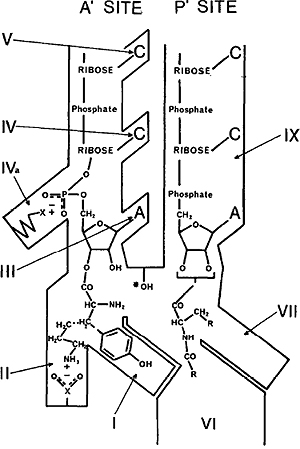
Figure 1. Diagrammatic representation of the active centre of peptidyl transferase on the E. coli ribosome. (21) The acceptor A/ site is where the aminoacyl–tRNA binds with its 3/ CCA terminus. The donor P/ site denotes the location of the extending peptidyl tRNA chain also with a 3/ CCA terminus. Functional groups and regions involved in the binding of the acceptor and receptor participants were deduced from studies of inhibitors and substrates and are denoted by I–IX. For example region I is hydrophobic and attracts aromatic amino-acyl groups to the A/ site whereas region II is hydrophilic and attracts tRNA with basic amino acids. Similar regions were mapped for the P/ site.
In particular, the acceptor CpCpA binding site was composed of sites for the terminal adenine, the first phosphoryl residue from the 3/-terminus, the 3/-penultimate cytosine, and the second 3/-CMP residue. In addition, two binding sites were present on each of the A/ and P/ sites, one for the basic and one for the hydrophobic aminoacyl-R groups of both aminoacyl-tRNA and the carboxyterminal amino acid of peptidyltRNA. Their improved model is shown in Figure 1.
Bob was aided in this work by Philip Greenwell, a bio-organic chemist from Oxford who was interested in locating the active sites of enzymes by affinity labelling. Chemically reactive analogues of substrates or other specific ligands, were synthesised and used to block the site specifically and irreversibly. (24–27) Greenwell’s recruitment to Bob’s group as a Queen Elizabeth II Fellow came about because he was at the Stanford Biochemistry Department with George Stark at the same time as Bob was there with Paul Berg. Philip relates that they first met because Bob was foraging around the department for suitable glassware with which to conduct his nucleotide syntheses, and Stark’s laboratory was the only one then doing any synthetic organic chemistry. In Adelaide, success was achieved with a puromycin derivative in which the chemically reactive group was positioned to attach in or near the binding site for the 3/-penultimate cytosine of the aminoacyltRNA. Bob’s group demonstrated not only that this affinity label specifically blocked the ability of the 50S subunits to synthesise peptide bonds, but also that once attached the molecule was authentically in situ, its amino acid moiety being able to act as acceptor in a single chain-terminating round of peptide synthesis. Furthermore, this specific labelling was found to be exclusively on the 23S rRNA rather than any of the 34 ribosomal proteins in the 50S subunit.
These findings, published in 1973 and 1974, allowed Bob’s group to conclude that the 23S rRNA has a direct role in peptidyl transferase activity and to speculate that this role might be binding of the 3/ CCA terminus of the tRNA by base-pairing as in double helices. That the affinity label had reacted with a single 23S rRNA G residue in the presumed binding site for the tRNA 3/-penultimate C residue was confirmed in 1978. (28,29) At this juncture, Bob concluded that further progress in ribosome studies would require structure-elucidating techniques that were being developed by large research groups in Europe and the USA and would be far beyond the resources of his laboratory. He had, however, made a significant contribution to understanding the nature and origin of the biochemical mechanism of protein synthesis. The ultimate results of his study of peptidyl transferase were amongst the earliest evidence in support of Francis Crick’s speculation that ‘it is tempting to wonder if the primitive ribosome could have been made entirely of RNA’ (Crick, 1968). Thirty years of widespread and intensive effort have shown that this was probably true. The formation of peptide bonds between amino acids is, indeed catalysed in the modern ribosome solely by 23S rRNA; in current parlance ‘the ribosome is a ribozyme’. Interestingly, Bob’s subsequent studies on plant virus RNA did much to demonstrate that certain RNA molecules can indeed exert catalytic activity.
The Preparation of 32P-Labelled Nucleotides
Bob’s experimental work on plant viruses, discussed later, from the very beginning included studies of RNA and DNA polymerases in viral replication. Such studies and the later work on viroids and virusoids demanded a constant and reliable supply of high-specific activity (>1 mC/µmole) 32P-labelled ribonucleoside di-and triphosphates and also the equivalent 32P-labelled deoxynucleoside di-and triphosphates and cyclic monophosphates. Purchases from overseas suppliers in the 1960s and 1970s were not only expensive, but the transport time to Australia meant loss of radioactivity half-life. Bob developed and improved the synthesis of a range of these compounds in his laboratory over a period of ten years and published a number of significant papers. (30–39) His success here is a fine example of his broad range of skills, from organic chemistry to viral biology. He not only supplied his personal research and that of his group with the 32P-labelled nucleotides by synthesising the nucleotides every second week, but he also provided these for the whole Biochemistry Department in which, at that time, research in molecular biology was rapidly increasing. As noted later, nucleotide synthesisand related methods formed the basis for the establishment of the Department-based and University-owned company Bresatec that supplied these materials nationally.
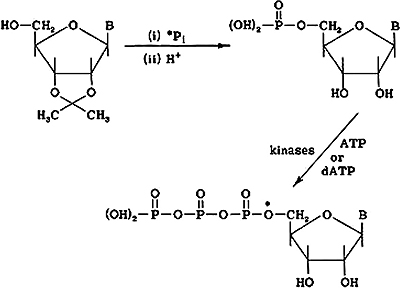
Figure 2. The synthetic pathways for 32P-labelled (A) deoxyribonucleotide and (B) ribonucleoside triphosphates. (37,38) B on the structures=base.
Bob devised a totally chemical method that he used only when his two-step procedure was unsuitable for a particular nucleotide. The two-step method involved the chemical synthesis of nucleoside 5/-[32P] monophosphates that were then converted to the triphosphates enzymically using the kinases, myokinase and pyruvate kinase. This method usually was more practicable, the yields of products were higher, of the order of 70–90% based on the input 32P, and had the advantage of being conducted in the same reaction flask, obviating the need to transfer highly radioactive material between vessels. For the synthesis of a labelled deoxyribonucleotide, the required deoxyribonucleoside was first treated with 32P-orthophosphoric acid under condensing conditions to produce phosphorylation of the 5/hydroxyl group. The 5/–32P-labelled deoxyribonucleotide product was then purified by chromatography followed by the final enzymic step to the triphosphate by addition of the diphosphate moiety using dATP as donor substrate and catalysed by a kinase. The synthesis of 32P-labelled ribonucleoside 5/triphosphates was similar except that the 2/,3/hydroxyl groups were protected from phosphorylation and the blocking group (O-isopropylidene) removed subsequent to the 5/ phosphorylation. The synthetic routes are shown in Figures 2A and 2B (37,38).
Plant Viruses and Viroids: Structure, Function and Replication
Bob chose to use Cucumber mosaic virus (CMV) as the main focus of his plant viral work. It is the type member of the genus Cucumovirus group and infects a number of important plants besides cucumber. Tomatoes infected with it develop yellowing, mottling and curling of the leaves. Bob used glasshouse facilities at the Waite Institute, 6 km from the Biochemistry Department but close to his home, to produce infected plants for the preparation of virus. He regularly stopped over at the Waite on his way to the main campus, while taking his children to school, to check on his plants.
Bob’s studies of CMV from 1963 to 1998 ranged from sequencing of the four viral RNAs that constitute the genome, and characterization of the satellite RNAs of the virus, to characterization of viral-induced polymerases in relation to viral replication. (61–81,94,95) Over that period, he published more than fifty papers with many students and postdoctoral fellows in international journals. A recent posthumous publication in this area was dedicated to Bob. (185)
During the course of his CMV work in the mid-1970s, Bob became interested in plant diseases such as Chrysanthemum stunt disease and Avocado sunblotch disease that were not caused by viruses. (82,84,89–91) Their etiology rests in infectious RNAs, the viroids, that only infect higher plants and that are much simpler than the viruses, consisting of a single circular RNA molecule that can vary in size from 246 to 400 nucleotides in length. They are rod-shaped molecules in which the RNA strands are double-stranded through internal base-pairing but with single-strand ‘loop outs’. Unlike plant viruses, viroids are not encapsidated in a protein coat and the RNAs are not translated into protein. The other small, rod-like RNA molecules that replicate in plants and that attracted Bob’s attention are the virusoids. They are also circular molecules, 324 to 388 nucleotides long, but are encapsidated in the virion of their helper virus and are known as satellite RNAs. They require their helper virus for replication and for provision of the protein coat. There are other satellite RNAs; for example, there is one associated with tobacco ringspot virus (sTRSV) that was characterized by some of Bob’s colleagues as an encapsidated circular RNA. When his research began, it was not known whether RNA-dependent RNA polymerases (RdRPs) were responsible for replication of viroids and virusoids. (93,94)

Figure 3. The 246 nucleotide sequence and postulated stable secondary structure of the fast variant of the four Cadang-Cadang viroids that causes the Cadang-Cadang disease of coconuts. (99) The rolling circle mechanism was proposed for the replication of this viroid.
Bob was intrigued by the infectivity of RNA molecules with such simple structures and thus began an adventure into understanding their nucleotide sequences, secondary structure and replication that ultimately led to the discovery of autocatalytic RNA or self-cleavage that occurs in some of these pathogens. Bob’s publications, some 45 papers, on viroid RNA sequences and secondary structures included studies not only of the Chrysanthemum and Avocado viroids, but also of those that cause Cadang-Cadang disease in coconut palms, (98,99) Citrus exocortis disease (96) and Lucerne transient streak disease. His paper with J. Haseloff and N. Mohamed99 on Cadang-Cadang disease showed that there were four RNAs, all of which are infectious. They were sequenced and their secondary structure and infectivity shown to be consistent with them being viroids, the four being identified as homologous variants with some variation between different isolates, two being smaller (for example, 246 [Fig. 3] and 287 nucleotides) and the others larger (for example, 492 and 574 nucleotides). These findings were judged of such importance that the RNA sequences were the front cover of the issue of Nature in which they were first published.
A major clue in the unfolding story of how viroids and virusoids replicate to produce more infectious particles was the finding that minus and plus RNA strands are present in infected plants. A rolling circle mechanism for replication of the circular RNAs catalysed by an in vivo RNA-dependent RNA polymerase (RdRP) had been proposed in the literature and by the 1970s, Bob had already begun studying virus-induced RdRPs. Two variations of the rolling circle mechanism can account for the formation of plus and minus strands. In one, the plus RNA is replicated by procession of the RdRP enzyme around the plus viroid template to form concatameric minus strands that are specifically cleaved and the minus viroid particles circularized by a host RNA ligase. (112–115) The RdRP then proceeds to produce a plus concatameric strand from each minus circle and the concatamers specifically cleave into plus unit length fragments that are then ligated to yield the pathogenic circular progeny. The other variation was that in the first copying step of the plus circle, the minus concatamer product is not cleaved but copied to a plus concatamer that is then specifically cleaved and the RNAs ligated to the circular progeny. Although the cleavage could be attributed to a plant ribonuclease, autocatalytic cleavage was shown to be responsible when Bob demonstrated that the RNAs from the replication of the viroid ASBV (Avocado sun-blotch) and several virusoids self-cleaved in the absence of any protein.
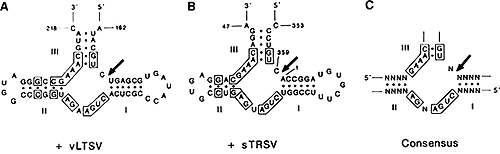
Figure 4. Comparisons of the two-dimensional hammerhead structures of the plus forms of: (A) encapsidated satellite virusoid RNA of lucerne transisent streak virus; (B) encapsidated linear satellite RNA tobacco ringspot virus; and (C) a consensus hammerhead sequence. (146) The self-cleaving sites are indicated by arrows.
The virusoids studied by the Symons group included several satellite RNAs of viruses, such as tobacco ring spot (sTRSV), Lucerne transient streak (vLTSV), Velvet tobacco mottle (vVTMoV), Solanum nodiflorum mottle (vSNMV) and subterranean clover mottle (vSCMoV). Their RNAs were sequenced and in 1986 Bob and colleagues showed (118–123) that the secondary structures of these transcripts included a folding that in two-dimensions resembled a hammerhead and contained the cleavage site (Fig. 4). The stability of the hammerhead structure comes from base pairing in three stems I, II and III, and a single-stranded region where the nucleoside cleavage site is on the 3/ side, usually of a cytosine residue. The self-cleavage mechanism is a magnesium-dependent transesterification that gives rise to fragments containing a 5/hydroxyl and a 2/,3/-cyclic phosphate. Comparisons of sequences revealed a consensus hammerhead (Fig. 4C).
Bob’s findings (129–143) were an extension of those of Thomas Cech at the University of Colorado, who by 1982 had discovered the self-cleavage of RNA that results in the removal of an intervening sequence from ribosomal RNA in the macronuclei of the protozoan Tetrahymena. A similar self-cleavage occurs with RNA transcripts from a satellite DNA found in the newt (salamander). Sidney Altman, Yale University, around the same time discovered that an RNA he called RNA-P, present in Escherichia coli, was responsible for the processing of the precursors of tRNAs, the RNAs involved in the synthesis of proteins. RNA-P brought about self-cleavage of the tRNA precursor.
These revolutionary findings established that although enzymes are usually proteins, some RNAs have catalytic activity. (146–149,154,168) Cech and Altman were awarded the Nobel Prize for chemistry in 1989 and catalytic RNAs were named ribozymes (see http://nobelprize.org/nobel_ prizes/chemistry/laureates/1989).
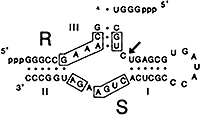
Figure 5. An example of a hammer-head that cleaves in trans. (129) The ribozyme sequence R binds to a 41 nucleotide substrate S. Arrow indicates self-cleaving site.
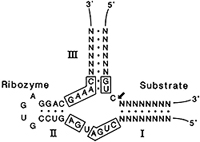
Figure 6. The consensus hammer-head structure designed by Haseloff and Gerlach for self-cleavage for ribozyme activity in trans (Haseloff and Gerlach, 1988).
In further studies, Bob and his coworkers demonstrated, in accord with findings of Uhlenbeck (Uhlenbeck, 1987), that ribozyme activity could occur in trans when two separate and independent molecules combined to form a hammerhead. One example was the cleavage of a substrate of 41 nucleotides by a separate fragment only 13 nucleotides long in which the RNA to be cleaved is separate from the ribozyme sequence. (129) This activity can occur, provided that the sequence of 13 conserved nucleotides (R) and the RNA substrate (S) of known sequence, such as a transcript of a gene, can form a hammerhead structure stabilized by the three base-paired stems (Fig. 5).
Bob suggested that such interactions may be important in gene regulation in normal cells as well as in the genesis of symptom expression on infection by RNA pathogens through the destruction of vital cellular RNAs. The whole story of the discovery of ribozymes and the possibility that they are vestiges of the pre-protein world was a dramatic finding in molecular biology and one to which Bob made an outstanding contribution. His studies of the hammerhead structure and particularly its potential for activity in trans led to the development of a potential method for cleaving RNAs in general and therefore the possibility of wide application. Jim Haseloff, a former PhD student of Bob’s, collaborated with W. L. Gerlach in CSIRO’s Division of Plant Industry and examined the self-cleavage properties of mutants of the hammerhead sequences. From the results, they proposed a generic structure for in trans ribozyme activity that would cleave a separate substrate (Fig. 6) and demonstrated that cleavage of a specific gene transcript could be obtained both in vitro and in vivo. The structure was patented by CSIRO and the name ‘Gene Shears’ was coined to indicate the potential for controlling the expression of genes in vivo (Haseloff and Gerlach, 1988). This ribozyme structure had an advantage over the American ones, in that it was more adaptable and had the potential to destroy any known RNA sequence—especially mRNAs involved in the causation of diseases in plants, animals and especially humans. The hammerhead ribozyme remains a candidate for the control of gene expression in health and disease but does not appear to have the same potential as other agents such as the in vivo RNA interference mechanism of gene control that occurs in cells as described in the late 1990s (Fire et al., 1998; Hamilton and Baulcombe, 1999) and for which Andrew Fire of Stanford University and Craig Mello of the University of Massachusetts, Boston, were awarded the Nobel Prize for Medicine in 2006.
Commercialization of Research and Advisory Roles
Bob’s development in 1966, for his own research, of methods to produce 32Plabelled ribonucleoside monophosphates efficiently with high specific activity led to his also supplying other research groups in the Biochemistry Department. Interest from around Australia to obtain these materials instead of from overseas became intense and led to the establishment of a University-owned company, BRESA, in 1982 to supply the products. The business expanded to embrace many other products for molecular biology research and in 1995 it was separated into two companies, BresaGen Ltd, that pursued basic research investigating stem cell therapy, and BresaTec Pty Ltd, that supplied oligonucleotides and radioactive nucleotides. Bob fostered the growth of these companies. He was Chairman of the Board and a Director of BRESA and of BresaTec in the period 1982–1987 and of BresaGen to 1996. In that year, BresaTec’s core business of synthesis and marketing of oligonucleotides and a range of other equipment and consumables for molecular biology separated as a privately owned company, GeneWorks Pty Ltd, that continues to the present time.
In 2003–2004, BresaGen altered its R&D theme and expanded its GMP fermentation facilities to the production of pharmaceutical proteins and peptides in E. coli and process development. BresaGen ceased trading in 2005 when it became Hospira Adelaide, which continues the business of process development of quality recombinant protein and peptide products.
As described below, after Bob’s move to the Waite Institute in 1991, he initiated another University-owned company, Waite Diagnostics, in 1997 that continues to provide routine diagnosis of grapevine diseases for the viticulture industry. Other commercial connections enjoyed by Bob were as a member of the Science Advisory Council of Calgene Pacific Pty Ltd and of the Scientific Advisory Council of Gene Shears Pty Ltd.
External Scientific Contributions
Bob filled several editorial positions over some thirty years, including Associate Editor of Virology and member of the editorial boards of Nucleic Acids Research, Plant Molecular Biology and RNA and of the advisory boards of Advances in Virus Research, The Plant Journal and Australian Journal of Grape and Wine Research.
Over the years he made significant contributions to the allocation of research funds, the development of research policy and the functioning of several research organizations. He was a member of the Working Parties on Biotechnology and on Higher Education Research Funding of the Australian Science and Technology Council (ASTEC) in 1982 and 1986, respectively. Over the period 1986–1991, he was appointed by CSIRO to act variously on the Advisory Committee, Division of Molecular Biology; the Committee for Review of Scientific Programs, Division of Molecular Biology; and the Advisory Committee, Division of Horticulture.
In the Australian Academy of Science, he was a foundation member of the Committee on Recombinant DNA Molecules (ASCORD) in 1975. He was elected a Fellow of the Academy in 1983 and served as a member of Council, 1997–1999.
Bob was a member, 1982–1986, of the Australian Industrial Research and Development Incentives Advisory Committee (AIRDIAC), an Australian Government body that was responsible for allocation of ‘Section 39’ Public Interest Grants. He played an important role, including Chairman 1989–1993, on the Biological Sciences Discipline Panel of the Australian Research Council.
At the Australian National University in the late 1980s, Bob was a member of the Review Committee of the Research School of Biological Sciences, of the Electoral Committees for the Chairs of Molecular and Evolutionary Biology and Molecular Biology, and of the Funding Cycle Review Committee.
Other positions he held in the 1990s included Chairman of the Board of the Australian Genome Research Facility and member of council of the Australian Wine Research Institute, based at Urrbrae in Adelaide.
Later Years at the Waite Agricultural Research Institute: the Wine Industry and Grape Diseases
Bob remained in the Biochemistry Department until 1991 when, at the age of 57, he decided to move his laboratory to the Department of Plant Science at the Waite Institute. His plant virus research had reached a stage where being within a plant science environment was an advantage, and he enjoyed a further eight years of productive research. His deep interest in wines and the wine industry took him in two directions. One was to maintain the small vineyard that he ran with the help of his wife and his winemaker son, Michael. The other was to initiate routine grapevine disease diagnosis that led to the establishment of the University of Adelaide company, Waite Diagnostics, that provides a service to grape growers in the control of grapevine pathogens. (189–191) On its establishment, the Grape and Vine Research and Development Council provided funds for R&D, and the service receives diagnostic requests from overseas including South Africa, Germany, the USA and New Zealand. This service continues to the present time under the management of one of Bob’s colleagues, Dr Nuredin Habili.
The highly sensitive molecular tools for diagnosing viral and viroid plant diseases are based on designing oligonucleotides that will specifically hybridize to the RNA or DNA of a particular pathogen. Detection of hybridization requires a traceable tag, but radioactively labelled probes are not stable or safe for routine diagnostic use and this stimulated interest in non-radioactive tags. Bob first utilized the biotin-avidinalkaline phosphatase system in which the biotinylation of DNA and RNA probes was achieved by photolysis of a biotin derivative, N-(4-azido–2-nitrophenyl)-N/(N-d-biotinyl-3-aminopropyl)-N/-methyl-1, 3-propanediamine (photobiotin) on to nucleotide probes. After dot-blot hybidization with photobiotin that had one biotin per 100–400 nucleotides, amounts of nucleic acid as low as 0.5 picograms could be detected, a sensitivity equivalent to what could be achieved by 32P-labelled probes. (43–51) The photobiotin probes were used until replaced by digoxygenin-labelling. It is pertinent to note that, as a result of Bob’s pioneering efforts in diagnostic technology, the avocado sun-blotch viroid has been eliminated from the plant sources and appears to be extinct in Australia.
In 1994, Bob became ill and was diagnosed with a pituitary tumour that was benign and successfully removed by surgery. He recovered well and returned to full-time work with his group. However, he developed a cerebral problem in 1996 that worsened over subsequent years and necessitated his retirement from laboratory work and finally from the Waite Institute in 2002. He was cared for at home in Urrbrae by Verna until hospitalization became inevitable. He died on 4 October 2006.
About this memoir
This memoir was originally published in Historical Records of Australian Science, vol.19, no.2, 2008. It was written by:
- George E. Rogers. Biochemistry Discipline, School of Molecular and Biomedical Science, The University of Adelaide, SA 5005, Australia. Corresponding author. Email: george.rogers@adelaide.edu.au
- William H. Elliott. Biochemistry Discipline, School of Molecular and Biomedical Science, The University of Adelaide, SA 5005, Australia.
Numbers in brackets refer to the bibliography.
Acknowledgements
The authors are deeply grateful for the help afforded us by Verna Symons and family and for the advice of some of Bob’s past colleagues, Professor John Randles and Drs Jane Visvader, Philip Greenwell, Peter Palukaitis and Nuredin Habili.
References
- Crick, F. H. C. (1968). The origin of the genetic code. J. Mol. Biol. 38, 367–379.
- Fire, A., S. Xu, M. K. Montgomery, S. A. Kostas, S. E. Driver, and C. C. Mello. (1998). Potent and specific genetic interference by double-stranded RNA in Caenorhabditis elegans. Nature 391, 806–811.
- Hamilton, A. J., and D. C. Baulcombe. (1999). A species of small antisense RNA in posttranscriptional gene silencing in plants. Science 286, 950–952.
- Haseloff, J., and W. L. Gerlach. (1988). Simple RNA enzymes with new and highly specific endoribonuclease activities. Nature 334, 585–591.
- Uhlenbeck, O. C. (1987). A small catalytic oligoribonucleotide. Nature 328, 596–600.
Bibliography
- Hird, F. J. R. and Symons, R. H. (1959). The metabolism of glucose and butyrate by the omasum of the sheep. Biochim. Biophys.Acta 35, 422–434.
- Hird, F. J. R. and Symons, R. H. (1961). The mode of formation of ketone bodies from butyrate by tissue from the rumen and omasum of the sheep. Biochim. Biophys. Acta 46, 457–467.
- Hird, F. J. R. and Symons, R. H. (1962). The mechanism of ketone body formation from butyrate in rat liver. Biochem. J. 84, 212–216.
- Hird, F. J. R., Symons, R. H. and Weidemann, M. J. (1966). The effect of hexokinase and tricarboxylic acid cycle intermediates on fatty acid oxidation and formation of ketone bodies in rat liver mitochondria. Biochem. J. 98, 389–393.
- Reichmann, M. E., Rees, M. W., Symons, R. H. and Markham, R. (1962). Experimental evidence for the degeneracy of the nucleotide triplet code. Nature 195, 999–1000.
- Symons, R. H., Rees, M. W., Short, M. N. and Markham, R. (1963). Relationships between the ribonucleic acid and protein of some plant viruses. J. Mol. Biol. 6, 1–15.
- Symons, R. H. (1963). Genetic coding in plant and bacterial viruses. Rev. Pure Appl. Chem. 13, 211–246.
- Symons, R. H. (1965). The DNA component of cytochrome b2. 1. Isolation of b2-DNA and the behaviour of cytochrome b2 during chromatography on DEAE-cellulose and sedimentation in a sucrose gradient. Biochim. Biophys. Acta 103, 298–310.
- Ellery, B. W. and Symons, R. H. (1966). Loss of adenine during the hydrazine degradation of DNA. Nature 210, 1159–1160.
- Nicholls, R. G., Atkinson, M. R., Burgoyne, L. A. and Symons, R. H. (1966). Changes in the properties of Lactate dehydrogenase (cytochrome b2) from yeast during preparation of the crystalline enzyme. Biochim. Biophys. Acta 122, 14–21.
- Symons, R. H. and Burgoyne, L. A. (1966). Lactate (cytochrome) dehydrogenase (crystalline, yeast). Methods in Enzymology 9, 314–321.
- Burgoyne, L. A. and Symons, R. H. (1966). The DNA component of cytochrome b2. II. The specificity of its association with the enzyme and its origin from high molecular weight DNA. Biochim. Biophys. Acta 129, 502–510.
- Symons, R. H. and Ellery, B. W. (1967). The DNA component of cytochrome b2. III. Base sequence studies on preparations of yeast DNA. Biochim. Biophys. Acta 145, 368–377.
- Burgoyne, L. A., Dyer, P. Y. and Symons, R. H. (1967). On the molecular structure of crystalline yeast cytochrome b2. J. Ultrastructure Res. 20, 20–32.
- Symons, R. H., Harris, R. J., Clarke, L. P., Wheldrake, J. F. and Elliott, W. H. (1969). Structural requirements for inhibition of polyphenylalanine synthesis by aminoacyl and nucleotidyl analogues of puromycin. Biochim. Biophys. Acta 179, 248–250.
- Harris, R. J., Hanlon, J. E. and Symons, R. H. (1971). Peptide bond formation on the ribosome. Structural requirements for inhibition of protein synthesis and of release of peptides from peptidyl-tRNA on bacterial and mammalian ribosomes by aminoacyl and nucleotidyl analogues of puromycin. Biochim. Biophys. Acta 240, 244–262.
- Mercer, J. F. B. and Symons, R. H. (1971). The use of EEDQ (N-ethoxycarbonyl-2ethoxy-l,2dihydroquinoline) in the selective N4-acylation of cytidine and its derivatives. Biochim. Biophys. Acta 238, 27–30.
- Jackson, D. A., Symons, R. H. and Berg, P. (1972). Biochemical method for inserting new genetic information into DNA of simian virus 40: Circular SV40 DNA molecules containing lambda phage genes and the galactose operon of Escherichia coli. Proc. Natl. Acad. Sci. USA 69, 2904–2909.
- Harris, R. J., Mercer, J. F. B., Skingle, D. C. and Symons, R. H. (1972). Substrates for ribosomal peptidyl transferase: Synthesis of 3/-N-aminoacyl and 5/-O-nucleotidyl analogues of puromycin. Canad. J. Biochem. 50, 918–926.
- Mercer, J. F. B. and Symons, R. H. (1972). Peptidyl donor substrates for ribosomal peptidyl transferase: Chemical synthesis and biological activity of N-acetyl aminoacyl di-and trinucleotides. European J. Biochem. 28, 38–45.
- Harris, R. J. and Symons, R. H. (1973). On the molecular mechanism of action of certain substrates and inhibitors of ribosomal peptidyl transferase. Bioorganic Chem. 2, 266–285.
- Harris, R. J. and Symons, R. H. (1973). A detailed model of the active centre of Escherichia coli peptidyl transferase. Bioorganic Chem. 2, 286–292.
- Harris, R. J., Greenwell, P. and Symons, R. H. (1973). Affinity labelling of ribosomal peptidyl transferase by a puromycin analogue. Biochem. Biophys. Res. Commun. 55, 117–124.
- Eckermann, D. J., Greenwell, P. and Symons, R. H. (1974). Peptide bond formation on the ribosome. A comparison of the acceptor substrate specificity of peptidyl transferase in bacterial and mammalian ribosomes using puromycin analogues. Eur. J. Biochem. 41, 547–554.
- Vanin, E. F., Greenwell, P. and Symons, R. H. (1974). Structure-activity relationships of puromycin analogues on Escherichia coli polysomes. FEBS Letters 40, 124–126.
- Greenwell, P., Harris, R. J. and Symons, R. H. (1974). Affinity labelling of 23S ribosomal RNA in the active centre of Escherichia coli peptidyl transferase. Eur. J. Biochem. 49, 539–554.
- Vanin, E. F. and Symons, R. H. (1976). The preparation of high specific activity [3H]chloramphenicol base and chloramphenicol labelled in the propanediol side-chain. Anal. Biochem. 76, 259–268.
- Symons, R. H., Harris, R. I., Greenwell, P., Eckermann, D. J. and Vanin, E. F. (1978). The use of puromycin analogs and related compounds to probe the active center of peptidyl transferase on Escherichia coli ribosomes. Bioorganic Chemistry, vol. IV, pp. 409–436 (Academic Press).
- Eckermann, D. J. and Symons, R. H. (1978). Sequence at the site of attachment of an affinity-label derivative of puromycin on 23S ribosomal RNA of Escherichia coli ribosomes. Eur. J. Biochem. 82, 225–234.
The preparation of 32P-labelled nucleotides
- Greenlees, A. W. and Symons, R. H. (1966). The preparation of 32P-labelled nucleoside 5/-monophosphates. Biochim. Biophys. Acta 119, 241–248.
- Symons, R. H. (1966). A rapid improved method for the synthesis of 32P-labelled ribonucleoside 5/-monophosphates. Biochem. Biophys. Res. Commun. 24, 972–976.
- Symons, R. H. (1968). Modified procedure for the synthesis of 32P-Iabelled ribonucleoside 5/-monophosphates of high specific activity. Biochim. Biophys. Acta 155, 609–610.
- Symons, R. H. (1969). Preparation of α–32P-nucleoside and deoxynucleoside 5/triphosphates from 32Pi and protected and unprotected nucleosides. Biochim. Biophys. Acta 190, 548–550.
- Symons, R. H. (1970). Practical methods for the routine chemical synthesis of 32P-labelled nucleoside di-and triphosphates. Biochim. Biophys. Acta 209, 296–305.
- Symons, R. H. (1970). 32P-3/,5/-Cyclic AMP: A simple preparative procedure. Biochem. Biophys. Res. Commun. 38, 807–810.
- Symons, R. H. (1973). Improved synthesis of 32P-3/,5/-cyclic AMP, cyclic GMP and other 3/,5/-cyclic ribo-and deoxyribonucleotides of high specific activity. Biochim. Biophys. Acta 320, 535–539.
- Symons, R. H. (1974). Synthesis of α– 32P-ribo-and deoxyribonucleoside 5/triphosphates. Methods in Enzymology 29, 102–115.
- Symons, R. H. (1974). The synthesis of 32Padenosine-3/,5/-cyclic phosphate and other ribo-and deoxyribonucleoside-3/,5/-cyclic phosphates. Methods in Enzymology 38, 410–420.
- Symons, R. H. (1977). The rapid, simple and improved preparation of high specific activity α[32P]ATP and α[32P] ATP. Nucleic Acids Res. 4, 4347–4355.
- Palukaitis, P., Rakowski, A. G., Alexander, D. McE. and Symons, R. H. (1981). Rapid indexing of the sunblotch disease of avocados using a complementary DNA probe to avocado sunblotch viroid. Ann.Appl. Biol. 98, 439–449.
- Symons, R. H. (1984). Diagnostic approaches for the rapid and specific detection of plant viruses and viroids. In Plant-Microbe Interactions: Molecular and Genetic Perspectives, ed. T. Kosuge and E.W. Nester, vol. 1, pp. 93–124 (Macmillan Publishing Co., New York).
- Barker, J. M., McInnes, J. L., Murphy, P. J. and Symons, R. H. (1985). Dot-blot procedure with 32P-DNA probes for the sensitive detection of avocado sunblotch and other viroids in plants. J. Virol. Methods 10, 87–98.
- Symons, R. H. (1985). New developments in the use of DNA probes for the rapid detection of viral pathogens. In Pests and Parasites as Migrants: An Australian Perspective, ed. A. Gibbs and R. Meischke, pp. 85–90 (Australian Academy of Science).
- Forster, A. C., McInnes, J. L., Skingle, D. C. and Symons, R. H. (1985). Non-radioactive hybridization probes prepared by the chemical labelling of DNA and RNA with a novel reagent, Photobiotin. Nucleic Acids Res. 13, 745–761.
- Rezaian, M. A. and Symons, R. H. (1986). Anti-sense regions in satellite RNA of cucumber mosaic virus form stable complexes with the viral coat protein gene. Nucleic Acids Res. 14, 3229–3239.
- Habili, N., McInnes, J. L. and Symons, R. H. (1987). Non-radioactive, Photobiotin-labelled DNA probes for the routine diagnosis of barley yellow dwarf virus. J. Virol. Methods 16, 225–237.
- Li, P., Medon, P. P., Skingle, D. C., Lancer, J. A. and Symons, R. H. (1987). Enzyme-linked synthetic oligonucleotide probes in the detection of enterotoxigenic Escherichia coli in faecal specimens. J. Clin. Microbiol. 15, 5275–5287.
- McInnes, J. L., Vize, P. D., Habili, N. and Symons, R. H. (1987). Chemical biotinylation of nucleic acids with the novel reagent photobiotin and their use as hybridization probes. Focus 9(4), 1–4.
- Medon, P. P., Lanser, J. A., Monckton, P. P., Li, P. and Symons, R. H. (1988). Identification of enterotoxigenic Escherichia coli from clinical specimens with enzyme-labelled synthetic oligonucleotide probes. J. Clin. Microbiol. 26, 2173–2176.
- McInnes, J. L., Forster, A. C. and Symons, R. H. (1988). Photobiotin-labelled DNA and RNA hybridization probes. Methods in Molecular Biology 3, 401–414.
- McInnes, J. L. and Symons, R. H. (1989). Enzymatic and chemical techniques for labelling nucleic acids with radioisotopes. In Nucleic Acid Probes, ed. R. H. Symons, pp. 1–31 (CRC Press).
- McInnes, J. L. and Symons, R. H. (1989). Preparation and detection of non-radioactive nucleic acid and oligonucleotide probes. In Nucleic Acid Probes, ed. R. H. Symons, pp. 33–80 (CRC Press).
- McInnes, J. L. and Symons, R. H. (1989). Nucleic Acid Probes in the diagnosis of plant viruses and viroids. In Nucleic Acid Probes, ed. R. H. Symons, pp. 113–138 (CRC Press).
- McInnes, J. L., Habili, N. and Symons, R. H. (1989). Non-radioactive, photobiotinlabelled DNA probes for routine diagnosis of viroids in plant extracts. J.Virol. Methods 23, 299–312.
- McInnes, J. L., Forster, A. C., Skingle, D. C. and Symons, R. H. (1990). Preparation and use of photobiotin. Methods Enzymol. 184, 588–600.
- McInnes, J. L. and Symons, R. H. (1991). Photobiotin labelling of DNA and RNA hybridization probes. In Methods in Gene Technology, ed. J. W. Dale and P. G. Sanders, vol. 1, pp. 109–125.
Plant viruses and viroids: structure, function and replication
- Panter, R. A. and Symons, R. H. (1966). Isolation and properties of a DNA-containing rod-shaped bacteriophage. Aust. J. Biol. Sci. 19, 565–573.
- Gilliland, J. M., Langman, R. E. and Symons, R. H. (1966). Properties of the rionucleotide kinases following infection of cucumbers with tobacco ringspot virus. Virology 30, 716–723.
- Gilliland, J. M. and Symons, R. H. (1967). Partial purification and properties of ribonucleotide kinases in virus infected and healthy plants. Virology 33, 221–226.
- Harris, R. J., Panter, R. A. and Symons, R. H. (1968). Metabolism of deoxythymidine 3/mono-and diphosphate in normal and bacteriophage T4-infected Escherichia coli. Biochim. Biophys. Acta 161, 291–298.
- May, J. T. and Symons, R. H. (1968). Properties and intracellular distribution of nucleoside diphosphokinases from cucumber cotyledons. Phytochemistry 7, 1271–1278.
- Gilliland, J. M. and Symons, R. H. (1968). Properties of a plant virus-induced RNA polymerase in cucumbers infected with cucumber mosaic virus. Virology 36, 232–240.
- May, J. T., Gilliland, I. M. and Symons, R. H. (1969). Plant virus-induced RNA polymerase. Properties of the enzyme partly purified from cucumber cotyledons infected with cucumber mosaic virus. Virology 39, 54–65.
- May, J. T., Gilliland, J. M. and Symons, R. H. (1970). Properties of a plant virus-induced RNA polymerase in particulate fractions of cucumbers infected with cucumber mosaic virus. Virology 41, 653–664.
- May, J. T. and Symons, R. H. (1971). Specificity of the cucumber mosaic virus-induced RNA polymerase for RNA and polynucleotide templates. Virology 44, 517–526.
- Peden, K. W. C., May, J. T. and Symons, R. H. (1972). A comparison of two plant virus-induced RNA polymerases. Virology 47, 498–501.
- Peden, K. W. C. and Symons, R. H. (1973). Cucumber mosaic virus contains a functionally divided genome. Virology 53, 487–492.
- Clark, G. L., Peden, K. W. C. and Symons, R. H. (1974). Cucumber mosaic virus-induced RNA polymerase: partial purification and properties of the template-free enzyme. Virology 62, 434–443.
- Schwinghamer, M. W. and Symons, R. H. (1975). Fractionation of cucumber mosaic virus RNA and its translation in a wheat embryo system. Virology 63, 252–262.
- Symons, R. H. (1975). Cucumber mosaic virus RNA contains 7-methyl guanosine at the 5/-terminus of all four RNA species. Mol. Biol. Reports 2, 277–285.
- Schwinghamer, M. W. and Symons, R. H. (1977). Translation of the four major RNA species of cucumber mosaic virus in plant and animal cell-free systems and in toad oocytes. Virology 79, 88–108.
- Gould, A. R. and Symons, R. H. (1977). Determination of the sequence homology between the four RNA species of cucumber mosaic virus by hybridization analysis with complementay DNA. Nucleic Acids Res.4, 3787–3802.
- Symons, R. H. (1978). The two-step purification of ribosomal RNA and plant viral RNA by polyacrylamide slab gel electrophoresis. Aust. J. Biol. Sci. 3, 25–37.
- Gould, A. R., Palukitis, P., Symons, R. H. and Mossop, D. W. (1978). Characterization of a satellite RNA associated with cucumber mosaic virus. Virology 84, 443–455.
- Gonda, T. J. and Symons, R. H. (1978). The use of hybridization analysis with complementary DNA to determine the RNA sequence homology between strains of plant viruses: Its application to several strains of cucumoviruses. Virology 88, 361–370.
- Gould, A. R. and Symons, R. H. (1978). Alfalfa mosaic virus RNA. Determination of the sequence homology between the four RNA species and a comparison with the four RNA species of cucumber mosaic virus. Eur. J. Biochem. 91, 269–278.
- Palukaitis, P. and Symons, R. H. (1978). Synthesis and characterization of a complementary DNA probe for chrysanthemum stunt viroid. FEBS Letters 92, 268–272.
- Kumarasamy, R. and Symons, R. H. (1979). Extensive purification of the cucumber mosaic virus-induced RNA replicase. Virology 96, 622–632.
- Gonda, T. J. and Symons, R. H. (1979). Cucumber mosaic virus replication in cow-pea protoplasts: Time course of virus, coat protein and RNA synthesis. J. Gen.Virol. 45, 723–736.
- Symons, R. H. (1979). Extensive sequence homology at the 3/-termini of the four RNAs of cucumber mosaic virus. Nucleic Acids Res. 7, 825–837.
- Palukaitis, P. and Symons, R. H. (1979). Hybridization analysis of chrysanthemum stunt viroid with complementary DNA and the quantitation of viroid RNA sequences in extracts of infected plants. Virology 98, 238–245.
- Palukaitis, P., Hatta, T., Alexander, D. and Symons, R. H. (1979). Characterization of a viroid associated with avocado sunblotch disease. Virology 99, 145–151.
- Kumarasamy, R. and Symons, R. H. (1979). The tritium labelling of small amounts of protein for analysis by electrophoresis on sodium dodecylsulphate polyacrylamide slab gels. Anal. Biochem. 95, 359–363.
- Palukaitis, P. and Symons, R. H. (1980). Purification and characterization of the circular and linear forms of chrysanthemum stunt viroid. J. Gen. Virol. 46, 477–489.
- Gunn, M. R. and Symons, R. H. (1980). Sequence homology at the 3/-termini of the four RNAs of alfalfa mosaic virus. FEBS Letters 109, 145–150.
- Gunn, M. R. and Symons, R. H. (1980). The RNAs of Bromoviruses: 3/-Terminal sequences of the four brome mosaic virus RNAs and comparison with cowpea chlorotic mottle virus RNA 4. FEBS Letters 115, 77–82.
- Molloy, P. L. and Symons, R. H. (1980). Cleavage of DNA-RNA hybrids by Type II restriction enzymes. Nucleic Acids Res.8, 2939–2946.
- Palukaitis, P. and Symons, R. H. (1980). Nucleotide sequence homology of thirteen tobamovirus RNAs as determined by hybridization analysis with complementary DNA. Virology 107, 354–361.
- Haseloff, J. and Symons, R. H. (1981). Chrysanthemum stunt viroid: Primary sequence and secondary structure. Nucleic Acids Res. 9, 2741–2752.
- Allen, R. N., Palukaitis, P. and Symons, R. H. (1981). Purified avocado sunblotch viroid causes disease in avocado seedlings. Aust. Plant Path. 10, 31–32.
- Symons, R. H. (1981). Avocado sunblotch viroid: Primary sequence and proposed secondary structure. Nucleic Acids Res.9, 6527–6537.
- Wilson, P. A. and Symons, R. H. (1981). The RNAs of cucumoviruses: 3/-Terminal sequence analysis of two strains of tomato aspermy virus. Virology 112, 342–345.
- Gill, D. S., Kumarasamy, R. and Symons, R. H. (1981). Cucumber mosaic virus-induced RNA replicase: Solubilization and partial purification of the particulate enzyme. Virology 113, 1–8.
- Gordon, K. H. J., Gill, D. S. and Symons, R. H. (1982). Highly purified cucumber mosaic virus-induced RNAdependent RNA polymerase does not contain full length translation products of the genomic RNAs. Virology 123, 284–295.
- Gould, A. R. and Symons, R. H. (1982). Cucumber mosaic virus RNA 3. Determination of the nucleotide sequence provides the amino acid sequences of protein 3A and viral coat protein. Eur. J. Biochem. 126, 217–226.
- Visvader, J. E., Gould, A. R., Bruening, G. E. and Symons, R. H. (1982). Citrus exocortis viroid: sequence and secondary structure of an Australian isolate. FEBS Letters 137, 288–292.
- Haseloff, J. and Symons, R. H. (1982). Comparative sequence and structure of viroid-Iike RNAs of two plant viruses. Nucleic Acids Res. 10, 3681–3691.
- Mohamed, N. A., Haseloff, J., Imperial, J. S. and Symons, R. H. (1982). Characterization of the different electrophoretic forms of the cadang-cadang viroid. J. Gen. Virol. 63, 181–188.
- Haseloff, J., Mohamed, N. A. and Symons, R. H. (1982). Viroid RNAs of the cadang-cadang disease of coconuts. Nature 299, 316–321.
- Bruening, G. E., Gould, A. R., Murphy, P. J. and Symons, R. H. (1982). Oligomers of avocado sunblotch viroid are found in infected avocado leaves. FEBS Letters 148, 71–78.
- Dale, J. L., Allen, R. N. and Symons, R. H. (1982). Avocado sunblotch viroid. CMI/AAB Descriptions of Plant Viruses, No. 254.
- Gordon, K. H. J. and Symons, R. H. (1983). Satellite RNA of cucumber mosaic virus forms a secondary structure with partial 3/-terminal homology to genomal RNAs. Nucleic Acids Res. 11, 947–960.
- Symons, R. H., Gill, D. S., Gordon, K. H. J. and Gould, A. R. (1983). Gene content and expression of the four RNAs of cucumber mosaic virus. In Manipulation and Expression of Genes in Eukaryotes, ed. P. Nagley, A. W. Linnane, W. J. Peacock and J. A. Pateman, pp. 373–380 (Academic Press, Sydney).
- Symons, R. H. (1983). A molecular biological approach to relationships among viruses. Ann. Rev. Phytopathol. 21, 179–199.
- Visvader, J. E. and Symons, R. H. (1983). Comparative sequence and structure of different isolates of citrus exocortis viroid. Virology 130, 232–237.
- Keese, P., Bruening, G. and Symons, R. H. (1983). Comparative sequence and structure of circular RNAs from two isolates of lucerne transient streak virus. FEBS Letters 159, 185–190.
- Rezaian, M. A., Williams, R. H. V., Gordon, K. H. J., Gould, A. R. and Symons, R. H. (1984). Nucleotide sequence of cucumber mosaic virus RNA 2 reveals a translation product significantly homologous to corresponding proteins of other viruses. Eur. J. Biochem. 143, 277–284.
- Symons, R. H. (1985). Viral genome structure. In The Plant Viruses, ed. R. I. B. Francki, vol. 1, pp. 57–81 (Plenum Publishing Corp.).
- Gordon, K. H. J. and Symons, R. H. (1985). Subgenomic RNAs with nucleotide sequences derived from RNAs 1 and 2 of cucumber mosaic virus can act as messenger RNAs in vitro. Virology 142, 144–158.
- Rezaian, M. A., Williams, R. H. V. and Symons, R. H. (1985). Nucleotide sequence of cucumber mosaic virus RNA 1: Presence of a sequence complementary to part of the viral satellite RNA and homologies with other viral RNAs. Eur. J. Biochem. 150, 331–339.
- Jaspars, E. M. J., Gill, D. S. and Symons, R. H. (1985). Viral RNA synthesis by a particulate fraction from cucumber seedlings infected with cucumber mosaic virus. Virology 144, 410–425.
- Hutchins, C. J., Keese, P., Visvader, J. E., Rathjen, P. D., McInnes, J. L. and Symons, R. H. (1985). Comparison of multimeric plus and minus forms of viroids and virusoids. Plant Mol. Biol. 4, 293–304.
- Keese, P. and Symons, R. H. (1985). Domains in viroids: Evidence of intermolecular RNA rearrangements and their contribution to viroid evolution. Proc. Natl. Acad. Sci. USA 82, 4582–4586.
- Visvader, J. E. and Symons, R. H. (1985). Eleven new sequence variants of citrus exocortis viroid and the correlation of sequence with pathogenicity. Nucleic Acids Res. 13, 2907–2920.
- Visvader, J. E., Forster, A. C. and Symons, R. H. (1985). Infectivity and in vitro mutagenesis of monomeric cDNA clones of citrus exocortis viroid indicates the site of processing of viroid precursors. Nucleic Acids Res. 13, 5843–5856.
- Symons, R. H., Haseloff, J., Visvader, J. E., Keese, P., Murphy, P. J., Gill, D. S., Gordon, K. H. J. and Bruening, G. (1985). On the mechanism of replication of viroids, virusoids and satellite RNAs. In Subviral Pathogens of Plants and Animals: Viroids and Prions, ed. K. Maramorosch and J. J. McKelvey, pp. 235–263 (Academic Press).
- Visvader, J. E. and Symons, R. H. (1986). Replication of in vitro-constructed viroid mutants: Location of the pathogenicity modulating domain of citrus exocortis viroid. EMBO J. 5, 2051–2055.
- Hutchins, C. J., Rathjen, P. D., Forster, A. C. and Symons, R. H. (1986). Self-cleavage of plus and minus RNA transcripts of avocado sunblotch viroid. Nucleic Acids Res. 14, 3627–3640.
- Forster, A. C. and Symons, R. H. (1987). Self-cleavage of plus and minus RNAs of a virusoid and a structural model for the active sites. Cell 49, 211–220.
- Forster,A.C.and Symons,R.H.(1987).Self cleavage of virusoid RNA is performed by the proposed 55-nucleotide active site. Cell 50, 9–16.
- Forster, A. C., Jeffries, A. C., Sheldon, C. C. and Symons, R. H. (1987). Structural and ionic requirements for self-cleavage of virusoid RNAs and trans self-cleavage of viroid RNA. Cold Spring Harbour Symp. Quant. Biol. 52, 249–259.
- Keese, P. and Symons, R. H. (1987). The structure of viroids and virusoids. In Viroids and Viroid-like Pathogens, ed. J. S. Semancik, pp. 1–47 (Academic Press).
- Keese, P. and Symons, R. H. (1987). Physical-chemical properties: Molecular structure (primary and secondary). In The Viroids, ed. T. O. Diener, pp. 37–62 (Plenum Publishing Corporation).
- Symons, R. H., Hutchins, C. J., Forster, A. C., Rathjen, P. D., Keese, P. and Visvader, J. E. (1987). Self-cleavage of RNA in the replication of viroids and virusoids. J. Cell Sci. Suppl. 7, 303–318.
- Keese, P., Visvader, J. E. and Symons, R. H. (1988). Sequence variability and structure/ function relationships of viroids. In RNA Genetics, Volume 3: RNA Replication, ed. E. Domingo, J. Holland and P. Ahlquist, pp. 71–98 (CRC Press).
- Keese, P., Osorio-Keese, M. E. and Symons, R. H. (1988). Coconut tinanjaga viroid: Sequence homology with coconut cadang-cadang viroid and other potato spindle tuber viroid related RNAs. Virology 162, 508–510.
- Forster, A. C., Davies, C., Sheldon, C. C., Jeffries, A. C. and Symons, R. H. (1988). Self-cleaving viroid and newt RNAs may only be active as dimers. Nature 334, 265–267.
- Davies, C. and Symons, R. H. (1988). Further implications for the evolutionary relationships between tripartite plant viruses based on cucumber mosaic virus RNA 3. Virology 165, 216–224.
- Jeffries, A. C. and Symons, R. H. (1989). A catalytic 13-mer ribozyme. Nucleic Acids Res. 17, 1371–1377.
- Sheldon, C. C. and Symons, R. H. (1989). RNA stem stability in the formation of a self-cleaving hammerhead structure. Nucleic Acids Res. 17, 5665–5677.
- Sheldon, C. C. and Symons, R. H. (1989). Mutagenesis analysis of a self-cleaving RNA. Nucleic Acids Res. 17, 5679–5685.
- Rakowski, A. G. and Symons, R. H. (1989). Comparative sequence studies of variants of avocado sunblotch viroid. Virology 173, 352–356.
- Symons, R. H. (1989). Pathogenesis by antisense. Nature 338, 542–543.
- Symons, R. H. (1989). Self-cleavage of RNA in the replication of small pathogens of plants and animals. Trends Biochem. Sci. 14, 445–450.
- Habili, N. and Symons, R. H. (1989). Evolutionary relationship between luteoviruses and other RNA plant viruses based on sequence motifs in their putative RNA polymerases and nucleic acid helicases. Nucleic Acids Res. 17, 9543–9555.
- Symons, R. H. (1990). The fascination of low molecular weight pathogenic RNAs. Seminars in Virology, ed. R. H. Symons, vol. 1, pp. 75–81.
- Symons, R. H. (1990). Self-cleavage of RNA in the replication of viroids and virusoids. Seminars in Virology, ed. R. H. Symons, vol. 1, pp. 117–126.
- Forster, A. C., Davies C., Hutchins, C. and Symons R. H. (1990). Characterisation of self-cleavage of viroid and virusoid RNAs. Methods in Enzymology 181, 581–607.
- Sheldon, C. C., Jeffries, A. C., Davies, C. and Symons, R. H. (1990). RNA self-cleavage by the hammerhead structure. Nucleic Acids and Molecular Biology 4, 227–242.
- Davies, C., Haseloff, J. and Symons, R. H. (1990). Structure, self-cleavage and replication of two viroid-like satellite RNAs (virusoids) of subterranean clover mottle virus. Virology 177, 216–224.
- Skingle, D. C., McInnes, J. L. and Symons, R. H. (1990). An improved method for eliminating RNA contamination of plasmid DNA preparations. Biotechniques 9, 314–317.
- Symons, R. H. (1991). The intriguing viroids and virusoids: What is their information content and how did they evolve? Mol. Plant Microbe Interactions 4, 111–121.
- Davies, C., Sheldon, C. C. and Symons, R. H. (1991). Alternative hammerhead structures in the self-cleavage of avocado sunblotch viroid RNAs. Nucleic Acids Res. 19, 1893–1898.
- Symons, R. H. (1991). Ribozymes. Crit. Rev. Plant Sci. 10, 189–234.
- McInnes, J. L. and Symons, R. H. (1991). Comparative structure of viroids and their rapid detection using radioactive and nonradioactive Nucleic Acid Probes. In Viroids: Pathogens at the Frontier of Life, ed. K. Maramorosch, pp. 21–58 (CRC Press).
- Symons, R. H. (1992). Small catalytic RNAs. Ann. Rev. Biochem. 61, 641–671.
- Semancik, J. S., Szychowski, J. A., Rakowski, A. G. and Symons, R. H. (1993). Isolates of citrus exocortis viroid recovered by host and tissue selection. J. Gen. Virol. 74, 2427–2436.
- Sheldon, C. C. and Symons, R. H. (1993). Is hammerhead self-cleavage involved in the replication of a virusoid in vivo? Virology 194, 463–474.
- Symons, R. H. (1994). A plant molecular virologist’s view of an intriguing virus and its catalytic RNA. In The Unique Hepatitis Delta Virus, ed. G. Dinter-Gottlieb, pp. 1–10 (R. G. Landes Company).
- Bonfiglioli, R. G., McFadden, G. I. and Symons, R. H. (1994). In situ hybridization localises avocado sunblotch viroid on chloroplast thylakoid membranes and coconut cadang cadang viroid in the nucleus. The Plant Journal 6, 99–103.
- Hodgson, R. A. J., Shirley, N. S. and Symons, R. H. (1994). Probing the hammerhead ribozyme structure with ribonucleases. Nucleic Acids Res. 22, 1620–1625.
- Semancik,J.S.,Szychowski,J.A.,Rakowski, A. G. and Symons, R. H. (1994). A stable 463 nucleotide variant of citrus exocortis viroid produced by terminal repeats. J. Gen. Virol. 75, 727–732.
- Ding,S.-W.,Anderson,B.J.,Haase,H.R.and Symons, R. H. (1994). New overlapping gene encoded by cucumber mosaic virus genome. Virology 198, 593–601.
- Symons, R. H. (1994). Ribozymes. Current Opinion in Structural Biology 4, 322–330.
- Rakoswki, A. G. and Symons, R. H. (1994). Infectivity of linear monomeric transcripts of citrus exocortis viroid: Terminal sequence requirements for processing. Virology 203, 328–335.
- Rathjen, J. P., Karageorgos, L. E., Habili, N., Waterhouse, P. M. and Symons, R. H. (1994). Soybean dwarf luteovirus contains the third variant genome type in the luteovirus group. Virology 198, 671–679.
- Ding, S.-W., Rathjen, J. P., Li, W.-X., Swanson, R., Healy, H. and Symons, R. H. (1995). Efficient infection from cDNA clones of cucumber mosaic cucumovirus RNAs in a new plasmid vector. J. Gen. Virol. 76, 459–464.
- Ding, S.-W., Li, W.-X. and Symons, R. H. (1995). A novel naturally occurring hybrid gene encoded by a plant RNA virus facilitates long-distance virus movement. EMBO J. 23, 5762–5772.
- Ding, S.-W., Shi, B.-J., Li, W.-X. and Symons, R. H. (1996). An interspecies hybrid RNA virus is significantly more virulent than either parental virus. Proc. Nat. Acad. Sci. USA 93, 7470–7474.
- Warrilow, D. and Symons, R. H. (1996). Sequence analysis of the second largest subunit of tomato RNA polymerase II. Plant. Mol. Biol. 30, 337–342.
- Bonfiglioli, R. G., Webb, D. R. and Symons, R. H. (1996). Tissue and intracellular distribution of coconut cadang cadang viroid and citrus exocortis viroid determined by in situ hybridisation and confocal laser scanning and transmission electron microscopy. The Plant Journal 9, 457–465.
- Collins, N. C., Paltridge, N. G., Ford, C. M. and Symons, R. H. (1996). The Yd2 gene for barley yellow dwarf virus resistance maps close to the centromere on the long arm of barley chromosome 3. Theoret. Appl. Genetics 92, 858–864.
- Shi, B.-J., Ding, S.-W. and Symons, R. H. (1997). In vivo expression of an overlapping gene encoded by the cucumoviruses. J. Gen. Virol. 78, 237–241.
- Shi, B.-J., Ding, S.-W. and Symons, R. H. (1997). Two novel subgenomic RNAs derived from RNA 3 of tomato aspermy cucumovirus. J. Gen. Virol. 78, 505–510.
- Shi, B.-J., Ding, S.-W. and Symons, R. H. (1997). Plasmid vector for cloning infectious cDNAs from plant RNA viruses: high infectivity of cDNA clones of tomato aspermy cucumovirus. J. Gen. Virol. 78, 1181–1185.
- Ding, S.-W., Afsharifar, A., Shi, B.-J., Li, W.-X. and Symons, R. H. (1997). Recombinant viruses exhibiting a nonconventional type of virus synergy: The relevance to risk assessment of transgenic virus-resistant crops. In The Commercialisation of Transgenic Crops: Risk, Benefit and Trade Considerations, ed. G. D. McLean, P. M. Waterhouse, G. Evans and M. J. Gibbs, pp. 151–158 (Bureau of Resource Sciences, Canberra).
- Symons, R. H. (1997). Ribozymes to the fore. Nature 386, 141–142 (book review).
- Symons, R. H. (1997). Plant pathogenic RNAs and RNA catalysis. Nucleic Acids Res. 25, 2683–2689.
- Shams-Bakhsh, M. and Symons, R. H. (1997). Barley yellow dwarf virus-PAV RNA does not have a VPg. Arch. Virol. 142, 2529–2535.
- Ford, C. M., Paltridge, N. G., Rathjen, J. P., Moritz, R. L., Simpson, R. J. and Symons, R. H. (1997). Rapid and informative assays for Yd2, the barley yellow dwarf virus resistance gene, based on the nucleotide sequence of a closely linked gene. Molecular Breeding 4, 23–31.
- Liu, Y. and Symons, R. H. (1998). Specific RNA self-cleavage in coconut cadang cadang viroid: Potential for a role in rolling circle replication. RNA 4, 418–429.
- Lherminier, J., Bonfiglioli, R. G., Daire, X., Symons, R. H. and Boudon Padieu, E. (1998). Oligodeoxynucleotides as probes for in situ hybridization with transmission electron microscopy to specifically localize phytoplasma in plant cells. Mol. Cell. Probes 13, 41–47.
- Paltridge, N. C., Collins, N. C., Bendahmane, A. and Symons, R. H. (1998). Development of YLM, a codominant PCR marker closely linked to theYd2 gene for resistance to barley yellow dwarf disease. Theoret. Appl. Genet. 96, 1170–1177.
- Xin, H., Ji, L., Scott, S. W., Symons, R. H. and Ding, S. (1998). Ilar viruses encode a Cucumovirus-like 2b gene that is absent in other genera within the Bromoviridae. J. Virol. 72, 6956–6959.
- Wan Chow Wah, Y. F. and Symons, R. H. (1999). Transmission of viroids via grape seeds. J. Phytopathology 147, 285–291.
- Webb, D. R., Bonfiglioli, R. G., Carraro, L., Osler, R. and Symons R. H. (1999). Oligonucleotides as hybridization probes to localize phytoplasmas in host plants and insect vectors. Phytopathology 89, 894–901.
- Warrilow, D. and Symons R. H. (1999). Citrus exocortis viroid RNA is associated with the largest subunit of RNA polymerase II in tomato in vivo. Arch. Virol. 327, 1–9.
- Symons, R. H. (1999). Viroids. In Comprehensive Natural Products Chemistry, Vol. 6: Prebiotic Chemistry, Molecular Fossils, Nucleosides and RNA, pp. 169–187 (Elsevier).
- Symons, R. H. and Randles, J. W. (1999). Encapsidated circular viroid-like satellite RNAs. Current Topics in Microbiology and Immunology 239, 81–105.
- Symons, R. H. (1999). Ribozymes. In Encyclopedia of Virology, ed. A. Granoff and R. Webster, 2nd edition (Academic Press).
- Shi, B.-J., Palukaitis, P. and Symons, R. H. (2002). Differential virulence by strains of Cucumber mosaic virus is mediated by the 2b gene. Mol. Plant Microbe Interact. 15, 947–955.
- Shi, B.-J., Miller, J., Symons, R. H. and Palukaitis, P. (2003). The 2b protein of cucumoviruses has a role in promoting the cell-to-cell movement of pseudorecombinant viruses. Mol. Plant Microbe Interact. 16, 261–267.
- Shi, B.-J., Palukaitis, P. and Symons, R. H. (2004). Stable and unstable mutations in the 5/ non-translated regions of tomato aspermy virus RNAs 1 and 2 generated de novo from infectious cDNA clones containing a cauliflower mosaic virus 35S promoter. Virus Genes 28, 277–283.
- Shi, B.-J., Palukaitis, P. and Symons, R. H. (2005). The conserved, 5/ termini of RNA 1 and 2 of tomato aspermy virus are dispensable for infection but affect virulence. Virus Genes 30, 181–191.
- Shi, B.-J., Symons, R. H. and Palukaitis, P. (2007). The cucumovirus 2b gene drives selection of inter-viral recombinants affecting the crossover site, the acceptor RNA and the rate of selection. Nucleic Acids Research 35, 1–15.
Later years at the Waite Agricultural Research Institute, the wine industry and grape diseases
- Collins, G. G. and Symons, R. H. (1992). Extraction of nuclear DNA from grape vine leaves by a modified procedure. Plant Mol. Biol. Reporter 10, 233–235.
- Collins, G. G. and Symons, R. H. (1993). Polymorphisms in grapevine DNA detected by the RAPD PCR technique. Plant Mol. Biol. Reporter 11, 105–112.
- Bonfiglioli, R. G., Magarey, P. A. and Symons, R. H. (1996). PCR Analysis confirms an expanded symptomatology of Australian grapevine yellows. Aust. J. Grape and Wine Res. 1, 71–75.
- Bonfiglioli, R. G., Guerrini, S. and Symons, R. H. (1996). Cooperative Research Centre for Viticulture: Sampling program for Grapevine Yellows diseases. Australian Grapegrower and Winemaker 394, 22–24.
- Symons, R. H., Bonfiglioli, R. G., Habili, N. and Hamilton, R. P. (1996). It’s not worth the gamble: the penalties of using infected propagation material. Australian Grapegrower and Winemaker 396 (December), 13–15.
- Wan Chow Wah, Y. F. and Symons, R. H. (1997). A high sensitivity RT-PCR assay for the diagnosis of viroids in grapevines in the field and in tissue culture. J. Virol. Methods 63, 57–69.
- Bonfiglioli, R. G., Carey, C. T., Schliefert, L. F., Kinnear, A. J. and Symons, R. H. (1997). Description and progression of symptoms associated with grapevine yellows disease in young chardonnay vines in the Sunraysia region of Australia. Australian Grapegrower and Winemaker 400 (April), 11–15.
- Bonfiglioli, R. G., Habili, N., Schliefert, L. F. and Symons, R. H. (1997). Serious problems with top-working old vines: a warning to grapegrowers about the grapevine leafroll viruses. Australian Grapegrower and Winemaker 402 (June), 16–18.
- Habili, N., Bonfiglioli, R. G. and Symons R. H. (1997). Grapevine leafrollassociated virus 3 is in commercial vineyards – a cause for concern. Australian Grapegrower and Winemaker 405 (September), 39–40.
- Habili, N. and Symons, R. H. (1997). Leafroll virus major discussion topic at international virus seminar. Australian Grapegrower and Winemaker 409, 17–18.
- Habili, N., Bonfiglioli, R. G. and Symons, R. H. (1998). The trouble with Merlot. Australian Grapegrower and Winemaker 414a (June), 29–32.
- Habili, N., Bonfiglioli, R. G. and Symons, R. H. (1998). Rupestris stem pitting associated virus in Australia: Does it pose a threat to the viticultural industry? Australian Grapegrower and Winemaker 417 (September), 38–39.
- Bonfiglioli, R. G., HabiIi, N., Green, M., Schliefert, L. F. and Symons, R. H. (1998). The hidden problem: Rugose wood associated viruses in Australian viticulture. Australian Grapegrower and Winemaker 410 (December), 9–13.
- Symons, R. H. (1998). Waite Diagnostics: A service for the viticultural industry. Australian Grapegrower and Winemaker 417 (September), 44–46.
- Bonfiglioli, R. G., Habili, N., Rosa, C. and Symons, R. H. (1999) Viognier: Its viruses and its clonal identification. Australian Grapegrower and Winemaker 424 (April), 23–26.
- Habili, N. and Symons, R. H. (1999). Nested PCR, a highly sensitive technique for the detection of grapevine virus B. Australian Grapegrower and Winemaker 429 (September), 58–59.
- Constable, F. and Symons, R. H. (1999). Seasonal detection of phytoplasmas in Australian grapevines. Australian Grapegrower and Winemaker 429 (September), 49–53.
Robert Hanbury Brown 1916-2002
Written by John Davis and Sir Bernard Lovell, FRS.
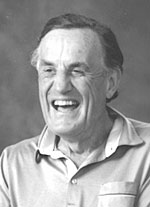
- Introduction
- Orfordness
- The first airborne radars
- The Second World War
- Transponder beacons
- Post War 1945-49
- Jodrell Bank 1949-62
- The Andromeda nebula
- The intensity interferometer
- The development of the phase-correlation interferometer
- The optical interferometer
- Measurement of the angular diameter of Sirius
- The Narrabri stellar intensity interferometer
- A successor to the Narrabri stellar intensity interferometer
- Postscript on the choice on interferometric technique
- The Hanbury Brown-Twiss effect
- Personal
- Honours and awards
- Diplomas and degrees
- About this memoir
Introduction
Robert Hanbury Brown was born on 31 August 1916 in Aruvankadu, Nilgiri Hills, South India; son of an Officer in the Indian Army, Col. Basil Hanbury Brown, and of Joyce Blaker. From the age of three Hanbury was educated in England, initially at a School in Bexhill and then from the age of eight to fourteen at the Cottesmore Preparatory School in Hove, Sussex. In 1930 he entered Tonbridge School as a Judde scholar in classics. Hanbury's interests turned to science and technology particularly electrical engineering and after two years he decided that he would seek more appropriate education in a technical college. His decision was accelerated by the fact that after the divorce of his parents his mother had re-married Jack Lloyd, a wealthy stockbroker, who in 1932 vanished with all his money and thus Hanbury felt he should seek a career that would lead to his financial independence. For these reasons Hanbury decided to take an engineering course at Brighton Technical College studying for an external degree in the University of London. At the age of 19 he graduated BSc with first class honours taking advanced Electrical Engineering and Telegraphy and Telephony. He then obtained a grant from East Sussex and in 1935 joined the postgraduate department at the City & Guilds, Imperial College. In 1936 he obtained the Diploma of Imperial College (DIC) for a thesis on oscillators.
He intended to continue his course for a PhD but a major turning point in his career occurred when he was interviewed during his first postgraduate year by Sir Henry Tizard, Rector of Imperial College. Hanbury explained to Tizard that he was following up some original work by Van der Pol on oscillator circuits without inductance and hoped ultimately to combine an interest in radio with flying. In fact, Tizard had already challenged him about the amount of time he spent flying with the University of London Air Squadron.
Tizard told Hanbury to see him again in a year's time and that he might then have a job for him. In fact, within three months Tizard accosted Hanbury and said he had an interesting research project in the Air Ministry for him. After an interview by R. A. Watson-Watt, Hanbury was offered a post at the Radio Research Board in Slough. His visit to Slough was brief; he was soon told to report to Bawdsey Manor in Suffolk, which he did on 15 August 1936. Thereby, unaware of what Tizard had in mind for him, Hanbury's career as one of the pioneers of radar began.
Orfordness
On 26 February 1935 Watson-Watt had demonstrated that reflections from a Heyford bomber flying through the beam of the BBC transmitter at Daventry could be detected as he had suggested in his memoranda to the Tizard Committee in January and February of that year. On 13 May five members of the Radio Research Station at Slough were sent to Orfordness to begin the development of a system for the detection of enemy aircraft. It was to this research group that Hanbury was despatched to work on the secret project then known as R.D.F. (Radio location and Direction Finding) and later as Radar. He arrived at Orfordness in August 1936 and joined the small group then working on the development of receivers and antennae.
Tests on a wavelength of 13 metres were in progress with a transmitter generating 20-microsecond pulses at a peak power of 100 kilowatts. An array of dipoles produced a broad beam and Hanbury worked on the receiver and antennae using crossed dipoles and a goniometer to determine the angle of arrival of the reflected echo. Two dipoles at different heights and a goniometer were used to estimate the height of the approaching aircraft.
The tribulations and early development of this system at Orfordness have been described by E. G. Bowen (1987). It was this basic 13-metre wavelength system that rapidly evolved into the CH (Chain Home) stations along the East and South Coasts that proved so vital in the 1940 Battle of Britain. The main work at Orfordness ended in 1937 and for a short time Hanbury was involved in the first operational CH installation at Dunkirk in Kent.
Tizard was confident that the CH radar chain would give the RAF sufficient warning for day-time defence from the Luftwaffe and that the Germans would then turn to night bombing. It was at his insistence that the development of an airborne interception system was initiated. E.G. Bowen was placed in charge of this development and Hanbury was transferred to his group in the autumn of 1937.
The first airborne radars
By the time Hanbury joined this group Bowen was facing the problem of installing a complete radar in an aircraft. This required a transmitter of sufficient power at a short wavelength and was made possible by the recent arrival of the Western Electric 316A (the 'door knob') valve. This generated 100 watts at a wavelength of 1.5 metres and the initial flight with a complete radar in the aircraft had been made in August 1937. On 14 September under conditions of poor visibility ships of the Fleet were detected in the North Sea, with the associated Swordfish aircraft operating from the deck of an aircraft carrier. This historic success led eventually to the development of AI (Air Interception) and ASV (Air to Surface Vessel) operational systems; there were, however, immense problems still to be overcome.
The development of this first airborne radar was carried out in a small building in the grounds of Bawdsey Manor and the flight testing took place from the nearby aerodrome at Martlesham Heath. Towards the end of 1938 Hanbury moved there to take charge of the installation and testing of the experimental equipment in aircraft. The details and hazards of this work have been described by Bowen (1987) and by Hanbury (119). Hanbury spent many hours testing and demonstrating the equipment in flight. During one test flight with Bowen, when flying over the Solent, echoes from a submarine were observed. This further stimulated the development of the ASV version of this airborne radar, which, in its various operational forms became an essential equipment of Coastal Command aircraft in the eventual battle against enemy shipping and U-boats.
By May 1939 the first flight trials were made of a possible operational AI system to enable the pilot to home on to a target aircraft. This installation was in a single-engine Fairey Battle aircraft. The transmitter used two thermionic valves as a squegging oscillator to produce 1-microsecond pulses with a peak power of 2 kilowatts. A single dipole produced a broad beam forward of the aircraft. Four dipoles mounted on the wings were connected to the receiver and cathode ray tube display in rapid sequence to produce split beams in elevation and azimuth. The pilot would home on to the target aircraft by changing azimuth and elevation to equalize the amplitude of the echoes. By June 1939, this system was used successfully to home on to a target flying at 15,000 ft at a range of 12,000 ft.
With the approach of war, intense pressure developed for the installation of the system in operational night fighters. Bowen's group faced demands for equipping thirty Blenheim fighter-bomber aircraft and encountered severe difficulties in transferring the aerial systems from the single-engine aircraft to the twin-engine Blenheims.
The Second World War
In August 1939, only days before the outbreak of the war, Hanbury left Bawdsey Manor and Martlesham Heath to follow the first of the operational Blenheims to 25 Squadron at Northolt. His aim was to help the Squadron evolve their techniques for night-fighting with AI equipment. The Bawdsey Manor research team moved to Dundee and Bowen's group to a small aerodrome at Scone near Perth and then to St Athan in South Wales, meeting disastrously poor working conditions that have been graphically described by Bowen (1987) and by Lovell (1991).
Hanbury spent most of his time at Northolt until the Fighter Interception Unit (FIU) was established at Tangmere early in 1940. Both at Tangmere and later at Ford, Hanbury was the senior of the small group of scientists helping with the training and introduction of the AI-equipped Blenheims for operational use as night fighters. During this period he also spent much time at various Coastal Command squadrons helping with the installation of ASV equipment and the training of RAF operators.
By March 1940 some twenty Blenheims with improvements in the airborne radar (AI Mk III) had been fitted at St Athan and despatched to the FIU. In night operation the AI in the Blenheims was an almost total failure. The consequent inability of the RAF to detect the Luftwaffe during the night blitz on London in the autumn of 1940 was a primary cause of Churchill's removal from office of Sir Hugh Dowding, the C-in-C of Fighter Command (Zimmerman, 2001). Meanwhile the research on the AI system was extended and with the decision to enlist the experience of major industrial firms a revised AI system known as AI Mk IV was evolved. This used a modulator to produce square-shaped pulses and with improved transmitter power and receiver sensitivity was fitted in the faster and more powerfully armed Beaufighters.
Hanbury had long argued that success in a night battle would be achieved only when the fighter could be placed in the vicinity of the target under ground control, although he was not involved in the eventual success of such a system.[1]
Early in 1941, during a training flight at FIU, Hanbury suffered a serious incident when his oxygen supply failed at high altitude. He was unconscious when the aircraft landed and spent three months in hospital being treated for severe damage to his hearing. He was left with inferior hearing for the remainder of his life. He had previously burst an eardrum when testing AI equipment in May 1939.
Hanbury returned to TRE (now in Dorset) in June. By that time the primary interest in AI was the development of a system on centimetre wavelengths using the cavity magnetron (see Lovell, 1991) and since he could no longer fly at high altitude he decided to leave the air interception research group. He joined J.W.S. Pringle, a former member of Bowen's team at St Athan, who had started work on the Rebecca-Eureka beacons (119, Chapter 6).
Transponder beacons
Pringle was interested in airborne collaboration with the Army and he and Hanbury soon demonstrated the possibilities of such collaboration by placing a transponder at an agreed spot and arranging for an AI-equipped aircraft to release a smoke signal within a few yards of the hidden beacon. The system, known as Rebecca/Eureka, was developed for use by the Special Operation Executive (SOE) and became of critical value during the D-day operations for the invasion of Europe. The transponders were dropped through cloud by aircraft using a precise navigational beacon and they guided the airborne forces to the dropping zones.
At the end of 1942 Hanbury went to America to collaborate with the US forces in the production and use of the Rebecca and Eureka beacons. It was his intention to return to England in 1943 but he was instructed to remain in the USA and join the Combined Research Group (CRG) at the Naval Research Laboratory in Washington. The British section of this group was directed by Vivian Bowden. The main task of the CRG was to design a secondary radar to identify friend from foe (UNBIFF – United Nationals Beacons and Identification of Friend and Foe). A British system of IFF (Identification of Friends from Foe) had already been developed – mainly for airborne use so that the radar in the fighter could obtain a response if the suspected target was a 'friend'. The new system (UNBIFF) was to be applied at all operational wavelengths, used for land, sea and air and to give all Allies a universal system of transponder beacons.
The combined group developed equipment in a new frequency band – 900-1000 MHz – and devised a coding system for all military requirements. Although Hanbury contributed to the development of this technologically difficult system, it is evident from his own account (119) that he was unhappy to be so remote from the operations in Europe.
Before the UNBIFF could be tested under operational conditions the war ended and the British team was disbanded. Much of the work of the combined group on UNBIFF was later applied to civil aviation but Hanbury left Washington feeling that he had little to show for the two years there except for a number of technical reports. He returned to England in October 1945, two years after he had planned to return to the operational era of Rebecca and Eureka.
Post War 1945-49
When Hanbury returned to England he was still a scientific officer in MAP (Ministry of Aircraft Production). On the advice of Watson-Watt he returned to TRE and took charge of a group developing aircraft navigational aids. This phase of his career was short-lived. With the cessation of urgent operational demands the inspiration, and many of the staff, had left TRE. For a year he divided his time between the application of the wartime navigation aids to civil aviation and helping the Air Historical Branch of the Air Ministry to write an account of the early development of airborne radar.
In the summer of 1947 Watson-Watt persuaded Hanbury to leave the scientific civil service and join him as one of three junior partners in his newly formed firm of research consultants. Vivian Bowden who had been the head of the CRG in Washington and Edward Truefitt, formerly with the Baird Television Company, were the other junior partners. Their main task was to act as consultants to the boards and managers of companies on topics such as radar aids to navigation, and to television and film companies. Hanbury's main occupation was with radio and radar aids to navigation in Europe and the USA. In 1949 Watson-Watt announced that he was moving the firm to Canada. Although Hanbury and the other partners objected, Watson-Watt insisted and Hanbury and the other partners resigned.
Jodrell Bank 1949-62
When Watson-Watt moved his consulting firm to Canada Hanbury, at the age of 33, had no occupation. He decided to resume his academic research career and after an unsuccessful approach to the California Institute of Technology he wrote to F. C. Williams who had returned to the University of Manchester at the end of the war. Williams was then Professor of Electrical Engineering in the University and when he received Hanbury's letter he generously suggested that he might be particularly interested in the developments at Jodrell Bank (Lovell, 1968). The telephone call from Williams to Lovell early in May 1949 led on the 19th of that month to Hanbury's visit to Jodrell and the beginning of a brilliant phase of his career.
At that time Hanbury's idea was to return temporarily to a university to carry out research for a PhD. Notwithstanding his outstanding qualifications, he was without academic experience and the option of a university post did not exist. The problem was solved by P.M.S. Blackett, then Langworthy Professor of Physics at Manchester, who offered to support Hanbury for an ICI research fellowship. The Fellowship Committee were apprehensive about the appointment of a non-academic of Hanbury's age to a research fellowship, but backed by Blackett, Williams and the comments of external referees these scruples were overcome.
In October 1949 Hanbury joined Lovell's group at Jodrell as a candidate for the degree of PhD and his impact was instantaneous. At that time Lovell had only a small group of relatively inexperienced young men using ex-Army trailers as a laboratory and into that group Hanbury brought his years of international experience as an outstanding electrical engineer.
The Andromeda nebula
When Hanbury arrived at Jodrell a number of researches were in progress, mainly on meteors and on radio astronomy. J. A. Clegg had joined Lovell from TRE in the search for greater sensitivity for the detection of radar echoes from large cosmic ray showers (Blackett & Lovell, 1941; Lovell, 1993). They had built a large parabolic radio telescope from scaffolding poles and hawsers on which they had wound 16 miles of wire to form a 218-ft diameter reflector (see Lovell, 1968). The focus was carried on a 126-ft steel mast. This transit telescope had been used by a student to record the cosmic radio waves from the zenithal strips of sky. Hanbury's attention was directed to this instrument and with a research student, Cyril Hazard, he soon achieved an outstanding result.
At that time the subject of radio astronomy was in an early stage. The local galaxy was known to emit radio waves and in Australia J.G. Bolton and G.J. Stanley (1948; Bolton, 1948) had discovered a number of localised, small-diameter radio sources in the general background of the radio emission, while in Cambridge M. Ryle and F.G. Smith (1948) had discovered further localised radio sources in the northern hemisphere. One of these sources was identified with the Crab nebula and at that time the general belief was that the small-diameter sources were an unknown type of radio star in the Milky Way. Very few astronomers then believed that radio waves from outside the local galaxy formed a significant part of the cosmic radio waves received on Earth.
The shortest wavelength on which the transit telescope could be used was about 2 metres with a beamwidth of 2 degrees. Hanbury built a stable and sensitive receiver and with this on the transit telescope he and Hazard recorded the radio waves from space as the rotation of the Earth swept the vertical beam of the telescope through the 2-degree zenithal strip of the sky. The Andromeda nebula M31 was a small angular distance from the zenith and if the beam of the telescope could be moved from the vertical strip it seemed that a decisive answer could be obtained as to whether M31 was a source of radio waves similar to the Milky Way. The central mast of the transit telescope was held vertically by eighteen guy wires and the only way of shifting the beam from the zenith was to tilt this mast by adjusting these guy wires. To avoid kinking the slender mast only very small adjustments to the guy wires could be made but eventually Hanbury and Hazard succeeded in tilting the mast and hence the beam of the telescope 15 degrees either side of the zenith.
During ninety nights in the autumn of 1950 they succeeded in surveying the zenithal region of the sky containing the M31 nebula and obtained the first decisive proof that M31 emitted radio waves and that the phenomenon of radio emission was not unique to the local galaxy (2,3).
The detailed survey of the zenithal area continued with the 218-ft diameter transit telescope for nearly eight years until the 250-ft steerable telescope became operational. In this survey they discovered radio emission from the remnants of Tycho Brahe's 1572 supernova (6) and published papers dealing with the radio emission from the region of the intense sources in Cygnus and Cassiopeia (4,8), on 23 localised sources in the northern hemisphere (9), and on the general radio emission from the galaxy (10). Other papers dealt specifically with the radio emission from the galaxy M81 (11) and with the contribution of extragalactic radio emission (5,12). At a time when the nature of the localised radio sources was unexplained and many astronomers believed them to be a new type of radio star in the galaxy, Hanbury made a radio survey of the great loop in Cygnus with D. Walsh (18) and investigated the possibility that remnants of supernovae in the galaxy were the main contributors (16).
The intensity interferometer
These observations were made in the era when many localised sources of radio emission were discovered without positive identification with known objects. It was uncertain whether the radio sources were unknown types of stars in the galaxy or extragalactic objects. The positive identification of supernovae remnants in the galaxy and of a few extragalactic spiral nebulae as radio sources could be used to support either the galactic or extragalactic theories.[2] The lower limits placed on the positions of the localised sources covered an area of sky in which the conventional astronomical atlases revealed large numbers of objects and so attempts to identify a radio source were not successful. An important step was taken by Graham Smith in Cambridge when he succeeded in measuring the positions of the strong radio sources in Cassiopeia and Cygnus to within a minute of arc (Smith, 1951). In 1951 W. Baade & R. Minkowski photographed these areas of sky with the 200 inch Palomar telescope and discovered the optical counterpart of these two radio sources. The Cassiopeia radio source was identified as a faint filament of a supernova remnant in the Milky Way and the Cygnus source as a distant extragalactic object then believed to be two interacting extragalactic nebulae (W. Baade & R. Minkowski, 1954). This discovery increased the dilemma – were the majority of localised radio sources galactic or extragalactic? Much lower limits had to be placed on the angular diameter of the unidentified radio sources if progress was to be made into their real nature.
One problem was that existing radio interferometers using spaced aerials were connected to the common receiver by cable and the necessity to preserve phase stability limited the separation of the aerials to a few kilometres. Thus the angular diameters of the radio sources were known only to be less than several minutes of arc, that is, some ten thousand times the angular diameter of visible stars.
During 1950 Hanbury joined in the discussions at Jodrell Bank about this problem. Techniques for using wavelengths below the metre wavebands did not then exist and the limits to angular size measurements were set by the difficulty of preserving phase stability along cable-connected aerials. If the radio sources were similar to the visible stars aerial separations of thousands of kilometres would be necessary to measure their angular size. There seemed no possibility of preserving the phase and amplitude over such distances.
Hanbury envisaged two separated individuals observing the noise-like signal from a source. If they saw similar signals a correlation would exist, but if they moved far enough apart the correlation would cease. Hanbury realised that the signal corresponded to the low-frequency fluctuations in the intensity of the source. Thus, the concept of the intensity interferometer emerged in which it was only necessary to compare the fluctuations in the intensity of a source as the separation of the receivers was increased until the correlation disappeared. This placed no limit on the separation of the receivers, since the comparison of the intensity of the fluctuations at the separate receivers could be made through cable, land line or radio link.
Hanbury stimulated two research students, R.C. Jennison and M.K. das Gupta, to develop an interferometer based on this idea. They constructed two independent receivers on a frequency of 125 Mc/s, each connected to its own antenna of aperture 500 sq. metres. The bandwidth of the receivers was 200 kc/s and after rectification in a square-law detector the signals were fed to a low-frequency filter with a passband of 1-2 kc/s.[3] The two outputs were multiplied together in a correlator and their cross correlation coefficient measured as a function of the baseline between the two antennas.
It had been envisaged that a large separation of the aerials would be necessary and the signals were to be combined by radio link. In fact, when the system was tested on the strong radio sources in Cygnus and Cassiopeia the correlation decreased within a baseline of a few kilometres. These preliminary results were published in December 1952 (7) and in more detail by Jennison & das Gupta (1953). The most important result was that the Cygnus radio source showed two lobes separated by 1'28" and that Cassiopeia was resolved over a similar baseline. Surprisingly, the angular diameters were only a little less than the lower limits of several minutes of arc established by the phase-correlation interferometer. A similar result using an extended baseline with the phase-correlation interferometer was established simultaneously in Cambridge by F.G. Smith (1952) and in Australia by B.Y. Mills (1952).
The intensity interferometer used a square-law detector and was relatively insensitive compared with the phase-correlation system. With rapid improvements in the technology of the phase-correlation interferometer, Hanbury's intensity interferometer did not survive as a technique for the measurement of the angular sizes of radio sources. As Hanbury later remarked, he had spent two years 'building a steamroller to crack a nut' (119, p.108). However, there were soon to be developments of this concept that again changed his career.
The development of the phase-correlation interferometer
There were soon more straightforward developments of the phase-correlation system both at Jodrell Bank and elsewhere. An interferometer using the transit telescope with a smaller transportable array was used to determine the angular diameters of the 23 localised sources already delineated by Hanbury and Hazard (9). Hanbury, H.P. Palmer and A.R. Thompson (15) soon obtained important results with this system. Of the 23 sources, those in Cassiopeia and Cygnus had already been measured and identified. For six others the amplitude of the interferometer fringes fell to zero at a baseline of about 50 wavelengths, implying that they were radio sources of large diameter – 1 to 3 degrees. This added a fifth filamentary nebula (in Auriga) to those already known in the Milky Way.
Five of the sources in the survey showed no sign of resolution when the baseline was increased to 500 wavelengths (about 1000 metres), and this raised the first of the new technical problems since it was not possible to maintain phase stability with further increases in the cable length and the shortest operational wavelength at which the transit telescope was efficient was 1.89 m. The alternative was to use a radio link from the remote array to the common receiver. A link was constructed on a frequency of 206 MHz with a separate link on 175 MHz to lock the local oscillators at the two antennae.
A further problem arose; since the two arrays were used as a transit instrument the fringe frequency of the interferometer pattern increased beyond the limits of reliable observation. To overcome this Hanbury, Palmer and Thompson developed a rotating-lobe interferometer, employing a rotating magslip phase-shifter driven at an adjustable speed by a velodyne motor (19). Measurements with this system began in June 1954 with a baseline of 480 wavelengths (0.91 km). The baseline was successively doubled until the sources were resolved. In September 1955 at a spacing of 6,700 wavelengths (12.8 km) two of the sources had been resolved but three showed no sign of resolution implying that their angular size must be less than 24 seconds of arc. Eventually in 1956 the remote array was moved to a high point in the Peak District at a spacing of 10,600 wavelengths (20 km). The three sources remained unresolved implying an angular diameter of less than 12 seconds of arc (Morris, Palmer & Thompson 1957). The implication was that these sources must be of the same type as the remote extragalactic sources in Cygnus.
The 250-ft Mk I radio telescope came into use in the autumn of 1957 and using this instrument instead of the transit telescope the angular diameter measurements were extended to several hundred radio sources. Several were found to have angular diameters of less than 3 seconds of arc and the important part this played in the discovery of quasars has been described by Hanbury (119) and by Lovell (1973). Hanbury used the MK I telescope to extend the survey of the 23 sources he had made with Hazard using the 218-ft transit telescope (9). These measurements are described in two papers on the radio emission from normal spiral galaxies (44) and from irregular and early type galaxies (45). He also joined in the early surveys with the MK I telescope of the angular sizes of radio sources (48).
During these years of intense interest in the optical identification of radio sources, in 1961 Hanbury decided to gain some practical experience. With R.D. Davies and J.E. Meaburn he used the telescope on the Pic du Midi in the Pyrenees to photograph a curious and unexplained feature of the radio sky (42) – a huge arc of radio emission that they suggested might be a supernova remnant. They found no trace of any visible remnant that could be associated with the radio spur (49).
The optical interferometer
When the idea of the intensity interferometer arose, Hanbury's main concern was that the system would be too insensitive to measure the angular diameters of radio sources and he thought that a detailed mathematical treatment would be desirable before an observational system was developed. He was advised by Vivian Bowden to seek the assistance of Richard Twiss, formerly a mathematical scholar of Trinity Hall, Cambridge who had been in TRE during the war. Twiss was then at the Services Electronic Research Laboratory at Baldock. The association of Hanbury and Twiss led to consequences not then foreseen.
In their full mathematical treatment of the concept (14) Hanbury and Twiss concluded that although the idea could be used for measurements in the radio spectrum it could not be developed for the measurement of the angular diameter of stars in the optical spectrum because 'it breaks down due to the limitations imposed by photon noise'.
At that time it had been possible to measure the angular diameters of only a few of the giant stars, using a Michelson-type interferometer. Stellar diameters had been inferred from spectroscopic measurements of effective temperatures, from eclipsing binaries and in a few cases by lunar occultations. Much uncertainty existed about the diameters of the hotter stars of types O and B and of the nuclei of the Wolf-Rayet stars. To measure these it was believed that a mirror separation of the order of a mile might be necessary and this was beyond the possibility of the Michelson-type interferometer because of atmospheric turbulence.
It was against this background that discussion ensued about extending the radio intensity type of interferometer to the optical spectrum, notwithstanding the doubts already expressed by Hanbury and Twiss. Telescopic mirrors would replace the radio antennae and photoelectric cells the radio receivers. The system would work only if the times of arrival of photons at the two photocathodes were correlated when the light beams incident on the two mirrors were coherent – and if the correlation was preserved in the photoelectric system. Such correlation of photons from a light source had never been observed and the possibility was denied by many theorists.
In order to test this contentious issue, Hanbury and Twiss designed a laboratory experiment in 1955. A light source was formed by a small rectangular aperture, on which the image of a high-pressure mercury arc was focused. The 4358 Å line was isolated by filters, and the beam was divided by a half-silvered mirror to illuminate the cathodes of two photomultipliers. The two cathodes were at a distance of 2.65 m from the source and their areas were limited by identical rectangular apertures. In order that the degree of coherence of the two light beams might be varied, one photomultiplier was mounted on a horizontal slide that could traverse normal to the incident light. The two cathode apertures, as viewed from the source, could thus be superimposed or separated by any amount up to about three times their own width. The fluctuations in the output currents from the photomultipliers were amplified over the band 3-27 Mc/s and multiplied together in a linear mixer. The average value of the product, which was recorded on the revolution counter of an integrating motor, gave a measure of the correlation in the fluctuations. The results of this laboratory experiment, published early in 1956 (23), showed beyond question that the photons in two coherent beams of light are correlated, and that this correlation is preserved in the process of photoelectric emission. Furthermore, the quantitative results were in fair agreement with those predicted by classical electromagnetic wave theory and the correspondence principle.
The publication of these results led to much dispute in the scientific community (see for example 119, p.120). In particular, two independent groups attempted to repeat the experiment and concluded that Hanbury and Twiss had misinterpreted their data and that if such a correlation existed, a major revision of fundamental concepts in quantum mechanics would be required (Ádám, Jánossy & Varga, 1955; Brannen & Ferguson, 1956). In their response (25) Hanbury and Twiss pointed out that although the experimental procedure in both cases was beyond reproach, their critics had missed the essential point that correlation could not be observed in a coincidence counter unless one had an extremely intense source of light of narrow bandwidth. Hanbury and Twiss had used a linear multiplier that was counting a million times more photons than the coincidence system used in their critics' experiments. In fact, they calculated that Brannen and Ferguson would need to count for 1,000 years before observing the effect and Ádám et al. for 1011 years. They also responded (27) to a criticism of their theoretical treatment by Fellgett (1957) and subsequently, in order to settle all remaining arguments, the laboratory experiment was repeated using the coincidence counting system of Brannen and Ferguson but with an intense narrow-band isotope light source with which they observed the expected correlation in a series of twenty-minute runs. With the isotope light source replaced by a tungsten filament lamp, no correlation could be found (29).
Measurement of the angular diameter of Sirius
In the meantime Hanbury had assembled equipment to measure the angular diameter of the star Sirius. For the two mirrors he borrowed two Army searchlights of diameter 156 cm and with a focal length of 65 cm. These focused the light from Sirius on to the cathodes of photomultipliers. The intensity fluctuations in the anode currents were amplified over a band 5-45 Mc/s. The outputs were multiplied in a linear mixer and the product recorded on the revolution counter of an integrating motor that gave a direct measure of the correlation between the intensity fluctuations in the light received from Sirius in the two mirrors.
The two searchlights were placed 6.1 m apart on a north-south line near the incomplete structure of the 250-ft radio telescope at Jodrell Bank and the receiver system was mounted in the then empty control room. Sirius was observed within 2 hr of transit (elevation between 15½° and 20°). Observations were attempted on every night in the first and last quarters of the moon during November and December 1955. A second series with the searchlight mirrors on an east-west baseline of 5.6, 7.3 and 9.2 m was made in January-March 1956.
The difficulties and hazards of this experiment carried out almost unaided by Hanbury have been described by him (119, p.123) and the observational details and results were published by Hanbury and Twiss in 1956 (24). The best fit to the observations was given by a disk of angular diameter 0.00682 with a probable error of ± 0.00052. The angular diameter of Sirius predicted from astrophysical theory is 0.00632. This first direct measurement of the angular diameter of a star for thirty years was published in November 1956 when arguments over the interpretation of the laboratory experiment on the correlation of photons were taking place. After this brilliant practical vindication the phenomenon became known as the Hanbury Brown-Twiss effect.
In 1957 and 1958 Hanbury and Twiss published four major papers on their work. In Part I (30) they developed the basic theory of the correlation between photons in coherent beams of radiation. They concluded that the phenomenon exemplified the wave rather than the particle aspect of light, and was most easily interpreted as a correlation between the intensity fluctuations at different points of the wave front that arose because of interference between different frequency components of the light. On the corpuscular picture they showed that the correlation was related to the bunching of photons arising because quanta are mutually indistinguishable and obey Bose-Einstein statistics.
In Part II (31) they described an experimental test of the theory for partially coherent light. Two photomultipliers were illuminated with partially coherent light and the correlation measured as a function of the degree of coherence. In Part III (34) they discussed the application of the principle to astronomy. They concluded that the relative insensitivity of the intensity interferometer probably limits angular diameter measurements to stars visible to the naked eye but that the measurements would be substantially unaffected by atmospheric scintillation. In Part IV (35) they described in detail the test of the intensity interferometer on Sirius A. In this paper a detailed theoretical analysis was presented of the measurement, and the value for the angular diameter of Sirius given in the preliminary description of the work (24) was revised to 0.0069 ± 0.0004".
The Narrabri stellar intensity interferometer
The success of this measurement encouraged Hanbury and Twiss to envisage a stellar interferometer for measuring the diameters of 200 stars. Hanbury has described the successive attempts to finance such an instrument (119). Originally they proposed to site the interferometer under the clear skies of Haute Provence. However, Twiss had moved to Australia and the difficulty of securing a sufficient grant from the Department of Scientific and Industrial Research (DSIR), to which Hanbury had applied, led Twiss to approach H. Messel, head of the School of Physics of the University of Sydney. Eventually this resulted in a joint project between the DSIR and the Universities of Sydney and Manchester for the stellar interferometer to be built in Australia.
The interferometer had two reflectors of approximately 7 m diameter, the reflecting surfaces of which each consisted of 252 small spherically-curved hexagonal-shaped mirrors mounted on a paraboloidal framework. The reflectors were mounted on carriages that moved on a 188 m diameter circular railway track so that a line joining them always remained perpendicular to the star being observed, thus equalizing the paths from the star to each reflector. The reflectors, control system, and correlator electronics were developed and constructed in England but were not fully assembled or tested before being shipped to Australia in 1962. Messel and Twiss had chosen a site for the instrument in northern New South Wales, near the small town of Narrabri, some 550 km by road from Sydney. The site was located on a 3,000-acre sheep property and, being west of the Great Dividing Range, promised clear nights for 60-70% of the time. Hanbury was given leave of absence by the University of Manchester to erect and test the interferometer with the expectation that Twiss would remain there to supervise the measurement of stellar diameters. However, Twiss returned to Europe and in 1964 Hanbury resigned from his Chair in the University of Manchester and resided in Australia for the remainder of his scientific career.
Installation and commissioning
When Hanbury arrived in Narrabri in early 1962, the circular railway track, central control building and garage for housing the reflectors were complete and the components for the reflectors were arriving from Sydney after their sea voyage from England. The assembly and testing of the Narrabri Stellar Intensity Interferometer (NSII) was a daunting task in the heat of an outback Australian summer with relentless swarms of flies and the need to be aware of poisonous snakes and spiders. The interferometer was located on a tongue of red soil running out from the Nandewar range of mountains 40 km to the east and lay some 10 km north of the town of Narrabri. The site was almost surrounded by black soil that was unsuitable for the instrument's foundations but that was less prone to dust storms than red soil. Unfortunately, after rain, black soil can only be traversed in a four-wheel drive vehicle and at worst it becomes impassable. Hanbury moved his family to Narrabri and, after five days of rain initially prevented him from getting to the site, he plunged into the challenge of assembling the interferometer in spite of the many difficulties facing him. Twiss was now in England supervising the completion and testing of the correlator electronics being developed by Mullards. Cyril Hazard and John Davis, both from Jodrell Bank, had preceded Hanbury from England to work in the interferometer programme and had been appointed to the staff of the School of Physics at the University of Sydney. The story of the assembly and testing of the Interferometer has been described by Hanbury in The Intensity Interferometer (77) and in Boffin (119).
Many problems were encountered during the commissioning phase and were solved through Hanbury's single-mindedness and determination. Difficulties in getting the reflector carriages to move smoothly on the track were overcome by having new wheels machined to Hanbury's specification but, as with any other significant machine-shop tasks, the nearest place equipped to do it was over 150 km away – mostly over dirt and gravel roads. Colourful parrots swung from the catenary cables between the carriages and a central mast and chewed through the signal-carrying coaxial cables so that they had to be provided with a parrot-proof wrapping. Venomous black snakes coiled themselves amongst coils of black coaxial cables of comparable thickness! These and other problems have been described by Hanbury in his books, but he accepted the challenges with his usual cheerful and very much hands-on approach. Throughout the commissioning and observational programme of the NSII the group was small in number and, including Hanbury, never exceeded four scientists. As Hanbury wrote in The Intensity Interferometer (77, p.19), based on his experience in the early days of radar and of radio astronomy, he knew 'how much easier it is to maintain interest in a project if everybody has a large personal share in the responsibility of the venture as well as in the routine' and that this necessarily meant a small group. He led a harmonious group by example and never asked anyone to do anything he was not prepared to do himself if he could.
The arrival of the electronic correlator from England in January 1963 brought its own problems but once they were solved, a bright early-type star, b Centauri, was chosen for the first stellar observational tests. It was an ideal choice based on the knowledge of the star at the time but initially it gave absolutely no correlation. Hanbury reviewed the theory and every aspect of the instrument with Twiss before realizing that, although the time delays in the cables and correlator had been carefully matched, it was not known how well the delays in the photomultipliers were matched. It was soon shown that they were not matched but as soon as they were, correlation was observed – but only about half that expected. The concern raised by this observation was finally dispelled when the instrument was turned to observe Vega (a Lyrae); the expected correlation was obtained and the first angular diameter was determined with the new instrument (51). Subsequent observations led to the conclusion that b Centauri was not a single star but an unexpected binary star with components of approximately equal brightness.
The stellar programme
Following the successful observations of Vega the observational programme settled down to determine the angular diameters of early-type stars – the NSII was limited to stars hotter than the Sun. Hanbury had resigned from his Manchester chair in 1964 and had been appointed to a Chair of Physics (Astronomy) at the University of Sydney and to head the new Chatterton Astronomy Department, a research department established by Messel for the NSII programme. This was a key factor in ensuring the success of the programme and a number of original and important observations were made including the interferometric investigation of the Wolf-Rayet binary system g2 Velorum (65), the measurement of the angular diameter of the early O star z Puppis (66), the first detailed study of a double-lined spectroscopic binary (a Virginis) combining interferometric and spectroscopic measurements to determine stellar masses and distance as well as the effective temperature, radius, and luminosity of the primary component (68). At the end of the stellar observational programme in January 1972, the angular diameters of 32 stars had been measured (73). In a collaboration with astronomers at the University of Wisconsin the effective temperature scale and bolometric corrections for early-type stars were established (82). In 1997, an International Astronomical Union Symposium on 'Fundamental Stellar Properties: the Interaction between Observation and Theory' (Bedding, Booth & Davis, eds, 1997) was held in Sydney in honour of Hanbury's 80th birthday. Remarkably, the results obtained with the NSII had stood the test of time and had not been superseded, some 25 years after the NSII stellar observational programme was completed.
Throughout the programme Hanbury strove to improve the sensitivity, stability and performance of the NSII. New photomultipliers were introduced when gains in quantum efficiency or radio frequency bandwidth became available and a progressive switch from vacuum-tube to solid-state electronics was made. In particular, a transistorized version of the linear multiplier, a key component of the correlator, was developed by L.R. Allen and R.H. Frater (1970). The resulting improvement in the stability of the correlator was vital for the observations of fainter stars towards the end of the stellar programme.
In addition to the observational results outlined above, a number of exploratory experiments were carried out at Hanbury's instigation. These included attempts to reveal the effects of distortion of a rapidly rotating star (a Aquilae), the effects of limb darkening on the instrumental response with baseline (Sirius) (74), and electron scattering in the atmosphere of an early-type star (b Orionis) (75). Unfortunately the NSII lacked the sensitivity to produce significant results in these experiments but the work showed the potential of interferometry for studies in stellar astrophysics. Only now, some thirty years later, have instruments been developed that are capable of extending the NSII's pioneering work. The potential effect of Cerenkov light in producing spurious correlation was also explored with a null result (62) and a number of previously unsuspected binaries were also identified in the course of the observational programme. Although it would have been possible to continue a stellar programme it was clear that it would only add data of much lower precision on fainter stars of similar types to those already measured. Hanbury decided that this would not add anything of scientific significance to the results of the programme.
Gamma rays
At the completion of the stellar observational programme in January 1972, Hanbury received a proposal from the Center for Astrophysics (CfA) in Cambridge, Massachusetts, to use the NSII to look for extra-terrestrial gamma rays by detection of the Cerenkov radiation produced when they enter the Earth's atmosphere. Scientists from the CfA brought detectors and electronics to Narrabri and, in a collaborative programme, observations were made in 1972-4. The results were disappointing in that only one source of gamma rays, the radio galaxy Centaurus A, was discovered. Evidence was also obtained to suggest that the pulsar in Vela (PSR 0833-45) is a source of gamma rays. The characteristic double peak signal, symmetrical about the direction to a high-energy gamma ray source, was recorded for the Crab nebula on one night but, as follow-up observations failed to confirm the result, it was not published. The Crab nebula has since been shown to be a variable source of gamma rays and, in hindsight, the NSII almost certainly made the first gamma ray detection from this source. The results of this collaborative programme were published in a series of papers (71, 78, 79).
Closure of the Narrabri stellar intensity interferometer
At the completion of the gamma-ray programme, Hanbury kept the NSII intact for a further four years in case a worthwhile proposal for its use was forthcoming. In 1978, in view of the continuing costs of maintaining the site, he decided that it was appropriate to dismantle the instrument and restore the site to the property owners. He was reluctant to do this himself and left John Davis (JD) to complete the task. The NSII was an outstanding example of an instrument optimally designed for a particular task. Hanbury was proud of the fact that he had built an instrument to carry out a specific programme, that it had done so successfully, and that he had closed it on that note rather than prolong its life for work of low significance.
A successor to the Narrabri stellar intensity interferometer
In 1970, as it became clear that the end of the observational programme was approaching, Hanbury started to look for a new project. His initial idea, supported by Messel, was to build a medium-sized conventional telescope with an aperture in the 2-2.5 m range and to couple this with electronic detectors that were becoming available – the photographic plate then being still the primary recording medium. Hanbury felt that optical astronomers needed to be shown the way! Although the Anglo-Australian Telescope project had been under discussion between the British and Australian Governments for some years, the Anglo-Australian Telescope Agreement had not been ratified at this stage and the Act and supporting regulations did not come into effect until February 1971 (Gascoigne, Proust & Robins 1990). Hanbury embarked on a tour of telescope manufacturers in the UK, Europe and the USA with JD and the wisdom of demonstrating what could be done using a 2 m telescope, constructed primarily for that purpose, was discussed. Once the value of electronic detection had been demonstrated, it would be quickly adopted on larger telescopes and a 2 m telescope would no longer be at the pioneering frontiers of astronomical research.
The NSII had demonstrated the potential of interferometry for stellar studies and the development of a more sensitive intensity interferometer was considered. Hanbury explored the astronomical potential of stellar interferometry with JD and they developed a proposal for a large stellar intensity interferometer. The performance of the proposed instrument could be confidently predicted based on the experience gained with the NSII, since the only instrumental parameters affecting the sensitivity were the area of the light-collecting apertures, the quantum efficiency and radio-frequency bandwidth of the detectors, and the number of optical passbands that could be correlated separately.
The proposed instrument was to have straight railway tracks running to the east and west of a central building that would house fixed paraboloidal reflectors with their optical axes directed along the tracks. Large flat reflectors on the railway tracks would reflect starlight into the fixed paraboloids. In order to keep the cost within reasonable limits low-quality optics were envisaged, similar to those used in the NSII, but with tighter tolerances on path variations commensurate with the anticipated increased radio-frequency bandwidth. High-quality optics were required if conventional dispersion techniques were to be used to provide multiple optical channels but this would have been prohibitively expensive. The design was therefore a compromise, with the optical channels being defined by dichroic multilayer mirrors and filters. Assuming two 12 m diameter apertures in each arm of the interferometer, a radio-frequency bandwidth of 1 GHz, and ten optical channels, the limiting magnitude was estimated to be ~ +7.3 compared with +2.5 for the NSII.
A proposal for the new interferometer was submitted to the Australian Government in 1971 and in 1974 the Government announced that it would make an initial grant of $75,000 'to make a design study of a large interferometer' and that it 'would consider further grants for the construction of the interferometer following the design study, when a firm estimate of the construction cost would be available'.
During the period the Government was considering the proposal, a number of important developments were taking place. Antoine Labeyrie had developed the new technique of speckle interferometry (1970) and was working on a Michelson-type interferometer with two small telescopes (1975). Significant advances in active optics had been made, accompanied by a greatly improved understanding of the effects of atmospheric turbulence. These developments suggested that a modern form of Michelson's original stellar interferometer (Michelson & Pease 1921), an amplitude interferometer, could be built using modern technology that would overcome the atmospheric and mechanical problems that had prevented the development of Michelson's technique. The concern was that an amplitude interferometer, in principle inherently more sensitive than an intensity interferometer, might be built by others in parallel with the new intensity interferometer and that, if it had significantly greater sensitivity, it would leave the intensity interferometer akin to a white elephant. A particular concern was that the predicted limiting magnitude for the new intensity interferometer was regarded as marginal for several of the most interesting observational stellar programmes. While the gains from increased aperture area and the number of optical channels could be predicted with certainty, the gain based on extrapolation of the performance of photomultipliers was uncertain. The predictions of the manufacturers were judged to be optimistic – and time has proved the judgment to be correct.
After the award of the initial grant, Hanbury's first step was to undertake a fact-finding tour of potential suppliers of critical components for the new interferometer in the USA, accompanied by JD. JD continued to the UK and Europe to gather information on the prospects for the development of an amplitude interferometer and, in particular, he visited Twiss to see the prototype amplitude interferometer that he was developing at Monte Porzio near Rome. A detailed comparison of the relative merits of intensity and amplitude interferometers was made and it became clear that an amplitude interferometer appeared more attractive – it would be cheaper to build and, at least on paper, it would be more sensitive. Further discussions were held with Twiss and Labeyrie, and with Welford [4] in London. It was a difficult decision for Hanbury but he concluded that 'in the long run, an amplitude interferometer was more promising and we accepted the challenge of developing it' (119, p.161). The outcome was a decision to build a prototype amplitude interferometer and Hanbury persuaded the Australian Government to allow the design study grant to be converted into a grant for exploring the potential of amplitude interferometry. William Tango, who had worked with Twiss in Italy, was recruited to assist in the design and development of the prototype. Hanbury was approaching retirement and, while retaining a close interest in the project and giving it his wholehearted support, he chose to pass responsibility for the project to JD. Hanbury officially retired from his Chair at the University of Sydney at the end of 1981.
Fringes were obtained with the prototype interferometer and the angular diameter of Sirius was measured in 1985 giving a result in excellent agreement with the NSII value (Davis & Tango 1986). JD wrote a proposal in collaboration with Tango and Hanbury the same year for a large amplitude interferometer. Although Hanbury had decided not to have an active involvement in the design and implementation of the project, he maintained his strong interest in it and, as he had promised, gave his wholehearted support and assistance to the raising of funds for the new interferometer, which has become known as the Sydney University Stellar Interferometer (SUSI) (Davis et al. 1999). Although he lived in England for the last years of his life, Hanbury maintained his interest in SUSI and its scientific programme.
During the development of the prototype interferometer, having chosen not to have a direct involvement, Hanbury undertook a number of administrative tasks that he 'had so far managed to avoid'. Although, in his own words, he was not 'a willing committee-animal' (119, p.164) he felt it was his duty to serve on a number of committees for the Australian Government and for the Australian Academy of Science. One very important contribution he made was to the committee called to advise the Minister of Science on the running of the 150 inch Anglo-Australian Telescope. Hanbury fervently believed that it should be run as a national facility with an independent director, a view strongly opposed by the Australian National University and the Director of their Mt Stromlo Observatory. The latter maintained that, as the owner of all the major optical telescopes in Australia, they were best able to run the new telescope. It took a great deal to disturb Hanbury's equanimity but this was an issue that he felt very strongly about. A letter he wrote to the Australian Minister for Science on 11 April 1973 precipitated the final solution (Gascoigne, Proust & Robins, 1990, p.144). The subsequent establishment of the Anglo-Australian Observatory ensured that the principle of national facilities was accepted in Australia. Hanbury found his service with the Australian Research Grants Committee (1979-81), advising on the distribution of government research grants to universities and colleges, to be amongst the most rewarding of all the committee work he undertook.
Postscript on the choice on interferometric technique
Amplitude interferometry is the technique of choice for the many optical/infrared instruments that have been or are being developed. Only now are amplitude interferometers exceeding the sensitivity limit that would have been achieved with the very large intensity interferometer that Hanbury abandoned. While the conclusion that the amplitude interferometer was more promising in the long run was undoubtedly correct, it is also clear in hindsight that the large intensity interferometer would have achieved many significant results before an amplitude interferometer became competitive.
The Hanbury Brown-Twiss effect
The basis of the intensity interferometer, which may be viewed as a correlation between intensity fluctuations at different points on a wavefront or, with the particle picture, as due to 'photon bunching' arising because light quanta are mutually indistinguishable and obey Bose-Einstein statistics, has become known as the Hanbury Brown-Twiss effect. Hanbury's original insight and the seminal experiments he carried out with Twiss were a significant factor in the development of the field of quantum optics. Furthermore, in particle physics, it has become a standard technique in high-energy collisions, from heavy ions to meson-nucleon interactions, to electron-positron annihilation, and to anti-correlations of fermions in nuclear collisions (Baym, 1998). Anti-correlations in the arrival times of free electrons at two detectors illuminated coherently by an electron field emitter have been demonstrated by H. Kiesel, A. Renz & F. Hasselbach (2002 ) and represent the fermionic twin of the Hanbury Brown-Twiss effect for photons.
Personal
Hanbury's career as a research scientist was remarkable. When chance brought him to Jodrell Bank in 1949 at the age of 33 he was known as a pioneer of radar but not as an astronomer or scientist, and he registered for the degree of PhD with the aim of improving his academic qualifications. Within a few years he became a most distinguished figure in the international field of physics and astronomy. In 1960 the University of Manchester elected him to a personal chair of radio astronomy and awarded him the honorary degree of DSc, and he was elected a Fellow of the Royal Society of London in the same year.
Hanbury's immediate success in research came from the impact of his long experience in radar technology with the nascent science of radio astronomy. He was a scientist of the heroic age who could design and construct his own equipment and who seemed to thrive when faced with almost insuperable physical conditions – witness his measurements of the radio emission from Andromeda nebula in 1950 and his single-handed measurements of the angular diameter of Sirius under the appalling conditions of winter nights at Jodrell Bank in 1955. Then his determination led him to construct and use a complex astronomical instrument at Narrabri in the Australian bush, surrounded by natural and physical hazards that were antagonistic to reliable astronomical measurements.
Throughout, Hanbury retained his lively sense of humour and the wider vision of a cultured man. He was internationally respected and admired – nowhere is this more evident than in the fact that within the space of a few years he addressed the World Council of Churches in 1979 on 'Faith, Science and the Future' and also presided over the International Astronomical Union meeting in Delhi during his term of office as President 1982-85. Hanbury became increasingly interested in the relation of science to society. His book The Wisdom of Science (112) is concerned with the relevance of science to culture and religion. His last book, There are No Dinosaurs in the Bible, (127) written for his grandchildren and unpublished at the time of his death reflects his ultimate conclusion that there are fundamental issues in science that lie beyond human understanding.
Honours and awards
- 1959 The Holweck Prize of The Physical Society 'in recognition of his work in radio astronomy'
- 1960 Elected Fellow of the Royal Society
- 1967 Elected Fellow of the Australian Academy of Science
- 1968 Eddington Medal of the RAS (jointly with R.Q. Twiss): 'For their invention and theoretical study of the intensity interferometer which has led to accurate measurements of the angular diameters of a number of stars'
- 1970 Lyle Medal of the Australian Academy of Science – recognizing outstanding achievement by a scientist in Australia for research in mathematics or physics
- 1971 Britannica Australia Award – Science: 'For outstanding achievements in Astronomy and Radio Astronomy'
- 1971 Hughes Medal of The Royal Society
- 1971 Commonwealth Visiting Professor, University College, London
- 1975 Raman Visiting Professor, Indian Academy of Sciences, Raman Research Institute, Bangalore
- 1975 Elected Honorary Fellow of the Indian Academy of Sciences
- 1976 Elected Foreign Fellow of the Indian National Science Academy
- 1977-9 Vice-President, Australian Academy of Science
- 1982 The Albert A. Michelson Medal of the Franklin Institute (jointly with R.Q. Twiss): 'For their prediction and experimental verification of the existence of enhanced intensity correlations with monochromatic thermal light, and for their successful construction of the stellar intensity interferometer for the measurement of the angular diameter of stars'
- 1982 Matthew Flinders Medal and Lecture of the Australian Academy of Science – recognising scientific research of the highest standing in the physical sciences
- 1982-5 President of the International Astronomical Union
- 1986 Elected Associate of the Royal Astronomical Society
- 1986 Companion of the General Division of the Order of Australia
- 1987 ANZAAS Medal
Diplomas and Degrees
- 1935 BSc (First Class Honours) Engineering, London
- 1938 Diploma of Membership of the Imperial College of Science and Technology (For course in Advanced Study in Electrical Communications, 1935-6)
- 1960 Doctor of Science, University of Manchester
- 1984 Doctor of Science (Honoris Causa), University of Sydney
- 1984 Doctor of Science (Honoris Causa), Monash University
About this memoir
This memoir was originally published in Historical Records of Australian Science, vol.14, no.4, 2003. It was written by John Davis, School of Physics, University of Sydney, Australia; and Sir Bernard Lovell, FRS, Jodrell Bank Observatory, University of Manchester, Macclesfield, Cheshire, UK.
Acknowledgements
The authors wish to thank Heather Hanbury Brown for her help and for making available Hanbury's personal collection of books and papers. JD acknowledges the privilege of working closely with Hanbury for over twenty years in Australia and BL wishes to thank Sir Francis Graham Smith, FRS for his help and advice.
References
- Ádám, A., Jánossy, L. & Varga, P. 1955 Coincidences between photons contained in coherent light rays. Acta Physica Hungarica 4, pp. 301-315.
- Allen, L.R. & Frater, R.H. 1970 Wideband multiplier correlator. Proc. IEE. 117, pp. 1603-1608.
- Baade, W. & Minkowski, R. 1954 Identification of the radio sources in Cassiopeia. Cygnus A. and Puppis A. Astrophys. J. 119, pp. 206-214.
- Baym, G. 1998 The physics of Hanbury Brown-Twiss interferometry: from stars to nuclear collisions to atomic and condensed matter systems. In Costa, S., Albergo, S., Insolia, A., & Tuve, C., eds, Measuring the Size of Things in the Universe: HBT Interferometry and Heavy Ion Physics, Proc. of CRIS '98 (2nd Catania Relativistic Ion Studies), pp. 11-27. Singapore: World Scientific Publishing.
- Blackett, P.M.S. & Lovell, B. 1941 Radio echoes from cosmic ray showers. Proc. R. Soc. Lond. A 177, pp. 183-186.
- Bolton, J.G. 1948 Discrete sources of galactic radio frequency noise. Nature 162, pp. 141-142.
- Bolton, J.G. & Stanley, G.J. 1948 Variable source of radio frequency radiation in the constellation of Cygnus. Nature 161, pp. 312-313.
- Bowen, E.G. 1987 Radar Days. Bristol: Adam Hilger.
- Brannen E. & Ferguson, H.I.S. 1956 The question of correlation between photons in coherent beams of light rays. Nature 178, pp. 481-482.
- Davis, J. & Tango, W.J. 1986 New determination of the angular diameter of Sirius. Nature 323, pp. 234-235.
- Davis, J., Tango, W.J., Booth, A.J., ten Brummelaar, T.A., Minard, R.A. & Owens, S.M. 1999 The Sydney University Stellar Interferometer – I. The instrument. Mon. Not. R. Astron. Soc. 303, pp. 773-782.
- Fellgett, P. 1957 The question of correlation between photons in coherent beams of light. Nature 179, pp. 956-957.
- Gascoigne, S.C.B., Proust, K.M. & Robins, M.O. 1990 The Creation of the Anglo-Australian Observatory. Cambridge University Press.
- International Astronomical Union Symposium No. 189, 1997. Fundamental Stellar Properties: The Interaction between Observation and Theory. Bedding, T.R., Booth, A.J. & Davis, J., eds, Dordrecht: Kluwer.
- Jennison, R.C. & das Gupta, M.K. 1953 Fine structure of the extra-terrestrial radio source Cygnus I. Nature 172, pp. 996-997.
- Kiesel, H., Renz, A. & Hasselbach, F. 2002 Observation of the Hanbury Brown-Twiss anticorrelations for free electrons. Nature 418, pp. 392-394.
- Labeyrie, A. 1970 Attainment of diffraction limited resolution in large telescopes by Fourier analysing speckle patterns in star images. Astron. Astrophys. 6, pp. 85-87.
- Labeyrie, A. 1975 Interference fringes obtained on Vega with two optical telescopes. Ap. J. Lett. 196, pp. L71-L75.
- Lovell, B. 1958 Radio-astronomical observations which may give information on the structure of the Universe. Eleventh Solvay Conference: La Structure et l'évolution de l'universe, Brussels, p. 185.
- Lovell, B. 1968 The Story of Jodrell Bank. Oxford University Press.
- Lovell, B. 1973 Out of the Zenith. Oxford University Press.
- Lovell, B. 1991 Echoes of War. Bristol: Adam Hilger.
- Lovell, B. 1993 The Blackett-Eckersley-Lovell correspondence of World War 2. Notes & Records of the Royal Society. 47, p. 119.
- Michelson, A.A. & Pease, F.G. 1921 Measurement of the diameter of a Orionis with the interferometer. Astrophys. J. 53, pp. 249-259.
- Mills, B.Y. 1952 Apparent angular sizes of discrete radio sources: Observations at Sydney. Nature 170, pp. 1063-1064.
- Morris, D, Palmer, H.P., Thompson, A.R. 1957 Five radio sources of small angular diameter. Observatory 77, pp. 103-106.
- Ryle, M. & Smith, F.G. 1948 A new intense source of radio-frequency radiation in the constellation of Cassiopeia. Nature 162, pp. 462-463.
- Smith, F.G. 1951 An accurate determination of the positions of four radio stars. Nature 168, p. 555.
- Smith, F.G. 1952 Apparent angular sizes of discrete radio sources: Observations at Cambridge. Nature 170, p. 1065.
- Zimmerman, D. 2001 Britain's Shield: Radar and the Defeat of the Luftwaffe. Sutton Publishing.
Bibliography
- 1935 Tyler, V.J. and Hanbury Brown, R., Lamp Polar Curves on the Cathode-ray Oscillograph, Journal of Scientific Instruments, 12, No. 8, pp. 253-255.
- 1950 Hanbury Brown, R. and Hazard, C., Radio-frequency Radiation from the Great Nebula in Andromeda (M31), Nature, 166, pp. 901-904.
- 1951 Hanbury Brown, R. and Hazard, C., Radio Emission from the Andromeda Nebula, Mon. Not. R. Astron. Soc., 111, pp. 357-367.
- 1951 Hanbury Brown, R. and Hazard, C., A Radio Survey of the Cygnus Region, Mon. Not. R. Astron. Soc., 111, pp. 576-584.
- 1952 Hanbury Brown, R. and Hazard, C., Extra-galactic Radio-frequency Radiation, Phil. Mag., 43, pp. 137-152.
- 1952 Hanbury Brown, R. and Hazard, C., Radio-frequency Radiation from Tycho Brahe's Supernova (A.D.1572), Nature, 170, pp. 364-366.
- 1952 Hanbury Brown, R., Jennison, R.C. and Das Gupta, M., Apparent Angular Sizes of Discrete Radio Sources: Observations at Jodrell Bank, Manchester, Nature, 170, pp. 1061-1063.
- 1952 Hanbury Brown, R. and Hazard, C., A Radio Survey of the Milky Way in Cygnus, Cassiopeia and Perseus, Mon. Not. R. Astron. Soc., 113, pp. 109-122.
- 1953 Hanbury Brown, R. and Hazard, C., A Survey of 23 Localized Sources in the Northern Hemisphere, Mon. Not. R. Astron. Soc., 113, pp. 123-133.
- 1953 Hanbury Brown, R. and Hazard, C., A Model of the Radio-frequency Radiation from the Galaxy, Phil. Mag., 44, pp. 939-963.
- 1953 Hanbury Brown, R. and Hazard, C., Radio-frequency Radiation from the Spiral Nebula Messier 81, Nature, 172, pp. 853-854.
- 1953 Hanbury Brown, R. and Hazard, C., An Extended Radio-frequency Source of Extra-galactic Origin, Nature, 172, pp. 997-999.
- 1953 Hanbury Brown, R., A Symposium on Radio-astronomy at Jodrell Bank, Observatory, 73, pp. 185-198.
- 1954 Hanbury Brown, R. and Twiss, R.Q., A New Type of Interferometer for Use in Radio Astronomy, Phil. Mag., 45, pp. 663-682.
- 1954 Hanbury Brown, R., Palmer, H.P. and Thompson, A.R., Galactic Radio Sources of Large Angular Diameter, Nature, 173, pp. 945-946.
- 1954 Hanbury Brown, R., The Remnants of Supernovae as Radio Sources in the Galaxy, Observatory, 74, pp. 185-194.
- 1954 Hanbury Brown, R., Radio Waves from the Galaxy, Occasional Notes of the R. Astron. Soc., 5, No.16, pp. 57-61.
- 1955 Walsh, D. and Hanbury Brown, R., A Radio Survey of the Great Loop in Cygnus, Nature, 175, pp. 808-810.
- 1955 Hanbury Brown, R., Palmer, H.P. and Thompson, A.R., A Rotating-Lobe Interferometer and its Application to Radio Astronomy, Phil. Mag., 46, pp. 857-866.
- 1955 Hanbury Brown, R., Palmer, H.P. and Thompson, A.R., Polarisation Measurements on Three Intense Radio Sources, Mon. Not. R. Astron. Soc., 115, pp. 487-492.
- 1955 Hanbury Brown, R. and Lovell, A.C.B., Large Radio Telescopes and Their Use in Radio Astronomy, in A. Beer, ed., Vistas in Astronomy, 1, pp. 542-560, Pergamon Press, London and New York.
- 1955 Hanbury Brown, R., Giant Paraboloid Detects Stars, Radio-Electronics, 26, No. 9, pp. 120-130.
- 1956 Hanbury Brown, R. and Twiss, R.Q., Correlation between Photons in two Coherent Beams of Light, Nature, 177, pp. 27-32.
- 1956 Hanbury Brown, R. and Twiss, R.Q., A Test of a New Type of Stellar Interferometer on Sirius, Nature, 178, pp. 1046-1053.
- 1956 Hanbury Brown, R. and Twiss, R.Q., The Question of Correlation between Photons in Coherent Light Rays, Nature, 178, pp. 1447-1451.
- 1957 Hanbury Brown, R. and Hazard, C., The Radio Emission from Normal Galaxies I. Observations of M31 and M33 at 158 Mc/s and 237 Mc/s, Mon. Not. R. Astron. Soc., 119, pp. 297-308.
- 1957 Hanbury Brown, R. and Twiss, R.Q., The Question of Correlation between Photons in Coherent Beams of Light, Nature, 179, pp. 1128-1129.
- 1957 Hanbury Brown, R., Galactic Radio Emission and the Distribution of Discrete Sources, in H.C. Van de Hulst, ed., Proc. I.A.U. Symposium No. 4: Radio Astronomy, pp. 211-217, Cambridge University Press.
- 1957 Twiss, R.Q., Little, A.G. and Hanbury Brown, R., Correlation between Photons in Coherent Beams of Light, Detected by a Coincidence Counting Technique, Nature, 180, pp. 324-328.
- 1957 Hanbury Brown, R. and Twiss, R.Q., Interferometry of the intensity fluctuations in light I. Basic theory: the correlation between photons in coherent beams of radiation, Proc. Roy. Soc. (London), A, 242, pp. 300-324.
- 1957 Hanbury Brown, R. and Twiss, R.Q., Interferometry of the intensity fluctuations in light II. An experimental test of the theory for partially coherent light, Proc. Roy. Soc. (London), A, 243, pp. 291-319.
- 1957 Hanbury Brown, R., Radio-astronomy and the Gas between the Stars, New Scientist, 2, No. 45, pp. 39-41.
- 1957 Hanbury Brown, R. and Lovell, A.C.B., The Exploration of Space by Radio, Chapman and Hall, London, 207 pp. (Second Impression with Amendments, 1962)
- 1958 Hanbury Brown, R. and Twiss, R.Q., Interferometry of the intensity fluctuations in light III. Applications to astronomy, Proc. Roy. Soc. (London), A, 248, pp. 199-221.
- 1958 Hanbury Brown, R. and Twiss, R.Q., Interferometry of the intensity fluctuations in light IV. A test of an intensity interferometer on Sirius A, Proc. Roy. Soc. (London), A, 248, pp. 222-237.
- 1958 Hanbury Brown, R., Galactic and Extra-galactic Radio-frequency Radiation due to Sources other than the Thermal and 21-cm Emission of the Interstellar Gas, in N.C. Roman, ed., Proc. I.A.U. Symposium No. 5: Comparison of the Large Scale Structure of the Galactic System with that of other Stellar Systems, pp. 37-43, Cambridge University Press.
- 1959 Hanbury Brown, R., A Stellar Interferometer based on the Principle of Intensity Interferometry, Proc. of the Symposium on Interferometry, Paper 4-4, 15 pp., National Physical Laboratory, Teddington, UK.
- 1959 Hanbury Brown, R., Discrete Sources of Cosmic Radio Waves, Handbuch der Physik, 53, pp. 208-238, Springer-Verlag, Berlin.
- 1959 Hanbury Brown, R., L'Intérferomètre d'Intensité et son Application a la mesure des Diamètres d'Étoiles, Journal de Physique et le Radium, 20, pp. 898-906.
- 1959 Hanbury Brown, R., The Radio Galaxy, in ABC of the Universe, pp. 21-25, British Broadcasting Corporation, London.
- 1960 Hanbury Brown, R. and Hazard, C., The Non-thermal Emission from the Disk of the Galaxy, Observatory, 80, pp. 137-145.
- 1960 Hanbury Brown, R., Davies, R.D. and Hazard, C., A Curious Feature of the Radio Sky, Observatory, 80, pp. 191-198.
- 1960 Hanbury Brown, R., The New Astronomy, The Listener, 64, No. 1635, pp. 154-156.
- 1961 Hanbury Brown, R. and Hazard, C., The Radio Emission from Normal Galaxies II. A Study of 20 Spirals at 158 Mc/s, Mon. Not. R. Astron. Soc., 122, pp. 479-490.
- 1961 Hanbury Brown, R. and Hazard, C., The Radio Emission from Normal Galaxies III. Observations of Irregular and Early-type Galaxies at 158 Mc/s and a General Discussion of the Results, Mon. Not. R. Astron. Soc., 123, pp. 279-283.
- 1961 Hanbury Brown, R., A New Look at the Stars, New Scientist, 12, No. 267, pp. 781-783.
- 1962 Hanbury Brown, R., Clustering, Cosmology and Source Counts, Mon. Not. R. Astron. Soc., 124, pp. 35-49.
- 1962 Allen, L.R., Hanbury Brown, R. and Palmer, H.P., An Analysis of the Angular Sizes of Radio Sources, Mon. Not. R. Astron. Soc., 125, pp. 57-74.
- 1963 Davies, R.D., Hanbury Brown, R. and Meaburn, J.E., A First Attempt to Photograph the Galactic Radio Spur, Observatory, 83, pp. 179-181.
- 1963 Hanbury Brown, R., The Narrabri Stellar Interferometer, in S.T. Butler & H. Messel, eds, The Universe of Time and Space, pp. 99-115, Shakespeare Head Press, Sydney.
- 1964 Hanbury Brown, R., Hazard, C., Davis, J. and Allen, L.R., A Preliminary Measure of the Angular Diameter of Vega, Nature, 201, pp. 1111-1112.
- 1964 Hanbury Brown, R., The Stellar Interferometer at Narrabri Observatory, Sky and Telescope, 28, No. 2, pp. 64-69.
- 1965 Hanbury Brown, R., A New Instrument for Studying Hot Stars, Hemisphere, 9, No. 3, pp. 10-14.
- 1965 Hanbury Brown, R., Measuring the Stars, Scientific Australian, 2, pp. 14-19.
- 1966 Hanbury Brown, R., The Stellar Interferometer at Narrabri, Australia, Philips Technical Review, 27, pp. 141-152.
- 1966 Hanbury Brown, R., The Stellar Interferometer at Narrabri Observatory, in S. T. Butler & H. Messel, eds, Atoms to Andromeda, pp. 63-124, Shakespeare Head Press, Sydney.
- 1967 Hanbury Brown, R., Davis, J. and Allen, L.R., The Stellar Interferometer at Narrabri Observatory – I. A Description of the Instrument and the Observational Procedure, Mon. Not. R. Astron. Soc., 137, pp. 375-392.
- 1967 Hanbury Brown, Davis, J., Allen, L.R. and Rome, J.M., The Stellar Interferometer at Narrabri Observatory – II. The Angular Diameters of 15 Stars, Mon. Not. R. Astron. Soc., 137, pp. 393-417.
- 1968 Hanbury Brown, R., The Radio Galaxy, Hermes, 15, No. 2, pp. 33-35.
- 1968 Hanbury Brown, R., The Stellar Interferometer at Narrabri Observatory, Nature, 218, pp. 637-641.
- 1968 Hanbury Brown, R., Measurement of Stellar Diameters, Ann. Rev. Astron. Ap., 6, pp. 13-37.
- 1969 Hanbury Brown, R., Davis, J. and Allen, L.R., The Effects of Cerenkov Light Pulses on a Stellar Intensity Interferometer, Mon. Not. R. Astron. Soc., 146, pp. 399-409.
- 1969 Hanbury Brown, R., The Stellar Interferometer at Narrabri Observatory, in Polarisation, Matière et Rayonnement, volume Jubilaire en l'Honneur d'Alfred Kastler, ed. Société Française de Physique, pp. 283-298. Paris: Presses Universitaires de France.
- 1969 Hanbury Brown, R., Quantitative Star Gazing or Measuring the Size of Stars, Australian Journal of Science, 32, pp. 117-125.
- 1970 Hanbury Brown, R., Davis, J., Herbison-Evans, D. and Allen, L.R., A Study of Gamma-2 Velorum with a Stellar Intensity Interferometer, Mon. Not. R. Astron. Soc., 148, pp. 103-117.
- 1970 Davis, J., Morton, D.C., Allen, L.R. and Hanbury Brown, R., The Angular Diameter and Effective Temperature of Zeta Puppis, Mon. Not. R. Astron. Soc., 150, pp. 45-54.
- 1970 Hanbury Brown, R., New Windows on the Universe, in P. Pockley, ed., Astronomical Insights, pp. 9-14, Australian Broadcasting Commission, Sydney.
- 1971 Herbison-Evans, D., Hanbury Brown, R., Davis, J. and Allen, L.R., A Study of Alpha Virginis with a Stellar Intensity Interferometer, Mon. Not. R. Astron. Soc., 151, pp. 161-176.
- 1971 Hanbury Brown, R., Measuring the Angular Diameters of Stars, Contemporary Physics, 12, pp. 357-377.
- 1972 Hanbury Brown, R., Photons and Stars, The Pawsey Memorial Lecture 1972, Australian Physicist, 9, pp. 103-105.
- 1973 Grindlay, J.E., Hanbury Brown, R., Davis, J. and Allen, L.R., First Results of a Southern Hemisphere Search for Gamma Ray Sources at E >= 3 x 10(11) eV, Proc. 13th International Cosmic Ray Conference (Denver), 1, pp. 439-444.
- 1973 Hanbury Brown, R., A New Look at the Stars, in H. Messel and S.T. Butler, eds, Focus on the Stars, pp. 145-185, Shakespeare Head Press, Sydney.
- 1974 Hanbury Brown, R., Davis, J. and Allen, L.R., The Angular Diameters of 32 Stars, Mon. Not. R. Astron. Soc., 167, pp. 121-136.
- 1974 Hanbury Brown, R., Davis, J., Lake, R.J.W. and Thompson, R.J., The Effects of Limb Darkening on Measurements of Angular Size with an Intensity Interferometer, Mon. Not. R. Astron. Soc., 167, pp. 475-484.
- 1974 Hanbury Brown, R., Davis, J. and Allen, L.R., An Attempt to Detect a Corona around Beta Orionis with an Intensity Interferometer using Linearly Polarized Light, Mon. Not. R. Astron. Soc., 168, pp. 93-100.
- 1974 Grindlay, J.E. and Helmken, H.F. and Hanbury Brown, R., Davis, J. and Allen, L.R., Observations of Southern Sky Gamma-Ray Sources at E(Gamma) >= 3 x 10(11) eV, in B.G. Taylor, ed., Proc. 9th E. S. L. A. B. Symposium on Gamma Ray Astronomy, pp. 279-285.
- 1974 Hanbury Brown, R., The Intensity Interferometer, Taylor and Francis, London, 184 pp.
- 1975 Grindlay, J.E. and Helmken, H.F. and Hanbury Brown, R., Davis, J. and Allen, L.R., Evidence for the Detection of Gamma Rays from Centaurus A at E(Gamma) >= 3 x 10(11) eV, Astrophys. J., 197, pp. L9-L12.
- 1975 Grindlay, J.E. and Helmken, H.F. and Hanbury Brown, R., Davis, J. and Allen L.R., Results of a Southern-Hemisphere Search for Gamma-Ray Sources at E(Gamma) >= 3 x10(11) eV, Astrophys. J., 201, pp. 82-89.
- 1975 Grindlay, J.E. and Helmken, H.F. and Hanbury Brown, R., Davis, J. and Allen, L.R., Results of a Southern Hemisphere Search for Gamma-Ray Sources at E(Gamma) >= 3 x 10(11) eV, Proc. 14th International Cosmic Ray Conference (Munich), 1, pp. 89-94.
- 1975 Hanbury Brown, R., Bosons and Stars, in N. Makunda, A.K. Rajagopal and K.P. Sinha, eds, Statistical Physics – Symposium Celebrating Fifty Years of Bose Statistics, pp. 141-153, Indian Institute of Science, Bangalore, India.
- 1976 Code, A.D., Davis, J., Bless, R.C. and Hanbury Brown, R., Empirical Effective Temperatures and Bolometric Corrections for Early-Type Stars, Astrophys. J., 203, pp. 417-434.
- 1978 Hanbury Brown, R., Man and the Stars, Oxford University Press, 185 pp.
- 1978 Hanbury Brown, R., Intensity Interferometry versus Michelson Interferometry, in Optical Telescopes of the Future, Conference Proceedings, F. Pacini, W. Richter & R. N. Wilson, eds, pp. 391-407. European Southern Observatory.
- 1979 Hanbury Brown, R., A Review of the Achievement and Potential of Intensity Interferometery, in J. Davis and W.J. Tango eds, Proc. I.A.U. Colloquium 50: High Angular Resolution Stellar Interferometry, pp. 11-1 to 11-17, Chatterton Astronomy Department, University of Sydney.
- 1979 Tango, W.J., Davis, J., Thompson, R.J. and Hanbury Brown, R., A 'Narrabri' Binary Star Resolved by Speckle Interferometery, Proc. Astron. Soc. Australia, 3, pp. 323-324.
- 1979 Hanbury Brown, R., Cosmology, The Last Twenty-five Years, Current Affairs Bulletin, 56, No. 3, pp. 4-14, University of Sydney.
- 1979 Hanbury Brown, R., Does God Play Dice, in ed. P.A.P. Moran, Chance in Nature, pp. 29-34, Australian Academy of Science, Canberra, Australia.
- 1979 Hanbury Brown, R., Science and Faith – A Personal View, Current Affairs Bulletin, 56, No. 7, pp. 14-21, University of Sydney.
- 1979 Hanbury Brown, R., The Nature of Science, The Ecumenical Review, 31, No. 4, pp. 352-364, World Council of Churches, Geneva.
- 1979 Hanbury Brown, R., The Nature of Science, Zygon, 14, No. 3, pp. 201-215.
- 1980 Hanbury Brown, R., What is Science?, in Faith and Science in an Unjust World, pp. 31-40, World Council of Churches, Geneva.
- 1980 Hanbury Brown, R., La Nature de la Science, in Science sans Conscience, Labor et Fides, pp. 17-24. Geneva.
- 1980 Hanbury Brown, R., Das Wessen der Wissenchaft, Die Zeichender der Zeit, 5, pp. 164-174, Berlin.
- 1980 Hanbury Brown, R., Cosmology, in Changing View of the Physical World, 1954-1979, pp. 123-128, Australian Academy of Science, Canberra, Australia.
- 1980 Hanbury Brown, R., Concern about the Control of Science, Proc. Academic Congress, Concern about Science (Oct. 1980), pp. 75-84, Centennial Free University, Amsterdam.
- 1981 Hanbury Brown, R., Modernizing Michelson's stellar interferometer, in Los Alamos Conference on Optics '81, D. H. Liebenberg, ed. SPIE Proceedings 288, pp. 545-550.
- 1982 Hanbury Brown, R., Measuring the Size of the Stars, The Matthew Flinders Lecture, Australian Academy of Science Occasional Paper Series No. 3, 20 pp.
- 1983 Hanbury Brown, R., The Size, Shape and Temperature of the Stars, in R. M. West, ed., Understanding the Universe, pp. 73-92, Reidel, Dordrecht.
- 1983 Hanbury Brown, R., Astronomy in Space, in H. Messel, ed., Science Update, pp. 59-82, Pergamon Press, Sydney.
- 1983 Hanbury Brown, R., The Development of Michelson and Intensity Long Baseline Interferometry, in K. Kellerman and B. Sheets, eds, Serendipitous Discoveries in Radio Astronomy, pp. 133-145, National Radio Astronomy Observatory, Green Bank, USA.
- 1983 Hanbury Brown, R., Observational Innovation and Radio Astronomy, in K. Kellerman and B. Sheets, eds, Serendipitous Discoveries in Radio Astronomy, pp. 211-213, National Radio Astronomy Observatory, Green Bank, USA.
- 1984 Hanbury Brown, R., Measuring the Sizes of the Stars, Journal of Astron. and Astrop., 5(1), pp. 19-30.
- 1984 Hanbury Brown, R., Paraboloids, Galaxies and Stars: Memories of Jodrell Bank, in W.T. Sullivan III, ed., The Early Years of Radio Astronomy – Reflections Fifty Years after Jansky's Discovery, pp. 213-235, Cambridge University Press.
- 1985 Hanbury Brown, R., Measuring Stars with High Angular Resolution: Results from Narrabri Observatory, in D. S. Hayes, L. E. Pasinetti and A. G. Davis Philip, eds, IAU Symposium No. 111: Calibration of Fundamental Stellar Quantities, pp. 185-192, Reidel, Dordrecht.
- 1985 Hanbury Brown, R., Why bother about Science? Journal and Proceedings Royal Soc. New South Wales, 118, pp. 43-46.
- 1985 Hanbury Brown, R., Faith and Works, address to Laser and Optical Conference, Sydney, Australian Physicist, 22, pp. 306-308.
- 1985 Hanbury Brown, R., Presidential Address at the XIXth General Assembly of the International Astronomical Union, New Delhi, Current Science, 54, No. 24, p. 1292.
- 1985 Smith, R.A., Hanbury Brown, R., Mould, A.J., Ward, A.G. and Walker, B.A., A.S.V.: the Detection of Surface Vessels by Airborne Radar, Proc. I. E. E., A 132, pp. 351-384.
- 1985 Hanbury Brown, R., Photons, Galaxies and Stars: Selected Papers of R. Hanbury Brown, Raman Professor, 1974, Indian Academy of Sciences, Bangalore, 426 pp.
- 1985 Hanbury Brown, R., The detection of very high energy gamma rays by Cerenkov light, Lecture delivered at the Raman Research Institute on 5 September 1974, in Photons, Stars and Galaxies, pp. 363-368, Indian Academy of Sciences, Bangalore.
- 1986 Hanbury Brown, R., The Wisdom of Science, Cambridge University Press, 194 pp. (Translated and published in Chinese, Greek and Japanese)
- 1986 Hanbury Brown, R., Science and Culture, in Science and Society in Australia, pp. 4-11, Australian Academy of Science, Canberra, Australia.
- 1987 Hanbury Brown, R., Harry Messel, in D.D. Millar, ed., The Messel Era, 133-157, Pergamon Press, Sydney.
- 1987 Hanbury Brown, R., Photons, Stars and Uncommon Sense, in H. Messel, ed., Highlights in Science, pp. 236-252, Pergamon Press, Sydney.
- 1989 Hanbury Brown, R., Science and Culture, Foreword in S.K. Biswas, D.C.V. Mallik and C.V. Vishveshwara, eds, Cosmic Perspectives, CUP, pp. xi-xix.
- 1990 Hanbury Brown, R., Concluding Remarks, in J.V. Wall and A. Boksenberg, eds, Modern Technology and its Influence on Astronomy: Proc. of Symposium held at Royal Greenwich Observatory, Herstmonceux, 23-25 September 1986 in honour of Professor Hanbury Brown's 70th birthday. 317-318, Cambridge University Press.
- 1990 Hanbury Brown, R., Seeing the Sky more Clearly – The Search for Higher Resolving Power, Current Science, 59, pp. 1019-1035.
- 1991 Hanbury Brown, R., Boffin: A Personal Story of the Early Days of Radar, Radio Astronomy and Quantum Optics, Adam Hilger, Bristol, 184 pp.
- 1992 Hanbury Brown, R., Minnett, H.C. and White, F.W.G., Edward George Bowen, Biographical Memoirs of the Royal Society, 38, pp. 42-65.
- 1992 Hanbury Brown, R., Minnett, H.C. and White, F.W.G., Edward George Bowen, Historical Records of Australian Science, 9(2), pp. 151-166.
- 1994 Hanbury Brown, R., Robert Alexander Watson-Watt, the Father of Radar, Engineering Science and Education Journal, pp. 31-40.
- 1994 Hanbury Brown, R., Bose Statistics and the Stars, J. Astrophys. Astr., 15, pp. 39-45.
- 1995 Hanbury Brown, R., Reflections by the seaside, Science and Public Affairs, Autumn 1995, pp. 12-15, The Royal Society.
- 1996 Hanbury Brown, R., A la Recherche du Temps Perdu, Transmission Lines (Newsletter of the Centre for the History of Defence Electronics, Bournemouth University), 1, p. 1.
- 1999 Hanbury Brown, R., Photons, Waves and Stars, in S. Costa, S. Albergo, A. Insolia, C. Tuve, eds, Measuring the Size of Things in the Universe: HBT Interferometry and Heavy Ion Physics, Proc. of CRIS '98, pp. 1-10, World Scientific, Singapore.
- 2002 Hanbury Brown, R., There are No Dinosaurs in the Bible: An Astronomer talks about Religion and Fundamentalism, published privately by Chalkcroft Press, 28 Bridge Street, Oxford, OX2 0BA, UK.
Notes
- With the development of the Plan Position Indicator (PPI) and with a rotating aerial array so that the echoe from both the fighter and the target could be displayed, success was achieved. The main research group moved from Dundee to Worth Matrevers in Dorset in April 1940 and in October of that year the first night operations with Ground Control Interception (GCI) took place. In November the first successful combat occurred and by May 1941 more than 10% of the enemy night bombers were being destroyed.
- At the Eleventh Solvay Conference in Brussels in 1958 on 'The structure and evolution of the Universe' it was reported (Lovell, 1958) that of the 2000 radio sources then listed in the Sydney and Cambridge Catalogues, only 16 normal and 7 abnormal extragalactic nebulae had been identified as radio sources, and in the local galaxy, 3 supernova remnants, 5 gaseous nebula and 15 emission nebulae of ionised hydrogen near hot stars had been similarly identified.
- During the years covered in this memoir the notation used for the frequency of radio waves changed by international agreement from c/s (cycles per second), kc/s (kilocycles per second), and Mc/s (megacycles per second) to Hz (hertz), kHz (kilohertz), and MHz (megahertz). We have retained the nomenclature appropriate to the years and documents in question.
- The late Professor W.T. Welford was an expert in optical design who had made significant contributions to the design of Twiss's prototype amplitude interferometer.
Robert Gordon Menzies 1894-1978
Written by Frederick White.
- Introduction
- Youth and early professional life
- The Commonwealth and State Governments
- Financial assistance for the State universities
- The Murray Committee
- The Australian Universities Commission
- Research in the universities
- The Commonwealth Scientific and Industrial Research Organization (CSIRO)
- The Australian Academy of Science
- The Australian National University
- The Anglo-Australian Telescope
- The Winston Churchill Memorial Trust
- Canberra–the National Capital
- Epilogue
- Honours
- About this memoir
Introduction
Robert Gordon Menzies was born on 20 December 1894 in the country town of Jeparit in the State of Victoria, Australia.
By the brilliance of his intellect he won the scholarships that enabled him to qualify with distinction as a barrister, and to be called to the Victorian Bar. He abandoned the successful professional practice of the law to devote the greater part of his life to a political career, first in his own State, but later in the Parliament of the Commonwealth of Australia. He first became Prime Minister in 1939, four months before Australia joined Britain by declaring war with Germany. Then followed eight years in opposition until Menzies, now leading a new Liberal Party-Country Party coalition, achieved a resounding victory in the election of December 1949. He became Prime Minister and held the leadership of his Party in Parliament for the next sixteen years. Menzies dominated the political scene in Australia in those years. Much has been and will no doubt be written of the major political events and controversies of this period of recovery from the war. The judgement of political and economic analysts will vary widely, but there can be no doubt about Menzies's contribution to education and to science. For 16 years he personally guided the policy of his government to transform the status and magnitude of education throughout Australia, and greatly to enhance the resources devoted to the arts, the humanities and to science. This was indeed a period of intellectual renewal and progress never equalled in Australia's history.
Menzies made a second great contribution to the cultural life of Australia. When he began to attend the Commonwealth Parliament in 1934, only desultory progress had been made in the execution of the plans of the American architect, Walter Burley Griffin, for the building of the national capital of Canberra. Menzies's increasing involvement in the political affairs of the nation inevitably convinced him that 'the new Federal Government and Parliament must be established in an area and city acquired and established for federal purposes'. In the years of his greatest power he created and supported a determined policy that changed tardiness to accelerated action.
These two outstanding achievements will be the main subjects of this memoir.
Youth and early professional life
His father, James Menzies, was the son of Scottish crofters who had migrated to Australia in the mid-1850s in the wake of the Victorian gold rush. Through his mother Kate, née Sampson, he inherited a link with Cornwall; his grandfather, John Sampson, was a miner from Penzance who came to Ballarat in Victoria to seek his fortune on the gold-fields. Menzies's father was born in Ballarat in August 1862. He went early to work to help support his widowed mother and her family. He became a coach painter and, in the early days of the newly invented H.V. Mackay 'Sunshine' Harvester, is known to have painted the first of these machines made in Ballarat.
The small settlement of Jeparit in the Mallee District of Victoria began about 1870 on the fringe of the developing wheat land, and it was here that James Menzies moved with his wife and their three children to manage a general store recently purchased by his brother-in-law. The railway had not reached this hot dusty village of about 30 buildings and 200 people when the Menzies family arrived late in 1893. In those pioneering days the district was not prosperous, and James Menzies had a serious struggle to support his family.
Robert Gordon, the fourth child, was born on 20 December 1894 not long after the family arrived at Jeparit, and his brother Stanley, the fifth child was born there later. James and Kate Menzies had little money, but they had all that respect for education and learning so typical of Scots of humble origin of their times. They were determined that their children should achieve the best education of which each was capable. The young Robert Gordon Menzies began his education at the one-teacher, one-room school, where elementary education was provided free by the State. What the school taught him was supplemented by the habit the parents had of reading to their family. Menzies himself recalls 'Henry Drummond for evangelical theology; Jerome K. Jerome for humour; the Scottish Chiefs for historical fervour'. He also made good use of the library of the Mechanics Institute, an institution for adult education introduced into Victorian towns from England and Scotland. The only way a clever boy or girl could break out of a rural village through educational achievement was by winning one of the few scholarships awarded by the State, and this became the ambition of the young Menzies. His first scholarship enabled him to attend Grenville College in Ballarat without paying fees. He went to live at his parents' expense with his grandmother in that town. He next won a scholarship which took him to the much larger school, Wesley College in Melbourne, an independent school that the Wesleyan Methodist Church had founded in the nineteenth century in Victoria.
By this time, l909, his parents had left Jeparit, and moved their home to Melbourne. Robert Gordon Menzies was therefore able to live at home during the whole of the period of his attendance at Wesley College and later at Melbourne University (1). He graduated in 1916 from the University of Melbourne with first class honours in law; he was awarded the Dwight Prize in Constitutional History (1914), the Sir John Madden Exhibition, the Jessie Leggatt Scholarship (1915), the Bowen Essay Prize and the Supreme Court Prize (1917) (2). In 1920 he married Pattie Maie (later Dame Pattie), daughter of the late Senator J.W. Leckie; they had two sons and one daughter.
Menzies was admitted to the Victorian Bar and the High Court of Australia in 1918 and appointed King's Counsel in 1929. After some years of practice as a barrister Menzies entered the Upper House of the Victorian Parliament in 1928 as a Nationalist. In 1929 he resigned from the Upper House and won the seat for Nunawading in the Victorian Legislative Assembly. In 1932 he was Attorney-General, Minister for Railways and Deputy Premier.
When Sir John Latham, after a distinguished political career, was appointed Chief Justice of the High Court in 1934, Menzies stood for and won Latham's vacant and safe seat of Kooyong in the Commonwealth House of Representatives. He held this seat until he retired in 1966. He joined Joseph Lyons who, as Prime Minister, led a United Australia Party government from January 1932 until October 1934, and then a United Australia Party-Country Party coalition until November 1938. Menzies was Attorney-General and Minister for Industry from October 1934 until November 1938. Lyons won the next election but with a much reduced majority. During the next few months dramatic changes occurred. Lyons was unwilling to concede the leadership to Menzies; the latter on 14 March 1939 resigned from his ministerial posts and from the deputy leadership of his party. Lyons died suddenly at Easter 1939; Earle Page led the government for nineteen days and then resigned. Menzies became Prime Minister on 26 April 1939 only four months before the outbreak of the war with Germany. He announced Australia's determination to support Britain by a declaration of war at 9.15pm on 3 September 1939.
His efforts to organise the country for war were frustrated by a lack of confidence in his leadership by his own colleagues. The Labor Party refused his offer to form a national coalition government. When he found in Cabinet that 'There was a strong view that, having regard to our precarious Parliamentary position, my unpopularity with the leading newspapers was a threat to the survival of the Government' he resigned as Prime Minister in August 1941 to allow Arthur Fadden, the leader of the Country Party, to become Prime Minister. Arthur Fadden's government lasted only until 7 October 1941 when he handed in his commission to the Governor-General. John Curtin, assured of the support of the two independent members Arthur Coles and Alexander Wilson, took over the leadership of the Labor Party Government.
In the years that followed, Menzies, with the cooperation of many supporters, succeeded in welding together the political groups throughout the country that held views allied to those of the old United Australia Party. This new grouping under the banner of a Liberal Party of Australia, and supported by the Country Party, fought and won the elections of December 1949. Thus Menzies became Prime Minister for the second time on 19 December 1949; he remained as the leader of his government until he retired, politically undefeated, from politics on 26 January 1966, aged 71 years.
The Commonwealth and State Governments
In the nineteenth century and the early decades of the twentieth century the governments of the six States into which the nation was divided founded the institutions which they considered essential for the education of the people and for assisting in the technology necessary for the economic development then important. The purpose of many of these institutions was also to sustain British culture in so far as a government considered it had a responsibility so to do. Each university, founded by an Act of Parliament, was open to all students who could meet the academic standards of matriculation and could afford the fees. Free primary and secondary education was provided by a State Education Department supplemented by schools founded by the churches or by private groups. The State Governments also founded technical schools and agricultural colleges for the special forms of instruction of artisans and farmers. No child in Australia was in theory denied the opportunity of the education that might embrace the highest levels of learning and the professions, but in practice many were no doubt so denied by the financial limitations of their parents or by the remoteness of their homes from the schools and colleges that would have provided for them.
In the closing years of the nineteenth century the people of Australia accepted by referendum a written Constitution for the new Commonwealth of Australia. The Bill giving legal authenticity to the creation of the Commonwealth passed both Houses of the Parliament of Westminster and received the royal assent in July 1900; Queen Victoria signed the proclamation establishing the Commonwealth with effect from 1 January 1901. In discussions of the political activities of the Commonwealth Government in relation to the State Governments, frequent reference is made to the terms of this Constitution; the State Governments retained their sovereign powers inherited originally from the Parliament in Westminster, but agreed to refer certain powers, such for example as the power to legislate in matters of defence, external affairs, navigation, quarantine, immigration, postal and telecommunication services to the Commonwealth Parliament. Other legislative powers of the Commonwealth are difficult to interpret; many Acts of the Parliament have been held by the High Court to be unconstitutional. Frequent attempts by the Commonwealth to achieve greater powers by referendum have been defeated.
The Commonwealth has no legislative power in regard to education except in the Australian Capital Territory and the Northern Territory. In the great reforms Menzies brought about he relied on Section 96 of the Constitution which states in part 'the Parliament may grant financial assistance to any State on such terms and conditions as the Parliament thinks fit'. The exercise of this power calls for political judgement to ensure acceptance by the States of the decisions of the Commonwealth.
Financial assistance for the State universities
Before World War II there were six universities in Australia and two university colleges. The oldest, the University of Sydney, was founded in 1850 followed by Melbourne in 1853, and the remainder followed as the State Governments saw fit to create universities in each of the capital cities in Australia. Each university was created by a statute of the relevant State Legislature while those founded last century were granted a Royal Charter or Royal Letters Patent. Canberra University College was founded in the very early days of the National Capital and was at that time a small institution preparing students for degrees given by the University of Melbourne. The State universities were financed by State grants, by private endowments or grants, and by fees paid by the students. They all offered courses to matriculated students in the humanities, the arts and the sciences; most provided professional courses in law, medicine and engineering; the Universities of Sydney and Melbourne had courses in agricultural and veterinary science.
Great changes occurred in the universities after the outbreak of the war in Europe in 1939 and particularly with the Japanese invasion of the Far East when the direct threat to Australia began to be apparent. Many young men and women who might otherwise have attended the universities enlisted in the fighting services; many members of the staff of the universities either did so also or, if more senior, undertook activities to assist the Government in its war-time efforts. As the war drew to an end the Labor Government saw the need to cope with the human and economic problems associated with converting the country to a peace-time society, and for the first time began extensively to become involved in education. In particular, the Commonwealth Reconstruction Training Scheme was introduced with the general purpose to provide training or re-training opportunities for those members of the forces whose education had been interrupted by enlistment, and for those who, for a variety of reasons, could also benefit. For some years this scheme injected considerable sums of money into the university budgets.
In 1946 the Labor Government founded the Australian National University in Canberra. In 1949 the New South Wales Government created the University of Technology as the apex, as it were, of the extensive system of technical education institutions of the State Government; this was later renamed the University of New South Wales when its Act was amended in 1958 to allow the teaching of medicine and arts. This broadly was the university situation when Menzies became Prime Minister of the Commonwealth for the second time in December 1949.
Menzies's interest in education at all levels, but particularly at the university level, had been apparent long before he became Prime Minister. His own life and experience had induced this interest. He must early in his career have realized the importance to Australia and to the world of some way of allowing the worthy and intellectual young persons more frequently to achieve the opportunity for higher learning, and for the qualifications for professional life. His personal interests were in the classics and humanities rather than in science and technology, although, as his experience as a politician grew, he came to appreciate the influence of these on national and international affairs. The speech he made in 1939 at the annual commencement of the Canberra University College entitled The place of a university in the modern community reveals the depth of his knowledge of university affairs and his clearly formulated views on the role of the university in society (3). He was very proud too of having, while Attorney-General in the Victorian Government, introduced the Bill that created the first full-time Vice-Chancellor of his old University of Melbourne.
It was in 1945 in the House of Representatives in Canberra when, as the Leader of the Opposition, he expressed his conception of the part that the Commonwealth Government should and ultimately did, play in the university affairs of the nation. On that occasion he advocated a revised and extended educational system; the need for attention to be directed to secondary, rural, technical and university training; the need for special adult education and the problems of the qualifications, status and remuneration of teachers. He said that these reforms 'may involve substantial Commonwealth financial aid' and advocated the setting up of a qualified commission to advise (4). This speech was well received by the House and particularly by the Honourable J.J. Dedman, Minister for Post-War Reconstruction, who was responsible on behalf of the Labor Government for the assistance afforded to the universities in the interests of post-war reconstruction.
It was some years however before Menzies was in the position to influence affairs. He was well aware of the difficulties, indeed the crisis, of the Australian universities when he returned to power in 1949. Costs were rising, student numbers being financed by the Commonwealth Reconstruction Training Scheme were falling as ex-service men and women graduated, and thus the universities were losing the benefits of the grants made by the Commonwealth on their behalf. By law the universities were unable to refuse entry to qualified young persons, and could not introduce quotas to limit entry to the different faculties. The salaries of the staff of the university were low compared with comparable qualified persons in the community. In particular the level of research in the universities was extremely low owing mainly to the lack of adequate funds to finance research students, research assistants and the purchase of equipment. Three months after his election success in December 1949, Menzies set up the Commonwealth Committee on the Needs of Universities. This was under the Chairmanship of Professor R.C. Mills, a distinguished economist who was at that time Director of the Commonwealth Office of Education (5). Menzies asked for and obtained an interim report, and by December 1951 he had passed legislation permitting the Commonwealth to provide money in proportion to that provided by the State Governments. This was the first of a series of the State Grants (Universities) Acts made possible under Section 96 of the Constitution. This was a satisfactory beginning, but Menzies himself considered the sums paltry compared with those given later to support the universities, and for tertiary education in other forms. The sum of $2.252 million was provided in 1951 and this increased to $4.512 million in 1957; half was provided by the Commonwealth and half by the State Governments.
In the years between 1951 and 1957 when Menzies was again prepared to act, the States had found it impossible to provide adequate finance for the growing demand for tertiary and technical education and even for education at the secondary level. Inevitably in this situation, agitation grew up in all directions. In 1952 the Australian Vice-Chancellors' Committee published a pamphlet titled A crisis in the finances and development of the Australian universities, appealing for public attention (6). The Australian National Research Council, the predecessor of the Australian Academy of Science, organized a symposium in Canberra in 1954 under the chairmanship of the highly respected Chief Justice of the Commonwealth, Sir Owen Dixon, at which the plight of the universities was discussed. The president of the Australian National Research Council, the distinguished anthropologist, Professor A.P. Elkin, wrote to the Prime Minister outlining the plight of the universities and sending the text of a resolution passed at the symposium. However, perhaps the most telling of the appeals came from the late Ian Clunies Ross, at that time Chairman of the CSIRO. Clunies Ross was a graduate of the University of Sydney and well known in academic and scientific society for his liberal views and for the quality of his public statements. His oration, delivered on the occasion of the Centenary of the University of Sydney on 26 August 1952, was entitled The responsibility of science and the university in the modern world. After an inspiring analysis of the role of the university and of science both in Australia and abroad he ended with a discussion of the serious problems of the Australian universities and said:
I would emphasise that action must be taken now. We have not yet experienced the full effects of the scientific age, the age of specialization; indeed it may be said we have scarcely felt its impact if we consider what it will involve ten or twenty years hence. We are living on borrowed capital which is rapidly running out, the capital of an older generation, educated in the tradition of a broader and more liberal scholarship which still exerts a marked influence on the thoughts and attitudes of our day (7).
Clunies Ross did not rely on this address alone to stimulate action by the Government. He sent a copy of his address to the Chief Justice, Sir Owen Dixon, whom he knew had been the mentor of the Prime Minister at the Bar. He wrote to Mr R.G. Casey, the Minister in Charge of the CSIRO, to whom he was, as Chairman, formally responsible. He wrote to his close friend Dick Boyer, Chairman of the Australian Broadcasting Commission, to Mr A.M. Campbell, Editor-in-Chief of the Age in Melbourne, to Sir Warwick Fairfax, Governing Director of the Sydney Morning Herald, and in each case emphasized the importance of his message (8).
In his address he had said that he was fully aware of the constitutional difficulties which, on purely legal grounds, appear to absolve the Commonwealth of responsibility for participation in general university matters. He went on to say that 'good sense and the overriding importance of the issues found a way round these difficulties and can do so again'. He said 'there could be no more auspicious way in which to mark the centenary of the oldest Australian university than by the setting up by the Commonwealth of a commission of the highest prestige and authority to examine and define the functions, responsibilities and needs of the universities'. in January 1953, Clunies Ross sent a copy of this address to the Prime Minister saying that he would be most grateful if the Prime Minister could find the time to read it. He said also 'there do seem to be, however, so many university issues which will come before your Government in the near future, that I ventured to press the recommendation contained in my oration for setting up of a commission of the greatest prestige and authority to redefine not only the material things but the true purpose and function of the universities'.
Professor Mills had been appointed as Chairman of the Committee of Inquiry into the Universities in 1950 and reported in 1951. However, no action was taken by the Menzies Government, except to continue to pay the grants proposed by Mills, until Menzies appointed the Murray Committee in 1957 (9).
That Menzies did not take action in this period may be attributed to his reluctance to become still further involved with commitments to the State Governments on behalf of the universities. Although Mills had been successful in making recommendations that were acceptable to the universities and to the State Governments, it is nevertheless true that some Vice-Chancellors were very reluctant to accept the idea of a Commonwealth Committee supervising their development, and apprehensive at an intrusion into their autonomy. State Governments have always resented dictation from the Commonwealth, and it is indeed interesting in the years that followed how fully they accepted the Australian Universities Commission as their guide to university development. Menzies might well have been deterred by the financial problems of the early days of his Ministry. When he took office in 1949 the financial state of the economy was uncertain. The price of wool rose to exceptionally high levels in 1950 as a result of American purchases for uniforms of soldiers in the Korean war. The great increase in export income was followed by rapidly rising domestic prices and grave inflation of the currency. The severe increases in taxation introduced in the budget of 1952 were certainly not popular. Menzies won the 1954 elections with a much reduced majority. By 1955 the economy had begun to improve. Almost complete import restrictions and high investment, both from local and overseas sources, induced industrial growth; there was virtually no unemployment in spite of an increasing intake of migrants. The situation in the universities was also changing. Between 1947 and 1955 student numbers at the universities remained nearly constant at about 30 000; although there was a continuing rise in the enrolment of new students between the ages of 17 and 22, the number of returned men and women assisted by the Commonwealth Reconstruction Training Scheme was decreasing. After 1955 a sharp and continual rise in enrolment began; by 1963 the student numbers had more than doubled to 69 000.
The urgings of the Vice-Chancellors, of Clunies Ross, aided by Sir Owen Dixon, and by the Australian National Research Council, and later by the new Academy of Science may have served to keep the plight of the universities in the mind of the Prime Minister. But then, as now, there is not much political capital to be gained by this form of expenditure. It seems highly likely, from what is known of the long term Prime Minister's interests, that he moved as quickly as he could after 1956, when the financial situation of the country seemed to permit it.
The Murray Committee
In 1956 Menzies decided to act on university affairs. On an official visit to England, he sought the permission of the Chancellor of the Exchequer, Harold Macmillan, to have Sir Keith Murray (now Lord Murray) as chairman of a new committee to investigate the state of the Australian universities. Sir Keith Murray was Chairman of the British University Grants Committee, a man experienced in university affairs and familiar with the long history of the support given to British universities through his committee. Menzies was aiming high and very much in conformity with a suggestion made to him by Ian Clunies Ross and other prominent Australians. As members of this committee he invited Sir Ian Clunies Ross (Chairman of the CSIRO), Sir Charles Morris (the Vice-Chancellor of the University of Leeds), Mr A.J. Reid (the Chancellor of the University of Western Australia, a former head of the State Treasury and member of the Commonwealth Grants Commission), and Mr J.C. Richards (an Assistant General Manager of the Broken Hill Proprietary Company). The Committee on Australian Universities, as it was called, was appointed in December 1956 and reported soon afterwards in September 1957. This was very much in conformity with the Prime Minister's wishes, for he now had a sense of urgency in tackling the problem of the universities. In his letter of invitation to the members, he said that the Committee was invited to indicate ways in which the universities might be organized so as to ensure that their long term pattern of development was in the best interests of the nation; in particular to investigate the role of the university in the Australian community; the extension and coordination of university facilities; technological education at the university level; the financial needs of universities over the period and appropriate means of providing for these needs. Clunies Ross and Reid were both very familiar with the Australian university scene; Murray and Morris were experienced in the problems of university finance and academic management. Menzies was thus able to say to the Parliament: 'We are grateful to the Committee for its remarkable speed, thoroughness and grasp of the matters involved in their task.'
The Committee found a sorry scene. They said in their report: 'We had hoped to find the universities adequately staffed and equipped to discharge their existing responsibilities to the student body and to the nation; but this is unfortunately far from the case.' They went on: 'The paramount difficulty facing the universities is the pressure of student numbers, particularly in the first year.' They noted the disturbing aspect of the high failure rate; the general weakness of honours work, postgraduate training and research work, and the lack of accommodation in classrooms, laboratories and libraries. There was almost complete absence of common rooms and student unions, sports facilities, residential colleges and hostels. When they came to make their recommendations, they saw the situation as so serious, that, in addition to the general increases in grants they recommended, they asked for what came to be described as an emergency grant for three years.
The Prime Minister's reaction to this report was immediate and excellent (10). By 28 November 1957 he was able to make a statement in the House of Representatives giving his views and those of his Government as to what should be done in the future. He first enunciated his attitude to the relationship between the Commonwealth and the States in the matter of education. He said:
It is of course true that under the Australian Constitutional division of powers between the Commonwealth and State, education is in the State field and later we are not promoting any idea that this legislative power over education should, by a Constitutional amendment be transferred to the Commonwealth. The idea of uniformity can be carried too far. In both primary and secondary education each State, with highly varying conditions of climate and occupational opportunities, is in the best position to judge for itself its own most suitable educational curriculum and organisation.
The philosophical attitude of the Prime Minister in relation to the task that now faced him of persuading his Government, the Parliament and the people that the Commonwealth should make substantial and increasing grants to the universities is clear from the remarks he made in this speech to the House:
Since this report and the decisions of the Commonwealth Government mark, as I hope and believe, the beginning of a new and brighter chapter in the history of the Australian universities; and as our acceptance of much greater financial responsibility should, if it is not to lend itself to loose generalization, be clearly related to its own special circumstances, I will take a little time to summarise the particular elements which justify, and seem to us to require, special Commonwealth action.
The whole feature of university education is that, upon the basis of a general mental training achieved by the primary and secondary systems, it provides for those willing and able to undergo it, special and higher training. Such training leads to the acquisition of recognised degrees, the attainment of high professional qualifications, the entrance to higher research, particularly but not exclusively in science and technology, and the securing of those immeasurable and civilised benefits which flow, or should flow, from the study of or association with the students of humane letters...The university must not be narrow or unduly specialist in its outlook. It must teach and encourage the free search for the truth. The search must increasingly extend to, but is not to be confined to, the physical resources of the world or of space. The scientist is of great and growing importance, and what we propose to do will, I believe, enable many more scientists to be trained in proper circumstances and with improved tuition, buildings and equipment.
Having referred specifically to some of the more important statements by the committee, particularly their estimate that university undergraduate numbers would rise from 36 000 to 70 000 by 1965, and to the unfortunate high failure rate, he then announced the decisions of his Government relating to the recommendations made by the committee. While accepting in principle that there should be a permanent body to advise the Commonwealth Government on matters of university education, he rejected the inclusion of the word 'Grants' in its title, believing that in the Australian context it might indicate a limitation of its function too narrow for his liking. In his speech he used the term 'Australian Universities Committee', but when the time came to form this body the Government adopted the name Australian Universities Commission. He accepted the recommendation that the grant made by the Commonwealth for the years 1958, 1959 and 1960 should be raised to a total of $17.0 million compared with $12.0 million granted in the previous three years. The agreed basis was that every Commonwealth dollar was to be matched by three dollars from State funds plus fees. He also accepted the proposal that the Commonwealth alone should provide an unmatched emergency grant of $9.0 million for these years. He recognized the need to increase university salaries and agreed to provide, on the part of the Commonwealth, $375 000 p.a. for this purpose. He concluded his remarks as follows:
It is, I think, a happy thing that we should have had the opportunity of reviving our conception of the universities and their work by the presentation and discussion of this brilliant and provocative report.
The Australian Universities Commission
In May 1959, only five months after the Prime Minister had stated the Government's decisions, the Australian Universities Commission Act was passed by Parliament. Sir Leslie Martin, FRS, Emeritus Professor of the University of Melbourne, was appointed Chairman (11). Its principal task was to advise the Minister on the financial assistance to be given to the universities, both Commonwealth and State, and the conditions upon which any financial assistance should be granted. These specific functions were qualified by the direction that 'the Commission shall perform its functions with a view to promoting the balanced development of universities so that their resources can be used to the greatest possible advantage to Australia'. Further, the Commission was required to consult with universities and with States in all matters with which it was concerned. Fruitful accord with State governments led to their acceptance to provide $1.85 for every $1.00 from the Commonwealth, and a one-to-one ratio for capital expenditure. This was a remarkable achievement in Commonwealth-State relations.
By the time Menzies retired from Parliament in 1966 the Australian Universities Commission had been very active and its recommendations were, almost without exception, approved by the Commonwealth Government. As a result, a great revolution in university life in Australia occurred. Large sums of money began to be available to the universities. In the 1961-63 triennium, the States Grants Acts provided that the State universities receive from State and Commonwealth Government sources about $149.5 million for operating expenses and in the 1967-69 triennium $335 million. In addition, in the first of those triennia they received $70 million for capital expenditure which rose to $104 million in the latter triennium. For the Australian National University, operating expenditure rose from $19 million to $58 million while capital expenditure rose from $8.5 million to $ 12 million (12). These expenditures reached even higher levels in the years after Menzies retired. Student numbers were also increasing; the total of students at all Australian universities in 1963 was 69 000, but by 1969 it had risen to 108 000.
While these figures are impressive, it is the change in the university scene – new buildings, new libraries, new laboratories, larger sites and new universities – that must be reviewed to gain an impression of the impact of this expenditure. The Commonwealth Government and the States agreed that the universities had to be brought up to modern standards, and that the growing demand for university education had to be met.
In Sydney, the University had been built on a site of 52 hectares, selected in 1850, conveniently near the centre of the city. The State Government arranged for the University to acquire an additional area of 18 hectares of adjacent city land on which to erect new buildings principally for the Faculties of Engineering and Architecture. The construction of the new Fisher Library, the Edgeworth David Building for geology, the Carslaw Building for mathematics has, with other changes, transformed this old University to one with modern facilities. The University of Melbourne is conveniently situated near the city centre, and adjacent to its residential colleges, the Royal Melbourne Hospital and other related institutions. The University has, on the limited area of this site, succeeded, by using attractive multi-storey structures, in providing modern facilities for teaching and research for its seven faculties. Worthy of note are the new medical centre, the Howard Florey Laboratories for medical research and the Baillieu Library. The Raymond Priestley Building houses the University's administration. The Universities of Adelaide and Western Australia have each met the challenge of change on the sites selected at their foundation. When Colonel Light, in the mid-nineteenth century, planned the city of Adelaide, he placed the University, the residence of the State Governor and other civic buildings between North Terrace, one of the boundaries of the inner city, and the River Torrens. The traditional design of red brick buildings of this University has been retained for most of the new buildings, but, once again, multi-storey structures have provided a solution. The physics laboratory is named after W.H. Bragg, FRS, who went to his first university post in Adelaide in 1886.
The pressure of student numbers has not been quite so great in Western Australia as in the eastern States. The University has been able to accommodate the necessary additions within the admirable site in the suburb of Nedlands along a reach of the Swan River. The beauty of this University has not been seriously affected by the addition of major new buildings. The Universities of Queensland and Tasmania had to meet the challenge of modernity by major moves to new sites. The Queensland Government had, before World War II, agreed to move the University from quite inadequate buildings in the city of Brisbane to an excellent site in the suburb of St Lucia in a bend of the Brisbane River. The main building and the buildings for chemistry, physics, geology and biological sciences were erected at that time in monumental stone. The traditional architecture was not used in building the extensive additions for the University's twelve faculties. The University of Tasmania, the smallest of the original six universities, began in humble circumstances in Hobart. The new university buildings of modern architectural design, are grouped on a hill-site at Sandy Bay, a Hobart suburb a few kilometres down the Derwent River.
In 1949 the Government of New South Wales decided to meet the growing demand for university education by founding the University of Technology, planned, initially, to provide professional training and research in the technologies and applied science. This plan was liberalized in 1958; the curriculum was extended to include arts and medicine, and the name changed to the University of New South Wales. The site of 38 hectares, in the inner Sydney suburb of Kensington, is crowded, but adequate modern facilities are provided. The University has named the library the Robert Menzies Building. On the coast of New South Wales, both north and south of Sydney, are the cities of the major coal producing areas of the State with associated iron and steel and heavy engineering production. The University of New South Wales acted as a foster parent to the University of Newcastle, which became independent in 1964, and to the University of Wollongong, independent in 1975. The University of Sydney had, from 1938, fostered the growth of the University of New England, which now dates its independence from 1954. This attractive university, situated in the city of Armidale 400 kilometres north of Sydney in elevated pastoral country, teaches not only arts, education, economics and science but specializes in rural science and university teaching by correspondence. By the 1960s it was evident that the potential demand could not be met without another university in the Sydney area. Macquarie University was founded in 1964; it is located on a site of 135 hectares about 18 kilometres north-west of the centre of Sydney. Named after Lachlan Macquarie, Governor of New South Wales from 1810 to 1822, this was one of the first universities to adopt the name of a prominent man as its title. It is now well developed; it had over 8000 students by 1975.
The location of the two new universities for Melbourne took account of the rapid expansion of the domestic, commercial and industrial areas to the north and east of the city and down the Mornington Peninsula between Port Phillip and Western Port Bays. Monash University was founded in 1958 and located about 18 kilometres to the south-east of the city. It is named after General Sir John Monash, an engineer, and distinguished leader in World War I, who developed the large brown coal resources in the State of Victoria. The large multi-storey Robert Menzies School of the Humanities is a conspicuous feature on the landscape. Named after the first Governor of Victoria, La Trobe University, founded in 1964, is about 12.5 kilometres to the northeast of the city. In 1975 these two universities had a total of nearly 20 000 students, 5000 more than Melbourne University.
The name of Matthew Flinders, the navigator of the nineteenth century who charted the coasts of Australia, has been adopted by the second university in South Australia. Beginning as a foster child of the University of Adelaide, the Flinders University of South Australia is situated on an attractive hillside site at Bedford Park about 11 kilometres from Adelaide. It became independent when opened on 21 May 1966 by Her Majesty Queen Elizabeth The Queen Mother. Following a recent tendency in university organization it had, in 1966, created the Schools of Language and Literature and Social Sciences, Biological Sciences and Physical Sciences. The University of Queensland, in 1961, began to develop a university college about 1000 kilometres to the north of Brisbane, in the tropical coastal city of Townsville. In 1970 it became the James Cook University of North Queensland. In addition to the customary faculties this University has special interests in tropical veterinary science and marine biology. The architects have designed attractive buildings well suited to the tropical climate with heavy summer rainfall. The fifth report of the Australian Universities Commission (1972) states that two new universities will be established, the Griffith University in Brisbane, and the Murdoch University in Perth. Deakin University in Geelong, Victoria, has since been added to bring to nineteen the total of the universities of Australia.
A visit to any Australian university today will reveal a scene incomparably different to that when the Murray Committee made its inspection. Students are now well provided with union buildings and dining facilities; while few universities have room for playing fields on campus, much money has been expended on facilities for sport and recreation. Libraries have been greatly increased; between 1961 and 1970 there was a 99% increase in the number of volumes held by the universities and a 223% increase in library staff. Computers are now commonly used for undergraduate teaching, for higher degree work and research, and computer facilities are as much a normal university facility as the library. Once only one veterinary faculty provided for Australia and New Zealand; now there are four, with James Cook University, in addition, specializing in tropical veterinary science. The expansion of medical teaching in nine universities has been very costly. There is a marked interest today in studies of the cultures and languages of Asia and the Pacific as alternatives to those of Europe and the classics. Earth sciences, behavioural sciences and environmental studies represent changes in academic interest not, of course, confined to Australia.
Menzies, with the help of the Murray Committee and the Universities Commission, initiated a policy of generous university growth; when he retired this forward movement continued but, with the many detailed changes in policy, the story, thereafter, inevitably loses its simplicity. In his memoirs The measure of the years (13)
Menzies reveals his personal, and indeed emotional, interest in these events. When preparing to present the Murray report to Parliament, he told his Cabinet that he would like to sit morning, afternoon and evening. He then says: 'The Cabinet, knowing it was an outstanding event in my life, humoured me, and I am still grateful to them.' In the House he referred to 'the novel and sometimes revolutionary features of this historic document'. He reports himself as saying, in presenting the report: 'Mr Speaker, if I may confess it, this is a rather special night in my political career.'
Research in the universities
Although the professors and lecturers of the six Australian universities of the first three decades of this century had inherited the tradition of original research as an essential complement to teaching, the relative poverty of the universities, the apathy of the governing bodies and the remoteness of Australia from the great centres of progress in science in the old world severely handicapped progress. Nevertheless, the teaching of science was in most faculties at a high level, and there were some centres of exceptional merit. The 1851 Exhibition Science Scholarships offered one of the few opportunities for travel and study abroad; scholars such as T.H. Laby, FRS, returned to found distinguished research schools (14). Edgeworth David, FRS, had unique opportunities for original geological research on the continent of Australia, and with Douglas Mawson, FRS, explored the Antarctic Continent. In the ranks of the Fellowship of the Royal Society and the Australian Academy of Science are the names of many of those who kept the achievement of original investigation alive.
When World War II began many university staff members sacrificed their personal research ambitions to take part in the national war effort. They experienced the exciting stimulus that almost unlimited money gave to many applied projects such as radar, optical munitions, camouflage, food science and the many aspects of chemistry and metallurgy of war materials. University scientists were not content to return to quite inadequate buildings and facilities, the lack of funds for research assistance and equipment, at a time when student numbers were increasing.
Some attempts had been made in the pre-war years to assist with Commonwealth funds, then a most unusual approach, thought by most Commonwealth politicians to be prohibited by the Constitution. Professor J.P.V. Madsen (later Sir John Madsen), the first Professor of Electrical Engineering in Sydney, avoided this problem by inducing the Council for Scientific and Industrial Research (the CSIR) and the Australian Post Office to provide funds which, when distributed by the Radio Research Board, became the means of building up a fine record of ionospheric physics in several universities (15). An approach to the Treasurer of the Commonwealth, R.G. Casey (later Lord Casey) in 1936 resulted in the sum of $60 000 being made available to the CSIR for the support of university research. Casey considered that the Constitutional limitation required him to insist that grants be made only to university projects of direct relevance to the CSIR's programme. That the CSIR should tell the universities what research to do was anathema to Sir David Rivett, FRS, the Chief Executive Officer of the CSIR; this was in fact avoided by what can only now be described as skilful maladministration, made all the easier by the casual university administrative methods of those days. The Vice-Chancellors agreed to a proportional allocation to each university and undertook to account for its use to the Commonwealth (16).
After the war a variety of different ways were tried to satisfy the problems of university research finance. The need for trained postgraduate research scientists, both for Government agencies and for industry, and later as university teachers, was now becoming a pressing issue. The amounts of money available were gradually increased, but not to the degree satisfactory to the universities. The demands for modern research equipment were steadily increasing, while, with larger enrolments of higher degree postgraduate students, the universities found it difficult to finance the appointment of well qualified supervisors and technicians. The Commonwealth Committee on the Needs of the Universities, i.e. the Mills Committee, in 1950 recommended to Menzies that the Commonwealth make no special grants for research and that each university finance its research effort out of the total income from the State and Commonwealth grants, both to be increased, and from fees. This became the basis of university finance until 1957, when Menzies began to give effect to the recommendations of the Murray Committee.
By 1961 the universities were receiving money for research from a variety of sources. The Atomic Energy Commission, the CSIRO and the National Health and Medical Research Council were each making grants to universities for specific projects. Various agricultural producing industries – wool, wheat and dairy industry – were providing funds, subsidized by the Commonwealth, to support research by the universities and the CSIRO The Commonwealth Bank, through its Rural Credits Development Fund, was helping also. In the United States at this time very large sums of money from the Defence vote were being spent on front line science, and some Australian university people were recipients of grants for special projects. A total of about $4 million from external sources was spent in 1961. About 84% of this was for biological and physical sciences, 10% for technology, while some 6% only was spent on the social sciences and humanities. In the same year the universities expended approximately $10 million on research from their recurrent income; about $8 million went to the natural sciences, $580 000 to technology and engineering, and under $1.4 million to social sciences and the humanities.
The Australian Universities Commission in reporting to Menzies in 1963 stated: 'The Commission believes that national needs demand the allocation of special grants to universities to meet the rising costs of postgraduate training and also to support senior staff in their task of planning and supervising this training.'
This marked the beginning of special arrangements to support university research. In the House on 24 March 1965 Menzies said (17):
Honourable Members will recall that the second report of the Universities Commission recommended that during the calendar years 1964,1965 and 1966 the total of $10 million should be provided for the universities to support research activities at the postgraduate level. Of the $10 million half was to be provided by the Commonwealth and half by the States. The Commission had not, at the time of the report, reached a stage where it felt it could make recommendations for the distribution of these funds among universities and therefore confined its recommendation in the first instance to the distribution of $2 million in the year 1964.
When introducing the Universities (Financial Assistance) Bill in October 1963, I accepted the recommendation for this initial distribution and said that I hoped the Government would shortly take an opportunity to look at the whole question of Commonwealth involvement in research in Australia. This we have now done. The universities were told, last year, that a further $2 million, or our share of it, would be available in the universities during 1965 for the same purposes as in 1964, and I now announce that our share of another $2 million will be available in 1966, on the same basis as to distribution. After that date, we feel, the Commission should include provision for this form of research grant, bound up as it is with postgraduate teaching, in the general recommendations which it makes for capital and recurrent grants to the universities.
Of the $10 million recommended for research activities in the 1964-66 triennium, this would still leave undistributed $2 million of Commonwealth funds and a matching amount from the States.
We believe that this sum should be available for particular selected research projects to be carried out by individuals or research teams. We therefore propose to make $2 million available for such particular research projects, and to set up an advisory committee to which we shall refer requests for assistance from such individuals or research teams. We will look to this committee for advice as to the allocations, within the limits of the money available, for such proposals. The committee will receive proposals, in the main, from research workers in universities, although applications from persons working outside universities will not be debarred unless such persons are working for Government authorities. Commonwealth money from this fund will be available on the advice of the committee, subject in each case involving a university, to a matching grant from the State in which the research is to be carried out. As I have said, these research grants are not intended for use exclusively in scientific disciplines, nor need the total amount be spent in the 1964/66 triennium.
The advisory committee promised by Menzies was appointed in 1965 as the Australian Research Grants Committee; its first chairman was Sir Rutherford Robertson, FRS. In 1965 it allocated $3.985 million (8% to projects in the humanities and social sciences; 29% in physical sciences; 20% in chemical sciences; 31% in biological sciences – including agricultural, medical and veterinary sciences; 12% in engineering and applied sciences). The total amount allocated was just under $4 million in 1966, the year Menzies retired, but increased gradually to $5.255 million in 1972. Sir Rutherford Robertson, FRS, has made the following comment (18):
When Sir Robert Menzies announced the Australian Research Grants scheme on 24 March, 1965, his Government was meeting the long-felt need for stimulation of high level research in Australia. The detailed arrangements were made by Senator Gorton, the Minister assisting the Prime Minister in matters relating to education and science, and I was entrusted with the task of forming the Australian Research Grants Committee to recommend the projects which should be supported by the grant. For the first time in Australia research workers had the opportunity to obtain finance not merely from the meagre research money available in their universities or research institutions or from that applied to the practical problems of a particular industry. The result was that research in Australian universities, starved for too long, began to flourish and in the first four years of the Committee's existence some 2300 reports on work which it had supported were published.
The terms of reference of the Australian Research Grants Committee contained the key phrase "it will base its recommendations on its own assessment of the relative merits of individual proposals". The Committee sought written assessments by leading workers in the same line of research as the applicant and always sought excellence by supporting the most outstanding and the most promising investigators. The result is that Sir Robert's far-sighted scheme has been a lasting success, ensuring not only good research but also provision of opportunities which have aided recruitment of outstanding workers in Australian universities.
The Commonwealth Scientific and Industrial Research Organization (CSIRO) (19)
Menzies was Prime Minister during the period of the greatest expansion of the activities and facilities the CSIRO had ever experienced. He became Prime Minister only a few months after the passing of the Act which changed the Council for Scientific and Industrial Research (CSIR) into the CSIRO and which gave greater managerial responsibility to the governing body, the Executive of three full time scientists and two part time members. The Science and Industry Research Act was formally within the portfolio of the Prime Minister but, in line with current practice, Mr R.G. Casey, Minister for External Affairs, acted as Minister-in-Charge. Although Casey was a vigorous advocate of all the CSIRO activities, it was the Cabinet and thus the Prime Minister who had to approve and provide finance.
The budget of the CSIRO rose from $4.0 million in 1948-49 to nearly $41.0 million in 1965-66 in years of low inflation. Many new activities were begun and older programmes took on a new and expanded form. Studies of Australia's coal resources were started for the first time. Research on the nature of keratin, the structure of the wool fibre and its processing soon began to provide the International Wool Secretariat with the data to fight the technical battle with the synthetics. Studies of the healthy sheep and its management were aimed at higher and more efficient wool production. New ideas on suitable beef producing cattle and pasture plants suitable for the tropical north resulted from greatly increased programmes. The unexpected myxomatosis epizootic virtually rid the country of the rabbit plague, and provided unique opportunities for studies of a wild virus disease under field conditions and animal behaviour studies of the rabbit. Quite new ideas, for example on the absolute determination of the ohm, emerged from the National Standards Laboratory. The early post-war researches of J.L. Pawsey, F. R. S., and his colleagues reached a high peak of encouragement when Menzies's Cabinet approved the expenditure of half the cost of the giant radio-telescope inaugurated by the Governor-General, Lord De L'Isle, at Parkes, NSW, in August 1961. Menzies approved Casey's initiative to have the government provide the whole of the $500 000 for the phytotron in Canberra; Menzies opened this facility in August 1962. These were the days of high hopes and aspirations, when the attitude, certainly approved by Menzies and Casey, was that new knowledge from front line research would transform the economic and cultural life of Australia. That the scientists of the CSIRO were in the forefront of scientific endeavour is testified by elections to the Fellowship of the Academy and Royal Society and by the frequent awards of honours from learned societies and universities.
In 1956 the Science and Industry Research Act provided that two part time members of the Executive of the CSIRO were to be chosen for their abilities and knowledge of national affairs. One of these, Mr A.B. Richie, a grazier from the Western District of Victoria, retired from the post in May of that year and the question of his replacement arose. The Minister-in-Charge, R.G. Casey, suggested that we ask the Prime Minister to appoint Mr Arthur Coles then living in retirement in Melbourne. This was an interesting and somewhat surprising suggestion in view of the past association between Coles and the Prime Minister. Arthur Coles had as a young man fought at Gallipoli and in France in World War I and afterwards joined with his brother and uncle in the business enterprise that grew to be one of Australia's largest chain stores of G.J. Coles and Co. Ltd. After two years as Lord Mayor of Melbourne he won the seat of Henty in Victoria as an Independent and entered the House of Representatives in Canberra. With an allegiance to Menzies's United Australia Party he, and another independent, held the balance of power for the government. Gravely disturbed at the treatment of Menzies by his colleagues he withdrew his support from the United Australia Party and voted with the opposition to defeat the Fadden government that, for a short time, followed that of Menzies. Coles, an experienced business executive, made a major contribution to the war effort as Chairman of the Rationing Commission. He was also Chairman of the War Damage Commission which compensated civilian citizens in Australia and Papua New Guinea for loss by enemy action. As its Chairman he brought great success to the National Airlines Commission, a Labor government enterprise, which still runs Trans-Australia Airlines.
Arthur Coles (now Sir Arthur) was appointed to the CSIRO Executive, on the recommendation of the Prime Minister, by the Governor-General in Council on 26 March 1956. He quickly became an effective colleague; because of his quiet friendly personality and his genuine enthusiasm for the purpose and activities of the CSIRO his advice and help were eagerly sought by all ranks. Menzies in appointing Coles made an important contribution to the success of the CSIRO of that period. The appointment was continued in 1960 when the size of the Executive was increased; Coles retired on 25 March 1965 after serving for nearly nine years.
Menzies stimulated great interest among scientists by appointing R.G. Casey to the Executive of the CSIRO in 1960. This followed immediately on Casey's retirement from politics after serving for ten years as Minister-in-Charge of the CSIRO and as Minister for External Affairs. Biographies of both men will certainly reveal the complexity of the personal relationships between them. Judged from the viewpoint of a scientist and former Chairman of the CSIRO, my impression is that Menzies recognized Casey's interest in and concern for science and his special abilities of leadership in national and international affairs. When Sir Ian Clunies Ross died in July 1959 and my other Executive colleague, Dr Stewart Bastow, went down with his first heart attack shortly afterwards, I was convinced that there were too few full time members of the Executive to maintain the momentum of a large and rapidly growing organization. The Minister-in-Charge, R.G. Casey, agreed with my recommendation that the number of members should be increased by an alteration in the Act (20).
When I saw Menzies to seek his agreement to this change, he told me that Casey (now aged nearly 70 years) wished to retire from Parliament, and asked my view of appointing him a part time member of the new Executive. I warmly welcomed this; Casey had shown keen interest and support of the CSIRO during his ten years as Minister-in-Charge; part time members were almost honorary as they were given only a very small emolument; there was likely to be only favourable political reaction. Casey was appointed in March 1960 and served for five years. Menzies then recommended him for a life peerage and, on his advice, Her Majesty The Queen appointed him Governor-General of the Commonwealth.
The Australian Academy of Science (21)
In 1952 the Fellows of the Royal Society resident in Australia, together with other senior scientists, decided that it would be of benefit to the future of Australian science for there to be an Academy of the highest prestige modelled on the Royal Society of London. The proposal was welcomed by Lord Adrian, and the Royal Society undertook to support an application for a Royal Charter. The proposal was discussed informally with the Prime Minister; Sir Robert Menzies welcomed the concept of the Fellows of the Royal Society as an initial nucleus, together with from ten to twenty other scientists of undoubted eminence in their fields. He undertook on behalf of his government to assist in the presentation of a petition to the Privy Council, and to have the Charter prepared in time for it to be presented to the officers of the new Academy during the visit of Her Majesty to Australia. The President, Professor M.L.E. Oliphant, FRS, received the Letters Patent from the Queen at Government House, Canberra on 16 February 1954. Menzies laid the foundation stone of the Academy building in Canberra in January 1958. The Commonwealth Government has, since Menzies began, supported the Academy with an annual grant to enable Australian participation in the activities of the International Scientific Unions, and also to aid its general activities in the interests of Australian science.
The Australian National University
When Menzies became Prime Minister in 1949 the Labor Government had already taken the initiative permitted by the Constitution to found a University within the Australian Capital Territory. Accepting the advice of a distinguished group of Australian academics and public servants, the Prime Minister J.B. Chifley and his Minister for Post-War Reconstruction J.J. Dedman introduced a Bill into the Parliament in Canberra to found a research university distinctly different in academic structure from the Universities in the States. The Australian National University Act 1946-47, assented on 1 August 1946, defined the functions of the University to include the provision of facilities for postgraduate research and study, the education of those persons, suitably qualified, who elected to avail themselves of the opportunities thus provided, and to confer degrees and diplomas. The University was given power to found Research Schools; the Act established the initial structure by providing for Research Schools of Physical Sciences, Social Sciences and Pacific Studies, and a Research School 'in relation to medical science'. The latter, the John Curtin School of Medical Research, gave expression to the interest of the war-time Prime Minister John Curtin who hoped to see the setting up of a national institution devoted to medical research. The Act also stated that 'the University may provide for the incorporation in the University of the Canberra University College', the undergraduate teaching college preparing students for degrees awarded by Melbourne University. The Council appointed the distinguished Australian, Viscount Bruce of Melbourne, FRS, as the Chancellor of the University and Professor R.C. Mills as its Deputy Chairman. Emeritus Professor Sir Douglas Copland was the first Vice-Chancellor.
The University was from the beginning determined to take advantage of the authority of its Act to place great emphasis on research. The first report of the Interim Council stated the principles which were agreed to be of first importance; the establishment of the four research schools, with the duties of the staff being the advancement of knowledge through research, and the training of research workers. But equal emphasis was given to the statement that there should be no undergraduate teaching and no postgraduate vocational training in the Research Schools. The question of incorporation of the Canberra University College was 'deferred' (22). This must undoubtedly be judged as the right decision at that time; until later events intervened, the University had nearly ten years to perfect the planning of research of the highest international quality. Distinguished scholars were appointed to be the Deans or Directors of the Research Schools. The generous conditions of service and the excellent facilities created attracted research leaders of outstanding merit to this new enterprise. The University began just before a period of exceptional prosperity in Australia; its income, wholly from the Commonwealth budget, it received in grants through the Prime Minister's Department. Menzies thus had ample opportunity to follow the progress of this academically outstanding child of the Federal Government.
The Murray report brought into sharp focus the future planning of university education in the Capital Territory; the Commonwealth was the responsible government and the solution was for Menzies alone to decide. Canberra University College was still, in 1957, housed in temporary buildings but its council and staff wished for a permanent site with adequate buildings and facilities. The staff was highly qualified and enthusiastic, well able to teach more students at the undergraduate and graduate level. It wished to include science in its curriculum and to award its own degrees. The Australian National University had, in its submission to the Murray Committee, emphasized its unique research role, and its wish to 'help to stimulate the work of the State universities by introducing into them fresh points of view, very often before they have been presented to a wider world audience' (23).
The submission included the statement: 'In the event, however, the University has not awarded undergraduate degrees; it has decided after prolonged discussions against the incorporation of the College...' Although the whole of the financial support of the research schools had to be found from his budget Menzies treated the ANU no less generously than the State universities. Acting on the Murray Committee's recommendation, he provided a grant of $8.792 million for the years 1958, 1959 and 1960 compared with $5.608 million for the previous three years. He gave Canberra University College the same 10% increase as the State universities received.
Menzies clearly could not accept the decision of the ANU Council not to incorporate the College. In his public statement in December 1959 (24) he said that Cabinet had devoted much time to the question as to whether the College should be given full and independent status, or should be 'organically associated with the Australian National University'. His decision was firm – 'We have decided in favour of association'. The reasons he gave must be regarded as sensible. Canberra at the time had a population of 50 000 and it would have been difficult to justify the creation of two separate universities. Secondly, if the College was to become a separate university and was not to be a second-rate university, it would have to provide for postgraduate studies with expensive facilities for research. He showed his appreciation of the position in the ANU and his own clarification of his opposing view in the following way: 'We are aware of a view current in the ANU that that body should, to achieve its true position in Australian university life, be related and have duties to all Australian universities and not just to one.' He did not think amalgamation would prevent the achievement of this aspiration. He concluded:
We feel that if the University is to achieve its greatest results, not only in the granting of degrees but in the stimulation of the mind, there will be enormous advantage for students with a bent towards research to have the great advantage of contact with men of great eminence in their own field.
An amendment to the Act created in 1960 an Australian National University consisting of an Institute of Advanced Studies (the research schools) and a School of General Studies (taking in the College). Both are governed by a single Council with one Vice-Chancellor and a central administration. The new buildings for the Faculties of Arts, Science and Economics were built on the opposite side of the campus from the original Research Schools. The planned separation of the two parts of the University is no longer followed; the newer Research Schools of Biological Science and of Chemistry have chosen to build near the complementary Departments of the Faculty of Science.
The output of meritorious research from both parts of the university testifies to the success of Menzies's policy. On 11 May 1961 the University invited Menzies to lay the foundation stone of the R.G. Menzies Building of the University Library; this building was opened by Her Majesty The Queen. On 13 May 1966 the University conferred on Menzies the degree of Doctor of Laws, honoris causa.
The Anglo-Australian Telescope (25)
The large radio-telescope at Parkes built for the CSIRO gave radio-astronomy a new impetus; interest in optical astronomy was likewise stimulated because of the interest in the optical examination of stellar objects, either discovered or examined at radio wavelengths. On 5 April 1965 Sir John Cockcroft, FRS, Chancellor of the ANU, opened the new Siding Spring Observatory for the telescopes of the University; the original Mt Stromlo Observatory was of declining usefulness owing to the city lights of the rapidly growing Canberra. Australian astronomers were interested in the building of a large telescope in Australia to facilitate joint optical and radio observing, and because a large part of the southern sky contained important stellar objects not visible to northern hemisphere telescopes. British astronomers also had these interests and thus discussions began on the possibility of a joint Anglo-Australian venture.
It was not easy even in that era of comparative affluence to induce governments to provide large sums for exotic scientific projects. Much credit must go to Professor Bart Bok, then Director of the Mt Stromlo Observatory, whose enthusiastic public advocacy undoubtedly commanded the interest of members of Parliament and certainly that of the Prime Minister. Discussions between the Royal Society and the Australian Academy resulted in submissions to the British and Australian Governments advocating the building of a 150 inch telescope for the joint equal use of astronomers from both countries. Menzies had retired by the time the negotiations were concluded and it was his protege, Senator J.G. Gorton, Minister for Education and Science, who announced on 30 April 1967 that both Governments had agreed. The sequel is now history. The telescope was built and erected on Siding Spring Mountain in NSW and opened by H.R.H. Prince Charles on 16 October 1974. It is an optical telescope of exceptional quality, now in constant use by Australian and British astronomers.
The Winston Churchill Memorial Trust (26)
The aim of the Churchill Trust is 'to give opportunity, by provision of financial support, to enable Australians from all walks of life to undertake overseas study, or an investigative project, of a kind that is not available in Australia'. Menzies, with his life-long attachment to education and learning at all levels of achievement, must have been attracted to the aim of this Trust. He joined a group led by Lord Baillieu to establish the Churchill Trust to honour the memory of his friend, Britain's wartime leader and Prime Minister, Sir Winston Churchill. The group led by Menzies had remarkable success in raising £2 122 654 from the people of Australia within four days of Sir Winston's death in 1965. Sir Robert became the Trust's first National President, and held this position for ten years. In the first twelve years 752 Fellowships were awarded in 54 different categories including awards to persons interested in the land, in art and music, in education, in trades, in the care of the deaf and mentally retarded, in mining and geology, in transport and in medicine. This remarkable tribute to Churchill is indeed worthy of the trust's first National President.
Canberra – The National Capital
Before Menzies retired in January 1966 he witnessed in the National Capital the remarkable transformation and growth which he personally inspired and which his government financed. The greater part of the change occurred after his government had formed the National Capital Development Commission 'to undertake and carry out the planning, development and construction of the City of Canberra as the National Capital of the Commonwealth'. Sir John Overall, the first Commissioner, appointed on 1 March 1958, acknowledges the contribution that Menzies made in the following personal communication (27):
R.G. Menzies was the first Prime Minister to see the desirability of making it possible for Canberra to be developed from a town of less than 10 000 public servants, to the status of a National Capital of world class. Undoubtedly he was much influenced in the mid-1950s by several factors. He was very familiar with the world scene and was conscious of the importance of the new, developing Capitals, particularly Washington – he had faith in Australians to undertake the specialist task; he had a firm grip on his Cabinet and, because of his popularity in the Australian electorate, he had reason to see himself as Prime Minister for many years to come. Furthermore, unlike most of his Parliamentary colleagues he liked Canberra as a place to live in. He made his home there for nearly 20 years until his retirement in 1966. He liked the environment, the political atmosphere, the rubbing of minds with the Diplomatic Corps and international visitors, and enjoyed the young city as a cosmopolitan meeting place. Menzies was acutely conscious of the need to weld the six Australian States into the Federal System and realised in this the value of a National Capital of quality, as a proper symbol of national aspirations and national unity. A long depression and two world wars had meant that few incentives or priorities had been given to establishing the new capital. By the mid-1950s, Canberra was very small, perhaps of some 30 000 people. It was a place of very few facilities and consisted of two straggling towns, divided by a flood plain and with no permanent national buildings of any kind. The Parliament House was an interim one and had been erected as a matter of expediency some 30 years previously when the Federal Parliament was moved from Melbourne to the new bush capital. Canberra had little appeal for the Parliamentarians, who in those years reluctantly travelled from far away places and stayed only when Parliament was in session. For them, Canberra consisted of the hotels they stayed in, Parliament House and the airport.
By the mid-1950s, Menzies also knew little about the infant capital. However, at this time, his daughter Heather was about to marry a young Australian diplomat and was seeking a house in Canberra. The Prime Minister accordingly took time to look around the areas where people lived and was critical of what he saw. He leaned heavily on the Ministers responsible for this situation and it is worth noting that two Ministers lost their Ministerial appointments over a three year period. The question then was whether Canberra was to remain a national capital in name only or whether it should be developed. Under the influence of Menzies, a Parliamentary Committee of Enquiry was set up to examine the situation and report. It reported in favour of planned development. Subsequently then, in 1958, the National Capital Development Commission was established as a Statutory Authority with the straight-forward charter 'to design, develop and construct Canberra as the National Capital of Australia'. R.G. Menzies' important role in all this is illustrated by the fact that he was the politician responsible for the setting up of the Parliamentary Committee in the first place; for the establishment of the National Capital Development Commission and the appointment of the first Commissioner, who was also to serve as Chairman of the National Capital Planning Committee, an advisory panel of leading professional advisors. From 1958 on, Menzies displayed a continuing and lively interest in the development of the Capital until his retirement eight years later.
Sir John Overall continues:
The Commission never sought his approval but valued his opinions and made certain he was informed before action proceeded. He occasionally showed displeasure in what had been done. He was a traditionalist in design and did not like developments which departed from British monumentality in architectural forms. Notwithstanding this, he respected those who stuck to their guns as the Commission found it necessary to do on a number of occasions. As a result it was at cross purposes with the Prime Minister from time to time. Shortly after its establishment in 1958, the National Capital Development Commission made it clear to the Government that it considered its task to be fourfold:
- To complete the establishment of Canberra as the Seat of Government – by providing the facilities necessary for the smooth functioningof the Parliamentary body.
- To further the development of Canberra as the Administrative Centre – by seeing to a smooth conclusion the Defence transfers already approved, and by providing the necessary physical facilities to permit the early completion of the Commonwealth Public Service personnel transfers from Melbourne.
- To give Canberra an atmosphere and individuality worthy of the National Capital – by provision of monumental buildings and suitable special features.
- To further the growth of the National Capital as a place in which to live in comfort and dignity.
- The government supported these aims, and actions proceeded in the next decade to put them into effect. Undoubtedly it was fortunate for the N.C.D.C. that Menzies, as he had foreseen, remained Prime Minister during most of that period, by which time the nation itself had come to accept and take pride in the development of its Capital.
Sir John concludes:
Menzies enjoyed public functions, particularly those associated with opening new buildings, and launching new enterprises such as his inauguration of the centrally situated Lake Burley Griffin in 1963. He expected results of quality and if he thought well of what had been done both he and Dame Pattie Menzies could be counted on to officiate with style. He appreciated the opportunity to make the dramatic flourish and to speak in the presence of distinguished audiences. The National Capital Development Commission was in a position to provide many such opportunities. Menzies delighted in these, undoubtedly believing and taking pride in the fact that a worthwhile national endeavour was well underway through the action and initiative which he had envisaged.
The population of Canberra in 1957 was 40,000; it was estimated to rise to 110,000 by 1975; the suburbs adjacent to the north and south banks of the Molonglo River contained the whole city. No final decision had been taken to build the lake in the Molonglo Valley. The American War Memorial stood alone on Russell Hill with no major roads in the vicinity. Only the arcades of the Civic shopping centre and the small centres in Manuka and Kingston, built many years before, catered to the needs of the people. This scene was transformed by 1965 (28). The region of Civic Centre now had a large shopping complex called the Mall, the Law Courts, the head office of the Reserve Bank and the first of the multi-storey office buildings forming Hobart Place. The attractive Canberra Theatre complex with two theatres was opened on 24 June 1965. The year before, on 17 October 1964, Menzies had the honour of commemorating the completion of Lake Burley Griffin named after the original designer of Canberra. The Commonwealth Avenue Bridge and traffic interchange spanned the Lake between the Parliamentary Triangle and Civic Centre. Kings Avenue Bridge formed the other arm of Burley Griffin's design; it crosses the Lake to the new headquarters of the Department of Defence opened by H.R.H. Princess Marina on 28 September 1964. The ceremonial Anzac Parade stretching from the Lake shore towards the War Memorial Museum was completed in 1964 in time for the pageantry which marked the fiftieth anniversary of Anzac Day. Many buildings had been added to the Australian National University and to the Canberra Technical College, and several schools had been built. Construction of the monumental building to house the National Library had begun with a target date for completion in December 1967. The new southern suburbs in the Woden Valley west of Red Hill were being designed and built. The Mint, the first major official building in that area, was opened by H.R.H. The Duke of Edinburgh on 20 February 1965. Lake Burley Griffin, crossed by two handsome bridges, wiped out the unattractive valley separating the two halves of the city and brought cohesion to the whole design. The impetus Menzies gave continued for many years after he retired. With a population now of about 200 000, with the growth of the Woden Valley suburbs and the extensive construction of the Belconnen suburbs to the north, Canberra has achieved Menzies's desire for a garden city, excellent to live in, and a city admirably designed for government, education and recreation.
Sir John Overall is right in asserting:
The Nation today has come to take pride and pleasure in Canberra as a modern city of grace and quality. It is visited by millions of Australians every year and the nature of what they see and enjoy in its monumentality, as well as its urban facilities and the integrated system of new towns, is a reflection of the farsightedness of Robert Gordon Menzies and his interest and enthusiasm in clearing the way and making it possible for Australia's young bush capital to be planned, developed and constructed to the status of a National Capital in the world scene.
About 1960 I, as Chairman of the CSIRO, was beginning to find great difficulty in keeping the necessary contact with the Minister-in-Charge while our head office was still in Melbourne in the same building that the original Executive Committee of the CSIR had acquired in 1926. I felt sure that my Executive colleagues and I would, by moving to Canberra, have more opportunity to know personally and maintain contact with the members of the Government, and the senior members of the Public Service who influenced our affairs through their responsibilities for finance and the administration of government policy. I faced two difficulties; to convince some of my colleagues of the wisdom of moving our headquarters to Canberra, and to overcome the delay in making the move if the CSIRO had to fall into line according to the programme of transfers of Departments of State to the Capital.
When about 1963 I could not attend the Prime Minister's annual Christmas party, he kindly invited me to his office, where I found only Senator Gorton and the Prime Minister. I seized this informal occasion to ask his opinion of moving our headquarters to Canberra. His response was immediate and enthusiastic; he gave me convincing reasons in favour of moving. I went back to Melbourne, told my colleagues I was moving, and before long took up residence in Canberra in a very temporary office for the Chairman. I traded on the Prime Minister's support to argue the CSIRO into a favourable priority for a move of our Melbourne staff, and managed in the end to achieve this mainly through the goodwill towards the CSIRO of those senior officers who controlled such things. The new Head Office for the CSIRO built in the suburb of Campbell was occupied in January 1971.
Epilogue
The revolution in university growth and the encouragement given to scientific research did not cease when Menzies retired. He had already enlisted the enthusiastic help of Senator John Gorton, who acted first as Minister assisting the Prime Minister in matters of Education and Science and later as the first Minister for Education and Science. The wide ranging and detailed examination of the Committee on the Future of Tertiary Education in Australia under the chairmanship of Sir Leslie Martin, FRS, provided Menzies and later Gorton not only with data but with inspired suggestions for future progress. Although Menzies gave initial approval to its first report the many changes to the structure of tertiary educational institutions throughout the country occurred after he retired. This enterprise deserves the highest commendation of all Australians who are convinced of the need for an effective, wise and well financed policy to foster science and learning (29). It does not denigrate Menzies's outstanding abilities to say that he had little personal knowledge of science. But he certainly had a deep understanding 'that civilisation in the true sense requires a close and growing attention, not only to science in all its branches, but also to those studies of the mind and spirit of man, of history and literature and mental and moral philosophy, of human relations in society and industry, of international understanding, the relative neglect of which has left a gruesome mark on this century'. It is significant that he chose a physicist as Chairman of the Australian Universities Commission and as leader of the major enquiry into tertiary education.
He regarded the invitation to deliver the Jefferson Memorial Speech in 1963 at the University of Virginia as 'a tremendous honour'. He returned to Virginia in 1966, after his retirement, to give seven lectures with the general title 'Central power in the Australian Commonwealth' (30). He discussed in detail, and from personal experience at the Bar and in State and Federal politics, the growth in power of the Commonwealth in finance, external affairs, defence and banking. He was personally familiar with how these changes had occurred, mainly through tactics that avoided inducing the voters of Australia to approve of them by the complex formal processes laid down in the Constitution itself.
Menzies spent many years in Canberra; but his life and interests were essentially those of Melbourne where he grew up, was educated and embarked on his legal and political life. On his retirement he became the thirteenth Chancellor of his old University of Melbourne, and remained the head of the University from March 1967 until March 1972. Much earlier in 1942, he had received the first honorary degree of Doctor of Laws of Melbourne University. His responsibility for the revival and growth of university life in Australia was widely acknowledged by the award of honorary degrees in the Universities of Queensland, Adelaide, Tasmania, New South Wales, and the Australian National University and by thirteen universities in Canada, the U.S.A. and Britain, including Oxford and Cambridge. He was Honorary Master of the Bench of Gray's Inn. Many learned institutions, including the Royal College of Surgeons and the Royal Australian College of Physicians, elected him to Honorary Fellowships. His admiration for British institutions and his belief in the significance of the British Commonwealth of Nations is well known. He admired the Royal Family and was stimulated by visits of Her Majesty The Queen to Australia. He commemorated her Majesty's visit in 1963 by the creation of the Queen Elizabeth II scholarships for mutual exchange of young British and Australian scientists. The ceremonial of the Constable of Dover Castle and Lord Warden of the Cinque Ports appealed to his sense of drama, as indeed did the wearing of academic robes at University functions.
Apart from walking, he claimed no personal participation in any sport; indeed he compared himself to Shakespeare's Falstaff pleading guilty to overweight which limited physical participation. But he had an ardent devotion to two sports, the game of Australian Rules football and cricket, the game so zealously adopted by the countries of what Menzies would have called the British Commonwealth of Nations. Australian Rules is a uniquely Australian development of Rugby dating from the 1850s. The Victorian Football League competitions attract thousands of spectators and dominate conversation and news during the winter season. Menzies showed his affection for the game by his keen following of the Carlton Club for which he had the number one membership badge. His greater devotion was to first class cricket. He said: 'It is occasionally left to people like me to carry with them through life a love and growing understanding of the great game – a feeling in the heart and mind and eye which neither time nor chance can utterly destroy'. He devotes several chapters in his memoirs to cricket for he knew personally most of the outstanding players (31). He was a Trustee of the Melbourne Cricket Ground, a member of the Marylebone Cricket Club and in 1962 President of the Lords Taverners. In 1951 he induced the Chairman of the Board of Cricket Control to allow him to arrange a one day festival match for the West Indian Team then visiting Australia. This was played in Canberra against a team he personally selected. This Prime Minister's XI one day match against the visitors became a feature of the tour of a Test team in Australia. The present Prime Minister, the Rt Hon. Malcolm Fraser, and the Australian Cricket Board have agreed that there will be a Sir Robert Menzies memorial match, played on the Melbourne ground, during every future English tour of Australia. Because of the shortage of time to make these arrangements for the summer of 1978-79 the match between Victoria and England, played on 10 Novembers 1978, was called the 'Sir Robert Menzies Memorial Match'.
He was a delightful companion on those, all too few, occasions when we in the CSIRO were privileged to entertain him. At the opening of a building for us he interested as well as amused his audience; knowing our interest in agricultural science he would refer to his life in the Mallee where he learned the problems of the farmer and his reluctance to change.
Robert Gordon Menzies died in Melbourne on 15 May 1978 aged 84 years.
The Sydney Bulletin, the traditional commentator on political events, referred to his death, under the caption 'The long innings is over', as 'the most revered figure in Australian politics' (32).
Honours
- 1929: King’s Counsel
- 1937: Privy Councillor
- 1950: Chief Commander, Legion of Merit (USA)
- 1951: Companion of Honour
- 1958: Fellow of the Australian Academy of Science
- 1963: Knight of the Order of the Thistle
- 1965: Fellow of the Royal Society of London
- 1965: Constable of Dover Castle, Lord Warden of the Cinque Ports
- 1973: Order of the Rising Sun, First Class (Japan)
- 1976: Knight of the Order of Australia
About this memoir
This memoir was published in Historical Records of Australian Science, vol.5, no.1, 1980. Reprinted with permission of the Council of the Royal Society from Biographical Memoirs of Fellows of the Royal Society, vol.25, 1979. It was written by Sir Frederick White, KBE, FRS, (1905-1994), Chairman, CSIRO 1959-1970. Elected to the Academy in 1960 and served on Council from 1974-1977 (Vice-President 1976-77).
Notes
- (1) Sir Robert Menzies, Afternoon light, Cassell Australia Ltd, Melbourne, 1967; Kevin Perkins, The last of the Queen's men, Rigby, 1968.
- (2) The Registrar, University of Melbourne, personal communication.
- (3) R.G. Menzies, The place of the university in the modern community, Melbourne University Press, 1939.
- (4) Parliamentary debates, House of Representatives, vol. 184, pp. 4612-4619, 26 July 1945.
- (5) Interim Report, Commonwealth Committee on the Needs of Universities, in typescript, 1952.
- (6) The Australian Vice-Chancellor's Committee, Crisis in the finances and development of Australian universities, Melbourne University Press, 1952.
- (7) Ian Clunies Ross, The responsibility of science and the university in the modern world, An oration delivered on the occasion of the centenary of the University of Sydney, 26 August 1952.
- (8) The CSIRO files.
- (9) Report of the Committee on Australian Universities, September 1957 (the Murray Committee).
- (10) Parliamentary debates, House of Representatives, vol.17, pp.2694-2702, 28 November 1957.
- (11) Australian Universities Commission Act, 1959 (no. 30). The members of the first Commission were Sir Leslie Martin, FRS, FAA, Professor N.S. Bayliss, FAA, Professor A.D.Trendall, Dr. J. Vernon, Sir Kenneth Wills, Secretary David Dexter.
- (12)Reports of the Australian Universities Commission, First Report 1960, Second Report 1963, Third Report 1966, Fourth Report 1969 and Fifth Report 1972.
- (13) Sir Robert Menzies, The measure of the years, Cassell Australia Ltd, Melbourne, 1970.
- (14) I.W. Wark, 1851 Science research scholarship – Awards to Australians. Records of the Australian Academy of Science, vol.3, no.3/4, 1977.
- (15) F.W.G. White & L.G.H. Huxley, Radio research in Australia 1927-1939. Records of the Australian Academy of Science, vol.3, no.1, 1975.
- (16) The CSIRO files.
- (17) Parliamentary debates, House of Representatives, vol.45, pp.267-274, 24 March 1965.
- (18) Sir Rutherford Robertson, FRS, personal communication.
- (19) F.W.G. White, A Personal Account of the Historical Development of the CSIRO, Nature, Lond., vol.261, 14 June 1976.
- (20) F.W.G. White, Casey of Berwick and Westminster, Baron, Records of the Australian Academy of Science, vol.3, no.3/4, 1977.
- (21) Australian Academy of Science files.
- (22) Australian National University, Report of the Interim Council for the period 1 August 1946 to 31 December 1949.
- (23) Memorandum from the Australian National University, submitted to the Committee on Australian Universities, The place of the Australian National University in the Australian University system, June 1957.
- (24) Sir Robert Menzies, University development in Canberra, public statement, PM no.50/1959, 17 December 1959.
- (25) Australian Academy of Science files.
- (26) The Winston Churchill Memorial Trust, Thirteenth annual report, 1977.
- (27) Sir John Overall, CBE, MC, personal communication (now in the National Library, Canberra).
- (28) National Capital Development Commision, Eighth annual report, July 1954 to June 1956.
- (29) Report of the Committee on the Future of Tertiary Education in Australia, vols.1 & 2, 1964, vol.3, 1965.
- (30) Sir Robert Menzies, Central power in the Australian Commonwealth, Cassell, London, 1967.
- (31) Sir Robert Menzies, Afternoon light, Cassell Australia Ltd, Melbourne, 1967.
- (32) The Bulletin, 30 May 1978.
Robert Donald Bruce Fraser 1924–2019
Robert Donald Bruce (Bruce) Fraser was a biophysicist who gained worldwide distinction for his extensive structural studies of fibrous proteins.
Bruce began a part-time BSc degree at Birkbeck College, London, while working as a laboratory assistant. In 1942, aged 18, he interrupted his studies and volunteered for training as a pilot in the Royal Air Force (RAF). He was sent to the Union of South Africa and was selected for instructor training, specialising in teaching pilot navigation.
At the end of the war he completed his BSc at King’s College, London, and followed this with a PhD. Bruce studied the structure of biological molecules, including DNA, using infrared microspectroscopy in the Biophysics Unit at King’s led by physicist J. T. Randall FRS. During that time Bruce built a structure for DNA that was close to the Watson-Crick structure that gained them and Maurice Wilkins at Kings College, the Nobel Prize in 1962.
In 1952, he immigrated to Australia with his family to a position in the newly formed Wool Textile Research Laboratories at the Commonwealth Scientific and Industrial Research Organisation (CSIRO). Here, Bruce established a biophysics group for research on the structure of wool and other fibrous proteins that flourished until his retirement. Over that period he was internationally recognised as the pre-eminent fibrous protein structuralist worldwide. Having been acting chief, Bruce was subsequently appointed chief of the Division of Protein Chemistry and he remained in that role until he took retirement in 1987.
Download the memoir
Supplementary material
About this memoir
This memoir of Bruce Fraser was originally published in Historical Records of Australian Science, vol. 31(2), 2020. It was written by George E. Rogers, Andrew Miller and David A. D. Parry.

Robert Bruce Knox 1938-1997
Written by J. Kenrick and P.Y. Ladiges.
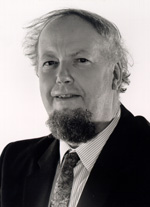
- Introduction
- Edinburgh University
- Early research
- School of Botany, The University of Melbourne
- The Plant Cell Biology Research Centre
- Pollination symposia
- Re-grouping, 1987
- The last decade, 1987-1997
- Epilogue
- About this memoir
Introduction
Robert Bruce Knox was elected Fellow of the Australian Academy of Science in 1989 and Fellow of the American Academy of Allergy and Clinical Immunology in 1990, a rare honour for any one without a medical degree. He was elected President of the International Association of Sexual Plant Reproductive Research from 1990-1994. He was known internationally as an innovative plant scientist who published extensively on a wide range of topics. He was a pioneer in the discovery of cell recognition mechanisms in the breeding and reproductive systems of flowering plants and made a major contribution to the understanding of how plants recognise 'self and non-self'. He was one of the first people in the world to apply the techniques of immunochemistry and histochemistry to study plant development. His study of pollen led to the characterisation of proteins in the pollen cell wall, many of which are human allergens, and the cloning of allergen genes. Knox realised the limitations of working in a country far from the centres of world population and played an important role in forming links between the Australian scientific community and its counterparts overseas. He left a legacy of people who trained as his postgraduate students or who worked in his laboratory as part of his research team, contributing significantly to subsequent generations of scientists.
Bruce Knox (as he was always known) was a devoted family man who dedicated his DSc thesis to his wife Janice. He had wide interests in the community, was a member of Rostrum, Scouts and Rotary. He was in demand as a speaker at his children's schools and for recreation enjoyed painting, music, walking his dog, 'do it yourself' activities around the house, and gardening. In later years he shared a passion for roses with his eldest daughter Miriam.
Knox was born in Edinburgh on 5th March 1938, just eighteen months before the Second World War. His father, Robert Bruce Knox, served in the Edinburgh police and later worked for the Automobile Association. His mother, Edith Jessie, whose maiden name was Calder, was a farmer's daughter. Knox and his sister Ann often spent holidays at the family farm, where he was first introduced to plants and nature. In 1950, when eleven years old, he kept a detailed nature diary for the year, with notes on flowering and hand illustrations of flowers and animals that he had observed – a remarkable achievement for a young boy, particularly with his 'eleven-plus' examination looming, a test in which he must have performed well because he was accepted as a student at the prestigious Royal High School Edinburgh.
Edinburgh University
Knox started his undergraduate studies at Edinburgh University in 1955. He submitted his first manuscript for publication in Transactions of the Botanical Society of Edinburgh after an expedition to the Isle of Jura in June-July, 1957; a publication that was later to disappoint one of his D.Sci examiners, but which showed that he had classical training in Botany. He achieved a B.Sci Hons and the Anderson Henry Prize in Botany in 1959.
Knox was awarded an Agricultural Research Council Scholarship to Queen's University Belfast in 1959 as a research student supervised by the renowned botanist Professor Jack Heslop-Harrison FRS. Knox began work on the experimental control of apomixis and male sterility in grasses that became the principal topic of his PhD thesis. He meticulous work on Dichanthium led to the first demonstration of photoperiodic control of apomixis in any plant.
In 1960, when Heslop-Harrison moved to take up the Chair in Botany at the University of Birmingham, Knox followed him to Edgbaston where he worked in a laboratory that had been converted from the coach house at Winterbourne. The laboratory had easy access to a beautiful old garden. Here the research for Knox's thesis was completed and, in 1962, his PhD was awarded by the University of Birmingham. Soon after arriving in Birmingham he met Janice Weldon at a dance. They were both tall and immediately attracted to each other. Janice was studying at the City of Birmingham Teachers Training College. She finished her course and did a year's teaching in Manchester. On 28th July, 1962, at Whitfield near Manchester they were married.
Early research
In January 1963, Knox and his wife moved to Canberra, where he had accepted a NATO Research Fellowship to work in the Division of Plant Industry of CSIRO. He was to work with Dr Lloyd T. Evans on grasses. There began a lifelong interest in Australian plants and their biology; and what was to be a short stay in Australia proved to be a permanent move and place of home for the remainder of his life.
On completion of the NATO Fellowship, Knox was appointed to a Lectureship at the Australian National University and in 1970 he was promoted to Senior Lecturer. In these early years, he published two papers [5, 7] with Evans on inflorescence initiation in the grass Lolium temulentum, and a single-authored paper in the prestigious journal Science on the phenomenon of apomixis. [6] He also continued collaborative work with Heslop-Harrison; their first paper on grasses having been published in Botaniska Notiser (Lund.) in 1963. [4] Despite a full teaching load at the ANU, Knox was very active in research. His family too was growing: Miriam was born in 1964, Robert in 1967 and Susanne in 1970.
Knox was one of a very small group of students working in an area close to Heslop-Harrison's own interests. This made Knox part of a 'family' of ex-students and research fellows who collaborated and corresponded over the years, many of whom visited Knox's laboratories in Australia. In 1968, Knox joined Heslop-Harrison for a sabbatical year at the University of Wisconsin to work on pollen development. It was during this year that they began to investigate pollen wall proteins. A joint letter to Nature (London) appeared in 1969 on the cytochemical localisation of proteins in pollen grain walls. [10] Other significant joint publications highlighted the use of new technology – freeze sectioning, enzymic histochemistry and fluorescent markers to measure cell viability. [12-14] Knox and Heslop-Harrison realised the correlation between pollen wall proteins and hayfever. In collaboration with Dr Charles Reed of the University of Wisconsin Allergy Clinic, they located diffusible allergens from ragweed and Gladiolus pollen by immunoflorescence. Their resulting publication was the first to describe the application of this technique to the study of an allergen from a flowering plant. [15] Nine publications in 1971 were based on the application of the techniques that had been developed in the previous years. [18-26] Five of these publications were co-authored with Professor Heslop-Harrison and one with Dr Yolande Heslop-Harrison. One of the joint papers with Professor Heslop-Harrison reported the use of electron microscopy for the localisation of a wall-held enzyme in Crocus pollen. [22] This body of work laid the foundation for Knox's later research program on clinically significant grass pollen allergens that trigger asthma attacks.
In 1972, Knox was funded by a Royal Society Bursary to work at Kew (London), where Heslop-Harrison was by then the Director of The Royal Botanic Gardens. They were investigating the interaction between the pollen wall and stigma in an attempt to discover the nature of self-incompatibility in flowering plant reproduction. They documented the role played by pollen wall proteins in inter-specific incompatibility. They demonstrated how an inter-specific barrier could be bypassed with mentor pollen by crossing two species of poplar to produce a hybrid. This clearly demonstrated how fundamental research could be used to practical commercial advantage in agriculture.
In 1973, Knox participated in a symposium at the Royal Society in London, which was attended by people at the forefront of pollen biology and self-incompatibility research. The symposium was the precursor to a surge of discoveries in the field in which Knox was a leader. In a paper in the Annals of Botany, Knox, together with Heslop-Harrison and Barbara Howlett, an M.Sci student with Knox at ANU, demonstrated that proteins in the pollen wall of plants in the family Malvaceae were produced by both the parent plant in addition to those encoded in the pollen genome. [30] Knox and Heslop-Harrison showed that pollen wall proteins are associated with incompatibility responses in species of Cruciferae, [35] and in a letter to Nature, Knox, the two Heslop-Harrisons and Dr O. Mattsson suggested that the protein pellicle on the stigmatic papillae is the recognition site on the female plant surface. [38] In another letter to Nature, with co-authors Drs L. Watson and E. H. Creaser, he reported that the lectin Concanavlin A differentiates between different types of grass pollen by binding specifically to wall glycoproteins and carbohydrates. [39]
School of Botany, The University of Melbourne
In December 1972, whilst at Kew Gardens, Knox was invited to apply for the Chair of Botany at The University of Melbourne, which was about to become vacant with the retirement of the now late Professor John Turner. With recommendations from eminent scientists, including Dr Lloyd T. Evans, Sir McFarlane Burnet and Heslop-Harrison, he was offered and accepted the Chair of Botany at Melbourne, turning down an offer of appointment in Professor D.A. Levin's Department of Botany at Austin, Texas.
Knox, with his wife Janice and three children, Miriam, Robert and Susanne, moved to Melbourne in 1974. Knox set up his new research group with talented research staff, and invited a carbohydrate biochemist, Dr Adrienne Clarke (now Laureate Professor in the School of Botany and Victoria's Ambassador for Biotechnology), to join the group as a part-time research fellow. They planned a research program that addressed the fundamental nature of the rejection response in self-incompatibility. They also aimed to isolate and characterise the cell surface proteins of the female stigma.
Knox and Clarke moved into a newly refurbished laboratory for cytochemistry and molecular cell biology. It included a microscopy suite for the recently over-hauled Zeiss SM05 Scanning Electron Photometer, which was part of the ARGC equipment Knox brought from Canberra. Other equipment was underwritten by The University of Melbourne pending the outcome of Australian Research Grants Council (ARGC) funding. It was not long before Knox and Clarke established their innovative research group at the interface of biochemistry and plant reproductive biology, attracting students and international visitors.
Collaboration developed with other members of the School of Botany. Dr Sophie Ducker worked with Knox on how submerged sea-grasses achieve pollination, work that was presented in Nature in 1976 [44] and, on average, led to one collaborative publication each year for the next ten years.
Knox was in demand as a speaker at Conferences and Symposia in Australia and overseas. He was an invited speaker at the Australian Society of Plant Physiologists Annual meeting in Adelaide in 1975. That same year he organised the 1st Annual Symposium of the School of Botany at The University of Melbourne on 'Biological Recognition'. In 1976, he participated in the 1st International Congress in Cell Biology held in Boston, USA, and was an invited participant in the International Workshop on Morphology and Development of Helobiae (aquatic monocots and sea-grasses) at Harvard University. He presented the Presidential address to the Botany Section of the Hobart Congress of the Australian and New Zealand Association for the Advancement of Science (ANZAAS). In 1976, Knox organised the Plenary Symposium on 'Aerobiology and the City', at the Melbourne ANZAAS conference. He was an invited participant in an international symposium 'Discrimination of Self and Non-self in Plants and Animals' organised by the American and Canadian Societies of Zoologists, in Toronto Canada.
Knox was appointed a member of Allergic Diseases Research Committee of the National Health and Medical Research Council of Australia, and elected Honorary Fellow of the Australian College of Allergists. He was appointed also by the Australian Academy of Science as a member of the Organising Committee and Chairman of the Developmental Botany Section for the XIII International Botanical Congress, held in Sydney in 1981.
Knox was very aware of the potential isolation of Australian scientists from those in other centres of the world in Europe and the USA. Difficulty and delays in getting laboratory supplies, information, books and vital stimulation of academic discussion with people working in the same field could limit the efficacy of research. In Australia in those early years, the first indication that one's work had appeared in print was the receipt by airmail of a reprint request! Thus, Knox's enthusiasm and energy for bringing overseas visitors to Melbourne and supporting his own staff and students to attend national and international meetings was important. He also embraced new computer technology, as he did any other technology in his field of research.
The Plant Cell Biology Research Centre
In 1981, Knox and Clarke (who by then was Reader in Botany) applied jointly to the ARC for a Special Research Centre. The announcement of their success in being awarded a 'Centre of Excellence' – as co-Directors of The Plant Cell Biology Research Centre (PCBRC) – appeared in the University of Melbourne's Gazette in February 1982. This was one of the most significant achievements in the history of the School of Botany. The long-term nature of the funding and the size of the grant ($1.7 million in the first three years) gave the research group financial security to tackle fundamental scientific questions that could not be achieved in the short term, nor without a critical mass of people and resources. Laboratory accommodation was expanded by the School, and so began a very productive period.
The main focus of the PCBRC was to answer two key questions: How is fertilisation controlled in plants? and How do plants perceive and resist fungal pathogens? The Centre was structured in two parts: the Pollination Biology Group working directly under Knox, and the Cell Surface Biology Group under the direction of Clarke, with Dr Tony Bacic as her Senior Research Fellow. Dr Elizabeth Williams, Senior Research Fellow worked with both groups. By March 1983, there were 10 research staff, a number of postgraduate students and supporting technical and secretarial staff.
Knox' Pollination Biology Group continued to research Australian plants, such as Acacia, the heath plant Acrotriche, Rhododendron laetium, mistletoes and sea-grasses, all of which have unusual pollen and pollination mechanisms. Crop plants also figured in the research of the pollen-stigma interaction. One achievement of agricultural significance was the bypassing of the self-incompatibility system in cauliflower using carbon dioxide. The research group utilised light, fluorescence and electron microscopy to characterise the 'male germ unit', and examine and monitor pollen development, pollen tube growth and cellular interactions after self or cross-pollinations. The output was a total of 79 publications in internationally refereed journals or invited book chapters with Knox as author or co-author in the years between 1983 and 1988. [104-191]
In 1982, Knox attended the international symposium 'Pollination Biology' at Garnarno in Italy, followed by a number of visits to institutions in Britain and Europe. The following year he spent six months on sabbatical leave in France working with Christian Dumas in Lyon and Kiem Tran Thanh Van in Paris. Williams was left in charge of the Pollination Biology Group and Clarke directed the PCBRC in Knox's absence.
On 15th October 1983, The University of Melbourne awarded Knox the degree of Doctor of Science. The thesis was massive. Three copies of three volumes of collected publications required a porter's trolley to deliver them to office of the Dean of Science.
Pollination symposia
'Pollination '82' was the first of a series of very successful symposia hosted by the PCBRC held in the School of Botany at Melbourne, it was attended by more than 50 Australian and international researchers, staff and students. The resulting published Proceedings are a record of the pollination biology research of Knox's group. In subsequent symposia Proceedings, Dr Harry Swart, a mycologist and skilled artist in the School, provided delightful, topical botanical cartoons. Their inclusion is a testament to Knox's deep sense of humour.
The spirit of these regular Pollination Symposia is best summarised in the stated aims of the 'Pollination '84' meeting: 'to foster the development and application of new concepts and techniques…; to stimulate research by bringing together scientists and students in the various research fields related to plant reproductive biology…; to benefit the plant improvement industry by encouraging participation from commercial industry and plant breeders...; to provide a focus for research on plant reproductive biology in the Southern Hemisphere.' The success of the '84' meeting is documented in the Proceedings volume of 40 papers and poster presentations. Equally successful, 'Pollination '86' was held in May to coincide with the 26th Annual General Meeting of the Australian Society of Plant Physiologists, attracting participants from as far a field as Canada, USA, Poland, India and South Africa.
Later in July of 1986, Knox set out on a further sabbatical leave in the United Kingdom, France and Italy. Williams was again left in charge of Knox's group but accepted a tenured professorial appointment in the Agronomy Department at the University of Kentucky and departed Melbourne in April 1987. Knox returned from Europe in October 1986 for the visit to the PCBRC of a committee established by the Steering Committee to Review Special Research Centres. The review committee, while noting the excellence of Knox's research, recommended that his part of the PCBRC not be refunded. The decision was made public the day that the University closed down for Christmas, 1986.
Re-grouping, 1987
Knox's research staff were back to the insecurity of shorter term funding and the yearly exercise of writing grant applications. Knox was able to secure a steady increase in grants: in 1988 a total of $199 800, 1989 $276 800 and 1990 $416 500, which allowed a steady rebuilding of his research group. Research on pollination biology of Australian indigenous plants was confined to a few students finishing theses, visiting scientists completing work, and one project on the fan flower Scaevola. 'Pollination '88', the 4th of the series of pollination biology symposia, was organised in association with the International Congress of Palynology. [202]
The last decade 1987-1997
Knox directed his last ten years' of research to understanding the molecular and environmental biology of pollen allergens in the air during the hay fever season. Funding was secured from ARC, NH&MRC, the Asthma Foundation of Victoria and other bodies. Together with Senior Research Fellow Dr Mohan Singh, he and his research team were the first to discover how grass pollen triggers an asthma attack, and his team began characterising genes encoding grass pollen allergens that interact with the humane immune system. They cloned and sequenced the Lolp1 gene. This led to the discovery of other allergens and to their site of storage in pollen, which was identified using techniques of gold-labelling antibodies and electron microscopy. The group later demonstrated the association of starch grains, thunderstorms and asthma attacks, and the fact that allergens can bind with diesel particles in the air. As a service to the community, his group initiated the 'Melbourne Pollen Count', where a daily count of pollen and a forecast for the following day are provided to the media, allowing asthma and hay fever sufferers to take preventive measures to minimise suffering on days when a high pollen count is expected. The group's research findings continue to contribute to the development of diagnostic techniques and treatments for allergy sufferers.
During this period, Knox also teamed up with two colleagues, Professors Pauline Ladiges and Barbara Evans, to edit the first, full colour Australian Biology textbook for tertiary education. The project had commenced in 1988, involved more than 50 contributing authors, and consumed much energy on the part of Knox and his co-editors. The first edition was finally published by McGraw-Hill Book Company Australia in 1994 and won a number of publishing awards. [267]
In late 1995, Singh in Knox's group announced his appointment as Reader in the School of Agriculture at The University of Melbourne. His move meant the loss of staff and students from Knox's group and a subsequent restructuring once again of his research team's program.
The first task for the newly formed group was to complete the organization of the last scientific meeting that Knox organised on 'home ground': 'Plant reproduction '96' for the 14th International Congress of Sexual Plant Reproduction, which was to be held at the Cumberland Resort at Lorne, Victoria, 145 km south-west of Melbourne. The Congress was highly successful, over-flowing the conference accommodation into adjacent motels and the camping ground. There were over 350 registrants, nearly half from overseas.
With this organisational achievement behind him, Knox began to rebuild his research group, by then known as the Pollen and Allergy Research Group (PARG). Knox planned to return to active involvement in experimental work at the bench, work that he had missed in recent years. Dr George Schappi was a research fellow from Switzerland who worked on birch pollen allergens, and Dr Ian Staff joined the group as an Honorary Associate from La Trobe University. Research fellow Dr Cenk Suphioglu was funded by NH&MRCA. Suphioglu was one of Knox's PhD graduates who won a Young Achiever Award for Science and Technology in 1991.
Epilogue
On the 7th January 1997, Knox had a heart attack while on annual leave at his holiday home at Somers, on the Mornington Peninsula. He was rushed to hospital in Melbourne where he had emergency surgery. Four weeks later he was home again and wrote that 'he was feeling pretty good'. He lost weight, exercised and obeyed doctor's instructions. He took leave, and he and Janice travelled to Queensland for a holiday. They had just started out on a drive on 30th August when he had a massive heart attack and died before reaching hospital.
The letters received from friends and colleagues paid tribute to Robert Bruce Knox as an innovative scientist and generous friend, who bore few grudges in life. The School of Botany Foundation through donations established the endowment of the Bruce Knox Honours Prize as a memorial. It seemed fitting to have a prize for a young promising research student, given the support that Knox provided for many young scientists during his life-time. Knox will be remembered for his immense contribution to plant science. He had a phenomenal ability to predict trends in science, orchestrate, guide and inspire students and colleagues as evidenced by the publication output of his laboratory. The quality of that output is reflected in the 1000 citations of his work recorded in the last 10 years. His influence went far beyond the boundaries of his own institution to the many scientists who dropped in or telephoned to gain inspiration.
About this memoir
This memoir was originally published in Historical Records of Australian Science, vol.14, no.1, 2002. It was written by:
- J. Kenrick, an Honorary Research Fellow in the School of Botany, The University of Melbourne, Victoria 3010
- P.Y. Ladiges is Professor and Head of the School of Botany, The University of Melbourne, Victoria 3010
Acknowledgments
We thank Dr Barbara Howlett and Professor Adrienne Clarke for reading this memoir, the School of Botany for access to records, Professor Brian Gunning for access to a Biography of Professor Heslop-Harrison, Mrs Janice Knox, and Miriam Falloon (nee Knox) for information about the period before her father moved to Australia.
Bibliography
- R.B. Knox. Flora of the Isle of Jura. Transactions of the Botanical Society of Edinburgh 37, 251-256 (1959).
- R.B. Knox. Hypochaeris glabra L. in Fife. Transactions of the Botanical Society of Edinburgh 37, 286 (1959).
- R.B. Knox. Flora of Jura II: List of lichens. Transactions of the Botanical Society of Edinburgh 39, 114-115 (1960).
- R.B. Knox. and J. Heslop-Harrison. Experimental control of Aposporus apomixis grass of the Andropogonea. Botaniska Notiser (Lund). 116, 127-141 (1963).
- R.B. Knox and L.T. Evans. Inflorescence initiation in Lolium temulentum L. VIII. Histochemical changes at the shoot apex during induction. Australian Journal of Biological Science 19, 233-245 (1966).
- R.B. Knox. Apomixis: seasonal and population differences in a grass. Science 157, 325-326 (1967).
- R.B. Knox and L.T. Evans. Inflorescence initiation in Lolium temulentum L. II. An autoradiographic study of evocation in the shoot apex. Australian Journal of Biological Science 21, 1083-1094 (1968).
- J. Tothill and R.B. Knox. Reproduction in Heteropogon contortus I. Australian Journal of Agricultural Research 19, 869-878 (1968).
- L.T. Evans and R.B. Knox. Environmental control of reproduction in Themeda australia. Australian Journal of Botany 17, 357-389 (1969).
- R.B. Knox and J. Heslop-Harrison. Localization of enzymes in the wall of pollen grain. Nature (London) 223, 92-94 (1969).
- L.T. Evans, R.B. Knox and A.H.G. Rijven. The nature and localisation of early events in the shoot apex of Lolium temulentum during floral induction. In G. Bernier (ed.): Cellular and Molecular Aspects of Floral Induction. (Longmans Green, London) 192-206 (1970).
- R.B. Knox. Freeze-sectioning in plant tissues. Stain Technology 45, 265-273 (1970).
- R.B. Knox, H.G. Dickinson and J. Heslop-Harrison. Cytochemical observations on change in RNA content and acid phosphatase activity during the meiotic prophase in the anther of Cosmos bipinnatus. Acta Botanica Neerlandica 19, 1-6 (1970).
- R.B. Knox and J. Heslop-Harrison. Direct demonstration of the low permeability of the angiosperm meiotic tetrad using a fluorogenic ester. Zwischen Pflanzenphysiology 62, 451-459 (1970).
- R.B. Knox, J. Heslop-Harrison and C. Reed. Localization of antigens associated with the pollen grain wall by immunofluorescence. Nature (London)225, 1066-1068 (1970).
- R.B. Knox and J. Heslop-Harrison. Pollen wall proteins: cytochemical localization and enzymatic activity. Journal of Cell Science 6, 1-27 (1970).
- J.R. McWilliam, K. Shanker and R.B. Knox. The effect of temperature and photoperiod on growth and reproductive development in Hyparrhenia hirta. Australian Journal of Agricultural Research 21, 557-569 (1970).
- J.Heslop-Harrison, R.B. Knox. and H.G. Dickinson. Cytoplasmic RNA and enzyme activity during the meiotic prophase in Cosmos bipinnatus. In J. Heslop-Harrison (ed.): Pollen Physiology and Development. (Butterworths, London) 32-35 (1971).
- Y.Heslop-Harrison and R.B. Knox. A cytochemical study of the leaf-gland enzymes of the insectivorous plants of the genus Pinguicula. Planta 96, 183-211 (1971).
- J.V. Jacobsen, R.B. Knox and N.A. Pyliotis. The structure and composition of aleurone grains in the barley aleurone layer. Planta (Berlin) 101, 189-209 (1971).
- R.B. Knox and J. Heslop-Harrison. Pollen-wall enzymes taxonomic distribution and physical localization. In J. Heslop-Harrison (ed.): Pollen Physiology and Development. (Butterworths, London) 32-35 (1971).
- R.B. Knox and J. Heslop-Harrison. Pollen-wall proteins: electronmicroscopic localization of acid phosphatase in Crocus vernus. Journal of Cell Science 8, 727-733 (1971).
- R.B. Knox. Pollen-wall proteins: localization, enzymic and antigenic activity during development in Gladiolus (Iridaceae). Journal of Cell Science 9, 209-237 (1971).
- R.B. Knox and J. Heslop-Harrison. Pollen-wall proteins: localization and antigenic and allergenic proteins in the pollen grain walls of Ambrosia spp. (ragweeds). Cytobios 4, 49-54 (1971).
- R.B. Knox and J. Heslop-Harrison. Pollen-wall proteins: the fate of intine-held antigens on the stigma in compatible and incompatible pollinations of Phalaris tuberosa L. Journal of Cell Science 9, 239-251 (1971).
- L.D. Pryor and R.B. Knox. Operculum development and evolution in eucalypts. Australian Journal of Botany 19, 143-171 (1971).
- J.V. Jacobsen and R.B. Knox. Cytochemical localization of gibberellic acid-induced enzymes in the barley aleurone layer. In D. J. Carr (ed.): Plant Growth Substances. (Springer Verlag, Berlin and New York) 344-351 (1972).
- R.B. Knox, R. Willing and A.E. Ashford. Role of the pollen-wall proteins as recognition substances in interspecific incompatibility in poplars. Nature 237, 381-383 (1972).
- R.B. Knox, R.R. Willing and L.D. Pryor. Interspecific hybridization of poplars using recognition pollen. Silvae Genetica, 21, 65-69 (1972).
- J.Heslop-Harrison, Y. Heslop-Harrison, R.B. Knox and B. Howlett. Pollen-wall proteins 'gametophytic' and 'sporophytic' fractions in the pollen-walls of the Malvaceae. Annals of Botany 37, 403-412 (1973).
- B.J. Howlett, R.B. Knox and J. Heslop-Harrison. Pollen-wall proteins: release of the allergen Antigen E from intine and exine sites in pollen grains of ragweed and Cosmos. Journal of Cell Science 13, 603-619 (1973).
- J.V. Jacobsen and R.B. Knox. Cytochemical localization and antigenicity of α-amylase in barley aleurone tissue. Planta 112, 213-224 (1973).
- R.B. Knox. Immunofuoreszenz als Methode zur Lokalisation von Proteinen in Pflazenzellen. Zeiss Information. Oberkochen, 20, 52-55 (1973).
- R.B. Knox. Pollen-wall proteins: pollen-stigma interactions in ragweed and Cosmos (Compositae). Journal of Cell Science 12, 421-443 (1973).
- J.Heslop-Harrison, R.B. Knox and Y. Heslop-Harrison. Pollen-wall proteins: exine held fractions associated with the incompatibility response in Cruciferae. Theoretical & Applied Genetics 44, 133-137 (1974).
- J.V. Jacobsen and R.B. Knox. The proteins released by isolated barley aleurone layers before and after gibberellic acid treatment. Planta 115, 193-206 (1974).
- R.B. Knox and E. Friederich. Tetrad pollen grain development and sterility in Leschenaultia formosa (Goodeniaceae). New Phytologist 73, 251-258 (1974).
- O.Mattsson, R.B. Knox, J. Heslop-Harrison and Y. Heslop-Harrison. Protein pellicle of stigmatic papillae as a probable recognition site in incompatibility reactions. Nature (London) 247, 298-300 (1974).
- L. Watson, R.B. Knox and E.H. Creaser. Concanavalin A differentiates among grass pollens by binding specifically to wall glycoproteins and carbohydrates. Nature (London) 247, 574-576 (1974).
- A.E. Clarke, R.B. Knox and M.A. Jermyn. Localization of lectins in legume cotyledons. Journal of Cell Science 19, 157-167 (1975).
- R.B. Knox, J. Heslop-Harrison and Y. Heslop-Harrison. Pollen-wall proteins: localization and characterisation of gametophytic and sporophytic fractions. In J.G. Duckett and P.A. Racey (eds.): The Biology of the Male Gamete (Academic Press, London) 177-187 (1975).
- J.Heslop-Harrison, R.B. Knox, Y. Heslop-Harrison and O. Smattsson. Pollen-wall proteins: emission and role in incompatibility responses. In J.G. Duckett and P.A. Racey (eds.): The Biology of the Male Gamete (Academic Press, London) 189-202 (1975).
- B.J. Howlett, R.B. Knox, J. Paxton and J. Heslop-Harrison. Pollen-wall proteins: physico-chemical characterization and role in self-incompatibility in Cosmos bipinnatus. Proceedings of the Royal Society. B. 188, 167-182 (1975).
- S.C. Ducker and R.B. Knox. Submarine pollination in seagrasses. Nature (London) 263, 705-706 (1976).
- R.B. Knox, A.E. Clarke, S. Harrison, P. Smith and J.J. Marchalonis. Cell recognition in plants: determinants of the stigma surface and their pollen interactions. Proceedings of the National Academy of Science, USA 73, 2788-2792 (1976).
- R.B. Knox. Cell recognition and pattern formation in plants. In C.F. Graham and P.F. Wareing (eds.): The Developmental Biology of Plants and Animals (Blackwell, Oxford) 141-168 (1976).
- R.B. Knox and A.E. Clarke (eds.): Biological Recognition. Proc. 1st Symposium, School of Botany and Office Cont. Education Publ., University of Melbourne. (1976).
- D.Munro, P. LeRoy, D.J. Hills, I.J. Smart and R.B. Knox. Aero-allergens and childhood asthma in Melbourne. Clean Air 10, 42-45 (1976).
- H.I.M.V. Vithanage and R.B. Knox. Pollen-wall proteins quantitative cytochemistry of the origins of intine and exine enzymes in Brassica oleraceae. Journal of Cell Science 21, 423-435 (1976).
- L.Watson and R.B. Knox. Pollen-wall antigens and allergens taxonomically ordered variation among grasses. Annals of Botany 40,399-408 (1976).
- R.A. Anderson, A.E. Clarke, M.A. Jermyn, R.B. Knox and B.A. Stone. A carbohydrate-binding arabinogalactan protein from liquid suspension cultures of endosperm of Lolium multiflorum. Australian Journal of Plant Physiology 4, 143-158 (1977).
- A.E. Clarke, J.A. Considine, R. Ward and R.B. Knox. Mechanism of pollination in Gladiolus: roles of the stigma and pollen-tube guide. Annals of Botany 41, 15-20 (1977).
- A.E. Clarke, P.A. Gleeson, M.A. Jermyn and R.B. Knox. Characterization and localization of b-lectins in lower and higher plants. Australian Journal of Plant Physiology 5, 707-722 (1979).
- A.E. Clarke, R.B. Knox, S. Harrison, J. Raff and J.J. Marchalonis. Common antigens and male-female recognition in plants. Nature (London) 265, 161-163 (1977).
- S.C. Ducker, N.J. Foord and R.B. Knox. Biology of Australian seagrasses: The genus Amphibolis C Agardh. (Cymodoceaceae). Australian Journal of Botany 24, 67-95 (1977).
- D.R. Murray and R.B. Knox. Immunofluorescent localization of urease in the cotyledons of jack bean Canavalia ensiformis. Journal of Cell Biology 26, 9-18 (1977).
- H.I.M.V. Vithanage and R.B. Knox. Development and cytochemistry of the stigma surface and response to self and foreign pollination in Helianthus annuus. Phytomorphology 27, 168-179 (1977).
- A.E. Clarke and R.B. Knox. Cell recognition in plants. Quarterly Review of Biology 53, 3-28 (1978).
- S.C. Ducker and R.B. Knox. Alleloparasitism between a seagrass and algae. Naturwissenschaften 65, 391-392 (1978).
- S.C. Ducker, J.M. Pettitt and R.B. Knox. Biology of Australian seagrasses: pollen development and submarine pollination in Amphibolis antarctica and Thalassodendron ciliatum (Cymodoceaceae). Australian Journal of Botany 36, 265-285 (1978).
- D.J. Hill, D.A. Munro, P.J. West, R.B. Knox and R.H. Weston. Asthma in Melbourne children. Medical Journal of Australia 1, 614-615 (1978).
- R.B. Knox and A.E. Clarke. Localization of proteins and glycoproteins by binding to labelled antibodies and lectins. In J.L. Hall (ed.): Electron Microscopy and Cytochemistry of Plant Cells (Elsevier/North Holland, Biomedical Press, Amsterdam) 150-183 (1978).
- A.E. Clarke and R.B. Knox. Plants and Immunity. Comparative and Developmental Immunology 3, 571-589 (1979).
- A.E. Clarke, P.A. Gleeson, P. Harrison and R.B. Knox. Pollen-stigma interactions: identification and characterization of surface components and recognition potential. Proceedings of the National Academy of Science, USA 76, 3358-3362 (1979).
- J.A. Considine and R.B. Knox. Development and histochemistry of the pistil of the grape, Vitis vinifera. Annals of Botany 43, 11-22 (1979).
- J.A. Considine and R.B. Knox. Development and histochemistry of the cells, cell walls and cuticle of the dermal system of fruit of the grape, Vitis vinifera L. Protoplasma 99, 347-365 (1979).
- D.J. Hill, I.J. Smart and R.B. Knox. Childhood asthma and grass pollen aerobiology in Melbourne. Medical Journal of Australia 1, 426-429 (1979).
- B.J. Howlett, H.I.M.V. Vithanage and R.B. Knox. Pollen antigens, allergens and enzymes. Current Advances in Plant Science 35, 1-17 (1979).
- J.Kenrick and R.B. Knox. Pollen development and cytochemistry in some Australian species of Acacia. Australian Journal of Botany 27, 413-427 (1979).
- R.B. Knox. Pollen and Allergy. Studies in Biology No. 107. 64 pages. Edward Arnold, London (1979).
- R.B. Knox. Flower. In McGraw-Hill (ed.): Encyclopaedia of Science and Technology, Yearbook for 1979. 198-200 (1979).
- J.W. Raff, J. Hutchinson, R.B. Knox and A.E. Clarke. Cell recognition antigenic determinants of plant organs and their cultured callus cells. Differentiation 12, 179-186 (1979).
- I.J. Smart and R.B. Knox. Aerobiology of grass pollen in the city atmosphere of Melbourne; quantitative analysis of seasonal diurnal changes. Australian Journal of Botany 27, 317-331 (1979).
- I.J. Smart, W.G. Tuddenham and R.B. Knox. Aerobiology of grass pollen in the city atmosphere of Melbourne; effects of weather parameters and pollen sources. Australian Journal of Botany 27, 333-342 (1979).
- H.I.M.V. Vithanage and R.B. Knox. Pollen development and quantitative cytochemistry of exine and intine enzymes in sunflower, Helianthus annuus. Annals of Botany 44, 95-106 (1979).
- A.E. Ashford and R.B. Knox. Characteristics of pollen diffusates and pollen wall cytochemistry in poplars. Journal of Cell Science 44, 1-17 (1980).
- P.Bernhardt, R.B. Knox and D.M. Calder. Floral biology and self incompatibility in some Australian mistletoes of the genus Amyema. Australian Journal of Botany 28, 437-451 (1980).
- R.B. Knox and A.E. Clarke. Discrimination between self and non-self in plants. In J.J. Marchalonis and N.Cohen (eds.): Contemporary Topics in Immunology 9, (Plenum Publishing Corporation) 1-36 (1980).
- R.B. Knox, H.I.M.V. Vithanage and B.J. Howlett. Botanical immunocytochemistry-a review with special reference to pollen antigens and allergens. Histochemical Journal 247-272 (1980).
- J.M. Pettitt, C.A. McConchie, S.C. Ducker and R.B. Knox. Unique adaptations for submarine pollination in Seagrasses. Nature (London) 286, 487-489 (1980).
- I.J. Smart and R.B. Knox. Rapid batch fractionation of ryegrass pollen allergens. International Archives of Allergy and Immunology 62, 179-187 (1980).
- H.I.M.V. Vithanage, B.J. Howlett and R.B. Knox. Localization of grass pollen allergen by immunocytochemistry. Micron 11, 411-412 (1980).
- H.I.M.V. Vithanage and R.B. Knox. Periodicity of pollen development and quantitative cytochemistry of exine and intine enzymes in the grasses Lolium perenne and Phalaris tuberosa. Annals of Botany 45, 131-141 (1980).
- J.A. Considine and R.B. Knox. Tissue origins, cell lineages and patterns of cell division in the developing dermal system of the fruit of Vitis vinifera L. Planta 151, 403-412 (1981).
- O.H. Frankel, R.B. Knox and J.A. Considine. The development of the wheat flower: genetics and physiology. In L.T. Evans and W.J. Peacock (eds.): WheatScience-Today and Tomorrow (Cambridge University Press) 167-190 (1981).
- J.Heslop-Harrison and R.B. Knox. Plant histochemistry: retrospect and prospect. In P.J. Stoward and J.M. Polak (eds.): Histochemistry: the widening horizons of its applications in the biomedical sciences. (John Wiley and Sons, Chichester and New York) 1-10 (1981).
- B. J. Howlett, H.I.M.V. Vithanage and R.B. Knox. Immunofluorescence localization of two water-soluble glycoproteins, including the major allergen, from pollen ryegrass, Lolium perenne. Histochemical Journal 13, 461-480 (1981).
- J.Kenrick and R.B. Knox. Post-pollination exudate from stigmas of Acacia (Mimosaceae). Annals of Botany 48, 103-106 (1981).
- J.Kenrick and R.B. Knox. Structure and histochemistry of the stigma and style of some Australian species of Acacia. Australian Journal of Botany 29, 733-745 (1981).
- J.M. Pettitt, R.B. Knox and S.C. Ducker. Submarine Pollination. Scientific American 224, 135-143 (1981).
- J.W. Raff, R.B. Knox and A.E. Clarke. Style antigens of Prunus avium L. Planta 153, 125-129 (1981).
- J.A. Considine, R.B. Knox and O.H. Frankel. Stereological analysis of floral development and quantitative histochemistry of nucleic acids in fertile and base-sterile varieties of wheat. Annals of Botany 50, 647-663 (1982).
- B.J. Howlett, D.J. Hill and R.B. Knox. Cross-reactivity between Acacia (wattle) and ryegrass pollen allergens. Detection of allergens in Acacia (wattle) pollen. Clinical Allergy 12, 259-268 (1982).
- J.Kenrick and R.B. Knox. Function of the polyad in reproduction of Acacia. Annals of Botany 50, 721-727 (1982).
- R.B. Knox. Immunology and the Study of Plants. In J. J. Marchalonis and G. W. Warr (eds.): Antibody as a Tool. (John Wiley and Sons, Chichester and New York) 293-246 (1982).
- R.B. Knox. Methods for locating and identifying antigens in plant tissues. In G. Bullock and P. Petrusz (eds.): Immunocytochemistry 1, (Academic Press, London) 205-238 (1982).
- R.B. Knox and J.A. Considine. Deterministic and probabilistic approaches to plant development. In R. Sattler (ed.): Axioms and Principles of Plant Construction. (Dr W. Junk Publishers, The Netherlands) 112-117 (1982).
- R.B. Knox and M. Tuohy. Pollen plants and people-a review of pollen aerobiology in southern Australia. Proceedings of the 6th Australian Weeds Conference 1981 2, 125-142 (1982).
- C.A. McConchie, S.C. Ducker and R.B. Knox. Biology of Australian seagrasses: floral development and morphology in Amphibolis (Cymodoceaceae). Australian Journal of Botany 30, 251-264 (1982).
- C.A. McConchie, R.B. Knox and S.C. Ducker. Ultrastructure and cytochemistry of the hydrophilous pollen of Lepilaena (Zannichelliaceae). Micron 13, 339-340 (1982).
- C. A. McConchie, R.B. Knox, S.C. Ducker and J.M. Pettitt. Pollen wall structure and cytochemistry in the Seagrass Amphibolis griffithii (Cymodoceaceae). Annals of Botany 50, 729-732 (1982).
- E.G. Williams, R.B. Knox and J.L. Rouse. Pollination subsystems distinguished by pollen tube arrest after incompatible interspecific crosses in Rhododendron (Ericaceae). Journal of Cell Science 53, 255-277 (1982).
- H.I.M.V. Vithanage, B.J. Howlett, S. Jobson and R.B. Knox. Immunocytochemical localization of water soluble glycoproteins, including Group 1 Allergen, in pollen of ryegrass, Lolium perenne using ferritin-labelled antibody. Histochemical Journal 14 , 949-966 (1982).
- P.Bernhardt and R.B. Knox. The stigmatic papillae of Amyema (Loranthaceae): Developmental responses to protandry and surface adaptations for bird pollination. American Journal of Botany 70, 1313-1319 (1983).
- C.Dumas and R.B. Knox. Callose and determination of pistil viability and incompatibility. Theoretical Applied Genetics 67, 1-10 (1983).
- S.Jobson, R.B. Knox, J. Kenrick and C. Dumas. Plastid development and ferritin content of stigmas of the legumes Acacia, Lotus and Trifolium. Protoplasma 116, 213-218 (1983).
- C.Kerhoas, R.B. Knox and C. Dumas. Specificity of the callose response in stigmas of Brassica Annals of Botany 52, 597-602 (1983).
- J.M. Pettitt, C.A. McConchie, S.C. Ducker and R.B. Knox. Reproduction in seagrasses: pollination in Amphibolis antarctica. Proceedings of the Royal Society of London B 219, 119-135 (1983).
- J.W. Raff, J.M. Pettitt and R.B. Knox. Cytochemistry of pollen tube growth in the stigma and style of Prunus avium. Phytomorphology 31, 214-231 (1983).
- E.G. Williams and R.B. Knox. Quantitation of pollen tube growth in Lycopersicon peruvianum. Journal of Palynology (H. F. Linskens Festschrift volume) 18, 65-74 (1982).
- E.G. Williams, R.B. Knox and J.L. Rouse. Pollen-pistil interactions, and the control of pollination. Phytomorphology 31, 148-157 (1983).
- A.J. Beatie, C. Turnbull, R.B. Knox and E.G. Williams. Ant inhibition of pollen function: a possible reason why ant pollination is rare. American Journal of Botany 71, 421-426 (1984).
- P.Bernhardt, J. Kenrick and R.B. Knox. Pollination biology and the breeding system of Acacia retinodes (Leguminosae: Mimosoideae). Annals of the Missouri Botanical Gardens 71, 17-29 (1984).
- S.C. Ducker, and R.B. Knox. Epiphytism at the cellular level, with special reference to algal epiphytes. In H. F. Linskens and J. Heslop-Harrison (eds.): Intercellular Interactions. Encyclopedia of Plant Physiology 14, 115-133 (1984).
- C. Dumas, A.E. Clarke and R.B. Knox. La fecondation des fleurs. La Recherche 15, 1518-1526 (1984).
- C. Dumas, R.B. Knox and T. Gaude. Pollen-pistil recognition: new concepts from electron microscopy and cytochemistry. International Review of Cytology 90, 239-272 (1984).
- C. Dumas, R.B. Knox, C.A. McConchie and S.D. Russell. Emerging physiological concepts in fertilization. What's New in Plant Physiology 15, 177-200 (1984).
- M. Gaget, C. Said, C. Dumas and R.B. Knox. Pollen-pistil interactions in interspecific crosses of Populus (sections Aigeiros and Leuce): pollen adhesion, hydration and callose responses. Journal of Cell Science 72, 173-184 (1984).
- T. Hough, P. Bernhardt, R.B. Knox and E.G. Williams. Use of fluorochromes in pollen biology. In M. Willemsem and J.L. van Went (eds.): Sexual Reproduction in Seed Plants, Ferns and Mosses (Pudoc, Wageningen, The Netherlands) 73-74 (1984).
- B.J. Howlett and R.B. Knox. Allergic Interactions. In H.F. Linskens and J. Heslop-Harrison (eds.) Intercellular Interactions. Encyclopedia of Plant Physiology 14, 655-673 (1984).
- V.Kaul, J.L. Rouse, R.B. Knox and E.G. Williams. Early post-fertilization development in Rhododendron. In M. Willemsem and J.L. van Went (eds.): Sexual Reproduction in Seed Plants, Ferns and Mosses (Pudoc, Wageningen, The Netherlands) 116-117 (1984).
- J.Kenrick, P. Bernhardt, R. Marginson, G. Beresford and R.B. Knox. In M. Willemsem and J.L. van Went (eds.): Sexual Reproduction in Seed Plants, Ferns and Mosses (Pudoc, Wageningen, The Netherlands) 88-89 (1984).
- J. Kenrick, V. Kaul and R.B. Knox. Self-incompatibility in the nitrogen-fixing tree legume, Acacia retubides: pre-or post-zygotic mechanism? In M. Willemsem and J.L. van Went (eds.): Sexual Reproduction in Seed Plants, Ferns and Mosses (Pudoc, Wageningen, The Netherlands) 112-113 (1984).
- R.B. Knox. The pollen grain. In B.M. Johri (ed.): Embryology of Plants. (Springer-Verlag, Berlin, New York) 197-271 (1984).
- R.B. Knox. Pollen-pistil interactions. In H.F. Linskens and J. Heslop-Harrison (eds.) Intercellular Interactions. Encyclopedia of Plant Physiology 14 508-608 (1984).
- C.A. McConchie, S. Jobson and R.B. Knox. The structure of sperm cells in Brassica. In M. Willemsem and J.L. van Went (eds.): Sexual Reproduction in Seed Plants, Ferns and Mosses (Pudoc, Wageningen, The Netherlands) 147-149 (1984).
- P.O'Neill, M.B. Singh, T.F. Neales, R.B. Knox and E.G. Williams. Carbon dioxide blocks the stigma callose response following incompatible pollinations in Brassica. In M. Willemsem and J.L. van Went (eds.): Sexual Reproduction in Seed Plants, Ferns and Mosses (Pudoc, Wageningen, The Netherlands) 100-101 (1984).
- J.M. Pettitt, C.A. McConchie, S.C. Ducker and R.B. Knox. Reproduction in seagrasses: pollen wall morphogenesis in Amphibolis antarctica and wall structure in filiform grains. Nordic Journal of Botany 4, 199-216 (1984).
- S.Ramm-Anderson and R.B. Knox. Localization of pollen surface glycoproteins using monoclonal antibodies. In M. Willemsem and J.L. van Went (eds.): Sexual Reproduction in Seed Plants, Ferns and Mosses (Pudoc, Wageningen, The Netherlands) 100-101 (1984).
- J.L. Rouse, R.B. Knox and E.G. Williams. Unilateral hybridization in Rhododendron. In M. Willemsem and J.L. van Went (eds.): Sexual Reproduction in Seed Plants, Ferns and Mosses (Pudoc, Wageningen, The Netherlands) 115-116 (1984).
- M.B. Singh and R.B. Knox. Invertases of lily pollen: characterisation and changes during germination. Plant Physiology 74, 510-515 (1984).
- M.B. Singh and R.B. Knox. Quantitative cytochemistry of beta-galactosidase in normal and mutant (gal) pollen grains of Brassica campestris. Histochemical Journal 16, 1273-1296 (1984).
- M.B. Singh, R.B. Knox and E.G. Williams. Gamete competition in oil-seed rape: effect of beta-galactosidase deficiency on fertilization. In M. Willemsem and J.L. van Went (eds.): Sexual Reproduction in Seed Plants, Ferns and Mosses (Pudoc, Wageningen, The Netherlands) 166-167 (1984).
- M. Villar, R.B. Knox and C. Dumas. Effective pollination period and ovular receptivity in the gymnosperm Larix leptolerpis. Annals of Botany 53, 279-284 (1984).
- E.G. Williams, R.B. Knox, V. Kaul and J.L. Rouse. Post-pollination callose development in ovules of Rhododendron and Ledum (Ericaceae): Zygote special wall. Journal of Cell Science 69, 127-135 (1984).
- A.J. Beattie, C. Turnbull, T. Hough, S. Jobson and R.B. Knox. The vulnerability of pollen and fungal spores to ant secretions: evidence and some evolutionary implications. American Journal of Botany 72, 606-614 (1985).
- P.Bernhardt, J. Kenrick and R.B. Knox. Pollination biology and the breeding system of Acacia retinodes (Leguminosae: Mimosoideae). Annals of the Missouri Botanical Gardens 41, 17-29 (1985).
- S.C. Ducker and R.B. Knox. Pollen and pollination: a historical review. Taxon 34, 401-419 (1985).
- S.C. Ducker and R.B. Knox. Pollen and people. In D. Mulcahy, G.B. Mulcahy and E. Ottaviano (eds.): Pollen Biotechnology and Ecology (Springer, New York) 399-464 (1985).
- C.Dumas, A.E. Clarke and R.B. Knox. Pollination and cellular recognition. Outlook on Agriculture 14, 68-78 (1985).
- C. Dumas, R.B. Knox and T. Gaude. The spatial association of the sperm cells and vegetative nucleus in the pollen grain of Brassica. Protoplasma 124, 168-174 (1985).
- T.Hough, P. Bernhardt, R.B. Knox and E.G. Williams. Applications of fluorochromes in pollen biology II. The DNA probes ethidium bromide and Hoechst 33258 in conjunction with the stain callose-specific aniline blue fluorochrome. Stain Technology 60, 158-162 (1985).
- J.Kenrick and R.B. Knox. Self-incompatibility in the nitrogen-fixing tree, Acacia retinodes: quantitative cytology of pollen tube growth. Theoretical and Applied Genetics 69, 481-488 (1985).
- R.B. Knox. Biologia Pylicy Pollen Biology. Translated into Russian by S. Reznickova. Agropromijediate 4272, (Kolos Publishers, Moscow, USSR) 84pp. (1985).
- R.B. Knox, J. Kenrick, P. Bernhardt, R. Marginson, G. Beresford, I. Baker and H.G. Baker. Extra-floral nectaries as adaptations for bird pollination in Acacia terminalis. American Journal of Botany 72, 1185-1196 (1985).
- R.B. Knox and M.B. Singh. Immunofluorescence applications in plant cells. In A.W. Robards (ed.): Botanical Microscopy 1985 (Oxford University Press, Oxford) 208-232 (1985).
- R. Marginson, M. Sedgley and R.B. Knox. Structure and histochemistry of the extrafloral nectary of Acacia terminalis (Salisb.) MacBride (Leguminosae, Mimosoideae). Protoplasma 127, 21-30 (1985).
- R.Marginson, M. Sedgley and R.B. Knox. Physiology of post-pollination exudate production in Acacia. Journal of Experimental Botany 36, 1660-1668 (1985).
- R.Marginson, M. Sedgley, T.J. Douglas and R.B. Knox. Structure and secretion of the extrafloral nectaries of Australian Acacias. Israel Journal of Botany (Festschrift for Professor A. Fahn.) 34, 91-102 (1985).
- C.A. McConchie, J. Jobson and R.B. Knox. Computer-assisted reconstruction of the male germ unit in pollen of Brassica campestris. Protoplasma. 127, 57-63 (1985).
- C.A. McConchie and R.B. Knox. The male germ unit and prospects for biotechnology. In D. Mulcahy, G. B. Mulcahy and E. Ottaviano (eds.): Pollen Biotechnology and Ecology (Springer, New York) 289-296 (1985).
- P.O'Neill, M.B. Singh and R.B. Knox. Applications of a new membrane print technique in biotechnology. In D. Mulcahy, G. B. Mulcahy and E. Ottaviano (eds.): Pollen Biotechnology and Ecology (Springer, New York) 203-208 (1985).
- A.Palloix, Y. Herve, R.B. Knox and C.A. Dumas. Effect of carbon dioxide and relative humidity on self incompatibility in cauliflower, Brassica oleraceae. Theoretical and Applied Genetics 70, 628-633 (1985).
- M.B. Singh and R.B. Knox. Expression of beta-galactosidase gene in pollen of Brassica campestris. In D. Mulcahy, G.B. Mulcahy and E. Ottaviano (eds.): Pollen Biotechnology and Ecology (Springer, New York) 3-8 (1985).
- M.B. Singh and R.B. Knox. A gene controlling beta-galactosidase deficiency in pollen of oilseed rape Brassica campestris. Journal of Heredity 76, 199-201 (1985).
- M.B. Singh and R.B. Knox. Grass pollen allergens: Antigenic relationships detected using monoclonal antibodies and dot blotting immunoassay. International Archives of Allergy and Applied Immunology 78, 300-304 (1985).
- M.B. Singh, P.M. O'Neill and R.B. Knox. Initiation of post-meiotic beta-galactosidase synthesis during microsporogenesis in oilseed rape. Plant Physiology 77, 225-228 (1985).
- S. Strother, M.B. Singh, G. Beresford and R.B. Knox. Phosphatases from pollen of Brassica campestris and Lilium regale. Phytochemistry 24, 1447-1449 (1985).
- C.H. Theunis, C.A. McConchie and R.B. Knox. Three-dimensional reconstruction of the generative cell and its wall connection in mature bicellular pollen of Rhododendron. Micron and Microscopia Acta (Festschrift for Professor J. Heslop-Harrison) 16, 225-231 (1985).
- E.G. Williams, J.L. Rouse and R.B. Knox. Barriers to sexual compatibility in Rhododendron. Notes from the Royal Botanic Gardens, Edinburgh 43, 81-98 (1985).
- A.J. Beattie, C. Turnbull, T. Hough and R.B. Knox. Antibiotic production: A possible function for the metapleural glands of ants (Hymenoptera: Formicidae). Annals of the Entomological Society of America 79, 448-450 (1986).
- P.L. Bhalla, M.B. Singh and R.B. Knox. Application of cytochemical methods for the detection and localization of plant proteolytic enzymes. In M. J. Dalling (ed.): Plant Proteolytic Enzymes. (CRC Press, Boca Raton, Florida) (1986).
- T.Hough, M.B. Singh, P.L. Bhalla, R.B. Knox and I.J. Smart. Monoclonal antibodies to antigenic determinants on sperm cells of Brassica campestris. Plant Physiology S160 (1986).
- T. Hough, M.B. Singh, I.J. Smart and R.B. Knox. Immunofluorescent screening of monoclonal antibodies to surface antigens of animal and plant cells bound to polycarbonate membranes. Journal of Immunological Methods 92, 103-107 (1986).
- R.B. Knox, C. Dumas and E.G.Williams. Pollen-pistil recognition in seed plants. In J. Janick (ed.): Plant Breeding Reviews 4, (AVI Publishing Co. Inc., Westport) 9-79 (1986).
- R.B. Knox, R. Marginson, J. Kenrick and A.J. Beattie. The role of extrafloral nectaries in Acacia. In B. Juniper and R. Southwood (eds.): Insect and Plant Surfaces (Edward Arnold, London) 295-308 (1986).
- R.B. Knox and C.A. McConchie. Structure and function of compound pollen. In S. Blackmore and I.K. Ferguson (eds.): Pollen Structure and Function (Academic Press, London) 265-282 (1986).
- C.A. McConchie, T. Hough, M.B. Singh and R.B. Knox. Pollen presentation of petal combs in the geoflorous heath Acrotriche serrulata (Epacridaceae). Annals of Botany 57, 155-164 (1986).
- S. Blackmore, C.A. McConchie and R.B. Knox. Phylogenetic analysis of the male ontogenetic program in aquatic and terrestrial monocotyledons. Cladistics 4, 333-347 (1987).
- D.E. Evans, N.E. Rothnie, M.V. Palmer, D.G. Burke, J.P. Sang, R.B. Knox, E.G. Williams, E.P. Hilliard and P.A. Salisbury. Comparative analysis of fatty acids in pollen and seed of rapeseed. Phytochemistry, 26, 1895-1897 (1987).
- V. Kaul, C. Theunis, B. Palser, R.B. Knox and E.G. Williams. Association of the generative cell and vegetative nucleus in pollen tubes of Rhododendron laetum. Annals of Botany 59, 227-235 (1987).
- J. Kenrick, P. Berhardt, R. Marginson, G. Beresford, R.B. Knox, I. Baker and H.G. Baker. Pollination-related characteristics in the mimosoid legume Acacia terminalis. Plant Systematics and Evolution 157, 49-62 (1987).
- R.B. Knox. Pollen differentiation patterns and male function. In C. Urbanska (ed.): Differentiation Patterns in High Plants (Academic Press, London) 33-51 (1987).
- R.B. Knox, M. Gaget and C. Dumas. Mentor pollen techniques. International Review of Cytology 107, 315-332 (1987).
- R.B. Knox and M.B. Singh. New perspectives in pollen biology and fertilization. Annals of Botany Centenary Volume 60, 15-37 (1987).
- C.A. McConchie, T. Hough and R.B. Knox. Ultrastructural analysis of the sperm cells of mature pollen of maize, Zea mays. Protoplasma 139, 9-16 (1987).
- C.A. McConchie, S.D. Russell, C. Dumas, M. Tuohy and R.B. Knox. Quantitive cytology of the sperm cells of Brassica campestris and B. oleracea. Planta 170, 446-452 (1987).
- M. Tuohy, C.A. McConchie, R.B. Knox, L. Szarski and A. Arkin. Computer-assisted three-dimensional reconstruction technology in plant cell image analysis; applications of interactive computer graphics. Journal of Microscopy 147, 83-88 (1987).
- M. Villar, M. Gaget, C. Said, R.B. Knox and C. Dumas. Incompatibility in Populus: structural and cytochemical characteristics of the receptive stigmas of Populus alba and P. nigra. Journal of Cell Science 87, 483-490 (1987).
- P.A. Cox and R.B. Knox. Pollination postulates and two dimensional pollination in hydrophilous monocotyledons. Annals of the Missouri Botanical Garden 75, 811-818 (1988).
- S.G. Dungey, J.P. Sang, N.E. Rothnie, M.V. Palmer, D.G. Burke, R.B. Knox, E.G. Williams, E. P. Hilliard and P.A. Salisbury. Glucosinolates in the pollen of rapeseed and Indian mustard. Phytochemistry 27, 815-817 (1988).
- D.E. Evans, N.E. Rothnie, J.P. Sang, M.V. Palmer, D.L. Mulcahy, M.B. Singh and R.B. Knox. Correlations between gametophytic and sporophytic generations for polyunsaturated fatty acids in oilseed rape Brassica napus L. Theoretical and Applied Genetics 76, 411-419 (1988).
- R.B. Knox. Introduction to pollination systems. In P. B. Adams (ed.): Reproductive Biology of Species Orchids (School of Botany. University of Melbourne and Orchid Species Society of Victoria) 1-6 (1988).
- R.B. Knox and C. Dumas. Incompatibility in Angiosperms: Genetic and Molecular Basis. In R.S. Singh, U.S. Singh, W.M. Hess and D.J. Weber (eds.): Experimental and Conceptual Plant Pathology (Triparthi Commemoration Volume) (Oxford and IBH Publishing, New Delhi) 433-456 (1988).
- R.B. Knox, D. Southworth and M.B. Singh. Sperm cell determinants and control of fertilization in plants. In G.C. Chapman (ed.): Eukaryote Cell Recognition. (Cambridge University Press, UK) 175-193 (1988).
- C.A. McConchie and R.B. Knox. Pollination and reproductive biology of seagrasses. In A.D. Larkum, K. Shepherd and J. McComb (eds.): The Biology of Seagrasses-An Australian Perspective (Longman-Cheshire, Melbourne) (1988).
- K. McCoy and R.B. Knox. The plasma membrane and generative cell organization in pollen of the mimosoid legume, Acacia retinodes. Protoplasma 143, 85-92 (1988).
- P. O'Neill, M.B. Singh and R.B. Knox. Cell biology of the stigma of Brassica campestris in relation to CO2 effects on self-pollination. Journal of Cell Science 89, 541-549 (1988).
- E. Provost, D. Southworth and R.B. Knox. Three-dimensional reconstruction of sperm cells and vegetative nucleus in pollen of Gerbera jamesonii (Asteraceae). In C.J. Keyser and H.J. Wilms (eds.): Plant Sperm Cells (PUDOC, Wageningen) 69-74 (1988).
- K.R. Shivanna, H. Xu, P. Taylor and R.B. Knox. Isolation of sperms from the pollen tubes of flowering plants during fertilization. Plant Physiology 87, 647-650 (1988).
- D. Southworth and R.B. Knox. Methods for isolation of sperm cells from pollen. In C.J. Keyser and H.J. Wilms (eds.): Plant Sperm Cells (PUDOC, Wageningen) 87-96 (1988).
- A. Avjioglu and R.B. Knox. Storage lipid accumulation by zygotic and somatic embryos in culture. Annals of Botany 63, 409-420 (1989).
- P.A. Cox and R.B. Knox. Two-dimensional pollination in hydrophilous plants: convergent evolution in the genera Halodule (Cymodoceaceae), Halophila (Hydrocharitaceae), Ruppia (Ruppiaceae), and Lepilaena (Zannichelliaceae). American Journal of Botany 76, 164-175 (1989).
- J. Kenrick and R.B. Knox. Quantitative analysis of self-incompatibility in trees of seven species of Acacia. Journal of Heredity 80, 240-245 (1989).
- R.B. Knox, J. Kenrick, S. Jobson and C. Dumas. Reproductive function in the mimosoid legume Acacia retinodes: ultrastructural and cytochemical characteristics or stigma receptivity. Australian Journal of Botany 37, 103-124 (1989).
- R.B. Knox, M.B. Singh, T. Hough and P. Theerakulpisut. The rye-grass pollen allergen, Lol pI. In T. Merrett (ed.): Allergy and Molecular Biology (Proceedings of the 1st International Symposium, Laguna Niguel, CA, USA) Advances in the Biosciences 74, 161-171 (1989).
- Y. Li, H-F. Wang and R.B. Knox. Ultrastructural analysis of the flagellar apparatus in sperm cells of Ginkgo biloba. Protoplasma 149, 57-63 (1989).
- C.A. McConchie and R.B. Knox. Pollen-stigma interactions in the seagrass Posidonia austalis. Annals of Botany 63, 235-248 (1989).
- D. Southworth and R.B. Knox. Cell biology and isolation of sperm cells of Gerbera jamesonii. Plant Science 60, 273-277 (1989).
- D. Southworth, M.B. Singh, T. Hough, I.J. Smart, P. Taylor and R.B. Knox. Antibodies to pollen exines. Planta 176, 482-487 (1989).
- I. Staff, P. Taylor, J. Kenrick and R.B. Knox. Ultrastructural analysis of plastids in angiosperm pollen tubes. Sexual Plant Reproduction 2, 70-76 (1989).
- R.B. Knox, M.B. Singh and L.F. Troiani. Pollination '88. School of Botany, The University of Melbourne. 205pp. (1989).
- P.M. O'Neill, M.B. Singh and R.B. Knox. Biosynthesis of S-associated proteins following self- and cross-pollinations in Brassica campestris L. var T15. Sexual Plant Reproduction 2 , 103-108 (1989).
- J.D. Thomson, K.R. Shivanna, J. Kenrick and R.B. Knox. Sex expression, breeding system, and pollen biology of an androdioecious shrub, Ricinocarpos pinifolius. American Journal of Botany 76 , 1048-1059 (1989).
- P. Taylor, J. Kenrick, Y. Li, V. Kaul, B.E.S. Gunning and R.B. Knox. The male germ unit of Rhododendron: quantitative cytology, three-dimensional reconstruction, isolation and detection using fluorescent probes. Sexual Plant Reproduction 2, 254-264 (1989).
- D. Beardsell, R.B. Knox and E. Williams. Use of DNA fluorochromes for studying meiosis in the woody species Thryptomene calycina. Stain Technology 65, 189-195 (1990).
- D.E. Evans, J.P. Sang, X. Cominos, N.E. Rothrie and R.B. Knox. A study of phospholipids and galactolipids in pollen of 2 lines of Brassica napus L (rapeseed) with different ratios of linoleic to linolenic acid. Plant Physiology 93, 418-424 (1990).
- D.E. Evans, M.B. Singh and R.B. Knox. Pollen development: applications in biotechnology. In S. Blackmore and R.B. Knox. (eds.): Microspores, Evolution and Ontogeny (Academic Press, London) 309-329 (1990).
- J. Kenrick and R.B. Knox. Pollen-pistil interactions in Leguminosae, Mimosoideae. In J.L. Zarucchi and C. H. Stirton (eds.): Advances in Legume Biology (Missouri Botanical Gardens, St Louis) 127-156 (1990).
- R.B. Knox and M.B. Singh. Recognition molecules in plants. In J. J. Marchalonis and C. Reinishch (eds.): Defense Molecules (Alan R. Liss Inc.) 1-15 (1990).
- R.B. Knox and M.B. Singh. Reproduction and recognition phenomena in the Poaceae. In G. P. Chapman (ed.): Reproductive versatility in the grasses (Cambridge University Press, UK) 220-239 (1990).
- R.B. Knox and M.B. Singh. Pollen-pistil interactions. In S.K. Sinha (ed.): Proceedings of the 9th International Congress of Plant Physiology (Indian Agricultural Research Institute, New Delhi) 1309-1314 (1990).
- R.B. Knox, H.L. Xu and M.B. Singh. Molecular biology: potential to assist in developing new rye-grass cultivars. In A. Mackay (ed.): Annual Ryegrass. (SA Department of Agriculture, Waite Agricultural Research Institute, Adelaide) 227-233 (1990).
- P.M. O'Neill, M.B. Singh and R.B. Knox. Grass pollen allergens: detection on surface of living pollen grains using membrane print technique. International Archives of Allergy and Applied Immunology 91, 266-269 (1990).
- E.K. Ong, C. Suphioglu, M.B. Singh and R.B. Knox. Immunodetection methods for grass-pollen allergens on Western blots. International Archives of Allergy & Immunology 93, 338-343 (1990).
- M.B. Singh, R.B. Knox, A. Avioglu, S. Davies, T. Hough, P.M. Smith, C. Suphioglu, P.E. Taylor and P. Theerakulpisut. Rye-grass pollen molecules that prove allergic asthma. In A. Mackay (ed.): Annual Ryegrass (SA Department of Agriculture, Waite Agricultural Research Institute, Adelaide) 235-237 (1990).
- M.B. Singh, P.M. Smith and R.B. Knox. Molecular biology of rye-grass pollen allergens. In B. A. Baldo (ed.): Molecular approaches to the study of allergens. Monographs in Allergy 5, (Karger, Basel) 101-120 (1990).
- I.A. Staff, P.E. Taylor, P. Smith, M.B. Singh and R.B. Knox. Cellular localization of water-soluble allergenic proteins in rye-grass (Lolium perenne) pollen using monoclonal and specific IgE antibodies with immunogold probes. Histochemical Journal 22, 276-290 (1990).
- E.G. Williams, J.L. Rouse, B.F. Palser and R.B. Knox. Reproductive biology of Rhododendron. Horticultural Reviews 12, 1-67 (1990).
- D.E. Evans, P.E. Taylor, M.B. Singh and R.B. Knox. Quantitative analysis of lipids and protein from the pollen of Brassica napus L. Plant Science 73, 117-126 (1991).
- I.J. Griffith, P.M. Smith, J. Pollock, P. Theerakulpisut, A. Avjioglu, S. Davies, T. Hough, M.B. Singh, R.J. Simpson, L.D. Ward and R.B. Knox. Cloning and sequencing of Lol p1 the major allergenic protein of rye-grass pollen. FEBS Letters, 279, 210-215 (1991).
- M.B. Singh, T. Hough, P. Theerakulpisut, A. Avjioglu, S. Davies, P. Smith, P.E. Taylor, R.J. Simpson, L. Ward, J. McCluskey, R. Puy and R.B. Knox. Isolation of complementary DNA encoding newly identified major allergenic protein of rye-grass pollen: intracellular targeting to the amyloplast. Proceedings of the National Academy of Sciences, USA 88, 1384-1388 (1991).
- P.E. Taylor, J. Kenrick, C.K. Blomstedt and R.B. Knox. Sperm cells of the pollen tubes of Brassica-ultrastructure and isolation. Sexual Plant Reproduction 4, 226-234 (1991).
- P. Theerakulpisut, B.M. Singh and R.B. Knox. Molecular aspects of the development of reproductive cells. In J. Mol (ed.): Genetics and Breeding of Ornamental Species (Kluwer Academic Publishers, Dordrecht, The Netherlands) 333-366 (1991).
- P. Theerakulpisut, H-L. Xu, M.B. Singh, J. Pettitt, and R.B. Knox. Isolation and developmental expression of Bcp1, an anther-specific cDNA clone in Brassica campestris. The Plant Cell 3, 1073-1084 (1991).
- E.G. Williams, H.L. Rouse, V. Kaul and R.B. Knox. Reproductive timetable for the tropical Vireya Rhododendron, R-Macgregoriae. Sexual Plant Reproduction 4, 155-165 (1991).
- R. Bellomo, P. Gigliotti, A. Treloar, P. Holmes, C. Suphioglu, M.B. Singh and R.B. Knox. Two consecutive thunderstorm-associated epidemics of asthma in the city of Melbourne. Medical Journal of Australia 156, 834-837 (1992).
- C.K. Blomstedt, H-L. Xu, M.B. Singh and R.B. Knox. The isolation and purification of surface specific proteins of somatic and reproductive protoplasts of lily and rapeseed. Physiologia plantarum 85, 396-402 (1992).
- S.P. Davies, M.B. Singh and R.B. Knox. Identification and in-situ localization of pollen-specific genes. International Review of Cytology 140, 19-34 (1992).
- D.E. Evans, P. Taylor, M.B. Singh and R.B. Knox. The interrelationship between the accumulation of lipids proteins and the level of acyl carrier protein (ACP) during the development of Brassica napus L. pollen. Planta 186, 343-354 (1992).
- E.A. James, W.J. Thompson, D. Richards and R.B. Knox. Quantatitive analysis of pollination diallels of two Australian species of Pandorea (Bignoniaceae). Theoretical and Applied Genetics 84, 656-661 (1992).
- R.B. Knox, C. Suphioglu, T. Hough and M.B. Singh. Genetic and molecular dissection of male reproductive processes. In R. Wyatt (ed.): Ecology and evolution of plant reproduction (Chapman and Hall, New York and London) 231-254 (1992).
- E. Pacini, P.E. Taylor, M.B. Singh and R.B. Knox. Development of plastids in pollen and tapetum of rye-grass, Lolium perenne L. Annals of Botany 70, 179-188 (1992).
- C. Suphioglu, M.B. Singh, P. Taylor, R. Bellomo, P. Holmes, R. Puy and R.B. Knox. Mechanism of grass-pollen-induced asthma. Lancet 339, 569-572 (1992).
- A. Avjioglu, J. Creaney, P.M. Smith, P. Taylor, M.B. Singh and R.B. Knox. Cloning and characterization of the major allergen of Sorghum halepense, a subtropical grass. In D. Kraft (ed.): Molecular Biology and Immunology of Allergens (CRC Press, USA) (1993).
- D.V. Beardsell, R.B. Knox and E.G. Williams. Breeding system and reproductive success of Thryptomene calycina (Myrtaceae). Australian Journal of Botany 41, 263-273 (1993).
- D.V. Beardsell, R.B. Knox and E.G. Williams. Fruit and seed structure of Thryptomene calycina (Myrtaceae). Australian Journal of Botany 41, 183-193 (1993).
- D.V. Beardsell, R.B. Knox and E.G. Williams. Germination of seeds from the fruits of Thryptomene calycina (Myrtaceae). Australian Journal of Botany 41, 263-273 (1993).
- D.V. Beardsell, S.P. O'Brien, E.G. Williams, R.B. Knox and D.M. Calder. Reproductive biology of Australian Myrtaceae. Australian Journal of Botany 41, 511-526 (1993).
- D.V. Beardsell, E.G. Williams and R.B. Knox. Homeotic, meristic and cytological floral mutants of Thryptomene calycina (family Myrtaceae). Annals of Botany 72, 27-36 (1993).
- B. Blaher, J. Rolland, R.B. Knox, M.B. Singh and J. McCluskey. T-Cell response to grass-pollen allergens. Journal of Leukocyte Biology (Suppl.) 7, 57-58 (1993).
- G.J. Howell, A.T. Slater and R.B. Knox. Secondary pollen presentation in the angiosperms and its biological significance. Australian Journal of Botany 41, 417-438 (1993).
- M.A. Fitzgerald, D.M. Calder and R.B. Knox. Character states of development and initiation of cohesion between compound pollen grains of Acacia paradoxa. Annals of Botany 71, 51-59 (1993).
- M.A. Fitzgerald, D.M. Calder and R.B. Knox. Secretory events in the freeze-substituted tapetum of the orchid Pterostylis concinna. Plant Systematics and Evolution (Suppl.) 7, 53-62 (1993).
- E.A. James and R.B. Knox. Reproductive biology of the Australian species of the genus Pandorea (Bignoniaceae). Australian Journal of Botany 41, 611-626 (1993).
- R.B. Knox. Grass pollen, thunderstorms and asthma. Clinical and Experimental Allergy 23, 354-359 (1993).
- R.B. Knox, P. Taylor, P.M. Smith, T. Hough, E.K. Ong, C. Suphioglu, M. Lavithis, S. Davies, A. Avjioglu and M.B. Singh. Pollen allergens: botanical aspects. In D. Kraft (ed.): Molecular Biology and Immunology of Allergens (CRC Press, USA) (1993).
- R.B. Knox, S.Y. Zee, C.K. Blomstedt and M.B. Singh. Tansley Review No. 61-Male gametes and fertilisation in angiosperms. The New Phytologist 125, 679-694 (1993).
- E. K. Ong, I. J. Griffith, R.B. Knox and M.B. Singh. Cloning of cDNA encoding a group V (group IX) allergen isoform from rye-grass pollen that demonstrates specific antigenic immunoreactivity. Gene 134, 235-240 (1993).
- M.B. Singh, P. Taylor and R.B. Knox. Special preparation methods for immunocytochemistry of plant cells. In J. Beesley (ed.): Immunocytochemistry-A Practical Approach (IRL Press, Oxford) 77-102 (1993).
- P.M. Smith, M.B. Singh and R.B. Knox. Characterization and cloning of the major allergen of Bermuda grass, Cyn d I. In D. Kraft (ed.): Molecular Biology and Immunology of Allergens (CRC Press, USA) (1993).
- P.M. Smith, E.K. Ong, A. Avjioglu, M.B. Singh and R.B. Knox. Analysis of ryegrass pollen allergens using two dimensional electrophoresis and immunoblotting. D. Kraft (ed.): Molecular Biology and Immunology of Allergens (CRC Press, USA) (1993).
- C. Suphioglu, M.B. Singh, R.J. Simpson, L.D. Ward and R.B. Knox. Identification of canary grass (Phalaris aquatica) pollen allergens by immunoblotting: IgE and IgG binding studies. Allergy 48, 273-281 (1993).
- C. Suphioglu, M.B. Singh and R.B. Knox. Peptide mapping analysis of group I allergens of grass pollens. International Archives of Allergy and Immunology 102, 144-151 (1993).
- P. Taylor, M.B. Singh and R.B. Knox. Strategies for the immunocytochemical localization of rapidly diffusible proteins in pollen. Journal of Computer-Assisted Microscopy 5, 53-56 (1993).
- H-L. Xu, S.P. Davies, B.Y.H. Kwan, A.P. O'Brien, M.B. Singh and R.B. Knox. Haploid and diploid expression of a Brassica campestris anther-specific gene promoter in Arabidopsis and tobacco. Molecular and General Genetics 239, 58-65 (1993).
- A. Avjioglu, T. Hough, M.B. Singh and R.B. Knox. Pollen allergens. In E.G. Williams A.E. Clarke and R.B. Knox (eds.): Genetic control of self-incompatibility and reproductive development in flowering plants (Kluwer Academic Publishers, Dordrech, The Netherlands) 336-359 (1994).
- A.M. Chaudhury, M. Lavithis, P.E. Taylor, S. Craig, M.B. Singh, E.R. Signer, R.B. Knox. and E.S. Dennis. Genetic-control of male-fertility in Arabidopsis thaliana: structural analysis of premeiotic developmental mutants. Sexual Plant Reproduction 7, 17-28 (1994).
- A. Drinnan and R.B. Knox. Structure of Plants. In R.B. Knox and B.K. Evans. Cells and Tissues. In R.B. Knox, P.Y. Ladiges and B.K. Evans (eds.): Biology (McGraw-Hill, Sydney) 100-122 (1994).
- M.A. Fitzgerald, S.H. Barnes, S. Blackmore, D.M. Calder and R.B. Knox. Pollen development and cohesion in a mealy and a hard type of orchid pollinium. International Journal of Plant Science 155, 481-491 (1994).
- M.A. Fitzgerald, S.H. Barnes, S. Blackmore, D.M. Calder and R.B. Knox. Exine formation in the pollinium of Dendrobium. Protoplasma 179, 121-130 (1994).
- M.A. Fitzgerald, D.M. Calder and R.B. Knox. Secretory events in the freeze-substituted tapetum of the orchid Pterostylis concinna. Plant Systematics and Evolution (Suppl.) 7, 53-62 (1994).
- R.B. Knox. Frontiers in Sexual Plant Reproduction Research. 13th International Congress on Sexual Plant Reproduction, 1994. Sexual Plant Reproduction 7, 363-365 (1994).
- R.B. Knox. Plant development. In R.B. Knox. and B.K. Evans. Cells and Tissues. In R.B. Knox, P.Y. Ladiges and B.K. Evans (eds.): Biology (McGraw Hill, Sydney) 353-371 (1994).
- R.B. Knox and E.S. Dennis. Genetic control of male fertility in Arabidopsis thaliana: structural analysis of pre-meotic developmental mutants. Sexual Plant Reproduction 7, 17-28 (1994).
- R.B. Knox and B.K. Evans. Cells and Tissues. In R.B. Knox, P.Y. Ladiges and B.K. Evans (eds.): Biology (McGraw Hill, Sydney) 100-122 (1994).
- R.B. Knox, P.Y. Ladiges and B.K. Evans. (eds.): Biology (McGraw Hill, Sydney) 1067 pages (1994).
- R.B. Knox and G. Shaw. Reproduction. In R.B. Knox, P.Y. Ladiges and B.K. Evans (eds.): Biology (McGraw Hill, Sydney) 251-274 (1994).
- E.K. Ong, R.B. Knox, M. Abramson, S. Farish and M.B. Singh. Grass pollen, rainfall and asthma: Relationship between environmental allergen load and pollen counts. In S.N. Agashe (ed.): Recent Trends in Aeriobiology, Allergy and Immunology (Science Publishers, NH, USA) (1994).
- E.K. Ong, R.B. Knox and M.B. Singh. Molecular characterization of Lol p V allergens. In S.N. Agashe (ed.): Recent Trends in Aeriobiology, Allergy and Immunology (Science Publishers, NH, USA) (1994).
- P.M. Smith, E.K. Ong, R.B. Knox and M.B. Singh. Immunological relationships among Group I and Group V allergens from grass pollen. Molecular Immunology 31, 491-498 (1994).
- P.M. Smith, A. Avjioglu, L.D. Ward, R.J. Simpson, R.B. Knox and M.B. Singh. Isolation and characterisation of Group I isoallergens of Bermuda grass pollen. International Archives of Allergy and Immunology 188, 57-64 (1994).
- P.E. Taylor, I.A. Staff, M.B. Singh and R.B. Knox. Localization of the two major allergens in rye-grass pollen using monoclonal antibodies and quantitative analysis of immunogold labelling. Histochemical Journal 26, 392-401 (1994).
- M.A. Fitzgerald and R.B. Knox. Initiation of primexine in freeze-substituted microspores of Brassica campestris. Sexual Plant Reproduction 8, 99-104 (1995).
- R.B. Knox, P. Theerakulpisut, H-L. Xu, P. Bhalla and M.B. Singh. Molecular analysis of anther-specific genes in rice. In E. Humphreys, E.A. Murray, W.S. Clampett and L.G. Lewin (eds.): Temperate rice-achievements and potential (Temperate Rice Conference Organising Committee, NSW Department of Agriculture, Griffith, NSW) 175-180 (1995).
- E.K. Ong, R.B. Knox and M.B. Singh. Mapping of the antigenic and allergenic epitopes of Lol-p-VB using gene fragmentation. Molecular Immunology 32, 295-302 (1995).
- E.K. Ong, M.B. Singh and R.B. Knox. Aeroallergens of plant origin: molecular basis and aerobiological significance. Aerobiologia 11, 219-229 (1995).
- E.K. Ong, M.B. Singh and R.B. Knox. Seasonal distribution of pollen in the atmosphere of Melbourne: an airborne pollen calendar. Aerobiologia 11, 51-55 (1995).
- E.K. Ong, M.B. Singh and R.B. Knox. Grass pollen in the atmosphere of Melbourne: seasonal distribution over nine years. Grana 34, 58-63 (1995).
- E.G. Williams, R.B. Knox and A.E. Clarke (eds.): Genetic Control of Self Incompatibility and Reproductive Development in Flowering Plants (Kluwer Academic Publishers, Dordrecht, The Netherlands) 530 pages (1994).
- H-L. Xu, R.B. Knox, P.E. Taylor and M.B. Singh. Bcp1, a gene required for male fertility in Arabidopsis. Proceedings of the National Academy of Sciences, USA 92, 2106-2110 (1995).
- H-L. Xu, P. Theerakulpisut, P.E. Taylor, R.B. Knox, M.B. Singh and P.L. Bhalla. Isolation of a gene preferentially expressed in mature anthers of rice (Oryza sativa L.). Protoplasma 187, 127-131 (1995).
- B. Blaher, C. Suphioglu, R.B. Knox, M.B. Singh, J. McCluskey and R. Rollant. Identification of T-cell epitopes of Lol p 9, a major allergen of ryegrass (Lolium perenne) pollen. Journal of Allergy and Clinical Immunology 98, 124-132 (1996).
- C.K. Blomstedt, R.B. Knox and M.B. Singh. Generative cells of Lilium longifllorum possess translatable mRNA and functional protein synthesis machinery. Plant Molecular Biology 31, 1083-1086 (1996).
- F.J. Brown, N.W. Kerley, R.B. Knox and K.W. Timms. Review of high field superconducting magnet development at Oxford Instruments. Physica B 216, 203-208 (1996).
- R.B. Knox and C. Suphioglu. Environmental and molecular biology of pollen allergens. Trends in Plant Science 1, 156-164 (1996).
- R.B. Knox and C. Suphioglu. Pollen allergens: development and function. Sexual Plant Reproduction 9, 318-323 (1996).
- R.B. Knox, C. Suphioglu, P. Taylor, J.L. Peng and L.A. Bursill. Asthma and air pollution: two major grass pollen allergens bind to diesel exhaust particles (DEPs). Journal of Allergy and Clinical Immunology 97, 378 (1996).
- R.B. Knox and S. Mohapatra (eds): Pollen biotechnology. Gene expression and allergen characterization (Chapman & Hall, New York) 288pp. (1996).
- E.K. Ong, R.B. Knox and M.B. Singh. Molecular characterization and environmental monitoring of grass pollen allergens. In R.B. Knox and S. S. Mohapatra (eds.): Pollen Biotechnology: Gene expression and allergen characterization (Chapman and Hall, New York) 176-210 (1996).
- P.M. Smith, C. Suphioglu, I.J. Griffith, K. Theriault, R.B. Knox and M.B. Singh. Cloning and expression in yeast Pichia pastoris of a biologically active form of Cyn d 1, the major allergen of Bermuda grass pollen. Journal of Allergy and Clinical Immunology 98, 331-343 (1996).
- C. Suphioglus, M.B. Singh and R.B. Knox. IgE-reactivity of recombinant grass pollen allergens expressed in yeast Pichia pastoris. Journal of Allergy and Clinical Immunology 97, 378 (1996).
- H-L. Xu, R.B. Knox and M.B. Singh. Anther specific gene expression in Brassica and Arabidopsis. In R.B. Knox and S.S. Mohapatra (eds.): Pollen Biotechnology: Gene expression and allergen characterization (Chapman and Hall, New York) 38-51 (1996).
- C.K. Blomstedt, P.E. Taylor and R.B. Knox. The identification of an anther specific antigen in Brassica species using a heterologous monoclonal antibody. Annals of Botany 80, 656-661 (1996),
- R.B. Knox, C. Suphioglu, P. Taylor, R. Desai, H.C. Watson, J.L. Peng and L.A. Bursill. Major grass pollen allergen Lolp 1 binds to diesel exhaust particles: implications for asthma and air pollution. Clinical and Experimental Allergy 27, 246-251 (1997).
- G. Schappi, C. Suphioglu, P. Taylor and R.B. Knox. Concentrations of the major birch tree allergen Bet v 1 in pollen and respirable fine particles in the atmosphere. Journal of Allergy and Clinical Immunology 100, 656-661 (1997).
- G. Schappi, P. Taylor, I.A. Staff, C. Suphioglu and R.B. Knox. Source of Bet v 1 loaded inhalable particles from birch revealed. Sexual Plant Reproduction 10, 315-323 (1997).
- G. Schappi, P. Taylor, C. Suphioglu and R.B. Knox. A new approach to the investigation of allergenic respirable particles using a modified Andersen Impactor. Grana 36, 373-375 (1997).
- C. Suphioglu, F. Ferreira and R.B. Knox. Molecular cloning and immunological characterisation of Cyn d 7, a novel calcium binding allergen from Bermuda grass pollen. FEBS Letters 402, 167-172 (1997).
- C. Suphioglu, E.K. Ong, R.B. Knox and M.B. Singh. IgE recognition of natural recombinant and chemically modified allergens. In A.M. Roberts and M.R. Walker (eds.): Allergic mechanisms and immunotherapeutic strategies (John Wiley and Sons Ltd, USA) 131-150 (1997).
- C. Suphioglu, B. Blaher, J.M. Rolland, J. McCluskey, G. Schappi, J. Kenrick, M.B. Singh and R.B. Knox. Molecular basis of IgE-recognition of Lol p 5, a major allergen of rye-grass pollen. Molecular Immunology 35, 293-305 (1998).
- P.E. Taylor, J.A. Glover, M. Lavithis, S. Craig, M.B. Singh, R.B. Knox, E. Dennis and A.M. Chaudhury. Genetic control of male fertility in Arabidopsis thaliana: structural analyses of postmeiotic developmental mutants.Planta 205, 492-505 (1998).
- S. Vrtala, T. Ball, S. Spitzauer, B. Pandjaitan, C. Suphioglu, R.B. Knox, W.R. Sperr, P. Valent, D. Kraft and R. Valent. Immunization with purified natural and recombinant allergens induces mouse IgG1 antibodies that recognise similar epitopes as human IgE and inhibit the human IgE-allergen interaction and allergen-induced basophil degranulation. Journal of Immunology 160, 6137-6144 (1998).
Robert (Robin) Harold Stokes 1918–2016
Robin Stokes was born in the village of Southsea, on Portsea Island, UK, on 24 December 1918 and died in Armidale, NSW, Australia, on 15 November 2016. He came from a long line of distinguished scientists and mathematicians.
Robin was educated at Auckland Grammar School, Auckland University College and the University of Cambridge. He commenced his academic career at the University of Western Australia in 1945 during the post-war reconstruction period, left there to pursue his PhD at Cambridge in 1947 and returned as a senior lecturer in 1950. He took the chair of chemistry at the University of New England in 1955 and remained there for the rest of his career. He made outstanding contributions to our understanding of electrolyte solutions. His book with R. A. Robinson has more than 12,000 citations.
Download the memoir
Supplementary material
About this memoir
This memoir was originally published in Historical Records of Australian Science, vol. 30(1), 2019. It was written by Thomas H. Spurling and Barry N. Noller.
Richard van der Riet Woolley 1906-1986
Written by Sir William McCrea.
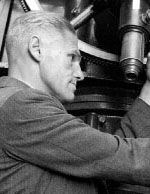
- Introduction
- Family and early life
- Early education
- Undergraduate education
- Cambridge and Mt Wilson 1926-33
- Greenwich, 1933-37
- Cambridge: J.C. Adams Astronomer, 1937-39
- Australia: Commonwealth Astronomer, 1939-55
- Astronomer Royal, 1956-71
- Some public relations
- Astronomy in education
- Astronomy in South Africa
- Scientific work to about 1955
- Scientific work after about 1955: galactic astronomy
- General writings and addresses
- Personal
- Honours and distinctions
- About this memoir
Introduction
For the almost three centuries from the appointment of John Flamsteed in 1675 to the retirement of Richard Woolley in 1971, the office of Director of the Royal Observatory and the title Astronomer Royal were deemed inseparable (although just at the outset there had been slight variability in the title's wording). Flamsteed and his successors were all among Britain's most distinguished scientists. They included Edmond Halley, in office 1720-42, probably the greatest scientist of the generation after Newton; James Bradley 1742-62, discoverer of optical aberration giving the first direct empirical evidence for the Copernican system; Nevil Maskelyne 1765-1811, who was the first scientist to weigh the Earth; Sir George Airy 1835-81, who personally performed most of the functions nowadays requiring a string of research councils; and Sir Frank Dyson 1910-33, who organised the observations at the 1919 solar eclipse that led to the acceptance of the modification of Newton's law of gravitation proposed by Einstein.
On 1 January 1955 Woolley took office as the eleventh Astronomer Royal. Because of the changes that followed his retirement it is hard for the present generation to appreciate the former prestige, in the eyes of the people of Britain, of the Astronomer Royal as the custodian at Greenwich of the most famous observatory in the world which was also by far their most senior national scientific institution. It was all a peculiarly British phenomenon. But it was good for British science, and British astronomy in particular. Young astronomers were proud of 'working with the Astronomer Royal'; foreign astronomers found the phenomenon intriguing. Woolley worthily upheld the formidable tradition to which he was heir, and of which the most important part had always been, with the best techniques of the time, to direct the Observatory to the scientific requirements of the time. In his career as a whole, Woolley played main parts in leading great extensions of optical astronomy in three of the world's continents.
Family and early life
Richard Woolley was both born and bred to the manner of career he came to follow. This was not obvious at the outset. But as the demands of that career upon personality and intellect unfolded, it became more and more manifest how well – perhaps uniquely well - his birth and upbringing had equipped him to meet these demands.
Richard van der Riet Woolley was born on 24 April 1906 at Weymouth, Dorset, England. He was the fourth of five children of Paymaster Rear Admiral Charles Edward Allen Woolley, C.M.G., R.N. (1863-1940) and his wife Julia Marian Marguerite van der Riet. To Woolley, his parents' families appeared to be 'professional, with some contact with University circles'. To us now, however, the 'contact' adds up to rather a lot.
His great-grandfather Woolley he believed to have been in the employment of the East India Company. His grandfather was Benjamin Woolley, Lieutenant R.N., born 24 April 1825, so that Richard Woolley happened to have the same birthday. Benjamin had a brother, Dr John Woolley (1816-66), who had been Professor of Classics and later the first Principal of the University of Sydney. Dr Joseph Woolley (1817-89), another brother, had been 3rd Wrangler in the Tripos of 1840 at Cambridge. Of particular interest is the fact that as a Fellow and Lecturer of St John's College in Cambridge he had as a pupil John Couch Adams, later famous as joint 'mathematical' discoverer of the planet Neptune. During 1937-39 in Cambridge as Chief Assistant in the University Observatory Richard Woolley held the title 'John Couch Adams Astronomer'. Subsequently Joseph Woolley had been prominent in the Institute of Naval Architects, and he became Director of Naval Education. Benjamin himself died while his son Charles was still a child. In 1878 Charles went to sea – in a sailing ship – as a cadet paymaster in the Royal Navy. He met Julia van der Riet while serving at the Cape.
Julia's father, Frederic J. van der Riet, was Resident magistrate and Civil Commissioner in Simons Town, the naval base. Julia was his thirteenth surviving child. A forbear had gone from Holland to the Cape in 1756. Right down to Woolley's generation, and I presume to the present day, the family has had 'a long and honourable connexion with the law in South Africa', as Woolley has recorded. For instance, Julia's brother Fred became a Judge of the Supreme Court, and a cousin Dick Barry became Master of the Rolls in South Africa.
Coming to the more academic side, Julia's brother Bernhault de St Jean van der Riet was professor of organic chemistry in the University of Stellenbosch. He had been a friend of J.C. Smuts; evidently he was popular with the students – and with Woolley himself. Also two of his and Julia's sisters married scientists. A sister Anne married William Thomson, professor of mathematics at Stellenbosch, who later became Sir William Thomson, Vice-Chancellor of the University of the Witwatersrand; he had taught J.C. Smuts. Another married Dr Arthur W. Rogers, F.R.S., the Union Geologist. Although Woolley would comment that his father and mother and their other children were not scientific, it is seen that there was considerable scientific influence amongst his close relatives. Incidentally, he said himself that the family regarded his Uncle Arthur's F.R.S. as far greater than his Uncle Willy's knighthood. It should be added that friends in South Africa seem to believe that his mother's genes were dominant in Richard.
Early education
Everything about Woolley's family shows how he always had a stable background and abundance of potential family support. Manifestly, however, there was no affluence. In particular, in Woolley's young days his father's pay as a naval officer would have been small, and his family was quite large. Also, having been in the Service from boyhood onwards, his knowledge of the world outside the Service was very restricted. Woolley realised afterwards, for example, that his father knew nothing about scholarships at public schools. The father had to acknowledge that to get his sons into the Navy would be beyond his means. The rather limited amount of schooling that young Richard got was selected on grounds of affordability.
Up to 1921, Woolley's parents lived nearly all the time that he could remember in Alverstone, near Portsmouth. He said that they never stayed very long in any one house – maybe the Woolley family rented houses belonging to other naval families while their owners were overseas. Until he was 13 years of age, Woolley was a day boy at a preparatory school in Alverstone. Then he was sent as a boarder to Allhallows School at Honiton in Devon. He was there only until just after his fifteenth birthday. The only favourable recollection he left on record was that of his mathematics master. During those two short years he managed to pass the old 'Cambridge Senior' school examination, doing well in Latin and mathematics; but he did no science.
Undergraduate education
In 1921 Woolley's father retired and took his household to South Africa. His other considerably older sons were there already, managing a farm in the Drakenstein valley, and the rest of the family stayed with them for several months. During that time Richard ran wild in the country, for which he developed a deep devotion. I realised this devotion when I travelled with him through much of South Africa more than forty years later, even though at the time I did not know how it all started.
Early in 1922 the parents moved to a suburb of Cape Town and decided that Richard, while living there, should enter the University of Cape Town in March of that year, some weeks before reaching the age of 16.
He started with no idea of where this might lead. The University was then quite small and at entry he was interviewed by Alexander Brown, professor of applied mathematics, who had been Senior Wrangler in Cambridge in 1901. Brown had become a leading personality in the University of Cape Town, after playing a prominent part in its obtaining its charter. He came to be a major influence in the development of Woolley's career. At the interview, however, the young Woolley confronted him with the proposition of doing an Arts course in Latin and pure mathematics, simply because these were the subjects in which he happened to do well at school.
A minor complication changed the whole course of Woolley's life. For the first year's work to count towards a degree, he was required to matriculate as soon as possible. For some reason the simplest way for him to supplement his 'Cambridge Senior' results, so that they would qualify him for matriculation, was for him to pass an examination in physics. Apparently he was able to arrange to have coaching for this. As an extra insurance, he had the bright idea of also attending the first-year course in physics at the University. This fascinated him. The Arts proposal went by the board. His problem then became if possible to decide between mathematics and physics; this defeated him so that he proceeded to take a combination of these. Undoubtedly he had top-class teaching in physics from Alexander Ogg and B.F.J. Schonland and in applied mathematics from Alexander Brown.
Woolley graduated B.Sc. in December 1924 and M.Sc. in December 1925, when he was only 19. He obtained first class honours in both. Later he was given to understand that his performance had been better than those of any other student in the physical sciences for some years both before and after his own. Then for some months of 1926 he served as some sort of junior demonstrator in physics while awaiting the outcome of negotiations for the next step in his scientific progress. Professor R.L. Rosenberg of Halifax, Nova Scotia, was a student to whom he demonstrated. He told me that Woolley would sit opposite him and write out the solution to a problem so that it was the right way up for him, Rosenberg, to read – which was one way to impress students!
Woolley spent altogether four and a half years in the University of Cape Town. Everything there proved to be just right for him at the time, and for preparing him for later developments. For instance he got an excellent introduction to relativity theory from Alexander Brown. This gave him an introduction to Eddington's writings so that he had developed supreme admiration for Eddington before he went to Cambridge. Also it led to his going to look up a reference about relativity in the Cape Observatory where he thus became known to H.M. Astronomer at the Cape, H.S. Jones, afterwards Sir Harold Spencer Jones, whom he was to succeed thirty years later as Astronomer Royal. He came to deplore the fact that this had been his only contact with astronomy before he left the Cape.
While at the University, being so much younger than his academic contemporaries, he had not shared much in their sporting activities. But he was enthusiastic about exploring the surrounding country and doing some rock-climbing on Table Mountain. His companions were other young scientists from whom he seems to have picked up a good deal of knowledge of local natural history and geology. A result of such scientific intercourse, as he confided to an autobiographical note, was to form an ambition to become a Fellow of the Royal Society – at a time when he still had no idea about his future career. I am sure he would never have written this down had he not been, at the time of doing so, already elected.
It was, Woolley believed, largely Professor L. Crawford, professor of pure mathematics in the University, who convinced Arthur Rogers that his nephew, Richard, had considerable promise. In consequence he made Richard an allowance of £200 a year for three years; the University awarded him a studentship of £150 a year also for three years, both awards being intended to enable him to pursue his studies at Cambridge. These sums should be multiplied by at least twenty to estimate their value at present rates, and they would be tax free. Gonville and Caius College was glad to accept Woolley, no doubt on the recommendations of Alexander Brown and Basil Schonland, both Caius men.
Cambridge and Mt. Wilson 1926-33
Gonville and Caius College 1926-29
The situation of men like Woolley going to Cambridge (or presumably Oxford) was rather special – and unrepeatable – just about the time with which we are concerned. A brief digression on the topic may be of interest. In Britain and all over the British Empire, new universities were springing up. They were still small. But they held much promise and they were attracting as professors and lecturers first-class men from the older British universities. So an able student in one of these new places was assured of first-class individual attention from these first-class teachers, who were there to attract such students. And the sciences were multiplying and expanding in the older universities, so that the supply of potential university teachers of science was on the increase. All such teachers tended to want their best students to proceed to their own old universities – to do what? The general idea seemed to be for them to capture some of the glittering prizes in the way of studentships and fellowships. But how? If they became graduate students at Cambridge without first doing a tripos they felt themselves at a disadvantage compared with the 'home products'. If they took a tripos, even though in general as graduates of other universities they were permitted to complete the course in two years instead of three, they could become bored by a prolongation of undergraduate life, while in afterwards going on to research, in terms of age they would again be disadvantaged relative to 'home products'.
Undergraduates like myself coming up straight from school had just a vague idea that such people were around and that they were apt to collect a few more prizes than seemed quite fair. In fact many of them became greatly distinguished and I am convinced that the very special attention they had had early in life in the pioneering days of their first universities had given them a uniquely valuable start.
Coming back to the dilemma facing such entrants in Cambridge, each individual had to resolve it as best he could. Woolley came up in the Michaelmas term of 1926 and chose to do so as an undergraduate. In his case, however, the dilemma had been compounded by his uncertainty as to even the subject he wanted to pursue. At first he believed it should be physics and for his first term he went to lectures and practicals in Tripos Part II Physics. But he did what probably no undergraduate had ever done before by getting to discuss his course with the professor of physics – the mighty Rutherford! After consulting a colleague, Rutherford suggested that Woolley should get started on research at the end of his first year in Cambridge provided he could reach first class standard in the Part II examination that year. This strikes one as having been a wonderful offer for a young man who already had a first class master's degree in physical science. However, Woolley thought that the consequence of failing to reach the standard would be intolerable. The upshot was that at the end of his first term he transferred to working for the Mathematical Tripos to be taken at the end of his second year. He declared later that he never regretted the change. Probably this was because it led ultimately to his becoming an astronomer rather than a physicist. By his own account he did not learn much mathematics that he did not know before, but he believed he had gained confidence and style in using it. He became a Wrangler in 1928.
In these two belated undergraduate years, Woolley must have matured enormously in personality and intellect; he discovered unexpected joys in literature and music and became a keen, if unskilled, member of the Caius boat club. In the summer of 1927 he joined the Cambridge University expedition to Spitzbergen led by Gino Watkins. Woolley's contribution was to make some geomagnetic observations on Edge Island. Their publication constituted his first 'papers'. He used a magnetometer that he had borrowed from the Royal Observatory and this led to his first meeting with Sir Frank Dyson and other astronomers at Greenwich. The Royal Geographical Society backed the expedition and Woolley met A.R. Hinks, its secretary. This had a sequel in the next summer, when Woolley visited his parents in South Africa and made some gravimetric measurements for Hinks. In fact in Cambridge it had been arranged that, if he got a first in his Tripos examination he would start research with Eddington, but if he got a second he would take up geodesy.
Returning to Cambridge in the Michaelmas term of 1928, Woolley started theoretical research with Eddington as his official supervisor. Because he was a Caius man intending to work in astronomy, however, F.J.M. Stratton, who was then both Senior Tutor of the College and deputy director of the Solar Physics Observatory (SPO), came to take a special interest in Woolley. This interest played a determining part in most of Woolley's career as an astronomer.
I used to credit Stratton with almost occult powers in foreseeing how that career would develop. But I am now more inclined to think that it was a case rather of quiet calculation that a man of the right temperament becoming an astronomer at that date had a good prospect of being Astronomer Royal about thirty years later. I am positive that Stratton never said this to Woolley or anyone else. Anyhow, Stratton and his younger colleague J.A. Carroll (afterwards Sir John Carroll) tried to get Woolley involved in observational work in SPO. He did not get far with this because he was starting research with the notion that one had to think up some epoch-making discovery and then make a few observations just to check it. It was some years before he tended to go to the other extreme of organizing as many observations as possible of some phenomenon in which he became interested.
It was Stratton who during this first postgraduate year suggested that Woolley apply for a Commonwealth Fund Fellowship with a view to working for two years at Mt Wilson Observatory in California, after which he could return to complete his Ph.D. work in Cambridge. At the interview, just because he himself was not desperately anxious to do this, he succeeded in creating a far better impression than he could have done had everything depended upon his getting the Fellowship; he did actually get one and go to Pasadena and Mt Wilson for the next two years.
California: Commonwealth Fund Fellow, 1929-31
Then came an unforeseen development that has to be mentioned here and borne in mind as naturally influencing the course of his career thenceforth. In the summer of 1929, shortly before Woolley sailed to America for his two-year absence, he became engaged to Gwyneth Meyler, who was then finishing her first year at Girton College. The ensuing separation caused him much unhappiness; it was one factor in making his stay what he looked back upon as 'something of a failure'.
Another factor was his hosts' evidently crediting him with experience that he did not possess at the time. When he declared his wish to measure linewidths in the solar spectrum, they allowed him to proceed almost on his own. He ought to have started 'on the shop-floor' as an apprentice in some major observing programme in progress at Mt Wilson. Then in 1930 he was unsettled by Alexander Brown's offer of a senior lectureship in applied mathematics in Cape Town, presumably to start on the expiry of his Commonwealth Fellowship. Woolley wanted to accept, but his fiancée could not agree and this evidently caused him to lose heart in his Mt Wilson work.
Actually it seems that in California Woolley made more and better impressions than he gave himself credit for. He met most of the well-known American astronomers of the time – if they were not working in California they seem to have made visits during Woolley's stay. Curiously, however, he did not then meet Edwin Hubble, for Woolley happened to be associated with some astronomers who at the time were unable to accept Hubble's ideas about the remoteness of the 'spiral nebulae', there being some consequent temporary rift. Also Woolley made lasting friendships with some of his own contemporaries among the younger astronomers.
Cambridge: Isaac Newton Student, 1931-33
Woolley had to think of his future support and while at Mt Wilson he applied for, and was awarded, an Isaac Newton Studentship at Cambridge. This he took up as soon as he returned there in the summer of 1931. He then soon completed his Ph.D. work. But he was greviously disappointed at not gaining a Fellowship of Caius; the competition, always intense, was specially so in the years when he competed.
Richard and Gwyneth were married in March 1932. Apparently it was a runaway wedding, with only one friend as a witness. At the time her father, who was rather well-to-do, disapproved of her marrying a penniless scientist without prospect of any assured position in life. Happily, in due course Woolley became a favourite of the family. Then, however, he had nothing except Gwyneth's faith in him, his £250-a-year studentship, and – it has to be added – a good measure of self-confidence.
Harold Spencer Jones became Astronomer Royal in 1933. He was succeeded at the Cape by John Jackson, one of Dyson's two Chief Assistants at Greenwich, the other being W.M.H. Greaves. So one of Spencer Jones' first tasks was to find a successor to Jackson. Somehow Stratton contrived a meeting between Spencer Jones and Woolley; soon afterwards he appointed Woolley. On paper, Woolley's academic record was perhaps less outstanding than that of any of the eight or so then living predecessors in the post. So it was wonderful recognition for Woolley, and at that juncture in his career, it sent him into transports of delight. Actually, Spencer Jones had, it seems, resolved to divert more of his Observatory's research effort into modern observational astrophysics and he saw in Woolley probably the best-qualified young astronomer to help him.
Greenwich, 1933-37
At Greenwich, Woolley took to nightly transit observing with enthusiasm. Likewise he came to enjoy making measurements on double stars and reducing the observations. In these and other ways he was qualifying himself as a professional astronomer. Also he was happy in his collaboration with Sir Frank Dyson, to be described below. He discovered a new joy, too, in taking up hockey with the Observatory team.
Fairly soon, however, he and his wife became unsettled. He felt that the work gave him little scope for the exercise of responsibility and initiative. Domestically, neither he nor his wife liked living in what they regarded as the isolation of Blackheath.
Since 1919 W.M. Smart had been John Couch Adams Astronomer and Chief Assistant at the University Observatory in Cambridge under the direction of Eddington. In 1937 he became Regius Professor of Astronomy in Glasgow, and Eddington was to appoint a successor. On impulse, Woolley rushed to Cambridge and asked Eddington to give him the post. Both Eddington and Stratton were surprised at his wanting to leave Greenwich for this position, and thus maybe sacrificing the prospect of preferment to the top of his profession. However when Eddington saw that Woolley appreciated such implications, he made the formal offer and Woolley accepted.
As things turned out, this was but one of several cases of Spencer Jones being put to considerable inconvenience by the departure of Chief Assistants – his whole tenure as Astronomer Royal was troubled also by a variety of setbacks, which he bore with stoicism. He and Woolley remained on friendly terms, and he helped Woolley quite a lot some years later.
Cambridge: J. C. Adams Astronomer, 1937-39
So Woolley was back with Eddington. A word about their relationship: some friends of Woolley tell of his 'veneration' for Eddington, others profess not to have noticed it. I think this had purely to do with Eddington's intellect. Woolley had profound admiration for Eddington's combination of astrophysical insight and mathematical mastery. I doubt whether Woolley had any particular view about Eddington as a person – no one would want to say that he 'venerated' Eddington as such. For his part, Eddington appeared to approve of Woolley. But when anything practical had to be done for Woolley, the initiative had usually to be taken by Stratton.
The two years for which Woolley stayed seemed to be a quietly happy period for him, but rather uneventful. He gave a graduate course on atomic spectra and the formation of absorption lines in stellar spectra, and successfully helped with three graduate students. As holder of a university appointment but not a college fellowship, he was for those times rather an odd man out.
About all the discontinuities in the externals of Woolley's life in those years, it has to be said that he throughout maintained his central research interest in the astrophysics of the outer layers of a star. Until that came to be understood, little could be known empirically about most of the material Universe. Also he continued to accumulate professional experience. Nevertheless it is hard to see what that spell in Cambridge could have led to, had a totally unforeseen opening not presented itself at the other end of the Earth.
At that time Australia's only national astronomical institution was the small, isolated and neglected Commonwealth Solar Observatory (CSO) on Mt Stromlo, about ten miles from Canberra. It had even lacked a director for a decade. Nevertheless it was fairly well equipped for the solar and certain geophysical work for which it was designed, and the four youngish scientists stationed there had been doing good work. The Department of the Interior was at last acting upon a recommendation from a panel it had consulted 'that the Empire be searched for a suitable Director': it advertised the post accordingly. It asked a committee in London composed of A. Fowler, E.A. Milne and H.H. Plaskett to advise the committee it set up in Canberra to consider applications. In June 1939 the latter reported 'very great satisfaction in being able to commend...such an admirable appointment as that of Dr Woolley'. Until I recollected how in those days candidates were normally expected themselves to procure testimonials – not as now simply to name referees - I was at a loss to understand how Woolley came to possess copies I have seen of what had been written about him. The writers were the Astronomer Royal, Eddington and Stratton. In view of what they said about him, it would have been astonishing had the Committee reported otherwise.
What Woolley had been in need of, all his life, had been for responsibility to be thrust upon him. We are about to note how, because of the outbreak of World War II, the responsibility far exceeded anything that could have been foreseen – and how it was the making of Woolley the man. And after six moves in scarcely more than twice as many years he was about to work in one place for the next sixteen years.
It should be mentioned that the runner-up for the post was the eminent ionospheric physicist, D.F. Martyn (1906-70). Their subsequent interaction in Australia makes quite a saga. Here there is space only to say that these two, whom many people found not invariably the easiest individuals to deal with, came to have considerable cordial mutual respect. After the war they co-operated in various ways, to their mutual scientific advantage and to the advantage of Australian science generally.
Australia: Commonwealth Astronomer, 1939-55
Wartime Australia, 1939-45
The Woolleys arrived in Australia on 4 December 1939 and Woolley forthwith took office at Mt Stromlo as Commonwealth Astronomer. World War II had started in September, but it had not yet had great effect within Australia. The CSO carried on normally for about the first half of 1940; it was able even to send a two-man expedition to South Africa to observe the exceptionally favourable solar eclipse of that year. Then everything changed dramatically after the British evacuation from Dunkirk.
Britain needed all the arms it could get to re-equip its own forces; it had to stop supplying Australia. That country was already able to manufacture certain armaments, but it was devoid of means to produce some of the refined components like telescopic gunsights and their mechanical parts; it had few optical technicians and no supply of optical glass. Australia remedied the situation at a speed that no one elsewhere had believed to be possible.
The first move was to convert CSO into an optical munitions factory. Woolley became Director and other astronomers took appropriate appointments there. Then the workforce had to be built up. About that time there arrived from England a shipload of internees, mostly refugees from Nazi oppression in Europe. Woolley had the inspiration of having all 1500 screened to discover any optical technicians among them. He discovered seven, who then formed the nucleus of this force. I believe that all these proved bright and that several had excellent careers in Australia after the war. The strength was built up to a maximum of about seventy. It was then manufacturing about a dozen different entire items, that is optical plus mechanical parts, in production runs of up to a hundred at a time. Also by 1942 they had ample supplies of optical glass, for the lenses and prisms, made from suitable sand discovered in Australia by the chemist E.J. Hartung.
Later in the war, Woolley was put in charge of the Army Inventions Directorate (AID) in Melbourne. His group had to sift thousands of suggestions 'for winning a war'. This took him away a good deal from Mt Stromlo, where, however, he remained in overall control and made himself available for consultation. Much of the running of the work there was then supervised by C.W. Allen and S.C.B. Gascoigne. Allen (1904-88) had been at Mt Stromlo since before Woolley's arrival: he was later Perren Professor of Astronomy in the University of London at University College, 1951-72. Gascoigne is a New Zealander who did a Ph.D. in optics in Bristol under the inventive genius C.R. Burch. He was a wonderful find for Woolley for the work then in hand, and since those days he has had a distinguished career in Australian astronomy.
In all this wartime activity Woolley learned above all how to take responsibility and to make decisions. Once he started, it all came naturally to him, but it seems that he needed the push of something like a world war to get him properly going. Also he learned his ways around the corridors of power. They were of course Australian corridors, but apparently such corridors look much the same north and south of the Equator. I think the verdict upon Woolley's activity will be that he was a good director, though not himself a particularly good administrator. But he learned much about how the administrative mind operates. Then too he came to know personally many of the leaders in scientific and public life in Australia and the leading administrators who came to the fore after the war.
Postwar Australia, 1945-55
It was undoubtedly a great time for Australian science, both for its own advancement and also for its status in the community. For one who had arrived after the outbreak of war as a not very well known young scientist, Woolley came to play a surprisingly prominent part.
Woolley developed a deep attachment to Australia. In the 1950s he and his wife bought a 'retirement' property on the coast, having apparently come to believe that they would be there for the rest of their lives. It was only with uncharacteristic indecision that in 1955 Woolley allowed himself to be regarded as a candidate for the position of Astronomer Royal. His wife, although more thoroughly British than himself, was even more reluctant to leave Australia. Indeed, I have been told that he made a last-minute signal to the Admiralty in London asking for his name to be withdrawn, but that this arrived only after the Admiralty had submitted his name to the Queen. Although Woolley retained unimpaired vigour throughout his subsequent working careers in England and South Africa, probably a majority of his friends would agree that his most widely effective period was his time in Australia.
For instance he became deeply involved in the affairs of the Australian National University (ANU), the Australian Academy of Science (AAS) and the Australian and New Zealand Association for the Advancement of Science (ANZAAS). In England and in South Africa he was indeed involved in the activities of analogous bodies, but he seemed never to become anything like so much committed. The burgeoning of Australian science after the war, including of course that in optical astronomy being led by Woolley himself, made such involvement almost inevitable, but it is a tribute to Woolley's personality and intellect that it became so influential on the national level. The whole story would take much too long to tell here; fortunately much of it is well documented.
A few items are mentioned elsewhere in this memoir. Here one may add briefly that ANU was founded in 1946 and Woolley was made honorary professor of astronomy in 1950. From an early stage he was much involved in discussions about the structure of the new university. At the outset it was intended for only researchers and the training of researchers. Woolley pressed strongly for the inclusion of undergraduate teaching, but this did not come until 1960, after he had left. The first research students entered in 1951; in 1953 A. Przybylski became the University's first Ph.D. and not long afterwards G. de Vaucouleurs gained its first 'earned' D.Sc., both these being Mt Stromlo astronomers. Then Woolley also pressed very hard for the Observatory to become part of ANU instead of the Commonwealth Department of the Interior on the ground that its main occupation had become research in astrophysics. This met with opposition from unexpected quarters before it was finally agreed and put into effect, again very soon after Woolley's departure.
Regarding the AAS, in the early 1950s Woolley was one of those to join D.F. Martyn in working for its establishment – evidently a far more delicate and intricate operation than one might have supposed. The Academy came into being in 1954, with Sir Mark Oliphant as President and Martyn as Secretary (he was elected President in 1969). Woolley was one of the 23 Foundation Fellows and for a short period he served as Treasurer.
As to ANZAAS, in 1947 Woolley was President of Section A, in Perth, and in 1955 he was President of the Association in Melbourne.
A word has to be said about Woolley's attitude towards radio astronomy, in which Australia, along with Britain, led the world for more than a decade after the war. Unkind things have been said about his 'conservatism'. Looked at as dispassionately as possible, however, Woolley took the reasonable view, and the radio people were just unreasonably lucky. For, in the early days, the only star giving detectable radio emission was the Sun and this was so feeble that there was little chance of observing a similar source any further away; while the only Galaxy as such giving detectable emission was the Milky Way Galaxy and this was so weak that there was almost no chance of observing any other such source. And if, as was then thought, naturally occurring radio radiation was bound to be mostly temperature radiation, this situation was precisely what any astronomer would predict for himself. Of course it was interesting that the Earth's atmosphere should be transparent in these wavelengths, and of course one should see what they could tell about Sun and Galaxy. But it would be a waste of resources to do any more about it. I am not sure whether Woolley said it in so many words, but I do feel sure that this was his instinctive and wholly reasonable reaction. It would have been somewhat on a par with his own later reaction to space travel, and Rutherford's famous reaction to any possible 'use' of nuclear energy. At the time, the radio astronomers had to thank their lucky stars – in more senses than one – that Nature does not always behave as reasonable people think it should. It was not long, of course, before Woolley himself recognised this as much as anybody. But then he saw also very clearly the urgency for procuring more and bigger optical telescopes to look at the Universe that was being revealed to the radio astronomers.
Mt Stromlo, 1945-55
We return now to Woolley's postwar decade at Mt Stromlo [although the Observatory's official title was modified more than once, in this narrative it will be simplest to call it this throughout]. It had emerged from the war years with a slightly enlarged scientific staff and with good workshop facilities but no new telescopes. A fuller record should list the staff members as they came and went. Some will be named in the account of the scientific work, and in the bibliography, as co-authors with Woolley. Here it can just be said that Woolley showed talent for picking young or unlikely recruits and inspiring them with his own enthusiasm. Two examples must suffice here, both happening to have celestial objects named after them: A. Przylski, already mentioned, who has his star, whom Woolley came across as a Polish refugee employed in laying cables but possessing an impressive academic background; and C. S. Gum, who has his nebula, who was one of the first intake of ANU research students.
Woolley took it to be his mission mainly to steer the observatory away from solar astronomy and into observational astrophysics. The Sun could be studied from anywhere on Earth, whereas the southern stars offered vast scope for new astrophysical observations. So the observatory had to be re-equipped for such work, by adapting telescopes, acquiring the right spectrographs and photometric instruments, and so forth. Woolley and his team went ahead with vigour and resourcefulness, while also pursuing full-time observing programs using whatever equipment might be on hand at the moment. For most of Woolley's time, the faithful standby was the 30-inch reflector presented many years earlier by the great British amateur astronomer, J.H. Reynolds. Then in 1944 the Melbourne Observatory had closed, and Mt Stromlo had acquired its 48-inch reflector - which had been offered for disposal as scrap! Woolley's team set about making it into a 50-inch telescope with a new mirror that proved a useful instrument for many years. Another consequence of the Melbourne closure was the transfer to Mt Stromlo of responsibility, which it retained until 1968, for the Australian Time Service. In this context, in 1946 Woolley started negotiations for a photographic zenith tube (PZT); it was delivered only in 1956, and so was not available in Woolley's time.
Much the most ambitious project was that for a 74-inch reflector. At the time the only comparable telescopes in the entire British Commonwealth were the 74-inch Radcliffe at Pretoria and the 72-inch at Victoria, B.C. Apparently the Australian government had given some informal indication that it was prepared to do something in recognition of the Mt Stromlo contribution to Australia's war effort. Before formulating an application, in 1946 Woolley invited Sir Harold Spencer Jones, as Astronomer Royal, to visit Mt Stromlo and to report to the Minister concerned. Spencer Jones recommended the acquisition of a 74-inch telescope. Thereupon Woolley went to the Prime Minister, who readily approved the expenditure. The telescope, constructed in Britain by the firm of Grubb Parsons in Newcastle upon Tyne, took a regrettably long time to complete. On 8 November 1955 the Governor General, Sir William Slim, performed the opening ceremony. Before Woolley's resignation took effect a month later, he was able to take part in the final tests; sadly he never had the opportunity to do astronomy with this telescope, for the next twenty years the largest in Australia.
A sensation on 5 February 1952 was a devastating bush fire that, owing to a sudden change of wind, took everyone on Mt Stromlo somewhat unawares. Under alarming handicaps, Woolley and his staff fought it with skill, courage and resolution. They lost their forest, and their cherished workshop was gutted; fortunately, however, offices and houses suffered no serious damage, and nobody suffered serious injury. The firefighters were, of course, exhausted, but when the fire had passed, the Hotel Canberra sent them up a barrel of beer and sandwiches. But then came the fire brigade, and drank the beer. Finally came the Minister of the Interior to give instructions to the firefighters. This is the story as Woolley liked to tell it, concluding by saying that within the year they had a better workshop, and he reckoned that in the end there had been no setback.
Over the years the Observatory received a succession of greatly valued visitors, including, besides Spencer Jones, Sir Harrie Massey, Sydney Chapman and Oslo Struve. For longer working visits there were G. E. Kron (for much of 1951) and O. J. Eggen (1951-52 and 1955), who came from the Lick Observatory in California bringing equipment for the then quite new photoelectric photometry. Their co-operation with Mt Stromlo astronomers was remarkably productive. Then there were other 'visitors' in a different category: astronomers from the Yale-Columbia Observatory near Johannesburg at Woolley's invitation transferred their telescopes to Mt Stromlo, and astronomers from Uppsala brought their new 20-inch Schmidt telescope for installation there. The astronomical community there was becoming rather formidable.
The freedom of life on Mt Stromlo, where Woolley could keep a horse, or horses, and ride anywhere over the countryside, appealed to him tremendously. Also in his last year or two there he developed another interest, University House, which was in effect the 'University College' of ANU. He had been chairman of the House Committee that had seen to its detailed planning and had become one of its Fellows and, from 1954, Deputy Master. He and his wife had a flat in the college and took a leading part in its social and musical activities; I do not know how they then divided their time between there and Mt Stromlo.
Astronomer Royal, 1956-71
Richard Woolley took office as eleventh Astronomer Royal, and Director of the Royal Greenwich Observatory (RGO), from the beginning of 1956. For the youth who 35 years earlier had made his first encounter with science simply as a handy way to complete his matriculation qualification in Cape Town, this should have been a splendidly happy attainment. Actually it was all very muted for him. His wife was in poor health and had not yet left Australia. Sir Harold and Lady Spencer Jones had encountered some difficulty about moving into their new home near London and had asked to remain for the time being in what was intended to be the Woolleys' new home in part of Herstmonceux Castle. These matters got sorted out before long, but they meant at the time that Woolley could not throw himself into his new responsibilities with not another care in the world.
Matters of conduct and policy
Woolley inherited two major overriding responsibilities; before he could initiate much in the way of new plans for the Observatory, these had to be discharged. The first was to complete the move from Greenwich to Herstmonceux in Sussex. This had been begun in 1946. By 1956, when Woolley took over, some departments had for several years been operating in full vigour at Herstmonceux; these included the Nautical Almanac Office (NAO), the time department and the solar department.
However, most of the equatorial telescopes and some others were not yet in operation at their new sites. In working to accomplish the removal, Spencer Jones had met with frustrations ranging from cuts in the Admiralty vote to farcical objections from conservationists in Sussex, and some people had just lost heart. Woolley tackled the situation with energy and succeeded in getting a good response all round. As one example, on 23 April 1957 the last transit observation with the small transit instrument was made at Greenwich at 0309, the instrument was taken to Herstmonceux, installed on its new mounting, adjusted, and the first transit observation was made at Herstmonceux at 2000 on the same day.
By 1958 Woolley was able to announce that all equipment was in operation on the new sites. This culmination was saluted by a visit by H.R.H. the Duke of Edinburgh. He spent the day, 14 November 1958, going round every department and seeing it at work. This was a very heartening occasion for all concerned, and far more appropriate than a formal Royal 'opening'.
In passing, it should be said that Woolley was not much involved in the destiny of the historic site of what had thus become the 'Old Royal Observatory' at Greenwich. In pursuance of arrangements made before he took office, the grounds and buildings were in process of being transferred to the adjoining National Maritime Museum. In 1960 Her Majesty The Queen opened the Observatory's famous original Wren building, Flamsteed House, as having become part of the Museum.
The second of Woolley's initial responsibilities was the completion of the Isaac Newton Telescope (INT). This, too, went back to 1946. At the Royal Society's war-delayed celebrations of the tercentenary of the birth of Isaac Newton, its President had that year announced the British government's agreement to pay for a 100-inch reflecting telescope for British astronomers. As Newton had invented this sort of telescope and had presented the first description of it to the Royal Society, along with a specimen made by himself, this was the most appropriate way imaginable to mark the occasion. The name was, of course, to be the Isaac Newton Telescope. The original inspiration for the proposal had been a notable presidential address to the Royal Astronomical Soeiety earlier in 1946 in which H.H. Plaskett had powerfully demonstrated the requirement by British astronomers for such a telescope – without himself having thought of associating this with the forthcoming Newton celebration. After the announcement, the Royal Society set up a committee to advise on the project; in effect, to get the INT made.
By 1955, when Woolley became Astronomer Royal designate, no progress had been achieved. There had been an abundance of ideas and a famine of leadership. Spencer Jones had done all he could, but he was restricted by the fact that the INT was not intended to be part of the RGO, so he had to take care not to give the impression that he was behaving as though it would be. In fact there was nobody in a position really to take charge. In addition, many of the proposals for telescope design and operation were ahead of their time, being dependent upon high technology that did not yet exist.
In the summer of 1955 the International Astronomical Union had its General Assembly in Dublin. Woolley attended, along with several current members of the INT committee. He invited them to an informal meeting and convinced them that they must get on with making the telescope and that the only way to do this was to agree to follow the orthodox classical design for such an instrument. This was what the committee soon formally agreed to. The telescope was made by Grubb Parsons. In 1962, by then chairman of the Board of Management of the INT, appointed by the Royal Society, Woolley published a progress report. But the telescope was not ready to be inaugurated by Her Majesty The Queen until December 1967. Why it took so long is hard to comprehend. Again it must, I think, have been because for most of the time it 'belonged' to nobody in particular. As will shortly be recounted, it found an owner after the Science Research Council (SRC) was set up in 1965.
To come back, for the moment, to Woolley's plans for RGO: as he had done earlier at Mt Stromlo he conceived it to be his role to divert more of the RGO effort into observational astrophysical research. To this end, in the manner described below, he proceeded to phase out almost everything on the 'geophysical' side. Also he reduced the Observatory's emphasis on 'fundamental' astronomy, the work of the Nautical Almanac Office and the Astrometry Department. The main effort was directed into programmes of observation designed to solve astrophysical or astrodynamical problems of the day, some jointly with the Cape and Radcliffe Observatories in South Africa. Woolley himself worked with ardent devotion upon such programmes and led groups of young colleagues to become similarly devoted.
All this looked to be moving with the times. Also it was the sort of astronomy that called for ever-increasing telescope power, and Woolley was always making every effort to procure this. But Woolley was in the process of curtailing and discarding just the sorts of astronomy that made the RGO essential for all the rest of astronomy. If the RGO were needed for only the sort of astronomy that Woolley wanted to do, it was not needed to do even that. All that the RGO would be needed for would be to look after the telescopes for other astronomers – university astronomers in fact – who could equally well do the actual astronomy and also other work.
This is overstating the case. Woolley can scarcely have foreseen the full consequences of his policy. But from his time onwards, this is the direction in which things have been moving. Unfortunately the policy weakened the position of 'fundamental astronomy' without which all the rest must fall apart. The RGO had been pre-eminent in the field; university groups are not geared to such work.
In running the Observatory, Woolley's attitude towards new ideas tended to be ambiguous and dependent on fortuitous circumstances. For instance, he was not attracted by electronic computers, but in 1964 he had to agree to instal one for NAO. In his own work he used a hand-cranked 'Brunsviga'. Then one afternoon he was struggling with the numerical solution of an intractable differential equation. In desperation, he telephoned D.H. Sadler, Superintendent of the NAO, for assistance. Sadler was delighted that his machine might be of use to Woolley, but unfortunately he was unfamiliar with the particular type of differential equation. Fortunately the astronomer M.V. Penston, who had recently joined the RGO and who did have some familiarity with the type of problem, chanced to hear what was going on and volunteered his help to Sadler. These two then dropped everything else they were doing, and after a superhuman effort of concentration, presented Woolley with the solution before the afternoon was out. Woolley was completely won over to that sort of employment of a computer. In fact, he then began to take pride in the hours he spent with it during evenings and weekends, instead of in the number of hours it saved him. But apparently he was never won over to the use of an on-line computer on a telescope. Rather similarly, he had been pleased to employ photoelectric photometry at Mt Stromlo, but his own electronics group at RGO considered that he never fully exploited their capabilities.
Then there was space research. His 'utter bilge' comment that was provoked as he stepped out of an aeroplane after a delayed 36-hour flight from Australia should be forgotten. But sadly his subsequently rather obstinate attitude is reckoned to have held Britain back from playing an adequate role in 'space science'. Of course his attitude was understandable. For year after year he saw money going into 'space' in Europe without much scientific return, money that could have transformed ground-based astronomy. Much of the fault was with the way, most calculated to antagonise the astronomers, in which the finance was administered.
All the matters mentioned in this section arose under the old (Admiralty) regime and were much affected by the change of regime resulting from the passage on 1 April 1965 of the Act setting up the Research Councils under the Secretary of State for Education and Science and other Ministries. The administration of RGO passed from the Admiralty advised by the Board of Visitors, to the SRC (which became the present Science and Engineering Research Council [SERC] only much after Woolley's time). In each of his first nine years in office Woolley made his annual report to the Visitors, almost always presided over by the President of the Royal Society, at their annual visitation in June. The Visitors then forwarded the report to the Admiralty along with any comments, resolutions and recommendations that they saw fit to make. The Visitors were not involved in any budgeting, but their report was the recommendation of provision for specific operations, equipment and accommodation. After the SRC took over, the Board of Visitors was dissolved by Royal Warrant. The direct link between the Royal Society and the Royal Observatory, unbroken since the time when they shared the same royal founder, was thus severed. The SRC set up an elaborate committee structure that seemed to be dedicated entirely to deciding - or at any rate talking about, or being told about – how money should be spent. It was difficult to detect where scientific policy was settled. The RGO Committee was one of the bottom grade. It met two or three times a year; its recommendations had to percolate up through all the other grades; whether anything recognizably like them reached the top was hard to tell.
Merging and publication
In 1960 it was announced that, 'The Lords Commissioners of the Admiralty have approved an administrative merger between the observatories at Herstmonceux and the Cape. Joint programmes embracing observations in both hemispheres are planned, and staff are already being exchanged between the two establishments.' On a visit by Woolley to South Africa in 1958 he and R.H. Stoy, Her Majesty's Astronomer at the Cape, had discussed the possibility of a closer relationship between their observatories. This was the outcome.
The merger had consequences for vehicles of publication. Up to then most research papers from RGO appeared in the journals of the Royal Astronomical Society as 'communicated by the Astronomer Royal'. Papers that mainly recorded observations appeared in the Observatory's own publications. Then in 1960 Woolley decreed that those publications should be renamed Royal Observatory Bulletins and Royal Observatory Annals, and 'in future most of the work done at the Cape and at Herstmonceux will be published in these'. Somebody – I know not who – must have represented to Woolley that overwhelming advantages were going to be reaped from such an arrangement. It was in fact an unfortunate policy for the Observatory and for the individual authors, since astronomers and others in universities at home and abroad do not normally read observatory publications. So for some years they got the impression that these particular observatories were not producing research, and they learned nothing of the authors who were working in them.
Staff
At the start of Woolley's time in charge of RGO, the general pattern of staffing was still about the same as it had been since early this century, although numbers had grown at a fairly modest rate. In particular, the key members under the Astronomer Royal were his two Chief Assistants. These were at first R.d'E. Atkinson, in office 1937-64, and T. Gold, 1952-56. Gold left in Woolley's first year, to be succeeded by O.J. Eggen, in office 1956-61 and 1964-65, who a few years earlier had so effectively collaborated with Woolley at Mt Stromlo. Woolley's early years as Astronomer Royal were those when the country was 'having it so good', and universities and scientific institutions generally were expanding and multiplying. Woolley too was able to recruit some young men with very distinguished university records. In addition, after the SRC came into operation in 1965 there was a regrading throughout the staff, one result of which was the disappearance of the singular status of Chief Assistant. About the same time, partly in consequence of the creation nearby of the University of Sussex, Woolley began to recruit still younger scientists into his research groups because in appropriate cases they could complete a doctorate at the University. Also he instituted a 'Division of Instrumentation and Engineering' under D. McMullan, who worked closely with J.D. McGee of Imperial College, in London, on the development of image intensifiers for use on telescopes. The new grading system also facilitated new avenues of promotion so that Woolley could have A. Hunter appointed his second-in-command as Deputy Director. This enabled him to take advantage of Hunter's outstanding organisational skills. Thenceforth much of the success of Woolley's directorship was possible because of the extent to which he could rely upon those skills. I am sure he would wish this to be acknowledged in any account of his own stewardship.
Geophysical concerns
The extension of RGO activity on the astrophysical side could be achieved only partly by enlargement of staff and other resources. As already stated, some had inevitably to be at the expense of curtailment of older activities. Woolley pruned solar astronomy in the Observatory to about the minimum needed to meet its then current commitment to the international monitoring of solar activity. The solar work had been linked with the Observatory's long-standing and renowned involvement with geomagnetism. Although recognising the significance of the work, Woolley judged there to be some institution more appropriate than RGO to take responsibility for it. Eventually, in 1967, he had the responsibility transferred to the Natural Environment Research Council (NERC), although for the rest of his time the Geomagnetism Unit headquarters remained housed at Herstmonceux. Likewise the Chronometer Department of RGO had long given vital service to the nation, but again Woolley thought it more appropriate for someone else to run it and in 1965 he arranged for its transfer to the Ministry of Defence. During the remainder of Woolley's time, it too stayed housed in the Castle. Finally in this regard, the Observatory had maintained invaluable meteorological records, amongst the longest anywhere, at Greenwich. In 1952 this activity had been transferred to Herstmonceux. However, soon after he took office, Woolley felt impelled to terminate the work, or at any rate most of it.
All this development calls for two comments. The history of RGO over about the past 150 years shows that much of geophysical science had its origins in operations of Britain's national astronomical observatory. In consequence, astronomy and geophysics are more closely associated in Britain than elsewhere, to the evident benefit of both. Maybe the great expansion of both sciences made inevitable Woolley's disposing of most of RGO's geophysical involvement. But partings are apt to be sad and also regrettable. Woolley could scarcely have foreseen that the growth of planetary science after his time would bring astronomy and geophysics nearer together again; had he been able to do so, he might have proceeded somewhat differently. In any event all that he did demonstrated his readiness to make firm decisions and to take drastic action.
The other comment concerns the making of such decisions. Up to 1965 Woolley was in a position to make them without seeking anybody's approval. Presumably he reported them to the Visitors, but he would have been much surprised had they demurred. Things changed somewhat when the SRC took over. In fact, when the SRC chairman made his first visit to RGO and Woolley had to conduct him around, it was said that Woolley looked positively sheepish at having to introduce his staff to somebody whom he had to regard as his 'boss'. Hitherto Woolley and his staff had regarded Woolley as having no 'boss' other than Woolley himself And they had liked it that way!
Overseas observing
Elsewhere in this memoir is mentioned the co-operation between RGO and the observatories in South Africa. Not only did this afford the possibility of observing the southern sky, but the Pretoria 74-inch telescope was far larger than any at RGO before 1967, when the Isaac Newton Telescope (INT) became available. Even for observing in the northern hemisphere, Woolley had therefore continually to seek opportunities for himself and his colleagues to use large telescopes overseas. He made numerous visits to California, chiefly to use the 60-inch and 100-inch telescopes on Mt Wilson but also because he welcomed opportunities to confer with astronomers there like Ira S. Bowen, Allan Sandage and C.D. Shane. For instance, he was there in September-November 1959 measuring radial velocities of stars in the Hyades, and in the same year A. Hunter from RGO was there for six months to take second-epoch proper-motion plates of these stars. Again, usually with a colleague from RGO, during 1965-67 Woolley had several profitable observing spells on the 74-inch telescope at Kottamia in the Egyptian desert, obtaining many hundreds of spectra for radial velocity determinations. Later he arranged for staff members to visit the Sierra Nevada outstation of the Cartuja Observatory in Spain: besides making needed observations in favourable atmospheric conditions, this was partly with a view to the possibility of finding in the northern hemisphere a more favourable site than Herstmonceux for an RGO telescope. It should be added that Woolley continued to have observing visits abroad without ever getting a name as an 'absentee director'; indeed he always wanted to be back as soon as possible and was credited with frequently reappearing at Herstmonceux a day earlier than he had been expected.
Telescopes and other instruments
The story of the INT, before its transfer to La Palma after Woolley had ceased to be concerned, has been told in several accessible accounts; details need not detain us here. Although the INT was never part of RGO, as long as Woolley was Director he was responsible to the SRC for its maintenance and operation. Also RGO was mainly responsible for its instrumentation – its spectrographs, cameras and so on – most of which was constructed in the RGO workshops, which Woolley had had enlarged. Also in his time certain important modern smaller 'telescopes' were brought into use at Herstmonceux. These included two that were designed for determination of astronomical time and of latitude variation, both instruments having been cherished interests of Spencer Jones. One was the Danjon Astrolabe, erected in 1960. The other was the Photographic Zenith Tube (PZT), brought into regular use from 1957, its operation being made largely automatic from 1961; it has achieved remarkable accuracy. The Herstmonceux PZT has been the prototype for others, including the one that Woolley himself in about 1946 ordered for Mt Stromlo. For another thing, it was during Woolley's tenure that RGO went over from the use of quartz clocks to caesium-beam ('atomic') clocks. Such topics have to be recalled as examples of the sorts of things to which Woolley needed to give his directorial attention. They were not, however, his personal scientific interests, so here there is no call to pursue them further.
Anglo-Australian Telescope. In the field of this section, Woolley did make one of his most outstanding contributions to world astronomy by his own major share in achieving the construction of the Anglo-Australian Telescope (AAT). No one who saw him simply going about his daily pursuits at Herstmonceux would guess that all the time he was immersed in complicated, delicate, and to a large extent frustrating negotiations about this project. His involvement persisted because he was Astronomer Royal, but the exertions it entailed were no part of his official duties in that capacity. The tangled tale of the project from 1955 to 1967 has been authoritatively recorded, with full documentation, by Sir Bernard Lovell, who was himself crucially involved at important stages. More general accounts have been given by Huxley and Gascoigne et al. The following is about the briefest sketch that may convey some inkling of the proceedings.
The idea started with Woolley himself. Being so aware that the southern sky happens to contain certain features – such as the galactic centre – of even greater significance than any known in the northern sky, it was obvious to him that it ought to be studied by using telescopes at least as good as those used to study the northern sky. While still Director at Mt Stromlo, on a visit to Canada Woolley aired the suggestion that Australia, Canada and the U.K. should join in building a 200-inch telescope in Australia. Shortly afterwards he returned as Astronomer Royal to the U.K., where, as he already knew, another similar scheme was under discussion. Astronomers of five or six European countries were considering a proposal to set up in the southern hemisphere - probably in South Africa – a duplicate of the 120-inch reflector at the Lick Observatory and one of the 48-inch Palomar Schmidt telescope, or approximately such facilities, for their joint use. Representative British astronomers had attended some of the deliberations, to which they had been invited in the hope that the U.K. might join and contribute about a quarter of the cost. Woolley reckoned that the U.K.'s likely share of observing time would not be worth the cost. He urged the superior advantage for the U.K. of joining with Australia; it has to be inferred that Canadian astronomers as a whole had not responded. The obvious course was for both schemes to proceed in amity. This they doubtless would have done had it not been for political pressure for Britain to be seen to support a European venture, and for Australia's reluctance to be seen as obstructing this. Over the next several years there were interminable to-ings and fro-ings between Australian and British astronomers, other scientists, government ministers, and officers and staff of the Australian Academy of Science and the Royal Society. Schemes discussed came to include all possible combinations of Australia, the U.S.A. and the U.K., and anything between a 100-inch and a 200-inch telescope.
Early in 1962 the air was somewhat cleared when, on the basis of a statement submitted by Woolley, the British government's Advisory Council on Scientific Policy (ACSP) endorsed the decision for the U.K not to join the European Southern Observatory (ESO), which was due to be formally established that year. It expressed support for a renewed approach to Australia. Should that fail, it would endorse the idea of co-operation with U.S. astronomers in Chile.
The year 1963 then saw encouraging portents. In March, Woolley attended in Canberra a high-powered meeting with about eight of Australia's most prominent physical scientists. Strong and unanimous scientific support was expressed for a large optical telescope in Australia. On governmental level, the meeting urged that the U.K. government should be asked to take the initiative.
At about that stage, Woolley and his astronomical colleagues tightened up the project into that for a telescope of 150-inch aperture, designed to give good access to the prime focus, with Siding Spring as the probable site. There followed some healthy publicity in Australia and Britain. Then in August-September, the President of the Royal Society, Sir Howard (Lord) Florey, an Australian by birth, was in Australia for other purposes. But I know that he was fully aware of what had been going on about the telescope and that he had taken the trouble to inform himself of the current situation. I have always been convinced that the ultimate success of the project owed much to some well judged intervention by Florey in the course of his visit. Indeed, as Lovell has noted, on returning from this visit with Florey, the Executive Secretary of the Royal Society wrote that '...at the invitation of the [Australian] Academy the Royal Society is setting up a committee to join with the Academy in discussing the proposed 150-inch telescope and Sir Howard has agreed to be Chairman'.
The Secretary of the Department of Scientific and Industrial Research (DSIR) informed the first meeting of the Committee that the DSIR was prepared to consider funding the project. Then in June 1964 Woolley led a U.K. mission to Australia, that met the Australian Large Telescope Committee, followed by several meetings with its Technical Sub-committee.
Such a breathtaking rate of progress could not, of course, be sustained. Two major interruptions soon followed. In 1964 there was a change of government in Britain. Then in 1965 there was the change of administration of British civil science already mentioned. This meant that the AAT became one of the host of projects competing for support from the SRC budget. Actually, for a brief interval prospects looked rosy indeed, with the expectation of almost lavish growth rates in grants. All this very soon proved to be an illusion, and when government intentions were conveyed to the scientists all their hopes had to be ruthlessly curtailed. Astronomers having highly commendable projects, including the radio astronomers at Jodrell Bank and Cambridge, then with wonderful altruism agreed to give first priority to 'the 150-inch Anglo-Australian Telescope' – perhaps the first official use of this title. The Astronomy Space and Radio Board recommended that the SRC should proceed on the assumption that design studies should be made within about a year with a view to construction starting after about two years. Also it recommended that the SRC should ask H.M. Government to set up an AAT Joint Policy Committee with the Australians. There ensued grave delays in the SRC's taking action and it was not until May 1966 that they sent the necessary telegram to Australia. Then another year went by before there was governmental agreement about cost sharing. During this long interval astronomers on both sides began to think up other schemes, in the melee of which the AAT could well have disappeared without trace. At long last, however, on 6 June 1967 the Astronomy Policy and Grants Committee of the SRC was able to take decisions that finally set in motion the lengthy business of producing a telescope.
Over the next seven years, until the first plates were taken in 1974, there was a continuing saga of problems requiring solution, some concerning the future management of the telescope, but most concerning technology of design and construction. For most of the rest of his time at RGO, Woolley remained a member of the Joint Policy Committee. He made one crucial contribution by having John Pope, the engineer in charge of RGO workshops, seconded to serve from about 1967 to 1972 as Project Engineer for the AAT. But Woolley professed no expert knowledge of the technology, and he was glad for his old friend R.O. Redman (1905-75), who certainly was an expert, to become the leading British participant.
Early in 1975 Woolley and colleagues at the Cape organised a conference there in honour of A.D. Thackeray, and they had Redman to describe in effect the finished form of the AAT. I was there, and I recall Woolley's evident happiness at what he heard. The telescope went into 'scheduled operation' in June of that year, two decades after Woolley had broached the proposal. Actually already in October 1974 H.R.H. the Prince of Wales had formally inaugurated the AAT at its site on Siding Spring Mountain in New South Wales. Woolley had not been there because he was suffering from diabetes and was unable to make the journey from South Africa. The telescope was being voted a splendid success.
Another enterprise, in itself also another success story, has been the U.K. 48-inch Schmidt telescope, also at Siding Spring. Lovell has published a brief but fully documented history. It was a scheme that went through with remarkable celerity, Treasury approval being given late in 1970 and the first plates being taken in July 1973. Woolley supported it, but had little to do with carrying it out. It has been of immense value to all astronomers. Nevertheless optical astronomers have cause to view this with embarrassment, because it was originally financed at the expense of vital projects in radio astronomy.
Sport
No account of Astronomer Royal Woolley should fail to mention his care for the relaxations of his staff. He promoted and enthusiastically participated in cricket, hockey, lawn tennis (men's doubles), and country dancing in the splendid setting of the castle ballroom. He helped the staff to acquire their 'club' building to be used for social purposes of all sorts. Whenever he took part in any sport he liked to be given a hard game – but he liked to win. Everybody knew this, and it is impossible to believe that he did not know that they knew. Because he had been so much younger in age than his academic contemporaries he had not been able to join in their sporting activities; then when he was able to take up such activities he had to do so with people younger than himself. I think he needed to be continually reassured that he was 'doing all right' by convincing himself that he could in fact beat them.
Some public relations
The foregoing account of Woolley's career up to 1971 deals in the main with his obligations as a servant of the government in Australia or Great Britain. There were many other things that he was asked to do because he held the public offices he did, but which were not duties attached to these offices. It seems convenient to devote this separate section to mentioning these and enlarging somewhat on a few upon which he bestowed special effort.
The following undertakings were in this general category:
- The Observatory magazine: Editor 1933-39.
- Oxford and Cambridge Universities: Elector to various posts.
- Oxford University and Northern Ireland: Adviser on astronomy.
- Science Museum: Advisory Council member 1957-64.
- International Astronomical Union: Vice-President 1952-58.
- Royal Society, British National Committee for Astronomy: Chairman 1958-64.
- British Association for the Advancement of Science: Section A, President 1960; Brighton Area Committee, President 1958-64.
- Mathematical Association, Sussex Branch: President 1963-71.
- Royal Astronomical Society: President 1963-65.
- Worshipful Company of Clockmakers: Master 1969.
Besides such official duties, Woolley was in demand also for things like 'opening' an observatory for some local astronomical society. He was a tall man with a good presence, and he performed these functions, official and unofficial, with dignified good humour.
Astronomy in education
Woolley held well-thought-out views upon the place of astronomy in the undergraduate and postgraduate education of would-be professional astronomers, and in the general education of others. His views were shared by probably most British astronomers, but it happened that Woolley had, or made, special opportunities for putting some of them into practice.
As already mentioned, he was much concerned in the setting up of the ANU in Canberra. In 1950 that university appointed him honorary professor of astronomy, an office of which, we have seen, he made most effective use. His inaugural lecture in July 1955, quoting Dryden, he entitled 'The Longest Tyranny'. It was mainly a scholarly essay on the centuries-long subjugation of thought about the physical world to the philosophical views of Aristotle, with their defiance of observed physical and astronomical phenomena. Somehow Woolley managed to work into it his ideas on astronomy for undergraduates:
As a practical scheme I advocate a general course [of astronomy] in the first year (with no more mathematics than the Leaving Certificate prerequisite) for those who wish to offer only one science and also to whet the appetites of potential specialists [in astronomy]. For advanced undergraduate work I advocate an optional course in astronomy and astrophysics to be taken as part of a degree course in mathematics and physics. It would perhaps be a bad thing to type a student as an astronomer so early as his third or fourth year.
He concluded by paying tribute to ANU for 'finding a place for astronomy'.
The irony of all this was that a majority of the founders of ANU had decided that it should be a university without undergraduates. Woolley fought against this, which he regarded as a contradiction in terms. But ANU remained without undergraduates until 1960; until then the undergraduate body of Australia had no contact with those reckoned to be the country's leading academics.
Starting in 1957, for the rest of Woolley's time at RGO the annual 'Herstmonceux Conference' was a cherished scientific event in the calendar of those privileged to attend. Apart from the first, it was on some field of current astronomical research having particular relevance for RGO workers. The first was, however, on the education and training of astronomers. Although Woolley favoured the British practice of prospective professional astronomers doing a first degree in mathematics and/or physics, rather than in astronomy itself, he was troubled by the drawback that they then proceeded to tackle research problems in some specialised branch without ever having had a systematic 'education' in astronomy. Woolley recommended something more approaching the U.S. practice of placing more stress upon a range of postgraduate lecture courses not specially directed toward any particular field of research, in at any rate the student's first postgraduate year. For the conference he invited fifteen of so concerned academics to discuss such matters over two or three days. I think nothing very specific emerged, but I do believe that the discussion had a lasting influence in ensuring that British astronomers thereafter had a better background than had been usual hitherto. Also I believe that Woolley's occasional service as a Ph.D. oral examiner reinforced this since it became known that, whatever the thesis topic might be, Woolley would require well-informed answers to questions on general astronomy. Admittedly the effectiveness of this came to be a trifle weakened when it got around that a question about Oort's constants of galactic rotation was always a safe bet!
Woolley's own most fruitful action in this field was, starting in his first summer at RGO, his conduct of summer courses for university students after the end of their second or third year of undergraduate studies. A participating student would spend about six weeks in the Observatory, most of the time working in about the same way as would a new recruit to the staff, that is, as a member of a small research group under the direction of its leader, making and reducing observations and measurements. In addition he or she would have opportunities to learn about the research of other groups and about instruments they might be using. All students in the course would also attend lectures given by members of the RGO staff on astronomy in general as well as some having special reference to particular work in progress in the RGO or the Nautical Almanac Office.
A course would comprise some 12 to 16 carefully selected students. In some summers there were two such six-week courses, which were then something of a strain upon the RGO staff. At the time, several other government establishments took some corresponding action, and ministries or educational authorities provided some finance.
The RGO courses were outstandingly successful. This was basically thanks to Woolley's personality and enthusiasm, and to the enthusiastic co-operation of his colleagues. Of course, astronomy always has a special appeal, but particularly so when done in the romantic setting of a medieval castle in which the students were housed and fed. The fruitfulness of the undertaking is demonstrated by the fact that almost every British astronomer of the generation concerned is a former 'vacation student'. There must also be many such students who afterwards went on to careers in other sciences, and who are lastingly grateful for the scientific experience of some weeks spent at the RGO.
The RGO has maintained Woolley's practice. Mr C. Benn of the Observatory has gathered some statistics: from 1956 to 1987 the total number of different summer students was 444 (a number of these attending more than one course), of whom at least 70 have taken up careers in astronomy.
Woolley's remaining special contribution to British astronomy in the educational field was his invaluable service to the University of Sussex in its earliest years. When in 1945 the Admiralty accepted the recommendation of the Board of Visitors of the Royal Observatory that it should be moved from Greenwich to Herstmonceux there was little thought of there ever being a university anywhere in Sussex. However, by about the time of Woolley's arrival in 1956, local action was leading to discussions with the University Grants Committee. During 1958-59 the Committee approved the proposal to found a new university. Woolley became one of the first members of its Council. The first students came in the autumn of 1961. Woolley was back in the sort of situation in which he had found himself a decade earlier in regard to the founding of the ANU. At that stage there was no suggestion of any link between the new university and RGO, nor even of its 'finding a place for astronomy'.
The full story – too long to tell here – of how that came about goes back to discussions started soon after the war about the possibility of having, somewhere in the U.K., a centre for theoretical astronomy. Around 1960, it seemed to have been agreed that there should be one, and that the coming University of Sussex, as the one nearest to the headquarters of optical Astronomy (RGO), should take charge of it. Plans had then to go into abeyance until the enactment of the Science and Technology Bill of 1965. In consequence of involved negotiations before and after that, when the SRC came into being it gave main support for theoretical astronomy to an institute in Cambridge, but it did also give some encouragement to Sussex to set up a research group in that field.
This was how the University of Sussex came to 'find a place for astronomy'. It was in fact the origin of its Astronomy Centre,which has ever since been making a significant contribution to astronomy in Britain.
As soon as the new University and Woolley himself were satisfied that there was indeed a future for astronomy in the University near RGO, he welcomed it for the reasons that had made him welcome the similar development in the case of ANU near Mt Stromlo. It offered young members of his staff the opportunity to work for a higher degree while at the same time carrying out their duties at the Observatory. He and the University were able to agree upon arrangements for M.Sc. and D.Phil. degree courses in astronomy so that students were able to embark upon them in October 1965. Woolley and his colleagues B.E.J. Pagel and D. Lynden-Bell were appointed visiting members of the faculty. At first, almost all the students were indeed young members of the RGO staff working part-time for one of these degrees. Reality was given to their university affiliation by the fact of the students and their lecturers coming to the campus for most of their classes. Various members of the regular faculty co-operated effectively, and in the first term a 'joint seminar' with RGO was started that has flourished ever since.
All this has had notable consequences for the development of astronomy in Great Britain. In particular, in 1970 the International Astronomical Union held its XIV General Assembly in the University of Sussex and at nearby Brighton, the only previous such occasion in the U.K. being the II General Assembly in 1925 at Cambridge. At a ceremony in the Dome in Brighton honorary degrees of the University were conferred upon the President of the Union and three other prominent members. One of these was Woolley, who was being honoured for his distinction as an astronomer, and also for his signal services to the University in the ways briefly recorded here.
Astronomy in South Africa
When Woolley became Astronomer Royal, there were but two British-administered observatories in the southern hemisphere, both in South Africa. Woolley had had no previous professional dealings with either of them; he had simply made an occasional courtesy call when he and his wife visited South African relatives on journeys to or from Australia when they lived there. As time went on, however, after he went to RGO he became more and more involved in South African astronomy until, as he could not possibly have foreseen, he came to direct effectively all of it.
The two observatories in question were the Royal Observatory at the Cape of Good Hope and the Radcliffe Observatory at Pretoria. The 'Cape', administered independently of the RGO by the British Admiralty, had been founded in 1820 as the 'southern Greenwich'; it did about the same sort of astronomy as Greenwich did for the north, and was equipped accordingly. Its international repute was of the highest. From 1950 to 1968 its director, Her Majesty's Astronomer, was R.H. Stoy. The 'Radcliffe', administered by the Radcliffe Trustees in London, had been founded in 1772 in Oxford, whence it had moved in 1935; it was intended to do mainly astronomical spectroscopy, and its one significant telescope was the 74-inch reflector which had begun operating only in 1948. Until the similar telescope procured by Woolley for Mt Stromlo came into use in 1956, the Radcliffe telescope was by far the largest in the southern hemisphere and it was earning a fine reputation. From 1950 to 1974 the director, the Radcliffe Observer, was A.D. Thackeray. It happened that the two directors had been near contemporaries in Cambridge, where they both attended Woolley's lectures when he was Isaac Newton Student there; he was their senior by little more than four years.
In 1951 the Radcliffe Trustees agreed to the Cape's having one-third of observing time on the 74-inch in return for an annual payment by the Admiralty. Soon after going to RGO in 1956, Woolley learned that Stoy had difficulty in maintaining adequate Cape astronomer-power in Pretoria to make full use of this facility. Thereupon Woolley volunteered to assist by seconding on three-year tours of 'detached duty' one RGO scientific officer at a time. This worked out admirably and during the next twelve years there was a succession of four incumbents. All of these went on to distinguished careers in astronomy back at RGO or elsewhere; the first was P.A. Wayman (1957-60), who eventually left RGO in 1964 to become director of Dunsink Observatory in Ireland. Woolley picked good volunteers!
Then in 1958 Woolley obtained a substantial grant from the DSIR - something like £30,000 over 5 years – for the intensive study described below at Pretoria and the Cape by himself and his collaborators of the part of the Galaxy in the southern sky and of the Magellanic Clouds. On one of his own visits in this context, he and Stoy discussed the possibility of a closer relationship between RGO and the Cape. This led from 1960 to a joint administration. The Admiralty arranged for the Board of Visitors of RGO to assume similar responsibilities towards the Cape. As director of RGO, Woolley was given general oversight of the Cape, which, however, retained H. M. Astronomer as its own director for all 'local' purposes. The practical effect was that Woolley was empowered to second staff members from one Observatory to the other for tours of two years or more. After a while, in practice this operated largely from RGO to the Cape. At the time, universities in South Africa were not producing many trained astronomers – although thanks to a great extent to Stoy's interaction with the University of Cape Town that was being remedied – and so as a result of the change Stoy had some better-qualified junior staff than before. This was of course at the cost of some self-sacrifice on Stoy's part; in particular, he had been wishing for his Observatory to have a Board of Visitors of its own.
The next major development was that, in consequence of the Science and Technology Act of 1965, the SRC replaced DSIR, and it took over from the Admiralty the administration of both observatories. As already mentioned, the Visitors disappeared and the new RGO Committee of SRC was appointed. In practice this was called upon to advise upon little more than the deployment of the grant to the observatories for equipment. It was given little say in policy decisions or in making appointments of staff members.
For the next half-dozen years the history became ever more complicated with numerous intertwining strands. Among other things, these concerned (a) the AAT and the U.K. Schmidt, which denoted such a major diversion away from South Africa of British involvement in southern hemisphere astronomy; (b) ESO, which until about that time had been expected to establish a major astronomical centre in South Africa, but which switched to South America instead; (c) the deterioration in observing conditions at both the Cape and the Radcliffe owing to urban growth in their vicinities, which was compelling them to investigate possibilities of moving some of their work to some far better available sites; (d) the financial problems of the Radcliffe Trust; and (e) the important fact that, for reasons unconnected with the Cape and Radcliffe, the CSIR of the Republic of South Africa was from about 1964 considering afresh its own responsibility for promoting astronomy in that country. I have been writing about British-controlled activity. Apart from giving general assent, the South African government and its agencies had not been involved. Contacts with astronomers and other scientists in South African institutions were thoroughly friendly, but for the most part they had remained informal largely because, as indicated above, astronomy had featured rather little in the universities. The possibility of more positive constructive co-operation in astronomy was, however, beginning to emerge. In particular, Stoy and Thackeray were members of the South African National Committee for Astronomy and of the Republic Observatory Committee. The CSIR set up the latter to investigate the possible establishment of a new such observatory and to report upon possible sites. The chairman of both committees was Dr F.J. Hewitt, Vice-President of CSIR, who as a matter of friendliness and courtesy kept Woolley informally posted about their doings on account of Woolley's responsibilities towards the Cape.
Arising from those responsibilities and his SRC involvement in the AAT negotiations, Woolley was concerned with all these various strands. What is about to be said here is an attempt to indicate briefly the elements in the history that came most to concern Woolley himself.
About as soon as the SRC came into being, the Radcliffe Trustees sought to sell to it their entire Observatory. The SRC declined to buy, but they did agree the terms of a seven-year lease of the Observatory from the Trustees to date from April 1967.
Then the Cape astronomers began to look for a site to which they could profitably move their recently acquired 'Elizabeth Telescope', an excellent modern 40-inch reflector. Early in 1967 they picked upon a site in the Karroo near Sutherland, about 230 miles north of Cape Town. This they showed to Woolley when he was on a visit a few weeks later; it won his enthusiastic approval.
Meanwhile the Southern Hemisphere Review Committee of SRC in London had been at work, and then early in 1968 it visited South Africa. Woolley was present in his capacity as Director of RGO, not as a Review Committee member. During the visit J.F. Hosie, Head of Astronomy at SRC, on behalf of his Council proposed 'a joint venture in astronomy combining the facilities of the Royal Observatory at the Cape with those of the Republic Observatory (in Johannesburg)'. CSIR reacted favourably and sought special funding from its government.
There seems to have been no effective response until in February 1969 Woolley, still quite informally, visited the responsible government minister. Then several months later, Dr Meiring Naudé, President of CSIR, asked Woolley if he would consider an offer of appointment as first Director of a proposed new South African Astronomical Observatory (SAAO). These happenings evidently helped in the allocation of funds for, early in 1970, the South African government approved funds for a 'first phase' of work on the observatory. On the strength of this, CSIR confirmed the invitation to Woolley, who must have indicated his readiness to accept after his retirement from RGO, due the following year. All this was announced publicly in September 1970 in a joint statement by SRC and CSIR.
Site-testing had been going ahead. Again early in 1970, after a visit by Woolley, his Deputy Director at RGO, A. Hunter, and J.F. Hosie of SRC, CSIR accepted the recommendation of Sutherland as the site for the main observational work of SAAO. The old Royal Observatory was to be its headquarters.
In accordance with a long-expressed intention, in 1968 R.H. Stoy resigned as H.M. Astronomer. In view of the coming change of control, this entailed the extinction of the title. On Woolley's recommendation, the astronomer G.A. Harding of RGO served from 1968 to 1971 as Officer-in-Charge of the Royal Observatory at the Cape, the years 1970 and 1971 being then seen as the last two years of its existence as such. CSIR had taken responsibility for developing the Sutherland site, and Harding worked closely with Dr Hewitt in this, including the planning of buildings. Woolley was kept informed of progress, but he was happy to leave the work generally to CSIR and Harding, than whom he could not have hoped for a more able representative. Of course, Woolley had to delegate such responsibility since at the RGO he was busy winding up his tenure as Astronomer Royal. Harding kept normal astronomical activity going at the Cape. This was mainly on the astrometric side, and programmes could run on through the forthcoming change of regime.
The formal agreement between Britain and South Africa for the whole operation was not signed until December 1971, less than one month before the locally agreed date for the commencement of the SAAO. That date was 1 January 1972, and Woolley did then in fact take office as its first Director.
Dr F.J. Hewitt has kindly supplied me with the information upon which the latter part of this account is based, and Dr R.H. Stoy with that for the earlier part, although to a slight extent I had been involved in the British end of the operation. Dr Hewitt has written, 'I have the highest admiration for the way Sir Richard carried out his duties as the first Director..., as the CSIR executive officer to whom he reported...I can say without any qualification that I could never wish for a more co-operative or reasonable director with whom to work.'
There was one (literally) very large factor that had not been any part of the 'joint venture' as originally proposed, but apart from which its significance would have been far less. This was nothing other than the acquisition for the new observatory at Sutherland of the then most famous telescope in the southern hemisphere, the Radcliffe 74-inch reflector.
In 1972 the Radcliffe Trustees finally decided to close the observatory at Pretoria, when the lease to SRC expired in 1974. As soon as CSIR learned of this, Dr Naudé made an offer for the telescope, to keep it in South Africa. He was able to call upon CSIR funds outside the SAAO budget. In this way Sutherland acquired its most important instrument; the CSIR had had nothing whatever to do with the Trust's decision to close its observatory.
While the protracted negotiations here summarised were under way, the SRC-supported astronomers in South Africa unfortunately came to feel deplorably insecure. So far as I know, none ultimately had cause for complaint, but at the time some seemed to blame Woolley for their anxieties; I am convinced that the fault was not his.
Things might very easily have worked out much worse for astronomy. The Admiralty and the Radcliffe Trustees might well have decided to pull out of South Africa much sooner than they did simply because the historic reasons for being there had ceased to apply. As it was, the SRC was able to step in at the right moment, and along with the vigorous operations of CSIR to give that department of southern hemisphere astronomy a new lease of life. It is no more than just to say that the scientifically satisfactory outcome must be credited largely to the skills of J.F. Hosie of SRC and F.J. Hewitt of CSIR. One must immediately add that the key element in the success of their endeavours was the availability of Richard Woolley with his very special connections in Britain and in South Africa, his discreet interventions at psychological moments, and above all his readiness to shoulder the directorship for the first five years of the new establishment.
South African Astronomical Observatory, 1972-76
Woolley was appointed Director of SAAO for the first five years of its existence. For its first fifteen years it was to be a joint enterprise of SRC (U.K.) and CSIR (South Africa); after that, control was to pass to CSIR alone. All the main observing facilities are concentrated on the Sutherland site, but the old Cape Observatory in Cape Town remains the headquarters, and houses its invaluable astronomical library. It is itself a major centre for astronomical research, and it also provides observing facilities for visiting astronomers, mostly from universities in the U.K. and South Africa. As planned, the Radcliffe Observatory continued to operate at Pretoria until 1974. By about a year later the reassembly at Sutherland of the 74-inch Radcliffe Telescope was well advanced. It has remained the chief telescope, but the 40-inch and 20-inch reflectors from the Cape have also given excellent service at Sutherland.
Woolley's energies were taken up to a great extent in seeing to the completion of the buildings and the erection of the telescopes at Sutherland. But he characteristically managed to keep his astronomers going on their research work with remarkably little disruption. The work at Sutherland in Woolley's time was mostly based on photographic and photoelectric photometry of stars and globular clusters in the Galaxy and the Magellanic Clouds, including extensive programmes on variable stars in which Woolley himself took part. The astrometric work continued at the Cape, including an important programme designed to refine the matching of standards in the northern and southern hemispheres.
The official opening of the Sutherland Station took place in March 1973. Mrs. Margaret Thatcher, then Secretary of State for Education and Science, performed the ceremony, which was attended by several other official representatives from the U.K., as well as those from CSIR. Also characteristically of Woolley, it was made the occasion for an astronomical symposium in Cape Town.
Most of the scientific staff of the Cape, and several from the Radcliffe, stayed on into Woolley's time. G.A. Harding stayed for three years as Woolley's Deputy Director before returning to RGO. M.W. Feast, who had been Thackeray's Chief Assistant for a number of years, succeeded Harding as Deputy Director. Throughout his times as director in Australia, Herstmonceux, and South Africa, Woolley was extraordinarily fortunate in the colleagues he had in such a capacity and in the loyalty he inspired in them. Very deservedly, Feast succeeded Woolley when he retired at the end of 1976. Yet again Woolley was able to pass on a flourishing establishment.
Scientific work to about 1955
Other sections of this memoir indicate how much of a professional astronomer's time and energy go into work that in a broad sense may fairly be called scientific, but that can scarcely be classed as personal scientific research. Also it must be obvious how impossible it is to make any sharp distinction between what is and is not 'personal' work. Some of the astronomer's brightest ideas may go into programmes he proposes for others to pursue; in work that does count as 'personal' he must generally use other astronomers' observations as well as his own; and much of his work is of course in any case collaborative. Evident though all this may be, like all other astronomers Woolley had to learn it by experience and adjust to it. By an admission of his own, he had not learnt it before he went to Mt Wilson in 1929; in consequence he came to look upon his two years there as to a great extent misspent. More than a number of other astronomers who have been entrusted with offices of wide responsibilities, Woolley did, however, practically to the end of his professional career persist in pursuing his own lines of research as a genuine working astronomer. As time went on, his research papers more and more carried the names of collaborators besides his own, but he would not put his name to anything unless he had contributed a considerable share of the work, as well as the original concept.
The outer layers of a star
In 1953 Woolley and D.W.N. Stibbs published their book with this title: up to the time of writing the book, most of Woolley's research came under this head.
When he was embarking on such work in 1928, a topic of predominant astrophysical interest to observers and theorists was the manner of variation of light intensity with wavelength through a line in the spectrum of an astronomical object, i.e. the 'line-contour'. The spectrum being recorded on a photographic plate, the degree of darkening of the plate being then made to produce a trace by a microphotometer, and the plate having been suitably calibrated, this yielded the graph of light intensity against wavelength showing the observed line-contours. From knowlege of the instruments employed and of the physics involved, together with a theoretical model of the observed object, the theorist calculated theoretical line-contours. In astrophysical application, comparison of observed and theoretical contours was normally intended to test the model, although obviously it was at the same time a test of the physical theory. The general procedure is still the basis for a great part of what astrophysicists can learn about anything in the sky. In Woolley's early days it was in its infancy, the difference between then and now being that observations can now be made in all parts of the electromagnetic spectrum and that techniques of observation and of computation of models have become immeasurably more sophisticated.
Eddington evidently set Woolley to work on the theory of line-contours; for the next five years or so much of Woolley's work consisted of developments of ideas sketched out by Eddington.
Woolley discussed in detail the relevant questions of radiative transfer in a stellar atmosphere – the solar atmosphere in particular – in which the atoms responsible for a spectral line are excited and de-excited by collisions as well as by radiation. He was able to show that in consequence the predicted central light intensity in the line would be of the order actually observed, instead of the effectively zero value predicted if such collisional effects are ignored. Next he discussed the phenomenon of 'interlocking' of spectral lines, that is, of a particular quantum energy-level sharing in the production of more than one spectral line. He was thus a pioneer in the study of such 'incoherent scattering'. In contrast to some of his own subsequent results, at the time he concluded that this had in general almost negligible effect upon theoretical line contours. He reached somewhat similar conclusions about lines in multiplets. But in the first of these two papers, which was the first paper he wrote at Mt Wilson, he came upon complications when he used published observations (by other astronomers) to test his ideas.
Hitherto Woolley had himself done no serious observational work; in fact, he had gone to Mt Wilson to acquire experience on that side of astronomy. His first venture there did not, however, take his investigation beyond the Earth's atmosphere! True, he used the rather famous solar telescope on Mt Wilson, and he observed the spectrum of sunlight to test the theory of the formation of spectral absorption lines and their contours by an atmosphere traversed by this light. However – and I do not know who initiated the proposal – the atmosphere with which Woolley was to deal was that of the Earth, and the spectral lines were those composing the so-called 'B band' in the spectrum of the molecular oxygen contained in that atmosphere. The Sun was simply a convenient source sending light through it. Nevertheless it was a pioneering enterprise because, so far as was known, nobody had ever before attempted to measure relative line-widths in a band spectrum. The main value of the exercise may have been to establish the feasibility of such a study. But it does seem to have rather satisfactorily checked the theory of line-formation being used by Woolley.
The theory of absorption-line formation ought to predict for a particular star how the strength W (suitably defined) of a particular line of a particular atom depends upon the number N (suitably defined) of such atoms that are effective in producing the line. The graph of W against N has acquired the name 'curve of growth'. If W is measured then N may be read from the curve and, having regard to the definition of N, we are securing a quantitative chemical analysis of the relevant part of the star's atmosphere – a main objective of stellar spectroscopy. The first such curve was constructed, for the Sun, by astronomers in Utrecht in 1930-31. Woolley's remaining paper from his time at Mt Wilson was a pioneering contribution to the understanding of this procedure. It was noteworthy too because, when writing it, Woolley was in contact there with the two eminent astronomers W.S. Adams (1876-1956) and H.N. Russell (1877-1957). In 1928 they had produced their well-known 'calibration' of the famous Rowland scale of intensities for solar spectral lines. This had led in 1929 to Russell's important paper 'On the composition of the Sun's atmosphere'. Woolley and his immediate contemporaries sought to achieve the same goal by applying more sophisticated theory of line-formation to the results of more modern techniques of observation and measurement.
Much of Woolley's work between mid-1931 and mid-1933, when he was Isaac Newton Student and based in the Solar Physics Observatory of which F.J.M. Stratton had become Director in 1928, culminated in a memoir. This reported his microphotometry of the solar spectrum within a rich and interesting wave-length interval of just 350 Å. He gave a careful resume of the theory of line-contours, including some recent developments by himself. He described his technique for measuring the central light-intensity and the equivalent widths of altogether almost 400 absorption lines among about 600 that he identified in his wavelength interval. He calibrated and measured the plates in Cambridge, but the high-dispersion spectra were photographed for him by J. Evershed (1864-1956) at his private observatory. Woolley then discussed in particular the relative intensities within eight multiplets, taken from this and other work, that furnish crucial tests of the applicability of the theory. He found 'anomalies' in the results for the solar spectrum compared with laboratory spectra. He concluded that interlocking must have a significant effect in these cases. He inferred that, sadly, this phenomenon to a considerable extent invalidated the Adams-Russell calibration of the Rowland scale.
In 1929 E.A. Milne ( 1896-1950) gave a famous Bakerian Lecture, the peak of his own great contribution to the study of the outer parts of stars and the basis for much of the subsequent work in the field by others. Woolley recognised the importance of Milne's achievements. But, as Milne did, he recognised also that they had been derived without the benefit, in interpreting stellar spectra, of a full theory of the formation of spectral lines such as Woolley and some contemporaries had proceeded to develop. So in 1932 Woolley re-discussed some of Milne's problems with the aid of such theory, paying special attention to methods of approximation in the numerical work. In tracing the development of Woolley's astronomical interests this paper may be noted as the first in which he took occasion explicitly to discuss other stars besides the Sun.
In this particular context, one should perhaps comment that a glance at just the titles Woolley chose for, say, any half dozen consecutive papers in [his publications] list might suggest an inclination to jump around for topics. Looking at the papers themselves, however, one sees how on the contrary it was the case of one problem leading to another in the disciplined pursuit of a central theme. In the work so far described, for example, the theme was the extraction of the maximum amount of astronomically significant information from the analysis of spectra. Of course, a particular observatory is in general pursuing several themes, with several long-term research programmes running concurrently. An individual astronomer like Woolley is likely to become involved in more than one of these, and he may at intervals publish results in one and in another. We shall notice examples of this with Woolley himself.
Another thing about Woolley's work was its professionalism. This I myself put down to his family background; he called both his father's and his mother's families 'professional with some contact with university circles'. Once, after we had been seeing an American colleague of his at work on a project requiring the marshalling of voluminous information, he did nevertheless remark, 'You see how professional an American can be, we are all amateurs.' I knew what he meant, and it struck home. But personally I should make an exception of Woolley himself as regards the conduct of his science, even if not always his administration.
As regards Woolley's continuing interest in stellar atmospheres and stellar spectra, his move in 1933 to Greenwich had the effect of intensifying two trends in his work, each proving beneficial to the other. One was the extension of his concern with stars other than the Sun, the other was the extension of his interest in solar phenomena. Both were promoted by work in progress at Greenwich.
Woolley found a helpful colleague in the other Chief Assistant W.M.H. Greaves (1897-1955). He was then in charge of a major programme on colour temperatures of stars. Woolley soon wrote papers in which he applied his knowledge of the formation of stellar spectra to the results being obtained.
Woolley came to the conclusion that the continuous absorption coefficient in a stellar atmosphere, the most important parameter determining the star's colour temperature, is the resultant of the effects of all continuous absorption beyond the heads of the line series of all atoms and ions present – significant contributions coming, of course, from the more abundant species producing absorption in frequencies where the radiation is appreciable. Woolley concerned himself specially with the Sun, and he was well aware that astrophysicists were still very uncertain about the relative abundances of the chemical elements. Basically, however, his concept was accepted from about 1934 until, in 1939, R. Wildt (1905-76) at Princeton discovered the paramount role in the context, for stars not greatly different from the Sun, of the negative hydrogen ion.
With regard to solar astronomy, the study of solar activity and of solar-terrestrial relations was at a peak at this period, and Greenwich was a world leader in the field. H.W. Newton (1893-1985) was in charge of the Solar Department; he stimulated Woolley's interest in this study, in both obtaining and interpreting observations. A large part of these came from the use of a Hale spectrohelioscope on loan since 1930 from Mt Wilson. Woolley and Newton constructed ancillary equipment that improved its performance. Woolley was able to interpret the results in terms of his theory of the structure of the solar atmosphere: he showed how the theory could be tested rather rigorously by the way in which the character of lines in the solar spectrum can be observed to vary across the solar disk, especially in the vicinity of the limb. This sort of observation was impossible except for the Sun.
A highlight in this phase of Woolley's involvement in solar astronomy was his co-authorship of Eclipses of the Sun and Moon by F.W. Dyson and himself. Sir Frank Dyson (1868-1939), Astromoner Royal 1910-33, was an astronomer of great talent and remarkable versatility. Amongst his manifold astronomical activities, he had been a dedicated, successful and uniquely fortunate observer of total eclipses of the Sun. On his retirement he felt an obligation to write a book to review the scientific outcome of everything of the sort done hitherto. It was a typical inspiration on his part to invite so relatively young a colleague as Woolley to share in the work; he must have done so with the agreement of Spencer Jones as Woolley's Director. So far as I know, Woolley never saw a total solar eclipse, but he was able to provide a background of up-to-date solar physics, and incidentally to make the language of the text flow more smoothly than Dyson's more staccato style would have done. The result was an authentic classic of astronomical literature, though an unpretentious one.
As a very young man, Woolley had outstanding teachers in Cape Town. As still a young man entering upon his profession he was closely associated with Stratton and Eddington in Cambridge, and with Adams and Russell at Mt Wilson. And now he enjoyed this priceless collaboration with another renowned leader in astronomy. Manifestly it took a good man to respond adequately to these opportunities, but that man's achievements must also be a tribute to these astronomers who afforded him such opportunities.
The book came out at about the time when Woolley moved back from Greenwich to Cambridge. In the next section we shall see that he took with him a commitment to double-star observing. But he also maintained his interest in stellar atmospheres. Then in 1939 he moved to Australia. The narrative of the war years has shown why he could not publish much research between 1939 and 1946. The two papers he did rather surprisingly manage to publish during that time were quite properly on solar astronomy because he was directing a still nominally 'solar' observatory. He acknowledged help by D.W.N. Stibbs, who had come there in 1941 as a research fellow. But the subject of the papers was convection in the Sun and its possible effect upon any variation of solar radiation across the Sun's disk. So his previous involvement in this topic at Greenwich suggests that he must have been pondering upon it ever since he left there.
Also in solar work when Woolley was at Greenwich, there had been a very active interest in solar-terrestrial relations, but he was not involved in that side of the work. Circumstances at Mt Stromlo just after the war did, however, cause it to win his lively attention. It was a particular interest of his colleague C.W. Allen. Also, as we have seen D.F. Martyn had arrived on the scene, he being a world leader in the study of the Earth's ionosphere. It is evident that the ionosphere must be produced by the action of the Sun upon the Earth's upper atmosphere, because there is nothing else to do this. But at the time no-one had discovered how the inferred electron densities could be produced without blandly postulating that the Sun emits a quite implausible amount of radiation in the far ultraviolet. In work reminiscent of what he had done some fifteen years earlier at Mt Wilson, Woolley was able to use his knowledge of the actual solar radiation and of the theory of its transmission through an atmosphere – here again that of the Earth, not the Sun itself – to determine the radiation field at any level in the atmosphere. He reached the general conclusion that the electron density demanded by the radio evidence must be supplied mainly by atmospheric oxygen; more particularly, that the E layer is supplied by the ionization of molecular oxygen, O2, the F1 layer by that of N2 or NO, and the F2 layer by that of atomic oxygen, O. Woolley outlined this scheme in one paper, refined it in a second, and discussed radiative equilibrium in the ionosphere in a third. In the last he inferred that, in the ionosphere, solar energy is absorbed mainly in the ultraviolet, and re-emitted in the infrared, the absorption being mainly by O2 below a height of about 250 km. Also he inferred that H2O is absent higher up than this, the temperature at about 250 km being controlled by negative ions, and at greater heights by dust.
S. Chapman (1888-1970) communicated these papers to the Royal Society. He was another leading scientist who took a continuing interest in Woolley's work, and he had stays at Mt Stromlo in 1949 and 1950. Woolley's ideas in this domain appear to have stood the test of time. Although he and D.F. Martyn remained in close touch and Martyn had some collaboration with some of Woolley's colleagues, after this one ionospheric interlude Woolley himself switched back to studying, along with some of these colleagues, what goes on at the solar end of the business.
About a third of the Eclipses book had been devoted to the solar corona. Its total luminosity is about one millionth that of the Sun as a whole, and its total mass is probably less than 10-l5 solar mass. Nevertheless it is the most spectacular feature of a total eclipse of the Sun, and its existence might never have been suspected had not the Earth possessed a Moon of just the apparent size to cause a total eclipse of the Sun, moving in such an orbit that it does this. Eclipses had fully set out the astro-physical problems, as these had been seen about 1936, presented by the existence of the corona. Great advances in solving many of these problems sprang from the appreciation of solar physicists, following discoveries by W. Grotrian, B. Lyot, and B. Edlén in the 1930s and early 1940s, that the temperature of the corona is between 1 and 2 million degrees Kelvin. In the years 1946-48 Woolley encouraged his associates S.C.B. Gascoigne and C.W. Allen to work with him in this domain. His work with Allen was the most thorough investigation to date of the constitution of the corona; in particular it validated the inference of such a temperature. The paper is now regarded as Woolley's best achievement in the field.
About the same time, another significant excursion in Woolley's scientific concerns was into radio astronomy. Important pioneering work was then being done in Australia. Woolley became interested in two of its main topics. One was the general radio emission from the Galaxy. He examined the possibility that this is produced by free-free transitions of electrons in interstellar space. He tried to estimate the kinetic temperature of free electrons in regions near hot stars, and elsewhere. His final inference seemed to be that the detected radio emission could fairly reasonably be accounted for in this way, but that then there would have to be other observable features in the Galaxy that are not in fact found. The other topic was solar radio noise, which he studied along with other special emissions from the Sun, particularly in regard to terrestrial effects.
When Woolley became Astronomer Royal, about the time of the initial discoveries of radio galaxies and their distribution, he wholly recognised those achievements. He was on the best of terms with leading British radio astronomers. They in turn gave Woolley strong support in campaigns for larger optical telescopes in various parts of the world.
This brings us to the time when Woolley and Stibbs must have been at work on The Outer Layers of a Star. (Sir) Harrie Massey had suggested to Woolley that he should invite D.W.N. Stibbs to be co-author. It is a textbook of the astrophysical theory, and its mathematical formulation, underlying most of the work described in the present section. Mainly it does not review the astrophysical results of applying the theory. But chapters on the solar corona and chromosphere were designed partly to bring up-to-date the account of these topics in the Eclipses book of 1937, which was in the same Oxford series of texts. The book most effectively met a very real need when it first appeared and for many years after that. Even today there seems to be a need for something in the modern idiom, but not greatly different in substance.
After the writing of this book, Woolley ceased to work within its domain. Both the contemporary state of evolution of astrophysics, and the expanding horizons of astronomy at Mt Stromlo, made it natural for him to turn his attention to the study of stellar systems. Because of another long-standing astronomical pursuit of his, this denoted a less total discontinuity of interest than might at first appear; to that pursuit we now turn.
Double stars
Greenwich had produced an unanticipated departure in Woolley's interests that turned out to be the real start to his career as a devoted observational astronomer, although naturally the type of observation varied as time went on. The importance of observing double stars is well known because in general more can be learnt about a star that is gravitationally bound to a companion than about one that is not. However, it is in only relatively few cases that the stars of such a pair can be seen with a telescope as two separate bodies, and their relative motion can be well determined ('visual binary'). In Woolley's time, Greenwich had a major programme of such work on its 28-inch refractor, with the astronomer L.S.T. Symms (1898-1977) in charge.
I presume that each of the Astronomer Royal's two Chief Assistants had general responsibility under him for a share of the programmes and that this one happened to fall to Woolley. This, I imagine, implied no requirement for him to participate in the observations. But he must have been captivated by the challenge of such work. Evidently he took it up in much the way that at various stages he took up hockey, cricket, golf, country dancing and so forth. As in these pursuits, he strove to make himself an expert, in this particular case in both the making of observations and in the derivation of orbits from them. At the time, he wrote observational papers with Symms and a theoretical paper on his own.
Then on his return to Cambridge in 1937 he immediately set up a programme of 'micrometrical measures of double stars', which he pursued throughout the next two years. He published results for about 80 double and a few triple stars, got from observations on between one and twenty-four nights per system. Later, at Mt Stromlo, he organised a somewhat similar programme for southern stars; results from about 1600 observations made in 1945-47 were published.
After Woolley became Astronomer Royal and he had got all the Greenwich telescopes moved to Herstmonceux, he took the work up again with his original colleague Symms and others, again using the 28-inch refractor: they published results obtained in 1957-63.
It was indeed a characteristic of Woolley that if he once showed enthusiasm for a subject like this, his enthusiasm did persist until he deliberately cut off the particular line for what he judged to be a compelling reason. It was foreign to his character to allow some line of activity simply to wither away. The double-star work illustrates also how he was drawn to something exacting and demanding self-discipline, and requiring the means of observations to be pushed to the utmost of its capability. Besides, this particular line made him feel himself a real astronomer working alongside real astronomers. He used to say that nobody should be called an astronomer who is not accustomed to see the Sun rise at the end of a night's work at the telescope. And if the individual was in a state of exhaustion, so much the more to his credit. When Woolley himself had observing visits to Kottamia in the Egyptian desert with perhaps ten nights in succession each of some twelve hours at the telescope, he would come back to Herstmonceux on the verge of collapse.
Scientific work after about 1955: galactic astronomy
From about his final year at Mt Stromlo, and throughout his years at RGO, Woolley's own astronomical work dealt principally with our Milky Way Galaxy, its structure and dynamics. His study was mainly of what may be based upon detailed observations of the contents of the system within a few thousand parsecs of the Sun. But he was of course prepared to apply what could be learnt in this way to the discussion of phenomena in more extended regions. He enlisted the ready co-operation of a succession of younger colleagues, and organised it in such a way that he was able to have several major programmes running in parallel. Although they ran that way, they must be described in sequence.
Star clusters
The immediate stimulus for much of Woolley's interest in this field was the important study carried out at Mt Stromlo by G. de Vaucouleurs of the brightness distribution across elliptical galaxies. This was essentially empirical; Woolley took up the challenge to develop a physical theory of physical systems of the type concerned. The type is basically that of an isolated aggregate of stars, in an effectively steady state as a whole, each star moving under no influence other than the gravitational attractions of all the rest. In the dynamical theory, Woolley in general treated the stars as equal point-masses. Making certain mathematical simplifications, he studied first the problem of the 'equilibrium' of a globular star cluster. His main special assumption was that the velocity distribution of the stars is what he called 'truncated Maxwellian'.
An actual globular cluster belonging to the Galaxy is typically a system of 105 to 107 stars at a distance from the Sun of more than 5000 parsecs. Consequently it is difficult to secure sufficient observational material about one to make detailed tests of theoretical predictions. On the other hand, a so-called 'open cluster' or 'galactic cluster' contains on the order of 100 stars, and its distance may be around 100 parsecs. So long as it remains a recognisable cluster it presents basically the same dynamical problem, but the observational information about it can be far more comprehensive than that for any globular cluster. So this was where Woolley's studies of nearer regions of the Galaxy came into this field of investigation.
Woolley carried out the first exhaustive tests of the theory by making use of the considerable store of observations of the Pleiades. This is the best-known 'open cluster'; its distance from the Sun is about 130 parsecs and Woolley used a list of 291 members. The results of the tests were encouraging.
Over the next several years Woolley extended the study to a number of actual globular clusters, using some published observations but to an increasing degree observations made by him and his colleagues, mainly at Mt Wilson and Pretoria. In particular they made w Centauri probably the most extensively observed ever of all such objects, so that it became a sort of RGO mascot. It was in this object that Woolley and G.A. Harding were the first to detect resultant rotation in any globular cluster.
On the theoretical side Woolley and his collaborators extended the work to include the effect of such rotation, and also to take account of close encounters that could result in the ejection of stars from a cluster. Early on, he had also discussed tidal effects of the rest of the Galaxy upon the structure and stability of a cluster. One of the most important outcomes was estimates of masses of globular clusters that showed the mass-to-light ratio for a cluster as a whole to have about the same value as that for the Sun.
During the time when the work on globular clusters was in spate, Woolley chose to make a progress report upon it the topic of his Halley Lecture delivered in April 1961.
Besides serving its immediate purpose, in its published form the lecture gives a revealing impression of Woolley at work.
He started from a clear conception of the problems to be solved and of their significance for the rest of astronomy; he had worked out the essential theory for himself; he or his collaborators knew the literature; he procured the best possible new observational material; he and his team analysed all the available relevant material; he compared observation and theory with powerful critical insight; and he identified supplementary and consequential problems so that he saw clearly where to go next.
Such work was and remains the basic 'natural history' of the observed cosmos. Current models of the systems studied by Woolley are, as Lynden-Bell has remarked, the 'natural successors to Woolley's'; they exist because their discoverers had Woolley's models from which to start.
RR Lyrae variable stars
By virtue of relations between period and absolute luminosity, certain classes of variable stars are invaluable astronomical 'standard-candle' distance indicators. Within the Galaxy and its globular clusters the class most useful in this capacity is that of 'RR Lyrae variables'. These are valuable also as revealing some of the kinematic history of the older-population stars in the Galaxy. Thus they were a crucial element in Woolley's study of the structure and mechanics of this Galaxy. He organised systematic investigations by various colleagues at Herstmonceux. The published text of his second Presidential Address to the Royal Astronomical Society (RAS) in 1965 is a comprehensive survey of what had become known on the subject by that time. It paid special attention to the galactic orbits of these stars. In the same year a paper with RGO collaborators gave a new calibration of absolute magnitudes of RR Lyrae stars that has proved to be of enduring usefulness.
These stars remained a lasting interest of Woolley. They were the topic of his own contribution to the Woolley Symposium in 1971, when he summarized the massive investigation by himself and Ann Savage. Also they were in 1978 the topic of his last research paper. The discussion in it of statistical features of the motion of RR Lyrae stars 'is still much discussed as an important datum on the nature of orbits of the stars in the Galaxy's halo', as Professor Lynden-Bell assures me.
Magellanic Clouds
As every southern hemisphere astronomer is bound to be, Woolley was in a general way much interested in the Clouds of Magellan, although during his time at Mt Stromlo he had not himself worked on them. His increasing interest in the astronomy of the Galaxy was, however, guaranteed to induce him to look to the Clouds to provide the opportunity for comparative studies, as they are much the nearest comparable systems. In particular, Woolley had become engrossed by the great value of RR Lyrae stars for galactic studies. And he had naturally been deeply impressed by the significance of A.D. Thackeray's announcement in 1952 of his discovery of such stars in the Clouds. It was surely Woolley's wish to extend his galactic studies, in which he had found the RR Lyrae stars so valuable, to the Magellanic Clouds, and his expectation of finding these stars similarly useful therein, that made him eager to work on the Clouds even when he was no longer in the right hemisphere.
The ensuing campaign was wholly typical of Woolley. He was about to occupy and exploit new astronomical territory. As he would admit, Thackeray and his associates in Pretoria, as well as astronomers at Mt Stromlo, had done the pioneering exploration. Woolley's systematic follow-up required a larger team, with experienced leaders, employing all available resources. He had his enthusiastic younger colleagues based at the RGO, he gained the co-operation of the directors of the Cape (Stoy) and Radcliffe (Thackeray) Observatories, and he enlisted the temporary assistance of distinguished U.S. observers, O.J. Eggen (already an RGO colleague) and A.R. Sandage. The observations were made in South Africa; most of their reduction and analysis was done at Herstmonceux. Stars in selected fields in the Clouds were studied exhaustively by photographic and photoelectric photometry and spectroscopy for magnitude, colour, spectra, radial motion and variability. Membership of the Large Magellanic Cloud could be checked by comparing plates taken at the Cape with the same telescope in 1912 and 1960, a star showing perceptible proper motion in this interval being rejected as not a Cloud member.
The exercise started in 1958; the main results were published in a series of substantial reports, 'Studies in the Magellanic Clouds I to VII', over the years 1960-1965 and Woolley described the work at various conferences.
All observations in the programme were completed nearly thirty years ago. Inevitably astronomical investigations of this nature, however excellent they were by the standards of their day, sooner or later come to be superseded by others got by means of newer techniques. That has happened here, a big factor in this case being the employment of large Schmidt telescopes that had been unavailable in the southern hemisphere until the 1970s. But each major first-class programme such as Woolley's is in its turn an essential step in the forward progress of a subject.
A logistic feature made this particular enterprise possible, and probably unique. The DSIR gave Woolley 'a substantial grant' over five years from 1958 for 'the photometry of southern objects'. Normally, one government body like DSIR would not be permitted to give financial assistance to another like the Admiralty, which then administered the RGO. In this case the DSIR could probably proceed on the basis that a large part of the observing was being performed at the Radcliffe Observatory, which was not a government establishment, by astronomers of whom some, like Sandage, were not employed by the government. The proceeding was to the credit of the DSIR of the time and of Woolley's enterprise and ability in negotiating with it.
Nearby stars: Stellar motions
The first book published, as long ago as 1914, by A.S. Eddington was Stellar Movements and the Structure of the Universe. In 1958 Woolley gave an Evening Discourse at the Royal Institution in London with almost the same title. The similarity must have been intended by Woolley as a tribute to his revered master. For Eddington had demonstrated how the study of the motions of the stars was the key to learning from their apparent positions, apparent magnitudes, colours and parallaxes 'the nature and organization of the great system which they constitute'. Eddington had to declare the study to be 'still in its infancy'; Woolley had a major share in assembling empirical material to carry it forward. The purposes in doing so he explained in his discourse, as well as in his Presidential Address to Section A of the British Association in 1960 at Cardiff. He liked explicity to refer to Eddington, and to demonstrate how he sought to answer 'particular queries in Eddington's book'.
Between 1958 and 1978 Woolley was author or co-author of some dozen papers on the space-motions of 'nearby' stars, meaning for the most part stars within 25 parsecs of the Sun.
Thanks to the work of Eddington, followed by fundamental studies by J.H. Oort, Subrahmanyan Chandrasekhar and others, astronomers understood in their essentials the basic structure and mechanics of the Galaxy, at any rate of its observed stellar system – which had been the 'Universe' of 1914. Therefore an astronomer like Woolley could know what studies in his day would best help to refine such understanding. To this end it was desired to know about the galactic orbits of stars in large regions of the Galaxy. But the space-velocity of a star could be well determined for most sorts of star only if they were fairly nearby, say within 25 parsecs. As regards stars that at any epoch are near the Sun, existing studies told Woolley that 'most...wander a kiloparsec around their mean distance from the centre of the Galaxy; many...wander twice as much'. So if Woolley could observe all the stars now within any neighbourhood of the Sun that contains a fair number, he would be observing stars that, in their galactic orbits, had been, or were going to be, 'wandering' through an annulus of the Galaxy having radial extent of several thousand parsecs. Actually, therefore, he would have a sample of the stars that at any epoch occupy that annulus; that is, a representative sample of a large part of the Galaxy.
Woolley chose the neighbourhood within 25 parsecs of the Sun to give stars near enough to avoid selection effects, and numerous enough to provide a significant sample. Probably the most valuable outcome of work in this domain by Woolley and his colleagues at RGO was the critical Catalogue of Stars within Twenty-five Parsecs (1970) and its statistical analysis. For the 1744 systems catalogued (stars, double stars, multiple stars) it used much published material, but Woolley's staff had determined many new parallaxes and proper motions, and re-determined others.
Another key development, which was recent when Woolley started work, was that of the study of stellar evolution. This gave information about stellar ages, so that if Woolley could determine the galactic orbit of a star of known age, he could infer where its birthplace in the Galaxy had been. A merit of Woolley's work was in demonstrating the feasibility of such studies.
In the general field of this department of Woolley's interests, his main observational programme – apart from that for the parallaxes and proper motions just mentioned – was that for measuring radial velocities of G- and K-type stars (mostly giant stars and mostly, of course, much further away than 25 parsecs). It was started at Helwan (Kottamia) and completed at RGO. The resulting catalogue compiled by the RGO and Helwan astronomers, after a summary had appeared in 1977, was published in full in 1981. It gives velocities for over 1200 stars derived fron 3700 spectra.
Galactic orbits
Every component of the Galaxy – single star, internally bound system, interstellar cloud – is in 'galactic orbit' in the gravitational field of the whole. The orbits are concentrated towards the central plane and almost all traversed in the same sense, this as a whole being the phenomenon of rotation of the Galaxy. As indicated, Woolley's work on nearby stars and their space-motions was mainly a prelude to the study of galactic orbits.
If P is a point distant r from the galactic centre O and if OP makes an angle q with the galactic plane, Woolley gave reasons for the gravitational potential at P being well represented, for small enough q, by a function of r only plus a function of q only divided by r2. If a star is bound in such a field its orbit can be confined inside an annular 'box' having q between +/- i, r, between p/( 1 +/- e), where p, i, e are invariants of the motion. Woolley studied 'box orbits' extensively.
Along with M.P. Candy he studied the scattering of such orbits in interaction with a massive interstellar cloud depicted as a local singularity in the potential field. This work was noteworthy because, as related above, it made Woolley an enthusiastic convert to the use of modern computing in such applications. It was noteworthy also because the gravitational effects of 'giant molecular clouds' in the Galaxy has acquired renewed topical interest in recent years.
An interesting by-product of Woolley's work arose when O. Wilson from California Institute of Technology visited RGO in 1969. He had extensively observed intensities of emission lines of ionised calcium in the spectra of late-type main-sequence stars. He had discovered a correlation between these intensities and the ages of the stars inferred from other properties. Wilson and Woolley then found such ages to agree well with the 'kinematic ages' derived by Woolley from his galactic orbits of some of the same stars. This work produced the unexpected inference that a large fraction of the stars near the sun are relatively young. As they thought, this seemed to indicate that the raw material for star formation is still arriving in this part of the Galaxy. Again this is a problem that is still being debated.
Local density of gravitating matter
Woolley was long concerned about the mean density of gravitating matter near the galactic plane in the vicinity of the Sun. Its value happens to be crucial for the fixing of the numerical value of a number of other parameters of the Galaxy. Woolley was able to infer a value of the density from the dependence of the mean stellar speed upon distance from the galactic plane derived from his observational material. He compared this with the density obtained from the estimated masses of observed stars in the region. He concluded that this comparison did not demand the existence in the region of any considerable amount of what is now called 'dark matter'. In this conclusion he differed from a number of other investigators before and since. Neverthless the most recent more sophisticated studies tend to favour Woolley's conclusions, although the question cannot even yet be regarded as settled.
This and several other instances in the present review of Woolley's contributions demonstrate how he played an important part in opening up tracts of astronomical research that have ever since demanded attention. Numbers of his own papers on these continue to call for serious study. Also, catalogues of measurements that he instigated and helped to compile are of important permanent value.
General writings and addresses
The whole object of Woolley's working life was to do astronomy himself, and to get others doing it, with the aim of learning as much as possible about the physical Universe – what it is and how it works. He wanted always to get on with this job. He did not seek to talk or write about it, except in efforts to promote this aim. Manifestly he regarded it as a worthy end in itself He was happy to find new phenomena and to account for them by known physics. I do not think that he looked to discover new physics, or that he worried much about anything called 'meaning' or 'significance'.
As a young man Woolley brought out a small popular book, A Key to the Stars, which was written probably before he left Cambridge to go to Greenwich, for it appeared in 1934. In the preface he averred 'that the latest developments, the fields in which speculation is still rife and knowledge has not yet been won for certain, are less suitable for popular exposition than the demonstrable results which are well studied and well known and which partake of the character of the laws of Nature...In some sense there is certainty in science, and this certain knowledge I have tried to exhibit, argued as well as is possible to a lay reader who has no knowledge of either mathematics or physics.' The book was an excellent introduction to the astronomy of the day in so far as it met Woolley's criterion of 'certainty'. It evidently found a responding readership, for new editions were called for in 1952 and 1957. But today I think that readers expect to be told about today's – or tomorow's – speculations.
Over the years it fell to Woolley to deliver numerous presidential addresses, invited lectures and the like, some of which are mentioned elsewhere in this memoir. Mostly he chose simply to present a straightforward general account of research in which he was involved, and so to convey a valid impression of what the prosecution of such research is actually like, all presented in much the spirit of that preface written so early in his career.
Occasionally, however, Woolley more explicitly expounded his aims, and his view of the prospects of attaining them. A revealing example was his first Presidential Address to the RAS in 1964. His declared theme, 'Observation in the Southern Hemisphere', did indeed run through most of it. But somehow he contrived at the same time to range over almost every aspect of British astronomy and its current and future status in the world – how research programmes, particularly to do with Galactic astronomy, ought to be selected, with examples; the need for a large southern telescope of about 150-inch aperture, and what was being done about this; the branches of contemporary astronomy, optical, radio, space.
He mentioned that 'a considerable team has been working for several years at Herstmonceux on w Centauri', this work being described elsewhere in this memoir. Then he went out of his way to comment that 'So comprehensive an attack on a particular topic...could hardly be made without calling on resources of a large observatory such as the Royal Greenwich Observatory.' The execution of such programmes is crucial to our understanding of the physical Universe. Woolley's comment turns out to be even more pertinent today than when he made it, for the Research Council that now administers the RGO has come to regard this as existing primarily to provide observational facilities for research to be carried out by university departments that obviously cannot hope to have such facilities of their own. The Council regards the RGO as not itself being primarily a research establishment. This policy is fundamentally mistaken; if the RGO has to provide instruments that other astronomers cannot provide for themselves, it must also provide research results that those astronomers cannot provide for themselves. One wonders whether Woolley, when making his comment, may have foreseen the change of policy that could follow a change of administration.
Woolley concluded this address by reiterating his conviction that 'the centre of gravity of the observational attack on problems of the Galaxy is...within the province of the great ground-based reflecting telescope, and will be pursued by the sort of astronomers who use these telescopes and who are accustomed to seeing the dawn break upon their nightly labours'. Thanks in great measure to Woolley's preparatory efforts, and thanks to the enterprise of the Council that I have criticised on other grounds, some of the greatest such telescopes now in use are British instruments.
Nevertheless, in the address Woolley had given full recognition to the parts to be played by radio astronomy and space astronomy. It is pleasant to notice that just before its delivery he had presented the Gold Medal of the RAS to Martin Ryle for his outstanding contributions to the development of radio astronomy – the first such award to a radio astronomer – for which Woolley expressed generous admiration.
Personal
Woolley married Gwyneth (Jane Margaret) Meyler in 1932. She shared Woolley's musical tastes; they possessed two grand pianos and in the evening in Herstmonceux Castle it was usual to hear them playing duets with considerable virtuosity. Health permitting, she was a charming hostess. Before they left Australia she became something of a recluse and this persisted through most of their time at Herstmonceux. On the somewhat rare occasions when she accompanied Woolley on social occasions, however, or when she cared to entertain in the Castle, she was as charming as ever. And she showed that she knew everything about what was going on around her. She seemed rather better during their time in South Africa, and also when they retired from there to occupy a pleasant house, which they had acquired a few years earlier, in the small Sussex village of Hankham, a few miles from Herstmonceux. However she died suddenly and unexpectedly in 1979. There had been no children. Gwyneth's friends are now convinced that her 'illness' of so many years was anorexia. It seems to be part of this affliction to develop an uncanny ability to hide it from those closest to the victim. If Woolley could be sometimes somewhat abrupt with a colleague we ought to appreciate that he had for so long a time to endure the bafflement of Gwyneth's inexplicable condition. He was shattered by her death; soon afterwards, he developed some eye trouble requiring hospital treatment.
Mrs (Emily May) Patricia Marples was a lady to whom the worldwide community of astronomers, and above all everyone in the RGO, owed an enormous debt. She was a 'war widow' who, soon after RGO went to Herstmonceux, had been entrusted with the domestic arrangements throughout the Castle, other than those in the Astronomer Royal's living quarters. So she organised the catering for everyone, the lodging of observers, astronomical visitors including conference members, and vacation students, and occasional more ambitious social occasions. Everybody concerned in any of these ways carried away the happiest recollections of the personal welcome they had enjoyed. Mrs Marples was also a wonderful support for Gwyneth Woolley. About the time of the Woolleys' return from South Africa she had retired to her house in Yorkshire. Her friends and his were pleased to learn some months after he had left hospital that she and Woolley were to be married.
Soon after that, they decided to live in South Africa where Patricia devoted herself to looking after Woolley's health. A succession of astronomical friends visited them there and for several years brought back reassuring reports of their wellbeing. But then in 1985 we learned that they had both been seriously ill and shortly afterwards that Patricia had died.
In due course Woolley recovered, but was left with rather bad sight. About the end of 1985 he married Sheila Gilham, who had earlier lectured in English at Stellenbosch University but retired as Vice-Principal of Herschel at the end of that year. Herschel - a multi-racial Anglican girls' school – is so named because the astronomer Sir John Herschel owned the estate on which it stands. They enjoyed their shared literary interests. After a bad fall, Woolley died on Christmas Eve in 1986. It was a consolation to all his friends that at least he had not had to endure impairment of his mental faculties, which he would surely have found hard to bear. But heartfelt sympathy went to his widow at this sudden bereavement.
Many friends attended his funeral at Somerset West, Cape, South Africa. On 2 May 1987 a memorial service was held in the Chapel of Gonville and Caius College, Cambridge.
Woolley will be remembered as the man who was seen, when it was most needed, to infuse great vigour into British optical astronomy. As he was always ready to point out, Britain's optical astronomers had never ceased to be leaders in southern hemisphere astronomy nor in solar astronomy. But at home they had no ready access to the sort of telescopic power available to American astronomers, although they were expecting to have the INT. Woolley was the man to make them want to get things done wherever they were.
Woolley lived to know that the INT was having a new lease of life on La Palma, the AAT and the U.K. Schmidt were doing great things in the southern hemisphere, and so were both the Radcliffe Telescope on its new site at Sutherland and the similar telescope he had got on Mt Stromlo. All these were enterprises in which he had played a foremost part, all actually for users other than himself And he knew about the advanced state of the great Herschel 4.2 metre telescope that would not have come at all had not his own efforts led up to it.
He had left his mark upon much galactic astronomy as a result of his own researches. But his greatest contribution was in the number of younger astronomers he had inspired and launched upon fruitful careers of their own in all three continents where he had lived and laboured.
In preparing this memoir I have consulted many from this number. Without exception, every one of these has summed up his or her reply by some variant of 'you will see that I have had to criticise some of the things he did and we had our differences, but I came to respect him highly and altogether I do owe a great deal to him, and we remained good friends'. Maybe to inspire such a combination of sentiments was the key to his ultimate success with such people - wanting to criticise brought home his humanity, and respect won in spite of criticisms was all the more significant.
Dr A. Hunter, Director RGO 1973-75, allows me to quote his remarks at a farewell party for Woolley when he was leaving RGO at the end of 1971. After recalling that he had worked under Woolley for a long time, he continued 'long enough to say with confidence that his every action was informed by a determination to support the position of RGO in the world of astronomy; and to ensure, if possible, that he handed on to his successor an establishment in better shape than when he took it over. You cannot ask more of a director than that.'
Honours and distinctions
- 1953 Created O.B.E.
- 1963 Created Knight Bachelor
- 1953 Elected F.R.S.
- 1954 Foundation Fellow, Australian Academy of Science
- 1955 Hon. Fellow, University House, Australian National University
- 1956 Hon. Fellow, Gonville and Caius College, Cambridge
- 1956 Foreign Member, Société Royale des Sciences de Liège
- 1956 Hon. Ll.D., University of Melbourne
- 1956 Hon. Dr. Phil., University of Uppsala
- 1969 Hon. Sc.D., University of Cape Town
- 1970 Hon. D.Sc., University of Sussex
- 1952-58 Vice-President, International Astronomical Union
- 1963-65 President, Royal Astronomical Society
- 1971 Gold Medal, Royal Astronomical Society
- 1961 Halley Lecturer, University of Oxford
- 1969 Master, Worshipful Company of Clockmakers
About this memoir
This memoir was originally published in Historical Records of Australian Science, vol.7, no.3, 1988. It was written by Sir William McCrea FRS, Emeritus Professor of Astronomy at the Astronomy Centre, University of Sussex, England.
Acknowledgements
In 1953 Woolley started to write an autobiographical sketch, with the declared intention of depositing it with the Royal Society. He got as far as a brief mention of his two years, 1937-39, as J.C. Adams Astronomer in Cambridge, and apparently never resumed the undertaking. Lady (Sheila) Woolley has kindly given me a copy of what he did leave.
In the case of someone whose working life has been divided between such widely separated places in three continents as Woolley's was, anyone attempting to give an account of it must be particularly dependent upon information supplied by those who knew him in these various locations. I am deeply indebted to the following besides Lady Woolley and Woolley's sister-in-law, Mrs R. Bennett, who have helped in this way: C. Benn, O.J. Eggen, M.W. Feast, S.C.B. Gascoigne, F.J. Hewitt, R.W. Home, A. Hunter, D.H.P. Jones, Sir Bernard Lovell, D. Lynden-Bell, M. Moran, C.A. Murray, F.R.N. Nabarro, B.E.J. Pagel, M.J. and Margaret Penston, J.D. Pope, the late D.H. Sadler, C.B. Schedvin, D.W.N. Stibbs, R.H. Stoy, P.A. Wayman. Sir Frederick White, G.J. Whitrow and G.A. Wilkins, as well as others whom I have from time to time consulted orally. I wish that space would permit me to particularise more. At least I must specially thank Professor Lynden-Bell and Professor Pagel for expert opinions on much of Woolley's contribution to astronomy (although I take responsibility for views expressed here). And I am greatly indebted to Professor Lynden-Bell, to Janet Dudley, lately Librarian and Archivist at RGO, to Jonathan Hutchins, Librarian, and Adam Perkins, Archivist, at RGO for invaluable help with archival and bibliographic material, and to Mrs Pauline Hinton for putting the bibliography into the form required for Biographical Memoirs of Fellows of the Royal Society.
This notice is substantially identical with that published in Biographical Memoirs of Fellows of the Royal Society, Volume 34, 1988. It had been re-set for publication in Historical Records of Australian Science; in seeing it through the press the author gladly acknowledges the help of Professor S.C.B. Gascoigne and Professor R.W. Home.
Richard Gardiner Casey 1890-1976
Written by F.W.G. White.
- Introduction
- Early life
- War service 1914-1919
- Mining-political career
- The Antarctic
- Casey's first period as Minister-in-Charge of the CSIR
- Standards and testing
- Lubricants and bearings
- America and the Middle East
- Bengal and India
- CSIRO – post-war growth
- Myxomatosis
- Radioastronomy and the Parkes telescope
- The phytotron
- The Neurological Foundation
- The UN and international co-operation in science
- Other international activities
- Governor-General
- The Australian Academy of Science
- Personal
- About this memoir
Introduction
Richard Gardiner Casey was elected to the fellowship of the Australian Academy of Science in 1966 in recognition of his conspicuous service to the cause of science.
Initially trained as an engineer, he began, upon his return from the 1914-18 War, to practise the profession of mining geologist. Early in his life he was diverted from this occupation and, after a short period as a political representative of the Australian government in London, entered Federal politics as a member of Parliament.
First as a representative of the United Australia Party, and later as a Liberal, he held important portfolios. He resigned from political life in 1960.
As his last active post he was appointed Governor-General of Australia at the age of 75 years.
Early in his career he began to be interested in the influence of science and technology on national and international progress and development. His undergraduate days at Cambridge may have provided the initial stimulus; the Department of Engineering there was large and very active in research and teaching, led by the young Professor Bertrand Hopkinson (1). Casey acquired a mature understanding of and sympathy with science and scientists through his prolific reading, his natural curiosity of the world around him, and from the ever increasing number of scientists who became his friends.
This biographical memoir will record his remarkable life-long interest in and influence on scientific progress in Australia and internationally. It will be for others to write a fuller biography of the achievements in Australian and international political life of this distinguished statesman.
Early life
R.G. Casey was born in Brisbane on 29 August 1890. His father, also Richard Gardiner Casey, spent the first part of his life in the pastoral industry, particularly in Queensland (2), where he was the member for the Warrego electorate in the Queensland Legislative Assembly. He later became associated with extensive mining interests in Western Australia and later with the Goldsbrough Mort & Co. pastoral company and the Mount Morgan Gold Mining Company. His son inherited from his father not only considerable wealth, but also a mature and deep understanding of Australian affairs.
The young Casey was educated at Melbourne Church of England Grammar School (1906-1908). Following a year in Engineering at the University of Melbourne, he entered the University of Cambridge as a student at Trinity College (1910) and, having obtained a Second Class Degree in the Mechanical Sciences Tripos (Engineering), was awarded a BA in 1913 and his MA in 1919.
War service 1914-1919
With the outbreak of the war he enlisted on 14 September 1914 and was made Orderly Officer to General Bridges who was commanding the 1st Australian Division. He sailed from Melbourne in the Orvieto in October 1914. The Emden was sunk while the convoy was in the vicinity of the Cocos Islands; Captain von Müller of the Emden and surviving officers and men were transferred to the Orvieto; Casey, who spoke German, took charge of them until they reached Suez. He landed at Gallipoli on 25 April 1915 and was with General Bridges when the latter was fatally wounded about three weeks later. Early in 1916 Casey was one of a small group sent to France to find out about the conditions the AIF would encounter. He later became GSO III to the 1st Australian Division in France and subsequently Brigade Major to the 8th Australian Infantry Brigade under Brigadier-General Tivey. Some months after the Armistice he was returned to England and demobilised; he returned to Australia in June 1919 via America (3).
Mining-political career
In his youth Casey aimed at a career in the mining industry. While at the University of Melbourne he was admitted (April 1910) as a student member of the Australian Institute of Mining Engineers and later, when this Institute became that of Mining and Metallurgy, his application as an Associate Member was approved (November 1920). In applying (4) he referred to an inspectional trip to the USA (November 1913-May 1914) for the Mount Morgan Gold Mining Company Ltd. and to geological surveys at Mount Morgan and at the Laloki Copper Mine in New Guinea. He made a further visit to the USA for the Mount Morgan Company in 1919-20.
Mining, however, was not to be his destiny. When Governor-General and replying to the President of the Institute of Mining and Metallurgy, Sir Maurice Mawby, who in 1968 presented him with Honorary Membership, he said:
It was S.M. Bruce, as he was then, who weaned me away from your profession in the early 1920s and side-tracked me into the Public Service and then into politics from which I've only extracted myself not very long ago (5).
He was referring to his appointment to the Public Service in September 1924 and to having been sent to London in December to be the personal representative of the Prime Minister, S.M. Bruce, with the British Government.
There are two versions as to how this came about. Casey's version is a quite straightforward account but that of Bruce, who was then Prime Minister and already a personal friend, but much senior to Casey, is more revealing:
When I arrived back in Australia, our Richard Casey (later Lord Casey) – who was a very rich young man and on the boards of several important companies – came to see me one night as a personal friend. While I was talking to him I said I had the perfect job for him and outlined the proposal for a liaison officer in London. He left, saying the job sounded very attractive, but of course it would be quite impossible for him to consider it. The next morning when I arrived at the office, Richard was on the doorstep and told me that if I had been serious the night before he was prepared to drop everything and take on the job.
I appointed him and walked into one of the best political storms we had to meet. The appointment was attacked as being a social venture, it was said that Richard's mother had been intriguing to get it for him; that Richard had his position on Field-Marshal Birdwood's staff because his father had given a Rolls-Royce to Birdwood, and all the other unpleasant insinuations that the Labor Party was capable of propagating. Anyway, we weathered it and Richard went to London. We managed to get him into Hankey's Cabinet Secretarial Office instead of the Foreign Office. There he saw and knew everything that was going on, and the regular personal letters he used to write to me presented probably the best picture that exists of the political and international situation at that time.
When I was sacked as Prime Minister in 1929 I went to London. I told Richard it was time he got out, otherwise he would become just an ordinary civil servant, and that he ought to go back to Australia and get into politics. He did – and now accuses me of being the author of all his trials and tribulations since. (Casey became Federal Treasurer and later Minister for External Affairs.) (6).
As Casey himself explained later (7), what Bruce was mainly concerned with 'was the point in time at which consultation (between Britain and Australia) took place. He wanted to have information from London about any matter that concerned Australia in its earliest stages....'
Casey reached London in December 1924 and began working in the office of Sir Maurice Hankey, Secretary of the Cabinet and of the Committee of Imperial Defence. This posting lasted, with one brief return to Australia in 1927, until he returned home, won the seat of Corio for the United Australia Party (December 1931) and thus began his career as a Member of the Federal Parliament.
He was appointed Assistant Minister attached to the Treasury in 1933 in the United Australia Party (UAP) government of Prime Minister J.A. Lyons. He became Treasurer of the Commonwealth in 1935 after the formation, under Lyons as Prime Minister, of the UAP-Country Party (CP) coalition government. Lyons died in 1939 and Earle Page retained Casey as Treasurer of the CP-UAP government that followed. When R.G. Menzies first became Prime Minister in April 1939, leading a UAP government, Casey was given the portfolio of Supply and Development. He was also a member of the War Cabinet until he resigned his parliamentary seat (26 January 1940) to become the first Australian Minister to the United States (1940-1942) (8).
There then followed his appointments by Winston Churchill as British Minister of State Resident in the Middle East and Member of the War Cabinet of the UK (1942-1943), and as Governor of Bengal (1944-1946).
He re-entered Australian politics when elected as the Liberal Member for La Trobe in December 1949. In the period from December 1951 until his final resignation from Parliament in February 1960, Casey was Minister for External Affairs in the Liberal-Country Party government of which Menzies was the Prime Minister. For limited periods, he also held the portfolios of External Territories (December 1949-March 1950), Works and Housing (December 1949-May 1951), and National Development (March 1950-May 1951).
The Council for Scientific and Industrial Research (CSIR) and the Executive of the Commonwealth Scientific and Industrial Research Organization (CSIRO) were originally, under their Acts, responsible to the Prime Minister and frequently reported to him (9). It was customary practice, however, for the Prime Minister to appoint a Minister-in-Charge and in this capacity Casey first served from 6 December 1937 to 11 October 1939. His lengthy period as Minister for External Affairs coincided with his second period as Minister-in-Charge of CSIRO from 23 March 1950 to 10 February 1960.
Casey's friend and mentor, Stanley Melbourne Bruce, had, as Prime Minister, played a leading part in the founding of the Council for Scientific and Industrial Research (CSIR) in 1926 (10). Casey was its Minister-in-Charge before the war, but he returned to politics in 1949 to find this institution transformed by the Labor Government into the Commonwealth Scientific and Industrial Research Organization (CSIRO) (11).
In 1959, within two months of the death of the Chairman of CSIRO, Ian Clunies Ross, and of my appointment to succeed him, the only other full-time member, Stewart Bastow, went into hospital with a severe heart condition. I told Casey I considered the task of managing the rapidly growing CSIRO too arduous for only three full-time Executive members. I recommended an amendment of the Act to increase the number to four in addition to the Chairman with four part-time members. This was approved by the Government.
While this change was being made the Prime Minister, Sir Robert Menzies, told me that Casey, who was then nearly 70 years old, wished to retire from Parliament. He asked for my reaction to Casey being appointed a part-time member. I warmly welcomed this and Casey was appointed to the Executive on 14 March 1960 (12) where he remained until he became Governor-General on 22 September 1965; he served as Governor-General until 30 April 1969, when he was 78 years of age.
The Antarctic (13)
The war of 1914-18 did not dampen the ardour of the Australians for further adventures in the Antarctic.
Douglas Mawson's heroic Australian Antarctic Expedition in the SY Aurora (Captain J.K. Davis) arrived back in Adelaide on 26 February 1914 with a wealth of scientific data and having claimed for the Crown a large sector of the continent. Mawson's own terrible experiences in his sledging journeys, the loss of his two companions and the difficulties of the final relief of the Expedition, excited great public interest. Although the war intervened, the Expedition was not forgotten, and Mawson and his supporters were ready in the immediate post-war era to campaign for a further Australian enterprise.
In June 1927 the Australian National Research Council set up an Antarctic Committee to assist the Government in implementing the decisions of the 1926 Imperial Conference at which the questions of further exploration and research in those areas claimed by the British were reviewed. Sir David Orme Masson was Chairman while Sir Douglas Mawson, Captain J.K. Davis and Professor A.C.D. Rivett (who had recently become Chief Executive Officer of the new CSIR) were members.
After considerable discussion and some controversy the Bruce Government, supported by the Opposition, announced on 21 February 1929 that it would organise and equip an expedition to Antarctica, that Britain had agreed to make the RRS Discovery available, and that New Zealand would be asked to co-operate.
Casey, who was by then in London as the Prime Minister's representative, arranged with the British Government for the loan of the Discovery. He assisted her captain, J.K. Davis, with the fitting out of the vessel and with her despatch to Cape Town. Mawson and his companions went to meet the Discovery there and to begin the British Australian New Zealand Antarctic Research Expedition (BANZARE).
Casey's part is generously acknowledged in a letter from Mawson to Senator J.J. Daly, Chairman of the Antarctic Committee (14 July 1930) in which he said he 'could not emphasize too strongly the important part played by Major Casey in London and Dr Henderson in Australia in the inception and the continuance of the expedition. Major Casey's intimate association with the Dominions Office activities in whaling and fisheries had made him indispensable in watching Australia's interests.' (14).
Following the affirmation by Britain of her sovereign right to that part of the Antarctic territory explored and claimed in the name of the Crown mainly by Australians, the Commonwealth Government was asked to accept formal responsibility for what later became known as the Australian Sector. When as a result the Australian Antarctic Territory Acceptance Bill (15) was debated in 1933, Casey, speaking in support, said it was 'the culminating point of twenty years of continuous and concerted effort on the part of Australians to consolidate their interests in the Antarctic'. He gave three reasons for acceptance: territorial, economic and the use of the region for long-range weather forecasting of great value to pastoral and agricultural interests.
As Chairman of the Polar Committee of the Imperial Conference in 1937, Casey emphasised the importance of setting up permanent meteorological stations in the Antarctic for accurate recording of climatic data.
In 1947, after a second interval of preoccupation with war, the Minister for External Affairs, Dr H.V. Evatt, announced the establishment of the Australian National Antarctic Research Expedition (16). Major decisions were taken by the Executive Planning Committee of which Mawson was a member (17). Expeditions, first under the command of Group Captain Stuart Campbell, RAAF, and later under Dr Phillip Law, went to Heard Island and Macquarie Island between 1947 and 1953. The Menzies Government was returned to power in December 1949 and Casey became Minister for External Affairs in 1951. In 1953 the government announced its intention to send an expedition to the mainland of Antarctica in the following summer. Casey made, in the Parliament, a major statement of the important reasons for this policy (18) and was supported by the Leader of the Opposition, Dr H.V. Evatt. Casey's personal knowledge and enthusiasm for this new venture is clearly apparent from this statement of the government's policy. He said:
The Australian Antarctic Sector is of vital importance to Australia. For strategic reasons it is important that this area, lying as it does so close to Australia's back door, shall remain under Australian control. Meteorologically the region is of great value, for weather forecasts in Australia's southern States can be improved by the collection of meteorological data from this region. In such a vast area there must be great mineral wealth – in fact huge deposits of coal have already been found and many valuable and useful minerals are known to exist. The possibility of finding uranium in this region must be borne in mind because of the geological similarity between parts of Australia's Antarctic Territory and those parts of southern Australia where uranium has been found. In the future it is possible that aircraft flying between South America or South Africa and Australia will take the short route over the Antarctic Continent. The Antarctic is of the greatest interest to scientists, and specialists in many fields of research are anxious to receive results from this desolate and uninhabited region. Great food resources in the form of whales, fish, seals, birds and plankton are awaiting exploitation in the prolific seas which surround Antarctica and the world may soon be forced to turn to this source of supply as a consequence of the continual worsening of the world food position. In short, we cannot afford to neglect this important region, for no one can predict what importance it may assume in the next fifty years.
Not all his optimism has seen practical realisation, but much of what he forecast has been achieved by the Australian National Antarctic Research Expeditions since that time.
He was not content simply to administer policy remotely but gave himself a direct role; he assumed the chairmanship of the ANARE Executive Planning Committee and stimulated everyone with his suggestions and support. With ships chartered from Denmark the three stations on the mainland were established by Phillip Law, at that time leader of the Antarctic Division of the Department of External Affairs. The flag was raised and Mawson Station named on 13 February 1954; Davis Station followed on 13 January 1957. On 4 February 1959 the US Antarctic Station at Wilkes was taken over by Australia. In 1969 the Minister for Supply, Senator Anderson, announced that the new station to replace the old American Wilkes Station occupied by Australian expeditions since 1959, was to be named 'Casey'. The Minister said 'The Government considers it most appropriate that the Station should be named after Lord Casey because of his long and close association with – and deep interest in – Antarctic affairs'.
In 1958 the President of the United States, General Eisenhower, invited Australia and the other countries that had participated in the International Geophysical Year in Antarctica to confer on the desirability of ensuring continuation of the useful international scientific co-operation which had been occurring in the Antarctic (19).
Casey immediately stated that these suggestions had the warm support of the Australian Government and paid tribute to the initiative taken by the United States.
Casey led the Australian delegation to the following Conference which opened on 15 October 1959. He welcomed the signature of the Treaty which would enter into force when ratified by the twelve countries that took part in the Conference. He said he believed the application of the Treaty would serve Australia's interests well as it would fulfill the three major objectives he had put forward:
- That there should be the widest possible scientific co-operation in the Antarctic and the fullest exchange of scientific information.
- That the Antarctic should be declared a completely demilitarized zone.
- That the issue of territorial claims should be put aside for the duration of the Treaty.
All these aspirations have already been achieved.
Casey's enthusiasm for Antarctic exploration and scientific research was typical of many of the men of his day. In his youth there occurred the heroic adventures of Mawson, Shackleton, Scott, Amundsen and others. He knew, personally, many of those who led, or took part in these early expeditions and he became, as he grew older, the personal friend of such leaders as Mawson, J.K. Davis, Edgeworth David, and John Rymill.
Dr Phillip Law, who so effectively led the Australian National Antarctic Research Expeditions for many years, probably saw more of Casey at his most active period in Antarctic affairs than anyone else. Phillip Law attributes much of the success of these expeditions to Casey's enthusiasm and interest. He states, in a personal communication:
The period in which Lord Casey served as Minister for External Affairs can be seen, in retrospect, to have been quite different from the term of any other Minister so far as the Antarctic Division was concerned. Lord Casey was interested and enthusiastic and, as well, accessible. His office was in Melbourne and I was able to call on him regularly to discuss aspects of our Antarctic work. Over quite long periods I would be seeing him about once a fortnight, which contrasts markedly with my experience of other ministers, whom I saw perhaps once every few months or, in some cases, only once or twice during their whole terms of office! As a result, the administrative difficulties to which I have alluded were, during Lord Casey's period as Minister, very considerably less than during the term of any other minister.
Casey's first period as Minister-in-Charge of the CSIR
Although Casey was elected to Parliament in 1931 and became Federal Treasurer in 1935 it was not until December 1937 that he became the Minister responsible for CSIR. Until he resigned to go to Washington early in 1940, he played his part for the first time in the affairs of CSIR-CSIRO. He was involved in three events of consequence. These were the entry of CSIR into research for secondary industry and, of more immediate significance at the time, the beginning of the Australian work on Radio Direction Finding – 'RDF' as it was then called: CSIR undertook radar investigations for the fighting services as a major contribution to the war. He also personally initiated the commencement of tribophysics – the science of rubbing surfaces – in CSIR.
Standards and testing
In the early years the Council for Scientific and Industrial Research (CSIR) had as its policy that the resources it commanded – small in today's terms – would be devoted mainly to the primary industries which contributed most, at that time, to the national economy. By about 1936 the growing industrial sector was clamouring for attention. Moreover there was already indication of an impending war in which Australia would be involved, and industrial and political leaders were influenced by the necessity to have Australian industry able to play its role if war did come. Sir George Julius, the part-time Chairman of CSIR, played the leading role with the Governments, both Commonwealth and State, and with industry in discussions of a new role for CSIR in industrial science.
On 7 July 1936 the Prime Minister, Joseph A. Lyons (UAP), announced that the Government contemplated an extension of the activities of the CSIR to 'embrace the problems of secondary industry' and named Julius as the Chairman of the 'Secondary Industry Testing and Research Committee' (20). After extensive investigations, the Committee recommended the passing of legislation by the Commonwealth Parliament to provide for legal standards of measurement of physical quantities, for the founding of the National Standards Laboratory, and, after receiving a special report from H.E. Wimperis (formerly Director of Research of the Royal Aircraft Establishment at Farnborough), for the establishment of the CSIR Division of Aeronautics.
There was also provision for Testing Laboratories, Exploratory and Development Work for Industrial Development, a 'Research Service' and a general 'Information Service'.
The acceptance of these recommendations by the Government was soon followed by a special appropriation in June 1938 of £500,000 for establishment charges.
Although Senator the Hon. A.J. McLachlan was the Minister-in-Charge, Casey was the Treasurer throughout this period and, with Cabinet colleagues, not only supported this advance in CSIR's activities but helped to overcome the financial difficulties of a country just emerging from the depression.
After Casey became Minister-in-Charge he approved the proposed policy for Commonwealth legislation on Weights and Measures and sponsored the foundation of the National Standards Commission to be responsible for advice to the Minister on the legal units of measurement of physical quantities and for liaison with the States on weights and measures matters (21).
Radar
Casey in 1962 recalled how Australia was first made aware of the remarkable development of radar (RDF) by Watson-Watt and his colleagues (22). He said:
Early in 1939 Mr Bruce, then Australian High Commissioner in London (now Viscount Bruce of Melbourne), wrote me an enigmatic letter about some new and highly secret and important scientific device that was being developed in England, of which he had got wind. He did not know what it was, but he knew it was of the highest importance and said that in due course he would telegraph us to send an Australian scientist to England to be indoctrinated. I was then Minister-in-Charge of the Australian Council for Scientific and Industrial Research. I had no notion what all this was about, although one of our Australian radio-research scientists made a shrewd guess in private, which turned out to be surprisingly correct. Early in March 1939, the telegram came from London, and we sent the most appropriate young radio-research scientist post haste to London by air. The scientific development was Radio Direction Finding (RDF – subsequently called Radar) for the detection of aircraft at long range, which was to make a highly important contribution to the winning of the Battle of Britain.
When I was in England in late 1939, I was shown over one of the chain of RDF stations on the East Coast, built to give warning of the approach of hostile aircraft from the North Sea – the nearest thing to a modern miracle that anyone could see.
These statements show his keen interest, but do not reveal the efficient way he dealt with the situation in Australia.
The Prime Minister received the cable from London on 25 February 1939. On 27 February, Casey sent a copy to Sir David Rivett, Chief Executive Officer of CSIR, asking for advice (23). Rivett's immediate reply was to suggest Dr D.F. Martyn (the senior research scientist on the staff of the Radio Research Board) which he did 'without consulting anyone'. Casey, after discussions with Martyn and Madsen (Chairman of the Radio Research Board), and after conferring with the Prime Minister, approved the proposal and Martyn left by flying-boat for London on 14 March 1939.
On Martyn's return in mid-August 1939 a 'Memorandum from Professor J.V.P. Madsen to Sir David Rivett following consultations with Dr D.F. Martyn' was prepared. At a short conference with the Prime Minister, attended by the Minister for Defence, the Postmaster-General, the Minister-in-Charge of CSIR, together with Rivett, Madsen and Martyn, general approval was given to the CSIR proposals and the expenditure involved. The detailed proposals were set out by Rivett on 25 August 1939 and Casey gave them his written approval.
For security reasons, the Radiophysics Laboratory, in which the work was to be undertaken, was built as an extension of the National Standards Laboratory, the early construction of which was already under way. Radiophysics was given priority and finished first.
Lubricants and bearings
Just before he resigned from Parliament to become Australia's Minister in Washington, Casey showed his ability to take his own decisions about CSIR's affairs and to cut through any red tape and prevarication that hindered progress.
The late Dr Phillip Bowden, FRS, had begun in Cambridge the study of rubbing surfaces which was to lead to his fame in the new science of tribophysics. He was visiting his parents' home in Tasmania when the war began, and he approached Sir David Rivett to ask if he could be of use to Australia during the war. He prepared for Rivett a lengthy memorandum describing his work on the testing and improving of lubricating oils, the use of substitute lubricants, the development of bearing materials and the construction and surface finish of bearings. The proposal (24), supported by Mr L.P. Coombes, Officer-in-Charge of the new Aeronautical Laboratory, and by senior members of the University of Melbourne, was that Bowden should undertake this work in Melbourne in premises offered by the University.
There was the implication that this work would undoubtedly be of interest to those concerned with the manufacture of internal combustion engines for the Services.
Rivett was convinced of its value to the war effort but told Casey that 'It is perhaps for the Supply Department and Defence Services (and especially the Air Force) to say whether, from their standpoints, expenditure on lubrication and bearing work would be justified'.
Prevarication and delay followed with qualified expressions of interest from the defence people. It seemed as if the opportunity of retaining Bowden in Australia might be lost.
Casey, who had been kept informed by Rivett, took direct action; he asked Bowden to see him and immediately thereafter sent Rivett a memorandum of approval of the scheme for one year. In this he listed those who had approved, referred to the potential practical results and to his concern at the possible interruption of normal supplies of lubricants for which alternatives might be found and ended with'...I approve of CSIR meeting his salary – probably £1,000 or £1,150 a year – for twelve months'.
Bowden, in writing to Rivett, said:
Mr Casey sent for me on Monday evening to discuss the lubrication work. He seemed strongly in favour of the scheme and got down to brass tacks about ways and means...He has seen the Vice-Chancellor and discussed the question of University collaboration...
This action was typical of Casey. CSIR had made a definite proposal to him as Minister; once convinced by personal enquiry, he cut through the formality of too wide consultations and acted on his own appreciation of CSIR's recommendation.
This began an important association with Phillip Bowden which, in spite of the initial agreement for one year, lasted much longer and eventually led to the Division of Tribophysics for which Casey opened a new building on Thursday, 10 December 1953. In his speech he recalled the origins of this activity, noted that under Dr Walter Boas its emphasis had changed markedly, but in typical fashion said:
However, the work of the Tribophysics Laboratory has been in practice by no means confined to the study of friction and lubrication. It has developed by degrees into fields that have no relationship to this original purpose. I have no quarrel with this.
It is interesting that Casey's part before and early in the war should have been concerned with major new CSIR ventures. Casey left Australia early in 1940 on his way to America as Australian Minister; he passed out of the CSIR scene during the remainder of the period of the war.
America and the Middle East (25)
Late in 1939 Casey, then Minister for Supply and Development, was in London at the head of the Australian delegation to the British Commonwealth Conference on the conduct of the war (Britain entered the war on 3 September 1939). By then the situation in Europe was sufficiently serious for the Australian Government to foresee a major conflict and to appreciate that the strategic position of Australia would call for the most adequate political contacts with the United States of America.
Casey resigned his portfolio as Minister for Supply and Development and from his seat in the Parliament to go to Washington to open the first Australian diplomatic mission in a foreign country.
He made close personal contact with the President, Mr Roosevelt, and with the principal leaders of the United States Administration and Congress. He thus founded a firm political relationship between the USA and his country which was invaluable in the days of the near Japanese invasion of the Australian continent.
During his period as Minister (until April 1942) Western Europe was overwhelmed by the Germans, Pearl Harbor was attacked, the USA entered the war (December 1941) and Singapore fell (February 1942); General McArthur established his headquarters in Australia after the fall of the Philippines.
It was an anxious period for the Australian people and for Prime Minister Curtin, leader of the Labor Party that came into power after defeating in October 1941 the Country Party-United Australia Party coalition under Fadden.
In March 1942 Casey accepted an invitation from the British Prime Minister, Winston Churchill, to become Minister of State Resident in the Middle East and a Member of the War Cabinet of the UK. Casey acted in this capacity until, in November 1943, Churchill offered him the Governorship of Bengal. This he accepted and he served there until he returned to Australia in 1946.
Bengal and India
The two years as Governor of Bengal (January 1944 to February 1946) presented a challenge that Casey found stimulating. He said later:
Never having been in India before, I had no preconceived ideas to hamper me. I took people and things as I found them. My circumstances, and background, and those of my wife were wholly different from those of the Governors who had preceded me, in broad and in detail...It was an unusual situation for an Australian, resented at first but accepted before long.
In an effort to learn the problems of the people he wrote 400 closely typed pages in the diary of his first six months.
The wide incidence of infectious disease and of famine were major problems that he tackled with determination. By politically backing the Director of Public Health he launched a major drive to vaccinate and inoculate practically all of the 65,000,000 people of Bengal against smallpox and cholera. The Bengal Government and its agents took over the whole rice trade of the province as well as handling other things in short supply – wheat, sugar, salt, kerosene, mustard, oil and cloth.
When he asked for statistics of the province he was told that they were not very reliable. In 'Personal Experiences 1939-46' Casey recounts his meeting with the distinguished Indian statistician Mahalanobis:
However, there was a distinguished statistician in Calcutta, Professor Prasanta Mahalanobis who had evolved a method called 'random sampling'. He told me what he could do, which was to provide statistics to an acceptable degree of accuracy and in an incredibly short time. I sighed with relief and got the Bengal Government to enlist his aid, to our great benefit. We very quickly had facts and figures to go on, which were kept up to date.
In 1956 when Dr M. Thacker, then head of the Indian CSIR, visited Australia, Casey recalled 'having dealings with him' about the nationalisation of the Calcutta Electricity Corporation.
He was to visit India on future occasions after he became Minister for External Affairs and with his diplomatic visits combined visits to scientists. In 1955 he was at the National Physical Laboratory, New Delhi, and when invited to speak gave them 'a broad overall picture of the work of CSIRO in Australia with particular emphasis on matters that I thought would be of interest to them...' This he could do with emphasis and accuracy.
In reflecting on his experience in the Middle East and Bengal he said 'My two-year apprenticeship in a typical part of Asia was to stand me in good stead later. All three posts enabled me to get the myth of racial superiority out of my system'.
CSIRO – post-war growth
Casey, in the years between 1950 and 1960, became a patron and advocate for CSIRO to a degree quite beyond that normally to be expected of a Minister.
In the intervening war years CSIR had been transformed to CSIRO (26), the old Executive Committee and Council had gone to be replaced by the Executive as the governing body with an Advisory Council. Many new ventures, initiated in the immediate pre-war period, had grown extensively. The National Standards Laboratory and the Radiophysics Laboratory were well established. The Divisions of Industrial Chemistry and Tribophysics, each of which had been started just prior to or during the war, were in full flight. Many post-war ventures were to grow in strength during this period together with those that were begun before the war. These included Meteorological Physics, Land Research, Wildlife Research, Dairy, Wool, Textile, Coal and Building Research. The older activities concerned with the pastoral and agricultural industries, food, forestry, minerals and fisheries were still very active and were to grow extensively.
The staff number grew from 3,333 to 4,146 and the total expenditure from $5.88m to $19.54m.
The political climate of that period was propitious. R.G. Menzies, the Prime Minister of the Liberal-Country Party Government, was himself a political patron of scholarship and science. Other members of this Government, Earle Page, for example, were traditionally CSIRO supporters and had been from the early days of CSIR. This must have been helpful to Casey but it was not the crucial factor in his success in winning support for this great growth. Casey's own conviction of the need for an effective contribution from science to national affairs, his understanding of science itself and his ability to hold frank and informed discussions with the Executive and senior scientists were important factors. He welcomed frequent discussion involving a penetrating inquiry on his part into the details of any activity or proposal of the Executive. As a result, he was always able to describe the work of CSIRO, in his own words but accurately to his political colleagues and to his many acquaintances and friends in the rural and manufacturing industries.
It is a common practice of Ministers to make statements to the press prepared by the officers of their departments. Releases made in this way were made by Casey, but to a far greater degree than is normal he prepared his own, giving them a personal twist and writing in the first person. For example, in 1956, he starts an article thus:
Since the 'Farmer and Settler' was good enough to ask me for an article on CSIRO work on pastures, I have consulted the Division of Plant Industry and have had their advice on which I have based the following account.
In opening the Research Section of the Wool Promotion Exhibition at David Jones Ltd. in Sydney in 1959, he said, in part:
I mentioned the four principal partners in the wool business – the grower, the manufacturer, the research scientist, and the retailer. I want to say something today about the research scientist and the part he plays in the production chain. He sets out to help the wool grower on the one hand, and the woollen textile manufacturer on the other – each with the aim of producing better and cheaper wool and woollen goods.
Even to Casey the task of gaining the ever increasing funds from the Treasury presented a challenge for which he devised his own tactics. To gain the interest of his fellow members of Parliament he frequently wrote to them personally inviting them to visit CSIRO activities and particularly those in or near their own electorates. When the CSIRO Estimates were debated in the House, he was well equipped to speak convincingly and did so with personal conviction. In the Supply Debate of June 1956 he said:
I should like to occupy the committee for ten minutes in speaking of governmental scientific research in Australia. My reason for doing so is the results that have been obtained in this field. The CSIRO, which is the Government's principal agent in scientific research, has, in the thirty years of its existence, cost Australia £33,000,000. At present the annual dividend to the Australian people as a result of the work during the last generation of the organization is, on a very modest estimate, well over £100,000,000 a year. Indeed the figure could quite easily, and legitimately, be cast at something like £150,000,000, which is between three and five times the total cost of the organization.
I realize very well that the past is the past, and that what we are concerned about is the future. I should like to consider for a few moments the prospects for CSIRO and the Australian people as a result of scientific research, intelligently directed, in the years that lie ahead. I have discussed this matter a good deal with senior officers of the CSIRO in recent years, and have asked them to say, with their hands on their hearts, whether they believe that the experience of the past generation is likely to be repeated in the years to come. They have unanimously told me that they believe this to be a reasonable thing to assume. In other words, it is believed that every unit of £5,000,000 – the approximate present annual cost of operating CSIRO – spent on scientific research in the course of the next ten or fifteen years is likely to return annual dividends of many times that amount. That is not an exaggerated forecast based on our experience of the past, but, in fact, I believe that it will turn out to be a modest estimate.
These figures came from a personally prepared assessment he made, with some help from CSIRO, entitled 'Rewards from CSIRO Research'; he used such figures frequently in his speeches and loved making up such balance sheets to demonstrate the tremendous dividends arising from investment in CSIRO and science generally.
The arrangement for an officer of the Treasury to be a part-time member of CSIRO Executive was made at the time of the new 1949 Act; Casey, with his previous experience as Treasurer of the Commonwealth, certainly approved. Even when he agreed to the change to such an officer attending meetings but not as a member, he constantly advocated keeping the Treasury fully informed. Thus the full facts about the CSIRO budget proposals were submitted to the Treasurer by his own officers and, even if not always fully supported, were such as to avoid confusion of purpose in Casey's advocacy in Cabinet. In the case of the large capital sums voted for the Radiotelescope at Parkes and the Phytotron, the Treasury officers who knew of these projects at first hand must also be given full credit for their help.
Many examples could be given where Casey's personal interest and intervention at the Cabinet level brought support and success to CSIRO ventures. The few selected examples that follow will give ample evidence of this. But quite apart from such particular cases, his overall enthusiasm and support for CSIRO in Cabinet, in Parliament, and in public were of tremendous value in establishing the role of science in the national scene.
Myxomatosis
Every Australian of Casey's generation with rural interests was, from his earliest years, acutely conscious of the 'rabbit problem'.
In writing his biography, Casey recalled that his father, then managing Kilfera station in western New South Wales, advised the owners in 1880 to sell the property because of the ever increasing rabbit numbers (27). In 1881 his father wrote 'I must tell you again that the rabbits are, to me, an ever-present menace. I am finding signs of the brutes every day in fresh quarters of the run. I believe, do what we can in this style of country, in three or four years they will be in possession and the place virtually unsaleable.'
His father saw the early rabbit invasion of pastoral Australia. By the time of the founding of CSIR in 1926 the rabbit had become the greatest pastoral pest and the reduction of the plague a pressing and difficult problem for the scientist. Casey, although not personally engaged in the pastoral industry, had sufficiently close contact through his relations and friends fully to appreciate the situation.
Control of the rabbit before the war depended on methods which were only feebly effective, and so labour intensive. When Casey re-entered political life in 1949, the men who had met the rabbit at home had been called to a greater war, and he saw the plight of the rural industry as perilous.
Late in 1949, the late Francis Ratcliffe, then in charge of a new CSIRO Wildlife Section, at the instigation of Ian Clunies Ross, Chairman of CSIRO, decided to repeat the pre-war experiments of Bull and others of the Division of Animal Health and Nutrition with the virus disease myxomatosis that had, apparently, failed the pre-war trials.
Casey became Minister-in-Charge a year before the remarkable and unexpected success of this new attempt began to show itself in January 1951 (28). By then, reports of extensive killings by myxomatosis were coming in from along the Murray, Murrumbidgee, the Lachlan and up the Darling. Casey found this event exciting and interesting; it was certainly stimulating to the Executive, after the dismal controversy about Communism and the change in the Act in 1949, to have a Minister with an intelligent understanding of CSIRO's work.
In 1952 and 1953, the Minister spoke on the radio and to the press on those aspects of this epizootic that interested him most. These statements carried conviction for, although based on data from CSIRO, they were prepared by Casey himself.
Always interested in figures, he attempted the seemingly hopeless task of estimating the rabbit population of Australia and from estimated percentage kills, the gain that would accrue to the wool grower. He said:
It is believed that the pasture destroyed by eight rabbits is about equal on the average to that needed to maintain one sheep. So that myxomatosis has destroyed sufficient rabbits for at least four million more sheep to be carried – and even possibly as much as fifteen or twenty millions.
He joined CSIRO actively in advocating graziers not to rely solely on myxomatosis and said 'It would be wrong to believe that myxomatosis can do the whole job. It obviously cannot. But myxomatosis, backed up by every other form of rabbit extermination, can rid wide areas of the rabbit curse'.
Radioastronomy and the Parkes telescope
The story of the exciting novel observations of electromagnetic radiation from extra-terrestrial sources made by Dr J.L. Pawsey and his colleagues of the Radiophysics Laboratory in the immediate post-war period is now well-known and forms part of the history of original Australian scientific discovery (29).
By 1950 when Casey became Minister-in-Charge, the Radiophysics group was already established in a leading international position, rivalled only by a group in Cambridge, in this new science of radioastronomy. This outstanding achievement had initially depended for equipment on the modified radar aerials and receivers remaining from this Laboratory's wartime radar activity.
Dr E.G. Bowen, Chief of the Radiophysics Laboratory began, about 1952, to contemplate the possibility of building an aerial system of large dimensions in the form of a dish which could be used for a variety of different observations on different receiver frequencies. This new possibility attracted the approval of the Executive and the Minister although it was far from clear as to where to look for the large funds that would be needed.
Hope began to ride high when the Carnegie Corporation of New York offered $250,000 (US) towards this project. The early success of the Australians in radioastronomy had attracted the attention of Dr Vannevar Bush, then President of the Corporation, and Dr Alfred Loomis, a Trustee. Both knew Dr Bowen through wartime friendships and admired his drive and enthusiasm.
The Executive invited Casey, as Minister, to be chairman of a Trust to hold this money and to serve as a depository for further funds. The other members of the Trust were Sir Walter Bassett and Dr F.W.G. White.
Dr Bowen in a personal letter recalls Casey's interest:
As Chairman, Casey took a tremendous interest in the scientific objectives of the proposed telescope, and with Walter Bassett was keenly interested in the engineering problems. Between them they were most helpful on contractual matters.
The next sizeable grant was another $250,000 (US) from the Rockefeller Foundation, a condition of which was that the Australian Government should contribute on a 50:50 basis. Again Casey was most helpful in two respects:
(i) The fact that he was Chairman of the Trust and well-known to Dean Rusk who was then President of the Rockefeller Foundation facilitated matters considerably;
(ii) He made strong representations to Menzies to secure the 50:50 arrangement.
Indeed Casey took full advantage of knowing Dean Rusk. Two diary entries made during his visit to the USA in 1955 show this clearly.
16.9.55 – Had an hour with Dean Rusk [President, Rockefeller Foundation ] at Rockefeller Center about the Giant Radio Telescope. Subsequently wrote Jack Spicer [Senator Spicer, Acting Minister in Casey's absence] with copies to RGM [the Prime Minister]. At the end of an hour's discussion on the subject, Dean Rusk told me that he was personally sympathetic to the idea of a contribution from the Rockefeller Foundation although it would be an "unusual" type of enterprise for Rockefeller Foundation to contribute to. He said that he and his friends were "very interested"...in due course he said that the amount that he had in mind as a contribution from the Rockefeller Foundation was $250,000 – i.e. the same as that of the Carnegie Foundation [sic].
17.12.55 – Good news yesterday – Rockefeller people came across with $250,000 for G.R.T.
7.10.57 (N.Y.) – I went to see Dean Rusk early...I told him the present state of the G.R.T. project and that the diameter looked like coming out at something like 210 feet (and not 250 feet as originally contemplated). He asked (I thought a little significantly) if this reduced diameter would put the project at any anticipated scientific disadvantage. I said I could not answer this but that I would get him the answer. The unstated inference was that if there was scientific disadvantage in the reduced diameter, more money might be forthcoming.
The diameter of 210 feet proved to be adequate, and no further approach was made to Dean Rusk.
At the ceremony of inauguration of the radio-telescope at Parkes, NSW on 31 August 1961, Casey said:
Large financial contributions to the very considerable cost of this great piece of equipment were most generously made by the Rockefeller Foundation and by the Carnegie Corporation of New York. Mr Dean Rusk, the distinguished Secretary of State of the United States, was President of the Rockefeller Foundation at the time and was most sympathetic and generous with his support. Indeed I think it might be said that without the generosity of these two great Institutions – Rockefeller Foundation and the Carnegie Corporation – this radiotelescope might not have come into existence. In addition, there were also many local Australian contributions from companies and individuals – as well of course, as a very substantial contribution from the Commonwealth Government which matched all other contributions on a £ for £ basis.
It need hardly be said that the support of the Government was due mainly to Casey's advocacy. But it must be emphasised, too, that he and Sir Walter Bassett, as members of the Radioastronomy Trust, kept constantly in touch vith Dr Bowen and played a considerable role in the choice of site and in the letting of the large contracts in Australia, England and Germany.
Casey's enthusiastic support for Australian research in radio science had already been expressed at the Inaugural Session of the meeting of the International Union of Radio Science (URSI) in Sydney in 1952, the first time such a Union had met in Australia. His remarks, made in the presence of Sir Edward Appleton, FRS, President of URSI, are worth repeating:
But in my other capacity, that of Minister-in-Charge of CSIRO, I am glad to know that one of the reasons you have been good enough to come so far is to see at first-hand the work being done in radio science in Australia. This country is large, and remote from the great centres of population of the world. We are, in consequence, radio-conscious. We have not been content to copy and use the radio techniques developed in other countries. We have felt that we should endeavour to contribute to the development of radio on a scale comparable with our special needs. For a quarter of a century we have fostered scientific research in CSIRO and in our universities and we are modestly proud of the recognition our efforts have received in your countries.
The phytotron
In March 1958 a letter was sent to the Minister, R.G. Casey, by the Chairman of CSIRO, Sir Ian Clunies Ross, asking his support to an appeal to the Government for £350,000 as part of the sum of £500,000 needed to build the 'phytotron' for the Division of Plant Industry in Canberra. This letter said (30), in part:
...it has become apparent that the greatest impediment to plant physiology, plant breeding and genetics and plant introduction is the inability of the research worker to control and understand the interaction of climatic variables such as light, temperature and humidity. Such control and understanding can be achieved in what has come to be known as a "phytotron". This consists of a large series of cabinets or rooms in which plants can be grown under any predetermined intensity and duration of light, temperature and humidity or in short, under conditions simulating the climatic and seasonal characteristics of any environment, whether temperate or tropical, arid or humid.
The idea of a phytotron was conceived by Professor Fritz Went, who built the first one in California at the end of the forties. By the time the Caltech phytotron was beginning to prove its versatility and value in plant research, Sir Otto Frankel, FRS, Chief of Division, developed, with the late Dr L.A.T. Ballard of the Division of Plant Industry, a proposal that CSIRO should build a phytotron in Canberra. The only other large phytotron under consideration at that time was one being built near Paris to a similar design to that of the Caltech phytotron. By contrast, the Canberra phytotron was to be of a novel design with many original engineering features deriving from the work of Mr R.N. Morse and his colleagues in the Engineering Section, CSIRO, and in close collaboration with Dr L.T. Evans, FRS, as the biologist in charge.
Faced with an estimated expenditure of £500,000 for building the phytotron and believing it impossible to obtain this sum wholly from the Government, Clunies Ross began soliciting aid from non-government sources. A 'Phytotron Trust' was proposed in April 1958 for the purpose of 'promoting and furthering the science of phytotronics'. Appeals for donations from individuals and companies brought in about £27,500 by May 1958 – a sum much less than that needed. The Minister, Casey, agreed with the proposal that Cabinet be asked to contribute £350,000 spread over three years from 1958 to 1961.
In a covering statement to Cabinet, Casey stated that he had for several months been discussing the proposal with the Chairman of CSIRO, and went on to say that he had, while in the USA, made enquiries about the possibility of securing financial support from the large international foundations. The general view expressed, he said, was that as this was the kind of basic scientific facility from which great economic benefits should accrue, the Government might well be expected to provide for it. He mentioned action by France and also by New Zealand to provide such facilities.
In this written statement he supported CSIRO's request for £350,000. It is quite certain, however, that he changed his mind either just before, or even, perhaps, while addressing the Cabinet. In his diary he wrote:
Diary – 29.4.1958.
Cabinet tonight. I got the Phytotron submission through, for the full £500,000. I aired myself at some length on the potentialities of this piece of equipment – and got no opposition – ...
and, on the same day, he wrote to the Chairman of CSIRO saying:
I had sent a copy of the relevant papers to Sir Arthur Fadden previously and had discussed it verbally with him a few weeks ago. Even at that time I had expressed to him my belief that the Phytotron was the sort of thing that I thought we ought to finance wholly ourselves – and not seek to rely on non-Governmental contributions. I got a favourable response from him on this, after I had described to him what it was all about, and its very considerable potential value to the primary industries of Australia.
When I put the submission to Cabinet this evening I told them that you had got promises of something over £28,000 from non-Governmental sources – but that I wished to alter the submission and make the proposal that the whole £500,000 should be found by the Commonwealth Government and that we should not seek funds from non-Governmental sources.
Additional to the material that I put up to Cabinet, I described (I hope and believe accurately) the working of the Phytotron and its potential in popular terms.
Cabinet accepted the project – all the money to be found from the Budget – provided that the project was made part of the Budget and that no announcement on the subject should be made pending the presentation of the Budget.
The money already donated by private persons and companies was returned – a most unusual happening!
The design and building of the phytotron – named Ceres – proceeded; it was completed and officially opened by the Prime Minister Sir Robert Menzies on 29 August 1962. By then, Casey had resigned from Parliament and was a part-time member of the Executive.
The Neurological Foundation (31)
The width of Casey's interests, particularly later in his life, is well illustrated by his sponsorship of the Neurological Foundation of Australia. This story is best told in the words of Dr John Game of Melbourne.
The story of Lord Casey's involvement in the Australian Neurological Foundation is really a relatively simple one...I had known him for some years when I invited him towards the end of his term as Governor-General to become President of the Australian Neurological Foundation.
Lord Casey had some knowledge and interest in neurology as a result of our personal association and my own interests in the development of neurology in Australia.
This was fostered by his willingness to be Patron of the Second Asian and Oceanian Congress of Neurology which was held in Australia in 1967. This in turn was linked with his interest and profound personal knowledge and views concerning the Far East and our relationships with the nations of this hemisphere.
In inviting him to be President of the Neurological Foundation we also very much had in mind that the Foundation should be a national institution to try to make a co-ordinated effort to raise and maintain the standards of neurological training and service in a country where there were pockets of population separated by relatively large distances.
With this concept in mind we sought as President a man who was truly a distinguished Australian and not particularly linked with any one State and felt that there was no other person who came anywhere near him in this respect.
He did not accept the post lightly but only after careful reflection and consultation with his advisers. He did not want to become involved in public affairs in a purely nominal way as a figurehead and after consideration told me in accepting that he did so on the grounds that he would make it a particular interest.
This, in fact, he did and he and I frequently met and I received considerable advice based on his discerning judgement and concern to see things done properly. He once said to me that he wanted anything with which he was associated to be a success.
He retained his interest in the Foundation until the very end and has now left us a significant legacy although he had already twice given us substantial donations during his life.
His interest has led The Lady Casey to take a personal interest in continuing activities and in fact she has recently agreed to become a Patron of the Foundation.
The UN and international co-operation in science
Casey was a strong supporter of the United Nations and was an assiduous attender at the meetings of the General Assembly and on other occasions. By 1958 he had had about seven years experience of the UN and had naturally become familiar, not only with its international political role but with the work of the Social and Economic Council, the International Atomic Energy Agency and of the specialised agencies, UNESCO, WHO and FAO.
His lengthy experience, particularly with CSIRO, had confirmed his view of the efficacy of the application of science in improving the social and economic welfare of mankind. His service in the Middle East and India had given him a compassion for the poorer countries which could, in his view, be aided by the application of scientific knowledge.
The action he promoted at the meeting of the General Assembly in 1958 certainly arose from his belief that the UN and its specialised agencies were not directing attention sufficiently to the clearly defined needs of the world community of nations nor were they paying special attention to the application of the knowledge gained by science.
The resolution (No. 1260) (32) that he introduced to the plenary session was based on his personal conviction of the need to stimulate greater scientific activity. In his remarks on that occasion he said in part:
The stage has now been reached when I believe that the General Assembly should request the Economic and Social Council to examine the role of the United Nations and the specialised agencies in relation to the advance of science and to consider methods of stimulating research in the most needed directions and also methods of achieving a wider application, dissemination and understanding of new discoveries taking account of the great unequalities that exist in the scientific resources of various countries.
His resolution, entitled 'Coordination of Results of Scientific Research' was considered by the Third (Special) Committee of the 13th Session of the UN General Assembly on 8 October 1958.
Some of the remarks he made on that occasion must be quoted to reveal the value he placed on the scientific approach and his ardent desire to see the UN as the agent for bringing the benefits of science and technology to the nations and particularly those less developed.
Our proposal is indeed one that should not raise any political antagonisms, for in all countries, whatever their political or economic system, the main hope of economic progress lies in the maximum application of the results of scientific research to the practical problems of production and human welfare. However, natural science is not a political animal. The nature of the physical universe is the same, as the task of understanding it is the same, whatever our political theories and practices. The scientific research that is done in any one country is a contribution to the welfare and advance of mankind and not narrowly confined to its country of origin.
What has been achieved by the application of scientific and technological discovery in recent generations is clear from a consideration of the state of affairs in each one of our countries 50 years ago and now. It is unnecessary to detail the tremendous changes that science and technology have brought about in practically every country of the world. In the last 50 years, the face of most developed nations has changed. The reason for this is not that a hitherto unknown inventive genius has appeared on the face of the earth, or that theoretical science commenced early in the twentieth century. The basis of modern developments depended on the application of publicly known facts or principles of physics and chemistry. In fact, the conditions of modern life are a phenomenon associated with modern technology. Scientific ability and access to technical facts have been shared throughout wide areas of the world. There has been no monopoly by any one nation in the application of discoveries which have produced, amongst many other things, the internal combustion engine, modern agricultural machinery, the synthetic fabrics, television and the modern miracle drugs to combat disease.
What I have said about CSIRO may serve to explain why Australia is so conscious of the need for applied science – for the conscious application of scientific enquiry and of the results of scientific research to the practical problems that lie before us. Such scientific research organisations exist in a number of countries, in addition of course to a vast amount of research carried out by private and public bodies. Scientific research concerns itself in each country and in each organization largely with the problems peculiar to the conditions and environment of the particular country or the particular organization. There is a saying in India "each man oils his own spinning wheel first" – which has relevance to the conduct of scientific research in any country – and of course to much else. But the results of scientific research in any one country or organization seldom have application only in the country or organization that carries out the research. Probably by far the greatest part of scientific achievements have application in a wide field.
What I have in mind is a more comprehensive study of trends in current research and its application; and consideration whether the United Nations might attempt to give more guidance and impulse to the whole movement of scientific advance and application.
The formal resolution made various requests to the Secretary-General chiefly 'to arrange for a survey to be made of the main trends of enquiry in the field of the natural sciences and the dissemination and application for peaceful ends of such scientific knowledge and on the steps that might be taken by the UN, the specialized agencies and the IAEA towards encouraging the concentration of such efforts upon the most urgent problems, having regard to the needs of the various countries...'
This survey was carried out by UNESCO and the UN under the direction of the distinguished French physicist Pierre Auger and resulted in the so-called 'Auger Report', which in turn, led to the convening of the 1963 Geneva Conference on the 'Application of Science and Technology for the Benefit of the Less Developed Areas (UNCSAT)'.
Casey, although by then retired from Parliament and no longer Minister for External Affairs, was invited to be the leader of a large Australian delegation. He was a Vice-President of the Conference and took an active part in its formal sessions as well as in the political discussions which were inevitably behind the scenes on such an occasion. He delighted in the opportunity of meeting the scientific leaders of many countries who were present. He was host at a series of daily lunches at which he entertained a skilfully matched selection of delegates from advanced and developing countries and encouraged them to talk about the application of science and technology to development.
This conference undoubtedly stimulated a succession of activities in the UN itself and its agencies concerned with applying science and technology to development. It gave great satisfaction to its author – R.G. Casey – as is well known to his colleagues and friends in Australia. But it was also evident in his remarks at the closing Plenary Session and these again contained wise guidance for future action. It will be sufficient to give the following extract:
This Conference has been one of the greatest expositions of science and technology on a wide front that has ever taken place, and we must be most grateful to all those who have contributed to its success.
Many lessons have emerged for us all. Speaking in the briefest terms made necessary by the time factor, there must be increased co-operation between developed and less developed countries, in an effort more quickly to diminish the economic gap between them.
This calls for an effort on both sides, and by the United Nations and specialized agencies. First, the developing countries should be assisted where necessary, to establish their own scientific and technological organizations in close association with their national planning machinery. They must also be assisted to train their own scientists and technicians. Without this they are unable to take full advantage of what the more developed countries can offer. Secondly, the developed countries must be ready to do still more, and to make more sacrifices to spare highly qualified people. They must also gain a closer understanding of the true needs and special problems of the developing countries. They must avoid imposing preconceived ideas based on their own experience or their own interests.
If Casey had lived he would certainly have wished to be at the second Conference in 1979 to review progress in the intervening years.
Other international activities
Although UNCSAT was a major achievement of his last years as Minister for External Affairs it was by no means the only success in promoting Australia's relations with others in science and technology.
While in the USA, as Australia's first Minister to that country, preoccupation with war diplomacy precluded much attention to science on his part personally. It was in this period however that the 'Tizard' mission was in the USA, revealing to that country the experiences of the British in the design and use of radar. Although the Americans had already gone a limited way to its development they were less advanced and certainly without actual combat experience.
In Australia work on radar had already begun and liaison for the exchange of information confirmed with Britain. It was appreciated in Australia that the massive American effort, particularly in new designs of equipment made possible by the magnetron (designed by M.L. Oliphant and his colleagues in Birmingham) called for increased contact with the USA.
J.P.V. Madsen (soon to be Sir John Madsen) was asked to lead a group of scientists to strengthen the liaison office in London and particularly to found a new liaison centre in the USA. Madsen left Australia on 25 April 1941 to fly to the USA via New Zealand.
America was not at war, for Pearl Harbor was still in the future. Accreditation of Australia with American officials at the highest level was of the utmost importance if a free flow of most secret information was to occur. Casey, in his capacity of Australian Minister to the USA, wrote on 15 May 1941 to Mr Cordell Hull, Secretary of State, offering reciprocity of exchange of radar information. Madsen's mission obtained the necessary recognition and set up an office in the Australian Embassy headed by Dr G.H. Munro, a scientist of the Radio Research Board. Permission was obtained for Dr J.L. Pawsey of the Radiophysics Laboratory to spend time at the Radiation Laboratory, M.I.T., studying microwave techniques.
These arrangements were to prove of exceptional importance to the Australian Forces and indeed to General McArthur's forces when, after retreating from the Philippines, they established headquarters in Australia and began the long campaign of recapturing the south west Pacific from the Japanese. Australia was able to provide the US and Australian Forces with advanced information and special radar equipment.
After the war Casey became a strong supporter of the Colombo Plan. W.R. Crocker, a former Australian Ambassador, says of him (33):
His special achievement (while Minister for External Affairs) was to make Australia aware of Asia and Asia aware of Australia and in both cases with sympathy and respect.
...Although the inception of the Colombo Plan owes much to Sir Percy Spender, it was Casey's drive which had very much to do with keeping the Colombo Plan alive.
In 1959 Casey and his wife visited Japan as guests of the Japanese Government and were accompanied by Mr G.B. Gresford of CSIRO. Remembering the biological interests of His Majesty the Emperor of Japan, Casey took with him and presented to the Emperor a complete bound set of the biological scientific journals published by CSIRO. One of his press statements (21 March 1959) he devoted to his interests as Minister-in-Charge of CSIRO and said (34):
Good scientific facilities and a vigorous research effort are part of the life-blood of modern industrial development and, like you, we are increasing our output of high quality scientific work and training increased numbers of skilled scientists.
He went on to review the areas of mutual scientific interest and to issue a general and warm welcome to Japanese scientific visitors to Australia.
Governor-General
When Casey became Governor-General of the Commonwealth at the age of 75 he still had great personal vigour and in the ensuing four years enjoyed the opportunities his office gave of meeting people and discussing the affairs of Australia. He was much sought after on civic and other occasions; he spoke to apprentices, to church leaders, to military gatherings, agricultural shows, at schools and at the opening of buildings of importance to the community. During his tenure of office he spoke on 229 occasions to a great variety of audiences, sometimes speaking on as many as twelve occasions in a month.
He had adequate opportunity to keep his contacts with scientific events. He opened the Civil Engineering Building of the University of New South Wales, a new science block at St Margaret's School, Berwick, the 39th ANZAAS Congress in Melbourne, the WA Laboratories of CSIRO at Floreat Park, Perth, and the Ninth International Congress of Soil Science in Adelaide.
It gave him and his wife particular pleasure to open, although in a deluge of rain, the elegant building erected in Canberra with the money donated to CSIRO by his close friend Mr F.C. Pye; this building is the F.C. Pye Field Environment Laboratory of the Division of Environmental Mechanics at Black Mountain, Canberra.
There were necessarily many occasions for official functions at Government House, but besides these Casey invited a stream of visitors for personal and intense discussion of affairs. Many were scientists or academics from CSIRO or the universities.
To interest his overseas visitors in Australia he arranged for the CSIRO Division of Wildlife Research to maintain a small field station in the grounds of Government House so that native animals were to be seen.
The Australian Academy of Science
Shortly after his appointment as Governor-General and his election to the Fellowship he was invited to address the Academy at its annual dinner in 1966. He expressed a view of the Academy and its future which is of interest in the light of the events of the decade since then. He said (35):
The Australian Academy of Science is a highly important body of important men engaged in the pursuit of practically the whole spectrum of science at its highest level. It has rightly assumed the highest responsibility in respect of science in Australia.
You are in the relatively early years of your existence as an academy. I would hope that as the years go on, you might consider widening your sphere of responsibilities to include representatives of the technologies which I understand is being done to an increasing extent by your older counterpart in Britain, the Royal Society.
This would not mean lowering your sights but, I like to think, rather more broadening your vision and scope. After all, particularly in a young country like Australia, the importance of the technologies cannot be denied.
Also, would it be possible and appropriate for you to consider in due course – dare I suggest it – that you should allow and invite some selected social scientists to enter your doors?
It seems to me that one of the great paradoxes of today is that at a time when the integration of knowledge is surely of the utmost importance, specialisation becomes more and more insistent.
Personal
In the period from about 1925 to 1960 four political leaders played leading roles in the establishment and growth of national scientific research and university research and education. It was his conviction of the vital scientific aid needed by Australian industry and agriculture that led Stanley Melbourne Bruce (later Lord Bruce) to found the Council for Scientific and Industrial Research (CSIR) in 1926. Joseph Benedict Chifley, Prime Minister of the Labor Government in 1946 founded the Australian National University which, today, has a leading role in front line scientific research and postgraduate education. Robert Gordon Menzies (now Sir Robert) gained the support of the States to form in 1956 the 'Committee on the Universities' under the Chairmanship of Sir Keith Murray; its recommendations, when accepted by the States, permitted the Commonwealth Government to stimulate extensive university growth.
Casey, particularly from 1950 onwards, had a major and diverse influence. As Minister-in-Charge of the CSIRO and while also active as Minister for External Affairs he had a direct influence on CSIRO, on the ANARE and on international collaboration in science. He later, as a member of the Executive of CSIRO and as Governor-General, continued his influence on science and technology.
All who worked with him in a senior post have a clear appreciation of his qualities. W.R. Crocker says of him (36):
Casey, who qualified as an engineer at Cambridge and who had a gallant war record in 1914-18, looked like a Foreign Minister and behaved like one. His equipment for the role included, besides his impeccable deportment, a voice and diction of distinction, a knowledge of French and German, an uncommon width of experience, and freedom from provincialism, racial or cultural.
Dr E.G. Bowen recently serving as Counsellor (Scientific) at the Australian Embassy in Washington, gives, in a personal letter, the following interesting analysis of Casey's contribution to affairs:
A thing which impressed me greatly about Casey was that as Minister for External Affairs and from the earliest days he was well aware of a fact which is only just being appreciated here in Washington, namely the following.
Many Foreign Affairs and State Department officials like to give the impression there is some deep mystique about diplomatic activities born of long experience and deep involvement at the negotiating table. In point of fact, most of today's international problems – whether dealing with nuclear defence or offence, utilisation of resources, food, population control, space surveillance, law of the sea, etc. – are essentially science based and a complete knowledge of the scientific basis for many of these problems is required to make the correct response at the international level. Many governments have still not realized this, but Casey seemed to know it instinctively from the beginning.
The same instinct led him to play a leading part in the introduction of science and technology as a branch of the work of U.N. Few of us realized how important this would ultimately become, but events have proved him right – witness the importance of subjects like food, climate, climatic control and space activities in U.N. discussions.
Mr G.B. Gresford, at present Senior Science Adviser to the Department of Foreign Affairs but formerly Secretary, CSIRO, recalls Casey's extraordinary vigour and energy:
In 1968, when he must have been 78, I went with him on an expedition to the rocket launching complex at Cape Kennedy in Florida. It was a gruelling couple of days, but he was fresher than any of us and still asking questions of our American Air Force hosts right up until the time he got off the plane on returning to New York.
There is a danger that in eulogising Casey's official activities and achievements, his personal charm and the interesting features of his more private life, so attractive to his closer friends, will be obscured. His personality was so vivid and many sided that it is indeed difficult to portray. There was never a dull moment in his company. In conversation he was able to match the variety of interests of his companions of the moment; yet he listened, too, a true virtue on such occasions.
He described his father and grandfather as having cacaoethes scribendi – the itch for writing – and this he certainly inherited. From Gallipoli onwards he kept a daily diary, often dictated to the variety of tape recorder which he found attractive at the time. All these notes were later typed up and filed by his hard working secretary and thus available later for ready reference. They were of great value as an aide-memoire in writing books and speeches, in meeting again in Australia distinguished persons he had met overseas.
It may seem trivial to recall his interest in 'gadgets' but it was quite real and often had a purpose. Perhaps the term should not be used for the 'Crankless engine' patented by the distinguished A.G.M. Michell in 1917. Michell is chiefly remembered for his invention of the thrust bearing which revolutionised the ship designing of the world. Casey has himself related how a small group of colleagues became interested in Michell's engine and how he was asked to go to the USA with the engine and a mechanic to demonstrate it to General Motors and the Ford Company. It proved not to be a sufficient advance for adoption.
Both Casey and his wife became enthusiastic aviators, and had much to do with private flying in Australia. Casey was taught to fly at Point Cook by Squadron Leader Scherger (now Sir Frederick Scherger, Chairman of TAA) in 1938 and in 1939 purchased his Percival Vega Gull aircraft.
On one occasion Casey sent to Dr David Myers, then Professor of Electrical Engineering in Sydney University, a gadget (a lazy-tongs computer) he had devised for marking on a map the expected point to be reached by his aircraft on a given course at a given speed in 10, 20 or 30 minutes. A small instrument was made and, on Casey's initiative, patented as the Casey-Myers Computer. The patent revenue to Myers was eventually about $3.50 – but they both enjoyed the experience.
Both the Caseys flew their Fairchild 24 aircraft in the USA during his official period as Minister. Both had an active licence to fly when Casey became Governor-General. He was persuaded by the Director-General of Civil Aviation, Donald Anderson, not to fly while holding this official post but he did retain his Mini Cooper S and his 1958 Bentley.
Official life wholly occupied Casey's attention for the greater part of his life. He and his wife lived, while in Melbourne, in their small house in Gipps Street, East Melbourne. Both spent whatever time thay could at the farm 'Edrington' at Berwick in Victoria and it was there that Casey spent his last few years.
He died on 17 June 1976 aged 85 years.
About this memoir
This memoir was originally published in Records of the Australian Academy of Science, vol.3, no.3/4, 1977. It was written by Sir Frederick White KBE FRS, Chairman of CSIRO, 1960-1970. Elected to the Academy in 1960 (Council, 1974-77; Vice-President, 1976 77).
Notes
- (1) Lord Baker of Windrush, FRS. Personal communication.
- (2) Lord Casey, Australian father and son, London, Collins, 1956.
- (3) Lord Casey. Personal papers.
- (4) Ibid.
- (5) Ibid.
- (6) Cecil Edwards, Bruce of Melbourne, London, Heinemann, 1965.
- (7) Lord Casey, 'The conduct of Australian foreign policy' – the Roy Milne Memorial Lecture for 1965. Current Notes on International Affairs, v.23, no. 9., Department of External Affairs.
- (8) Australian Parliamentary Handbook, 1973.
- (9) a) The Science and Industry Research Act, 1926 and b) The Science and Industry Research Act, 1949-68.
- (10) George Currie and John Graham, The origins of CSIRO, Melbourne, CSIRO, 1966.
- (11) Sir Frederick White, 'CSIR to CSIRO – the events of 1948-49', Public Administration, v.24, no.4, 1975.
- (12) By 1961, the Executive had the following members: F.W.G. White (Chairman), S.H. Bastow, R.N. Robertson, C.S. Christian, L.G.H. Huxley, Sir Arthur Coles, R.G. Casey, J. Melville and E.P.S. Roberts.
- (13) R.A. Swan, Australia in the Antarctic, Melbourne University Press, 1961.
- (14) A. Grenfell Price, The winning of Australian Antarctica, Sydney, Angus and Robertson, 1962.
- (15) The Antarctic Territory Acceptance Act, 1933.
- (16) Current Notes on International Affairs, V.19, p.74, 1948.
- (17) The members of the Executive Planning Committee were Sir Douglas Mawson, Commander Oom and representatives of Navy, Air, External Affairs and CSIR.
- (18) Current Notes on International Affairs, v.22, p.169, 1953.
- (19) Ibid., v.29, p.30, 1958.
- (20) 'Secondary industry testing and research – Extension of the activities of the Council for Scientific and Industrial Research'. Parliamentary Paper No.3, Feb. 1937.
- (21) Weights and Measures (National Standards) Act, 1948 and Weights and Measures (National Standards) Act, 1960-66.
- (22) Lord Casey, Personal experience, 1939-1946, London, Constable, 1962.
- (23) CSIR Files.
- (24) Ibid.
- (25) See ref. 22.
- (26) See ref. 9 (b)
- (27) See ref. 2
- (28) F. Fenner and F.N. Ratcliffe, Myxomatosis, Cambridge University Press, 1965.
- (29) J.P. Wild, 'The beginning of radio astronomy in Australia', Records of the Australian Academy of Science, v.2, no.3, pp.52-61, 1972.
- (30) CSIRO files.
- (31) Dr John Game, personal communication.
- (32) U.N. General Assembly, Thirteenth Session, 1958. Resolution 1260 (XIII), 'Coordination of the results of scientific research'.
- (33) W.R. Crocker, Australian ambassador, Melbourne University Press, 1971.
- (34) See ref. 3.
- (35) See ref. 3.
- (36) See ref.33.
Renfrey Burnard Potts 1925–2005
Ren Potts was an Australian applied mathematician whose early work in statistical mechanics later became influential: the ‘Potts Model' became his most cited work. As Professor of Applied Mathematics at the University of Adelaide for 30 years, he built up an excellent Department of Mathematics and had a major influence on the development of applied mathematics in Australia. His work in transportation science and operations research is well known. Ren Potts was a gifted teacher and an inspiring research leader. He was an early advocate of close cooperation between academia and industry, was an early adopter of computing for research and teaching, and was a pioneer in forging new links between Australian universities and the South-East Asia region.
Download the memoir
About this memoir
This memoir was originally published in Historical Records of Australian Science, vol. 25(2), 2014. It was written by L. H. Campbell and P. G. Taylor.