


2026 awardees
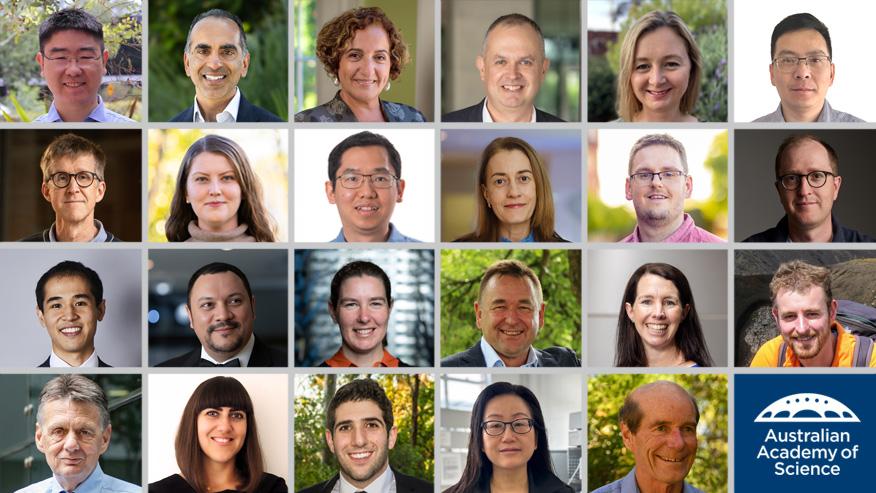
Outstanding contributions to science have been recognised by the Australian Academy of Science with 23 of Australia’s leading scientists receiving a prestigious honorific award in 2026.

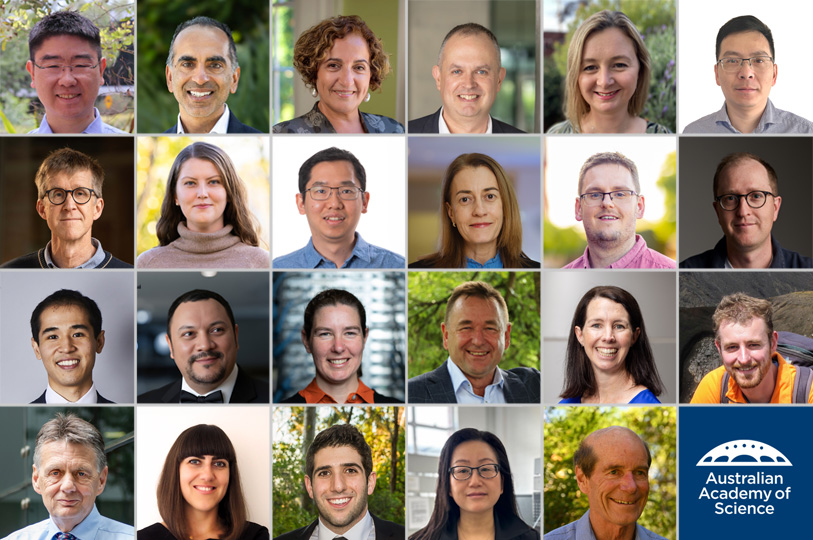
The Australian Academy of Science’s honorific awardees for 2026.
About the honorific awards
Central to the purpose of the Academy is the recognition and support of outstanding contributions to the advancement of science.
On this page: Award citations and awardee videos
Premier honorific awards
- Macfarlane Burnet Medal and Lecture – Professor Alan Cowman AC FAA FAHMS FRS
- Ruby Payne-Scott Medal and Lecture – Professor Zaiping Guo FAA FTSE
Career honorific awards
- David Craig Medal and Lecture – Professor Philip Gale
- Haddon Forrester King Medal – Professor Graham Heinson
- Ian Wark Medal and Lecture – Dr Anthony Murphy
- Mawson Medal and Lecture – Professor Neil Saintilan
- Suzanne Cory Medal – Professor Hala Zreiqat AM FAA FTSE FAHMS
Mid-career honorific awards
- Gustav Nossal Medal – Professor Sant-Rayn Pasricha
- Nancy Millis Medal – Professor Sarah-Jane Dawson
Early-career honorific awards
- Anton Hales Medal – Dr Mark Hoggard
- Brian Anderson Medal – Associate Professor Liang Zheng
- Christopher Heyde Medal – Dr Belinda Phipson
- Christopher Heyde Medal – Dr Stephen Muirhead
- Dorothy Hill Medal – Dr Caroline Eakin
- Fenner Medal – Dr Kai Xun Chan
- Frederick White Medal – Dr Adele Morrison
- Gottschalk Medal – Dr David Khoury
- John Booker Medal – Associate Professor Jianguang Fang
- Le Fèvre Medal – Dr Karolina Matuszek
- Le Fèvre Medal – Dr Yu Heng Lau
- Pawsey Medal – Dr Cullan Howlett
- Ruth Stephens Gani Medal – Associate Professor Miguel Rentería
- Ruth Stephens Gani Medal – Dr Nicole Warrington
Premier honorific awards
2026 Macfarlane Burnet Medal and Lecture
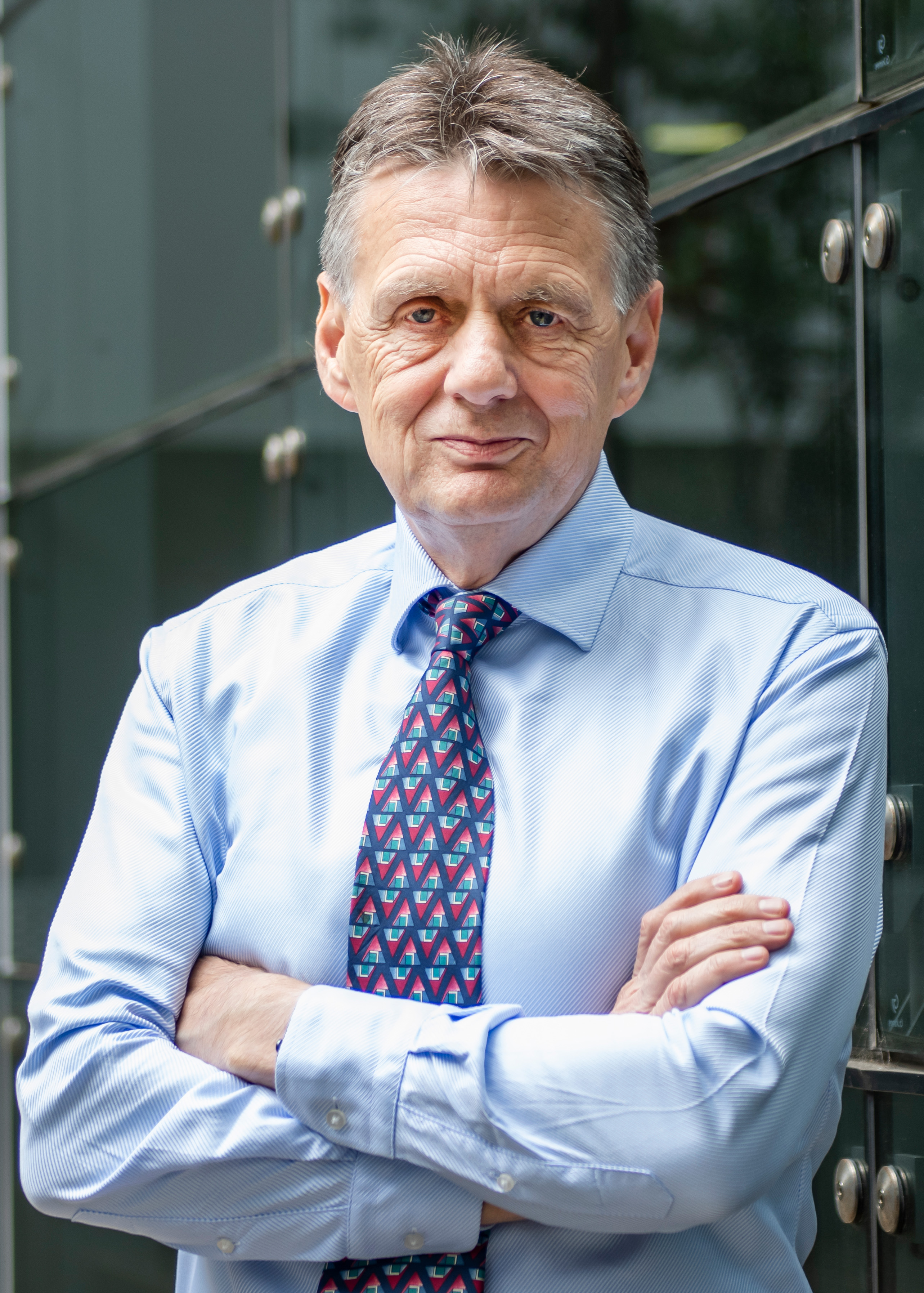
Professor Alan Cowman AC FAA FAHMS FRS, Walter and Eliza Hall Institute of Medical Research (WEHI)
Over the last 30 years, Professor Alan Cowman has been studying Plasmodium falciparum, the causative agent of the most severe form of malaria in humans. Malaria is one of the biggest killers of children under five in most developing countries. Significant advances in understanding malaria biology have been enabled by discoveries made in Professor Cowman’s laboratory, including research tools to genetically modify the P. falciparum parasite that have been used worldwide, defining the parasite’s mechanisms to invade and modify human red blood cells, and identifying the molecular mechanism of resistance to commonly used antimalarial drugs.
Professor Cowman’s fundamental discoveries have directly led to the development of novel therapeutic candidates including live genetically weakened vaccines and new antimalarial compounds. He has run many international malaria forums and founded the first Malaria World Congress. Through research advancements and leadership roles, Professor Cowman has made an enormous impact on the biomedical sciences and human health advancements.
Learn more about the Macfarlane Burnet Medal and Lecture.
2026 Ruby Payne-Scott Medal and Lecture
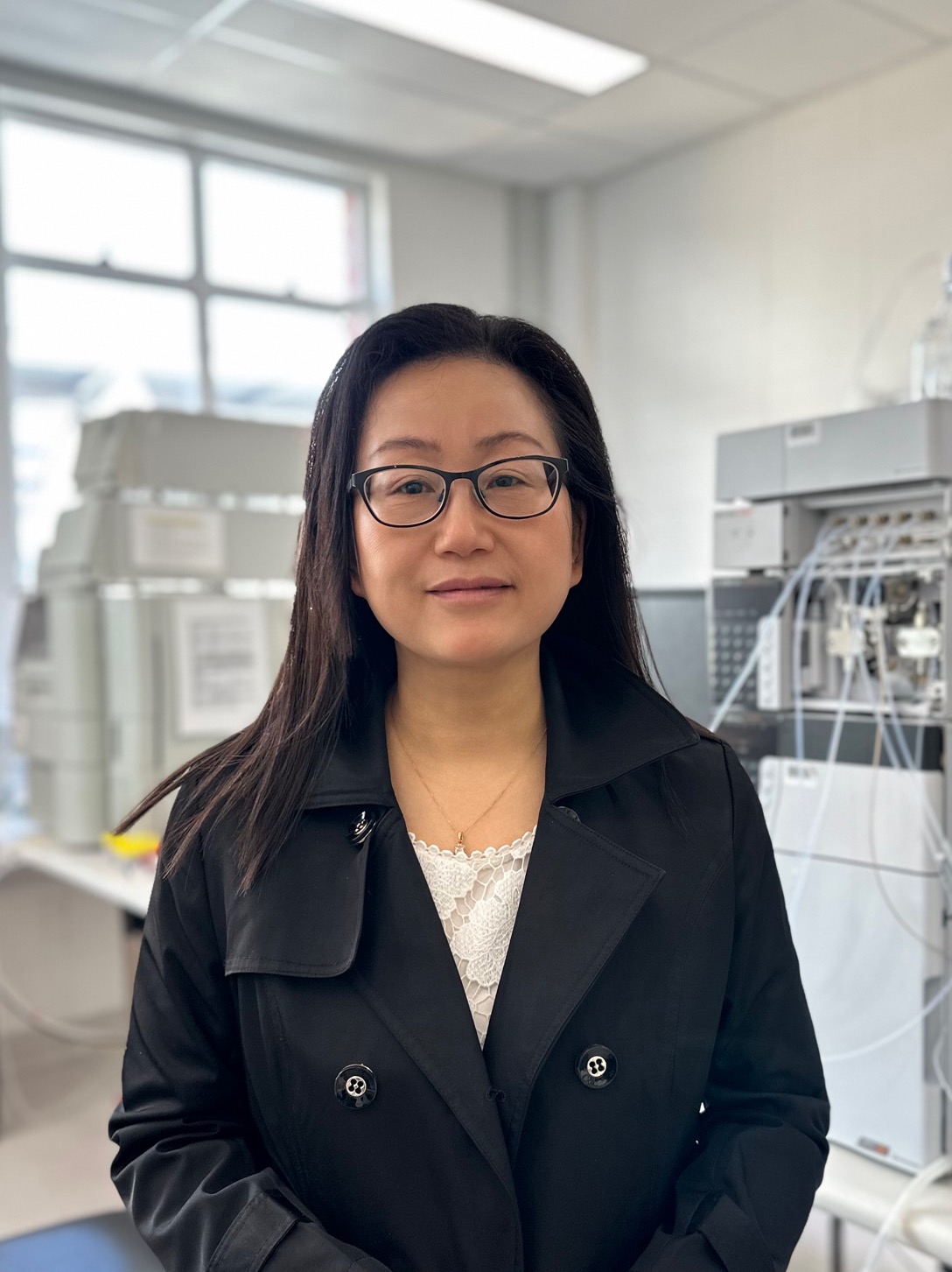
Professor Zaiping Guo FAA FTSE, Adelaide University
Professor Zaiping Guo is a renowned researcher with an exceptional track record in energy storage and conversion. Her research is devoted to identifying the physical and chemical properties of functional materials that can be employed to improve the performance of energy storage devices, particularly batteries. Professor Guo has pioneered the use of various synchrotron and neutron radiation techniques that feature unparalleled spatial and temporal resolution to understand the underlying fundamentals of energy materials during operation, pushing the frontier of understanding of energy storage.
Importantly, she has innovatively applied the findings from her in-depth mechanistic studies to resolve significant issues of electrodes in existing battery systems. She has also developed a series of novel battery materials and energy storage systems to meet continual need for cheaper and clean energy. Her transformative research offers enormous potential for future green energy applications that will reduce greenhouse effects and facilitate a sustainable world.
Learn more about the Ruby Payne-Scott Medal.
Career honorific awards
2026 David Craig Medal and Lecture
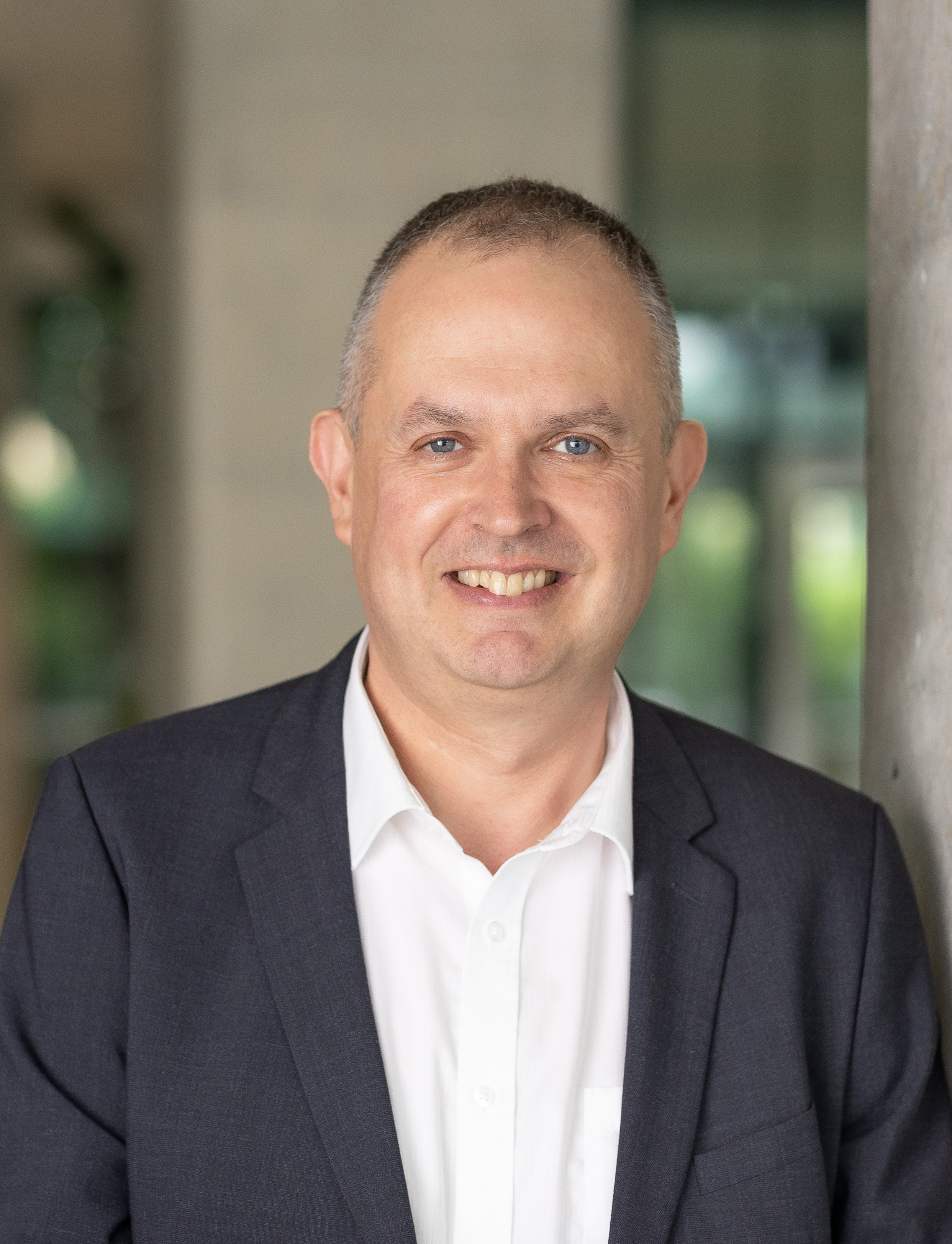
Professor Philip Gale, University of Technology Sydney
Membranes in cells consist of a bilayer formed from lipid molecules. The interior of this bilayer is ‘oily’ and ions and molecules that are charged including species with a negative charge (known as anions) are only able to pass through special channel molecules present in the membrane. Professor Philip Gale is developing small molecules that wrap around anions giving them an ‘oily’ coat and allowing them to pass through the membrane.
These molecules have potential future applications treating diseases where the channel molecules in the membrane are faulty (such as cystic fibrosis) or where perturbing the anion concentrations within the cell triggers cell death (useful in compounds designed to treat cancer). Professor Gale is developing ways to switch on the transport properties of these molecules in the environments found within cancer cells allowing them to be targeted to tissue requiring treatment so providing a potential new approach to the treatment of disease.
Learn more about the David Craig Medal.
2026 Haddon Forrester King Medal
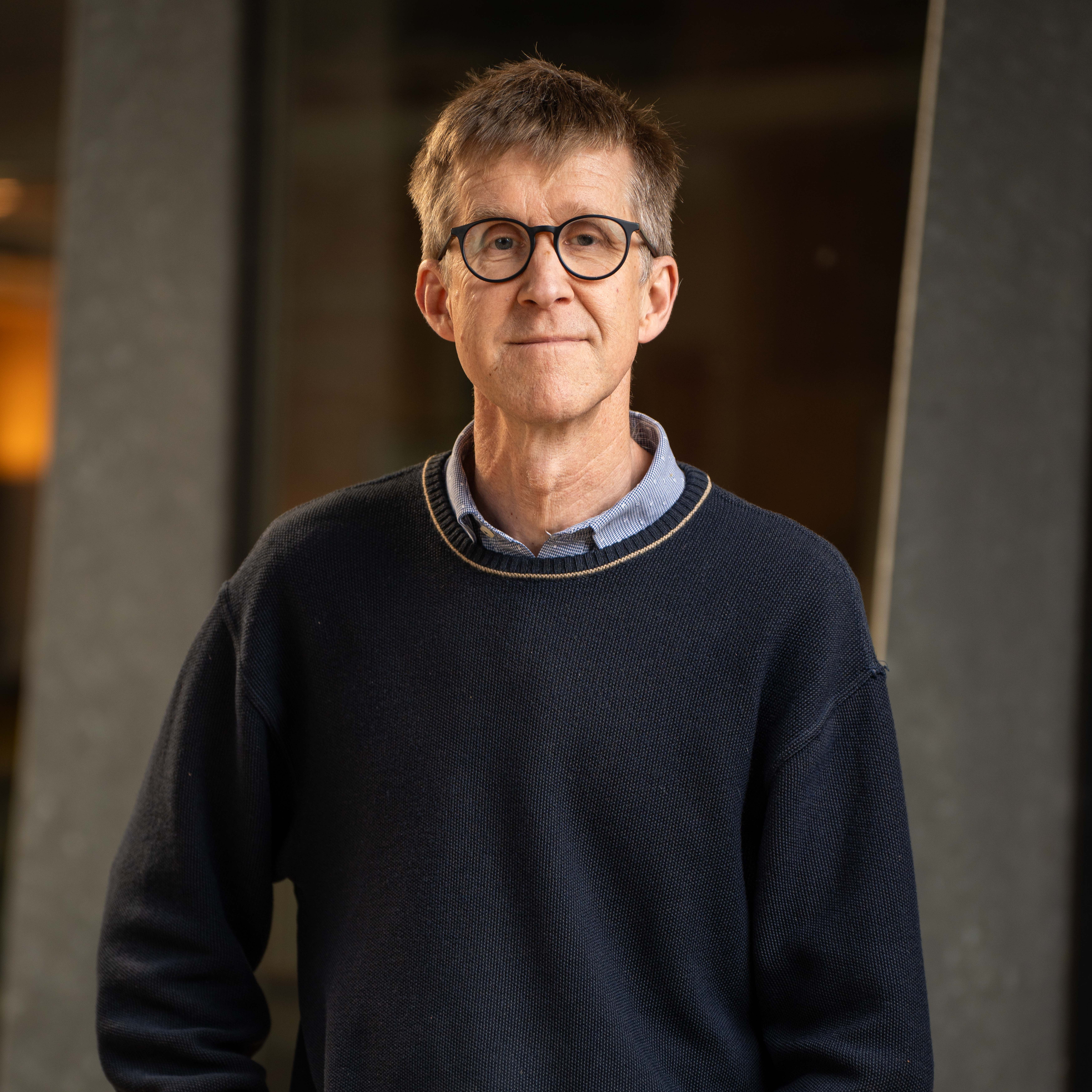
Professor Graham Heinson, Adelaide University
Professor Graham Heinson is a globally recognised leader in geophysics, whose pioneering work has transformed magnetotelluric (MT) methods from academic tools into powerful instruments for exploring mineral, energy and water resources. Since 2000, he has led major innovations in geophysical research and infrastructure, including the development of national MT capabilities and the landmark AusLAMP project. His collaborations with industry and government have advanced resource discovery, environmental monitoring and hydrogen exploration.
A passionate educator and mentor, Professor Heinson has supervised dozens of postgraduate students, initiated the transformative training program the National Exploration Undercover School (NExUS) and mentored students in the globally recognised Next Generation Explorers Award. His career is marked by visionary leadership, practical innovation, and an enduring commitment to student development and interdisciplinary collaboration. Professor Heinson has redefined the role of MT in Australia and inspired a generation of geoscientists through education, outreach and groundbreaking research.
Learn more about the Haddon Forrester King Medal.
2026 Ian Wark Medal and Lecture
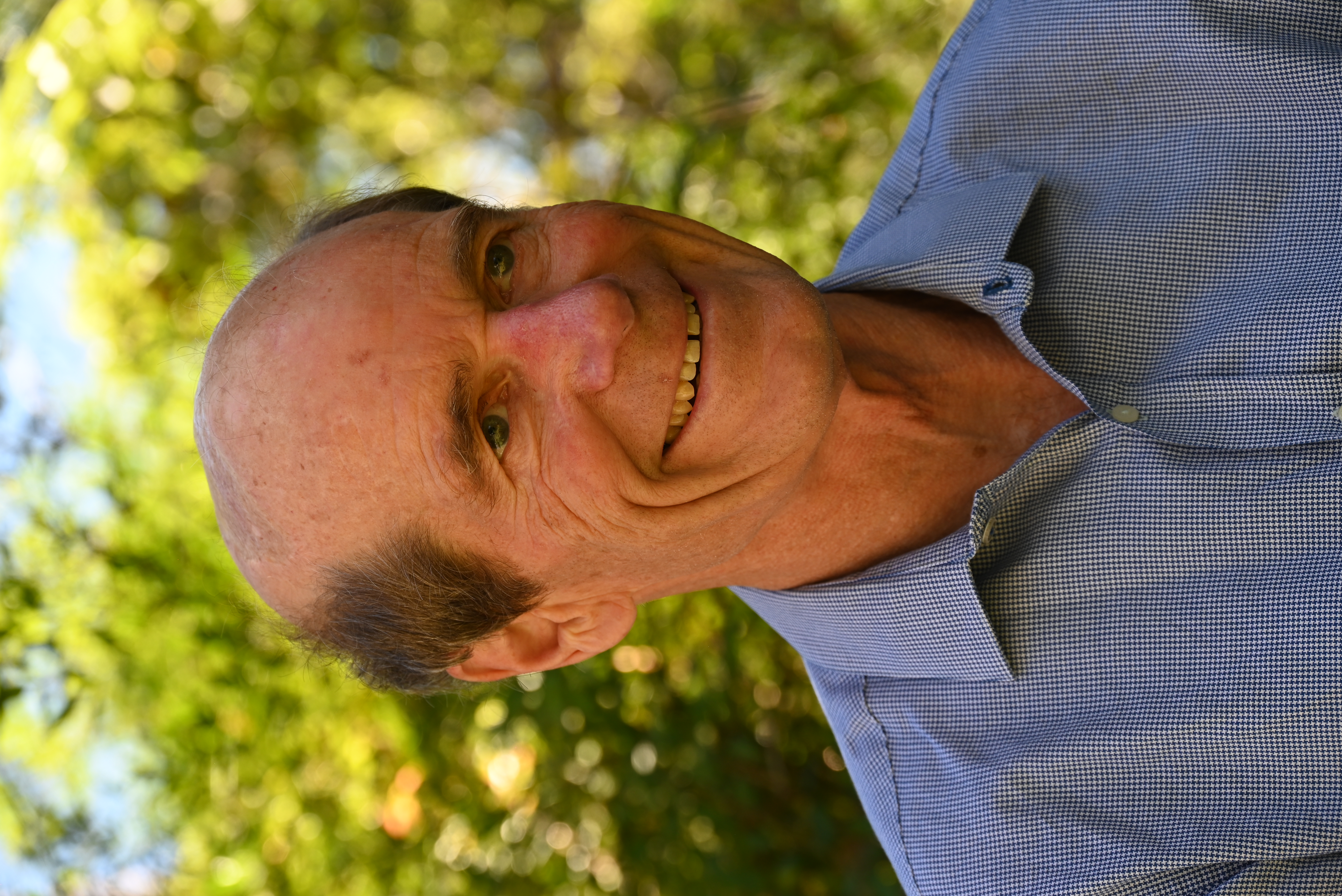
Dr Anthony Murphy, CSIRO
Dr Tony Murphy’s world-leading thermal plasma research has had extensive scientific, industrial and environmental impact. Thermal plasmas are high-temperature arc plasmas used in applications such as welding, plasma spraying, and waste destruction. The approaches developed by Dr Murphy have made critical contributions to the accurate computational simulation of thermal plasmas of practical interest. His computational models were instrumental in ensuring that the PLASCON plasma waste destruction process could be applied to ozone-depleting substances; the process has since destroyed international stockpiles of these gases.
He led the understanding of the critical influence of metal vapour in arc welding, allowing him to develop arc welding simulation software of unprecedented accuracy, which has been transferred to the automotive and rail industries. His plasma property data are used by researchers and industry in more than 25 countries to design aircraft and high-voltage switchgear and to improve welding and cutting processes and arc lamps.
Learn more about the Ian Wark Medal and Lecture.
2026 Mawson Medal and Lecture
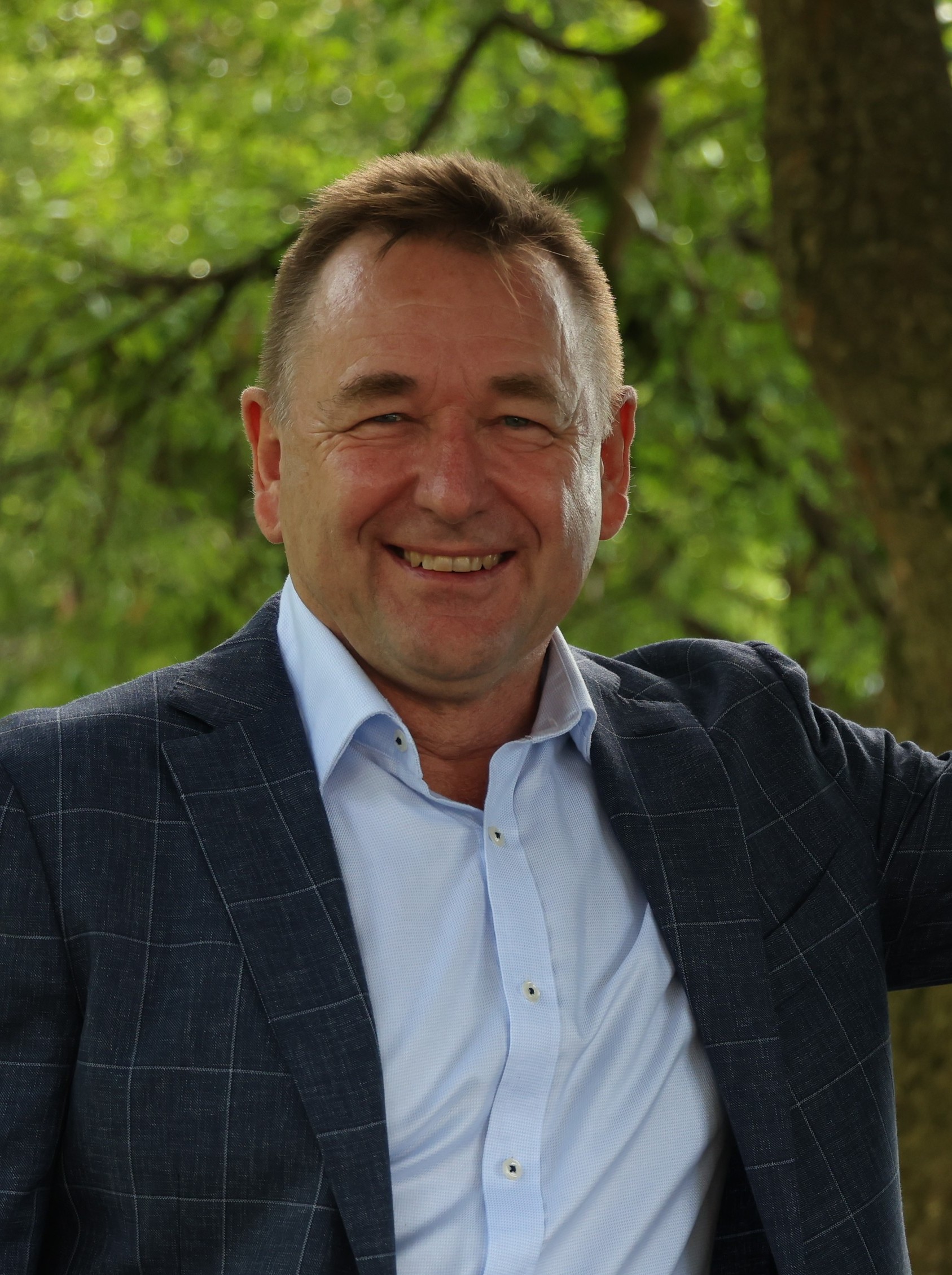
Professor Neil Saintilan, Macquarie University
Professor Neil Saintilan is a world-leading Earth scientist whose research has revolutionised our understanding of coastal wetlands and their response to sea-level rise. His groundbreaking studies have revealed how wetlands store carbon, how mangroves adapt to rising seas, and the role of sediment movement in wetland survival. His work has been pivotal in shaping global climate policies, helping governments include coastal wetlands in carbon accounting frameworks.
Additionally, he played a key role in Australia's $8 billion Murray–Darling Basin water reform, ensuring that science guided environmental water management. Professor Saintilan’s research has influenced climate resilience strategies worldwide and has been featured in major media outlets like The New York Times and BBC. His contributions continue to advance the field of Earth science, with a lasting impact on both policy and public understanding of coastal and wetland ecosystems in the face of climate change.
Learn more about the Mawson Medal.
2026 Suzanne Cory Medal
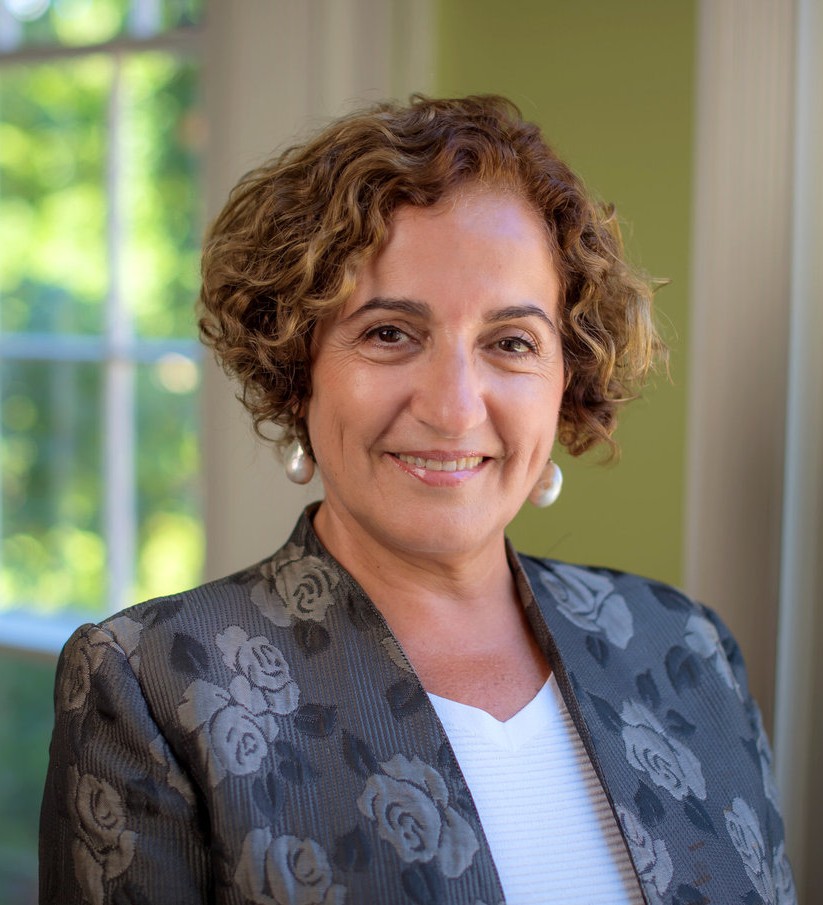
Professor Hala Zreiqat AM FAA FTSE FAHMS, The University of Sydney
Professor Hala Zreiqat is an internationally recognised biomedical scientist whose pioneering research is transforming bone regeneration therapies. Her team developed the world’s first strong, bioactive synthetic ceramic scaffold that mimics natural bone, enabling the body to regrow tissue and restoring function after injury or disease. The team’s innovations, including patented materials now moving towards clinical use, offer new hope for millions affected by bone loss. Professor Zreiqat’s team also pioneered 3D-printed, patient-specific ceramic implants and novel surface treatments to enhance implant integration.
Her research spans cutting-edge areas such as anti-senescence biomaterials for ageing tissues and nanoengineered coatings for medical devices. Through extensive industry partnerships, her lab’s discoveries are progressing towards global clinical application. A distinguished leader and mentor, she has advanced interdisciplinary collaboration and championed diversity in STEM worldwide. Her research holds the promise of revolutionising musculoskeletal repair and improving quality of life for patients around the world.
Learn more about the Suzanne Cory Medal.
Mid-career honorifics
2026 Gustav Nossal Medal
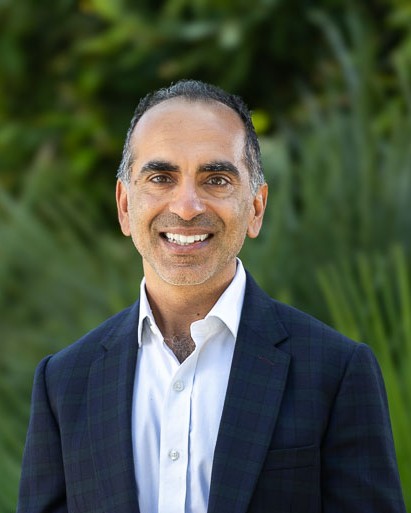
Professor Sant-Rayn Pasricha, Walter and Eliza Hall Institute of Medical Research (WEHI)
Professor Sant-Rayn Pasricha leads a research program that aims to reduce the burden of anaemia and undernutrition in mothers and children in low-income countries, who has made transformative discoveries, resolved key evidence gaps, and directly translated knowledge into policy at the highest international level. His work has influenced World Health Organization (WHO) iron intervention policies for every woman and child in a low-income country, and more recently, directly informed WHO criteria for diagnosis of anaemia for every child, adolescent, woman and man worldwide.
His investigator-initiated trials have recruited more than 8,000 women and children in Malawi and Bangladesh. He has published more than 130 papers including lead author papers in the New England Journal of Medicine, Nature Medicine and The Lancet. Professor Pasricha has chaired WHO committees and the American Society of Hematology Scientific Program, led the Lancet Haematology Commission in Anaemia, and leads the WHO Collaborating Centre for Anaemia Control, ensuring his discoveries are translated quickly into practice.
Learn more about the Gustav Nossal Medal.
2026 Nancy Millis Medal
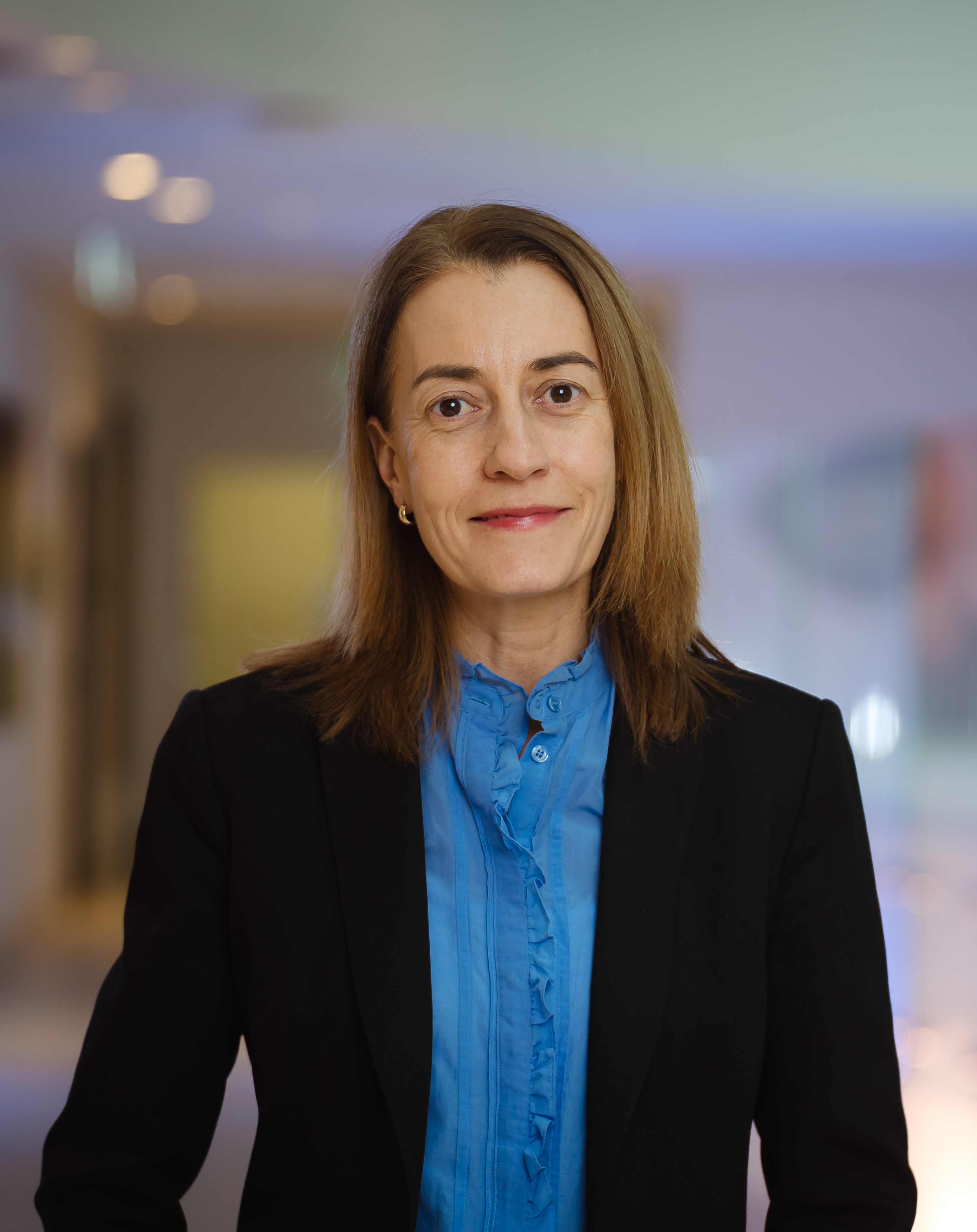
Professor Sarah-Jane Dawson FAHMS, Peter MacCallum Cancer Centre
Many cancers shed small amounts of DNA (circulating tumour DNA or ctDNA) into the patient’s bloodstream. Recent technological advances allow levels of ctDNA to be accurately measured in the blood. ctDNA analysis can provide a ‘liquid biopsy’ alternative to tissue biopsies allowing the serial analysis of cancer-specific genomic changes from a simple blood test. Moreover, changes in ctDNA levels have potential to be used as markers of disease progression and response to cancer therapy.
Professor Sarah-Jane Dawson’s research has pioneered fundamental advances in the clinical application of cancer genomics and the development of personalised biomarker approaches using ctDNA, establishing a new paradigm for molecular disease monitoring in cancer. The research has helped change clinical practice and led to a rapid global expansion and investment in this arena with the goal of facilitating precision cancer medicine and improving survival outcomes for patients across many different malignancies.
Learn more about the Nancy Millis Medal.
Early-career honorific awards
2026 Anton Hales Medal
Dr Mark Hoggard, Australian National University
Dr Mark Hoggard is an observational geodynamicist whose research links evolution of Earth's surface to dynamic processes within its interior. He is passionate about working on fundamental Earth science problems that are of societal and economic importance. Examples include forecasting sea-level change, identifying mineral resources, and distinguishing underground nuclear tests from naturally occurring earthquakes.
What sets Dr Hoggard apart is his willingness to cross traditional discipline boundaries, integrating field observations and inverse modelling frameworks from diverse fields that include seismology, geochemistry, rock physics, geomorphology and paleoclimate. Dr Hoggard is embedded within an extensive network of academic and government collaborators that has produced several foundational contributions to geodynamics. He has authored more than 50 peer-reviewed publications, been recognised through international awards, and takes pride in a research record that has demonstrated practical impacts across government and industry.
Learn more about the Anton Hales Medal.
2026 Brian Anderson Medal
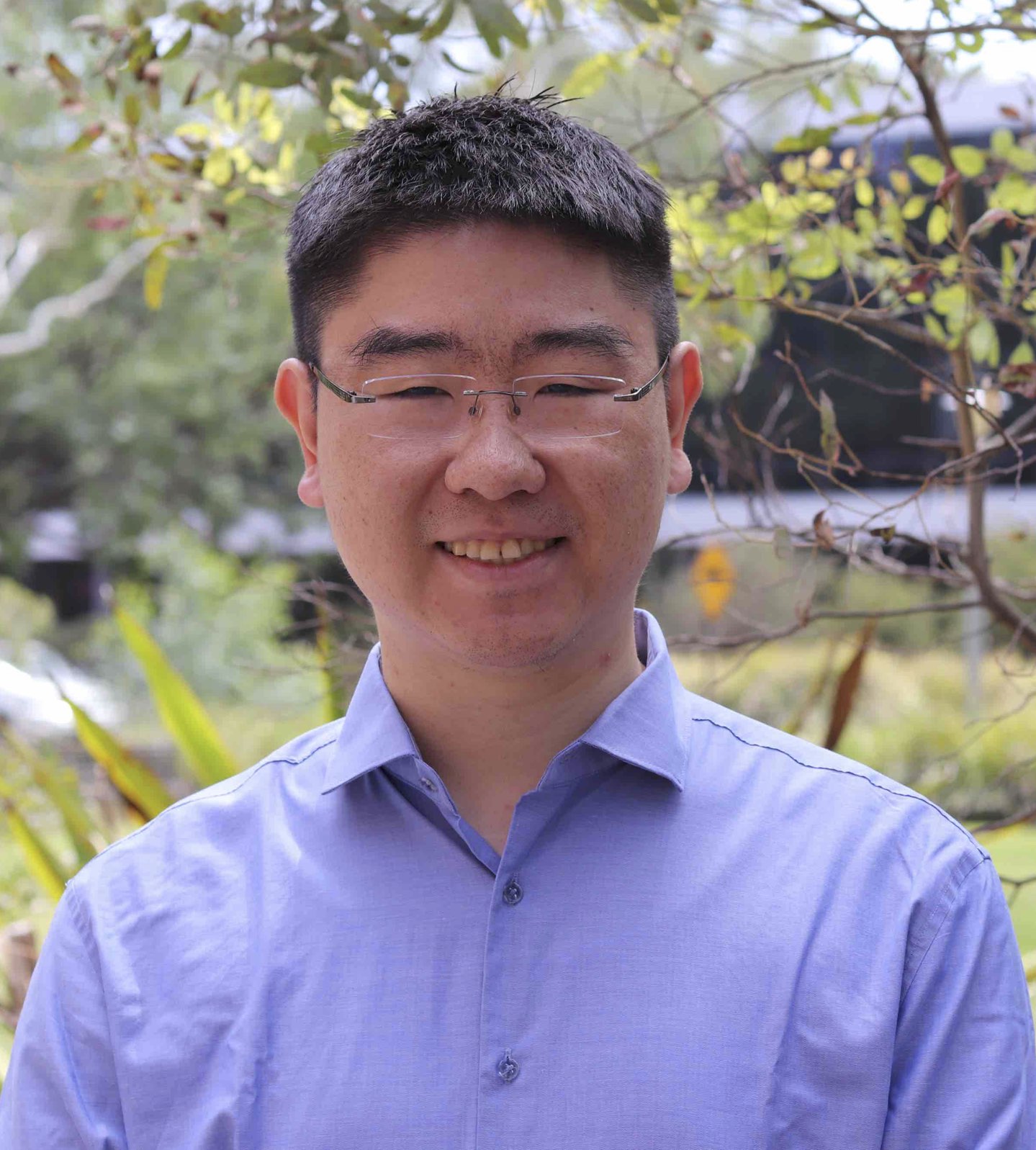
Associate Professor Liang Zheng, Australian National University
Associate Professor Liang Zheng has made pioneering contributions to representation learning – that is, how to best represent images with vectors in complex and changing environments. He and collaborators designed a training data augmentation method that is widely used to improve AI representations and performance across various domains, including crop disease identification, fish classification, surgery robots, speech understanding and general computer vision.
Moreover, he released widely adopted datasets and algorithms for learning object representations used in object instance recognition, segmentation, and tracking from multiple cameras and scenes. These contributions have significantly benefited smart city applications such as public safety enhancement and autonomous perception.
Learn more about the Brian Anderson Medal.
2026 Christopher Heyde Medal
Dr Belinda Phipson, Walter and Eliza Hall Institute of Medical Research (WEHI)
Medical research is becoming increasingly quantitative as new technologies emerge that can capture thousands of measurements at increasingly higher resolution. Over the last decade, the field has progressed from profiling genomic information of whole samples to profiling individual cells. In order to translate these complex large datasets into medical discoveries, robust statistical methods and software are needed.
Dr Belinda Phipson is an internationally recognised early-career statistician working in bioinformatics and medical research. She has consistently leveraged advanced statistical ideas to develop novel methods for the analysis of genomic data. She has made these methods available to the global research community through the development of high-quality open-source software. In collaborations, she has used these tools to understand biological processes and to make discoveries of medical significance in cancer therapy, kidney development and disease, heart development, and stem cell biology.
Learn more about the Christopher Heyde Medal.
2026 Christopher Heyde Medal
Dr Stephen Muirhead, Monash University
Dr Stephen Muirhead is an outstanding researcher in probability theory who has made important contributions to percolation theory (the study of how global connectivity in a material or network arises out of microscopic properties), stochastic geometry, and random field theory. His work has resolved long-standing conjectures in the physics literature and pioneered a set of new techniques which are having a tremendous impact on the development of these fields.
Learn more about the Christopher Heyde Medal.
2026 Dorothy Hill Medal
Dr Caroline Eakin, Australian National University
Plate tectonics is responsible for the most devasting earthquakes and explosive volcanic eruptions on Earth. This movement of the tectonic plates at the surface is tied to convection within the planet’s deep interior, but which we cannot directly observe. Dr Caroline Eakin’s research in seismology uses seismic waves generated by earthquakes to ‘see’ inside the Earth like an X-ray, allowing her to connect the dynamics of the deep interior to surface processes.
By installing seismometers in geologically significant places, from the top of the Andes to the bottom of the ocean, or the central deserts of Australia, Dr Eakin and her team have advanced our understanding of elusive tectonic processes. This includes revealing how tectonic plates deform when they sink into the Earth, discovering evidence for pervasive upwelling beneath oceanic transform faults worldwide, and uncovering the Australian continent, revealing how its tectonic history is preserved deeper than we ever thought before.
Learn more about the Dorothy Hill Medal.
2026 Fenner Medal
Dr Kai Xun Chan, Australian National University
Dr Chan has led breakthroughs in our understanding of plant cellular communication during environmental stresses such as drought and intense sunlight. He identified how a sensor protein perceives stress in chloroplasts to produce a chemical signal. He then co-led a series of breakthroughs demonstrating how this chloroplast signalling pathway intersects with plant hormones and other cellular signals to fine-tune stomatal closure and water preservation in all land plants.
His team further showed that this chloroplast signalling pathway has its genesis in aquatic algae, and its function in water preservation could have facilitated the transition of plants from water to land. Furthermore, this chloroplast signal has adopted specialised functions in different leaf cell types, including in plants that have evolved heat-resilient photosynthesis. These findings have significantly advanced fundamental chloroplast biology beyond photosynthesis, providing a novel pathway for engineering future climate-resilient crops.
Learn more about the Fenner Medal.
2026 Frederick White Medal
Dr Adele Morrison, Australian National University
Dr Adele Morrison studies how our changing climate will affect the Southern Ocean and Antarctica. She uses her knowledge of ocean physics, combined with supercomputers, to develop models and make projections of this critically important region. Dr Morrison's work has involved predicting how ocean circulation will respond to climate change, including the consequences of oceanic changes for the global carbon cycle and Southern Ocean ecosystems.
She also studies how the coastal waters around Antarctica will be altered under future climate scenarios, which has implications for the future of the Antarctic Ice Sheet, and the consequent rate of global sea level rise. Dr Morrison has made a substantial contribution to the development of Australia's capability to model Antarctic oceanography and is a leader of the Australian ocean-sea ice modelling community.
Learn more about the Frederick White Medal.
2026 Gottschalk Medal
Dr David Khoury, University of New South Wales
Dr David Khoury is an outstanding interdisciplinary researcher who has pioneered statistical and modelling approaches to address critical questions in infection and immunity. Since receiving his PhD in 2016, he’s authored 59 high-impact publications in top-tier journals including Nature Medicine and The Lancet Microbe.
Leveraging his background in applied mathematics, Dr Khoury has led methods to integrate clinical and laboratory data to deliver major impacts in malaria drug development, and COVID-19 and mpox vaccine policy. Among his many contributions, Dr Khoury was the first globally to identify an immune correlate of protection for COVID-19. He has innovated the way we assess new drugs for malaria, and he has also made major contributions to vaccine policy to combat the mpox pandemic.
Learn more about the Gottschalk Medal.
2026 John Booker Medal
Associate Professor Jianguang Fang, University of Technology Sydney
Associate Professor Jianguang Fang is a globally recognised research leader for his studies on computational algorithms that aim to design safer, lighter, and more sustainable materials and structures. His work helps engineers better understand how and when materials such as concrete or 3D-printed structures may crack or fail under extreme conditions, including high-speed impacts. By modelling these failure processes in detail, his research contributes to improving the safety and resilience of critical engineering structures – from buildings and bridges to vehicles and aerospace components.
Dr Fang also develops optimisation methods to guide the design of structures that use less material while remaining strong and crashworthy, supporting both human safety and potential reductions in carbon emissions. His research is shaping the next generation of resilient infrastructure and high-performance structures, with broad impact across automotive, transportation, civil, and mechanical engineering.
Learn more about the John Booker Medal.
2026 Le Fèvre Medal
Dr Karolina Matuszek, Monash University
Dr Karolina Matuszek’s research focuses on designing novel materials that represent breakthroughs in emerging energy-storage technologies based on thermal and chemical mechanisms of storage. These innovations aim to address the current energy crisis by unlocking the full potential of renewables such as solar and wind power. Her significant contributions to the development of thermal energy storage include designing new materials and revealing the origins of their high performance using advanced characterisation techniques. This knowledge, led to her discovery of a ‘trimodal' material that synergistically combine several thermal storage modes.
Achieving exceptionally high thermal energy capacity, this technology is currently being commercialised with strong investor interest. In the field of green ammonia synthesis, Dr Matuszek contributed to breakthroughs in electrolyte design, performance, and characterisation, resulting in ammonia formation at record high rates and efficiency. Her pioneering developments have led to successful commercialisation efforts to scale up production of sustainable ammonia.
Learn more about the Le Fèvre Medal.
2026 Le Fèvre Medal
Associate Professor Yu Heng Lau, The University of Sydney
Peptides and proteins are naturally occurring molecules that govern the most important processes in life, from DNA replication in cells to photosynthesis in plants. As a chemical biologist, Associate Professor Yu Heng Lau has discovered how to manipulate the shape and structure of these molecules using synthetic techniques, unlocking their potential for treating disease and improving sustainability.
Associate Professor Lau’s team has developed the first peptide-based therapeutic candidates for treating childhood bone cancers by targeting a novel pathway known as the Alternative Lengthening of Telomeres (ALT). His team has also made fundamental discoveries on the structure and assembly of cage-forming proteins known as encapsulins, which are now being developed as tools for increasing the photosynthetic efficiency of crops.
Learn more about the Le Fèvre Medal.
2026 Pawsey Medal
Dr Cullan Howlett, The University of Queensland
Dr Cullan Howlett is one of Australia's most exceptional cosmologists. His research – focused on assembling the largest and most complete map of our universe ever made – has shaped our understanding of the fundamental forces and ingredients that make up the world around us. He played key roles in the international Sloan Digital Sky Survey and Dark Energy Spectroscopic Instrument collaborations, with first-author papers in the top 1% most highly cited of the last decade and contributions to DESI's recent findings on potential time-varying dark energy, which are among 2024/2025’s most cited physics papers.
He also co-led the discovery of a massive local ‘bubble’ of galaxies called Ho'oleilana. His innovations in combining galaxy clustering and velocity measurements have profoundly influenced the design of current major surveys. Beyond research, he contributes as an editor, advisory committee member, and science communicator. His career exemplifies the scientific excellence, leadership, and impact recognised by the Pawsey Medal.
Learn more about the Pawsey Medal.
2026 Ruth Stephens Gani Medal
Associate Professor Miguel Rentería, QIMR Berghofer
Associate Professor Miguel Rentería is a human geneticist whose research is helping to uncover the biological causes of Parkinson’s disease and other complex conditions that affect the brain and body. He leads the Australian Parkinson’s Genetics Study, a national initiative with over 20,000 participants, which is advancing our understanding of why people develop Parkinson’s and how it progresses. He has also co-led major international studies identifying genetic markers for brain structure, migraine, sleep disorders, acne, and cataracts.
Associate Professor Rentería work combines cutting-edge genetic analysis with real-world data and has been published in leading journals, including Nature, Nature Genetics, and Nature Communications. He also co-leads a federally funded program offering genetic testing and counselling to Australians with young-onset Parkinson’s. Through global collaborations and mentoring, he supports efforts to make genetic research more representative and impactful. His goal is to translate discovery into better health outcomes for patients.
Learn more about the Ruth Stephens Gani Medal.
2026 Ruth Stephens Gani Medal
Dr Nicole Warrington, The University of Queensland
Dr Nicole Warrington has developed novel statistical analysis methods and applied these to big data in human genetics to address questions regarding the causes and consequences of human health. She has discovered hundreds of genetic variants that are associated with human traits, including birthweight and childhood body mass index. She pioneered a new statistical method to partition genetic effects on birthweight into maternal and foetal components.
This method was instrumental in demonstrating that the relationship between birthweight and adult cardiometabolic disease is driven by genetic effects, overturning 30 years of research into the effects of intrauterine programming. It has also allowed Dr Warrington to elucidate the role of maternal environmental exposures, such as hypertension during pregnancy, on offspring birth weight and later life health. These findings provide critical evidence that improvements in antenatal care aimed at increasing birthweight would have only a modest impact on the rising prevalence of cardiometabolic disease.