





Cathy Foley
AO FAA FTSE


Fields of research
51 PHYSICAL SCIENCES-
5104
CONDENSED MATTER PHYSICS
- 510404 Electronic and Magnetic Properties of Condensed Matter; Superconductivity
-
5108
QUANTUM PHYSICS
- 510899 Quantum Physics not elsewhere classified
For full list of research codes, please visit the ARC Website .
Expertise type
- Engineering
- Quantum Sensing
- Applied Physics
- Materials Science
Please contact fellowship@science.org.au to request any updates to the data.
Tim Flannery
FAA
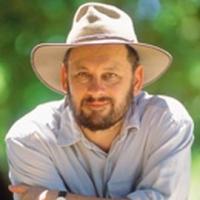
Expertise type
- Biology
- Climate Change
- Mammalogy
- Palaeontology
Please contact fellowship@science.org.au to request any updates to the data.
Jean Finnegan
FAA

Fields of research
31 BIOLOGICAL SCIENCES- 3105 GENETICS
For full list of research codes, please visit the ARC Website .
Expertise type
- Biology
- Cloning
- Genomics
- Plant Biology
Please contact fellowship@science.org.au to request any updates to the data.
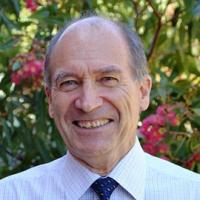
Geoff Fincher
AO FAA FTSE
Fields of research
10 TECHNOLOGY 30 AGRICULTURAL AND VETERINARY SCIENCES-
3001
AGRICULTURAL BIOTECHNOLOGY
- 300103 Agricultural Molecular Engineering of Nucleic Acids and Proteins
- 300105 Genetically Modified Field Crops and Pasture
-
3004
CROP AND PASTURE PRODUCTION
- 300404 Crop and Pasture Biochemistry and Physiology
-
3101
BIOCHEMISTRY AND CELL BIOLOGY
- 310103 Cell Metabolism
- 310105 Cellular Interactions (incl. Adhesion, Matrix, Cell Wall)
- 310106 Enzymes
-
3105
GENETICS
- 310505 Gene Expression (incl. Microarray and other genome-wide approaches)
-
3108
PLANT BIOLOGY
- 310806 Plant Physiology
For full list of research codes, please visit the ARC Website .
Expertise type
- Plant Cell Walls
- Enzymology
- Functional Genomics
- Molecular Genetics
- Plant Physiology
- Agricultural Science
- Biochemistry
- Biology
- Genomics
Please contact fellowship@science.org.au to request any updates to the data.
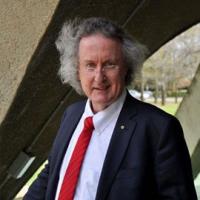
Les Field
AM FAA
Expertise type
- Chemistry
- NMR Spectroscopy
- Organic Chemistry
- Organometallic Chemistry
Please contact fellowship@science.org.au to request any updates to the data.
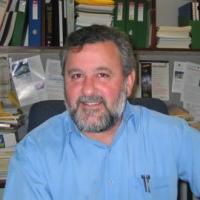
Laurie Faraone
AM FAA FTSE
Fields of research
10 TECHNOLOGY- 1099 OTHER TECHNOLOGY
For full list of research codes, please visit the ARC Website .
Expertise type
- Electrical Engineering
- Engineering
- Nanotechnology
- Semiconductors
Please contact fellowship@science.org.au to request any updates to the data.
Rob Evans
FAA FTSE

Fields of research
40 ENGINEERING- 4008 ELECTRICAL ENGINEERING
For full list of research codes, please visit the ARC Website .
Expertise type
- Computer Science
- Control Systems
- ICT
- Signal Processing
Please contact fellowship@science.org.au to request any updates to the data.
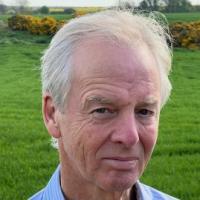
Jeff Errington
FAA FRS
Fields of research
31 BIOLOGICAL SCIENCES-
3107
MICROBIOLOGY
- 310701 Bacteriology
- 310704 Microbial Genetics
For full list of research codes, please visit the ARC Website .
Expertise type
- Antibacterial Discovery
- Microbiology
- Natural Products
- Bacterial Chromosome Replication
- Molecular Biology
- Bacteria
- Microbial Evolution
- Early Life
- Microbial Diversity
- Antibiotic Resistance
- Bacteriology
- Cell Biology
- Bacterial genetics
- Bacterial Cell Biology
Please contact fellowship@science.org.au to request any updates to the data.
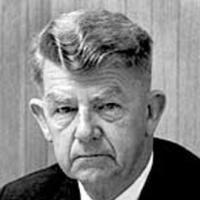
Hugh Ennor
CBE FAA
Expertise type
- Biology
- Chemistry
- Biochemistry
Please contact fellowship@science.org.au to request any updates to the data.

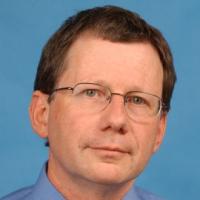
Jeff Ellis
FAA FRS
Expertise type
- Rust Disease
- Biology
- Fungal Disease
- Immunology
- Plant Biology
Please contact fellowship@science.org.au to request any updates to the data.