




Academy honours pioneering breast cancer researchers with prestigious awards

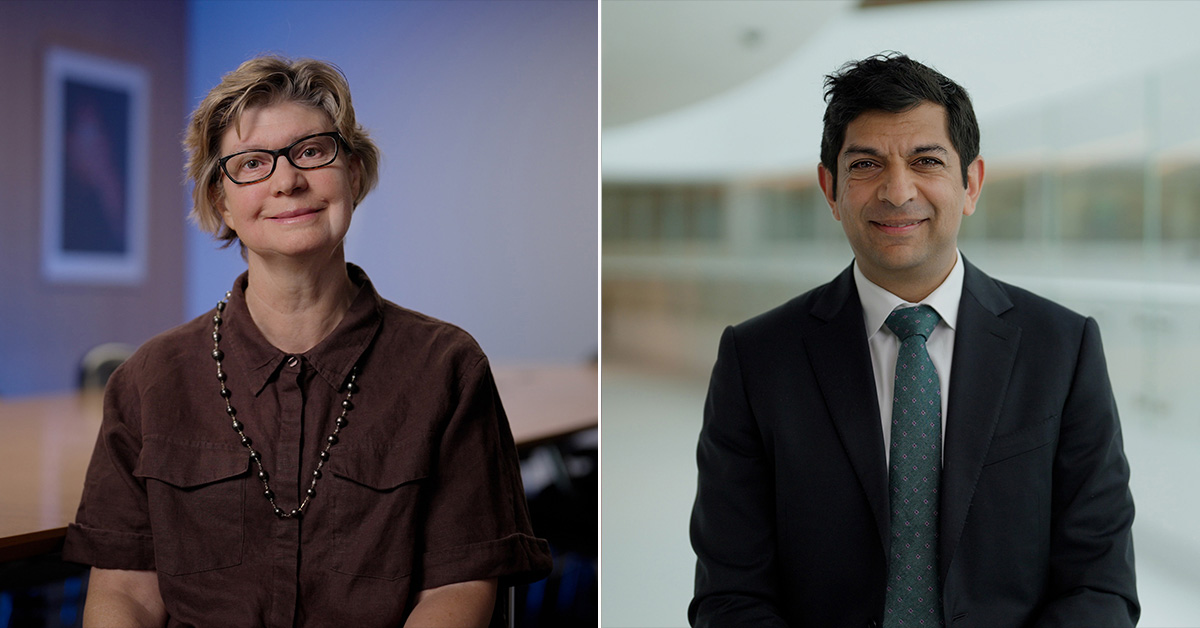
Two distinguished researchers have been recognised with 2025 Academy honorific awards for their groundbreaking contributions to breast cancer research.
Find out about all our 2025 honorific awardees.
Professor Jane Visvader FAA FAHMS FRS, Walter and Eliza Hall Institute of Medical Research
Academy Fellow Professor Jane Visvader has been awarded the Ruby Payne-Scott Medal and Lecture, one of the Academy’s most prestigious honours recognising women researchers of the highest standing in biological sciences.
Professor Visvader has made seminal discoveries that define how the breast develops, how developmental errors lead to breast cancer, and potential ways to prevent and treat the disease.
Her landmark 2006 discovery identified breast stem cells responsible for generating all ductal tissue in the breast – the first demonstration that an entire mammary gland could be generated from a single stem cell. This groundbreaking work, published in Nature, propelled the breast cancer and stem cell fields to new heights.
“This was truly a eureka moment,” Professor Visvader said. “It meant that we had this framework to understand the cell that lies at the very apex of everything and how it then gives rise to cells in a regulated fashion to yield the entire ductal system that constitutes breast tissue.”
This groundbreaking work, published in Nature, propelled the breast cancer and stem cell fields to new heights.
Her subsequent work yielded another paradigm-shifting discovery – that luminal progenitors, rather than stem cells, are the likely origin of BRCA1-associated breast cancer. These luminal progenitors were expanded and showed aberrant behaviour in precancerous tissue from BRCA1 mutation carriers. Her finding challenged long-held assumptions and created a new framework for understanding different breast cancer subtypes.
“In the case of BRCA1 and BRCA2 carriers, there are very few options available for prevention, aside from bilateral mastectomy. So it is very important to come in with a targeted therapy that would buy these women time with a hope of totally preventing the formation of breast cancers,” Professor Visvader said.
Professor Visvader’s team also discovered that breast stem cells, while lacking receptors for oestrogen and progesterone, are exquisitely sensitive to these hormones through ‘hormone sensor’ cells.
This discovery has led to an international phase 3 breast cancer prevention study currently underway, potentially revolutionising prevention strategies for women at high risk of developing breast cancer.
On receiving the Ruby Payne Scott Medal, Professor Visvader said she hopes it serves as an inspiration for young, early-career women to strive for the best and not give up.
Associate Professor Shom Goel
Associate Professor Shom Goel is one of two recipients of the Gottschalk Medal, which recognises outstanding research in the biomedical sciences by early-career researchers.
Associate Professor Goel stands at the intersection of scientific research and clinical practice as both an oncologist and scientist. His work focuses on understanding and targeting the cell cycle in breast cancer – specifically on treatments that block cancer cell division.
“In our lab, we specifically study a process known as the cell cycle. And this is a set of steps that all cells must take in order to divide,” Associate Professor Goel said.
“Cancer is a disease where cells are dividing too much. And so it makes a lot of sense to study the cell cycle in cancer.”
His team has made significant discoveries about senescent or ‘sleeping’ cancer cells – cells that stop dividing but remain biologically active.
“Although senescent cancer cells are no longer dividing, they’re still biologically very active,” he said. “We’ve focused a lot of our attention on trying to understand how these cells are different from normal cancer cells.”
These findings have led to new drug combinations for HER2-positive breast cancer that are showing remarkable results.
“What we found was that the use of the drug combination that we discovered helps keep people’s cancers under control for up to 15 months longer than the standard therapies which we’re currently using today.”
Associate Professor Goel returned to Australia in 2019 after a decade in Boston, attracted by both family ties and Australia’s world-class research infrastructure.
“We had realised that the biomedical research infrastructure in Australia, the medical research community, has over the last two decades risen to being one of the very best in the world,” he said.
His personal connection to cancer drives his work. “I lost my father to cancer when I was very young, and so I saw very clearly what kind of an impact this diagnosis can have, obviously on people suffering with cancer, but also on their families, their spouses and their children.”
Biomedical research infrastructure in Australia, the medical research community, has over the last two decades risen to being one of the very best in the world.
Reflecting on the significance of the Gottschalk Medal, Associate Professor Goel said, “It’s wonderful. I’m very honoured to receive the medal. It’s also very energising to me because it tells me that not only do I believe in the work that we’re doing, but that others can see its value as well.”
Bench-to-bedside impact
Both researchers exemplify the vital process of translating laboratory discoveries into clinical treatments, in what Associate Professor Goel describes as “connecting the bench to the bedside”.
“We have many patients in our clinics now who are alive purely because of therapies that were developed over the last one, two or five years," he said. "If we continue to do research in the lab, we’ll be able to continue giving them that hope.”
Professor Visvader and her team have similarly followed this path, with her pre-clinical models providing proof-of-principle for a promising new class of drug called BH3 mimetics that could be used to target aggressive hormone receptor-positive cancers, and which have recently advanced to clinical testing.
These awards recognise not only their scientific achievements but also their commitment to improving patient outcomes through innovative research – research that continues to transform our understanding of breast cancer and offers new hope to patients.
Academy initiative funds introductory course on genomics research with Indigenous Australians
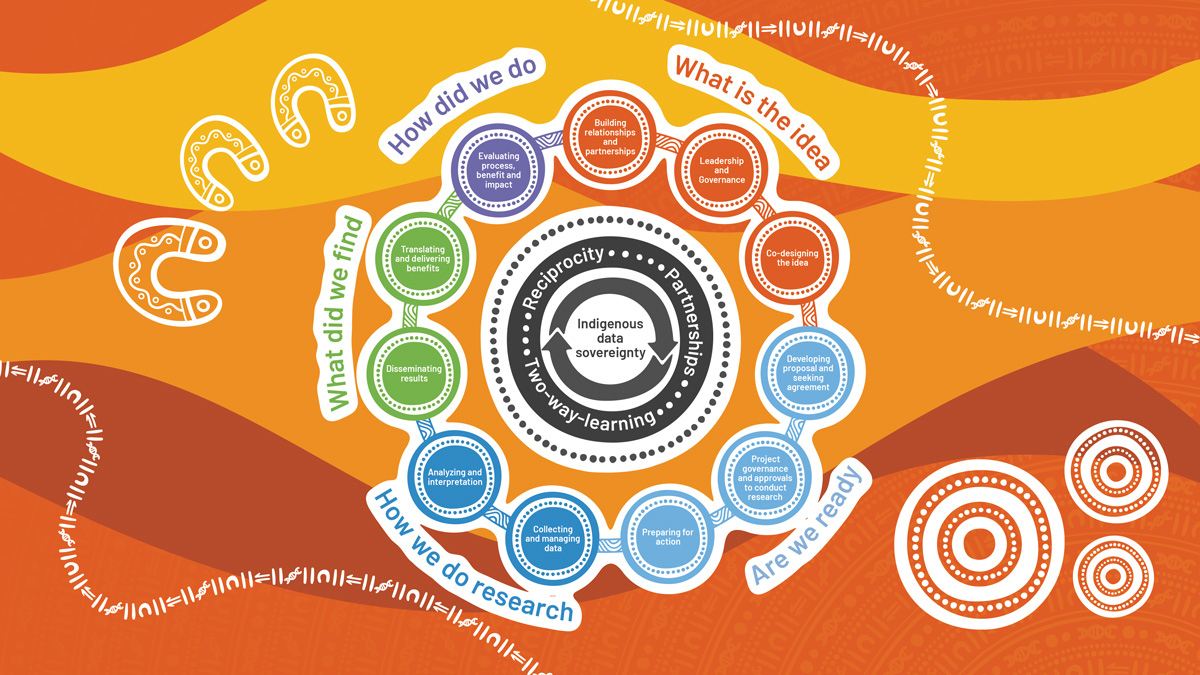
A first-of-its-kind online course, ‘Genomics Our Way – An Introduction to Genomics Research with Indigenous Australians’, has been developed through the Australian Alliance for Indigenous Genomics (ALIGN), led by Alex Brown (Yuin), Professor of Indigenous Genomics at The Kids Research Institute Australia and the Australian National University. It is supported by the Australian Academy of Science’s Theo Murphy Initiative, the University of Adelaide and the OCHRe network.
“The Australian Academy of Science is thrilled to support this initiative, which is designed to provide early- and mid-career researchers with cultural and historical knowledge that enables respectful genomic research with Indigenous Australians. This drives informed and respectful engagement with Indigenous Australians, and supports ethical and priority-driven genomics research,” said Professor Chennupati Jagadish, President of the Academy.
The Theo Murphy Initiative (Australia) was established to further scientific discovery and supports activities that aim to provide tangible benefits to Australia’s early- and mid-career researcher community. The initiative is administered by the Australian Academy of Science on behalf of the Royal Society and provides grants for activities and events that support the fund’s purpose.
Genomics enables precision medicine, which helps to predict what treatments a person will respond to, what health conditions a person is likely to experience, and even what interventions could prevent a person from developing a health condition. Genomics can also help us actively monitor the environment, understand past environmental changes, and better predict future interventions such as wildfire management.
This initiative … is designed to provide early- and mid-career researchers with cultural and historical knowledge that enables respectful genomic research with Indigenous Australians.
ALIGN is a purposeful alliance between community, health, research, government and industry that privileges Indigenous leadership and sovereignty. Its aim is to deliver equity and benefit to Indigenous Australians through genomics.
“The course emphasises Indigenous Data Sovereignty, ensuring that communities have control over their data and that research aligns with their values and priorities,” said Professor Alex Brown.
“It underscores the importance of Indigenous governance and provides practical guidance on establishing Indigenous governance structures and fostering two-way learning opportunities between researchers and communities.”
The course introduces participants to the Indigenous Research Lifecycle, a practical framework to guide their research journey when working with Aboriginal and Torres Strait Islander peoples or conducting research on their lands. This ensures communities are integral stakeholders in the ideation, design, interpretation and dissemination of research programs, and not the subjects of them.
The course enlists the contributions of several leading Aboriginal experts and allies to provide researchers with the tools to navigate the complexities of genetic research while upholding the cultural values of Indigenous communities during the research lifecycle. It also introduces emerging areas of genomic research. The course content has been reviewed and approved by members of the ALIGN National Indigenous Governance Council.
Who should enrol
This course is designed to support:
- early- and mid-career researchers in genomics, genetics and related fields
- university students studying medicine, public health, genetics or Indigenous studies
- ethics committee members and policymakers
- educators seeking to teach Indigenous culture, history and science
- research organisation leadership seeking to establish and support Indigenous research activities
- anyone interested in promoting ethical and equitable research practices with Indigenous communities.
Call to action
Enrol in the Genomics Our Way – An Introduction to Genomics Research with Indigenous Australians online course today and become a champion in ethical and equitable Indigenous genomics research.
2025 Douglas and Lola Douglas Scholarship supports innovative ICU trials

Samantha Bates’s research seeks to inform clinician decision-making globally. Photo: Supplied
A researcher seeking to reduce waste and improve patient care in hospital intensive care units (ICUs) is this year’s recipient of the Douglas and Lola Douglas Scholarship in Medical Science from the Australian Academy of Science.
Samantha Bates from the University of Melbourne is leading a crucial multi-centre trial aimed at transforming electrolyte replacement in ICUs. Recognising that nearly 80% of ICU patients suffer from electrolyte imbalances, typically treated via intravenous (IV) infusion, Ms Bates is investigating the efficacy of enteral (gut-based) replacement.
This approach holds the potential to significantly reduce infection risks, healthcare costs and medical waste, while also minimising the carbon footprint of resource-intensive critical care. By exploring a less invasive alternative, Ms Bates’s research seeks to inform clinician decision-making globally, paving the way for a more sustainable and patient-friendly standard of care.
“I was both astonished and delighted to learn I was selected as the recipient of this scholarship,” Ms Bates said.
“The scholarship funding will be instrumental in managing communication challenges, as I plan to create an instructional video to guide clinicians on how to implement the trial interventions.
“Additionally, subject to approval by the research ethics committee, we may produce a video to help participants and their families better understand the research consent process, including for Aboriginal and Torres Strait Islander populations.
“Funding will also support my attendance at professional scientific meetings in intensive care where I will present updates and results, ultimately enhancing my professional development in science communication. I’m incredibly grateful for the generous opportunity to provide leadership in nurse-led research,” she said.
About the scholarship
The Douglas and Lola Douglas Scholarship in Medical Science is made possible through a generous bequest by philanthropist Lola Douglas, who had a wish to support young researchers in the medical sciences. This bequest enables the Academy to help to fulfil this wish.
The scholarship provides up to $14,000 over two years to cover costs of small items of equipment, materials, travel or assistance in Aboriginal and Torres Strait Islander or primary health care research.
The funding is offered as a ‘top up’ to PhD candidates awarded a National Health and Medical Research Council (NHMRC) Postgraduate Scholarship.
2025–26 Federal Budget: The vital infrastructure of today is supercomputing – not just roads and rail
The 2025–26 Federal Budget has missed the opportunity to safeguard Australia’s scientific and technological capability and support cost-of-living measures through targeted investment in supercomputing, the Australian Academy of Science says.
The Budget acknowledges major shifts in our economy, including rapid technological advances as a result of artificial intelligence, the shift from globalisation to fragmentation, and changes in our demography and industrial base.
Within this context, Australia’s investments need to be future-ready and able to take advantage of the scientific and technological opportunities before us.
“Forward-thinking investment is what will future-proof Australia’s security. We need to see commitments that harness the potential of Australia’s advanced capabilities – this Budget has missed that opportunity,” Australian Academy of Science President Professor Chennupati Jagadish said.
For example, the Budget contains no measures to secure Australia’s critical supercomputing infrastructure or diversify scientific co-operation in our region and beyond.
“The vital infrastructure of today is supercomputing – not just roads and rail,” Professor Jagadish said.
The Academy urges the government to commit to a ten-year national strategy for high-performance computing and data infrastructure, with $200 million annually to upgrade current systems and build next-generation capabilities.
Academy fact sheet: Bringing Australia’s supercomputing up to speed.
“Just-in-time funding for Australia’s research agencies does not deliver the secure, long-term investment in science capability that Australia needs for the future. A newly elected government must act decisively to protect Australia’s strategic research capability,” Professor Jagadish concluded.
The announcement of $2.2 million to extend the Australian Academy of Science school science, technology, engineering and mathematics (STEM) programs for one year will support and upskill STEM teachers in our schools, a vital requirement to build our STEM pipeline.
Ten Australian scientists to attend the 2025 Lindau Nobel Laureate Meeting in Germany
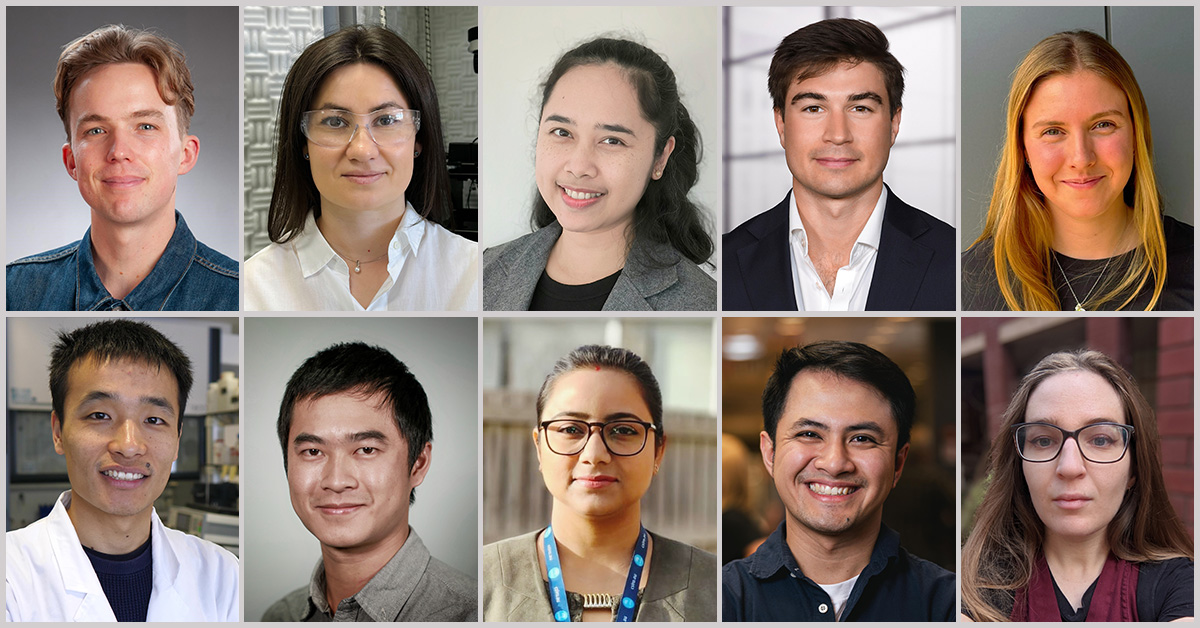
Top row from left: Mr Damon de Clercq; Dr Elena Gorenskaia; Ms Made Ganesh Darmayanti; Dr James Watson; Ms Jess Algar. Bottom row: Dr Wenchao Duan; Dr Tuan Sang Tran; Dr Saheli Biswas; Dr Ken Aldren Usman; Ms Jess de la Perrelle. Images supplied.
Ten early-career researchers from Australia will be heading to Lindau, Germany this year to attend the prestigious Lindau Nobel Laureate Meeting.
The 74th Lindau Nobel Laureate Meeting, dedicated to chemistry and held from 29 June to 4 July 2025, is expected to bring together over 30 Nobel Laureates and 630 young scientists from 84 countries.
The Australian delegation’s participation in the Lindau Nobel Laureate Meetings is proudly supported through the Science and Industry Endowment Fund (SIEF) and administered by the Australian Academy of Science (AAS).
The SIEF–AAS Lindau Fellows receive a grant to enable their attendance at the event and to take part in the SIEF Research Innovation Tour in Berlin, showcasing some of Germany’s finest research and development facilities related to chemistry.
The delegation will be led by Academy Fellow and Foreign Secretary Professor Frances Separovic.
The 10 PhD candidates and postdoctoral researchers selected to attend the 2025 meeting are:
- Ms Jess Algar of the Australian National University, who is working to enhance the complexity of biomimetic metallo-supramolecular architectures through improving access to interlocked architectures and light-responsive assemblies
- Dr Saheli Biswas of CSIRO, who is researching green hydrogen production via high-temperature solid oxide electrolysis technology and commercialisation of the technology
- Ms Made Ganesh Darmayanti of Monash University, whose research is on reversible-addition fragmentation chain transfer (RAFT) polymers and carrageenan-based membranes for CO2 gas capture
- Mr Damon de Clercq of the University of New South Wales, whose research employs ultrafast light pulses and magnetic fields to better understand processes in the next generation of solar cell materials
- Ms Jess de la Perrelle of the University of South Australia, who is working on next-generation devices for wireless neural communication with light, with particular emphasis on the chemical and physical mechanisms of neural modulation by organic semiconductors
- Dr Wenchao Duan of CSIRO, who is developing user-friendly, machine learning-driven electrochemical sensors for water quality monitoring and food safety testing
- Dr Elena Gorenskaia of Curtin University, whose research focuses on developing miniaturised electrochemical sensors based on ionic liquids and poly(ionic) liquids for detecting water contaminants
- Dr Tuan Sang Tran of Griffith University, whose research is focused on understanding light-matter interactions at the interfaces between 2D materials to drive advances in flexible optomechanical sensors
- Dr Ken Aldren Usman of Deakin University’s Institute for Frontier Materials, whose research centres on designing nanomaterials for sustainable applications and renewable energy
- Dr James Watson of the University of New South Wales, who is a synthetic, organometallic chemist, specialising in design of new catalysts to help enable the transition to a low- or no-carbon future.
The meeting will provide a unique opportunity for these exceptional early-career scientists to share their research, experiences and ideas, and gain inspiration from fellow emerging scientists and Nobel Laureates.
US threats to R&D capability: Academy calls for emergency meeting of National Science and Technology Council
The United States is a vitally important alliance partner with whom Australia should and must work collaboratively, but a partner that is unpredictable.
Every day, threats to Australia’s strategic R&D capability emerge. Australia should not react to every threat, but nor should it ignore signals that have profound implications for Australians.
Under these circumstances Australia must assess and manage risks and set policy pathways so we are not over reliant on one strategic partner, and be poised and ready to face an uncertain future.
The threats call for a strategic and planned approach.
R&D capability is ubiquitous. We rely on US-funded research and infrastructure to share information on vaccines so all Australians can benefit from a flu shot next winter; so the Bureau of Meteorology can monitor and predict adverse weather events like cyclone Alfred that just battered our shores; so we can access earth observation data to enable GPS functions and communications; and so we can advance our strategic defence capability that gives us the best chance of staying safe in a technologically advanced world.
Rather than take a wait-and-see approach, the Academy calls on the Australian Government to put in place the following short- and long-term measures:
- R&D is cross-portfolio with responsibilities across myriad ministers including defence, health, science, industry, resources, education, environment, agriculture. The Prime Minister must convene a special emergency meeting of the National Science and Technology Council, which he chairs, compelling all ministers to the table to comprehensively assess the extent of Australia’s exposure to US R&D investment in Australia, so proactive risk mitigation strategies can be devised.
- Immediately capture the exodus of smart minds from the US and bring their capability and talent to Australia via a rapid talent attraction program.
- For the medium to long term, establish policy measures that expand the geographic footprint of Australia’s international R&D collaborations with responsible countries, regardless of the US administration’s actions. This includes associating with Horizon Europe – the largest research fund in the world; leveraging the framework of the successful Global Science and Technology Diplomacy Fund and extending it to more countries; and deepening the relationships with India and Japan nurtured via the Quad partnership.
- The shape and nature of Australia’s R&D landscape is currently being strategically examined. This review which is due to report at the end of 2025 must recommend optimal conditions for Australia’s strategic R&D capability to thrive in an uncertain world, and include measures to build robust sovereign R&D capability.
Taking a wait and see approach to the management of Australia’s national strategic R&D capability is dangerous and the consequences of inaction have profound consequences for Australians’ way of life.
This statement is attributable to:
Professor Chennupati Jagadish AC PresAA FREng FTSE, President, Australian Academy of Science
Statement on US Government intervention in Australia–US research collaboration
The following statement is attributable to:
Professor Chennupati Jagadish AC PresAA FREng FTSE, President, Australian Academy of Science
The Australian Academy of Science urges the Australian Government to give serious and urgent attention to recent actions by American authorities.
Individual Australian scientists have been surveyed to disclose their institution’s compatibility with United States (US) foreign and domestic policy in ways that could have negative repercussions for Australia’s strategic capability and advancement, and would contravene Australian laws and international statutes that govern science1.
If responses to the survey lead to reductions or cessation of US–Australian scientific collaborations, it will directly threaten our scientific and technological capability and diminish Australia’s strategic capability in areas of national interest such as defence, health, disaster mitigation and response, AI and quantum technology.
Any reasonable assessment of the survey indicates that US Government funded research in Australia could be terminated because an Australian institution – not the research project – has links with several named countries, or links with the United Nations and its agencies, or impacts the protection and promotion of specific religions, amongst other factors.
The magnitude of the problem
The US is Australia’s largest research partner. In 2024 alone, US Government research funding involving Australian research organisations totalled AUD386 million. This does not include in-kind contributions or provision of critical research infrastructure.
This is significant:
- As a minimum it is the equivalent to 43 per cent of the funding the Australian Government provides in research grants via the Australian Research Council.
- Forty percent of Australian publications in the physical sciences involve American collaborators. This includes research in strategic areas including quantum science, space science and other sciences that underpin AUKUS Pillar II advanced capabilities and Australia’s critical technologies list.
- Twenty-five per cent of Australia’s publications in biomedical and clinical sciences involve US collaborators. Australian researchers collaborate with these organisations to develop vaccines and medical products that underpin Australia’s heath security.
What needs to be done
- The Australian Academy of Science urges the Australian Government to actively and urgently engage with its American counterparts to mitigate risks and minimise the impact on Australian strategic capability. A wait-and-see approach could leave us dangerously unprepared.
- Australia has made significant and commendable efforts to avoid and manage foreign interference in Australian research and technological activities. The Australian Government must remain committed to these efforts and resist foreign interference, regardless the actor.
- Strategic guidance must be urgently provided to research institutions as they consider their response to the survey and as they are faced with choosing to uphold Australian law or retaining contracts with American organisations. This requires leadership and direction from the highest level of government.
- The Australian Government must be prepared to respond to restrictions that could flow from these initiatives, and to do so via consultation with the science and technology sector.
- The Australian Government must immediately act to diversify risk by expanding the geographic footprint of Australia’s international research collaborations. In particular, key opportunities exist today to boost collaboration with Europe via the Horizon Europe program.
The consequences of inaction are profound. Australia must protect its ability to advance its strategic capabilities, which at the moment rely on working with the best minds globally, and accessing world-leading research infrastructure and innovations. Inaction has consequences for Australians and their way of life.
Examples of capability relying on US funding and collaboration
The Academy does not imply that the following capabilities are linked to the recipients of the survey issued by US authorities. They are provided to illustrate the significance to Australia of international research collaboration with the US and demonstrate why strategic and sensitive management at the highest level of government is required before it is too late.
- Cyclone tracking capability: real-time data essential for disaster resilience and responses that save Australian lives. Observational systems we rely on – including 4,000 ocean-monitoring robots – are funded and launched by the US through the National Oceanic and Atmospheric Administration. Each year, around 10 per cent of ocean robots are replaced, ensuring we have the latest data and technology for monitoring, forecasting and responding to extreme weather events. Without US collaboration, Australia would lose the benefit of an early warning system, impacting our ability to prepare Australians for adverse weather events.
- Onshore mRNA vaccine manufacturing: in December 2024 Moderna, an American biotechnology company, established the southern hemisphere’s first large-scale mRNA manufacturing facility in Melbourne. It also facilitates mRNA research in partnership with leading Australian research institutions. This research and manufacturing capability provides Australians with locally manufactured vaccines and supports mRNA studies in respiratory health and infectious diseases.
1Article 8 of the International Science Council’s Statutes https://council.science/our-work/freedom-and-responsibilities-in-science/. The right to share in and benefit from advances in science and technology is also enshrined in the Universal Declaration of Human Rights, as is the right to engage in scientific enquiry, pursue and communicate knowledge, and associate freely in such activities.
Leading Australian researcher expands international collaborations as a Caughley Fellow
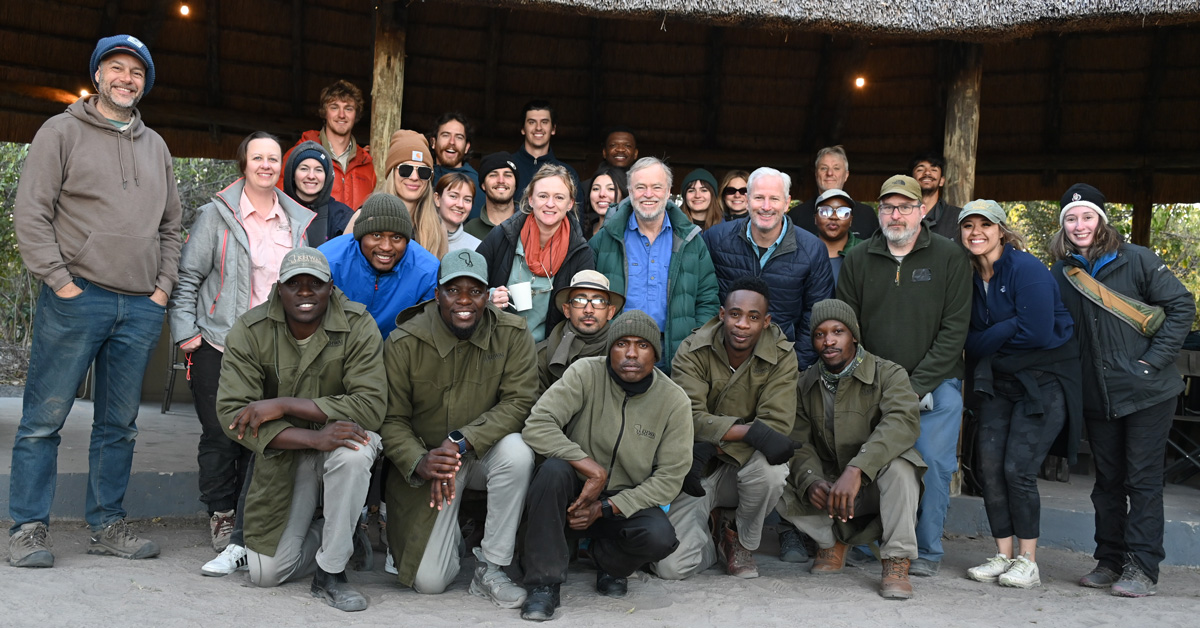
What do beavers in Scotland, hyena in Botswana and South African stromatolites all have in common? They are all unique, important contributors to their local ecosystems – and were the focus of Professor Richard Kingsford’s travels as the Australian Academy of Science’s 2024 Graeme Caughley Fellow.
This travelling fellowship enables ecologists from Australia or New Zealand to share their expertise by visiting scientific centres in other countries.
Professor Kingsford, from UNSW, connected with wildlife managers in Europe and Africa with the aim of sharing expertise to improve conservation outcomes in Australia and internationally.
“Through my visits I wanted learn more about the practice of adaptive management for improved conservation outcomes. I also wanted to improve international understanding of Global Ecosystem Typology – a new method for defining types of ecosystems that is helping to increase understanding of ecosystem dynamics for non-scientists.
“The fellowship expanded my understanding of the practice of reintroductions of endemic species, and increased my networks and opportunity to plan an international workshop in 2025 for the Okavango River Basin in south-west Africa,” Professor Kingsford said.
Most importantly, he said, the fellowship supported him to write two manuscripts on adaptive management, both of which have been submitted for publication.
“It allowed me time to write and think and develop some new and hopefully useful ideas in effective conservation management,” he said.
Europe: birds, beavers and wetland management
Professor Kingsford’s fellowship started at Kings College London, collaborating with colleagues on their work in the Okavango Delta in Botswana, which he would be visiting the following month.
He then travelled to Edinburgh and visited the Farne Islands seabird colonies, which are breeding grounds for puffins, guillemots, razorbills, and many other coastal avians. The islands were closed to visitors from 2022 to 2024 due to bird flu outbreaks which killed thousands of birds on the islands. Professor Kingsford and local researchers discussed the challenges of managing bird flu, a topic which is directly relevant to research one which he is collaborating with Parks Australia on Phillip Island off Norfolk Island, where he and his PhD student Simon Gorta are tracking the reproductive success of sooty terns.
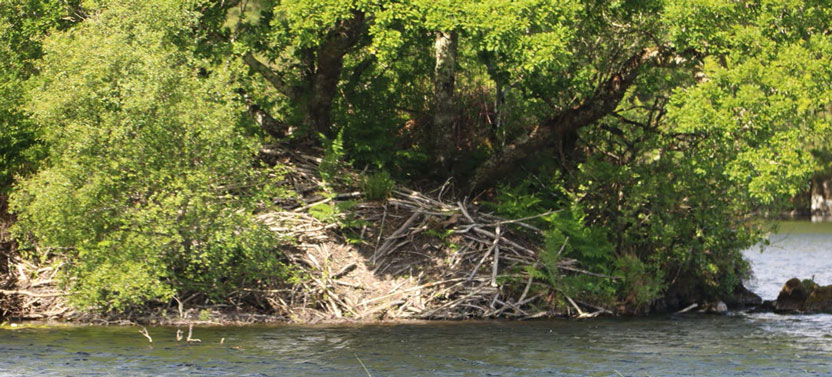
Next stop was western Scotland to meet conservation managers responsible for reintroducing beavers at the Knapdale wildlife reserve about the challenges as well as the functional importance of this ‘ecosystem engineer’. He plans to take the insights from this visit and apply them to his work reintroducing locally extinct species into Sturt National Park, New South Wales.
He rounded out the European phase of his fellowship with a trip to Geneva, Switzerland, to visit the IUCN Ramsar Secretariat, responsible for administering wetlands of international importance under the Ramsar Convention. The Ramsar Convention, or the Convention on Wetlands of International Importance, is an intergovernmental treaty which aims to halt global wetlands loss and conserve those that remain. The main purpose of the visit was to develop a method to disseminate to the international community some of the tools that Professor Kingsford’s team has been developing at the Centre for Ecosystem Science at UNSW for managing large global data sets for reporting.
Africa: ecosystems, stromatolites, thickets, lions and hyena
From Switzerland, Professor Kingsford travelled to Cape Town, South Africa. There he worked with colleagues at the South African National Biodiversity Institute in Kirstenbosch, discussing the implementation and development of the new Global Ecosystem Typology. Professor Kingsford was involved in the initial development of this typology, an international process led by Australian researchers, and its implementation and further development was a primary focus of his time in Southern Africa.
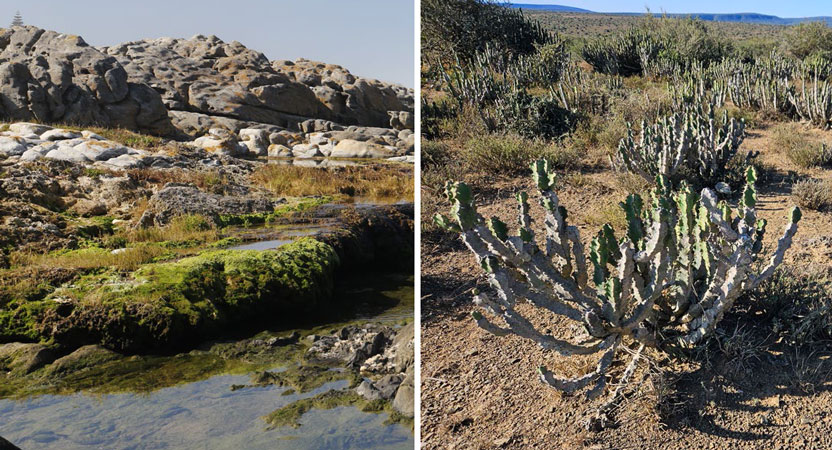
As part of this focus, he visited unique stromatolites – microbial reefs created by cyanobacteria – on the coast of the Southeastern Cape, followed by a range of different types of thickets, with an aim to resolve their Global Ecosystem Typology classification.
“This is a challenging classification given the variety of different thickets on the coast and inland in South Africa, and was particularly informative for understanding implementation of the Global Ecosystem Typology in these environments,” Professor Kingsford said.
Complementing his trip to Scotland, he was also able to work with a colleague at South Africa National Parks and visit Karoo National Park, which has been the site for a range of reintroduced species including lions and hyena.
“Both have involved social and economic pressure for reintroduction, particularly to attract visitors, with the former proving challenging because of ‘escapes’ from the reserve,” he said.
While in Southern Africa, Professor Kingsford was able to spend a month in Botswana, visiting colleagues and government representatives, and leading an undergraduate course in ecosystem management that involved students from UNSW, the University of Botswana, Kings College London and Arizona State University. Professor Kingsford and his collaborators from these universities are now organising a multinational conference to be held this year in Maun, Botswana, to discuss past and future pressures on the Okavango River Basin.
About the Graeme Caughley Travelling Fellowship
This fellowship commemorates the work of Dr G J Caughley FAA, who was a chief research scientist with the CSIRO Wildlife and Ecology, Canberra, until his death in February 1994.
The Fellowship is financed through the generosity of his friends and colleagues, to enable ecologists resident in Australia or New Zealand to share their expertise by visiting scientific centres in countries outside of the Fellow's own country.
Applications are now open for the 2026 Graeme Caughley Travelling Fellowship.
Australian scientist’s work on trade and climate change takes centre stage
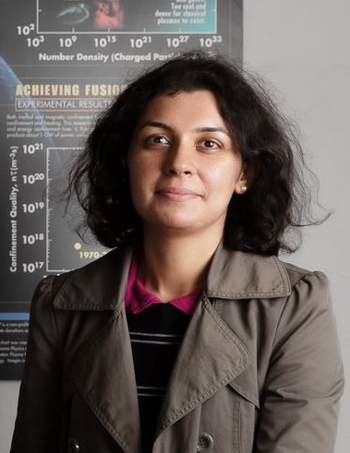
Associate Professor Arunima Malik. Image supplied.
UPDATE 18 JUNE 2025
Australia’s National Champion Associate Professor Arunima Mali was named one of three international champions of the 2025 Frontiers Planet Prize, a prestigious award recognising research with the most promising potential to keep humanity within planetary boundaries.
National Champion
Associate Professor Arunima Malik of the University of Sydney has been named Australia’s National Champion for the Frontiers Planet Prize for her paper published in Nature, Polarizing and equalizing trends in international trade and Sustainable Development Goals.
She is one of three researchers nominated by the Australian Academy of Science for the prize.
Awarded by the not-for-profit Frontiers Research Foundation, the Frontier Planet Prize is now in its third year. This prestigious prize recognises research with the most promising potential to keep humanity within planetary boundaries. Professor Malik’s work will now advance to the international competition, with global winners to be announced at an awards ceremony in Villars, Switzerland on 17 June.
Chosen by a jury of 100 leading sustainability scientists, both national and international champions join the Frontiers Planet Prize alumni network, gaining opportunities to share their research and network at events in collaboration with the Frontiers Planet Prize partners.
Quantifying sustainability impacts
Associate Professor Malik’s research leverages big-data modelling techniques to quantify sustainability impacts across multiple scales. She conducts supply-chain assessments to measure social, economic and environmental impacts, often using input-output analysis. Her work focuses on understanding how consumption in one country affects the environment and society of its trading partners, with the goal of informing national and trade policies to mitigate negative impacts and address climate-related issues.
“We live in an increasingly interconnected world driven by complex supply chain networks, where consumer demand in one region influences production in another,” Associate Professor Malik said.
“These interconnections present opportunities to improve standards of living, skill development and employment generation, but also generate adverse impacts in the form of resource depletion, pollution, habitat loss and inequality.
“International trade can amplify these effects by placing pressure on vulnerable nations, leading to spillover effects that hinder countries’ ability to progress toward the UN Sustainable Development Goals,” she said.
First-ever global assessment
Associate Professor Malik and her co-authors from the University of Sydney, Charles Darwin University, Vienna University of Economics and Business and the United Nations Sustainable Development Goals Network undertook a first-ever global assessment to analyse trends in consumption-driven polarising and equalising effects of international trade.
“There is a growing disparity between nations that benefit from trade and those that bear significant environmental and social costs, deepening existing inequalities. Our research underscores the critical importance of considering consumption-based cross-border impacts within the framework of the UN Sustainable Development Goals,” she said.
The two runner-up Australian nominees, Dr Emma Camp from University of Technology Sydney and Professor Chris Greening of Monash University, are also leaders in sustainability science.
Dr Camp is a coral biologist and marine biogeochemist who studies the role of marginal reef environments in understanding the impact of future climate change on coral reefs.
Professor Greening studies how microbes ‘live on air’ by consuming atmospheric hydrogen. His research focuses on the enzyme Huc, which allows bacteria to use hydrogen as an energy source.
Read about the 2024 National Champion.
2025 WH Gladstones research project explores behavioural responses to climate change
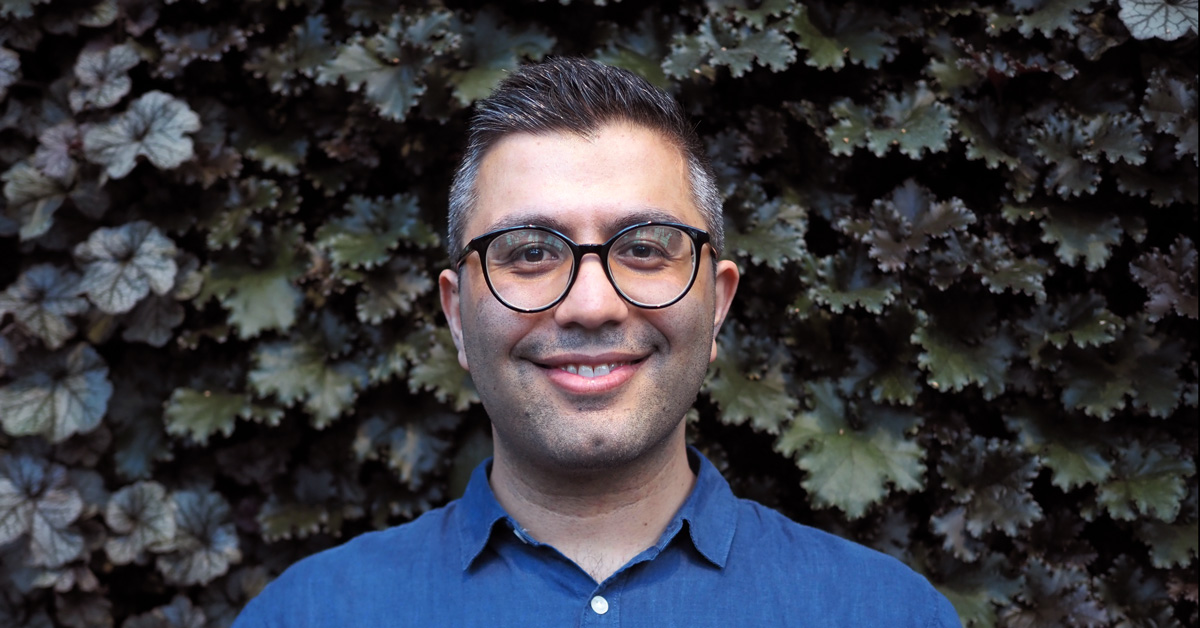
Dr Omid Ghasemi from the University of New South Wales is the recipient of the 2025 WH Gladstones Population and Environment Fund. This fund offers support for empirical research into how the size, distribution, material aspirations and other characteristics of Australia’s population are likely to affect our environment – not only our land and landscape, but also social cohesion, health, the economy and defence.
Dr Omid Ghasemi, University of NSW
Exploring the impact of extreme weather events on attitudes, emotions and behavioural responses to climate change

Dr Ghasemi’s research explores the complex relationship between climate events and human behaviour, shedding light on how individuals respond, adapt, and engage with climate-related challenges. By investigating behavioural drivers of climate engagement and policy support, his work will provide critical insights into how Australians perceive and react to environmental risks.
Given the country’s high exposure to climate hazards, understanding these behavioural patterns is essential for shaping effective strategies that enhance resilience, inform policy and support long-term societal adaptation.
He will collect survey data on climate-related beliefs, emotions, policy support and eco-friendly behaviours, and link these responses to publicly available weather data and public polling.
“I’m really honoured to receive this award in recognition of my work. I’m looking forward to diving deeper into this project and learning as much as I can along the way,” Dr Ghasemi said.
“This grant will allow me to explore and understand the drivers of climate-related beliefs, emotions and actions in Australia, and hopefully contribute valuable insights.”
The Academy’s 2026 awards and funding opportunities are now open.