
2005 Nobel Prize in Physiology or Medicine
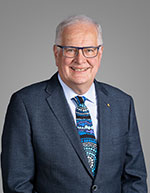
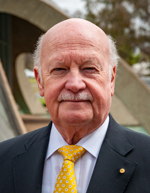
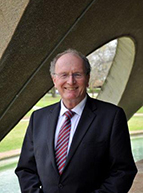
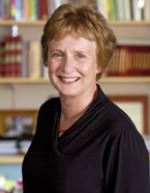
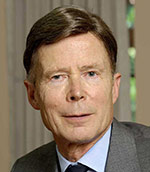
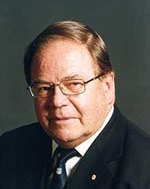
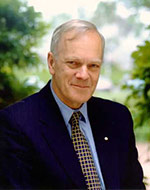
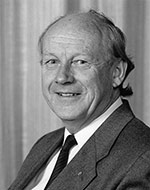
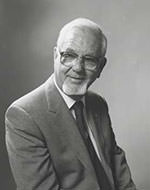
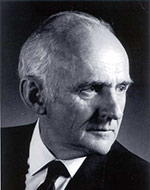
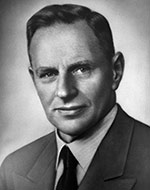
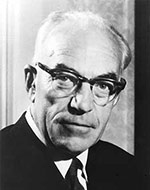
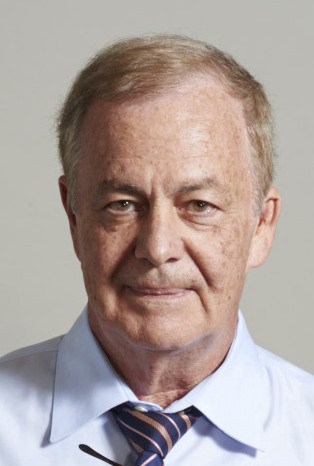
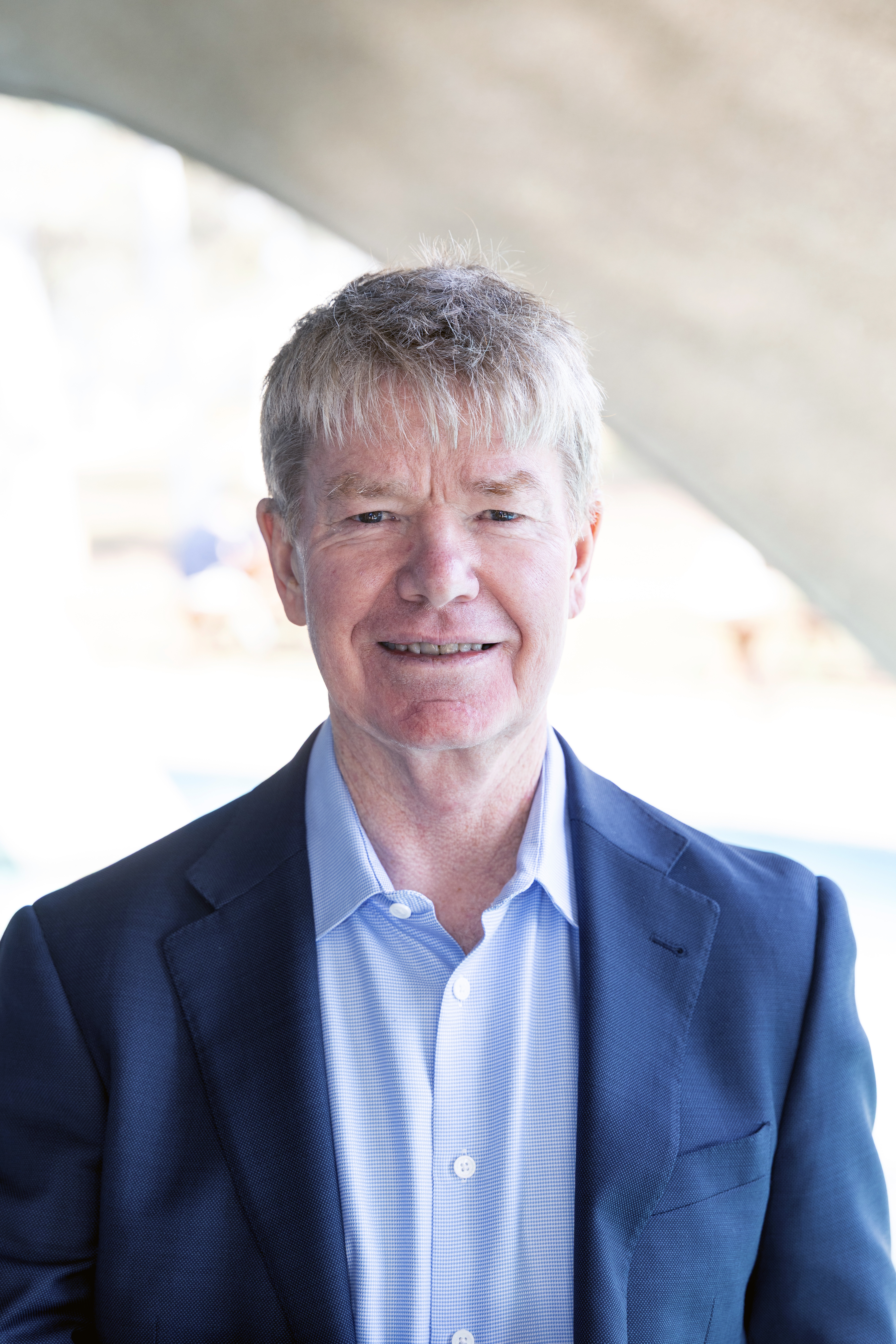
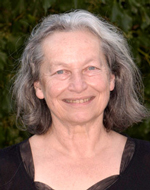
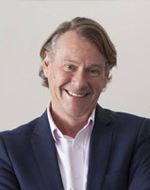
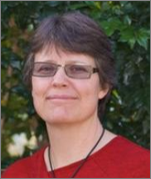
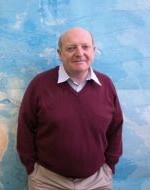
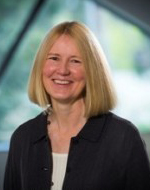
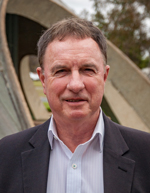
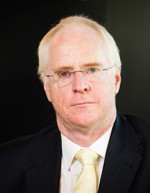
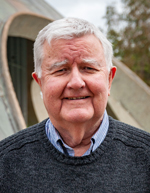
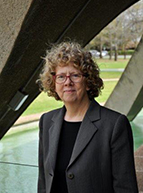
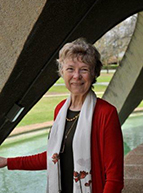
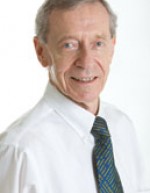
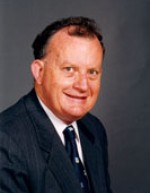
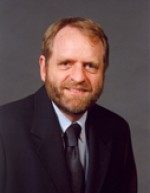
Barry Marshall (left) and Robin Warren (right)
On his birthday in 1979, Robin Warren, a pathologist with an interest in gastric ulcers, noticed spiral-shaped bacteria wherever he saw signs of inflammation in biopsies from patients with gastritis and ulcers. When Barry Marshall, who had recently completed his medical training, decided to find a research project, he talked to Robin Warren about his unusual observations.
Working together at the Royal Perth Hospital, over the following years their research showed that bacteria, not stress or lifestyle, caused the majority of gastric ulcers. It defied accepted wisdom that the stomach was too acidic to allow bacteria to survive, grow and cause disease. Their work was to rewrite the text books and go on to earn the greatest scientific prize of all, the Nobel Prize.
The discovery has led to a greater understanding of the link between chronic infection, inflammation and cancer. Doctors world-wide routinely treat patients who suffer from painful ulcers with a simple course of antibiotics.
Since then, Warren has retired, but Marshall continues his research at the University of Western Australia on the bacteria that causes gastric ulcers.
They traveled to Stockholm in December 2005 to receive the award from the Nobel Committee. And it all started as an interesting observation by Warren on his birthday.
1996 Nobel Prize in Physiology or Medicine
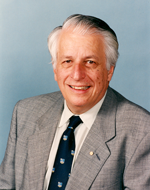
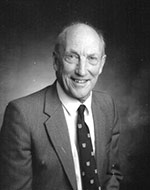
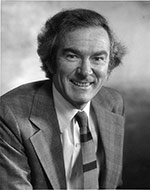
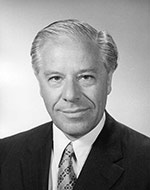
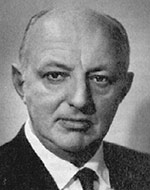
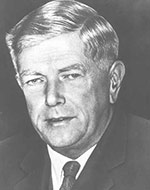
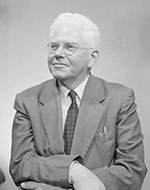
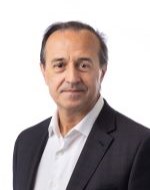
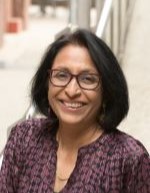
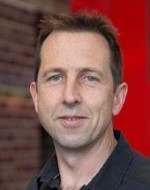
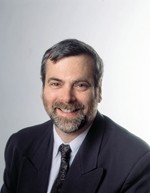
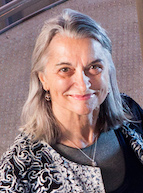
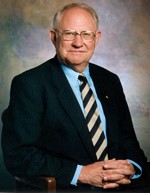
Peter Doherty and Rolf Zinkernagel
The year was 1973. From different corners of the globe came two scientists interested in how the body fights disease. Peter Doherty, a qualified vet from the University of Queensland, had completed a doctorate in Scotland and had returned to Australia. He had decided that he preferred to do research rather than be a practising vet. Rolf Zinkernagel, medically trained at the University of Basel in Switzerland, had just been given a scholarship to study in Australia.
Meeting in Canberra, the two men shared a lab at the John Curtin School of Medical Research, at the Australian National University. There, almost by accident, they came up with a discovery that was to change our understanding of the immune system – the body's internal defence force – and earn them the greatest scientific award of all, the Nobel Prize.
Today, medical researchers and doctors around the world regularly make use of their discovery – whether in designing vaccines, understanding AIDS and other virus diseases, or trying to unravel the mysteries of cancer. Both scientists have moved on to new research on the immune system, Peter Doherty in America and Rolf Zinkernagel back in Switzerland. But they came together again in Stockholm in December 1996 to receive the world's thanks in the form of the award from the Nobel Committee. And it all started 23 years ago in a
small lab in Canberra.
Artist's representation of T-cell receptors and viral–MHC antigen complexes
Frontiers Planet Prize
Award highlights
- It is the world’s largest science prize in scientific solutions for planetary health, annually awarding US$1 million each to three international champions.
- As the National Representative Body for the Frontiers Planet Prize in Australia, the Academy selects three nominees each year to submit for the Prize.
The Frontiers Planet Prize (‘the Prize’), established in 2022 by the not-for-profit Frontiers Research Foundation, recognises transformational research that shows the greatest potential to address the world’s most urgent environmental challenges. It is the world’s largest science prize in scientific solutions for planetary health, annually awarding US$1 million each to three international champions.
The Australian Academy of Science is the National Representative Body for the Frontiers Planet Prize in Australia. The Academy selects three nominees each year to submit for the Prize.
Key dates
Below are the key dates for the nomination process. While we aim to keep to this schedule, some dates may change depending on circumstances.
GUIDELINES
The following guidelines provide important information about eligibility, submission requirements, and assessment processes. Please review them carefully before submitting a nomination.
The Prize is awarded based on a single research output accepted for publication within the two years prior to 31 October in the year of application. Applications are welcomed from across all research disciplines.
Research outputs must be published/accepted for publication in peer-reviewed journals; books and book chapters are not eligible.
In-depth information about the criteria used for assessment can be found on the Frontiers Planet Prize website.
Research institutions must register with the Frontiers Planet Prize directly in order to participate in the Prize. Currently registered institutions are listed on the Frontiers website.
Interested institutions should contact awards@science.org.au for the link to register.
For researchers
Researchers apply directly to their institutions in approximately September. Each institution can nominate up to three researchers to the Academy; the Academy cannot accept direct applications from researchers.
If your institution is registered but you do not know who to contact, email awards@science.org.au and we will connect you with the appropriate contact at your institution.
For institutions
The Academy will contact registered institutions in October with instructions on how to nominate their chosen researchers. The Academy will use the contact information provided to us by the Frontiers Planet Prize; registered institutions should make sure their contact details are up to date by contacting info@frontiersplanetprize.org.
If you believe your contact details are up to date and you have not heard from the Academy by the end of the first week of October, contact awards@science.org.au.
All eligible nominations to the Academy will be assessed by a committee of scientists with diverse expertise. The Academy can nominate up to three researchers to the Frontiers Planet Prize.
The selected nominations will be sent to the Prize’s international jury. The jury selects a national champion for each country, who is announced on Earth Day the following year (22 April). From the national champions, three international champions are selected to be awarded US$1 million to support their research.
Past Australian awardees
Academy Medal
Award highlights
- This medal is awarded to a person outside the Fellowship who has, by sustained efforts in the public domain, significantly advanced the cause of science and technology in Australia or who has made a substantial contribution to the Academy.
- The medal is made by the Royal Australian Mint, Canberra and was designed by Dr Stuart Devlin AO CMG.
The Academy Medal recognises outstanding contributions to science by means other than through scientific research. It is awarded to a person outside the Fellowship who has, by sustained efforts in the public domain, significantly advanced the cause of science and technology in Australia or who has made a substantial contribution to the Academy.
Council may decide to award an Academy Medal after the proposal by the President of a candidate. In milestone anniversary years the medal may be awarded to up to three people. Normally, the medal would be awarded no more frequently than once in three years.
PREVIOUS AWARDEES
2024 Academy Medal
Lisa Paul AO PSM
University of Canberra Chancellor Lisa Paul AO PSM serves as a director and board member for a range of profit and non-profit companies, as well as a Councillor of Bond University. She was a Chief Executive (Secretary) in the Australian federal government from 2004 until 2016, serving five Prime Ministers and nine Cabinet Ministers. She has been awarded the Academy Medal for her commitment and contribution to advancing policy in higher education, science, research and innovation, along with her significant and sustained contribution to the governance of the Academy as Chair of the Audit Committee from 2021 to 2024.
2022 Academy Medal
The Hon Kim Carr
Kim Carr retired as Victoria's longest serving Senator (from 1993 to 2022) and as one of the most significant Ministers of Science in recent decades. His Parliamentary service included Ministerial appointments in Cabinet as Minister for Innovation, Industry, Science and Research (2007-2011 and 2013), Minister for Higher Education (2013), Minister for Manufacturing (2011-2012), Minister for Defence Materiel (2011-2012), and Minister for Human Services (2012-2013). He committed a great deal of his political life, in Government and in Opposition, advocating for, and defending, public good research, science and technology and education. He is currently a Vice Chancellor's Professorial Fellow at Monash University, providing strategic advice and expertise to advance partnerships with local and global industries, focusing on the development of the Monash Technology Precinct.
2019 Academy Medals
Dr Megan Clark AC FTSE
Dr Clark has led innovation in Australian science. Her ambitious leadership of the Australian Space Agency is making exciting waves in space research and future space exploration. Starting as a mine and exploration geologist, she subsequently worked in R&D management, venture capital and technical strategy. Megan is currently a director of Rio Tinto, CSL Limited and CARE Australia and recently chaired the Expert Working Group into the Review of Australia’s Space Industry Capability. She was the first female chief executive of CSIRO and in 2014 was appointed a Companion of the Order of Australia for eminent service to scientific research and development.
Mr Peter Yates AM FTSE FAICD
Mr Yates serves as chairman, board director and senior executive for several prominent Australian corporate, media and community organisations. In 2005 Peter helped found the Australian Science Media Centre and later the Royal Institution of Australia. His objective was to change the way Australia looked at science, something he continues to pursue. In 2011 he was appointed a Member of the Order of Australia for service to education, the financial services industry and a range of arts, science and charitable organisations.
2016 Academy Medal
Professor Ian Chubb AC FAA FACE FTSE
Professor Chubb has dedicated his life to science in Australia as our Chief Scientist, as Vice-Chancellor of the Australian National University, Vice-Chancellor of Flinders University and as President of the International Alliance of Research Universities. He is a champion of research who has worked tirelessly to ensure science enhances the lives of all Australians, be it through innovative technology, informed policy or a scientifically-literate public. Ian’s other accolades and awards include being named 2011 ACT Australian of the Year, a Fellow of the Australian Academy of Technology and Engineering, and a Companion of the Order of Australia for services to higher education.
2014 Academy Medals
Emeritus Professor Harry Messel AC CBE
Physics Foundation
Professor Messel is awarded the Academy Medal in recognition of his conspicuous and enduring service to the cause of science in Australia, which has included innovative scientific leadership through the establishment of the Physics Foundation at the University of Sydney (the first such foundation in Australia), his vision for secondary school science education and the resulting series of textbooks, and the establishment of his International Science Schools.
Simon McKeon AO FAICD
Executive Chairman of Macquarie Group’s Melbourne Office
Simon McKeon is a prominent business leader and philanthropist who has made extensive contributions to Australian science and innovation. The 2011 Australian of the Year’s many appointments include Chairman of the CSIRO Board since 2010, Foundation Chairman, and now Patron, of Multiple Sclerosis Research Australia, Chair of In2Science, and member of the inaugural Bio21 Australia Board. Simon has championed informed debate on climate change, and provided inspiring leadership in the community sector, especially in the areas of health and disability.
2010 Academy Medal
Dr Peter Pockley
Senior Correspondent for Australasian Science magazine
Peter Pockley is Australia's pioneer science writer, broadcaster and commentator. He established specialist reporting of science in the Australian media in 1964, leading teams and fronting programs which transformed the medium. He remains an independent reporter and commentator, contributing to a wide range of media including the ABC, SBS TV and major newspapers around the country. His authoritative work is characterised by flair and rigorous accuracy.
2008 Academy Medal
Professor Susan Wyber Serjeantson
Executive Secretary, Australian Academy of Science
Professor Sue Serjeantson is awarded the Academy Medal in recognition of her outstanding contribution to Australian Science during her role as Executive Secretary of the Academy. As Academy Executive Secretary for seven years, she oversaw the expansion of Academy activities in areas including the education, international and policy programs.
2006 Academy Medal
Professor Michael Gore
Centre for the Public Awareness of Science, Australian National University, Canberra.
Professor Michael Gore is awarded the Academy Medal in recognition of his outstanding contribution to Australian Science through his establishment and leadership of the Questacon National Science Centre that has been an exemplar for the creation of other science museums, nationally and internationally.
2004 Academy Medals
Professor Roderick Home
Rod Home has made outstanding contributions to the Australian Academy of Science and to the cause of science more generally through his expert work in editing ‘Historical Records of Australian Science’. Under his influence the publication has become a respected scholarly journal of high standing and an important record of Australian science. He has also provided continuing leadership as the Academy’s Chair of the National Committee for the History and Philosophy of Science. Rod’s scholarly work has been devoted to communicating the history of Australian science to a broad and receptive audience and the Academy of Science is proud to recognise his achievements.Rod Home has made outstanding contributions to the Australian Academy of Science and to the cause of science more generally through his expert work in editing ‘Historical Records of Australian Science’. Under his influence the publication has become a respected scholarly journal of high standing and an important record of Australian science. He has also provided continuing leadership as the Academy’s Chair of the National Committee for the History and Philosophy of Science. Rod’s scholarly work has been devoted to communicating the history of Australian science to a broad and receptive audience and the Academy of Science is proud to recognise his achievements.
Dr Norman Swan
Norman Swan has made substantial contributions to the cause of science and technology in Australia through his wide broadcasting experience. He produces and presents the award-winning Health Report and was the host of Life Matters. Both of these are high profile programs on the Australian Broadcasting Corporation’s Radio National. More recently he has been host of Health Dimensions on ABC Television. In addition to his broadcasting, Norman also edits his own newsletter, The Health Reader. This newsletter, published in association with Choice magazine, introduces and examines medical issues within the public arena.
Mr Peter Wills
Peter Wills has made outstanding contributions to the cause of science and technology in Australia through his efforts as Chair of the Health and Medical Research Strategic Review. His tireless work as Chair of the Implementation Committee then ensured the recommendations of the review were implemented. The review document, known as the Wills Review, was also significant in convincing government that science is indeed a critical 'investment'. This underpinned the policy of Backing Australia’s Ability. His efforts have also assisted in establishing and encouraging the development of a map of Australian science for the future.
1990 Academy Medal
The Hon Robert (Bob) Hawke
Thomas Ranken Lyle Medal
Award highlights
- The award recognises outstanding achievement by a scientist in Australia for research in mathematics or physics.
- This award commemorates the contribution of Sir Thomas Ranken Lyle, FRS, to Australian science and industry generally and in particular to his own fields of physics and mathematics.
The Thomas Ranken Lyle Medal is a career award that commemorates the contribution of Sir Thomas Ranken Lyle FRS, to Australian science and industry generally and in particular to his own fields of physics and mathematics. The purpose of the medal is to recognise outstanding achievement by a scientist in Australia for research in mathematics or physics.
Research carried out in countries other than Australia may be taken into consideration if the researcher has spent three of the last five years in Australia. Work carried out during the whole of the candidate's career may be taken into consideration but special weight will be given to recent work. The award is normally made every two years.
This award is open to nominations for candidates from all genders. The Australian Academy of Science encourages nominations of female candidates and of candidates from a broad geographical distribution.
Career awards recognise achievement over a career of whatever length.
Candidates may be put forward for more than one award. If a proposed candidate is already the recipient of an Academy award, the second award must be for a distinct, additional, body of work undertaken since the first award, and/or work in a different field.
Key dates
Below are the key dates for the nomination process. While we aim to keep to this schedule, some dates may change depending on circumstances.
GUIDELINES
The following guidelines and FAQs provide important information about eligibility, submission requirements, and assessment processes. Please review them carefully before submitting a nomination.
How to nominate a scientist for the Academy’s honorific awards
The following guidelines contain detailed information for nominators.
These guidelines contain information for honorific award nominators.
The following guidelines contain information for honorific award referees.
These guidelines contain information for honorific award referees.
Please submit your nominations using the Nominate button found on the top right of this webpage when nominations are open.
Please note the Academy uses a nomination platform that is external to the main Academy site. Nominators will be required to create an account on the platform. Even if you are familiar with the nomination process, please allow extra time to familiarise yourself with the platform.
Early-career, mid-career and career medals
Can I nominate myself?
- No – you must be nominated by someone else. Self-nominations are not accepted.
Can I submit a nomination on behalf of someone else?
- Yes – you can submit a nomination on behalf of someone else if you are not the nominator. An example would be a university grants office or personal/executive assistant completing the online nomination form on behalf of a nominator. Once the form is submitted, the nominator will be sent an email confirming that the nomination has been completed. If a nominee submits a nomination for themselves on behalf of a nominator it will not be considered a self-nomination.
Residency requirements
- Winners of all awards except the Haddon Forrester King Medal should be mainly resident in Australia and/or have a substantive position in Australia at the time of the nomination deadline. Unless explicitly stated in the awarding conditions, the research being put forward for the award should have been undertaken mainly in Australia. Some awards have more specific conditions that the relevant selection committee must apply and nominators are advised to read the conditions associated with each award very carefully.
Honorific career eligibility (more specific details found in the honorific awards nominator guidelines and the honorific award post PhD eligibility guidelines)
- Career eligibility is calculated by calendar year.
- Early career awards are open to researchers up to 10 years post-PhD.*
- Mid-career awards are open to researchers between eight and 15 years post-PhD.*
- Please note that the Awards Committee may consider nominees with post PhD dates outside of these ranges if a career exemption request is being submitted with the nomination, further guidelines on career exemption requests can be found in the nomination guidelines.
- See the post-PhD eligibility guidelines document for relevant conferral dates.
- * or equivalent first higher degree e.g. D.Phil., D.Psych., D.Sc.
Academy fellowship requirements in award nominations
- Fellows and non-Fellows of the Academy can provide nominations for either Fellows or non-Fellows for all awards.
Women only awards
- The Dorothy Hill, Nancy Millis and Ruby Payne-Scott Medals are for women only. These medals are open to nominees who self-identify as a woman in the award nomination form. The Academy does not require any statement beyond a nominee’s self-identification in the nomination form.
- This practice is consistent with the Sex Discrimination Act 1984, which has recognised the non-binary nature of gender identity since 2013, and gives effect to Australia’s international human rights obligations. The Academy remains committed to the fundamental human rights principles of equality, freedom from discrimination and harassment, and privacy, as well as the prevention of discrimination on the basis of sex and gender identity.
PREVIOUS AWARDEES
Professor George Willis FAA, University of Newcastle
Beyond solving problems, Professor George Willis is a true creator of new mathematics. Through his invention of ‘the scale’ and its function, Professor Willis gave an entirely new insight into the unexpected structure and classification of totally disconnected locally compact groups, a previously intractable area. This novel approach, now known as ‘Willis Theory’, has broad implications for diverse fields of mathematics. Professor Willis’s research extends beyond theoretical elegance, leading to unexpected and pivotal real-world applications related to symmetric infinite networks. By describing how finite patterns might continue indefinitely, his work informs the growth and optimisation of real-world networks like computer systems and global social networks. In a lifetime of achievement, Professor Willis has ensured Australia is at the frontier of knowledge in pure mathematics. His ongoing contributions add to his already remarkable legacy of innovative academic research and dedicated education leadership in pure mathematics at the regional University of Newcastle in Australia.
Professor Susan Scott FAA, Australian National University
Professor Susan Scott is an internationally recognised mathematical physicist who has made fundamental advances in our understanding of the fabric of space-time in general relativity, and in gravitational wave science. Her ground-breaking discoveries probe the existence and nature of singularities and the global structure of space-time, and possible initial and final end states for cosmological models representing our Universe. Professor Scott has also been a pioneer in the analysis of astrophysical signatures in gravitational wave experiments, including the searches for gravitational waves from asymmetric neutron stars and from inspiralling binary systems of black holes and neutron stars. She has played an important role in the development and promotion of gravitational research worldwide, and a leading role in Australia’s participation in the first direct detection of gravitational waves in 2015.
Professor Nick Wormald FAA, Monash University
Technological, biological, social and logistical networks are a ubiquitous feature of modern life. Professor Nick Wormald is a world leader in the field of random graph theory, which combines advanced probability theory, combinatorics and theoretical computer science to produce deep insights into the nature of such large and complex networks. The mathematics that he produces leads to greater understanding of the structure of real-world networks and to new methods for modelling them. This in turn leads to versatile tools of widespread use in algorithmic computer science and network optimisation, with other applications in physics, coding theory for communications, underground mine design and genetics. Professor Wormald is responsible for an impressive number of major breakthroughs in these areas and several standard methods used today were his invention.
Professor David McClelland FAA, Australian National University
Gravitational waves were predicted by Einstein’s general theory of relativity more than 100 years ago. After 40 years of sustained experimentation, on 14 September 2015, the Laser Interferometer Gravitational-wave Observatory (LIGO) detected the death spiral of two stellar-mass black holes as the gravitational waves they emitted almost a billion years ago passed through two detectors in the US. Remarkably, the wave moved the mirrors in the 4 km-long detectors by a fractional amount equivalent to 1/1000th of the width of a proton, in so doing verifying one of the most challenging predictions of Einstein’s General Relativity.
Professor David McClelland carried major responsibility as the lead Australian investigator in LIGO and has made major contributions to this famous detector including work on ‘quantum enhancement’ which increased the observable volume of the Universe significantly.
Professor Chennupati Jagadish AC FAA FTSE, Australian National University
Professor Jagadish has made pioneering contributions to semiconductor physics in particular materials physics and optical physics. He has developed semiconductor growth, processing and characterisation techniques to achieve many world firsts in terms of innovative optoelectronic devices such as semiconductor lasers, infrared and terahertz detectors based on quantum wells, quantum dots and nanowires. He has developed quantum well and quantum dot atomic intermixing techniques to develop integrated optoelectronics devices being used in industry. His work has led to the development of innovative optoelectronic and nanophotonic devices used in optical communication systems, biomedical imaging, defence and security applications. He has trained a large number of PhD students and early-career researchers and they are in leading positions in industry and academia.
2017
Professor Joss Bland-Hawthorn FAA, University of Sydney
Professor Bland-Hawthorn has excelled in both astronomical research and cutting-edge instrumentation, helping to keep Australia at the forefront of optical astronomy over the past 25 years. His legacies include establishing two astronomical fields – galactic archaeology and near-field cosmology (with Professor Kenneth Freeman FAA FRS) and astrophotonics, resulting in awards in astronomy, optics, and photonics. His innovative contributions to astronomical technology and instrumentation have been very influential and have been widely adopted in experimental astronomy and have also been applied to other fields, such as telecommunication, food safety and the farming industry.
2015
Professor Michelle Y Simmons FAA, University of New South Wales
Professor Simmons has pioneered a radical new technology for creating atomic-scale devices producing the first ever electronic devices in silicon where individual atoms are placed with atomic precision and shown to dictate device behaviour. Her ground-breaking achievements have opened a new frontier of research in computing and electronics globally. They have provided a platform for redesigning conventional transistors at the atomic-scale and for developing a silicon-based quantum computer: a powerful new form of computing with the potential to transform information processing.
2013
Professor Cheryl Elisabeth Praeger AM FAA, University of Western Australia
Professor Cheryl Praeger has transformed our understanding of groups acting on large systems, producing new theories, algorithms and designs that have advanced every field that exploits the symmetry of large systems. Her research has led to significant new directions taken up by mathematicians internationally. Her algorithms have enhanced powerful computer algebra systems which have transformed research and teaching of algebra.
2011
Professor James Stanislaus Williams FAA, Australian National University
James Williams developed ion implantation processes which are widely used in the microelectronics industry for manufacturing computer chips. He has developed phase change memory technology based on silicon which is expected to play an important role in next generation of high density memory devices. His work on compound semiconductors has made an impact in optoelectronic device technology. He has provided exceptional leadership in materials science in Australia and is highly regarded internationally for his contributions in electronic materials.
2009
Professor Victor Flambaum FAA, University of New South Wales
Victor Flambaum has performed pioneering research in the area of the violation of fundamental symmetries and tests of unification theories of elementary particles. With collaborators he developed a new method to perform the most accurate atomic calculations of parity violation. These calculations allowed the standard model of elementary particles to be tested. Recently he proposed new ideas which have led to fresh directions in the search for variations of the fundamental constants of nature, including astrophysics (Big Bang nucleosynthesis, quasar spectra), nuclear physics (nuclear clock), and atomic and molecular spectroscopy (atomic clocks).
2007
Professor Yuri Kivshar, Australian National University
Yuri Kivshar is a world leader in nonlinear physics and optics, widely recognised for his contributions to our understanding of self-trapping and energy localisation, pioneering results in the theory of optical solitons and vortices, and the world-first predictions of many important effects in nonlinear physics of periodic photonic structures. Most of his theoretical predictions have been verified and demonstrated experimentally. Yuri is a leading figure in the interchange of ideas between nonlinear optics and atom optics. His research is multidisciplinary in background and focus.
2005—A.J. Guttmann
2003—G. Dracoulis
2001—I.H. Sloan
1999—E.O. Tuck
1997—A.W. Thomas
1995—C.C. Heyde
1993—N.H. Fletcher; E. Weigold
1991—B.H.J. McKellar
1989—R. Delbourgo; P.G. Hall
1987—D.B. Melrose
1985—A.W. Snyder
1983—R.J. Baxter
1981—J.R. Philip; D.W. Robinson
1979—E.J. Hannan
1977—K. Mahler
1975—J.P. Wild
1972—H.A. Buchdahl
1970—R.Hanbury Brown
1968—G. Szekeres
1966—S.T. Butler
1963—G.R.A. Ellis; P.A.P. Moran
1961—H.O. Lancaster
1959—E.S. Barnes
1957—B.Y. Mills
1953—J.L. Pawsey
1951—T.M. Cherry
1949—K.E. Bullen
1947—J.C. Jaeger; D.F. Martyn
1941—G.H. Briggs; T.G . Room
1935—J.R. Wilton
Suzanne Cory Medal
Award highlights
- This award recognises outstanding research in all of the biological sciences, being awarded in alternate years in the biomedical sciences and in all of the biological sciences excluding biomedical sciences.
- The 2027 Suzanne Cory Medal is for all of the biological sciences excluding biomedical sciences.
- The award honours the contributions made to science by Professor Suzanne Cory AC FAA FRS who, as a molecular biologist, has made major contributions to understanding the genetic causes of cancer.
The Suzanne Cory Medal recognises outstanding research in all of the biological sciences, being awarded in alternate years in the biomedical sciences and in all of the biological sciences excluding biomedical sciences. It is a career award that is open to any biological science researcher regardless of time since their major degree. It honours the contributions made to science by Professor Suzanne Cory AC FAA FRS who, as a molecular biologist, has made major contributions to understanding the genetic causes of cancer.
The 2026 Suzanne Cory Medal will be for the biomedical sciences.
The 2027 Suzanne Cory Medal is for all of the biological sciences excluding biomedical sciences.
The 2028 Suzanne Cory Medal will be for the biomedical sciences.
This award is open to nominations for candidates from all genders.
Career awards recognise achievement over a career of whatever length.
The award is made annually and is given to candidates who are normally resident in Australia, with the majority of the relevant research having been conducted in Australia.
Candidates may be put forward for more than one award. If a proposed candidate is already the recipient of an Academy award, the second award must be for a distinct, additional, body of work undertaken since the first award, and/or work in a different field.
Key dates
Below are the key dates for the nomination process. While we aim to keep to this schedule, some dates may change depending on circumstances.
GUIDELINES
The following guidelines and FAQs provide important information about eligibility, submission requirements, and assessment processes. Please review them carefully before submitting a nomination.
How to nominate a scientist for the Academy’s honorific awards
The following guidelines contain detailed information for nominators.
These guidelines contain information for honorific award nominators.
The following guidelines contain information for honorific award referees.
These guidelines contain information for honorific award referees.
Please submit your nominations using the Nominate button found on the top right of this webpage when nominations are open.
Please note the Academy uses a nomination platform that is external to the main Academy site. Nominators will be required to create an account on the platform. Even if you are familiar with the nomination process, please allow extra time to familiarise yourself with the platform.
Early-career, mid-career and career medals
Can I nominate myself?
- No – you must be nominated by someone else. Self-nominations are not accepted.
Can I submit a nomination on behalf of someone else?
- Yes – you can submit a nomination on behalf of someone else if you are not the nominator. An example would be a university grants office or personal/executive assistant completing the online nomination form on behalf of a nominator. Once the form is submitted, the nominator will be sent an email confirming that the nomination has been completed. If a nominee submits a nomination for themselves on behalf of a nominator it will not be considered a self-nomination.
Residency requirements
- Winners of all awards except the Haddon Forrester King Medal should be mainly resident in Australia and/or have a substantive position in Australia at the time of the nomination deadline. Unless explicitly stated in the awarding conditions, the research being put forward for the award should have been undertaken mainly in Australia. Some awards have more specific conditions that the relevant selection committee must apply and nominators are advised to read the conditions associated with each award very carefully.
Honorific career eligibility (more specific details found in the honorific awards nominator guidelines and the honorific award post PhD eligibility guidelines)
- Career eligibility is calculated by calendar year.
- Early career awards are open to researchers up to 10 years post-PhD.*
- Mid-career awards are open to researchers between eight and 15 years post-PhD.*
- Please note that the Awards Committee may consider nominees with post PhD dates outside of these ranges if a career exemption request is being submitted with the nomination, further guidelines on career exemption requests can be found in the nomination guidelines.
- See the post-PhD eligibility guidelines document for relevant conferral dates.
- *or equivalent first higher degree e.g. D.Phil., D.Psych., D.Sc.
Academy fellowship requirements in award nominations
- Fellows and non-Fellows of the Academy can provide nominations for either Fellows or non-Fellows for all awards.
Women only awards
- The Dorothy Hill, Nancy Millis and Ruby Payne-Scott Medals are for women only. These medals are open to nominees who self-identify as a woman in the award nomination form. The Academy does not require any statement beyond a nominee’s self-identification in the nomination form.
- This practice is consistent with the Sex Discrimination Act 1984, which has recognised the non-binary nature of gender identity since 2013, and gives effect to Australia’s international human rights obligations. The Academy remains committed to the fundamental human rights principles of equality, freedom from discrimination and harassment, and privacy, as well as the prevention of discrimination on the basis of sex and gender identity.
PREVIOUS AWARDEES
Professor Hala Zreiqat AM FAA FTSE FAHMS, The University of Sydney
Professor Hala Zreiqat is an internationally recognised biomedical scientist whose pioneering research is transforming bone regeneration therapies. Her team developed the world’s first strong, bioactive synthetic ceramic scaffold that mimics natural bone, enabling the body to regrow tissue and restoring function after injury or disease. The team’s innovations, including patented materials now moving towards clinical use, offer new hope for millions affected by bone loss. Professor Zreiqat’s team also pioneered 3D-printed, patient-specific ceramic implants and novel surface treatments to enhance implant integration.
Her research spans cutting-edge areas such as anti-senescence biomaterials for ageing tissues and nanoengineered coatings for medical devices. Through extensive industry partnerships, her lab’s discoveries are progressing towards global clinical application. A distinguished leader and mentor, she has advanced interdisciplinary collaboration and championed diversity in STEM worldwide. Her research holds the promise of revolutionising musculoskeletal repair and improving quality of life for patients around the world.
Professor Steven Chown FAA, Monash University
Professor Steven Chown’s research concerns biodiversity variation through space and time, and the conservation requirements for mitigating the impacts of environmental change. He co-developed the field of macrophysiology – the investigation of large-scale patterns in and processes underlying physiological variation and their ecological implications. He has worked in Australia, Africa, the Asia-Pacific, the UK, and in the Antarctic, where he has over 30 years of field experience. For many years Professor Chown represented the international Scientific Committee on Antarctic Research (SCAR), of which he was also President (2016–21), at the Antarctic Treaty Consultative Meetings, providing scientific advice on a broad range of environmental and science policy matters. He has been National Delegate to SCAR for both Australia and South Africa. He provides a range of advice to international Antarctic programs through advisory committees and boards.
Professor Peter Koopman FAA, University of Queensland
Professor Peter Koopman’s research focuses on how genes function as the blueprint for embryonic development. He is best known for his role in discovering the Y-chromosomal sex-determining gene Sry, widely acknowledged as a milestone in 20th century genetics. His subsequent work has exposed the molecular, genetic and cellular pathways by which the gonads form in the embryo, addressing the essential question of how males and females come to be. In parallel, Professor Koopman discovered several Sry-related (Sox) genes including those that act as master regulators of skeletal and vascular development. These achievements have had broad and enduring impact in developmental biology, medical genetics and reproductive biology.
Professor Terence Hughes FAA, James Cook University
Professor Terry Hughes has made a superlative and sustained contribution to marine biology and science leadership in Australia and globally. His early research pioneered new understanding of the population dynamics and life histories of corals, and of the ecology of coral reef ecosystems. Among his most significant research has been his ground-breaking exploration of the resilience of coral reefs to pollution, overfishing and climate change, and on the dynamics of tipping-points and regime-shifts. Throughout his distinguished career, Professor Hughes’s research provides innovative and practical solutions for improving coral reef management and governance. He is also a Highly Cited Researcher with many publications in Science and Nature, and the founding Director and driving force behind the ARC Centre of Excellence for Coral Reef Studies, providing leadership and mentoring a large team of researchers of all career stages.
Professor Catherine Lovelock FAA, The University of Queensland
Professor Catherine Lovelock is a leading global expert on the impacts of climate change on coastal wetlands and the role of coastal ecosystems in mitigating climate change. Her research demonstrates the important role coastal wetlands (mangroves, saltmarsh and seagrass) play in mitigating climate change. Achieved by assimilating atmospheric carbon within living wetland plants, a proportion of this plant material is stored in sediments for long periods of time and is known as blue carbon. Professor Lovelock has been pivotal in driving international research and policy regarding blue carbon, and was instrumental in developing a voluntary blue carbon market in Australia that will play a central role in Australia’s efforts to adapt to and mitigate the effects of climate change on Australia’s coasts. Professor Lovelock’s research emphasises the important role of coastal wetland plants in accumulating substrates, a process that is particularly important in a changing climate where sea-level rise will increase erosion and inundation frequency along shorelines. Despite this important role, she has cautioned that the capacity of coastal wetlands to adjust to climate change will become increasingly limited throughout this century, unless planning decisions reduce pressures and facilitate landward retreat.
Professor Georgia Chenevix-Trench FAA, QIMR Berghofer
Professor Georgia Chenevix-Trench is a cancer geneticist, interested in both inherited and acquired genetic variants that contribute to the risk and development of cancer. Her main focus is on breast and ovarian cancer, but she has also made major contributions to inherited skin and gastric cancers. In the last 15 years, her main focus has been on genome-wide association studies to identify inherited genetic variants associated with cancer risk. These have identified over 200 regions of the genome associated with breast cancer risk. This information is currently being used in international clinical trials to stratify women for breast screening, but has also transformed our understanding of the biological basis of breast cancer. Professor Chenevix-Trench’s main focus now is to identify the relevant susceptibility genes in those 200 regions, to determine how they contribute to breast cancer risk, and whether this information can be used to treat breast cancer, or even to prevent it.
Professor John Endler FAA FRS, Deakin University
Professor John Endler is a world leading evolutionary biologist. His research explores the interplay between ecological, behavioural and genetic factors, and how they affect geographic variation and the process of natural selection in natural populations. His contributions are wide ranging and seminal. His scholarly books on how geographical variation can develop despite movement between habitats and his hypothesis of Sensory Drive are classics. The latter proposes that the environment sets the direction of the combined evolution of senses and signals, as well as mate and microhabitat choice behaviour. He pioneered this new interdisciplinary field of sensory ecology. Professor Endler has worked with a variety of species, notably wild guppies and bowerbirds, and topics from population genetics and evolution through behavioural ecology and visual physiology. He defined the properties of bird and other animal eyes to understand visual perception and visual illusions and the importance of colour perception in mating success and sexual selection.
Professor Susanne von Caemmerer FAA FRS, Australian National University
Professor von Caemmerer is the pre-eminent authority on modelling metabolic, physiological, structural and environmental aspects underpinning photosynthetic CO2 fixation in plant leaves. She changed the way we think about photosynthesis and gas exchange in leaves and remains at the forefront of this research. Her ability to combine mathematical modelling with experimental approaches and her progressive exploitation of ever more powerful molecular engineering methods throughout an outstanding career have refined and deepened our understanding of biochemical, physiological and environmental limitations to photosynthesis. Her research from leaf chloroplasts to global models of plant production aimed at enhancing photosynthetic rates in crop plants to increase their yields and adapt to climate change is now applied world-wide.
Ruth Stephens Gani Medal
Award highlights
- The award's purpose is to recognise outstanding contributions to research in human genetics, including clinical, molecular, population and epidemiological genetics and cytogenetics
- This award recognises research in human genetics and honours the contribution to science in human cytogenetics by the late Ruth Stephens Gani.
The Ruth Stephens Gani Medal recognises research in human genetics and honours the contribution to science in human cytogenetics by the late Ruth Stephens Gani.
Its purpose is to recognise outstanding contributions to research in human genetics, including clinical, molecular, population and epidemiological genetics and cytogenetics. It will be awarded to early-career researchers up to 10 years post PhD in the calendar year of nomination, except in the case of significant interruptions to a research career. The award will be made annually and is restricted to candidates who are normally resident in Australia and for research conducted mainly in Australia.
This award is open to nominations for candidates from all genders. The Australian Academy of Science encourages nominations of female candidates and of candidates from a broad geographical distribution.
Candidates may be put forward for more than one award. If a proposed candidate is already the recipient of an Academy early-career honorific award, they will not be eligible for nomination for another early-career or mid-career honorific award. A mid-career honorific award recipient will also not be eligible for nomination for another mid-career honorific award. Fellows of the Academy are ineligible to be nominated for early and mid-career awards.
Key dates
Below are the key dates for the nomination process. While we aim to keep to this schedule, some dates may change depending on circumstances.
GUIDELINES
The following guidelines and FAQs provide important information about eligibility, submission requirements, and assessment processes. Please review them carefully before submitting a nomination.
How to nominate a scientist for the Academy’s honorific awards
The following guidelines contain detailed information for nominators.
These guidelines contain information for honorific award nominators.
The following guidelines contain information for honorific award referees.
These guidelines contain information for honorific award referees.
Please submit your nominations using the Nominate button found on the top right of this webpage when nominations are open.
Please note the Academy uses a nomination platform that is external to the main Academy site. Nominators will be required to create an account on the platform. Even if you are familiar with the nomination process, please allow extra time to familiarise yourself with the platform.
Early-career, mid-career and career medals
Can I nominate myself?
- No – you must be nominated by someone else. Self-nominations are not accepted.
Can I submit a nomination on behalf of someone else?
- Yes – you can submit a nomination on behalf of someone else if you are not the nominator. An example would be a university grants office or personal/executive assistant completing the online nomination form on behalf of a nominator. Once the form is submitted, the nominator will be sent an email confirming that the nomination has been completed. If a nominee submits a nomination for themselves on behalf of a nominator it will not be considered a self-nomination.
Residency requirements
- Winners of all awards except the Haddon Forrester King Medal should be mainly resident in Australia and/or have a substantive position in Australia at the time of the nomination deadline. Unless explicitly stated in the awarding conditions, the research being put forward for the award should have been undertaken mainly in Australia. Some awards have more specific conditions that the relevant selection committee must apply and nominators are advised to read the conditions associated with each award very carefully.
Honorific career eligibility (more specific details found in the honorific awards nominator guidelines and the honorific award post PhD eligibility guidelines)
- Career eligibility is calculated by calendar year.
- Early career awards are open to researchers up to 10 years post-PhD.*
- Mid-career awards are open to researchers between eight and 15 years post-PhD.*
- Please note that the Awards Committee may consider nominees with post PhD dates outside of these ranges if a career exemption request is being submitted with the nomination, further guidelines on career exemption requests can be found in the nomination guidelines.
- See the post-PhD eligibility guidelines document for relevant conferral dates.
- * or equivalent first higher degree e.g. D.Phil., D.Psych., D.Sc.
Academy fellowship requirements in award nominations
- Fellows and non-Fellows of the Academy can provide nominations for either Fellows or non-Fellows for all awards.
Women only awards
- The Dorothy Hill, Nancy Millis and Ruby Payne-Scott Medals are for women only. These medals are open to nominees who self-identify as a woman in the award nomination form. The Academy does not require any statement beyond a nominee’s self-identification in the nomination form.
- This practice is consistent with the Sex Discrimination Act 1984, which has recognised the non-binary nature of gender identity since 2013, and gives effect to Australia’s international human rights obligations. The Academy remains committed to the fundamental human rights principles of equality, freedom from discrimination and harassment, and privacy, as well as the prevention of discrimination on the basis of sex and gender identity.
PREVIOUS AWARDEES
Associate Professor Miguel Rentería, QIMR Berghofer
Associate Professor Miguel Rentería is a human geneticist whose research is helping to uncover the biological causes of Parkinson’s disease and other complex conditions that affect the brain and body. He leads the Australian Parkinson’s Genetics Study, a national initiative with over 20,000 participants, which is advancing our understanding of why people develop Parkinson’s and how it progresses. He has also co-led major international studies identifying genetic markers for brain structure, migraine, sleep disorders, acne, and cataracts.
Associate Professor Rentería work combines cutting-edge genetic analysis with real-world data and has been published in leading journals, including Nature, Nature Genetics, and Nature Communications. He also co-leads a federally funded program offering genetic testing and counselling to Australians with young-onset Parkinson’s. Through global collaborations and mentoring, he supports efforts to make genetic research more representative and impactful. His goal is to translate discovery into better health outcomes for patients.
Dr Nicole Warrington, The University of Queensland
Dr Nicole Warrington has developed novel statistical analysis methods and applied these to big data in human genetics to address questions regarding the causes and consequences of human health. She has discovered hundreds of genetic variants that are associated with human traits, including birthweight and childhood body mass index. She pioneered a new statistical method to partition genetic effects on birthweight into maternal and foetal components.
This method was instrumental in demonstrating that the relationship between birthweight and adult cardiometabolic disease is driven by genetic effects, overturning 30 years of research into the effects of intrauterine programming. It has also allowed Dr Warrington to elucidate the role of maternal environmental exposures, such as hypertension during pregnancy, on offspring birth weight and later life health. These findings provide critical evidence that improvements in antenatal care aimed at increasing birthweight would have only a modest impact on the rising prevalence of cardiometabolic disease.
Dr Ira Deveson, Garvan Institute of Medical Research
Dr Ira Deveson leads a research group using new genomic technologies to improve the diagnosis of genetic disease. His work spans from basic methods development to large-scale genomic analysis of diverse human cohorts. His goals are to develop, adopt, optimise and validate new techniques that may shed new light on the genome, show how these can be used to address unsolved challenges in genomic medicine and facilitate their eventual translation into clinical practice. Dr Deveson’s team has led the adoption of new technologies for long-read DNA sequencing (LRS) in Australia, allowing us to resolve the most complex, repetitive regions of the human genome for the first time, and to reliably identify new classes of genetic variation that are difficult to identify with existing technologies. By generating a more complete snapshot of a patient’s genome, his team is applying LRS to improve our understanding and diagnosis of inherited disease.
Dr Sonia Shah, University of Queensland
Dr Sonia Shah’s research uses innovative statistical genomics approaches applied to human genomic and health data to advance understanding, improve prevention and identify new avenues for treatment for cardiovascular disease. Her research has led to new insights into heart failure biology and shifted our understanding of the genetic risk factors for familial hypercholesterolemia, impacting patient management in the UK. Dr Shah’s current research focuses on understanding cardiovascular risk in understudied groups, such as women and genetically diverse groups, in whom current tools for identifying high-risk individuals are less accurate, with the goal of developing more effective tools for disease prevention in these groups and ensuring more equitable translation of genomics research.
Dr Stephin Vervoort, Walter and Eliza Hall Institute of Medical Research
Accurate control of gene expression is essential for health and deregulation of these processes can result in disease. A key regulator of gene expression is RNA Polymerase II (RNAPII), an enzyme that reads our DNA’s genetic information. Mutations that affect RNAPII’s function can give rise to cancers, and RNAPII dysregulation is recognised as a hallmark of cancers. As such, the RNAPII pathway is a prime candidate for the development of novel anti-cancer treatments. Despite the importance of tightly regulated gene expression in biology, the mechanistic control of this process remains incompletely understood. Dr Stephin Vervoort’s innovative approach to understand RNAPII regulation uses genome-wide analyses paired with computational methods. His work has resulted in ground-breaking discoveries of fundamental regulatory mechanisms of RNAPII-driven gene expression, uncovering how these are dysregulated in cancer, and which component can be targeted therapeutically in cancer. Ultimately, he aims to develop drugs that prevent these cellular processes from malfunctioning.
Dr Loic Yengo, University of Queensland
Dr Loic Yengo has developed novel theory and statistical analysis methods and applied those to 'big data' in human genomics to address questions about the causes and consequences of human behaviour. He has discovered thousands of DNA variants that are associated with human traits and showed that the pattern of those variants in the human genome are in part the consequence of people seeking partners who are like themselves, in terms of, for example, height and the level of education. This is direct evidence that human behaviour has an effect on the human genome in subsequent generations. In addition, Dr Yengo has developed better analysis methods to study the effect of homozygosity in the human genome and has shown that the larger the proportion of a person’s genome that is homozygous, the more detrimental effects it has on traits that are associated with disease.
Professor Joseph Powell, Garvan Institute
An individual’s chance of developing a disease or health condition is due to differences in their DNA. These differences mean that some people develop diseases such as diabetes, while other do not. Professor Powell’s research is focused on understanding how these differences in DNA act at the level of individual cells – the building blocks of the human body. Gene expression – the mechanism by which information from DNA is translated into proteins – underscores the genetic risk for most diseases. Gene expression is controlled at an individual cell level, so ideally, analysis of gene expression should be performed using single cells. Professor Powell’s research uses single cell sequencing technology to investigate why diseases arise in different cell types, and how early-stage diseases can be diagnosed and treated by targeting the specific disease driving cell populations.
Associate Professor Marina Pajic, Garvan Institute of Medical Research and UNSW Sydney
Pancreatic cancer has an almost uniformly dismal outcome for patients, with only 7% surviving longer than 5 years. The survival rate has remained low for decades, highlighting the urgent need for innovative translational research into this disease. Dr Pajic and her group utilise rapidly evolving genomic technologies, innovative models of disease and patient tumour specimens to improve our understanding of how cancers develop, spread to distant sites (metastasise), and why so many of them are heavily resistant to treatment. This knowledge is used in turn to inform the design of novel, effective and personalised treatment options for pancreatic cancer, as well as other difficult-to-treat cancers, with the aim of patients getting the best treatment tailored based on the “molecular fingerprint” of their tumour.
Dr Justin Wong, Centenary Institute of Cancer Medicine and Cell Biology
Our DNA stores genetic information akin to an encyclopedia, and genes are the paragraphs. Like paragraphs, which are separated by spaces, our genes also contain spacer sequences known scientifically as introns. All of these features are important to ensure that messages are conveyed accurately in our cells. Dr Wong has made a significant discovery that the natural accurate positioning of spacers is important to control how genes are turned on or off. He has also discovered that a ‘punctuation mark’ called DNA methylation can instruct the accurate usage of spacer sequences. When these punctuation marks are applied, the spacer sequences are used to control what information is ‘whited out’, that is, which genes to turn off. The work by Dr Wong uncovers a novel way to control gene expression with vast therapeutic potential for cancers and other genetic diseases.
Dr Irina Voineagu, University of New South Wales Sydney
Dr Irina Voineagu's research has made significant contributions to the genetics of neurodevelopmental disorders, including work on molecular mechanisms of DNA instability, autism genomics and transcriptomics. Among her many research achievements to date, she has elucidated the role of DNA repeat expansions in neurodevelopmental disorders as well as identified a novel syndrome of intellectual disability caused by mutations in the CCDC22 gene. Most notably, in the first landmark large-scale transcriptome study of autistic brain, Dr Voineagu identified networks of genes that showed altered expression in autistic brain tissue.
2017
Associate Professor Sarah Medland, QIMR Berghofer Medical Research Institute Queensland
Associate Professor Medland is a Statistical Geneticist working on Neuroimaging genetics, Child & Adolescent Psychopathology and Women’s health. She plays a leading role and was instrumental in the formation of the ENIGMA brain imaging genetics consortium, which is currently the largest brain imaging study in the world. Her work in this area has significantly advanced our understanding of the ways that genetics influences the structure and function of the human brain.
2016
Associate Professor Geoffrey John Faulkner, University of Queensland
Associate Professor Faulkner is a leading researcher in the field of genomics, where computers can be combined with high-throughput machines to analyse the DNA found in individual human cells. In recent work, Dr Faulkner and his team have discovered unusual genetic changes in neurons associated with the activity of mobile DNA, a type of ‘jumping gene’. This variation means that each neuron in the brain presents a unique genome that is slightly different to every other cell in the same person’s brain. Interestingly, the parts of the genome most important for neurons to function normally are the most likely to carry changes associated with mobile DNA activity. Associate Professor Faulkner’s work has major implications for how we view healthy brain function, and may provide opportunities to better understand mental health and neurodegenerative conditions.
2015
Dr Jian Yang, University of Queensland
Dr Yang has developed novel statistical analysis methods to show that individual differences between people for many characteristics are due to the cumulative effect of many genes. He solved the problem that genes identified from recent large-scale genetic studies explained only a small part of the genetic basis of characteristics such as height or susceptibility to disease. He has distributed his software tools widely and many researchers now apply his statistical genetic methods to their data.
2014
Winthrop Professor Ryan Lister, University of Western Australia
Professor Ryan Lister studies the epigenome, the millions of molecular signposts added to the genome to regulate the activity of the underlying genetic information. His development of key techniques to map the epigenome has enabled major advances in our understanding of its role in gene regulation in both plants and animals. Professor Lister’s investigation into epigenome dynamics during mammalian brain development has provided the first comprehensive maps of epigenome dynamics through mammalian brain development, in both humans and mice. His discoveries provide an essential foundation to understanding the role of the epigenome in mammalian gene regulation and brain development.
2013
Professor Aleksandra Filipovska, Western Australian Institute for Medical Research
Professor Filipovska has made significant contributions to the field of human mitochondrial gene expression. She has developed new technologies to investigate mitochondrial nucleic acids and the roles of proteins that regulate the expression of genes encoded on the mitochondrial DNA. Furthermore she has discovered several mitochondrial proteins that are important for energy production and consequently cell health. She has developed new tools to modulate mitochondrial gene expression and is using them currently as potential therapeutics for the treatment of diseases caused by mutations in the mitochondrial genome.
2012
Dr Manuel Ferreira, Queensland Institute of Medical Research
Dr Manuel Ferreira established the Australian Asthma Genetics Consortium, which recently carried out the largest asthma genetics study in Australia. This study, published in The Lancet, identified a gene – the interleukin-6 receptor – that has a more active version and a less active version. The more active version is more commonly found in asthmatics and contributes to inflammation. These findings suggest that a drug that reduces the activity of this gene – currently used to treat rheumatoid arthritis – may be effective in asthma.
2011
Dr Alicia Oshlack, The Walter and Eliza Hall Institute of Medical Research
Alicia Oshlack studies gene regulation using high throughput genomic technologies where expression from tens of thousands of genes can be detected simultaneously. She has made major advances in understanding human evolution and the biology of human genomes by comparing changes in gene expression levels between humans and apes. She has developed methodology specifically for gene expression analysis that can be applied to many aspects of human biology and medical genetics. She is pioneering analysis of new DNA sequencing technology for studying gene expression.
2010
Dr Stuart Macgregor, Queensland Institute of Medical Research
Stuart Macgregor is a statistical geneticist who has developed new methods and tools to analyse a wide range of diseases, ranging from schizophrenia to cancer and glaucoma. He is known for his work in relation to gene mapping, having developed ways to analyse pooled DNA for large-scale genetic association studies. This has led to the discovery of a new genetic risk variant in melanoma.
2009
Dr Marnie Blewitt, The Walter and Eliza Hall Institute of Medical Research
Marnie Blewitt has made major advances in our understanding of epigenetics – how we silence or activate particular regions of DNA to orchestrate normal development and prevent disease. She has identified new epigenetic mechanisms that influence how geneticists interpret the inheritance of phenotypic traits. She identified a new gene that regulates X-inactivation, the process by which expression of genes on the X-chromosome is equalised between male and female mammals, including humans.
She is also making major contributions to the epigenetic control of stem cell function and the possible therapeutic benefits arising from it.
2008
Dr Vanessa Hayes, Group Leader Cancer Genetics, Garvan Institute of Medical Research
Vanessa Hayes is an outstanding researcher with an enviable record in human genetics research. Following her early studies in identifying genetic risk factors for cervical and colorectal cancer, she demonstrated the importance of genetic polymorphisms in progression of HIV disease in the African population. Her recent work on genetic variations and prostate cancer risk is providing a major stimulus to the effective use of human genetics in prevention and treatment of this disorder. She has identified genetic markers associated with an increased risk of prostate cancer and the prediction of prostate cancer outcome.
Science at the Shine Dome 2025
The event artwork was designed and animated by Leah Albert for the Australian Academy of Science. Find out all about the event artwork.
Watch the event highlights
Watch the recordings of each day’s proceedings below.
Join us to celebrate science and honour achievements on 1 to 4 September
During our flagship event from 1 to 4 September, Australia’s science sector will gather at the Shine Dome in Canberra – the home of Australian science – to celebrate science and to honour outstanding achievements.
Fellows elected in 2025 will sign the historic Charter Book, adding their name to the scientific greats of our nation, and delegates will have a unique opportunity to learn about the depth and breadth of Australian science from the nation’s best. We will celebrate the recipients of the Academy’s prestigious awards and early- and mid-career researchers will have an unparalleled opportunity to network and forge new collaborations.
On Thursday 4 September, the National Symposium will explore the findings of Australian Science, Australia’s Future: Science 2035, the Academy’s examination of the capabilities Australia requires to meet our national ambitions.
Daily program
Monday 1 September (associated events)
- Professional development opportunities for early- and mid-career researchers
- Falling Walls Lab Australia
- Briefing and showcase for newly elected Fellows
Watch Monday’s event: Falling Walls Lab Australia Finale
Tuesday 2 September
- New Fellows Charter Book Ceremony
- New Fellows Presentations
- Spring Soiree
Watch Tuesday’s event: New Fellows
Wednesday 3 September
- New Fellows Presentations (continued)
- Award Lectures and Presentations
- Award Medal Ceremony
- Gala Dinner at QT Canberra
Watch Wednesday’s event: New Fellows; Awards
Thursday 4 September
- National Symposium – 'Australian Science, Australia's Future: Science 2035'
Watch Thursday’s livestream: National Symposium
Event partners 2025
Platinum Partners
- Department of Defence
- Department of Industry, Science and Resources
Diversity and Inclusion Partner
- University of Queensland
Gala Dinner Partner
- University of Sydney
Spring Soiree Partner
- GSK
Symposium Supporter
- Digital Science
Gold Partners
- Deakin University
- Monash University
- University of Adelaide
- University of Melbourne
Silver Partner
- Evans & Partners
Bronze Partners
- QUT
- Swinburne University of Technology
EMCR Supporters
- Curtin University
- Forrest Research Foundation
- Macquarie University
- NCI
- University of Melbourne
- University of Newcastle
- UNSW Sydney
- University of Western Australia
Gelato Cart Partner
- The GrantEd Group
Coffee Break Partner
- Victor Chang Cardiac Research Institute
Juice Bar Partner
- UniSuper
Location
Ruby Payne-Scott Medal and Lecture for women in science
Award highlights
- This award is a career medal that recognises researchers of the highest standing in the physical and/or biological sciences.
- The award is one of the most prestigious career awards of the Academy and honours Ruby Payne-Scott’s pioneering contribution to radiophysics and radio astronomy.
The Ruby Payne-Scott Medal and Lecture is a career medal that recognises researchers of the highest standing in the physical and/or biological sciences. Along with the Macfarlane Burnet and Matthew Flinders Medals, it is one of the most prestigious career awards of the Academy and honours Ruby Payne-Scott’s pioneering contribution to radiophysics and radio astronomy. The Lecture is given at the Academy's flagship event, Science at the Shine Dome, and complements that of the other prestigious awards.
The award is made annually and is restricted to women researchers who are normally resident in Australia, with the majority of the relevant research having been conducted in Australia.
Candidates and nominators may be non Fellows.
Referee reports are not required as part of the nomination process for this award.
As a Premier Award, this award is one of the Academy’s most prestigious awards recognising researchers of the highest standing over a career of whatever length.
To be eligible for nomination an appropriate period of time should elapse following the receipt of any other Academy award.
Key dates
Below are the key dates for the nomination process. While we aim to keep to this schedule, some dates may change depending on circumstances.
GUIDELINES
The following guidelines provide important information about eligibility, submission requirements, and assessment processes. Please review them carefully before submitting a nomination.
How to nominate a scientist for the Academy’s honorific awards
The following guidelines contain detailed information for honorific award nominators.
These guidelines contain information for honorific award nominators.
Please submit your nominations using the Nominate button found on the top right of this webpage when nominations are open.
Please note the Academy uses a nomination platform that is external to the main Academy site. Nominators will be required to create an account on the platform. Even if you are familiar with the nomination process, please allow extra time to familiarise yourself with the platform.
Can I nominate myself?
- No – you must be nominated by someone else. Self-nominations are not accepted.
Can I submit a nomination on behalf of someone else?
- Yes – you can submit a nomination on behalf of someone else if you are not the nominator. An example would be a university grants office or personal/executive assistant completing the online nomination form on behalf of a nominator. Once the form is submitted, the nominator will be sent an email confirming that the nomination has been completed. If a nominee submits a nomination for themselves on behalf of a nominator it will not be considered a self-nomination.
Residency requirements
- Winners of all awards except the Haddon Forrester King Medal should be mainly resident in Australia and/or have a substantive position in Australia at the time of the nomination deadline. Unless explicitly stated in the awarding conditions, the research being put forward for the award should have been undertaken mainly in Australia. Some awards have more specific conditions that the relevant selection committee must apply and nominators are advised to read the conditions associated with each award very carefully.
Honorific career eligibility (more specific details found in the honorific awards nominator guidelines and the honorific award post PhD eligibility guidelines)
- Career eligibility is calculated by calendar year.
- Early career awards are open to researchers up to 10 years post-PhD.*
- Mid-career awards are open to researchers between eight and 15 years post-PhD.*
- * or equivalent first higher degree e.g. D.Phil., D.Psych., D.Sc.
- Please note that the Awards Committee may consider nominees with post PhD dates outside of these ranges if a career exemption request is being submitted with the nomination, further guidelines on career exemption requests can be found in the nomination guidelines.
- See the post-PhD eligibility guidelines document for relevant conferral dates.
Academy fellowship requirements in award nominations
- Fellows and non-Fellows of the Academy can provide nominations for either Fellows or non-Fellows for all awards.
Women only awards
- The Dorothy Hill, Nancy Millis and Ruby Payne-Scott Medals are for women only. These medals are open to nominees who self-identify as a woman in the award nomination form. The Academy does not require any statement beyond a nominee’s self-identification in the nomination form.
- This practice is consistent with the Sex Discrimination Act 1984, which has recognised the non-binary nature of gender identity since 2013, and gives effect to Australia’s international human rights obligations. The Academy remains committed to the fundamental human rights principles of equality, freedom from discrimination and harassment, and privacy, as well as the prevention of discrimination on the basis of sex and gender identity.
PREVIOUS AWARDEES
Professor Zaiping Guo FAA FTSE, Adelaide University
Professor Zaiping Guo is a renowned researcher with an exceptional track record in energy storage and conversion. Her research is devoted to identifying the physical and chemical properties of functional materials that can be employed to improve the performance of energy storage devices, particularly batteries. Professor Guo has pioneered the use of various synchrotron and neutron radiation techniques that feature unparalleled spatial and temporal resolution to understand the underlying fundamentals of energy materials during operation, pushing the frontier of understanding of energy storage.
Importantly, she has innovatively applied the findings from her in-depth mechanistic studies to resolve significant issues of electrodes in existing battery systems. She has also developed a series of novel battery materials and energy storage systems to meet continual need for cheaper and clean energy. Her transformative research offers enormous potential for future green energy applications that will reduce greenhouse effects and facilitate a sustainable world.
Professor Jane Visvader FAA FAHMS FRS, Walter and Eliza Hall Institute of Medical Research
Professor Jane Visvader is an esteemed scientific researcher in the field of breast stem cell biology, having made seminal discoveries that continue to define how the breast develops, how errors in that development lead to breast cancer, and how we might prevent or treat that cancer. Her outstanding contributions encompass fundamental research, translational discoveries, and an inspiring commitment to teaching and mentorship. Professor Visvader’s research leadership has provided a series of important discoveries that underpin our current understanding of breast stem cell biology, including the isolation of mouse breast stem cell, which provided methodologies now used in research laboratories worldwide; defining the sensitivity of breast stem cells to ovarian hormones and their impact on the development of breast cancer; discovery of the cellular origin of BRCA1-associated breast cancer; and validation of a specific cell signalling pathway as a therapeutic target to prevent breast cancer in people carrying a BRCA1 mutation.
Professor Kerrie Mengersen FAA, Queensland University of Technology
Distinguished Professor Kerrie Mengersen’s 35 year post-PhD research career has focused on the development of new statistical methodology motivated by challenging real-world applications. As a pioneer and leader of Bayesian statistics in Australia, her first 25 years focused substantively on research and translation of Bayesian methods and computational algorithms. In the last decade, her research has expanded further to embrace new types of data and data science, with the former including digital and citizen science data, and the latter focused on the intersection between statistics, machine learning and artificial intelligence. Professor Mengersen’s work is explicitly multidisciplinary and all of her contributions have been jointly developed with collaborators. She has maintained a career-long focus on engaging with and mentoring women in mathematical and applied sciences, and has more recently had the pleasure and honour of working with Indigenous Australian researchers.
Professor Jennifer Graves AC FAA, La Trobe University
Professor Jenny Graves is an international leader in comparative genomics of vertebrates, arguing that Australian animals are particularly valuable as “independent experiments in evolution”. She exploits the biology of Australian marsupials, monotremes and reptiles to dissect conserved genetic structures and processes, pioneering a comparative approach that has led to many fundamental discoveries. She produced unique data that successfully challenged accepted ideas, leading to new hypotheses about the origin and evolution of human sex chromosomes and sex determining genes. She showed that human sex gene and sex chromosomes evolved quite recently, and the Y chromosome is degrading rapidly and will disappear in a few million years. She made fundamental discoveries about how the X chromosome is genetically silenced in female mammals, showing that genes on the inactive X are not copied into RNA, and that DNA methylation suppresses transcription. She initiated and guided collaborative research on the epigenetic control of environmental sex determination in Australian reptiles.
Dr Liz Dennis AC FAA FTSE, CSIRO
Dr Liz Dennis is a distinguished plant molecular biology researcher. She has addressed important basic questions in plant development, vernalisation-induced flowering and the increased yield of hybrid varieties. A feature of her research is that she has worked with Arabidopsis, a plant favoured in laboratory research, and then transferred her discoveries to crop plants. This has been a powerful strategy. Her analysis of the basis of hybrid vigour has been outstanding in Arabidopsis and subsequently in rice. The development of hybrid mimics in rice has removed the first-generation limit for hybrids and facilitates a continuity of high food grain production. The development of high yielding mimic varieties can be expected in many other crops.
Emeritus Professor Cheryl Praeger AC FAA, University of Western Australia
Professor Cheryl Praeger’s work on the mathematics of symmetry has been in the vanguard of a mathematical revolution caused by the classification of the finite simple groups, the atoms of symmetry from which all finite groups are built. She has elucidated the internal structure of these simple groups, and driven research on applying their immensely powerful classification to study symmetric structures.
Professor Praeger has developed a theory of quasiprimitive groups which, via her innovative ‘normal quotient method’, established a new paradigm for working with symmetric graphs and exploited the simple group classification.
Professor Praeger demonstrates an extraordinary ability to foster and inspire others, supporting women, advocating for mathematics in schools, and promoting mathematics in emerging economies.
Pawsey Medal
Award highlights
- The purpose of the award is to recognise outstanding research in physics by scientists up to 10 years post-PhD in the calendar year of nomination.
- This award recognises the contributions to science in Australia by the late Dr JL Pawsey FAA FRS.
The Pawsey Medal recognises the contributions to science in Australia by the late Dr JL Pawsey FAA FRS. Its purpose is to recognise outstanding research in physics by scientists up to 10 years post-PhD in the calendar year of nomination, except in the case of significant interruptions to a research career. The award is made annually and is restricted to candidates who are normally resident in Australia. Relevant research undertaken outside Australia may be considered, provided the researcher has conducted the majority of their research career—defined as periods of employment or study primarily involving research activities or research training—in Australia, and has been resident in Australia for at least the past two years.
This award is open to nominations for candidates from all genders. The Australian Academy of Science encourages nominations of female candidates and of candidates from a broad geographical distribution.
Candidates may be put forward for more than one award. If a proposed candidate is already the recipient of an Academy early-career honorific award, they will not be eligible for nomination for another early-career or mid-career honorific award. A mid-career honorific award recipient will also not be eligible for nomination for another mid-career honorific award. Fellows of the Academy are ineligible to be nominated for early and mid-career awards.
Key dates
Below are the key dates for the nomination process. While we aim to keep to this schedule, some dates may change depending on circumstances.
GUIDELINES
The following guidelines and FAQs provide important information about eligibility, submission requirements, and assessment processes. Please review them carefully before submitting a nomination.
How to nominate a scientist for the Academy’s honorific awards
The following guidelines contain detailed information for nominators.
These guidelines contain information for honorific award nominators.
The following guidelines contain information for honorific award referees.
These guidelines contain information for honorific award referees.
See below for specific relevant conferral dates for the current award round.
This document contains specific PhD conferral dates for early and mid-career honorific awards in the current award round.
Please submit your nominations using the Nominate button found on the top right of this webpage when nominations are open.
Please note the Academy uses a nomination platform that is external to the main Academy site. Nominators will be required to create an account on the platform. Even if you are familiar with the nomination process, please allow extra time to familiarise yourself with the platform.
Early-career, mid-career and career medals
Can I nominate myself?
- No – you must be nominated by someone else. Self-nominations are not accepted.
Can I submit a nomination on behalf of someone else?
- Yes – you can submit a nomination on behalf of someone else if you are not the nominator. An example would be a university grants office or personal/executive assistant completing the online nomination form on behalf of a nominator. Once the form is submitted, the nominator will be sent an email confirming that the nomination has been completed. If a nominee submits a nomination for themselves on behalf of a nominator it will not be considered a self-nomination.
Residency requirements
- Winners of all awards except the Haddon Forrester King Medal should be mainly resident in Australia and/or have a substantive position in Australia at the time of the nomination deadline. Unless explicitly stated in the awarding conditions, the research being put forward for the award should have been undertaken mainly in Australia. Some awards have more specific conditions that the relevant selection committee must apply and nominators are advised to read the conditions associated with each award very carefully.
Honorific career eligibility (more specific details found in the honorific awards nominator guidelines and the honorific award post PhD eligibility guidelines)
- Career eligibility is calculated by calendar year.
- Early career awards are open to researchers up to 10 years post-PhD.*
- Mid-career awards are open to researchers between eight and 15 years post-PhD.*
- * or equivalent first higher degree e.g. D.Phil., D.Psych., D.Sc.
- Please note that the Awards Committee may consider nominees with post PhD dates outside of these ranges if a career exemption request is being submitted with the nomination, further guidelines on career exemption requests can be found in the nomination guidelines.
- See the post-PhD eligibility guidelines document for relevant conferral dates.
Academy fellowship requirements in award nominations
- Fellows and non-Fellows of the Academy can provide nominations for either Fellows or non-Fellows for all awards.
Women only awards
- The Dorothy Hill, Nancy Millis and Ruby Payne-Scott Medals are for women only. These medals are open to nominees who self-identify as a woman in the award nomination form. The Academy does not require any statement beyond a nominee’s self-identification in the nomination form.
- This practice is consistent with the Sex Discrimination Act 1984, which has recognised the non-binary nature of gender identity since 2013, and gives effect to Australia’s international human rights obligations. The Academy remains committed to the fundamental human rights principles of equality, freedom from discrimination and harassment, and privacy, as well as the prevention of discrimination on the basis of sex and gender identity.
PREVIOUS AWARDEES
Associate Professor Claudia Lagos, University of Western Australia
Associate Professor Claudia Lagos is an exceptional researcher, internationally recognised for her expertise in galaxy formation and evolution. She has led and contributed to the development of a series of state-of-the-art theoretical tools to study galaxy formation and evolution which are at the forefront of the field. Dr Lagos has made use of her expertise and technical abilities to make groundbreaking contributions to the subject of the role of baryons (gas) in the evolution of galaxies, including its role in the chemical and angular momentum evolution of galaxies and in the promotion and suppression of the formation of stars.
Dr Daria Smirnova, Australian National University
Dr Daria Smirnova develops innovations at the nexus of fundamental physics of topological photonic phases and nanoscale material design towards nanodevices capable of high-speed and low-loss signal processing with light. Her approaches are rooted in engineering topological photonic states and their coupling with matter in judiciously structured materials at subwavelength scales. Such topological channels could serve as superhighways for photons and hybrid quasiparticles in nanophotonic circuits, thus being advantageous for encoding information, next-generation communication networks and quantum state engineering with topology-improved reliability and compactness. Dr Smirnova put forward new methods to probe and generate topological photonic states using radiative properties and optical nonlinearities in patterned photonic materials, in particular ultrathin nanostructured metasurfaces. The designed topological photonics architectures manipulate light-matter waves in an unusual way and prototype functional modules for high-performance computing, data protection, low-threshold nanolasers and lab-on-chip instruments to be integrated into microchips of everyday devices.
Associate Professor Jiajia Zhou, University of Technology Sydney
Associate Professor Jiajia Zhou creates and applies nanoparticles that become luminescent in precise ways in response to light and heat. These nanoparticles are the basis for nanosized sensors, the world’s smallest and most sensitive thermometer and ways to test for minute quantities of single-molecule proteins and oligos. She works with Australian companies to apply her discoveries in diverse areas. One is a device that can accurately profile milk proteins in an hour, so farmers and producers can control for milk without unwanted proteins. Another is a single molecule antigen rapid test (SMART) to monitor mutations of the spike proteins on new strains of COVID virus. Innovative tests that Associate Professor Zhou recently developed have also been proposed for rapid diagnostics of foodborne pathogens. She now leads UTS’s team in a new ARC Centre of Excellence for quantum biotechnology that aims to develop quantum technologies that can observe biological processes.
Professor Yuerui Lu, Australian National University
Modern information technologies are increasingly focused on the development of integrated opto-electronic devices with compact footprints and integrated functionalities. Key in the downscaling of integrated opto-electronic devices to the nanometre scale has been ultra-thin, two-dimensional (2D) ‘quantum’ materials. Professor Yuerui Lu’s team at ANU has developed new types of atomically thin 2D materials and devices with peculiar optical and electronic properties, enabling new applications in electronics, photonics and space. These novel materials facilitate devices that are significantly smaller, less massive, and require much lower power to operate. His discovery could introduce new materials and devices in applications ranging from smaller and fast-speed 3D cameras for future smartphones, and low-weight and high-quality satellite electronics – making future space missions more accessible and cheaper to launch. His work was chosen by the Australian Research Council (ARC) to be a national highlight in 2020.
Dr Keith Bannister, CSIRO
Dr Keith Bannister is an exceptional scientist who has led several projects at the forefront of radio astronomy, especially in the area of fast radio burst (FRB) research. His great strength is that he has a deep understanding of both astronomy and radio-science engineering. These qualities enable him to envisage novel and powerful techniques to advance key science goals, to bring systems based on these techniques to fruition, and then to harvest the scientific returns. By exploiting the unique wide-field capabilities of CSIRO's ASKAP radio telescope, Dr Bannister and his team doubled the number of FRBs known at the time. He then went on to devise and implement a scheme to determine their precise sky positions, thereby identifying their source location in distant galaxies. These results provided vital clues on FRBs’ astrophysical origin and also identified the location of 50 per cent of the missing baryons in the universe.
Associate Professor Xiaojing Hao, UNSW Sydney
Associate Professor Xiaojing Hao, is a world leader in next-generation kesterite photovoltaics; utilising green (earthabundant, environmentally-friendly) thin-film semiconductor materials to harvest sunlight.
Over the past four years she has led her group in setting four world records for sulfide kesterite solar cell efficiency as confirmed by the US National Renewable Energy Laboratory.
Her kesterite solar cell breakthroughs represent major advances in developing high bandgap thin film solar cells that are flexible, stable, cheap and non-toxic, showing clear societal impact as photovoltaics emerge as the front-runner in supplanting fossil fuels.
Associate Professor Adam Deller, Swinburne University of Technology
Associate Professor Deller uses high angular resolution radio imaging to study neutron stars and black holes, the most compact objects in the Universe. To do so, he has developed new instrumentation capable of jointly processing signals from radio antennas spread across the Earth and even on orbiting satellites, which has been adopted by major astronomical facilities world-wide.
His own usage of these facilities has led to breakthroughs including a time-lapse movie of the high-speed material launched by merging neutron stars in a galaxy 125 million light years away, which determined the orientation of the system first detected via the burst of gravitational waves emitted when they merged. Closer to home, he has pinpointed the location of neutron stars within the Milky Way galaxy with unprecedented precision, using radio observations so precise they could discern motion no greater than the width of a human hair at a distance of 2,000 km.
Professor Steven Flammia, University of Sydney
Quantum information science (QIS), a field born at the interface between physics and computation, has impacted all areas of physics. Increasingly it is impacting technology. By marrying the classical theory of compressed sensing with quantum tomography, Professor Flammia’s work has succeeded in drastically reducing the number of measurements required to learn the types of quantum states and processes commonly found in laboratory experiments aimed at building scalable quantum computers. This work was significant as, firstly, it has had a real practical impact, with numerous experiments already performed that show the advantages of the new approach, and secondly, the methods introduced have had an impact beyond physics back to the original machine learning community where the idea of compressed sensing originated. Professor Flammia’s work has impacted both theory and experimental practice in the field, with direct impact on Australian efforts in quantum technology.
Dr Paul Lasky
Dr Paul Lasky has dedicated his career to furthering our understanding of the most exotic regions of the universe. He is an active member of the LIGO Scientific Collaboration that, in 2016, transformed the very foundations of astrophysics by announcing the first detection of gravitational waves—tiny ripples in the fabric of spacetime—coming from two colliding black holes over one billion light years from Earth. He has identified new ways of studying the interiors of neutron stars using their gravitational-wave signatures, as well as new ways of testing Einstein’s theory of gravity in regions of the universe where new physics is most likely to occur—at the surfaces of black holes. He has also recruited and led an international team that provided direct, empirical measurements that deepen our understanding of the universe from when it was less than one second old.
2017
Associate Professor Igor Aharonovich, University of Technology Sydney
Associate Professor Aharonovich is delivering breakthrough research that underpins next generation light-based technologies spanning energy, communications and quantum information processing. His work is original, has motivated wider research and focuses on novel single photon sources, one fundamental building block in quantum information science. He has demonstrated new materials with record-setting properties which assist the further development of quantum communication systems and their deployment in real world applications. His work contributes to one of the pressing issues in the modern era – ensuring that private information and sensitive data can be secured through unbreakable encryption.
2016
Associate Professor Ilya Shadrivov, Australian National University
Associate Professor Shadrivov is developing new forms of metamaterials, with future use in photonics and communication technologies. Metamaterials are composite structures with carefully designed properties that are not found in nature. They can manipulate light and other electromagnetic waves in many unusual ways. For example, they can be tuned to absorb some ‘colours’ of light, which is useful for the next generation of security cameras which use invisible long wavelength, or Terahertz, radiation. Alternatively, metamaterials can be used in novel antennas, which will beam electromagnetic waves in carefully chosen directions and rapidly scan the surrounding environment. This is useful for many applications in modern industry, such as for car radar-type sensors in order to increase car safety.
2015
Professor Naomi McClure-Griffiths, Australian National University
Dr McClure-Griffiths is an internationally recognised radio astronomer, who has used “The Dish” at Parkes and other Australian telescopes to make stunning new discoveries about our home Galaxy, the Milky Way. Her research has provided unprecedented insights into how the Milky Way is structured, lives its life, and interacts with its neighbours. She has unravelled the complicated pinwheel-like structure of our home Galaxy and has helped explain how the Milky Way keeps finding fresh gas to make new stars.
2014
Professor Geoffrey John Pryde, Griffith University
Professor Pryde's research investigates the fundamental properties of the quantum world and how these can be harnessed for radical advances in information technologies, sensing and measurement. Working with quantum states of light, Geoff has demonstrated the first quantum measurement scaling at the absolute quantum limit of measurement precision, and has realised key steps on the path towards optical quantum computing. His recent investigations of quantum entanglement and the quantum limits of amplification are providing new resources for realising ultra-secure long-range communications.
2013
Associate Professor Christopher Adam Blake, Swinburne University of Technology
Observations by astronomers over the last fifteen years have produced one of the most startling discoveries in physical science: that the expansion of the Universe, originally triggered by the Big Bang, has begun to speed up. A new map of galaxies, created using Australian telescopes under the leadership of Chris Blake, has produced new evidence that this accelerating expansion is driven by a smooth, diffuse "dark energy" that fills the Universe and overwhelms the normal attractive force of gravity. Associate Professor Chris Blake has helped to develop techniques to measure the properties of dark energy using the acoustic oscillations in the galaxy power spectrum as a standard ruler. These techniques are now commonly applied by cosmologists worldwide.
2012
Professor Tanya Monro FAA FTSE, University of Adelaide
Professor Tanya Monro is a dynamic, creative and productive physicist who has made numerous internationally significant contributions and world firsts in emerging areas of optical physics, most notably in sensing and nonlinear optics. She and her team have discovered new ways of generating, controlling and manipulating light and its interactions with molecules and developing advanced technology for structuring materials on the nanoscale. This research has spanned the development of new theoretical models, the identification of new regimes and fabrication and experimental breakthroughs, and has led to the development of new forms of optical fibres for use in telecommunications, biology, health, food and wine, environmental monitoring and defence.
2011
Professor Bryan Gaensler, University of Sydney
Bryan Gaensler's pioneering studies of cosmic magnetism have opened a new window on the Universe. Bryan has derived detailed three-dimensional maps of large-scale magnetic fields throughout the cosmos, and is now using these results to understand what has created and sustained cosmic magnets over billions of years of the Universe's evolution. As a by-product of studying astrophysical magnetism, he has also made the stunning discovery that the Milky Way is twice as thick as was previously thought, a result that fundamentally changes our understanding of our home Galaxy.
2010
Professor Andrew White, University of Queensland
Quantum optics – the study of the quantum nature of light – provides a technological platform for quantum computing in which the individual quantum bits of information are carried by single photons. Andrew White is a pioneer in the experimental development of the quantum optical approach to quantum computing. He performed the first unambiguous experimental demonstration of an entangling quantum-logic gate with photons in 2003.
2009
Dr Stuart Wyithe, University of Melbourne
Stuart Wyithe has made outstanding contributions to cosmology, and to our understanding of the likely structure of the universe as the first stars formed, with work on the birth of black holes, stars and galaxies. Together with collaborators, he has developed clear predictions of the expected observational signatures of these processes. Searches for these signatures are now being undertaken using new instrumentation on existing international observatories, such as the Gemini Telescopes and the Hubble Space Telescope, and on new long wavelength radio telescopes being constructed around the world.
2008
Dr Kostya (Ken) Ostrikov, University of Sydney
Ken Ostrikov has achieved international repute through his contributions to diverse multidisciplinary fields, particularly in plasma nanoscience, where he is widely recognised as a pioneer and world leading authority. He has used innovative approaches to the creation and manipulation of atomic and nanoscale building blocks, the organisation of nanomatter by plasma, and describing the interactions between plasma and solids. His research has created new ways to generate self-assembled nanomaterials, nanoelectronic and photonic structures, and devices for future computer chips, solar cells, communications systems and biosensors.
2007
Professor Ben Eggleton, University of Sydney
Ben Eggleton has pioneered research in optical device physics and photonics that underpin the development of the next generation of communication technologies and has made seminal contributions leading to the development of the photonic chip. His research achievements include the first experimental observation of nonlinear pulse propagation in photonic crystals, ground-breaking work on geometries for photonic crystal fibres, and the demonstration of highly original and significant nonlinear waveguide.
2006
Dr Mahananda Dasgupta, Australian National University
Mahananda Dasgupta is a leading international researcher in the field of nuclear fusion physics. Her cutting-edge contributions include precision measurements of unprecedented accuracy. She has developed theoretical models to describe quantum tunnelling of composite objects and designed efficient experimental particle detection equipment. Mahananda completed her PhD at the Tata Institute of Fundamental Research in Bombay.
2005—M.Y. Simmons
2004—M. Bilek
2003—H. Wiseman
2002—S.V. Vladimirov
2001—B.P. Schmidt
2000—A. Murphy
1999—C.M. de Sterke
1999—R.R. Volkas
1998—I. Bray; Y.S. Kivshar
1997—MT Batchelor
1996—RG Elliman
1995—PA Robinson
1994—PTH Fisk
1993—ST Hyde
1992—DJ Hinde
1991—AE Stuchbery
1990—WK Hocking
1989—KA Nugent
1988—INS Jackson
1987—JWV Storey
1986—B Luther-Davies
1985—RM Pashley
1984—PR Wood
1983—MA Dopita
1982—JA Piper
1981—MA Green
1980—JE Norris
1979—GJ Clark
1978—RN Manchester
1977—JN Israelachvili
1976—WM Goss
1975—RJ Baxter
1974—DB Melrose
1973—BHJ McKellar
1972—KC Freeman
1971—BW Ninham
1970—RA Challinor
1969—KG McCracken
1967—RM May