




Background documents – The mathematical sciences in Australia: A vision for 2025

The mathematical sciences in Australia: A vision for 2025
The mathematical sciences in Australia: A vision for 2025
The mathematical sciences in Australia: A vision for 2025
The mathematical sciences in Australia: A vision for 2025
The mathematical sciences in Australia: A vision for 2025
The mathematical sciences in Australia: A vision for 2025
The mathematical sciences in Australia: A vision for 2025
The mathematical sciences in Australia: A vision for 2025

Background documents – Australia in the era of global astronomy: the decadal plan for Australian astronomy 2016–2025
Australia in the era of global astronomy: The decadal plan for Australian astronomy 2016–2025 presents the strategic vision for Australian astronomy for the next decade.
The plan is based on the reports of working groups (listed below) comprising over 150 astronomers, engineers and educators from over 30 Australian institutions across all states and the ACT.
Download background documents
Decadal plan for chemistry—Background and aims
The National Committee for Chemistry (NCC) is currently carrying out the first Decadal Plan for Chemistry. The goal of the decadal plan is to understand the role of chemistry in Australian society—its strengths, its weaknesses and its challenges. The plan will outline how the discipline will move forward over the next 10 years. It will explore teaching and research, the role of government, the nexus with industry, employment and outreach within chemistry, as well as the role of chemistry in advancing Australian society, for example through improved environmental awareness, by expanding our capability in advanced manufacturing, and by increasing our understanding of the world around us.
Background
Chemistry is the largest scientific discipline, and is often termed the central science. At present, 29 of Australia’s universities have dedicated chemistry departments.[1] Contrary to popular belief there is close to gender balance with 55.7% of all graduates in chemistry being male.[2] Mean annual salaries are $50,000, with a mean graduation age of 22. Around 50% of chemists work in industry, 25% in universities or teaching, and 24% in government laboratories[2]. The peak body for chemistry is the Royal Australian Chemical Institute (RACI), which currently has some 5,000 members and has a rising membership.[3]
Chemistry is strongly coupled to industry. For example, chemicals and plastics supply 109 of Australia’s 111 industries. There are 60,000 people employed in the chemical industry and it is our second largest manufacturing sector. The sector contributes $11.6 billion dollars annually to Australian GDP.[4,5]
Research in chemistry
Research in chemistry at Australian universities is at, or above, world-class standard as evident from both the Excellence for Research in Australia (ERA) assessments in 2010 and 2012.[6] Typically, Australian research in chemistry accounts for 2% of high-impact research publications while chemistry researchers account for barely 1% of world population of workers in the field—we publish well above our weight. As many as six chemistry departments are in the top 100 in the world according to current university rankings.[7] However, despite the clear vitality of chemistry research and industry in Australia, the landscape is changing. Manufacturing overall is declining, investment by industry into research is stagnant, and chemistry as a whole often has a poor reputation within the community. These trends are worrying and provide a signal that a true audit, review and roadmap of the discipline are overdue.
Time for a plan
Surprisingly, despite the impressive figures, no true decadal plan for chemistry has ever been prepared. A strategic plan and vision was put together by Tom Spurling, David Black, Frank Larkins and Tom Robertson in 1993 but unfortunately gained little traction, though many of its recommendations would be relevant today.[8] In 2005, a review of chemistry was carried out by the RACI, but this focused tightly on the education and training aspects and did not provide a roadmap for the future.[9] A smaller report commissioned and managed by CSIRO explored the state of the chemistry industry in 2006.[10]
Aims
The Decadal Plan for Chemistry will:
- provide an assessment of the current state of chemistry within Australia
- identify strengths and weaknesses and opportunities for the discipline
- provide mechanisms and strategies to achieve the goals of the plan.
The decadal plan will provide the key information and knowledge needed to help direct future investment in chemistry, enabling us to tackle the following fundamental questions:
- Where are the new jobs in chemistry (nanotechnology, biotechnology) and what skills are needed for chemistry graduates?
- How can we better communicate the tremendous advances and contributions of chemistry to the community?
- How can we improve interactions between industry, universities and government, and maintain workforce numbers?
- How does multidisciplinary research impact on chemistry?
- How can we increase the numbers of students studying chemistry, science and maths at secondary schools? Are students really prepared for tertiary education? Does the new National Curriculum meet the needs of the chemistry community?
The final plan will be delivered to government in early 2016. The plan is targeted at: chemistry researchers and educators, educational bodies including high schools, tertiary sector institutions, government agencies, industry and business. The decadal plan will be implemented through a collective approach across education, industry, research and government with clear-cut goals and milestones over the lifetime of the plan. The RACI will provide a focal point for much of this activity.
- [1] http://science.uniserve.edu.au/disc/chem/depts.html, updated April 2012.
- [2] Graduate Careers Australia (http://www.graduatecareers.com.au/).
- [3] http://www.raci.org.au.
- [4] PACIA is the Plastics and Chemicals Industries Association.
- [5] PACIA - “Adding Value – Strategic Roadmap”, 2011. See http://www.pacia.org.au.
- [6] ERA Outcomes are available at: http://www.arc.gov.au/era/era_2012/outcomes_2012.htm
- [7] The Times Higher Education Supplement (THES) (http://www.timeshighereducation.co.uk) names 3 Chemistry schools, while the QS Rankings (http://www.topuniversities.com) name 6 Schools of Chemistry in the top 100.
- [8] Chemistry-A Vision for Australia - RACI 1993 (7.3MB pdf file).
- [9] “Future of Chemistry Study – The Supply and Demand of Chemists”, RACI, G Simpson (ed.), 2005, ISBN 0-9756825-0-4.
- [10] “Innovation Strategies for the Australian Chemical Industry”, G. Upstill et al. J. Bus. Chemistry, 3, 9 (2006). ISSN 1613 – 9615.
Decadal Plan for Chemistry—Committee
The Decadal Plan for Chemistry is managed by a working group consisting of leading chemistry researchers from around the country, including the President of the RACI, members of the NCC, as well as representatives from industry (PACIA), the Australian Research Council (ARC), the high school sector and CSIRO. Consultation across as much of the chemistry community as possible is desired and this will be achieved by public consultation through more than a dozen open meetings, presentations by working group members, one-on-one interviews across the sector and web-based, written submissions from the community. There will be a further feedback process following release of the White Paper in 2015.
In addition to the working group, sub-committees focused on key areas will contribute to the collection and surveying process.
Meet the Decadal Plan Committee
- Professor Paul Mulvaney (Chair, University of Melbourne)
- Professor Mark Buntine (2013-2014 President of RACI, Curtin University)
- Professor Paul Bernhardt (2015-2016 President of the RACI, University of Queensland)
- Professor Evan Bieske (University of Melbourne)
- Professor Michelle Coote (ANU)
- Professor Martina Stenzel (UNSW Australia)
- Dr Regina Menz (Education Officer, Catholic Schools Office Armidale)
- Dr Dave Winkler (CSIRO)
- Professor David Black (UNSW Australia)
- Dr Oliver Jones (RMIT)
- Associate Professor Rich Payne (The University of Sydney)
- Dr Greg Simpson (CSIRO)
- Dr John Lambert (Biota)
Meet the Decadal Plan Working Group
- Professor Paul Bernhardt (University of Queensland)
- Professor Mark Buntine (Curtin University)
- Dr Peter Bury (PACIA)
- Professor Emily Hilder (University of Tasmania)
- Ms Samires Hook and Ms Poulomi Agrawal (Australian Academy of Science)
- Professor Kate Joliffe (University of Sydney)
- Professor Dianne Jolley (University of Wollongong)
- Dr John Lambert (Biota P/L)
- Professor Steven Langford (Monash University)
- Ms Regina Menz (Education Officer, Catholic Schools Office Armidale)
- Professor Paul Mulvaney (Chair) (University of Melbourne)
- Dr Samantha Read (PACIA)
- Dr Elke Scheurmann (Rapid Invention P/L)
- Professor Joe Shapter (Flinders University)
- Dr Greg Simpson (CSIRO)
- Ms Alexandra Strich (University of Melbourne)
- Professor Brian Yates (University of Tasmania)
Decadal plan for Geoscience —background
Earth provides humanity with a vast array of services on which our survival and prosperity are critically linked. From the water we drink, to fertile soils, energy and minerals deposits, to the stable crust on which we live. Nowhere is this more evident than in Australia where so much of our historical prosperity has been linked to primary industries including mining and energy production. Australian scientists have been instrumental in scientific discovery in these and other fields of Earth Sciences.
The National Committee for Earth Sciences (NCES) has developed a wide-ranging decadal plan. The previous decadal plan was released in 2003 and brought about a period of significant scientific advance in our sector built on well-funded research programs and underpinned by significant investment in research infrastructure through the NCRIS and EIF schemes. The new (2018) decadal plan looks towards the challenges and opportunities likely to present themselves over the next 10 years.
NCES has developed the new decadal plan to ensure Australian geoscience research continues to be world leading through sustained support for this innovative and integrated field of endeavour. The plan is intended to drive future research to impact positively on Australian life: improving the safety, security and well-being of Australians while contributing positively to the nation's prosperity and management of environmental challenges.
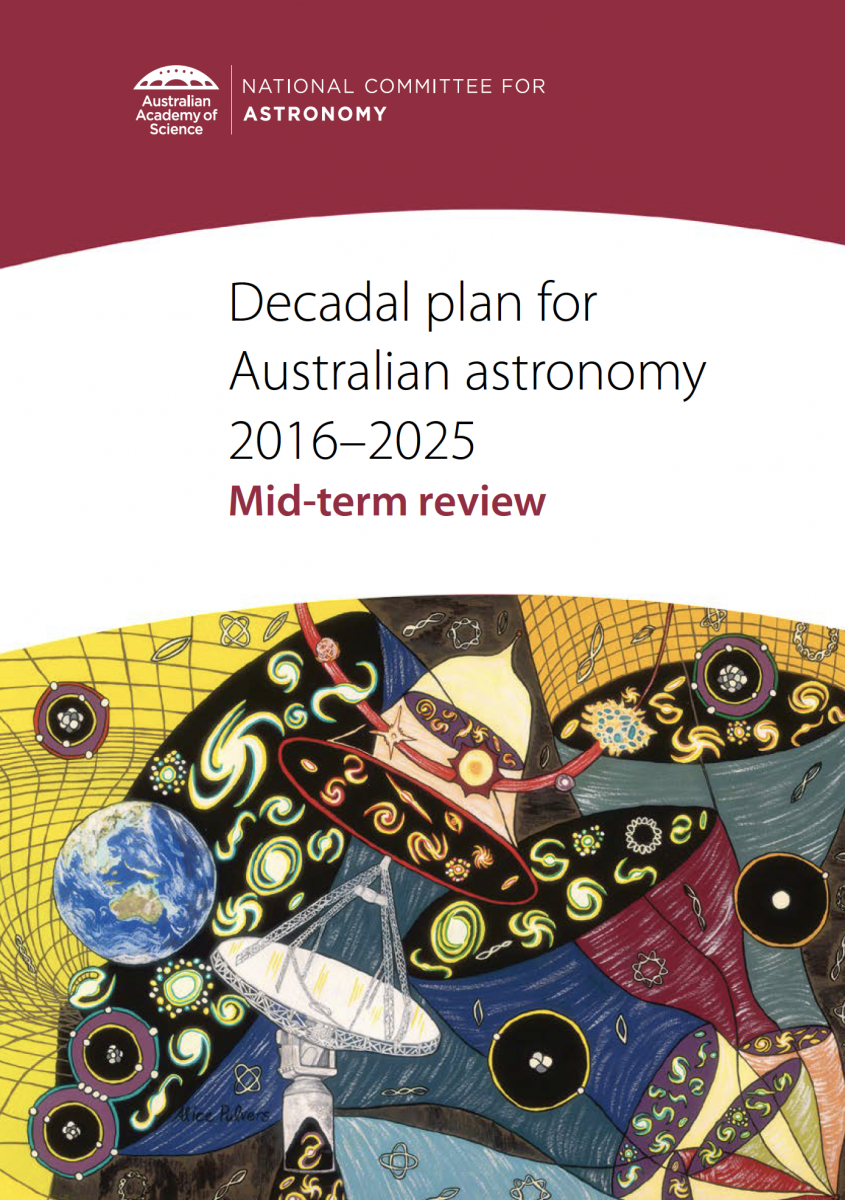
Background papers – Decadal plan for Australian astronomy 2016–2025: Mid-term review
The Mid-term review committee invited specific stakeholder groups to consult with the community and submit papers on their discipline in order to inform the review. In addition to the white papers, the committee invited shorter ‘facility papers’ that relate (but are not restricted) to mid-scale facilities not likely to be covered in the white papers. A mini-demographics survey will also be conducted at the departmental level. The survey will request no personal information.
Solicited white papers
Facilities papers
Other papers
Governance documents
Consultation documents
26 Aussie scientists join the best of the best
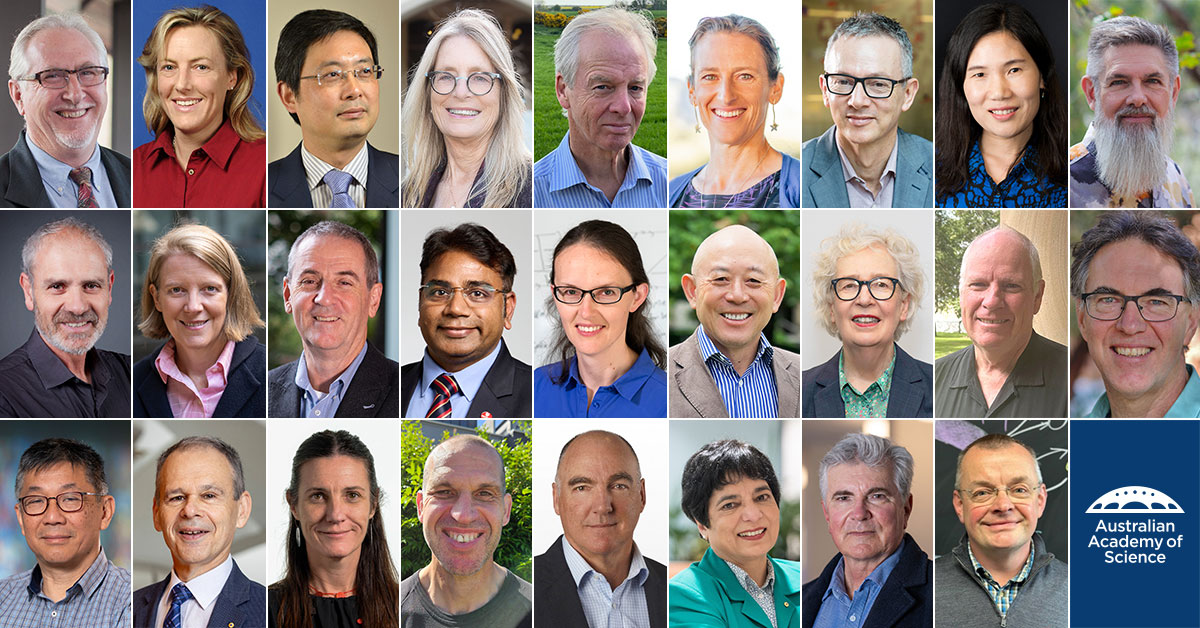
A pioneer in digital mental health interventions, a world-leading crop genomics expert, and a pre-eminent theoretical cosmologist are amongst the 26 newly elected Fellows of the Australian Academy of Science.
President of the Academy Professor Chennupati Jagadish AC said the new Fellows of 2025 represent the exceptional breadth and depth of Australian scientific excellence.
“The Academy is proud to welcome such a diverse group of outstanding scientists whose work spans from improving mental health outcomes to securing our food future and unravelling the mysteries of the universe,” Professor Jagadish said.
“Each Fellow has made remarkable contributions in their field, demonstrating the vital role that science plays in addressing our most pressing challenges and expanding human knowledge.”
Newly elected Fellow Professor Helen Christensen from UNSW Sydney has transformed the treatment of mental health through her pioneering work in digital mental health interventions.
She has led the translation of traditional face-to-face treatment to digital interventions, which has allowed millions of people across the world to access effective mental health support for depression and anxiety. Her contributions have significantly influenced clinical practice and helped shape policy to address mental health challenges in Australia and overseas.
Also elected this year is Professor Rajeev Varshney from Murdoch University, whose groundbreaking work in crop genomics is helping to secure food production in the face of climate change.
Professor Varshney applies large-scale genome sequencing and haplotype cataloguing approaches to breed climate-resilient and high-yielding crop varieties.
He has decoded the genomes of over a dozen crops, leading to the identification of genes and traits that can boost crop productivity and help Australian crop industries adapt to our changing environment and support global food security efforts.
Professor Tamara Davis from The University of Queensland has been leading efforts to fortify the foundations of modern cosmology and produce detailed measurements of the expansion history of the universe.
Working with major astronomical surveys, her research bridges the gap between cosmology theory and observational data analysis, resulting in a deeper understanding of dark energy and the fundamental properties of the universe.
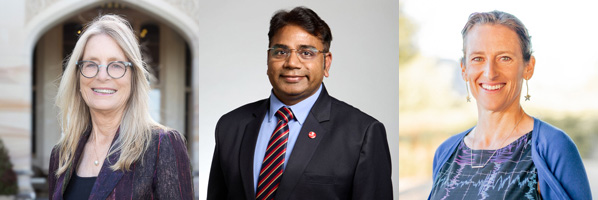
Professor Helen Christensen, Professor Rajeev Varshney and Professor Tamara Davis
New Fellows of 2025
The 26 Fellows of the Academy elected in 2025 are:
- Professor David Adams FAA FAHMS, University of Wollongong
- Professor Gabrielle Belz FAA FAHMS, University of Queensland
- Dr Josep Canadell FAA FTSE, CSIRO
- Professor Deli Chen AO FAA, University of Melbourne
- Professor Helen Christensen AO FAA FAHMS FASSA, UNSW Sydney
- Professor Tamara Davis AM FAA, University of Queensland
- Professor Jeffery Errington FAA FRS, University of Sydney
- Professor Jürgen Götz FAA FAHMS, University of Queensland
- Professor Xiaojing Hao FAA FTSE, UNSW Sydney
- Emeritus Professor Mark Howden AC FAA FTSE, Australian National University
- Professor David Huang FAA FAHMS, Walter and Eliza Hall Institute of Medical Research
- Professor Trevor Ireland FAA, University of Queensland
- Dr Marlene Kanga AO FAA FTSE, iOmniscient Pty Ltd
- Professor Derek Leinweber FAA, University of Adelaide
- Professor Robert Mahony FAA, Australian National University
- Professor Richard Middleton FAA, University of Newcastle
- Professor Christina Mitchell AO FAA FAHMS, Monash University
- Associate Professor Andrew Nash FAA FTSE, CSL Limited
- Professor Jessica Purcell FAA, Monash University
- Professor Clare Scott AM FAA FAHMS, Walter and Eliza Hall Institute of Medical Research
- Professor Aidan Sims FAA, University of Wollongong
- Professor Michael Stumpf FAA, University of Melbourne
- Professor Rajeev Varshney FAA FRS, Murdoch University
- Distinguished Professor Guoxiu Wang FAA, University of Technology Sydney
- Professor Nicole Webster FAA, University of Tasmania
- Professor Anthony Weiss AM FAA FTSE FAHMS, University of Sydney
Find out more about each of the Fellows elected in 2025
2025 Corresponding Members
Professor Donna Strickland FAA FRS Nobel Laureate from the University of Waterloo and Professor Hiroaki Suga FAA from the University of Tokyo join the likes of Sir David Attenborough, and Nobel Laureates Professor Elizabeth Blackburn and Sir Fraser Stoddard, as Corresponding Members. Corresponding members are eminent international scientists with strong ties to Australia who have made outstanding contributions to science.
More information
The Academy’s newly elected Fellows will be formally admitted to the Academy and will present their research at Science at the Shine Dome on 2 and 3 September 2025 in Canberra. With the election of our 2025 Fellows, the Fellowship now stands at 638 Fellows. Find out more about criteria for election to the Academy and how to nominate a scientist for Fellowship.
Decarbonisation targets only achievable with advances in research

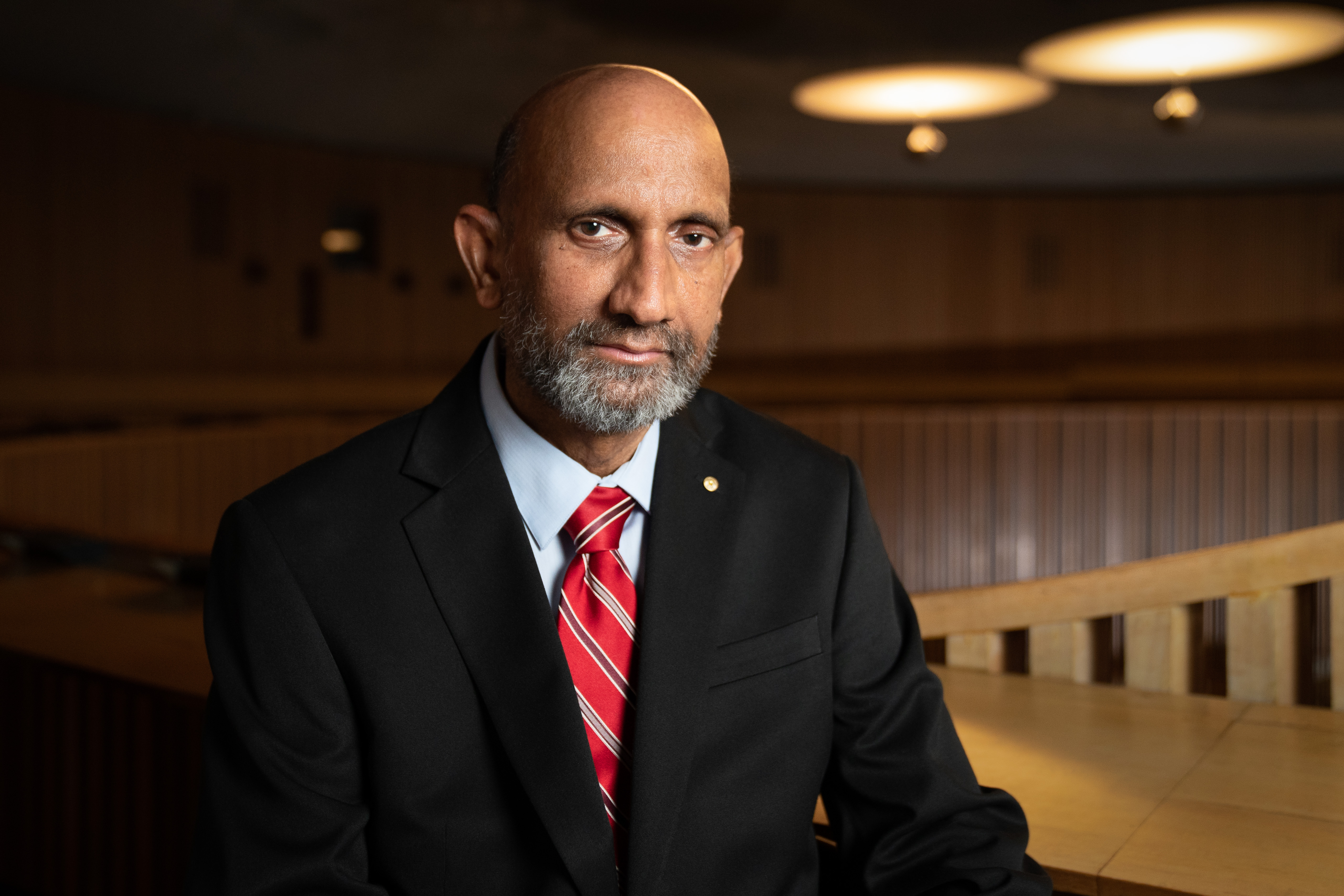
Professor Chennupati Jagadish, President of the Australian Academy of Science
The President of Australia’s leading science body has welcomed the introduction of the government’s Climate Change Bill 2022 into the Australian Parliament.
Professor Chennupati Jagadish also urged the government to explore how to deliver stronger emissions reductions over the next decade.
“The proposed targets represent a good start, and we encourage parliament to support the Bill as an important step in our country’s efforts to reduce emissions as quickly as possible,” Professor Jagadish said.
“However, the worsening impacts of climatic changes on the lives and wellbeing of millions of Australians demand that our political leaders work together with world leaders to achieve more ambitious emissions targets.
“On the current global 2030 trajectory, limiting warming to 1.5 degrees is unachievable,” he said.
The latest IPCC report on the impacts of climate change found if the world reaches 1.5 degrees of warming before 2040, it will cause further serious and complex threats to our ecosystems and communities far beyond the extreme weather events we are experiencing right now.
Professor Jagadish said rapidly reducing greenhouse gases to achieve net zero before 2050 is an ambitious undertaking requiring coordination and mobilisation of the global and domestic scientific talent.
“There is also no realistic path to decarbonisation for Australia and the world without advances in research and mechanisms to stimulate technology development at scale,” Professor Jagadish said.
“The Academy will continue to assist by providing independent scientific advice on emissions reduction to inform the short, medium- and long-term plans that are needed to achieve net zero by 2050.”
The Academy supports strategies to scale up the development and implementation of next-generation low to zero greenhouse gas technologies as well as large-scale carbon dioxide removal from the atmosphere, both of which are needed to keep below 1.5 degrees of warming.
The Academy is hosting a national roundtable next month to examine what science capabilities, research and investment are needed to deliver new breakthroughs in negative emissions.
You can find out more about the Academy's work and the science of climate change on our Climate Change Hub.
Governor-General and Science Minister officially reopen Australia’s home of science
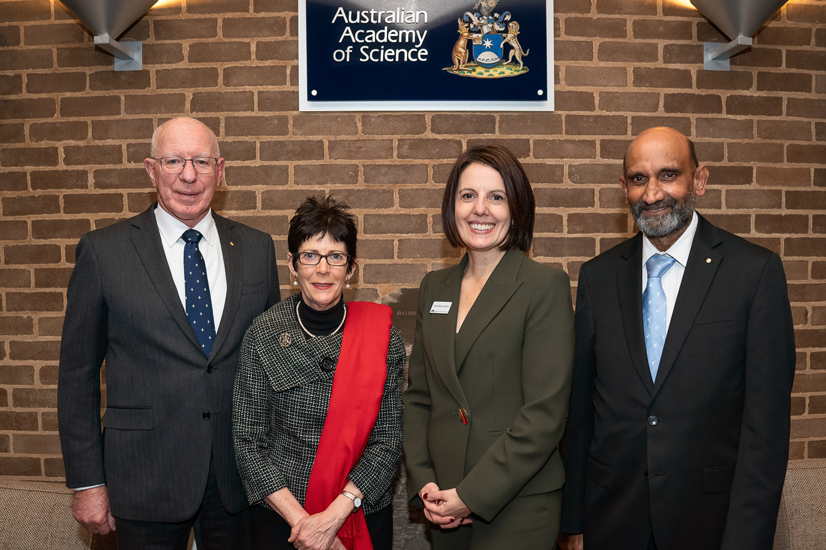
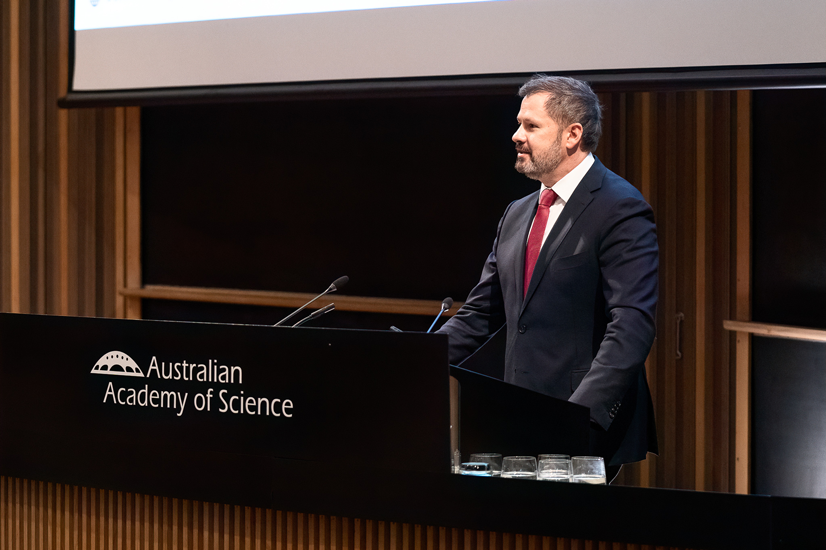
The iconic Shine Dome, home of the Australian Academy of Science, was officially reopened on Monday night by the Governor-General of Australia, His Excellency General the Hon David Hurley AC DSC (Retd) and the Hon Ed Husic MP, Minister for Industry and Science, in the presence of the President of the Academy, Professor Chennupati Jagadish AC PresAA FTSE.
The national heritage-listed Shine Dome was damaged in a severe hailstorm in January 2020, with massive damage to the copper-clad roof and skylights, exposing the building’s nationally significant scientific archives to the hail and rain. Significant works, including recladding of the copper roof, have restored the building and improved its longevity and energy efficiency.
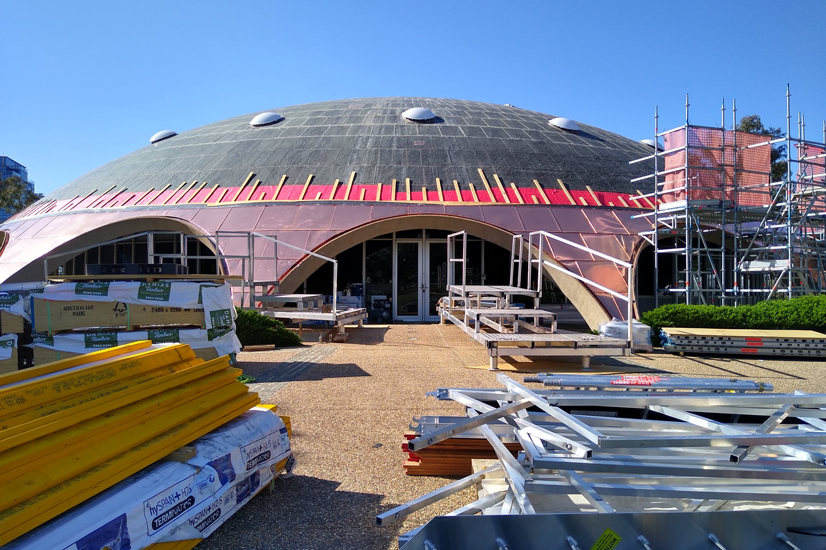
Two years and five months after the hailstorm, Fellows of the Academy were invited to witness the official ceremony.
Addressing guests, General Hurley said the Shine Dome is “an iconic building – its architecture and design inspires and befits those who make a unique and valuable contribution to humanity”.
“Yet its real power comes from within – from its people. As elected Fellows of the Academy, you are amongst Australia’s best and brightest,” said General Hurley.
“Our nation relies on you, believes in you and is willing you to succeed.”
Read General Hurley’s full speech [PDF, 82KB]
In his speech, Minister Husic said the Albanese government wanted to "rekindle the respect for the role of science in helping develop good policy".
Read Minister Husic's full speech
Professor Jagadish said that the Academy is proud of the Shine Dome, “not only because it is the meeting place for Fellows, but because it is the home of science for all Australians”.
“As scientists, our efforts to make new discoveries, to share our knowledge and to see the never seen, is driven by a relentless quest to better your lives and to sustain this planet we all call home.”
Read Professor Jagadish’s full speech [PDF, 232KB]
Celebrate science

The new copper roof of the Shine Dome contains 1888 custom-made tiles, with a time capsule containing Fellows’ messages to the future placed underneath the tiles at the peak.
To mark this historic event, the Academy has established the Celebrate Science Campaign.
Anyone can dedicate a virtual copper roof tile to an Australian scientist who has made a significant contribution to science, to a team of scientists who have contributed significantly to science, or to a school teacher who has made an impact on a scientist’s career.
Learn more about making a dedication
Host an event
The Shine Dome is available for hiring by small and large groups for private, corporate and public functions, with a range of venue spaces available.
Learn more about venue booking
History of the Shine Dome
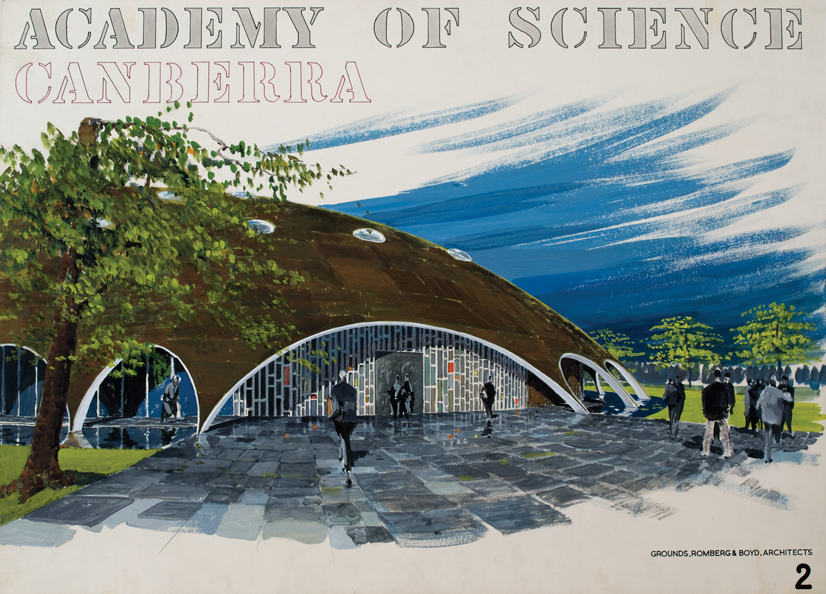
The Shine Dome was built expressly for the Academy, designed by famous Australian architect Roy Grounds, and originally opened in 1959 by the Governor-General Sir William Slim. It was named Becker House in 1961, in recognition of a significant donation to the building costs by pastoralist Sir Jack Ellerton Becker.
Grounds said then that he “decided this building was going to be my portrait of them [the scientists] as I saw them, full of mystery, romance and intense intellectual exercises, at the same time”.
“I wanted a sense of enormously disciplined order, which is the way their minds work, and I wanted it to have a big emotional impact, because they are very emotional people. They’re intensely creative…”
In 2001, Becker House was renamed the Shine Dome, after major works were supported by a donation of $1 million from Academy Fellow and past president, Professor John Shine AC FAA FAHMS(Hon) FRS. It was included in the National Heritage List on 21 September 2005.
A milestone for championing the vision for women in STEM
The Academy is delighted to welcome Nokia as the 40th Champion of the Women in STEM Decadal Plan. The national plan aims to establish a thriving STEM-skilled workforce that is fit for the future, globally recognised, powered by a diverse and gender-balanced pipeline, and supported by an inclusive and respectful workplace culture.
The Women in STEM Decadal Plan Champions initiative was launched in August 2019, encouraging all organisations in the STEM ecosystem to submit responses aligning their gender equity activities with the six opportunities outlined in the Women in STEM Decadal Plan. Champions’ responses are publicly available on the STEM Women website.
As a leading global telecommunications and technology company, Nokia’s response highlights goals and strategies across all six opportunity areas, with a specific focus on leadership and visibility through their StrongHer program, and a commitment to a target of 30 per cent women employed in Oceania by 2026.
Nokia joins a growing network of STEM organisations – large and small – across Australia in support of the plan, spanning all parts of the ecosystem: academia and research, industry, small to medium enterprises, institutions and the public sector.
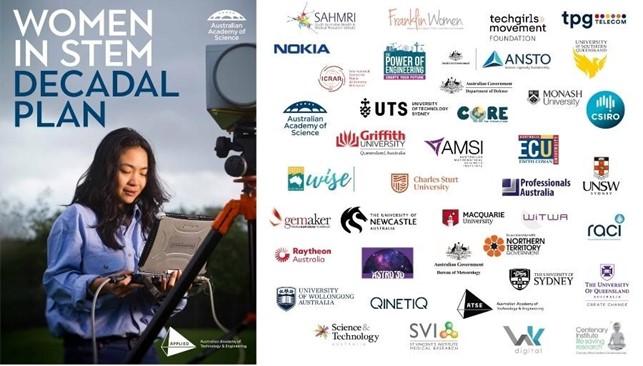
The Women in STEM Decadal Plan Champions.

Anna Perrin, Managing Director, Australia and New Zealand for Nokia
In welcoming Nokia to the network of Champions, Academy Chief Executive Anna-Maria Arabia said “As a global brand known to many, Nokia has shown the way as an exemplar in realising the benefits of transformative commitment to STEM research and development. We are so thrilled that this worldwide company, so experienced in seeking new futures, has chosen to continue its impactful work by joining with other Champions to proactively create new futures for women in STEM.”
Anna Perrin, Managing Director, Australia and New Zealand for Nokia said “Globally Nokia recognises the need for action to drive up inclusivity and diversity within STEM industries, making strong public commitments to improve our female participation rates. I’m so proud to see Nokia Australia follow this lead and join the Australian Academy of Science’s Decadal Champion community, committing to the real and measurable changes outlined in the decadal plan.”
While there has been positive action since the launch of the plan in 2019, now is not the time to lose momentum given the impact of COVID-19 on women in STEM. Substantial work is required to create systemic change across the STEM sector. A recent report from the Academy shows that the COVID-19 pandemic has exacerbated pre-existing gender inequity in the STEM workforce across the Asia-Pacific region.
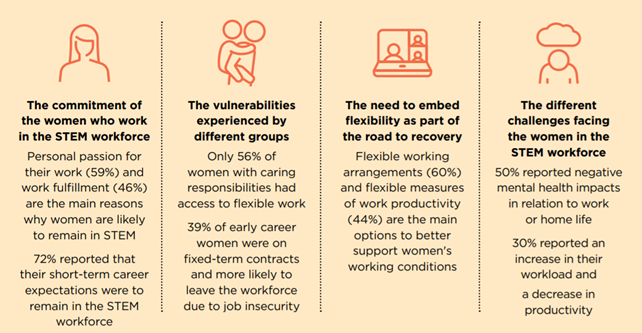
Some of the 'Impact of COVID-19 on women in the STEM workforce | Asia–Pacific' report's key findings.
The Academy continues to welcome new Champion responses and encourages all STEM organisations to share their actions and learnings to show their support for a fair and equitable STEM sector.