




Australian science celebrates 75th anniversary of India’s independence

India became an independent nation 75 years ago today. In celebration of the India@75 anniversary and the close bilateral relationship between Australia and India, the Australian Government Department of Foreign Affairs and Trade (DFAT) has partnered with the Academy to share stories of the close scientific research relationship between the two nations.
The result is a series of six videos showcasing an inspiring cohort of Indian-Australian scientists and the varied and valuable research they are working on. The videos convey how these researchers value science and its importance to our future.
Academy Fellows Professor Mahananda Dasgupta (ANU), Dr Surinder Singh (CSIRO) and Professor Veena Sahajwalla (UNSW Sydney) are some of the Indian-Australian scientists at the forefront of groundbreaking research and feature in the video ‘The scientists creating a better future for Australia and India’.
From new technology that revolutionises cancer treatment to developing sustainable omega-3 oil and green steel, their work is changing the world.
For Professor Sahajwalla, her passion for recycling waste – which led to inventing sustainable materials – originated in her upbringing in Mumbai.
“It’s one of those things that once it’s in your DNA it never leaves you,” she says.
Similarly, Dr Singh was selected for India’s National Science Talent Program while at school, which harnessed his innate curiosity and guided him to a career path in science, in particular in plant molecular biology.
Nuclear physicist, Professor Dasgupta, also cannot separate her Indian past from her successes in Australia.
“I carry India with me at all times, because of the fundamental principles and the outlook that India instilled in me,” Professor Dasgupta says.
The other videos in the series detail collaborative research projects such as improving water quality, mapping bushfire prone areas and slowing the transmission of mosquito-borne disease. The benefits of this research are felt in Australia, India and across the globe.
Drought-proofing crops in Australia and India
Dr Gupta Vadakattu is a Senior Research Scientist at CSIRO Food and Agriculture who is looking into ways to improve crop health, and ultimately increase crop yield.
Australian science tackling water quality in the Ganges
Dr Anu Kumar is a Principal Research Scientist at CSIRO Land and Water. Her team is looking at the impacts that chemicals from sewage and industries have on our health and the environment. This research is an example of scientific collaboration between Australia and India that is helping to tackle global health and environmental challenges.
Better data to fight fires in Australia and India
Scientific collaboration between Australia and India is strengthening bushfire adaptation efforts in both countries. Dr Chandrama Sarker is a scientist on @CSIRO's bushfire adaptation team. She is improving the way Australia maps bushfire-prone areas and understanding how we can lessen their impact.
The Australian technology slowing the spread of dengue fever
Dr Prasad Paradkar is a senior research scientist at CSIRO's Australian Centre for Disease Preparedness. His team is working on research to genetically engineer mosquitoes, preventing them from transmitting diseases such as dengue or Zika.
The Indian-Australian scientist improving climate and air quality predictions
Dr Ashok Luhar works at @CSIRO's Climate Science Centre and has been studying the impact of greenhouse gases and pollutants in our atmosphere for more than three decades. His pioneering work has helped improve climate models in Australia and around the world.
This series was funded by DFAT and produced by the Australian Academy of Science. We would like to acknowledge CSIRO for its participation in producing this suite of content.
Find out more about Australia’s India@75 celebrations at DFAT’s website.
Outstanding scientists don’t work alone: collaborations in the Asia-Pacific region
In a global world, the future of science depends on strong and enduring international relationships.
According to Professor Sharon Lewin from the Doherty Institute, “Collaboration across borders in science is hugely important, especially when you're trying to tackle really big and important problems.”
Professor Lewin is one of several researchers highlighted in a series of six short videos about research collaboration in the Asia-Pacific region, produced by the Academy in partnership with the Australian Government Department of Industry, Science and Resources.
Across the themes of health, environmental sustainability and science solutions in developing countries, the series of videos emphasises the difference that collaborating makes to science and technology outcomes. It also shows us the value of removing barriers for scientific collaboration throughout the Asia-Pacific and celebrates the achievements of our region’s researchers.
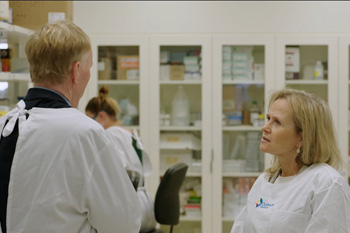
Professor Sharon Lewin features in one of six videos about research collaboration in the Asia-Pacific region.
For example, Professor Lewin’s work in finding treatments for hepatitis B was supercharged thanks to connecting with the International Coalition for the Elimination of Hepatitis B. The coalition linked researchers in different parts of the world, ensuring the same methods are used to study people receiving various treatments, and allowing for the best possible solutions to be found to cure this infectious disease.
Another important collaboration highlighted is the work of the Asbestos Diseases Research Institute in sharing Australia’s knowledge in asbestos removal, safety and disease with developing countries, some of which do not yet have bans on the dangerous substance. While Australia banned asbestos in 2003, its impact continues: 4000 Australians lose their lives to asbestos-related illness every year. In this video, Associate Professor Sonja Klebe, who leads the Asbestos Diseases Research Institute, says, “We have to take a leadership role for the region, given the experience that we have in that field, to help other countries avoid the problems we have experienced here.”
Each project outlined in the video series was made possible by the Regional Collaborations Programme. The programme, which closed this year, assisted Australian researchers and businesses to build stronger linkages in the Asia-Pacific region to support inclusive and sustainable economic growth and prosperity. The programme was a funding initiative of the Australian Government’s Global Innovation Strategy under the National Innovation and Science Agenda. It has been succeeded by the Global Science and Technology Diplomacy Fund, which has similar objectives.
As becomes obvious after watching these videos – whether they are in medicine, archaeology, biology or any other discipline – outstanding scientists don’t work alone.
Teeth reveal secrets of the past
Personal mission to improve stroke outcomes
Every island 'has a story to tell'
Small devices solving big problems
Tackling asbestos beyond borders
A long, fruitful history of Japanese-Australian collaboration in STEM
Japan and Australia, two global leaders in science, have a rich history of working together. It is now over 40 years since the bilateral science and technology treaty between the two countries was signed. While science collaboration between Japan and Australia was well established prior to this, the treaty formalised and built on the relationship to the great benefit of both countries.
Since then, important initiatives have been established to provide opportunities for Australian and Japanese researchers of varied career levels to learn, research and innovate alongside each other. These initiatives include the Japan Society for the Promotion of Science Alumni Association in Australia, Fellowships and the HOPE meeting for Nobel Laureates. These initiatives are administered by the Australian Academy of Science on behalf of the Australian Government Department of Industry, Science and Resources.
Natural partners as leaders in science and technology
Nobel Laureate, astrophysicist and ANU Vice Chancellor Professor Brian Schmidt has experienced the value of Australia’s relationship with Japan firsthand.
“When we’re trying to unlock the secrets of the universe – whether it be at the biological level, the nanoscale, or on the scale of the cosmos – they are natural partners,” Professor Schmidt said.
Japanese and Australian scientific institutions each bring diverse cultural perspectives that, when combined, make our collective knowledge stronger. This is also helped by the geographic proximity of the two nations which means that time zones are similar, movement between people is simple and the economies are linked.
Professor Schmidt says collaborations that started in 1999 when he first visited Japan have continued to this day.
“We just had a big Nature paper last year that was built on that trip in 1999, interestingly enough. And it came to fruition 23 years later,” he said.
Similarly, Professor James Sullivan from ANU has had a decades-long connection with Japan.
He was able to use a synchrotron in Japan for his research in atomic and molecular physics as a postdoctoral fellow 20 years ago, and now is returning to Japan to undertake a fellowship with the Tokyo University of Science. Professor Sullivan’s work is now focusing on advancements in medical imaging technology, which will likely benefit both Australia and Japan in the future.
“Collaboration is critical. You can’t just look up a textbook to tell you what to do when you’re working right at the cutting edge of science and technology. So being able to discuss those ideas with other experienced people, use their experience with yours to develop new ideas is absolutely the key to doing excellent research,” Professor Sullivan said.
Dr Graziella Caprarelli is the inaugural President of the Japan Society for the Promotion of Science Alumni Association in Australia. She was born in Italy but moved to Japan for a postdoctoral fellowship to study volcanic activity for five years, before then moving to Australia. She agrees that Japan and Australia are perfect partners for scientific research.
“Australians are highly productive. They have a great record of high-impact research in all of the areas of science,” she said.
“Japan is certainly a world power in scientific knowledge. It has great technology, great equipment, and so it’s basically a great marriage.”
HOPE for future collaborations
As Professor Schmidt, Professor Sullivan and Dr Caprarelli’s stories demonstrate, networks forged as a young scientist can result in connections that continue across a whole career.
Each year the Japanese Society for Promotion of Science hosts the HOPE meeting with Nobel Laureates and around 100 outstanding graduate students and young researchers. Participants are specially selected from countries around the Asia-Pacific region.
“The HOPE meeting was an excellent platform to meet and engage in scientific discussions with Nobel laureates and brilliant young researchers from diverse fields of science,” one of the Australian participants, Dr Harini Hapuarachchi from RMIT University, said.
“I was truly inspired by the lectures and mentoring sessions by the Nobel laureates, where each story highlighted the importance of perseverance and collaboration in endeavours for the advancement of science.”
The title ‘HOPE’ signifies the promise held for young scientists and optimism for a bright future for science and technology in the Asia-Pacific and Africa region. HOPE meetings give opportunities for excellent doctoral students and young researchers in the areas of physics, chemistry, physiology or medicine and related fields to connect and build relationships and gain valuable advice that will strengthen their careers. The 13th HOPE Meeting with Nobel Laureates was originally scheduled for March 2021 in Yokohama, Japan. Due to the COVID-19 pandemic it was held virtually from 7 to 11 March 2022.
Another participant from Australia, Dr Sharman Tan Tanny from the University of Melbourne, found connecting with her international peers in a collaborative project a truly valuable part of the online meeting. She noted that the diversity of team members created an inspiring and creative environment for problem-solving.
“It truly felt like a meeting of great minds, and what we were able to come up with was more than any individual in the team could have done alone, given the interdisciplinary nature of the team and the presentation,” Dr Tan Tanny said.
“Further, there were lots of candid and personal moments, as we shared about personal anecdotes throughout, such as aspects of our country or culture, took a team photo, and extended the invitation to each other, to host anyone of us should the opportunity arise in the future to meet in person … we had come a long way from day one.”
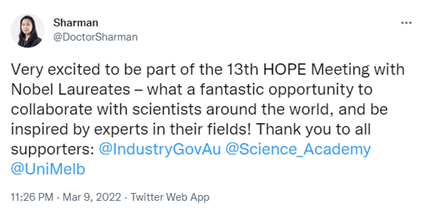
Tweet via @DoctorSharman
Dr Joe Kaczmarsk from the Australian National University, the third of Australia’s participants at the 13th Japan HOPE meeting, agreed that the opportunities to learn and collaborate with others were a highlight.
“The feedback I got from Nobel Laureates and peers when discussing my research was encouraging and reminded me that people from a range of backgrounds are interested in what we are working on,” Dr Kaczmarsk said.
“One of the most memorable sessions for me was our small group discussion with Sir Tim Hunt, who was awarded the Nobel Prize in Physiology or Medicine in 2001 for his work on protein molecules that control the division of cells,” he said.
“Tim was calling in from his living room in his home in Japan and he gave us lots of advice and anecdotes about building a life in science … It was a very nice session and one that I will remember for a long time – it’s not every day that you get to talk to a Nobel Laureate about life and science!”
Similarly, Dr Hapuarachchi was moved by the generosity and wisdom shared by the Nobel laureates, and said, “I will always cherish these memories and I believe that the lessons shared by the laureates will inspire me throughout my scientific career.”
Thanks to the long-standing collaboration between Japan and Australia in science and technology, our scientists are able to share resources, cultures and knowledge. This collaboration leads to better science and a brighter future for all.
Find out more:
Japan HOPE meeting with Nobel Laureates
Japan Society for the Promotion of Science Alumni Association in Australia
Increasing international collaboration on science and research
Australia and Japan: 40 years of international collaboration on science, technology and innovation
Partnering with Australia on innovation, science and research
Sustainability challenges and opportunities the focus of Oceania congress
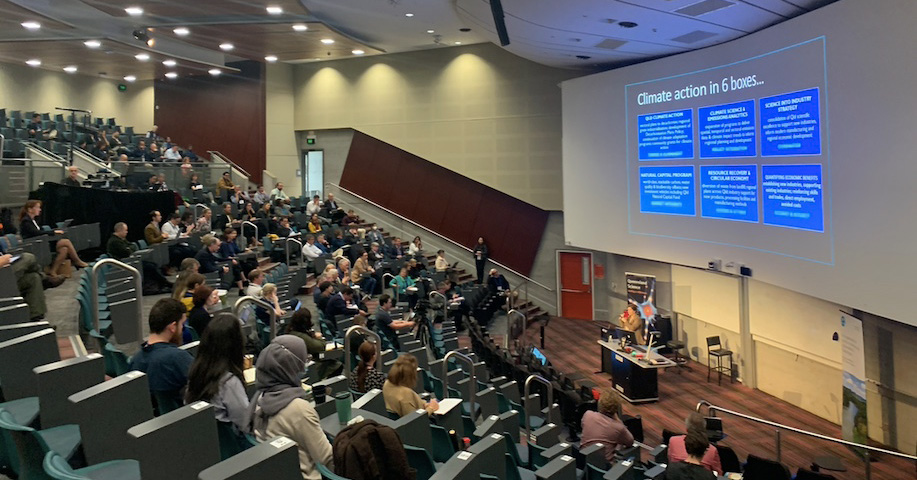
Professor Karen Hussey, Deputy Director General of the Queensland Department of Environment and Science, opening SRI Oceania and the Queensland Decarbonisation Forum.
Sustainability leaders, experts, industry professionals and innovators from Australia, New Zealand and the Pacific came together recently to share their knowledge on sustainability challenges and opportunities in the Oceania region as part of a major international sustainability event.
Sustainability Research and Innovation 2022 Oceania was a satellite event of the main SRI Congress held in South Africa, featuring over 2000 delegates from around the world engaging online and in person across the week-long event.
Future Earth Australia, based at the Australian Academy of Science, coordinated the Oceania event, which took place from 29 June to 1 July at the Queensland University of Technology.
The in-depth style conference included a series of panels, workshops and dialogues on pressing sustainability issues for the Oceania region, bringing together 90 expert speakers across dozens of topics including Indigenous knowledge, biodiversity, carbon abatement, urban sustainability, citizen science, cultural heritage and more.
Future Earth Australia welcomed 229 delegates across the conference from industry, government and academia, 95 of whom joined the parallel event of the Queensland Decarbonisation Forum. Alongside many productive in-person conversations, a strong online presence was recorded at this year’s event.
The Oceania satellite event built on the outcomes of the inaugural SRI2021 Congress last year in Brisbane, that was led by Future Earth Australia and featured more than 2000 attendees from over 100 countries.
Queensland Decarbonisation Forum
Hosted on the first day of SRI Oceania, the Queensland Decarbonisation Forum convened academic, government and industry delegates to discuss Queensland’s decarbonisation agenda.
The forum was organised to provide advice to the Queensland Government, as well as leverage the scientific, research and convening capabilities of Queensland’s universities to support the state’s decarbonisation efforts.
The event featured vibrant and wide-ranging discussion from 15 speakers on the barriers and opportunities associated with decarbonisation, with a particular focus on Queensland’s regions.
The outcomes of the forum will be formalised in three policy white papers based on the three session themes of:
- regional transitions
- barriers to decarbonisation
- land use, land use change, and forestry issues for Queensland.
The policy papers will seek to inform the Queensland Government’s approach to decarbonisation and accelerate the state’s efforts to reach its renewable energy and emission reduction targets.
Future Earth Australia thanks the following institutions for their support in convening the SRI 2022 Oceania Satellite: CSIRO, Griffith University, University of Queensland, James Cook University, and the Queensland University of Technology.
Special thanks to the Queensland Department of the Environment and Science for convening the 2022 Queensland Decarbonisation Forum, and to the University of the Sunshine Coast for sponsoring the event.
The surprising science of tracing life in the oceans
One-and-a-half billion years ago all life on earth was single-celled prokaryotes – then the first multicellular organism evolved. This was a fundamental evolutionary shift that changed the course of Earth’s history. Today, scientists can trace this history and find answers to all sorts of scientific problems.
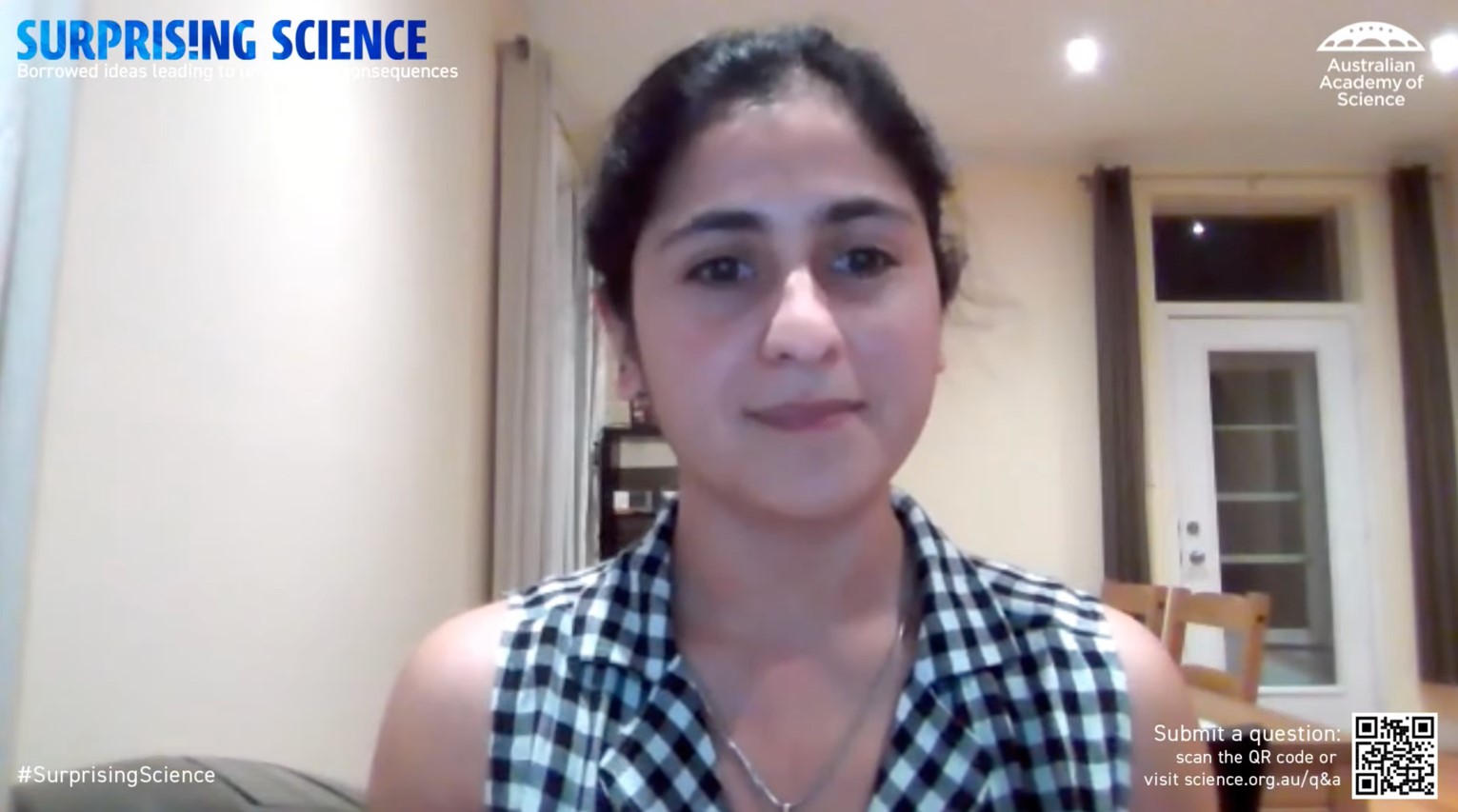
Dr Indrani Mukherjee from UNSW and the University of Toronto.
Dr Indrani Mukherjee from UNSW and the University of Toronto and Dr Zoë Doubleday from the University of South Australia spoke about their diverse work at Fingerprints in the oceans, a recent Academy public speaker series event. These researchers from two different disciplines use similar techniques as they uncover secrets from our oceans and coasts. This was the third event in the 2022 series themed Surprising Science: borrowed ideas leading to unimagined consequences.
Dr Indrani Mukherjee described the type of oceans and ocean life that were around billions of years ago. Her research is uncovering the mystery behind what prompted single-celled lifeforms to transition to multicellular forms. She uses geochemical analysis to determine the availability of ancient geological factors like trace elements; elements essential for life. Her data shows that 1.5 billion years ago there was a nutrient-scarce period, and it’s this selective pressure that likely prompted the evolutionary leap of the first multicellular organism.
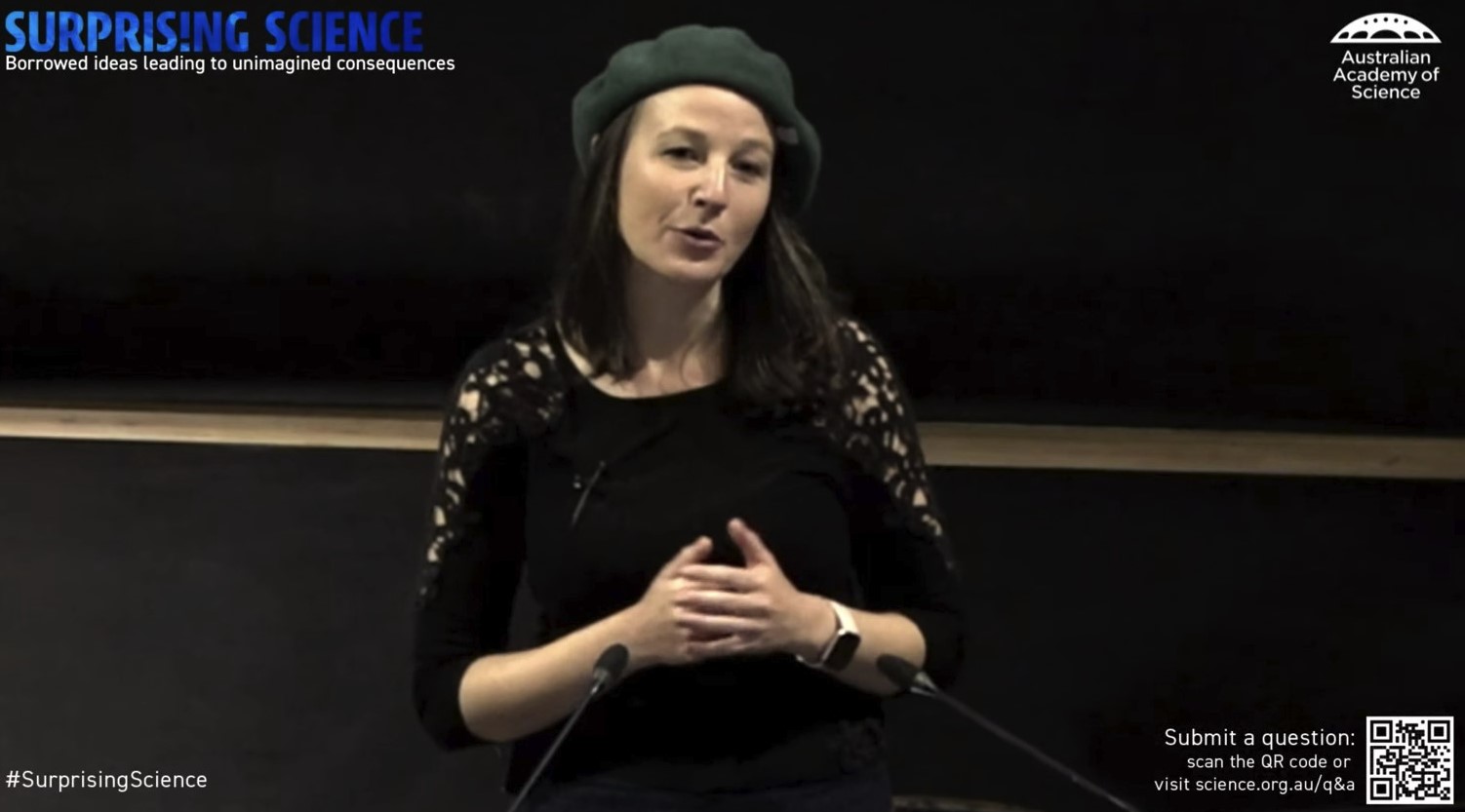
Dr Zoë Doubleday from the University of South Australia.
Dr Zoë Doubleday, the second speaker, shared her research into the much more recent history of marine animals. She investigates where creatures like fish, octopus and squid originated by ‘chemically fingerprinting’ their bones or shells. Through geochemical analysis techniques like those that Dr Mukherjee uses, Dr Doubleday reveals not only the geographical origins of marine animals, but their migration patterns and the environmental changes they experienced.
Seafood is one of the most traded commodities in the world and is particularly vulnerable to fraud. Dr Doubleday’s work helps to protects Australia’s highly valued seafood industry and provides insights into the health of our marine ecology.
For more remarkable stories of breakthroughs and new technologies, the next event in the Surprising Science series is Adding to earth and energy on 9 August.
Embracing Indigenous Knowledges in STEM the focus of NAIDOC Week webinar
The video’s opening image was adapted from the 2022 National NAIDOC logo (CC BY-NC-N4 4.0), with the addition of text and images relevant to the event.
The Australian Academy of Science celebrated NAIDOC Week recently by hosting a virtual webinar on 7 July. In a Q&A format, four Indigenous STEM professionals shared their journeys in STEM and discussed their experience embracing Indigenous Knowledges in STEM and the ways in which they foster a more inclusive and diverse STEM sector.
The webinar was hosted by Indigenous health champion and Academy Fellow, Professor Tom Calma, Aboriginal Elder from the Kungarakan tribal group, and Chancellor of the University of Canberra (UC). He was joined by Associate Professor Bradley Moggridge, Kamilaroi man, also from the University of Canberra, Susan Beetson, Ngemba/Wayilwan and Wiradjuri woman, from the University of Queensland, and Vanessa Sewell, Worimi woman, from the University of New England.
Professor Calma led the panellists through a lively and informative discussion. He spoke about the UNSECO Indigenous Declaration, which focuses on the independence and self-determination of Indigenous people across the globe and their right to express and share their knowledge and history.
“The government should work with us to develop measures that ensure these rights are recognised and protected,” Professor Calma said.
Associate Professor Moggridge is investigating how traditional knowledges can influence and support Australia’s water management systems.
He said over the last 20 years there is evidence of Indigenous people’s knowledge being increasingly valued in resource management strategy and STEM research more broadly.
“But as the system continues to use more Indigenous Knowledge there needs to be a guarantee that Indigenous Knowledge is protected and used with permission from the community."
“I started a PhD because I got tired of other people telling our stories, tired of being the researched. I thought it was time to become the researcher, flip that whole paradigm.
“The aim was to do it by Kamilaroi for Kamilaroi, on Kamilaroi country,” he said.
Vanessa Sewell is working to create more sustainable and effective vaccines to prevent internal parasites in sheep.
“I’m a First Nations woman excelling in a white western science and I’m bringing my First Nations passion for animals into it as well,” Ms Sewell said.
She said her interest in STEM comes from her family and those who have supported her along the way. Ms Sewell also spoke about the significance of finding people who backed and encouraged her along her scientific career.
Professor Calma and Ms Sewell spoke about the need for non-Indigenous scientists to help guide and encourage Indigenous scientists.
Susan Beetson from the University of Queensland spoke about her work establishing research collaborations and knowledge centres in urban and remote Indigenous communities.
The knowledge centres bring together cultural knowledge and science and technology to connect with those in the community. They use both knowledge from Elders and modern technology like drones and artificial intelligence.
Ms Beetson wants to create effective solutions to appropriately represent Aboriginal data that is interpreted, stored and published by non-Aboriginal people.
“The need for cultural hubs is incredibly important; they connect Indigenous people to their country and culture but also closer to their technology and sciences,” she said.
“Cultural hubs provide a place where Indigenous people can access and interpret their own information and build partnerships; by doing this it ensures that Indigenous cultural intellectual property is maintained by the communities.
“Cultural knowledges, for me, is about knowledge sovereignty and it’s absolutely critical that we as Aboriginal people start to recognise our individual kinship and our community knowledge,” she said.
The trio is part of a newly established national Indigenous STEM professional network (NISTEMPN) to facilitate the success of Aboriginal and Torres Strait Islander people.
Young Australian scientists learn from Nobel Laureates at 71st Lindau Meeting
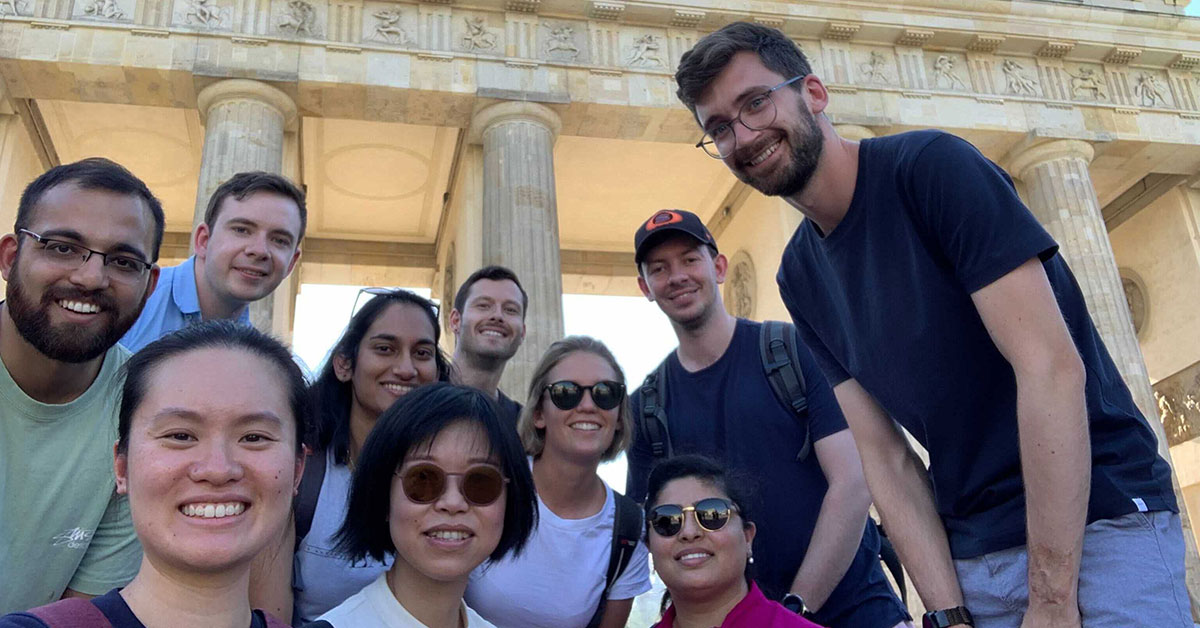
Twelve of Australia's brightest young scientists attended the 71st annual Lindau Nobel Laureate Meeting dedicated to the discipline of chemistry from 26 June to 1 July in Germany. This event is a highly prestigious annual gathering of Nobel Laureates and emerging scientists from around the world.
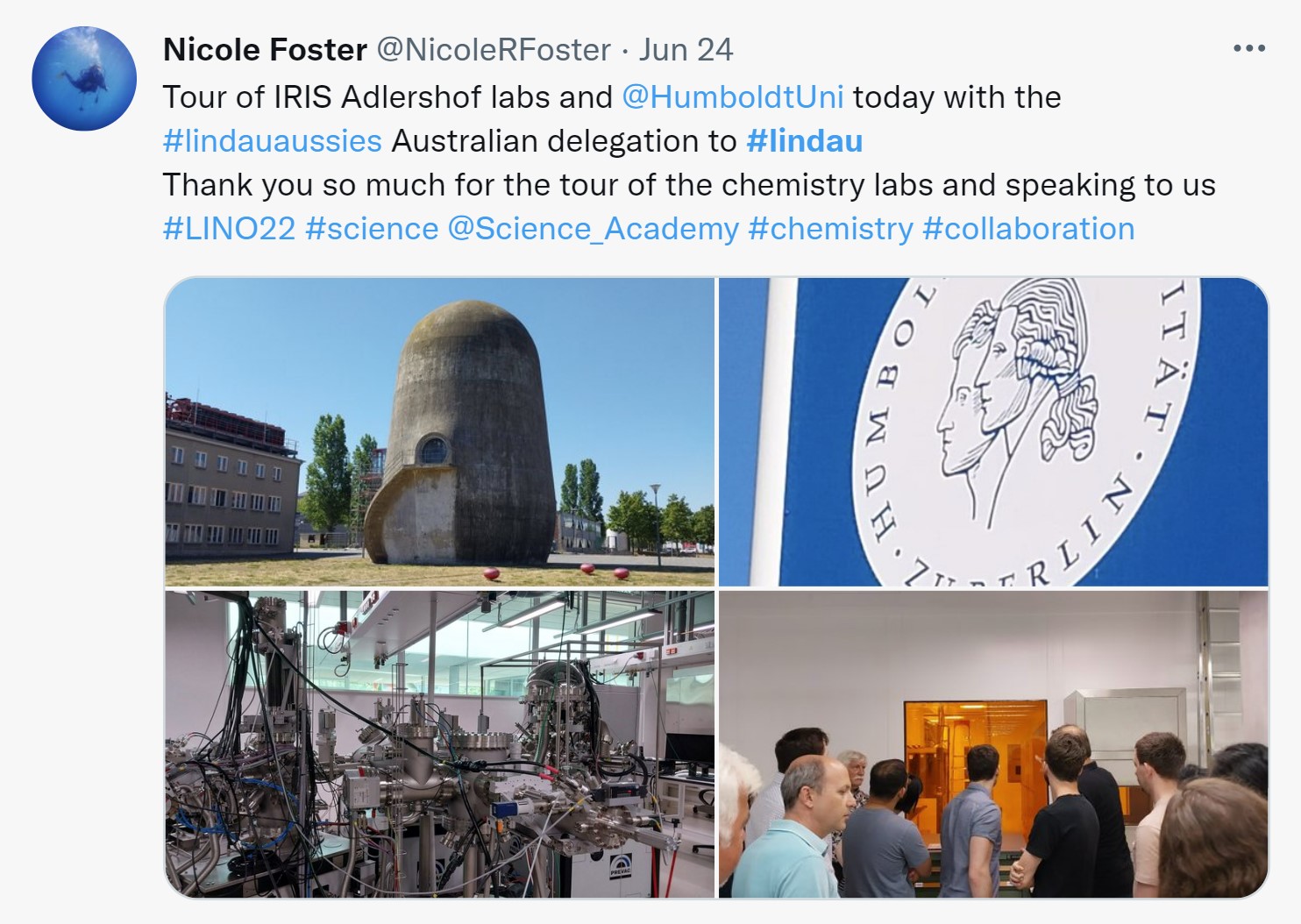
The Australian delegation was led by mathematician and Academy Fellow, Emeritus Professor Cheryl Prager. She was joined by renowned Australian quantum physicist and Academy Fellow, Emeritus Professor Hans Bachor.
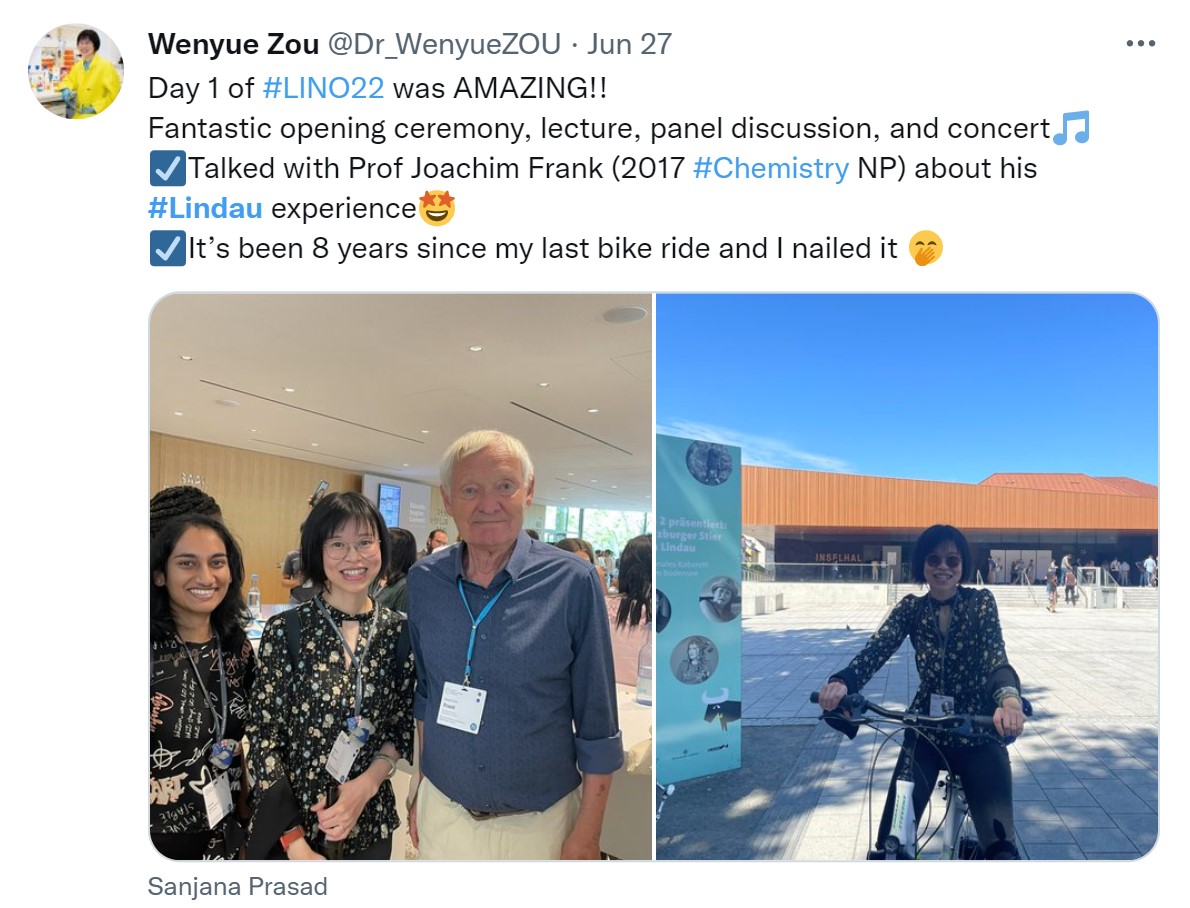
The group joined 600 other young scientists from all over the world. The meetings provided an opportunity for the young scientists to share their research, experiences and ideas, and gain inspiration from fellow emerging scientists and Nobel Laureates. The Nobel Laureates shaped the scientific program, and the delegates were given the opportunity to find out more about both the professional and the personal side of the Laureates.
The Academy organised a Research Innovation Tour in Berlin the week before the Lindau meeting. The tour enabled the young researchers to visit the science museum FUTURIUM, laboratories at the Humboldt University and Technical University, and companies such as leading chemical company BASF to learn about research and industry links in Germany and network with counterpart German researchers.
The annual Lindau event is generously supported by the Science and Industry Endowment Fund (SIEF). Seven researchers were selected by the Academy to attend the event this year. They were joined by five researchers who were selected in 2020 to attend the virtual 70th Lindau Nobel Laureates Meeting and were given the opportunity to participate in person at this year’s meeting.
Fire ants, stink bugs and varroa mite: Australian biosecurity explained in new video series
As an island nation, Australia is lucky to have geographically isolated borders to help to protect us from imported pests and diseases. But we still need a strong biosecurity system to ensure that we prevent threats to agriculture, natural environments and human health from entering Australia.
The Centre of Excellence for Biosecurity Risk Analysis (CEBRA) supports the Australian and New Zealand governments to protect their nations from biosecurity threats. The Australian Academy of Science recently worked with CEBRA to produce a series of videos which describe how the research behind biosecurity and its practical implications are so important.
Current major biosecurity threats include xylella plant infections, the brown marmorated stink bug, foot-and-mouth disease, rabies, varroa mite, African swine fever and red imported fire ants. These threats could cost billions to our economy, harm on our native ecosystems and even threaten our way of life.
“We’ve got a really long history of being able to remain free of all sorts of different harmful pests and diseases, and that’s why we operate such a comprehensive biosecurity system – because we want to keep it that way,” Deputy Director of CEBRA, Dr Aaron Dodd, says in the first video in the series, which provides an overview on the need for biosecurity systems.
Small insect with a big appetite
The second video uses the example of the brown marmorated stink bug, a small insect with a big appetite. This stink bug is a voracious eater, and there are around 300 plant species currently grown in Australia that are at risk if the brown marmorated stink bug finds its way into Australian crops.
Super-pest
The final video explains how Australia is currently struggling with a super-pest, the red imported fire ant. It has the potential to drive some native plant and animal species to extinction, if not appropriately controlled. Monitoring and detection techniques are crucial for keeping the fire ant populations down.
The three videos in partnership with CEBRA are part of the Academy’s ‘Research Focus’ series, which creates unique digital video content to show the depth and breadth of Australian research that is sometimes unknown to the public and decision-makers.
The benefits of sharing research include the potential for further support and funding, and to encourage better understanding within the community about the benefits of public investment in research. The Academy has more than 2.5 million followers on social media – one of the largest social media followings of any Australian science organisation. It produces accurate, trusted and engaging science content that is read and shared by millions across the globe.
Find out more about partnering with the Academy on video production.
Environmental social scientist Australia’s nominee for international 2022 ASPIRE Prize
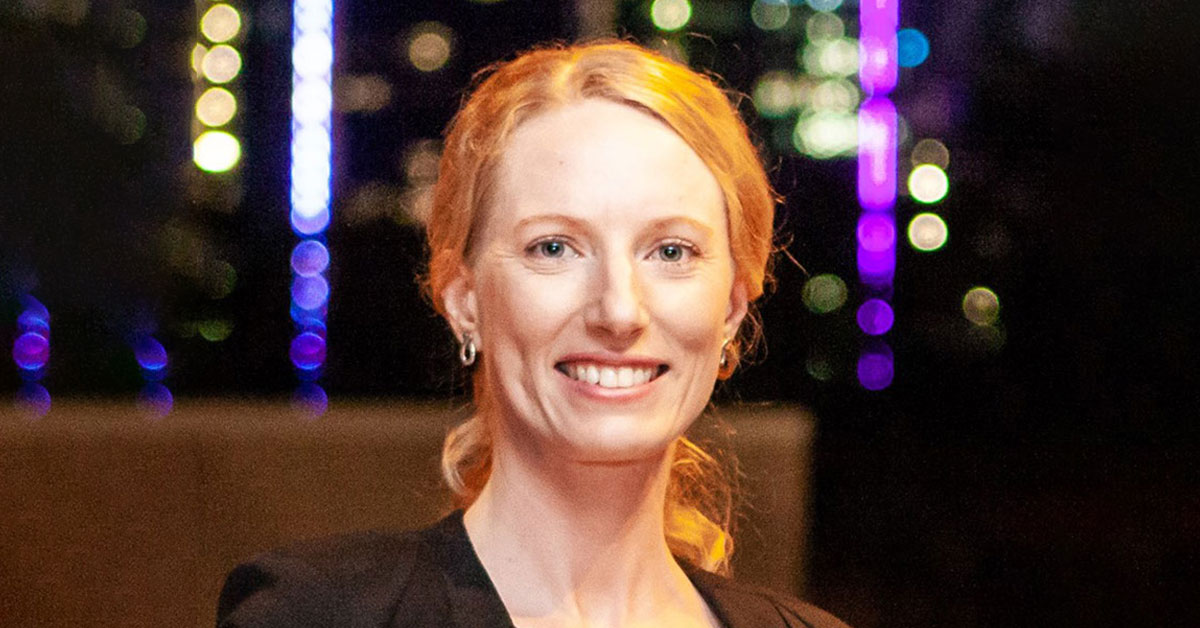
Dr Georgina Gurney from James Cook University has been nominated as Australia’s nominee for the APEC Science Prize for Innovation, Research and Education (ASPIRE) Prize.
The prize, valued at US$25,000, recognises young scientists from Asia–Pacific Economic Cooperation (APEC) member economies who have demonstrated a commitment to excellence in innovation, research and education.
Dr Gurney’s research in conservation and sustainability science not only pushes the envelope scientifically but also has produced innovations that have advanced tropical marine sustainability across its three pillars of economy, society and environment. To ensure her work informs real-world management, she works closely with scientists, communities and other decision-makers from many APEC member economies.
Dr Gurney’s research on conservation’s social and ecological outcomes has led to the development of a social-ecological monitoring program that has been applied in over 150 coral reef sites in eight countries in the Pacific, Asia and Africa.
Co-developed with conservation scientists and practitioners, the framework combines ecological and social indicators – from coral cover and fisheries livelihood dependence to perceived decision-making fairness – to help ensure benefits for both people and nature from the conservation of coral reefs, one of the most at-risk ecosystems in the APEC region.
Dr Georgina Gurney was nominated for the award by the Australian Academy of Science and the Department of Industry, Science, Energy and Resources.
On being nominated Dr Gurney said she felt honoured to be chosen as Australia’s nominee.
“This recognition extends to my collaborators from across the Asia-Pacific region and beyond. It’s exciting to see collaborative approaches that bring together diverse people being recognised as critical to the innovative and impactful research we need to address the world’s sustainability challenges.”
The winner of the 2022 ASPIRE Prize will be announced in August at an award ceremony at the APEC PPSTI meeting in Thailand.
The three previous Australian recipients of the prize are: CSIRO’s Dr Jessica Bogard (2021), for developing healthy and sustainable foods for vulnerable people in low- and middle-income countries; RMIT University’s Associate Professor Madhu Bhaskaran (2018) for her work on electronic devices and sensors; and Associate Professor Carissa Klein (2013) for her work on sustainable ocean development.
Two Australian runners-up for the 2022 APEC ASPIRE Prize nomination have also been recognised:
Dr Rebecca Runting, a spatial scientist at the University of Melbourne, is recognised for her work using innovative spatial planning methods to help reconcile economic, social and environmental goals on limited land areas.
Professor Qilin Wang, an expert in sewage treatment and bioenergy recovery at University of Technology Sydney, is recognised for his work using his patented technology to transform sewage treatment plants into carbon-neutral energy generators.
Learn more about the ASPIRE Prize.
The ASPIRE Prize is an annual award which recognises young scientists from APEC economies who have demonstrated a commitment to both excellence in scientific research, as evidenced by scholarly publication, and cooperation with scientists from other APEC member economies.
The theme chosen for this year is ‘Innovation to achieve economic, environmental, and social goals’ and will showcase impactful research created to transform the whole of society to become more balanced and sustainable. This may include research that encourages biological advances, promotes sustainability, or achieves better understanding of agricultural systems.
Academy celebrates Indigenous Knowledges during NAIDOC Week
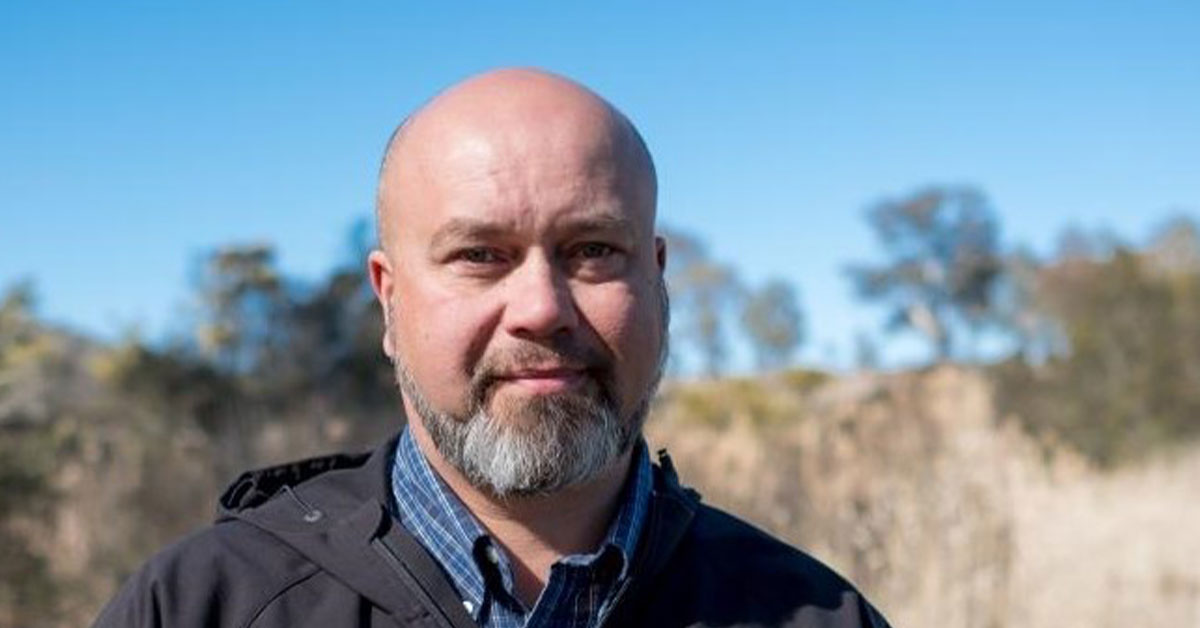
Associate Professor Bradley Moggridge received the inaugural Aboriginal and Torres Strait Islander Scientist Travelling Research Award from the Australian Academy of Science in 2019.
The award supported Associate Professor Moggridge, a PhD candidate at the University of Canberra, to visit Aotearoa/New Zealand to learn how they have incorporated Māori culture and knowledge into their water management practices.
As a result of the award and the visit to Aotearoa, Associate Professor Moggridge recently published a paper (as first author) about Indigenous Methodologies and engagement in water management in the journal Wetlands Ecology and Management.
The Academy spoke with him for NAIDOC Week.
In 2019 you were among the first people to receive the Aboriginal and Torres Strait Islander Scientist Travelling Research Award [now the Aboriginal and Torres Strait Islander Scientist Award]. How did this help achieve your research goals?
“That was a great honour, especially getting that little blue tube with a certificate in it, with the Academy’s logo on it – that was cool. The presentation and the celebration of that, you sort of think, well after all the challenges and all the setbacks you’ve had, you know, this journey’s been worth it, just by winning such an award. And then obviously the cash component helped me travel to New Zealand.
“[The award] allowed me to talk to Māori on both the South and North Island, and it was amazing to see them and be with them on country, and there were little things – I was talking with one of the Iwi on the South Island and I said, ‘I’ve got this ethics document, you need to sign it’. She said 'I invited you to my bloody house. I'm not signing no ethics document.’
“A lot of their challenges are still the same as Aboriginal people in Australia. I think I talk about it in the paper, they’ve got their [treaty] settlements and they’ve got land and their compensation, but when it comes to water, [for example] the Waikato River is fully allocated, and the Waikato Tainui are restricted in entering the water market as it’s fully allocated, it’s a real challenge for them. The Te Arawa in Rotorua, they got the rights to seven or eight lakes, but they only got the rights to the lake beds. So, they don’t actually have the rights to the water.
“Connecting and [establishing] those networks for me are … Well, I try and maintain them, and I hope they’re forever. We help each other, we learn off each other and we share.”
What inspired you to study water management?
“[I found] connecting with water in general and science was exciting, because really what I was finding was that Indigenous knowledge – some of the oldest water stories on the planet that have been shared and passed down from generation to generation – have survived colonisation and policy and invasion and everything else.
“Water is always going to be very topical in Australia […] those thousands of generations of existence and survival wouldn’t have been possible without the knowledge of water, especially around where to find it, what time of year it was available, what were the indicators that suggested water was in the landscape on your country.
“Those stories existed, like the stories of moving to higher country when the sea level was rising at the end of the last ice age – those stories survive – stories of volcanism in Western Victoria – and they are stories of observation and experience.”
Your research explores those principles of co-designed science land and water rights and data sovereignty, which are hugely important for Australian science. How can other researchers apply those principles?
“Trust should be at the core – building that trust with communities, especially if you are going to engage in a research activity. And as you move through that partnership, protocols and the research agreement come out, you’ve got to go through ethics, but it’s then when you get down to the nitty gritty – how are you going to protect their intellectual property and what’s in it for them if they engage with you?
“So many researchers have got PhDs and masters and higher degrees by research from Aboriginal knowledge, and the Aboriginal people don’t get acknowledged. They’re not a co-author – they might get in the acknowledgement section or a personal communication as part of the research, but it’s their knowledge, but they’re not actually acquitted that right. You know what I mean?
“Because that’s what past generations got tired of, they’d tell their story and then all of a sudden, they lose the intellectual property to it. And now it’s a PhD, or it’s a story in a book, and I think modern-day researchers will find that those barriers are there.
“So, they’ve gotta break down those barriers to start those conversations. And my tip to a lot of researchers is the three Ts: TIME to build TRUST over lots of cups of TEA. And I have been advised that there is a fourth and fifth, you’ve got to have TIM TAMS.
“And then get to the point where your research might be able to answer their questions. No one’s ever asked them, ‘what are your questions you want answered?’ No one’s asked that […] that’s why I wanted to write this [Indigenous] research methodology paper.
“Climate change is a great example, or fire ecology, a great example of knowledge coming together with traditional knowledge, with Western science, and you’re getting a positive outcome because of that. In that regard you hope it’s either Indigenous led or co-led, and then you start seeing the benefits.”
You are on the Academy’s Reconciliation Action Plan (RAP) Working Group, and have been involved in other institutions work around reconciliation. What successes have you seen, and what would you most like to see next in the journey?
“Seeing Tom [Calma] as a Fellow of the Academy was exciting. And Jason Sharples is a Fellow of the Academy of Technology and Engineering, and Marcia [Langton] is an honorary Fellow. So those changes just there are significant. And then obviously seeing the Academy of Science’s Reconciliation Action Plan, it’s advancing and it’s doing good things. Having the [Aboriginal and Torres Strait Islander Scientist Award] increase in value, and some of the Fellows contributing to that and wanting longevity into the future is exciting. And that’s a real change.
“We’re seeing things happen, it’s starting to become normal. And that’s the aim of it is that you don’t have to be pushed to do it, you just do it. And I think that’s where the Māori are at because a lot of things just happen now: dual language is always everywhere and non-Māori people, Pākehā, they actually have a connection to a mountain and a river as well – the Māori story. So that’s where you want to be.
“I think the next one for me is for a number of years trying to push an Indigenous STEM network […] We’re hopefully going to have a gathering at the end of the year (2022). Eventually, we’ll build up and have support from universities and the academies, to actually network, get together, share support, mentor – all of those things that other networks do. There’s an Aboriginal dentist society – how have they got one and scientists don’t? But that’s all volunteering: It’s all after hours and behind the scenes on top of your work. Leaving our effort in demand and business unfinished, help a brother out Get up! Step up! Stand up!”
To hear more from Associate Professor Moggridge and other Indigenous scientists, join our special NAIDOC Week webinar ‘Embracing Indigenous Knowledges in STEM’, hosted by Academy Fellow Professor Tom Calma AO FAA on Thursday 7 July. Register for the NAIDOC Week event.
The 2024 Aboriginal and Torres Strait Islander Scientist Award will open in early 2023.
The Australian Academy of Science is committed to supporting excellence in science and empowering the next generation of scientists. This includes advancing reconciliation, creating opportunities to work respectfully with Aboriginal and Torres Strait Islander peoples, supporting their contribution to scientific activities, and increasing understandings of Indigenous knowledge. Learn more about our progress towards reconciliation.