




Diaries of Australian virologist who helped eradicate smallpox now available online

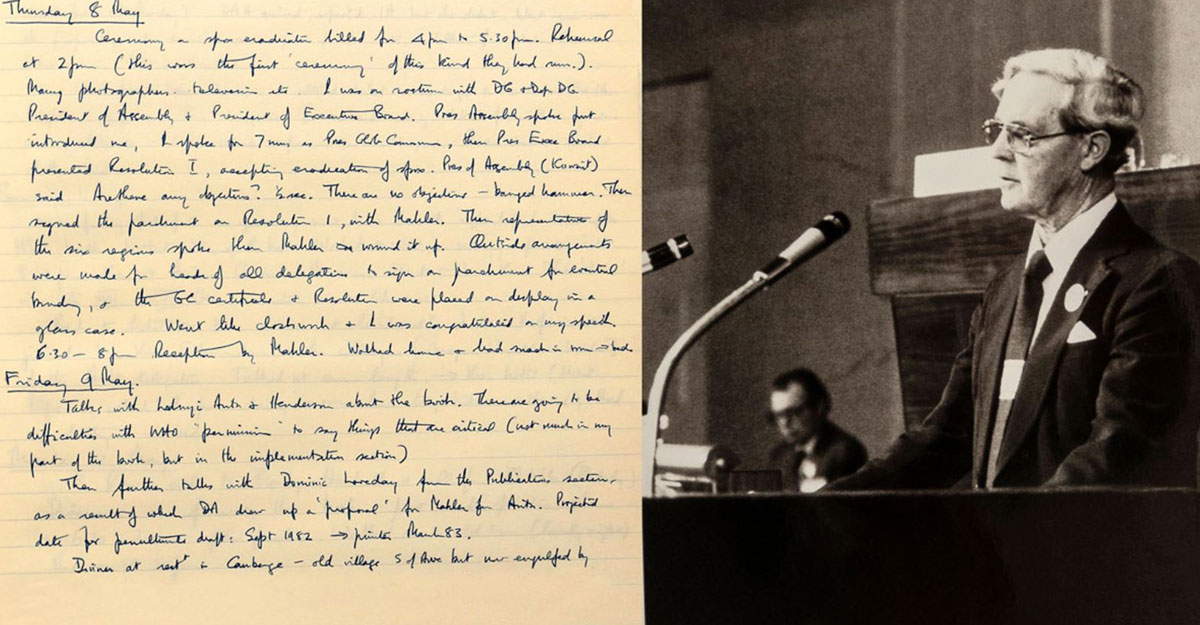
On 8 May 1980, Australian virologist Professor Frank Fenner stood before the World Health Assembly in Geneva and declared smallpox, an ancient disease thought to be responsible for more than half a billion deaths during the last hundred years of its existence alone, had been eradicated.
For Frank Fenner, the announcement was the culmination of 35 years of research into poxviruses and more than a decade’s work on the eradication campaign, first as a principal advisor and later as Chair of the World Health Organization (WHO) commission that certified when and where the virus had been defeated. Although reporting smallpox gone from humanity was the proudest moment of his life, Professor Fenner’s work with the Smallpox Eradication Program was just one achievement in a long and distinguished career.
The Frank Fenner manuscript collection held in the archives at the Australian Academy of Science documents his extensive research contribution to the understanding of viruses and the literature of microbiology. It is also an unexpectedly rich personal archive recording Professor Fenner’s thoughts on the implications of his work, broad-ranging intellectual interests, environmental activism, and contributions to the broader community.
The Fenner Collection was inscribed on the UNESCO Australian Memory of the World Register in 2019 and received a grant from the Asia Culture Center (ACC) and Memory of the World Committee for Asia and the Pacific (MOWCAP) to enhance preservation and accessibility in 2021. The grant has enabled the Academy, in collaboration with the National Library of Australia, to digitise Professor Fenner’s diaries detailing work undertaken internationally between 1948 and 1999.
The digitised diaries are now freely accessible via Trove and the Academy online catalogue.
The 22 notebooks were handwritten during his extensive travels throughout the world – beginning with his fellowship at the Rockefeller Institute in New York, where he developed a new system for counting mycobacterium associated with tuberculosis and, unlike some of his coworkers, managed to avoid contracting a tuberculosis infection himself.
The diaries feature visits to India as part of the Colombo Plan to strengthen economic and social development in the Asia-Pacific and Indonesia on behalf of the Department of Foreign Affairs. Professor Fenner writes fondly of travel to Stockholm to celebrate the presentation of the Nobel Prize to fellow Australian Professor Peter Doherty, visits to virology labs in numerous countries and international recognition for his efforts combating Australia's rabbit plague through the myxoma virus.
Of particular interest is Professor Fenner’s personal experience of the Smallpox Eradication Program. He started with his initial contact with the project – a committee meeting of the Informal Group on Monkeypox and Related Virus that met for the first time in Moscow in 1969 to exclude the possibility of an animal reservoir of smallpox capable of reintroducing the disease to humans, and continued with detailed descriptions of travel to India, Nepal, China, Switzerland and the countries of eastern and southern Africa as Chair of the Global Commission for the Certification of Smallpox Eradication.
Professor Fenner follows up with accounts of receiving the Japan Prize in Preventative Medicine for his smallpox work alongside Dr D A Henderson and Dr Isao Arita in 1988, and records the seven years he was consumed by his role as senior author of the WHO archival history, ‘Smallpox and its eradication’.
The eradication of smallpox is the first time in human history a disease has been entirely wiped out. The program required an astounding degree of cooperation across political and cultural barriers, and its vaccination, disease surveillance and containment strategy laid the foundation for ongoing immunisation work and underpinned the establishment of primary healthcare in many countries. Professor Fenner’s experience as Chair of the WHO Committee for Post-Eradication Policy and discussion of expanded international strategies to fight malaria, poliomyelitis and other infectious diseases is especially relevant today during efforts to combat the COVID-19 pandemic.
Frank Fenner’s diaries account for a relatively small percentage of his overall manuscript holdings, but their expansive scope provides a framework for understanding much of the remaining collection. They cover five decades of Professor Fenner’s career and preserve memory and feelings that fill gaps in an often depersonalised and compressed published record. The newly digitised notebooks will play an essential role in contextualising the Fenner manuscript collection as a whole and in planning for future conservation and digitisation of related material.
The research and experience of Australian scientists forms the foundation on which we build our future. It is vitally important that we capture, preserve, and digitise their stories — but we need your help. Donations from organisations and individuals are welcome and will contribute to the very significant cost of digitisation the archives. If you would like more information about supporting this project, please contact our Philanthropy Manager today by calling 02 6201 9400 or email philanthropy@science.org.au
How women and girls are transforming STEM
By Anna-Maria Arabia, Chief Executive, Australian Academy of Science
Diversity and inclusion are core pillars of the Australian Academy of Science’s vision for a scientifically informed Australian community that embraces excellence in science and is guided by, and enjoys the benefits of, scientific endeavour.
The Academy recognises that diversity is critical to excellence in science and that an inclusive STEM community brings together the widest range of talents, backgrounds, perspectives and experiences, maximising scientific innovation and creativity, as well as the competitiveness of Australia and its scientific industries.
Australia’s STEM-skilled workforce has a disproportionate under-representation of women compared to other industries. Only 16% of Australia’s stem-skilled workforce are women, whereas the broader Australian workforce has close to 50% female participation. The Academy’s Gender Equity in STEM program is a suite of initiatives targeting various dimensions of the STEM ecosystem: systemic, institutional and individual. Our program is underpinned and informed by the Women in STEM Decadal Plan and includes the Women in STEM Decadal Plan Champions initiative, launched in 2019, which encourages all public and private organisations across the STEM sector to align their gender equity activities with the six opportunities outlined in the decadal plan
Attracting women and girls to STEM and providing an environment for them to thrive is a shared responsibility of government, academia, the education system, industry and the community. The attract–retain–progress framework outlined in the decadal plan provides a useful approach to understanding the issues and challenges faced by women and girls in STEM.
While the impacts of COVID-19 disrupted the careers of early- and mid-career researchers (EMCRs), it has particularly negatively impacted women in the STEM workforce. Women remain an under-represented group in STEM and have been disproportionately impacted by disparities in the distribution of domestic workloads, and have had fewer career opportunities compared to men, hindering their career progression. More than ever, the attract–retain–progress framework is critical to overcoming systemic challenges faced by women in STEM.
There is overwhelming evidence that women face systemic challenges in the workforce in STEM and beyond, which negatively impacts their engagement, experiences and opportunities for career progression. Factors such as biased employment practices, lack of workplace flexibility, a concentration of women in industries that have lower than average incomes, and the propensity for women to have more time out of the workforce, all contribute to the pay gap where women earn less than men by 14.2%.
As outlined in Australia’s most recent STEM Workforce report:
“Further barriers exist which can limit women’s participation in STEM education and careers, from stereotypes and bias that deter girls from studying STEM subjects at school, to a lack of job security in workplaces, the impact of career disruptions, social and cultural barriers, and gender discrimination and sexual harassment in STEM workplaces. Not all these barriers are specific to women and girls in STEM, with many experienced by women in all areas of the workforce”.
Organisations wanting to support the development and increased participation of women in STEM should adopt an evidence-based approach, which is intersectional and centres the voices and experiences of individuals, as part of all their efforts. While there are various initiatives employers and peak bodies can adopt, without an evidence-based approach that is intersectional and consultative, it may prove difficult to measure the long-term success of initiatives, resulting in less meaningful workforce engagement and diminished lasting change.
As part of International Day of Women and Girls in Science, the Academy spoke with several outstanding women within STEM and considered the systemic challenges women can experience in society and the workforce.
Extracts from ‘Conversations with women and girls in STEM’
These are drawn from a series of conversations with women in STEM published on the STEM Women website.
What drew you into the world of STEM?
As a kid, I was pretty obsessed with the natural world and found it beautiful. It wasn’t until I was 19 after reading A Brief History of Time by Stephen Hawking that I even knew what physics was. Up until this stage, I had a pretty strong handle on math and became obsessed with learning about the universe so figured I may as well have a go at doing a degree in it. I never thought much more about it, I was just really curious about how everything came to be.
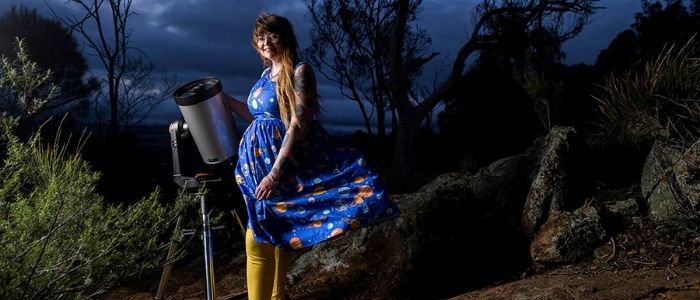
Karlie Noon. Image credit Rhett Wyman, Sydney Morning Herald
Vaishnavi Muddam, National Youth Science Forum Student
I recently heard a mathematician define mathematics as the study of anything that can be made precise. I have always been drawn to the logical nature of mathematics and its ability to explain the universe in such a complex yet beautiful language. The extension and application of this language is physics.
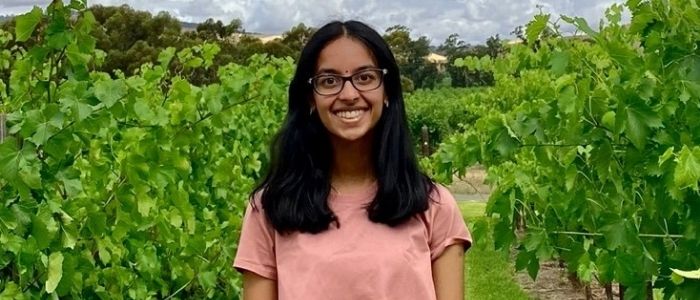
Vaishnavi Muddam. Image: supplied.
I came into science to study our oceans but stayed because I love problem-solving and discovery. I now work as an ecological modeller researching marine reserves. That is, I convert ecology into maths to help understand the where, why, and how of protecting our oceans.

Dr Jess Hopf. Image: supplied.
Who are some of your role models?
I have learnt a little bit from many women whom I’ve had the opportunity to work with and know of. I learnt resilience and the value of education from my mum. She couldn’t complete high school due to the war and had always encouraged us to never waste an opportunity to learn… Angela Merkel and Jacinda Ardern are also my role models although I’ve never had the privilege to meet them. Angela Merkel has truly shown what a difference a leader with STEM backgrounds can make. She’s positioned Germany as a leader in energy reform and her influence has spread even outside of the EU. Jacinda Ardern showed how empathy, kindness and a forward focus can lead a country through times of crisis.

Dr Tich-Lam Nguyen. Image: supplied.
What advice you would give women and girls considering a career in STEM?
Former EMCR Forum Chair Dr Yee Lian Chew
The major challenge for me was having faith in myself that I could keep going and that I wasn’t going to be a complete failure (imposter syndrome, anyone?). It definitely helps to have friends and allies who lift you up when you feel down. If you love science and technology, and you want to pursue it as a career, don’t let the haters keep you down. Find your people and keep on lifting each other up.
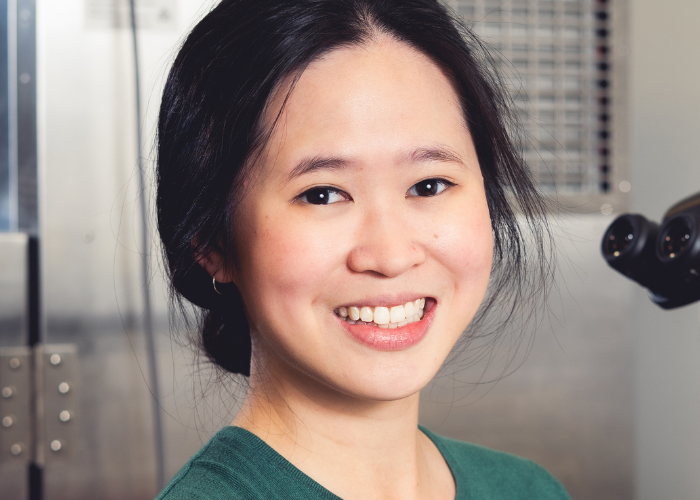
Dr Yee Lian Chew. Image: Jonathan Barge from the Flinders Foundation.
Nabilah Chowdury, National Youth Science Forum
Don't be disheartened; give it a shot and see what you think. You may be nervous about entering a male-dominated sector, but don't be discouraged. I really believe that you do not need to be the best student or the smartest person in the room to embark on a career in stem. Dream big and put in the effort. There are no limits to what you can do if you do so.
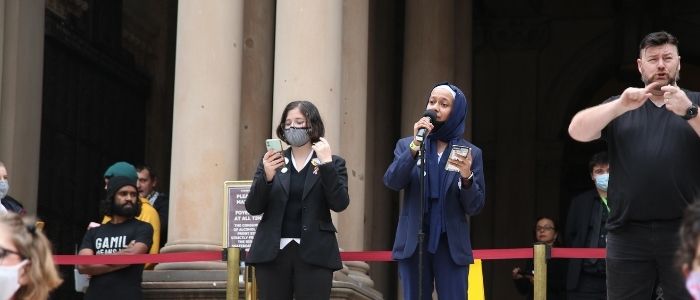
Nabilah Chowdhury (second from right). Image: supplied.
Sophie Johnstone, National Youth Science Forum student
I am endlessly grateful for the opportunities that have been provided for me through NYSF. From learning how to become an Astronomer to finding out the secretes to the microscopic world of E. coli bacteria, I have learnt so much and am incredibly inspired to pursue a career in STEM.

Sophie Johnstone. Image: supplied.
This story was first published on the Diversity Council Australia website.
Academy welcomes mitochondrial donation law reform
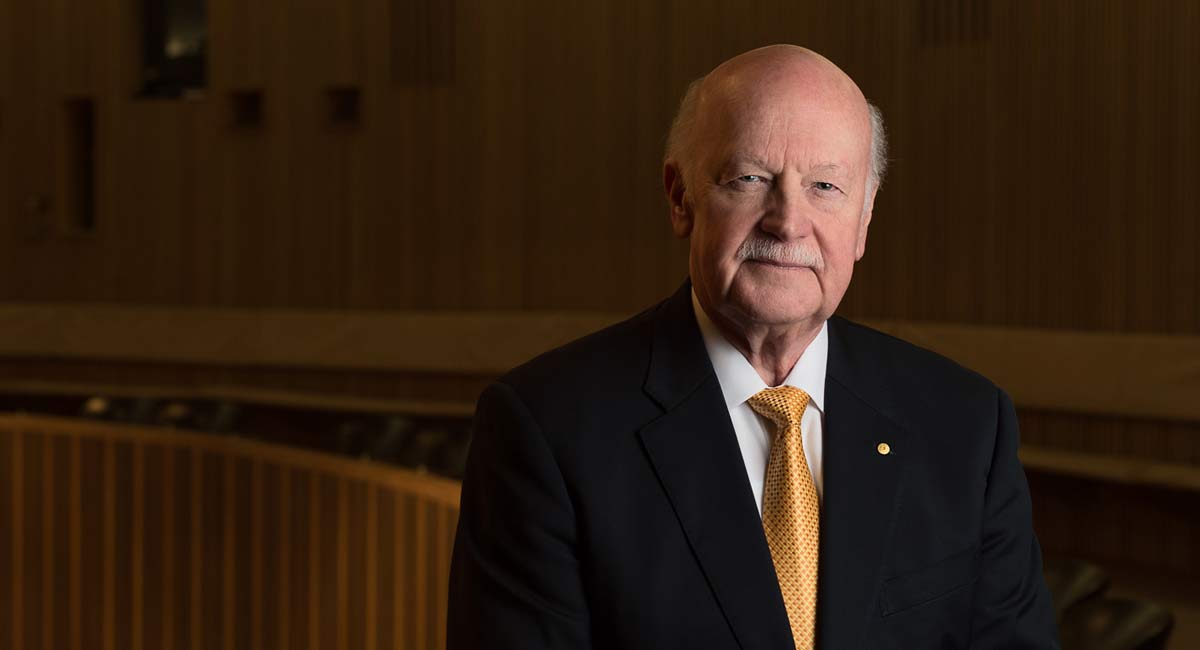
Academy President Professor John Shine. Photo: Australian Academy of Science.
The Australian Academy of Science welcomes the passing of Maeve’s Law by the Australian Parliament.
Academy President Professor John Shine said the legislation allows important research to proceed and is expected to enable impacted families to increase their likelihood of having a child unaffected by mitochondrial DNA disease.
“It does so while providing an appropriate regulatory environment with necessary safeguards,” Professor Shine said.
“There are two important considerations relevant to the implementation of mitochondrial donation.
“Firstly, the administrative and operational arrangements should allow for equity of access for all Australians whose children run the risk of inheriting mitochondrial disease.
“Secondly, the assisted reproductive technology service providers should ensure there is sufficient mitochondrial donation expertise available to ensure the highest quality advice and counselling is available to families seeking access to the technology.”
Read the Academy’s submission to the Senate Community Affairs Legislation Committee Inquiry into the Mitochondrial Donation Law Reform (Maeve’s Law) Bill 2021.
Australia to host congress on sustainability in Oceania
Sustainability leaders, experts, industry and innovators from Australia, New Zealand and the Pacific are invited to share their knowledge on sustainability challenges and opportunities in the Oceania region in mid-2022 as part of a major international sustainability event.
An Australian consortium of academia and government partners, coordinated by Future Earth Australia, will host the sustainability-focused event in Brisbane on 29 June – 1 July.
This event is a satellite event of the Sustainability Research & Innovation Congress 2022 (SRI2022) that will be happening online and in Pretoria, South Africa on 20–24 June.
The Oceania Satellite Event will build on the outcomes of the inaugural SRI2021 Congress last year in Brisbane that featured more than 2000 attendees from over 100 countries. It will focus on sustainability issues and challenges unique to Oceania.
Attendees of the event will learn about the latest sustainability science and innovation, create novel networks and partnerships, explore new ideas, gain visibility, inspire and be inspired, all in a hybrid environment at the Queensland University of Technology in Brisbane.
All participants of the SRI 2022 Oceania Satellite Event will also have full access to the online portion of the SRI2022 Congress, and the cost of this is included in their registration.
Call for proposals
The call for proposals for the Oceania event is open until 28 February through the main SRI2022 platform. This deadline is separate from the deadline for submissions for the Pretoria event.
Proposals will follow the formats available in the SRI2022 Congress, including in-person and hybrid presentations, workshops, innovation demonstrations and engagements with society. Options for individual presentations will be opened at a later date.
About SRI2022: Oceania Satellite Event
The hosting consortium for the Oceania Satellite Event, led by Future Earth Australia and CSIRO, includes the University of Queensland, Queensland University of Technology, Griffith University, and James Cook University.
This group contains many of the same members as the SRI2021 event held in Brisbane last year, providing them with the experience and insights to hold another successful event.
About SRI
The Sustainability Research & Innovation Congress is a series of gatherings that unite global research leaders, experts, industries, and innovators to inspire action and promote a sustainability transformation.
A joint initiative of Future Earth and the Belmont Forum, the SRI Congress is a space of dedicated advocacy for sustainability scholarship and innovation, transdisciplinary and cross-sectoral collaboration, and action.
Future Earth Australia is a program of the Australian Academy of Science.
Joint statement from Learned Academies on ARC grants veto
We, the Presidents of Australia’s Learned Academies, are committed to a research and innovation system underpinned by the expertise and talent of researchers across the sciences, humanities, technology and engineering, social sciences, and health and medicine.
We urge that our system be consistent with world’s best practice, where expertise in both conducting research and in evaluating which research to support is essential.
This provides confidence to the community that pays for it, the politicians who prioritise it, and the researchers who conduct it, that the outcomes of our research support a culturally rich, economically prosperous, and secure Australia.
Through the Australian Research Council (ARC), grants are awarded to our best researchers and assessed by national and international experts.
Acting Minister for Education and Youth, Stuart Robert MP, recently exercised his veto power to reject six projects recommended for funding by the ARC.
When the integrity of Australia’s system is compromised by perceived or actual political interference, there are real costs for the research sector and indeed for the nation – by eroding trust and damaging the relationships researchers have with industry, the Australian community, and international partners. Australia’s research system must be responsive to national priorities, with strong governance, and innovative and responsive funding schemes.
Arbitrary judgements should play no part in a fit-for-purpose system. We believe there is a strong national interest in constructive relations between the government of the day and the research sector.
Australia’s Learned Academies are ready to work with the Government, the ARC, and universities to find a way forward, and to uphold Australia’s reputation as a home and champion of international best practice research.
Professor Lesley Head FASSA FAHA – President, Australian Academy of the Humanities
Professor John Shine AC FRS PresAA – President, Australian Academy of Science
Professor Hugh Bradlow FTSE – President, Australian Academy of Technology and Engineering
Professor Richard Holden FES FASSA – President, Academy of the Social Sciences in Australia
Professor Ingrid Scheffer AO FRS FAA PresAHMS – President, Australian Academy of Health and Medical Sciences
Five Aboriginal and Torres Strait Islander scientists awarded
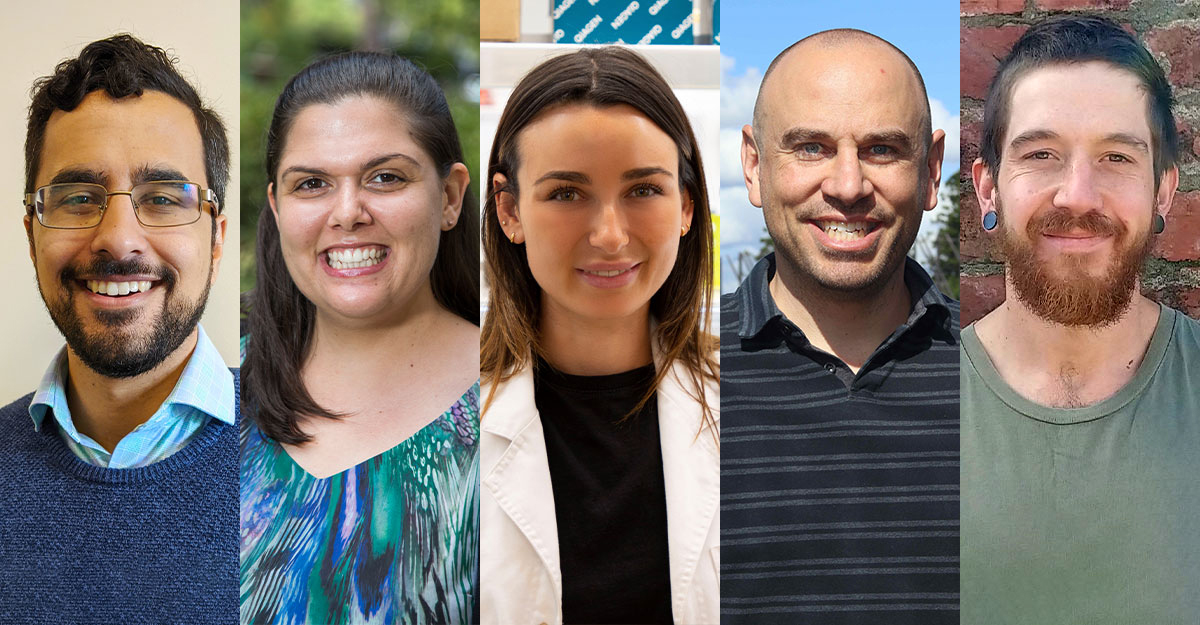
From left: Dr Jordan Pitt, Tamara Riley, Vanessa Sewell, Dr Keane Wheeler and Luke Williams.
Five promising researchers from universities around Australia are the 2022 recipients of the Australian Academy of Science Aboriginal and Torres Strait Islander Scientist Award.
The award recognises research in the physical and biological sciences, allowing interdisciplinary and sociocultural research that could straddle the social sciences and humanities, by outstanding Aboriginal and Torres Strait Islander PhD students and early- and mid-career scientists.
Dr Jordan Pitt, University of Adelaide
Dr Pitt’s project looks at the interaction between sea ice and ocean waves, in order to improve future climate models. He said current models of sea ice are not accurate enough to produce convincing projections of Australia’s climate.
“I am deeply honoured to receive this award and very excited to advance my research,” said Dr Pitt.
“I hope to continue the work of previous award winners and Indigenous scientists to inspire others to STEM excellence and to make the STEM pathways for Aboriginal and Torres Strait Islanders well-trodden.”
Tamara Riley, ANU
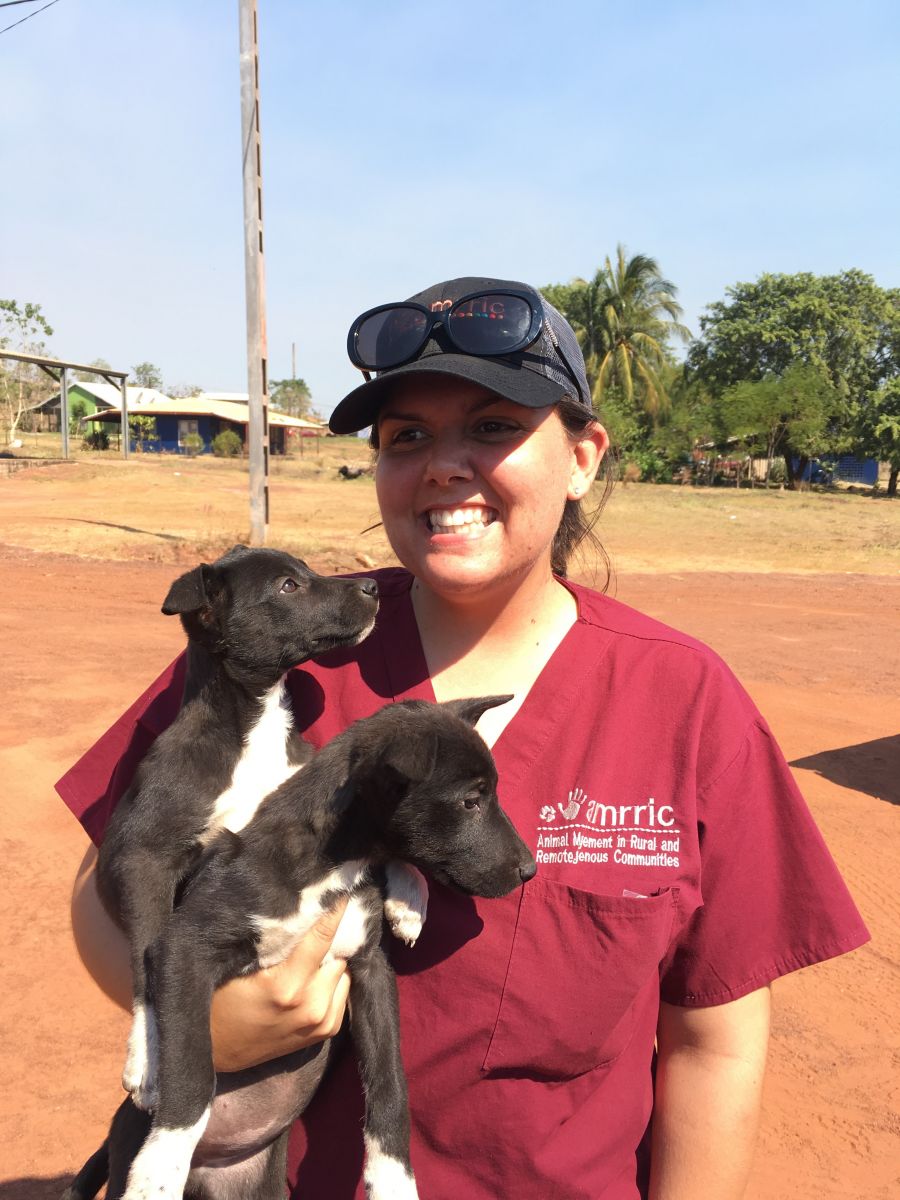
Tamara Riley in Wadeye, NT, working with Animal Management in Rural and Remote Indigenous Communities. Photo: supplied.
Ms Riley's project, titled ‘Walu-win mayiny balugan mawang’ (Well people and animals all together) seeks to understand how the human–animal–environment relationship impacts on Aboriginal communities’ health, and then to develop ‘One Health’ models for use in Aboriginal communities.
A One Health approach advocates that research, in conjunction with clinical practice and policy, is essential for addressing existing and emerging health problems to improve health outcomes.
“Multiple outbreaks of zoonotic origin, including the current global pandemic, have shown the importance of understanding the human–animal–environmental health relationships,” said Ms Riley in her application.
Vanessa Sewell, University of New England
Ms Sewell’s project addresses the problem of vaccinating against drench-resistant sheep parasites, such as brown stomach worms and black scour worms.
Currently, these vaccines do not exist, but Ms Sewell’s project looks to enable the technology required to mass-produce synthetic antigens required for them.
“This will provide a much-needed biotechnological solution to a burdensome global agricultural issue,” said Ms Sewell in her application.
“I am honoured to represent the Worimi tribe in science.”
Dr Keane Wheeler, University of Queensland
Dr Wheeler's work looks to redress inequalities in Aboriginal and Torres Strait Islander children’s health and development.
His project involves a co-design process with the Yarrabah Aboriginal and Torres Strait Islander community to create a ‘Move2Smile with Culture’ program, which will combine fundamental movement skills and socio-emotional learning through embedding Aboriginal and Torres Strait Islander ways of knowing, being and doing.
“Move2Smile programs have been shown to build learning capabilities and improve child development outcomes, to better prepare children for a meaningful life,” said Dr Wheeler in his award application.
Luke Williams, RMIT University
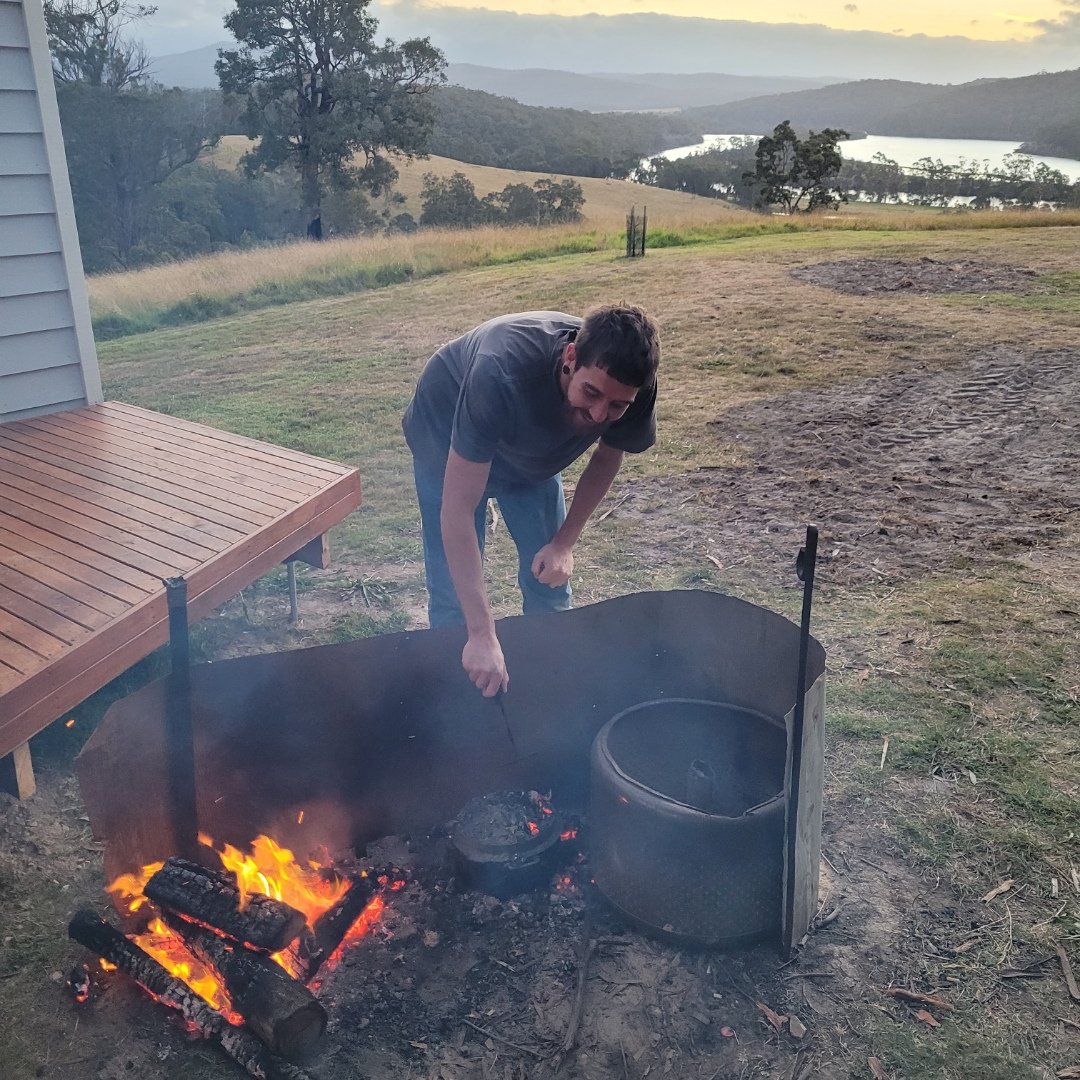
Luke Williams on an Aboriginal research partner's farm on Bidawal Country near the Wallagaraugh River. Photo: supplied.
Mr Williams’ research involves evaluating the dietary safety of Australian native foods.
He aims to develop evidence-based risk assessments of traditional food products in a manner that considers the stories, knowledge and interests of Aboriginal communities, whilst also meeting the safety data requirements set out by regulatory bodies around the world.
“A range of traditional foods are being developed for commercial markets, [but] safety data is lacking for many of these traditional foods and the history that surrounds their safe use has rarely been recorded,” said Mr Williams.
“I am thankful to the Australian Academy of Science for providing funding that will help me go out into Community and spend time on Country visiting the Aboriginal research partners I am working for.
“This will better allow me to include Aboriginal voices and perspectives in the outcomes of my research project.”
Towards reconciliation
The Aboriginal and Torres Strait Islander Scientist Award aims to support recipients’ research and in some cases the expansion and growth of their research networks and international knowledge exchange through visits to relevant international centres of research.
Awards are up to $20,000, with additional support provided to attend the Academy's annual Science at the Shine Dome event.
The 2023 Aboriginal and Torres Strait Islander Scientist Award will be opening in early March 2022.
The Academy is committed to advancing reconciliation, creating opportunities to work respectfully with Aboriginal and Torres Strait Islander peoples, supporting their contribution to scientific activities, and increasing understandings of Indigenous knowledge.
Under our Reconciliation Action Plan, we are taking a range of actions, including:
- award an annual research award for Aboriginal and Torres Strait Islander scientists
- encourage our Council members and staff to undertake cultural awareness training as provided by the Australian Institute for Aboriginal and Torres Strait Islander Studies (AIATSIS).
Further activities that align with the implementation of our Reconciliation Action Plan are under development.
Investment in GBR welcome but stronger action needed on climate change

Part of the Great Barrier Reef near Cape Tribulation. Photo by Manny Moreno on Unsplash.
The Academy welcomes announcements regarding the protection of the Great Barrier Reef.
Recent marine heatwaves that resulted in damage to the coral cover in the shallow waters of the Great Barrier Reef highlight some of the consequences of a warming planet on this national icon.
While coral is important, it comprises about seven per cent of the Marine Park and the World Heritage Area. The rest is comprised of an extraordinary variety of habitats and species which are susceptible to global warming.
Support for projects that enhance resilience are welcome and necessary, but the only way to reduce the risk of unpredictable and dangerous outcomes for the Reef is to limit global warming as well as preventing environmental damage.
To sustain a functioning reef, there must be substantial action globally to reduce greenhouse gas emissions and it is in Australia’s national interest to lead this change with real action.
Five Fellows recognised in 2022 Order of Australia appointments
Five Academy Fellows are among the Australians recognised in the 2022 appointments to the Order of Australia, including four who were appointed to Companions in the General Division of the Order of Australia (AC).
Companion is currently the highest appointment to the Order of Australia, and recognises ‘eminent achievement and merit of the highest degree in service to Australia or to humanity at large’. Just seven people were appointed to an AC in 2022.
Dr Alan Finkel was appointed to an AC and was also added to the COVID-19 Honour Roll. Distinguished Professor Jenny Graves, Professor Ary Hoffmann and Dr Graeme Moad were each appointed to an AC.
Professor John Church was appointed to an Officer of the Order of Australia (AO), for 'distinguished service of a high degree to Australia or to humanity at large.'
To date, 300 Fellows of the Academy have been appointed to the Order of Australia.
Dr Alan Finkel AC FAA FTSE FAHMS
Dr Alan Finkel, Australia's former Chief Scientist, was the founder of the Rapid Research Information Forum (RRIF), which brought together the country’s science, research and innovation sectors during the early days of the COVID-19 pandemic to provide the latest scientific evidence to the Australian Government.
The RRIF's operations were managed by the Australian Academy of Science, and its impact on the nation has been publicly recognised by the Prime Minister, Scott Morrison.
Following his industrial career producing breakthrough scientific instruments for academic neurosciences and pharmaceutical drug discovery, Dr Finkel has distinguished himself in Australia’s scientific and engineering community by his passion for science and engineering education, creative leadership and philanthropy.
He was elected a Fellow of the Academy in 2016, and he currently serves as Special Adviser to the Australian Government on Low Emissions Technology.
Distinguished Professor Jenny Graves AC FAA
Professor Jenny Graves has transformed our understanding of how humans and all vertebrate animals evolved and function. She has kick-started genomic and epigenetic research in Australia, and predicted the disappearance of the Y chromosome.
She has also pioneered the fields of comparative genomics and epigenetics globally, been the driving force behind sequencing the first marsupial and monotreme genomes and won international awards.
Professor Graves was elected to the Academy in 1999, was awarded the Macfarlane Burnet Medal and Lecture in 2006 and the Prime Minister’s Prize for Science in 2017.
Professor Ary Hoffmann AC FAA
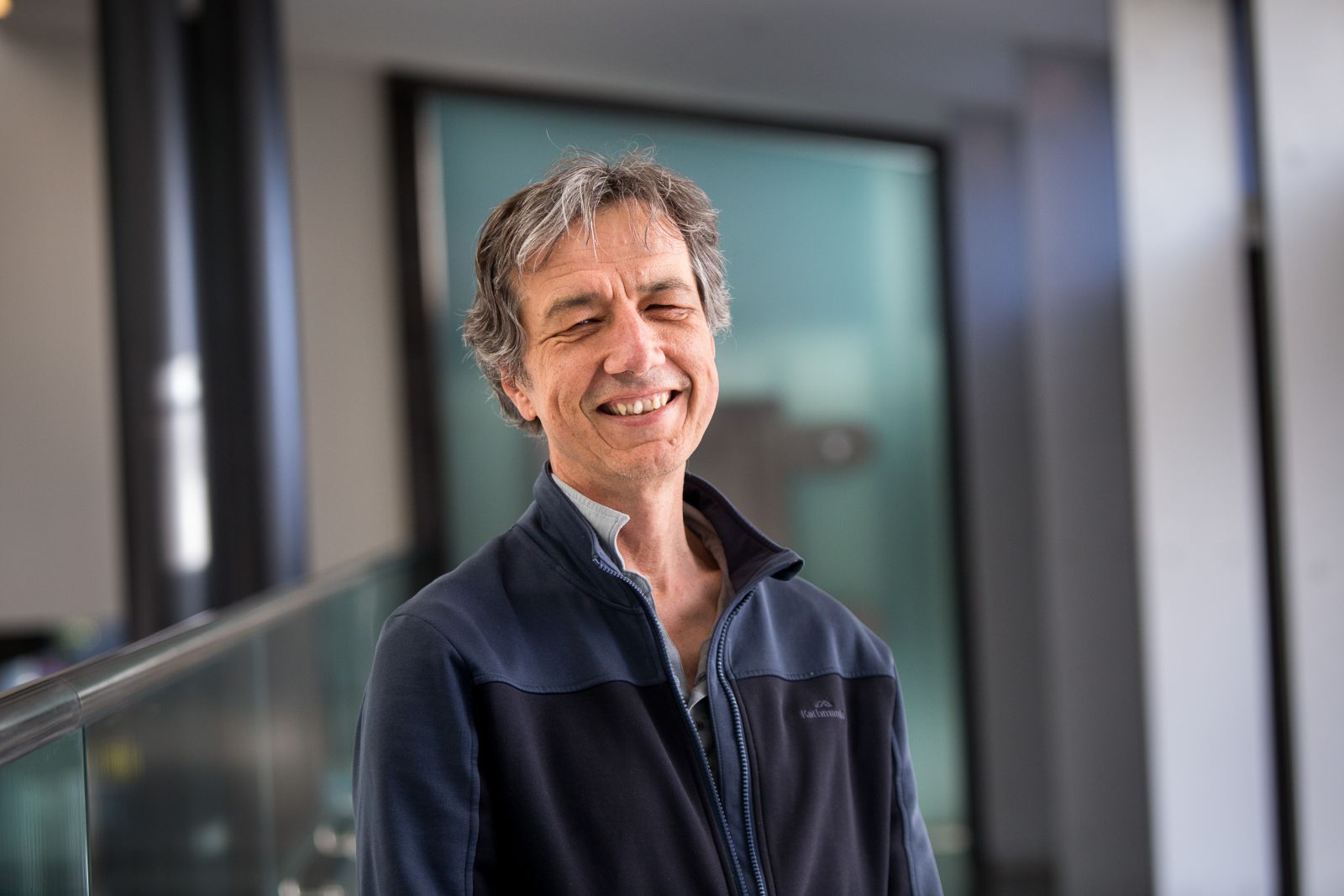
Professor Ary Hoffmann is regarded as a leader in evolutionary biology and the applications of evolutionary principles to applied problems.
He has investigated how natural populations evolve in response to environmental stresses, and his work has led to major advances in understanding how stressful periods influence evolutionary rates, and how insects adapt to overcome stressful conditions.
He was elected to the Academy in 2004, serves on the National Committee for Ecology, Evolution and Conservation, and was lead author on an Academy discussion paper on 'gene drive' technology.
Dr Graeme Moad AC FAA FTSE
Dr Graeme Moad is recognised as a world leader in the field of polymer chemistry. His achievements range from fundamental chemistry, in the areas of polymer design and synthesis, and polymerisation kinetics and mechanism, to new materials for industrial uses, nanotechnology, organic electronics and bioapplications.
His research on the development of new synthetic methods for the controlled synthesis of polymers with defined architecture and composition has revolutionised the field.
Dr Moad was elected to the Academy in 2012 and awarded the Academy’s 2020 David Craig Medal and Lecture.
Professor John Church AO FAA FTSE
Professor John Church is one of Australia’s leading oceanographers whose theoretical and observational work on the dynamics of the oceans has led to a deep understanding of the physics of recent sea-level change.
His work has contributed to the assessments of the science of climate change by the Intergovernmental Panel for Climate Change and to the work of the World Climate Research Program, and in the public debate on the evidence for and underlying science of climate change.
He was awarded the Academy’s 2021 Jaeger Medal and serves on the National Committee for Antarctic Research.
Citations
Companion of the Order of Australia (AC)
- Dr Alan Finkel AC FAA FTSE FAHMS, for eminent service to science, to national energy innovation and research infrastructure capability, to climate change and COVID-19 response initiatives, and to science and engineering education.
- Distinguished Professor Jenny Graves AC FAA, for eminent service to science, particularly through leadership and research in evolutionary genetics, to international and national professional societies, for science education in schools, and as a mentor and role model for women.
- Professor Ary Hoffmann AC FAA, for eminent service to science, particularly evolutionary biology and ecological genetics, through research, mentoring and education, and to professional scientific organisations.
- Dr Graeme Moad AC FAA FTSE, for eminent service to science, particularly polymer design and synthesis and radical polymerization, education through mentoring, and to professional scientific organisations.
Officer of the Order of Australia (AO)
- Professor John Church AO FAA FTSE, for distinguished service to climate science through oceanographic and sea-level research and publications.
Investing in space science R&D is essential to protect Australia’s national interests
Experts say Australia’s complete reliance on data from foreign-owned satellites – used every day by all Australians – in weather forecasting, resource and water management, and disaster response applications poses a significant sovereign risk.
All satellite data used in Australia comes from foreign sources. Growing environmental, commercial, and geopolitical stresses means there is no guarantee these data will always be readily available, optimal, or meet specific and evolving needs for Australia’s essential industries, defence, government, and everyday living.
Earth observation (EO) data and the services derived from it are also essential for activities such as measuring and mitigating climate change and maintaining and improving food and energy production and distribution, and mapping land use, all of which contribute to sustainable economic growth and particular capability requirements for defence.
Experts say the risk can be mitigated by a stronger investment in a home-grown Earth observation satellite program, which would design, build, launch and operate the satellites and the sensors on-board used to collect a wide range of data types. The recommendation is included in a new national 10-year plan for Australian space science launched by the Australian Academy of Science.
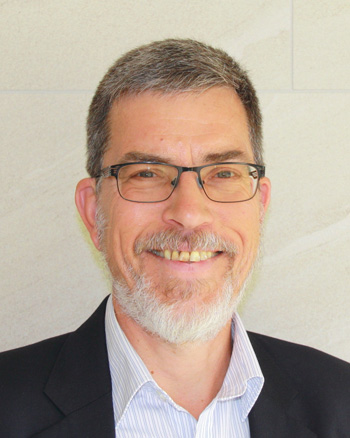
Emeritus Professor Fred Menk, Chair of the Academy’s National Committee for Space and Radio Science. Photo: supplied
Emeritus Professor Fred Menk is Chair of the Executive Working Group that developed the plan.
“Meeting Australia’s future earth observation needs requires appropriate sovereign capability including enhanced science, observations, analysis and modelling capability,” says Professor Menk, who also Chairs the Academy’s National Committee for Space and Radio Science.
Understanding how Australian environments are changing, and how changes to the space environment impact natural and human systems are critical information sources for all aspects of industries, government and defence’s day to day and long-term operations.
To grow Australia’s ability to do this, the 10-year plan is also calling for a national program of space weather research to help protect Australia’s critical energy, water, information and transport infrastructure, advance space weather forecasting and improve our situational awareness of space.
The plan states that based on our current capability we would only receive about one hours’ warning of a major space weather event that could impact our national power distribution grids, and disrupt global aviation, satellites, and radio communication.
“A major space weather event with catastrophic impacts on the global economy is likely within our lifetimes, however, Australian research can greatly improve our predictive capability,” says Professor Menk.
The 10-year plan also highlights other challenges facing Australia’s space R&D sector that must be addressed to ensure Australia’s space economy is competitive and to mitigate sovereign risk Australia currently faces. These include a significant workforce skills gap, an ad-hoc funding environment, and a lack of a national strategy for space with no long-term plan to address knowledge and capability gaps.
Professor Menk says while the Australian Government’s recent investments in space are stimulating growth of the space industry sector, the space science research and innovation capabilities necessary to develop a sustainable national space ecosystem have not been similarly enabled.
“Australia must have a space industry of its own – one that we can turn into a high-tech manufacturing, knowledge-based, research supported, export industry in a world hungry for it,” says Professor Menk.
“An internationally competitive space industry in Australia will depend on a foundation of excellence in science and technology.”
The call echoes a recently published report by the House of Representatives Standing Committee on Industry, Innovation, Science and Resources, and numerous Australian and international studies on development of space industry capabilities.
The parliamentary report recommended that the Australia Government prioritise and promote the importance of space science as fundamental to innovation and growth of the Australian space sector.
Among the Academy’s 10-year plan’s other recommendations are: establishing a Lead Scientist in the Australian Space Agency; establishing space science as a national research priority and committing to and investing in an ongoing national space program. The plan details three pillars to be built in space science: discovery and exploration, growth and resilience, and health.
Read Australia in Space: a decadal plan for Australian space science 2021-2030.
This decadal plan presents a strategy developed through extensive stakeholder consultation. The Academy acknowledges the financial support that enabled this project, provided by the Australian Space Agency, Australia’s national science agency CSIRO, and the SmartSat CRC. The views represented in this document do not necessarily reflect the views of, nor imply endorsement by, any individual or any working group members’ affiliated organisations.
Independent selection of research grants essential for integrity of Australia’s research system
Academy President Professor John Shine
The Australian Academy of Science says political interference in the selection of research grants is eroding Australia’s international reputation and the integrity of Australia’s research system. Of the four known occurrences of political interference, three have occurred in the last three years.
The Academy, which is made of up Australia’s leading scientists, expressed its concern on Christmas Eve that six ARC Discovery Projects had been rejected using ministerial veto. This was despite the projects being recommended for funding by independent panels, all with deep knowledge of the relevant fields.
Academy President, Professor John Shine, said it is reasonable that governments align some proportion of funding schemes with widely agreed national priorities and strategic objectives, and that they are made clear when calling for proposals.
“However, within those criteria, merit, as identified by independent peer review, should remain the central basis for allocating which research to support,” said Professor Shine.
“Subsequent political control of what gets done, where and by whom is antithetical to the spirit of a democracy that is built on free and open critical enquiry.
“In exchange for responsible and socially conscious conduct in research, researchers and their peers should be free to pursue lines of enquiry that are considered meaningful and important.
“Indeed, researchers are trained to identify problems or gaps in our knowledge and determine the best and most rigorous way to learn more and to understand better the world around us.
“Much of the value provided by research to policy makers and the public is due to its unbiased and independent nature, not its perceived conformity with the personal views of the minister of the moment,” Professor Shine concluded.