




Max Day awardees aim to safeguard culture and change behaviours


Two early-career researchers have each been awarded a 2022 Max Day Environmental Science Fellowship for their highly interdisciplinary research work to protect the environment. Ms Bridget Campbell is a PhD candidate at Macquarie University and Dr Brock Bergseth is a research fellow at James Cook University.
Safeguarding biological and cultural and diversity
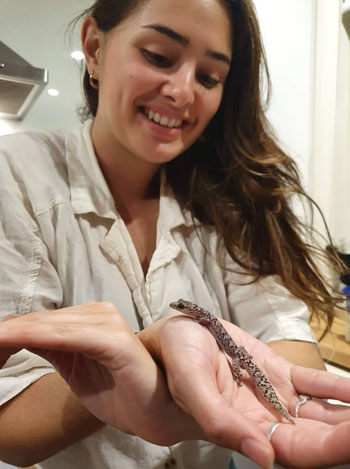
Ms Bridget Campbell in the lab. Photo: supplied
Ms Campbell’s project aims to bridge the gap between Western scientific and Yolŋu Indigenous knowledge systems of the Laynhapuy Indigenous Protected Area in north-east Arnhem Land. She says the detailed ecological knowledge of Indigenous Australians could help protect Australia’s biodiversity.
Her project, ‘Warrakan ganma: Bridging Western and Indigenous science to safeguard biocultural diversity’, uses novel scientific data and detailed Indigenous knowledge to study declining fauna and strengthen cultural ecosystem services.
Combining genetics, Indigenous knowledge, field ecology, anthropology and spatial science, she aims to characterise and safeguard biological and cultural diversity.
“There is a current paucity of projects adopting biocultural conservation approaches,” she said in her award submission.
“[This is] despite their potential to advance Australia’s national and international [conservation] commitments.”
Reducing illegal fishing using behavioural interventions
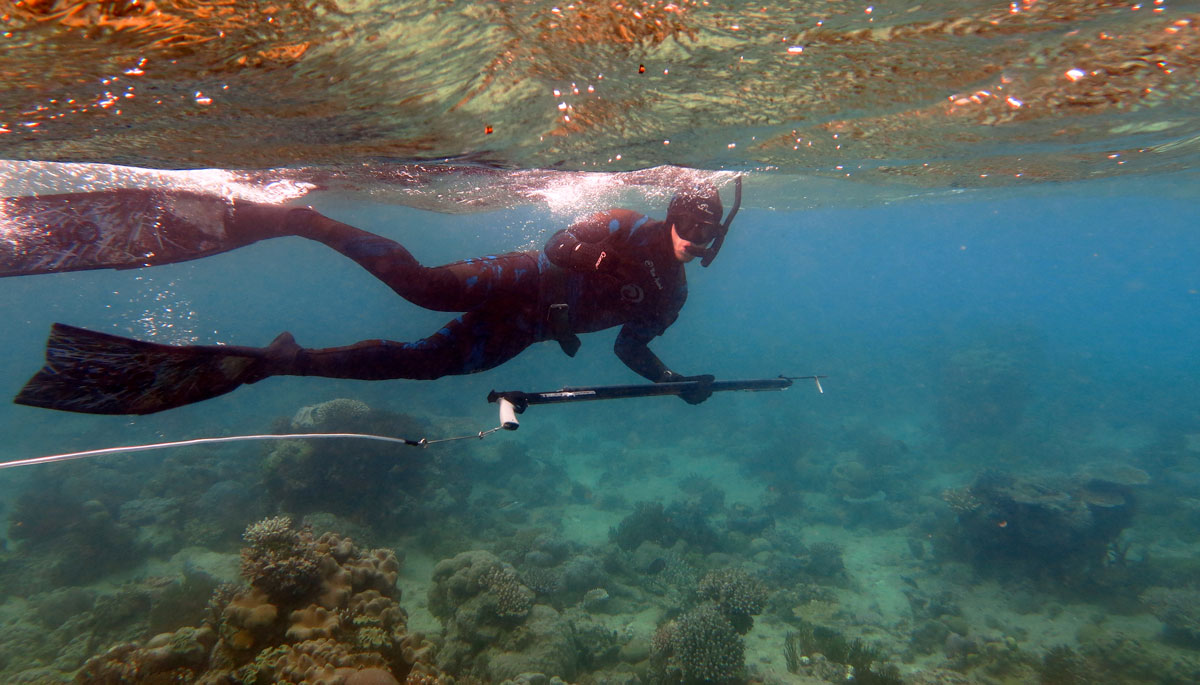
Dr Bergseth will investigate whether behavioural interventions can reduce illegal fishing in Marine Protected Areas in Australia and neighbouring countries.
Dr Bergseth’s project is titled ‘Bolstering conservation outcomes: understanding social and ecological effects of illegal fishing behavioural interventions’.
It will look at how behavioural interventions can be used to increase fisheries compliance, voluntary reporting of observed illegal fishing, and the resulting ecological benefits.
“Using behavioural interventions to influence compliance by fishers [and] other types of resource users is a novel research frontier,” he said in his award submission.
“These interventions are an alternative to traditional ‘command and control’ efforts that coerce rather than encourage compliance.”
Four researchers were also highly commended for their 2022 Max Day Environmental Science Fellowship Award applications:
- Mr Tim Ghaly: Who lives inside fungi? Bacterial endosymbionts of plant-associated fungi
- Dr Stephanie Gardner: Quantifying the contribution of benthic invertebrates to global nitrous oxide production
- Dr Niloofar Karimian: Arsenic and antimony co-behaviour in soil under a changing climate: resolving unexplored interactions between microbiology, mineralogy and geochemistry
- Dr Alice Twomey: Enhancing resilience of coasts: nature-based solutions for flood mitigation
Max Day’s legacy
The Max Day Environmental Science Fellowship Award provides up to $20,000 for early-career researchers working on interdisciplinary projects to further the conservation of Australia’s flora and fauna, the ecologically sustainable use of resources, and the protection of the environment and ecosystem services.
The award is named in honour of Academy Fellow, the late Dr Maxwell Frank Cooper Day AO FAA, who spent a lifetime championing entomology, conservation and forestry, as well as helping other scientists.
More information about the Max Day Environmental Science Fellowship Award
Shine Dome lights up as ACT hits 95 per cent
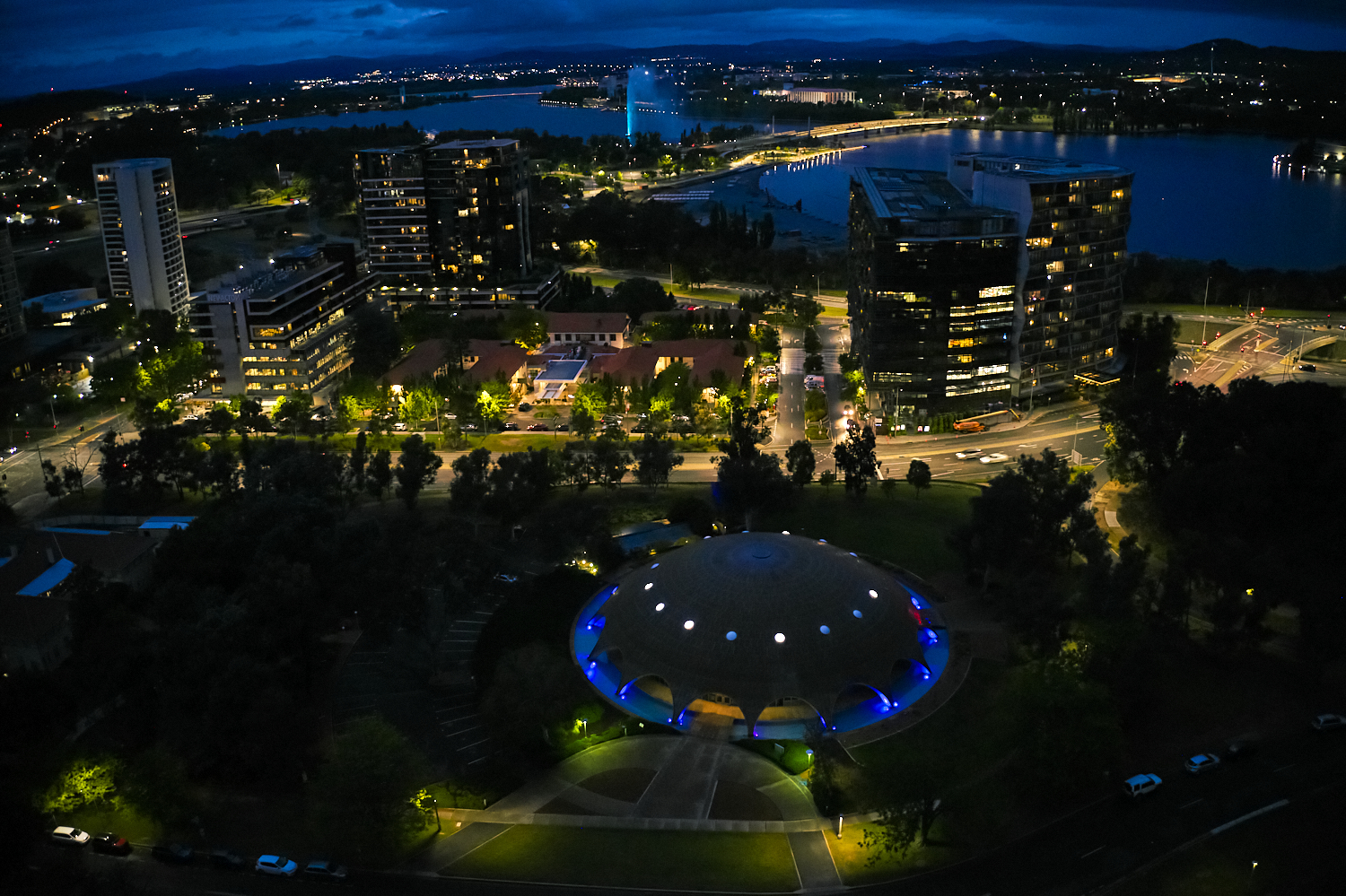
The Shine Dome, home of the Australian Academy of Science, joined many other Canberra icons with aqua-blue lighting in November.
The light show was part of an ACT Health celebration of reaching 95 per cent of Canberrans over the age of 12 being fully vaccinated against COVID-19.
Other locations that were lit up in aqua-blue – the colour of the ACT’s vaccine program – include the National Museum of Australia, the Telstra Tower and the Captain Cook Memorial Jet.
About the dome
The iconic Shine Dome was purpose-built for the Australian Academy of Science to celebrate and support science in Australia.
It was the first building in Canberra to be placed on the National Heritage Listings for its historical and architectural significance.
The Shine Dome is also a venue space, available for hiring by small and large groups for private, corporate and public functions.
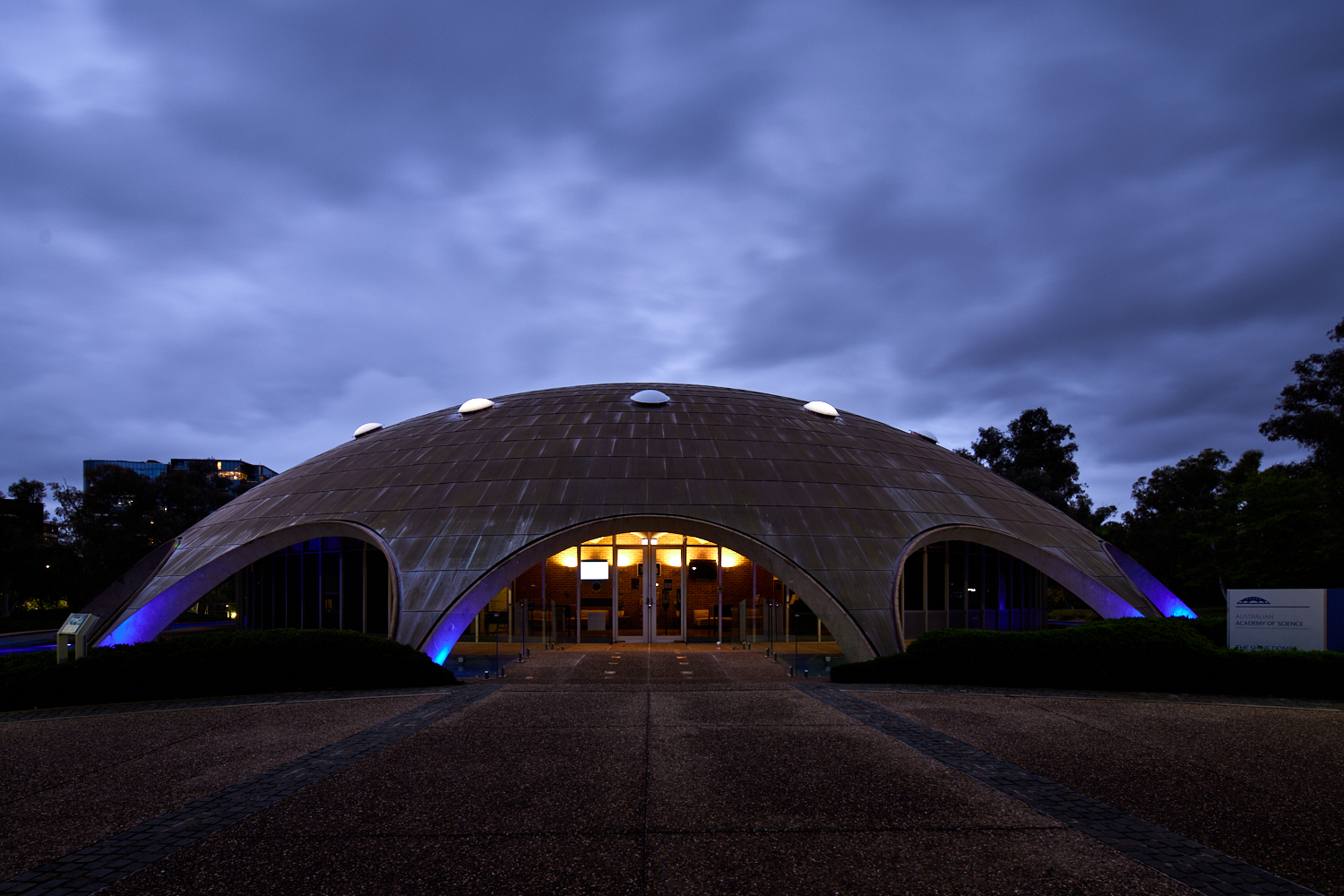
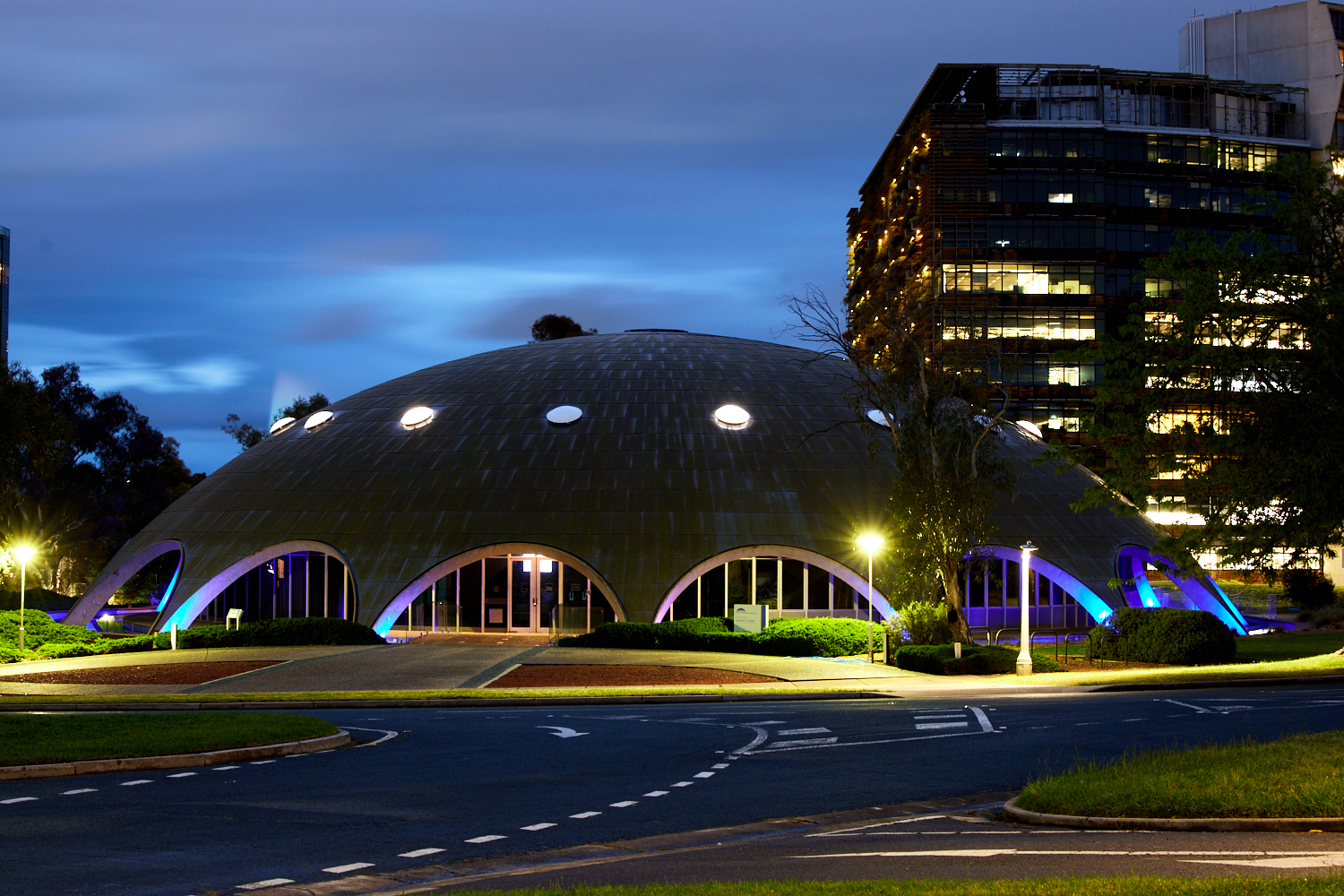
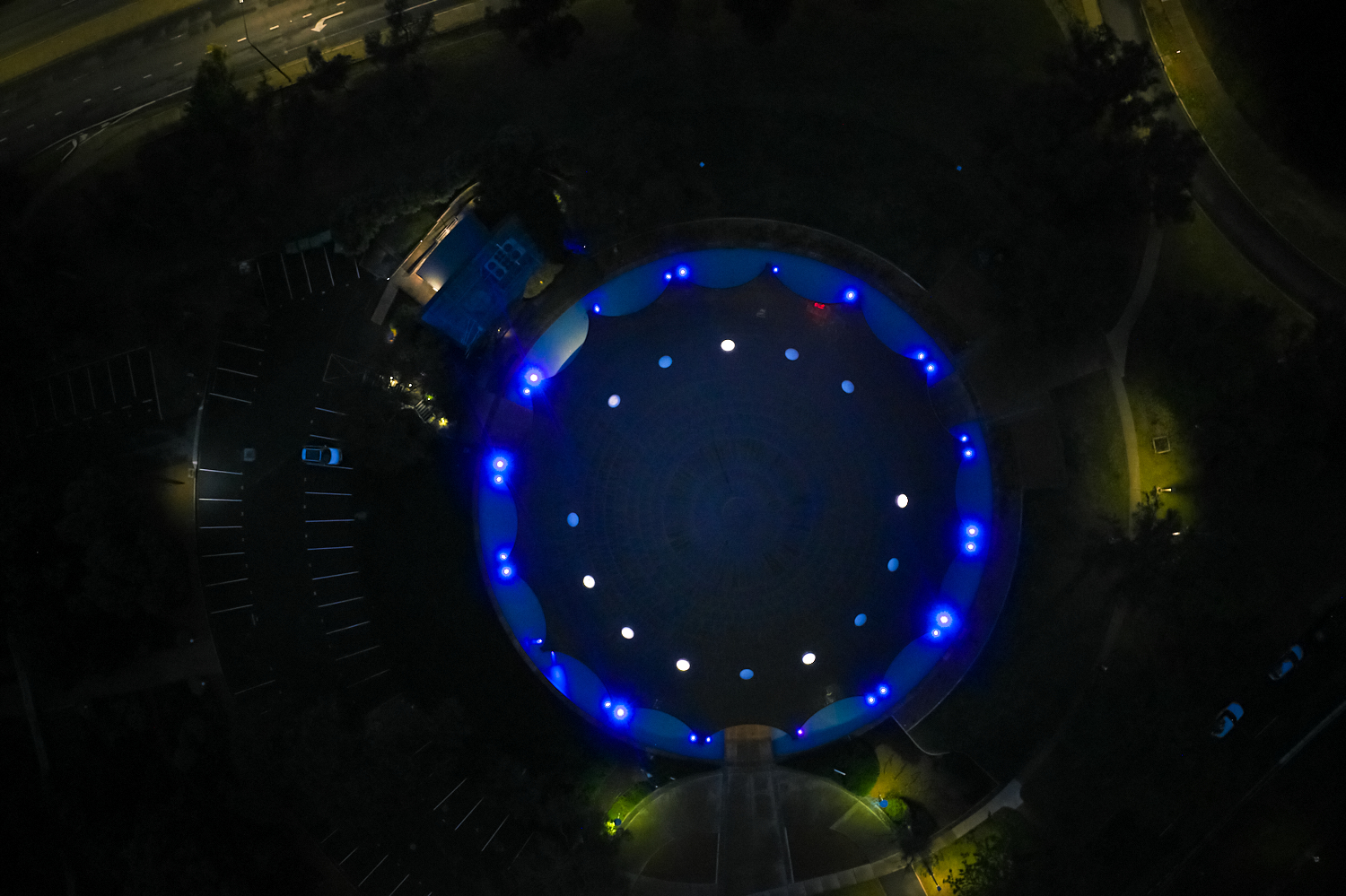
The Shine Dome illuminated in 'COVID-19 vaccine' aqua blue, the colour of the ACT’s vaccine program. Image: ACT Health.
Climate change will drive future pandemics, says PM Science prize recipient
The recipient of the 2021 Prime Minister’s Prize for Science, announced tonight, has warned climate change and deforestation will drive an increase in the frequency of future pandemics around the world.
Australian virologist and Australian Academy of Science Fellow, Professor Eddie Holmes, says pandemics have increased in frequency in the past few hundred years and it’s an obvious reflection of the way humans live.
“We have bigger populations, we're more connected, we're more urban and denser, we interact more with wildlife species and have deforestation” says Professor Holmes, who is based at the University of Sydney.
“It’s going to happen more and a key driver of this is climate change. As climates change animals will change their distribution; they’ll probably group together more allowing viruses to jump more easily between them. With more humans living closer to wildlife, this opens the gate for potentially deadly viruses to then jump to human hosts.
“If you’re a virus, your life’s goal is to get from one host to another, including different species.”
Professor Holmes made the comments in an interview with the Academy’s Chief Executive, Anna-Maria Arabia, where he discussed the year that was and what’s still to come.
Professor Holmes, who was one of the first people to publicly release the genome sequence of the SARS-CoV-2 virus, says Australia must embed the tools used to quickly identify emerging virus into our national biosecurity system to help mitigate or prevent the next pandemic.
“The obvious lesson we learned from COVID-19 is that we have to be able to detect these pathogens as quickly as possible, as soon as they are emerging in humans, and we now have the techniques to do that,” says Professor Holmes.
“What we also need is an organisation or mechanism that allows a kind of radar system to be put in place globally, with the data shared globally.
“This would allow us to monitor for any unusual disease occurrences in the human population.”
Australian Academy of Science President Professor John Shine congratulated Professor Holmes on the prize.
“Eddie’s research typifies excellence in Australian science and international scientific engagement. He has been tireless, shown deep resolve and bravery in regards to his research since the start of this pandemic, and is therefore a deserved recipient of this prize,” Professor Shine said.
Academy Fellows have featured each year since the prizes’ inception in 2000.
Draft NSW Government park management plan ‘flawed’ and ignores damage caused by feral horses
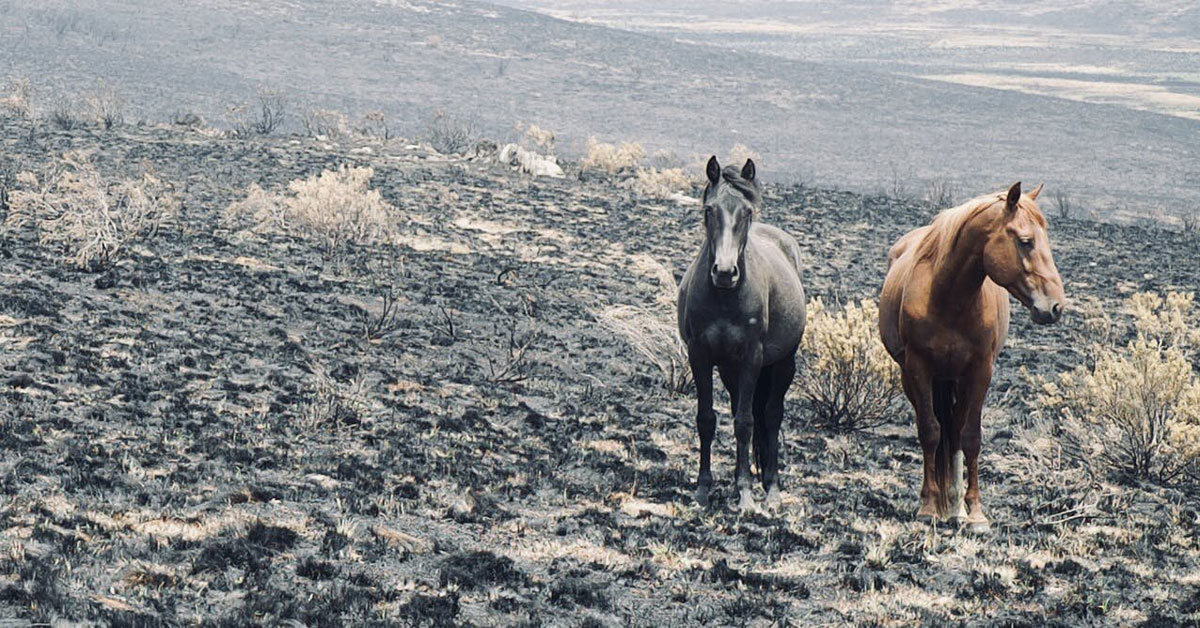
Horses on Currango Plain in Kosciuszko National Park, immediately after the December 2020 bushfires. Credit: Photo by Alex Bonazzi, used with permission from Invasive Species Council.
An open letter to the NSW Environment Minister Matt Kean published today calls on the NSW Government to work towards removing all feral horses from every NSW protected area.
The letter from the Australian Academy of Science has 69 signatories including Fellows of the Academy, other researchers and seven science organisations. It says all feral horses must be removed to protect the native Australian plants, animals and ecosystems of Kosciuszko National Park and other national parks affected by feral horses in NSW, such as Barrington Tops, Guy Fawkes, Oxley Wild Rivers and the Blue Mountains.
The letter states this is feasible because horses can be kept on private property, protecting the cultural values they have for some people. The letter also cites recently published research which found 71% of survey respondents agreed it is acceptable to cull feral animals if they are harming threatened species.
The letter also calls for more immediate steps to strengthen the Draft Kosciuszko National Park Wild Horse Heritage Management Plan currently out for public consultation.
Recommendations in the letter include to:
- reduce feral horse numbers rapidly to well below the preliminary target of 3,000 by using all available methods that are effective and meet animal welfare standards
- protect all of Kosciuszko National Park and not compromise one third of Kosciuszko National Park by designating horse retention areas
- rescind the Kosciuszko Wild Horse Heritage Act 2018 which continues to be a legal impediment to effective national park management, completely at odds with the National Parks and Wildlife Act 1974 and the core principles of protected area management.
The Academy’s President, Professor John Shine, is a signatory on the letter. He welcomed Minister Kean’s previous public commitment to managing the very sensitive areas of the iconic Kosciuszko National Park on the basis of the best available science.
“We now call on the minister to listen to the science, the latest evidence and recommendations on how best to protect the park from the significant damage being done by feral horses,” Professor Shine said.
“To do otherwise would show a disregard for the threatened native Australian ecosystems and species facing imminent extinction and under threat by feral horses.”
The Academy has today also published a submission in response to the public consultation for the Draft Kosciuszko National Park Wild Horse Heritage Management Plan. The submission states:
“Ongoing management of wild horses in Kosciuszko National Park and preservation of its ecosystems will require extensive monitoring, scientific observations and research, as well as a strong commitment to collecting and acting on such data. It will require active, responsive and well-informed management of the feral horse herds with the aim of removing them from the park entirely.
Inaction on the part of the NSW Government has already allowed the herds to grow and the damage to continue. The draft management plan pretends otherwise and is seriously flawed because of it.”
The Academy’s submission includes an evidence brief which summarises research on Kosciuszko National Park since 2018 and looks at horse numbers, horse and fire impacts and more. It finds that management strategies have been insufficient in alleviating the impacts of feral horses.
Statement from the President—Government’s net zero 2050 announcement
The Academy of Science welcomes the Government’s commitment to net-zero emissions of greenhouse gases from human activity by 2050 and is pleased to see recognition that while science and engineering alone will not deliver net zero, there is no realistic path to decarbonisation without advances in research.
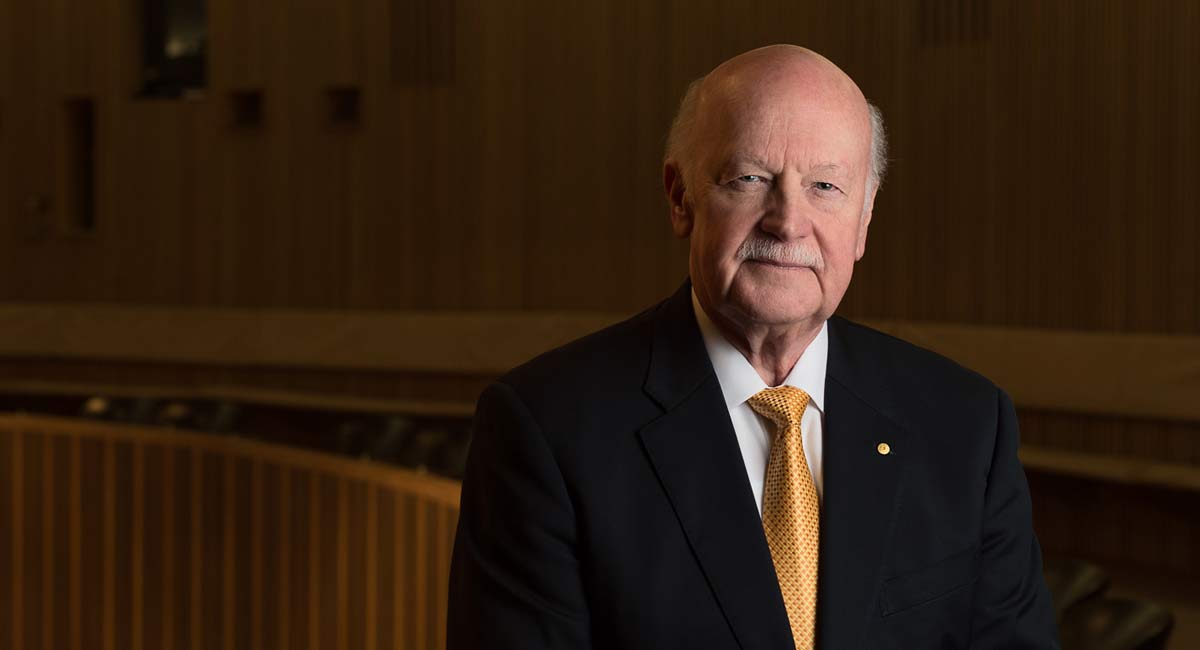
Academy President Professor John Shine
We have seen how research and innovation have been vital in responding to the pandemic where the nation has witnessed the importance of convening scientific, engineering, and economic experts from academia and industry to provide rapid, relevant, timely and independent advice. The same will be essential to deliver the net zero transformation required across all sectors of the economy.
This will be an incredibly complex undertaking that will require coordination across sectors and mechanisms to stimulate technology development at scale.
Capitalising on Australia’s excellent research and innovation capabilities can drive new economic opportunities, skills, and the creation of new well-paid jobs.
The Academy stands ready to assist by providing independent scientific advice on emissions reduction to inform the detailed short- medium- and long- term plans that are needed to achieve net zero by 2050.
The IPCC shows that reaching this target is an absolute minimum if Australia is to avoid potentially insurmountable challenges to our cities, lands, coasts, industries, food and health systems and our economy.
Australians have experienced first-hand the devastating impact of record bushfires and other extreme weather events that cost lives, are a drain on the economy and impact the health and wellbeing of communities for years after each event.
As the driest inhabited continent, with many assets vulnerable to climate change, Australia has a palpable self interest in getting a global commitment to reducing emissions consistent with the Paris targets. Australia is well positioned to play its part in meeting this challenge, with a skilled workforce, strong industrial base and plentiful renewable energy resources facilitating easier emission reductions compared to many other countries.
Time is running out if we want to limit the devastating effects of climate change.
As the report of the IPCC concluded in August, every tonne of CO2 emissions adds to global warming.
Australia must strive to accelerate our transition to net zero greenhouse gas emissions over the next 10 years to play our part in avoiding the worst impacts of climate change. This demands that Australia commits to accelerating emission reductions in the next decade as recommended by the IPCC. On the current 2030 trajectory, 1.5 degrees is unachievable.
Professor John Shine AC PresAA FRS
President
Australian Academy of Science
New climate change hub: a trusted source of climate science and solutions
In the lead-up to COP26, the Academy has launched its Climate change hub: science and solutions—a single point of climate resources for policymakers, researchers and the public.
Accessible science videos, including one explaining the consequences for Australia of a 3°C warmer world, are hosted alongside more detailed scientific reports and evidence briefs, such as explaining the impact of bushfires on soil condition.
The hub also features a selection of Academy Fellows who are experts in the fields of renewable energy technologies and sea level change, as well as climate science.
New climate change hub to be a trusted source of climate science and solutions
In the lead-up to COP26, the Academy has launched its Climate change hub: science and solutions—a single point of climate resources for policymakers, researchers and the public.
Accessible science videos, including one explaining the consequences for Australia of a 3°C warmer world, are hosted alongside more detailed scientific reports and evidence briefs, such as explaining the impact of bushfires on soil condition.
The hub also features Academy Fellows who are experts in the fields of renewable energy technologies and sea level change, as well as climate science.
“Australians know the Academy is a trusted source of scientific information and the climate change hub is designed to make that information accessible so informed decisions can be made,” said Academy Chief Executive, Anna-Maria Arabia.
“We want Australians from all walks of life to be able to engage with climate science and learn more about the science-led solutions that will pave the way to a sustainable future.”
The Academy has 2.5 million followers on social media, and Academy videos and articles about climate science remain popular across its outreach networks.
The hub resources include:
- videos, articles and reports explaining the science of climate change
- evidence briefs synthesising the scientific evidence on the impact of bushfires on soil condition, wildlife recovery, ecosystems and human health.
- reports, strategies, position statements and submissions to government related to climate change.
Report: Advancing Data-Intensive Research in Australia
The Australian Academy of Science has launched a new report: ‘Advancing Data-intensive Research in Australia’.
The report, launched at the virtual eResearch Australasia conference, was written by Emeritus Professor Michael Barber FAA (lead author), Professor Jane Elith FAA, Dr Danny Kingsley and Dr Ayesha Tulloch.
It presents findings from consultations with the research community on the challenges and opportunities of data-intensive research in Australia.
While data has always been the bedrock of scientific research, technology-driven advances in data collection – together with advances in computation, communications and storage – are dramatically increasing the volume and the nature of data available for research.
Combined with significant advances in data analytics, including the emergence of the new discipline of data science, these developments are impacting all fields of science and technology and many fields outside STEM, including the humanities.
They are enabling research that was previously not possible, including:
- from the frontiers of the universe—the first images of a black hole
- the global response to COVID—modelling the pandemic and the creation of vaccine in record time was only possible because of the new data technologies
- important Australian issues—the impact of bushfires on wildlife and the transcription of Indigenous languages.
Emeritus Professor Michael Barber said that in a real sense, all research is now data-intensive research.
“However, as significant as these developments are, the report finds that for Australia to fully exploit data-intensive research, we need to address some critical issues,” Professor Barber said.
These include:
- a coherent and strategic approach to the next phase of investment in the enabling infrastructure
- the adoption of coherent and integrated research data policies and practice covering data for research and data from research
- an upskilling of the research work force in data skills and ‘savviness’
- a targeted investment in underpinning research in enabling data science.
The report also describes how advances in data science and data-intensive research are challenging some of the fundamental tenets of scientific research, such as ethics, transparency and replicability, and thereby potentially affecting trust in science.
The report recommends strengthening the governance of research integrity and calls for a national policy statement on ensuring research integrity for Australia.
The report is essential reading for researchers and their employing institutions, particularly universities, funding councils and agencies, publicly funded research agencies (PFRAs), professional societies, learned academies, policy makers and organisations charged with maintaining and building Australia’s eResearch infrastructure.
The Academy gratefully acknowledges funding provided by the Australian Research Council under the Linkage Learned Academies Special Projects (LASP) scheme to support this project.
Academy condemns trolling, bullying and harassment of scientists simply for doing their job
Academy President Professor John Shine
A new survey by the Australian Science Media Centre (AusSMC) has found one in five Australian scientists experienced death threats and/or threats of physical or sexual violence after speaking to the media about COVID-19.
Professor John Shine, President of the Australian Academy of Science, said the results of the survey are shocking but not surprising.
“The Academy has also received a number of anecdotal reports from researchers who have been bullied, harassed or the subject of death threats during this pandemic, simply for doing their job,” said Professor Shine.
“It is unacceptable that scientists have been subject to this abhorrent behaviour, particularly while many have been working tirelessly for the public good and providing their expertise and advice on COVID-19 as Australia has navigated the pandemic.
“This is a global issue with researchers around the world also facing serious threats to their personal and professional lives as a result of their research on COVID-19, as highlighted recently by the International Science Council.
“All scientists should be free to go about their work, share their expertise and promote their research in appropriate fora without fear of intimidation or violence from individuals, groups or governments.”
“Despite these attacks on scientists by a vocal minority, it is important to note that Australian’s trust in scientific bodies remains high as evidenced by a number of surveys.”
Team responsible for cancer research breakthrough wins Eureka Award
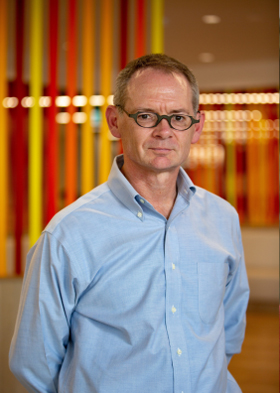
Professor Justin Gooding led the team that won the 2021 Eureka Prize for Innovative use of Technology. Image courtesy UNSW
A breakthrough bioprinting system that can rapidly produce 3D cell structures is set to be a game-changer for cancer research and therapeutic development.
Academy Fellow Professor Justin Gooding led the team which has been awarded the Eureka Prize for Innovative use of Technology for its work on the bioprinting system. The team was made up of researchers from UNSW Chemistry, Australian Centre for NanoMedicine, Children’s Cancer Institute and Inventia Life Science Pty Ltd, and includes Professor Gooding, Professor Maria Kavallaris, Dr Julio Ribeiro, Dr Aidan O'Mahony, Dr Robert Utama and Dr Lakmali Atapattu.
While 3D cell culturing offers vastly enhanced models of cell structures than 2D methods, it remains slow and expensive. The new bioprinting system can produce 3D cell structures with unprecedented cell viability and tunability.
According to UNSW, Professor Gooding said it has been an incredibly exciting journey that reached a real high receiving the Eureka Prize.
“The technology addresses an incredibly important problem in terms of potentially playing an important role in personalising cancer treatment. What we have achieved would not have been possible if we were not part of a great team from both industry and academia who worked in an integrated way towards a common vision. For me, it really shows what universities and companies can do together when they truly work together as partners.”
It's not Professor Gooding's first Eureka prize; he was awarded the University of Technology Sydney Eureka Prize for Outstanding Mentor of Young Researchers in 2017.
The 2021 science Nobel Prizes: Academy Fellows respond
This week the three prestigious Nobel Prizes for science were announced for the fields of Physiology or Medicine, Physics, and Chemistry. Here’s how some of the Academy’s Fellows responded to the announcement.
The Nobel Prize in Physiology or Medicine 2021
The 2021 Nobel Prize in Physiology or Medicine was jointly awarded to David Julius and Ardem Patapoutian “for their discoveries of receptors for temperature and touch”.
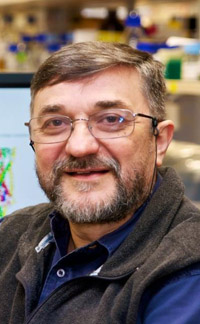
Professor Boris Martinac FAA
Professor Boris Martinac FAA says:
The award of the 2021 Nobel Prize in Physiology or Medicine to David Julius and Ardem Patapoutian for their discoveries of vertebrate thermo- and mechano-receptors recognises the significance of the evolutionary inherent sensing the surrounding environment and responding to changes within it by the living organisms from bacteria to humans.
Without the ability to receive sensations of touch, hearing, sight, taste, smell, temperature or pain, the outside world would cease to exist for vertebrate organisms, including humans, which emphasises the importance of sensory input for the existence of life. David Julius identified TRPV1 ion channel, a thermoreceptor activated by temperatures above 42oC, which are perceived as painful, whereas Ardem Patapoutian discovered the family of mechanosensitive Piezo ion channels serving as mechanoreceptors in senses of touch and pain.
Prior to these great discoveries, I and my former mentor Ching Kung at the University of Wisconsin-Madison firmly established the existence of mechanosensitive channels through their discovery and characterisation of this type of ion channels in the Escherichia coli bacterium, where they play an essential role in regulation of the cellular osmotic pressure. This breakthrough achieved in the late 1980s led the way to this year’s Nobel Prize for Physiology or Medicine.
Professor David Burke AC FAA FTSE says:
For over 100 years, researchers have probed how sensory receptors in skin and muscle respond to different inputs, which nerve fibres and nerve cells transmit the signals to the spinal cord, which pathways carry the messages up the spinal cord to the brain, whether the signals are modulated during transmission, and how the arriving information is processed by the brain. Australia has a long history of seminal contributions in these areas of sensation.
The major gap in our knowledge lay in the precise mechanisms through which sensory receptors in skin and muscle translate the applied stimulus (mechanical, thermal, noxious, irritant) into nerve impulses. This gap has been filled by the seminal studies of the Nobel awardees and their research teams. They have identified the molecular changes that allow thermoreceptors to detect changes in temperature, nociceptors to detect noxious stimuli and mechanoreceptors to detect touch, pressure and displacement.
While the focus of the Nobel Prize is on sensation, this seminal research has opened up new avenues for exploration of other bodily functions. The importance of the discoveries is not just theoretical: they identify another mechanism through which sensation can be modulated, alleviating distressing symptoms in patients with peripheral nerve diseases or skin disorders. The promise of this research is that, based on the known underlying mechanisms, medications can now be developed to control, e.g., neuropathic pain, inflammation, excessive sensitivity. Hopefully, agents targeting ion channels on sensory receptors may not have the undesirable addictive properties of opiates.
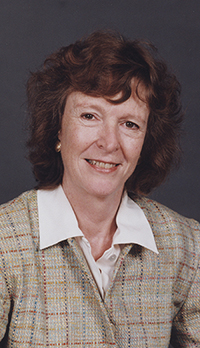
Professor Elspeth McLachlan FAA
Professor Elspeth McLachlan FAA says:
Neurophysiologists have studied the processes of temperature and touch sensation for over a century, including in Australia. The early research defined the types of nerve fibres that carried signals towards the brain and the brain centres that received these signals and clarified the responses to each specific type of signal. Australians such as Darian-Smith, Goodwin and Rowe (touch), Gandevia (respiration), McCloskey and Gandevia (perception of body position), Korner (cardiovascular and respiratory regulation), have undertaken neurophysiological studies on sensation and sensory reflexes that result from particular stimuli.
Julius and Patapoutian have added a new dimension that expands the possibilities of research into many aspects that were previously impossible. They identified the genes for particular ion channels by expressing them in the membranes of isolated cells and applying the specific stimuli. The family of TRP channels discovered by Julius include TRPV1 (sensitive to capsaicin, which is in chili peppers, and to heat) and TRPM8 (sensitive to cold) as well as several others present on nerve and muscle cells and in the brain. Patapoutian’s main discovery was of mechanosensitive channels which he named Piezo1 (in nerve endings in skin and in visceral organs) and Piezo2 (sensitive to light touch and joint position, to lung stretch). The structure and behaviour of these channels at the molecular level is now being revealed. The distribution of nerves having these channels can be demonstrated in many different tissues and their function investigated by pharmacological or genetic manipulation.
The Nobel Prize in Physics 2021
This year’s Nobel Prize in Physics was jointly awarded, with one half going to Syukuro Manabe and Klaus Hasselmann and the other half to Giorgio Parisi, "for groundbreaking contributions to our understanding of complex systems".
The Nobel Prize for Physics was awarded this week with one half jointly going to Syukuro Manabe, Klaus Hasselmann and the other half to Giorgio Parisi.
— Australian Academy of Science (@Science_Academy) October 7, 2021
They have laid the foundation of our knowledge of the Earth’s climate and how humanity influences it. #NobelPrize pic.twitter.com/9YAXeVPwvx
Dr Steve Rintoul AO FAA says:
It is wonderful to see the achievements of Manabe, Hasselmann and Parisi recognised. Their work showed that the complex system that is the Earth can be understood, and that the laws of physics can be used to anticipate the influence of human activities on climate.
While responding to climate change remains an immense challenge, we would be lost without their fundamental advances that have made it possible to make projections of future climate.
For Australia, which is more exposed to climate variability and change than many nations, their work has been of profound importance. The climate model developed and used in Australia can trace a direct lineage to the models developed by Manabe and colleagues at the Geophysical Fluid Dynamics Laboratory in Princeton, and we continue to work closely with them.
Physics of the Earth system has not always been recognised as a legitimate topic for a serious physicist. To see the Nobel Prize in Physics go to earth scientists is recognition of both the difficulty and relevance of understanding how the earth works.
The Nobel Prize in Chemistry 2021
The Nobel Prize in Chemistry 2021 was jointly awarded to Benjamin List and David MacMillan “for the development of asymmetric organocatalysis”.

Professor Kate Joliffe FAA
Professor Kate Joliffe FAA says:
The 2021 Nobel prize for the "development of asymmetric organocatalysis" recognises that the development of methods to synthesise new molecular structures or to simply improve the way that we synthesise known structures is extremely powerful. This underlying methodology facilitates the synthesis of molecules for a wide range of applications in our daily lives – from the development of pharmaceuticals, polymers and plastics to new materials for use in solar cells and batteries.
Catalysts are substances used to accelerate and control chemical reactions, but they are not themselves consumed during the reaction. Traditionally, catalysts have been metals or enzymes, but small, chiral organic compounds can catalyse complex reactions. They can also do this in a way that promotes the formation of only one mirror image of ‘chiral’ or ‘handed’ molecules, which is of particular importance in the synthesis of pharmaceuticals. Organocatalysts are generally cheap, easier to produce than enzymes and have lower toxicity than metal catalysts, with potential to make synthetic routes ‘greener’ in the future. For example, a key chiral intermediate in the synthesis of Paroxetine, an antidepressant, can be synthesised on a multigram scale by using an organocatalyst without the need for solvent.
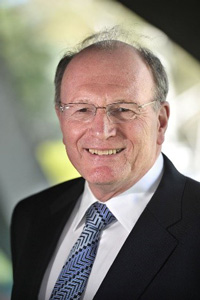
Professor Andrew Holmes AC FAA FTSE FRS
Professor Andrew Holmes AC FAA FTSE FRS says:
The Prize recognises the importance of sterocontrolled organic synthesis. Many pharmaceutical drugs and agrochemicals are manufactured in this manner. Most are chiral, meaning that they can exist in two non-superimposable mirror image forms, just like our hands.
The drug thalidomide was found to cause distressing limb defects in babies born to women who had taken thalidomide to relieve morning sickness. It was withdrawn in 1961, and the cause of the birth defects was attributed to the fact that one of the two mirror image forms of the thalidomide molecule damaged the developing foetus.
It therefore became essential that pharmaceutical companies identified and used just one of the two possible mirror image forms. It is here that organocatalysis comes to the rescue. A catalyst accelerates a reaction without being consumed. Asymmetric organocatalysis involves molecular catalysts of a chemical reaction that deliver just one of the two possible mirror image forms of a chiral product. These organocatalysed reactions can now make single mirror image forms of numerous molecules more efficiently than enzymic processes. Organocatalysis is replacing metal-mediated catalysis in synthesis, thus leading to more sustainable manufacturing processes. It is practised widely in Australian universities, in CSIRO and industry.
Find out more about the 2021 Nobel Laureates and their work at the 2021 Nobel Prizes website.