




New report: COVID-19 has exacerbated gender inequity in the STEM workforce across the Asia-Pacific


A new report launched today by the Australian Academy of Science has found that the impact of COVID-19 on women in the STEM workforce across the Asia-Pacific region has heightened the challenges and barriers they face in progressing their careers.
A survey conducted as part of the report found almost half of the women surveyed with caring responsibilities do not have access to flexible work, despite 60% of them saying flexible arrangements could better support their working conditions.
The survey included responses from 1109 individuals, including 865 women, from 31 Asia-Pacific countries and economies. This survey provides new evidence of the extent and impact that COVID-19 has had on the STEM workforce across the region.
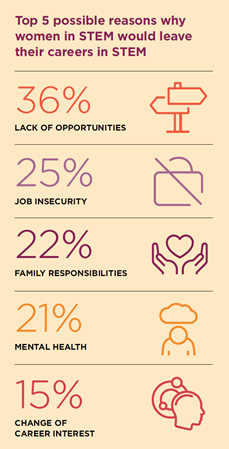
Top five possible reasons why women in STEM would leave their careers in STEM
The report calls for STEM-related organisations across the Asia-Pacific to embed more flexible workplace cultures and to recognise that for those working in STEM research, flexible measures of work productivity are needed, especially in terms of publication records.
The worsening of gender inequity in the STEM workforce across the region has been brought about by changes in lifestyle and the blurring of boundaries between the spheres of work and home, along with increased domestic and caring responsibilities.
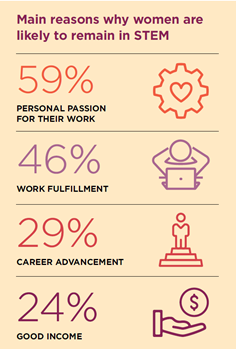
Main reasons why women are likely to remain in STEM
The report found the pandemic has also impeded work productivity, increased precarious and insecure work arrangements, and reduced access to research facilities and workplaces due to lockdown arrangements.
These new conditions have had a significant impact on individual wellbeing, with the survey finding 50% of survey respondents reporting negative mental health impacts in relation to work or home life.
Despite the impacts of the pandemic, the survey found personal passion for their work (59%) and work fulfillment (46%) are the main reasons why women are likely to remain in STEM. 72% reported that their short-term career expectations were to remain in the STEM workforce.
Chair of the report’s Steering Committee, Emeritus Professor Cheryl Praeger, said the report has revealed that the pandemic continues to profoundly affect the lives and day-to-day activities of women in the STEM workforce at every level.
“Different parts of the Asia-Pacific region have different capacities to respond to these negative impacts. Regional collaboration, together with supportive workplaces and communities, can minimise gendered impacts of the pandemic on the STEM workforce.
“Solutions are offered in the report for all parts of STEM, particularly the need for flexibility in workplaces for all genders, and flexibility in grant applications and delivery,” Emeritus Professor Praeger said.
The report also highlights 20 personal stories from nine Asia-Pacific countries and looks at ways the region can future-proof and enhance a diverse STEM workforce in the Asia-Pacific.
This project was funded by the Regional Collaborations Programme, administered by the Australian Government’s Department of Industry, Science, Energy and Resources (DISER).
About the survey
A wide range of STEM disciplines and all career stages were represented in the survey responses. Women in chemistry were the biggest group (13%), followed by women in physics and mathematics (12%), and biology (11%). More than 80% of all respondents had attained post-graduate qualification. Women aged 35 to 44 years (37%) were the main age group who completed the survey. Just over 25% of the survey respondents were from Australia. The countries of survey respondents are on page 16 of the report.
Online event—13 July
A free online event was held on 13 July with Professor Cheryl Praeger outlining the research project’s key findings. A panel discussion followed hosted by Australia’s Women in STEM Ambassador Professor Lisa Harvey-Smith and featuring the following STEM experts: Dr Judith Zubieta (National Autonomous University of Mexico), Hazami Habib (CEO Academy of Science Malaysia) and Professor Patricio Felmer (University of Chile). Watch the recording of this event.
National roundtable to bring together experts to set future priorities for RNA science and research
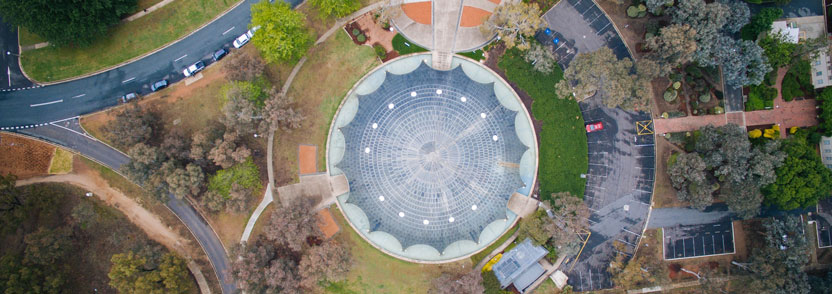
A roundtable in July will bring together experts from the university and research sector, public sector, not-for-profit entities and industry.
World-leading experts will come together for a national roundtable at Australia’s home of science next month to map out Australia’s national priorities for RNA science and research. The one-day invitation-only event at the Shine Dome will be hosted by the Australian Academy of Science, in partnership with the Australian RNA Production Consortium (ARPC).
RNA, or ribonucleic acid, is a molecule that plays a central role in the function of genes. RNA technology is now being used to develop a new class of vaccines, including the mRNA vaccine to protect against COVID-19.
Its success to date has drawn sustained public interest in the technology. It has also triggered significant public and private investment to establish capabilities from research through to clinical and commercial onshore mRNA manufacturing.
Given the efficacy and flexibility of mRNA-based vaccines, Australia is now working towards developing a sovereign capability to deal with the ongoing COVID-19 crisis and future pandemics.
It is clear that applications of mRNA as well as other forms of RNA, such as siRNA, miRNA and gRNA, have huge potential in medicine beyond vaccines, and more broadly in the biotechnology and agricultural sectors.
Australia must seize this opportunity to create an innovative RNA research and development ‘ecosystem’ and become a strong global player for this disruptive industry, creating and manufacturing high-value RNA-based products here and exporting them to the world.
Australia must seize this opportunity to create an innovative RNA research and development ‘ecosystem’ and become a strong global player for this disruptive industry, creating and manufacturing high-value RNA-based products here and exporting them to the world.
Australia is well placed in this space with many world-leading experts in RNA science and biomaterials located within our universities and research institutes. As with our past investments in genomics, biologics, stem cells and cell therapies, we need to provide resources and incentives to further promote RNA product discovery, support innovation and creation of new IP. This will also foster establishment of new companies, create new products and provide new job opportunities.
The Academy is hosting a roundtable from 10 am to 2:30 pm on Thursday 29 July, which will bring together experts from the university and research sector, public sector, not-for-profit entities and industry.
The roundtable will:
- identify Australia’s RNA research strengths
- define research priorities and provide guidance on how to build a national RNA technologies ecosystem
- discuss how to build a framework that will create a pipeline of knowledge from discovery to translation, leading to clinical stage and commercial RNA manufacturing in Australia.
Following the conclusion of the roundtable a full report on the outcomes will be made publicly available.
For enquiries about the roundtable please email Dr Hayley Teasdale (hayley.teasdale@science.org.au).
Tackling regional challenges through international scientific collaboration
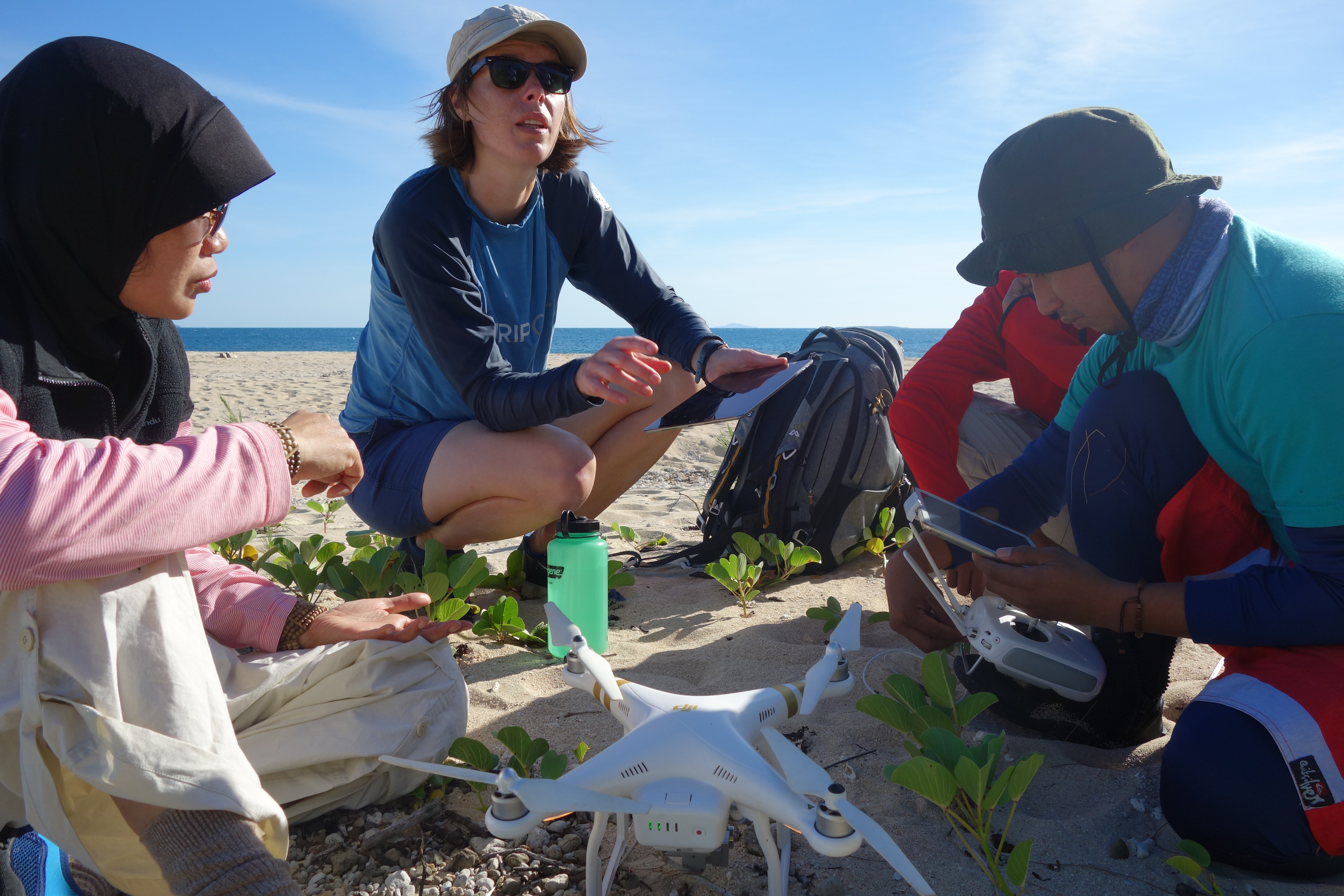
International collaboration drives Australia’s scientific output, providing researchers with greater access to the world’s knowledge, expertise, technology, infrastructure and capital.

Dr Jin Han, an early-career researcher from the Black Dog Institute, will use her RCP Digital Grant to deliver an online mental health course to help international students develop effective stress coping strategies and psychological resilience post COVID-19.
The Regional Collaborations Programme (RCP), launched in 2016 as part of the Australian Government’s Global Innovation Strategy, supports Australian researchers and businesses to build strong linkages in the Asia-Pacific region by funding multi-partner science, research and innovation activities that deliver innovative solutions to shared regional challenges.
Working closely with the Department of Industry, Science, Energy and Resources, the Australian Academy of Science draws on its network of Fellows, its national profile and its international reputation to deliver several Australian Government-funded science programs and initiatives to support international collaboration.
The Academy has delivered two rounds of the RCP, funding 14 projects and five workshops. To date, two projects and workshops have been completed, and Australian researchers have engaged with partners from 32 economies.
The RCP was designed to be flexible, and in response to COVID-19, the Department worked with the Academy to develop a suite of projects to address the global challenge of the pandemic:
- 26 RCP-COVID-19 Digital Grants were awarded to early and mid-career researchers to support digital methods of collaboration to address challenges related to the pandemic.
- A series of webinars on regional science and innovation responses to COVID-19 has brought together experts from across the region.
- A project examining the impacts of COVID-19 on women in the STEM workforce in the Asia-Pacific region, is building on the Rapid Research Information Forum’s report which found that women in STEM in Australia are disproportionately impacted by COVID-19.
This story was provided by the Department of Industry, Science, Energy and Resources, a supporting partner of Science at the Shine Dome

Science safeguarding Australia’s biosecurity

The COVID-19 pandemic has reminded us how important biosecurity is: pathogens can enter Australia, become established and spread quickly. Our national biosecurity system safeguards Australia against many different threats affecting our industries and way of life. Some pests can have a significant impact on our physical wellbeing, such as tramp ants, an invasive species with a painful bite that may inhibit outdoor lifestyles. Agricultural diseases can damage plant crops and threaten people’s livelihoods, such as Panama disease tropical race 4, an incurable fungal disease that affects bananas and was detected in Queensland in 2015. We have also witnessed how a highly contagious virus devastated the Australian horseracing industry in 2007 with an outbreak of equine influenza.
Science plays an important role in reducing the threat of pests and diseases causing damage to the economy, the environment and social amenities. The Centre of Excellence for Biosecurity Risk Analysis (CEBRA) is a biosecurity risk research hub based at the University of Melbourne undertaking applied research to help prevent and mitigate biosecurity breaches. Together with its funding partners, the Australian Government Department of Agriculture, Water and the Environment (DAWE), and New Zealand’s Ministry for Primary Industries, CEBRA researches practical, custom solutions for contemporary biosecurity risk management problems.
CEBRA’s work has had numerous positive impacts. A profiling approach that CEBRA developed for managing biosecurity risk associated with international passengers, mail and cargo has had a tangible impact on processing efficiency.

“CEBRA’s analysis highlighted the areas of higher and lower risk which enabled the department to better target its activities at the highest risks in order to get the best biosecurity outcomes,” says Tim Chapman, DAWE Biosecurity Animal Division (rt’d). “This was a significant change and improvement from past mass screening practices.”
CEBRA’s research into efficient risk-based inspection regimes and the influence of incentives on importer behaviour enabled the regulator to develop and then expand a compliance-based intervention scheme for a range of plant-product import pathways.
Brendan Woolcott, DAWE Biosecurity Plant Division, Plant Import Operations, said compliance data has increased the efficiency of service delivery without compromising the protection of Australia’s assets.
"The use of compliance data to automatically adjust intervention levels has been a game changer for Plant Import Operations".
CEBRA is also proudly collaborating with the Australian Academy of Science on producing high quality science video communications to tell these stories to the world.
This partner story was provided by CEBRA, Bronze Event Partner of the Academy’s flagship event, Science at the Shine Dome 2021.
Banking on STEM
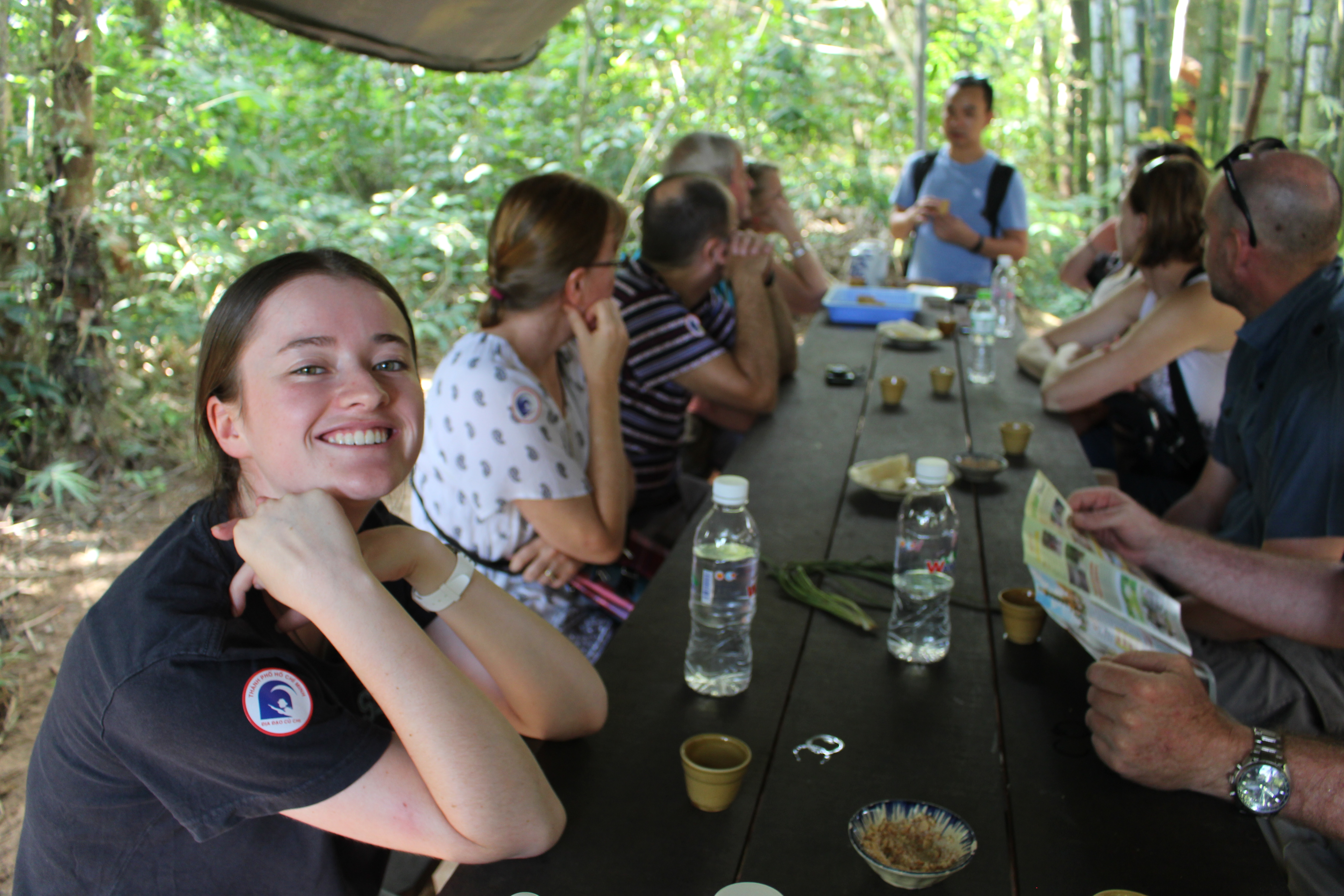
UniBank’s commitment to STEM (Science, Technology, Engineering and Mathematics) in the university sector and beyond has seen them continuously support major STEM related events and programs alongside the Academy, including the Women in STEM Decadal Plan, Catalysing Gender Equity 2020, and now Science at the Shine Dome.
UniBank also supports Australian universities with their ‘Three Minute Thesis’ competitions, as well as innovative scholarships created to encourage more women to continue working in STEM related fields.
Since 2018, UniBank has provided a Women in Physics Prize in partnership with RMIT University to encourage and support women in traditionally male-dominated STEM areas of study.
Recent award recipient, Elise Blanchfield, is currently studying physics at RMIT and used her prize to support her study expenses.
“I already love studying physics and now getting an award for it has motivated me to continue aiming for my best,” she said.
Ms Blanchfield is considering specialising in optics or astronomy and is excited about her future in Australian STEM.
“The award is a huge motivator. Seeing that my hard work and interest in physics was not only noticed, but worth an award, reinforced my enthusiasm.”
“I’m thankful to UniBank for making that possible—I never thought I’d be lucky enough to win one!”
Through actions like this, UniBank has shown that a bank can be both profitable and socially responsible. While big banks invest 0.3-0.6 per cent of profits after tax in the community, UniBank gives 7.2 per cent back to their members.
Advocacy, passion and sustainability are the drivers behind UniBank’s commitment to operate as a world leading ethical business.
UniBank has proudly maintained its status in the business world as one of the World’s Most Ethical Companies for six years in a row.
Its ‘Feel-Good Wealth’ approach means member money will never be invested in the fossil fuel industry, and money loaned will not be received by environmentally damaging industries.
In addition to strict investment policies, UniBank acts for the environment by ensuring that carbon emissions from their electricity and fuel use are offset to zero.
It's all part of UniBank’s ongoing commitment to being a world-leading socially responsible bank.
When you join UniBank, you can rest assured that your money is managed ethically and responsibly by a member-owned bank with solid credentials, not slogans.
This story was provided by UniBank, a Gold Event Partner of the Academy’s flagship event, Science at the Shine Dome in 2021.
Four Academy Fellows recognised in Queen’s Birthday honours

From left: Emeritus Professor Kurt Lambeck, Professor Evans Lagudah, Dr Steve Rintoul and Emeritus Professor Jim Williams.
Four Academy Fellows have been recognised in this year’s Queen’s Birthday honours, receiving the Order of Australia for their outstanding service or exceptional achievements.
Companion of the Order of Australia
Emeritus Professor Kurt Lambeck AC FAA FRS is recognised for eminent service to science, particularly to geophysics and geodesy, through research roles at the national and international level, to professional scientific organisations, and to education. Professor Lambeck was President of the Academy from 2006 to 2010 and was awarded the Prime Minister’s Prize for Science in 2018.
Officer of the Order of Australia
Professor Evans Lagudah AO FAA is recognised for distinguished service to agriculture and food science as a researcher in the area of wheat genetics.
Dr Steve Rintoul AO FAA is recognised for distinguished service to climate science through oceanographic and Antarctic research and policy development.
Emeritus Professor Jim Williams AO FAA FTSE (ANU) is recognised for distinguished service to the physical sciences, to tertiary education, and to professional scientific organisations.
The Academy warmly congratulates the Queen’s Birthday honours recipients.
Chronic pain relief from the unlikeliest of places
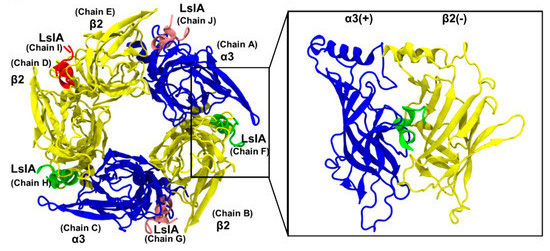
Top view of conotoxin LsIA binding to a receptor. Image from a paper by Wen, Adams and Hung in the journal Marine Drugs.
Sufferers of chronic pain know the debilitating consequences of the illness. Existing treatments for chronic pain tend to activate a wide range of receptors in the brain instead of just the few specific ones being targeted. Each receptor subtype has a different role, and off-target effects on the wrong receptor subtype can cause serious problems.
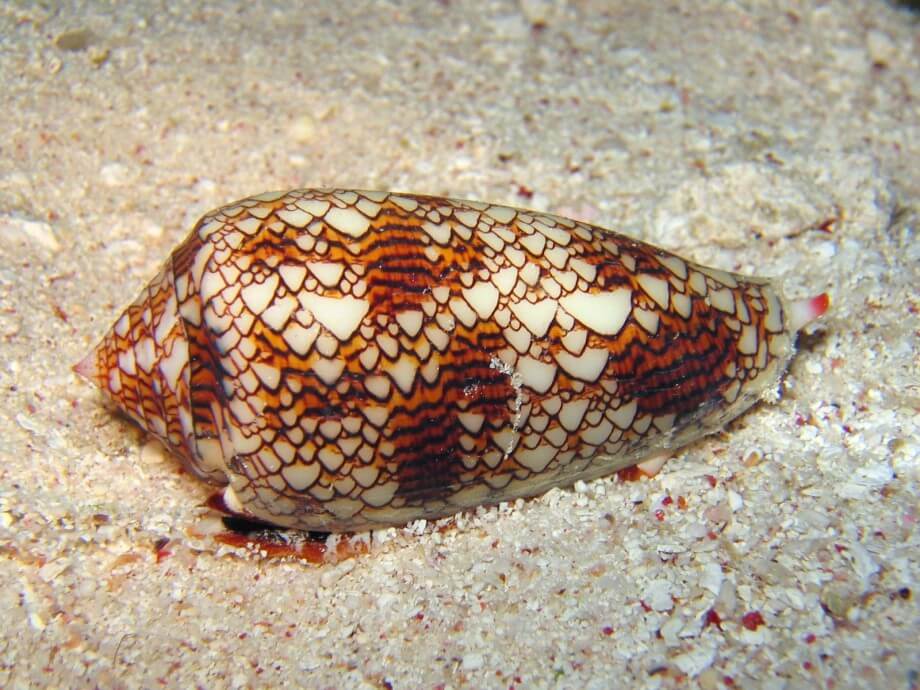
If we could find or create larger and more carefully shaped drug molecules, they would be able to selectively bind only to targeted receptors. Off-target activations of other receptors would be eliminated. To find suitable molecules, researchers have turned to an unlikely source: venom from marine cone snails. Conotoxins, the compounds found in cone snail venom, are a growing source of interest for novel pain relief treatments.
Dr Andrew Hung from RMIT University is conducting detailed molecular dynamics simulations on the National Computational Infrastructure’s Gadi supercomputer to learn how conotoxins interact with target receptors in the brain. Using a large number of Gadi nodes to simulate many possible toxins in combination with different receptor subtypes, the research team has been able to make predictions tested and validated by experimental collaborators.
“Gadi allows us to simulate the movements of these complex molecular systems for long enough to get a more accurate idea of how a protein really moves,” says Dr Hung. “It’s like a Bruce Lee movie: if you only see the opening credits, Bruce Lee doesn’t seem to do much. But watch the whole movie, and his impressive range of movements become obvious.”
Modelling the protein and drug interactions for an extended period of time using powerful HPC systems is important. A protein’s movement is closely tied to its function, but the effects causing those movements might not be obvious at first. In some cases, a drug might only slightly alter a protein’s structure—and thus its movement—through a series of subtle steps that take some time to come about. The Gadi supercomputer allows researchers to model complex molecular interactions in exquisite detail.
This story was provided by National Computational Infrastructure, a supporting partner of Science at the Shine Dome.
Cooperation, grassroots action and First Peoples’ knowledge will unlock Australia’s blue economy

85% of Australians live within 50 kilometres of the ocean, placing them within the ‘blue ribbon’—the interconnected waterways, coasts and seas that surround Australia and support major industries, provide recreation and cultural heritage to communities, and offer new economic frontiers like offshore energy.
But there is an urgent need to manage this blue ribbon in a more sustainable way, to both build resilience to threats and position Australia for the huge opportunities associated with a sustainable blue economy.
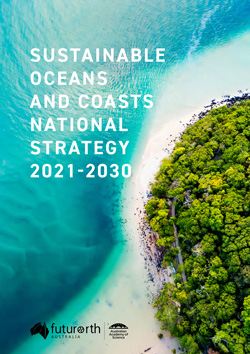
A ten-year strategy launched today by Future Earth Australia, a program of the Australian Academy of Science, presents a national implementation plan to ensure healthy coasts and oceans for a just and environmentally sustainable future.
The strategy was launched at the Sustainability Research & Innovation Congress 2021, the world’s first transdisciplinary gathering in sustainability. Representatives from research, industry, government and civil leaders from over 110 countries are attending the conference.
The strategy is a bottom-up, cross-sectoral plan that was developed through deep consultation across the country, with strategic oversight from an Expert Working Group composed of leading ocean and coastal researchers and practitioners.
Director of Future Earth Australia, Dr Tayanah O'Donnell, says a lack of national coordination and integration has held our oceans and coasts back from being of benefit to all Australians.
“This strategy outlines the steps needed to transform how we think about, govern and protect oceans and coasts across Australia, and will serve as a blueprint for the national change that Australia’s oceans and coasts need,” says Dr O'Donnell.
“It also provides evidence-based ideas and frameworks that can support existing initiatives, such as the Government’s $100 million oceans and coasts investment package announced in April, and positions Australia to lead on the international stage during the United Nations Decade of Ocean Science for Sustainability.”
Among the seven recommendations in the report is a call for a national agency to coordinate ocean and coastal governance across all tiers of government.
Emeritus Professor Nick Harvey, co-chair of the Expert Working Group, says that each state has a different approach to coastal management.
“The strategy recognises that our oceans and coasts do not respect state or other jurisdictional boundaries. We need a coordinated and sustainable management approach involving all levels of government.”
In addition to this top-down call for coordinated governance, the strategy highlights the key role of local, grassroots initiatives that increase community trust and promote local stewardship of oceans and coasts.
The success of this approach can be seen in Coastcare, a successful Australian community-based coastal stewardship program that linked three tiers of government and the community toward a common purpose, using a combination of local and federal funding for a network of regionally based staff working to manage our coasts.
CSIRO’s Dr Beth Fulton is co-chair of the Expert Working Group. She says multi-level approaches like these can provide great opportunities for coastal and remote communities without having to put ecosystems on the line.
“We are sitting on the cusp of a future based around the oceans, so it is important we get it right from the start because oceans are so central to how our ecosystems, atmosphere and communities work,” Dr Fulton says.
The strategy also recommends that First Peoples’ knowledge and practices be elevated into ocean and coastal management to empower Indigenous leadership.
Professor Martin Nakata of James Cook University, a member of the Expert Working Group, says the immense value of connecting across knowledge systems can be seen in the successful land and sea management strategy for the Torres Strait.
“This brought together western science, management experience and the knowledge of Traditional Owners to jointly determine a vision and agree on the best pathways and mechanisms to achieve that vision.”
Expert Working Group member Professor Emma Johnston from UNSW Sydney says the most difficult challenge will not be the development of sustainable practices, but their implementation.
“This is the decade of reckoning: reckoning the impact of humans on our oceans and coasts and reckoning for past mistakes (and misdeeds) in environmental management,” says Professor Johnston.
“Our future depends on the creation of just, agile and highly integrated governance for our rapidly changing oceans and coasts.”
Read the Sustainable oceans and coasts national strategy 2021–2030
Future Earth Australia
Future Earth is a global sustainability, research, and innovation network. Future Earth Australia is the Australian and Oceania arm of Future Earth. It enables Australian researchers, governments, industry and NGOs to collaborate with each other and with international networks.
Mission to map Australia’s biodiversity predicted to bring big economic benefits
A new report by Deloitte Access Economics has found every $1 invested in discovering all remaining Australian species will bring up to $35 of economic benefits to the nation.
The cost-benefit analysis of the value of discovering new species has never before been attempted in Australia. It comes as scientists launch a new mission to discover and document all Australian species that remain undiscovered and unnamed within a generation.
The 25-year mission being launched today is led by the Australian Academy of Science’s Director of Taxonomy Australia, Adjunct Associate Professor Kevin Thiele.
He says many Australians would be surprised to know that after more than 300 years of Western scientific exploration of Australia’s rich biodiversity, only 30% of Australia’s estimated 750,000 species have been named and documented so far.
“Without this mission, it’s likely to take more than 400 years to discover all remaining Australian plants, animals, fungi and other organisms. A 16-fold increase in the annual rate of discovery is required over the next 25 years to meet this ambitious goal.
“Combining the skills of our current and future scientists with new technologies such as genome sequencing, artificial intelligence and supercomputing makes this ambitious goal achievable by 2050.
Combining the skills of our current and future scientists with new technologies such as genome sequencing, artificial intelligence and supercomputing makes this ambitious goal achievable by 2050.
“The successful completion of this mission will help build a path to a sustainable and prosperous future and place Australia among the first nations in the world to benefit from a fully documented biodiversity,” he said.
The mission is also expected to:
- reduce green tape by providing more certainty to the resources sector
- help protect Australia’s agriculture and the environment from imported pests and diseases by reducing biosecurity risks
- stimulate new opportunities in agriculture, fisheries and aquaculture, pharmaceuticals and environmental management
- help ensure that conservation investments are targeted and effective
- lead to new industries in emerging fields such as industrial food technologies and bioengineering.
The estimated cost of building capability needed to document the remaining estimated 600,000 Australian species yet to be discovered is $824 million over 25 years.
Initial focus
The mission’s initial focus will be to develop assets, including a national biobank and DNA sequence library, to ensure DNA sequences are available for all known Australian species. This would unlock enormous potential, from eDNA sequencing for environmental monitoring to bioprospecting, bioindustries and bioengineering.
Adjunct Associate Professor Thiele says the collection of more than 70 million scientific specimens in museums and herbaria in every Australian state and territory represents a $7 billion national science infrastructure and a solid foundation on which to build such a national biobank.
Insect expert Dr Erinn Fagan-Jeffries from the University of Adelaide is one of the Australian scientists involved in Taxonomy Australia’s new mission. Dr Fagan-Jeffries is researching the biodiversity and taxonomy of parasitoid wasps in Australia. She recently discovered and named four new species of wasp in collaboration with primary schools in regional South Australia.
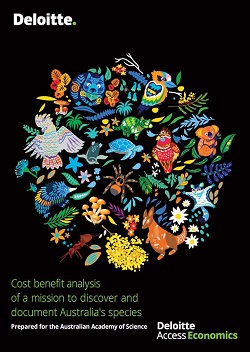
Deloitte’s modelling and analysis indicate that Taxonomy Australia’s mission is both ambitious and has strong potential to create economic and social benefits.
Deloitte Access Economics partner and principal report author, Matt Judkins, says the modelling and analysis indicate that Taxonomy Australia’s mission is both ambitious and has strong potential to create significant economic and social benefits for the country.
“Benefits in the sectors of biosecurity, biodiscovery, agricultural R&D and biodiversity conservation attributable to accelerated taxonomic discovery range from $3.7 billion to $28.9 billion over the period to 2045, depending on the low, medium or high scenario cases defined for each benefit stream. This compares to the costs of investment in seven key categories estimated at $824 million over the same period.
“While a significant investment, and a lot of good will, will be required, Australia will have access to a much better understanding of its biodiversity and the risks it faces,” Mr Judkins said.
This report aligns with the 10-year plan for taxonomy and biosystematics developed by the Australian Academy of Science and the Royal Society Te Apārangi. This decadal plan seeks to use new and emerging technologies, develop key infrastructure, and create a unified and dynamic science that will serve the needs of society, government, industry and our unique biodiversity.
Find out more about Taxonomy Australia, a program of the Australian Academy of Science.
Academy reports COVID-19 response and other achievements of 2020
National leadership and collaboration in support of Australia’s response to COVID-19 are among the many achievements highlighted in the Academy’s recently published annual report for 2020.
The Academy created a COVID-19 news and resources hub and played a proactive role in the Australian pandemic response by joining with the Chief Scientist and other learned academies to form the Rapid Research Information Forum, providing timely and expert advice to government.
The Academy also developed an expert database that connects 1800 experts with stakeholders, and shared accessible evidence-based information for a broad audience through its online communication channels. It developed and adapted education resources for teachers, parents and students to support emergency remote teaching, and initiated Global Science TV in partnership with the International Science Council.
“2020 was an extraordinary year for society and for science. The Academy demonstrated its strength and relevance in guiding decision-making and we were able to reinforce the importance of the Academy’s independent voice for science in Australia,” said Academy Chief Executive Anna-Maria Arabia in her introduction to the report.
“Through analysis of Australian media reports in June, the Australian Science Media Centre revealed that the Academy was among the top 10 most prominent institutions in the pandemic, illustrating the vital role experts play in building public confidence.”
Academy Fellows received many Australian and international honours and awards. Emeritus Professor David Blair, Professor David McClelland and Professor Susan Scott, with their colleague Professor Peter Veitch, were jointly awarded the Prime Minister’s Prize for Science for their significant contribution to the first direct detection of gravitational waves, while Professor Thomas Maschmeyer was awarded the Prime Minister’s Prize for Innovation.
Other achievements featured in the annual report included:
- publishing a statement on the link between the frequency and intensity of extreme weather events and climate change
- producing a series of evidence briefs on the 2019–20 bushfires
- announcing two new career honorific awards to start in 2021
- supporting early- and mid-career researchers in a variety of ways
- hosting the Catalysing Gender Equity conference in collaboration with SAGE.
The Academy welcomed more than 5.4 million visitors to its websites and published nearly 90 videos that were embedded in online mainstream media strories more than 700 times.
It also weathered a severe hailstorm that damaged its two historic Canberra buildings, including the heritage-listed Shine Dome.
“The bushfires, hailstorm and the pandemic have shown that when confronted by crises, the science sector is resilient, able and generous,” Ms Arabia said.
“I am immensely proud of the Academy’s work, made possible by the guidance and support of our Fellows and the generosity of our donors. We thank Fellows for generously giving their expertise and time to the Academy and recognise that their contribution to the pandemic response has been nothing short of extraordinary.”