




Science at the Shine Dome 2021

Traditionally, Science at the Shine Dome is an annual three-day event in May where Australia's most influential scientists gather at the Shine Dome in Canberra to celebrate science and to honour outstanding achievements in science.
The Academy delivered Science at the Shine Dome in a new format in 2021 to accommodate COVID-19 restrictions while engaging new audiences online. Science at the Shine Dome included online presentations by award recipients, an online symposium exploring the theme Science and the Public Good, and presentations from Fellows elected to the Academy in 2020 and 2021.
Symposium: Science and the Public Good
Held Thursday 12 August 2021 at 1.00pm AEST
Science affects every aspect of our lives. Our health, education, transport, environment, food, communications, work and recreation all benefit from scientific discoveries. This event explored the critical importance of studying mathematics, chemistry, biology and physics, and how this fundamental knowledge is essential to scientific advances.
Presenters:
- Payne-Scott Prof Nalini Joshi AO FAA, University of Sydney
- Prof Laura Mackay, Doherty Institute
- Prof Thomas Maschmeyer FAA FTSE, University of Sydney
- Prof Tanya Monro FAA FTSE, Australian Government Department of Defence
- Prof John Rasko AO FAHMS, University of Sydney
- Prof Veena Sahajwalla FAA FTSE, UNSW
- Prof Michelle Simmons AO FAA FTSE FRS, UNSW
- Prof Robyn Williams, AO FAA, ABC
- Prof Geordie Williamson FAA FRS, University of Sydney
Premier Award Events
Held on Wednesday 12 May and Wednesday 28 July at 7.00pm AEST
These lectures were presented by the recipients of the 2021 Matthew Flinders Medal and Lecture and the Inaugural 2021 Ruby-Payne Scott Medal and Lecture.
2021 Matthew Flinders Lecture
The Matthew Flinders Medal and Lecture is a career award that recognises scientific research of the highest standing in the physical sciences, and honours the contributions of Australia's early scientific researchers.
The 2021 recipient was Professor Andrew Holmes AC FAA FTSE FRS from the University of Melbourne.
Inaugural 2021 Ruby-Payne Scott Medal and Lecture
The inaugural Ruby Payne-Scott Medal and Lecture for women in science is a career medal that recognises researchers of the highest standing in the physical and/or biological sciences. The award honours Ruby Payne-Scott's pioneering contribution to radiophysics and radio astronomy.
The 2021 recipient was Emeritus Professor Cheryl Praeger AC FAA from the University of Western Australia.
Career Award Events
Held on Tuesday 7 September and Tuesday 14 September at 1.30pm AEST
Each year, researchers receive highly sought-after honours for outstanding achievements in their scientific fields. These two online events featured 10-minute presentations by our 2020 and 2021 awardees, followed by live audience Q&As.
Event one
- 2019 Hannan Medal: Professor Alan Welsh FAA
- 2020 David Craig Medal: Dr Graeme Moad FAA
- 2021 Thomas Ranken Lyle Medal: Professor David McClelland FAA
- 2021 Hannan Medal: Professor Mathai Varghese FAA
- 2021 David Craig Medal: Professor Thomas Maschmeyer FAA FTSE
Event two
- 2020 Haddon Forrester King Medal: Professor Ian Campbell
- 2020 Mawson Medal: Professor Allen Nutman
- 2021 Jaeger Medal: Professor John Church FAA FTSE
- 2021 Inaugural Suzanne Cory Medal: Professor Susanne von Caemmerer FAA FRS
- 2021 Inaugural Suzanne Cory Medal: Professor John Endler FAA FRS
New Fellow Presentations
Held on Wednesday 3 November and Thursday 4 November at 9.00am AEDT
Each New Fellow presented their work and achievements in a lecture, followed by live audience Q&As.
Event one
- Applied Physical and Engineering Sciences
- Professor Kevin Galvin FAA FTSE, University of Newcastle (elected 2020)
- Professor John Sader FAA, University of Melbourne (elected 2021)
- Chemistry
- Professor Kate Joliffe FAA, University of Sydney (elected 2020)
- Professor Alan Rowan FAA, University of Queensland (elected 2020)
- Professor Alison Rodger FAA, Macquarie University (elected 2021)
- Earth and Planetary Sciences
- Dr Wenju Cai FAA, CSIRO Oceans and Atmosphere (elected 2020)
- Professor Dorrit Jacob FAA, Australian National University (elected 2021)
- Inter-Disciplinary Science
- Professor Lidia Morawska FAA, Queensland University of Technology (elected 2020)
- Physics and Astronomy
- Professor David McClelland FAA, Australian National University (elected 2019)
- Professor Susan Coppersmith FAA, UNSW (elected 2021)
- Professor Tim Bedding FAA, University of Sydney (elected 2020)
- Information, Communication and Quantum Information Sciences
- Professor Peter Corke FAA FTSE, Queensland University of Technology (elected 2019)
- Professor Robyn Owens FAA, University of Western Australia (elected 2020)
- Professor Ping Koy Lam FAA, Australian National University (elected 2020)
- Professor Ian Reid FAA FTSE, University of Adelaide (elected 2021)
- Professor Svetha Venkatesh FAA FTSE, Deakin University (elected 2021)
- Mathematical Sciences
- Professor Gary Froyland FAA, UNSW (elected 2020)
- Professor Aurore Delaigle FAA, University of Melbourne (elected 2020)
- Professor Yihong Du FAA, University of New England (elected 2021)
- Professor Rob Hyndman FAA FASSA, Monash University (elected 2021)
- Earth and Planetary Sciences
- Professor Andy Pitman AO FAA, UNSW (elected 2021)
- Inter-Disciplinary Science
- Professor Justin Marshall FAA, University of Queensland (elected 2020)
- Professor Hala Zreiqat AM FAA FAHMS FTSE, University of Sydney (elected 2021)
- Professor Gordon Smyth FAA, WEHI (elected 2021)
Event two
- Agriculture, Veterinary Science and Applied Biology
- Dr Jenny Stauber FAA FTSE, CSIRO Land and Water (elected 2020)
- Professor Robin Gasser FAA, University of Melbourne (elected 2021)
- Professor Barbara Nowak FAA, University of Tasmania (elected 2021)
- Animal Sciences
- Professor Peter Currie FAA, Monash University (elected 2020)
- Professor Glenda Halliday FAA FAHMS, University of Sydney (elected 2021)
- Ecology, Environmental Sciences and Evolutionary Biology
- Associate Professor Lee Berger FAA, University of Melbourne (elected 2020)
- Professor Steven Chown FAA, Monash University (elected 2021)
- Professor Catherine Lovelock FAA, University of Queensland (elected 2021)
- Plant Sciences
- Professor Barry Pogson FAA, Australian National University (elected 2021)
- Professor Harvey Millar FAA, University of Western Australia (elected 2020)
- Immunology and Microbiology
- Professor Linda Blackall FAA, University of Melbourne (elected 2020)
- Professor Ian Paulsen FAA, Macquarie University (elected 2020)
- Professor Brendan Crabb AC FAA FAHMS, Burnet Institute (elected 2021)
- Medicine and Public Health
- Professor Adele Green AC FAA FAHMS, QIMR Berghofer Medical Research Institute (elected
- 2020)
- Professor Andrew Roberts AM FAA FAHMS, WEHI (elected 2020)
- Professor Arthur Christopoulos FAA FAHMS, Monash University (elected 2021)
- Molecular and Cell Biology
- Professor Ryan Lister FAA, University of Western Australia (elected 2020)
- Professor Mark Dawson FAA FAHMS, Peter MacCallum Cancer Centre (elected 2021)
- Special Election
- The Hon Dr Annabelle Bennett AC FAA, Bond University (elected 2020)
- Dr Andrew Cuthbertson AO FAA FTSE FAHMS, CSL (elected 2020)
- Dr Cathy Foley AO FAA FTSE, Australia’s Chief Scientist (elected 2020)
- Special Election
- Professor Lyn Beazley AO FAA FTSE, Murdoch University (elected 2019)
- Dr Simon Poole AO FAA FTSE, Cylite (elected 2020)
- Professor Margaret Sheil AO FAA FTSE, Queensland University of Technology (elected 2021)
- Dr Gregory Clark AC FAA FTSE, Australian National University (elected 2021)
Academy welcomes mRNA vaccine manufacturing capability
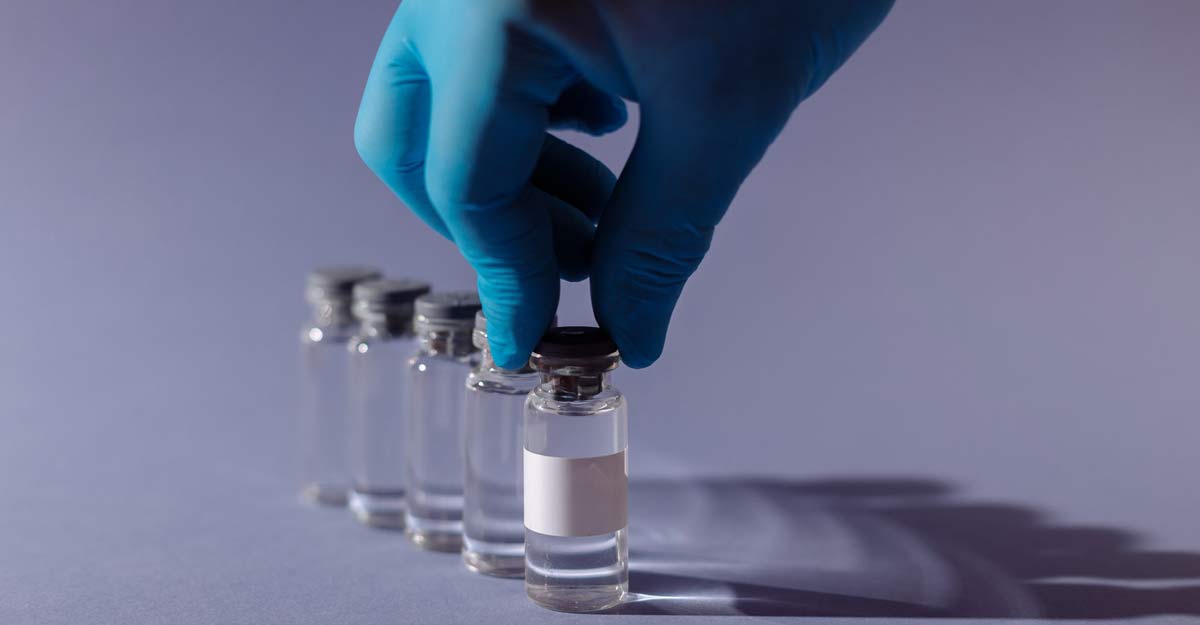
The agreement reached between the Victorian Government, the Commonwealth Government and Moderna will significantly grow our sovereign capability to respond to future pandemics. Image by Thirdman on Pexels.
The Australian Academy of Science welcomes the announcement of an Australian mRNA vaccine manufacturing capability. The agreement reached between the Victorian Government, the Commonwealth Government and Moderna will significantly grow our sovereign capability to respond to future pandemics, as well as respond to uniquely Australian problems.
The Academy first called for a sovereign RNA manufacturing capability in our pre-Federal budget submission in February 2021.
With today’s announcement the governments are taking a significant step towards creating an innovative RNA research and development ecosystem in Australia and becoming a global player in this disruptive industry, creating and manufacturing high-value RNA-based products domestically and exporting them to the world.
The Academy looks forward to future actions to ensure that the pipeline of knowledge and skills can adequately support these new facilities long into the future, such as developing a National RNA Science and Technology roadmap and developing the infrastructure and pilot manufacturing to support clinical trials and new applications of this science in areas of Australian strength and needs.
Developing capability to manufacture and use RNA in multiple areas is an opportunity that Australia must seize. We have many world-leading experts in RNA science and biomaterials located within our universities and research agencies.
The Academy is supportive of the establishment of a manufacturing capability with the ability to produce mRNA-based vaccines. The opportunity to take advantage of the potential to develop more advanced uses of RNA therapies and technologies in the future, including the treatment of disorders such as arthritis, cancer and malaria and producing environmentally friendly biopesticides, should be seized.
Background information
In July 2021, the Academy convened the National RNA Science and Technology Roundtable in partnership with the Australia and New Zealand RNA Production Consortium.
The roundtable gathered 38 of Australia’s leading experts in RNA to identify national research priorities and make recommendations for creating a productive and sustainable pipeline of knowledge from discovery research to translation that will lead to clinical stage and commercial RNA manufacturing in Australia. An outcome statement from the roundtable and the full proceedings of the roundtable can be found on the Academy website.
Uniquely Australian problems stand to be solved by RNA science, including sensing new biosecurity threats, and supporting climate change adaptation in agriculture.
Celebrating Science: the year in review
Throughout 2021, the Australian Academy of Science has again sought to place science at the service of the nation and to make science available to everyone. Here is month-by-month a snapshot of the year that was.
January
With the pandemic continuing into 2021, and Australia’s vaccination strategy central to the national dialogue, the Academy began the year with our President, Professor John Shine, urging Australians to continue to consult reputable sources of evidence.
We were proud to see five Academy Fellows among the Australians recognised in the 2021 Australia Day Honours List, including Emeritus Professor Cheryl Praeger AC FAA who was among only four Australians to receive the highest honour.
February
In February we announced that work has begun to repair the roof of our home – the Shine Dome – following the 2020 hailstorm. Works are now complete.
We hosted a panel of experts from across New Zealand, Taiwan and Australia to discuss different testing and tracing approaches for COVID-19, and published a pre-budget submission calling for the development of mRNA vaccine manufacturing capability in Australia.
March
The Academy published a petition, signed by 90 scientists, calling for Kathleen Folbigg’s immediate pardon and release from jail based on newly available medical and scientific evidence, led by Academy Fellow Professor Carola Vinuesa. The pardon petition is currently being considered by the NSW Attorney General. This case highlights the urgent need for law reform such that evidence can be appropriately considered by the judiciary.
We published a video looking at La Niña, which contributed to mass flooding in New South Wales and Queensland and has now been declared for a second year in a row.
We also published a landmark report, The risks to Australia of a 3°C warmer world, discussing the climate impacts on the lives and wellbeing of Australians if greenhouse gas emissions remain unchecked.
April
We started the month of April with a message to the future, contained in a time capsule placed under the roof of the Shine Dome, and several days later, we stopped to pay tribute to the passing of HRH Prince Phillip, the Duke of Edinburgh and Royal Fellow of the Academy.
Future Earth Australia, a program hosted by the Academy, held a national climate adaptation summit, outlining critical priorities for Australia’s adaption to climate change. We published the known facts about the AstraZeneca vaccine, a video about a new type of flu vaccine, and an article on how vaccines are safety tested.
We hosted our first event in our Food for Thought series , and launched Science at the Shine Dome 2021, which was successfully delivered in a hybrid format for the first time.
May
In May, we launched a new guide about the science of immunisation to help counter misinformation and uncertainty surrounding vaccines.
We were very proud to announce our 2021 New Fellows and Corresponding Members, who represent some of our best scientific minds. The project to digitise the Academy’s archives continued to reveal some extraordinary material.
Emeritus Professor Cheryl Praeger presented the inaugural Ruby Payne-Scott Lecture, and we hosted a virtual think tank with the Theo Murphy Initiative (Australia) called Reboot STEMM.
June
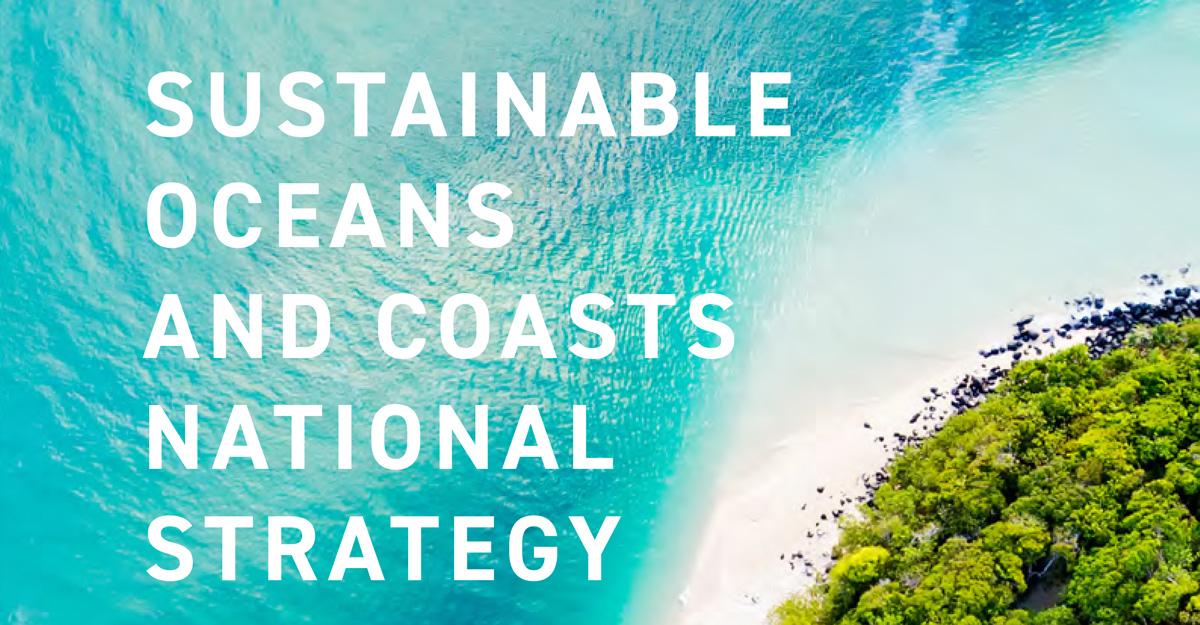
The ‘blue ribbon’ of rivers and oceans surrounding Australia was at the forefront as Future Earth Australia launched a ten-year strategy for a just and environmentally sustainable future, with grassroots initiatives playing a key role in the stewardship of oceans and coasts.
Australia’s rich biodiversity was also found to be rich in more ways than one, with a Taxonomy Australia report finding each $1 invested in discovering all remaining Australian species will bring up to $35 of economic benefits.
The Queen’s Birthday honours were announced, with four Fellows of the Academy joining the Order of Australia, a national roundtable on RNA science and research was held at the Shine Dome, and science funding was broken down in a Science for Australians article.
July
Women in STEM fields across the Asia-Pacific region faced heightened challenges and barriers to progressing their careers due to COVID-19, an Academy report found in July, while the future of the Shine Dome and sustainable cultural heritage research was discussed at the Shine Dome.
The risks and benefits of getting a COVID-19 vaccine were covered in an Academy campaign, we published an explainer about the different variants including Delta (and later, Omicron), and we explored the relationship between pregnancies, periods and COVID-19 vaccines in our COVID-19 partnership with the Department of Health.
Science at the Shine Dome continued with Professor Andrew Holmes presenting the Matthew Flinders Lecture. We also hosted a NAIDOC Week event about challenges in Indigenous health and medical research called Healing Country.
August

The Academy renewed its call for the NSW Governor to pardon Kathleen Folbigg and release her from jail following the exploration of her case by 60 Minutes.
The Academy also continued our sustained focus on climate change by urging decision makers to act on the latest global IPCC report, and together with all other of Australia’s learned academies we proudly outlined our support for the Uluru Statement from the Heart, committing to participate in the creation of a harmonised, national research culture through tangible actions.
We made several submissions to government, including on mitochondrial donation law reform, created a series of graphics placing in perspective the risks associated with the Astra Zeneca vaccine and produced several videos on animals including the Antechinus and the brown marmorated stink bug.
As part of Science at the Shine Dome, we hosted a virtual symposium, “Science and the Public Good”, the talks from which were broadcast on ABC Radio National.
September
We launched the STEM Women Asia directory, a platform for women across Asia and Oceania to increase their representation at all stages of their STEM career, and signed a joint statement with science academies in G20 countries on ‘Pandemic preparedness and the role of science’.
Nine researchers from around Australia competed in the sixth Falling Walls Lab Australia event, hosted by the Academy, with three winning the chance to present their ideas on the world stage in Berlin. The Academy’s Career Honorifics presentations were broadcast as part of Science at the Shine Dome.
We also published articles on extreme rainfall variations, Australian agriculture and climate change, and a video on the reintroduction of nearly-extinct bettongs.
October
In October, as the Federal Government announced Australia’s commitment to net-zero by 2050, we launched our Climate Change Hub—which includes educational videos, policy reports, links to experts in renewable technologies and more—as a tool for policymakers, researchers and the public.
The Academy published a seminal report identifying opportunities to advance data-intensive research in Australia by aligning research policy, research infrastructure, skills and education, and recognising data science as a distinct scientific discipline.
We also published an open letter to the NSW Environment Minister, calling for feral horses to be removed to protect the native Australian plants, animals and ecosystems of Kosciuszko National Park and surrounds. The NSW Government has since committed to reducing feral horse numbers from approximately 14,000 to 3,000 by June 2027.
Future Earth Australia also began development of a ‘National Strategy for Just Adaptation’, and the Academy published videos on number of topics, including the effects of microplastics on climate change.
November
The headline in November was the announcement of physicist Professor Chennupati Jagadish AC, who arrived from Australia from India in 1990, as the incoming President of the Academy.
Earlier that month we heard talks from our 2020 and 2021 New Fellows as the final events of Science at the Shine Dome 2021.
As COP26 drew to a close, we issued a joint statement with Australia’s learned academies, promising our collective insights, solutions and knowledge on the path to net-zero emissions, and produced a video on Australia’s current emissions situation.
At the Shine Dome, our Chief Executive Anna-Maria Arabia was awarded one of Italy’s highest civilian honours, while the Academy’s library and manuscript collection was assessed as of ‘immense research significance’.
December
In December we hosted a roundtable with the Australian Academy of Law on World Heritage and climate change, produced an article on ‘long COVID’ and published our 6th annual Fellows’ Christmas Book and Podcast List.
The Academy would not be able to do all this work without our generous partners and sponsors from the private, government, science and education sectors, along with many generous donors.
Finally, our Fellows are the Academy, and we thank them for their contributions not only to the Academy, but to the success and prosperity of Australia.
We can’t wait to see what 2022 brings!
Academy announces new senior leaders
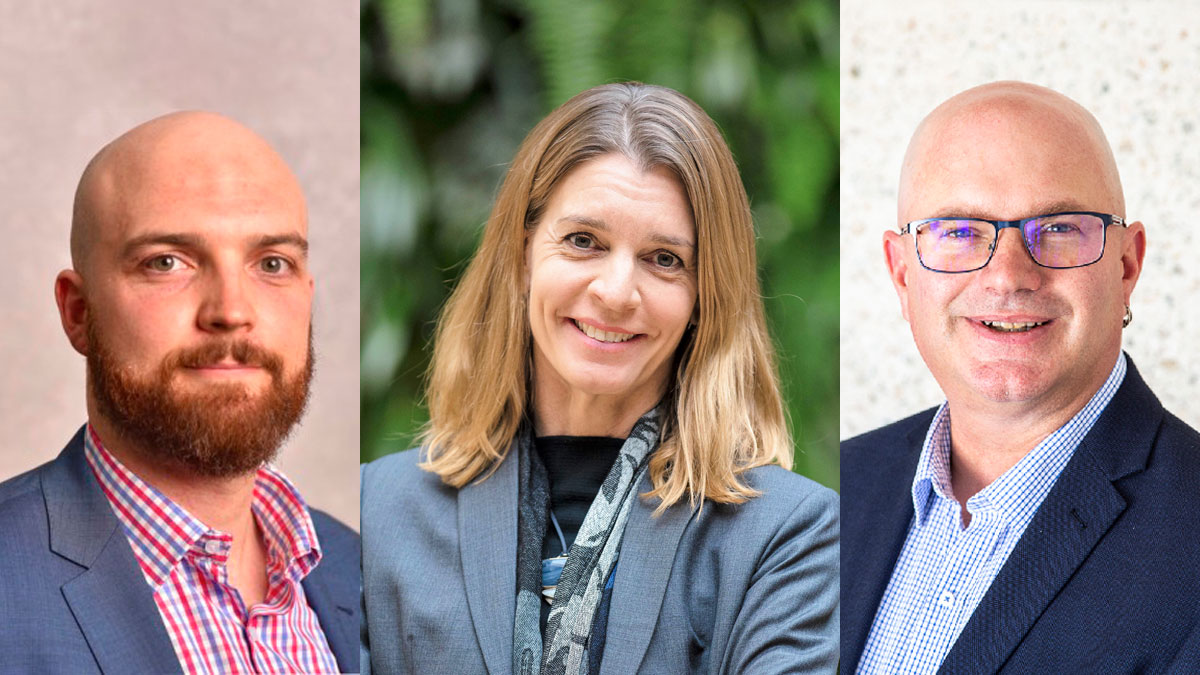
(L to R): Zach Ghirardello, Dr Petra Lundgren and Andrew Hood. Photos: supplied.
The Australian Academy of Science is pleased to welcome three new appointments to senior roles: Dr Petra Lundgren, Director of Future Earth Australia; Zach Ghirardello, Director, Diversity and Inclusion and Andrew Hood, Chief Information Officer.
A more sustainable world for all
Dr Petra Lundgren will take up the role leading Future Earth Australia in early 2022.
She brings a diverse and international background to Future Earth Australia, with over 25 years of experience spanning academia, government, development cooperation and the not-for-profit sector.
Petra has worked in Europe, East Africa and Australia, and says her focus has always been on translating and integrating scientific innovation and discovery into policy and environmental conservation.
She says she is driven by the conviction that a more sustainable world for all can only be achieved through a proper transdisciplinary approach, which requires engagement across academia, government, industry and civil society.
“I hope to put my diverse background and global network to good use in forming solutions to global and national sustainability challenges,” says Petra.
“I’m looking forward to being part of FEA as it enters into its next exciting chapter.”
An intersectional lens on science
Zach Ghirardello is joining the Academy’s Diversity and Inclusion team in December.
He brings to the role extensive experience in all aspects of diversity and inclusion, and has worked with all parts of the economy to advance equity in Australia. Zach was most recently Membership and Partnership Manager of Diversity Council Australia.
He is passionate about gender equality, social justice, and environmental issues.
“My background in the corporate sector has also shown me the benefits of harnessing Australia’s scientific contributions with an intersectional lens, through diversity of thought and meaningful representation,” says Zach.
“I am excited for the opportunity to join the Australian Academy of Science at a time when diverse thought and inclusive practices are increasingly acknowledged to drive long-term success.
“I look forward to contributing to the Academy’s commitment to support excellence in science and empower the next generation of scientists.”
An ICT strategy for the future
Andrew Hood commenced his role in November.
Working previously in the public service, his most recent role was as acting CIO at the National Gallery of Australia, where he led infrastructure projects to modernise the National Gallery’s information and communication technology (ICT), including major network upgrades.
“My focus at the Academy will be the development of an ICT strategy for the future,” says Andrew.
“I’m optimistic about providing a valuable contribution to the operations of the Academy.”
Farewells
The Academy is grateful for the contributions and leadership brought to the Academy by outgoing staff in these roles:
- Louise Moes, Manager, Diversity and Inclusion,
- Dr Tayanah O’Donnell, Director of Future Earth Australia, and
- Patricia Leahey, Chief Information Officer.
The Academy wishes them every success in their next chapters.
Australian experts’ new ideas to better protect World Heritage sites from climate change
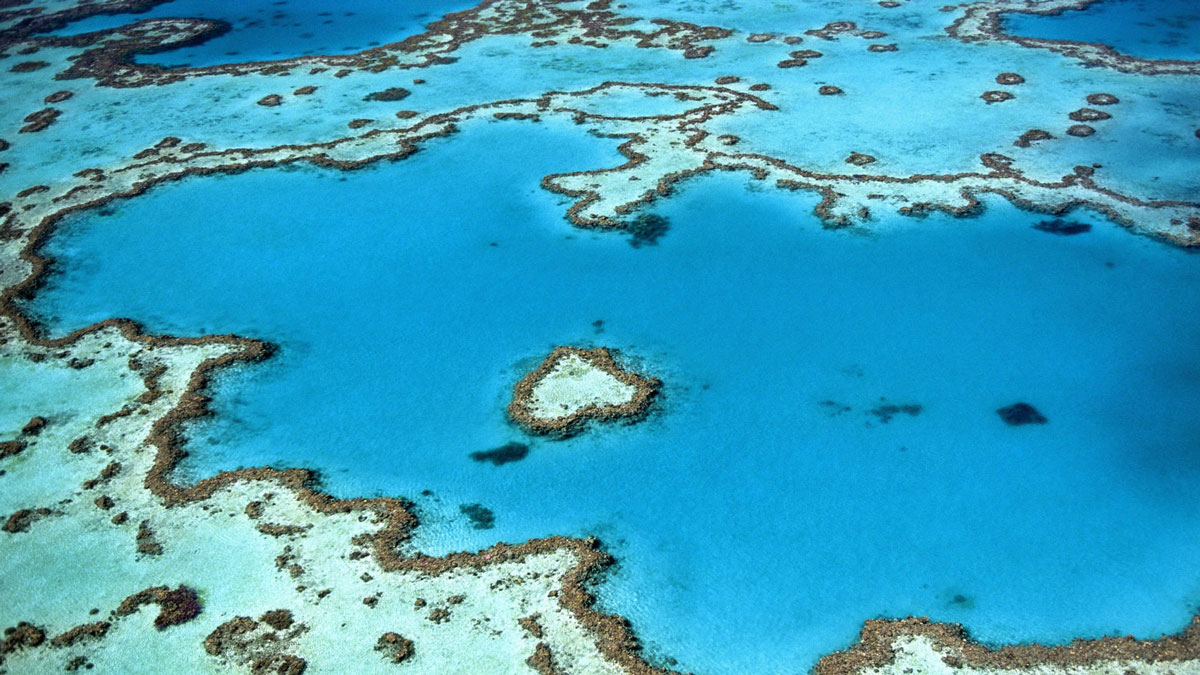
Hardy Reef in the Great Barrier Reef Marine Park. Photo by Yanguang Lan on Unsplash
Australian experts are calling for the challenges of climate change to be used as a catalyst for positive changes to help conserve the world’s most precious heritage places.
The experts suggest that the adoption of a consistent and transparent climate change vulnerability index across all World Heritage processes would help countries better understand and respond when their World Heritage sites are threatened by climate change.
The proposal was among ideas put forward by eighteen experts in natural and cultural heritage, climate change and diplomacy at a national roundtable yesterday.
The roundtable was convened by the Australian Academy of Science in consultation with the Australian Academy of Law.
The experts also proposed a new type or subset of the endangered listing system for World Heritage properties to reflect climate risk and that could also identify those properties facing novel or emerging climate impacts.
The Australian Academy of Science’s Vice President and Secretary for Biological Sciences Professor Helene Marsh AO was one of the experts involved in the national roundtable.
She said it aimed to generate ideas to help the world deal with the operational and legal challenges to World Heritage sites posed by climate change.
“The World Heritage Convention will need to revise its operational guidelines to ensure it can continue to protect places of significance to humankind,” said Professor Marsh.
“We look forward to the ideas from this roundtable being tested and enhanced by others and considered by UNESCO’s World Heritage Climate Policy working group.
“It is also hoped that other countries will be able to gather their experts and generate ideas in a similar way to find the most appropriate solutions for the challenges faced.”
Earlier this year, the operations of the World Heritage Committee made global headlines when it considered whether the Great Barrier Reef should be inscribed on the World Heritage ‘In Danger List’, mainly because of the impacts of climate change.
Australia has a high number of World Heritage properties threatened by climate change. Last year, the International Union for the Conservation of Nature rated 11 of Australia’s 16 natural and mixed World Heritage properties as being at high risk from climate change.
Additional ideas that emerged from the roundtable and the list of roundtable participants can be found in the World Heritage Convention and Climate Change Roundtable Statement.
What we're reading: Australia's top scientists' summer book and podcast recommendations
How do Australia's top minds relax?
The Australian Academy of Science’s 6th Annual Fellows’ Christmas Book and Podcast List has been released, with recommendations from Australia's leading scientists.
Whether you're looking to tickle your grey matter or tug on your heartstrings, there is something for everyone in this year's list.
- See the Fellows’ book and podcast list.
Below is a small sample of this year's recommendations:
Books
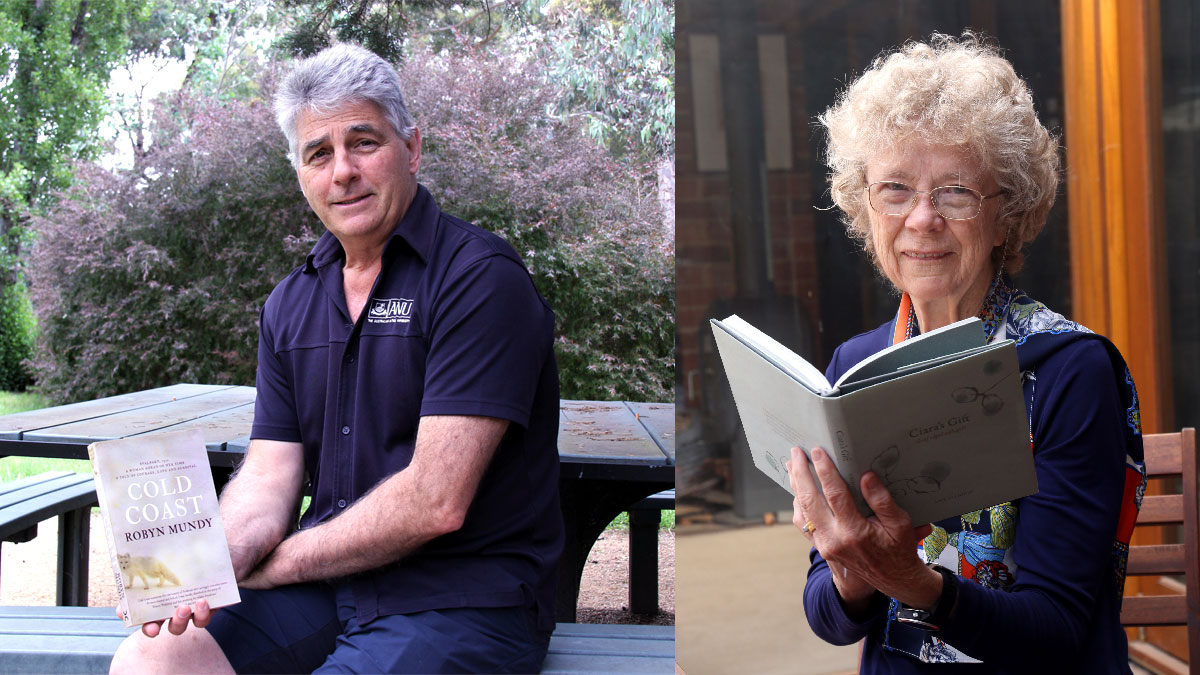
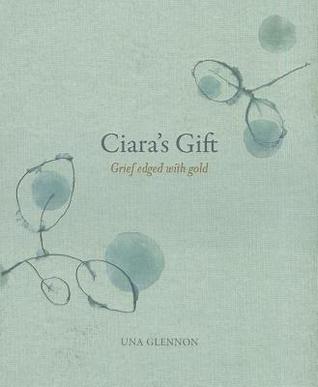
Ciara's gift: Grief Edged with Gold, by Una Glennon
Recommended by Professor Cheryl Praeger AC FAA
"This is an intensely moving, beautifully written account of memories and reflections of a mother about her daughter. Ciara Glennon’s murder was a lasting scar on the Western Australian community, and totally devastating for her family. Una Glennon’s courage in writing this book is a gift to all who have faced the heartbreak of grief."
Cold Coast, by Robyn Mundy
Recommended by Professor David Lindenmayer AO FAA
"An extraordinary epic story about the first woman fur trapper on Svalbard—based on a real Norwegian. Evocative imagery and a classic narrative of a remarkable person and stunning location."
Everything You Need to Know About the Uluru Statement from the Heart, by Megan Davis and George Williams
Recommended by Emeritus Professor John Patrick FAA
"Written by two acclaimed international experts in constitutional law, and deeply involved in Aboriginal and Torres Strait Islander matters, the text delivers in spades on what the title promises for those not familiar with constitutional law. The reader is taken on an historical journey from 1770 to the present that builds a compelling case for the recognition of Aboriginal and Torres Strait Islanders in the Australian Constitution and the framework upon which this can be achieved—Voice, Treaty, Truth."
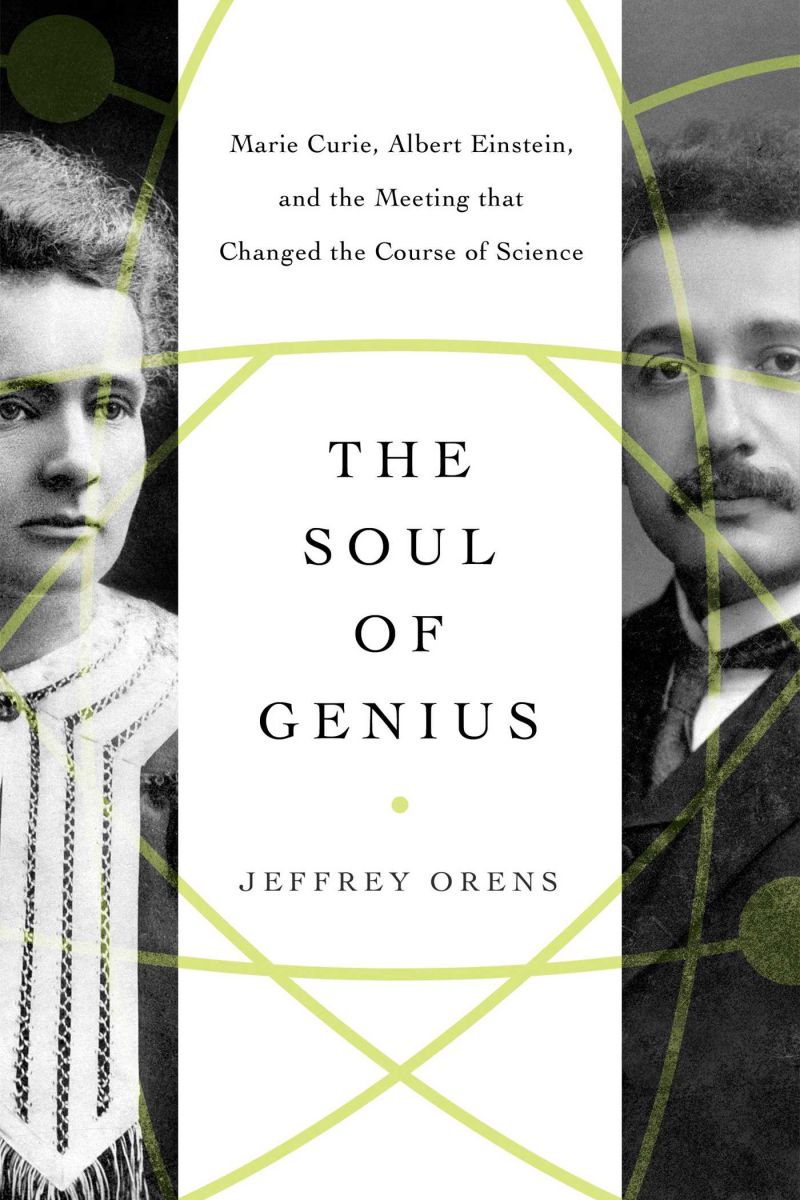
The Soul of Genius: Marie Curie, Albert Einstein and the Meeting that Changed the Course of Science, by Jeffrey Orens
Recommended by Professor Fiona Stanley AC FAA FAHMS(Hon) FASSA
"This book describes the Solway Conferences, set up in 1911 by a business man (Ernest Solway) passionate about science and how it could improve society (physics, chemistry and even the social sciences). The issue of this time was the realisation that classical physics was giving way to quantum theory—which would change the course of science (in our world and in the universe). It describes the scientific and personal lives of both Marie Curie and Albert Einstein, the appalling way in which Curie was condemned for her affair with Paul Langevin and how Einstein supported her. Beautifully written."
Transcend: The New Science of Self-Actualization, by Scott Barry Kaufman
Recommended by Professor Robert C Williamson FAA
"Scientists love to talk about their science, but perhaps not their subjective experience of doing it. Kaufman’s book is a detailed exposition of psychologist Abraham Maslow’s thinking on what makes us human. Any non-scientist who wants to understand what makes scientists work so hard at their science will learn, amongst other things, from this book why they do: they have a purpose; a large goal outside themselves, which they pursue with a passion, and, crucially, which provides intrinsic meaning to their lives."
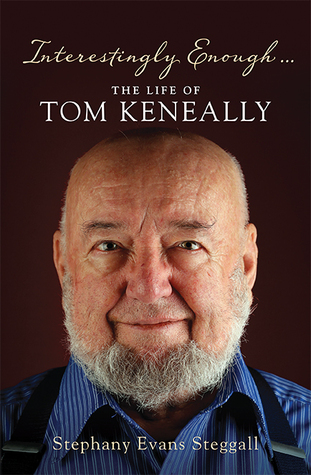
Interestingly Enough... The Life of Tom Keneally, by Stephany Evans Steggall
Recommended by Professor Lois Salamonsen FAA
"Tom Keneally is one of Australia’s most awarded and prolific authors and a great storyteller. This biography provides considerable insight into the influences (particularly of the Catholic church) on his life, his need to be productive in order to support his family, and his unerring nose for a good story. While ‘Schindler’s Ark’ is the best known of his books, this well-written coverage of the widely ranging topics of his books (including a major history of the Irish diaspora and his unforgettable story of Eritrea during its long war) provides insights into Tom’s writing that will delight all of his readers."
Audio and video
Herbert Blomstedt conducting the Vienna Philharmonic in Bruckner (video)
Recommended by Professor The Honourable Barry Jones AC FAA FTSE FAHA FASSA
"Even if you are not familiar with Bruckner’s symphonies, or if complex music has passed you by, it is immensely rewarding to see a master conducting at an exalted level at the age of 94. Start with Symphony No. 4, filmed in September 2021. Or if Mozart is more to your taste, look for Menahem Pressler playing his Piano Concerto No. 20, in his debut with the Berlin Philharmonic, at the age of 90 (I’m serious)."
Cautionary Tales, by Tim Harford (podcast)
Recommended by Professor Brian Schmidt AC FAA FRS Nobel Laureate
"Lessons from history that talk about how people’s decisions and the psychology behind them have profound implications—often with a good and bad side, and always a lesson. Very entertaining and thought provoking, they are great case studies for being an academic leader."
Social media

News, important articles and events information for science professionals or those with an interest in science or the Academy.
All our latest videos and articles covering the hottest topics and new scientific discoveries.
YouTube
All videos produced by the Academy including livestreams of events where available.
From humble beginnings to Australian science leader
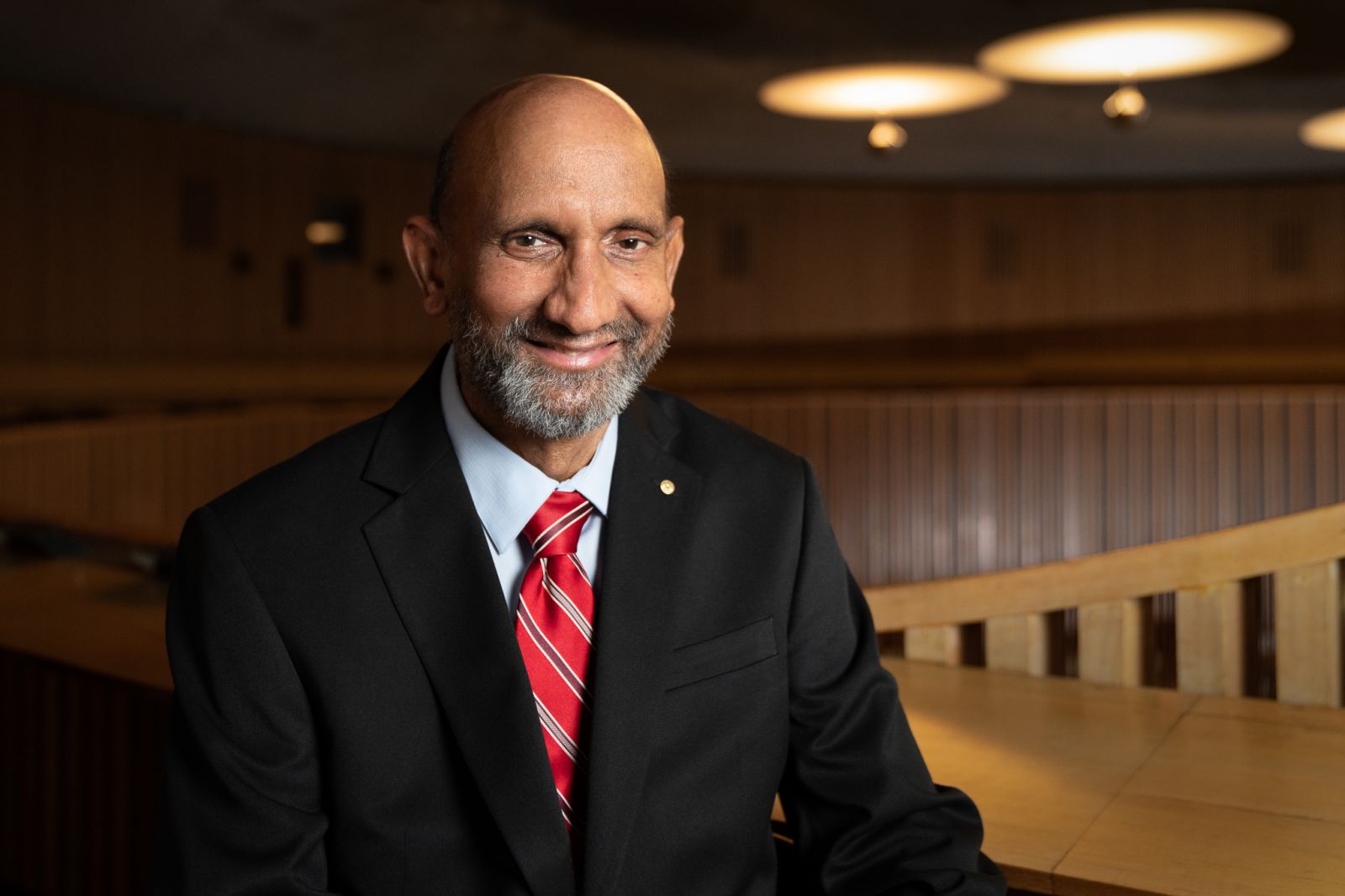
Nanotechnology pioneer Distinguished Professor Chennupati Jagadish AC FAA FTSE will become the next President of Australia’s premier science organisation, the Australian Academy of Science.
Professor Jagadish said he was humbled by the opportunity to lead the Academy. He is the first Australian of Indian heritage to take on the role.
“I never imagined when I came to Australia with a two-month-old baby and two-year contract thirty-one years ago, that one day I’d be elected a Fellow of the Academy and then go on to lead the organisation,” said Professor Jagadish.
“The Academy plays an important role providing independent, authoritative and influential scientific advice to the Australian Parliament. I look forward to leading that work and being a champion for the cause of science and scientific excellence.
“As a nation, we must adequately invest in research and development to meet national and global challenges, such as climate change and future pandemics.
“We also need to transition from a resource-based economy to a knowledge and technology-based economy.”
Professor Jagadish said nurturing the next generation of young scientists will also be one of his priorities.
“Creating a sense of hope for the younger generation is crucially important at a time when the number of positions in the university research sector is limited and the research funding success rate is also low.”
Throughout his career Professor Jagadish has supervised 65 PhD students, is currently supervising a further 12 PhD students and has mentored 50 post-doctoral and other fellows, with many of them now in leading research institutions across the world.
About his research
One of the world’s leading physicists, Professor Jagadish’s expertise is in the field of nanotechnology, the science of extremely small things. He arrived in Australia in 1990 to take up a role as a research scientist at the Australian National University and now leads its Semiconductor Optoelectronics and Nanotechnology Group.
Professor Jagadish helps develop semi-conductors used in LED lights and has designed and developed some of the world’s smallest lasers. Approximately 20-30 of these lasers can fit within the width of a single human hair.
His research has also been applied to make lightweight flexible solar cells, to split water to create hydrogen as a pure energy source and to manipulate neurons to treat people living with dementia.
Professor Jagadish has also pioneered the creation of high-performance next generation optical devices, which have huge potential in the field of communications and data storage.
He holds six US patents and has published more than 700 international journal papers. Professor Jagadish was elected to the Academy in 2005 and received the Academy’s Thomas Ranken Lyle Medal in 2019 for his outstanding contributions to physics, just two of many accolades received throughout his career.
Life growing up
Born in India, Professor Jagadish grew up without electricity and studied in front of a kerosene lamp until his first year of high school, before coming under the tutelage of maths teacher, Chaganti Sambi Reddy.
Seeing the young student’s potential, Reddy invited Jagadish to live with his family, so he didn’t have to walk six kilometres each day to attend high school.
Reddy said he was not surprised to hear of his protégé’s election to President of the Academy.
“Jagadish has been the most successful among the thousands of students I have taught during my 40-year career as maths teacher and headmaster of many high schools.
“We are delighted and proud of Jagadish and wish him well in this important leadership role at the Australian Academy of Science.”
Accolades from colleagues
Outgoing Academy President Professor John Shine AC PresAA FAHMS(Hon) FRS said he was delighted Professor Jagadish had been elected as the next President of the Academy.
“Professor Jagadish is highly regarded as a scientist and understands the importance of Australia’s international scientific engagement, having research collaborations in 30 countries around the world himself,” said Professor Shine.
“Professor Jagadish will also be a strong voice for our emerging scientists and young researchers who are Australia’s future science leaders. They have been severely impacted by COVID-19, as highlighted in a report published by the Academy’s EMCR Forum last year.”
Professor Jagadish will be the 20th President of the Academy since its founding President, Sir Marcus Oliphant AC KBE FAA FRS FTSE was elected in 1954. The President of the Academy is elected by its Fellows for a four-year term.
Other Fellows elected to the Academy’s Council who will also commence their roles alongside the new President in May 2022 include:
- Professor Frances Separovic AO – Foreign Secretary
- Professor Lyn Beazley AO – Secretary Education and Public Awareness
- Professor Colin Raston AO – Ordinary Member (Physical Sciences)
- Professor Julian Gale – Ordinary Member (Physical Sciences)
- Professor David Bowtell – Ordinary Member (Biological Sciences)
From rhetoric to action – academies release joint statement on COP26

The presidents of Australia’s five learned academies have issued a joint statement on COP26 and Australia's path to net-zero emissions.
The statement promises the academies’ independent voice and convening power, which harnesses the collective expertise and resources of nearly 3,500 Fellows across the academies, to provide insights, solutions and knowledge.
[The presidents] recognise that our Academies’ collective expertise and leadership is critical to addressing the widespread and intergenerational impacts of climate change.
From the statement
“[The presidents] recognise that our Academies’ collective expertise and leadership is critical to addressing the widespread and intergenerational impacts of climate change. At COP26 in Glasgow, world leaders convened with a singular goal – to drive deep and rapid decarbonisation to limit global warming to 1.5 degrees Celsius. There is no realistic path to decarbonisation without ending fossil fuel use. In response, every sector in Australia must deliver on our commitments to reach the global goals stated in the 2015 Paris Agreement.
“The challenges presented by climate change require smart, holistic and cross-disciplinary thinking. We need to continue developing and communicating research to challenge misinformation with robust evidence and steward an economy-wide transition to a low carbon future. Our academies will work to ensure our experts are at the forefront, providing advice to guide the most efficient, fair and cost-effective policy mechanisms that drive reductions in greenhouse gas emissions and broader adaptation.
“Strategies will aim to exceed our emission reduction targets while effectively managing social, economic, health and environmental factors and empowering governments and industry to take action. We are also committed to substantially reducing the emissions of our own academy activities.”
Work underway
Learned academies and ACOLA are already undertaking valuable work towards net-zero, including:
- identification of research priorities to support Australia’s energy transition
- a major report on the risks to Australia of 3 Degrees of global warming, and a climate change hub to highlight work on climate science and solutions
- a clear position on the need for greater action this decade using current renewable technologies, accompanied by a series of explainers and webinars to demystify net zero technology and Australia’s commitments to achieving emissions reduction
- a symposium to showcase ideas from established and emerging scholars whose work will help manage the social and cultural dimensions of the climate crisis
- a discussion paper and statement on the benefits of market-based mechanisms and carbon pricing to meet our national emission reduction commitments most cost-effectively
- a forthcoming report exploring the complex interplay between climate change and health and the role of the health and medical research sector
- leading a process to consolidate and extend a broader agenda of proactive and productive reform of climate adaptation with a Future Earth Just Adaptation Strategy for release in early 2022
The statement is signed by the presidents of Australia’s learned academies:
- Professor John Shine AC PresAA – ACOLA Board Chair and President, Australian Academy of Science
- Professor Hugh Bradlow FTSE – President, Australian Academy of Technology and Engineering
- Professor Jane Hall FASSA – President, Academy of the Social Sciences in Australia
- Professor Lesley Head FASSA FAHA – President, Australian Academy of the Humanities
- Professor Ingrid Scheffer AO FAA PresAHMS FRS – President, Australian Academy of Health and Medical Sciences
Science leader awarded one of Italy’s highest civilian honours
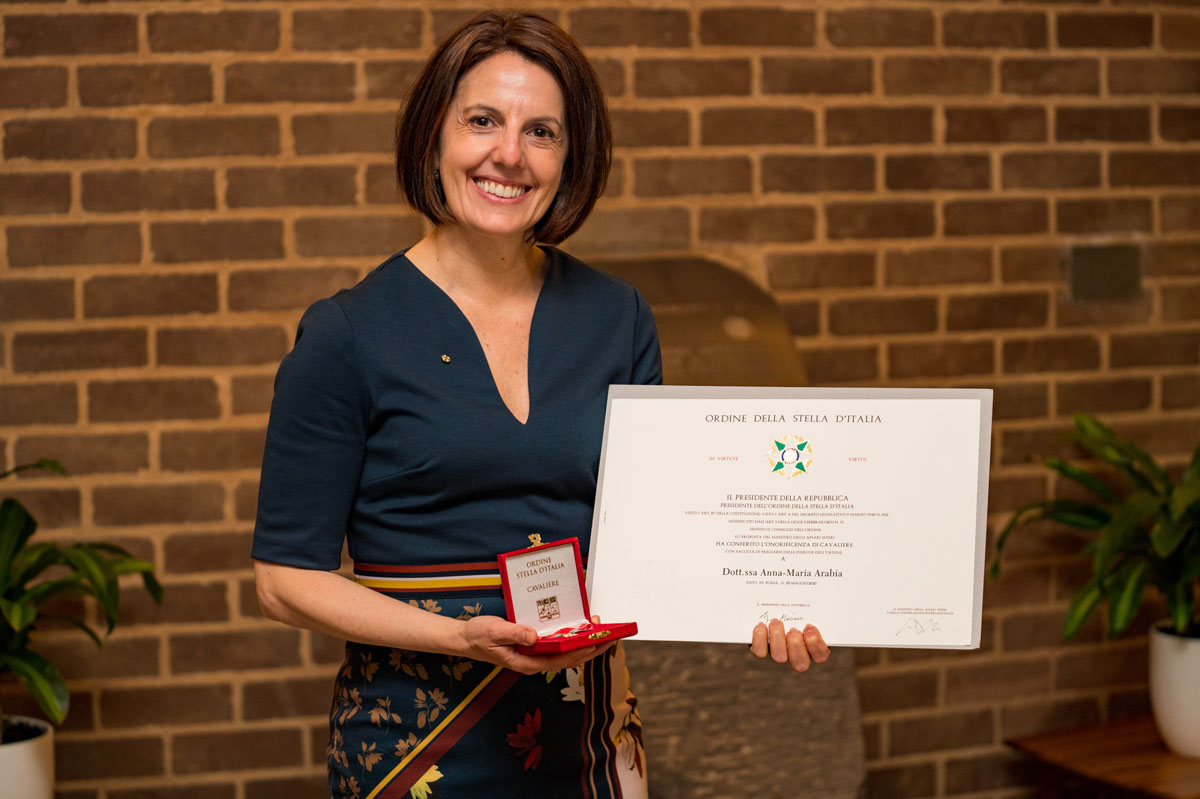
The Chief Executive of the Australian Academy of Science, Anna-Maria Arabia, has been awarded one of Italy’s highest civilian honours for strengthening the ties and friendship between Australia and Italy in the STEM sector and beyond.
Melbourne-born and now Canberra resident, Ms Arabia was presented the Knight of the Order of the Star of Italy last night at the Shine Dome, the home of Australian science, by the Ambassador of Italy to Australia, Her Excellency Francesca Tardioli.
Ms Arabia is among four Australians to receive the honour in 2021.
Ambassador Tardioli said Ms Arabia has maintained a strong bond with Italian culture and has actively contributed in a concrete way to strengthening the ties and friendship between the two countries.
“Her excellent professional profile, the prestige she enjoys in the vast Australian and international scientific community, her constant commitment to promoting the role of science in society, her determination in encouraging the access of young people to scientific careers, while pursuing a gender balance, make her extremely worthy of receiving the recognition of the Italian Republic,” said Ambassador Tardioli.
In thanking Her Excellency, Ms Arabia said she was humbled to receive the award.
“I’m grateful to have had opportunities to bring science to the service of the nation whilst drawing on my Italian cultural heritage to foster cooperation between Italy and Australia.”
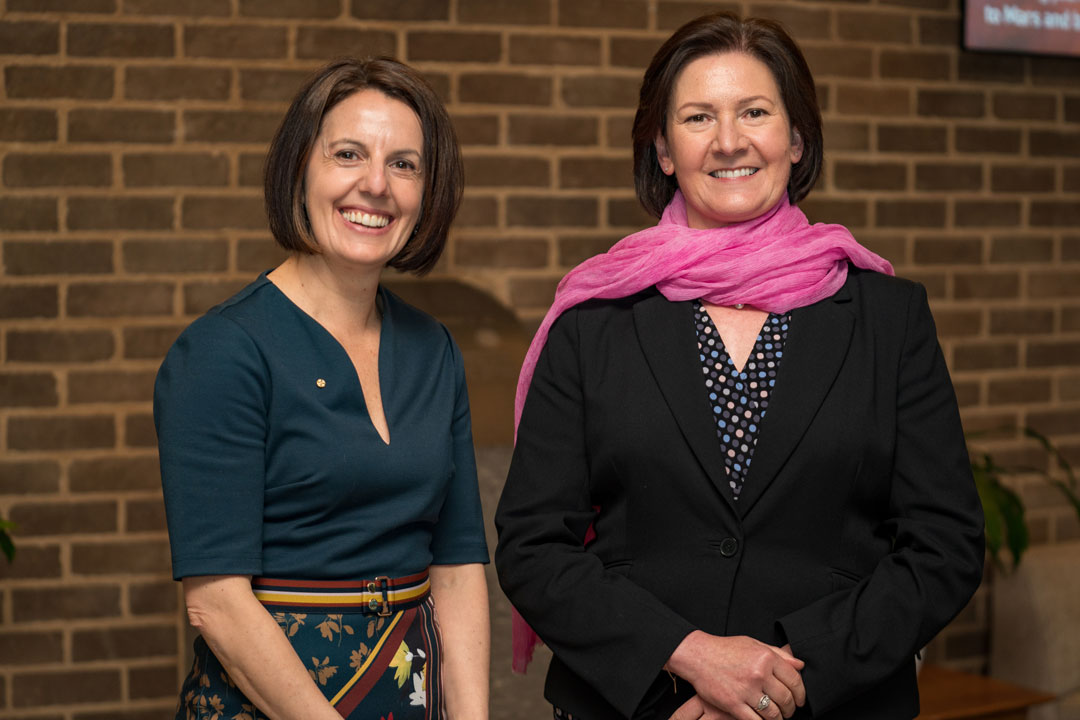
The honour coincides with Ms Arabia’s reappointment as Chief Executive of the Academy for another five-year term.
Academy President, Professor John Shine, congratulated Ms Arabia on her award and reappointment as Chief Executive.
Professor Shine said Ms Arabia has successfully steered the Academy through the pandemic, leading to the establishment of improved mechanisms to enable evidence-informed decision making.
“Ms Arabia has also established the Academy’s sophisticated public engagement capability that has made science accessible to a vast audience. Her focus on equity has advanced diversity and inclusion practices in the Academy and across the STEM sector.
“Over the last five years Ms Arabia has achieved financial consolidation and growth of the Academy and is overseeing major refurbishments of the heritage listed Shine Dome and Ian Potter House, following significant damage to both buildings in Canberra’s 2020 hailstorm.
“We look forward to working together to advance science in Australia in coming years,” said Professor Shine.
About the award
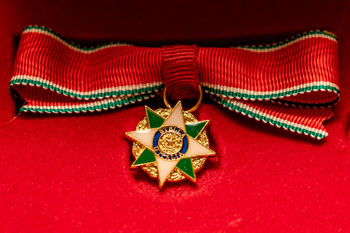
The medal of the Knight of the Star of Italy. Photo: Australian Academy of Science.
The Order of the Star of Italy was established in 2011, replacing the Star of Italian Solidarity. The award is divided into five classes: Grand Cross, Grand Officer, Commander, Officer and Knight and is granted by the President of the Republic, on the proposal of the Italian Minister of Foreign Affairs.
The awarding of the Knight of the Star of Italy is a civilian honour reserved for Italian citizens and foreigners who, abroad, have acquired particular merits in the promotion of friendship and collaboration relations between Italy and the country in which they operate, and in promoting ties with Italy.