




Academy welcomes new Chief Scientist Dr Cathy Foley

The Australian Academy of Science congratulates Dr Cathy Foley AO PSM FAA FTSE on her appointment as Chief Scientist of Australia.
Academy President, Professor John Shine, warmly welcomed the appointment.
“As an accomplished physicist, the first dedicated Chief Scientist of CSIRO and numerous leadership roles, Dr Foley has made outstanding contributions to Australian science from discovery to commercialisation and in influencing policy development.
“Cathy is an inspirational role model for her peers and the next generation,” Professor Shine said.
“We look forward to continuing our work with the Office of the Chief Scientist under Cathy’s leadership to provide science evidence to inform Government decision making, as we have throughout the COVID-19 pandemic through initiatives such as the Rapid Research Information Forum.”
Dr Foley’s research is in the field of solid-state physics and its applications, combining quantum physics, material science and research translation. Her remarkable career achievements have allowed Dr Foley to advance all areas of STEM nationally and internationally.
Dr Foley’s appointment as Chief Scientist follows her election as a Fellow of the Academy earlier this year, for her outstanding contributions to science.
“Science is absolutely critical for Australia’s future,” Dr Foley told the Academy shortly after her election.
“If you look at the things we’ve been facing recently, like bushfires, the COVID 19 virus, even looking at how we can have our sovereign capability so that we can manufacture onshore in difficult times, where transfer of goods of services and boundaries is difficult,” Dr Foley said.
“That all requires us to be able to have high quality science which then leads to new ways of doing things, but also working out how to translate it from the laboratory, that is something that makes an impact and is used by everyone.”
Dr Foley’s appointment as Australia’s Chief Scientist is for three years, starting in January 2021.
Professor Shine also thanked outgoing Chief Scientist, Dr Alan Finkel AO FAA FTSE for his strong leadership and for advancing science in Australia.
Searchable STEM Women database increases representation of women
After celebrating its anniversary in August 2020, STEM Women has published its successes and future development in its first-year impact report.
The online directory STEM Women was established as a simple tool to combat the lack of representation of women in science, technology engineering and mathematics. By creating a STEM Women profile, women can gain more opportunities to share their expertise and progress their careers and personal capabilities.
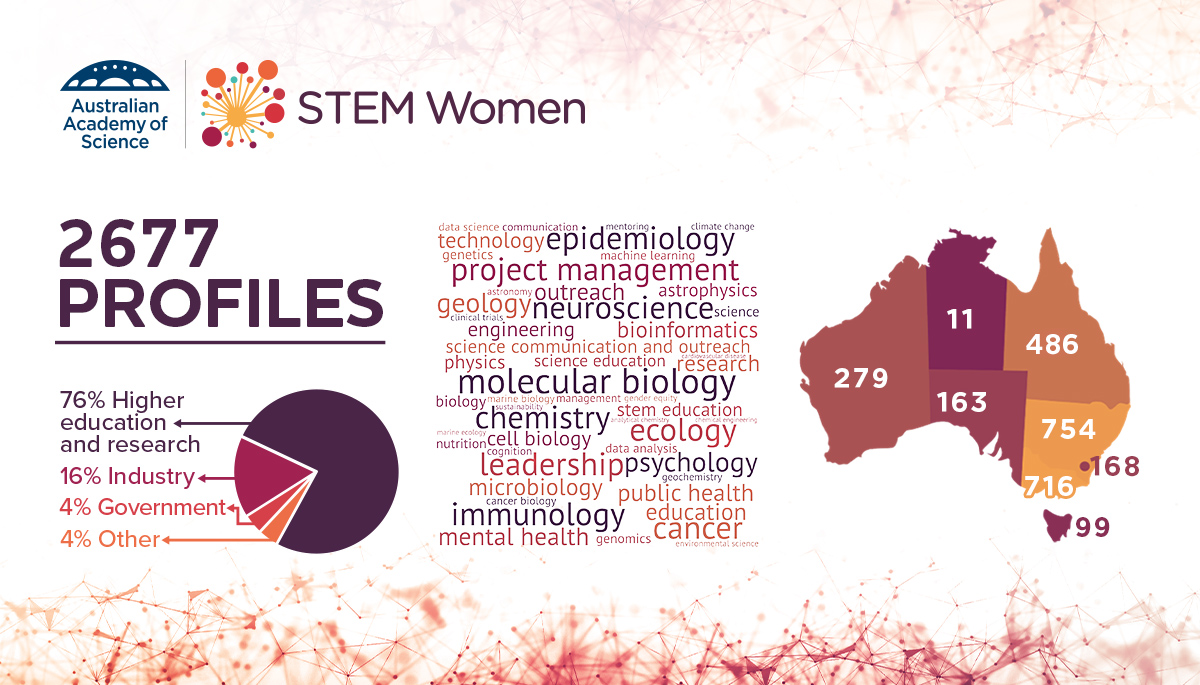
STEM Women set a target to publish more than 1000 profiles in its first year. This target was well and truly exceeded. Over 2600 women have created a STEM Women profile, and more than 41,000 people have visited the site.
STEM Women members demographic
Earlier this year, STEM Women carried out an evaluation to determine the directory’s demographic and how the website is accessed by women in STEM, including current and potential members. Three-quarters of STEM Women members work and study in the higher education and research (HER) sector, with substantial variety in STEM subject matter expertise. Over 10 per cent of profiles identify with several diversity attributes including culturally and linguistically diverse, LGBTQI+, Aboriginal, Torres Strait Islander, having a disability and neurodiverse.
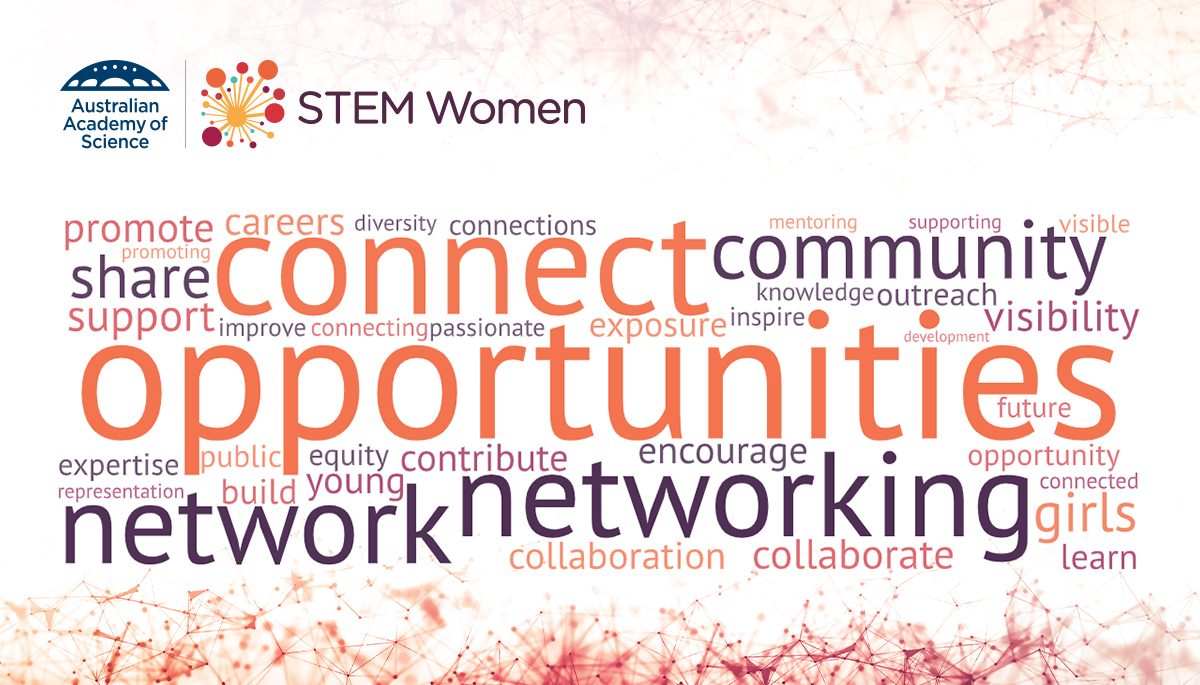
STEM Women members indicated that visibility, support, opportunities, and community were some of the main reasons they decided to join STEM Women. Additionally, 30% of survey respondents regularly used the search function on STEM Women, indicating that members are taking the initiative to learn more about and engage with their community.
Seekers find women in STEM
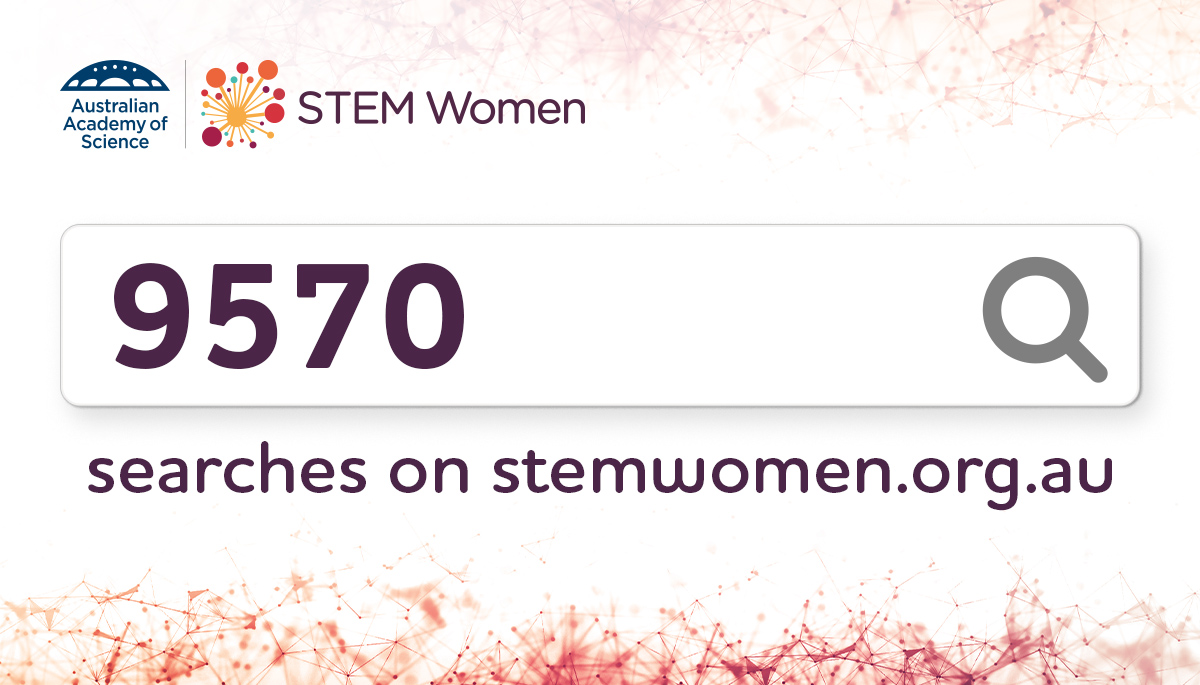
STEM Women allows seekers to search for experts via six filters: expertise, state, city, opportunity type, diversity attribute, and whether they have a working with children check. Out of the total 9570 searches made over the first year, seekers searched by expertise in 76 per cent of searches, which cements STEM Women as a discovery database.
Seekers searched with 1574 different expertise terms, the most common being chemistry, cancer, astronomy and nutrition.
Opportunities
The survey asked members to identify what opportunities they would like to be offered, such as speaking and outreach opportunities, media engagements, committee and board invitations or award nominations.
Committee and board invitations were the most highly regarded opportunity by respondents, which provides a key focus area for future promotion and partnering strategies.
“With the current gender disparity in the fields of engineering and IT, the STEM Women database has provided a brilliant and much needed central resource to bring forward the profiles of women in STEM from all across Australia … Through my profile I got the opportunity to have an amazing experience to mentor a team of students.”Dr Mureena Bano • Senior Lecturer at Deakin University, School of Information Technology
Beyond year one
Moving forward, STEM Women will set the target to reach 5000 profiles by August 2021. It aims to grow member representation across all sectors of the STEM workforce, particularly industry and government sectors, as well as those with VET qualifications. It is also aiming to increase the representation of senior women in STEM to inspire the next generation of senior executive women. Achieving more equal representation of profiles across the states and territories is also a priority.
Additional functionalities for profiles are being explored, such as calls for blog submissions and showcasing examples of STEM Women members connecting and collaborating.
STEM Women was created and supported by the Australian Academy of Science in partnership with CSIRO, Science & Technology Australia and the Australian Science Media Centre, along with financial support from the Australian Government. STEM Women aligns with the visibility opportunity outlined in the Women in STEM Decadal Plan, and the vison of the Australian Government’s Advancing Women in STEM strategy.
Australia’s home of science to shine brighter than ever
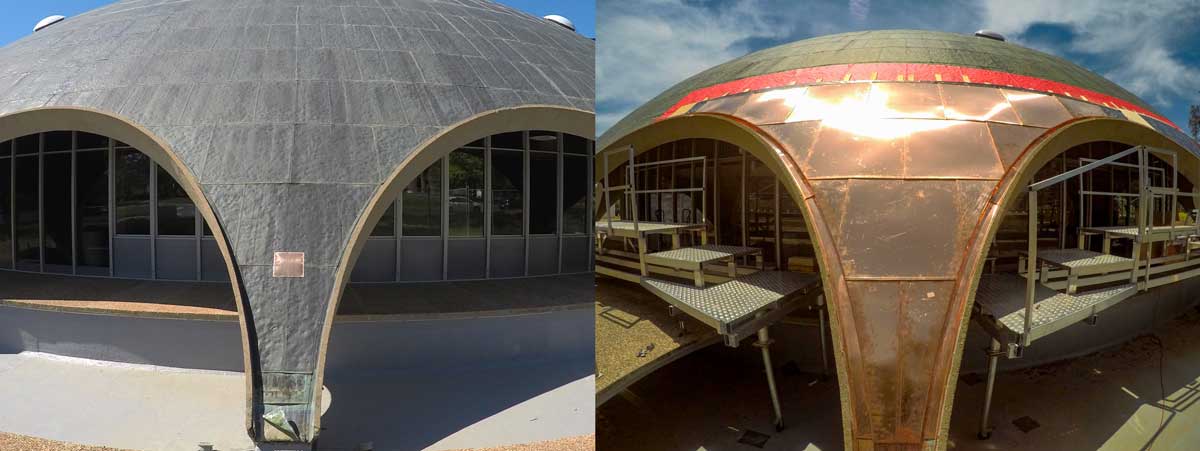
This previously published story has been updated to include the timelapse video of the dome's repair
A shiny dome
The home of Australian science, the Shine Dome, will sport a shiny new top and be far more energy efficient as works begin to repair the damage from the January 2020 hailstorm which severely dented the dome’s copper roof tiles.
Australian Academy of Science Chief Executive Anna-Maria Arabia said she is thrilled that the restoration works are underway.
“When the Shine Dome was first built, its design was described as unconventional and futuristic. It created all sorts of challenges for the architects and engineers involved and the restoration is no different today,” said Ms Arabia.
“This 21st century restoration of the Shine Dome will see innovative solutions used to bring the outside of the building back to its former glory.”
The concrete roof of the dome is sheathed in copper—and under the copper is a layer of vermiculite which partly insulates the interior from outside temperatures.
Rather than removing the existing copper tiles, the dome will be covered by a second layer of new copper, with a waterproof material placed between the two layers.
The dual layer will create an innovative ventilated roof. Airflow between the copper sheets will provide insulation and improve the building’s energy efficiency.
Work has begun to replace the copper over each of the 16 arches, where water drains from the roof into the moat.
The original copper was intended to oxidise to a dark green-brown over 10 years, but the clean air of Canberra meant that it took much longer.
The same will be true for the new copper which initially will be very shiny, fading to a dark brown over the coming 12 months and eventually to a light green over several decades.
Completed in 1959 and designed by Roy Grounds to provide a home for the Australian Academy of Science, the Shine Dome, previously known as Becker House, was the first Canberra building to be added to the National Heritage List.
It continues to attract worldwide attention and awards for its unique architectural design.
The restoration work on the Shine Dome is being carried out by ARC Roofing and is expected to be completed by early 2022.
The Shine Dome remains open for business as an event venue during the repairs and bookings are welcome.
Read more about the history of the Shine Dome.
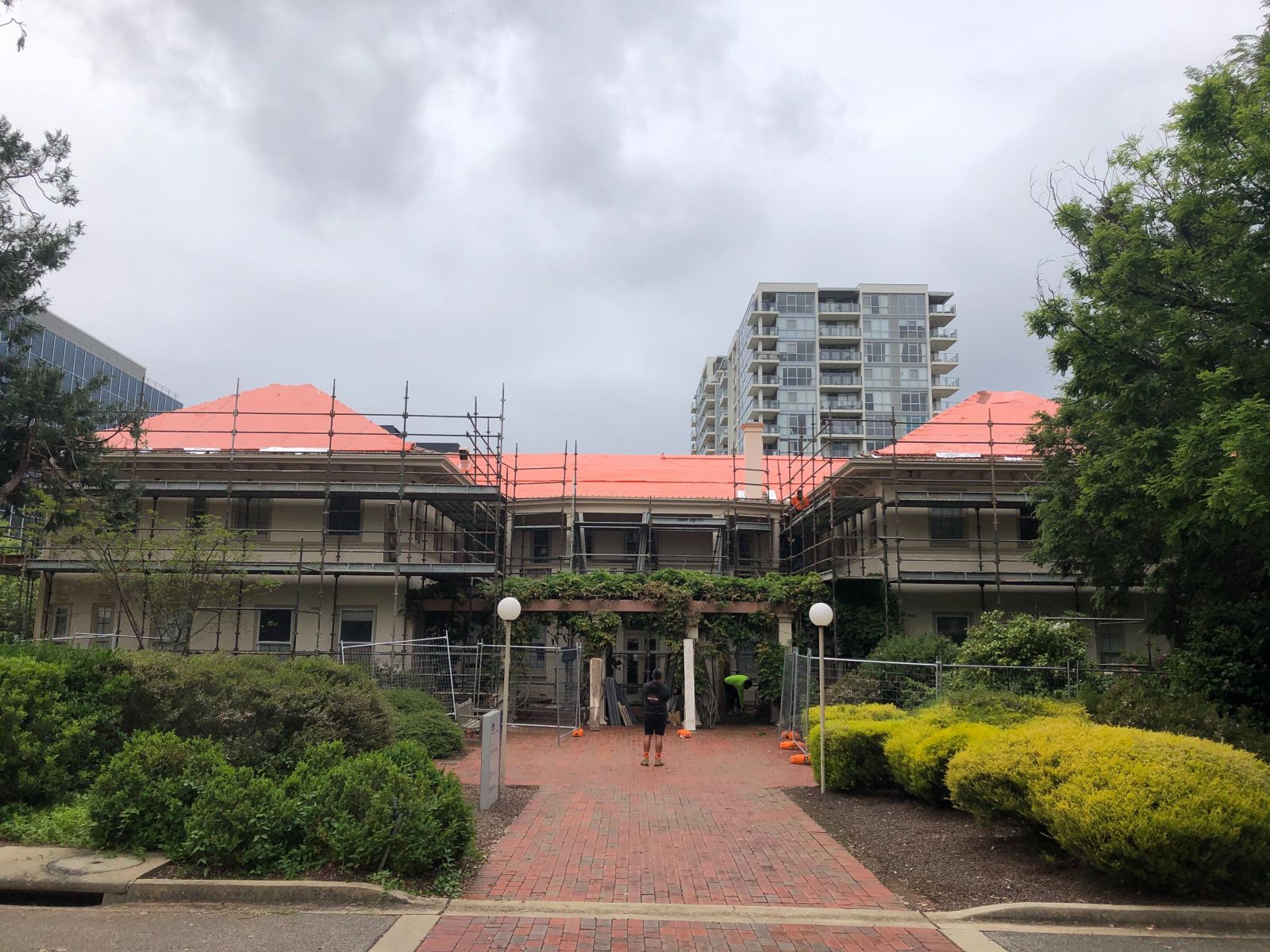
Ian Potter House renovation
Repair and refurbishment works have also begun on Ian Potter House, the office space of the Academy staff, which also suffered severe hailstorm damage. Ian Potter House is located adjacent to the Shine Dome.
Built during the Federal Capital Commission's building program for the transfer of public servants to Canberra in 1927, Ian Potter House was originally the Acton Private Hotel. Ian Potter House was placed on the ACT Heritage Register in 1998.
The restoration work on the building is expected to be completed in mid-2021.
Eric Martin and Associates Architects are involved in both the Ian Potter House and Shine Dome restoration projects.
Fellows awarded NSW Premier’s Prizes
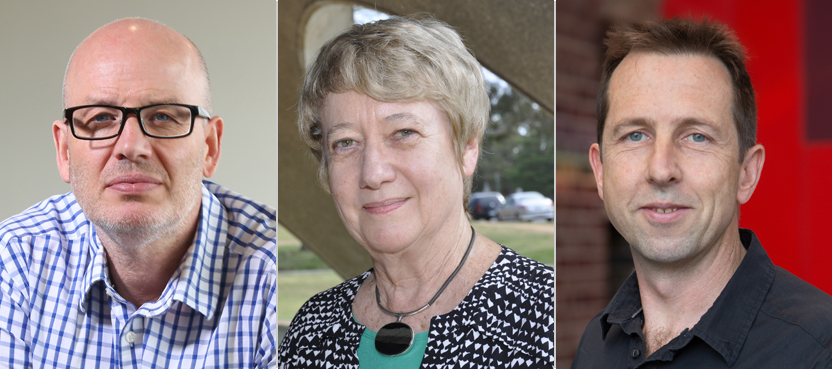
Three Academy Fellows have taken out NSW Premier’s Prizes with virologist Professor Edward Holmes named the 2020 NSW Scientist of the Year.
Professor Suzanne O’Reilly received the Prize for Excellence in Mathematics, Earth Sciences, Chemistry or Physics, while Professor Ian Wright received the Prize for Excellence in Biological Sciences.
Professor Holmes, who will receive a prize of $60,000, was honoured for his research on the emergence, evolution and spread of viruses. His particular focus is on how viruses can jump species boundaries, with the potential to cause disease epidemics and pandemics.
Professor Holmes was involved in key research that showed that SARS-CoV-2 was the causative agent of COVID-19. In January this year he was the first person to publicly release the genome sequence of the virus, enabling the rapid development of diagnostic tests.
He followed this with fundamental research into the animal origins of SARS-CoV-2, helping to demonstrate the presence of related viruses in bats and pangolins, and showing that coronaviruses have an ability to jump species boundaries and emerge in new hosts.
“It’s a tremendous honour to receive this award, which is built on the hard work of my team and collaborators over many years,” Professor Holmes said.
“I’m so thankful and proud to be living in a state and country in which the science has been listened to and used to help build such an effective response to COVID-19.”
Professor Holmes explained the origins of COVID-19 in an in-depth interview with the Australian Academy of Science in April.
“I was not at all surprised this happened. We’d been predicting it for a long time,” said Professor Holmes in the interview.
The NSW Premier’s Prizes for Science & Engineering is an annual event held by the NSW Government to celebrate the achievements of the state’s finest scientists, engineers and educators.
Australian researchers' achievements recognised with Prime Minister’s Prizes
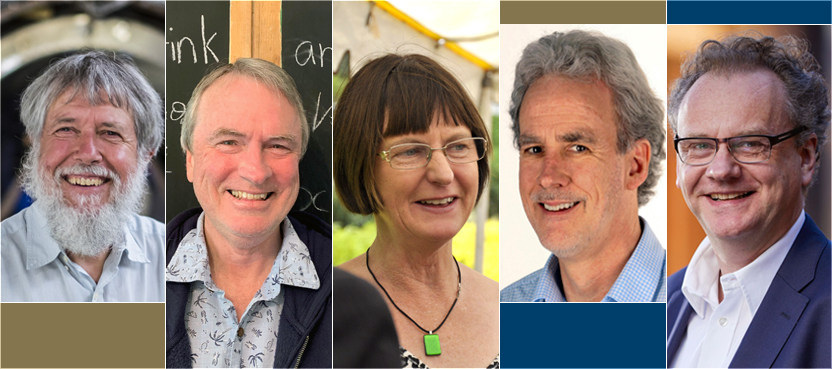
Academy Fellows Emeritus Professor David Blair, Professor David McClelland and Professor Susan Scott, with their colleague Professor Peter Veitch, have been jointly awarded the Prime Minister’s Prize for Science for their significant contribution to the first direct detection of gravitational waves, while Academy Fellow Professor Thomas Maschmeyer has been awarded the Prime Minister’s Prize for Innovation.
The Prime Minister’s Prizes for Science were presented by the Prime Minister Scott Morrison and the Minister for Industry, Science and Technology Karen Andrews during an online public event.
Traditionally, the Academy acknowledges prize recipients the morning after the awards with a breakfast at the Shine Dome, but this year it is celebrating online to recognise the leading researchers, innovators and teachers.
Academy Fellows have featured each year since the prizes’ inception in 2000.
All four recipients of the Prime Minister’s Prize for Science are Chief Investigators at the ARC Centre Of Excellence For Gravitational Wave Discovery (OzGrav).
Gravitational wave detectors allow scientists to detect and understand parts of the universe that are invisible to all other methods of detection.
OzGrav's work ensured the stability of high-power laser beams and the optical perfection of mirrors in the detectors, and provided the theoretical underpinnings to the model for black hole collisions that enabled the detected signal to be definitively identified.
Academy Fellow Professor Thomas Maschmeyer received the Prime Minister’s Prize for Innovation for his work in developing a process for recycling mixed plastics and a new energy storage platform.
His catalytic thermal reactor efficiently converts mixed plastics into smaller hydrocarbon components that can be used to produce sustainable chemicals or as a sustainable fuel, while his ‘Gelion’ energy storage platform uses safe, low-cost zinc-bromide battery technology to store renewable energy, reducing our reliance on lithium-ion and lead-acid batteries.
Academy Fellows elected to the Australian Academy of Health and Medical Sciences
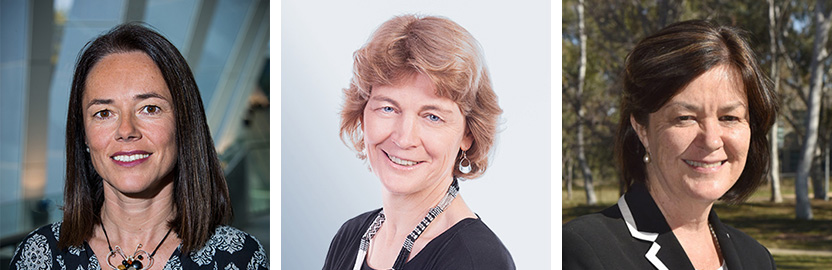
(from left) Academy Fellows Professor Carola Vinuesa, Professor Naomi Wray and Professor Susan Clark have been elected to the Australian Academy of Health and Medical Sciences.
Three Academy Fellows have been elected to the fellowship of the Australian Academy of Health and Medical Sciences (AAHMS) today.
They are part of a cohort of 28 top medical and health researchers elected by their peers in recognition of their outstanding contributions to the health and medical research landscape in Australia.
Professor Carola Vinuesa FAA FAHMS—an experimental immunologist, Professor Vinuesa has been contributing to the COVID-19 effort by ensuring Australia has sufficient testing capacity. She led a team to optimise testing platforms using saliva testing and robotics to increase testing throughput. Prior to the pandemic, her work has been instrumental in understanding how the human immune system produces a long-lasting antibody response to disease. She is the Head of the Department of Immunology and Infectious Diseases at the John Curtin School of Medical Research at the Australian National University. More about Professor Vinuesa
Professor Naomi Wray FAA FAHMS—working at the interface of statistics, genetics and neurological disorders, Professor Wray studies complex genetic disease. She has a particular focus on psychiatric disorders and describes her work as a ‘dialogue’ between the development of new methods to analyse data and using mathematical models to describe and interpret that newly available information. Her theoretical work on the prediction of rates on genetic inbreeding has led to changes worldwide in agricultural selection programs. She holds joint appointments at the Institute for Molecular Biology and the Queensland Brain Institute within the University of Queensland. More about Professor Wray
Professor Susan Clark FAA FAHMS—a human cancer epigeneticist, Professor Clark is perhaps most known for her development of DNA methylation and histone modification sequencing technologies that help simplify epigenetic analysis. She has made extensive discoveries relating to DNA-methylation patterns in normal and cancer genomes that have led to commercialisation of new tests for early cancer detection. She is credited with initiating profound questions on the importance of epigenetics in disease and is the inaugural Head of the Genomics and Epigenetics Theme at the Garvan Institute of Medical Research. More about Professor Clark
AAHMS President and Academy of Science Fellow, Laureate Professor Ingrid Scheffer, has highlighted that “health and medical science has never been more in the spotlight.”
“The diverse talents and expertise of these Fellows reflects the incredible breadth and depth of Australia’s world class health and medical research. It is this solid base of expertise that has equipped the country to address the pandemic so successfully.”
The Australian Academy of Science and the Australian Academy of Health and Medical Sciences work closely on relevant issues and have co-led several Rapid Research Information Forum reports, providing responses to key questions about COVID-19 to politicians and policymakers.
Leading academies say science is more important than ever in solving global challenges

Pandemics and the emerging digital divide were two of the topics covered in recommendations to G20 nations by the world’s leading science academies. Image: Image by Gerd Altmann from Pixabay
The world’s leading science academies have expressed deep concern about global challenges in the context of the COVID-19 pandemic and have made recommendations to G20 leaders on how to find solutions.
The S20, the national academies of science of G20 nations, supports the G20 by connecting it to the international scientific community. Comprising the national academies of the world’s most prosperous nations, it presents policymakers with consensus-based recommendations for the chosen topics of interest in each year.
Recommendations
The S20 recently produced a statement outlining emerging critical challenges in health, the environment and technology, highlighted by the very real occurrence of the globally disruptive coronavirus pandemic. The recommendations in the S20 statement covered topics including pandemics, the emerging digital divide, circular economy systems, and renewables aimed at net zero carbon emissions.
Academy Fellows Professor Veena Sahajwalla, Professor Rod Tucker and Professor Bob Williamson were members of taskforces put together by this year’s S20 host country, Saudi Arabia. The taskforces provided input to the S20 statement which was presented to G20 leaders for consideration.
Global research community
According to Academy President Professor John Shine, the challenge of COVID-19 has shown how effectively the world’s research community can respond to a crisis.
“The efforts to find a vaccine and other treatments have been a collective global effort, and it is vital that S20 academies and the global research community continue to work together as they are during the pandemic.
“Academies should support inclusive education and literacy programs for all to ensure digital education opportunities, especially for girls and women, minority groups and disadvantaged communities.
“They should also influence G20 countries to reduce fossil fuel use, to find alternative sources of energy, and to aim for net zero carbon emissions.”
Previous S20 meetings have been hosted by Germany (2017), Argentina (2018) and Japan (2019). In 2021, for the first time, Italy will host the S20 meeting and G20 Summit.
Read the S20 statement presented to G20 leaders
Video: What is a circular economy?
The S20 statement covered topics including pandemics, the emerging digital divide, circular economy systems, and renewables aimed at net zero carbon emissions.
Towards net-zero emissions at Australia's home of science
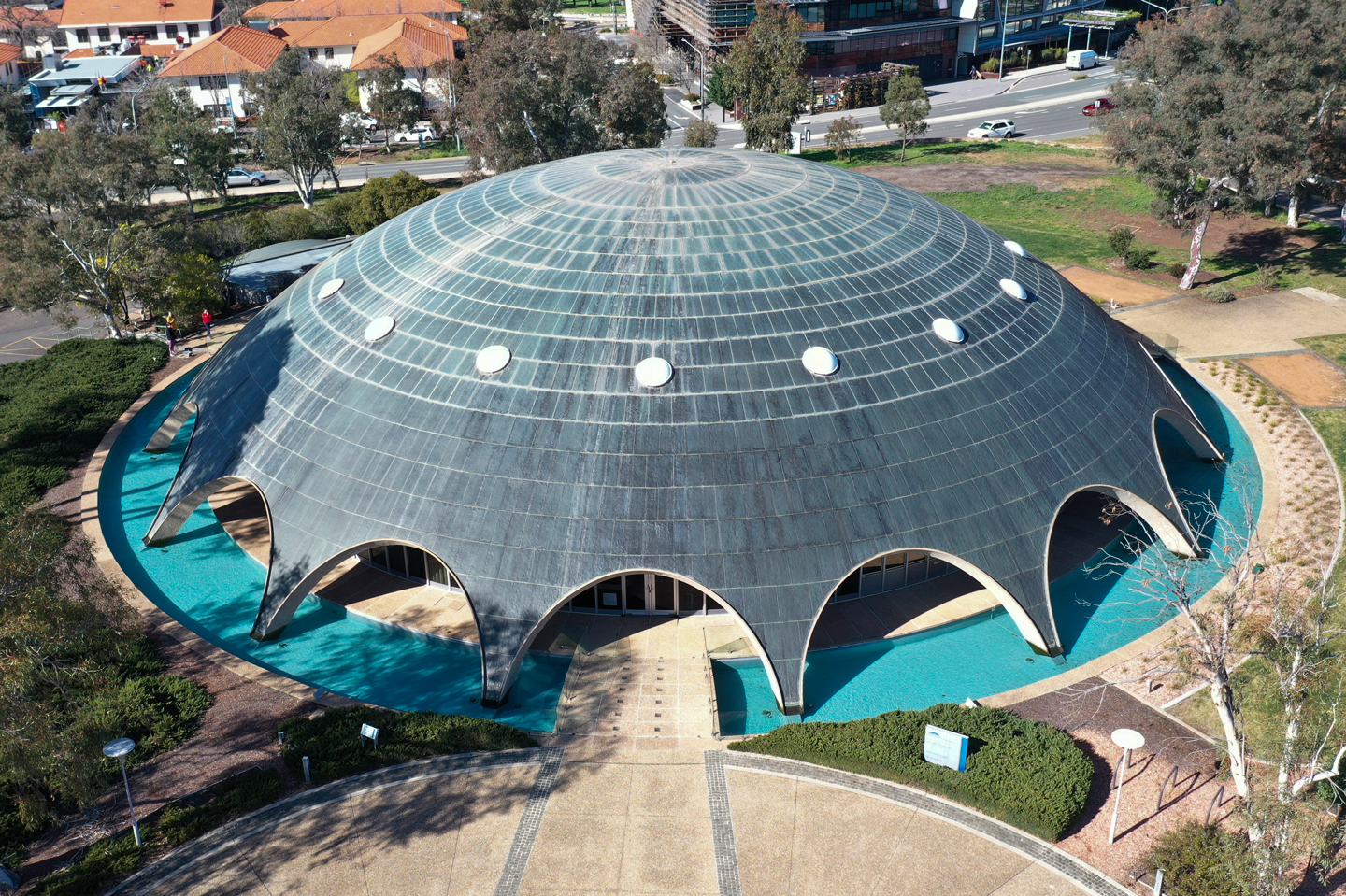
The Australian Academy of Science has committed to reducing its impact on climate change by working towards a net-zero emissions future for the Shine Dome.
The University of Canberra has partnered with the Academy to develop a sustainability plan that will renew or replace environmental systems at the National Heritage Listed Canberra landmark.
Researchers from the University of Canberra's Faculty of Arts and Design have received more than $200,000 in funding for ‘The Sustainable Shine Dome’ project as part of the Commonwealth Government’s National Heritage Grants.
“The plan researches and adopts world leading strategies and innovative approaches to protect and sustainably manage the place’s national heritage values,” said Professor Dr Michael Jasper.
“A sustainability plan responsive to changing technologies ensures the Shine Dome continues to represent the scientific energy and experimentation of the Academy of Science.”
The project began in June, and talks are currently underway with project partners GHD and GML Heritage to assess the current state of the building and explore possible modifications.
The project will see the adoption of world-leading strategies and innovative approaches to ensure progressive energy and emissions reductions while protecting and sustainably managing the Shine Dome’s national heritage values.
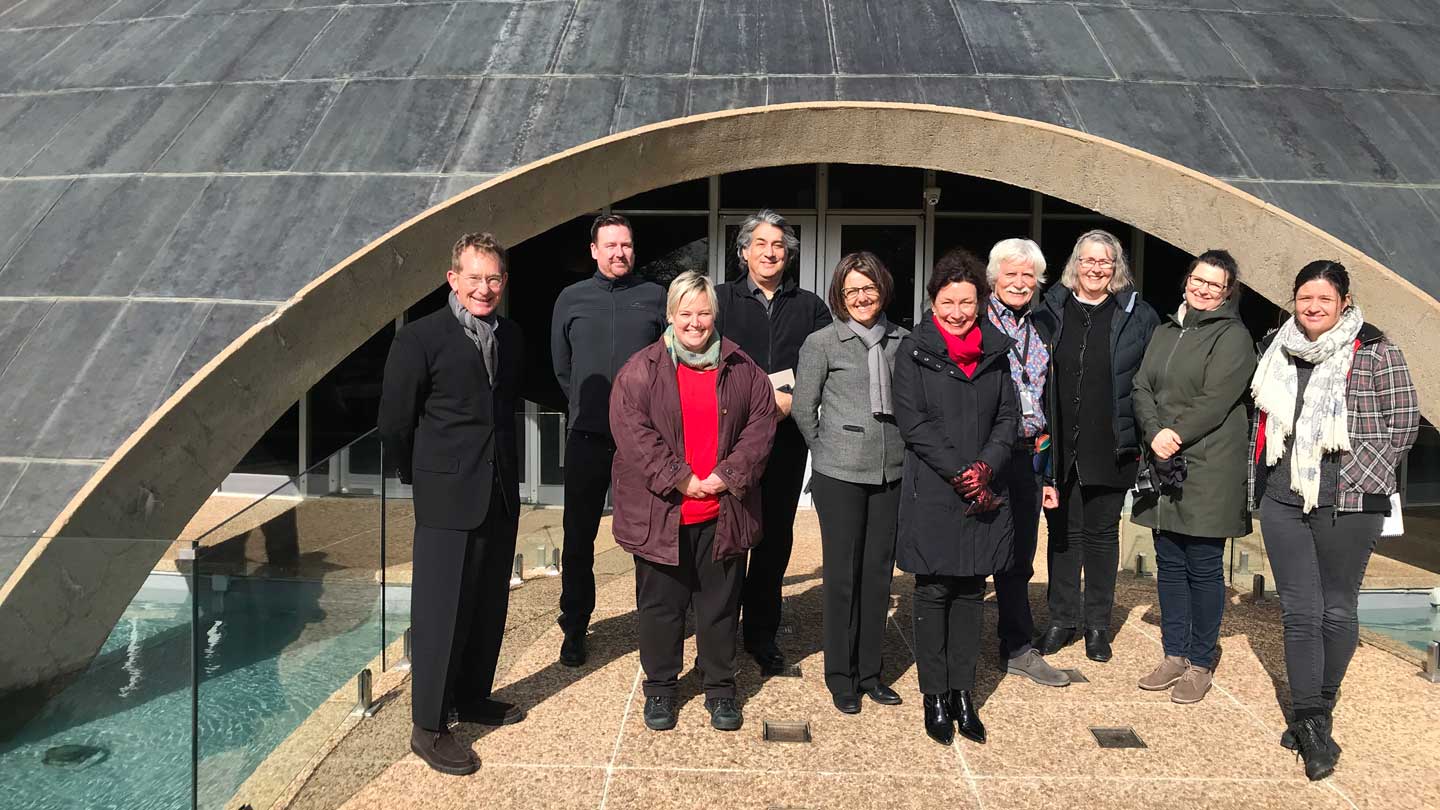
As part of the project, the public will have the opportunity to take part in a series of educational activities to improve the awareness of the Shine Dome’s national heritage values, with the first activity beginning in December.
Australian Academy of Science Chief Executive, Anna-Maria Arabia, said the Academy is thrilled that the University of Canberra has been awarded an Australian Government Heritage Grant to develop a sustainability plan for the iconic Shine Dome.
“A sustainability plan to guide what is needed to reduce the Shine Dome’s energy and emissions footprint, is not only good for the environment but also reflects the values and work of the Fellows of the Academy who call the Shine Dome home,” Ms Arabia said.
“The Shine Dome, Australia’s home of science, was the first building to be listed on the National Heritage List and its preservation and protection is important so it can be enjoyed by future generations.”
The project is being undertaken simultaneously with the restoration of the copper covering the dome, which was damaged in a hailstorm in late January. Read more about the restoration of the Shine Dome roof.
The Shine Dome remains open for business as an event venue during the works and bookings are welcome.
Learn more about the history of the Shine Dome.
Academy Fellows say it’s time to establish an independent biodiversity agency
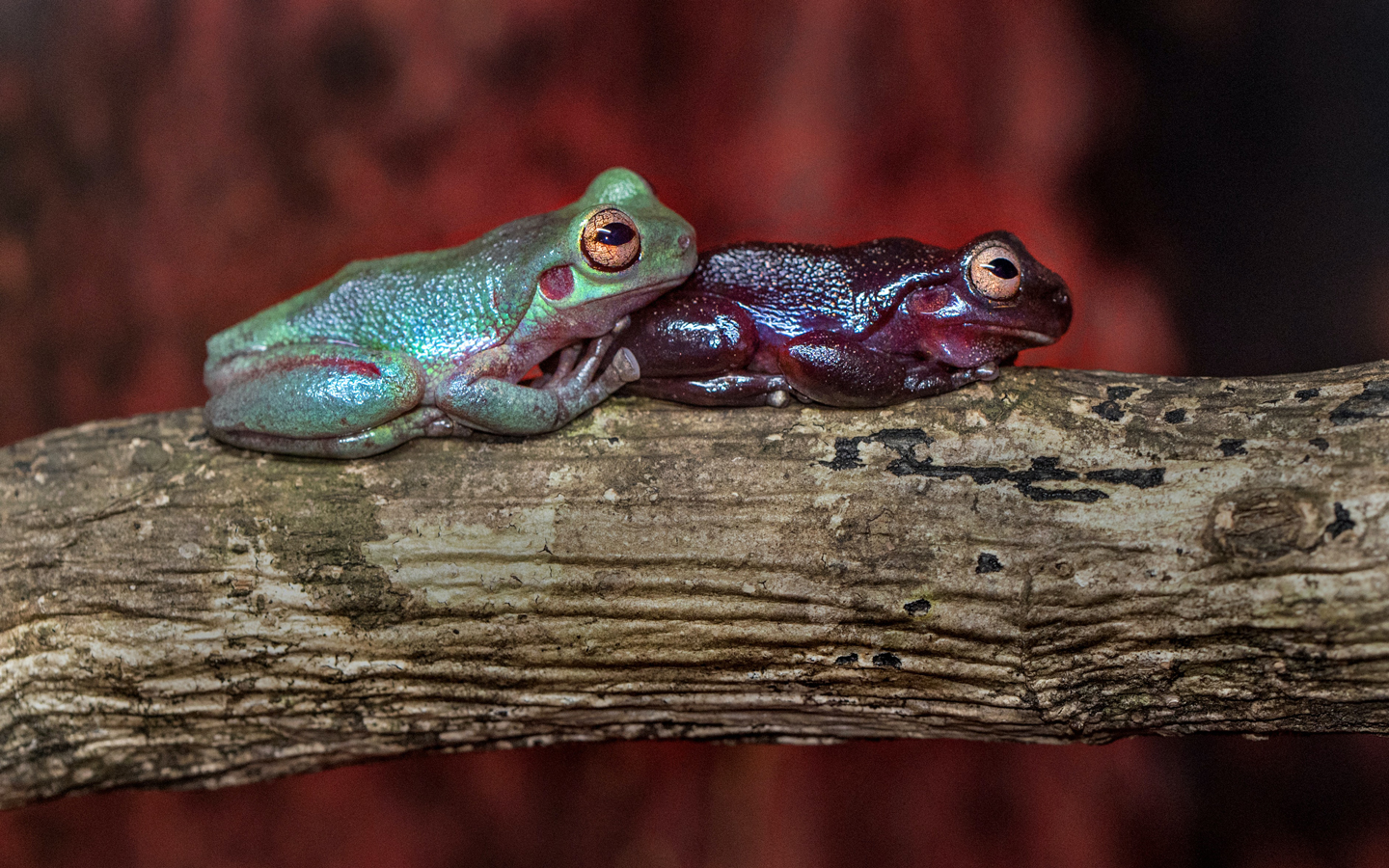
The cave-dwelling tree frog, Litoria cavernicola. Photo: David Clode, Unsplash.
With Australia failing to halt species decline and our biodiversity management systems broken, now is the time to establish a new independent agency to manage our nation’s biodiversity data, according to Australia’s leading scientists.
The recommendation by the Australian Academy of Science is part of a brief that has been sent to all Australian MPs and senators ahead of debate, expected in the Senate in November, on the Australian Government’s Environment Protection and Biodiversity Conservation Amendment (Streamlining Environmental Approvals) Bill 2020.
The government is arguing that the legislation forms part of phase one of Professor Graeme Samuel’s proposal for reform, with the amendments described as the first tranche of reforms associated with the legislative review of the EPBC Act.
Australian Academy of Science Fellow, Professor Craig Moritz, said the Academy welcomes the interim findings of the Samuel review.
“The Academy holds that all the recommended elements—National Environmental Standards, scientific evidence through high-quality data and analysis tools, and robust and independent assurance systems—are essential to ensure that devolved decision-making retains the confidence of the Australian people,” Professor Moritz said.
“The Samuels report is a comprehensive program for reform and should be pursued systematically and in full. In this context, parliamentary scrutiny to understand the implications of the Bill and the government’s plan for the implementation of the Samuel report is desirable.”
The brief by the Academy states that the governance, accessibility, evaluation and monitoring of Australia’s biodiversity information and data is broken.
“The Academy considers this is an unacceptable situation, one that is not tolerated in other domains such as weather information, biosecurity, health and welfare,” Professor Moritz said.
“The Academy is of the view that it is time to establish a new national biodiversity information system led by an independent agency.
“Such an agency would independently observe, analyse, forecast and warn on the state and trends of Australia’s biodiversity in the way that the Bureau of Meteorology (BOM) provides information on Australia’s weather and climate.
“It would need to have a legislative mandate, curate data, work with states and be empowered to enforce national environmental data standards.
“All decisions made under the EPBC Act require scientific evidence backed by reliable data. A transparent, accountable evidence base calls for data to be collected according to common requirements and standards, interpreted and reported, and for that information to be publicly available.
“There is currently no such multi-scale approach, nationally, to creating a data-focused evidence base for transparent and accountable EPBC decisions,” Professor Moritz said.
A key recommendation of Professor Samuel’s interim report is the establishment of a national environmental data custodian, or a biodiversity information agency.
The three elements of reform proposed by the Academy are:
- establishing a national environmental analysis body (a ‘Biodiversity BOM’)
- implementing national data standards
- developing nationally consistent transparency of evidence.
Federal Budget a significant response to the pandemic science crisis
The Australian Academy of Science says the 2020–21 Federal Budget is a significant response to the crisis facing Australia’s scientists as a result of the pandemic.
The additional $1 billion injection of funding in 2021 to support research at Australia’s universities hit badly by the pandemic is welcomed by the Academy.
An increase in 505 jobs in a cross section of government science agencies will also assist in research recovery.
The Academy applauds the strategic decision to back proven STEM school education programs by injecting $27.3 million over five years as an investment in the future workforce.
This includes $9.6 million over five years to support programs delivered by the Australian Academy of Science.
The Academy also welcomes:
- $10 million to extend the Women in STEM and Entrepreneurship Program (WISE) and the extension of the term of the Women in STEM Ambassador, both of which will assist in the continuation of the implementation of the Academy’s Women in STEM Decadal Plan.
- Recognition of the impact of the pandemic on Australia’s national science agencies, in particular CSIRO, BOM and ANSTO, with $965.6 million in additional funding over four years.
- Continued delivery of the 2020 Research Infrastructure Investment Plan with $36.3 million to upgrade the Sea Simulator at AIMS; $8.3 million for new synthetic biology infrastructure; and $7.6 million to upgrade the Australian Community Climate and Earth System Simulator (ACCESS) as recommended by the Academy’s Climate Science Capability Review in 2017.
- $1.5 billion for the manufacturing strategy announced by the Prime Minister last Thursday focused on bringing business research collaboration at scale.
- $41.6 million for a Strategic University Reform Fund.
- A further $36.6 million provided over two years from 2020-21 to maintain the timeliness of environmental assessments and undertake further reforms under the Environment Protection and Biodiversity Conservation Act 1999 (EPBC Act).
Additional refinements to the R&D tax incentive are positive, however, given that non-mining investment will fall by over 14.5% in 2021, more is needed to transform Australia’s business investment in R&D.
President of the Australian Academy of Science, Professor John Shine, says that the Government has made significant strides in addressing the impacts of the pandemic on Australian scientists.
“Australia has been able to respond well to the pandemic because of the decades of substantial investment in science and research capability. Researchers in a wide range of disciplines including those outside of medical research are critically involved in the pandemic response,” Professor Shine says.
“In the coming years more work will need to be done to fix Australia’s fragmented research funding system. The funding injection for university research will retain capability in 2021 and goes some of the way to cushioning the blow to the research sector as a result of the pandemic.
“The Academy calls upon the government to engage all stakeholders to develop a comprehensive roadmap for Australian science and research funding to place it on a sustainable footing over the long term.”