




Academy celebrates one million likes on Facebook

What is an equinox? Why do you need a flu shot every year? Does the world have enough food?
These are just some of the questions the Australian Academy of Science has asked and answered since launching it’s an ambitious new initiative to connect more people with science.
In 12 months the Academy has produced more than 200 breaking news and other science videos and articles resulting in one million likes on its Facebook page, from a starting point of 9000.
The public’s appetite for trusted and credible scientific information from the Academy is backed up by the University of Canberra’s Digital News Report: Australia 2018, which found 65% of Australians are concerned about what’s real and what isn’t when it comes to online news.
All of the Academy’s content is thoroughly checked by scientists and Fellows to make sure only accurate, well researched information is shared.
The Academy’s impact is global and it is one of a select group of organisations to be verified as a trusted education account on China’s social media platform, Weibo. Its Chinese language content has been viewed nearly 13 million times.
Watch the videos and read the articles on our website, and like and follow us on social media:
The importance of immunisation and a message for everyone
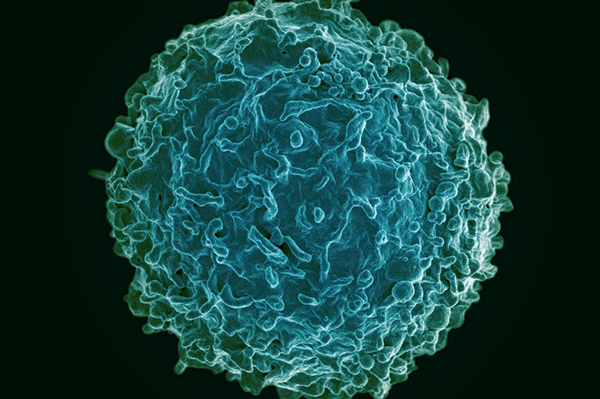
Immune system B cell. Credit: NIAID (CC-BY-2.0)
The Australian Academy of Science has joined with the Australian Department of Health to launch a series of videos, articles and images to dispel vaccination myths and to promote the benefits, safety and science of immunisation.
Secretary for Science Policy at The Australian Academy of Science, Professor David Day FAA, said the updated content is aimed at addressing some of the prevailing views toward immunisation revealed in the latest survey of Australians’ beliefs and attitudes towards science.
“Respondents from the survey who said childhood vaccination should not be compulsory cited reasons such as ‘(the) reaction can be harmful / allergic in some cases (18%) and ‘(I) don’t trust vaccines / they don’t always work / they’re not necessary (12%),” Professor Day said.
“We hope that the misunderstandings about immunisation that still exist in some parts of the community can be addressed through this new series.
“On a positive note the survey found that more than half of the respondents who supported compulsory vaccination for children cited herd immunity and other related ideas as a reason for their position. Herd immunity and how it works is one of the topics clearly explained in our video series,” Professor Day said.
Topics explored in each video, article and image include:
- Immunisation overview
- What is immunisation?
- What’s in a vaccine?
- Who benefits from vaccination?
- How safe are vaccines (and how do we know)?
- What’s the future of vaccination?
The content is based on the Academy publication: The Science of Immunisation: Questions and Answers.
The content has been rigorously fact-checked by Academy Fellows and features some of Australia’s leading experts in the field including:
- Laureate Professor Peter Doherty AO FAA, Doherty Institute, who won a Nobel Prize in Physiology and Medicine in 1996 for his contributions to the science of immunisation.
- Professor Anne Kelso AO FAA, CEO of the National Health and Medical Research Council
- Professor Robert Booy, immunologist, Westmead Institute for Medical Research
- Professor Ian Frazer FAA, Gardasil vaccine co-founder, University of Queensland
- Professor Julie Bines, lead rotavirus researcher at the Murdoch Children’s Research Institute
Feeling neighbourly? Apply now for a Regional Collaborations grant
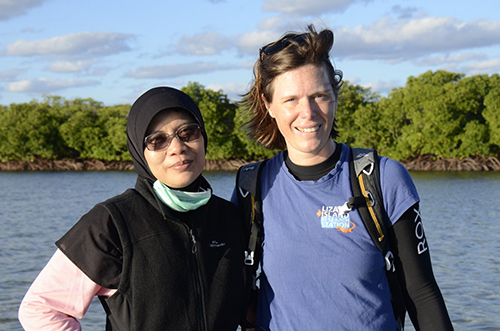
Dr Sarah Hamylton and Dr Nani Hendiart
Applications are now open for eligible Australian research organisations and businesses who wish to apply for funding for projects and/or workshops under round two of the Regional Collaborations Programme.
The programme, administered by the Australian Academy of Science, will fund Australian participants from eligible organisations to collaborate with regional and international science, research and innovation partners on solutions to shared regional challenges within the Asia–Pacific region. The latest funding round was launched by the Minister for Industry, Science and Technology Karen Andrews.
Funding of up to $1.38 million is available for collaborative, multi-partner projects. Projects are expected to commence after 1 April 2019 and must be completed by 31 December 2020.
Funding of up to a total of $250,000 is available for non-project aligned, multi-partner workshops. Up to $100,000 per workshop is available for workshops held between 1 April 2019 and 31 December 2020.
The first funding round provided five research projects with a total of just under $900,000. Nearly $2.5 million of matched funds by project partners was invested in the projects, close to a 3:1 return.
Dr Sarah Hamylton from the University of Wollongong was awarded $45,000 over three years to develop institutional capacity for regional monitoring of costal climate change impacts through remote sensing technologies.
“To be neighbourly is to be helpful, kind and supportive to those in your vicinity. This was the spirit adopted for a recent workshop I hosted on the Central Great Barrier Reef with support from the Regional Collaboration Program,” Dr Sarah Hamylton said.
Masters and PhD student participants from Indonesia’s Hasanuddin University are now incorporating skills covered during the workshop into their projects in the Spermonde Archipelago (Indonesia), with ongoing guidance from Dr Hamylton, who plans to visit their field site next year.
The deadline for applications for round two funding is 30 November 2018.
Academy announces winners of latest research funding

Ms Lisa Hunt and Dr Grace Muriuki
Ms Lisa Hunt from the University of Adelaide is the recipient of the Academy’s 2019 Moran Award for History of Science Research.
Ms Hunt, a History PhD candidate, will study the development of Australian science during a period of significant change (1945 to 1963), and its impact on popular perceptions of science in Australia. The Snowy Mountains Scheme, Australia’s First Nuclear Reactor and the Parkes Telescope will be used as case studies.
Ms Hunt said in each case, an historical account of the scientific development will be constructed from existing secondary sources, along with an analysis of primary sources obtained from institutional archival records and public records such as parliamentary proceedings.
“A longitudinal study of public discourse and popular culture such as print media, educational films, television and radio segments produced between 1939 and 1963 will also be undertaken, to provide insights into popular attitudes toward these important scientific developments over time,” Ms Hunt said.
The Moran Award for History of Science Research is aimed at postgraduate students and other researchers with expertise in the history of Australian science. More information about the Moran award.
Dr Grace Muriuki, Research Fellow at the University of Queensland, is the recipient of a grant from the Academy’s 2019 WH Gladstones Population and Environment Fund.
Dr Muriuki will use the grant to study food security in rural and remote indigenous communities of The Pilbara and the potential for resource corridors in local food systems.
“It is well-known that the benefits and burdens of mining are distributed unevenly within remote communities. Studies have shown differential spatial patterns in economic and social dimensions of employment and income, housing access, education and skills training, public services, and non-mining business growth among different communities within resource-rich environments,” Dr Muriuki said.
“The research is aimed at identifying actions to maximise the potential of targeted corridors to disrupt systemic barriers to food insecurity in select remote communities.”
The WH Gladstones Population and Environment Fund offers support for empirical research into how the size, distribution, material aspirations and other characteristics of Australia’s population are likely to affect our environment. More information about the fund.
Communique—Australia’s agriscience future
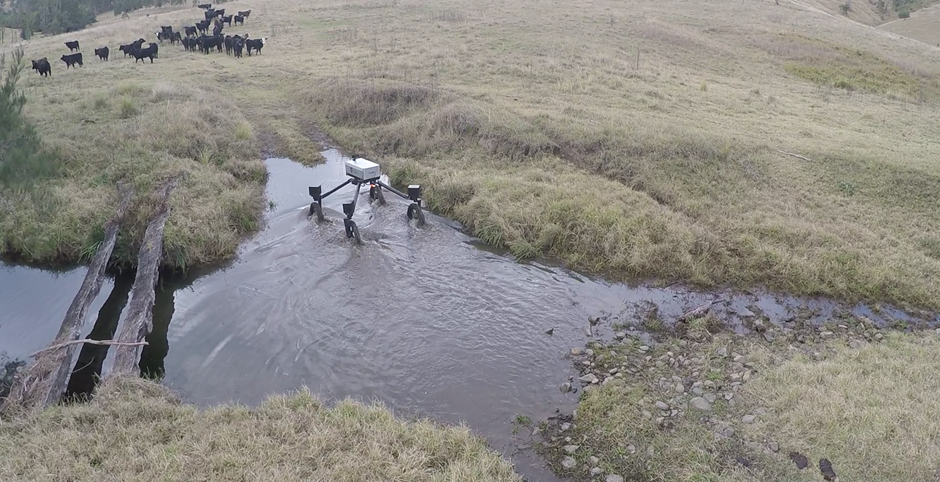
The deployment of technologies such as robotics, autonomous systems and remote sensing is part of a new wave of innovation in agriculture. Photo: Australian Centre for Field Robotics, University of Sydney
Leaders from Australia’s science and innovation sector met in Canberra today to discuss an ambitious vision for Australia’s rural research and innovation system over the coming decade.
The forum was convened by the Australian Academy of Science and its National Committee for Agriculture, Fisheries and Food.
It involved participants from Australia’s global and local agricultural biotechnology and agrochemical companies, the Rural Research and Development Corporations, the Commonwealth and state governments, CSIRO and Australian universities.
There was clear consensus that Australia is leading from a position of strength in agriscience. We have long-term mechanisms for research and commercialisation and a strong global reputation for safe, high-quality food production and manufacturing.
We have world-leading expertise in Australia’s challenging agricultural environment—dry-land broad-acre crops, meat and livestock production, horticulture, wine, fisheries and forestry to name just a few.
There was also recognition of the opportunities and the challenges inherent in new and disruptive technologies—remote monitoring and automated or autonomous planting, harvesting and processing systems for example—as well as the increasing globalisation of food value chains.
Priorities
Moving forward, participants agreed on a number of priorities:
- The critical nexus between food and agriculture with nutrition, health and sustainability
- Building a culture of trust and cooperation within and between agricultural research and innovations companies, research organisations and the community
- Increasing and enhancing the scope and value of Australia’s participation in global value chains
- Sustained, long-term investment in agricultural and related infrastructure to enable current and emerging technologies
- Better support for commercialisation of research into new products and services, including improved arrangements for management of IP and enhanced incentives for investors
- Sensible reform and coordination of Australia’s regulatory environment for both existing and emerging agricultural products and technologies
- Enhanced mechanisms to coordinate, share and benefit from big agricultural data collected by both private companies and governments.
Participants acknowledged the strong commitment to Australia’s rural science and innovation sector from the Commonwealth and state and territory governments, and welcomed the opportunity to engage with the several reviews currently in progress.
Participating organisations
- AgriFutures Australia
- Agri-Science Queensland
- ARC Centre of Excellence for Plant Energy Biology
- AusBiotech
- Australian Academy of Science
- Australian Academy of Technology and Engineering
- Australian Centre for Robotic Vision
- Australian Farm Institute
- Australian Meat Processor Corporation
- Australian Pork Ltd
- Bayer Australia Ltd
- Cotton Research and Development Corporation
- Council of Rural Research and Development Corporations
- CropLife Australia
- CSIRO
- Department of Agriculture and Water Resources
- Corteva AgriSciences
- EY
- Farm Animal Research Australia
- Fisheries Research and Development Corporation
- Food Agility CRC
- Grains Research and Development Corporation
- Horticulture Innovation Australia Ltd
- Howard Partners
- NSW Department of Primary Industries
- Sugar Research Australia Ltd
- The Crawford Fund
- The University of Sydney
- The University of Melbourne
- University of Western Australia
- Wine Australia
‘Tour de force’ of Australian astronomy given high honour
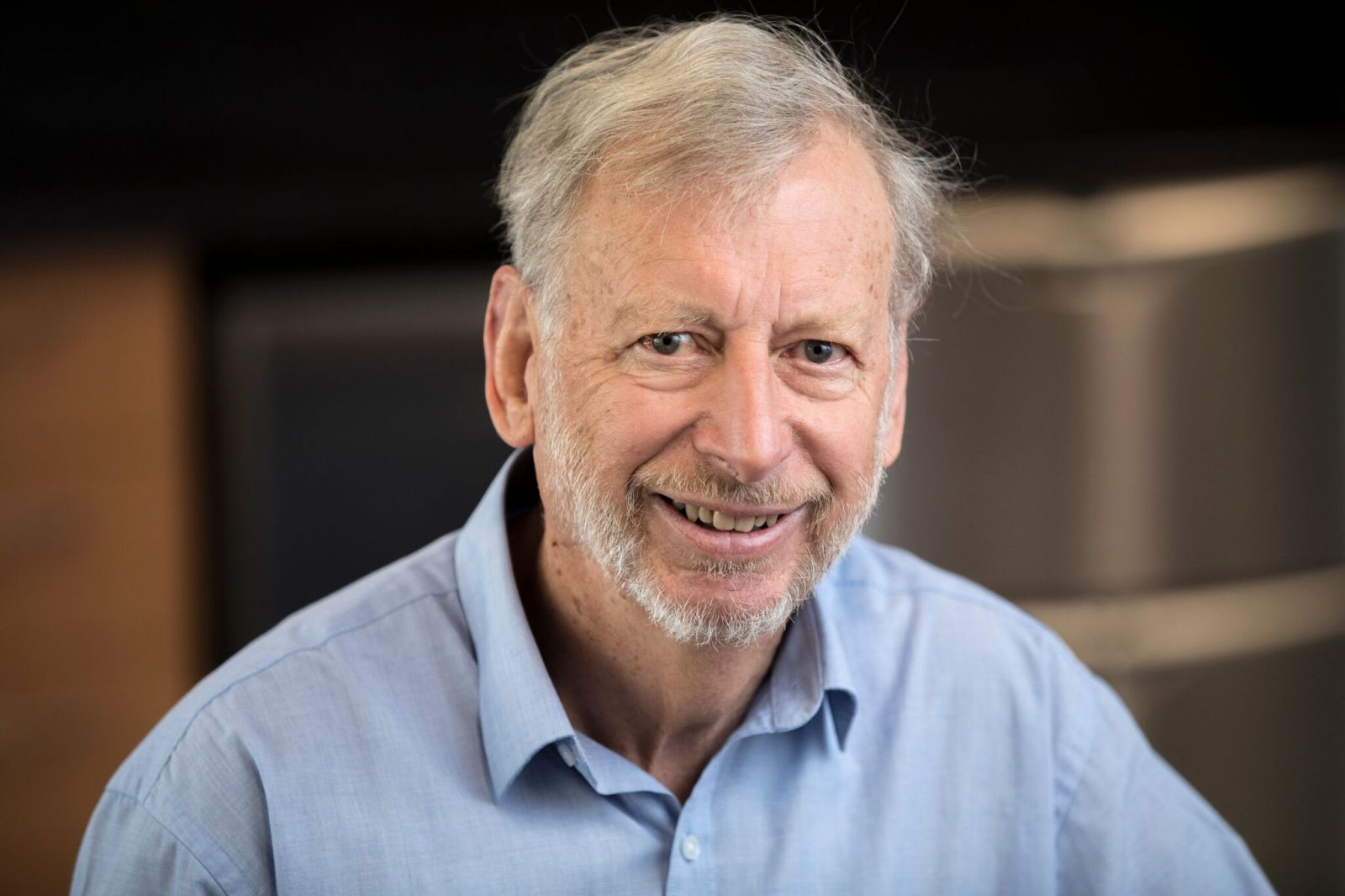
Dr Manchester has been awarded the 2019 Matthew Flinders Medal and Lecture
Australian and New Zealand astronomer Dr Richard (Dick) Manchester FAA has been awarded one of Australia’s highest honours for work in the physical sciences, the Australian Academy of Science’s Matthew Flinders Medal and Lecture.
Dr Manchester, an Honorary Fellow with CSIRO Astronomy and Space Science, is a world-leading authority on pulsars: small spinning neutron stars that send out regular pulses of radio emission, left behind after a normal star has died in an explosion. During his career Dick Manchester has led teams that have discovered more than 1700 pulsars, about sixty per cent of all pulsars now known.
Among the pulsars they discovered is the only known double pulsar, listed by Science magazine as one of the ten top scientific breakthroughs in 2004. The discoveries have been used to test Einstein's Theory of General Relativity, to search for gravitational waves from super-massive black holes in the early universe, to probe magnetic fields in our galaxy and to explore supernova explosions.
Professor Ron Ekers FAA NAS FRS, who nominated Dick Manchester for the award, said he is a ‘tour de force’ of Australian astronomy.
“His contributions to both international radio astronomy and Australian science have been substantial,” Professor Ekers said.
“In 1985, Dr Manchester published a seminal research paper on the Galactic pulsar population and its evolution, which for the first time gave a clear indication of how many pulsars exist in the galaxy, how long they lived and how they evolved.”
Dr Manchester co-authored the definitive book on the topic, ‘Pulsars’, published in 1977 with 1993 Nobel Prize winner Joseph Taylor and is still being cited. In 2008 he was invited to Cambridge to give the inaugural Hewish lecture, named in honour of Antony Hewish, the Nobel Prize winning discoverer of pulsars.
In addition to his research on pulsars, Dr Manchester has also played an important role in the development of radio astronomy instrumentation at CSIRO’s Parkes radio telescope. He programmed the first computer delivered to Parkes in April 1969, an 18-bit minicomputer known as the PDP-9, which was used for the first computer analyses of observational data from the telescope.
Dr Manchester said he was greatly honoured to receive the award.
“It has been a huge privilege to be able to follow my instincts in astrophysical research in a relatively unhindered way for the past 50 years and I thank all those that have made this possible,” Dr Manchester said.
“Pulsars are fascinating astrophysical objects that tell us a lot about the way the universe works; my research has been a wonderful vehicle for exploring topics as diverse as the theories of gravitation and the structure of the interstellar medium in our galaxy.”
Academy President Professor John Shine AC, FAA congratulated Dr Manchester on the award.
“Dr Manchester is among only a handful of senior scientists acknowledged by the Academy each year through awards, for their life-time achievements and outstanding contributions to science,” Professor Shine said.
Dr Manchester will be presented with the medal at Science at the Shine Dome in 2019, where he will deliver the Matthew Flinders Lecture to leaders in the Australian scientific community.
Academy Fellow recognised by the Royal Society of Canada
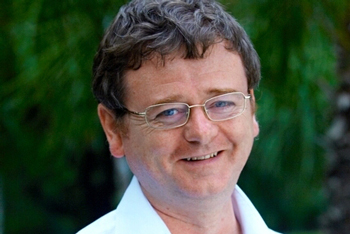
Academy Fellow Professor Terry Hughes from James Cook University has been awarded the 2018 A.G. Huntsman Medal by the Canadian Royal Society
Academy Fellow Professor Terry Hughes from James Cook University has been awarded the 2018 A.G. Huntsman Medal in recognition of his innovative science for sustainable management of coral reef biodiversity.
The award, established by the Bedford Institute of Oceanography in 1980, is presented by the Royal Society of Canada to marine scientists of any nationality who ‘have had and continue to have a significant influence on the course of marine science thought.’ It is named in honour of Archibald Gowanlock Huntsman (1883 – 1973), a pioneer Canadian oceanographer and fishery biologist.
The award citation reads: ‘Terry Hughes is Distinguished Professor, Director, driving force, and intellectual leader of the Australian Research Council (ARC) Centre of Excellence for Coral Reef Studies.
Comprising over 300 researchers and students, this team of ecologists, social scientists, economists, lawyers and modelers is leading a worldwide shift in coral reef science, away from earlier qualitative and solely descriptive studies towards research that is quantitative, predictive, and specifically designed to inform regional-scale management of coral reefs and other marine ecosystems.
Dr. Hughes undertakes research that delivers environmental, economic, and social benefits to countries and communities that rely on coral reef biodiversity as a resource for fisheries and tourism.’
The award ceremony and public lecture will take place on 20 November 2018 at the Bedford Institute of Oceanography in Dartmouth, Nova Scotia, Canada.
Two young researchers to represent Australia at Falling Walls Lab Berlin
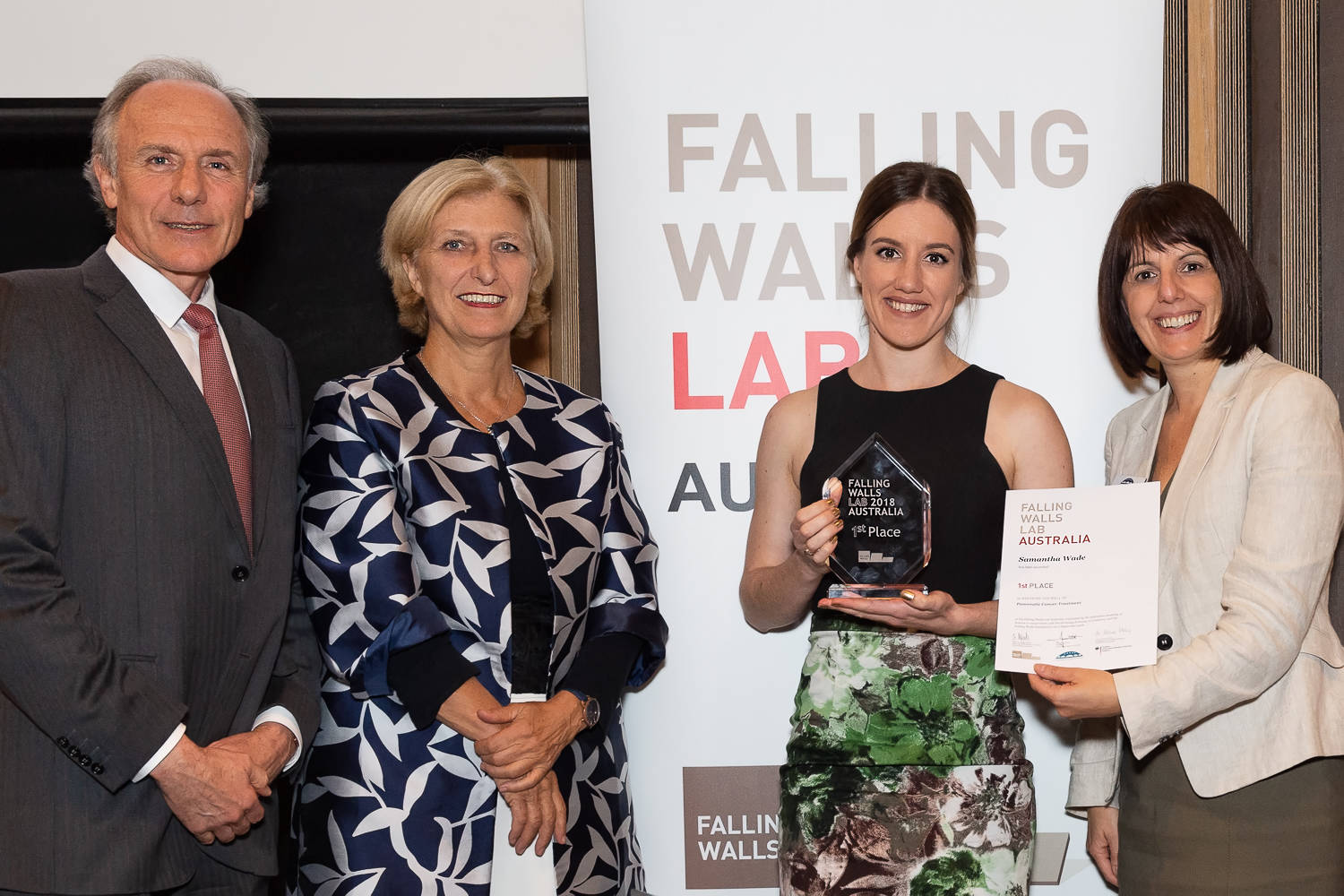
Chief Scientist, Dr Alan Finkel AO FAA FTSE, Ambassador of the Federal Republic of Germany Dr Anna Prinz, PhD student Samantha Wade and Chief Executive of the Academy, Anna-Maria Arabia.
PhD student Ms Samantha Wade from the University of Wollongong is the winner of the third Australian Falling Walls lab, hosted by the Australian Academy of Science.
Second placed competitor University of Canberra PhD student, Ms Hayley Teasdale, will join Ms Wade to represent Australia at the Falling Walls Lab finale in Berlin on 8 November.
Dr Jason Whitfield from the CSIRO/University of Queensland placed third in the competition.
They joined 17 other researchers and innovators at the Shine Dome in Canberra to present their work in three minutes on subjects including nanoscopic neuroscience, data storage, preterm births and water recycling.
Ms Wade is working on pancreatic cancer, which has a poor survival rate in part due to difficulties in delivering adequate levels of chemotherapeutics to tumours. The required dose is often intolerable to patients.
“I’m developing chemotherapy implants aimed at delivering high doses of multiple chemotherapy drugs directly to the tumour, with minimal side effects to the patient,” Ms Wade said.
Ms Teasdale has designed a technology that can be used to rapidly improve balance and reduce the high risk of falls in the elderly and those with neurological conditions.
Dr Whitfield is developing a point-of-care test to screen for doping biomarkers to improve the targeted testing of athletes and to reduce doping in sport.
The Falling Walls Lab, which began in 2011, provides ‘emerging talents, entrepreneurs and innovators a stage to pitch their research work, initiatives or business models to their peers and a distinguished jury from academia and business’. Labs have taken place in 50 countries.
The Falling Walls Lab Australia is organised by the Australian Academy of Science in association with the Embassy of the Federal Republic of Germany in Australia.
Australian Academy of Science calls for input on Women in STEM 10-year plan
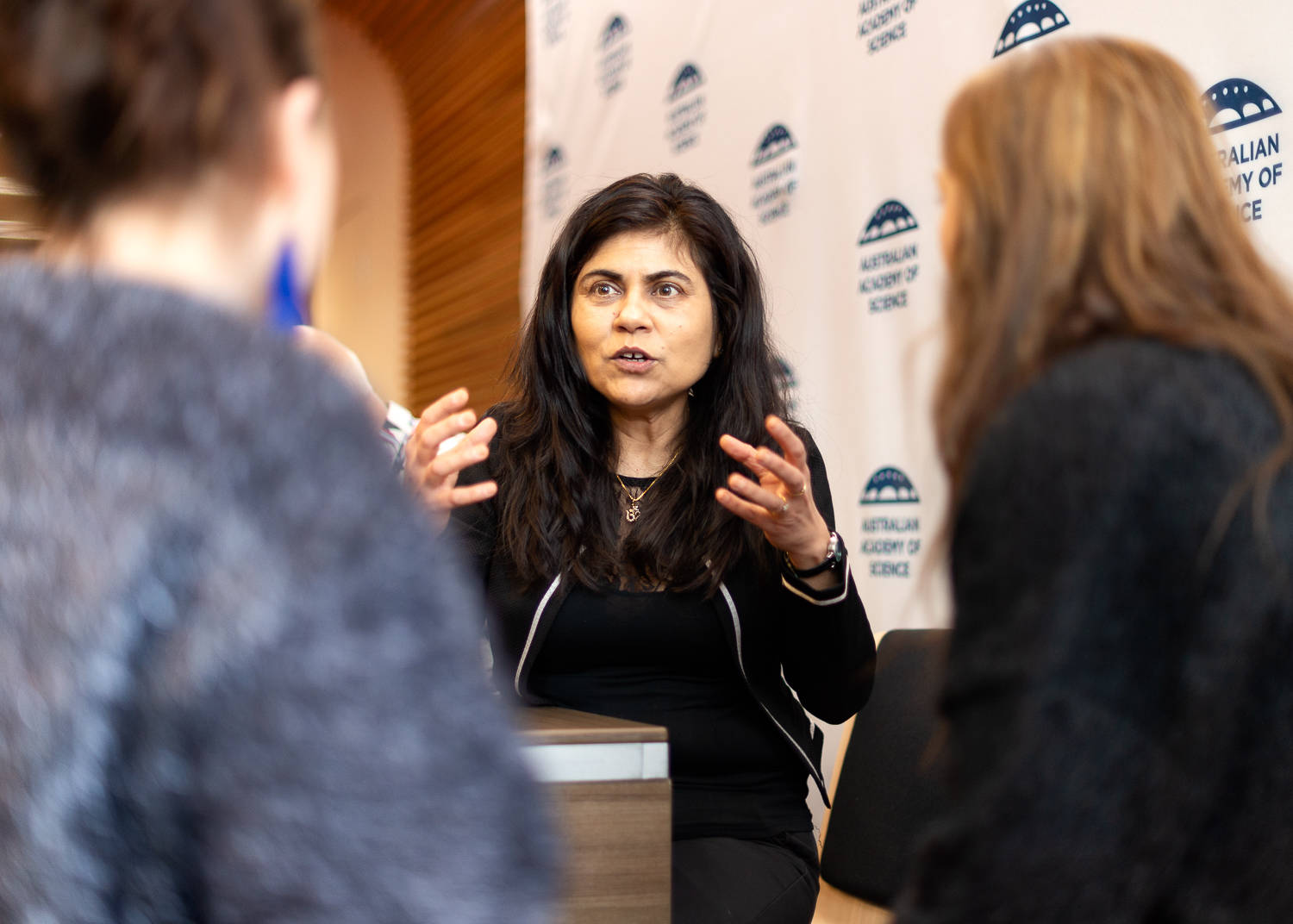
The Australian Academy of Science is calling for nationwide views on the barriers and enablers that affect participation, retention and success of women and girls in science, technology, engineering and maths—STEM.
Feedback on the Academy’s discussion paper will inform a 10-year roadmap for sustained increases in engagement and participation of girls and women in STEM. The roadmap is being developed by the Australian Academy of Science in partnership with the Australian Academy of Technology and Engineering on behalf of the Federal Government.
Australian Academy of Science Chief Executive, Anna-Maria Arabia, said women are lost at every stage as they seek to advance their career in STEM fields, due to a range of factors including stereotypes, discrimination and workplace culture and structure, some of which manifest from the early school years.
“We have seen the social and economic benefits of gender equity; however, Australia still has a long way to go as a nation to achieve equity in opportunities for girls and women to pursue STEM education and careers.
“This 10-year roadmap will give the nation a pathway to achieving success in this area. Input from individuals and organisations across Australia is critical to ensure its success, and we encourage governments, research, industry, the not for profit sector and the media to participate,” Ms Arabia said.
The expected outcomes of the Women in STEM 10-year roadmap are:
- sustained improvements in gender equity in STEM
- increased opportunity for women and girls to gain STEM skills and participate in STEM careers
- increased benefits to business and society from increased access to STEM skills and a diverse workforce.
The Women in STEM 10-year roadmap was announced in the 2018 Federal Budget and its recommendations will inform the Australian Government’s Women in STEM National Strategy. Written submissions from individuals and organisations are invited and can be made until 8 October 2018.
Consultation workshops will be held in each state and territory through September and October 2018. The Women in STEM Decadal Plan is being overseen by an Expert Working Group that provides independent advice. Read the discussion paper.
Academy Fellow Wins Pitman Medal
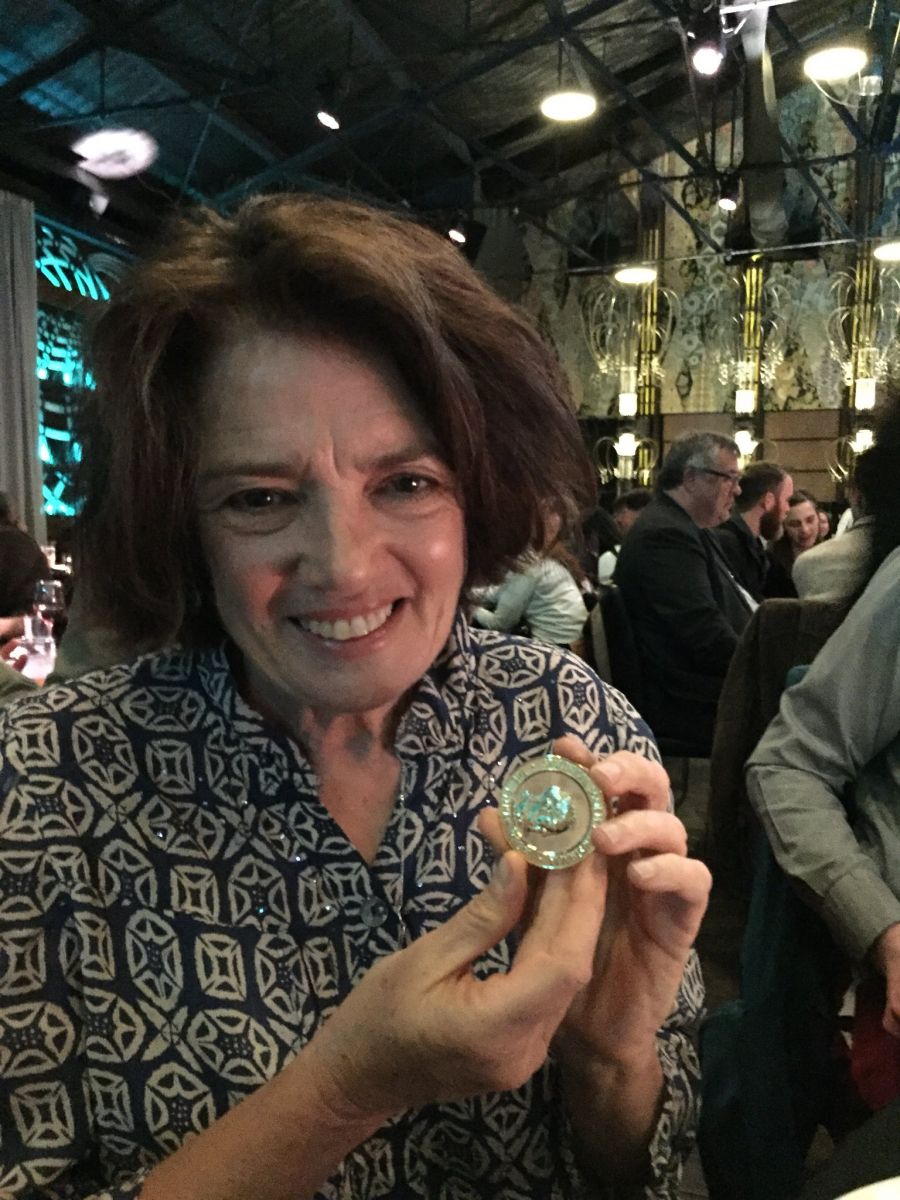
Academy Fellow Professor Louise Ryan has been awarded the Pitman Medal.
Academy Fellow Professor Louise Ryan has been awarded the Statistical Society of Australia’s Pitman Medal, for outstanding achievement in and contribution to the discipline of statistics.
The Pitman Medal, a gold medal, is the society’s most prestigious award. Award recipients are recognised for a body of work that has enhanced the international standing of Australia in the discipline.
Professor Ryan, from the University of Technology Sydney, is internationally known for the development and application of statistical methods for cancer and environmental health research.
Professor Ryan’s career has been characterised by broad-based engagement across a wide range of application and methodological areas, and she is recognised for her ability to identify good technical problems motivated by real world applications.
She is also highly regarded for her mentoring of young researchers, and for her considerable efforts to increase the participation of women and minorities in statistics.
Professor Ryan, who becomes the 15th Fellow to receive the award, said she was honoured and touched to receive the Pitman medal.
“It’s a great boost for biostatistics in Australia as well,” Professor Ryan said.