




Greater coordination of research needed to ‘crack the brain’s code’

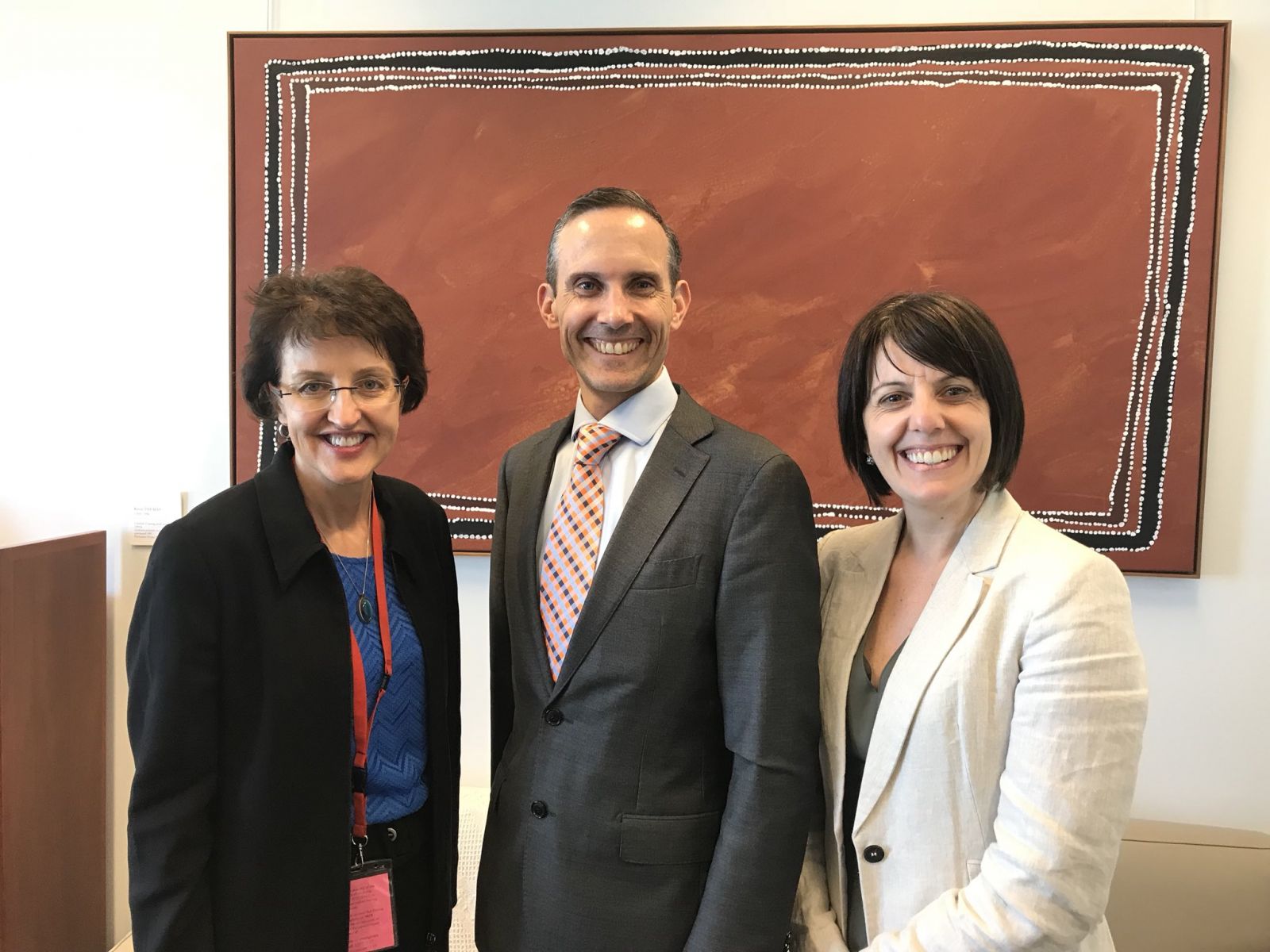
(L-R) Professor Linda Richards FAA, Dr Andrew Leigh MP and Ms Anna Maria Arabia
Leading brain scientists are calling for greater coordination and scale of Australian brain science to drive the development of neuro-technologies, and to ensure advances in preventing and treating brain-related diseases are realised in the next ten years.
The scientists will take their “moon-shot” proposal to Australia’s politicians as they launch a national campaign, ‘Crack the Brain’s Code’, this week at Parliament House.
Chair of the Australian Brain Alliance (ABA) and Fellow of the Australian Academy of Science, Professor Linda Richards, said the initiative is aimed at exploiting our country’s unique research strengths, raising the prospect of breakthrough therapies and the emergence of new technologies in Australia.
“The applications of brain science have the potential to define the twenty-first century. Cracking the brain’s code will impact our health and education systems, enhance our national security and defence capability, and allow us to lead in artificial intelligence, machine learning and high-performance computing,” Professor Richards said.
“Australia needs to make a strategic national investment in brain sciences, or else we will fall behind while the rest of the world takes advantage of the advances in brain research.”
Australian brain researcher and clinical neurologist Professor Sam Berkovic (FAA) said Australian science punches above its weight in brain science research, but further investment is needed.
“We have the potential in terms of the people, the technology and the ideas to take things much further,” Professor Sam Berkovic said.
“A greater focus on an integrated trans-disciplinary approach is required to provide revolutionary solutions to some of the most difficult challenges facing brain researchers.”
Global science leaders call for further action on climate change ahead of CHOGM 2018
The Australian Academy of Science has joined Commonwealth of Nations science leaders from around the globe to call on the Commonwealth Heads of Government to use the best available science to guide action on climate change.
The call is part of a Consensus Statement on Climate Change launched by 22 national academies and societies of science from around the Commonwealth, ahead of next month’s CHOGM summit in the United Kingdom.
The consensus statement, which represents the consensus views of tens of thousands of scientists, marks the first time Commonwealth nations have come together to urge their Governments to take further action to achieve net-zero greenhouse gases emissions during the second half of the 21st Century.
Secretary of Science Policy at The Australian Academy of Science, Professor David Day, said the long-term goal of keeping the increase in average global temperature to well below 2 °C above pre-industrial levels, agreed to by 160 parties in the 2015 Paris Agreement, was only the first step in a long journey.

“Even if all the country commitments from the Paris Agreement are met, the best interpretation of the latest data shows that by the end of the century the global climate is likely to be 3°C above pre-industrial levels.
“This is substantially higher than the Paris target to limit warming to less than 2°C, and would have profound impacts affecting billions of people throughout the world,” Professor Day said.
Sustainability is one of the key themes to be discussed by Commonwealth leaders at the 2018 CHOGM summit, with a focus on the resilience of developing and vulnerable countries to climate change.
“Recognising different capacities, challenges and priorities, the approaches of each nation will not be the same. But, they must be informed by the best available scientific evidence, monitoring and evaluation,” Professor Day said.
“The Academy stands ready to assist the Australian Government, and indeed broader Commonwealth efforts, by continuing to provide sound scientific advice on issues relating to climate change.”
Read the Consensus Statement on Climate Change
Further reading
- The Australian Academy of Science’s Australian climate science capability review characterises Australia’s current climate science capability and identifies how well the climate science sector is positioned to meet current and future demands for weather and climate knowledge.
- The Australian Academy of Science’s science of climate change publication explains the current situation in climate science, including where there is consensus in the scientific community and where uncertainties exist.
Next generation of top researchers to represent Australia on global stage
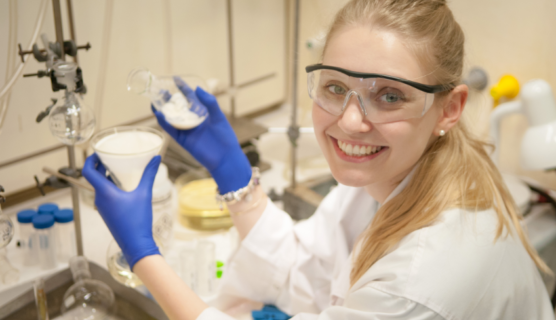
PhD student Jessica Kretzmann from the University of Western Australia
Eight rising stars of Australian science have been selected by the Australian Academy of Science and the Council for the Lindau Nobel Laureate Meetings to attend a highly prestigious annual gathering of Nobel Laureates and promising young scientists from around the world.
The Australian delegation will join 592 other scientists, all under the age of 35, to present their medical research to Nobel Laureates and their colleagues, exchange ideas and share experiences with other young researchers.
The PhD students and postdoctoral researchers selected to attend the 68th Lindau Nobel Laureate Meeting in Lindau, Germany, from 24-29 June 2018, are:
- Lee Ashton—Postdoctoral researcher, University of Newcastle—who is researching participation-based lifestyle interventions to improve the health of young men
- Ryan Farr—Postdoctoral Fellow, CSIRO Geelong—who is identifying and characterising biomarkers of viral encephalitis, like the Rabies virus, to enable early treatment
- Jessica Kretzmann—PhD student, University of Western Australia—who is working on developing a safe and efficient method to deliver gene therapies to treat breast cancer
- Hayley McNamara—PhD student, Australian National University—who is researching how immune cells respond to parasites, so that improved vaccines can be developed to combat malaria
- Gregory Quaife-Ryan—PhD student, University of Queensland—who is focusing on the role of a group of genes, known as long non-coding RNAs, in cardiac regeneration
- Elena Schneider—Postdoctoral Research Fellow, University of Melbourne—who is researching treatment options for cystic fibrosis and multi-drug resistance
- Amy Shepherd—PhD student, Florey Institute of Neuroscience and Mental Health—who is researching Alzheimer’s Disease, utilising specialised rodent touchscreens to look at specific cognitive deficits
- Yuan Zhou—Postdoctoral researcher, University of Tasmania—who is identifying genetic variants and environmental factors that influence the development of multiple sclerosis.
According to the Council for the Lindau Nobel Laureate Meetings, this year’s meeting will set two records: 43 Nobel Laureates will take part, the most ever at a medicine meeting, while 84 countries are sending their best young scientists to the meeting. Fifty percent of the young scientists attending this year are women.
Academy President Professor Andrew Holmes said the Lindau meetings are globally recognised for providing inspirational role models to young researchers.
“These meetings give young researchers the opportunity to interact with their scientific heroes, exchange ideas, gain exposure to areas in their chosen disciplines and establish new contacts and networks with their peers,” Professor Holmes said.
PhD student Andrew White from the University of Queensland attended the 67th Lindau Nobel Laureate Meeting. He was impressed by the message from several Laureates about the importance of basic research.
“They all mentioned that when they first made their discoveries their papers were not accepted by the scientific community for some time, and were sometimes even ridiculed by other scientists because their discovery were against the norm. In order to make their ground-breaking discoveries they needed to focus on research areas that people perceive as impossible or too difficult to do,” Mr White said.
The group will also take part in a post-meeting study tour, led by renowned Australian scientist and Academy Fellow, Professor Jennifer Martin.
Successful candidates receive a grant towards the cost of airfares, participation in the meeting and the study tour, made possible thanks to the generous support of the Science and Industry Endowment Fund (SIEF).
Professor Mike Dopita FAA pledges bequest to the Academy
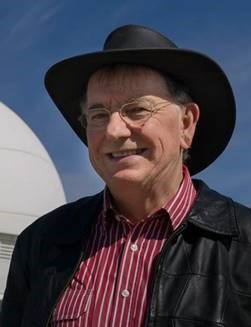
Professor Michael (Mike) Dopita AM FAA pledged his bequest for the future of science in Australia.
Recently the Academy received two bequests – one was directed to a specific activity where the donor had intimate knowledge and commitment to the Academy’s education programs. The other was directed to the Australian Futures Science Fund which supports the future work at the Academy as prioritised by council.
We were notified about one of them, the other was a complete surprise. At opposite ends of the spectrum in magnitude and purpose, they’ve helped the Academy to consolidate support for existing projects, and start others from scratch.
We are grateful to receive them and honoured by their trust in the Academy’s commitment to supporting science in Australia.
Recently, Professor Michael (Mike) Dopita AM FAA met with Academy staff to advise of his pledged bequest to the Academy.
As a former treasurer, Mike has an appreciation of the Academy’s needs. The pure delight with which Mike spoke of his pledged bequest and his deep understanding of the Academy’s needs were obvious. Mike’s bequest represents a significant donation, one that is not tied to a specific activity of the Academy. By giving to the Australian Futures Science Fund Mike’s gift will allow us to advance our work.
In my over 6 years as Treasurer of the Academy, I was constantly amazed by the enthusiasm, professionalism and dedication of the staff. They work to educate the general public on key issues such as climate change and the need for vaccination, labour tirelessly to instil a knowledge and understanding of science at both primary and secondary levels as an investment in Australia's future science literacy, build Australia's connections and standing with our international peers, and lobby and cajole Australia’s politicians to help develop more rational policies with respect to science, STEM education and renewable energy. At the same time, in my function as Treasurer, I was acutely aware of the limitations on our ability to act placed upon us by our budgetary limitations, and on more than one occasion a promising initiative could not be developed due to a lack of funding. This is where bequests could help. Too often, the temptation of a giver is to memorialise one's own field of science, through striking a medal or creating a special purpose fund. This is eminently understandable, but does not greatly assist the functioning of the Academy in the long run. What is desperately needed now are untied donations which can be used for whatever purpose Council or EXCOM requires to develop the core mission of the Academy. For this reason, I have now made a binding bequest to the Academy of Science designed to add to the Australia Futures Science Fund, in the sure knowledge that the money will be well-spent in securing a more healthy, literate, rational and science-driven future for all Australians.Professor Michael (Mike) Dopita AM FAA
The Academy is a vital resource for the nation as it prepares for a future increasingly influenced by science and technology. To continue its important work promoting scientific excellence in Australia the Academy must secure its own long-term financial sustainability and independence.
In the tradition of truly great endowment funds such as that of Harvard University, the Australian Academy of Science has created the Australian Futures Science Fund.
As a supporter of the Academy of Science’s Australian Futures Science Fund, you will help to create a legacy that will not only guarantee the Academy’s financial independence, but will continue to promote scientific excellence in this nation for generations to come.
Fellows’ research projects feature in ARC funding
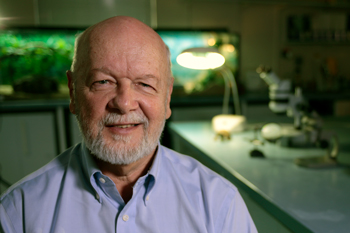
Professor Rick Shine is Chief Investigator for two projects funded under the ARC's Linkage Projects scheme. Photo: Prime Minister’s Prizes for Science/WildBear
The Australian Research Council has announced support for 22 research projects totalling more than $9 million, with the aim of developing research–industry collaborations.
Thirteen of the projects supported so far through the 2017 ARC Linkage scheme involve Academy Fellows, a clear demonstration of the extraordinary contributions that Fellows make to Australian science and innovation.
The Linkage Projects scheme supports university researchers to find practical solutions to problems and challenges in real-world, industry-based settings.
The projects also rely on significant cash and in-kind support from industry partners, governments and community organisations.
Fellows’ projects
Professor Rick Shine (CI)—Buffering the ecosystem impact of invasive cane toads. This project aims to address the devastating ecological problems caused by invasive species, by developing a novel approach that does not rely upon eradicating the invader through training vulnerable native predators not to eat toxic cane toads. Expected outcomes of this project include building a broad coalition of conservation-focused groups, from private land-owners and local businesses through to Indigenous groups and government and non-government agencies across the entire Kimberley region. It will also result in the evaluation of methods for deployment of taste-aversion at a landscape scale. This should provide significant benefits by conserving vulnerable fauna and building a powerful network within a region of high biodiversity in tropical Australia.
Professor Rick Shine (CI)—Cane toads in southern Australia: invasion dynamics and options for control. This project aims to investigate the spread of cane toads through southern Australia, an invasion front that has attracted far less research than the same species’ expansion through tropical regions, even though toads severely impact native wildlife in both areas. This project expects to generate new knowledge to determine why the rate of toad invasion is so much slower in New South Wales than in the tropics, and how best to modify newly-developed approaches to toad control to the conditions in southern Australia. Expected outcomes include predicting future trajectories of expansion, and identifying optimal approaches to toad control and impact mitigation. This should provide significant benefits for biodiversity conservation.
Professor Benjamin Eggleton (CI) et al.—Integration of broadband microwave photonic frequency convertors. This project aims to develop microwave photonic processors with increased bandwidth and unprecedented radio frequency signal processing. The new technology will enhance radar systems and electronic-warfare capabilities, and allow more flexible delivery of bandwidth for mobile communication systems. Benefits for Australian end-users and industry include improved surveillance for defence and revenue growth in companies working with the Australian defence forces.
Professor Lorenzo Faraone (CI) et al.—Defect engineering in molecular beam epitaxy-grown mercury cadmium telluride. This project aims to develop high quality mercury cadmium telluride (HgCdTe) materials with lower defect density and lower background doping levels. This will enable future, high-performance, lower-cost infrared sensors with the unique features of higher yield, larger array size and higher operating temperature. The project will generate new science and technologies on defect engineering in the epitaxial growth of semiconducting HgCdTe on cadmium zinc telluride (CdZnTe) substrates. This will contribute to the development of core Australian industry sectors such as defence, environmental monitoring, medical imaging, earth remote sensing, mining, and oil and gas.
Professor Andrew Gleadow (CI) et al.—Dating the Aboriginal rock art sequence of the Kimberley in north-west Australia. This project aims to develop a robust time scale for the known Aboriginal rock art sequence in the Kimberley, Western Australia (WA). The project will use new knowledge of complex processes on sandstone surfaces across the north Kimberley, and an innovative combination of four scientific dating methods developed through our earlier work. The project expects to provide a well-dated sequence for Kimberley rock art based on replication of results, confirmation across different methods, and a large interdisciplinary dataset. The project will allow rigorous analysis of the relationship between dating results and rock art styles that has not previously been possible, and give new insights into Australia’s deep Indigenous heritage. This will have a significant impact for future efforts in rock art conservation, and lay a foundation for cultural tourism, with important benefits for the local economy and health of regional Indigenous communities.
Professor John Gooding (CI) et al.—Bioinks for the 3D printing of cells made from off-the-shelf components. This project aims to develop a simple method for creating complex, multiple-cell-type three-dimensional (3D) cell cultures for in vitro cell-based assays. Using 3D printing technology, this project will develop a versatile polymer system, made from entirely commercially available components, that gels upon printing and has functionality to assist cells in adhering, growing and migrating. The 3D printing of multiple cell types will provide biological scientists with more realistic in vitro cell assays to those found in vivo. Applications of the research are in cell biology, studying diseases and developing new drugs.
Professor Graham Goodwin (CI) et al.—Control strategies for bagasse-fuelled boiler units. This project aims to improve sugar production and electricity cogeneration capabilities in the sugar industry by utilising novel control ideas for boiler units. In the sugar industry, sugarcane residue is used as biofuel for boiler units. Boilers use steam to crystallise sugar and generate electricity. However, variable steam demand and poor fuel consistency severely hinder production. The project aims to improve safe operation of boilers, reduce downtime, and maximise electricity generated to the grid. This will provide significant benefits to sugar manufacturing and, more broadly, biofuel energy generation in Australia.
Professor Richard Hobbs (CI) et al.—Innovative seed technologies for restoration in a biodiversity hotspot. This project aims to develop and implement innovative and practical methods to improve native plant establishment within a global biodiversity hotspot. As restoration efforts worldwide are hindered by altered substrates and invasive species, the greatest challenge is to reconstruct plant communities that are resistant to invasion and resilient within disturbed landscapes. The development of advanced technologies to enhance restoration success will benefit ecological communities impacted by urban expansion, agriculture and resource development, and their associated practitioners, government agencies, private landowners and primary Australian industry.
Professor David Lindenmayer et al.—Fauna, fuel and fire: effects of animals on bushfire risk. This project aims to determine the extent that animals influence fire regimes through effects on fuel load and characteristics. Minimising the risk of large, severe bushfires, while conserving native species is one of the greatest challenges facing managers of fire-prone ecosystems globally. Using a powerful combination of landscape-scale field observations, experimental manipulations of animal densities, and modelling, the project expects to quantify interactions between animals, bushfire fuel and fire regimes in south eastern Australian forests, woodlands and scrublands. This evidence should benefit the design of integrated, efficient, and complementary strategies for fire and fauna management in Australia’s extensive fire-prone ecosystems.
Professor Craig Moritz et al.—Building resilience to change for mammals in a multi-use landscape. This project aims to identify critical habitat and dispersal corridors for mammals by applying a novel, interdisciplinary landscape genetics approach to genetic and spatial data. The project expects to generate new knowledge on the evolutionary significance of landscapes in the Pilbara that have facilitated species persistence. Expected outcomes are the incorporation of evolutionary processes into multi-species, systematic conservation planning and enhanced capacity to inform conservation and sustainable development in the Pilbara. Significant benefits include alignment of conservation approaches across industry and government stakeholders, and implementation of best-practice conservation science in a biodiversity hotspot.
Professor John Endler et al.—Nutritional requirements of the critically endangered corroboree frog. This project aims to test the effect of dietary carotenoids on an extensive range of fitness-determining traits in the endangered southern corroboree frog. Unprecedented rates of species extinction have been reported for all vertebrates, with amphibians most severely affected. Captive breeding programs play a key role in amphibian conservation, yet there is a lack of knowledge regarding the nutritional requirements of threatened species. Manipulating captive nutrition is a cost-effective action that will permit recovery teams to more efficiently implement conservation actions. The findings will be of major benefit to amphibian conservation globally.
Professor Peter Lay et al., including Professor Emma Johnston—Clothes, fibres and filters that reduce pollution by micro and nano debris. This project aims to provide scientifically verified methods to avoid, intercept and redesign products that cause the most abundant type of marine plastic pollution—clothing fibres—which has increased by over 450% in 60 years. It will determine how natural and plastic fibres, clothing brands and washing machine filters, alter fibre emissions and ecological impacts. This will enable protocols to improve products and the environment, and reduce health risks that will benefit the public, government regulation and companies in designing ‘eco-friendly’ products.
Professor Roger Tanner et al.—Emulsion explosives for rock blasting in extreme geothermal environments. This project aims to understand the underlying mechanisms behind the physical and chemical breakdown of ammonium nitrate based emulsion explosives used for mining in geothermally active regions. It will apply this knowledge to develop a new class of high temperature- and pressure-resistant emulsion explosives. The resulting technology will be used in the safe and efficient mining of precious mineral deposits, such as gold, in geothermally active regions worldwide. The project will benefit the Australian mining industry by allowing mining of resources at deep levels, creating more jobs and increasing Australia's export earnings.
Australian Academy of Science welcomes 2030 plan
The Australian Academy of Science welcomes the release of Australia 2030: Prosperity Through Innovation plan, prepared by Innovation and Science Australia.
The 2030 Plan correctly identifies the importance of taking a strategic approach to developing our national STEM capability, and makes a number of constructive recommendations, such as strengthening training for pre- and in-service teachers, better preparing students for post-school STEM occupations, and lifting student outcomes in literacy and numeracy (which should include the STEM disciplines).
The Academy has developed and is delivering a number of school education (Primary Connections, Science by Doing and ReSolve: Maths by Inquiry) programs targeting both students and teachers, which if scaled up will fulfil objectives of the 2030 Plan.
The Academy’s President, Professor Andrew Holmes, said recommendations to establish a dedicated stream of funding for translational activity and a ‘collaboration premium’ on R & D tax incentives are also particularly important.
“Such arrangements are likely to be crucial for research funding over the coming decade, with the 2030 plan projecting government spending on R & D rising to almost 0.7 per cent of GDP out to 2030, with business R & D spending rising from 1 per cent of GDP to 1.7 per cent of GDP over the same period,” Professor Holmes said.
“It is imperative that Australia does better in translating research discoveries into commercial products and services. However this priority cannot be achieved without building our national capability in basic research to underpin the translation process.
“Australia’s most commercially successful innovations have commenced as basic research aimed at the public good. This includes Wi-Fi, penicillin, the cochlear implant, polymer bank notes, and many other examples,” Professor Holmes said.
The Australian Government must also continue to invest in national research infrastructure. The Academy recently welcomed the commitment to fund the National Computational Infrastructure facility, and looks forward to the Government’s investment strategy to fund the Chief Scientist’s National Research Infrastructure Roadmap.
The Academy also welcomes the recommendation to maintain a long-term policy commitment to greater gender diversity. The Science in Australia Gender Equity (SAGE) pilot, a national program promoting gender equity and gender diversity in science, technology, engineering, mathematics and medicine (STEMM) is aiming to deliver a sustainable business model for an ongoing SAGE program, at the conclusion of the pilot in mid-2019. SAGE is a joint program between the Academy and the Australian Academy of Technology and Engineering (ATSE), funded by the Government under the National Innovation and Science Agenda.
The Academy also welcomes the 2030 Plan’s proposal for so-called “National Missions” to make Australia the healthiest place in the world in particular, a genomic medicine project, which the Academy recommended in its submission to the 2030 plan.
The Academy is also calling for a National Mission on Brain Health, emphasising research and outcomes in neuroscience and neurotechnology. A National Mission on Australia’s Hidden Minerals, to better identify and harvest valuable mineral resources currently beyond our capacity to reach, would play a critical role in promoting Australia’s future economic prosperity.
Fellows recognised in Australia Day honours
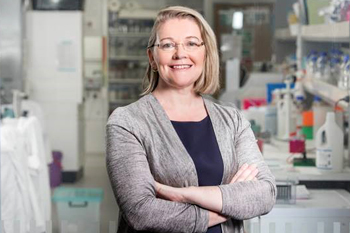
Professor Jennifer Martin AC was one of 10 Academy Fellows to be recognised with an Australia Day honour.
The Australian Academy of Science congratulates its 10 Fellows who are among the 895 Australians recognised in the Australia Day 2018 Honours List.
Four Fellows received the highest honour, each appointed a Companion in the General Division of the Order of Australia (AC), for ‘eminent achievement and merit of the highest degree in service to Australia or to humanity at large.’
Companion of the Order of Australia (AC)
Professor Jennifer Martin—For eminent service to science, and to scientific research, particularly in the field of biochemistry and protein crystallography applied to drug-resistant bacteria, as a role model, and as an advocate for gender equality in science.
Professor Trevor John McDougall—For eminent service to science, and to education, particularly in the area of ocean thermodynamics, as an academic, and researcher, to furthering the understanding of climate science, and as a mentor of young scientists.
Emeritus Professor Lewis Mander—For eminent service to science through pioneering contributions to organic chemistry in the field of plant growth hormones, to higher education as an academic, researcher and author, and to national and international scientific societies.
Professor Ezio Rizzardo—For eminent service to scientific technological research and development in the field of polymer chemistry, to its application in the biomedical, electronics and nanotechnology context, as an author, and through mentorship roles.
Officer of the Order of Australia (AO)
Professor Martin Banwell—For distinguished service to science education as an academic, author and researcher, particularly in the field of synthetic organic chemistry, to scientific institutes, and as a mentor of emerging scientists.
Emeritus Professor Michael Barber—For distinguished service to higher education administration, and in the field of mathematical physics, particularly statistical mechanics, as an academic and researcher, and through contributions to science policy reform.
Laureate Professor Scott Sloan—For distinguished service to education, particularly in the field of geotechnical engineering, as an academic and researcher, to professional associations, and as a mentor of young engineers.
Member of the Order of Australia (AM)
Dr Robin Bedding—For significant service to science in the field of entomology as a researcher, and to the forestry industry both nationally and internationally.
Professor Sharad Kumar—For significant service to medical research in the field of cancer and cell biology, as a scientist and author, to medical education, and as a mentor.
Dr Hugh (Cecil) Tyndale-Biscoe—For significant service to science in the field of marsupial reproductive biology and ecology, as a researcher and mentor, and to professional societies.
Academy President Professor Andrew Holmes said he was delighted to see that a large number of Australia's best scientists have been recognised through the Australian Honours system.
“I congratulate them for their creativity and scientific integrity,” Professor Holmes said.
“They are our scientific heroes and this recognition, together with that of Australian of the Year, Michelle Simmons, and Senior Australian of the Year, Graham Farquhar, gives us all great hope and optimism for the future, as well as much pleasure for the present.”
Anyone can nominate any Australian for an award in the Order of Australia. If you know someone worthy, nominate them now.
Academy responds to science and innovation portfolio reshuffle
The Australian Academy of Science welcomes newly appointed Assistant Minister for Science, Jobs and Innovation, Senator Zed Seselja, and congratulates Minister Michaelia Cash on her appointment as Minister for Jobs and Innovation.
While welcoming the appointments Academy President Professor Andrew Holmes said it was disappointing to see science removed from the title of the Ministerial portfolio and assigned to the outer Ministry.
“Science is a critical driver of innovation; it underpins around one quarter of Australia’s GDP, and more than one million jobs are in science-based industries,” he said.
“Placing the science portfolio in the outer ministry is inconsistent with the Turnbull Government’s National Innovation and Science Agenda which placed both science and innovation at the heart of Australia’s policy agenda.
“The Academy looks forward to working with Minister Cash and Assistant Minister Seselja to ensure Australia continues to benefit from a strong and stable science sector.”
The Academy also acknowledged the leadership and contribution of Senator Arthur Sinodinos as Minister for Science and Innovation.
“The science sector deeply appreciated Senator Sinodinos’ commitment to science and innovation, his willingness to engage with and understand issues facing the sector and his leadership of the National Innovation and Science Agenda,” Professor Holmes said.
“We wish Senator Sinodinos well as he continues his treatment.”
Generous donation helps secure the future of Dorothy Hill Medal
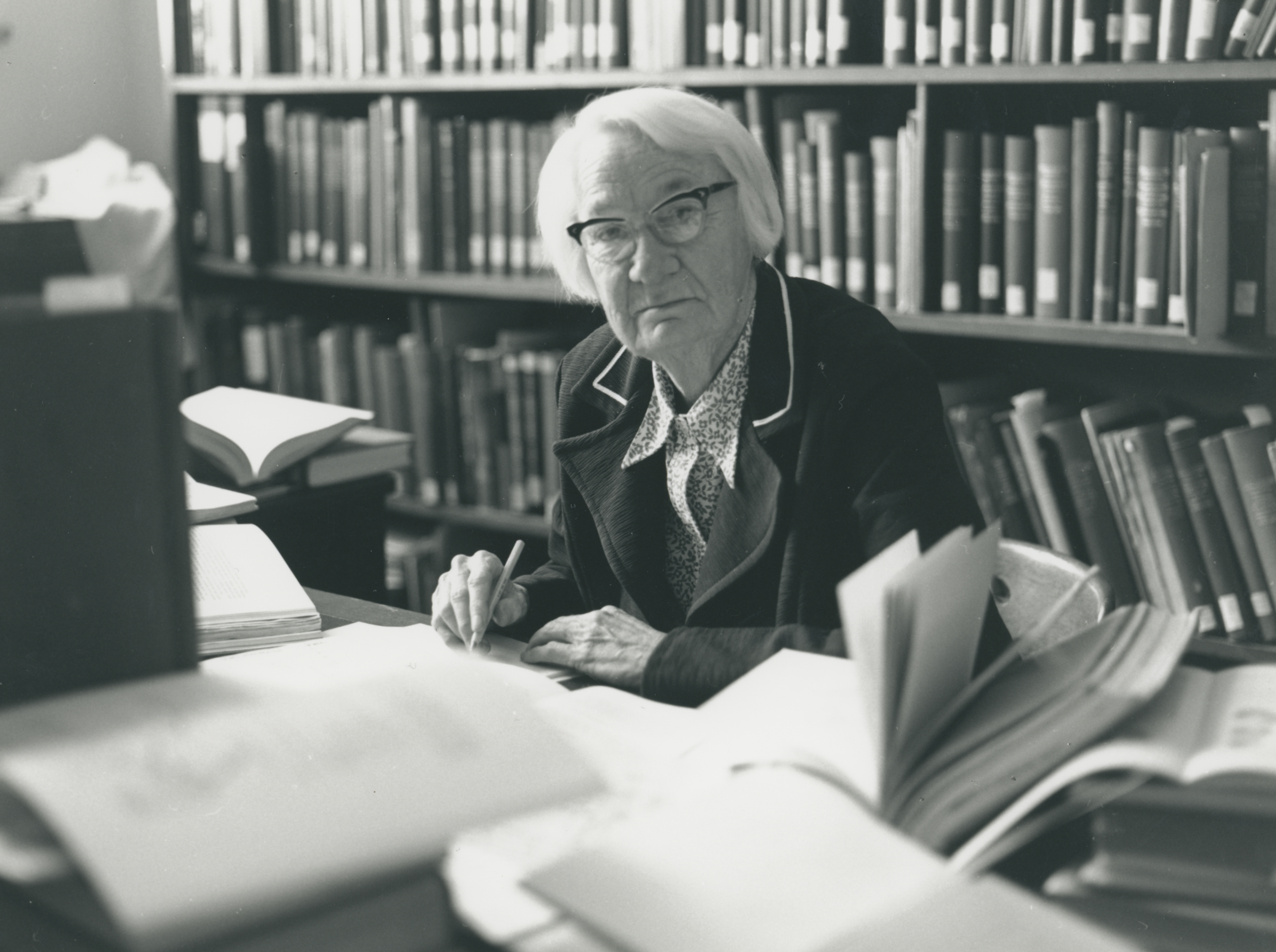
Professor Dorothy Hill was a pioneer for women in science.
A generous donation to the Academy from the University of Queensland will continue to support female early-career researchers working in the Earth sciences.
The gift also helps secure the future of the Academy’s Dorothy Hill Medal, established as an award in 2002 in honour of the late Professor Dorothy Hill AC CBE FAA FRS, a pioneer for women in science.
Professor Hill became Australia's first female professor in 1959 when she was appointed Professor of Geology at the University of Queensland. Professor Hill also became the first Australian female Fellow of the Australian Academy of Science (1956) and the Royal Society of London (1965), and the first female President of the Academy (1970).

Associate Professor Tracy Ainsworth from James Cook University is the 2018 recipient of the Dorothy Hill Medal.
Seventeen female early-career researchers have received awards, with Associate Professor Tracy Ainsworth from James Cook University the latest recipient. Her research has improved our understanding of how stress responses and diseases occur in corals.
She has also discovered that while small increases in sea temperatures negatively impact the health of corals, under the right circumstances corals can acclimate to increased sea temperatures and survive the bleaching process.
Professor Hill continues to be an inspiration and a role model for scientists in the Earth sciences, particularly early-career women. Professor Hill’s achievements and leadership are as relevant today as they were throughout her ground-breaking career.
The Dorothy Hill Medal in earth sciences provides support and an invaluable opportunity to showcase the research of women in the Earth sciences. Through the support of the University of Queensland, this medal will continue to recognise the achievements of leading early-career female Earth scientists.
More about Professor Dorothy Hill and the Dorothy Hill Medal.
Australian scientists welcome critical research infrastructure funding

The Australian Academy of Science welcomes the Australian Government’s commitment to fund a much-needed upgrade to Australia’s national supercomputer in today’s Mid-Year and Economic Fiscal Outlook (MYEFO).
The National Computational Infrastructure has received $69.2 million funding in 2017–18 and $0.8 million in 2018–19.
Secretary for Science Policy at the Academy, Professor David Day, said a new supercomputer is a critical piece of Australia’s economic, social and scientific infrastructure.
“This technology is vital for weather forecasting, health and medical research, climate change modelling, hazard management and ocean-safety,” Professor Day said.
“The new supercomputer will allow Australian scientists to continue to tackle complex challenges which would be impossible, unwieldy or inefficient without a supercomputer.”
The Academy also welcomes confirmation of $50 million funding for the Australian Brain Cancer Mission to improve the survival rates of people living with brain cancer, $70 million to support Australia’s next generation of medical research fellowships; and $30 million to support Australia’s biomedical technology sector.
The Academy remains concerned about the potential impact of the higher education measures on both the pipeline of STEM graduates and vital research that is undertaken in Australian universities.