




Game changer: Australia on track to join world's largest research funding program

The Australian Academy of Science welcomes the announcement from the Australian Government that Australia will pursue association with Horizon Europe.
Horizon Europe is the world’s largest funding program for research and innovation, currently valued at over €95 billion.
President of the Academy Professor Chennupati Jagadish AC said deepening research partnerships with Europe mitigates geopolitical risk and can deliver scientific and economic benefits to Australia.
“The global challenges we are facing require global solutions, requiring researchers and countries to work together.
“International scientific collaboration is a matter of strategic national interest and something Australia cannot do without.”
Today is a win for the science sector and follows sustained advocacy from the Academy since 2023, including convening a diverse group of stakeholders from academia, industry, government and the diplomatic community in 2025 to discuss the benefits of strengthening Australia’s research and industry relationship with European countries.
Data shows the EU is a strong performer across all sciences, including Australia’s Future Made in Australia priorities.
The Academy will continue to work with the Australian Government to support international scientific collaborations that expand Australia’s research and innovation capability.
2026 J G Russell Award recognises diverse research projects

Clockwise from top left: Dr Jing He, Dr Jake Robinson, Dr Rocio Camacho Morales and Dr Jackie Webb.
Innovative projects spanning high-tech microscopes and sustainability will make further advances thanks to top-up funding from the J G Russell Award.
The 2026 award, administered by the Australian Academy of Science, will support experimental research costs for four talented early-career researchers.
Tiny tech, deep vision
Dr Rocio Camacho Morales, Australian National University
Standard microscopes have opened a new world of cells and molecular structures, but Dr Rocio Camacho Morales is developing a new bioimaging platform to see even deeper into living tissue.
Her approach uses ultra-thin nanostructures that make a device that's compact and easy to integrate with existing technologies. By capturing infrared light – which can penetrate deeper into tissue – and converting it into visible light that regular cameras can detect, she aims to produce richer, more detailed images of biological specimens.
This will unlock new opportunities for deep-tissue, non-invasive imaging and pave the way for early-stage patient diagnostics.
The J G Russell Award funding will enable Dr Camacho Morales to present her work at an international conference and to acquire equipment essential for high-resolution imaging of bio-samples.
She says she is honoured to receive the prestigious J G Russell Award.
“This award serves as a catalyst to accelerate the progress of my research, strengthen its impact and support my establishment in a new research direction.”
Reaping clean power: Making greenhouses greener
Dr Jing He, Adelaide University
Glasshouses and vertical farms – known as ‘protected cropping’ – make year-round harvesting possible, but rely heavily on expensive electricity for cooling, heating and, in some cases, lighting.
Dr Jing He’s research will help make this method of growing crops cleaner, cheaper and more resilient by showing how farms can combine renewable energy with smarter operating strategies. Using real operating data and trials with lettuce and tomatoes, she will develop guidelines that incorporate technical feasibility, environmental footprint and costs.
“The award feels like a vote of confidence that this research direction matters: making protected cropping more climate-resilient and lower-emission without losing productivity,” Dr He said.
Bad vibrations
Dr Jake Robinson, Flinders University
How does human-generated noise pollution affect soil health? Dr Jake Robinson is combining cutting-edge acoustic and DNA technologies in the field and the lab to investigate how noise impacts soil organisms.
Dr Robinson’s research will improve strategies for land management and ecosystem restoration, ultimately supporting nature conservation, climate resilience and food security.
“The outcomes will benefit environmental policy, agriculture and urban planning, helping to position Australia as a leader in soil health research,” Dr Robinson said.
Humanmade water bodies: Emissions source or sink?
Dr Jackie Webb, University of Southern Queensland
Dr Jackie Webb will undertake the first Australian assessment of farm dams, stormwater ponds and ditches to reveal the role of humanmade waterways in climate change.
These artificial water bodies serve as the first line of defence for capturing nitrogen run-off. Excess nitrogen produces nitrous oxide (N2O), a greenhouse gas 270 times more potent than carbon dioxide. Despite this climate link, artificial aquatic ecosystems remain absent from national and global emissions accounting.
Dr Webb will assess N2O emissions and nitrogen sinks in humanmade water bodies in Australia, closing this data gap.
Dr Webb said the funding will support both her field campaigns and her goal of being an emerging leader in aquatic science.
About the J G Russell Award
The J G Russell Award assists talented younger researchers in the basic sciences to meet the costs involved in experimental research.
Supported by the generosity of the late Miss J G Russell, the award provides top-up grants of up to $7,000 to be used on equipment, maintenance and travel.
Application for the J G Russell Award is by invitation only. Each year, highly ranked recipients of the Australian Research Council Discovery Early Career Researcher Award are invited to apply.
Australian scientists bound for Nobel Laureate Meeting
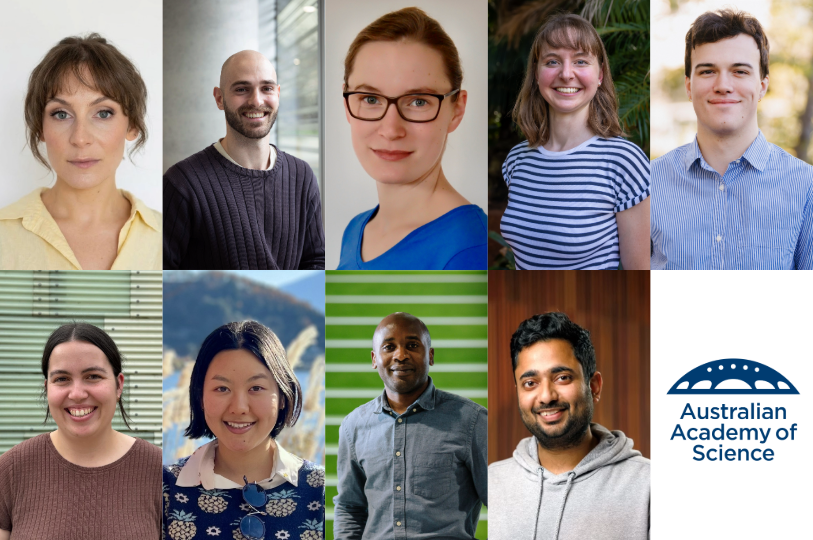
Top row from left: Dr Lottie Morison, Dr Christophe Valahu, Dr Astrid Stubbusch, Ms Anna Faber, Dr Thomas Williams. Bottom row from left: Ms Caitlin Gare, Ms Belinda Zhang, Dr Mike Tebyetekerwa, Dr Shankar Dutt. Images supplied.
Nine early-career researchers from Australia will head to Lindau, Germany this year for a once-in-a-career opportunity to attend a prestigious annual gathering of Nobel Prize-winning researchers.
The 75th Lindau Nobel Laureate Meeting is an interdisciplinary jubilee meeting taking place 28 June to 3 July 2026.
It is expected to bring together around 75 Nobel Laureates and 636 young scientists from 88 countries for a vibrant scientific exchange.
The nine PhD candidates and postdoctoral researchers selected to attend the 2026 meeting are:
- Dr Shankar Dutt of the Australian National University, whose research integrates nanotechnology, biophysics, and machine learning to develop tiny sensors capable of detecting disease at its earliest stages.
- Ms Anna Faber of the University of Western Australia, a synthetic biologist who engineers marine bacteria to break down plastic and create biodegradable alternatives.
- Ms Caitlin Gare of the Australian National University, whose research combines organic chemistry and biomedical sciences to develop peptides and RNA as promising chemical tools and novel therapeutics.
- Dr Lottie Morison of Murdoch Children's Research Institute, a speech pathologist who studies communication impairments in children and young people, including childhood dementia.
- Dr Astrid Stubbusch of Monash University, an ecologist investigating how microorganisms’ use of different energy sources shapes their distribution and responses to environmental changes.
- Dr Mike Tebyetekerwa of the University of Queensland, who is designing electrochemical generators to produce green chemicals and capture carbon dioxide in industry settings.
- Dr Christophe Valahu of the University of Sydney, an experimental physicist focused on improving the stability and performance of quantum technologies, from computing and sensing to simulations.
- Dr Thomas Williams of the University of Melbourne, who is developing new mathematical models to study how bacterial membranes develop and function.
- Ms Belinda Zhang of the University of Sydney, a PhD student using cutting-edge peptide synthesis and molecular biology techniques to discover drug molecules that are more stable and longer lasting in the body.
The meeting will provide a unique opportunity for these exceptional early-career scientists to share their research, experiences and ideas, and gain inspiration from fellow emerging scientists and Nobel Laureates.
The Australian delegation’s participation in the Lindau Nobel Laureate Meetings is proudly supported through the Science and Industry Endowment Fund (SIEF) and administered by the Australian Academy of Science.
The Australian Lindau delegates receive a grant to enable their attendance at the event and to take part in the SIEF Research Innovation Tour in Berlin, showcasing some of Germany’s research and development facilities related to their interdisciplinary research.

Submission – Impact of microplastics and other toxics on human health
In a submission to the inquiry on the Impact of microplastics and other toxics on human health, the Academy notes that the evidence base for human health impacts of microplastics is limited and uncertain, with major gaps in exposure data and measurement methods.
The Academy emphasises the following key points:
- The study of microplastics is a growing field of research, and the conclusions that can be drawn face limitations due to developing analytical techniques and a lack of harmonisation for both the methods used and how results are reported in studies.
- Available evidence indicates microplastics are suspected to harm human health. However, given the limitations of analytical techniques, there is considerable uncertainty relating to the specific quantities and types of microplastics that humans are exposed to and are present in the human body. Current evidence on the health impacts of microplastics must be evaluated within the context of these limitations.
The submission provides an overview of the limitations and knowledge gaps in microplastics research to aid in the interpretation of current evidence on the health impacts of microplastics.
Further developments in methods for detecting and quantifying microplastics are required to more confidently identify health risks. Expertise in analytical chemistry will be essential to improve and standardise methodological approaches to measuring microplastics. Expertise in toxicology and ecotoxicological testing is also required. Future multidisciplinary research in this area should be supported.

Bright Minds, Bold Voices: From research to reality – Australia's opportunity

What happens when Australia backs its brightest minds?
From the solar panels on your roof to the medicines in your cabinet, Australian ingenuity makes everyday life better. Australia has world-class research – but it's time to back our own ability to make it count. We're exploring how we invest in science and what it really takes to turn great ideas into change that matters to us all.
In conversation with ABC Canberra's Lish Fejer, we'll be joined by:
- Senator David Pocock, former captain of the Wallabies and vice-captain of the Brumbies. Now an independent senator for the ACT.
- Dr Kate Cornick, CEO of LaunchVic Ltd. In 2025 Dr Cornick was a Panel Member for the Strategic Examination of R&D – a once in a generation review of the national R&D system.
This event is for everyone including students, professionals, academics, policymakers, lifelong learners, and those simply curious about how science impacts our everyday lives.
Event details
Date: Tuesday 8 December 2026
Time: Canapés and drinks are served from 5.30pm, with the talks (and the livestream) 6.00pm–7.00pm AEDT
Venue: The Shine Dome, 15 Gordon Street, Acton, ACT (and free online livestream)
Cost: $22pp ($17pp for students)
Speakers
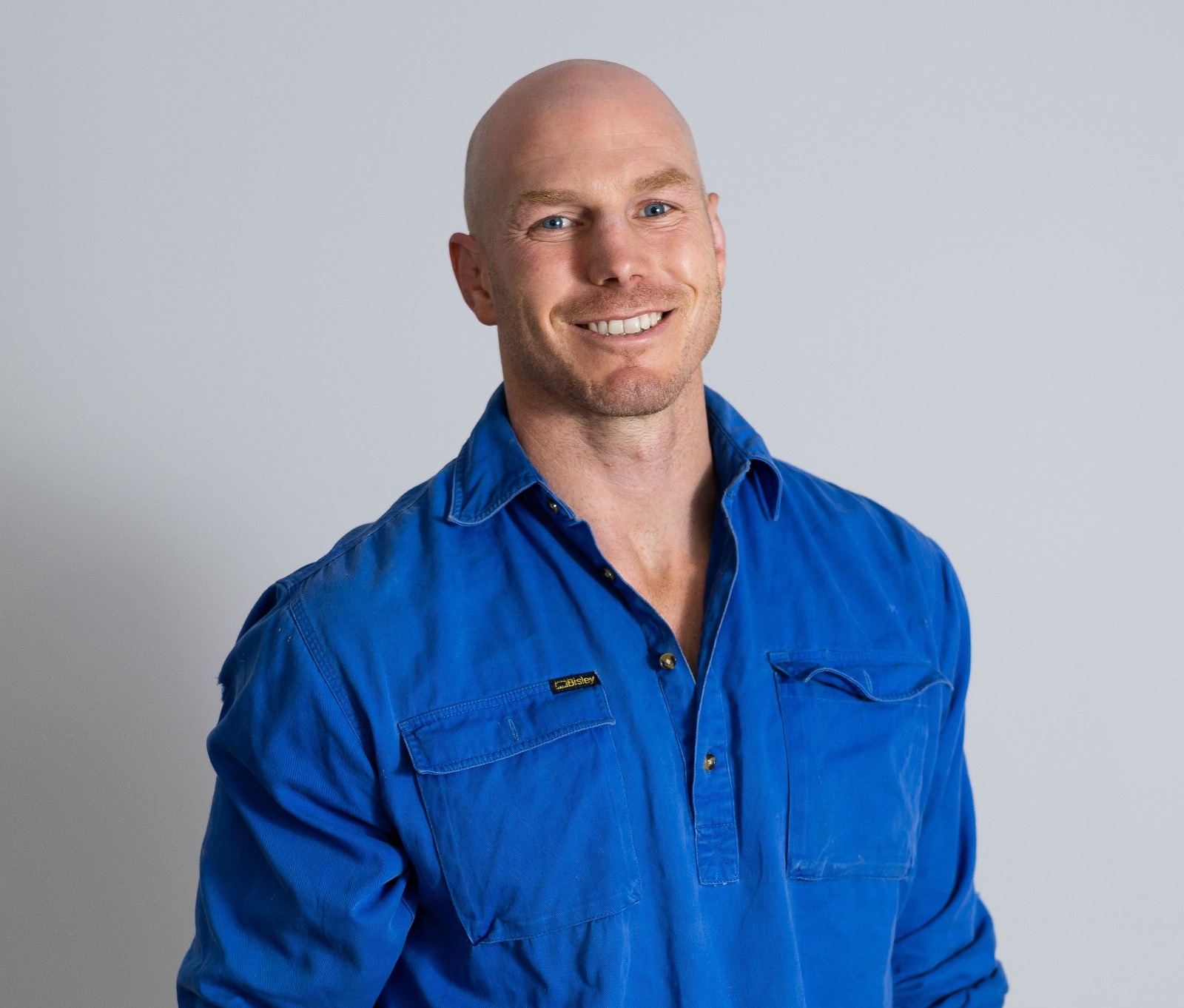
David Pocock
- Independent Senator for the ACT
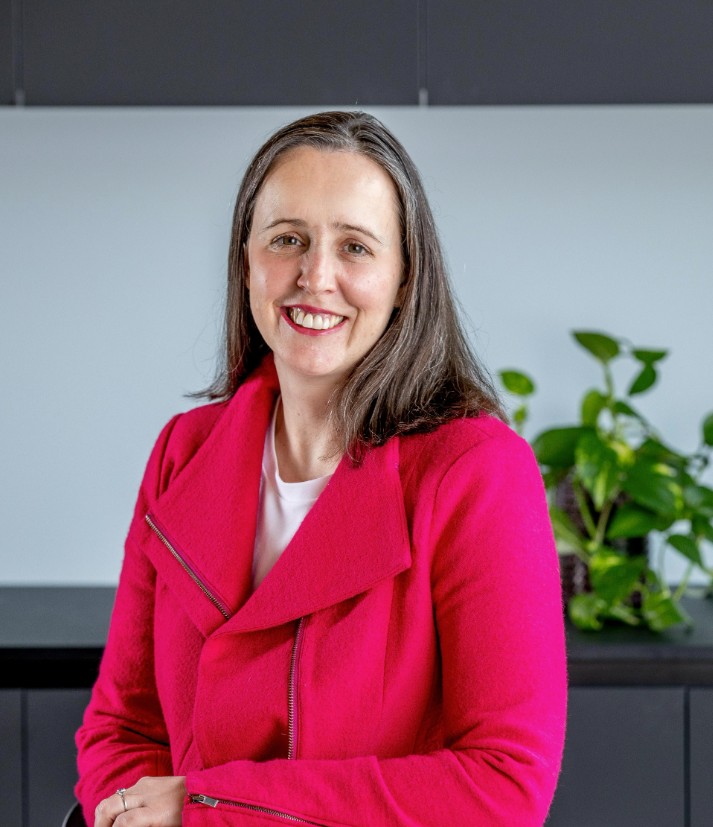
Kate Cornick
- CEO, Tech Council of Australia
Series details
More about the series
The Australian Academy of Science’s public speaker series in 2026 will explore today’s challenges and tomorrow’s solutions, underpinned by science.
Each event will pair a prominent public figure with a top scientist, researcher or innovator. Together with ABC Canberra’s Lish Fejer, they will explore the big issues shaping our future, and the important role science and research plays in everyday life.
Find out more about the Bright Minds, Bold Voices speaker series

Lish Fejer
- ABC Canberra
Series convenor
Thank you to our convenor for 2026:
Professor Stephen Simpson AC FAA FRS, University of Sydney
Series supporter



Bright Minds, Bold Voices: Food, science and the stories we swallow
Discover the science and culture behind why we eat the way we do. How do the invisible forces of messaging influence our health, wellbeing and the choices we make every day?
In conversation with ABC Canberra's Lish Fejer, we’ll be joined by two superstars of food and nutrition:
- Adam Liaw – Cook, writer and broadcaster
Adam has been bringing his passion for food and nutrition to a global audience since his MasterChef Australia victory in 2010. With a Bachelor of Science, nine cookbooks and countless television programs under his belt, Adam’s life is dedicated to promoting good nutrition. - Dr Emma Beckett – Food and nutrition scientist
With degrees in nutrition, food science and health, Emma dedicates a large amount of time to sharing no-nonsense nutrition information, breaking down misinformation and marketing hype.
Together, they will unpack the five basic tastes, what makes “good food” and the biology, psychology and evolution that shape our eating habits.
You’ll leave with fresh takes and practical ideas that will transform how you think about your next bite.
This event is for everyone including students, professionals, academics, lifelong learners and those simply curious about why we eat the way we eat.
Event details
Date: Tuesday 25 August 2026
Time: Canapés and drinks are served from 5.30pm, with the talks (and the livestream) 6.00–7.00pm AEST
Venue: The Shine Dome, 15 Gordon Street, Acton, ACT (and free online livestream)
Cost: $22pp ($17pp for students)
Speakers

Adam Liaw
- Cook, writer and broadcaster

Emma Beckett
- Food and nutrition scientist
Series details
More about the series
The Australian Academy of Science’s public speaker series in 2026 will explore today’s challenges and tomorrow’s solutions, underpinned by science.
Each event will pair a prominent public figure with a top scientist or innovator. Together with ABC Canberra’s Lish Fejer, they will explore the big issues shaping our future, and the important role science and research plays in everyday life.
Find out more about the Bright Minds, Bold Voices speaker series
Series host
Lish Fejer
- ABC Canberra
Series convenor
Thank you to our convenor for 2026:
- Professor Stephen Simpson AC FAA FRS, University of Sydney
Series supporter
Anna-Maria Arabia OAM to step down as Chief Executive of the Australian Academy of Science
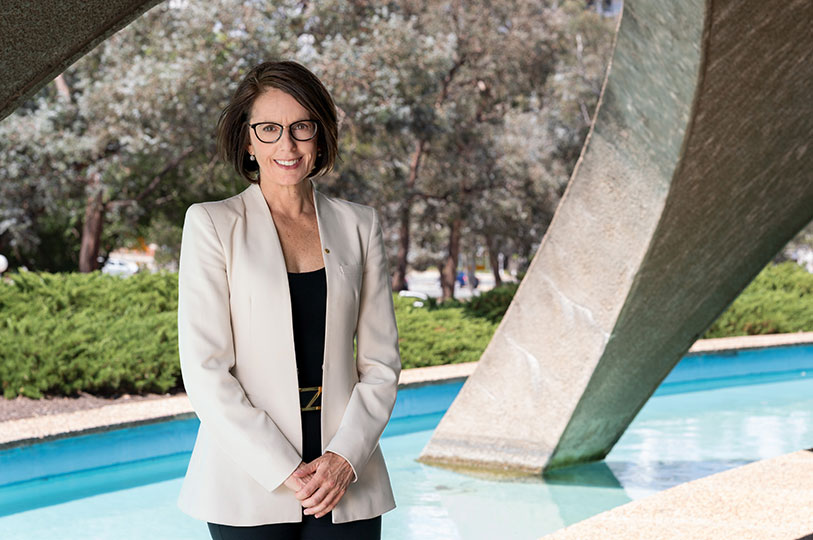
The Australian Academy of Science has today announced Anna-Maria Arabia OAM’s resignation as Chief Executive. Her last day in the role will be 17 April 2026.
In thanking Ms Arabia for her almost 10 years of commitment and contribution, Academy President Professor Chennupati Jagadish AC paid tribute to Ms Arabia’s legacy, acknowledging her leadership through a period of significant activity, external change and disruption.
“On behalf of Council I thank Anna-Maria for her service and for the energy and commitment she brought to the role. We wish her every success in her future endeavours,” Professor Jagadish said.
Under Ms Arabia’s leadership, the Academy strengthened its role in providing trusted, independent science advice to government, including supporting national decision-making during the COVID-19 pandemic through the Rapid Research Information Forum.
During her tenure, the Academy progressed sustained advocacy for Australia’s research and development sector, advanced work in STEM education, led national efforts to advance equity and inclusion in STEM, and navigated complex policy interfaces spanning law, national security and defence. This work has helped to ensure science has remained visible and influential in national decision-making.
Ms Arabia also expanded Australia’s international engagement and science diplomacy, including supporting the establishment of the Pacific Academy of Sciences, and active participation in Asia–Pacific and global academy networks. These efforts strengthened the nation’s scientific standing internationally and expanded the Academy’s reach and partnerships.
Ms Arabia said it has been a privilege to serve as Chief Executive of the Australian Academy of Science, and to serve Australian science at home and abroad.
“I am immensely grateful for the trust placed in me by the Academy’s President, Council, the Fellowship and staff who have poured their talent, care and commitment into advancing science in and for Australia.
“The Academy is a tremendous institution, held in high regard at home and internationally. I leave it in excellent hands and with enormous gratitude and pride.”
The Academy thanks Ms Arabia and wishes her well for the next chapter of her career.
Learned Academies and ACOLA: Joint response to the Strategic Examination of R&D
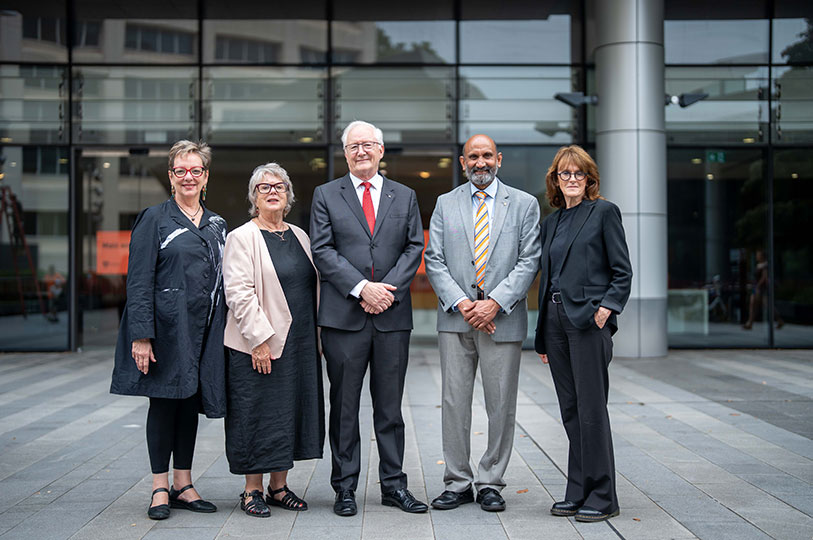
From left to right: Professor Louise Baur AM PresAHMS, President of the Australian Academy of Health and Medical Sciences; Professor Kate Darian-Smith FASSA, President of the Academy of Social Sciences in Australia; Professor Stephen Garton AM FAHA FASSA, President of the Australian Academy of the Humanities and Chair of the Australian Council of Learned Academies; Professor Chennupati Jagadish AC PresAA FRS FREng FTSE, President of the Australian Academy of Science; and Dr Cathy Foley AO FAA FTSE, President of the Australian Academy of Technological Sciences and Engineering.
This is a transcript of a joint media briefing held by Australia's five Learned Academies and the Australian Council of Learned Academies (ACOLA).
Check against delivery.
Professor Stephen Garton AM FAHA FASSA
President, Australian Academy of the Humanities, and Chair, Australian Council of Learned Academies
I'm Stephen Garton, President of the Australian Academy of Humanities, and also Chair of the Australian Council of Learned Academies. And we are here to talk about the Strategic Examination of Research and Development paper that has just been delivered in Canberra.
On behalf of all of the Academies, singly, and collectively through ACOLA, we want to express our support and endorsement of this strategic paper – a very important initiative for Australia's R&D environment. Something that will set us up for the future and ensure the future prosperity, improve productivity and sustainability of Australian economy and society in the future.
I'm going to ask each of the presidents of the five Learned Academies to say a few things and then we will wrap up. But first of all, I'm going to pass on to the President of the Academy of Sciences, Professor Chennupati Jagadish.
Professor Chennupati Jagadish AC PresAA FRS FREng FTSE
President, Australian Academy of Science
Thank you very much, Stephen. My name is Chennupati Jagadish. I'm currently serving as the President of the Australian Academy of Science, and we want to thank the Australian Government for commissioning the Strategic Examination of R&D and also the independent panel, which has made a comprehensive consultation with the universities, industry, government and the broader community.
This report has looked at, in a comprehensive way, the R&D system in the country and particularly the research and innovation system. This report makes certain recommendations, and if we implement those recommendations, we can really set the future for the next generation with excellent quality of life. But we are not the only ones saying this. Australia's Treasurer Jim Chalmers last year said that this is the defining decade for Australia to make defining decisions. The decisions we make in 2020 [are] going to determine the standard of living and then also the intergenerational justice we can create for the generations to come.
This report really looked at, in a very comprehensive way, the R&D system. And it's very important to make sure that we really implement that one. And particularly, looking at the research sector and the Government and also industry, how all of us can work together in order to be able to make the difference to the world and particularly to [our] Australian future for the next generation.
And again, this report has looked at: what are the gaps in the system, what are the overlaps and how do we make sure that our system is working, fit for purpose, in the current environment which we are living in [with] geopolitics.
This report has looked not [at] one program or one institution or one issue, but they really looked at in a comprehensive way, how do we make Australia a future leader? And also be able to really create the system such that our research and innovation system is going to make a big impact in terms of the future of our country, in terms of the growth of the economy, productivity, quality of life, and living standards we can really maintain for the next generation or so. And again, it's very important for us as a nation and particularly we need to work together, particularly this is a time that the Government need to act on this one.
The R&D system has been in decline for a long time. Investment in R&D has been going down for the last decade or so. We are at the bottom of the OECD countries. It is a time to act now and be able to change this direction from going down to the positive direction so that we can be able to reach the OECD country average or so. Without that action, what's going to happen is that our quality of life is going to go down, our economy continues to suffer, and our productivity continues to suffer as well. So that is why we really need to act now.
We hope the Government really looks at this report and then implements it in full because of the fact that this particular report has looked at the various aspects of the research and innovation system. It is very important to make sure that this package will be fully implemented in an effective way so that the entire system can be improved and in order to be able to reach this OECD average of 2.7% of GDP. It is very important for the industry, universities and government to work together constructively so that we can set the nation in the future direction so that we can really provide excellent quality of life for the next generation.
And also, I just would like to point out that the May Budget is really critical and I hope that the Government really acts on this report and then starts implementing some of these policies. So that this May Budget is a starting point for the next decade or so in terms of pushing Australia in the right direction.
Dr Cathy Foley AO FAA FTSE
President, Australian Academy of Technological Sciences and Engineering
Hello, I'm Cathy Foley. I'm the new President of the Academy of Technological Sciences and Engineering. And I think it's really fantastic to see the evaluation of the science, research and development community in Australia. It has been really important. Because what it has identified is that for our country to be as successful as the most successful countries on our globe, they all rely on research and development that is well funded and is supported – but not just at the end of the fundamental work research, which we need to keep going. And also the breadth of research. So it's looking at all the different disciplines that contribute and make a contribution, both from the fundamental sciences through to the applied sciences and the social sciences and humanities.
So that's really important, but also making sure that we have the good pathways to allow that research, which is world class in Australia, that could be funded and supported more so that we end up with greater outcomes – as we heard from the other presidents – that will lead to the prosperous nation that we want and that we have the potential to have.
So that's the first thing. But one of the things that's always tricky is: how do you actually implement something like that, where there's a massive, ambitious program put forward? And the details of being able to implement that in a way that will allow us to have a system that is not adding to the complexity and making sure that all the research dollars that are invested are used in a way that leads to the outcomes we are seeking. And that we also recognise roles and responsibilities so that we have everyone in the research sector and in industry and in government understanding how they contribute to be able to achieve the research right through to commercialisation or policy impacts.
And then I guess the final thing I just want to say is that it's really important that the science, research and development that's done here provides a lot of information that we need to make available as trusted advice. We need to make sure that we don't mix up the two different paths of being able to provide independent advice.
That is very important – through the Chief Scientist role and through the National Science and Technology Council is one pathway of giving trusted advice, and we need to make sure that that is something that is not mushed in unexpectedly with other areas so that we have the funding and the doing of the research being mixed together. So that's something we need to watch and I'm really hopeful that we're going to see great pathways forward, which will allow us to be able to turn the commitment, the passion, and the desire of not just the researchers, but also industry and government to be able to be the country we want to be.
Professor Louise Baur AM PresAHMS
President, Australian Academy of Health and Medical Sciences
Hello, I'm Louise Baur. I'm the President of the Australian Academy of Health and Medical Sciences.
The Academy of Health and Medical Sciences welcomes the ambition of the Strategic Examination of Research and Development [SERD], and its recognition that Australia's research, development [and] innovation system requires structural reform.
Many of the challenges outlined in the review are acutely felt by the health and medical research sector, including fragmented funding, workforce pressures, poor system coordination, and ongoing barriers to translating research into real-world benefit. This is an important moment. The SERD has given us an opportunity for a national conversation about Australia's research, development and innovation system.
Australia cannot continue to ask more of a system that is already under strain without addressing the systems that shape its performance. The health and medical research [system] is a vital national capability. It contributes not only to discovery and innovation, but to better health outcomes, a stronger health system and greater national resilience in the face of future health threats. What matters now is that this leads to serious reform.
The Academy will consider the SERD closely and provide a more detailed assessment of its implications for health and medical research in the coming weeks.
Thank you.
Professor Kate Darian-Smith FASSA
President, Academy of the Social Sciences in Australia
I'm Kate Darian-Smith, the President of the Academy of the Social Sciences in Australia. From the social sciences perspective, we really welcome the report, [and] congratulate the Australian Government and the expert panel members for their very considerable work in bringing this together.
Australia has a very proud history of research, development and innovation that has allowed our small nation to punch well above its weight in the global economy. And to provide a lifestyle and a quality of life for Australians that is the envy across the world. We support very strongly the focus in the report on improved coordination, the prioritisation of effort, increased funding to support the full costs of research, and in particular a renewed focus on research training for the next generation of researchers to step forward.
We also support the inclusion of First Nations knowledge in Australia's research and development. The SERD report has identified several pillars or priority areas, but these are just some of the important challenges facing Australia. We have many others that sit both under and across those pillars. They include social cohesion, regional security, resilience to economic shocks and international conflicts, challenges to democracy, just to name a few. And it's important, and I think the report does make this point, that Australia's research be broad and that blue-sky thinking and innovation be enabled both within those identified pillars as well as without it. So that we can continue to have that great record of innovation.
Each of those pillars and our research and development system will require input from across all of the disciplines of research. In some cases, that will be a heavier emphasis on physical and natural sciences. In other instances, the weight of research will lie with the social sciences and the humanities. Scientific and technical advances are not enough by themselves. They're very important, but they also require social, economic, and political insights coming from the social sciences and humanities so that they are embraced by our community and they can be fully transformative for Australia's future generations.
And it's important that these major reforms, signalled in this landmark report, to the research, development and innovation system ensure that governance and the implementation process for our national research and development is driven by different perspectives along with industry and other research stakeholders.
Thank you.
Professor Stephen Garton AM FAHA FASSA
Thanks Kate.
And from the perspective of the Academy of Humanities, let me also welcome and embrace the report. As the colleagues have indicated, this is a very important report and I think it strikes a very important balance between the notion of sustaining a foundational ecology for research across all disciplines, and then thinking through the challenges of where to allocate specific forms of research around particular items. I think getting that balance right is crucial and the future is multidisciplinary. The big challenges of the 21st century are definitely multidisciplinary and we need to bring all the disciplines to bear. It's important to drive much greater investment in science and technology and medicine and health, but each of those innovations always land in a society, a culture, and a human context. And therefore bringing the humanities and social sciences into that multidisciplinary perspective is part and parcel of really driving the agenda for the SERD report.
In summary, I want to say that each of the individual Academies and collectively through ACOLA, we warmly endorse this report. As you have heard, we think it's vital for Australia's future.
We think it has a series of very important recommendations and we urge the Government to think through these challenges swiftly. The Academies and ACOLA collectively and individually are prepared to step up to the mark to assist Government. Picking up Cathy's point about independent scientific advice, we see that as a crucial element of making sure the Government has the right support and the right advice to drive this agenda.
And although this is a bit portentous, let me say that 85 years ago, the Curtin–Chifley Government had to face a significant challenge about transforming the Australian economy in the context of war, and in it invested heavily in the knowledge infrastructure to set up Australia for the coming future. And interestingly, it got bipartisan support. The liberal opposition led by Menzies supported those initiatives and carried them forward when they got into government. That knowledge economy, that investment in the knowledge economy and research economy really set up Australia. I think we are facing another challenge now of similar moment, and I think the time is ripe for a significant investment in the knowledge and research economy to drive Australia forward in order to ensure increased productivity, social wellbeing, harmony, and social cohesion for the nation. It's a very important moment. And we are here to support the Government in this important initiative.
Ends.

Academy Chief Executive on the 'Ambitious Australia' report
This is the transcript of an interview between ABC Radio National Breakfast host Sally Sara and Anna-Maria Arabia, Chief Executive of the Australian Academy of Science.
Check against delivery.
Sally Sara: An independent panel of experts has concluded that Australia's R&D sector is in desperate need of bold reform. The Ambitious Australia report was commissioned by the Government, [and] has found that right now, R&D investment has fallen to just 1.69% of GDP, almost half of the OECD average. Anna-Maria Arabia is chief executive at the Australian Academy of Science, and joins me now. Anna-Maria, welcome back to Radio National breakfast.
Anna-Maria Arabia: Good morning. Sally. Lovely to be with you.
Sally Sara: How significant is this report and its recommendations on R&D in Australia?
Anna-Maria Arabia: This is a much anticipated report. An independent panel was tasked with assessing the current system and looking at ways to reverse the decline you've just described in your opening statements, where funding for R&D has been declining now for the better part of a decade. And it is such a significant report because it provides us with a really clear-eyed assessment of the strengths and weaknesses of the system. But really importantly, it provides a coherent roadmap forward. It gives us what we need to create the R&D system, an R&D system that is humming and that can support growth in our economy, and, of course, improve the living standards of Australians.
Sally Sara: When we're comparing Australia to the OECD, why are we so far behind when it comes [to] the amount that's invested into R&D as a percentage of GDP?
Anna-Maria Arabia: The decline has been ongoing for more than a decade, and I think it has been a result of incrementalism in the country. So we have had an R&D system which now has had many bandaids applied to it – a small fix here, a small fix there – but overall, that has not seen the sort of efficiencies and investment that we have needed to create a really robust system. So that's eroded over time. The other reason is that most other countries around the world have increased their R&D spend because they recognise that to respond to the sort of disruption we're going through now – that's technological disruption, environmental disruption and the need to make the energy transition and geopolitical disruption – key to all that is investment in R&D, new industries, new technology, etc.
Sally Sara: What's the potential cost to Australia's future living standards if we don't get this right?
Anna-Maria Arabia: The cost to future living standards is enormous. So we know that when we grow our economy, we improve productivity and living standards improve as a result. Australians see what science and technology deliver for them. They see it through the solar panels on their roof and lower energy costs. They see it through the food on their table. They see it through health outcomes that they experience through medicines. We know that when we improve productivity, living standards improve as well. But it's not just us saying it. The Treasurer says it. Robyn Denholm, who chaired this report, states as much in the report. Now's the time for delivery. Now's the time to reset this. In fact, the time to create this R&D system was 35 years ago. That was the best time. The next-best time is right now.
Sally Sara: Is the investment – does it need to come from the public sector or the private sector, or all of the above?
Anna-Maria Arabia: Sally, we need to work in partnership. So underinvestment in R&D is multifaceted. We've seen underinvestment by government over the years, but we've also seen significant underinvestment by the business sector. They themselves are aware of this and recognise this issue, and there are many settings that need to be reformed to enable and incentivise greater investment by the business sector. These are well laid out in the report. The higher education sector is also a contributor. They're doing quite well in comparison to the OECD. Really importantly, we've got to move really quickly to start the hard work of implementation, and that requires all of us to work together – government, business, the research sector, the higher education sector – to create the best possible R&D system that we can possibly muster, because our economy and our living standards rely on it.
Sally Sara: Anna Maria Arabia, good to have you back on the program. Thank you very much for joining me this morning.
Anna-Maria Arabia: Lovely to be with you, Sally, thank you.
Ends.
‘Ambitious Australia’ report: There is not a moment to waste
Australia’s leading scientists are urging the Australian Government to start work immediately to implement the Ambitious Australia report’s recommendations as a package.
Australian Academy of Science President Professor Chennupati Jagadish AC said the best time to implement a robust R&D system that underpins a knowledge-based, productive and differentiated economy was 35 years ago. The next-best time is now.
“The independent panel’s report provides the most comprehensive look at Australia’s research and innovation system in decades,” Professor Jagadish said.
“It provides government, business and the research sector with a robust and coherent national roadmap for R&D reform. The report recognises that the challenge is systemic and needs urgent attention.”
The Academy strongly supports the panel’s call to stop the long-term decline in research funding – which is the wellspring of innovation – and to craft an R&D system that supports scale and focus, which is essential for international competitiveness. Without this, Australia will continue to fall behind.
“Senator the Hon Tim Ayres, Minister for Science, has recognised that business must play a greater role if Australia is to lift overall investment in R&D. They must,” Professor Jagadish said.
“However, the Australian Government must also reverse its own underinvestment. Putting research at the centre of the Government's productivity agenda is essential for our future prosperity.
“All parts of the sector need to work in partnership to create a humming R&D system. The federal Government must commit to a 10-year national R&D investment plan that brings government, industry and higher education together to restore investment and strengthen Australia’s international competitiveness.”
Professor Jagadish said that the upcoming May Budget presents an opportunity to start to halt the long-term decline in R&D funding. Without this, Australia risks falling so far behind the rest of the world that it becomes impossible to catch up.
“Rebuilding Australia’s research system will take multiple budgets – but it must start with this one.
“We thank the Government for their leadership in commissioning this strategic examination of R&D and the independent panel for their comprehensive consultations across universities, industry, government and the broader community.
“The Academy looks forward to working with Government to undertake the detailed work needed to implement the Ambitious Australia recommendations,” Professor Jagadish said.