




Applications open for Falling Walls Lab 2020

*EXTENSION OF CLOSING DATE*
The closing date for Falling Walls Lab Australia has been extended to Monday 20 July 2020.
The Academy invites applications from postdocs and students, entrepreneurs, engineers and innovators to present at the virtual event Falling Walls Lab Australia 2020 in September.
Falling Walls Lab Australia is an inspiring annual forum for the next generation of exceptional innovators. It promotes breakthroughs that impact science and society and connects promising young scientists and entrepreneurs from all fields.
Falling Walls Lab Australia is an inspiring annual forum for the next generation of exceptional innovators.
Successful applicants will be selected to participate in Falling Walls Lab Australia, each giving a three-minute presentation on their research, business model or initiative based on the concept ‘Which walls will fall next?’. In accordance with physical distancing measures due to COVID-19, the event will be a virtual Lab this year and will be held on 8 September 2019.
A Lab will also be held in Queensland in August, hosted by Study Queensland, for applicants within that state. The finalists for this Lab will be automatically accepted into the Canberra Lab to compete for a place in the Berlin Finale. The call for applications for the Queensland Lab will open in the coming weeks and information on this will be updated when available.
A jury of distinguished academics and business people will select the winner of Falling Walls Lab Australia and the winner will be automatically admitted to the international Falling Walls Lab Finale held on 8 November 2020.
The format of the finale will depend on physical distancing measures in place at the time, but it is envisaged that the finale will be a virtual Lab.
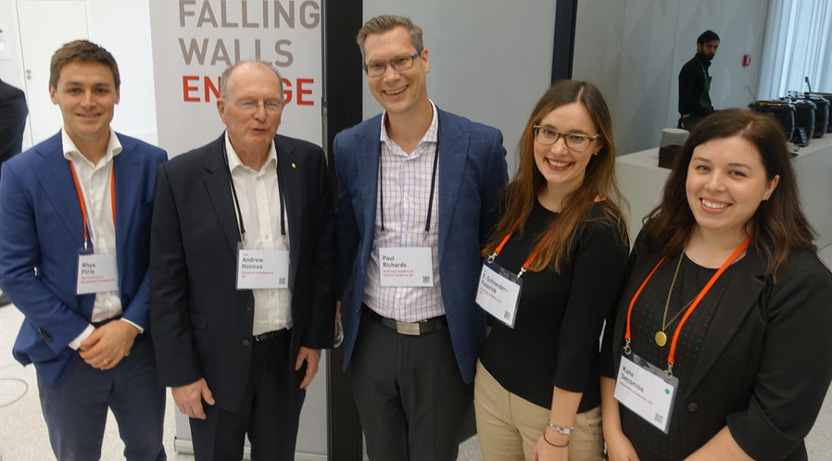
At last year’s Falling Walls Lab Finale in Berlin, Australian researcher Rhys Pirie won first place and was named the 2019 Young Innovator of the Year.
Apply now to be part of this exciting opportunity.
Applications close 5 pm (AEST) Monday 20 July.
Academy Fellows elected to National Academy of Sciences
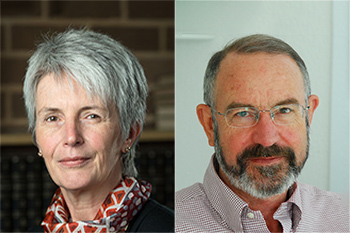
Australian Academy of Science Fellows Professor Jane Elith and Professor Roger Summons have been elected to the National Academy of Sciences.
Academy Fellows Professor Jane Elith and Professor Roger Summons have been elected to the National Academy of Sciences (NAS) in the United States.
Founded in 1863 as a result of an Act of Congress approved by President Abraham Lincoln, the NAS is a society of distinguished scholars that provides independent, objective advice on matters related to science and technology.
Scientists are elected by their peers to membership in the NAS for outstanding contributions to research. NAS membership currently totals approximately 2400 American members and 500 international members. Approximately 190 members and international members have received Nobel prizes.
The Academy congratulates Professor Elith and Professor Summons on their election as international NAS members, considered one of the highest honours a scientist can receive.
Professor Jane Elith
Professor Jane Elith, Professor in Biodiversty Modelling at the University of Melbourne, has rapidly become one of the world’s most influential researchers in applied ecology. She specialises in species distribution models that help to better inform environmental managers and governments on invasive species, land-use and improving biodiversity.
Professor Elith received her PhD in ecology from the University of Melbourne in 2002 and has since been a Research Fellow in the School of Botany. She is currently an Australian Research Council Future Fellow within the Centre of Excellence for Biosecurity Risk Analysis at the university.
Professor Elith is one of the most highly cited ecologists in Australia and was recognised by Thomas Reuters as a highly cited researcher from 2014–2016, putting her in the top 1% of researchers globally. She has received several awards, including the 2015 Prime Minister’s prize for Life Scientist of the Year and the 2016 Fenner Medal from the Australian Academy of Science, and was elected as a Fellow of the Australian Academy of Science in 2017. Professor Elith has been a subject editor for numerous scientific journals in the fields of ecology, plant and animal species distribution and ecography and teaches specialist courses in spatial modelling.
Professor Roger Summons
Professor Summons is the Schlumberger Professor of Geobiology at the Massachusetts Institute of Technology (MIT). He is particularly well known for his work on the application of organic geochemical methods to study microbes to increase the understanding of the early evolution of life on Earth. Professor Summons received his PhD in organic chemistry from the University of New South Wales in 1972 after which he conducted postdoctoral and research fellowships at Stanford University and the Australian National University. Professor Summons held appointments at the Australian National University and Geoscience Australia before joining MIT in 2001. He is Principal Investigator of the MIT NASA Astrobiology Institute, where he leads a team that studies the Foundations of Complex Life, and is also a member of the Sample Analysis on Mars instrument team.
Professor Summons served on three committees of the US National Research Council from 2003 to 2007, including the Committee on Origin and Evolution of Life, the Committee on Limits of Life, and the Committee on Mars Astrobiology. He also served as NASA co-chair of the organic contamination panel for the Mars 2020 Rover. He has been a member of the editorial boards of the scientific journals Astrobiology, Geobiology and Palaeoworld since their establishment. He has received numerous awards, including the Australian Organic Geochemistry Medal (2002), the Alfred E. Treibs Award of the Geochemical Society (2003) and the Alexander von Humboldt Foundation Research Award (2008), and has been elected as a Fellow of the Australian Academy of Science (1998), the American Geophysical Union (2006), the Royal Society (2008) and the American Academy of Microbiology (2012).
Research sector answers the Government’s call for the best available evidence on COVID-19
Australia and New Zealand’s science, research and innovation sectors have united to provide governments with the latest and best evidence as they contain and respond to the COVID-19 outbreak.
The Rapid Research Information Forum (RRIF) was convened and is chaired by Australia’s Chief Scientist, Dr Alan Finkel. It benefits from operational support and leadership from the Australian Academy of Science, and is a collaboration of the participant organisations, listed below.
RRIF participants are working together to rapidly answer pressing questions about COVID-19, as they emerge. Questions are put to the RRIF by Ministers and other key decision makers, for example to support the work of the Chief Medical Officer, the Australian Health Protection Principal Committee (AHPPC), and the National COVID-19 Coordination Commission (NCCC).
The first three reports, published in response to questions asked by the Health Minister, are available now.
- What is the impact of winter on the spread of COVID-19?
- Is reinfection with SARS-CoV-2 possible?
- What is the feasibility of monitoring wastewater for early detection and monitoring of COVID-19 in the population?
The RRIF will answer a range of questions in upcoming reports at the request of Industry, Science and Technology Minister Karen Andrews; Health Minister Greg Hunt and Education Minister Dan Tehan and to support the NCCC. The growing list of questions includes:
- Is there evidence for differential learning outcomes for online versus in-class education; what factors moderate the relative effectiveness; and are there distinct implications for students in metropolitan, remote, rural and indigenous communities?
- What is the predictive value of serological antibody tests, and are point of care tests comparable to laboratory tests?
- What impact is the pandemic having and likely to have on Australia’s research workforce and will we have the research workforce capability to support our recovery efforts?
- What are the vaccines and treatments being developed globally that are regarded as having most promise (including national and international collaborations and consortia), and what are the mechanisms for action for each of these, their stage of development and their strengths and limitations?
Australian Academy of Science President Professor John Shine expressed his delight at the opportunity to submit the knowledge of scientists and other experts to the Australian Government at this critical time.
“We are in complex and uncharted territory, so it is absolutely appropriate that the independent and multidisciplinary expertise of Australia and New Zealand’s science, research and innovation sectors is being brought to bear.
“The RRIF demonstrates the strength of evidence-informed decision making and the critical value of research and innovation in driving societal and economic progress,” Professor Shine said.
Australia’s Chief Scientist Dr Alan Finkel said the rapid reports follow a unique format, in which they synthesise the up-to-the-minute evidence base for a single issue informed by relevant experts and are peer reviewed.
“The COVID-19 pandemic is evolving quickly. The RRIF is enabling timely responses to be provided to policymakers based on the best available multidisciplinary evidence.
“The reports of the RRIF are a major collaborative effort across a number of sectors and complement the existing mechanisms of science advice to Government,” Dr Finkel said.
Key finding on reports published to date include:
What is the impact of winter on the spread of COVID-19?
- Notwithstanding the recent emergence of SARS-CoV-2, research suggests there will be some influence of winter on spread and severity of the virus.
- Lower humidity and air temperature can increase the viability and virulence of the virus and therefore its infectivity.
- Physical distancing supported by effective public policy measures will have a greater impact on managing the spread of SARS-CoV-2 than seasonal climate.
- The concurrence of COVID-19 with other viruses during winter, such as influenza, will likely exacerbate demands on health services, especially for vulnerable people and communities.
- The onset of winter may further exacerbate the psychological effects of COVID-19, especially if quarantining measures are extended.
Is reinfection with SARS-CoV-2 possible?
- Anecdotal reports of patients who have recovered from COVID-19 becoming reinfected may be due to testing problems. While we cannot say for certain that reinfection is not possible, the evidence for reinfection is so far not compelling.
- Overall, based on the changes detected in the blood cells and antibodies seen in most recovered patients, it could be reasonably extrapolated that individuals would be protected from reinfection with the same strain, at least in the short to medium term. However, no direct evidence for immunity in patients exists at present.
- Population-level studies would be needed to determine with greater certainty whether reinfection can occur in people who have developed antibodies to SARS-CoV-2.
- A decline in immunity or mutations in the virus could result in a future scenario in which reinfection is possible.
- Wastewater-based epidemiology (WBE) techniques are used in routine surveillance for human pathogens and have provided valuable public health data. Developing similar WBE techniques for detection of SARS-CoV-2 is an active area of research and rapid improvements can be expected.
- Further understanding of SARS-CoV-2 infection biology and standardisation of WBE methods, along with improvements in their sensitivity and specificity, will enhance use of WBE tools to inform public health authorities of the prevalence of COVID-19 and management of its spread.
- Given the resolution of WBE techniques can facilitate the identification of communities in a given geographic location, there are concerns of stigmatisation of communities resulting from WBE. Careful thought must be given to research design and public release of data.
Forum member organisations
• Australia’s Chief Scientist (Chair) • Australian Academy of Science • Australian Academy of Health and Medical Sciences • Australian Academy of Technology and Engineering • Academy of the Social Sciences in Australia • Australian Academy of the Humanities • Royal Society Te Apārangi (New Zealand) • Australian Council of Learned Academies • State and Territory Chief Scientists • Chief Science Advisor to the Government of New Zealand • Scientific expert members of the National Science and Technology Council • CSIRO • Universities Australia • Science & Technology Australia
For more information visit the Rapid Research Information Forum website.
Two new Corresponding Members admitted to the Academy
Professor Jane Langdale, of the Plant Sciences Department at the University of Oxford, and Professor Erwin Neher, of the Max Planck Institute for Biophysical Chemistry in Germany, have been admitted as Corresponding Members of the Australian Academy of Science for their outstanding contributions to science.
Corresponding Members of the Academy are eminent scientists not resident in Australia. They are elected based on scientific excellence, with consideration given to their connection to Australian science. The Academy will announce the election of 24 distinguished Australian scientists as New Fellows later this month.
Professor Jane Langdale FAA

Professor Jane Langdale FAA Photo: supplied
Professor Jane Langdale’s research has transformed our understanding of how plants initiate leaves, how leaves adapted to major evolutionary transitions and how those changes affect photosynthesis in land plants.
She has explained various plant mechanisms, including organ inception and specification at the tip of shoots, patterning of distinct cell-types and the development of chloroplasts.
Importantly, Professor Langdale has carried out research in a comparative framework, advancing our understanding of leaf development not just in model flowering plant species but in species from all of the major land plant lineages.
What are you most proud of in your research?
“The people I have worked with over the years. Any recognition of my research is recognition of the wonderful people who have contributed to the discoveries that we have made—from the technicians who wash the lab glassware to the postdocs who challenge my ideas and prove me wrong.”
What does your election to the Academy mean to you?
“I have family, friends and many colleagues in Australia, and to be recognised by the national Academy is an incredible honour. I hope that I am able to contribute to the Academy’s mission in a meaningful way.
"Science should never be a single nation endeavour. Interactions and collaboration between people from different cultures, with a broad range of views and experiences, are essential for the synergy that fuels truly original and creative scientific advances.”
Professor Erwin Neher FAA
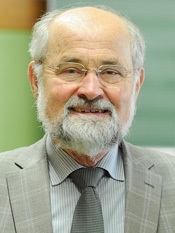
Professor Erwin Neher FAA Photo: supplied
Professor Erwin Neher is a world-renowned biophysicist specialising in the field of cell physiology. He is internationally known for his ground-breaking development of the patch clamp technique and further discoveries concerning the function of single ion channels in living cells, which allow cells to communicate with their surroundings.
Using this technique, Professor Neher was able to take ion channels from a physiological concept to the reality of biological macromolecules, revolutionising modern biology, facilitating research, and contributing to the understanding of the cellular mechanisms underlying several diseases including diabetes and cystic fibrosis.
For his outstanding contributions, in 1991 he was awarded, along with Bert Sakmann, the Nobel Prize in Physiology or Medicine.
What are you most proud of in your research?
“Following the development of the patch clamp, researchers worldwide adopted this technique for the study of diseases and drug action. Although I never did clinical work myself, this indirectly led to novel medications and improved therapies, which I am proud of.”
What does your election to the Academy mean to you?
“I first visited Australia in 1985 and since then kept contact with many of my colleagues. I consider election to the Academy as a major recognition of my work and as a unique chance to maintain contacts.
“The laws of nature do not distinguish between countries and continents. The goal of science is to decipher these laws and scientists share their insights in this respect in a remarkable way. Most of us see our task as a joint effort, which is substantially enhanced by international cooperation.”
Professor Langdale and Professor Neher join just 33 Corresponding Members of the Academy, including Nobel Laureates Professor Elizabeth Blackburn and Professor Rolf Zinkernagel and Fields Medal recipient Professor Akshay Venkatesh.
Academy President and Fellows elected to Royal Society
Three Academy Fellows, including Academy President John Shine, have been newly elected to the Royal Society, the world’s oldest scientific academy in continuous existence.
They are among 62 individuals worldwide who have been recognised for their outstanding contributions to scientific understanding.
Past Fellows and Foreign Members of the Royal Society have included Isaac Newton, Charles Darwin, Albert Einstein, Dorothy Hodgkin and Stephen Hawking.
Dr Venki Ramakrishnan, President of the Royal Society, said at this time of global crisis, the importance of scientific thinking, and the medicines, technologies and insights it delivers, has never been clearer.
“Our Fellows and Foreign Members are central to the mission of the Royal Society, to use science for the benefit of humanity,” said Dr Ramakrishnan.
The Fellowship of the Royal Society are the most eminent scientists, engineers and technologists from or living and working in the UK and the Commonwealth. Each year up to 52 Fellows and up to 10 Foreign Members are elected from a group of about 700 candidates.
Professor John Shine
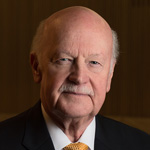
Professor John Shine AC PresAA FRS
What does it mean to be elected a Fellow of the Royal Society?
“It’s obviously an honour to join such an illustrious group of scientists. Recognition by your peers is always special. Science is critical to finding real and lasting solutions to all challenges to humanity—whether it be acute, like infectious disease pandemics, or more longer term like climate change and environmental pollution.”
Are there any Fellows of the Royal Society who have been a particular source of inspiration for you?
“All of them and what they stand for—the pursuit of knowledge for the betterment of humanity, as with the Australian Academy—but in particular Australians such as Suzanne Cory, Jerry Adams, Gus Nossal and Jim Peacock who are world leaders in fields close to my direct interests.”
Professor Shine is a leading figure in the molecular biology of gene structure and expression and its application to medicine. He has made major contributions to the development of recombinant DNA technology, both in Australia and internationally. He was the first to clone a human hormone gene and was a central figure in cloning the first mammalian genes, insulin and growth hormone. He was the first to demonstrate that human genes cloned in bacteria could be expressed in a biologically active form and, more recently, has made major contributions to evolving concepts of the structure and function of receptor families.
Professor Jane Visvader

Professor Jane Visvader FAA FRS FAHMS
What does it mean to be elected a Fellow of the Royal Society?
“Discoveries made by Fellows of the Royal Society have played such a transformative role in society. It is truly humbling to be joining such an esteemed list of scientists, dating back to the 1600’s. It is wonderful to be recognised by scientific peers for contributions in my own research area, which is aimed at delivering better outcomes for women with breast cancer. I hope that my election will provide some inspiration to early-career scientists, especially women. Election does come with a responsibility to help promote science and convey the importance of science to shaping a better society.”
Why does science matter, particularly at a time when we are dealing with the COVID-19 crisis?
“More than ever, this pandemic underscores how dependent our society is on basic and applied science. The biological sciences have always been pivotal to understanding the basis for disease and pinpointing effective therapies. The COVID-19 crisis reminds us how important the scientific method is for understanding the basis of diseases, climate change and the long list of issues that have global relevance.”
Are there any Fellows of the Royal Society who have been a particular source of inspiration for you?
“I’m a strong believer that scientific rewards come from hard work, perseverance and a passion for discovery. Mentors also play an important role. I have been fortunate to have had many wonderful mentors over the years, most recently Jerry Adams and Suzanne Cory, both Fellows of the Royal Society, who have helped shape my career. In turn, one of the things I’m most proud of is that I have had the opportunity to supervise many talented scientists who have gone on to become successful independent researchers. The majority of these have been women.”
Professor Visvader is a leading Australian molecular and cellular biologist who has greatly clarified breast development and the role of stem cell biology in breast cancer. In a remarkable discovery, her team identified and isolated the stem cell that generates the entire breast. Her work also defined the cellular hierarchy within the breast, identified master regulators that orchestrate its differentiation program, and discovered that certain types of breast cancer originate from specific progenitor cells. The results of her research have profound implications for understanding the cellular origins of both normal and cancerous epithelial tissues.
Professor John Endler
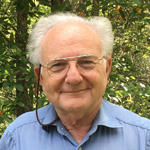
Professor John Endler FAA FRS
What does it mean to be elected a Fellow of the Royal Society?
“To me it is a very high honour indeed! I never expected to be elected, my only life goal has always been to be a happy zoologist! Just amazing! This is also very good news for my scientific fields: the interface among behavioural ecology, evolutionary ecology, sensory ecology, ecology and evolution.”
What inspired you to pursue this path?
“Pure curiosity! Also curiosity about the why, rather than just the usual who (taxonomy), what, where, and how. [Science] is the only way to obtain objective reality; science is explicitly designed to remove bias and get at the facts and actual reality. Everything else is pure self-serving opinion. And a lot of opinion is harmful and at best unproductive.”
Are there any Fellows of the Royal Society who have been a particular source of inspiration for you?
“Yes, Nick Davies. He is unique in making major use of first-class natural history to generate testable hypotheses and test them. In the current rush to get grants and publish, most other people have forgotten that the ultimate source of new hypotheses and new insights comes from natural history. Without that fields get bogged down and answering—or not answering—the same old questions in the same old, often unproductive, ways. Novelty and good hypotheses depend upon natural history which means keen and careful observation of natural phenomena. This applies to any field, not just mine.”
Professor Endler is widely held as one of the world’s leading evolutionary biologists. He was instrumental in showing how geographically varying elements can cause divergent evolution and speciation, despite significant gene flow. His experimental evolution studies of sexual seduction and natural selection on colour patterns of guppies were groundbreaking, and his demonstration of the modes and strength of selection in the wild has spawned a generation of research into selection in natural populations. His work on colour vision has revolutionised our understanding of how animals perceive the world, and he has pioneered the new science of sensory ecology.
Academy award nomination deadline extended to 25 May
The Australian Academy of Science acknowledges the current pressures on researchers around the country. From increased workloads for those directly related to the development of COVID-19 vaccines or treatments, to interesting online teaching challenges and drastically altered caring responsibilities, much of science sector will have been affected by the pandemic in some way.
While these additional challenges are ongoing, now, as much as ever, it is important for us to recognise and applaud those who have made a difference within their field of research, and to support science through our various research, travel and conference grants. However, we understand that the 1 May award nomination deadline could be too soon for some to find the required time to complete the nomination process.
As such, the Academy honorific awards nomination deadline has been extended to 25 May 2020.
The deadline for research grants, travelling fellowships and conference funding is one week later, on 1 June 2020.
We hope that the extension of the deadline will reduce the time-pressure barrier enough for those currently unsure they have capacity to complete a nomination prior to the previous deadline. Due to the award selection process, it is extremely unlikely that we will be able to extend this deadline further.
We actively call on the entire science community to think about your network and encourage a colleague to nominate someone or even consider them for nomination.
Together, we will continue to support excellence in science and showcase Australia's scientific achievements.
The full list of available awards, grants, fellowships and funding can be found below, and further information on each award can be found at the Academy's Awards page.
Awards open:
Earth Sciences
- Dorothy Hill Medal [Nomination due 25 May 2020] Eligibility: Less than 10 yrs post PhD, Australian residents only, female only
- Jaeger Medal [Nomination due 25 May 2020] Eligibility: Career award, Australian residents only
- Anton Hales Medal [Nomination due 25 May 2020] Eligibility: Less than 10 yrs post PhD, Australian residents only
- Nancy Millis Medal for Women in Science [Nomination due 25 May 2020] Eligibility: 8-15 post PhD, Australian residents only, female only
- Matthew Flinders Medal and Lecture [Nomination due 25 May 2020] Eligibility: Career award, Australian residents only
- Ruby Payne-Scott Medal and Lecture [Nomination due 25 May 2020] Eligibility: Career award, Australian residents only
- Aboriginal and Torres Strait Islander Scientist Travelling Research Award [Nomination due 1 June 2020] Eligibility: Less than 15 yrs post PhD, Aboriginal or Torres Strait Islanders only
- Selby Fellowship [Nomination due 1 June 2020] Eligibility: More than 15 yrs post PhD, non-Australian residents only
- Elizabeth and Fredrick White research conferences [Nomination due 1 June 2020] Eligibility: organisations or individuals on behalf of organisations, Australia and overseas
- The Moran Award for History of Science Research [Nomination due 1 June 2020] Eligibility: Postgraduate student, Australian residents only
Physical Sciences
- Ruby Payne-Scott Medal and Lecture [Nomination due 25 May 2020] Eligibility: Career award, Australian residents only
- Matthew Flinders Medal and Lecture [Nomination due 25 May 2020] Eligibility: Career award, Australian residents only
- Aboriginal and Torres Strait Islander Scientist Travelling Research Award [Nomination due 1 June 2020] Eligibility: Less than 15 yrs post PhD, Aboriginal or Torres Strait Islanders only
- Selby Fellowship [Nomination due 1 June 2020] Eligibility: More than 15 yrs post PhD, non-Australian residents only
- Elizabeth and Fredrick White research conferences [Nomination due 1 June 2020] Eligibility: Organisations or individuals on behalf of organisations, Australia and overseas
- The Moran Award for History of Science Research [Nomination due 1 June 2020] Eligibility: Postgraduate student, Australian residents only
- Nancy Millis Medal for Women in Science [Nomination due 25 May 2020] Eligibility: 8-15 post PhD, Australian residents only, female only
Mathematics
- Christopher Heyde Medal [Nomination due 25 May 2020] Eligibility: Less than 10 yrs post PhD, Australian residents only
- Hannan Medal [Nomination due 25 May 2020] Eligibility: Career award, Australian residents only
- Thomas Ranken Lyle Medal [Nomination due 25 May 2020] Eligibility: Career award, Australian residents only
- <a href="/supporting-science/awards-and-opportunities/moran-medal:>Moran Medal [Nomination due 25 May 2020] Eligibility: Less than 10 yrs post PhD, Australian residents only
- The Moran Award for History of Science Research [Nomination due 1 June 2020] Eligibility: Postgraduate student, Australian residents only
- Nancy Millis Medal for Women in Science [Nomination due 25 May 2020] Eligibility: 8-15 post PhD, Australian residents only, female only
- Ruby Payne-Scott Medal and Lecture [Nomination due 25 May 2020] Eligibility: Career award, Australian residents only
- Aboriginal and Torres Strait Islander Scientist Travelling Research Award [Nomination due 1 June 2020] Eligibility: Less than 15 yrs post PhD, Aboriginal or Torres Strait Islanders only
- Selby Fellowship [Nomination due 1 June 2020] Eligibility: More than 15 yrs post PhD, non-Australian residents only
Physics
- Pawsey Medal [Nomination due 25 May 2020] Eligibility: Less than 10 yrs post PhD, Australian residents only
- Thomas Ranken Lyle Medal [Nomination due 25 May 2020] Eligibility: Career award, Australian residents only
- Elizabeth and Fredrick White research conferences [Nomination due 1 June 2020] Eligibility: Organisations or individuals on behalf of organisations, Australia and overseas
- The Moran Award for History of Science Research [Nomination due 1 June 2020] Eligibility: Postgraduate student, Australian residents only
- Nancy Millis Medal for Women in Science [Nomination due 25 May 2020] Eligibility: 8-15 post PhD, Australian residents only, female only
- Ruby Payne-Scott Medal and Lecture [Nomination due 25 May 2020] Eligibility: Career award, Australian residents only
- Aboriginal and Torres Strait Islander Scientist Travelling Research Award [Nomination due 1 June 2020] Eligibility: Less than 15 yrs post PhD, Aboriginal or Torres Strait Islanders only
- Selby Fellowship [Nomination due 1 June 2020] Eligibility: More than 15 yrs post PhD, non-Australian residents only
Chemistry
- Le Fèvre Medal [Nomination due 25 May 2020] Eligibility: Less than 10 yrs post PhD, Australian residents only
- David Craig Medal and Lecture [Nomination due 25 May 2020] Eligibility: Career award, Australian residents only
- The Moran Award for History of Science Research [Nomination due 1 June 2020] Eligibility: Postgraduate student, Australian residents only
- Nancy Millis Medal for Women in Science [Nomination due 25 May 2020] Eligibility: 8-15 post PhD, Australian residents only, female only
- Ruby Payne-Scott Medal and Lecture [Nomination due 25 May 2020] Eligibility: Career award, Australian residents only
- Aboriginal and Torres Strait Islander Scientist Travelling Research Award [Nomination due 1 June 2020] Eligibility: Less than 15 yrs post PhD, Aboriginal or Torres Strait Islanders only
- Selby Fellowship [Nomination due 1 June 2020] Eligibility: More than 15 yrs post PhD, non-Australian residents only
Biological Science
- Suzanne Cory Medal [Nomination due 25 May 2020] Eligibility: Career award, Australian residents only
- Boden Research Conferences [Nomination due 25 May 2020] Eligibility: Organisations or individuals on behalf of organisations, Australia and overseas
- Fenner Medal [Nomination due 25 May 2020] Eligibility: Less than 10 yrs post PhD, Australian residents only
- Thomas Davies Research Grant for Marine, Soil and Plant Biology [Nomination due 25 May 2020] Eligibility: Less than 15 yrs post PhD,
- Aboriginal and Torres Strait Islander Scientist Travelling Research Award [Nomination due 1 June 2020] Eligibility: Less than 15 yrs post PhD, Aboriginal or Torres Strait Islanders only
- Selby Fellowship [Nomination due 1 June 2020] Eligibility: More than 15 yrs post PhD, non-Australian residents only
- Nancy Millis Medal for Women in Science [Nomination due 25 May 2020] Eligibility: 8-15 post PhD, Australian residents only, female only
- Ruby Payne-Scott Medal and Lecture [Nomination due 25 May 2020] Eligibility: Career award, Australian residents only
- The Margaret Middleton Fund for endangered Australian native vertebrate animals [Nomination due 1 June 2020] Eligibility: Hold an APA, university scholarship or less than 3 yrs post-PhD, Australian residents only
- The Max Day Environmental Science Fellowship Award [Nomination due 1 June 2020] Eligibility: PhD candidate or less than 5 yrs post PhD, Australian residents only
- Ruth Stephens Gani Medal [Nomination due 1 June 2020] Eligibility: Less than 15 yrs post PhD, Australian residents only
- The Moran Award for History of Science Research [Nomination due 1 June 2020] Eligibility: Postgraduate student, Australian residents only
Biomedical Science
- Gottschalk Medal [Nomination due 25 May 2020] Eligibility: Less than 10 yrs post PhD, Australian residents only
- Jacques Miller Medal [Nomination due 25 May 2020] - Eligibility: Less than 15 yrs post PhD, Australian residents only
- Boden Research Conferences [Nomination due 25 May 2020] Eligibility: Organisations or individuals on behalf of organisations, Australia and overseas
- The Moran Award for History of Science Research [Nomination due 1 June 2020] Eligibility: Postgraduate student, Australian residents only
- Nancy Millis Medal for Women in Science [Nomination due 25 May 2020] Eligibility: 8-15 post PhD, Australian residents only, female only
- Ruby Payne-Scott Medal and Lecture [Nomination due 25 May 2020] Eligibility: Career award, Australian residents only
- Aboriginal and Torres Strait Islander Scientist Travelling Research Award [Nomination due 1 June 2020] Eligibility: Less than 15 yrs post PhD, Aboriginal or Torres Strait Islanders only
- Selby Fellowship [Nomination due 1 June 2020] Eligibility: More than 15 yrs post PhD, non-Australian residents only
Population and the Environment and Environmental science
- The WH Gladstones Population and Environment Fund [Nomination due 1 June 2020] Eligibility: Less than 10 yrs post PhD, Australian residents only
- The Max Day Environmental Science Fellowship Award [Nomination due 1 June 2020] Eligibility: PhD candidate or less than 5 yrs post PhD, Australian residents only
- Fenner Conference on the Environment [Nomination due 1 June 2020] Eligibility: Organisations or individuals on behalf of organisations, Australia and overseas
- The Margaret Middleton Fund for endangered Australian native vertebrate animals [Nomination due 1 June 2020] Eligibility: Hold an APA, university scholarship or less than 3 yrs post-PhD, Australian residents only
- The Moran Award for History of Science Research [Nomination due 1 June 2020] Eligibility: Postgraduate student, Australian residents only
- Nancy Millis Medal for Women in Science [Nomination due 25 May 2020] Eligibility: 8-15 post PhD, Australian residents only, female only
- Ruby Payne-Scott Medal and Lecture [Nomination due 25 May 2020] Eligibility: Career award, Australian residents only
- Aboriginal and Torres Strait Islander Scientist Travelling Research Award [Nomination due 1 June 2020] Eligibility: Less than 15 yrs post PhD, Aboriginal or Torres Strait Islanders only
- Selby Fellowship [Nomination due 1 June 2020] Eligibility: More than 15 yrs post PhD, non-Australian residents only
Engineering
- John Booker Medal [Nomination due 25 May 2020] Eligibility: Less than 10 yrs post PhD, Australian residents only
- Nancy Millis Medal for Women in Science [Nomination due 25 May 2020] Eligibility: 8-15 post PhD, Australian residents only, female only
- Ruby Payne-Scott Medal and Lecture [Nomination due 25 May 2020] Eligibility: Career award, Australian residents only
- Aboriginal and Torres Strait Islander Scientist Travelling Research Award [Nomination due 1 June 2020] Eligibility: Less than 15 yrs post PhD, Aboriginal or Torres Strait Islanders only
- Selby Fellowship [Nomination due 1 June 2020] Eligibility: More than 15 yrs post PhD, non-Australian residents only
- The Moran Award for History of Science Research [Nomination due 1 June 2020] Eligibility: Postgraduate student, Australian residents only
We encourage you to use the social media buttons at the bottom of this page to share this with your networks, or click here to send a tweet.
Australia’s leading scientists respond to the release of Government’s modelling data
Tuesday, 7 April
The Australian Academy of Science is encouraged by indications that National Cabinet will make public future models based on Australian data on a regular basis.
To allow the valuable knowledge of the scientific community to be brought to bear in what is complex and unchartered territory, transparency regarding the scientific inputs to National Cabinet decisions, and the deliberations of the Australian Health Principal Protection Committee is vital.
The release of the scientific evidence base will show the role of science in informing key decisions and in turn build trust, confidence and compliance amongst the community.
The Doherty Institute papers that have been released today are being reviewed by discipline experts within the Academy’s Fellowship. The scientific process which we have relied on for hundreds of years has shown us that peer review and interrogation of data, leads to the best possible evidence base to inform decision making.
In analysing the evidence as it is gradually made public, we encourage the media and the community to engage with experts, rather than be led by opinion. In addition to the Academy of Science Fellowship, a national COVID-19 Expert Database was developed as a collaborative effort amongst Australia’s leading academies and is available and searchable at science.org.au/covid19/experts. More than 550 experts have registered for the database since its launch last Friday.
In addition to developing and hosting Australia’s COVID-19 Expert Database, the Australian Academy of Science is supporting the national response to COVID-19 through the production of informative and fact checked video content.
Academy supports IAP communiqué on COVID-19
The Australian Academy of Science supports the below statement made recently by the InterAcademy Partnership. The Academy joins with over 100 other national science academies to offer these best possible scientific data and recommendations to all governments throughout the world. These proposals are based on a consensus of the best available research data, and will be discussed and modified in each country, including Australia, to take account of local circumstances.
The statement’s three key points are that:
- All countries to renew their commitment to collaboration based on whole-of-government and whole-of-society approaches.
- Coordination in the communication of validated information worldwide, by intergovernmental organisations and others, is essential to enable strengthening of public health preparedness, informed by the best scientific evidence.
- IAP recommends particular efforts to work with and support countries with weaker public health frameworks and health care systems, perhaps especially in Africa and Southeast Asia where coronavirus infections are expected to increase soon.
It is this Academy’s strong position that responsibility for coordination of an effective international response to COVID-19 must involve scientists and clinicians, who have the skills and experience to provide the best advice on how to minimise the impact of the pandemic. To support scientists, the Academy recently called for data underpinning COVID-19 decisions to be made public.
World academies call for global solidarity on COVID-19 pandemic
March 27, 2020
The InterAcademy Partnership (IAP) urges countries to collaborate, use and share science-based information, and help the developing world.
The current COVID-19 outbreak was first reported on 31 December 2019. On 11 March 2020 the World Health Organization (WHO) declared a pandemic. Today, under the InterAcademy Partnership (IAP), 140 medical, scientific and engineering academies from around the world call on the scientific and policymaking communities to come together to help control the spread of infection. IAP’s aim is to encourage better and faster use of research and its outputs for the global public good.
“Many in the scientific community are expressing great concern that a willingness to coordinate action and share resources that was found in tackling previous pandemics such as HIV, SARS and avian influenza has not emerged to the same extent yet for COVID-19. It is time to change the tide,” says IAP President Volker ter Meulen.
IAP academy members constitute more than 30,000 leading scientists, engineers and health professionals in over 100 countries. The new IAP Communique on COVID-19 emphasises the vital importance of doing more now to act collectively because effort on the global scale is essential to mitigate the spread of coronavirus in all territories. Firstly, countries must collaborate and make sure leaders in public health and governments work together to fight the outbreak, focusing on global-scale planning. Second, governments must use the best scientific evidence to strengthen public health preparedness and mitigate the socioeconomic impact of the COVID-19 crisis, for instance on supply chains. Third, IAP recommends rapid and coordinated action to work with and support countries with weaker public health frameworks and health care systems, especially in Africa, which have not yet recorded rampant coronavirus infection.
“IAP is now acting through its global academies network, together with the Global Young Academy and national young academies, to enable scientists in developing countries to draw on international scientific evidence to advise their own policy makers and citizens,” says Masresha Fetene, IAP Policy co-chair.
"China has been at the forefront of the response to COVID-19 and the Chinese Academy of Engineering has played a key role in that response. We stand ready to share our newly-gained knowledge and expertise of this disease with any country that requires it," adds Depei Liu, IAP president and IAP Health co-chair.
“The credibility of academies comes not only from the scientific excellence of their members, but also from the fact that they are free of vested interests. In the last weeks, fake news and misinformation have spread rapidly both online and offline, so it is of utmost importance for policy-makers to listen to a reputable voice, which has past experience of sharing distilled wisdom on complex issues requiring in-depth analysis on scientific basis,” highlights IAP Science co-chair Krishan Lal.
The full statement was signed by the Steering Committee members of the InterAcademy Partnership:
Volker ter Meulen, IAP President
Depei Liu, IAP president and co-chair IAP Health
Margaret Hamburg, co-chair, IAP Health
Krishan Lal, co-chair, IAP Science
Cherry Murray, co-chair, IAP Science
Masresha Fetene, co-chair, IAP Policy
Richard Catlow, co-chair, IAP Policy
Academy supports statement to G20 leaders on COVID-19
The Academy supports an international approach to the COVID-19 pandemic based on science. Data visualisation from WHO, 26 March 2020
The Australian Academy of Science supports the below statement made this week on behalf of the S20, the science academies of the G20.
The statement’s three key points are that:
- decisions must be based on scientific evidence
- approaches must be international, not national
- beyond the current pandemic, there are similar emergent threats to our future wellbeing for which we must prepare.
It is this Academy’s strong position that responsibility for coordination of an effective international response to COVID-19 must involve scientists and clinicians, who have the skills and experience to provide the best advice on how to minimise the impact of the pandemic. To support scientists, the Academy recently called for data underpinning COVID-19 decisions to be made public.
Science 20 Statement to G20 Leaders on the COVID-19 Pandemic
24 March 2020
On behalf of the Science Twenty (S20) G20 Saudi Arabia engagement group representing the G20 Academies of Sciences, we welcome the Saudi G20 Presidency’s call for an extraordinary virtual G20 Leaders’ Summit this week to advance a coordinated response to the COVID-19 pandemic and its human and economic implications.
The coronavirus pandemic is still unraveling, but its global impact is already staggering. Any hope of a better outcome for this and other similar threats in the future requires evidence-based policies, global collaboration and coordinated actions, and investments in goal-oriented basic and applied research. The unprecedented impact of COVID-19 compels a framework for action that positions science at the core of decision-making.
We, the Science 20, call on the G20 Leaders to fasten policy development and decision making on scientific evidence. Scientific research continues to improve our understanding of the fundamental nature of communicable diseases, as well as its broader connections to risk factors associated with environment, human-animal interactions and socioeconomic considerations. Scientific knowledge is essential for developing strategies for prevention, control and intervention. Epidemiological modeling that assimilates the best science available can guide robust and effective policies to slow and arrest the spread of COVID-19 and to better communicate risk and uncertainty to the public.
The COVID-19 pandemic is also a stark reminder that we are an interconnected world. Our linked existence is the platform for viral spread, yet it is also a major instrument for fighting back. Scientific research is a collaborative enterprise, and it is through cooperation and sharing of accumulated knowledge and best practices that we can impede the unfolding impact of the COVID-19 pandemic and improve future preparedness and response. Sharing real-time information and knowledge will lead to improved strategies and actions for preventing, responding and controlling outbreaks and pandemics. Global cooperation is a must.
Beyond the present crisis, however, lies similar emergent threats to our future health and socioeconomic wellbeing. Whereas our understanding of viral pandemics continues to improve, COVID-19 sadly reminds us that we are far from equipped to prevent and respond to the next outbreaks. We need to build up and fill the gaps in our body of knowledge, and that can best be accomplished through global investment on goal-oriented basic and applied research on viral transmission, prevention and cure. Finally, the knowledge attained through these investments as well as the tools developed to fight back must also be promptly disseminated to benefit medical practitioners and frontline decision-makers.
Science must guide our collective response to COVID-19 and future global health threats. Through your leadership, we as global citizens first and scientists second have the opportunity to alleviate and gradually work together to prevent future outbreaks.
Anas Alfaris, PhD
Chair, S20 Saudi Arabia 2020
Australia’s leading scientists call for data underpinning COVID-19 decisions to be made public
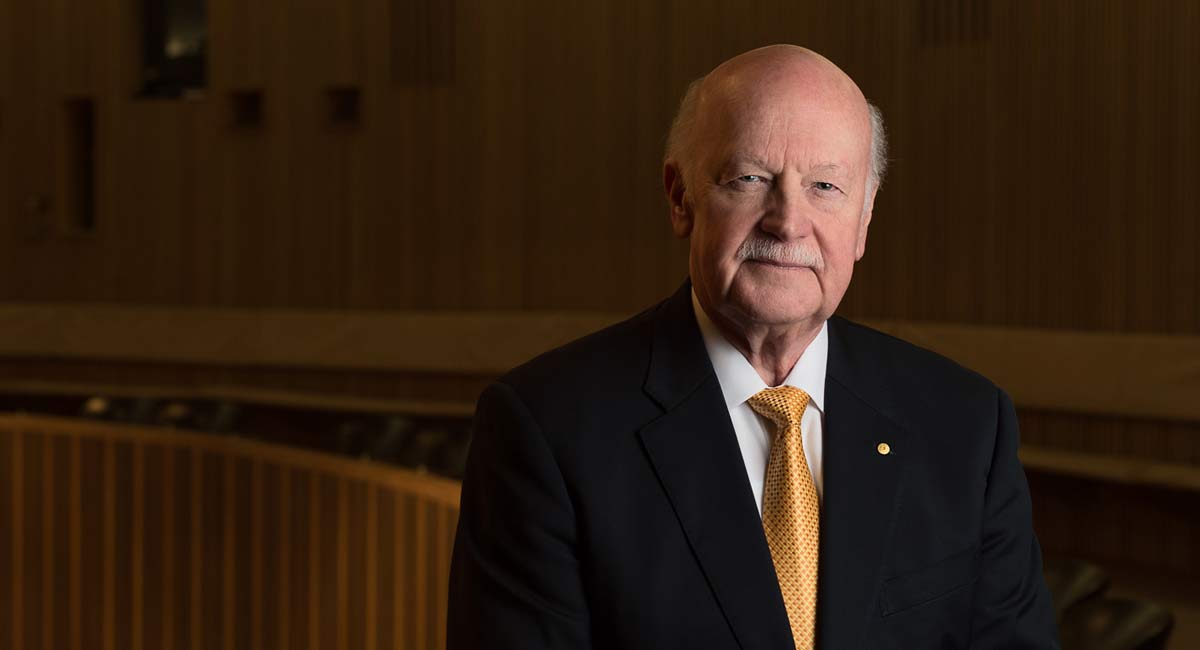
Academy President Professor John Shine
The global COVID-19 pandemic affects all Australians and their loved ones at home and abroad. It is having a profound and enduring impact on our society, our resilience and our health.
As Australians we must do all that we can to aid those at the frontline including health workers and others providing essential services, whose collective efforts are saving lives.
As the reported worldwide infections are escalating, it is vital that all Australians listen to, respect and act on the health advice provided by Australian governments that have received health advice from the Australian Health Protection Principal Committee, which is comprised of all state and territory Chief Health Officers and chaired by the Australian Chief Medical Officer.
There is no doubt that public health measures to slow transmission of COVID-19 are becoming and will need to become more robust as the days and weeks go on.
Every Australian, young and old, wherever they live, has a vital role in the effort to stop the spread of this virus. The Academy urges all Australians to do their part, follow the instructions of the authorities and take their role seriously.
As an independent and authoritative scientific adviser to the parliament and to the nation, the Academy draws on the scientific expertise of Australia’s leading scientists—the Fellows of the Academy.
The science that underpins efforts to halt this pandemic is necessarily trans-disciplinary and draws on areas of translational research, clinical research and basic or discovery science. They include immunologists, virologists, geneticists, epidemiologists, mathematicians, biostatisticians, data scientists and a range of others.
The Academy’s Fellows are doing all they can to contribute their scientific expertise to help decision makers, directly or indirectly, in the national and global interest. Indeed, their lifetime work is today paramount to the efforts to understand COVID-19, to chart its evolution, and to find anti-viral treatments and ultimately a vaccine that will restore our wellbeing and way of life.
Australia must make full use of leading scientists’ expertise to deepen our understanding of COVID-19 and to sharpen our response. That is why the Australian Government must make public the scientific evidence that is informing its thinking. Importantly, the open publication of data and evidence supporting government decisions will allow all scientific knowledge to be brought to bear to solve this global crisis.
A model for Australia to follow is that adopted in the UK, where the scientific evidence supporting the UK government response to COVID-19 is published by the UK Government Office for Science, led by the Chief Science Adviser.
Adopting such a model will place in the public domain the scientific evidence that is shaping the recommendation of the health and medical professions advising Australian governments. It should include findings and results of published and unpublished data.
In addition, in a fast-moving situation such as this, transparency must be at the core of government responses. It is critical that the public has confidence that governments are basing their decisions on the most up-to-date scientific advice and evidence.
While Australian governments have correctly been listening to and acting on the advice of health and medical professions and rightly taking into account the economic impact of their actions, more could be done by publishing the data and evidence underpinning their response.
The Academy calls on the Australian Government to publish the scientific evidence that is supporting its decisions so the scientific know-how of the nation can be brought to bear.
Only science will solve this.
Professor John Shine AC PresAA
President
Australian Academy of Science